Ukraine's Foreign Ministry has urged its citizens to leave Israel and Iran "as soon as possible" due to a serious deterioration in regional security, the ministry said in a statement on June 17."In connection with a significant worsening of the security situation in the Middle East, the Ministry of Foreign Affairs strongly recommends that Ukrainian citizens leave the territory of the State of Israel and the Islamic Republic of Iran as soon as possible, until the situation stabilizes," the statem
Ukraine's Foreign Ministry has urged its citizens to leave Israel and Iran "as soon as possible" due to a serious deterioration in regional security, the ministry said in a statement on June 17.
"In connection with a significant worsening of the security situation in the Middle East, the Ministry of Foreign Affairs strongly recommends that Ukrainian citizens leave the territory of the State of Israel and the Islamic Republic of Iran as soon as possible, until the situation stabilizes," the statement read.
Ukrainians who remain in either country are advised to remain vigilant, monitor updates from local authorities, follow air raid alerts, adhere to safety protocols, and always carry valid identification documents.
The Ukrainian embassies in Israel and Iran are compiling evacuation lists and preparing potential evacuation plans. Information about available evacuation routes is being published on the official Facebook pages of the Ukrainian embassies in Israel and Iran.
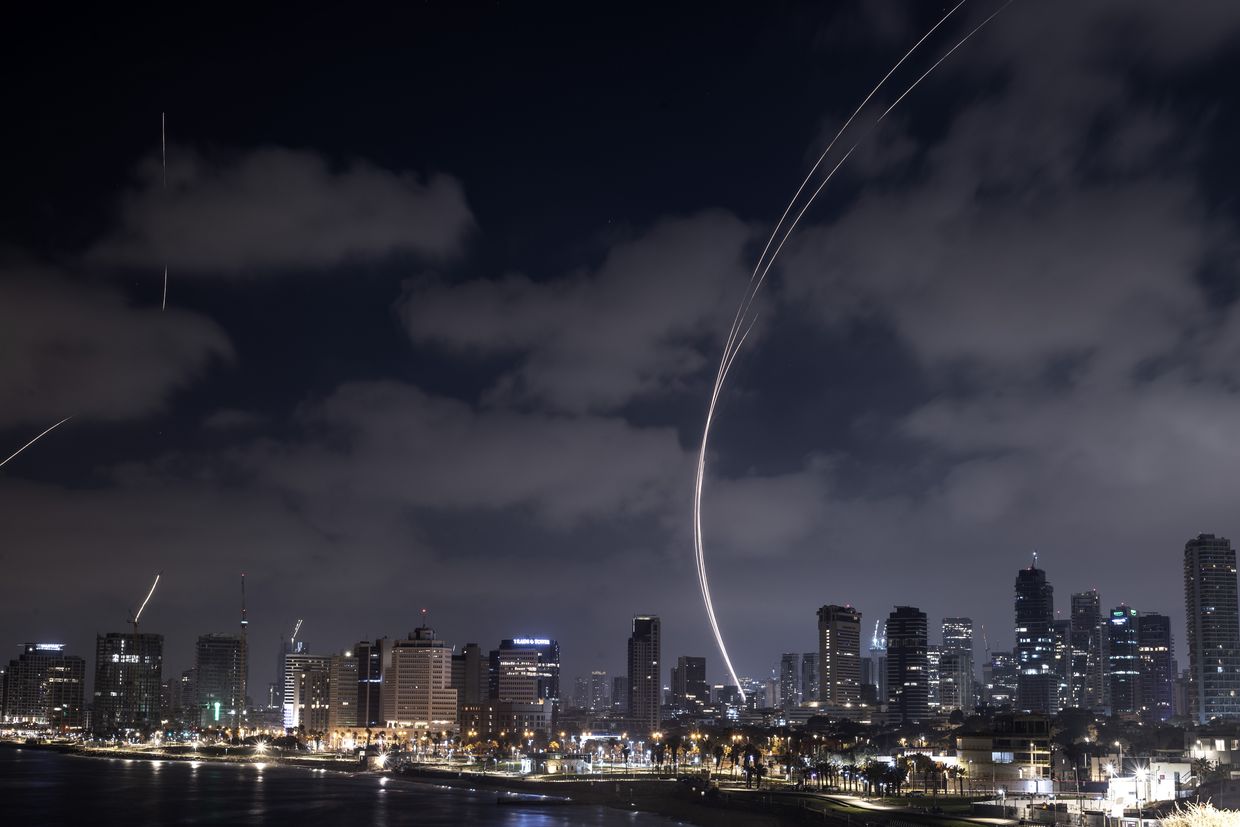
The Israeli military launched a large-scale attack on Iran's nuclear and military infrastructure on June 13, which were followed by retaliatory ballistic missile strikes from Tehran. Israel has since struck key defense targets in Tehran, including the headquarters of Iran's Defense Ministry.
U.S. President Donald Trump was unaware of a deadly Russian drone and missile strike on Kyiv that killed at least 15 people and injured over 120, when asked about the attack by reporters on June 17.On board Air Force One as he flew back from Canada, Trump was questioned about the attack by a reporter. A clock in the plane shows it was shortly after 1:30 a.m. Washington time, 8:30 a.m. Kyiv time, two-and-a-half hours after the nine-hour-long attack ended, and after reports of casualties had been
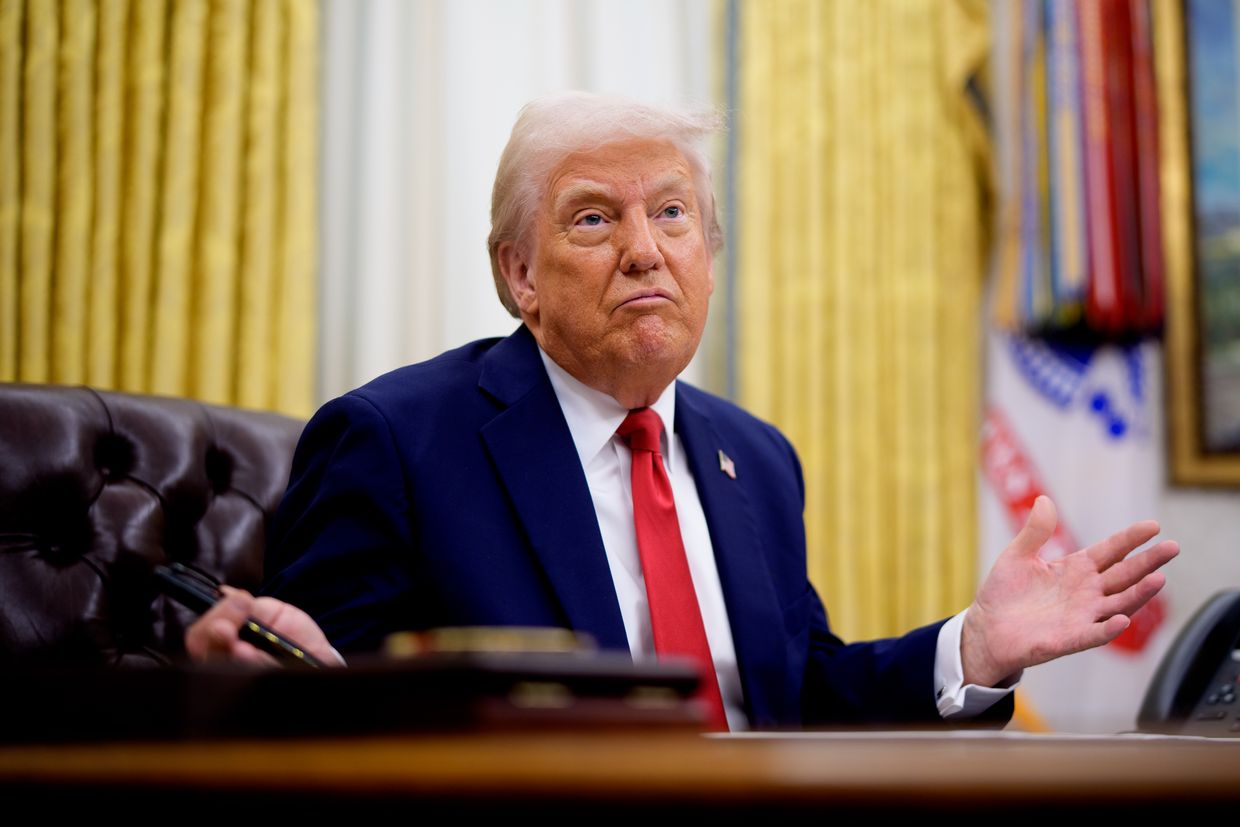
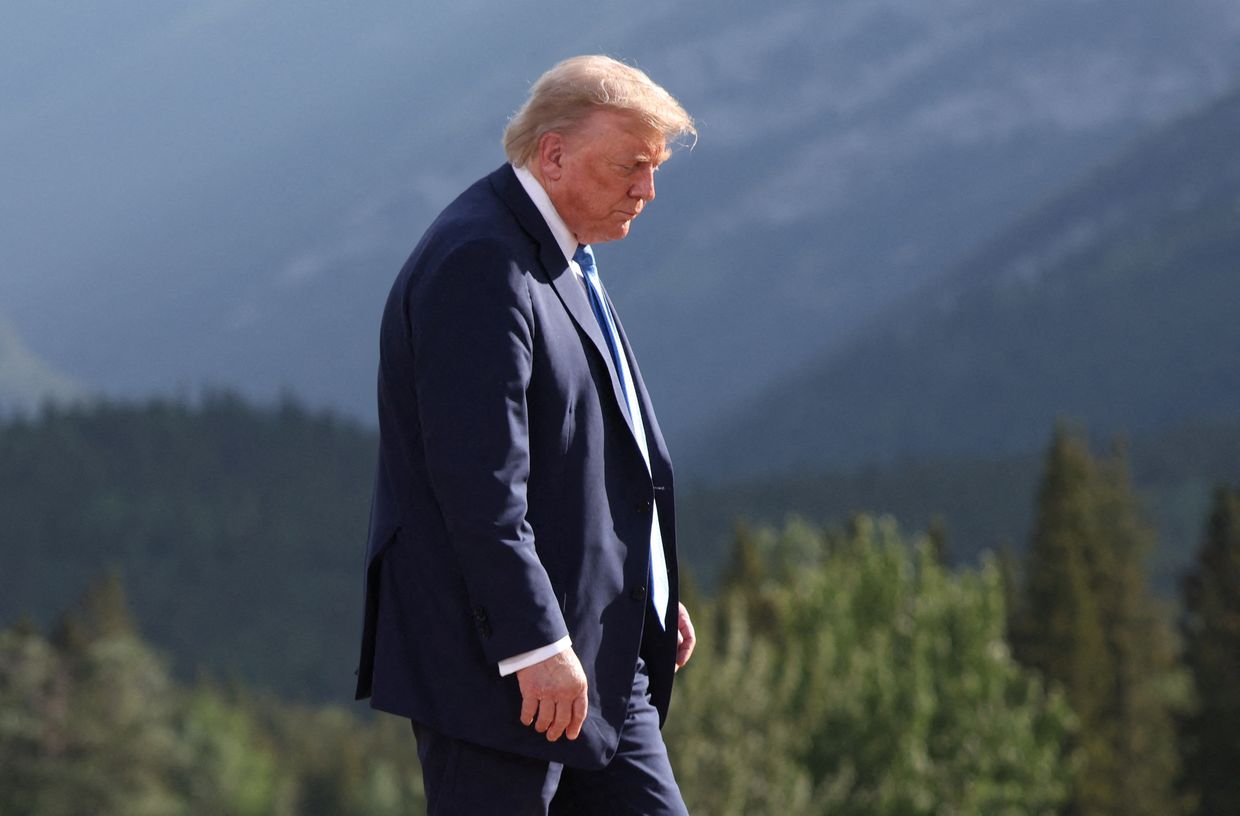
U.S. President Donald Trump was unaware of a deadly Russian drone and missile strike on Kyiv that killed at least 15 people and injured over 120, when asked about the attack by reporters on June 17.
On board Air Force One as he flew back from Canada, Trump was questioned about the attack by a reporter. A clock in the plane shows it was shortly after 1:30 a.m. Washington time, 8:30 a.m. Kyiv time, two-and-a-half hours after the nine-hour-long attack ended, and after reports of casualties had been made public.
When asked for his reaction, he responded: "When was that? When?"
The reporter then says the "Russian drone attack on Kyiv" occurred "very recently."
"Just now? You mean as I’m walking back to see you, that’s when it took place? Sounds like it. I’ll have to look at it," Trump replies.
At the time of writing some seven hours later, the White House has still yet to comment on the attack.
The comments came a few hours after Ukraine endured the largest aerial attack on Kyiv in 2025. According to Ukraine's Air Force, Russia launched 472 aerial weapons overnight, including nearly 280 Shahed-type attack drones, 16 Kh-101 cruise missiles, two Kinzhal ballistic missiles, and other guided munitions, primarily targeting the capital.
Air defenses downed 428 of them, including 239 Shaheds and 15 cruise missiles, while at least one Kinzhal was intercepted.
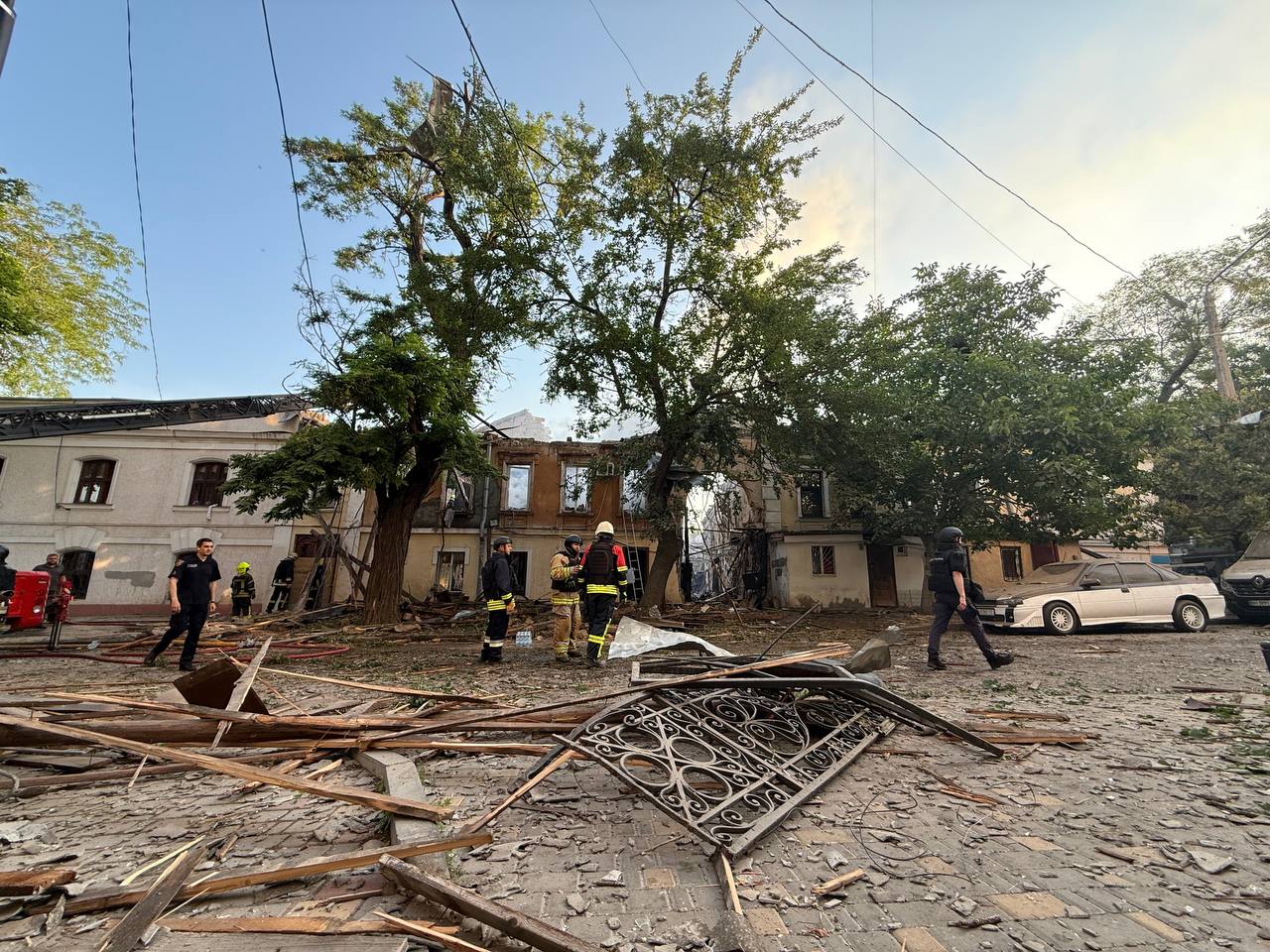
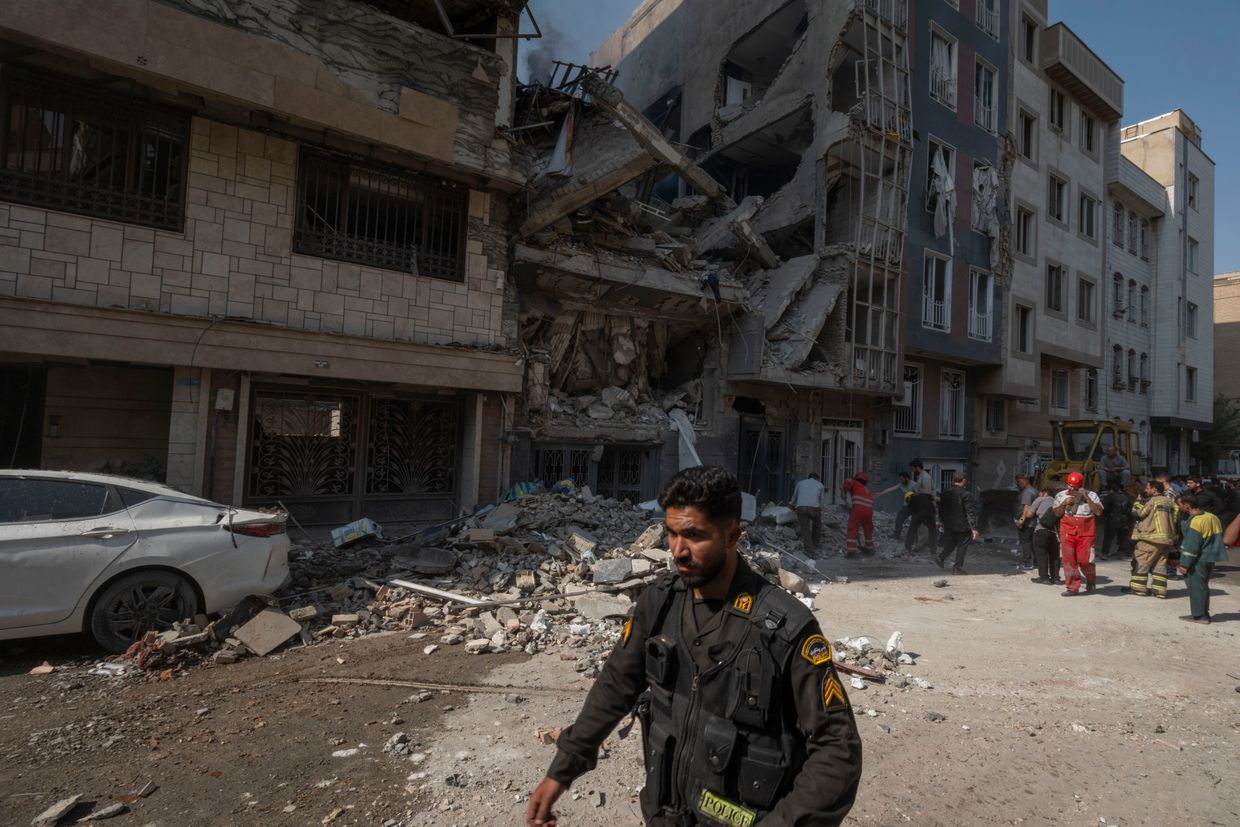
The almost nine-hour assault killed 15 people and injured 124, according to local authorities. A nine-story residential building in the Solomianskyi district was struck and partially collapsed, killing residents.
Kyiv Mayor Vitali Klitschko said cluster munitions were discovered in the city, a type of weapon banned under international conventions due to their indiscriminate nature and long-term threat to civilians. June 18 has been declared an official day of mourning in Kyiv.
President Volodymyr Zelensky called the strike "one of the most horrifying attacks on Kyiv" and urged international partners to respond decisively. Foreign Minister Andrii Sybiha said the timing of the strike, as G7 leaders meet, was a deliberate message from the Kremlin.
Civilian sites hit in the capital include kindergartens, residential areas, a university dormitory, and production facilities. Ukrainian manufacturer Fahrenheit, which produces military and civilian clothing, announced its factory was damaged and all orders suspended indefinitely. Ukrposhta, the national postal service, lost two branches. A Ukrainian Railways train carrying grain was also struck, temporarily halting traffic.
Russia has escalated attacks on Ukrainian cities in recent weeks, including mass strikes on energy infrastructure and residential areas.
Emergency services in Kyiv have recovered fragments of cluster munitions following the overnight Russian missile and drone attack on June 17, Mayor Vitali Klitschko reported, calling it further evidence of Russia's "genocide" against Ukrainians."In the capital's Nyvky neighborhood, emergency workers are now finding these kinds of cluster munition parts," Klitschko said in a statement shared on social media. "Another clear sign of the genocide Russia is committing against Ukrainians."Cluster muni
Emergency services in Kyiv have recovered fragments of cluster munitions following the overnight Russian missile and drone attack on June 17, Mayor Vitali Klitschko reported, calling it further evidence of Russia's "genocide" against Ukrainians.
"In the capital's Nyvky neighborhood, emergency workers are now finding these kinds of cluster munition parts," Klitschko said in a statement shared on social media. "Another clear sign of the genocide Russia is committing against Ukrainians."
Cluster munitions are banned under international law by more than 100 countries due to their indiscriminate nature and the long-term threat they pose to civilians, especially when unexploded submunitions remain hidden in residential areas.
While Russia and Ukraine are not signatories to the Convention on Cluster Munitions, international humanitarian organizations have repeatedly condemned the use of such weapons in populated areas. Ukraine uses cluster munitions on the battlefield against Russian forces.
The mayor's comments came hours after one of the largest and deadliest attacks on the Ukrainian capital in months, in which at least 15 people were killed and nearly 100 injured. The Russian strike, which lasted nearly nine hours, included waves of kamikaze drones, ballistic missiles, and what authorities now confirm were banned explosive parts.
President Volodymyr Zelensky called the assault "one of the most horrifying attacks on Kyiv," saying more than 440 drones and 32 missiles were launched across Ukraine overnight.
"Such attacks are pure terrorism," he said in a statement on social media. "And the whole world, the U.S., and Europe must finally respond as civilized societies respond to terrorists."
Zelensky confirmed that damage had been reported in eight districts of Kyiv, with emergency workers still searching for survivors beneath the rubble of a destroyed apartment block.
He added that strikes also hit Odesa, Zaporizhzhia, Chernihiv, Zhytomyr, Kirovohrad, Mykolaiv, and Kyiv regions. "Fifteen people are confirmed dead. My condolences to their families and loved ones," Zelensky said.
Foreign Minister Andrii Sybiha also condemned the attack, calling it a "massive and brutal strike" timed deliberately to coincide with the G7 summit, which is taking place in Canada on June 16-17.
Editor's note: This item has been updated to include additional details. Russian Security Council Secretary Sergei Shoigu arrived in Pyongyang on June 17 on a "special assignment" from President Vladimir Putin, Russian state-controlled news agency TASS reported on June 17.Shoigu met with North Korean leader Kim Jong Un during the visit, TASS reported, citing a correspondent on the ground. The purpose of the visit has not been officially disclosed, but it occurs amid intensifying military cooper
Editor's note: This item has been updated to include additional details.
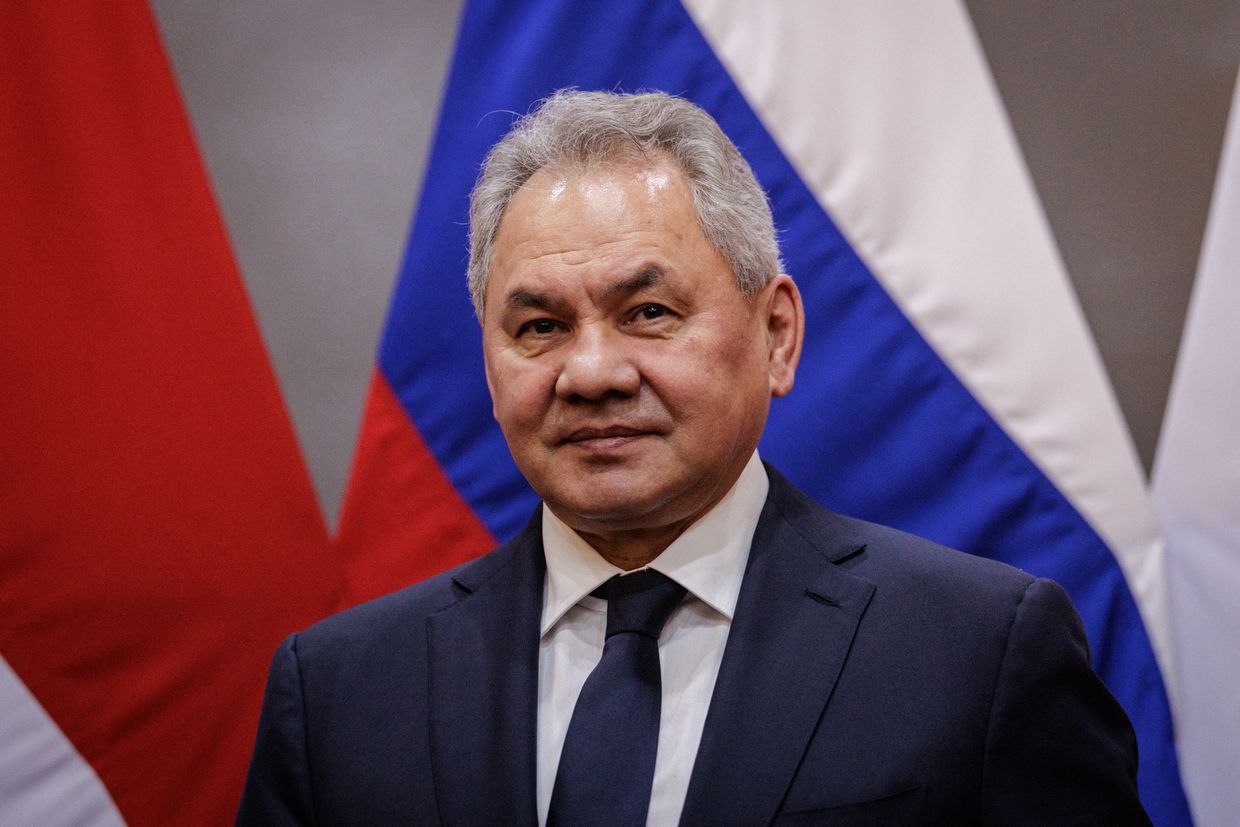
Russian Security Council Secretary Sergei Shoigu arrived in Pyongyang on June 17 on a "special assignment" from President Vladimir Putin, Russian state-controlled news agency TASS reported on June 17.
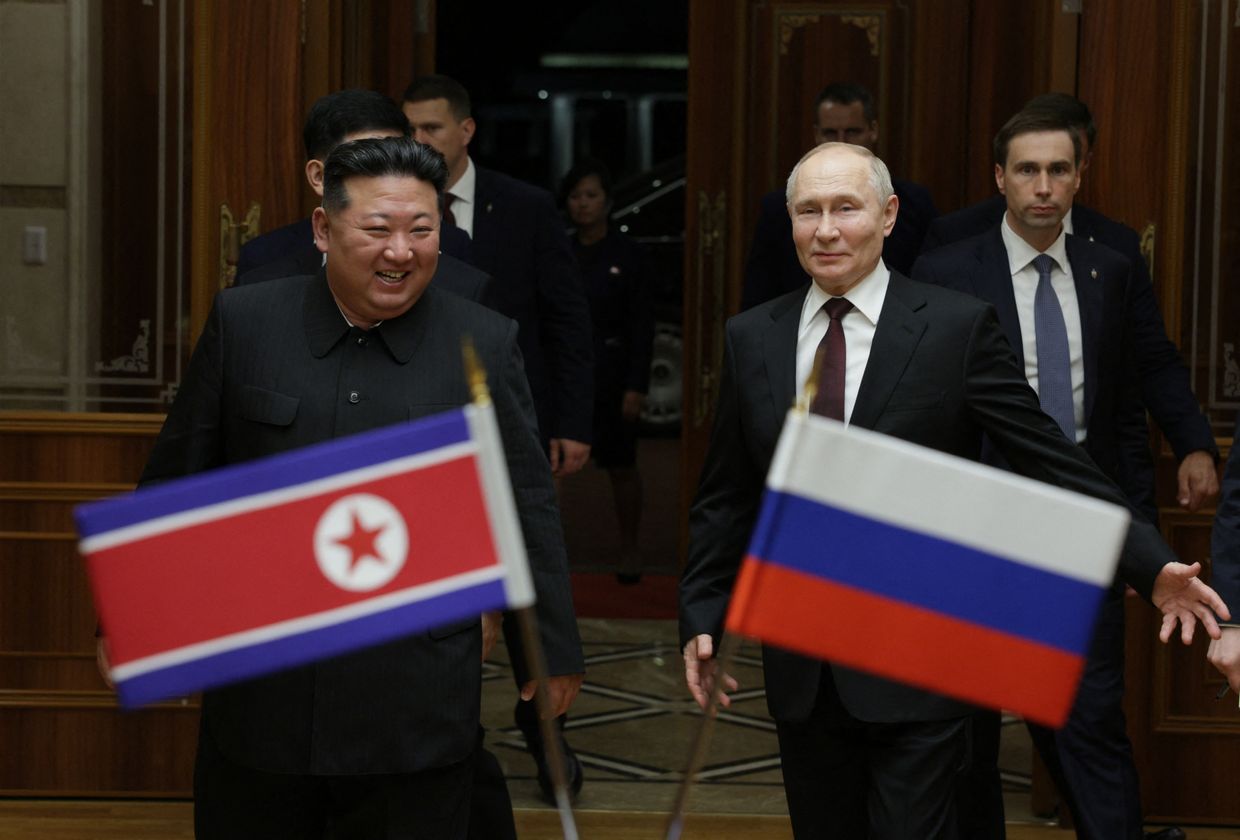
Shoigu met with North Korean leader Kim Jong Un during the visit, TASS reported, citing a correspondent on the ground. The purpose of the visit has not been officially disclosed, but it occurs amid intensifying military cooperation between the two nations.
After the meeting with Kim, Shoigu announced that North Korea had decided to send 1,000 sappers and 5,000 military builders to rebuild Russia's Kursk Oblast, according to TASS.
Ukraine initially captured 1,300 square kilometers (500 square miles) of Russian territory during a cross-border operation that began in August 2024. Since then, Ukraine has lost most of the territory after Moscow launched a counteroffensive in March, which was supported by Pyongyang's military.
According to a June 15 report from the United Kingdom's defense intelligence, over 6,000 North Korean soldiers have been killed or wounded during operations in Russia's Kursk Oblast.
According to TASS, Shoigu also discussed in Pyongyang the creation of memorials in Russia and North Korea in memory of Korean soldiers who died fighting in the Kursk Oblast.
North Korea has emerged as one of Russia's closest military partners during its full-scale invasion of Ukraine. Since late 2023, Pyongyang has supplied Moscow with millions of artillery shells, at least 100 ballistic missiles, and reportedly deployed more than 11,000 troops to assist Russian operations in Ukraine’s border regions.
The U.K. said Pyongyang's losses account for more than half of the North Korean contingent deployed to the region in fall 2024. British officials attributed the high casualties to highly attritional ground assaults.
Earlier this year, South Korea's Joint Chiefs of Staff reported that North Korea sent an additional 3,000 soldiers to Russia in January and February to replenish losses.
In June 2024, Russia and North Korea signed a mutual defense pact obligating both countries to provide military assistance in the event of an external attack. Though North Korea only publicly acknowledged its participation in Russia's war against Ukraine in April 2025, open-source reports and intelligence assessments have indicated its involvement since at least the fall of 2024.
The Multilateral Sanctions Monitoring Team (MSMT), a United Nations-affiliated watchdog, reported in May that North Korea and Russia had engaged in "unlawful military cooperation" in violation of multiple UN Security Council resolutions. This included arms transfers, deployment of combat troops, petroleum exports to North Korea exceeding UN caps, and mutual military training.
According to MSMT findings, Russian-flagged vessels delivered up to 9 million rounds of artillery and multiple rocket launcher ammunition from North Korea to southwestern Russia in 2024 alone. These weapons were subsequently used in attacks against Ukrainian infrastructure and civilian targets in cities including Kyiv and Zaporizhzhia.
Russia has also reportedly provided advanced military technology to North Korea, including ballistic missile guidance systems, electronic warfare platforms, and short-range air defense systems. One MSMT participating state confirmed the transfer of at least one Pantsir-class vehicle to Pyongyang.
Kim Jong Un described his country's involvement in Russia's war against Ukraine as a "sacred mission" during a public address in May.
Shoigu's visit to North Korea comes amid intensified Russian aerial attacks across Ukraine, including the use of North Korean-made ballistic missiles containing components sourced from third-party suppliers.

 Connexion
 The Kyiv IndependentTim Zadorozhnyy