Serhii Plokhii, a renowned scholar of Ukrainian history, is stepping down as director of the Ukrainian Research Institute at Harvard University (HURI) after 12 years of leadership, the institute announced on June 30."It has been a privilege and an honor to lead the Institute over the past 12 years," Plokhii said in a farewell message. Plokhii is one of the leading experts on the history of Eastern Europe. Born to a Ukrainian family in Russia, he has lived in Ukraine for 35 years and has written
Serhii Plokhii, a renowned scholar of Ukrainian history, is stepping down as director of the Ukrainian Research Institute at Harvard University (HURI) after 12 years of leadership, the institute announced on June 30.
"It has been a privilege and an honor to lead the Institute over the past 12 years," Plokhii said in a farewell message.
Plokhii is one of the leading experts on the history of Eastern Europe. Born to a Ukrainian family in Russia, he has lived in Ukraine for 35 years and has written several best-selling books on the subject, including "The Gates of Europe: A History of Ukraine" and "The Last Empire: The Final Days of the Soviet Union."
Plokhii expressed gratitude to colleagues, staff, and supporters and offered best wishes to historian Terry Martin, who will assume the role of director in the upcoming academic year.
"Years marked by the anxiety and challenges of war, but also by the opportunities that institutions like HURI offer to advance what Harvard’s motto calls 'good knowledge' about Ukraine and the region."
The Ukrainian Research Institute, founded in 1973 through the support of the Ukrainian-American community, is the leading academic institution in the United States focused on Ukrainian studies.
Based at Harvard, HURI promotes research and scholarship on Ukraine's history, culture, and politics through fellowships, conferences, digital initiatives, and its flagship journal, Harvard Ukrainian Studies.
Under Plokhii's leadership, the Institute expanded its programming significantly, including the establishment of the Temerty Contemporary Ukraine Program in 2019, an initiative that became central to HURI's academic response following Russia's full-scale invasion of Ukraine in 2022.
The incoming director, Martin, is a scholar of Soviet history and professor of Russian studies.
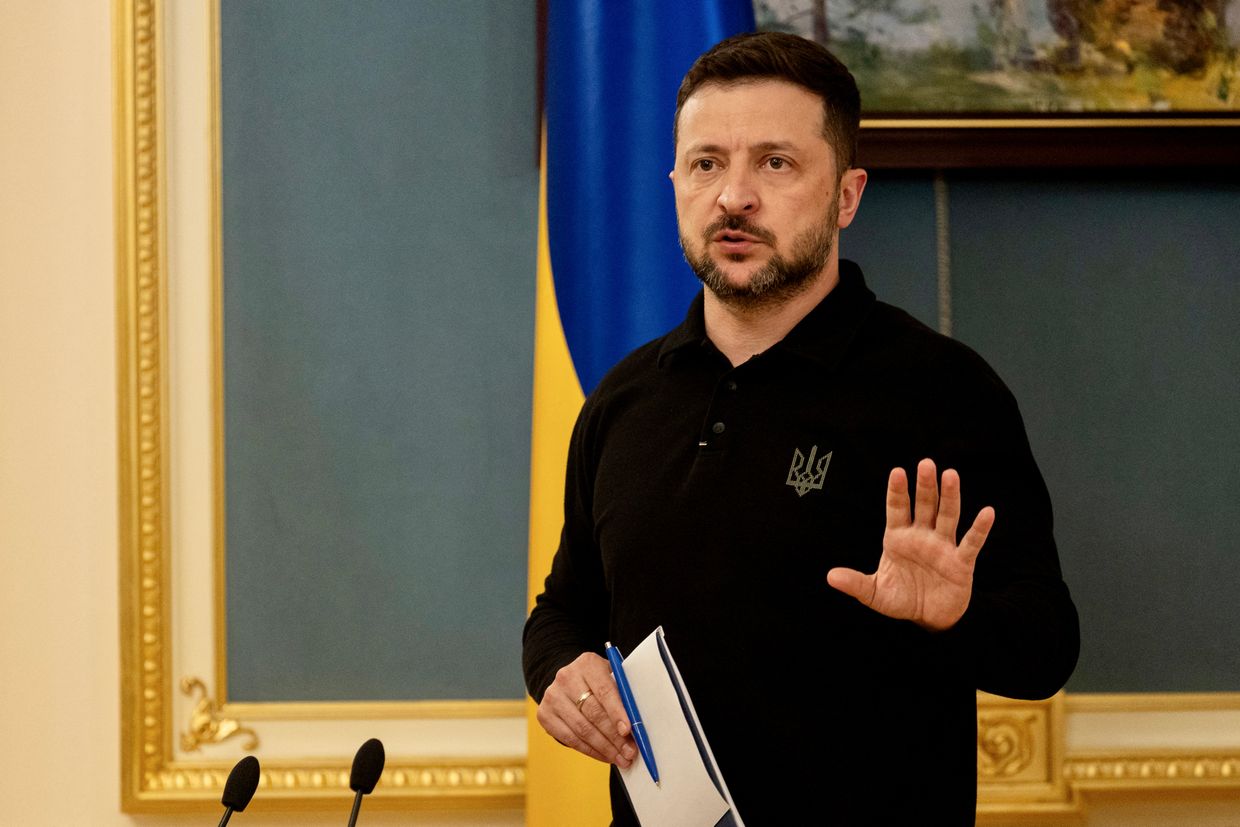
President Volodymyr Zelensky said on July 1 that he had signed the ratification documents establishing the Special Tribunal for the Crime of Aggression against Ukraine, marking a major step toward prosecuting Russia's leadership.Ukraine and the Council of Europe signed the agreement establishing the Special Tribunal on June 25 during a ceremony in Strasbourg. Zelensky and Council of Europe Secretary General Alain Berset signed it after more than three years of advocacy and diplomacy."The agreeme
President Volodymyr Zelensky said on July 1 that he had signed the ratification documents establishing the Special Tribunal for the Crime of Aggression against Ukraine, marking a major step toward prosecuting Russia's leadership.
Ukraine and the Council of Europe signed the agreement establishing the Special Tribunal on June 25 during a ceremony in Strasbourg. Zelensky and Council of Europe Secretary General Alain Berset signed it after more than three years of advocacy and diplomacy.
"The agreement must now be swiftly ratified so that the process of creating the tribunal can begin," Zelensky said in a statement. He also instructed Ukraine's government to urgently submit necessary legislative changes to parliament to ensure Kyiv's full implementation of the agreement.
"I ask members of parliament to treat this as an immediate priority," Zelensky added, urging lawmakers to pass the needed legislation without delay.
The tribunal, once established, would specifically target Russia's top political and military leadership for the crime of aggression, defined as the illegal use of force by one state against another, which existing international bodies, like the International Criminal Court (ICC), are not able to prosecute due to jurisdictional limitations.
Zelensky also called on the Foreign Ministry and the Presidential Office to finalize a roadmap with international partners for the tribunal's launch.
"Already this year, Russia must begin to feel that accountability for the crime of aggression is inevitable," he said. "Aggression is a crime, and Russia's truly inevitable punishment for this crime is in the global interest of everyone in the world who wants their people to live in peace."
Speaking at the Parliamentary Assembly of the Council of Europe (PACE) on June 25, Zelensky thanked the body for championing the idea from its inception and pushing forward international accountability for Russia's invasion.
"It was here in this assembly, that the first call for such a tribunal was made," Zelensky said. "The idea was born here – and now it’s gaining real support from partner countries in Europe and beyond."
The tribunal is designed to close a legal gap that currently prevents the ICC from prosecuting Russia for the crime of aggression, although the court has issued arrest warrants for Russian President Vladimir Putin and Russian children's rights commissioner Maria Lvova-Belova in connection with the deportation of Ukrainian children.
Alongside the tribunal, the Council of Europe has also helped establish the Register of Damage, which has received over 34,000 claims from Ukrainians documenting losses and harms caused by the war.
Zelensky has repeatedly stressed the need for full justice and has called for the prosecution of all Russian officials responsible for planning and executing the war.
A 32-year-old Ukrainian woman and her 1-year-old daughter were found dead near their home in the German city of Dorsten, North Rhine-Westphalia, on June 29, according to a joint statement from the Essen Public Prosecutor's Office and the Recklinghausen Police.According to the statement released on June 30, the autopsy results confirmed that both victims died from violent causes. The bodies were discovered in the Holsterhausen district of Dorsten in Germany.Later that same evening, a 16-year-old
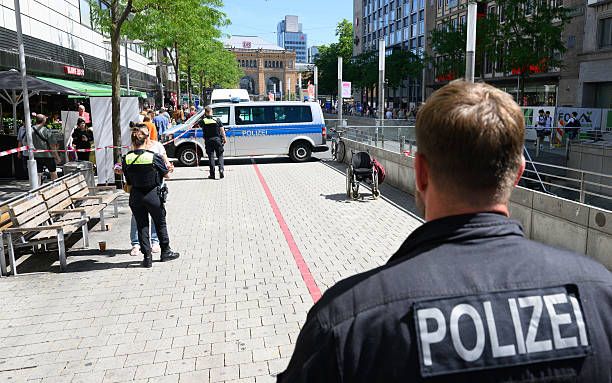
A 32-year-old Ukrainian woman and her 1-year-old daughter were found dead near their home in the German city of Dorsten, North Rhine-Westphalia, on June 29, according to a joint statement from the Essen Public Prosecutor's Office and the Recklinghausen Police.
According to the statement released on June 30, the autopsy results confirmed that both victims died from violent causes. The bodies were discovered in the Holsterhausen district of Dorsten in Germany.
Later that same evening, a 16-year-old Ukrainian boy who also resides in Dorsten appeared at the crime scene and admitted to involvement in the killings, German authorities said. He was arrested on the spot, and a criminal investigation is ongoing.
Ukraine's Foreign Ministry confirmed to RBK-Ukraine that the Ukrainian woman and her daughter were murdered in Germany.
Ukraine's Consulate in Dusseldorf said it had contacted German law enforcement agencies for more information and was working to reach the relatives of both the victims and the detained teenager. The consulate reportedly confirmed that the case is under special supervision by the diplomatic mission.
German authorities said the crime scene was cordoned off for collecting evidence until the evening hours of June 29. They are now analyzing multiple tips and pieces of evidence submitted by the public.
The relationship between the teenage suspect and the victims has not yet been confirmed by investigators.
Earlier in June, a 46-year-old Ukrainian woman and her 6-year-old daughter were found murdered in the city of Leuven, Belgium. Both victims were found in the fire and had previously suffered stab wounds.
The 16-year-old son of the Ukrainian woman has confessed to fatally injuring his family and setting their home on fire. The Leven prosecutor's office said the boy admitted to the crimes after five hours of questioning.
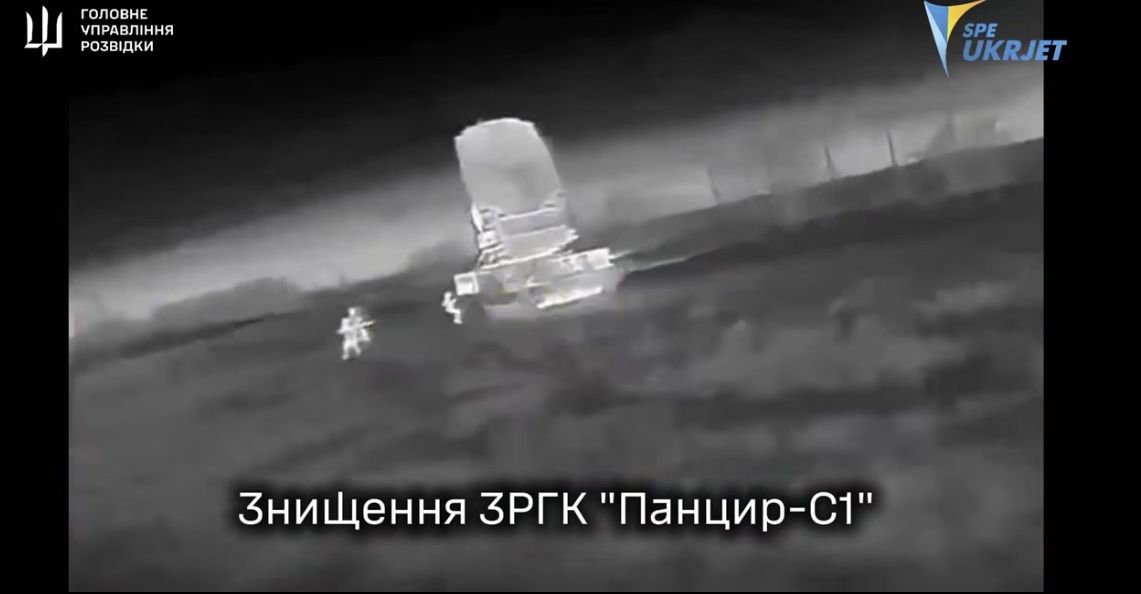
Ukraine's military intelligence agency (HUR) released on July 1 video footage showing domestically produced drones striking multiple Russian air defense assets and a fighter jet in occupied Crimea in what it described as a successful special operation.The undated footage shows the combat use of UJ-26 drones, commonly known as Bober (Beavers), targeting high-value Russian military systems."These reliable weapons in the hands of HUR special forces are turning critically important Russian targets i
Ukraine's military intelligence agency (HUR) released on July 1 video footage showing domestically produced drones striking multiple Russian air defense assets and a fighter jet in occupied Crimea in what it described as a successful special operation.
The undated footage shows the combat use of UJ-26 drones, commonly known as Bober (Beavers), targeting high-value Russian military systems.
"These reliable weapons in the hands of HUR special forces are turning critically important Russian targets into useless scrap," the agency said in a statement.
HUR added that the Bober drones are effectively "gnawing through" Russia's expensive air defense systems "like barberries."
0:00
/
A Ukrainian drone targets and destroys Russian military assets in occupied Crimea, according to Ukraine's military intelligence agency. (HUR / Telegram).
The released footage shows that the strikes destroyed or severely damaged several Russian military assets, including a Pantsir-S1 air defense system and its crew, a Niobium-SV radar, a Pechora-3 coastal radar, a Protivnik-GE radar, and a Su-30 fighter jet stationed at the Saky airfield in occupied Crimea.
The Kyiv Independent could not verify HUR's claims.
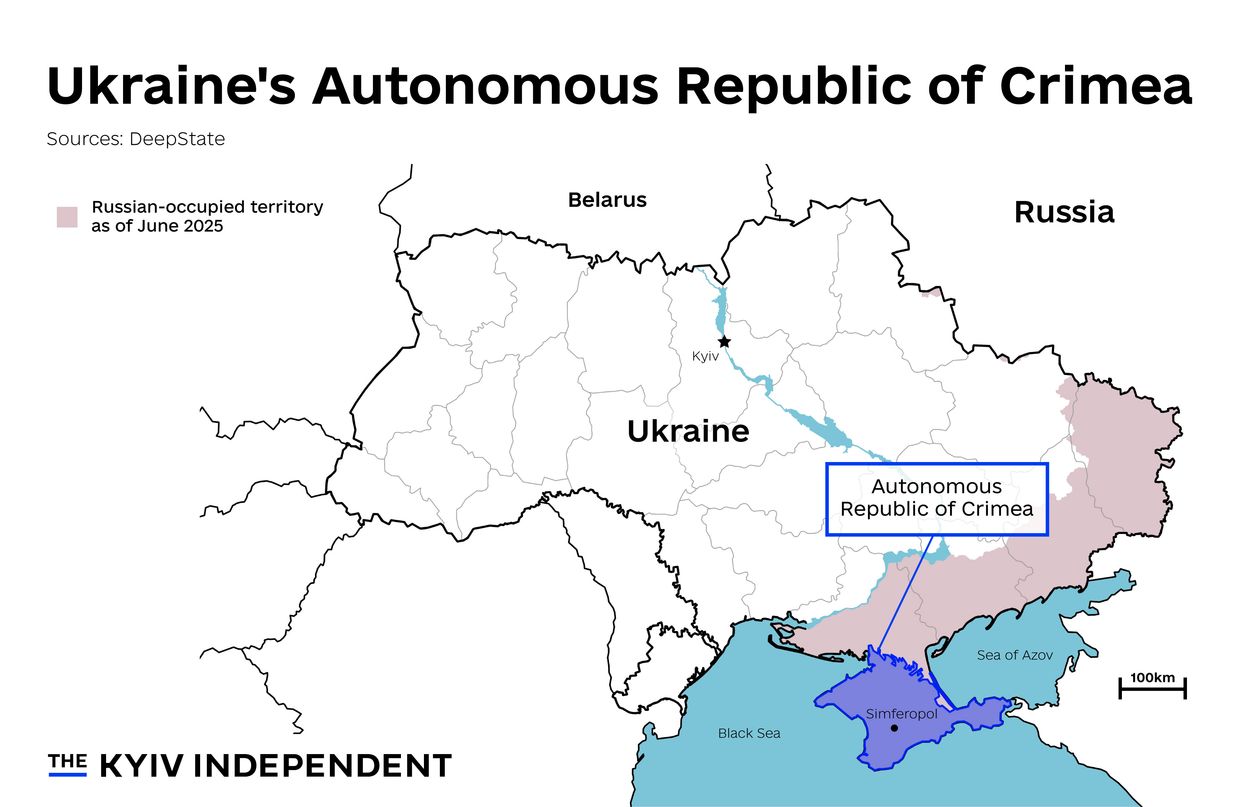
The strikes are part of Ukraine's ongoing efforts to degrade Russian military capabilities in Crimea, which has been under Russian occupation since 2014. Moscow reported Ukrainian drone strikes against the peninsula earlier on July 1, with the Crimean Wind Telegram channel reporting attacks in the vicinity of S-300/S-400 air defense systems.
Ukraine has increasingly deployed new drone systems to target Russian military assets on the front line and deep inside the Russian rear.
Ukraine's Autonomous Republic of Crimea. (Nizar al-Rifai/The Kyiv Independent)
North Korean leader Kim Jong Un has publicly honored his country's soldiers killed while fighting in Russia's war against Ukraine, in a rare acknowledgment by Pyongyang of its battlefield losses, the Guardian reported on July 1.South Korea estimates that North Korea has sent around 15,000 troops to support Russia, suffering approximately 4,700 casualties, including 600 deaths. More deployments are expected as early as July or August, South Korea's National Intelligence Service (NIS) said.Photogr
North Korean leader Kim Jong Un has publicly honored his country's soldiers killed while fighting in Russia's war against Ukraine, in a rare acknowledgment by Pyongyang of its battlefield losses, the Guardian reported on July 1.
South Korea estimates that North Korea has sent around 15,000 troops to support Russia, suffering approximately 4,700 casualties, including 600 deaths. More deployments are expected as early as July or August, South Korea's National Intelligence Service (NIS) said.
Photographs of Kim resting his hands on flag-draped coffins were displayed during a gala concert in Pyongyang on June 30 to commemorate the first anniversary of a military treaty signed between North Korea and Russia.
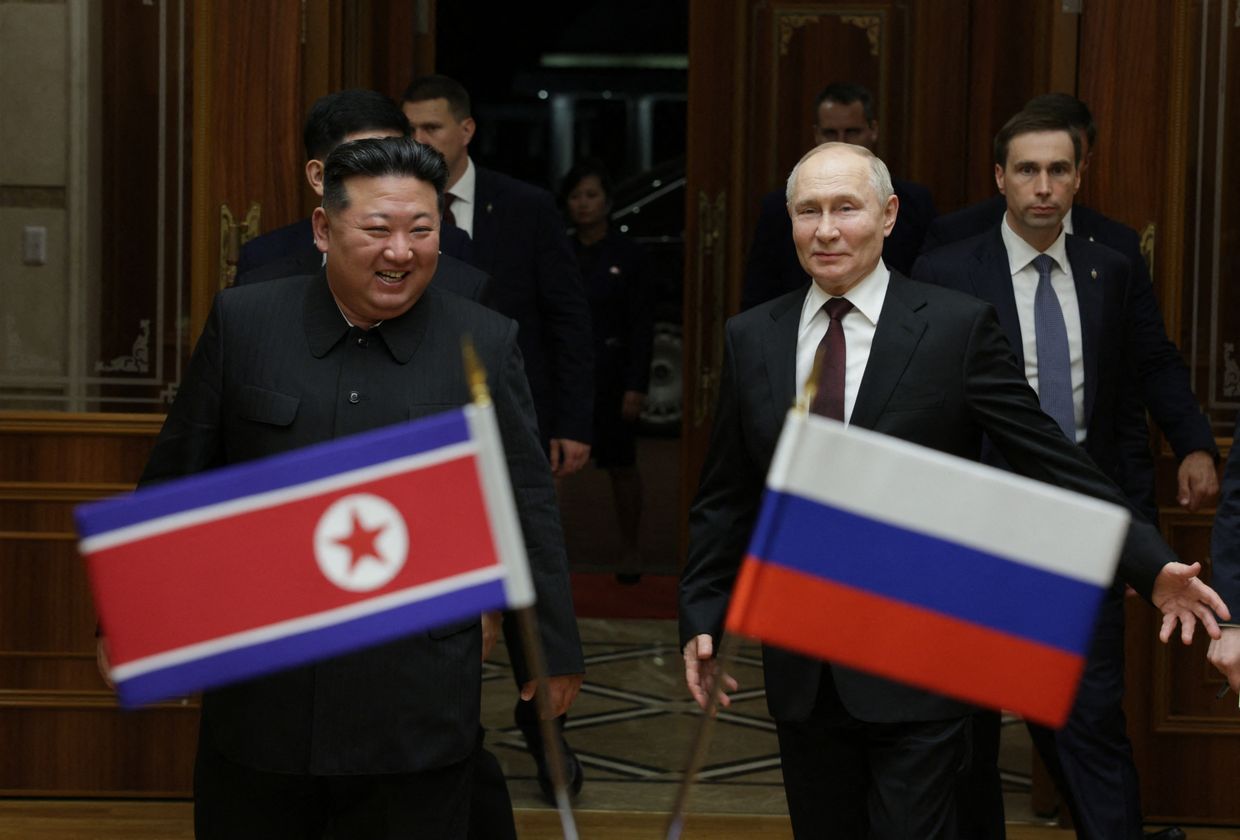
Russian President Vladimir Putin and Kim signed the Comprehensive Strategic Partnership Agreement in Pyongyang in June 2024. Under the treaty, the two countries pledged to provide aid to one another if either is attacked.
The images of the concert showed at least six coffins and emotional scenes of Kim alongside top officials, including his sister Kim Yo Jong and Foreign Minister Choe Son Hui, all dressed in winter clothing, suggesting the repatriation may have taken place months ago.
The event at East Pyongyang Grand Theatre included performances by North Korean and visiting Russian artists and displayed images celebrating the alliance, including scenes of soldiers from both countries waving flags and purported pages from a blood-stained notebook said to belong to a North Korean soldier killed in Russia's Kursk Oblast.
The Guardian reported that the ceremony was the first time North Korean state media had shown footage and photos of fallen troops in a way accessible to the North Korean public.
Footage broadcast on state-run KRT showed Kim appearing emotional at times while seated next to Russian Culture Minister Olga Lyubimova and his daughter, Kim Ju Ae. Audience members were seen wiping away tears.
Kim met with Lyubimova in Pyongyang on June 29 to discuss expanding bilateral cooperation in culture and the arts.
North Korea held a farewell ceremony for soldiers killed in Russia’s Kursk region. State TV aired footage of Kim Jong Un tearfully standing by a coffin — including hired state actors who were forced to cry. A concert in East Pyongyang also featured Russian songs. https://t.co/xV0TkminHspic.twitter.com/WVWSSM5P1Y
North Korea initially denied sending combat troops to Ukraine, but Kim's tribute follows official confirmations of Pyongyang's direct military involvement in the Russia-Ukraine war. In April, both Kim and Putin described North Korean troops deployed to Ukraine as "heroes."
Kim also announced plans to build a monument in Pyongyang to honor the fallen and lay flowers at their tombstones.
Pyongyang has reportedly begun recruiting additional soldiers for future deployments. The move would add to what Seoul describes as significant military support from North Korea, including more than 10 million artillery shells and multiple ballistic missile transfers in exchange for economic and technical assistance from Moscow.
North Korea may also send up to 25,000 laborers to Russia to support drone production, including Shahed-type loitering munitions at the Alabuga Special Economic Zone in Tatarstan.
Russian Security Council Secretary Sergei Shoigu visited North Korea on June 17 under a special directive from Putin and announced a deal for Pyongyang to send 1,000 sappers and 5,000 military engineers to Russia's Kursk Oblast.
Thousands of North Korean troops reportedly participated in front-line operations there, helping Russia repel a Ukrainian cross-border offensive that began in August 2024. Ukrainian forces briefly held 1,300 square kilometers (500 square miles) in Kursk Oblast before losing most of the territory during a Russian counteroffensive in March 2025, reportedly supported by North Korean units.
U.K. defense intelligence places North Korean casualties from that operation at more than 6,000.
Editor's note: This story was updated with information shared by an SBU source.Ukrainian drones struck a major Russian military plant in the city of Izhevsk, over 1,300 kilometers (800 miles) from the front in Ukraine, a source in the Security Service of Ukraine (SBU) told the Kyiv Independent on July 1.The SBU source said the agency's long-range drones targeted the Kupol plant in Russia's Udmurt Republic on the morning of July 1. At least two confirmed strikes struck production and storage faci
Editor's note: This story was updated with information shared by an SBU source.
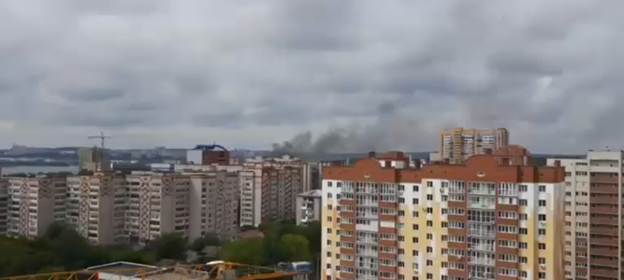
Ukrainian drones struck a major Russian military plant in the city of Izhevsk, over 1,300 kilometers (800 miles) from the front in Ukraine, a source in the Security Service of Ukraine (SBU) told the Kyiv Independent on July 1.
The SBU source said the agency's long-range drones targeted the Kupol plant in Russia's Udmurt Republic on the morning of July 1. At least two confirmed strikes struck production and storage facilities, starting a fire at the site, according to the source.
The facility produces Tor and Osa air defense systems, as well as Harpy attack drones for the Russian military, and is under international sanctions as part of Russia's defense-industrial complex.
"With surgical precision, the SBU continues to carry out strikes against Russia's military-industrial enterprises contributing to the war effort against Ukraine," the source said.
"Each such operation weakens (Russia's) offensive potential, disrupts weapons production chains, and proves that no part of Russia is a safe zone for its military infrastructure."
Residents of Izhevsk reported explosions early on July 1, while local authorities confirmed a drone strike on a facility in the city. Alexander Brechalov, head of Russia's Udmurt Republic, said emergency services had responded to the attack and that further information would be provided as it became available.
One of the facilities in Izhevsk was targeted by Ukrainian drones — local authorities
“All emergency services have arrived at the scene. I’ll share more details as they come in,” wrote Udmurt Republic head Alexander Brechalov on his Telegram channel.
Brechalov later reported casualties, citing deaths and serious injuries, but did not provide specific figures.
Russia's aviation agency temporarily suspended flights in and out of the city's airport following the incident.
Russian Telegram channels reported that no air raid siren was sounded before the drone attack on the Kupol plant. According to Astra, Izhevsk residents also could not access warnings via Telegram due to mobile internet outages, which locals say have persisted for nearly two weeks.
The city was previously targeted on Nov. 17, 2024, when a drone strike damaged a factory known for producing air defense systems, including Tor missile systems and radar components used by the Russian military. That strike marked the first known Ukrainian drone attack on the region during the full-scale war.
Russia's Defense Ministry said its air defenses shot down 60 Ukrainian drones overnight across several regions, including 17 over occupied Crimea, 16 over the Rostov Oblast, and 11 over the Sea of Azov. Others were reportedly downed over the Kursk, Saratov, Belgorod, Voronezh, and Oryol oblasts, as well as the Black Sea.
In occupied Crimea, local Telegram channels reported explosions near the town of Kurortne on the Kerch Peninsula, where Russian S-300/S-400 surface-to-air missile systems and radar stations are allegedly located. A monitoring group cited NASA satellite data showing a large fire in the area overnight, though there was no official confirmation of any damage to the air defense assets.
Local residents reported explosions between 0:20 a.m. and 0:50 a.m. in the cities of Kerch and Feodosia.
The Kyiv Independent could not independently verify the claims.
Ukraine's defense technology cluster Brave1 has launched the development of anti-drone rifle rounds, significantly increasing the chances of hitting fast-moving aerial targets, the group said in a statement on June 30.According to Brave1, the ammunition appears similar to standard rounds used in automatic rifles but features a specially designed warhead that increases the likelihood of shooting down FPV (first-person-view) drones or commercial quadcopters such as the DJI Mavic before they strike
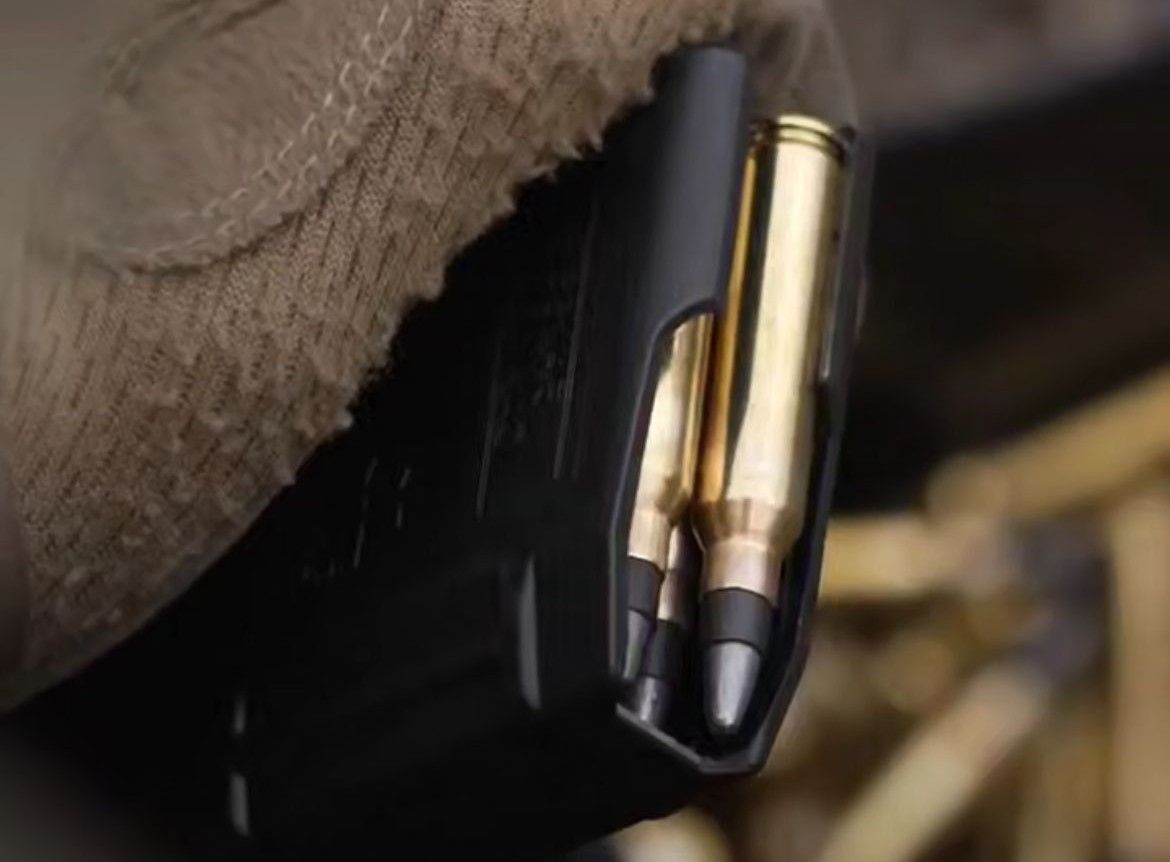
Ukraine's defense technology cluster Brave1 has launched the development of anti-drone rifle rounds, significantly increasing the chances of hitting fast-moving aerial targets, the group said in a statement on June 30.
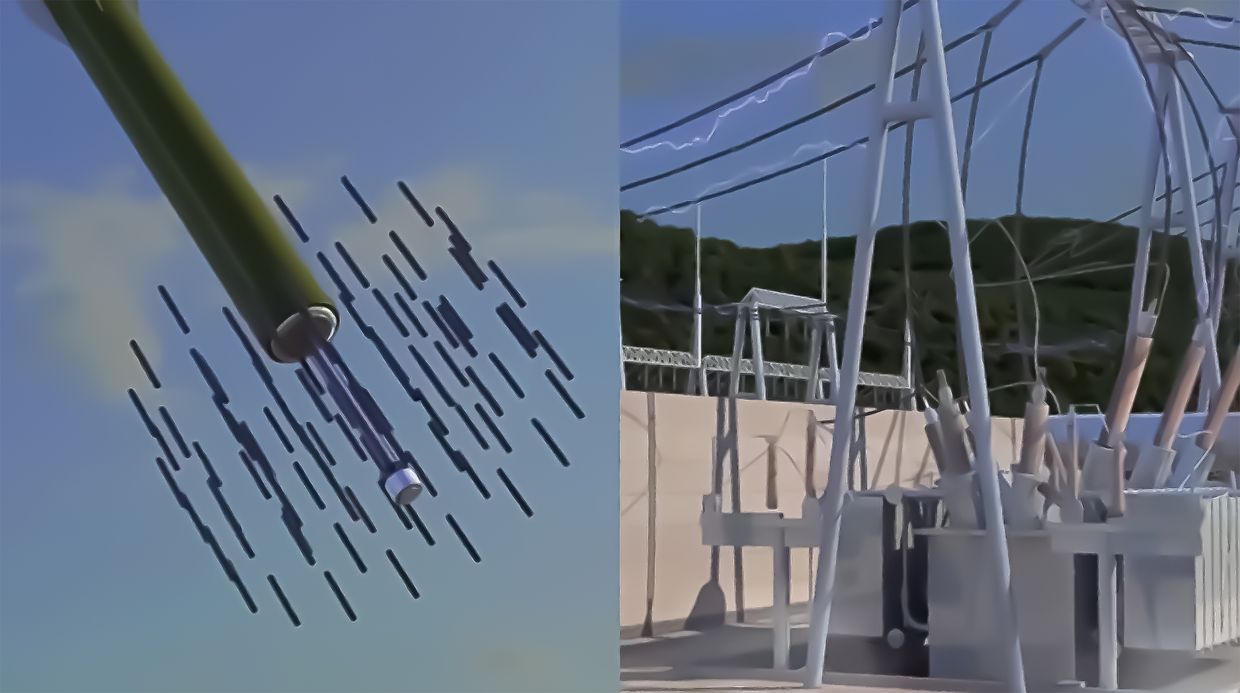
According to Brave1, the ammunition appears similar to standard rounds used in automatic rifles but features a specially designed warhead that increases the likelihood of shooting down FPV (first-person-view) drones or commercial quadcopters such as the DJI Mavic before they strike.
These types of drones are being used extensively on the battlefield by both Ukrainian and Russian forces. The cost-effective FPV drones have proven highly effective in destroying expensive military equipment.
The manufacturer has already codified the new rounds according to NATO standards, Brave1 said. The goal is to supply every infantry soldier with a magazine of specialized ammunition for use in case of aerial threats.
"These rounds that significantly improve the chances of hitting a moving target are a new development by Brave1," Digital Transformation Minister Mykhailo Fedorov said.
"Our common goal is to ensure that every infantryman has a magazine of such ammunition and can equip his rifle with it in case of an air threat."
Ukraine continues to scale up its drone warfare capabilities. The Defense Ministry said on March 10 that it plans to purchase 4.5 million FPV drones in 2025 at a cost exceeding Hr 110 billion ($2.6 billion), with most of the funds allocated through the Defense Procurement Agency.
President Volodymyr Zelensky has set a goal of producing at least 30,000 long-range drones in 2025.

 Connexion
 The Kyiv IndependentFrancis Farrell