
Vue normale

  • ✇Euromaidan Press
  • Russia tows its own ships between bays to keep them from being finished off, Ukraine’s navy says
    Russia is changing the drones it attacks with, and hiding the ships it can no longer use. Russian forces are using more jet-powered drones in their air attacks, effectively betting on them, Ukrainian Navy spokesman Dmytro Pletenchuk said, according to UkrInform. The shift is toward faster, harder-to-stop drones. Russia is reducing the number of ordinary drones and increasing the jet-powered ones, betting on them first and foremost. Jet-powered Shaheds fly faster tha
     

Russia tows its own ships between bays to keep them from being finished off, Ukraine’s navy says

3 août 2026 à 16:14

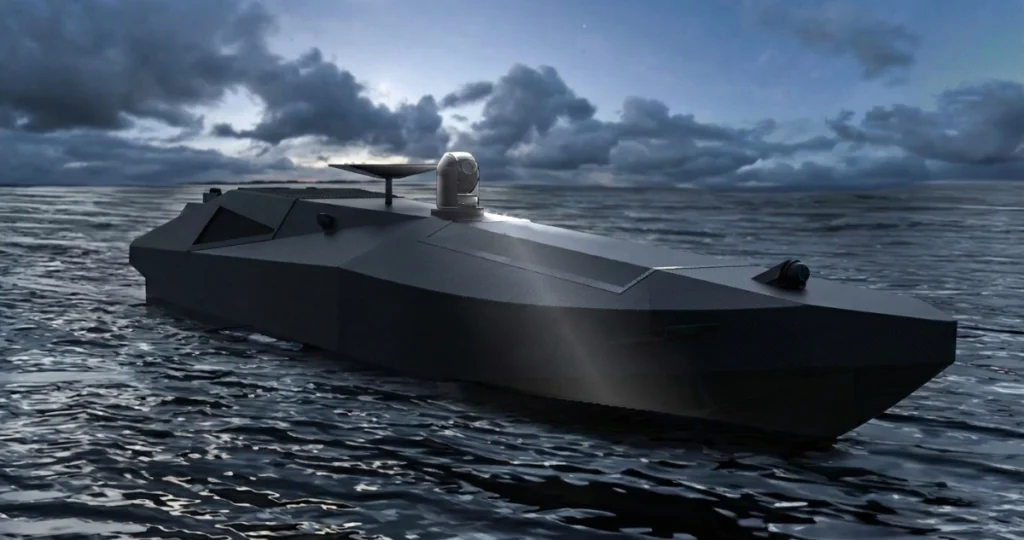
Ukraine's Magura 5 naval drone at sea, a stealthy black unmanned surface vessel equipped with sensors and used by Group 13 to strike Russian Black Sea Fleet ships

Russia is changing the drones it attacks with, and hiding the ships it can no longer use. Russian forces are using more jet-powered drones in their air attacks, effectively betting on them, Ukrainian Navy spokesman Dmytro Pletenchuk said, according to UkrInform.

The shift is toward faster, harder-to-stop drones. Russia is reducing the number of ordinary drones and increasing the jet-powered ones, betting on them first and foremost.

Jet-powered Shaheds fly faster than propeller models, giving air defenses less time to react, and Russia has used them in recent strikes, including the 1 August attack that killed a warehouse worker at the retailer Rozetka. Ballistic missiles, Pletenchuk added, remain the main challenge.

The Black Sea Fleet no longer goes to sea

Russia also still claims control of waters it cannot use. The Russians believe they exercise operational control over the Black Sea, but if you look at it purely in terms of sea sorties, they are absent, Pletenchuk said.

"The Azov Sea is out of the question now, and the Black Sea, effectively, the same," he stressed.

Russian aviation remains present and is a problem because it allows Russia to at least map the situation and makes the sea dangerous, but the fleet itself has been driven from the water.

Russia is afraid to repair its own ships

The most striking detail is what has happened to ship maintenance. Russia has repair facilities in occupied Crimea, but does not dare enter and repair ships there, because it has already learned how such repairs end.

They end with the Navy and the Armed Forces adding the "final touches," he said, so Russia periodically tows ships between bays to keep them from being finished off. Novorossiysk has some repair capacity, but docking there is very risky because a ship under repair becomes a stationary target. In practice, no one does it there either. As for small craft like Raptor and Grachonok boats, they are caught during rotations to the occupied spits and destroyed when they come into view, he added, sometimes turning back mid-route, the only patrol vessels Russia still uses.
  • ✇Euromaidan Press
  • Ukraine’s sea drone that never touched the shore struck two Russian radars in occupied Crimea
    Ukraine's military intelligence turned its newest sea drones into carriers for FPV strike drones and knocked out two Russian radar targets in occupied Crimea, according to Ukraine's Main Directorate of Intelligence (HUR). The strike let its uncrewed boats reach Russian targets on land, a move the unit called a shift of the war to a new plane. HUR released footage of the operation on 3 August. Ukraine has no significant navy now, so it built a fleet of uncrewed boats to cont
     

Ukraine’s sea drone that never touched the shore struck two Russian radars in occupied Crimea

3 août 2026 à 07:57

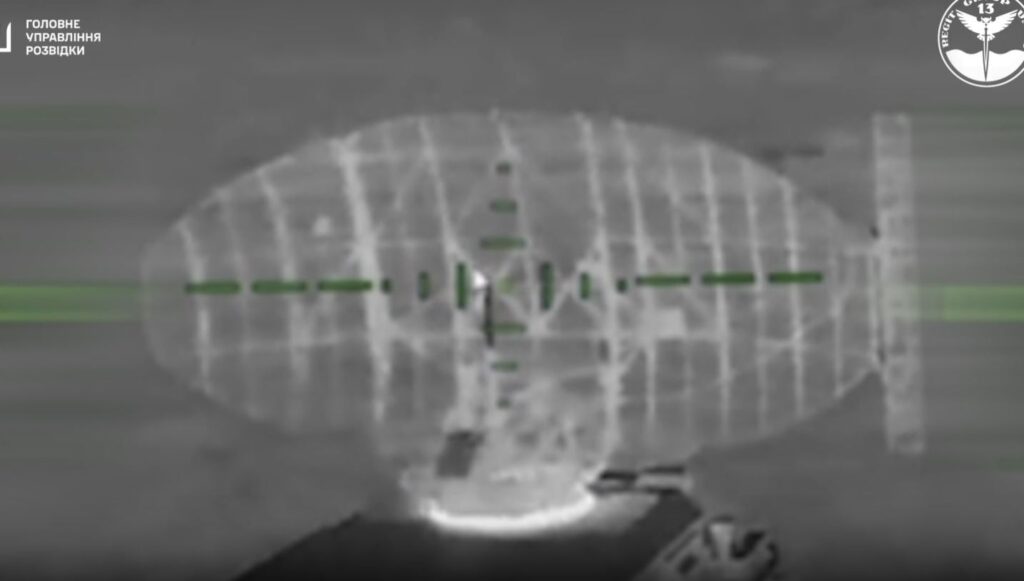
two russian radars destroyed crimea one ukrainian sea drone never touched shore · post parol-4 radar interrogator part friend-or-foe identification system seen fpv moments before strike occupied late 2026 video

Ukraine's military intelligence turned its newest sea drones into carriers for FPV strike drones and knocked out two Russian radar targets in occupied Crimea, according to Ukraine's Main Directorate of Intelligence (HUR). The strike let its uncrewed boats reach Russian targets on land, a move the unit called a shift of the war to a new plane. HUR released footage of the operation on 3 August.

Ukraine has no significant navy now, so it built a fleet of uncrewed boats to contest a sea Russia once dominated. That improvised force keeps taking on new roles, growing from a way to sink ships into a tool that reaches the occupied peninsula itself. The radar strikes fit a wider push to raise the cost of Russia's hold on Crimea. Ukraine's forces kept hitting Russian depots and other military sites across the peninsula in early August. Every radar Ukraine burns thins the sensors Russia relies on to see and defend Crimea. 

Sea drones that launched FPV drones onto land

HUR's special unit Group 13 ran the operation in occupied Crimea in late July 2026, the agency reported. The operators used the newest versions of Magura naval platforms, this time set up as FPV-drone carriers, to hit Russian ground targets on the peninsula. It was the first operation to show the newest Magura's effectiveness.

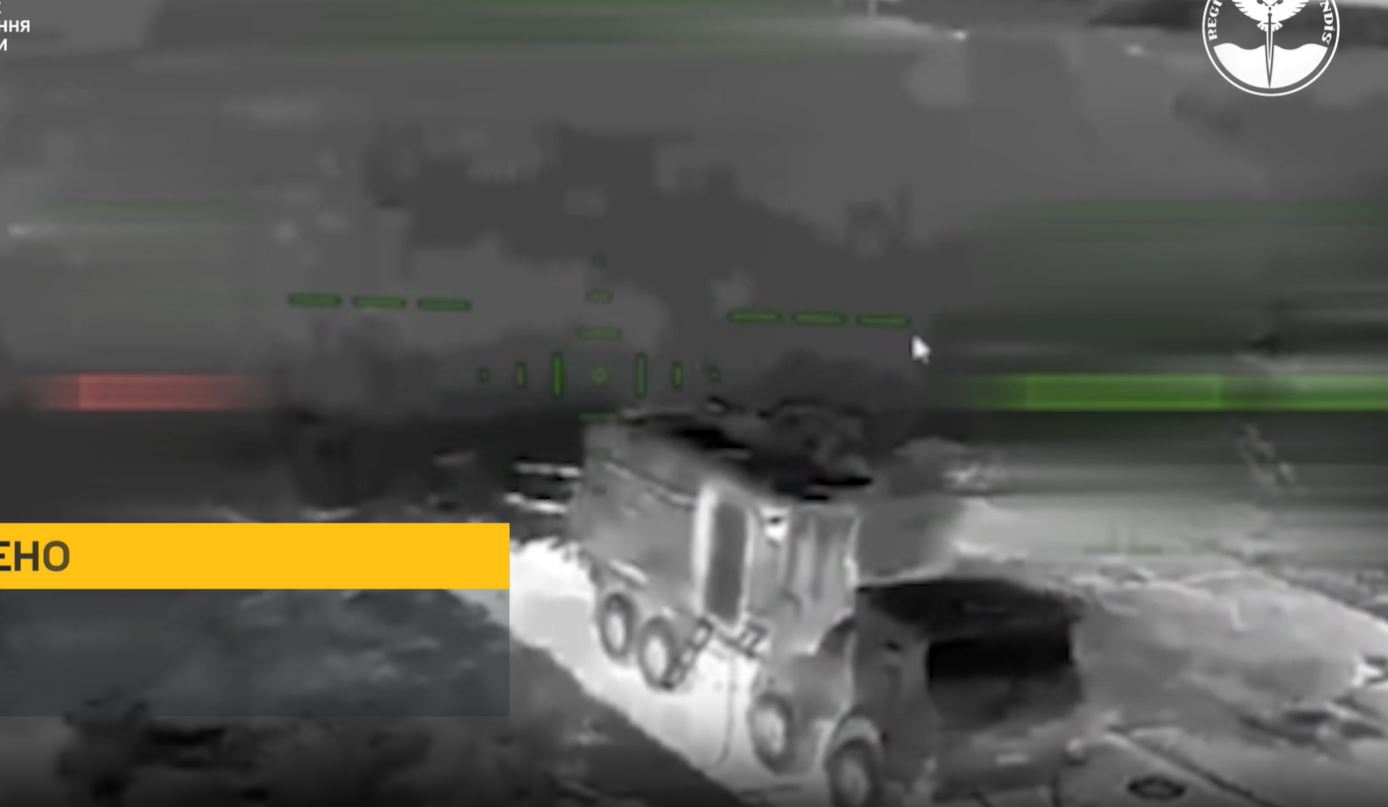
two russian radars destroyed crimea one ukrainian sea drone never touched shore · post control vehicle podlyot radar complex seen fpv moments before strike occupied late 2026 video ukraine's defense
A control vehicle from a Russian Podlyot radar complex, seen from a Ukrainian FPV drone moments before the strike in occupied Crimea, late July 2026. Screenshot from video: Ukraine's Defense Intelligence (HUR)

The aerial FPV drones struck a control vehicle from a Russian Podlyot radar system. They also hit a Parol-4 radar interrogator, part of the system Russian forces use to tell friendly aircraft from hostile ones.

The footage opens with a Russian projectile fired from the Crimean coast. It streaks past a Ukrainian naval drone and misses. After a cut, a naval drone fires anti-air missiles. The video then shows an FPV aerial drone launching from a naval drone. Two FPV drones then dive into the two radar targets.

The Maguras that hunted ships now threaten land

The Group 13 commander, callsign Thirteenth, framed the strikes as a turn in the war. 

"From now on our Maguras threaten the Russian occupiers on land too, a fundamental shift of the fight to another plane," he said. 

At sea, Group 13 has destroyed nine Russian ships and damaged five, HUR says. It has also destroyed three enemy helicopters and damaged one, and destroyed two Russian fighter jets.

The Maguras began as kamikaze boats that were among the Ukrainian weapons that pushed Russia's Black Sea Fleet out of the northwestern sea, then grew into multi-role platforms that even downed Russian jets.
❌