The series of recent steps by the president that seem to favor Vladimir Putin reflect his intensifying desire to normalize the relationship with Moscow even if it means further undercutting Ukraine.
The series of recent steps by the president that seem to favor Vladimir Putin reflect his intensifying desire to normalize the relationship with Moscow even if it means further undercutting Ukraine.
The series of recent steps by the president that seem to favor Vladimir Putin reflect his intensifying desire to normalize the relationship with Moscow even if it means further undercutting Ukraine.
The series of recent steps by the president that seem to favor Vladimir Putin reflect his intensifying desire to normalize the relationship with Moscow even if it means further undercutting Ukraine.
DHS says migrants ‘retain protections’ after temporary protected status was set to expire on MondaySend us your questions about immigration and the midtermsMore than 100,000 people from Ukraine and Sudan can stay in the United States without immediate risk of deportation, the Department of Homeland Security said, in what amounts to a temporary reprieve after their right to stay in the country was set to expire on Monday.Temporary protected status was set to end on Monday for about 101,000 Ukrain
More than 100,000 people from Ukraine and Sudan can stay in the United States without immediate risk of deportation, the Department of Homeland Security said, in what amounts to a temporary reprieve after their right to stay in the country was set to expire on Monday.
Temporary protected status was set to end on Monday for about 101,000 Ukrainians and 1,800 Sudanese. But the DHS said an announcement “will be made at the appropriate time”. Until then, the department said in a written statement, Ukrainians and Sudanese in the US covered by those temporary measures “retain protection”. The department did not indicate how long they could stay or when a final announcement would be made on their status.
Russia wants America and China to decide Ukraine’s future without Kyiv. Europe must challenge this dangerous return to diplomacy of the strong for the strongDoes Vladimir Putin know exactly how to play Donald Trump? The history of chummy phone calls, high-profile meetings and attempts to bring Russia in from the cold certainly suggests that Moscow’s thuggish ruler has a hold on this American president. If Mr Trump agrees to negotiate Ukraine’s future with Mr Putin and China’s Xi Jinping without
Russia wants America and China to decide Ukraine’s future without Kyiv. Europe must challenge this dangerous return to diplomacy of the strong for the strong
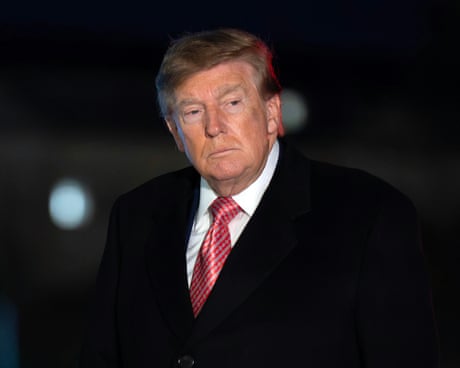
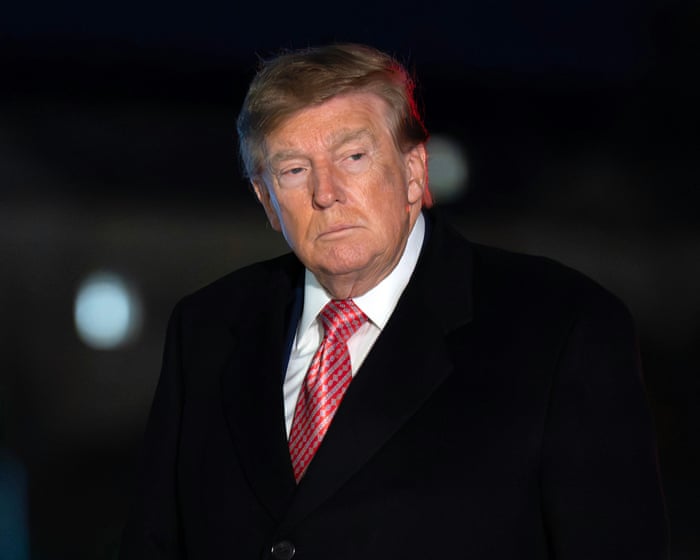
Does Vladimir Putin know exactly how to play Donald Trump? The history of chummy phone calls, high-profile meetings and attempts to bring Russia in from the cold certainly suggests that Moscow’s thuggish ruler has a hold on this American president. If Mr Trump agrees to negotiate Ukraine’s future with Mr Putin and China’s Xi Jinping without Ukraine at the table, he will have handed the Russian leader a victory before talks begin. The message will be that strongmen are ruling the world and determining the fate of weaker nations.
Ukraine has the right to determine its future. That right cannot be waved away by a self-serving Russian proposal, however much it indulges Mr Trump’s belief that world affairs should be settled by powerful men. The scales are falling from European eyes. Trumpian America is raising doubts about whether it will help deter aggression or even honour its Nato commitments. If Washington now rewards Moscow and pressures Ukraine to accept a raw deal, it would be a betrayal. European governments would wonder where America might be in the future when their own security is threatened.
Do you have an opinion on the issues raised in this article? If you would like to submit a response of up to 300 words by email to be considered for publication in our letters section, please click here.
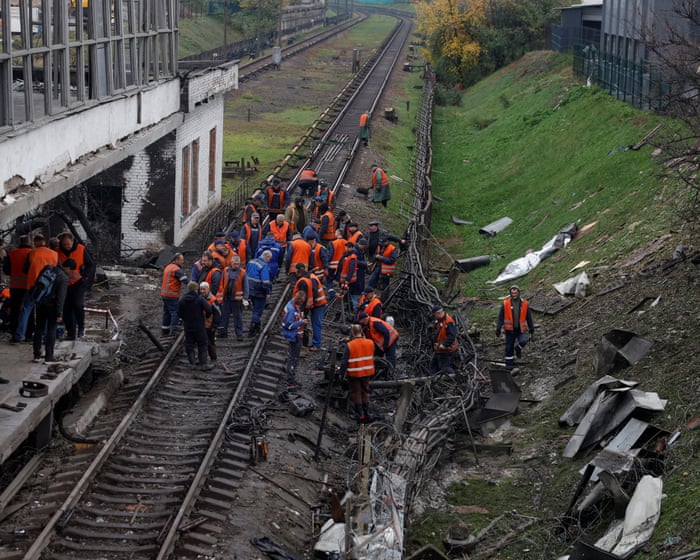
The fire, which did not seriously damage the network, came after similar incidents in Bulgaria and Poland involving the satellite internet provider, a key defense tool for Ukraine’s armed forces.
The fire, which did not seriously damage the network, came after similar incidents in Bulgaria and Poland involving the satellite internet provider, a key defense tool for Ukraine’s armed forces.
Ukraine has opened its first war-crime case against a ship captain for carrying off its stolen grain. Ukraine’s Security Service and Prosecutor General’s Office have charged the captain of the cargo ship Matros Pozynich with illegally shipping more than 54,000 tons of Ukrainian wheat that Russian forces stole from occupied territory, the Security Service said on Telegram.
Russia has looted grain across the Ukrainian land it occupies and sold it abroad as its own, a trade Ukrainian intel
Ukraine has opened its first war-crime case against a ship captain for carrying off its stolen grain. Ukraine’s Security Service and Prosecutor General’s Office have charged the captain of the cargo ship Matros Pozynich with illegally shipping more than 54,000 tons of Ukrainian wheat that Russian forces stole from occupied territory, the Security Service said on Telegram.
Russia has looted grain across the Ukrainian land it occupies and sold it abroad as its own, a trade Ukrainian intelligence puts at more than 2 million tons in 2025 alone. The case against the Matros Pozynich captain is the first time Kyiv has classified a ship captain’s role in that trade as a war crime, prosecutors said.
The captain, a Russian citizen, twice sailed wheat from occupied Sevastopol in Crimea to the Syrian port of Latakia in 2022 and 2023, according to the Security Service. The first shipment of more than 27,000 tons left Crimea in 2022, and another 27,000-plus tons followed in January 2023.
A crime ordered from the top, investigators say
The shipments were no freelance smuggling run. The grain was removed on the decision of the Russian state’s top political leadership, the Security Service stated, in breach of the Geneva Conventions, which forbid pillaging property in occupied territory.
To hide the voyages, the captain periodically switched off the ship’s automatic identification system and transmitted false coordinates, investigators found. He was notified of suspicion in absentia under two articles of Ukraine’s Criminal Code, including the violations of the laws and customs of war. The service said it is working to identify others in the scheme.
One ship in a fleet that feeds the war
The vessel is a single thread in a much larger theft. Russia has taken roughly 15 million tons of Ukrainian grain from occupied territory between 2022 and August 2025 and earned at least $1 billion from it, money that helps fund the war.
Much of it moves through Russian-controlled ports such as Sevastopol, often relabeled as Russian produce or passed between ships at sea to hide its Ukrainian origin. Buyers have included Syria, Egypt, Türkiye, Lebanon, and others, though Egypt has since pledged to stop accepting grain tied to occupied territories.
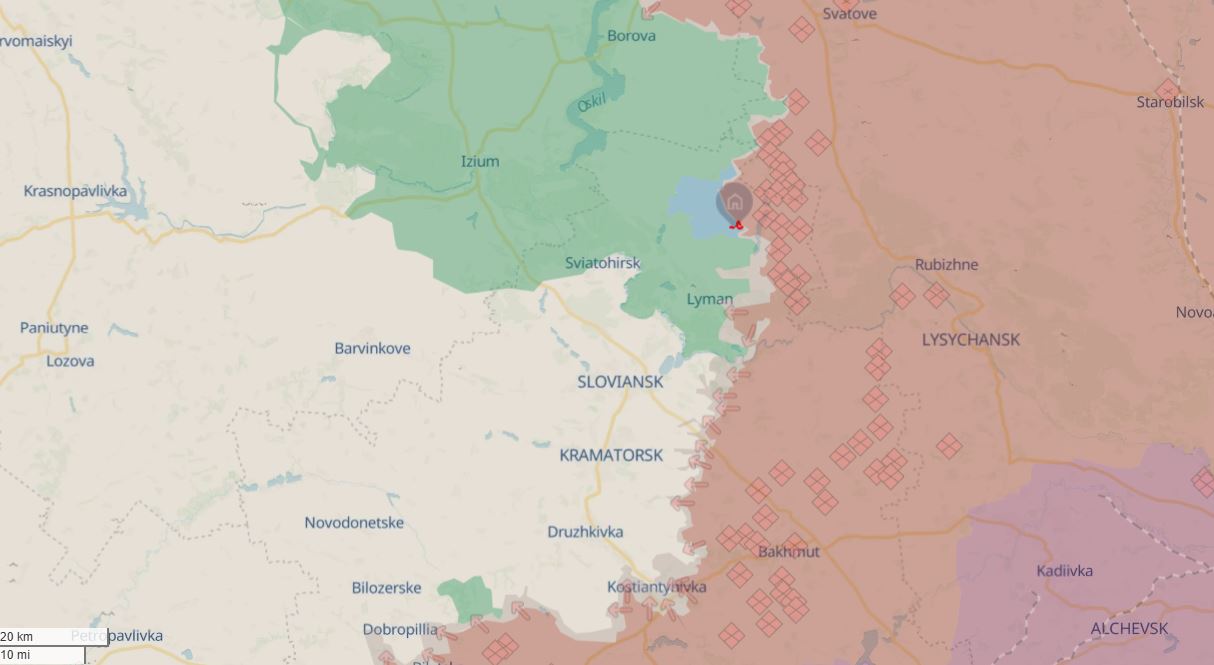
Ukrainian forces have liberated more territory since the beginning of the fall than Russian troops have captured during the same period. This trend has persisted throughout 2026, Ukrainian President Volodymyr Zelenskyy said in his 18 October address. He also reported that Dobropillia, Kostiantynivka, and five other settlements remain under Ukrainian control.
Russia systematically exaggerates its battlefield gains. A recent briefing by Valery Gerasimov, chief of the General Staff of the
Ukrainian forces have liberated more territory since the beginning of the fall than Russian troops have captured during the same period. This trend has persisted throughout 2026, Ukrainian President Volodymyr Zelenskyy said in his 18 October address. He also reported that Dobropillia, Kostiantynivka, and five other settlements remain under Ukrainian control.
Russia systematically exaggerates its battlefield gains. A recent briefing by Valery Gerasimov, chief of the General Staff of the Russian Armed Forces, in which he claimed that Russian forces had captured 92 settlements since the beginning of September, as well as Kostiantynivka and Dobropillia, and advanced to within 5 kilometers of Zaporizhzhia, was based on “outright lies, manipulation, and exaggerations,” Ukrainian General Staff spokesperson Andrii Kovaliov said.
Ukraine also continues to defend areas near Kramatorsk, Zelenskyy said. He dismissed Russian claims about Zaporizhzhia.
“We are destroying Russians 20 kilometers from Zaporizhzhia, not five, as someone in Russia is fantasizing to Putin,” Zelenskyy said.
Ukrainian forces continue to hold back Russian assaults and destroy groups of occupying troops attempting to infiltrate Dobropillia, the president said. The Defense Forces are also defending positions elsewhere in Donetsk Oblast and in Kharkiv and Zaporizhzhia oblasts.
Zaporizhzhia axis: Russians seek to move artillery closer to the city
Russia seeks to advance on the Zaporizhzhia axis to bring the regional capital within range of its tube artillery, hold forward positions, and protect rear areas from Ukrainian strikes, the Institute for the Study of War (ISW) said on 18 October.
The aftermath of a Russian strike on Zaporizhzhia on 10 October 2026. Photo: Ukraine's National Police
Maksym Kravchuk, spokesperson for Ukraine's Southern Group of Forces, refuted Gerasimov’s claims that Russian forces had captured Malokaterynivka, located south of Zaporizhzhia, stressing that the settlement remains under Ukrainian control, the Center for Countering Disinformation said on 18 October. Ukrainian troops recorded a video directly from Malokaterynivka to confirm this.
As of 18 October, Russian forces had advanced or infiltrated to within 24 kilometers of Zaporizhzhia, ISW said.
Dobropillia remains under Ukrainian control despite Russian assaults
Dobropillia is now a fortress anchoring Ukrainian positions along the highway leading northeast toward Kramatorsk. Russia first tried to take Dobropillia in August 2025 and is now trying again.
Russia is redeploying reinforcements to the Dobropillia axis and continues to send assault infantry through the village of Nove Shakhove despite heavy losses. Russian command will likely try to encircle or at least envelop Dobropillia and cut off Ukrainian supply routes from the direction of Bilozerske, Ukrainian military analyst Kostiantyn Mashovets wrote on 9 October.
Mashovets sees the push as the southern flank of a Russian effort to envelop the whole Sloviansk–Kramatorsk urban area.
Explore further
Ukraine retook Kolodiazi north of Lyman as its drones hit 200-plus Russian vehicles in Operation Vivaldi’s last phase, Ukrainian drone officer says
Dobropillia remains under Ukrainian control, Zelenskyy said. On 18 October, footage located by analysts showed a Russian soldier hoisting a flag in the town's southeast after an infiltration, yet ISW has found no sign that Russian troops have dug in there.
Russia claimed to have captured Kostiantynivka, but ISW found no evidence
Ukrainian troops in and around Kostiantynivka are stopping Russia from locking in its gains in the city or pushing on toward Druzhkivka and Kramatorsk, ISW said on 17 October.
Russian officials claimed that capturing Kostiantynivka was an important step toward establishing control over the Sloviansk–Druzhkivka–Kramatorsk urban agglomeration and the entire Donetsk Oblast, ISW said in August. The Kremlin also claimed that Russian forces had captured the city as early as 5 July, the institute added.
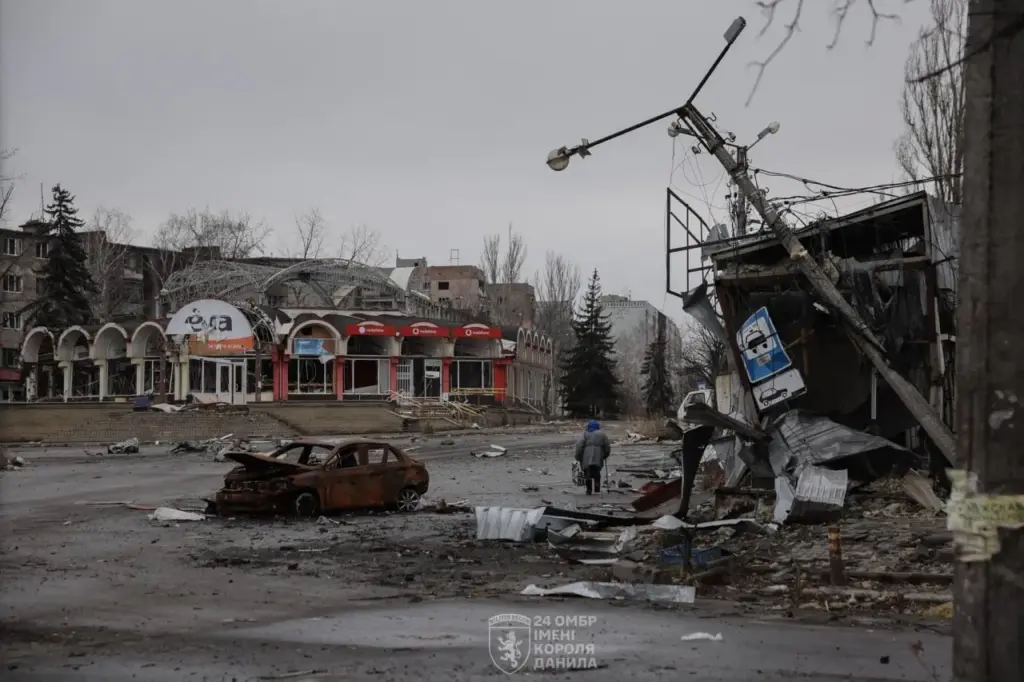
Ruins of a street in Kostiantynivka, Donetsk Oblast, 9 April 2026. Photo: UA Land Forces
A Russian military blogger claimed that Russian forces had full control over Kostiantynivka, but ISW found no evidence to support this claim, the institute said in its 16 October assessment. Russian troops had only infiltrated parts of southern and central Kostiantynivka without consolidating positions, and there was no evidence of their presence in its northern part, ISW added.
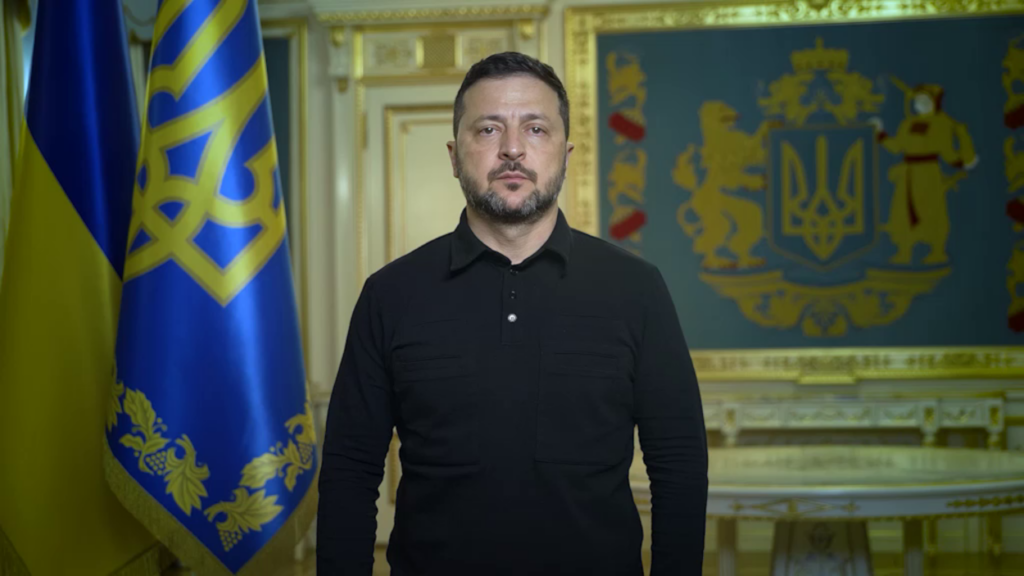
President Volodymyr Zelensky said he didn’t want to believe that Washington wanted an end to the war at Ukraine’s expense. “But that’s how it looks,” he added.
President Volodymyr Zelensky said he didn’t want to believe that Washington wanted an end to the war at Ukraine’s expense. “But that’s how it looks,” he added.
Damage from a Russian attack in Kyiv, Ukraine, on Monday. The country has complained about what it describes as lapses in U.S. intelligence sharing before attacks.
Ukrainian president accuses Washington of ‘denial of reality’ in continuing row with Trump over apparent support for MoscowUkraine did not receive a warning from the US about an impending Russian missile attack on Sunday evening, Volodymyr Zelenskyy has said, reviving concerns that Washington is withholding intelligence to bully Kyiv into capitulating to Moscow.Yuri Ihnat, a spokesperson for the Ukrainian air force, said on television on Monday morning that Ukraine had not received a warning bef
Ukrainian president accuses Washington of ‘denial of reality’ in continuing row with Trump over apparent support for Moscow
Ukraine did not receive a warning from the US about an impending Russian missile attack on Sunday evening, Volodymyr Zelenskyy has said, reviving concerns that Washington is withholding intelligence to bully Kyiv into capitulating to Moscow.
Yuri Ihnat, a spokesperson for the Ukrainian air force, said on television on Monday morning that Ukraine had not received a warning before a Russian missile barrage hit power plants in Kyiv at about 11pm. Earlier, a Ukrainian government official had told the Guardian the US had not warned the capital about the impending missile strike.

 Connexion