Vue lecture

Russia preparing strategic reserves for conflicts beyond Ukraine, Ukraine warns
Russia preparing strategic reserves for conflicts beyond Ukraine, Ukraine warns

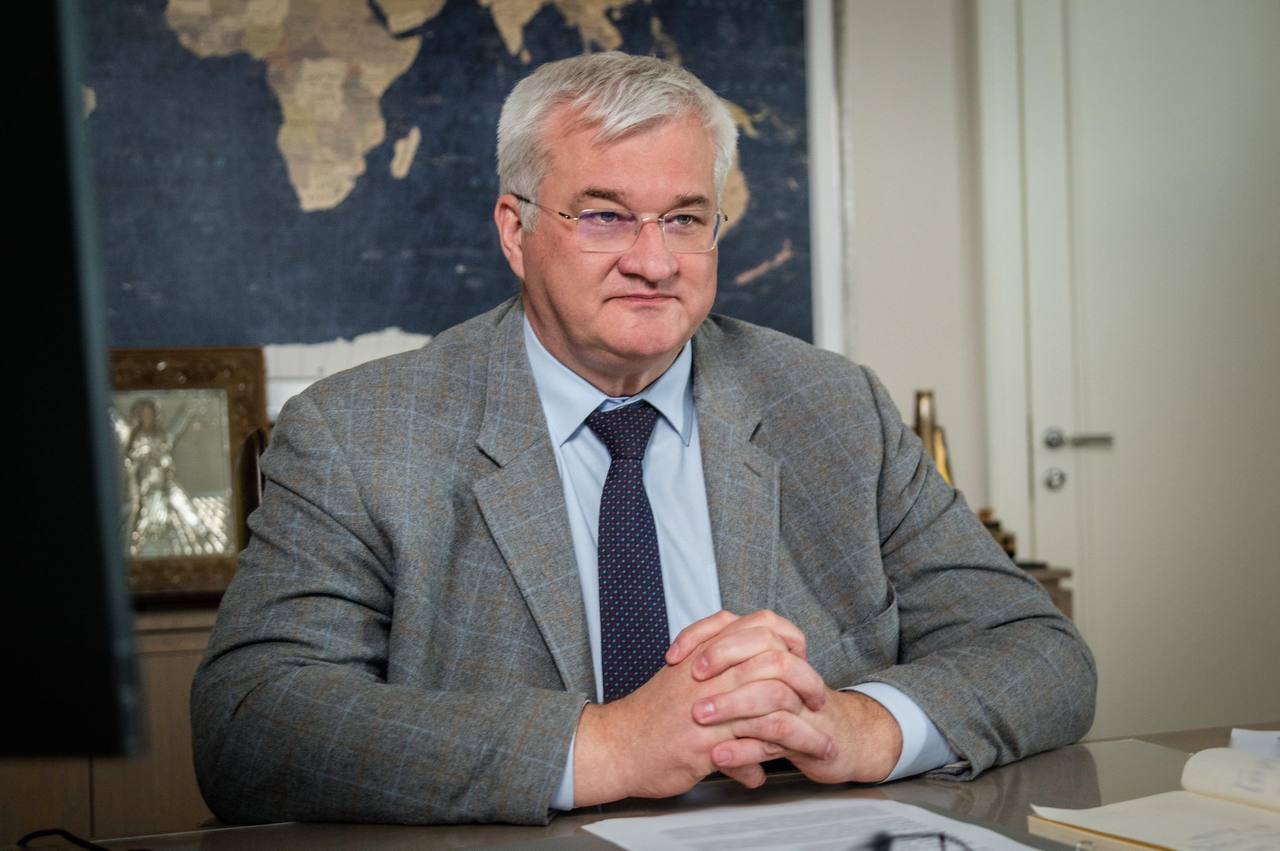
Foreign Minister Andrii Sybiha warned on June 13 that Russia has begun preparing strategic military reserves, signaling plans for military operations that may extend beyond Ukraine.

"According to our intelligence, Russia has started to prepare strategic reserves, which indicates plans for combat operations not only in Ukraine," Sybiha said during the Globsec conference in Prague, calling for urgent diplomatic and economic pressure.

"Allies need full diplomatic mobilization to stop this war. This is not just a question for Ukraine. (Russian President Vladimir) Putin only understands strength, and right now it's crucial to apply sanctions in a timely manner, using them as economic weapons to pressure Russia," Sybiha said.

The comments come as Russia intensifies its military offensives and missile strikes across Ukraine, despite participating in two recent rounds of peace talks in Istanbul. The first talks were held on May 16, followed by a second meeting on June 2. While both rounds produced agreements on prisoner exchanges, they failed to secure a ceasefire.

President Volodymyr Zelensky said in a June 12 interview with Germany's Bild newspaper that Russia is using the talks to delay tougher U.S. sanctions, while continuing to escalate attacks on Ukrainian cities.

Russia also continues to issue nuclear threats to Western countries. Putin claimed on June 11 that Russia possesses the world's most advanced nuclear systems, with 95% of its strategic nuclear forces reportedly made up of modern equipment.

Putin emphasized the need to significantly strengthen Russia's ground forces. Russian defense spending has surged to 6.3% of GDP, the highest level since the Cold War, as Moscow continues to ramp up its military investment amid the ongoing war.

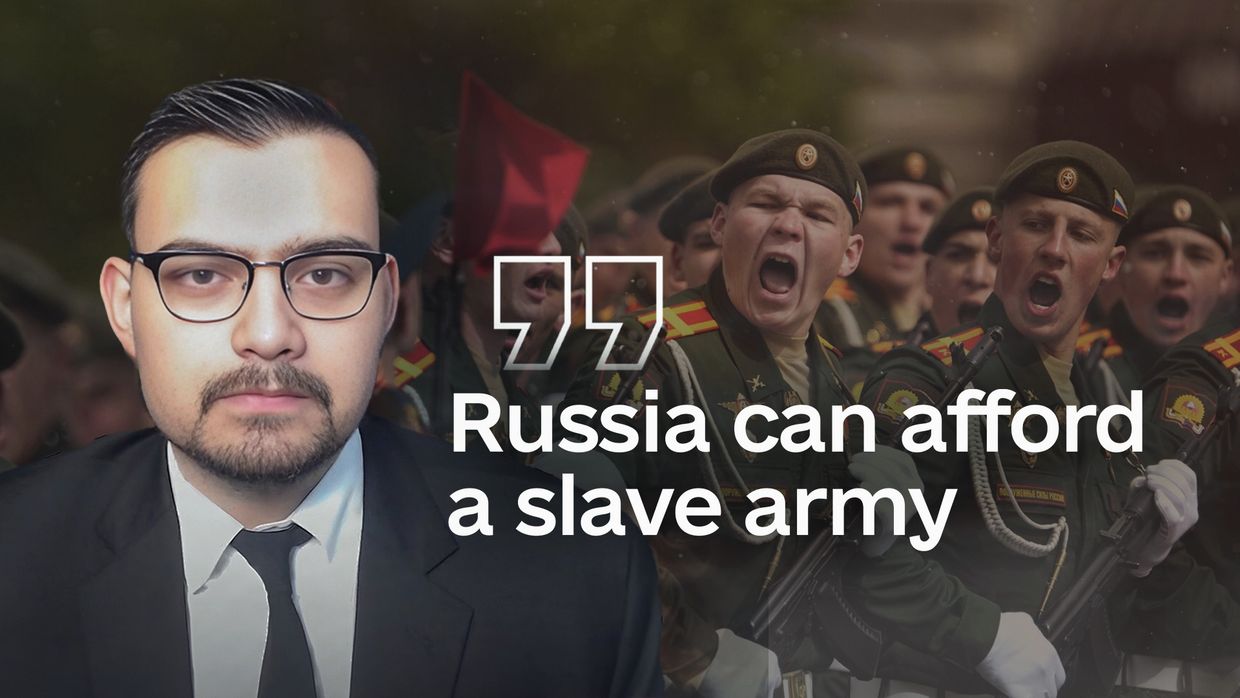
What Russia’s 1 million casualties mean for Ukraine
The Kyiv Independent’s Chris York sits down with George Barros, team lead for the Russia and Ukraine portfolio at the Institute for the Study of War, to discuss what Russia’s approaching one million casualties mean for its war effort in Ukraine. They explore how the Kremlin might generate more forces — and what impact this could have on Russia’s economy.
Russia preparing strategic reserves for conflicts beyond Ukraine, Ukraine warnsThe Kyiv IndependentChris York
Russia preparing strategic reserves for conflicts beyond Ukraine, Ukraine warns
  •  

Europe must prepare for US scaling down support for Ukraine, Pistorius says

Europe must prepare for US scaling down support for Ukraine, Pistorius says

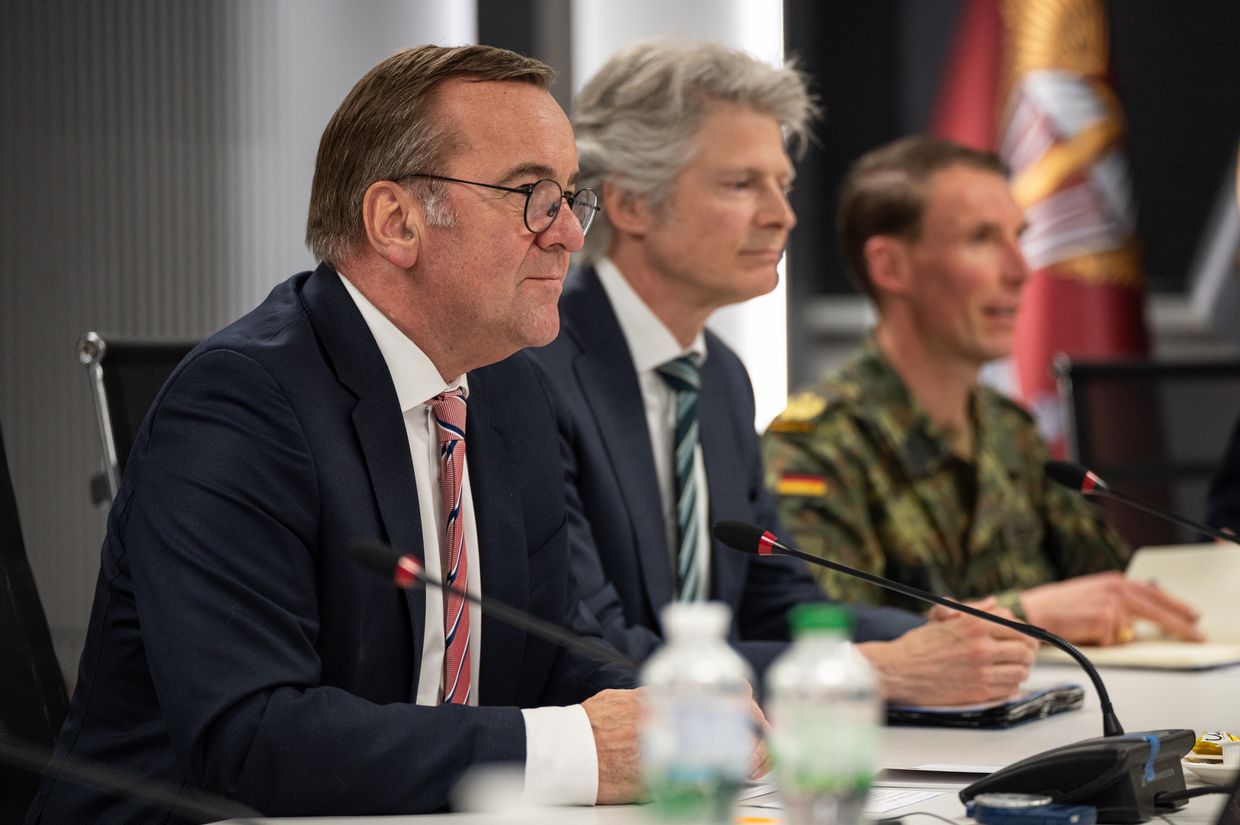
German Defense Minister Boris Pistorius said Europe must begin preparing for a gradual reduction in U.S. military support for both the continent and Ukraine, Tagesschau reported on June 13.

"Yes, that's right. That would be so, and we have to deal with that," Pistorius told journalists in response to a question about the U.S. potentially scaling down its support. He noted that the discussions focus on a reduction in U.S. backing rather than a full halt.

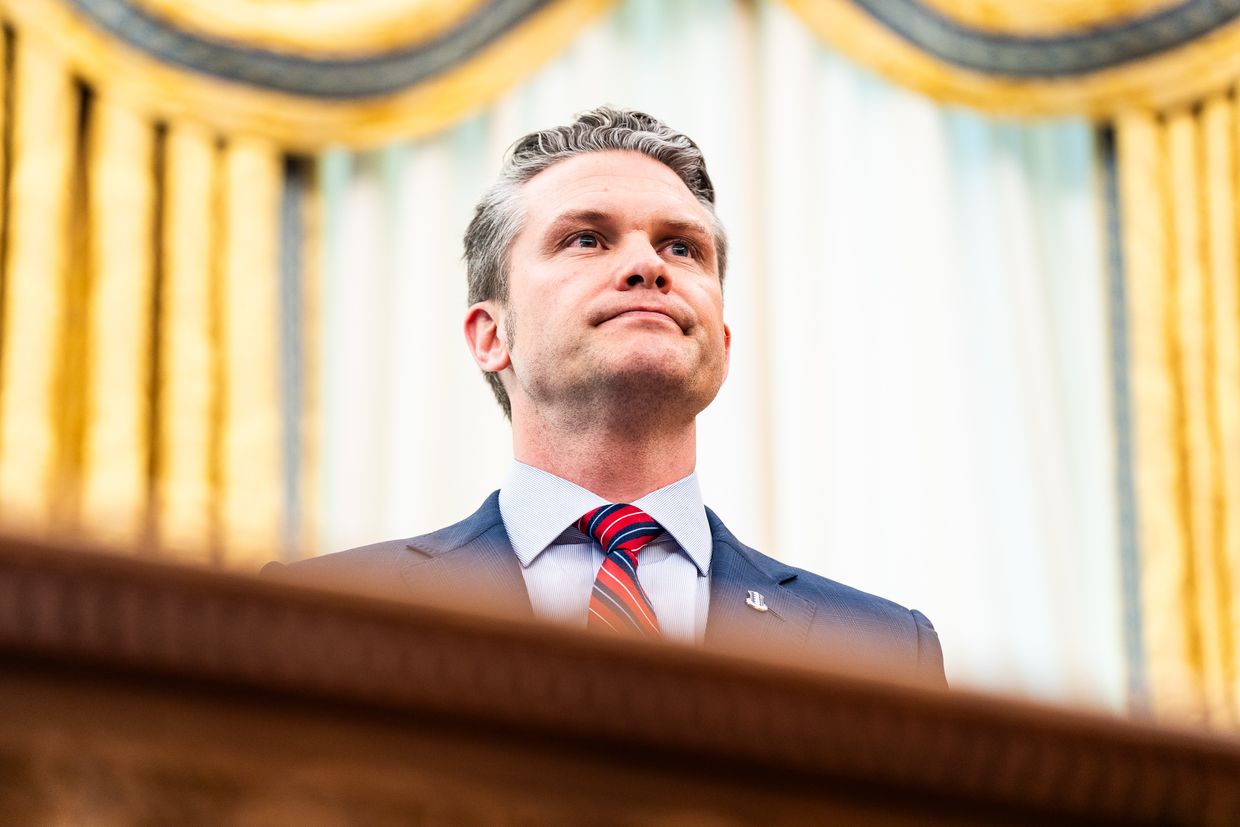
The comments come after U.S. Defense Secretary Pete Hegseth announced that Washington would reduce the assistance allocated to Ukraine in the next year's federal budget.

"We now have to look at how much support drops and whether Europeans can compensate for it," Pistorius added.

While the U.S. has been Ukraine's leading military backer under former President Joe Biden, the Trump administration has yet to approve any aid packages and has become increasingly disengaged from peace talks.

Pistorius's comments come amid increasing uncertainty in transatlantic relations. U.S. Ambassador to NATO Matthew Whitaker confirmed on May 16 that the United States plans to begin discussions with European allies later this year about reducing its military presence on the continent.

Speaking at a security conference in Estonia, Whitaker said the talks would begin after the NATO summit in The Hague in June.

"Nothing has been determined," Whitaker said, according to Reuters. "But as soon as we do, we are going to have these conversations in the structure of NATO."

Whitaker emphasized that any drawdown would be closely coordinated to avoid creating security gaps. Still, he reiterated U.S. President Donald Trump's position that long-standing U.S. efforts to reduce its European military footprint must now be implemented.

"This is going to be orderly, but we are not going to have any more patience for foot-dragging in this situation," he said.

In February, Hegseth reportedly told NATO allies that "stark strategic realities" prevent the United States from being primarily focused on Europe's security. Leaks reported by the Atlantic in March revealed that both Hegseth and Vice President JD Vance privately criticized European defense spending, with Hegseth allegedly expressing his "loathing of European free-loading."

Trump called on NATO member states to increase defense spending up to 5% of GDP. Ahead of the upcoming NATO summit in The Hague on June 24–25, U.S. Secretary of State Marco Rubio said that member states will have agreed to a new goal of increasing defense spending.

"We are headed for a summit in six weeks in which virtually every member of NATO will be at or above 2%, but more importantly, many of them will be over 4%, and all will have agreed on a goal of reaching 5% over the next decade," Rubio told Fox News on May 15.

Such a move would mark a historic shift, with NATO partners collectively accounting for more than half of the alliance's military capacity, according to Rubio.

Since the beginning of Russia's full-scale war against Ukraine in 2022, NATO members have significantly increased their defense spending, with countries like Poland and the Baltic nations aiming to reach the 5% target in the coming years.

Ukraine bracing for ‘painful’ reduction in US military aid after Hegseth announces cuts
Editor’s note: For security reasons, the real names of the soldiers mentioned in this story have not been used. A reduction in U.S. military aid to Ukraine would be “painful” and could have potentially “dire consequences” for the global order, Ukrainian lawmakers and soldiers have told the Kyiv Independent.
Europe must prepare for US scaling down support for Ukraine, Pistorius saysThe Kyiv IndependentKateryna Hodunova
Europe must prepare for US scaling down support for Ukraine, Pistorius says
  •  

Ukraine receives 5th tranche of EU aid from frozen Russian assets, PM confirms

Ukraine receives 5th tranche of EU aid from frozen Russian assets, PM confirms

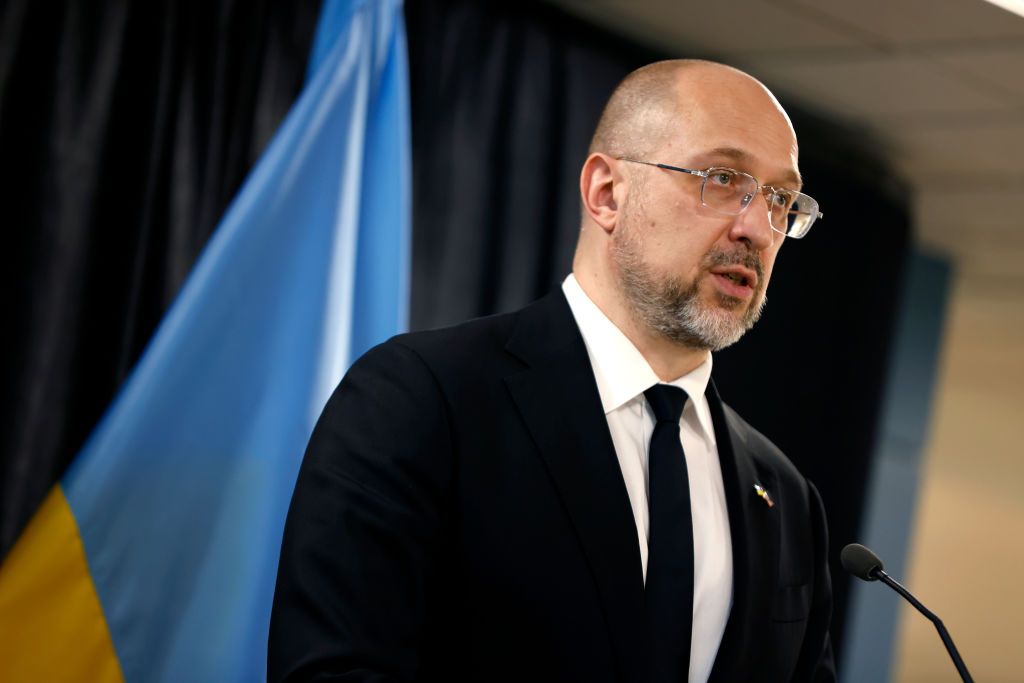
Ukraine has received another 1 billion euros ($1.1 billion) in macro-financial assistance from the European Union as part of a G7 loan, Prime Minister Denys Shmyhal announced on June 13.

"This is the fifth tranche of macro-financial assistance from the EU under the ERA Extraordinary Revenue Acceleration) initiative," Shmyhal wrote on social media. "The funds will be directed toward key expenditures of the state budget."

Shmyhal thanked Ukraine's partners for their "consistent and reliable support," adding, "Together, we will make (Russia) pay for all the damage caused to Ukraine."

According to Shmyhal, Ukraine has received a total of 7 billion euros ($8 billion) from the European Union under the ERA initiative, which is funded by the windfall profits generated from immobilized Russian sovereign assets.

The ERA mechanism, launched by the G7 and backed by the EU and the United States, is a $50 billion program designed to support Ukraine through loans repaid using future income from frozen Russian assets. Since Russia's full-scale invasion in 2022, G7 countries have frozen around $300 billion in Russian sovereign assets.

Ukraine received the previous 1-billion-euro tranche on May 8 as part of the fourth installment of EU aid under ERA.

EU provides Ukraine with $1 billion tranche under G7 loan covered by Russian assets
This is the fourth such tranche from the bloc, which is secured by proceeds from frozen Russian assets.
Ukraine receives 5th tranche of EU aid from frozen Russian assets, PM confirmsThe Kyiv IndependentKateryna Hodunova
Ukraine receives 5th tranche of EU aid from frozen Russian assets, PM confirms
  •  

Russia condemns Israel's strike on Iran as 'unprovoked aggression'

Russia condemns Israel's strike on Iran as 'unprovoked aggression'

Editor's note: This story was updated to include a comment from Ukrainian Foreign Ministry spokesperson Heorhii Tykhyi.

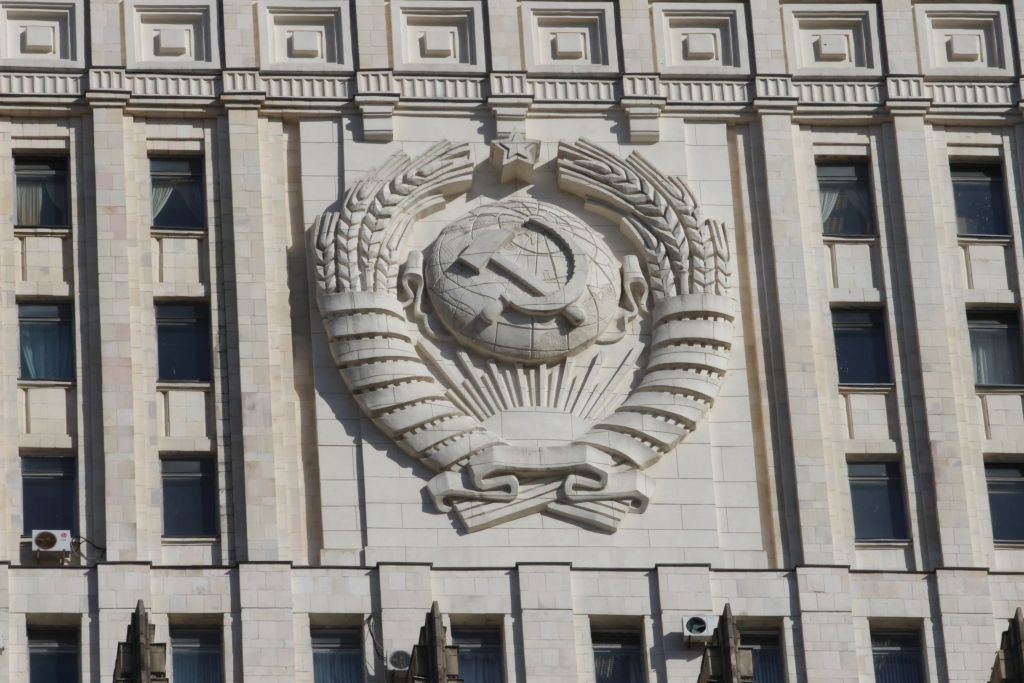
Russia's Foreign Ministry expressed "extreme concern" on June 13 over Israel's recent strike on Iran, calling it a dangerous escalation that violated the United Nations Charter and international law.

Moscow, which currently wages war against Ukraine, the largest conflict on the European continent since World War II, condemned Israel's attack as an "unprovoked aggression."

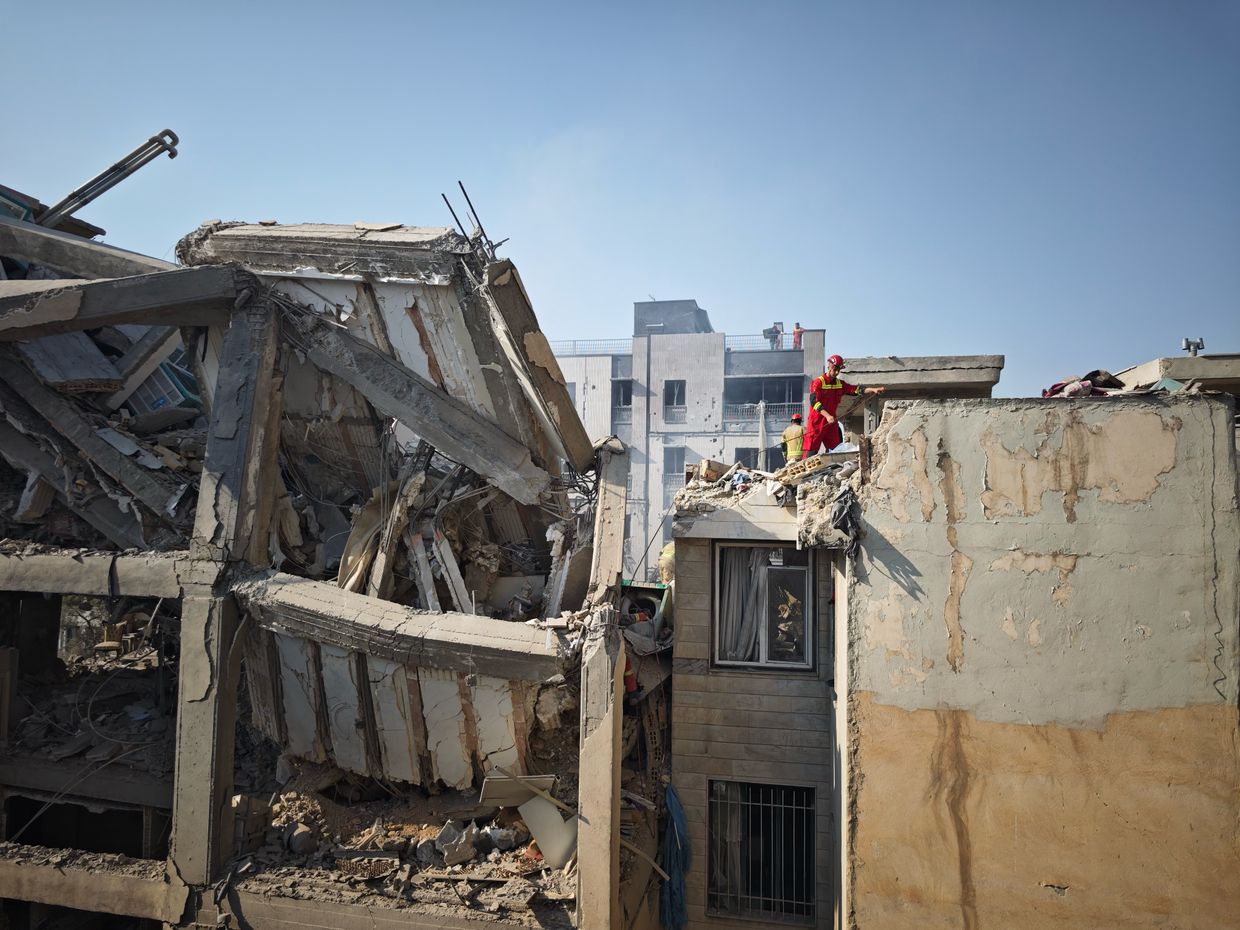
Earlier on June 13, Israeli Prime Minister Benjamin Netanyahu said that Israeli forces had launched "Operation Rising Lion," a preemptive strike targeting Iran's nuclear program. In a televised address, Netanyahu claimed Israeli forces struck Iran's main nuclear enrichment site in Natanz and targeted key nuclear scientists.

In a statement, the Russian Foreign Ministry denounced Israel's overnight attacks as "unprovoked military strikes" targeting a sovereign U.N. member's nuclear facilities. The ministry said the international community "cannot remain indifferent" to such actions that undermine global and regional stability.

The statement called it "cynical" that the strikes occurred during a session of the International Atomic Energy Agency and just before another round of indirect Iran–U.S. talks in Oman, scheduled for June 15.

Moscow said this timing undermined diplomatic efforts aimed at reducing confrontations over Tehran's nuclear program.

The ministry accused Western countries of fueling "anti-Iranian hysteria" in international forums and warned that military solutions cannot resolve the Iranian nuclear issue. It urged all parties to show restraint to avoid a full-scale regional war.

Ukrainian Foreign Ministry spokesperson Heorhii Tykhyi responded to Russia's statement, saying it was "one of those awkward moments when the Russian Foreign Ministry comments on the Middle East but forgets to look at the mirror."

Russian condemnation comes as Moscow and Tehran continue to strengthen their ties. Iran's parliament ratified on May 21 a 20‑year strategic partnership agreement with Russia, deepening military and economic cooperation.

While the pact does not include mutual defense, it outlines joint military exercises, energy cooperation, and interbank links designed to circumvent Western sanctions.

Iran has also supplied Russia with thousands of Shahed drones and ballistic missiles used against Ukraine throughout Moscow's war.

Previously, Moscow claimed its willingness to remove excess nuclear material from Iran, converting it into reactor fuel in support of U.S.–Iran nuclear talks. Kremlin spokesperson Dmitry Peskov said Russia is prepared to assist if both Iran and the U.S. find its help valuable.

Israel launches ‘preemptive’ air strikes on Iran’s nuclear program, IRGC chief killed in attack
Israeli forces launched “preemptive strikes” on Iran overnight on June 13, tarting Iran’s nuclear program, Prime Minister Benjamin Netanyahu said in an overnight address.
Russia condemns Israel's strike on Iran as 'unprovoked aggression'The Kyiv IndependentLucy Pakhnyuk
Russia condemns Israel's strike on Iran as 'unprovoked aggression'
  •  

Amid Moscow's war in Ukraine, Trump wonders why 'everybody hates' Russia

Amid Moscow's war in Ukraine, Trump wonders why 'everybody hates' Russia

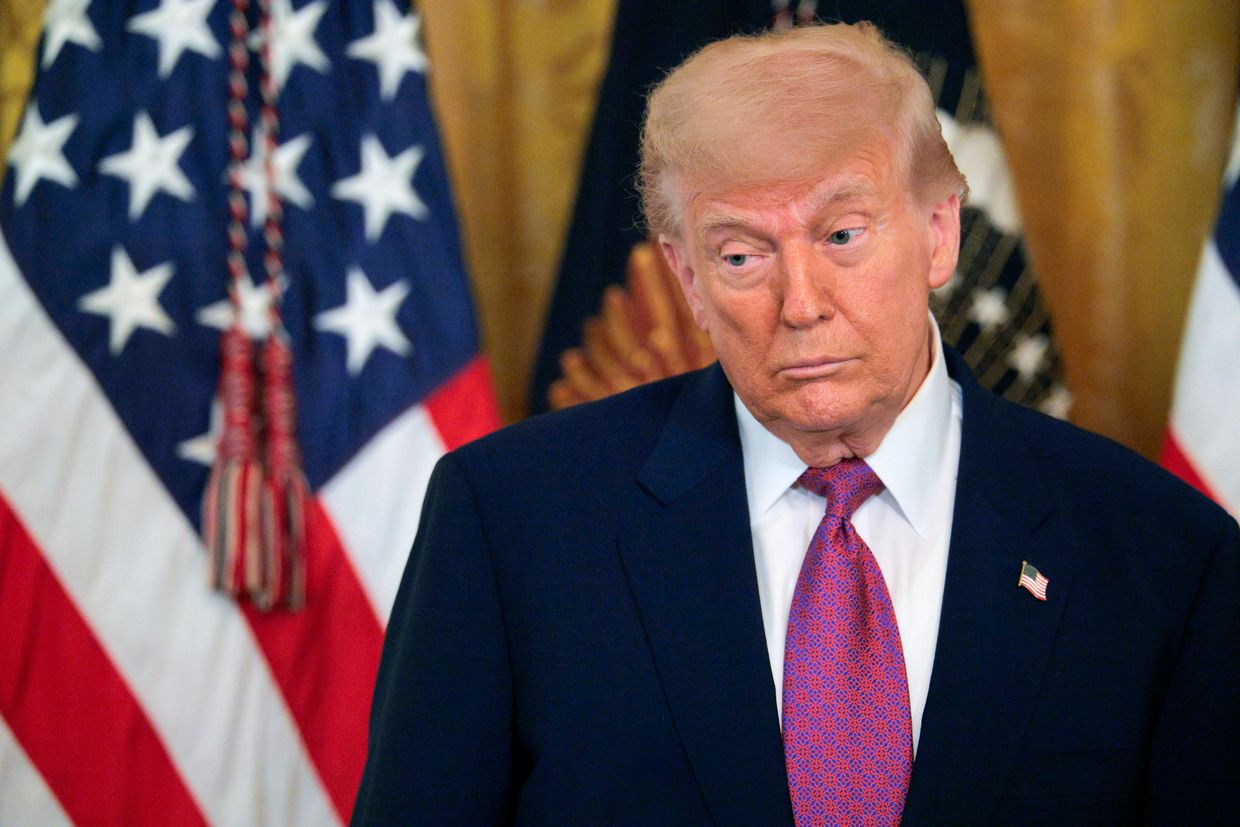
U.S. President Donald Trump on June 12 praised Russia's role in World War II, saying Russian President Vladimir Putin is "confused" why everyone "hates" Moscow.

Speaking at a White House press conference, Trump recounted a conversation with French President Emmanuel Macron about World War II commemorations.

"I said, 'You're celebrating our victory?' He said, 'Yes.' I said, "Your victory?'" Trump said.

"And then I spoke to President Putin at the time. He lost 51 million people. He (sic!) fought with us in World War II. Russia did fight. It's interesting, isn't it? It fought with us in World War II, and everyone hates it.

"And now everybody hates Russia and loves Germany and Japan. It's a strange world."

Trump said Putin had expressed confusion over the West's treatment of Russia post-war, citing the Soviet Union's wartime alliance with the U.S. and U.K.

"We were your ally," Putin allegedly told Trump. "Now everybody hates Russia."

Trump's remarks align with a Kremlin propaganda narrative that downplays the Soviet Union's World War II non-Russian casualties. According to Ukraine's Institute of National Remembrance, Ukraine alone lost more than 10 million people during the war and suffered immense destruction on its territory — a fact often overlooked in Kremlin-led historical revisionism.

Russia has frequently weaponized its version of World War II history to justify present-day aggression. The Kremlin has invoked anti-Nazi rhetoric and Soviet-era heroism to rationalize its full-scale invasion of Ukraine, launched in February 2022 — a war that has resulted in tens of thousands of deaths and the displacement of millions.

Trump has positioned himself as the only leader capable of ending the Russia-Ukraine war, but his reluctance to apply real pressure on Moscow has left Kyiv and its allies doubtful. The U.S. president has softened his tone on Russia while repeatedly threatening sanctions over its attacks on Ukraine — yet no new measures have been imposed.

Talking at the press conference about the war and the stalled peace efforts, Trump said he was "disappointed" with both Russia and Ukraine, adding that "deals could have been made."

Trump has previously said that he refrained from imposing additional sanctions in hopes of securing a peace deal between Kyiv and Moscow.

"If I think I'm close to getting a deal, I don't want to screw it up by doing that," he said on May 28, adding that a decision would come "in about two weeks."

Despite failed peace efforts in Istanbul and Russia's continued refusal to agree to a ceasefire, Trump reportedly asked Senate Republicans to delay voting on a bipartisan sanctions bill that would impose a 500% tariff on imports from countries buying Russian oil.

The legislation, introduced in April, has broad bipartisan support, including backing from Senate Minority Leader Chuck Schumer and House Speaker Mike Johnson.

Meanwhile, Russia continues its offensive in Ukraine and has shown no signs of seeking peace. It continues escalating its attacks on Ukrainian cities, causing numerous civilian casualties.

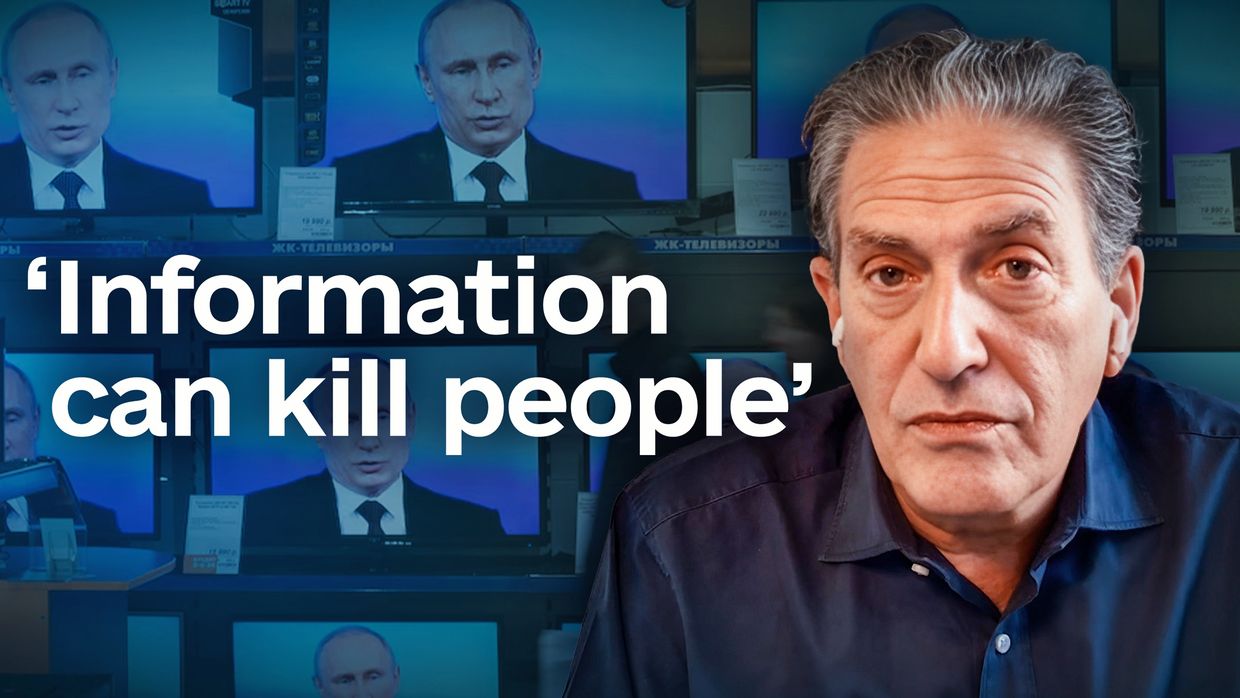
Who’s countering Russian propaganda now? Expert on US’ declining disinformation defense
The Kyiv Independent’s Natalia Yermak speaks to James Rubin, a former diplomat who led the Global Engagement Center in 2022-2024, about how deeply the Russian propaganda influences U.S. politics and why the center’s closure “disarms” the country in the information war.
Amid Moscow's war in Ukraine, Trump wonders why 'everybody hates' RussiaThe Kyiv IndependentNatalia Yermak
Amid Moscow's war in Ukraine, Trump wonders why 'everybody hates' Russia
  •  

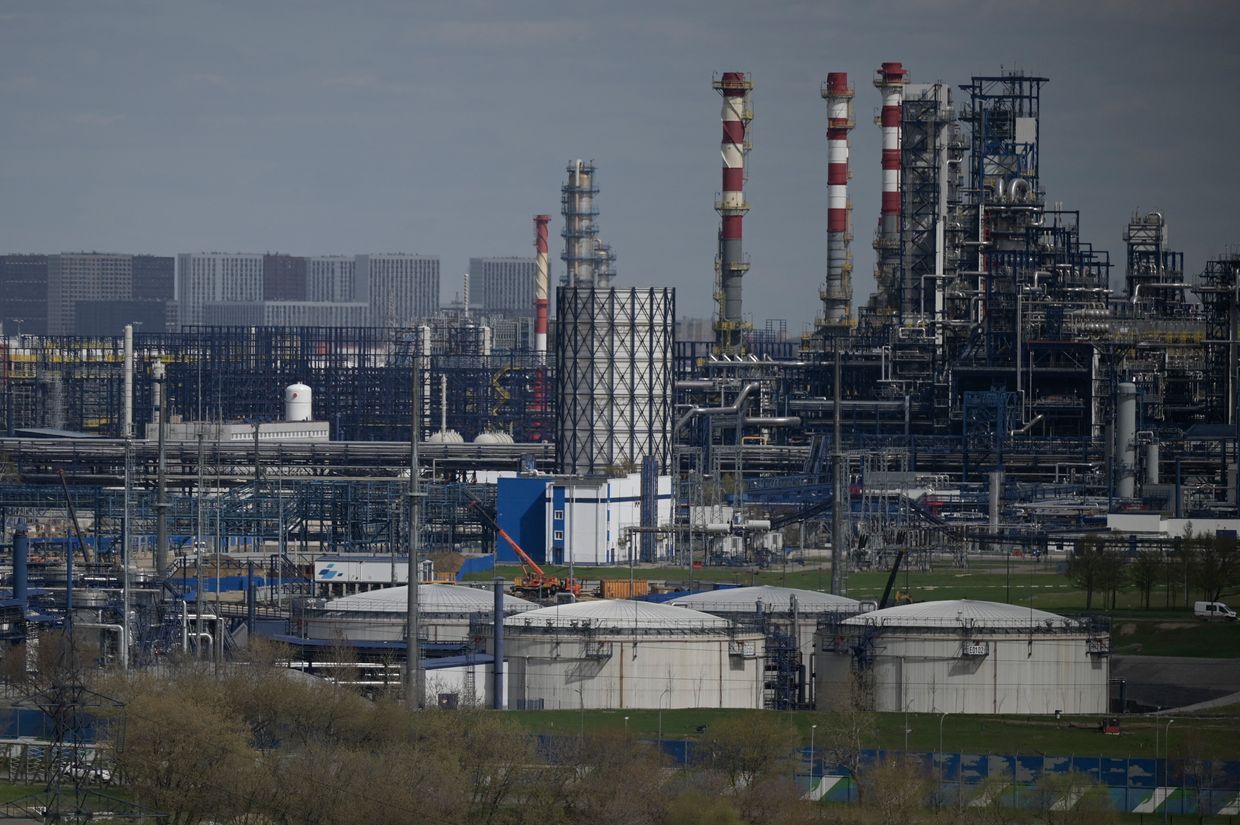
Oil prices surge after Israeli strike on Iran

Oil prices surge after Israeli strike on Iran

Global oil prices soared on June 13  after Israel launched a strike on Iran, triggering fears of a broader conflict in the energy-rich Middle East that could disrupt global supplies, the BBC reported.

The spike threatens to undermine Western efforts to choke off a vital revenue stream for Russia, which relies heavily on oil profits to sustain its war in Ukraine.

According to the BBC, Brent and Nymex crude prices jumped by more than 10% following the Israeli attack, reaching their highest levels since January. Prices later stabilized but remained about 7.5% higher, with Brent at $74.50 a barrel and Nymex at $73.20.

The price surge comes at a crucial time for Ukraine and its Western allies, who are intensifying efforts to minimize the Kremlin's oil revenues — the backbone of Russia's wartime economy.

President Volodymyr Zelensky urged the European Union on June 11 to impose tougher sanctions on Russia, including a more aggressive price cap on oil exports.

"A ceiling of $45 per barrel of oil is better than $60, that's clear," Zelensky said at the Ukraine-Southeast Europe Summit in Odesa. "But real peace will come with a ceiling of $30. That's the level that will really change the mindset in Moscow."

The EU's current $60 per barrel cap, introduced in December 2022, prohibits Western companies from shipping, insuring, or servicing Russian oil sold above the threshold. While this measure has curtailed some of Russia's profits, the Kremlin continues to earn significant revenue, especially when market prices rise.

European Commission President Ursula von der Leyen said on June 10 that the EU is considering lowering the cap to $45, a move that will be discussed at the G7 summit in Canada between June 15 and 17. According to Reuters, most G7 countries, excluding the U.S. and Japan, are prepared to proceed with the reduction regardless of Washington’s stance.

Israeli Prime Minister Benjamin Netanyahu said early on June 13 that Israeli forces had launched "Operation Rising Lion," a preemptive strike targeting Iran's nuclear program. In a televised address, Netanyahu claimed Israeli forces struck Iran's main nuclear enrichment site in Natanz and targeted key nuclear scientists.

Key to Russia’s defeat lies in its economy
As the war in Ukraine grinds on, attention remains fixed on the battlefield. But Russia’s most vulnerable flank is not in the trenches — it’s in the treasury. The West, and especially the United States, holds economic levers that could push Vladimir Putin toward serious negotiations or even collapse
Oil prices surge after Israeli strike on IranThe Kyiv IndependentWojciech Jakóbik
Oil prices surge after Israeli strike on Iran

  •  

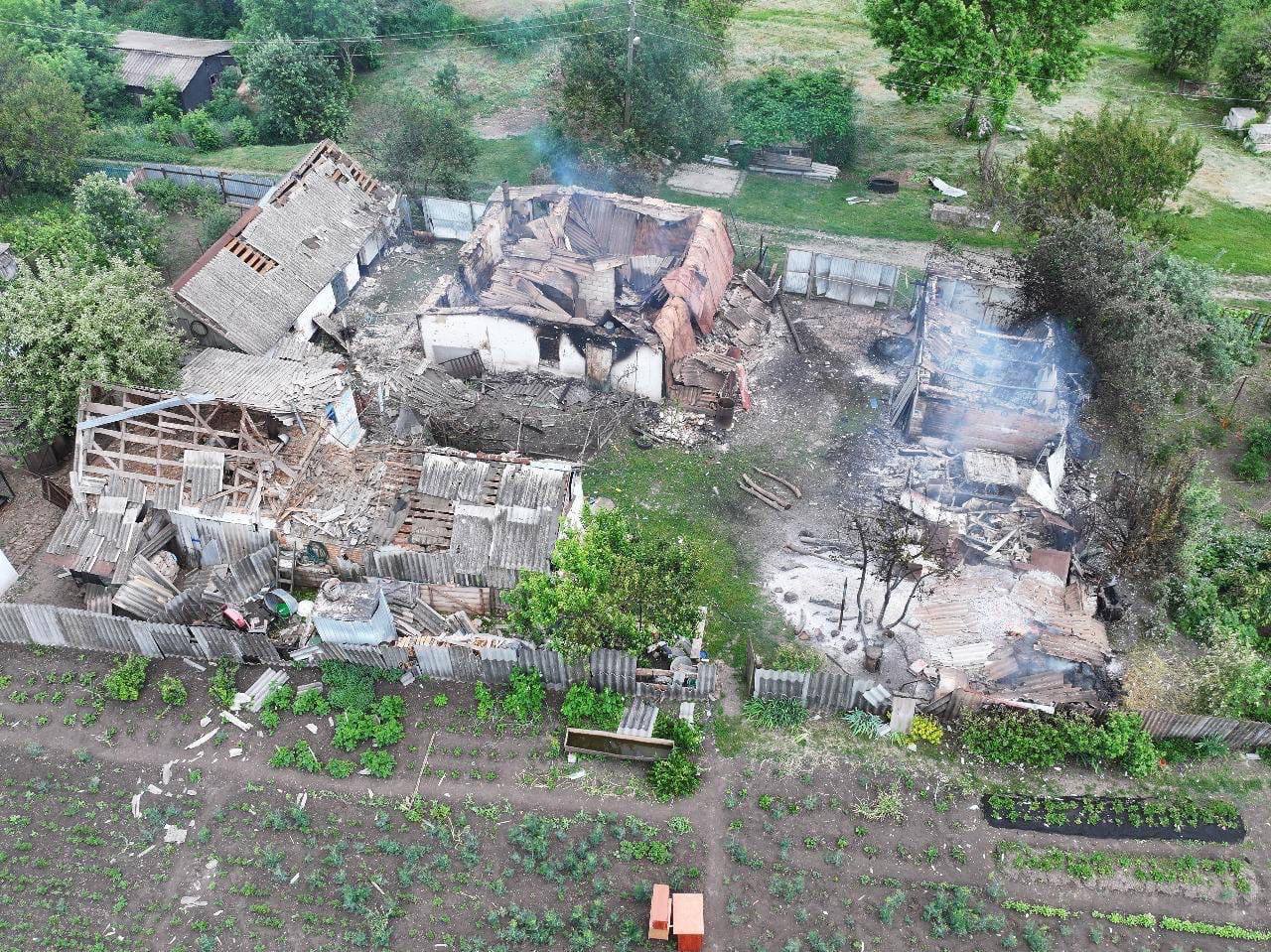
Russia kills at least 4, injures 24 across Ukraine over past day

Russia kills at least 4, injures 24 across Ukraine over past day

At least four civilians were killed and 24 injured over the past day in Russian attacks across Ukraine, Ukrainian officials said on June 13.

According to the Ukrainian Air Force, Russia targeted the country with 55 Shahed-type attack drones and decoy unmanned aerial vehicles (UAVs), as well as four Iskander-M/KN-23 ballistic missiles launched from Russian territory.

Ukraine's air defenses shot down 28 drones, while 15 were intercepted by electronic warfare or disappeared from radars.

In Kherson Oblast, Governor Oleksandr Prokudin said Russian troops shelled and launched drone and air strikes on dozens of settlements, including Kherson city. The attacks hit residential areas and critical infrastructure, damaging four apartment buildings and 13 houses. One person was killed and seven were wounded.

In Kharkiv Oblast, Governor Oleh Syniehubov reported that seven civilians were injured, including an 11-year-old child, during Russian attacks on seven settlements. Russian forces used 16 unguided rockets, six guided bombs, and over 20 drones, including Shaheds and first-person view (FPV) units. Civilian infrastructure, including houses and factory buildings in Kupiansk, Izium, and Bohodukhiv districts, sustained significant damage.

In Sumy Oblast, two people were injured when a Russian drone struck civilian infrastructure in the Mykolaivka community, regional officials said. Over the past 24 hours, Russia carried out more than 50 attacks on 25 settlements using FPV drones, multiple-launch rocket systems, and guided bombs.

In Zaporizhzhia Oblast, Governor Ivan Fedorov said one person was killed and three injured in Russian attacks on the region. Russian forces launched nearly 500 strikes across the region, including 283 drone attacks, mainly FPV types, and 10 air strikes.

In Donetsk Oblast, Governor Vadym Filashkin said two civilians were killed, while five others were injured across the region.

Ukraine secures return of 5 children from Russia, Russian-occupied territories
Ukraine successfully brought back five children who had been forcibly taken to Russia as well as Russian-occupied territory, Presidential Office head Andriy Yermak announced on June 12.
Russia kills at least 4, injures 24 across Ukraine over past dayThe Kyiv IndependentDmytro Basmat
Russia kills at least 4, injures 24 across Ukraine over past day
  •  

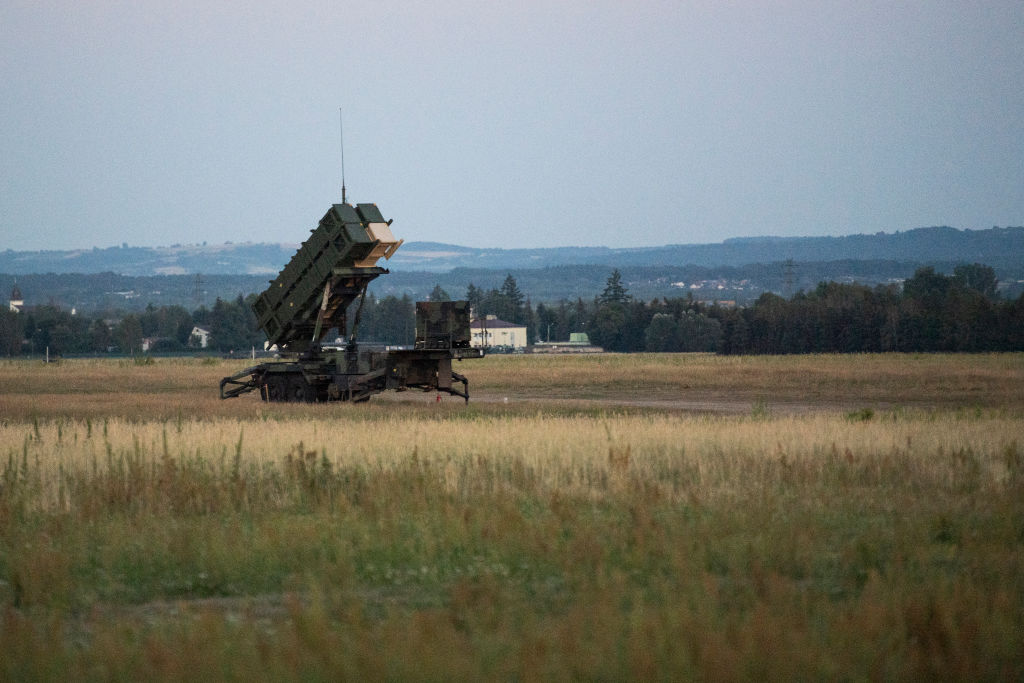
NATO to strengthen missile defenses in Eastern Europe to counter Russian threats, Bloomberg reports

NATO to strengthen missile defenses in Eastern Europe to counter Russian threats, Bloomberg reports

NATO plans to enhance its missile defense systems on its eastern flank in response to a growing threat from Russia, Bloomberg reported on June 12, citing its undisclosed sources.

For the first time, member states of NATO are reportedly considering combining the alliance's ballistic missile shield with other integrated missile defense assets. The talks are taking place behind closed doors and involve sensitive deliberations, Bloomberg reported, citing its sources.

Moscow has long opposed NATO's missile defense infrastructure, particularly the U.S.-built interceptors deployed in Poland and Romania, states neighboring Ukraine. The alliance has previously said those systems are intended to counter potential long-range threats from Iran, not Russia.

The so-called "NATO expansion to the east" is one of the key narratives used by Russian propaganda to justify its large-scale war against Ukraine.

The proposed integration of ballistic missile defense with NATO's broader air and missile defense network would address threats from any direction in the future. This shift suggests the effort would increasingly be focused on deterring Russian capabilities, according to Bloomberg's sources.

The move comes as NATO ramps up its defense posture more than three years after Russia launched its full-scale invasion of Ukraine. The alliance recently agreed on the most ambitious new weapons targets since the Cold War.

NATO Secretary General Mark Rutte called on alliance members to make a "quantum leap" in defense investment in response to the enduring threat from Russia. Speaking at Chatham House in London, Rutte urged allies to increase air and missile defense by 400%.

Talks on integrating the systems may wrap up ahead of the NATO summit in The Hague on June 24–25, but could continue afterward, the sources said. Ukraine is invited to attend the summit. It remains unclear whether the initiative will still officially cite Iran as a threat or move fully toward addressing Russia.

The effort is part of a broader strategy to reinforce NATO's eastern flank, but some officials have raised concerns about how it might affect peace efforts in Ukraine and whether the United States will fully support the integration, Bloomberg reported.

Previously, U.S. President Donald Trump echoed Russian claims that Kyiv provoked the invasion by pursuing its NATO ambitions.

Earlier, Bloomberg reported that NATO is deploying a new satellite surveillance system aimed at monitoring military activity in Ukraine and along the alliance's eastern borders. The system, known as Smart Indication and Warning Broad Area Detection (SINBAD), will use AI-powered analysis to scan large areas and detect potential threats with unprecedented frequency.

NATO expands satellite surveillance to monitor Ukraine, eastern flank
The initiative, named Smart Indication and Warning Broad Area Detection (SINBAD), will allow NATO to scan vast territories with unprecedented frequency, using AI-powered analysis to detect changes and alert allies to potential threats.
NATO to strengthen missile defenses in Eastern Europe to counter Russian threats, Bloomberg reportsThe Kyiv IndependentAnna Fratsyvir
NATO to strengthen missile defenses in Eastern Europe to counter Russian threats, Bloomberg reports
  •  
❌