
Vue lecture

Ukraine’s new AI platform trains weapons on five million frames of drone footage. Partner countries can use it too

another russian shadow fleet tanker wrecked sea baby drones black · post drone video moment explosion strikes dashan untitlesd-1 ukraine news ukrainian reports

Ukraine is turning millions of hours of battlefield footage into fuel for its defense industry's AI. Ukraine's Defense Ministry has announced that it has opened Avengers Labs, a platform for training artificial intelligence models, to Ukrainian defense companies.

The platform is a new piece of the defense-tech ecosystem Ukraine has built around its war. Alongside the Brave1 cluster that funds and codifies weapons and the Test in Ukraine framework that trials them in combat, Avengers Labs supplies the raw material for AI, a vast, curated dataset of Russian military targets that a single private company could never assemble on its own.

The data comes from the battlefield

Avengers Labs was developed by the Center for Innovation and Development of Defense Technologies, the team behind the DELTA battle-management system, and most of its data comes from DELTA and is constantly expanded.

The dataset captures the enemy in detail. It contains images of tanks, artillery, air-defense systems, infantry, and aerial targets, including Shahed drones and reconnaissance UAVs, a labeled library of what Russian forces look like from a drone's camera. According to the ministry, the system can significantly speed up the development of AI solutions for unmanned systems.

The AI already works in combat

A system trained on Avengers data is already in the field, analyzing over 100,000 drone video streams a month and detecting about 70% of enemy targets in real time, day and night.

The models enable more autonomous drones. Trained on Avengers data, they support automatic trajectory correction after an operator marks a target, and independent target detection by a drone in a defined area according to set mission logic, steps toward drones that find and strike targets with less human input, according to the ministry.

Partner-country firms can join too

Access extends beyond Ukraine, under vetting. The first Ukrainian defense companies have signed licensing agreements to use Avengers Labs, and companies from Ukraine's partner countries can also join, per the ministry.

The screening guards against leakage to the enemy. To gain access, companies must pass checks confirming no ties to the aggressor state, no business in Russia, no sanctions, and no activity in occupied territories.
  •  

New Iranian loitering munition has started reaching Ukraine, analyst says. It’s built to hit deep behind front

An Iranian Shahed-107 drone. Source: Oleksandr Kovalenko

Iran is using the war in Ukraine to make its attack drones deadlier. Iran has been refining its Shahed-107 kamikaze drones based on the experience of the war in Ukraine, military analyst Oleksandr Kovalenko said.

Ukraine has become the testing ground where Iran improves the weapons, and Russia then fires at it. The Shahed-107's warheads have received additional shrapnel elements, and a detailed aerodynamic study shows a significant improvement in the drone's structure, Kovalenko explains.

The Shahed is being upgraded from combat experience

Kovalenko said the modifications come directly from how the drones perform in Ukraine. The warheads now carry extra fragmentation elements, increasing their lethality against people and soft targets, and the airframe's aerodynamics have been reworked.

A new loitering munition may be coming

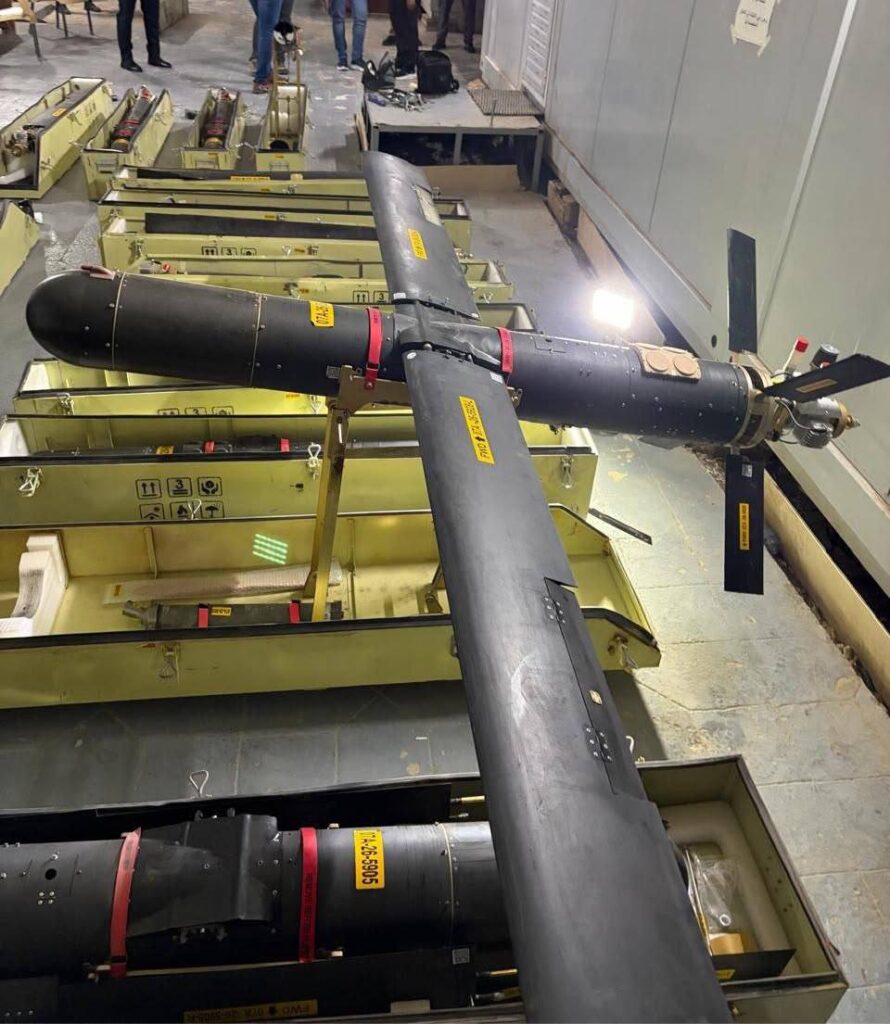
Kovalenko also warned about a weapon already appearing over Ukraine. Karar drones have recently begun reaching Ukraine, not yet on a large scale, but enough to cause some confusion in identifying the weapon. He said he would not be surprised if they appear more widely soon.

He described its specifications.

"The Karar is a loitering munition, more a flying bomb than a drone by classification, equipped with a DLE 111 gasoline engine, with a range of about 300 kilometers on a 28-liter tank and a 15-kilogram warhead," Kovalenko said.

He called it an extremely cheap means of terror for the middle rear zone.

The warning is about the rear

Kovalenko's concern is where such a weapon reaches. A cheap loitering munition with a 300-kilometer range could strike areas well behind the front that have been relatively safe, extending the threat deeper into Ukraine.

Kovalenko framed the weapon's arrival in stark terms, saying that when it appears, people should simply accept what will happen, and declining even to name the region where he expects it to appear. That is his characterization: a single analyst's warning about a weapon whose wider use he anticipates but that has not yet reached scale. EP cannot independently verify Karar's specifications or its deployment.

  •  
❌