Vue normale

  • ✇Euromaidan Press
  • Is a fifth or well over half of Wildberries gone—or can both counts be right?
    Since mid-July, Ukrainian drones have burned their way through the warehouses of Wildberries, Russia’s answer to Amazon, and how much of it is gone has become a question with too many answers.Estimates in circulation range from a fifth of the company’s network to well over half, and they clash because each counts something different. Only by sorting out what each figure measures can you see what the campaign has actually done—and what it has done is heavier, where it co
     

Is a fifth or well over half of Wildberries gone—or can both counts be right?

13 août 2026 à 11:38

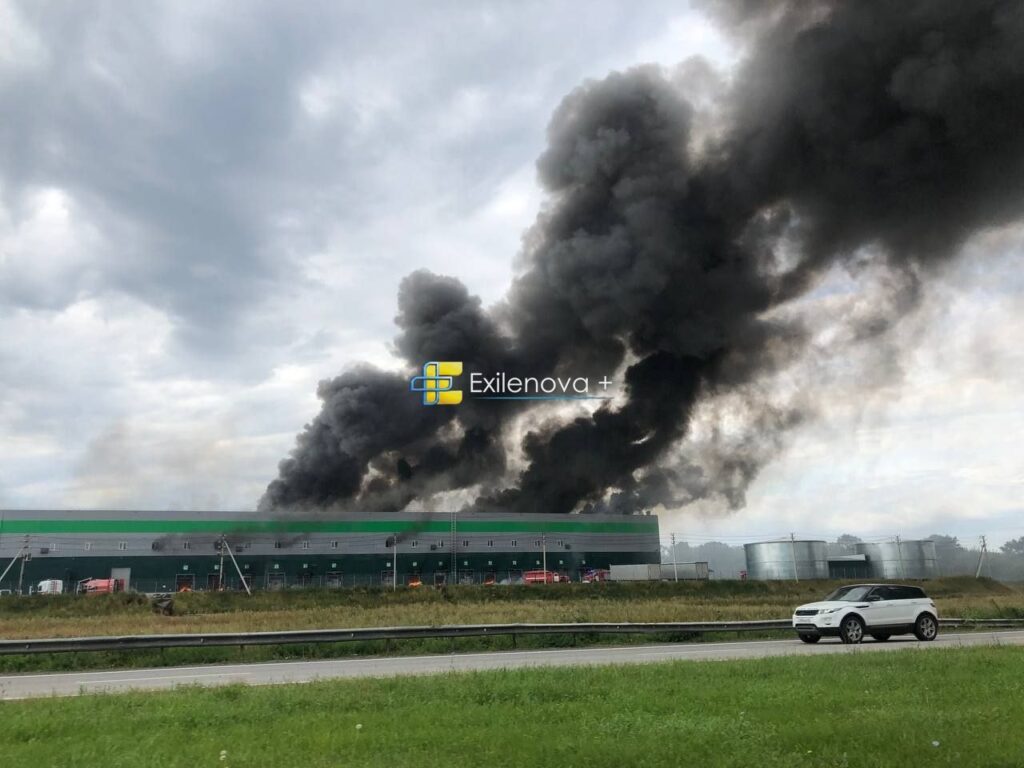
logistics centre in Bashkortostan, Russia,

Since mid-July, Ukrainian drones have burned their way through the warehouses of Wildberries, Russia’s answer to Amazon, and how much of it is gone has become a question with too many answers.

Estimates in circulation range from a fifth of the company’s network to well over half, and they clash because each counts something different.

Only by sorting out what each figure measures can you see what the campaign has actually done—and what it has done is heavier, where it counts, than the modest numbers suggest.

Ukraine has concentrated its drones on a couple of dozen hubs that move most of the goods, while the hundreds of small depots that pad the total remain mostly untouched.

Wildberries’ network is scattered across hundreds of small sorting points that would hardly be missed if one burned.

Wildberries is no marginal target. Nearly half of everything Russians buy online runs through it, a marketplace as woven into daily life there as Amazon is in the West. And Kyiv is not burning it for the sneakers.

Estonian military intelligence reports that Wildberries, though not a military firm, supplies the Russian armed forces with kit bought straight off the platform—body armor and drone parts—a case Ukraine makes too. Wildberries denies it.

Yet once the strikes began, the company pulled its “SVO” tag, the label that had gathered those goods in one place, while the goods stayed on sale under other categories; it also barred warehouse workers from carrying camera phones.
drones hit volgograd kept flying 1100 km tatarstan · post large fire black smoke over russia after ukrainian drone strike wildberries logistics center 31 2026 exilenova+ ukraine news reports
Explore further

Russia’s largest retailer is taking cameras away from its own workers month after eight of its warehouses burned

Count the hubs, and the damage jumps

The clash comes down to the word “network.” Most of Wildberries’ floor space is scattered across small sorting points that would hardly be missed if one burned. Set the damage against all of it, and the loss—about a fifth—looks minor.

But the parcels move through these two dozen hubs that hold more than half the company’s space, and those are the ones Ukraine has hit: more than a third are damaged, and by another count, well over half are out of action. It is the same campaign counted in two ways, and only the second shows its aim.

The gap between a building’s size and its damage is easy to miss, and the biggest hub shows how. Koledino, outside Moscow, covers more than 200,000 square meters, and that number keeps getting logged as a loss.

It shouldn’t be. When a drone came down there on 28 July, the fire took a neighboring warehouse—a separate operator that stocks shelves for chains like Lenta and Auchan—while the Wildberries hub kept working.
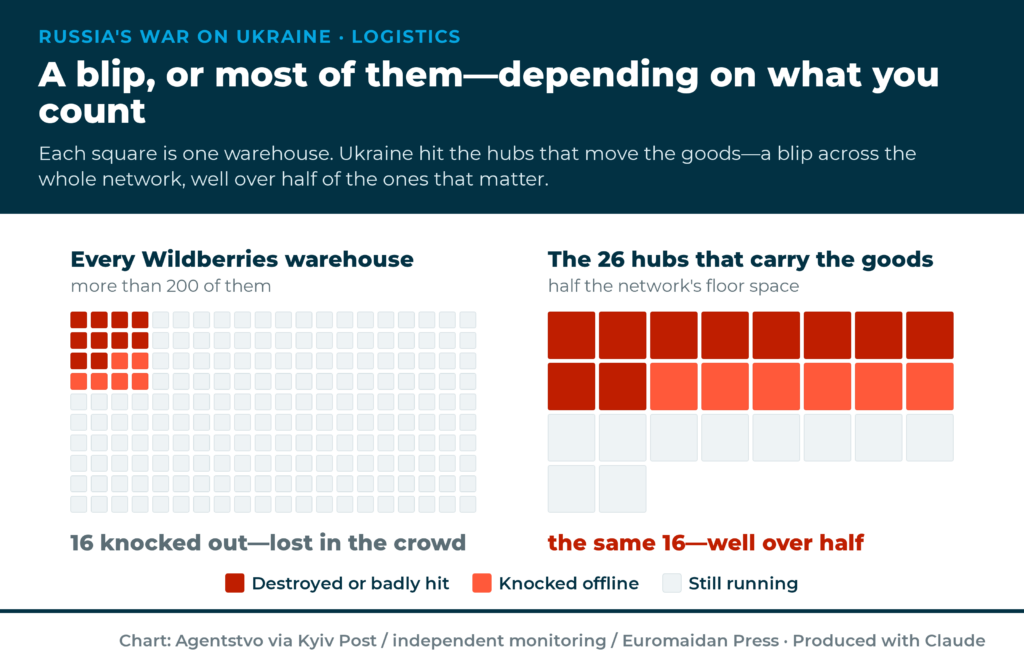
depending on how to count, ukraine has taken out either a fifth or well over half wildberries warehouses
Ukraine has concentrated its drone strikes on the major hubs that move most of Russia's goods. Measured against all 200-plus Wildberries warehouses, the damage looks like a blip; measured against the largest hubs, it takes out well over half. Chart: Agentstvo via Kyiv Post / independent monitoring / Euromaidan Press · Produced with Claude

Damage reaches beyond the warehouses

The Wildberries strikes are one arm of a declared campaign. On 25 June, Zelenskyy announced a 40-day operation to pressure Russia to end the war.

The warehouse strikes began on 18 July near Moscow and have since spread across a dozen regions, reaching as far as Yekaterinburg in the Urals.

The cost runs beyond floor space. At least eight people have been killed in the strikes so far—warehouse staff and residents caught near the hubs when the drones came down. And the pressure is pushing the company outward: Wildberries is scouting for storage in Kazakhstan, hunting warehouse space beyond the reach of Ukrainian drones.
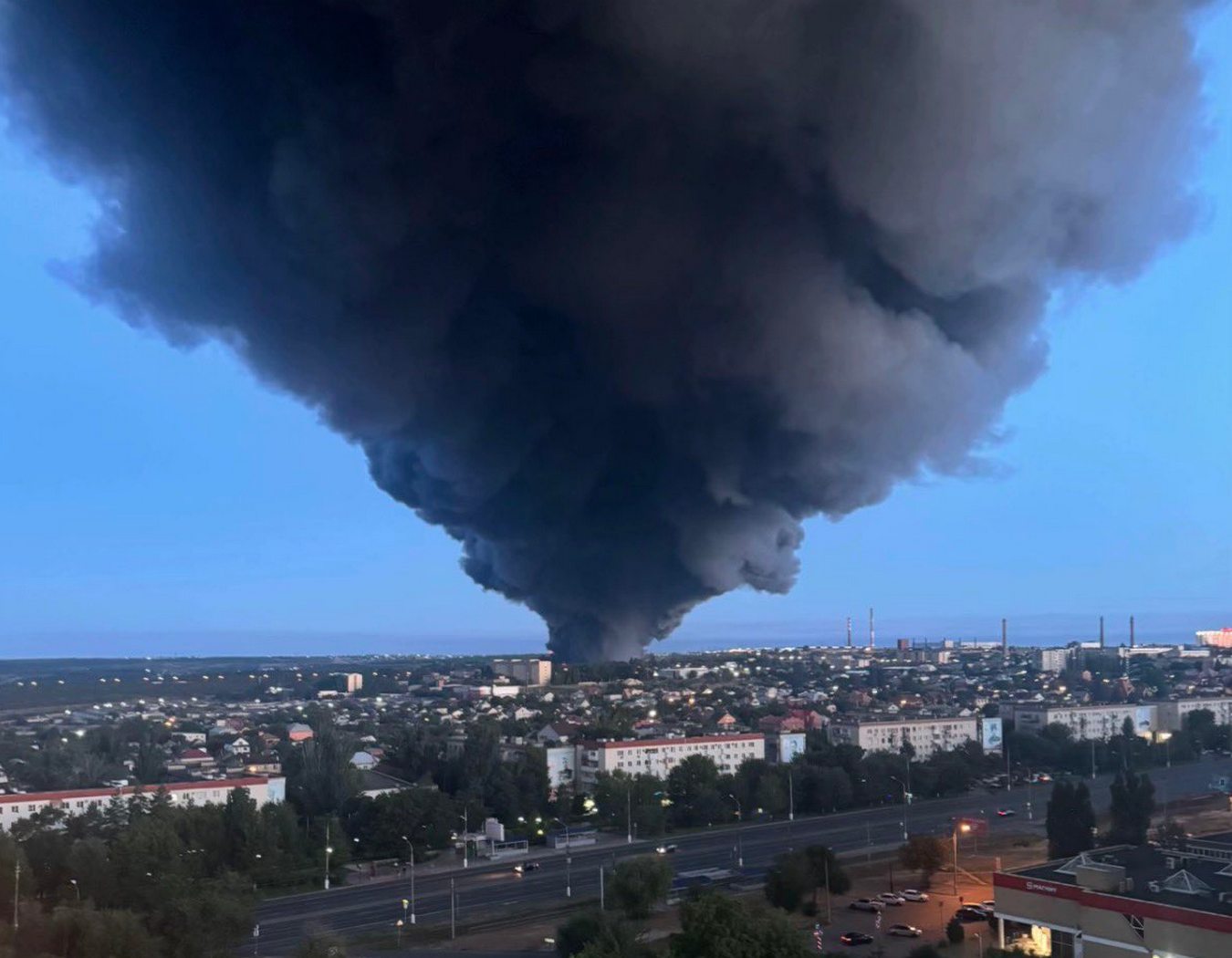
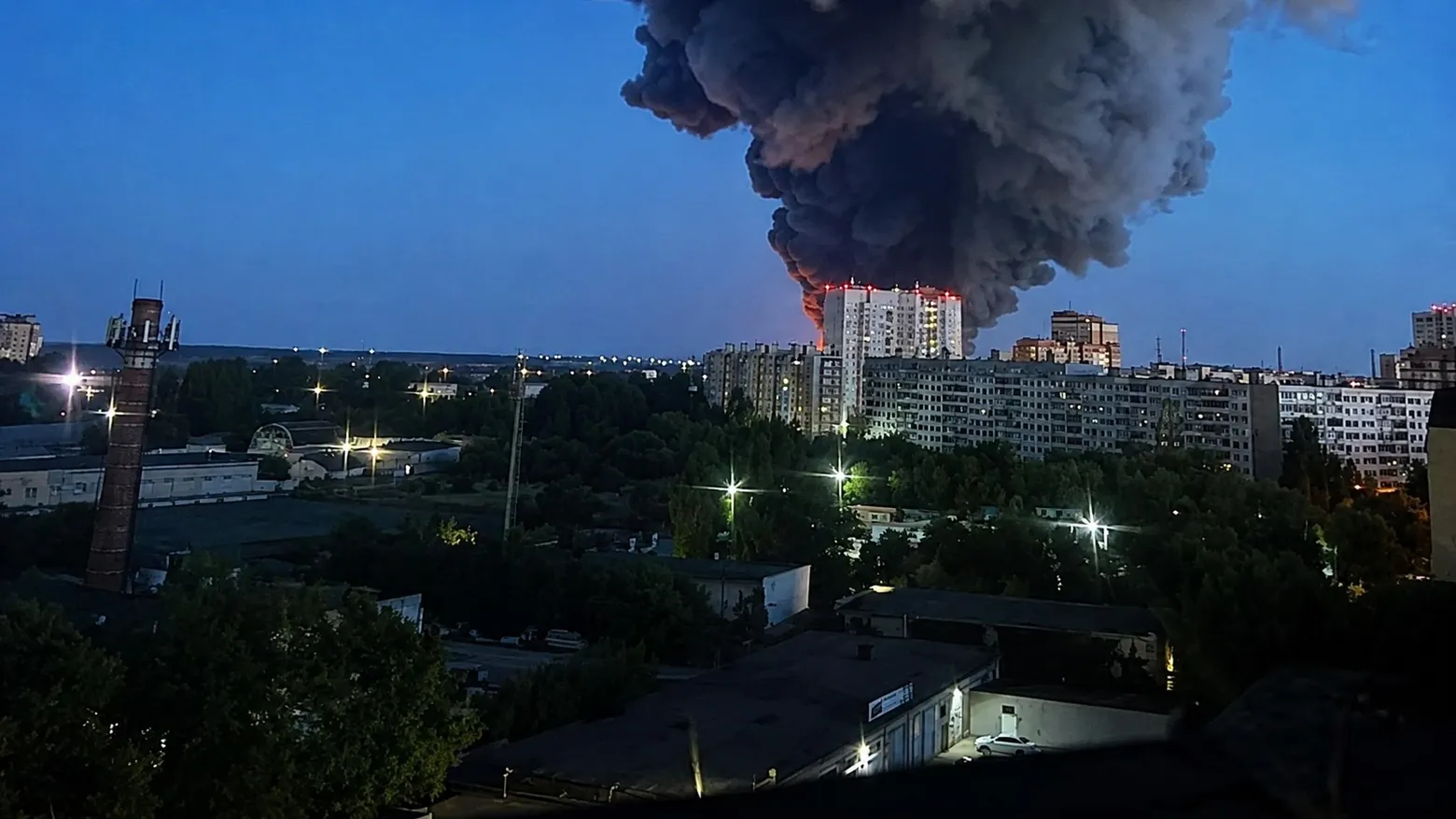
drones hit volgograd kept flying 1100 km tatarstan · post large fire sends up black smoke over russia after ukrainian drone strike wildberries logistics center 31 2026 x/@bayraktar_1love bayraktar_1love hoivgso
Explore further

Ukraine’s strikes gave Kazakhstan leverage over Russian retail giant Wildberries

The fires have become a line in Russia’s budget. The Kremlin is weighing state loans to keep Wildberries upright—at a point when the federal deficit had, halfway through 2026, already outrun the shortfall the Treasury set aside for the entire year.

Oil and gas revenue, the Kremlin’s main source of war funding, keeps falling short. Russia appears unwilling to let a company this central fail. Paying to save it, hub by burned hub, is the bill Ukraine is now handing Moscow.
  • ✇Euromaidan Press
  • Over 100 strategic targets struck in Ukraine’s 40-day campaign against Russia’s war machine
    Ukraine's Security Service (SBU) says it has struck more than 100 strategic military and industrial targets inside Russia and occupied Ukrainian territories during a 40-day campaign approved by President Volodymyr Zelenskyy. The coordinated 40-day campaign combined long-range strikes deep inside Russia with frontline operations, aiming to simultaneously erode Moscow's military production, logistics, fuel supplies, air defenses, and combat capabilities rather than focusi
     

Over 100 strategic targets struck in Ukraine’s 40-day campaign against Russia’s war machine

4 août 2026 à 12:51

drones found fsb where felt safest—a seaside resort deep occupied kherson · post explosion coordination center oblast security service ukraine strike site 20 2026 earlier sbu news ukrainian reports

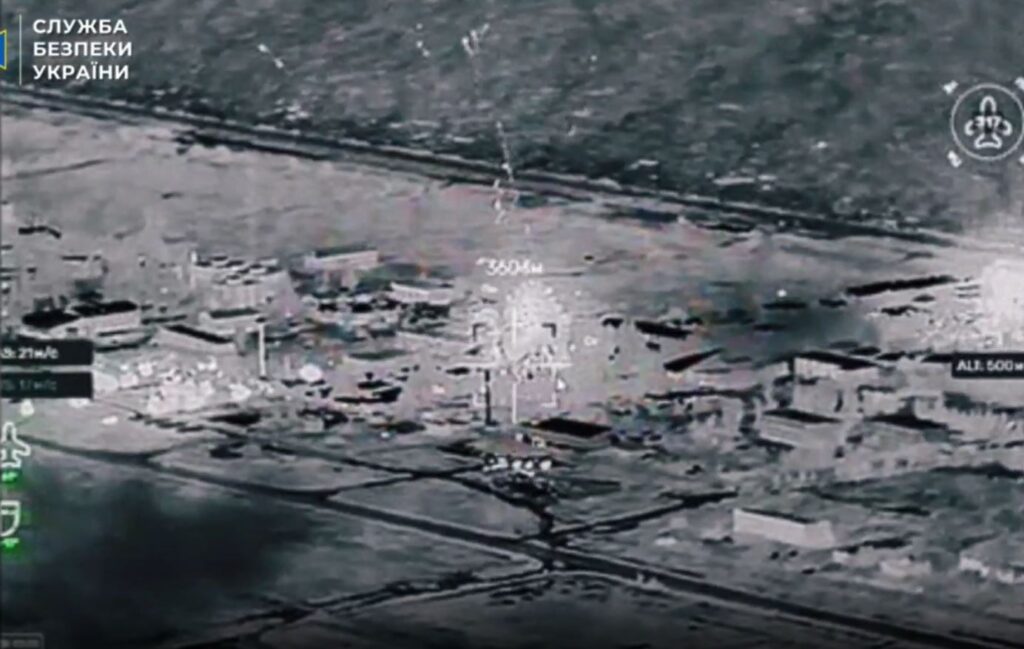
Ukraine's Security Service (SBU) says it has struck more than 100 strategic military and industrial targets inside Russia and occupied Ukrainian territories during a 40-day campaign approved by President Volodymyr Zelenskyy.

The coordinated 40-day campaign combined long-range strikes deep inside Russia with frontline operations, aiming to simultaneously erode Moscow's military production, logistics, fuel supplies, air defenses, and combat capabilities rather than focusing on a single target set. 

In a statement on 4 August, the SBU said the operation targeted Russia's military-industrial complex, air bases, air defense systems, command posts, oil refineries, transport and military logistics infrastructure, as well as vessels from Russia's sanctions-evading "shadow fleet."

The agency said Zelenskyy has also approved a new series of operations proposed by SBU chief Maj. Gen. Oleksandr Poklad.

Campaign targeted air bases, oil facilities, and shadow fleet

According to the SBU, one of the campaign's main objectives was degrading Russia's military aviation and air defense capabilities.

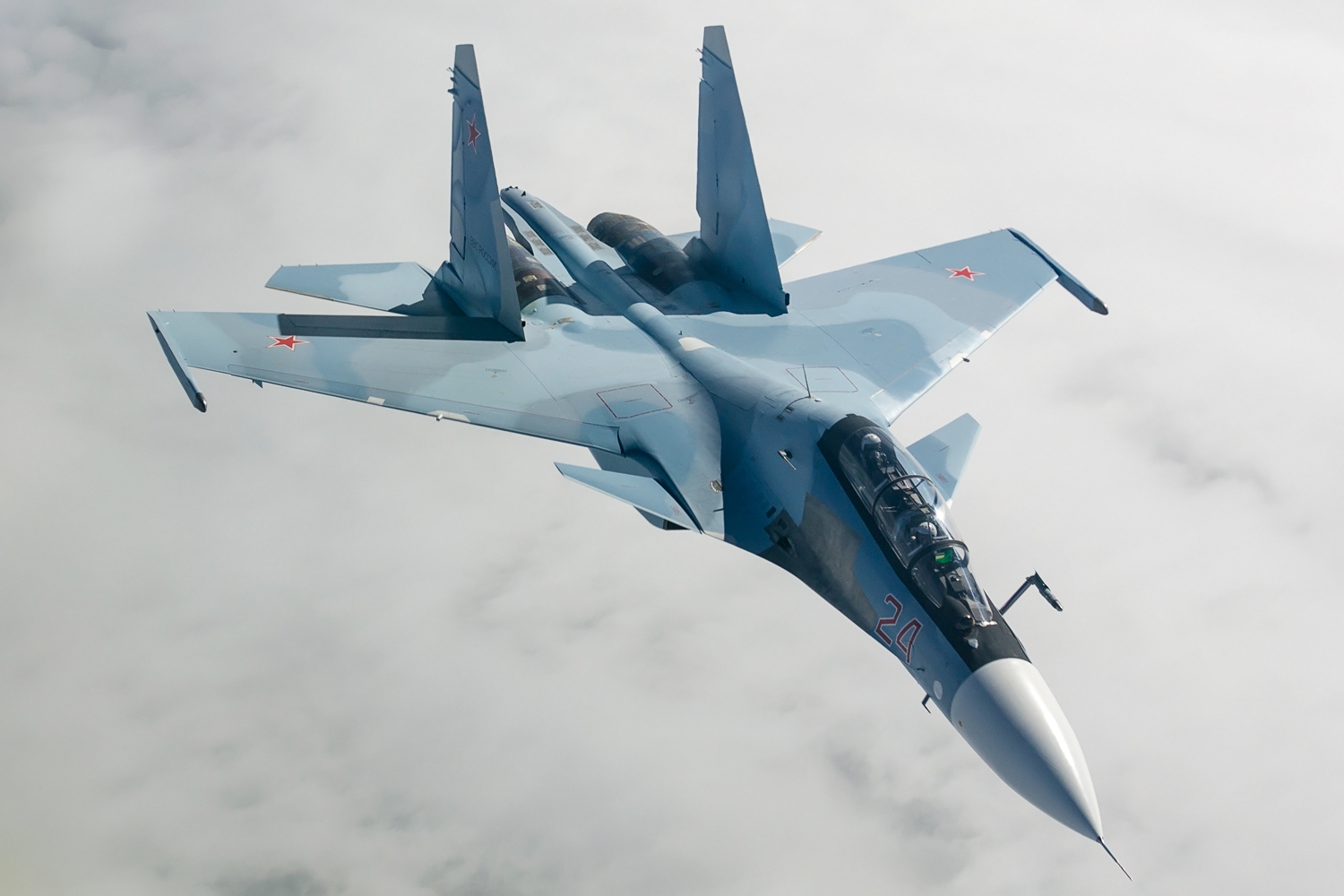
The agency said it struck the Saky, Hvardiiske, Belbek, Bagerovo, Engels, and Khanskaya air bases, as well as the Yevpatoria aviation plant. It claimed the attacks destroyed one Tu-95MS strategic bomber, damaged two Su-35 fighter jets and two L-39 trainer aircraft, and hit hangars housing Su-24, Su-30, and Su-30SM aircraft, Shahed drone storage facilities, and airfield fuel infrastructure.

The SBU also reported strikes on Russian air defense assets, including a Nebo-U radar, the 92N6E engagement radar of an S-400 system, Tor-M2 and Pantsir-S2 air defense systems, a Pole-21 electronic warfare system, and several Podlyot-K1 and Kasta-2E2 radar stations.

The agency said it also struck 14 oil refineries, dozens of oil depots, pumping stations, terminals, and storage facilities, naming refineries in St. Petersburg, Yaroslavl, Nizhny Novgorod, Perm, Volgograd, and Ufa among the targets.

It further claimed attacks on the tankers Blue, Louise 1, Banda, and Avero, along with two cargo vessels already under international sanctions, as part of efforts to disrupt Russia's "shadow fleet."

ukrainian manpads takes down russian su-30sm jet over black sea air force's sukhoi sukhoi_su-30sm_in_flight_2014
Explore further

Ukraine hits at least seven Russian warplanes in second strike on Crimea’s Saky airbase this week, SBU says

SBU reports thousands of battlefield targets hit

Alongside its long-range operations, the SBU said its frontline units struck more than 21,000 items of Russian military equipment, weapons, and infrastructure during the same 40-day period, while killing nearly 5,000 Russian troops.

According to the statement, those strikes included 24 tanks, 63 armored vehicles, 124 artillery systems, 22 multiple-launch rocket systems, 40 air defense systems, and 14 aircraft and helicopters.

The agency also said it destroyed more than 11,000 enemy drones and ground robotic systems, including 176 Shahed attack drones, and struck 712 drone crews together with their launch sites and equipment.

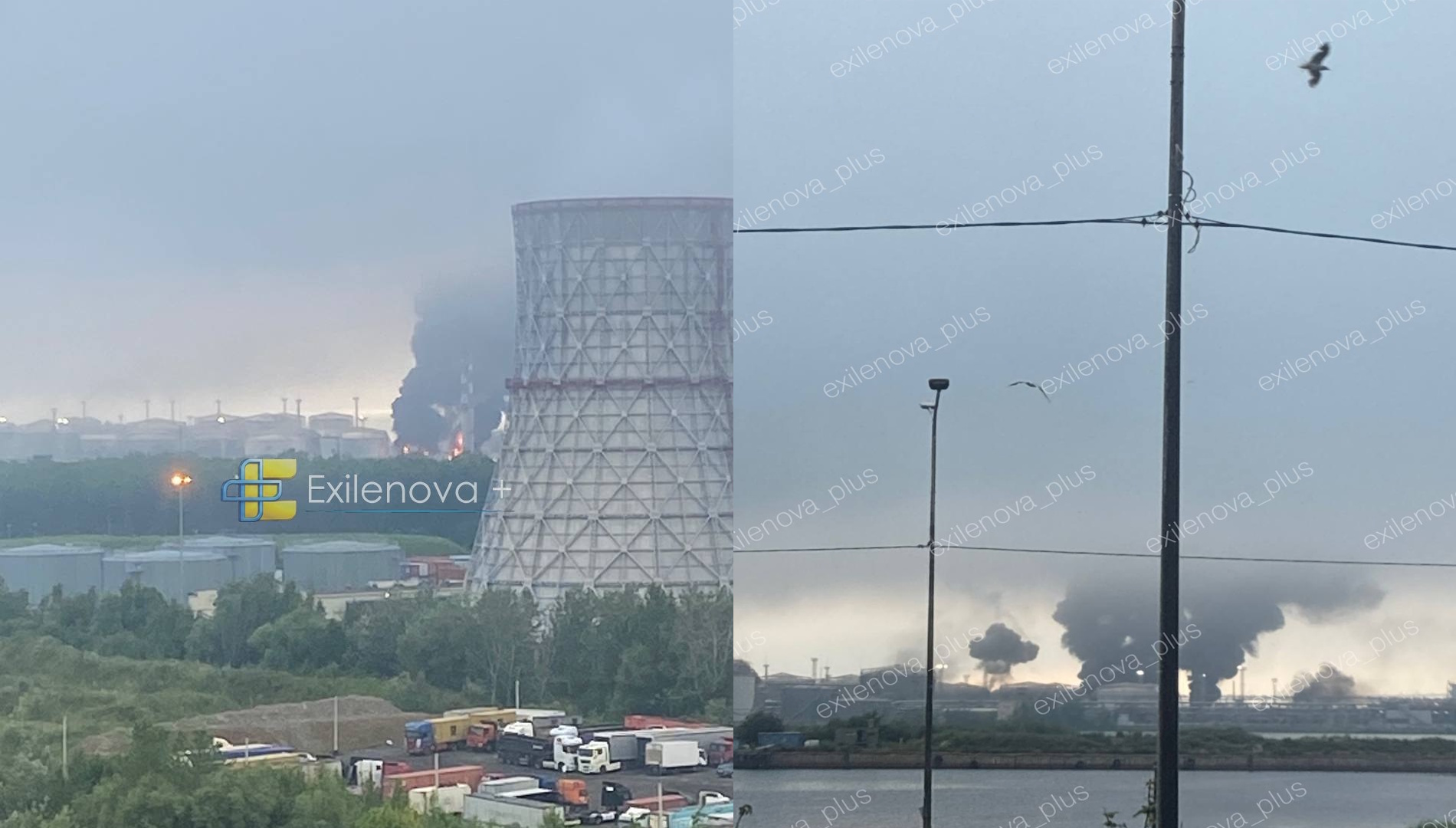
The image shows fire and smoke emanating from a St. Petersburg-area maritime petroleum products transshipment terminal. Source: OSINT Telegram channel Exilenova+
Explore further

Ukraine is ten days into campaign to pressure Moscow toward peace: Russia’s Baltic oil gateway took hit overnight

Part of Ukraine's broader deep-strike campaign

The figures add to a series of increasingly ambitious Ukrainian long-range strikes targeting Russia's military infrastructure, oil industry, and logistics network.

Over recent months, Ukraine has claimed attacks on strategic bomber bases, air defense systems, oil refineries, and vessels involved in transporting Russian oil despite Western sanctions. 

Kyiv says the campaign aims to reduce Russia's ability to sustain its war against Ukraine by degrading both its military capabilities and the economic infrastructure supporting them.

❌