Dolly Parton Was Shaped by a Small Rural Church. They’re Fading Away.

© Will Crooks for The New York Times


© Will Crooks for The New York Times


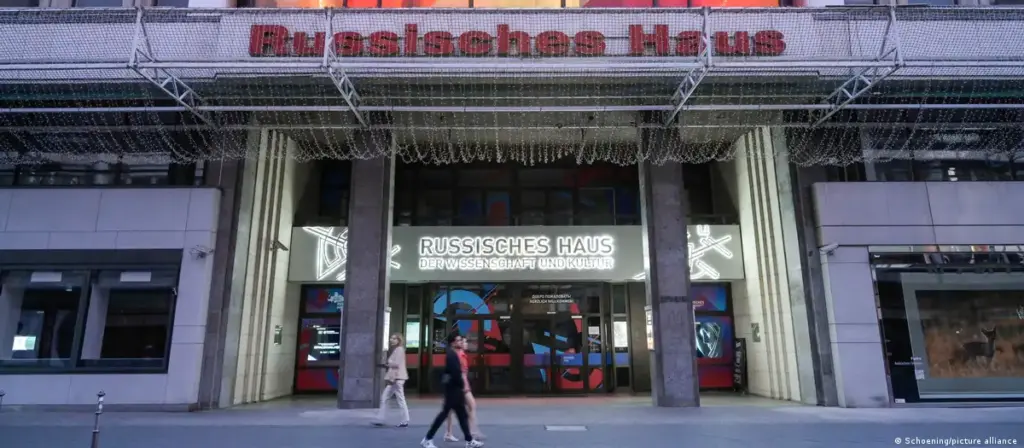
Germany has placed part of a federal ministry directly next to a Berlin building that France links to Russian intelligence, the newspaper Tagesspiegel reported. The branch office shares a wall with the Russian House, a cultural center long suspected of serving as a Kremlin front. One of its units works on protecting Germany's critical networks from attack.
The Federal Ministry for Digital Affairs opened a branch at Taubenstraße 42/43 on 1 July. It sits wall-to-wall with the Russian House on Friedrichstraße, reporter Claudia von Salzen found. The ministry moved in because its main headquarters nearby had run out of space.
Two of the ministry's six departments now operate there. One covers digital infrastructure, including a unit for the security and resilience of public telecom networks.
The other handles digital identities, trust services, and the cybersecurity industry. Both are fields a hostile intelligence service would want to watch.
The Russian House is officially a science and culture center. It opened on Friedrichstraße in 1984 to promote friendship with the Soviet Union.
Rossotrudnichestvo, a Russian state agency, runs it. The EU sanctioned that agency in July 2022 as the Kremlin's main tool for hybrid influence. In Germany, it allegedly helped organize pro-Russian rallies, and many of its staff abroad are Russian intelligence officers.
A leaked French Interior Ministry letter states the building serves as cover for Russian intelligence. The Russian House rejected that and claimed it is a purely cultural institution.
Across town, German lawmakers near the Russian Embassy hardened their offices years ago. They were told to avoid Bluetooth devices and to fit their windows with anti-espionage film.
Berlin is also reviewing whether to close the Russian House over the espionage suspicions, TVP World reported. A senior lawmaker, Roderich Kiesewetter of the CDU, called the ministry's choice a clear failure of risk awareness.
The ministry said it picked the site because the building is federally owned and the right size. It did not answer whether the proximity to the Russian House counts as a security risk.
Germany has become one of the busiest fronts in Russia's campaign of drone incursions, sabotage, and spying. By December, Germany had logged more than 1,000 suspicious drone flights in 2025 alone. The drones have swarmed both civilian airports and military sites, shutting Munich Airport over two days in October 2025 and stranding thousands of travelers. Analysts judge it highly likely that Russia flew some 144 surveillance drones over a dozen NATO countries between August 2024 and February 2026, including near Ramstein Air Base and NATO nuclear sites. In early August 2026, security staff found an explosives-laden drone beside a Ukrainian cargo plane at Leipzig-Halle airport, an incident Western intelligence tied to Moscow.
Much of the ground work runs through disposable agents recruited online. In March 2026, authorities arrested operatives who had surveilled the head of a Bavarian drone firm arming Ukraine, a case its domestic service treats as a planned assassination. Prosecutors separately charged three men over a plot to mail exploding parcels from Germany, described as a test run for future arson attacks.


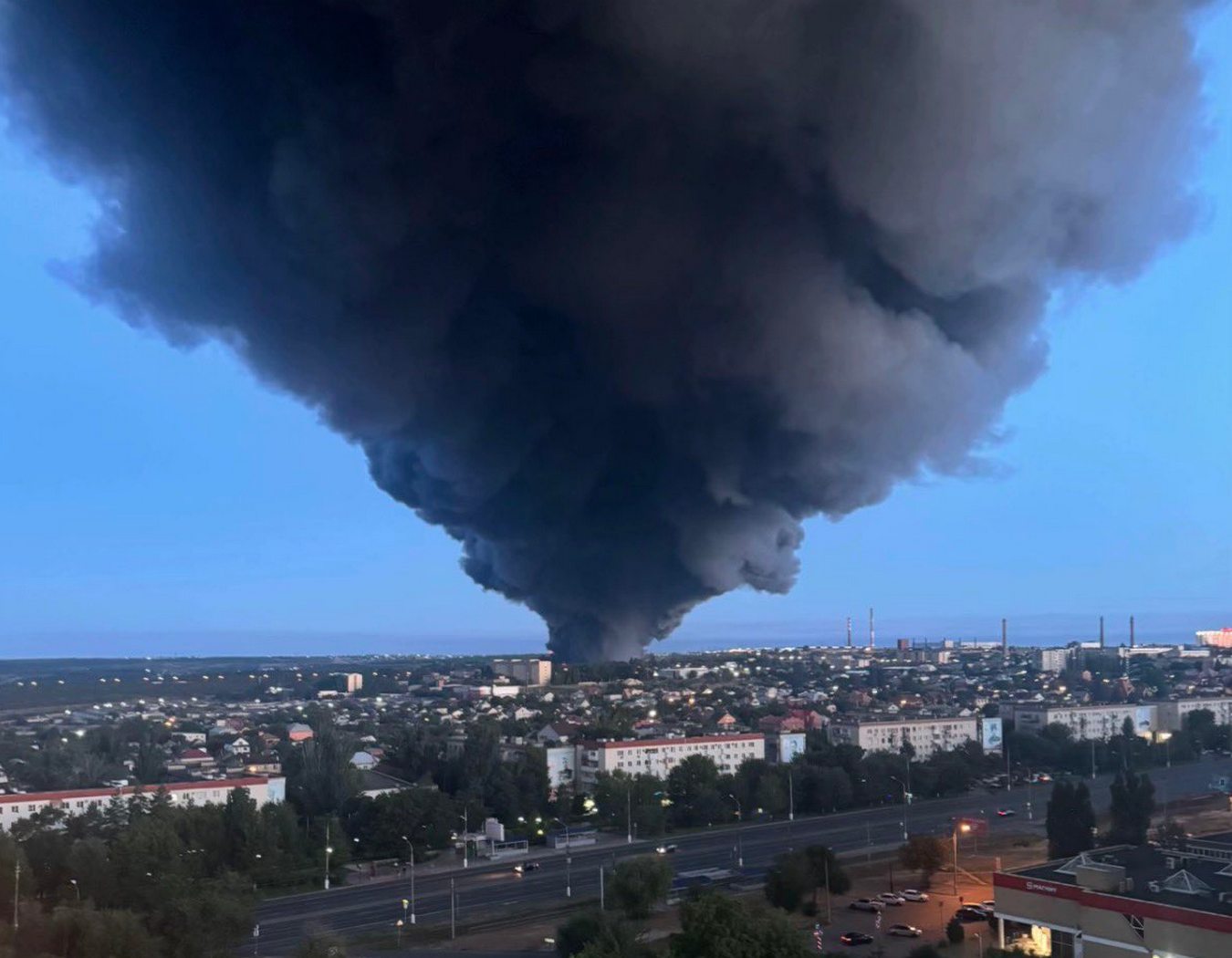
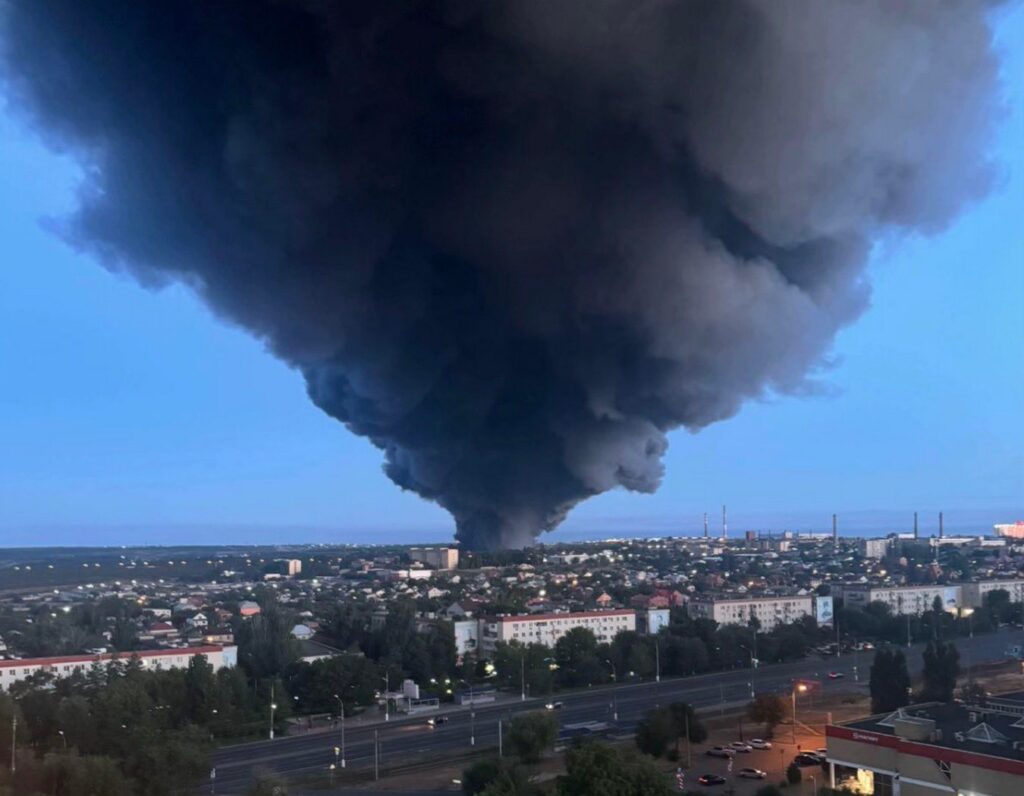
Since mid-July, Ukrainian drones have burned their way through the warehouses of Wildberries, Russia’s answer to Amazon, and how much of it is gone has become a question with too many answers.
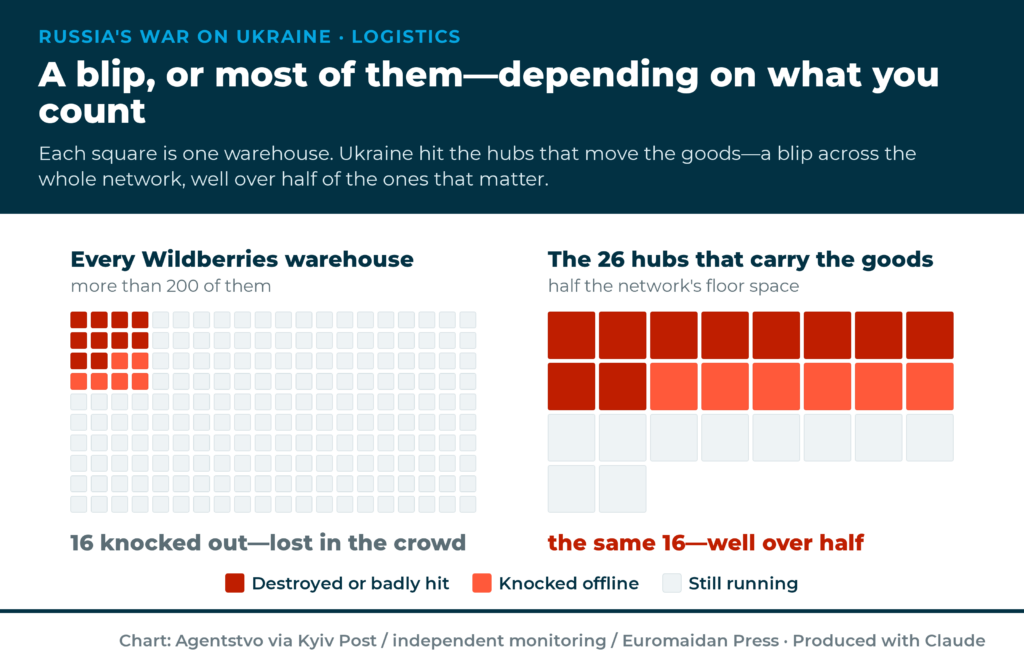
Estimates in circulation range from a fifth of the company’s network to well over half, and they clash because each counts something different.
Only by sorting out what each figure measures can you see what the campaign has actually done—and what it has done is heavier, where it counts, than the modest numbers suggest.
Ukraine has concentrated its drones on a couple of dozen hubs that move most of the goods, while the hundreds of small depots that pad the total remain mostly untouched.
Wildberries’ network is scattered across hundreds of small sorting points that would hardly be missed if one burned.
Wildberries is no marginal target. Nearly half of everything Russians buy online runs through it, a marketplace as woven into daily life there as Amazon is in the West. And Kyiv is not burning it for the sneakers.
Estonian military intelligence reports that Wildberries, though not a military firm, supplies the Russian armed forces with kit bought straight off the platform—body armor and drone parts—a case Ukraine makes too. Wildberries denies it.
Yet once the strikes began, the company pulled its “SVO” tag, the label that had gathered those goods in one place, while the goods stayed on sale under other categories; it also barred warehouse workers from carrying camera phones.
The clash comes down to the word “network.” Most of Wildberries’ floor space is scattered across small sorting points that would hardly be missed if one burned. Set the damage against all of it, and the loss—about a fifth—looks minor.
But the parcels move through these two dozen hubs that hold more than half the company’s space, and those are the ones Ukraine has hit: more than a third are damaged, and by another count, well over half are out of action. It is the same campaign counted in two ways, and only the second shows its aim.
The gap between a building’s size and its damage is easy to miss, and the biggest hub shows how. Koledino, outside Moscow, covers more than 200,000 square meters, and that number keeps getting logged as a loss.
It shouldn’t be. When a drone came down there on 28 July, the fire took a neighboring warehouse—a separate operator that stocks shelves for chains like Lenta and Auchan—while the Wildberries hub kept working.

The Wildberries strikes are one arm of a declared campaign. On 25 June, Zelenskyy announced a 40-day operation to pressure Russia to end the war.
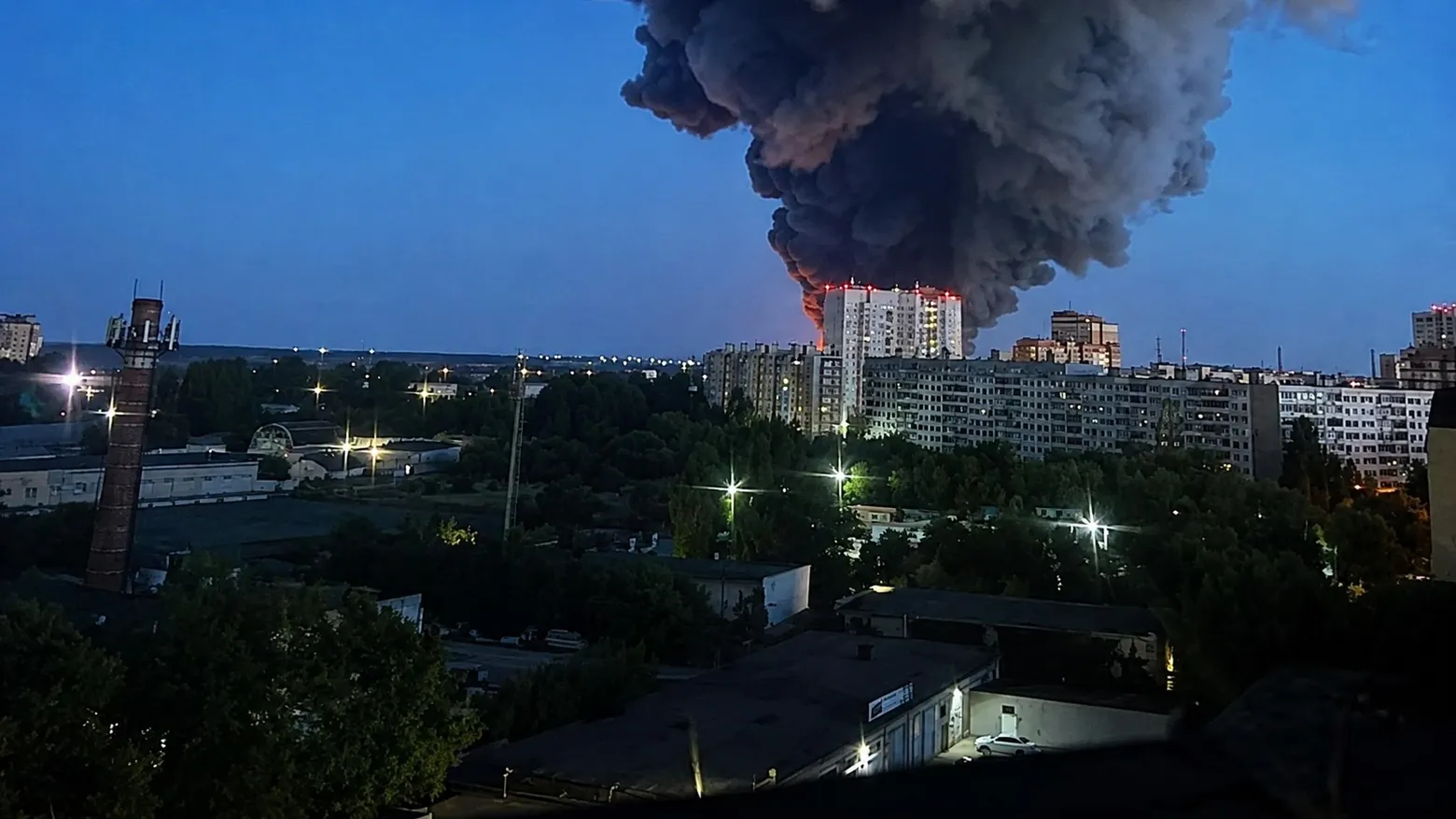
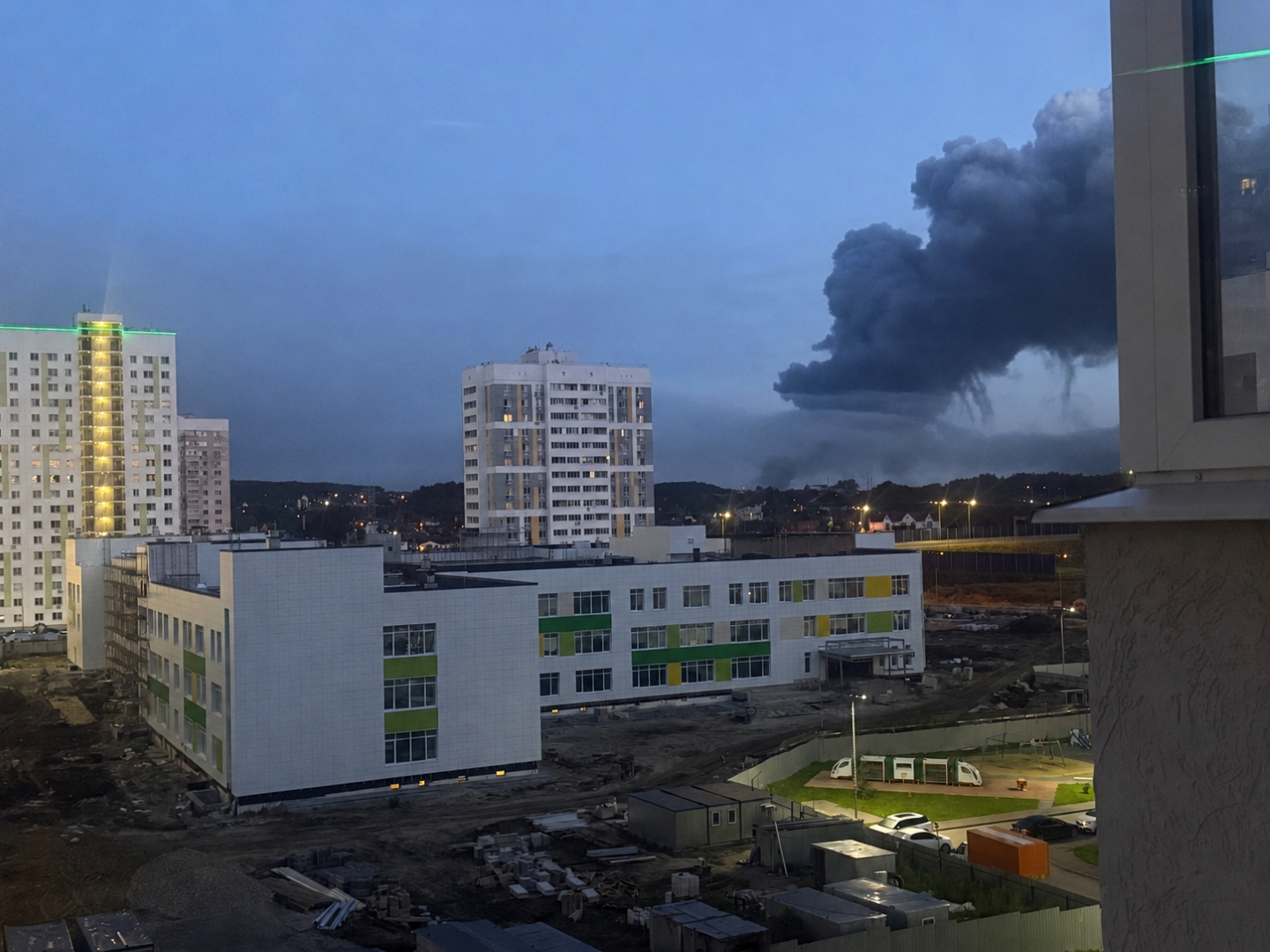
The warehouse strikes began on 18 July near Moscow and have since spread across a dozen regions, reaching as far as Yekaterinburg in the Urals.
The cost runs beyond floor space. At least eight people have been killed in the strikes so far—warehouse staff and residents caught near the hubs when the drones came down. And the pressure is pushing the company outward: Wildberries is scouting for storage in Kazakhstan, hunting warehouse space beyond the reach of Ukrainian drones.
The fires have become a line in Russia’s budget. The Kremlin is weighing state loans to keep Wildberries upright—at a point when the federal deficit had, halfway through 2026, already outrun the shortfall the Treasury set aside for the entire year.
Oil and gas revenue, the Kremlin’s main source of war funding, keeps falling short. Russia appears unwilling to let a company this central fail. Paying to save it, hub by burned hub, is the bill Ukraine is now handing Moscow.


An American volunteer who left Pennsylvania to fight for Ukraine believes the outcome here will shape the world for half a century. "Lighthouse", a soldier in the reconnaissance company of the 47th Separate Mechanized Brigade, came to Ukraine from Pennsylvania, the brigade shared.
Lighthouse is one of thousands of foreigners fighting for Ukraine. Since Ukraine created the International Legion in 2022, volunteers from more than 50 countries, including the US, Britain, and Canada, have joined its ranks, and Lighthouse, a scout from Pennsylvania, is one American who traced the war to its roots and decided to come.
The full-scale war in 2022 unsettled him and prompted him to research its causes, which took him back to where the war began. He traced it to the Revolution of Dignity of 2013 and 2014, when Ukrainians drove out a pro-Russian president. Then, Russia responded by seizing Crimea and igniting the war in the east.
"I understood pretty quickly that Ukraine was in a position to be fighting the good fight, and that Russia was being Russia, basically," he said.
He did not leave on impulse. He got in shape, went to the gym, and saved money, but the hardest part was his marriage: putting aside enough that his wife would be secure while he was gone, and making sure she was mentally prepared and would feel supported. She understood his reasoning, he said, and told him, "I support you. I support what you're doing."
He chose the brigade carefully. He researched many units and contacted several recruiters before choosing the 47th, which has attracted a substantial foreign contingent, including a mostly Colombian reconnaissance-and-strike group.
What settled his choice was the people. He was able to talk to the men in his squad before he even came, and they would call him every few days.
"Hey, man, how are you doing? Do you need any help figuring out your schedule, or what to bring?" Lighthouse recalled.
They became friends before he got there. Ukraine has felt like home since, he said, a gorgeous place whose people are welcoming and proud of everyone who fights for their country.
For Lighthouse, the stakes reach far beyond Ukraine.
"What happens here now affects the rest of the world and potentially the future for the next 50 years," he said, which is why it matters to him that Ukraine can remain a democracy and stand up to the aggression.
He is not the first American in the 47th to say so. In May, the brigade profiled "Forrest", a 28-year-old North Carolina construction worker who followed the war since 2014 before enlisting and told others, "If you want to fight, go to the 47th."


On 4 August, Kazakhstan’s Trade and Integration Minister, Arman Shakkaliyev, confirmed that Russia’s largest online retailer is building 260,000 square meters of warehousing space in Almaty and Astana.
In the same appearance, he told Kazakh shoppers to favor domestic marketplaces instead. Take the construction money, steer the customers away: that is Astana’s answer to a war that has driven Wildberries to look abroad for shelter.
Take the construction money, steer the customers away: that contradiction is Astana’s answer.
The warehouses aren’t new—they’ve been under construction for years. And officially, the ministry says, Wildberries hasn’t asked to move its Russian operations to Kazakhstan at all. Astana is drawing a careful line: a Russian company can build here, but it cannot relocate its business here to escape the drones.
The wariness predates the strikes. Kazakhstan already taxes foreign marketplaces at 12% and can block those that fail to register. Of marketplace complaints logged in 2024, 73.7% concerned Wildberries, even as home-grown Kaspi held more than 70% of the market to Wildberries’ 17.2%. Astana was fencing the platform in before the first drone struck.
Kazakh sellers put their losses at roughly 2 billion tenge ($4.2 million) by one count, and the Ecommerce-KZ association estimates more than $2.1 million—neither figure has been confirmed, and the minister has told people not to trust the numbers circulating online.
More than 120,000 Kazakh entrepreneurs were on the platform at the end of 2025, and Wildberries says it is repaying them in stages, working with the ministry and the business chamber Atameken.
Kyrgyzstan is hit harder. Its garment industry leans heavily on Wildberries, and individual producers have lost between 1 million and 100 million soms ($11,400 to $1.14 million) each—enough that Bishkek offered a tax holiday to garment firms through year-end.
What Wildberries wants sheltered is not neutral cargo. Ukraine says it strikes the retailer because the platform is used to trade body armor, drones, and their components that reach Russian forces.
That leaves Kazakhstan exposed: it has spent the past year tightening dual-use export controls to avoid Western secondary sanctions, and now a company that sells to the Russian military wants to move its logistics onto Kazakh ground.
For now, the shelter barely exists. Wildberries wants to rent about 100,000 square meters—close to every empty warehouse Kazakhstan has—and the complexes it is building will not open until 2027. By then, Astana may have made up its mind about how much of Russia’s retreat it actually wants on its soil.


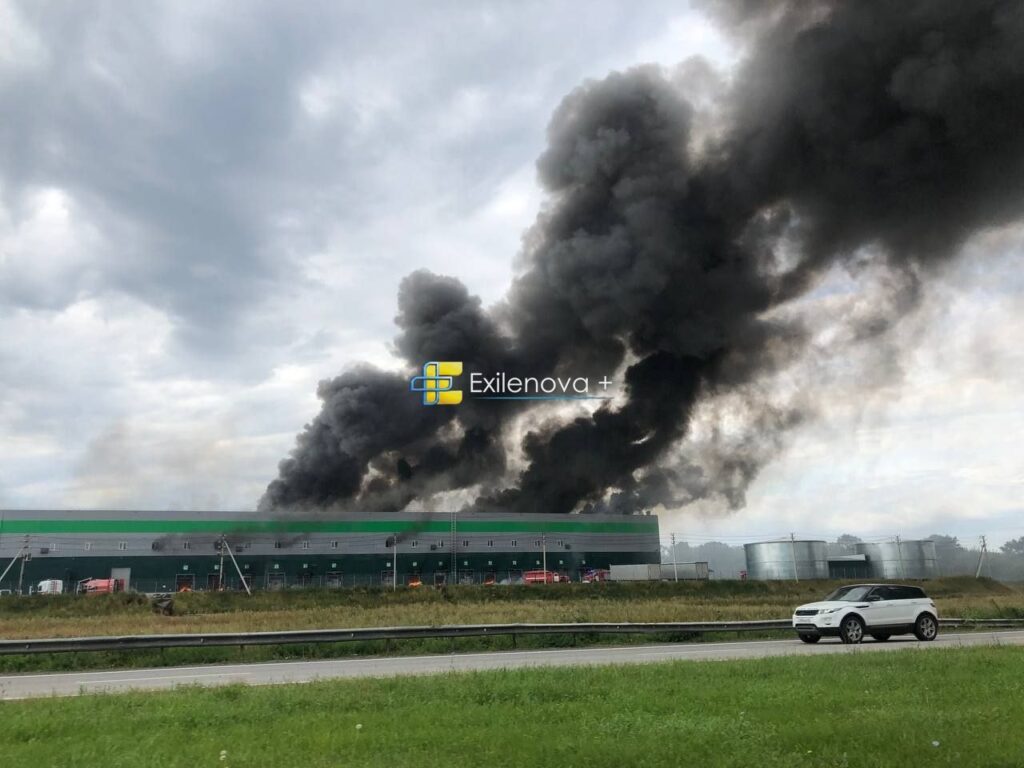
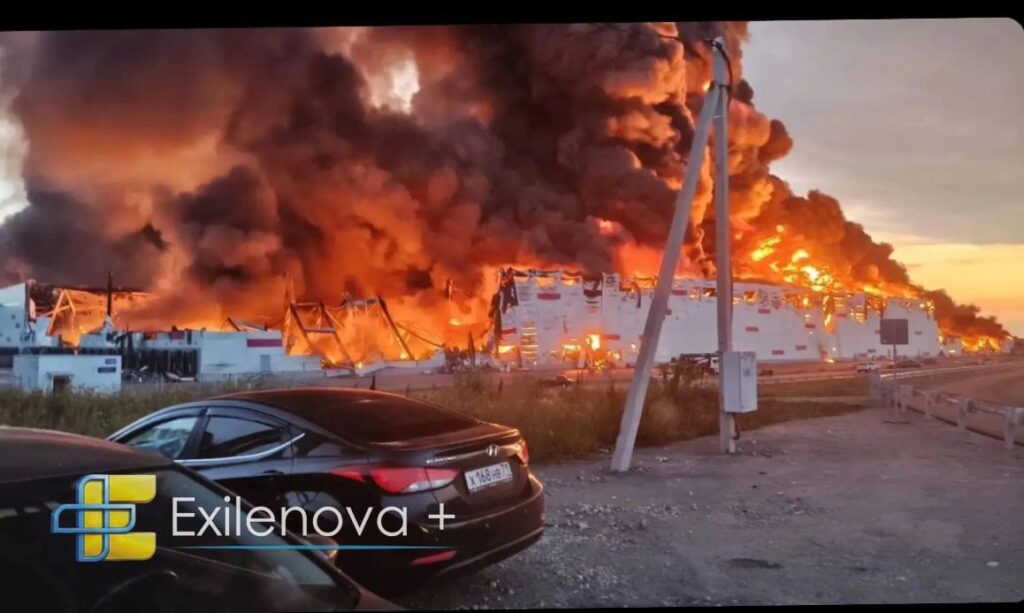
A Ukrainian drone strike set fire to a Wildberries logistics center in Oleksin, Russia's Tula Oblast, overnight into 5 August, according to the monitoring Telegram channel Exilenova+ and Russian outlet ASTRA. Tula Oblast Governor Dmitry Milyaev confirmed one person was injured and said a drone came down on the sorting center's territory before the fire broke out.
The strike extends a Ukrainian campaign against Russia's largest online retailer that has hit 15 Wildberries logistics sites in 18 days, Unmanned Systems Forces commander Robert "Madyar" Brovdi said on 4 August, before the Oleksin strike. Thirteen of those 15 were knocked out of action or seriously damaged, he said. Ukraine's deep-strike drones have turned Wildberries hubs — repeatedly described by Ukrainian officials as Russia's answer to Amazon — into a recurring target as they widen a campaign against the fuel and freight networks that keep Russia's war economy running.
Wildberries confirmed the fire at its Oleksin site, saying it evacuated staff in advance and temporarily redirected new deliveries to other warehouses. Milyaev also reported damage to two apartment buildings in Venyov district and two industrial sites in Novomoskovsk and Uzlovaya district from the same overnight barrage.
The Oleksin center covers about 194,500 square meters, according to Exilenova+, and opened in 2022. It supplies Tula, Kaluga, Oryol, Bryansk, Kursk, Lipetsk, Ryazan, and other central Russian oblasts, and partly relieves logistics centers in the Moscow region.
The strike follows fires at two other Wildberries sites — in Krasny Bor, Leningrad Oblast, and Chekhov, Moscow Oblast — overnight into 4 August, and comes as Wildberries has begun restricting employees to camera-free phones after staff filmed and shared footage of the strikes.


The White House has recommended terminating U.S. funding for multiple programs that investigate war crimes worldwide, including Russian war crimes in Ukraine, Reuters reported on June 26.
Since U.S. President Donald Trump's inauguration in January, the administration has imposed sweeping layoffs and budget cuts, targeting foreign aid, media outlets, and federal workers. Many of the cuts have directly impacted programs assisting Ukraine.
The Trump administration's Office of Management and Budget (OMB) on June 25 recommended canceling funds for nearly two dozen programs that investigate and seek accountability for war crimes, two U.S. sources familiar with the matter told Reuters. The outlet also reviewed internal government documents to support their claims.
The targeted programs include groups investigating Russian war crimes in Ukraine, as well as atrocities in Myanmar, Syria, Iraq, Nepal, Sri Lanka and the Gambia.
Multiple programs designated for termination are operating in Ukraine, three sources told Reuters. One of the groups is Global Rights Compliance, which gathers evidence of Russian war crimes across the country, including torture and sexual violence. Another is Legal Action Worldwide, a legal aid organization that supports efforts to prosecute suspects accused of perpetrating war crimes in Ukraine.
The State Department will have the opportunity to appeal the OMB's recommendation, though two U.S. officials told Reuters that Secretary of State Marco Rubio is not likely to advocate for most of the programs.
Rubio could potentially argue to preserve a few key programs, such as those supporting the prosecution of Russian war crimes in Ukraine, one source said.
According to an internal State Department email viewed by Reuters, the department has until July 11 to submit their arguments on behalf of preserving any of the targeted war crimes accountability programs.
The Trump administration's funding cuts have already impacted humanitarian aid and civil society programs across Ukraine as the country faces its fourth year of Russia's full-scale invasion. One of Trump's first acts in his second term was to freeze all U.S. foreign assistance for 90 days. He then worked alongside former ally Elon Musk to dismantle the U.S. Agency for International Development (USAID).
Among the defunded organizations is Ukraine Conflict Observatory, the leading U.S.-backed initiative documenting Russia's abduction of Ukrainian children. A part of Yale University's Humanitarian Research Lab, the group will end its efforts to track and monitor illegally deported Ukrainian children as of July 1 due to funding cuts.
The White House also previously disbanded the U.S. Justice Department's War Crimes Accountability Team and fired a coordinator responsible for collecting data on Russian war crimes in Ukraine.