❌

Vue normale

Ukraine’s anti-corruption bodies, whose independence EU made condition for membership, have clawed back $5.1 million for state budget

14 octobre 2026 à 19:37

The National Anti-Corruption Bureau of Ukraine (NABU) and the Specialized Anti-Corruption Prosecutor's Office (SAP) issuing notices of suspicion

Ukraine’s anti-corruption agencies just clawed back millions for the state budget. The National Anti-Corruption Bureau (NABU), the Specialized Anti-Corruption Prosecutor’s Office (SAPO) and the State Property Fund have returned about $5.1 million to the state budget, the bureau says.

NABU and SAPO were created in 2015 after the Euromaidan revolution as independent bodies to fight high-level corruption, and their independence is a core condition for Ukraine's path to the EU. This recovery is the kind of concrete payoff that EU-backed reform was meant to produce.

Investigating one case, detectives and prosecutors found that the leadership of a regional branch of the State Property Fund had failed to act. Because of that inaction, the state risked losing millions of dollars.

To head off the loss, NABU and SAPO alerted the fund’s central leadership and gave it access to part of the investigation materials.

How the agencies turned a case into cash

The fix came from sharing what the investigation had uncovered. After working through the data, the State Property Fund took the necessary steps and secured the full budget amount, the bureau says.

NABU and SAPO continue to cooperate with other state bodies to protect the country’s economic interests and prevent corruption crimes, the bureau adds. The agencies framed the case as proof that enforcement, beyond investigation alone, can return money the state would otherwise lose.

Why these agencies matter beyond one case

The recovery lands at a fraught moment for the two institutions. Their independence has been under sustained pressure, and in July 2026 parliament briefly stripped it before mass protests and EU warnings forced a reversal.

In 2025, Brussels tied as much as 50 billion euros in aid and the pace of accession talks to the agencies’ autonomy, treating NABU and SAPO as pillars of the rule-of-law reforms Ukraine promised on its way into the bloc.

Ukraine cuts more than 4,000 vacant government posts and trims deputy ministers by about 20% in the first stage of civil service reform

6 octobre 2026 à 16:47

prime minister serhii koretskyi

Ukraine is thinning its state bureaucracy. Central government bodies will cut more than 4,000 vacant positions in the first stage of a civil service reform, Prime Minister Serhii Koretskyi says, with the number of deputy ministers to fall by about 20% and deputy heads of other central bodies by nearly 18%.

The reform aims to build a professional state apparatus that can carry out tasks quickly and effectively, Koretskyi said. It comes as Ukraine faces an economic crunch, and about $20 billion in EU aid is on hold, blocked by reforms Kyiv has not completed.

The cuts are only the visible first step, and the final headcount is not set yet. The number of deputies will be tied to the volume of tasks each office carries, Koretskyi states.

"The most important thing is that we are running a functional diagnostic of the state apparatus," he continues.

The Ukrainian government will assess which functions the bodies have and whether they align with the state's realities and priorities, and only then will it define the structure and final headcount.

Training is tied to the job

Another track reshapes how officials learn. Training will be linked to the tasks of each specific post, with outreach and internships for young people and a separate program for veterans, Koretskyi says.

The Public Administration Council, which brings together officials, members of parliament, and experts, has resumed work, presenting a detailed plan on the task and assigning responsibility for each area.

The squeeze that forces the cuts

The reform lands in a tight budget. The war is costing Ukraine about $155 billion a year, and with Western aid running late, Kyiv has frozen almost everything except the army, pensions, and public wages.

On 1 October, the state suspended a veterans' gym subsidy that had cost about $13 million and drawn more than 800,000 users, for lack of funds.

  • ✇Euromaidan Press
  • EU approves nearly €3 billion for Ukraine as Kyiv meets more reform targets
    The European Union has approved nearly €3 billion in new funding for Ukraine, including nearly €800 million provided for the first time through the Ukraine Support Loan. The payment is the eighth regular disbursement under the EU’s Ukraine Facility. The funding will support Ukraine’s budget, recovery, modernization, and reform efforts as the country continues to fight Russia’s full-scale war and pursue EU membership. Ukraine meets 88% of targets due so far The latest payment follo
     

EU approves nearly €3 billion for Ukraine as Kyiv meets more reform targets

24 septembre 2026 à 13:44

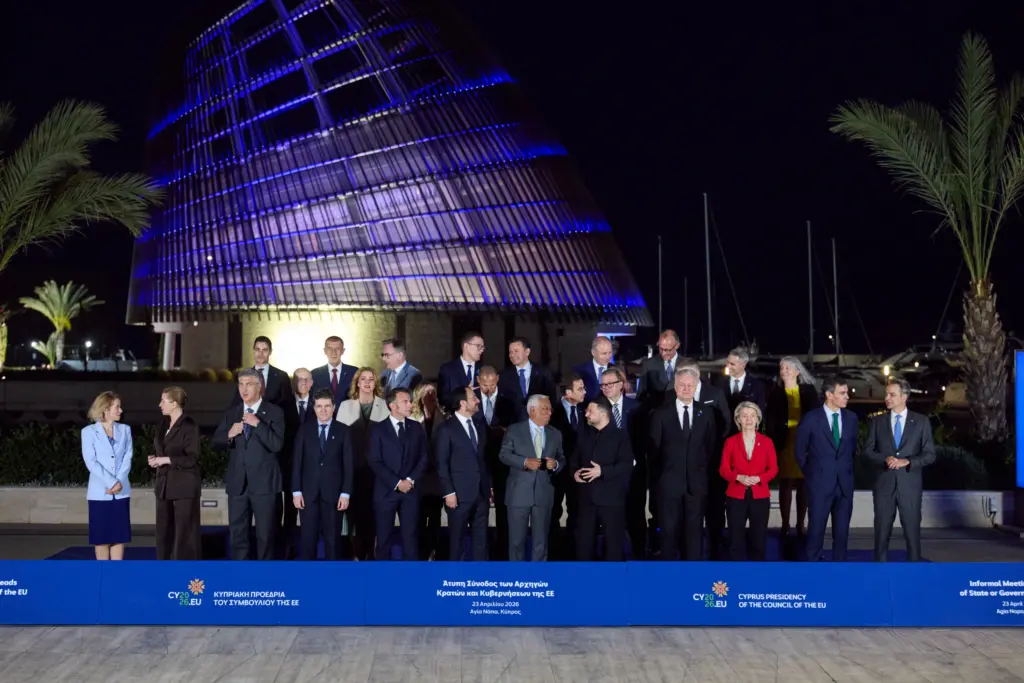
EU summit Ukraine cyprus zelenskyy

The European Union has approved nearly €3 billion in new funding for Ukraine, including nearly €800 million provided for the first time through the Ukraine Support Loan. The payment is the eighth regular disbursement under the EU’s Ukraine Facility.

The funding will support Ukraine’s budget, recovery, modernization, and reform efforts as the country continues to fight Russia’s full-scale war and pursue EU membership.

Ukraine meets 88% of targets due so far

The latest payment follows Ukraine’s completion of 10 targets under its Ukraine Plan, the roadmap for reforms and investments linked to the Ukraine Facility. Ukraine has now completed 84 of the 95 targets required under the plan so far, according to the Council of the EU.

Funding under the Ukraine Facility is tied to Ukraine meeting these targets. It is intended to strengthen Ukraine’s macro-financial stability, keep public administration running, and support recovery and modernization.

The Ukraine Facility entered into force in March 2024 and provides more than €50 billion in grants and loans for Ukraine through 2027.

Norway adds €92 million

The EU also amended Ukraine’s plan to include approximately €92 million in non-repayable support from Norway.

Norway is the first non-EU country to contribute to Pillar I of the Ukraine Facility, which provides support through Ukraine’s reform and investment plan.

Sweden has provided more than €253 million in additional voluntary contributions over the past year, while the UK recently contributed more than €17 million to Pillar II, the Ukraine Investment Framework.

Ukraine has received more than €32 billion

Following the latest disbursement, Ukraine will have received more than €32 billion through the Ukraine Facility since mid-2024.

More than €40 billion of the facility’s total funding is earmarked for reforms and investments under the Ukraine Plan, with payments tied to Ukraine’s progress toward the agreed targets.

  • ✇The Kyiv Independent
  • Ukraine's parliament passes state asset agency reform crucial for EU funding
    Ukraine's parliament passed a reform of the Asset Recovery and Management Agency (ARMA) on June 18, a key step toward European integration and a condition listed in the EU's Ukraine Facility plan.The legislation passed with the support of 253 lawmakers "after months of obstructions... unblocking 600 million euros ($690 million) in EU funds," lawmaker Yaroslav Zhelezniak said.The ARMA is Ukraine's national agency tasked with locating, recovering, and managing assets seized in criminal proceedings
     

Ukraine's parliament passes state asset agency reform crucial for EU funding

18 juin 2025 à 05:39
Ukraine's parliament passes state asset agency reform crucial for EU funding

Ukraine's parliament passed a reform of the Asset Recovery and Management Agency (ARMA) on June 18, a key step toward European integration and a condition listed in the EU's Ukraine Facility plan.

The legislation passed with the support of 253 lawmakers "after months of obstructions... unblocking 600 million euros ($690 million) in EU funds," lawmaker Yaroslav Zhelezniak said.

The ARMA is Ukraine's national agency tasked with locating, recovering, and managing assets seized in criminal proceedings, namely during corruption cases.

Proposed reforms include stricter integrity and qualification standards for leadership candidates and merit-based hiring through open competitions involving civil society. They also call for independent external audits, clear deadlines for appointing asset managers, and the use of certified professionals held legally accountable for mismanagement.

The Ukraine Facility, an EU program providing Ukraine with 50 billion euros ($58 billion) in multi-year financial support contingent on reforms, set the end of March as the deadline for the ARMA's reform.

Anti-corruption experts, lawmakers, and Transparency International in Ukraine have backed the reforms, but discussions have dragged on for months since several versions of the bill were introduced in December 2024 and January.

The ARMA has long criticized the proposed legislation, arguing it had already carried out substantial and "transformative" reforms since 2023.

Transparency International reacted by saying that the ARMA's "public communication suggests that the agency’s primary concern is not the introduction of meaningful reforms, but ensuring that its current leadership can continue operating as it has."

Ukraine has embarked on extensive reforms as part of its efforts to join the EU and other Western structures, though Russia's full-scale invasion has presented fresh challenges to this effort.

Ukraine’s parliament passes bill on multiple citizenship
Ukraine’s parliament on June 18 supported a bill allowing Ukrainian citizens to hold passports of foreign countries, lawmaker Yaroslav Zhelezniak said.
Ukraine's parliament passes state asset agency reform crucial for EU fundingThe Kyiv IndependentMartin Fornusek
Ukraine's parliament passes state asset agency reform crucial for EU funding
❌