Vue normale

Ukraine’s intelligence: Russia is running its Nepal, Cuba, Kenya, and India recruitment scheme in Indonesia now
28 août 2026 à 17:04

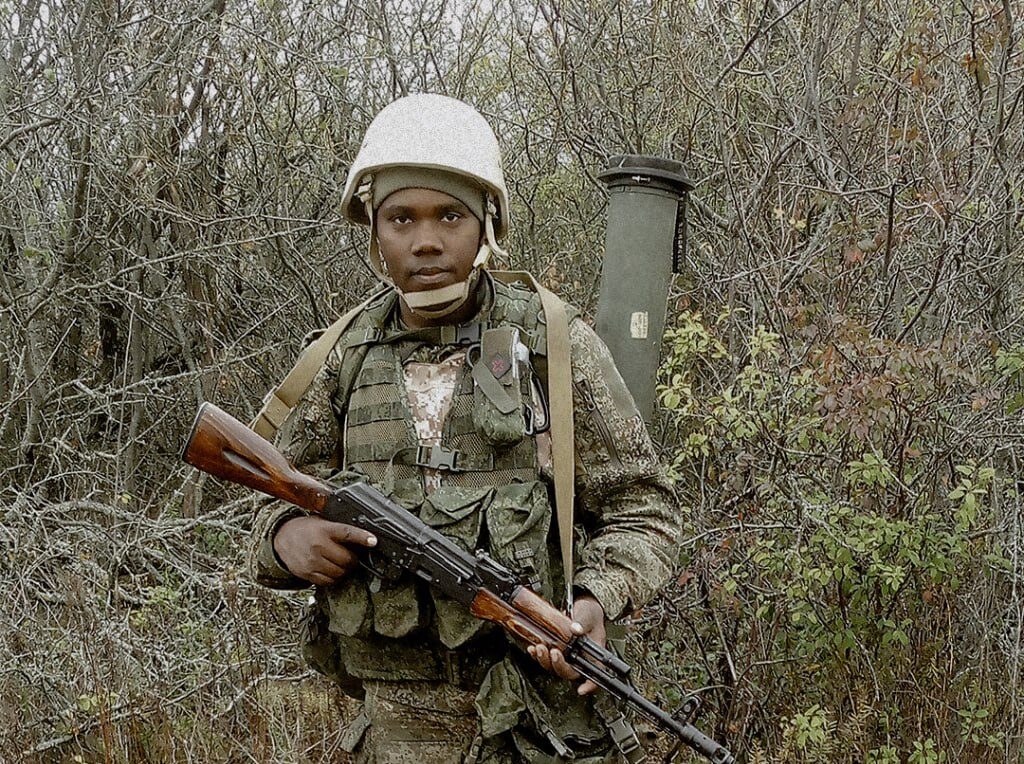
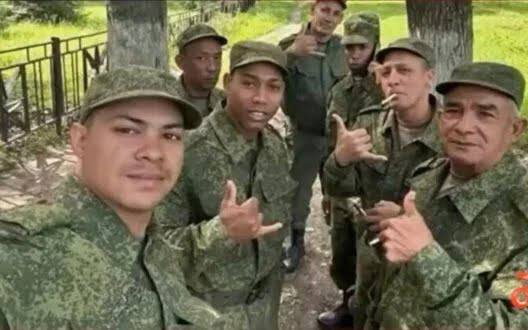
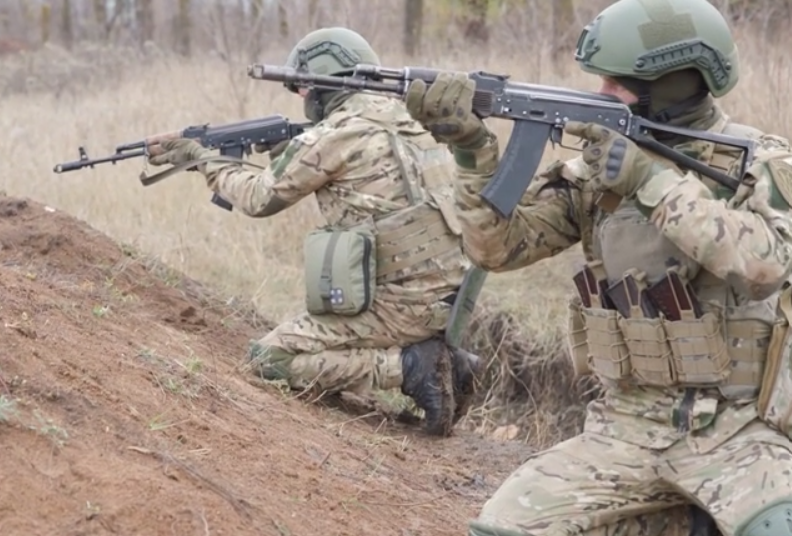
Russian soldiers in camouflage uniforms and helmets stand in formation outdoors.

Russia is looking for its next foreign recruits in Indonesia, Kyiv says. Ukraine's Foreign Intelligence Service reports that it has obtained documents on at least eight Indonesian citizens recruited into the Russian occupation army.

Russia has recruited at least 27,000 foreign nationals from more than 130 countries since February 2022, a joint report by the International Federation for Human Rights and Truth Hounds found in April, separate from roughly 14,000 North Korean troops. Up to 20% of these fighters do not survive the first four months.

The scheme runs on false promises

"The scheme by which Moscow seeks foreign cannon fodder has already been tested on dozens of other countries," the Foreign Intelligence Service said.

Recruiters offer high pay, non-combat work, fast-tracked Russian citizenship, and social guarantees, drawing in people who often have no idea where they are actually being sent, the service said. The same model worked earlier on citizens of Nepal, Cuba, Kenya, and India, and most ended up on the front line without training, with some dying in the first weeks.

Recruitment fills three needs at once

Each foreigner serves several functions for the Kremlin, the service said. A recruit fills a personnel gap at the front and doubles as propaganda about supposed global support for the war.

The third driver is domestic. Discontent over the economy, the war, and plans for a new wave of mobilization has cut the number of Russians willing to sign contracts, bringing dissatisfaction to 69 percent.

The pattern is widening by design

Indonesia is the latest example of Russia's system to fight with its hands of foreign mercenaries.

"Indonesia, the world's largest Muslim country with a population of over 280 million, has joined the list of countries that have become the Kremlin's latest market for cheap human labor for the war," the service said.

Russia set target specific target for military recruits in 2026: in Arkhangelsk Oblast, man was sent to front after being detained for drinking on street

25 août 2026 à 08:22

greece blocked gas ban france italy softened entry ban—now brussels tries 1600 companies helping russia's war · post russian soldiers military parade 9 2025 moscow russia kremlinru victory_day_parade_2025_at_red_square ukraine news

Russia is ramping up a campaign of covert mobilization to recruit troops for its war against Ukraine. Over the past month and a half, residents of at least 17 Russian regions have complained of forcible detention, beatings, and coercion into signing contracts with the Russian Defense Ministry, the independent outlet Verstka reported, citing three legal-aid organizations.

Russia recruited 403,000 soldiers in 2025 and set a target of 409,000 for 2026, Ukraine's military intelligence chief Kyrylo Budanov said. Since April, Russian companies have been ordered to nominate two to five employees each for military service.

The School of the Conscript recorded 11 complaints in July and August. Five came from Udmurtia, one each from Primorye, Irkutsk, Ryazan, and Arkhangelsk oblasts, one from Buryatia, and one from the temporarily occupied territories of Donetsk Oblast.

The victims share a profile

The men targeted are not chosen at random. In most appeals, complainants say the victims are men with alcohol, drug, or mental health problems, older or physically disabled men, men living alone, and men with pending legal trouble, said Timofey Vaskin, who heads the legal department at the School of the Conscript.

Four cases show the method

Idite Lesom documented how the coercion works in practice. In Novorossiysk, a man was taken to a police station, beaten, had drugs planted on him, and was made to sign a contract.

In Arkhangelsk Oblast, a man detained for drinking on the street was sent to the front. In Omsk, a man was taken from his workplace, held, and had the contract signed for him. In Udmurtia, a man was removed from a psychiatric register and sent to Donetsk Oblast.

Recruiters work from state records

The targeting runs on official data. Authorities know who carries debts, who is under investigation, and who has recently lost a driver's license, and those are the people they pursue, said Idite Lesom's director, Grigory Sverdlin.

Volunteers are getting harder to find, which is why the pressure is increasing, he added. Call to Conscience advised men in affected regions to grant relatives the power of attorney to represent them at enlistment offices, avoid drinking alone, and refuse to sign a contract under any circumstances.

Poland arrests a Ukrainian suspected of a Russia-ordered plot to kill a weapons-industry figure—the bomb never went off

21 août 2026 à 04:43

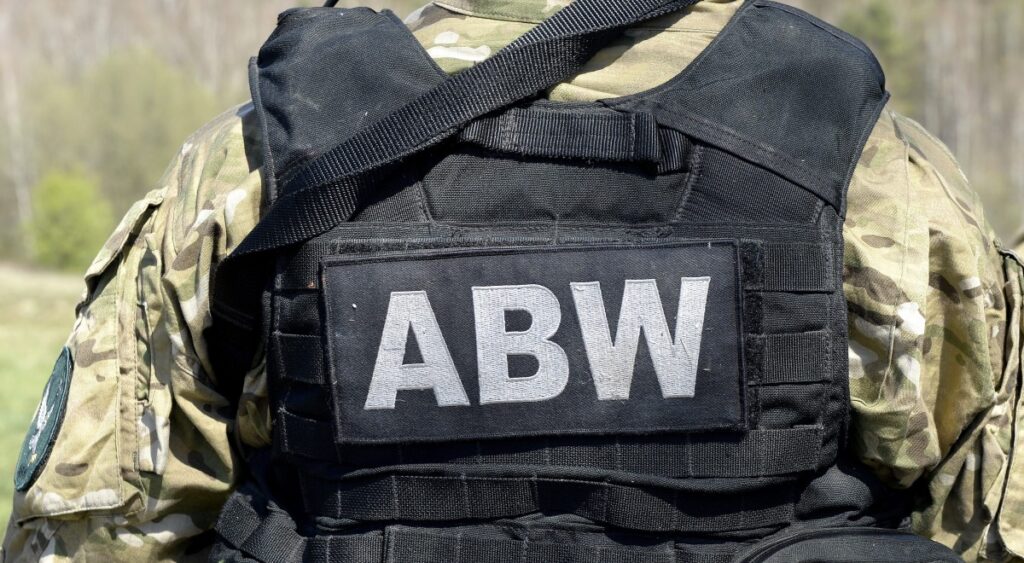
poland arrests ukrainian suspected russia-ordered plot kill weapons-industry figure—the bomb never went off · post officer poland's internal security agency (abw) darek delmanowicz/pap abw pap delmanowicz ukraine news reports

Polish officers have detained a Ukrainian accused of trying to murder a figure from Ukraine's weapons sector on Moscow's orders, Reuters reported. Investigators say his homemade explosive failed to detonate, and he fled to Poland, where officers detained him. The case is the latest in a run of Russian-directed plots targeting people tied to Ukraine across Europe.

Russia increasingly pays ordinary Ukrainians to set fires, plant bombs, and carry out killings inside their own country, recruiting them with offers of "easy money". That recruitment machine now stretches across Europe, where handlers surface on Telegram to enlist spies and saboteurs and mark out targets before the violence lands.

A car bomb that failed

The suspect, named only as Serhii P. under Polish privacy rules, allegedly went after a figure in Ukraine's weapons sector in Irpin, a town in Kyiv Oblast just northwest of the capital. The ABW, Poland's Internal Security Agency, said he planted an improvised explosive device under a car used by the potential victim. The device was meant to be set off remotely with a cellphone, but it "did not detonate due to a malfunction," the agency said.

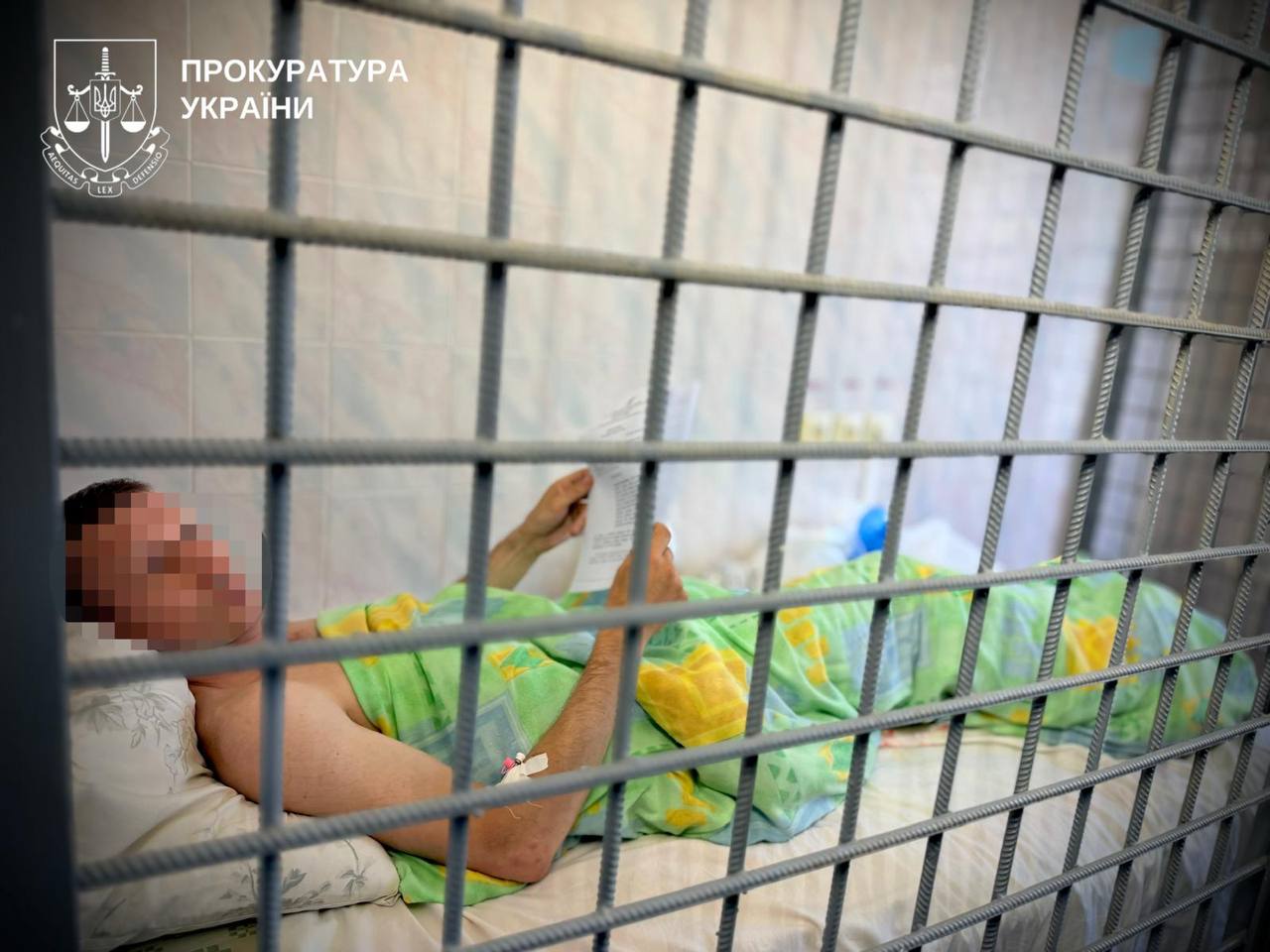
The suspect, a 63-year-old Ukrainian, fled to Poland after the attempt collapsed and was arrested in Warsaw on 5 August 2026, the Ukrainian outlet NV says. Polish authorities announced the arrest on 20 August and said it kept him from using Poland as a hideout while he dodged investigators. Prosecutors charged him with trying to kill with a bomb and with holding explosives without a permit. The charges carry a floor of 15 years behind bars and a ceiling of life, they said.

Ukraine has detained the chief organizer of the defense industry event struck by a Russian ballistic missile in Kyiv Oblast, as investigators examine whether security failures contributed to the attack that killed 10 people. Photo: Ruslan Kravchenko
Explore further

Ukraine detains organizer of defense industry event struck by Russian missile that killed 10, charged with negligence

The ABW framed the case as proof that Russian intelligence runs operations far beyond its own borders, using people who move between countries to do the work. For years, Kyiv and Western capitals have said Moscow enlists people — Ukrainians among them — to run sabotage and spying missions, a charge Russia keeps rejecting.

A pattern across Europe

The plot fits a wider Russian campaign. Weeks earlier, Warsaw detained a Russian man whom Moscow had allegedly recruited to murder a Ukrainian-American in the same city. 

Earlier this year, Ukrainian investigators recently exposed a coordinated scheme to kill a Russian dissident and Ukraine supporter in Lithuania, German prosecutors filed sabotage charges against a Ukrainian and a Latvian, and an earlier plot targeted the chief of German arms-maker Rheinmetall.

Poland and the Baltic States have been named prime targets for Russian sabotage over their backing for Kyiv.

  • ✇Euromaidan Press
  • Kenya and South Africa went first, and now Ghana accuses Russia of luring Ghanaians into war
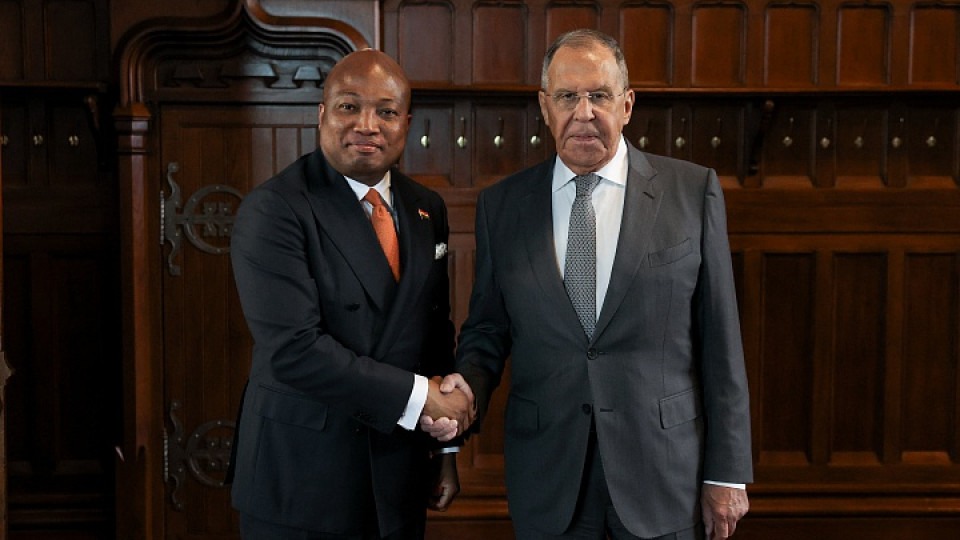
    Ghana has publicly demanded that Russia halt the recruitment of its citizens to fight in the war against Ukraine, following 17 August talks between the two countries' foreign ministers in Moscow, The Moscow Times reported. Ghana's top diplomat said Moscow agreed to work on the matter, while Russia confirmed that Ghanaians had signed military contracts but defended the practice.  The move places Ghana on a growing list of governments across Africa and beyond that accuse
     

Kenya and South Africa went first, and now Ghana accuses Russia of luring Ghanaians into war

18 août 2026 à 04:51

kenya south africa went first now ghana accuses russia luring its people war · post ghanaian foreign minister samuel okudzeto ablakwa (left) shakes hands russian sergei lavrov moscow 17 2026

Ghana has publicly demanded that Russia halt the recruitment of its citizens to fight in the war against Ukraine, following 17 August talks between the two countries' foreign ministers in Moscow, The Moscow Times reported. Ghana's top diplomat said Moscow agreed to work on the matter, while Russia confirmed that Ghanaians had signed military contracts but defended the practice. 

The move places Ghana on a growing list of governments across Africa and beyond that accuse Russia of channeling their nationals to the front. Russia's mounting manpower needs have pushed its recruiters deep into the Global South, and Ukraine has documented fighters drawn from dozens of nations — its ombudsman says captured recruits alone come from 51 countries

Ghana brings its dead and missing to the table

Ghanaian Foreign Minister Samuel Okudzeto Ablakwa accused Russia of the "illegal recruitment" of Ghanaians for the war on Ukraine. After the Moscow talks, he said his Russian counterpart, Sergei Lavrov, agreed to work toward resolving the issue, according to Interfax Russia. Ablakwa reported that 62 of his compatriots had died in Ukraine, with a further 15 listed as missing, Bloomberg reported.

Russia confirms the contracts, then justifies them

Lavrov confirmed that Ghanaian citizens had signed contracts with Russia's Defense Ministry. He claimed the Ghanaians had signed out of solidarity with a country that had helped Africa fight racism and for financial reasons. He stated that Moscow had received similar appeals from other countries, and that a dedicated Defense Ministry structure reviews such cases and would examine the additional requests raised by the Ghanaian side.

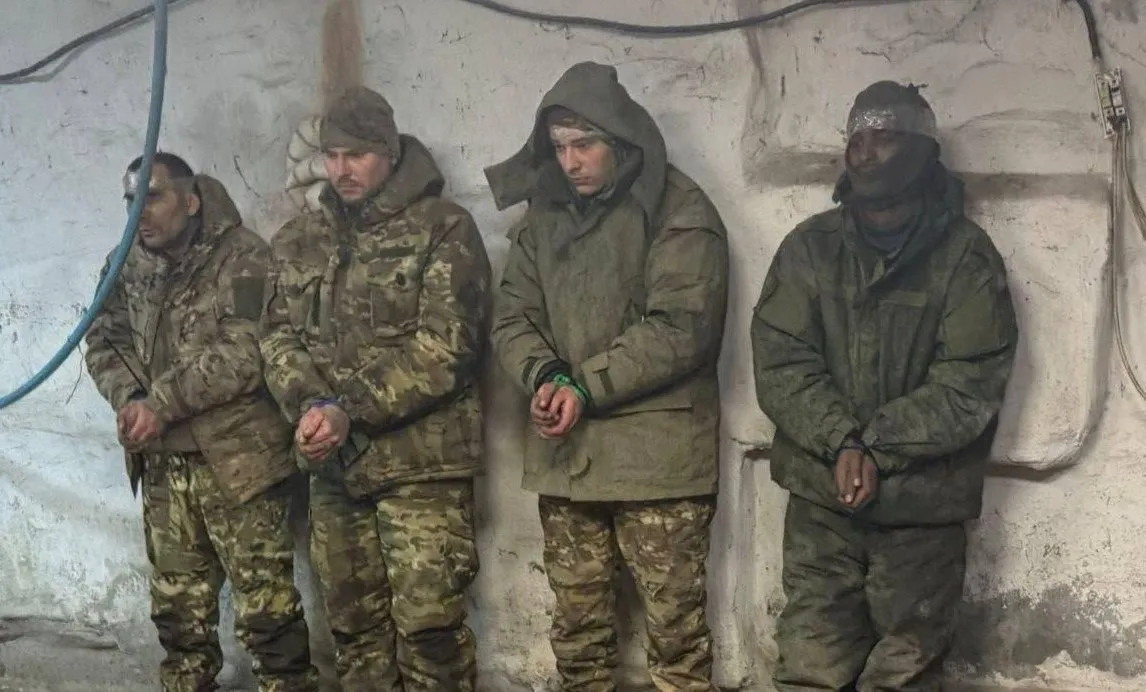
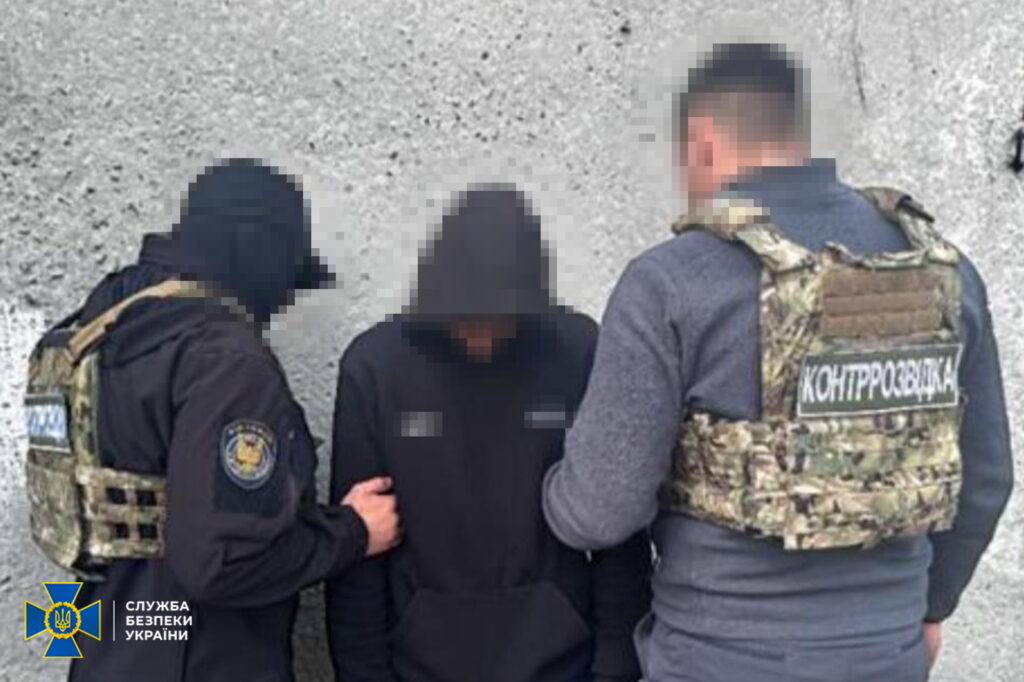
Four captured fighters who fought for Russia stand against a wall with their hands bound.
Explore further

Fighters from 51 countries now held in Ukraine after fighting for Russia, ombudsman says

A pattern stretching across two continents

The recruitment of African nationals to reinforce Russian forces has alarmed governments across the region. Kenya and South Africa had already pressed Moscow with similar demands. In February, Kenyan intelligence said Russia had deceptively lured more than 1,000 Kenyans into the war, many of them promised jobs as truck drivers or security guards.

In December 2025, South Africa detained five people suspected of recruiting mercenaries for the Russian army. Last fall, Duduzile Zuma-Sambudla, daughter of former South African President Jacob Zuma, was reportedly involved, convincing 20 young men they were traveling to Russia for bodyguard training to later work in her father's party. Botswana in July reported the deceptive recruitment of its citizens, saying the number of victims was "growing at an alarming rate," and Panama later leveled similar accusations. Russia's Foreign Ministry claimed the signed contracts were voluntary.

extends russian-oil waiver second time — one bessent had told allies wouldn't make · post kenyan mercenary clinton mogesa 29 eliminated ukraine while fighting russia 3b0f96ae -7509-4691-ac12-dbd809d8c68d has extended its
Explore further

Over 1,000 Kenyans lured into Russia’s war in Ukraine, 50+ Ghanaians killed there — three governments confirmed it, none confronted Moscow

Ghana's confrontation echoes earlier ones

Ukrainian officials say the death toll among African recruits has climbed into the hundreds, turning what Moscow frames as voluntary service into what several governments describe as trafficking.

In March, three governments had already confirmed their citizens were being lured to the war, including more than 1,000 Kenyans and over 50 Ghanaians killed. Kenya said the same month that Russia had agreed to stop using its recruits, though families of the missing were still waiting. 

A European Parliament resolution has separately accused Russia of stripping African recruits of their documents and sending them to the Ukrainian front.

  • ✇Euromaidan Press
  • Nearly 500 Africans recruited into Russia’s army have died, Ukraine says
    486 Africans recruited into Russia’s armed forces are dead, while Ukraine is holding 35 citizens from 17 African countries as prisoners of war, Ukraine’s Ministry of Foreign Affairs (MFA) told Ukrainian public broadcaster Suspilne in findings published on 16 August 2026. Its overall tally rose only slightly from May, climbing from 2,965 recruits from 36 countries to at least 2,982 from 37. Russia’s recruitment in Africa is part of a broader effort to enlist foreigners f
     

Nearly 500 Africans recruited into Russia’s army have died, Ukraine says

17 août 2026 à 08:16

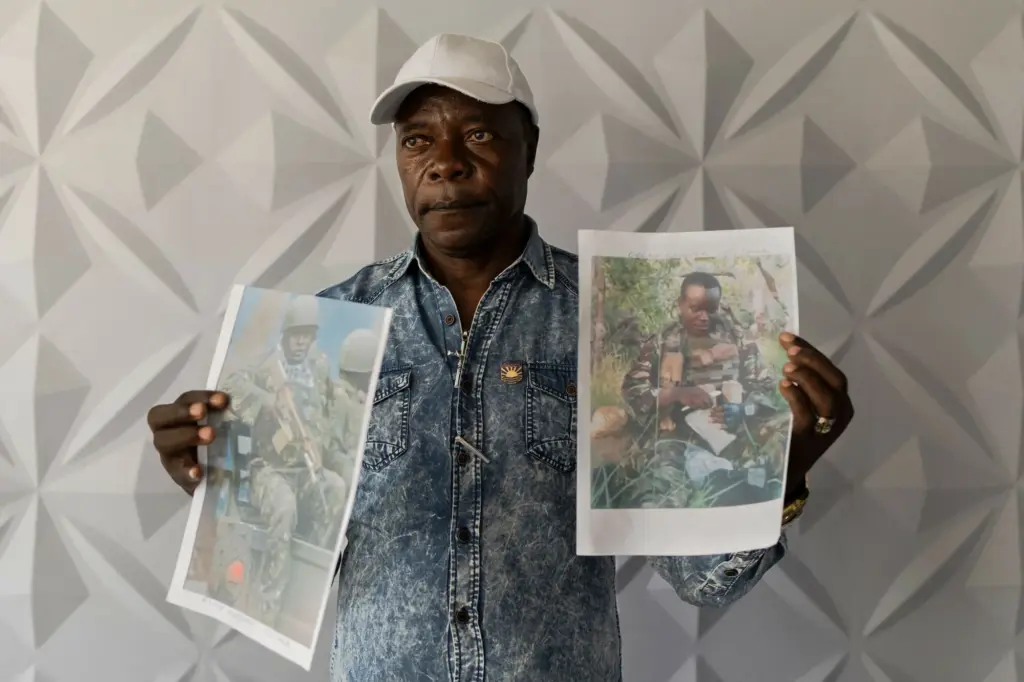
A Kenyan man holds two printed photographs of his son killed fighting for Russia.

486 Africans recruited into Russia’s armed forces are dead, while Ukraine is holding 35 citizens from 17 African countries as prisoners of war, Ukraine’s Ministry of Foreign Affairs (MFA) told Ukrainian public broadcaster Suspilne in findings published on 16 August 2026. Its overall tally rose only slightly from May, climbing from 2,965 recruits from 36 countries to at least 2,982 from 37.

Russia’s recruitment in Africa is part of a broader effort to enlist foreigners for its war. A joint human-rights investigation found that Russia had recruited at least 27,000 people from more than 130 countries since 2022. The system helps Moscow replenish its forces while shifting battlefield risk onto foreigners, many of whom are drawn in by financial pressure, deception, or coercion.

The largest groups of recruits came from Kenya, Egypt, Cameroon, Ghana, Nigeria, Uganda, Algeria, and Mali, the ministry told Suspilne.

Russia’s wider recruitment pipeline in Africa

Russian security services use a “broad arsenal of manipulative methods,” the Ukrainian MFA said. Recruiters promise civilian jobs, education, high salaries, Russian citizenship, or migration benefits. In many cases, foreigners must sign Russian-language military contracts under threat of deportation or imprisonment.

The FIDH–Truth Hounds–KIBHR report found recruiters using social media and intermediaries to advertise civilian jobs. Of 16 foreign POWs interviewed, 13 said they had been promised they would not fight. Most reached combat positions within weeks.

The human toll on African recruits

Kenyan engineer Francis told journalist Dmytro Karpenko, who interviews prisoners captured while fighting for Russia, that he thought he had accepted a security job. In Russia, he received a military uniform instead. After two weeks of training, he reached the front and was captured.

Nigerian recruits Hamzat Kazeen Kolawole and Mbah Stephen Udoka died in an assault after receiving little or no training, Ukrainian military intelligence said. Botswana reported “heartbreaking calls” from its citizens describing “perilous conditions” at the front.

Ukraine’s response to Russia's recruitment campaign

Ukraine’s diplomatic missions regularly inform African officials about the recruitment of their citizens and run awareness campaigns, according to the ministry.

The MFA and Ukraine’s POW Coordination Headquarters also launched Stop Russian Recruiters, a website that explains recruitment methods, shares victims’ accounts, advises people at risk and their families, and accepts reports about recruiters.

Captured Russian soldier describes 28-km crawl that killed most of his group before reaching Ukrainian lines

15 août 2026 à 13:14

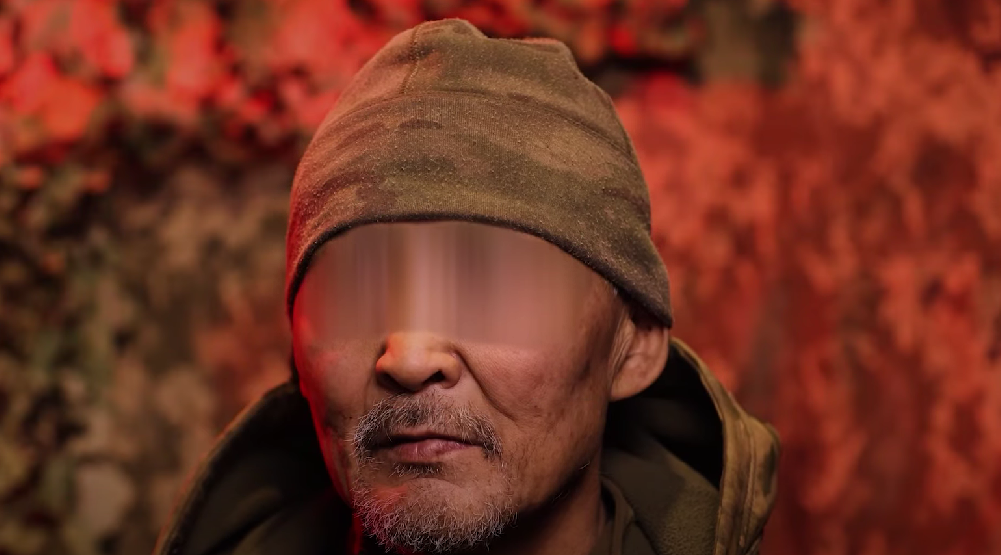
One of the four Russian POWs captured by Ukrainian soldiers after their advance inside a pipe. Source: Ukraine's 71st Separate Air Assault Brigade

Russian assault troops spent days crawling through a pipe to reach Ukrainian lines, and most of them were killed before reaching the place. Russian soldiers walked 28 kilometers, then came under fire on emerging and ultimately surrendered, Ukraine's 71st Separate Air Assault Brigade reported.

This is a portrait of how Russia spends its infantry who enlist voluntarily for the war against Ukraine. The soldiers were sent on a grueling underground infiltration with bad information and no proper food, ordered forward despite wounds, and largely killed.

The 28-kilometer crawl

The group reached Ukrainian positions through underground infrastructure. The Russians covered about 27 to 28 kilometers moving inside a reinforced-concrete pipe roughly a meter and a half in diameter, spending three days on the way, sleeping inside the pipe, the 71st Brigade reports.

Their command had lied to them about what waited. The soldiers were told they were only going to reinforce a battalion and that there were no Ukrainian troops in the forest, a captured Russian says. On arrival, the opposite was true, and they were sent onward without a normal food supply, forced to forage on their own. Many of the assault troops, the prisoner said, are recruited from prison colonies, signing contracts to avoid long sentences.

From 16 to four

When the group emerged onto open ground, Ukrainian troops hit them. Of the 16 Russians who set out, only about 8 reached the forest, and later, just 4 survived.

The wounded were abandoned by their own side. Russian command was in no hurry to evacuate them, and despite wounds and Ukrainian drone strikes, the assault troops were ordered only to keep moving forward, per the captured soldier. The survivors eventually ran into fighters of the 71st Brigade, laid down their weapons, and asked the Ukrainians not to shoot.

"No money is worth this"

The captured soldier was given medical care and made an appeal to other Russians. He urged them not to go to war against Ukraine.

"I will not advise anyone to go to war. No money is worth this, nor any benefits they promise us. To die and go to a foreign land, for what? For whom? Let them put me in prison. As long as they don't send me here, I will never come here again," the prisoner said.

From “easy money” to murder: Russia escalates recruitment of Ukrainians for terrorist attacks inside Ukraine, police warn

13 août 2026 à 15:09

ukraine detains six suspected russian agents including teen arsonist one russian-paid detained sbu fsb saboteur arrested says suspects were recruited telegram ordered target railway military infrastructure 22 security service (sbu)

Russian security services are increasingly recruiting Ukrainians to carry out sabotage, terrorist attacks, and killings, with police reporting a sharp rise in attacks linked to such recruitment since 2024, according to independent Ukrainian outlet Babel.

Since the start of 2026, Ukraine’s National Police and Security Service have registered 31 terrorist attacks, 80% of which have been solved, while another 14 were prevented during preparation.

Authorities have also registered 11 cases of military personnel being poisoned that are being investigated for links to Russian recruitment.

From simple tasks to terrorism

Andrii Niebytov, deputy head of the National Police and chief of criminal police, said Russian recruitment became systematic in early 2024, Babel reported.

Russian handlers typically approach people through Telegram channels and chats where users seek work, easy money, or drugs. The first assignment may appear harmless: photographing a location, passing information, moving a package, or delivering an item.

The tasks can then escalate into property damage, arson, terrorist attacks, and killings. Police say handlers can gradually involve recruits in more serious crimes before using threats or blackmail to keep them under control.

The increase is reflected in police figures. Russian operatives used Ukrainian recruits to carry out nine terrorist attacks in 2024, according to data cited by Babel. The figure rose to 61 in 2025, including 27 attacks that police stopped during preparation. Authorities solved 52 terrorist cases that year.

Military personnel targeted through poisoning

One increasingly dangerous part of the recruitment campaign involves attempts to target Ukrainian service members.

Police have registered 11 poisoning cases since the beginning of 2026 in which investigators are examining or have established links to Russian recruitment, Babel reported.

In some cases, Russian handlers have used young women to establish contact with soldiers, arrange meetings, or deliver poisoned items.

In late July, police detained a 20-year-old woman in Poltava who is suspected of poisoning two soldiers with drugs allegedly provided to her by mail.

In Rivne, investigators are examining the death of a soldier allegedly poisoned by a minor girl with a drug mixed with alcohol. The Russian handler reportedly installed tracking software on the girl’s phone and remotely monitored her actions.

A toolkit built around vulnerability

Russian operatives use different entry points depending on the target. Some recruits are drawn in by promises of easy money or drugs, while others are manipulated through personal relationships or threatened with supposed criminal prosecution.

One scheme involves fraudulent call centers operating in Russian-occupied Ukrainian territories. Callers impersonate Security Service of Ukraine officials and accuse targets of offenses such as buying Russian-made goods or financing Russia.

Police are investigating 449 fraud cases involving this scheme. But according to Babel, the same tactic is now also being used for recruitment.

After intimidating targets, callers send fake summonses, notices of suspicion, or other documents through messaging apps. They then offer to help the person avoid prosecution in exchange for carrying out criminal assignments.

SBU officers detained two suspects accused of illegally registering 76 Starlink satellite internet terminals for Russian forces, according to Ukraine's Security Service. Photo: SBU
Explore further

Ukraine arrests two alleged Russian agents in Kyiv accused of activating Starlink terminals to support Russian missile and drone strikes

Children used as disposable operatives

Russian handlers have also targeted minors, who can be easier to manipulate and may be used as intermediaries or perpetrators.

The National Police said 260 children have independently contacted authorities after being approached by Russian recruiters, according to Babel. Their reports helped prevent terrorist attacks in which minors were allegedly intended to be used as perpetrators.

Police say Russian intelligence services are constantly changing their methods, while the basic pattern remains consistent: identify a vulnerability, offer or impose an initial task, and gradually draw the recruit into more serious criminal activity.

Ukrainian authorities are urging people approached with suspicious offers or assignments to stop contact and report the recruitment attempt immediately.

A $20,000 “welcome bonus” that was never paid: how a Colombia-registered recruiter sent Peruvians into Russia’s war

10 août 2026 à 14:58

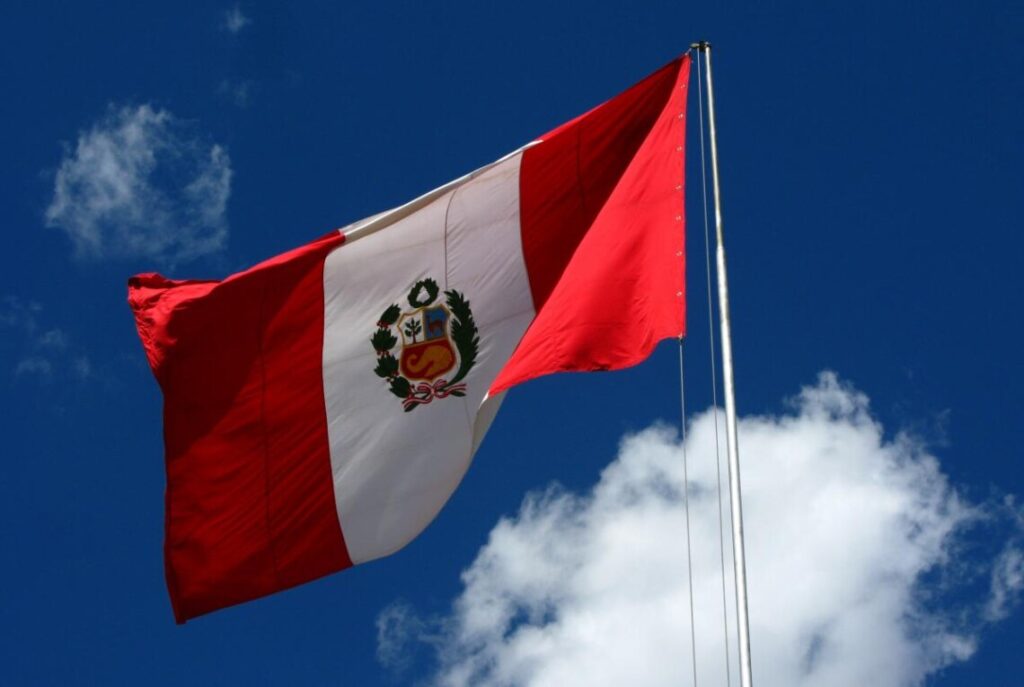
Illustrative photo. The flag of Peru. Photo: Getty Images

On 9 August, Peru's foreign ministry officially reported that 459 Peruvians had been recruited into the Russian army. Of these soldiers, 11 have been killed, 114 are missing, and three have been captured by the Ukrainian army. Another 31 Peruvians were evacuated: three of them chose to stay in Europe, and the rest returned home.

As of 29 April 2026, Russia had drawn in at least 27,000 foreign nationals from more than 130 countries to take part in its war against Ukraine, the International Federation of Human Rights reports. The Peru case is part of Russia's systematic recruitment of foreigners into its military, often through deception. Some men were offered civilian jobs or roles far from the front, only to end up in the thick of the fighting.

Relatives of the recruited men held demonstrations in Peru

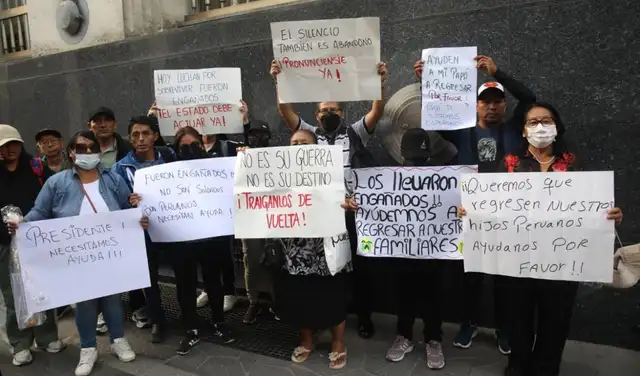
On 29 April 2026, relatives of men recruited into the Russian army demonstrated outside Peru's foreign ministry in Lima, urging the authorities to help bring their family members home, according to SwissInfo.

Relatives of Peruvians affected by Russia's war against Ukraine demand urgent repatriation. 2026. Photo: Carlos Félix/LR

On 30 April, the Russian embassy in Peru responded that it agreed some Peruvian men were taking part in the war on Russia's side, but said this was their own voluntary choice. La República, however, reports that before leaving for Russia, the men were made to sign papers in Russian.

On arrival, their documents were taken, after which they underwent brief military training and were ultimately sent to the front. According to media reports, most were former military and police personnel lured by promises of jobs as security guards or civilian specialists, with salaries of $2,600–4,000 a month and bonuses of up to $20,000.

A “rear position” — until it isn’t

First, recruiters promise foreigners high salaries, signing bonuses, and “rear” or civilian positions. Debt traps and threats of deportation are also used. They lure people even through video games and chats. Once in Russia, recruits are forced to sign contracts, after which their documents are confiscated to keep them at the front. The contracts are often written in Russian, a language the foreign recruit does not understand.

Instead of the promised “rear positions,” recruits are thrown into infantry “meat assaults” after just a few days or a week of training. Mercenaries are killed while carrying out missions, while the wounded are often left on the battlefield without evacuation. Some men go missing or flee. Russia treats foreign mercenaries as “expendable labor,” according to leaked recordings cited by Radio Free Europe/Radio Liberty.

This is not an isolated case

Facing losses that now outpace its own mobilization, Russia has turned to citizens of other countries to keep its ranks filled in its war against Ukraine.

Kenya has become one of the largest sources of people recruited through deception. At first, Nairobi believed the number was only a few hundred, but the scale proved much larger. Nairobi thought Russia had recruited around 200 Kenyan citizens, but a new report says the figure is over 1,000. The scheme relied on fake job and education offers, after which recruits had their documents confiscated to keep them on the front line. The European Parliament found that Russia confiscates African recruits' documents and sends them to the front line in Ukraine.

In Cuba, recruiters promised people lucrative jobs, only to lure them into a trap. A Cuban captured near Kupiansk said he joined Russia's war effort under threat of deportation. The scale of the recruitment has been enormous. Ukrainian intelligence estimates that around 20,000 Cuban mercenaries have fought on Russia's side against Ukraine.

ukrainian intel nearly 20000 cuban mercenaries fighting russia’s side against ukraine nationals wearing russian military uniform 2023 video x/pstyle0ne1 florida lawmakers officials highlighted threat regional security news reports
Cuban nationals wearing Russian military uniforms. 2023. Screenshot from a video, via X/PStyle0ne1

The Philippines case shows what awaits the recruited at the end of this pipeline. Ukrainian military intelligence identified a Filipino named John Patrick among Russian soldiers killed in Donetsk Oblast. He was sent into a "meat assault" after just one week of training. He did not speak Russian and carried only a piece of paper with his unit number and his commander's name. After he was wounded, he was left to die in a tree line without evacuation, and Ukrainian intelligence warned that any work in Russia now carries a real risk of forced deployment into an assault unit. The deception relied on promises of high salaries, non-combat positions in the rear, and fast-tracked Russian citizenship, after which recruits were sent into infantry assaults.

  • ✇Euromaidan Press
  • Russia calls them “volunteers.” They’re Ukrainian prisoners of war forced into a new combat brigade
    Russia consolidated several units composed of Ukrainian prisoners of war and alleged defectors into a single brigade and labeled it "volunteer," the Institute for the Study of War (ISW) reported. The move scales up a practice ISW has tracked since 2022, when Moscow first began pressing captured Ukrainian soldiers into combat formations. ISW assessed the practice as a likely violation of the Geneva Convention, which bars using prisoners of war in military operations.
     

Russia calls them “volunteers.” They’re Ukrainian prisoners of war forced into a new combat brigade

7 août 2026 à 08:27

Russia consolidated several units composed of Ukrainian prisoners of war and alleged defectors into a single brigade and labeled it "volunteer," the Institute for the Study of War (ISW) reported. The move scales up a practice ISW has tracked since 2022, when Moscow first began pressing captured Ukrainian soldiers into combat formations. ISW assessed the practice as a likely violation of the Geneva Convention, which bars using prisoners of war in military operations.

Russia's treatment of Ukrainian prisoners extends far beyond forced recruitment into combat units. Russian forces executed at least 337 confirmed Ukrainian prisoners of war by the end of 2025, and leaked chats from a Russian general showed that brutality toward captives runs through the chain of command.

Moscow merges five POW units into one brigade

Russia's Defense Ministry Volunteer Corps announced on 6 August that it had formed the "first Ukrainian Volunteer Spetsnaz Brigade." The formation absorbed at least five existing units: the "Maksim Krivonos" and "Aleksei Berest" battalions, and the "Aleksandr Matrosov," "Martyn Pushkar," and "Slobodskoy" detachments. Each of these units reportedly drew members from captured Ukrainian soldiers or Ukrainians who allegedly defected to Russia.

The Volunteer Corps framed the new brigade as a formation of willing participants. At least one Russian military blogger, however, openly stated the brigade is composed of Ukrainian prisoners of war. ISW noted the admission as significant.

2023

ISW: Russia officially deploys Ukrainian POWs to front lines

One of the merged units, the Krivonos battalion, previously figured in a Russian propaganda operation. Moscow presented a Polish citizen as a defector to that battalion in 2025. Months later, a court in occupied Luhansk Oblast sentenced the same man to 13 years as a mercenary.

A practice ISW has tracked since 2022

ISW first documented Russia forming combat units from Ukrainian prisoners in November 2022. The most recent confirmed case before this brigade was the Bogdan Khmelnitsky battalion, which operated as part of the DNR interior ministry's Kaskad unit in western Donetsk Oblast starting in December 2023.

The Geneva Convention on prisoners of war prohibits using captured soldiers in military activities on behalf of the detaining power. It also states that no prisoner "may at any time be sent to or detained in areas where he may be exposed to the fire of the combat zone" and that prisoners shall not "be employed on labor which is of an unhealthy or dangerous nature."
❌