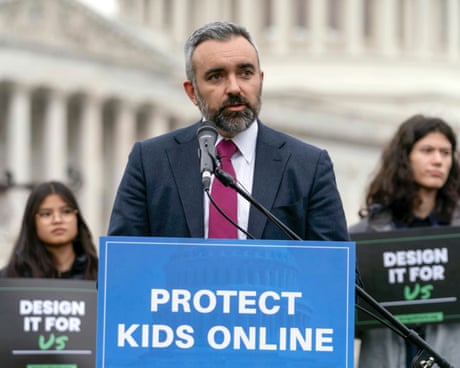
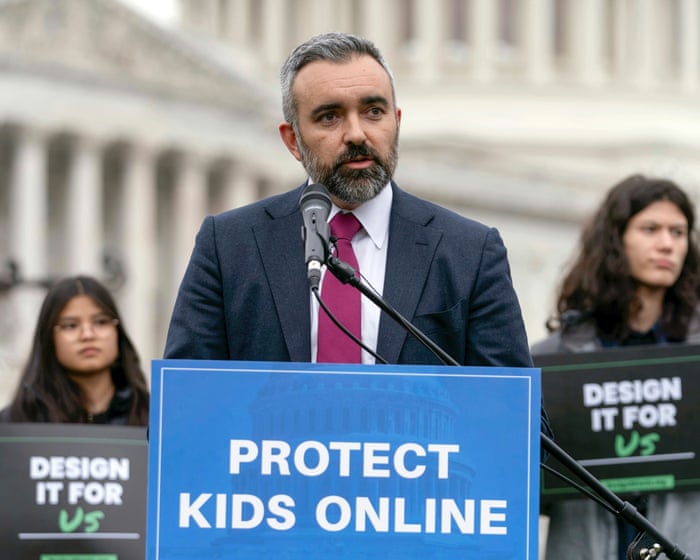
Exclusive: Raúl Torrez is drafting two bills with state lawmakers to bolster consumer protections and child safety online, building on state’s landmark case against MetaNew Mexico’s attorney general is mounting a full-court press against technology companies to improve their child safety measures, capitalizing on a landmark win in court against Meta earlier this year.Raúl Torrez is working with state lawmakers to draft two new bills he says will strengthen consumer protections and child safety o
Exclusive: Raúl Torrez is drafting two bills with state lawmakers to bolster consumer protections and child safety online, building on state’s landmark case against Meta
New Mexico’s attorney general is mounting a full-court press against technology companies to improve their child safety measures, capitalizing on a landmark win in court against Meta earlier this year.
Raúl Torrez is working with state lawmakers to draft two new bills he says will strengthen consumer protections and child safety online. The legislation, expected to be announced in the coming weeks, will build on the state’s case against the parent company of Facebook, WhatsApp and Instagram. A jury found in March that the company misled its users about the safety of its platforms and enabled harm, including child sexual exploitation. The social media giant was fined nearly $1bn as a result of the case.
Biological parents given custody of child born in Texas amid dispute over surrogate mother’s claim of abortion requestA two-day-old baby with a rare heart defect at the center of a complex surrogacy dispute in Texas has been handed over to the parents’ custody and is receiving care, lawyers for the parents said on Friday.The baby has hypoplastic left heart syndrome, a defect that requires surgeries to correct. The baby was born on Wednesday to surrogate mother McKenna West of Alaska after she re
Biological parents given custody of child born in Texas amid dispute over surrogate mother’s claim of abortion request
A two-day-old baby with a rare heart defect at the center of a complex surrogacy dispute in Texas has been handed over to the parents’ custody and is receiving care, lawyers for the parents said on Friday.
The baby has hypoplastic left heart syndrome, a defect that requires surgeries to correct. The baby was born on Wednesday to surrogate mother McKenna West of Alaska after she reportedly refused requests to get an abortion from the biological parents, Nausheen Gilkar and Omar Ahmed of California – requests they deny making.
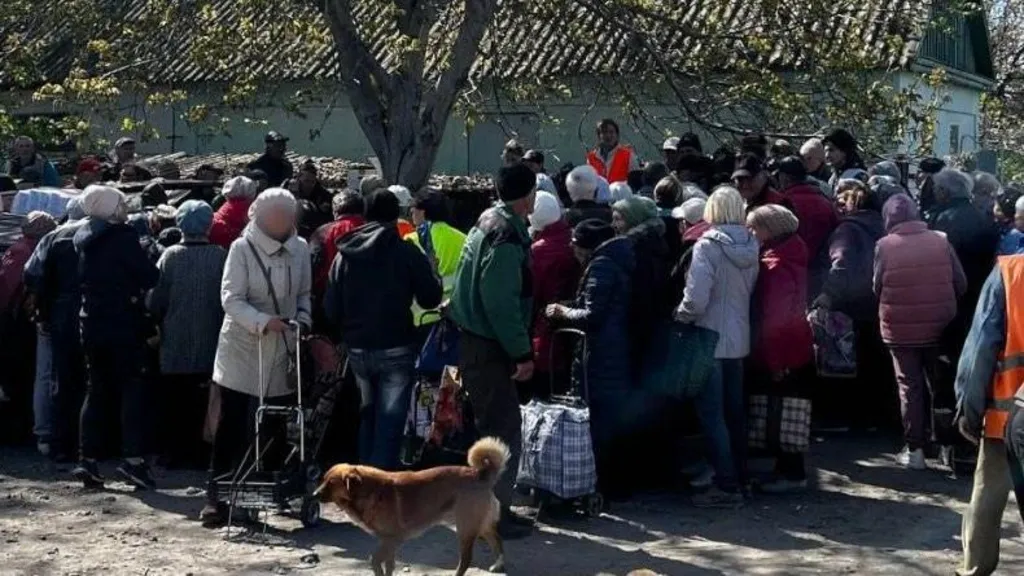
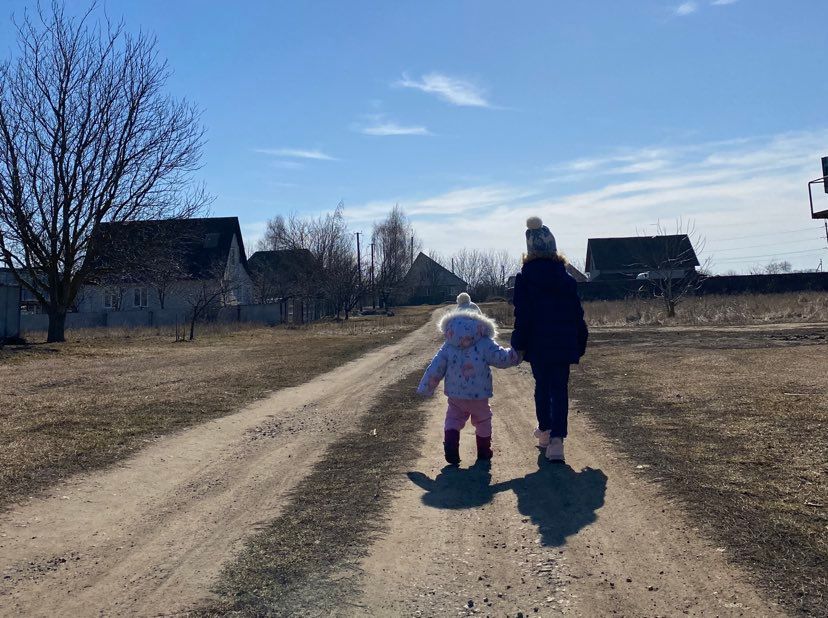
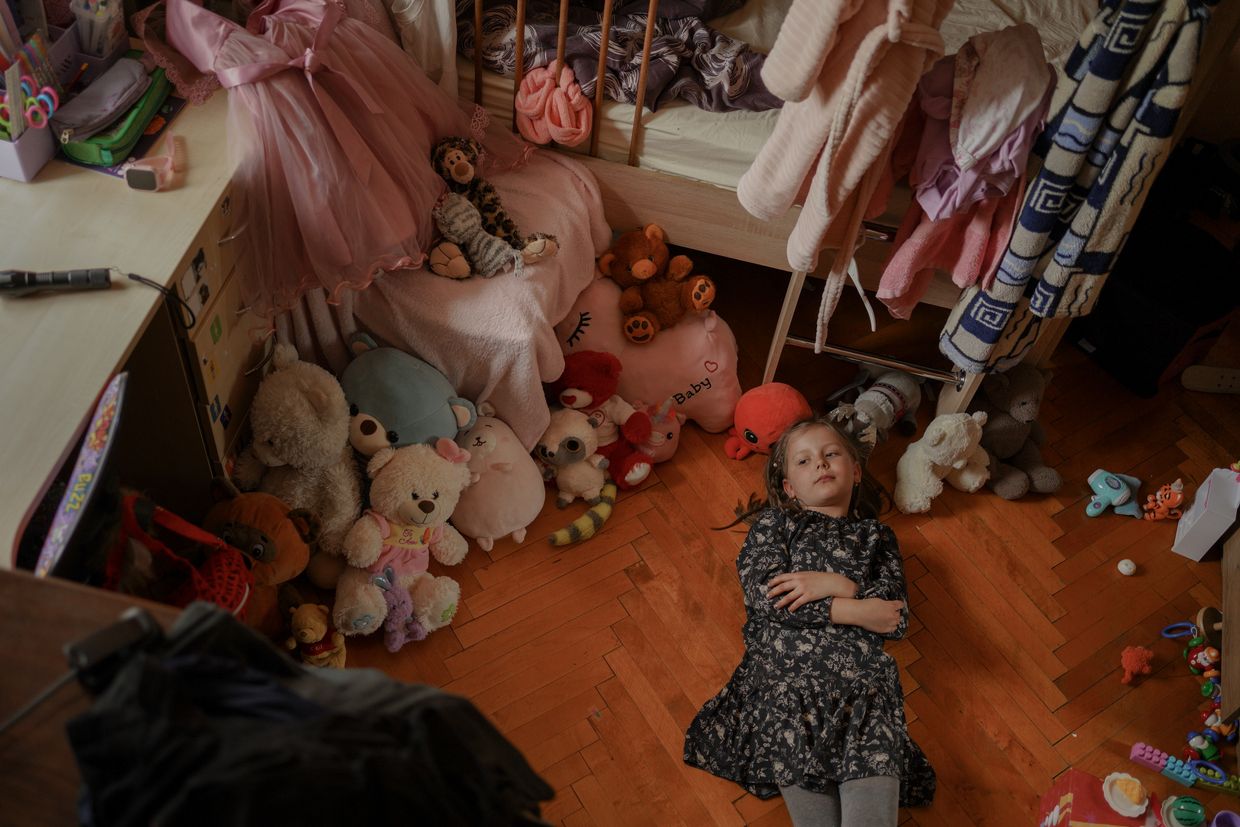
A 12-year-old with a high fever died without medical care in Russian-occupied Kherson Oblast, Hola Prystan official in exile Svitlana Linnyk told Ukrinform on 13 August 2026.
No medicine or medical worker was available locally, and the child’s mother could not reach an ambulance pickup point, she said.
The child's reported death comes amid a wider humanitarian crisis in Russian-occupied Kherson Oblast. UN and OSCE monitors found drone attacks, mines, and movement res
A 12-year-old with a high fever died without medical care in Russian-occupied Kherson Oblast, Hola Prystan official in exile Svitlana Linnyk told Ukrinform on 13 August 2026.
No medicine or medical worker was available locally, and the child’s mother could not reach an ambulance pickup point, she said.
The child's reported death comes amid a wider humanitarian crisis in Russian-occupied Kherson Oblast. UN and OSCE monitors found drone attacks, mines, and movement restrictions obstructing medical aid and evacuations around Oleshky and Hola Prystan, two occupied communities across the Dnipro from Kherson city. About 6,000 civilians, including 200 children, remained in and around the two communities as of May. Similar medical shortages span occupied Ukraine, while access to free medicines has been tied to having a Russian passport.
The Hola Prystan community where the child died has no operating hospital or rural medical post, Linnyk said. Only two pharmacies remain: one in the city of Hola Prystan and another in the nearby village of Nova Zburivka. Both are selling their remaining supplies.
The nearest hospital is in Skadovsk, an occupied Black Sea port about 60 kilometers by road from Hola Prystan. Nova Zburivka’s ambulance has not operated since 2025.
Russian occupation authorities have distributed no humanitarian aid for at least eight months to villages surrounding Hola Prystan, or for over a year in the city itself, Linnyk said.
Linnyk said a Moscow Patriarchate priest occasionally brought supplies but gave them only to Russian passport holders. This reflects a broader pattern of tying basic services in occupied Ukraine to accepting Russian citizenship.
Ukrainian children face a medical system stripped bare
The medical dangers surrounding the 12-year-old’s death are not confined to Hola Prystan.
In April 2025, Ukraine’s National Resistance Center reported that occupation officials were administering vaccines to children under six in Luhansk Oblast. It described the vaccines as uncertified and of unknown origin.
That November, the Center said a Russian inspection found Crimea’s main children’s hospital lacked breathing bags and cardiac monitors. It said infant mortality on the occupied peninsula had risen 9% over the previous year.
Aid comes with a Russian passport
Hola Prystan is not the only occupied community where access to care has depended on Russian citizenship.
In 2023, Russian-installed officials in occupied Zaporizhzhia Oblast threatened to deny medical care to residents without Russian passports. A 2025 Kremlin policy later tied free medicines for chronic illnesses to Russian citizenship.
Ukraine’s Health Ministry reported in July 2024 that Russian forces had destroyed 214 medical facilities. It said the full toll remained unknown because authorities had limited access to occupied territories.
Move blocking funds through Medicaid and Chip to make it harder for vulnerable children to get healthcare, experts sayThe Trump administration finalized a rule on Tuesday to end gender-affirming care through Medicaid and the Children’s Health Insurance Program (Chip), a move that will make it harder for vulnerable children to access healthcare and that eschews evidence to advance an anti-transgender ideology, opponents say.The rule is set to take effect on 13 October – but legal challenges could
Move blocking funds through Medicaid and Chip to make it harder for vulnerable children to get healthcare, experts say
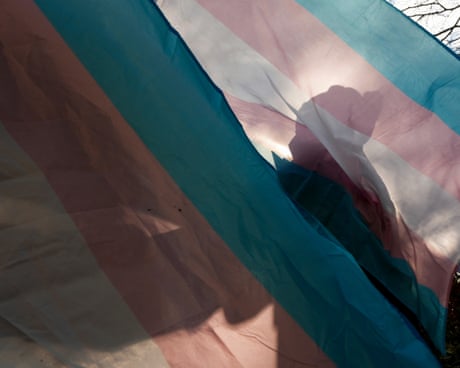
The Trump administration finalized a rule on Tuesday to end gender-affirming care through Medicaid and the Children’s Health Insurance Program (Chip), a move that will make it harder for vulnerable children to access healthcare and that eschews evidence to advance an anti-transgender ideology, opponents say.
The rule is set to take effect on 13 October – but legal challenges could delay or block it entirely.
The order cannot effect change, and is only ‘undermining trust in vaccines’ as CDC guidance remains the sameDonald Trump’s executive order on vaccines does not change the US recommendations for the shots – but experts say it does create confusion and doubt about vaccines, which will lead to more illness and possibly deaths among children and will make it harder for families and pediatricians to protect them.The executive order was an attempt to reinstate sweeping changes to the vaccine schedule
The order cannot effect change, and is only ‘undermining trust in vaccines’ as CDC guidance remains the same
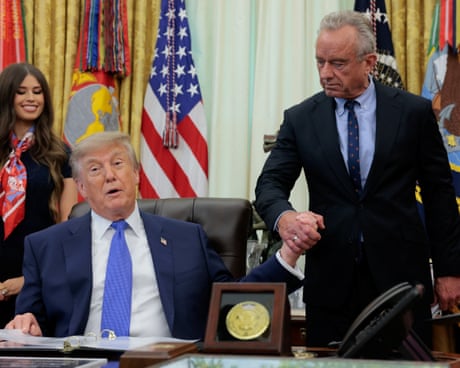
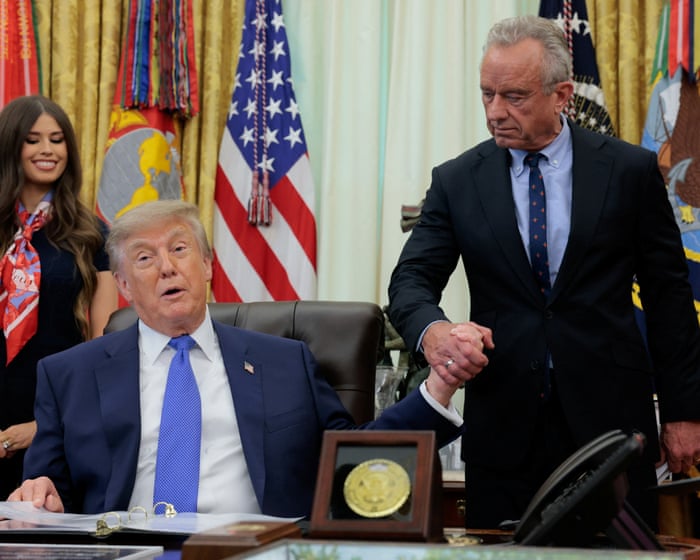
Donald Trump’s executive order on vaccines does not change the US recommendations for the shots – but experts say it does create confusion and doubt about vaccines, which will lead to more illness and possibly deaths among children and will make it harder for families and pediatricians to protect them.
The executive order was an attempt to reinstate sweeping changes to the vaccine schedule made earlier this year by Robert F Kennedy Jr, secretary of the US Department of Health and Human Services and a longtime vaccine opponent – changes that were later halted by a federal judge.
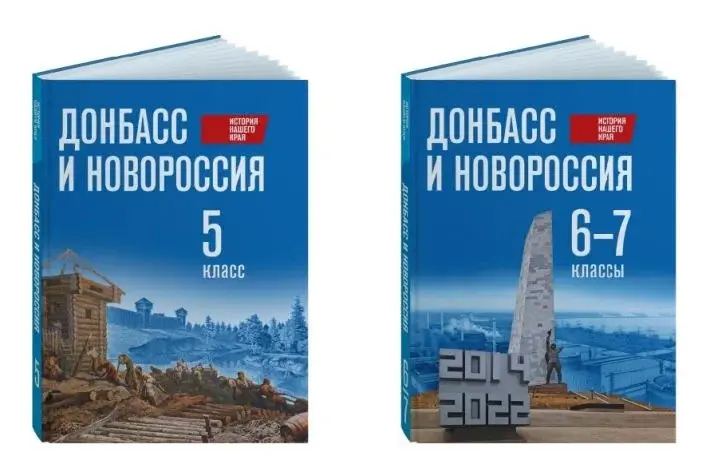
Russia will introduce two editions of a new regional history textbook series in occupied Ukrainian schools on 1 September 2026. The books present the occupied Ukrainian regions as historically Russian, MOST, a Kherson-based outlet, reported on 10 August.
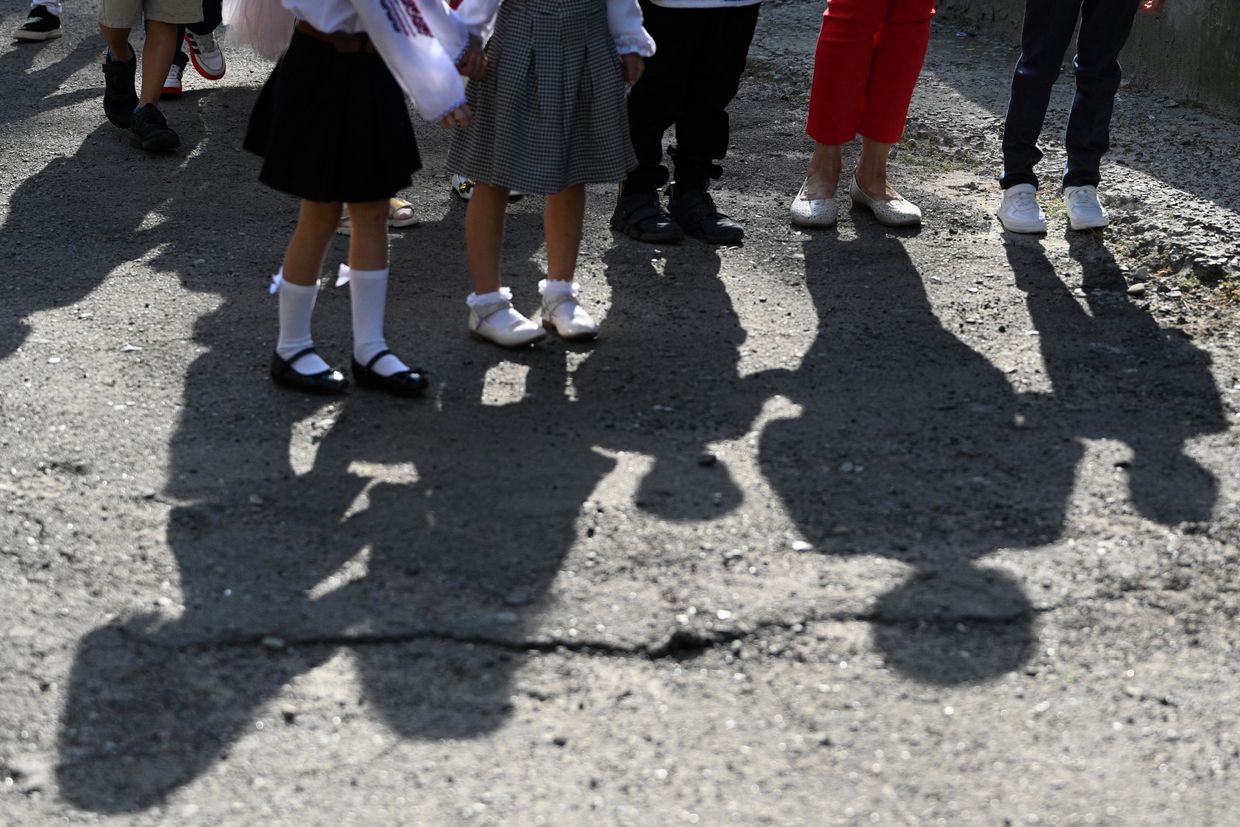
The new textbooks bring Russia's campaign to erase Ukrainian identity into occupied classrooms, where authorities remove Ukrainian from curricula and replace lessons with Russian ideology, military drills, and firing-r
Russia will introduce two editions of a new regional history textbook series in occupied Ukrainian schools on 1 September 2026. The books present the occupied Ukrainian regions as historically Russian, MOST, a Kherson-based outlet, reported on 10 August.
The new textbooks bring Russia's campaign to erase Ukrainian identity into occupied classrooms, where authorities remove Ukrainian from curricula and replace lessons with Russian ideology, military drills, and firing-range visits. Moscow's Russification campaign extends beyond schools to efforts to change the demographics of occupied Ukrainian territory and re-educate forcibly transferred Ukrainian children.
The new textbook series, entitled "History of Our Region: Donbas and Novorossiya," comprises one edition for grade 5 and another for grades 6–7. The course attached to the books will be compulsory throughout Russia's so-called "new regions," according to the Ukrainian human rights center ZMINA.
"Novorossiya" is an imperial term Moscow uses to claim southern and eastern Ukraine.
Russia's Education Ministry calls the course "objective" and part of a "unified history of Russia," Meduza reports. Minister Sergei Kravtsov claimed it contains "objective information, rather than the lies that appeared in Ukrainian textbooks."
Replacing the curriculum, then the population
The "Novorossiya" textbook forms part of a broader Kremlin campaign to Russify occupied Ukraine's education, culture, and demographics.
Since occupying Melitopol, Russian authorities have systematically replaced Ukrainian curricula and textbooks. Older Russian textbooks, issued after Moscow's full-scale war, already depicted occupied Melitopol as part of Russia.
A 2025 Kremlin strategy requires occupied regions to enter Russia's educational, cultural, and information space. The policy also sets a nationwide target for “All-Russian civic identity” to reach at least 95% by 2036.
35,000 Ukrainian children still missing
Meanwhile, experts estimate that about 35,000 Ukrainian children remain missing and are likely held in Russia or Russian-occupied territory. Yale's Humanitarian Research Lab identified at least 210 facilities used to hold children from Ukraine. The lab found that at least 130 facilities subjected Ukrainian children to pro-Russian cultural, patriotic, or military programs.
One case shows where such indoctrination can lead. Once listed as missing under occupation, Ukrainian boy Oleksandr Mustiatse later appeared online in a Russian uniform bearing the “Z” invasion symbol, Save Ukraine reported.
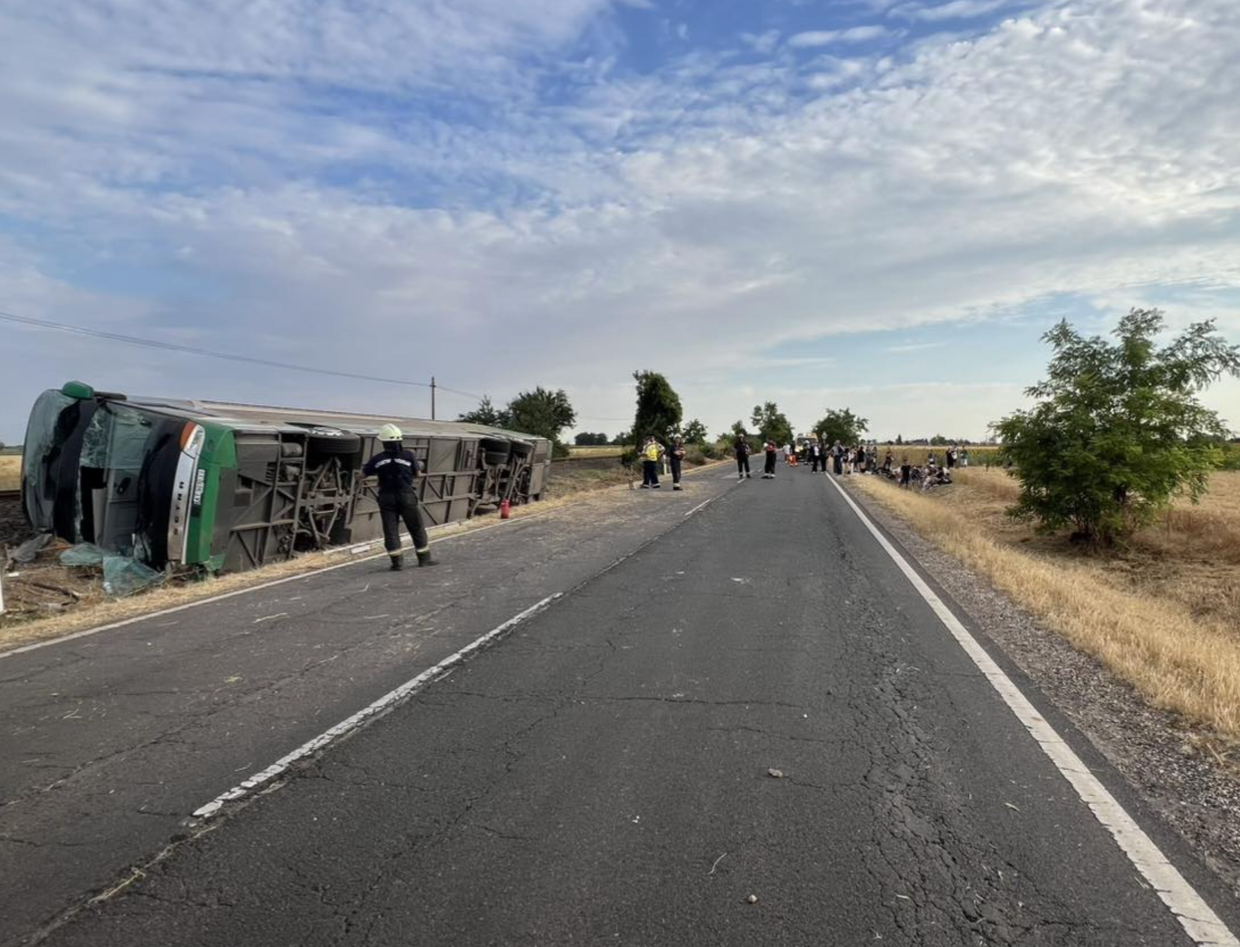
Editor's Note: This story has been updated with additional details from Ukraine's Foreign Ministry. A bus carrying Ukrainian children veered off the road and overturned on a Hungarian highway on July 6, leaving 21 people injured, Ukraine's embassy in Hungary reported.The accident occurred at around 5 a.m. local time between the settlements of Kunszentmarton and Tiszafoldvar. According to preliminary information, the driver lost control of the bus and veered off the road into a ditch. Further det
Editor's Note: This story has been updated with additional details from Ukraine's Foreign Ministry.
A bus carrying Ukrainian children veered off the road and overturned on a Hungarian highway on July 6, leaving 21 people injured, Ukraine's embassy in Hungary reported.
The accident occurred at around 5 a.m. local time between the settlements of Kunszentmarton and Tiszafoldvar. According to preliminary information, the driver lost control of the bus and veered off the road into a ditch. Further details as to the cause of the crash have not yet been determined.
The bus was carrying a children's ensemble from the Ukrainian city of Lviv to Ohrid in North Macedonia for a dance festival. There were 77 people aboard at the time of the accident, including two drivers, chaperones, and ensemble members.
Twenty-one people were injured, with four of them reported to be in serious condition. Two of the seriously injured victims are teenagers (ages 14 and 18) while the other two are adults (ages 67 and 71). Four more children suffered moderate injuries, while the remaining victims suffered minor injuries.
No one was killed, according to the embassy's statement.
The victims were transferred to hospitals in the towns of Szolnok, Kecskemetre, and Szentes.
Rescuers are working at the crash site, along with Ukrainian Ambassador Fegyir Sandor and consuls assisting Ukrainian citizens.
The rest of the passengers are staying temporarily at the Kunszentmarton Cultural Center, where they have been provided food and a place to rest. Those suffering moderate and mild injuries will join the main group at this location.
The bus carrier is reportedly taking measures to prevent additional accidents.
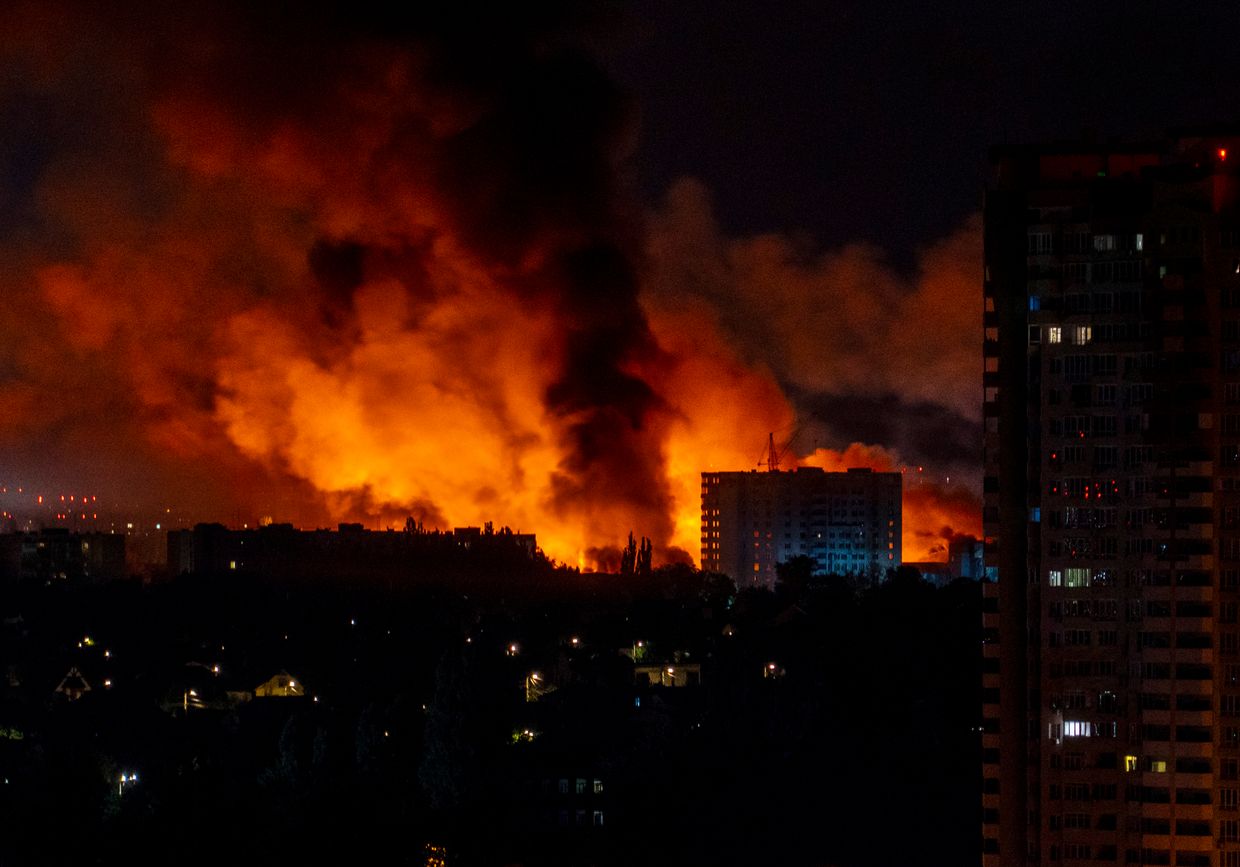
Life for children in Ukraine has become increasingly dangerous and deadly, according to the latest U.N. figures, which show a threefold jump in the number of deaths and injuries among children over the three months ending in May. From March through May, 222 children were killed or injured, compared to 73 in the preceding three months, according to a press release from the U.N. Humanitarian Aid Organization for Children (UNICEF) on July 4. The statement noted that "the ongoing use of explosive we
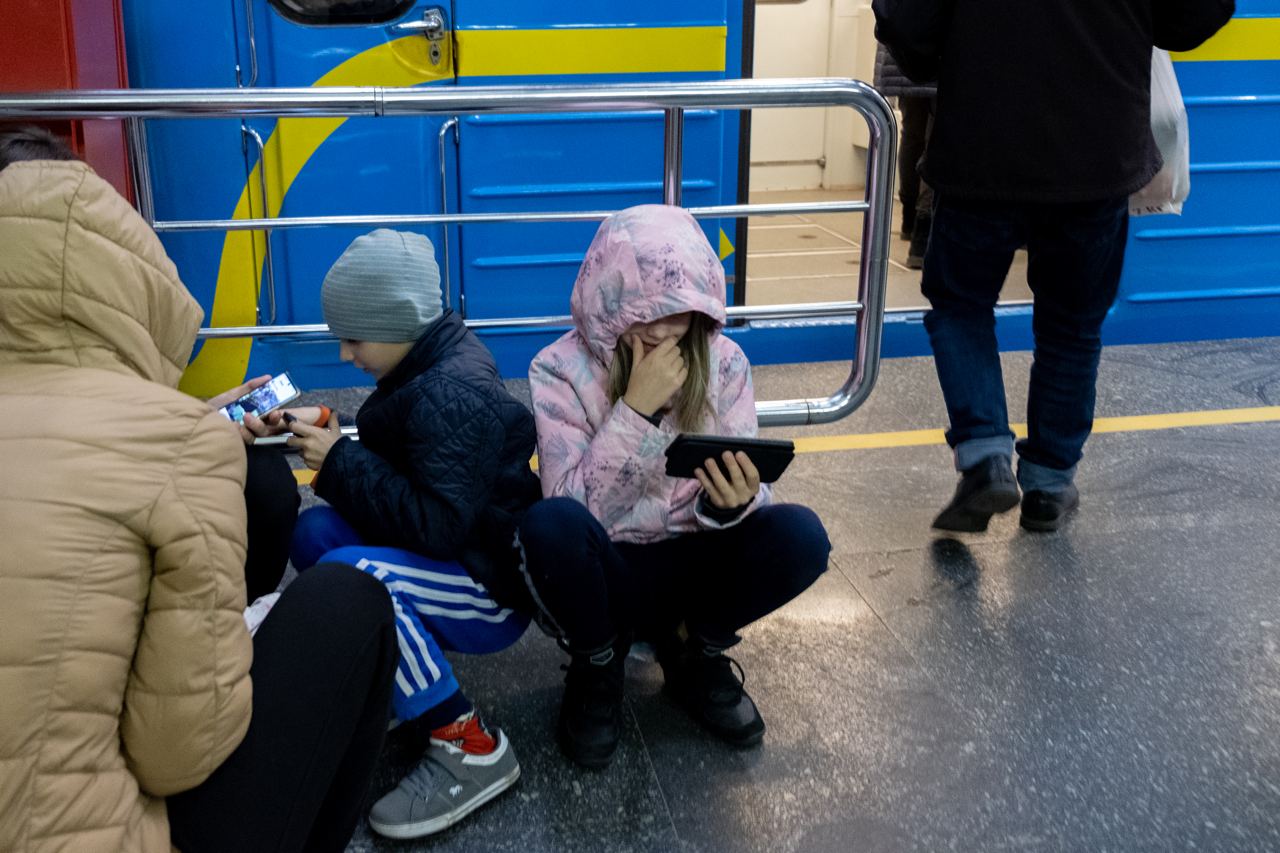
Life for children in Ukraine has become increasingly dangerous and deadly, according to the latest U.N. figures, which show a threefold jump in the number of deaths and injuries among children over the three months ending in May.
From March through May, 222 children were killed or injured, compared to 73 in the preceding three months, according to a press release from the U.N. Humanitarian Aid Organization for Children (UNICEF) on July 4.
The statement noted that "the ongoing use of explosive weapons in populated areas has been particularly deadly and destructive."
"There is no respite from the war for children across Ukraine," UNICEF Regional Director for Europe and Central Asia, Regina De Dominicis, said. "The situation for children is at a critical juncture, as intense attacks continue to not only destroy lives but disrupt every aspect of childhood."
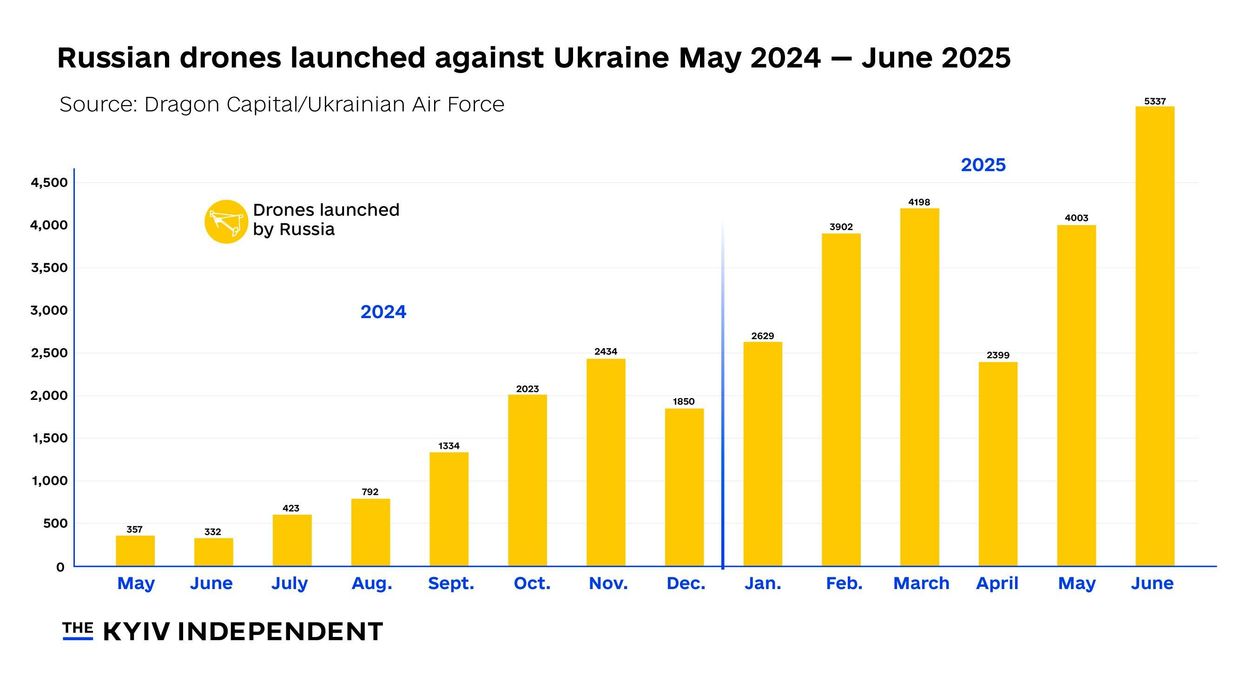
Recent months have seen some of the war's deadliest attacks on civilians, as Russia steps up its aerial strikes on civilian areas and launches record numbers of drones. Russia has dramatically increased its production of these weapons and is now capable of launching in a single night as many drones as it did over an entire month in early summer 2024.
A bipartisan group of U.S. lawmakers introduced a resolution in Congress demanding the return of Ukrainian children abducted by Russia, according to a press release published on June 30.Kyiv estimates that Russia has abducted or forcibly displaced at least 19,500 Ukrainian children since the outbreak of the full-scale invasion of 2022, and has deported them to Russia, Belarus, or the occupied territories of Ukraine.The resolution, introduced in the U.S. House of Representatives by Democratic Con
A bipartisan group of U.S. lawmakers introduced a resolution in Congress demanding the return of Ukrainian children abducted by Russia, according to a press release published on June 30.
Kyiv estimates that Russia has abducted or forcibly displaced at least 19,500 Ukrainian children since the outbreak of the full-scale invasion of 2022, and has deported them to Russia, Belarus, or the occupied territories of Ukraine.
The resolution, introduced in the U.S. House of Representatives by Democratic Congressman Gregory Meeks and Michael McCaul, a Republican chair of the Foreign Affairs Committee, condemns the abductions and calls for the repatriation of children even before a potential peace deal.
Senators Chuck Grassley (Republican) and Amy Klobuchar (Democrat) introduced the resolution in the Senate.
"These children have been stripped of their national identity, adopted into Russian families, or indoctrinated as soldiers for the Kremlin," McCaul said in a statement.
"Russia’s mass-scale child abduction is nothing short of evil; the United States must demonstrate moral leadership by demanding every child be returned to his or her family in Ukraine before true peace can be achieved."
The Trump administration has previously cut funding for a Yale University-based Ukraine Conflict Observatory tracking the abduction of Ukrainian children. Nathaniel Raymond, the executive director of the Humanitarian Research Lab overseeing the effort, has said the operation would cease on July 1 due to the lack of funds.
Since its launch in May 2022, the observatory has compiled evidence of Russian war crimes, including the deportation of Ukrainian children, many of whom were sent to reeducation camps or adopted by Russian families.
The database suggested that the actual number of abducted Ukrainian children could be higher than the figure provided by Ukraine's Children of War database, placing it as high as 30,000. Over 1,360 children have been brought back home.
According to the resolution newly introduced in Congress, "Russia's abduction and Russification of Ukrainian children demonstrates the intent of the Government of the Russian Federation to erase the Ukrainian nation and identity."
The document also says that Russia's invasion "has significantly increased the risks of children being exposed to human trafficking and exploitation, child labor, sexual violence, hunger, injury, trauma, deprivation of education and shelter, and death."
Andriy Yermak, President Volodymyr Zelensky's chief of staff, called the resolution "an important step in support of justice and peace."
The abductions have been widely denounced as war crimes and violations of international law. In 2023, the International Criminal Court issued arrest warrants for Russian President Vladimir Putin and children’s rights ombudsman Maria Lvova-Belova over their roles in the deportation of Ukrainian minors.
Russia is using financial incentives to recruit teachers, cultural workers, and coaches to work in occupied parts of Ukraine in a campaign aimed at reshaping local identity and fostering loyalty to Moscow’s regime, according to a report published by the Center for European Policy Analysis (CEPA) on June 26. The Kremlin is offering up to two million rubles (around $22,000) to Russian teachers who agree to work for five years in occupied areas of Donetsk, Luhansk, Zaporizhzhia, and Kherson oblasts
Russia is using financial incentives to recruit teachers, cultural workers, and coaches to work in occupied parts of Ukraine in a campaign aimed at reshaping local identity and fostering loyalty to Moscow’s regime, according to a report published by the Center for European Policy Analysis (CEPA) on June 26.
The Kremlin is offering up to two million rubles (around $22,000) to Russian teachers who agree to work for five years in occupied areas of Donetsk, Luhansk, Zaporizhzhia, and Kherson oblasts, and one million rubles for positions in Crimea.
The initiative, an extension of Russia’s “Zemskyi Uchitel” (Rural Teacher) program, which originally targeted underserved regions in Russia, was formally launched in the newly occupied Ukrainian territories in 2024 — though Russian educators began arriving as early as 2022.
Over 100 teachers have relocated to Crimea through the program, according to Ukraine’s Regional Center for Human Rights/ Most of them arrived from regions including Krasnodar, Altai Krai, Tomsk, Novosibirsk, Saratov, Tyumen, Ivanovo, and the Republic of Udmurtia.
“We have documented cases of teachers — and people assigned to managerial roles, such as school principals and deputy heads — arriving as early as 2022,” said Kateryna Rashevska of Ukraine’s Regional Center for Human Rights. “The first group came from Dagestan, arriving in the occupied Zaporizhzhia region, and by 2024, there were already 37 teachers from Dagestan working there.”
According to Rashevska, these teachers often lead courses in Russian language, history, and “basics of life safety and defense of the Motherland” — classes focused on conscription and military training. “These people are also involved in reprogramming Ukrainian children, attempting to raise them as Russian patriots and future members of the Russian armed forces,” she added.
In parallel, Russia is also exerting pressure on Ukrainian teachers in occupied areas to adopt the Russian curriculum. Those who refuse face serious consequences. "In Berdiansk, a school principal was deported for refusing to open the school under Russian standards," said Mariia Sulialina, head of Ukrainian NGO Almenda. Sulialina noted that teachers are now required to praise President Vladimir Putin and report "extremist behavior" among students — often defined as pro-Ukrainian views.
Human rights experts say these efforts amount to colonization and are violations of international law, including Article 49 of the Geneva Convention and Article 8 of the Rome Statute.
“Russia plans to move another 100 teachers into occupied areas in 2025 — a clear example of colonization,” Rashevska said. Despite existing legal tools, she added, “The International Criminal Court still doesn’t prioritize colonization… even though these federally coordinated programs involving teachers, cultural workers, and coaches create a clear chain of command.”
Russia has transferred 50 children from the occupied Antratsyt district of Luhansk Oblast to a so-called rehabilitation camp in Kalmykia, Ukraine’s Center for Countering Disinformation (CCD) reported on June 14.Kalmykia is about 1,170 km (726 miles) by air from Moscow, and its western border lies roughly 300 km (186 miles) from the nearest point on the Russia–Ukraine border. According to the center, while the "Lesnaya Skazka" ("Forest Fairy Tale") camp is officially described as hosting sports a
Russia has transferred 50 children from the occupied Antratsyt district of Luhansk Oblast to a so-called rehabilitation camp in Kalmykia, Ukraine’s Center for Countering Disinformation (CCD) reported on June 14.
Kalmykia is about 1,170 km (726 miles) by air from Moscow, and its western border lies roughly 300 km (186 miles) from the nearest point on the Russia–Ukraine border.
According to the center, while the "Lesnaya Skazka" ("Forest Fairy Tale") camp is officially described as hosting sports and creative activities, in fact, it functions as a site of "round-the-clock ideological brainwashing, systemic Russification, and an attempt to erase Ukrainian identity."
Since February 2022, at least 20,000 Ukrainian children have been abducted from Russian-occupied territories and sent to other Russian-controlled areas of Ukraine or to Russia itself, according to a Ukrainian national database, "Children of War." Only 1,359 children have been returned thus far.
The center compared the camp in Kalmykia to "Krasnaya Gvozdika," ("Red Carnation") a facility in occupied Zaporizhzhia Oblast, saying both are used not for recreation, but as tools of Russia’s war strategy.
“These camps have become instruments of assimilation where Ukrainian children are taught distorted history, exposed to Russian propaganda, and conditioned to show loyalty to the Putin regime,” the center said. “War and hostility are normalized, with children being groomed as human resources for future conflicts.”
The watchdog emphasized that separating children from their families, culture, and language places them under the full control of the occupying power — a practice it says constitutes a violation of international humanitarian law and forms part of Russia’s broader genocidal policy toward Ukraine.
In response to Russia’s efforts to indoctrinate Ukrainian children, President Volodymyr Zelensky on June 10 imposed sanctions on 48 individuals and nine organizations associated with the deportation of Ukrainian children, according to a decision of Ukraine's National Security and Defense Council (NSDC).
Ukraine successfully brought back five children who had been forcibly taken to Russia as well as Russian-occupied territory, Presidential Office head Andriy Yermak announced on June 12.The children have been returned home under the President of Ukraine’s initiative, Bring Kids Back UA, according to Yermak."We are fulfilling the President's mission — to bring back every Ukrainian child," Yermak said in an statement.Since February 2022, at least 20,000 Ukrainian children have been abducted from Ru
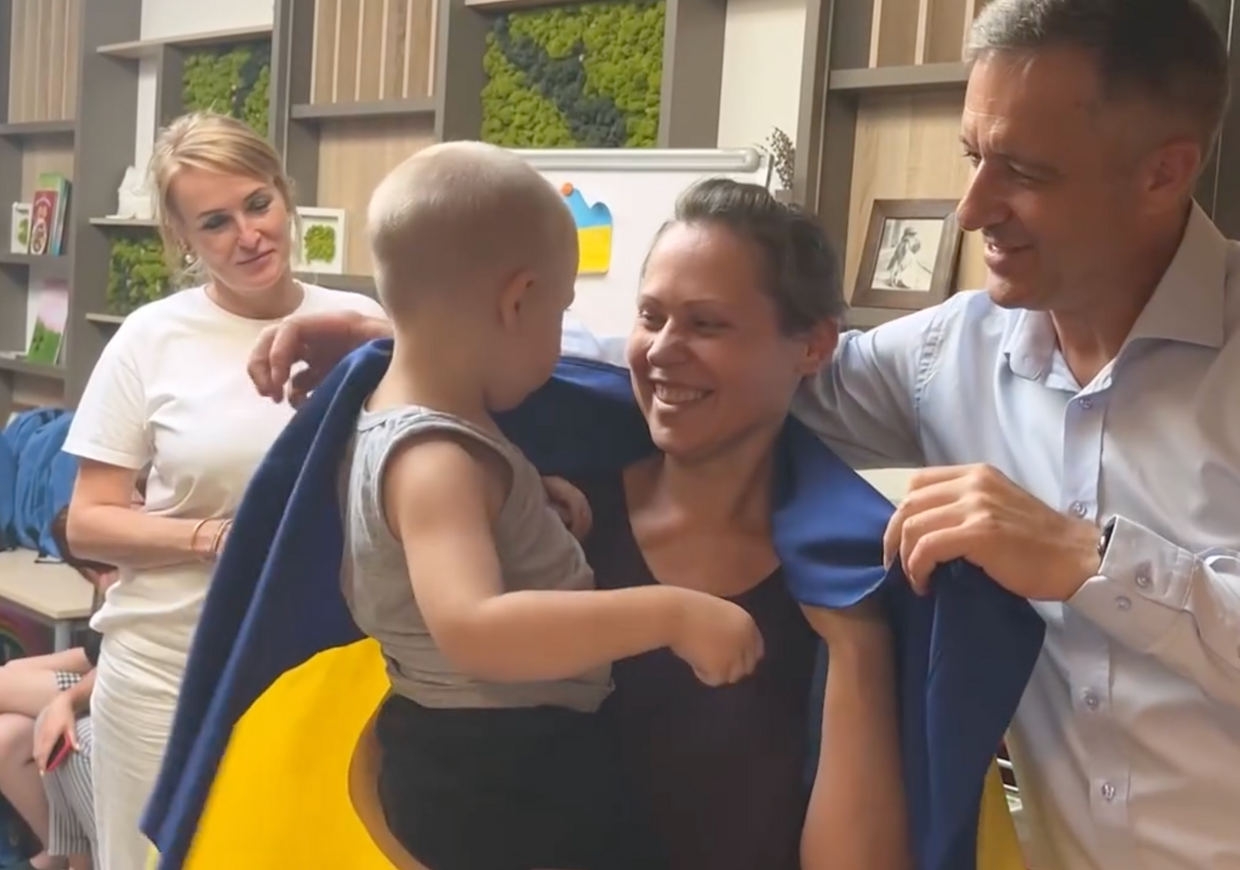
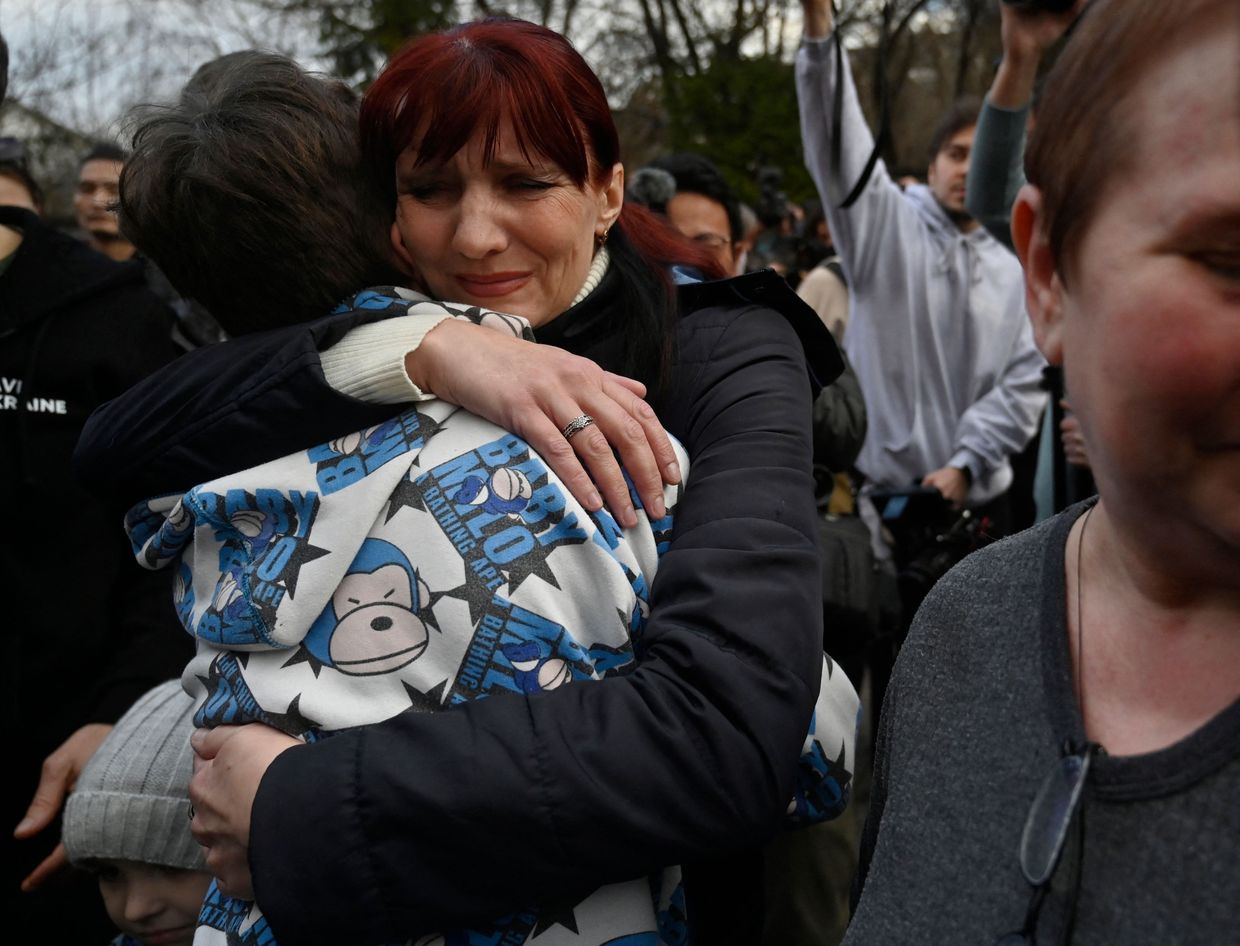
Ukraine successfully brought back five children who had been forcibly taken to Russia as well as Russian-occupied territory, Presidential Office head Andriy Yermak announced on June 12.
The children have been returned home under the President of Ukraine’s initiative, Bring Kids Back UA, according to Yermak.
"We are fulfilling the President's mission — to bring back every Ukrainian child," Yermak said in an statement.
Since February 2022, at least 20,000 Ukrainian children have been abducted from Russian-occupied territories and sent to other Russian-controlled areas of Ukraine or to Russia itself, according to a Ukrainian national database, "Children of War." Only 1,359 children have been returned thus far.
Dmytro Lubinets, Ukrainian Parliament’s Commissioner for Human Rights, estimated that Russia has unlawfully deported up to 150,000 Ukrainian children, while the Children’s Ombudswoman, Daria Herasymchuk, puts the figure at 200,000–300,000.
In March 2023, the International Criminal Court (ICC) issued arrest warrants for Russian President Vladimir Putin and Children's Commissioner Maria Lvova-Belova, citing their involvement in the unlawful transfer of Ukrainian children. Russia dismissed the ICC's decision as "outrageous and unacceptable."
Under orders from Putin, children were transported via military aircraft in 2022, reclassified in Russian databases as native-born, and subjected to pro-Russian re-education before being adopted into Russian families. Ukrainian children had been transported to at least 21 regions throughout Russia.
Child abductions have played a key part of U.S.-Russia peace negotiations — all of which Russia has thus far rejected. Ukrainian officials have named their return as a key condition for any future peace agreement with Russia.
President Volodymyr Zelensky said on June 3 that during the Istanbul negotiations, Russian representatives dismissedthe issue of abducted Ukrainian children as a "show for childless European old ladies" and acknowledged deporting several hundred children.
CNN reported on June 11 that the Yale University-based Humanitarian Research Lab, which spearheads the Ukraine Conflict Observatory is preparing to shut down after its funding was terminated by the Trump administration.
A Yale study published on Dec. 3 detailed Russia's systematic program of deporting and forcibly assimilating Ukrainian children.

 Connexion