❌

Vue normale

Ukraine and Japan plan prefabricated backup crossings for Kyiv’s bridges: 720 meters of structures already delivered
15 octobre 2026 à 09:41

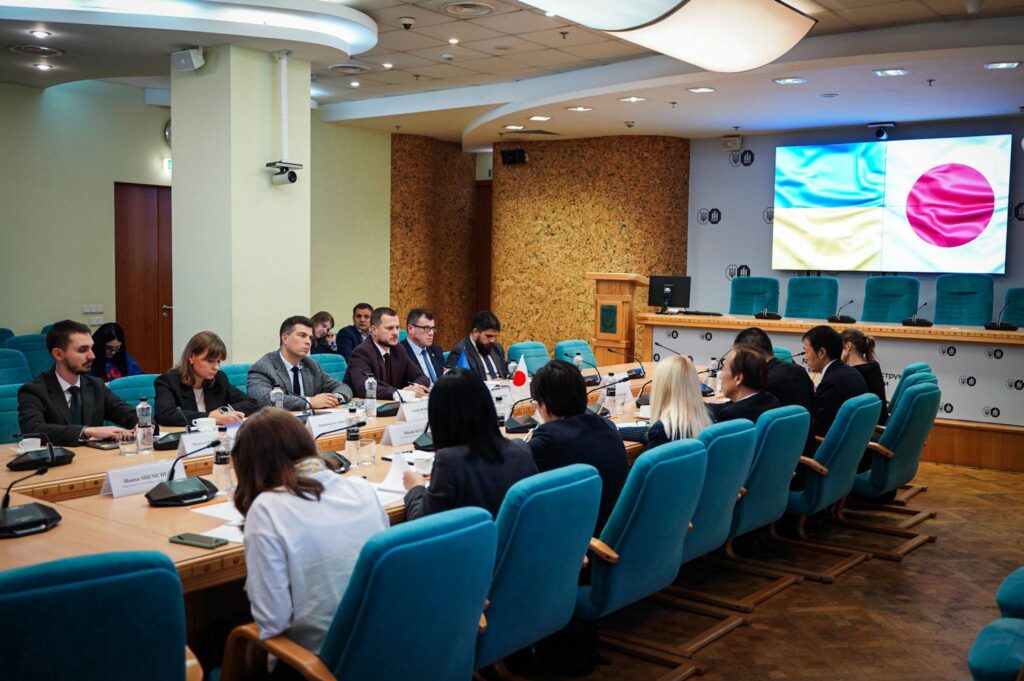
Meeting between Ukraine’s Minister for Restoration, Infrastructure and Transport Mykola Kalashnyk, Japan’s Ambassador to Ukraine Yo Osumi, and JICA Ukraine Office Chief Osamu Hattori, October 2026. Photo: Mykola Kalashnyk/Telegram

Ukrainian and Japanese officials discussed establishing backup bridge crossings in the event of Russian strikes, preparing municipal infrastructure for winter, and Japan's continued assistance with Ukraine's recovery, Ukraine's Minister for Restoration, Infrastructure and Transport, Mykola Kalashnyk, reported on 14 October.

Russia is targeting Kyiv's bridges to paralyze the city and break civilian morale, defense analyst Hamish de Bretton-Gordon wrote in The Telegraph. On 1 and 2 October, Russia attacked Kyiv's Southern Bridge, then struck the Northern Bridge on 3 and 4 October. Ukraine is now working with international partners to establish backup bridge crossings that could maintain connectivity even if major routes are damaged.

The discussions took place during a meeting between Minister Kalashnyk, Japan's Ambassador to Ukraine Yo Osumi, and Osamu Hattori, head of the Japan International Cooperation Agency (JICA) office in Ukraine, according to the statement.

Ukraine's Minister for Restoration, Infrastructure and Transport Mykola Kalashnyk during a meeting with Japan's Ambassador to Ukraine Yo Osumi and JICA Ukraine Office Chief Osamu Hattori, October 2026. Photo: Mykola Kalashnyk/Telegram

Backup crossings could prevent logistical disruptions if major bridges are damaged

Kyiv's Southern Bridge, for example, plays a critical role in logistics because freight traffic uses it, transport planning expert Dmytro Bespalov noted in an article for Ukrainska Pravda. At the same time, installing additional metal structures to reinforce bridges could be dangerous given their technical condition and existing load levels, he said.

One potential solution is to establish backup bridge crossings.

Ukraine and JICA have agreed to continue working together on engineering solutions for setting up these crossings. Japan has already delivered 720 meters of prefabricated bridge structures to Ukraine, which are expected to be used to create alternative routes if Russia's attacks damage major bridges, Kalashnyk said.

The initiative is intended to help maintain transportation links, ensure the delivery of critical supplies, and preserve evacuation routes for civilians.

The flags of Japan and Ukraine displayed on a screen during a meeting between Ukraine's Minister for Restoration, Infrastructure and Transport Mykola Kalashnyk, Japan's Ambassador to Ukraine Yo Osumi, and JICA Ukraine Office Chief Osamu Hattori, October 2026. Photo: Mykola Kalashnyk/Telegram

Ukraine prepares water utilities and boiler plants for winter amid the threat of Russian infrastructure strikes

During the meeting, Ukraine and JICA discussed equipping water utilities with backup power supplies, addressing the need for modular boiler plants, and obtaining equipment to ensure uninterrupted heating and water services. Ukraine has already submitted lists of the necessary equipment to JICA for consideration as part of a new emergency assistance project, Kalashnyk said.

An intercepted document outlining an alleged Russian plan for strikes against Ukraine this winter reportedly describes attacks on 60 critical infrastructure facilities using up to 1,000 missiles, drones, and aerial bombs. Potential targets include electrical substations, hydroelectric power plants, thermal power plants, boiler facilities, and infrastructure related to water supply and wastewater management.

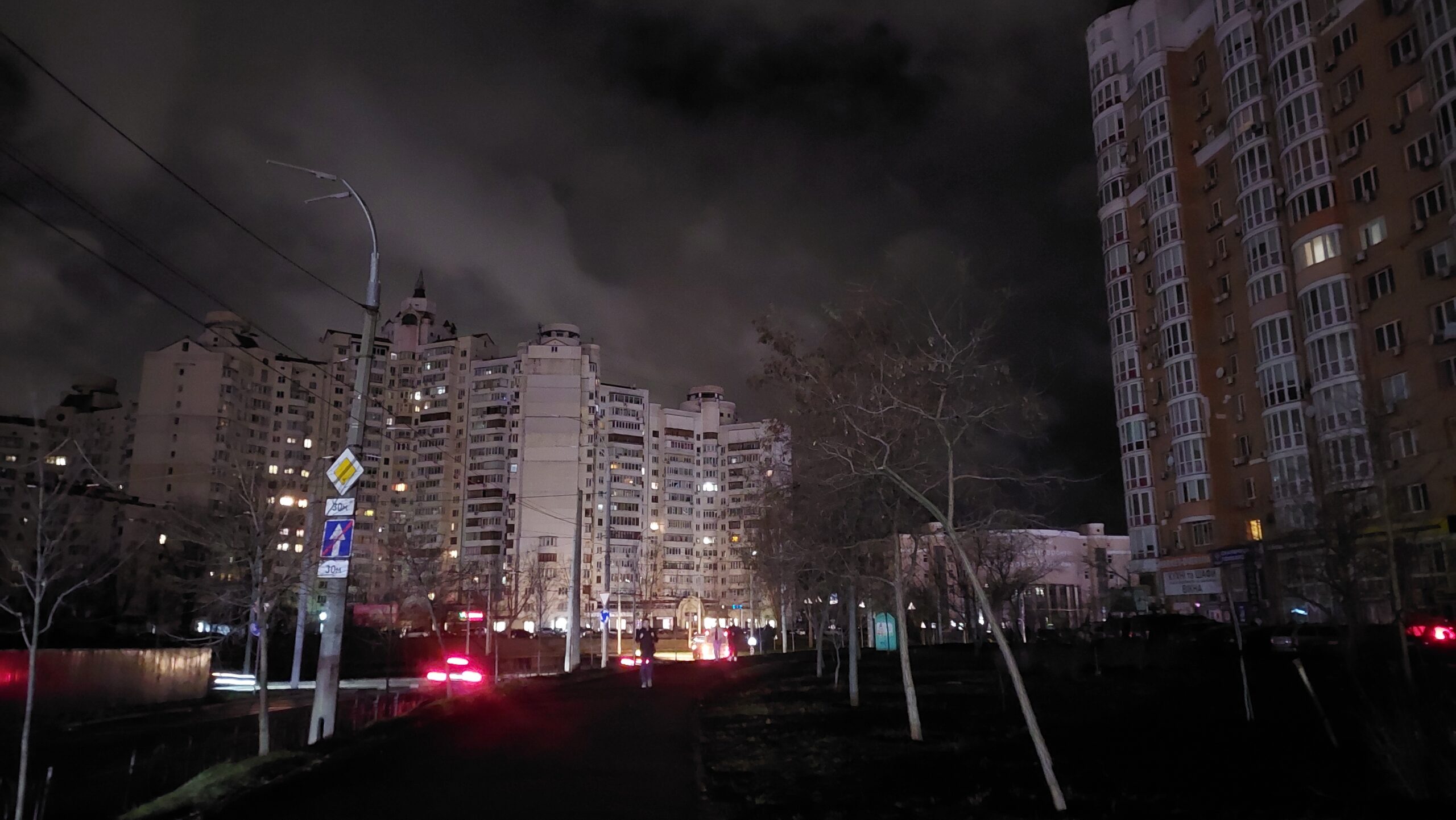
Kyiv during a blackout caused by Russian strikes on energy infrastructure, 11 October 2026. Photo: Yan Dobronosov

The document also describes potential strikes on facilities in Kyiv, Kharkiv, Odesa, and several other cities. Such attacks could disrupt electricity, heating, water supply, and wastewater services.

1,125 Kyiv residents injured in Russian attacks since the start of 2026, more than a third of them in five weeks from late August, Kyiv health chief says

14 octobre 2026 à 09:03

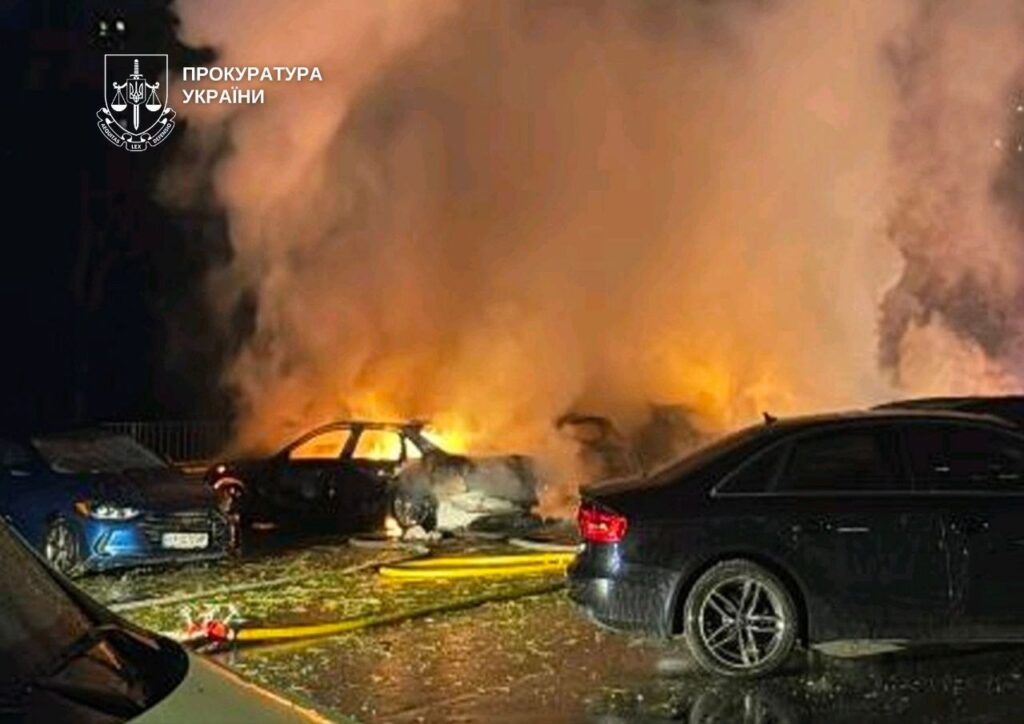
Cars burning outside a 25-story apartment building in Kyiv after a Russian drone strike

Russian attacks have injured 1,125 Kyiv residents since the start of 2026. Of these, 379 people, or nearly 34%, were injured in just five weeks, from 27 August to 7 October, Tetiana Mostepan, director of the Kyiv City State Administration’s Department of Health, said in an interview published on 13 October.

Russian air attacks on Kyiv have intensified since late August. Air attacks occur both day and night, and Russian drones target not only military facilities but also civilian buildings, including apartments. As a result, the number of casualties is also increasing. More than 40% of emergency medical responses to attacks this year occurred between late August and early October, Mostepan noted.

During this period, the capital’s emergency medical teams responded to 782 calls related to the attacks, the department director said. She also released data showing that 138 medical facilities in Kyiv have been damaged since the start of Russia’s full-scale invasion, including 47 this year.

“And when we talk about statistics, I always emphasize that behind every number is a human life. These are people who have been injured, as well as medical workers who respond to attack sites to save them,” Mostepan said.

People giving first aid to two women injured in a Russian drone strike in Kyiv
People giving first aid to two women injured in the Russian drone strike, Kyiv, 8 September 2026. Photo: Zelenskyy's Telegram

Russian attacks on Kyiv have become more frequent

Russia attacked Kyiv with drones throughout the day, Suspilne Kyiv reported on 27 August. Air raid alerts were issued 12 times in the capital, drone debris was found in five districts, and at least four people were injured, the report said. Russian forces used about 140 attack drones against Ukraine throughout the day, more than 100 of them jet-powered, the Ukrainian Air Force reported at the time.

At least 38 people were killed and dozens injured in a Russian drone strike on an ammunition depot in the Bucha district near Kyiv, triggering a massive fire and hours of explosions in a residential area, CNN reported. The attack in the Bucha district came amid near-constant Russian airstrikes, which continued into Sunday, the outlet reported.

Russian forces were likely seeking to exhaust Ukraine’s air defenses, disrupt civilians’ daily lives, and increase the scale of destruction, analysts at the Institute for the Study of War (ISW) said, citing CNN’s reporting.

On 8 September, NATO Secretary General Mark Rutte stressed the urgent need to strengthen support for Ukraine, particularly by providing air defense systems. Delays in delivering assistance cost human lives, he said.

On 1 October, a Russian drone struck a school in Kyiv’s Solomianskyi district while 104 children were inside, Suspilne reported. Students and school staff took shelter, so no one was injured, the report said.

Aftermath of the Russian attack on a school in Kyiv’s Solomianskyi district, 1 October 2026. Suspilne News/Oleksandr Mahula
Aftermath of the Russian attack on a school in Kyiv’s Solomianskyi district, 1 October 2026. Photo: Suspilne News/Oleksandr Mahula

Russian attacks continue after Trump’s announcement of an energy ceasefire

Following US President Donald Trump’s announcement of an energy ceasefire, Russia continued striking Ukraine’s energy infrastructure, including in Kyiv. On 13 October, Russian ballistic missiles struck Kyiv, hitting a thermal power plant in the second attack in 24 hours without advance warning from Ukraine’s allies, Zelenskyy said. The evening and morning strikes killed four people in Kyiv, three of them women in a high-rise in Desnianskyi district, Kyiv prosecutors said.

Aftermath of the Russian attack on Kyiv overnight into 14 October 2026
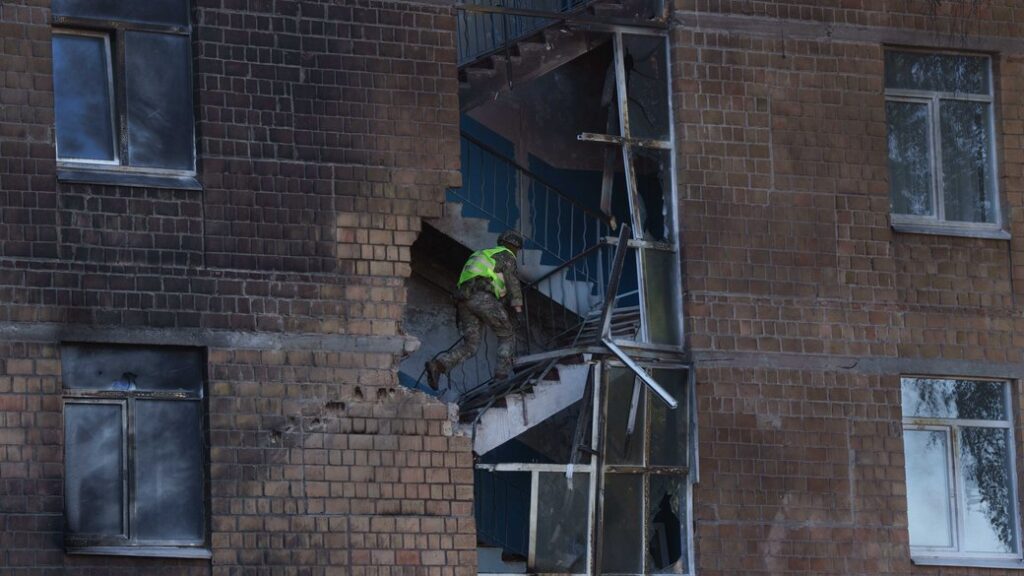
Aftermath of the attack on Kyiv on the night of 14 October 2026. Photo: Kyiv State Emergency Service

Russia attacked energy and critical infrastructure in Kyiv, Kyiv Oblast, and Kharkiv with 39 ballistic missiles and more than 120 attack drones, Ukrainian President Volodymyr Zelenskyy said on 14 October. At least 600,000 people were left without electricity, he said. Later that day, an accident on the grid cut power to part of Kyiv’s right bank, energy company DTEK said.

US continues sharing intelligence with Ukraine, Trump says amid Russia deal backlash. Questions remain over missed warning for latest attack

13 octobre 2026 à 13:08

Ukrainian President Volodymyr Zelenskyy meets US President Donald Trump in Ankara, Türkiye, on 8 July 2026.

US President Donald Trump said on 13 October that the US continues to share intelligence with Ukraine, following reports that Washington had threatened to suspend intelligence assistance unless Kyiv stopped striking Russian oil refineries, POLITICO reported.

The comments came after Ukraine received no advance warning from its partners ahead of Russia's latest ballistic missile strike, raising fresh questions about intelligence sharing between Kyiv and Washington.

“We are helping them, and we are sharing intel. We want the war to end,” Trump told reporters at the White House, according to POLITICO, reaffirming US support after his recent efforts to reach an agreement with Russian President Vladimir Putin drew criticism over his approach to the war.

Trump reaffirms support after backlash over Russia deal

Last week, the US threatened to cut intelligence sharing if Ukraine did not stop attacking Russian oil refineries. Zelenskyy did not publicly confirm the reported threat.

The reports came amid criticism of Trump’s announcement of a deal to buy Russian oil and his pressure on Kyiv to make concessions, even as Russia continued attacking Ukraine.

Zelenskyy said Ukraine had refrained from striking Russian oil refineries and the energy sector for two days after Trump announced an energy ceasefire. Russia, however, continued attacking Ukrainian energy facilities and critical infrastructure, he said, with 19 Ukrainian regions coming under attack during those two days.

Trump said Monday that both Russia and Ukraine had violated the energy ceasefire, arguing that each side was responsible. He also said Putin wanted a deal and that Washington needed to persuade Zelenskyy to agree.

Trump's latest comments publicly reaffirm that intelligence sharing is continuing. However, the circumstances surrounding the latest Russian strike have raised questions about whether Ukraine is receiving the early warnings it needs to protect civilians.

Ukraine received no warning before latest Russian strike

Early warnings of incoming Russian ballistic missiles give Ukrainians a brief window to reach shelter before impact. US intelligence helps make those warnings possible, giving civilians crucial time to protect themselves.

Zelenskyy said Russia's latest attack involved five ballistic missiles and more than 100 drones, and that Ukraine received no warning from its partners before the strike.

“Intelligence on Russian ballistic missile launches helps save lives,” Zelenskyy said Tuesday. “This is precisely what helps prevent people from being killed — when there is an early warning about ballistic missiles.”

He added that Ukraine had received no warning ahead of the attack.

just power plants russia’s drones also went after warehouses groceries hardware chain · post firefighter puts out fire warehouse burned food drink stock hit russian attack bucha district kyiv oblast
Explore further

Russian ballistic missiles hit Kyiv before sirens, gap that lands hard amid fears that Washington could cut data that warns of launches

Ukraine normally receives alerts about impending Russian missile launches through the Battlespace Command and Control Center, a system operated by the US military and NATO members, among others, POLITICO reported.

Citing an unnamed official familiar with the matter, POLITICO reported that US officials attributed the missing warning to bad weather. The explanation reportedly raised doubts among Ukrainian officials.

Ukrainian Air Force spokesperson Yurii Ihnat said the warning system had failed to transmit information on previous occasions. He said specialists would work with international partners to resolve any technical problems.

Ukrainian Foreign Minister Andrii Sybiha said Tuesday that intelligence sharing through the platform was continuing, according to POLITICO.

  • ✇Euromaidan Press
  • Blackouts return to Kyiv as Russia prepares to freeze civilians over the winter
    Power outages have returned to Kyiv after Russian attacks damaged the energy infrastructure supplying the capital, with authorities warning that the situation could worsen as Russia intensifies its campaign against Ukraine’s energy system ahead of winter. Russia has repeatedly targeted Ukraine’s power, heating, and other critical infrastructure to disrupt the systems civilians depend on and create a humanitarian crisis during winter. Ukrainian officials have repeatedly warned that this
     

Blackouts return to Kyiv as Russia prepares to freeze civilians over the winter

8 octobre 2026 à 14:35

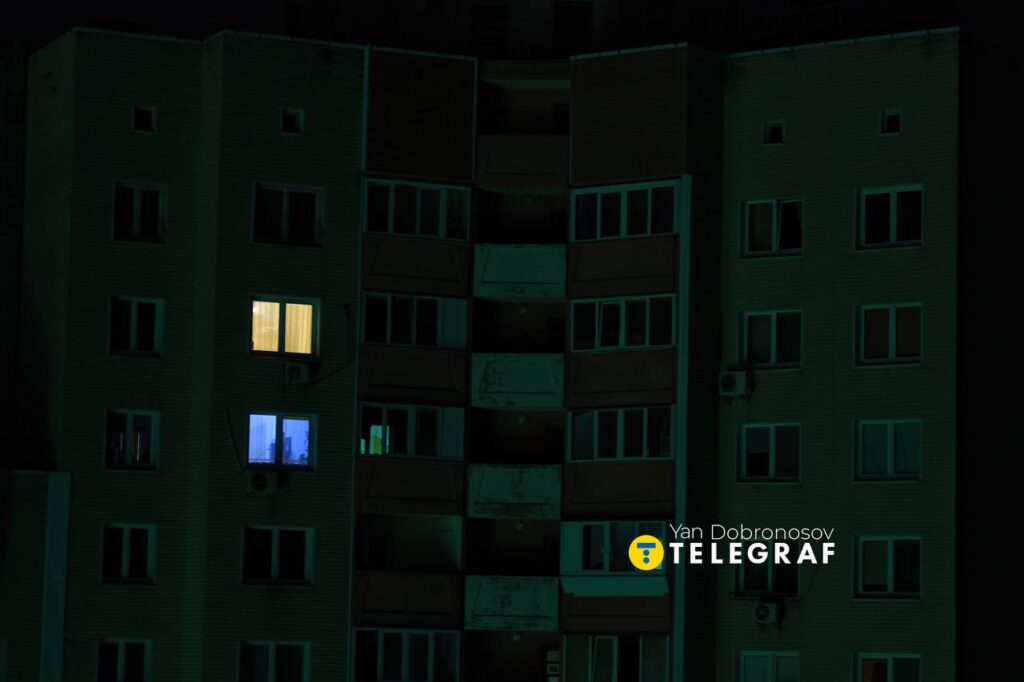
Kyiv building during a blackout following Russian attacks on energy infrastructure, 7 October 2026. Photo: Yan Dobronosov

Power outages have returned to Kyiv after Russian attacks damaged the energy infrastructure supplying the capital, with authorities warning that the situation could worsen as Russia intensifies its campaign against Ukraine’s energy system ahead of winter.

Russia has repeatedly targeted Ukraine’s power, heating, and other critical infrastructure to disrupt the systems civilians depend on and create a humanitarian crisis during winter. Ukrainian officials have repeatedly warned that this winter will be especially severe, as Russia has expanded its strike capabilities since the summer and Ukraine continues to face shortages of air-defense systems needed to protect its energy infrastructure.

Ukrenergo said on 8 October that emergency outages were being imposed in parts of Kyiv and Kyiv Oblast because of falling voltage in the high-voltage network. Previously announced hourly schedules were suspended, with predictable schedules to resume once the system stabilizes.

In the evening, further disruption came after a Russian attack on an energy facility important to Kyiv. Energy Minister Denys Shmyhal said that energy workers were working to restore power.

Kyiv has been under Russian attack throughout the day, with four people killed and 19 injured.

The attack continues into the evening of 8 October, with air raid alerts active across most of the country.

Kyiv loses power, water, and public transport

The damage throughout the day quickly spread beyond electricity.

The Kyiv City Military Administration said power disruptions temporarily halted metro trains and escalators. Part of the capital’s public transport system was also suspended because of the lack of electricity.

Reduced power to water infrastructure caused lower pressure on the right bank of the Dnipro, particularly in the Holosiivskyi, Sviatoshynskyi, Solomianskyi, and Shevchenkivskyi districts. Some buildings could temporarily lose water, the administration warned.

Russia is hitting the energy system as winter approaches

The outages come as Russia has stepped up attacks on Ukraine’s energy infrastructure ahead of the heating season.

Ukrenergo said Russian attacks had caused new power outages in Donetsk, Kharkiv, Sumy, and Zaporizhzhia oblasts. The company said damaged equipment was already limiting the grid’s ability to supply consumers and warned that further Russian strikes could rapidly change the situation.

For 9 October, Ukrenergo announced all-day power restrictions in affected regions, including hourly outages for some consumers. Industrial and business consumers will also face restrictions. The company urged Ukrainians to conserve electricity, particularly during the evening peak from 5 p.m. to 10 p.m.

Ukraine’s energy authorities have been warning about the consequences of repeated Russian attacks for months. In late September, Prime Minister Serhii Koretskyi said attacks on energy facilities had been occurring almost daily since the summer, with the September 29–30 attack marking the first massive combined strike on the energy system since the previous heating season.

The renewed strikes mark the beginning of Russia’s winter campaign against the energy system, with Russian missiles and drones increasingly targeting power-generation and transmission infrastructure in Kyiv and surrounding regions.

During blackouts, apartment blocks in Kyiv are mostly dark, with scattered lights from apartments with battery-powered sources. Generators power businesses on the ground floor. Street lights are largely off.
Explore further

Behind the black windows: How Kyiv survives a winter in the dark

Russia has openly threatened another winter of blackouts

The campaign follows years of Russian attacks aimed at disrupting the infrastructure that keeps Ukrainian homes heated and supplied with electricity and water during the winter.

In August, Russia’s Defense Ministry openly taunted Ukrainians over its attacks on energy-related infrastructure, posting images of attack drones with the message that Ukrainians would “get a freeze” in winter. 

Russia’s strategy has repeatedly linked attacks on electricity infrastructure to disruptions in heating and water supplies. This makes damage to the power grid particularly consequential as temperatures fall: a strike on an electrical facility can leave not only homes without lights, but also affect water pumps, heating systems, transportation, and other essential services.

The return of blackouts to Kyiv before the heating season is fully underway is an early indication of the pressure Russia’s renewed energy campaign is putting on Ukraine’s civilian infrastructure.

https://twitter.com/EuromaidanPress/status/2108182631217074459/
  • ✇Euromaidan Press
  • Two 14-year-old boys killed by an explosive device in a field in Sumy Oblast
    Two 14-year-old boys were killed when an explosive device detonated in the evening in the Konotop district of Sumy Oblast, according to the statement by Oleh Hryhorov, head of the Sumy Regional Military Administration. The children encountered the dangerous device in a field, suffered severe injuries, and died at the scene, the statement said. In 2022, Russian forces occupied parts of Sumy Oblast, but Ukraine liberated the region in April. Russia intensified its offensive again in 2025.
     

Two 14-year-old boys killed by an explosive device in a field in Sumy Oblast

8 octobre 2026 à 12:28

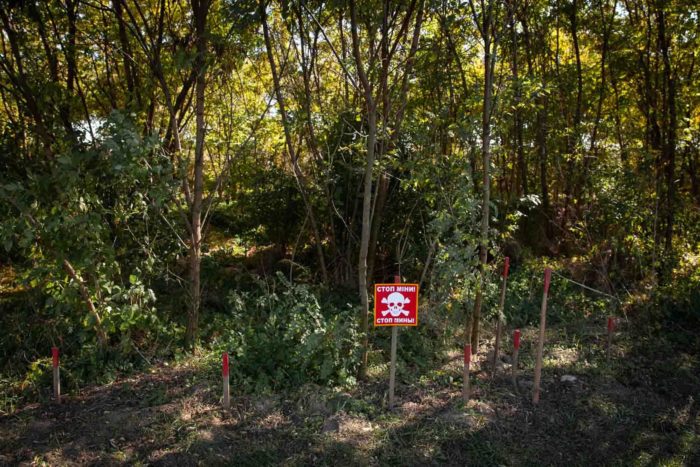
warning signs landmines kyiv oblast brovary

Two 14-year-old boys were killed when an explosive device detonated in the evening in the Konotop district of Sumy Oblast, according to the statement by Oleh Hryhorov, head of the Sumy Regional Military Administration. The children encountered the dangerous device in a field, suffered severe injuries, and died at the scene, the statement said.

In 2022, Russian forces occupied parts of Sumy Oblast, but Ukraine liberated the region in April. Russia intensified its offensive again in 2025. Today, mines, unexploded ordnance and Russian drones shot down over the region pose a danger, as their warheads can detonate after falling. Overall, 146 children in Ukraine have suffered mine-related injuries, former Interior Minister Ihor Klymenko reported in April. For example, two months ago, an 11-year-old boy and a 15-year-old boy in Sumy Oblast were injured when an explosive device detonated.

Hryhorov expressed his condolences to the parents and relatives of the victims and urged people to remain cautious:

“Please be as careful as possible and remind children: do not approach unknown or suspicious objects, touch them, or try to move them. Take care of yourselves and your loved ones,” Hryhorov said.

Demining efforts continue in Sumy Oblast

On 24 February 2022, Russian forces entered the territory of Sumy Oblast. The first battles in the region took place that same day. In particular, Russian forces attempted to break through to Sumy, but Ukrainian troops repelled the offensive. On 11 April 2022, Ukraine restored control over the entire Sumy region.

As early as 7 June 2022, deminers were working in the Konotop, Sumy, and Okhtyrka districts, according to the Government Portal. That day, they surveyed areas and neutralized explosive devices.

The work of deminers remains deadly dangerous. In September 2024, two pyrotechnicians from Dnipropetrovsk Oblast were hit by a mine while demining Sumy Oblast: one died, while the other was hospitalized. In July 2025, deminer Oleh Petrenko was killed during humanitarian demining operations in Shostka District when a Russian FPV drone detonated, the State Emergency Service of Ukraine reported. Another pyrotechnician was injured, the statement said.

Nevertheless, the work continues despite the danger. In 2025, State Emergency Service deminers in the Sumy Oblast found and neutralized 5,283 explosive devices, the agency said in April. Sumy Oblast ranked sixth among all Ukrainian regions by this figure.

Twenty-two percent of Ukraine’s territory is potentially contaminated with explosive devices — more than 133,000 square kilometers, former Interior Minister Ihor Klymenko reported in April this year. Since the beginning of the full-scale invasion, State Emergency Service and National Police deminers have surveyed more than 248,000 hectares of territory and found more than 1 million 112 thousand explosive devices, the statement said.

  • ✇Euromaidan Press
  • As Russia expands attacks on Kyiv, Ukraine prepares to hit Moscow’s oil industry harder in response
    Ukraine will intensify strikes on Russian oil refineries in response to Moscow’s expanded campaign against Ukrainian infrastructure, Ukrainian President Volodymyr Zelenskyy said in an interview with Reuters on 3 October. Russia has increased attacks on Kyiv in recent weeks, hitting energy and telecommunications infrastructure, roads, railways, and bridges across the Dnipro. Zelenskyy said Ukraine would respond by targeting the Russian energy infrastructure that helps finance the war.
     

As Russia expands attacks on Kyiv, Ukraine prepares to hit Moscow’s oil industry harder in response

3 octobre 2026 à 14:30

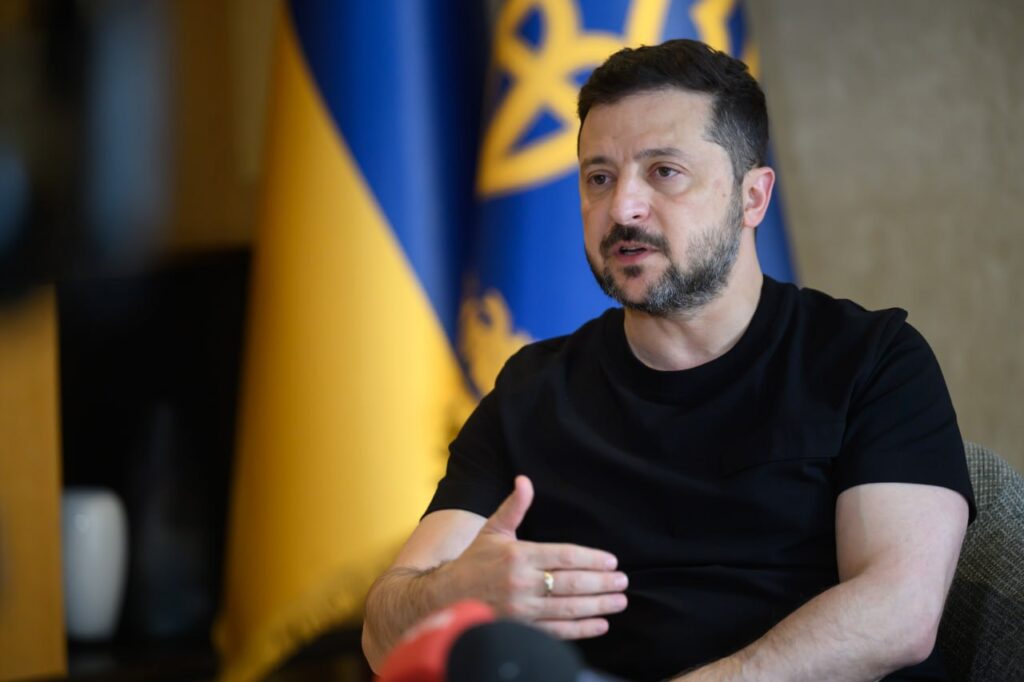
Ukrainian President Volodymyr Zelenskyy, 8 August 2026. Photo: Zelenskyy on Telegram

Ukraine will intensify strikes on Russian oil refineries in response to Moscow’s expanded campaign against Ukrainian infrastructure, Ukrainian President Volodymyr Zelenskyy said in an interview with Reuters on 3 October.

Russia has increased attacks on Kyiv in recent weeks, hitting energy and telecommunications infrastructure, roads, railways, and bridges across the Dnipro. Zelenskyy said Ukraine would respond by targeting the Russian energy infrastructure that helps finance the war.

Russia expands attacks on Kyiv

Russian forces have broadened their strikes on infrastructure in and around Kyiv in recent weeks, with attacks increasingly affecting systems that support civilian life.

Zelenskyy said Ukrainian intelligence obtained documents indicating that Russian authorities had approved a broader policy for targeting infrastructure, including logistics, roads, schools, and hospitals. He said the goal is to put pressure on residents to leave Kyiv and other major cities.

Russia has also begun targeting bridges across the Dnipro, which connect the eastern and western parts of the capital.

Ukraine targets Russia’s war economy

Ukraine plans to keep striking Russian oil refineries because they generate revenue that supports Moscow’s war effort, Zelenskyy said.

The policy puts Kyiv at odds with US President Donald Trump, who has urged Ukraine not to attack Russian oil facilities, arguing that such strikes contribute to higher global diesel prices.

Zelenskyy said he sees no indication that Moscow is prepared for either peace talks or an agreement to halt attacks on energy infrastructure.

Ukraine’s “long-range sanctions” hit targets supporting Russia’s war machine in Samara and Bryansk oblasts, including positions of Iskander missile crews, President Volodymyr Zelenskyy said. He also reported new “results” in the Black Sea.

Zelenskyy said the strikes came in… pic.twitter.com/4OFHaJ2bH7

— Euromaidan Press (@EuromaidanPress) October 3, 2026

Ukraine prepares for a new wave of air attacks

Ukraine is also preparing for intensified Russian attacks on its energy system over the winter. Ukrainian officials say Russia has stockpiled hundreds of ballistic missiles for a new campaign against electricity and other critical infrastructure.

Russia has also expanded its use of fast jet-powered Geran drones, launching dozens each day since the summer.

Ukrainian F-16s and MiG aircraft are intercepting around 60% of these drones, according to Zelenskyy, but ammunition for their 20 mm cannons is running low. Ukraine is increasing the use of electronic warfare and expects a first shipment of small, inexpensive air defense missiles designed to counter the jet-powered drones later in October.

Ukraine is developing five interceptor drone models to counter Russian Shaheds. Two have already undergone testing, with Zelenskyy putting their current interception rate at around 30%.

Ukraine expands its strike capabilities

Ukraine is also expanding its long-range strike capabilities. It has used its domestically produced FP-7 ballistic missile in combat for the first time, with a range of about 250 kilometers, while work continues on the longer-range FP-9.

At the same time, Kyiv is working with European partners to secure additional funding for its defense needs. Ukraine has found financing to order drones for early 2027 and is working to close a $27 billion gap in this year’s defense budget through its own resources, bilateral assistance, and financing linked to the EU’s €90 billion loan package.

Zelenskyy said Ukraine’s ability to sustain its defense and expand its strike capabilities will remain central as Russia prepares for another winter campaign.

  • ✇Euromaidan Press
  • Russia strikes second major Kyiv bridge in two days as attacks disrupt movement across the capital
    Russia struck Kyiv’s Northern Bridge with a drone on 3 October, damaging the roadway and overhead trolleybus lines, Kyiv Mayor Vitali Klitschko said. Two people were injured, one of whom was hospitalized. The strike came one day after repeated Russian drone attacks on the Southern Bridge, which damaged its support structures, road surface and subway infrastructure and forced its closure. The attacks caused severe traffic disruption across Kyiv, with major roads gridlocked and some peopl
     

Russia strikes second major Kyiv bridge in two days as attacks disrupt movement across the capital

3 octobre 2026 à 09:15

Kyiv's Northern Bridge connecting the city's two sides across the Dnipro River. Photo via Wikimedia Commons

Russia struck Kyiv’s Northern Bridge with a drone on 3 October, damaging the roadway and overhead trolleybus lines, Kyiv Mayor Vitali Klitschko said. Two people were injured, one of whom was hospitalized.

The strike came one day after repeated Russian drone attacks on the Southern Bridge, which damaged its support structures, road surface and subway infrastructure and forced its closure. The attacks caused severe traffic disruption across Kyiv, with major roads gridlocked and some people reportedly walking across bridges.

Another key bridge targeted

The Northern Bridge connects Kyiv’s Obolon and Troieshchyna districts and is one of the capital’s major routes across the Dnipro.

Damage to its roadway and trolleybus network adds another disruption to Kyiv’s transport system after the attacks on the Southern Bridge. The Northern and Southern bridges are among the capital’s key crossings between its eastern and western banks.

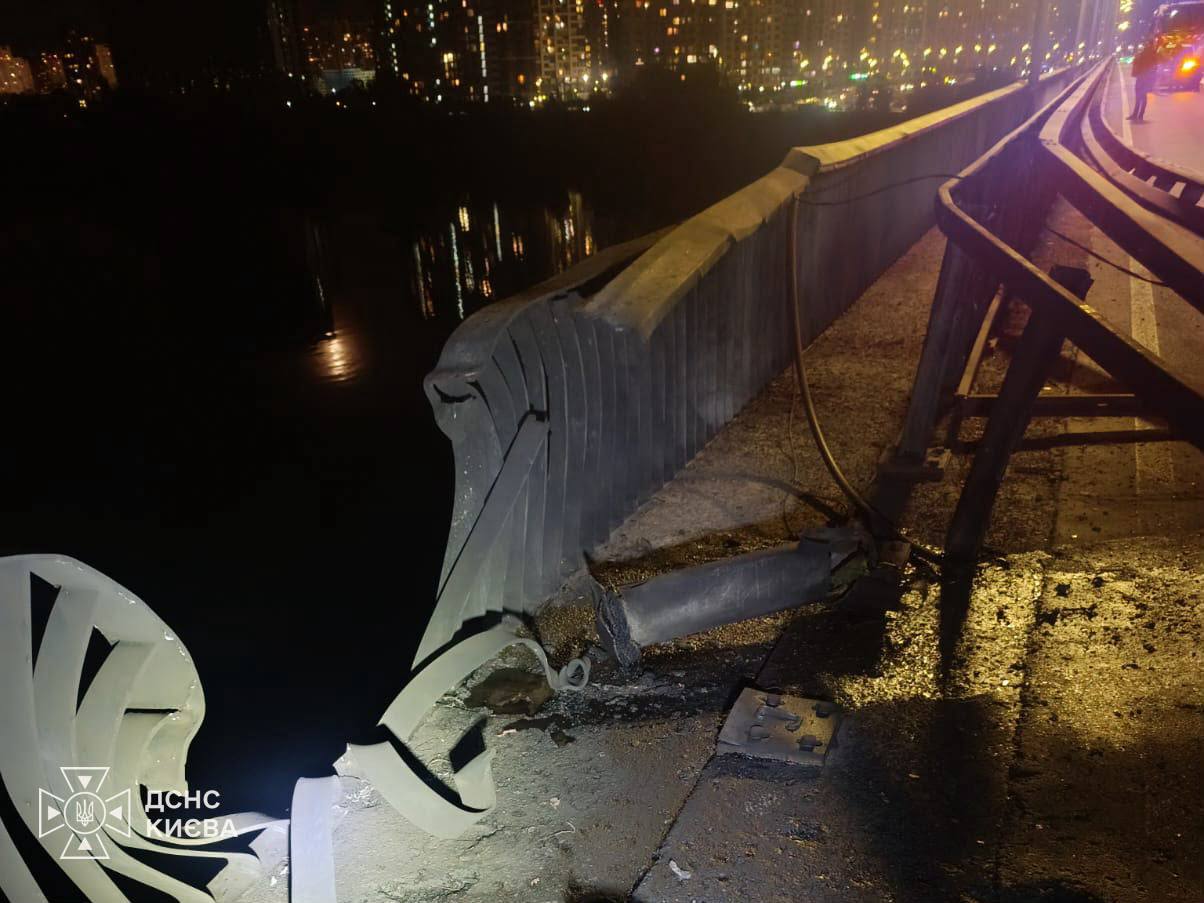
Damage to Kyiv's Southern Bridge connecting the left and right banks of the city following several Russian drone strikes on 1-2 October, 2026. Photo: Ukraine's State Emergency Service
Explore further

Russia repeatedly attacks bridge connecting Kyiv’s two sides across the Dnipro river, disrupting transport across the capital

Kyiv changes bridge restrictions

Kyiv authorities announced temporary changes to bridge traffic rules following the attacks.

During air raids, traffic on the Southern Bridge will be restricted for 15 minutes in the direction from the right bank to the left bank, while traffic in the opposite direction will remain open. On the Podilskyi-Voskresenskyi Bridge, traffic in both directions will stop for 15 minutes when an air-raid alert is announced or lifted.

The Northern, Darnytskyi, Paton and Metro bridges will operate without restrictions during air raids, according to the Kyiv City Military Administration.

Russia’s repeated strikes on Kyiv’s Southern Bridge are now severely disrupting traffic across the capital.

Major roads are gridlocked, with some people reportedly walking across bridges as traffic comes to a standstill. Photos from Suspilne show the resulting congestion on… pic.twitter.com/7SyYG0WOCO

— Euromaidan Press (@EuromaidanPress) October 2, 2026

Russia intensifies attacks on Kyiv

The bridge strikes come amid an intensifying Russian aerial campaign against Kyiv. Russian drones and missiles have increasingly targeted the capital in recent weeks, damaging residential buildings, schools and infrastructure and disrupting daily life.

The attacks on the bridges add a different dimension to that campaign, directly disrupting movement between Kyiv’s two banks. With multiple crossings affected within days, the strikes have already translated into major traffic disruptions for the city’s residents.

Three Russian missiles and two drones strike Moldovan territory in morning attacks on neighboring Ukraine. Moldova is increasingly exposed to the risks of Russia’s war next door

3 octobre 2026 à 08:14

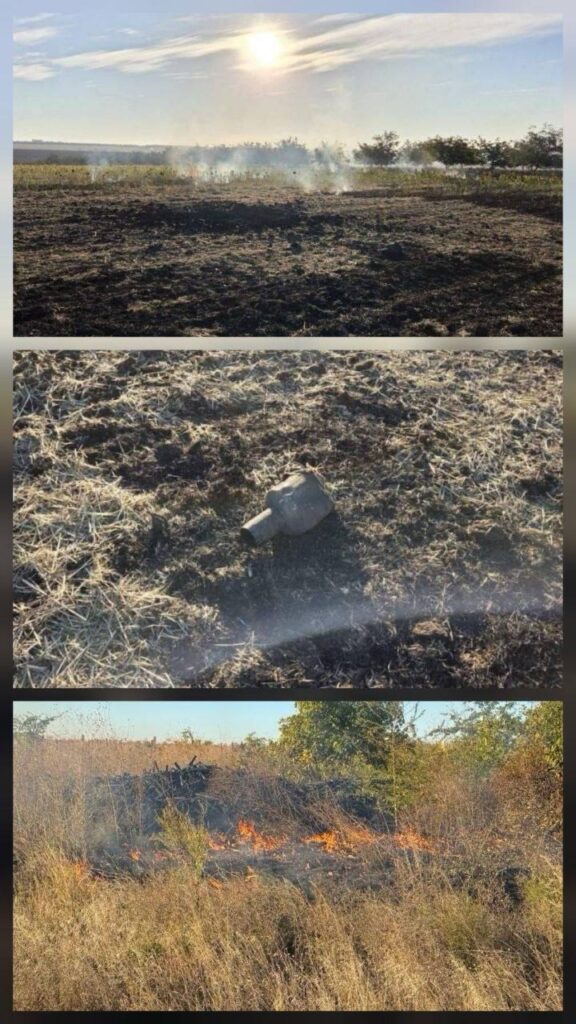
Fragments of Russian drones or missiles that struck Moldovan territory on 3 October 2026. Photo: Moldovan Police via Newsmaker

Three Russian missiles and two drones crossed Moldova’s airspace and exploded on Saturday morning, Moldovan Defense Minister Anatolie Nosatîi told TVR Moldova.

Moldova has seen a dramatic increase in Russian drone incursions in recent weeks as Russia ramps up near-constant drone attacks across Ukraine.

The five incidents occurred between 7:45 and 8:00 a.m., with explosions and debris reported across several districts. Moldova’s Foreign Ministry condemned the airspace violation.

Explosions and debris reported across Moldova

The Moldovan authorities initially said that five drones had crossed the country’s airspace before Nosatîi clarified that the five incidents involved three missiles and two drones. President Maia Sandu said the missiles were Banderol-type missiles, according to NewsMaker.

Nosatîi said the incidents had been documented and that evidence recovered at the sites could be presented to Russia’s ambassador.

Moldova’s Foreign Ministry said Russia’s war against Ukraine continues to create concrete threats for the country and condemned the violation of its airspace.

moldova counted 39 russian drone incursions eight months against 17 all 2025 · post maia sandu chairs meeting moldova's national security council 21 2026 sandu/facebook ukraine news ukrainian reports
Explore further

Moldova counted 39 Russian drone incursions in eight months, against 17 in all of 2025

According to NewsMaker, fragments were found outside Căușeni, near Dubovca in Hîncești District, between Delacău and Puhăceni in Anenii Noi District, and near Crocmaz in Ștefan Vodă District.

Near Crocmaz, an explosion in a vineyard field caused a vegetation fire and damaged windows at a nearby agricultural facility. Fragments were also found near Constantinovca in Căușeni District, where an explosion caused another vegetation fire.

Map of Russian attacks on Moldova, 3 October 2026. Map from social media

Moldova’s Defense Ministry later reported a sixth unauthorized flight over the country that did not result in an explosion. The object entered Moldovan airspace at 8:04 a.m. from the direction of Udobne, Ukraine, and exited a minute later toward Biliaivka, Ukraine. 

Fragments of Russian drones or missiles that struck Moldovan territory on 3 October 2026. Photo: Moldovan Police via Newsmaker

Moldova seeks stronger air defenses

Asked why the weapons were not intercepted, Nosatîi said Moldova was taking measures to strengthen its air-defense capabilities and acquire interception systems.

He said the drones are sophisticated and fast, adding that Moldova, like Ukraine, is learning how to defend against them. He also said Moldova needs additional resources to protect its 1,212-kilometer border with Ukraine and monitor its airspace.

romania's jets shoot down bulgaria's navy blows up moldova only now funding air defense russia hits ukraine · post moldovan president maia sandu kyiv anniversary chernobyl nuclear disaster 26 2026
Explore further

Moldova is investing in air defense against the Russian drones crossing from Ukraine—Romania shoots down the ones that reach it

Moldovan authorities urged residents not to approach or touch any fragments they find, but to mark the location and notify police or the military so the area can be secured and the debris neutralized.

Russia repeatedly attacks bridge connecting Kyiv’s two sides across the Dnipro river, disrupting transport across the capital

2 octobre 2026 à 10:34

Damage to Kyiv's Southern Bridge connecting the left and right banks of the city following several Russian drone strikes on 1-2 October, 2026. Photo: Ukraine's State Emergency Service

Russian forces have repeatedly struck Kyiv’s Southern Bridge with drones since 1 October, disrupting one of the capital’s main routes between the left and right banks of the Dnipro.

The strikes are part of a broader intensification of Russian drone attacks on the capital. In recent weeks, Russia has begun launching daily attacks involving jet-powered Geran drones, increasingly disrupting everyday life in Kyiv.

The Southern Bridge is an important road and rail crossing over the Dnipro. It carries road traffic between Kyiv's left and right banks and also forms part of the city's metro network.

The bridge was fully closed to traffic following the latest attacks, while restrictions were also introduced on the Metro and Paton bridges, according to Suspilne. Public transport has been diverted to alternative routes, while the disruptions have caused major traffic congestion across Kyiv.

Update 17:50: Kyiv Mayor Vitali Klitschko said Russian forces have struck the Southern Bridge again on the evening of 2 October. The bridge remains closed to road traffic and metro services following several previous attacks. Emergency services are heading to the site.

Bridge targeted repeatedly

The Southern Bridge came under attack multiple times on 1 October and was targeted again during the overnight attack into 2 October.

Ukrainian President Volodymyr Zelenskyy said Russian forces struck the bridge several times with drones during the night. He said the attacks were part of a larger Russian barrage involving more than 100 attack drones, nearly 50 of them jet-powered Gerans.

The bridge has not been destroyed, but the repeated strikes have forced authorities to limit its use and reorganize traffic across the Dnipro.

Ukrainian analyst Andrii Kovalenko said the Southern Bridge is difficult to destroy with the weapons Russia is using. However, he said such strikes can damage the bridge enough to disrupt its normal operation, while the resulting disruption can also be used to spread panic.

Russia’s repeated strikes on Kyiv’s Southern Bridge are now severely disrupting traffic across the capital.

Major roads are gridlocked, with some people reportedly walking across bridges as traffic comes to a standstill. Photos from Suspilne show the resulting congestion on… pic.twitter.com/7SyYG0WOCO

— Euromaidan Press (@EuromaidanPress) October 2, 2026

Zelenskyy: Russia is targeting bridges and critical infrastructure

Zelenskyy said Russia's intensified attacks are part of a broader effort to disrupt life in Ukrainian cities and damage infrastructure beyond individual military targets.

Citing Ukrainian intelligence and people he said are close to Russian President Vladimir Putin, Zelenskyy claimed Putin said in early September: “Now, there are no rules.” Zelenskyy said Russia had failed to occupy Ukraine and was therefore turning to mass attacks and killings.

“They want to destroy our bridges and, as we understand it, our data centers, internet, mobile networks, hospitals, kindergartens, schools, universities – everything,” Zelenskyy said.

He added that Russia wants to force Ukrainians to leave their cities. “They want people to flee their cities, and we need to do everything to save our people and our cities,” he said.

A key crossing for Kyiv disrupted

The bridge’s closure puts additional pressure on the capital's other bridges. On 2 October, traffic on the Metro Bridge was restricted to one lane toward the right bank, while traffic from the right bank toward the left was restricted on the Paton Bridge.

Several bus routes were diverted to other bridges. Kyiv authorities reported major traffic jams on the city's main roads as the restrictions disrupted normal movement between the two sides of the capital.

Metro service across the Southern Bridge also remains tied to an assessment of the structure. Kyiv Mayor Vitali Klitschko said on Friday the metro can resume crossing the bridge during yellow-level air alerts after experts provide an assessment confirming its condition.

Part of a wider campaign against Kyiv

The bridge strikes came alongside attacks on civilian areas of Kyiv. A Russian drone hit the upper floors of a 25-story residential building in the Darnytskyi district on 2 October, causing a fire on the 24th and 25th floors.

One person was killed and two were injured. The attack also damaged buildings and vehicles in the Holosiivskyi district.

A Russian drone struck a 25-story residential building in Kyiv’s Darnytskyi district this morning.

According to President Volodymyr Zelenskyy, Russia launched more than 100 attack drones at Ukraine overnight, including nearly 50 jet-powered drones.

In Kyiv, the strike caused a… pic.twitter.com/jiGjJeUgVf

— Euromaidan Press (@EuromaidanPress) October 2, 2026

The growing frequency of jet-powered Geran attacks is making the impact of Russian strikes increasingly visible beyond individual damage sites. Repeated attacks on infrastructure such as the Southern Bridge can disrupt transportation and daily routines across the capital even when the targeted structures are not destroyed.

❌