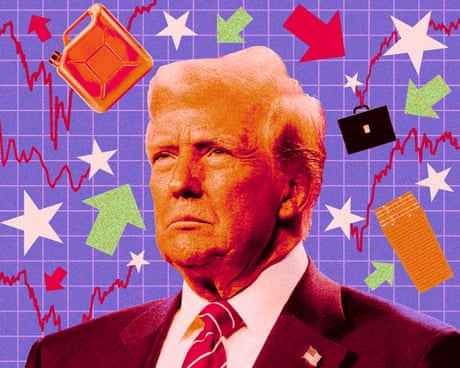
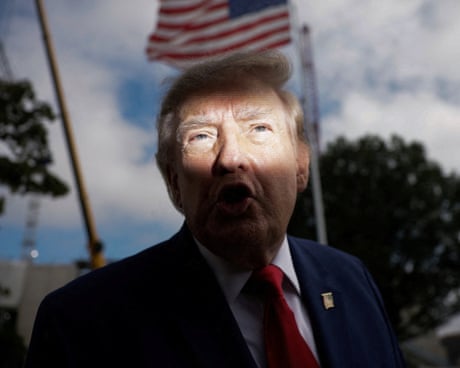
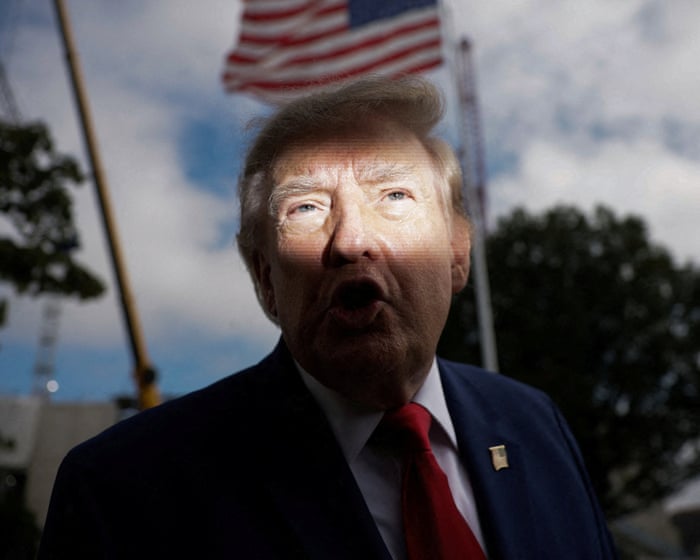
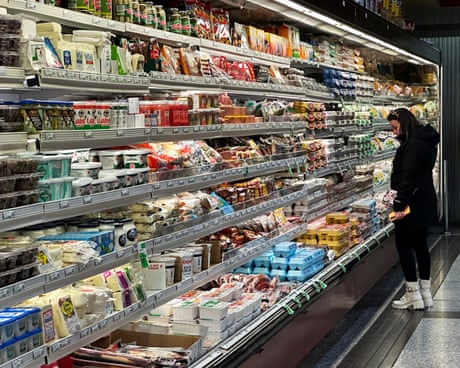
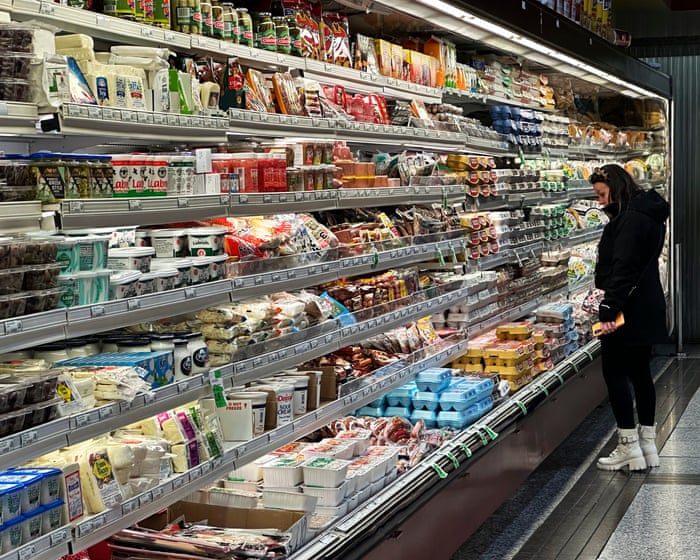
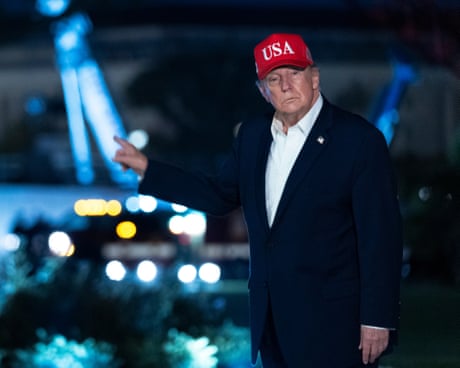
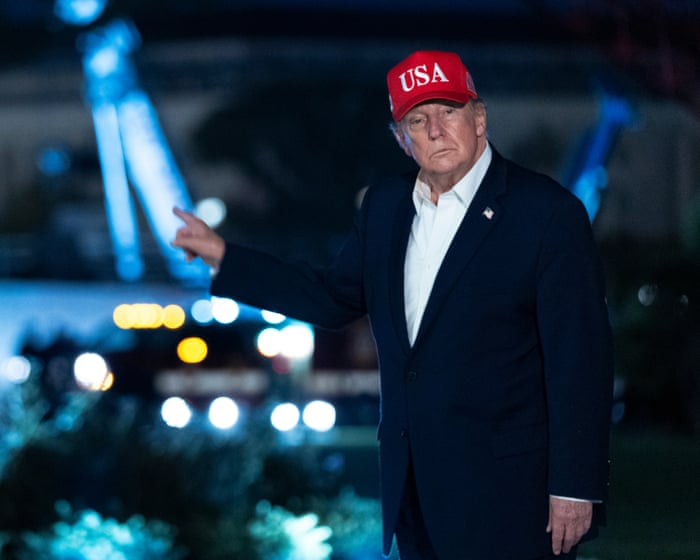
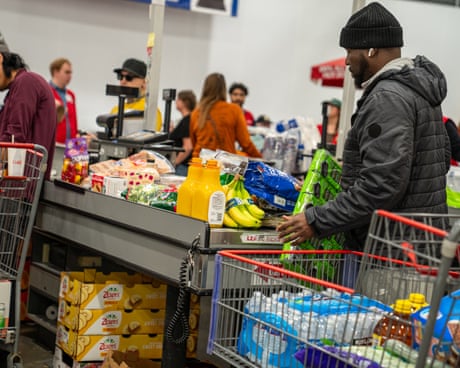
As the US midterm elections approach, we take a look at data to see a true picture of the US economy under TrumpWith the midterm elections fast approaching, many Americans have the economy on their minds.US voters are exhausted by years of higher prices. Donald Trump won the presidency in 2024 on promises to lower inflation and undo the damage he said the Biden administration had inflicted on the economy. Continue reading...
US voters are exhausted by years of higher prices. Donald Trump won the presidency in 2024 on promises to lower inflation and undo the damage he said the Biden administration had inflicted on the economy.
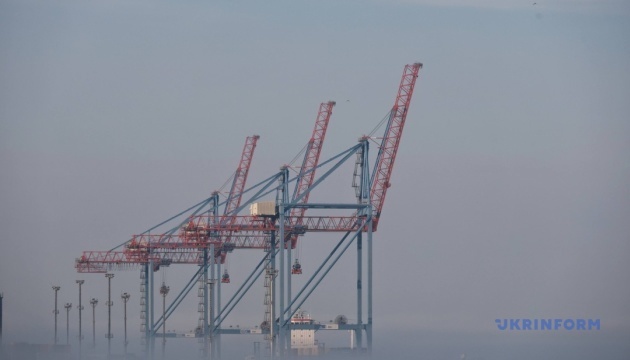
Ukraine needs agreements with Romania to increase the throughput of the Sulina Canal and introduce night navigation in order to raise cargo volumes at Danube ports.
Ukraine needs agreements with Romania to increase the throughput of the Sulina Canal and introduce night navigation in order to raise cargo volumes at Danube ports.
VW investment, creating 4,500 jobs in Georgia, comes amid Trump’s damaging tariffs, intense Chinese competition and costly shift towards EVsAudi has said it will spend $4bn (£3bn) to build its first factory in the US, as its parent company, Volkswagen, struggles with the impact of steep tariffs imposed by Donald Trump.The German brand’s chief executive, Gernot Döllner, joined Trump on stage at a campaign rally on Saturday night to announce the factory in Macon, Georgia, in an unusual move by a b
VW investment, creating 4,500 jobs in Georgia, comes amid Trump’s damaging tariffs, intense Chinese competition and costly shift towards EVs
Audi has said it will spend $4bn (£3bn) to build its first factory in the US, as its parent company, Volkswagen, struggles with the impact of steep tariffs imposed by Donald Trump.
The German brand’s chief executive, Gernot Döllner, joined Trump on stage at a campaign rally on Saturday night to announce the factory in Macon, Georgia, in an unusual move by a big European brand just days before the US midterm elections.
The Steering Committee of the Organization for Economic Cooperation and Development's Nuclear Energy Agency (NEA) has supported the launch of the process for Ukraine to join the agency.
The Steering Committee of the Organization for Economic Cooperation and Development's Nuclear Energy Agency (NEA) has supported the launch of the process for Ukraine to join the agency.
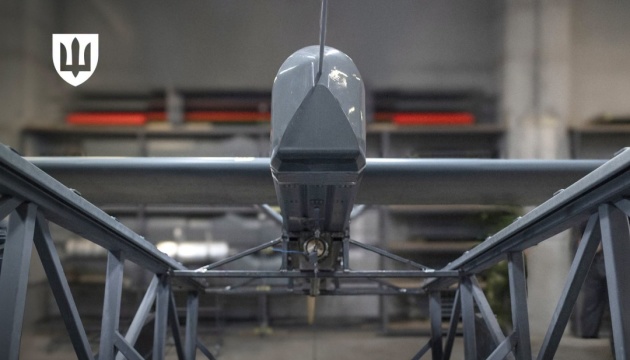
Ukrainian Defense Minister Yevhenii Khmara discussed rules for manufacturers, predictability of state procurement, the development of production capacity and mechanisms for controlled exports with representatives of Ukraine's defense industry.
Ukrainian Defense Minister Yevhenii Khmara discussed rules for manufacturers, predictability of state procurement, the development of production capacity and mechanisms for controlled exports with representatives of Ukraine's defense industry.
Ukrainian defense company TAF Industries discussed cooperation opportunities with Czech representatives at the Future Forces exhibition in Prague, including the purchase of Ukrainian products and the establishment of a joint venture.
Ukrainian defense company TAF Industries discussed cooperation opportunities with Czech representatives at the Future Forces exhibition in Prague, including the purchase of Ukrainian products and the establishment of a joint venture.
The Cabinet of Ministers has adopted a series of measures for the defense industry, including involving private businesses in the construction of industrial facilities, exempting components supplied by international partners from VAT and customs duties, and introducing a "single window" procedure for such goods.
The Cabinet of Ministers has adopted a series of measures for the defense industry, including involving private businesses in the construction of industrial facilities, exempting components supplied by international partners from VAT and customs duties, and introducing a "single window" procedure for such goods.
Polls show US voters are deeply upset by high gas prices and are likely to punish Republicans in the midterms as a resultHow will Trump’s mass deportation agenda shape the US midterm elections? Our reporters answer your questionsWith fewer than two weeks until the midterms, US voters are unlikely to see relief on one of this election cycle’s main issues: gas prices.Airing up her car’s tires at a Speedway in Perrysburg, Ohio, Toledo resident Sharie Smith, 41, says soaring costs are having a direc
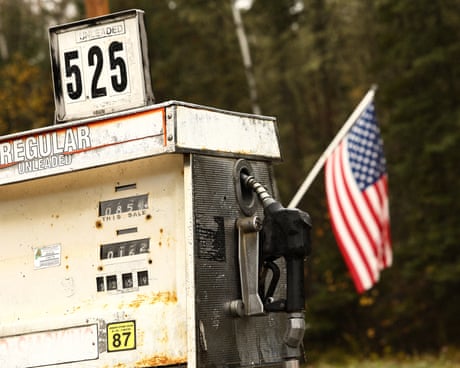
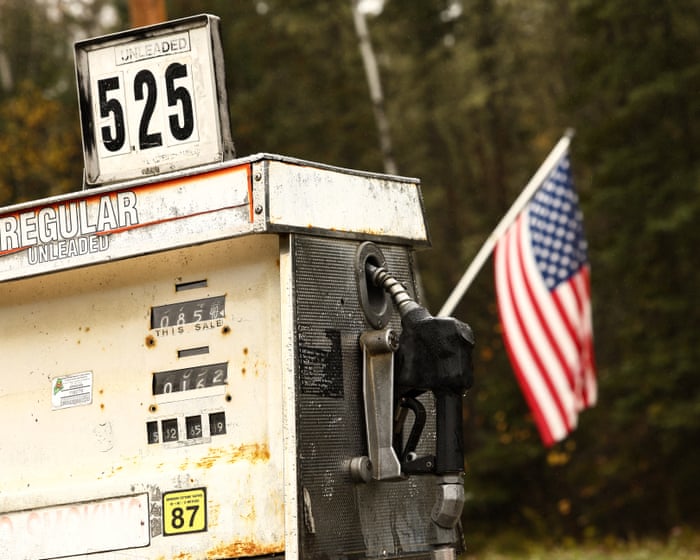
With fewer than two weeks until the midterms, US voters are unlikely to see relief on one of this election cycle’s main issues: gas prices.
Airing up her car’s tires at a Speedway in Perrysburg, Ohio, Toledo resident Sharie Smith, 41, says soaring costs are having a direct impact on her life.
A number of Ukrainian energy companies have called on international partners to speed up assistance, particularly in air defense, and step up sanctions pressure on Russia.
A number of Ukrainian energy companies have called on international partners to speed up assistance, particularly in air defense, and step up sanctions pressure on Russia.
Voters disapprove of Trump’s handling of economy and cost of living, says poll in new low recorded by NY Times/SienaDonald Trump’s approval rating sank to 36% just two weeks before the midterm elections, the lowest recorded in a poll by the New York Times/Siena College, with most respondents expressing frustration over his handling of the US economy, cost of living and Iran war.In an October survey of approximately 3,494 likely voters, 59% said they disapproved of Trump’s handling of his job, an
Voters disapprove of Trump’s handling of economy and cost of living, says poll in new low recorded by NY Times/Siena
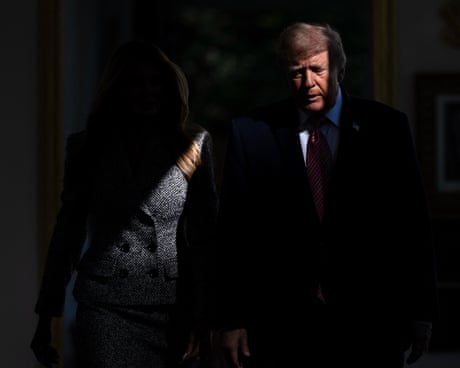
Donald Trump’s approval rating sank to 36% just two weeks before the midterm elections, the lowest recorded in a poll by the New York Times/Siena College, with most respondents expressing frustration over his handling of the US economy, cost of living and Iran war.
In an October survey of approximately 3,494 likely voters, 59% said they disapproved of Trump’s handling of his job, and 52% said they planned to vote for the Democratic candidate in the upcoming election.
The Cabinet of Ministers, together with lawmakers and the heads of law enforcement agencies, has identified priority measures to reduce the size of Ukraine’s shadow economy.
The Cabinet of Ministers, together with lawmakers and the heads of law enforcement agencies, has identified priority measures to reduce the size of Ukraine’s shadow economy.
Azerbaijan has begun offshore construction on a $2.9 billion project to develop the Shah Deniz gas field, aimed at extending the field’s productive life and enabling additional gas supplies to Europe via a route that bypasses Russia.
Azerbaijan has begun offshore construction on a $2.9 billion project to develop the Shah Deniz gas field, aimed at extending the field’s productive life and enabling additional gas supplies to Europe via a route that bypasses Russia.
Russian Deputy Prime Minister Alexander Novak said the first tanker carrying 40,000 tonnes of Russian diesel fuel would depart for the United States on Thursday, October 22.
Russian Deputy Prime Minister Alexander Novak said the first tanker carrying 40,000 tonnes of Russian diesel fuel would depart for the United States on Thursday, October 22.
The European Union will play an active role in meeting Ukraine’s financial needs in 2027 and is urging international partners to step up their assistance to maintain pressure on Russia.
The European Union will play an active role in meeting Ukraine’s financial needs in 2027 and is urging international partners to step up their assistance to maintain pressure on Russia.
Ukrainian Prime Minister Sergii Koretskyi and European Investment Bank Vice-President Karl Nehammer have discussed accelerating the implementation of joint projects, including prioritizing them according to urgent needs.
Ukrainian Prime Minister Sergii Koretskyi and European Investment Bank Vice-President Karl Nehammer have discussed accelerating the implementation of joint projects, including prioritizing them according to urgent needs.
Ukraine’s First Deputy Prime Minister and Energy Minister Denys Shmyhal and European Investment Bank Vice-President Karl Nehammer discussed strengthening the resilience of Ukraine’s energy system and attracting new investment during a meeting in Kyiv.
Ukraine’s First Deputy Prime Minister and Energy Minister Denys Shmyhal and European Investment Bank Vice-President Karl Nehammer discussed strengthening the resilience of Ukraine’s energy system and attracting new investment during a meeting in Kyiv.
Much of Donald Trump’s unpopularity in polls stems from dissatisfaction over the economy and war on IranUS politics live – latest updates*** Continue reading...
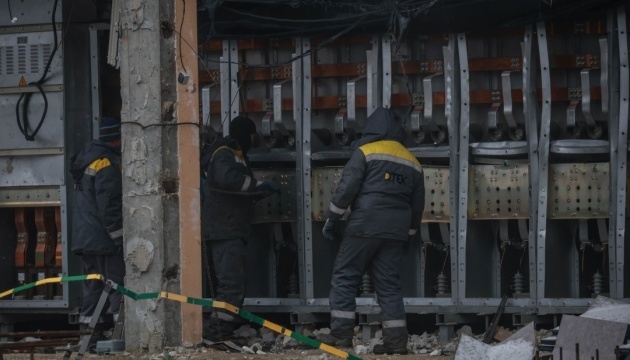
Russian attacks have caused new power outages in 12 regions of Ukraine, while scheduled hourly power cuts affecting up to two groups of consumers are in effect nationwide.
Russian attacks have caused new power outages in 12 regions of Ukraine, while scheduled hourly power cuts affecting up to two groups of consumers are in effect nationwide.
The Cabinet of Ministers has allocated UAH 3.77 billion from the state budget to implement comprehensive resilience plans for regions and selected cities.
The Cabinet of Ministers has allocated UAH 3.77 billion from the state budget to implement comprehensive resilience plans for regions and selected cities.
Poll finds 66% of Americans think Trump is using position for monetary gain as his approval rating hits a new lowMost Americans think Donald Trump is using the presidency to enrich himself, according to a new poll, as the US president’s approval rating falls to a new low ahead of November’s midterm elections.A new Washington Post-ABC poll put Trump’s approval rating at 33% as he continues to crisscross the country as part of his campaign blitz for embattled Republicans. Continue reading...
Poll finds 66% of Americans think Trump is using position for monetary gain as his approval rating hits a new low
Most Americans think Donald Trump is using the presidency to enrich himself, according to a new poll, as the US president’s approval rating falls to a new low ahead of November’s midterm elections.
A new Washington Post-ABC poll put Trump’s approval rating at 33% as he continues to crisscross the country as part of his campaign blitz for embattled Republicans.
Overall, economic sentiment for Trump is poor, but small businesses seem fairly confident, according to several surveysThere are 34m small businesses in the United States. They employ approximately half of the country’s workers and generate about half of the country’s GDP. They’re an important voting block. So how are they feeling about the economy as we head into November’s midterm elections? Overall, economic sentiment for Donald Trump is poor but small business – admittedly a diverse demograp
Overall, economic sentiment for Trump is poor, but small businesses seem fairly confident, according to several surveys
There are 34m small businesses in the United States. They employ approximately half of the country’s workers and generate about half of the country’s GDP. They’re an important voting block. So how are they feeling about the economy as we head into November’s midterm elections? Overall, economic sentiment for Donald Trump is poor but small business – admittedly a diverse demographic that’s hard to poll – seems fairly confident. A number of recently published surveys and reports can help understand their mood.
We’d like to hear about whether you feel like the US is in a recession and what you think signals such a downturnNearly two-thirds of Americans think the US is experiencing a recession, according to a new Harris Poll conducted for the Guardian. By the typical definition of a recession – when a country’s economic growth is in the negative for two consecutive quarters – the US is not experiencing one. Still, Americans are facing higher prices and a stagnant job market, which for many feels like a
We’d like to hear about whether you feel like the US is in a recession and what you think signals such a downturn
Nearly two-thirds of Americans think the US is experiencing a recession, according to a new Harris Poll conducted for the Guardian. By the typical definition of a recession – when a country’s economic growth is in the negative for two consecutive quarters – the US is not experiencing one. Still, Americans are facing higher prices and a stagnant job market, which for many feels like a downturn.
We want to hear from Americans: do you feel like the US is experiencing a recession? What is your so-called personal “recession indicator”, or a signal in your everyday life that points to an incoming economic slump? It could be seen in your job or at your local grocery store, something you notice at your children’s school or out in your community. Tell us about it below.
Voters’ opposition to the state of Trump’s economy is well established – despite his desperate attempts to deflectTell us: what is your personal ‘recession indicator’?It’s indisputable that the political polarization of our time has reduced (and confused) the influence of economic conditions on US elections.In September of 2024, in the waning weeks of the Joe Biden presidency, 65% of Republicans believed the US economy was getting worse. About six months later, as Donald Trump launched a trade w
It’s indisputable that the political polarization of our time has reduced (and confused) the influence of economic conditions on US elections.
In September of 2024, in the waning weeks of the Joe Biden presidency, 65% of Republicans believed the US economy was getting worse. About six months later, as Donald Trump launched a trade war on the rest of the world with his “liberation day” tariffs, the share of Republican pessimists had dropped to 33%.
This live blog is now closed.Sign up for the Breaking News US emailThe US government could spend hundreds of thousands of dollars on a media campaign in South Africa to figure out why more white Afrikaners are not applying to become refugees to the US, as Donald Trump had hoped.State department officials, according to an August proposal seen by the Guardian, outlined a roughly $335,000 research and advertising effort after applications to the refugee program “trended lower than expected” since A
The US government could spend hundreds of thousands of dollars on a media campaign in South Africa to figure out why more white Afrikaners are not applying to become refugees to the US, as Donald Trump had hoped.
State department officials, according to an August proposal seen by the Guardian, outlined a roughly $335,000 research and advertising effort after applications to the refugee program “trended lower than expected” since Afrikaners were allowed to apply directly online in November 2025. The document, written by the US mission in South Africa with a department research unit for the embassy in Pretoria, admits officials know little about why.
The vast majority of Americans say they are struggling to pay for gas and groceries, and are cutting back on luxuries. But what or who is actually behind these price rises? We asked you to tell us what's gotten too expensive in your own life. Now, Kai Wright and Carter Sherman enlist Guardian columnist and former labor secretary Robert Reich to explain why you’re feeling the pinch. From breaking down the market factors behind the cost of a $16 cheesesteak, to explaining why AI is playing into th
The vast majority of Americans say they are struggling to pay for gas and groceries, and are cutting back on luxuries. But what or who is actually behind these price rises? We asked you to tell us what's gotten too expensive in your own life. Now, Kai Wright and Carter Sherman enlist Guardian columnist and former labor secretary Robert Reich to explain why you’re feeling the pinch. From breaking down the market factors behind the cost of a $16 cheesesteak, to explaining why AI is playing into the price of a Nintendo Switch 2, Reich reveals who you should point the finger at in this economy. Additional music by Epidemic Sound
Robert Reich has written this week’s edition of How We Win, a pop-up opinion newsletter with bold ideas for defeating Trumpism. Sign up here
Nearly 61% believe country is in recession and 65% of independents say economy is worse, according to new Harris pollTell us: what is your personal ‘recession indicator’?With the midterm elections less than three weeks away, key voting groups including independents, rural voters and even some Republicans are increasingly disenchanted with Donald Trump’s economy, according to an exclusive Harris poll for the Guardian.The majority of those surveyed were pessimistic about the economy, with three-qu
With the midterm elections less than three weeks away, key voting groups including independents, rural voters and even some Republicans are increasingly disenchanted with Donald Trump’s economy, according to an exclusive Harris poll for the Guardian.
The majority of those surveyed were pessimistic about the economy, with three-quarters of Americans saying they are concerned about a recession while 61% wrongly believe that the US is already experiencing one. By its typical definition, the US is not currently experiencing a recession.
Chip makers and tech investors such as Samsung and SoftBank plunge as potential interest rate hikes spook marketsBusiness news – live updatesLarry Elliott: the global economy is muddling through. But a storm is comingAn accelerating sell-off of AI-linked shares has hit global markets, as fears over rising inflation and future interest rate hikes spooked traders already wary of the heavily indebted sector.South Korea’s benchmark Kospi 200 index, which is heavily skewed towards the companies that
An accelerating sell-off of AI-linked shares has hit global markets, as fears over rising inflation and future interest rate hikes spooked traders already wary of the heavily indebted sector.
South Korea’s benchmark Kospi 200index, which is heavily skewed towards the companies that make memory chips, fell more than 8% overnight to a six-month closing low, triggering circuit breakers that brought trading to a halt at various points.
Finance ministers gathering for the IMF annual meeting know the need for multilateral cooperation to deal with many crises. There is little chance of thatNot much has gone right for the global economy this year, and plenty has gone wrong. Two big regional wars are destabilising prices and supply chains everywhere. Businesses and consumers are feeling the effects of a serious energy shock. Rising inflation has made it a lot more expensive for governments to finance their debts. China and the US a
Finance ministers gathering for the IMF annual meeting know the need for multilateral cooperation to deal with many crises. There is little chance of that
Not much has gone right for the global economy this year, and plenty has gone wrong. Two big regional wars are destabilising prices and supply chains everywhere.Businesses and consumers are feeling the effects of a serious energy shock. Rising inflation has made it a lot more expensive for governments to finance their debts. China and the US are at loggerheads over trade.
Yet, so far, the impact has been modest. It is something of a miracle that the finance ministers and central bank governors gathered for this year’s annual meeting of the International Monetary Fund (IMF) in Bangkok are not having to deal with a full-blown crisis. This is not like the autumn of 2008, when the meetings took place during the worst of the global banking meltdown.
Final inflation report before voters go to polls comes amid widespread anger over cost of living under TrumpSend us your questions on how the US economy is shaping the midterm electionsRepublicans are entering the midterm elections with the highest rate of inflation since the spring, according to a government report released on Wednesday.US price increases reached an annual rate of 3.7% in September, according to the latest data from the Bureau of Labor Statistics, up from 3.4% in August. This f
Republicans are entering the midterm elections with the highest rate of inflation since the spring, according to a government report released on Wednesday.
US price increases reached an annual rate of 3.7%in September, according to the latest data from the Bureau of Labor Statistics, up from 3.4% in August. This final inflation report before the pivotal midterm elections comes amid polls showing widespread dissatisfaction with the Trump administration over the cost of living.
Firms turning crude oil into the ‘workhorse’ fuel stand to gain most despite economic fallout from record pricesDays after Donald Trump announced a deal to import Russian diesel into the US in an effort to lower soaring pump prices, the world’s energy watchdog has warned that the global fuel shortage will drag into 2027.Trump’s temporary sanctions reprieve was criticised for offering “too little, too late” to temper the sky high pump prices triggered by the shutdown of war-damaged refineries in
Firms turning crude oil into the ‘workhorse’ fuel stand to gain most despite economic fallout from record prices
Days after Donald Trump announced a deal to import Russian diesel into the US in an effort to lower soaring pump prices, the world’s energy watchdog has warned that the global fuel shortage will drag into 2027.
Trump’s temporary sanctions reprieve was criticised for offering “too little, too late” to temper the sky high pump prices triggered by the shutdown of war-damaged refineries in the Middle East and Russia – once the world’s second-largest diesel exporter behind the US.
ArcelorMittal Kryvyi Rih has begun the process of placing its plant in cold shutdown following four Russian missile attacks, the company said on 10 October. The attacks killed six workers, injured more than 18 others, and forced the suspension of primary steel production.
ArcelorMittal Kryvyi Rih is Ukraine’s largest steelworks, so its shutdown adds to the pressure on an industry already hit by Russian attacks and disrupted exports.
ArcelorMittal Kryvyi Rih CEO Mauro Longobardo said
ArcelorMittal Kryvyi Rih has begun the process of placing its plant in cold shutdown following four Russian missile attacks, the company said on 10 October. The attacks killed six workers, injured more than 18 others, and forced the suspension of primary steel production.
ArcelorMittal Kryvyi Rih is Ukraine’s largest steelworks, so its shutdown adds to the pressure on an industry already hit by Russian attacks and disrupted exports.
ArcelorMittal Kryvyi Rih CEO Mauro Longobardo said the company’s priority was to protect workers and industrial assets. He said the ArcelorMittal Group would remain in Ukraine, but that its assessment was that safe operation was impossible while the war continued.
Workers and the city
As of July, ArcelorMittal Kryvyi Rih and its subsidiaries employed about 17,000 people, local outlet Pershyi Kryvorizkyi reported. On 29 September, the outlet reported that the company had not said how many workers could lose their jobs and was assessing its staffing needs after production stopped. It also said municipal water and heating utilities had about 1,000 vacancies and had been instructed to help ArcelorMittal workers find jobs. The outlet noted that it was unclear whether the vacancies were new and that the announcement did not specify the roles or salaries.
In late September, Kryvyi Rih defense council head Oleksandr Vilkul wrote on Telegram that the city would cut spending and stop a number of projects as tax revenues fell. He attributed the pressure to Russian attacks and the inability to export through seaports, and said several major industrial facilities were idle, including ArcelorMittal Kryvyi Rih and three mining and ore-processing plants.
September steel output down 4.7-fold
Ukraine’s steel production fell 4.7-fold year on year in September, to 131,000 tons, the steelmakers’ association Ukrmetalurhprom said, NV reported. Metinvest chief operating officer Oleksandr Myronenko told Forbes Ukraine on 15 September that the group would declare force majeure on some contracts after Zaporizhstal and Kametstal halted operations.
An expected $1 billion impairment
The ArcelorMittal Group said on 25 September that it expected to record a non-cash impairment of about $1 billion, mostly related to property, plant, and equipment. It also said it had provided more than $700 million in financial support to its Ukrainian business.
Russia is spending more on the war than at any point since it began. Russia's military funding is on track to hit a record this year after President Vladimir Putin added almost $60 billion to the outlays set in the budget, Bloomberg reports, citing people close to the government.
Defense spending is expected to approach about $199 billion by the end of 2026, roughly 40% above the plan Moscow announced in late 2025. That reverses the course of a year ago, when the Kremlin meant to slow m
Russia is spending more on the war than at any point since it began. Russia's military funding is on track to hit a record this year after President Vladimir Putin added almost $60 billion to the outlays set in the budget, Bloomberg reports, citing people close to the government.
Defense spending is expected to approach about $199 billion by the end of 2026, roughly 40% above the plan Moscow announced in late 2025. That reverses the course of a year ago, when the Kremlin meant to slow military growth, narrow its deficit, and rebuild reserves drained by the war.
Alaska was the turning point
Putin ordered the shift late last year, after concluding that talks with the US in Alaska would not produce an acceptable deal to end the fighting, the report says.
By January, the Kremlin judged an agreement with Ukraine to be out of reach, and the government began accelerating advance payments to defense firms and raising other war-related spending.
"The government is finally budgeting for a prolonged war in Ukraine, but still understates its cost," Bloomberg Economics economist Ekaterina Vlasova said.
The deficit nearly doubles
Paying for the war has blown out the budget. The projected 2026 deficit has climbed to more than $81 billion, up from about $44 billion as first planned, and the government covered the extra spending through increased domestic borrowing and gold sales.
The budget plans years of war
The spending is not set to fall soon. Under the budget plans, Russia's military outlays reach about $200 billion in 2027, then ease to $194 billion in 2028 and about $191 billion in 2029, a signal that Moscow is planning for a long war.
Earlier, Euromaidan Press reported that Russia was raising 2027 defense spending by 27% to a record, even as its deficit widens and oil and gas revenues fall.
More than 50 Russian companies could default on their bonds this year, the most since 2009, a rating-agency analyst told Russian newspaper Izvestia, which reported it on 6 October.
Russia's wartime economy is straining under high interest rates, and the budget is too: the 2026 deficit has nearly doubled from the earlier forecast to a record $88 billion, with more deficits planned for the next three years as Moscow raises taxes to fund the war and plans its biggest defense budget since t
More than 50 Russian companies could default on their bonds this year, the most since 2009, a rating-agency analyst told Russian newspaper Izvestia, which reported it on 6 October.
Russia's wartime economy is straining under high interest rates, and the budget is too: the 2026 deficit has nearly doubled from the earlier forecast to a record $88 billion, with more deficits planned for the next three years as Moscow raises taxes to fund the war and plans its biggest defense budget since the full-scale invasion began.
A default is a situation in which a company cannot make promised interest payments to investors on time or repay borrowed money. If a payment is not made by the agreed deadline, the company becomes delinquent, which under certain conditions is recognized as a default.
So far this year, 20 companies have defaulted for the first time, compared with 24 in all of 2025, said Mikhail Nikonov of the Expert RA rating agency. Most of the companies that missed payments are small issuers of high-yield bonds, Izvestia reported.
In 2026, Russian companies have missed payments totaling 41 billion rubles (about $490 million), compared with 34 billion rubles (about $410 million) the previous year, according to investment bank Sinara.
Russia faces a new wave of corporate defaults
By the end of 2026, the number of Russian companies unable to service their ruble-denominated debt on time could reach 40–50, the highest level since 2010, said Pavel Zholobov, junior managing director at the NRA rating agency.
The number of bond defaults in 2026 has already reached its highest level in a decade, Zholobov said. Similar figures were recorded in the mid-2010s: in 2014, 35 companies missed payments; in 2015, 52 did so; and in 2016, there were 44 issuers. This occurred in part after Western sanctions were imposed on Russia over its annexation of Crimea and its war in Donbas, as well as amid a halving of oil prices and a sharp weakening of the ruble.
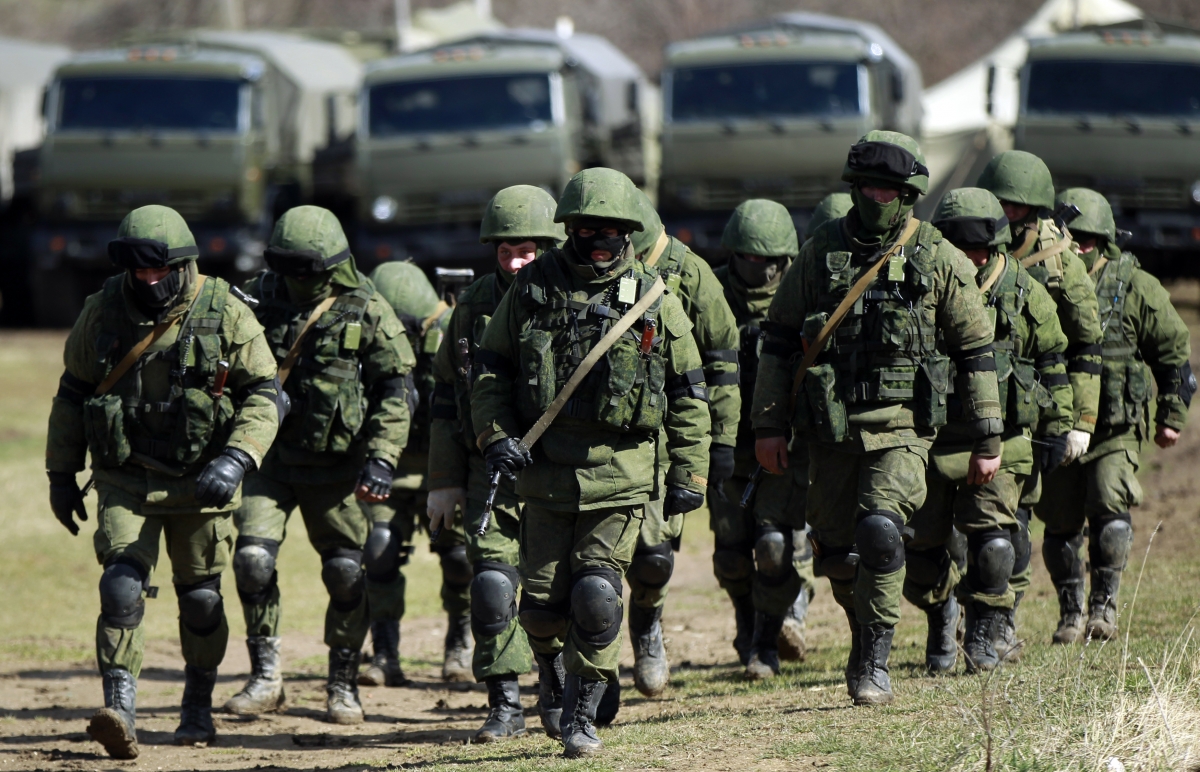
So-called "little green men" (the Russian occupation troops comprised special forces who removed insignia, wear face masks to prevent identification and call themselves a "Crimean self-defense force") surround a Ukrainian military base in Perevalne, Crimea, during the Russian annexation of the peninsula in February-March 2014.
There were more defaults only in 2009. At the time, amid the fallout from the global financial crisis, more than 100 issuers faced payment problems, while the volume of distressed debt reached nearly 200 billion rubles, Zholobov noted.
High interest rates put pressure on companies
This time, the main reason for companies' difficulties in making bond payments has been the prolonged period of high interest rates, which has continued since 2023. Companies are raising financing at high interest rates but are unable to refinance their debt on more favorable terms, explained Ekaterina Sidorova, head of the Foreign Exchange, Commodities and Debt Markets Department at SberCIB Investment Research.
At the same time, the situation does not yet resemble a systemic debt crisis: defaults are primarily being recorded among companies with low credit ratings and high debt burdens, Sidorova said.
If a company fails to repay bond debt, it is given 10 business days to meet its obligations. If it fails to do so, the company may offer investors a restructuring—for example, by postponing payments in exchange for a higher interest rate.
The number of defaults will remain high in 2027, Sidorova believes.
High interest rates were a response to accelerating inflation in Russia. Domestic demand was outpacing production, Russia's Central Bank said in October 2023. Sanctions over the war and rising defense spending had also hit the economy and the ruble, which had lost about 25% against the dollar that year. The bank raised its key rate from 7.5% in the first half of 2023 to 15% by the fall.
Ukraine targets Russia's oil industry to weaken its war economy
Ukraine is also seeking to weaken Russia's economy as part of efforts to reduce its ability to finance the war. In particular, Defense Minister Yevhenii Khmara said strikes on oil refineries are aimed at "bleeding the Russian war machine" and destroying its military and economic potential. According to the ministry, the attacks have knocked out more than 51% of Russia's oil refining capacity.
In the first half of July, Russian oil refineries processed about 3.9 million barrels of oil per day—the lowest level since March 2005. Due to the production cuts, Moscow was also forced to restrict fuel exports.
Ukraine has stopped paying veterans to go to the gym because of the economic crisis looming in the country, the war, Russian strikes, and the lack of reforms needed to receive extra funds from the EU. The Veteran Sports program, which provided veterans and combat participants with about $33 per quarter toward a nearly monthly gym membership, was suspended on 1 October after the state found no funds for it, the Ministry of Veterans Affairs said.
The suspension is a telling sign of Ukrain
Ukraine has stopped paying veterans to go to the gym because of the economic crisis looming in the country, the war, Russian strikes, and the lack of reforms needed to receive extra funds from the EU. The Veteran Sports program, which provided veterans and combat participants with about $33 per quarter toward a nearly monthly gym membership, was suspended on 1 October after the state found no funds for it, the Ministry of Veterans Affairs said.
The suspension is a telling sign of Ukraine's budget squeeze, and the ministry puts it plainly: defense comes first, so the money for everything else runs short. It fits a wider government decision to freeze non-essential spending and fund only the army, pensions, and public wages.
The program proved far more popular than planned, drawing more than 800,000 users and costing over double its budget.
Defense takes the money
"The main priority of state spending remains the country's defense. Under these conditions, the state budget's ability to finance other areas is limited," the ministry said.
Launched in 2026 with about $13 million for an expected 100,000 recipients per quarter, and roughly 300,000 applications over three, the program instead saw more than 800,000 uses. Payments passed $27 million, more than twice what was set aside.
The crisis runs deeper
The squeeze has two main drivers. Russia's intensifying strikes on Ukraine's energy and infrastructure are pushing the war's cost higher and battering the economy.
And billions in Western money sit on hold: Kyiv has struggled to complete the reforms the EU set out before releasing roughly $20 billion in aid, and the prime minister has admitted that part of it is late because Ukraine missed commitments to its partners.
The ministry plans a 2027 restart
Ukraine intends to bring the program back in 2027, this time for good, said Deputy Veterans Minister Ruslan Prykhodko.
"We have to account for real demand, fix the shortcomings we saw this year, and make the use of funds more targeted," he said.
In next year's budget, Ukraine would provide significantly more funds, he added. In the meantime, the ministry says it is talking to the sports community and businesses about covering the gap for veterans, with concrete proposals to come.
Russia plans to sharply increase military spending in 2027 while expanding the authorized size of its armed forces, according to budget documents seen by Reuters and a report by Novaya Gazeta Europe.
The developments point to Moscow preparing to expand its war effort into next year, even as its battlefield gains remain limited and its campaign increasingly relies on missile and drone attacks against Ukrainian cities and civilian infrastructure. It is also doing so as the Russian governm
Russia plans to sharply increase military spending in 2027 while expanding the authorized size of its armed forces, according to budget documents seen by Reuters and a report by Novaya Gazeta Europe.
The developments point to Moscow preparing to expand its war effort into next year, even as its battlefield gains remain limited and its campaign increasingly relies on missile and drone attacks against Ukrainian cities and civilian infrastructure. It is also doing so as the Russian government faces a widening budget deficit and falling projected oil and gas revenues.
Russia plans 27% increase in 2027 defense spending despite widening budget deficit
Russia plans to spend 17.1 trillion rubles ($202.6 billion) on defense in 2027, according to government documents reviewed by Reuters. That is about 27% more than the 13.5 trillion rubles originally budgeted for defense in 2027 and would be the highest level of military spending since Russia launched its full-scale invasion of Ukraine in February 2022.
The documents project total defense spending of 50 trillion rubles over the next three years. The actual amount Russia will spend on defense in 2026 is classified, Reuters reported, while some military-related spending can be recorded under other parts of the state budget.
The planned increase comes alongside worsening fiscal pressures. Russia has raised its forecast for the 2026 budget deficit to 3.2% of GDP, from an earlier estimate of 1.6%, according to Reuters. Overall government spending is expected to rise 13.2% this year to 48.6 trillion rubles, or 20.9% of GDP.
The government also expects to increase net borrowing by 26% in 2026 to 5 trillion rubles and withdraw 459 billion rubles from its National Wealth Fund, Reuters reported. Its forecast for 2026 oil and gas revenues has been cut to 7.6 trillion rubles from 8.9 trillion.
Russia is reportedly planning new tax increases for 2027 to help cover the growing deficit. A new windfall tax on metals and mining companies is expected to bring in about 200 billion rubles a year, according to the documents. State debt is projected to rise to 21.7% of GDP in 2027, above the 20% level Russian authorities have previously considered safe.
The draft budget is expected to be submitted to Russia's parliament by October 1.
Army staffing also reaches new high
At the same time, Russian President Vladimir Putin has again increased the authorized size of the country's armed forces.
Putin signed a decree raising the official staffing level of the Russian Armed Forces to 2.44 million people, including 1.55 million military personnel, Novaya Gazeta Europe reported on September 28. The increase is 15,500 personnel compared with the previous decree issued in August.
It is the fourth increase in the authorized size of the Russian military in 2026 and the seventh since the beginning of the full-scale invasion of Ukraine, according to Novaya Gazeta Europe. Before the invasion, the authorized force stood at 1.90 million people, including 1.01 million military personnel.
Russia shifts more of the war into the air
The increases in military staffing and spending come as Russia continues to pursue its maximalist war aims despite limited battlefield progress. The Institute for the Study of War assessed on September 27 that Russia's frontline has remained largely static in recent months and that the Kremlin is increasingly relying on long-range missile and drone strikes as part of its effort to force Ukraine to capitulate during the winter of 2026–27.
ISW assessed that Putin may be trying to make Ukraine's infrastructure and air defense capacity buckle under sustained Russian strikes rather than relying solely on further territorial gains. The institute also said the Kremlin may delay a large-scale mobilization while it assesses whether its expanded long-range strike campaign can achieve its objectives.
The planned increase in military spending and the repeated expansion of the armed forces show that Moscow is preparing to sustain and expand its war effort into 2027, even as its forces make limited territorial gains in Ukraine.
The European Commission is discussing with EU member states various options to cover Ukraine's budget deficit for next year, which could range from $8 billion to $19 billion, the Financial Times reported on July 8.International partners have provided Ukraine with over $39 billion for its wartime economy so far this year, Prime Minister Denys Shmyhal announced.The financial hole in Ukraine's budget is linked to reduced U.S. support and the lack of prospects for a swift ceasefire with Russia that
The European Commission is discussing with EU member states various options to cover Ukraine's budget deficit for next year, which could range from $8 billion to $19 billion, the Financial Times reported on July 8.
International partners have provided Ukraine with over $39 billion for its wartime economy so far this year, Prime Minister Denys Shmyhal announced.
The financial hole in Ukraine's budget is linked to reduced U.S. support and the lack of prospects for a swift ceasefire with Russia that Europe had hoped for, the Financial Times reported.
A senior EU official told the publication that many of Ukraine's partners had previously counted on a peace deal in 2025, but are now forced to revise their funding plans.
This includes the European Commission, which has already adjusted spending from Ukraine-related funding streams.
Without support from Western partners, Kyiv would face a budget deficit of $19 billion in 2026, according to the Financial Times. However, even if additional international financing for the wartime economy can be secured, a gap of at least $8 billion would remain.
To support Ukraine's budget, Europe is considering providing military aid in the form of off-budget grants that would be recorded separately as external transfers but would count toward NATO member countries' national defense spending targets.
One EU diplomat told the Financial Times that military support for Ukraine is viewed as a contribution to the defense of all of Europe.
In a document for G7 countries reviewed by Financial Times, Kyiv proposed that European allies co-finance Ukrainian forces, framing this as a service to strengthen continental security.
Other support options under discussion include potentially accelerating payments from the existing $50 billion G7 loan program and reinvesting frozen Russian assets in higher-yield financial instruments that the EU allocated to help service the debt.
According to the Financial Times, two sources confirmed that the commission planned to discuss these options with EU finance ministers on July 8.
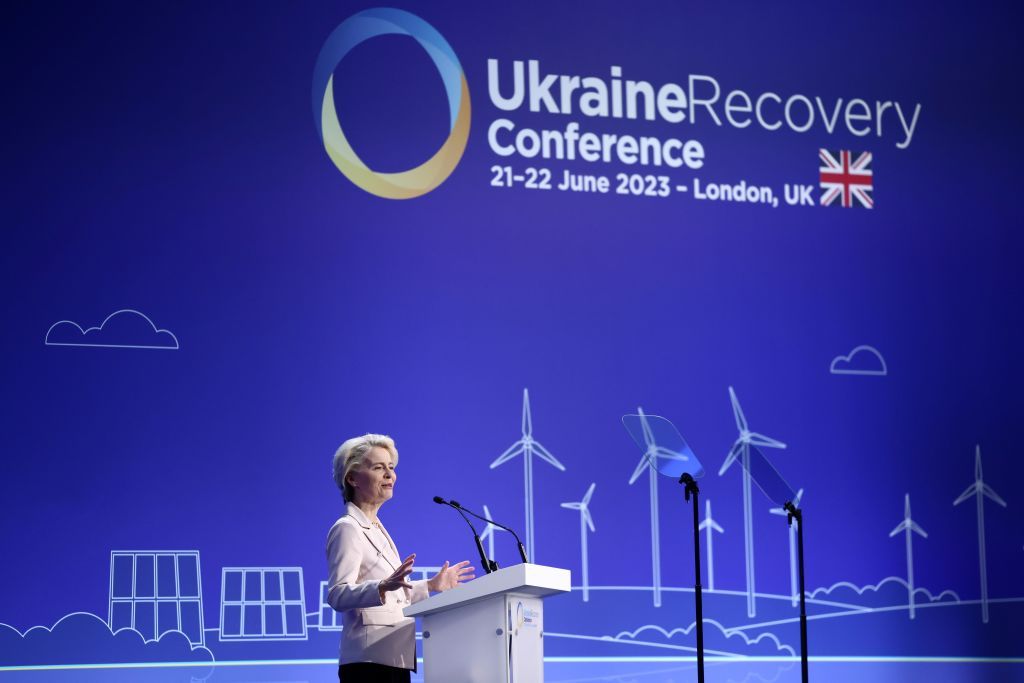
The funding issue will also be raised at the Ukraine Recovery Conference in Rome on July 10-11, dedicated to Ukraine's reconstruction needs. European Commission President Ursula von der Leyen will attend the event.
 Connexion