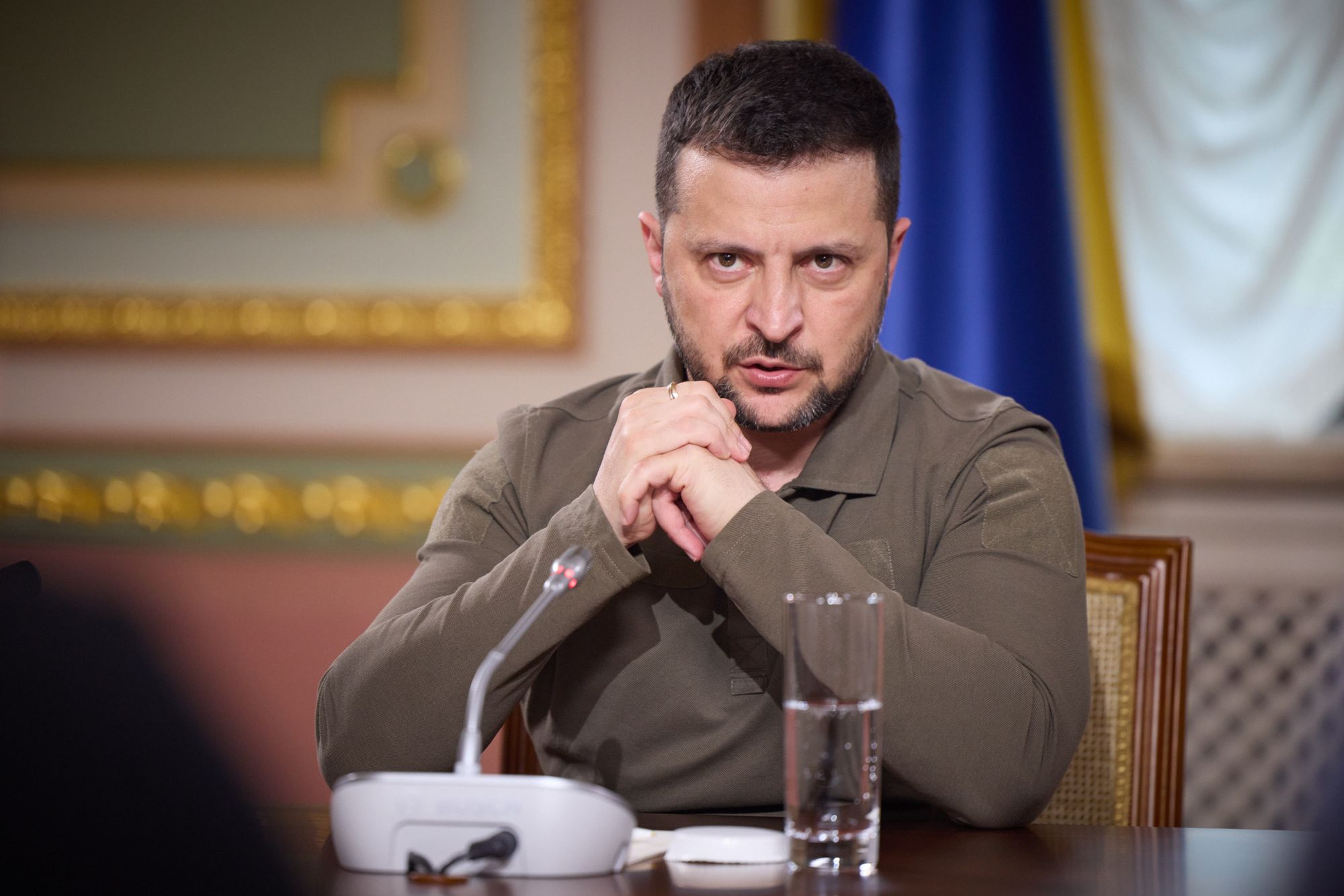
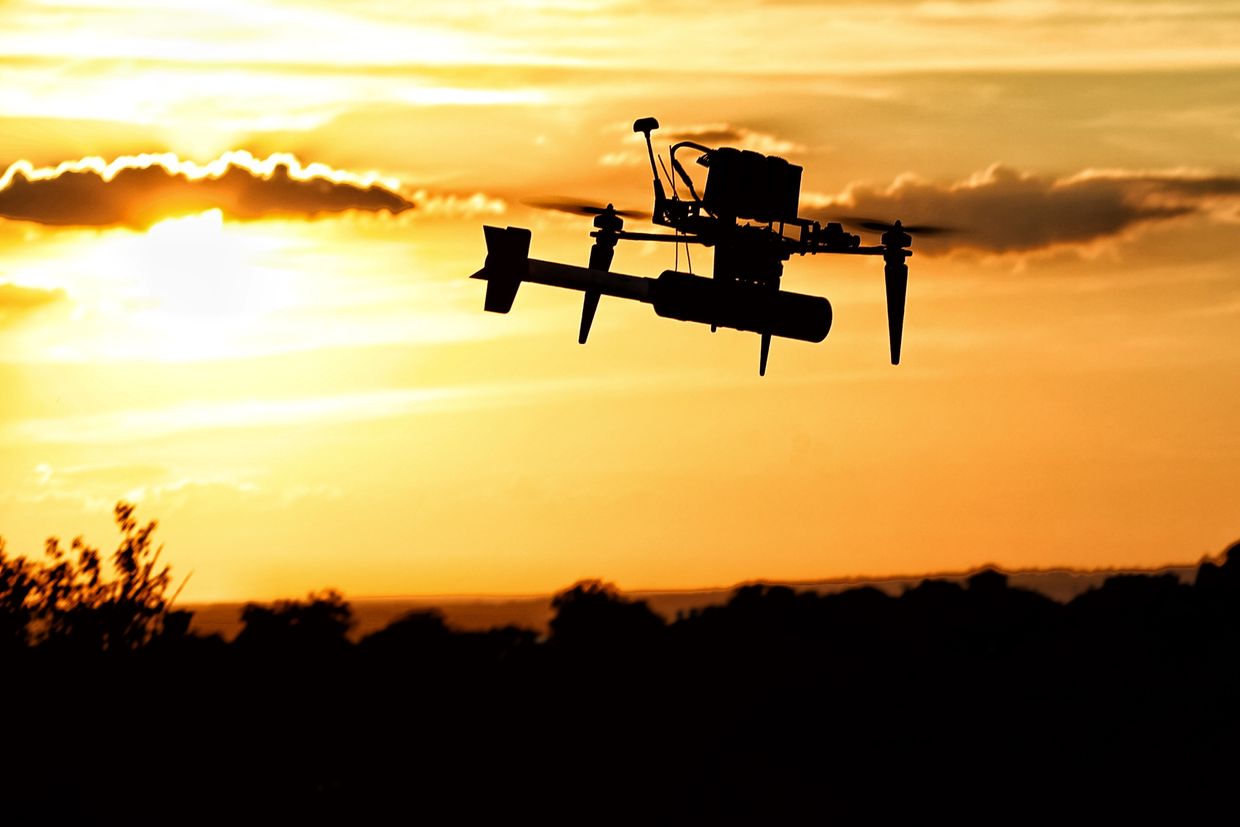
President Volodymyr Zelensky said on June 20 that Ukraine is rapidly developing interceptor drones to defend against increasingly frequent Russian drone attacks.In his nightly address, Zelensky said the new drones would help strengthen Ukraine's defenses against Iranian-designed Shahed drones, which Russia has been deploying in growing numbers in recent weeks."We are... making separate efforts on interceptor drones, which must strengthen our defense against Shahed attacks," he said, adding that
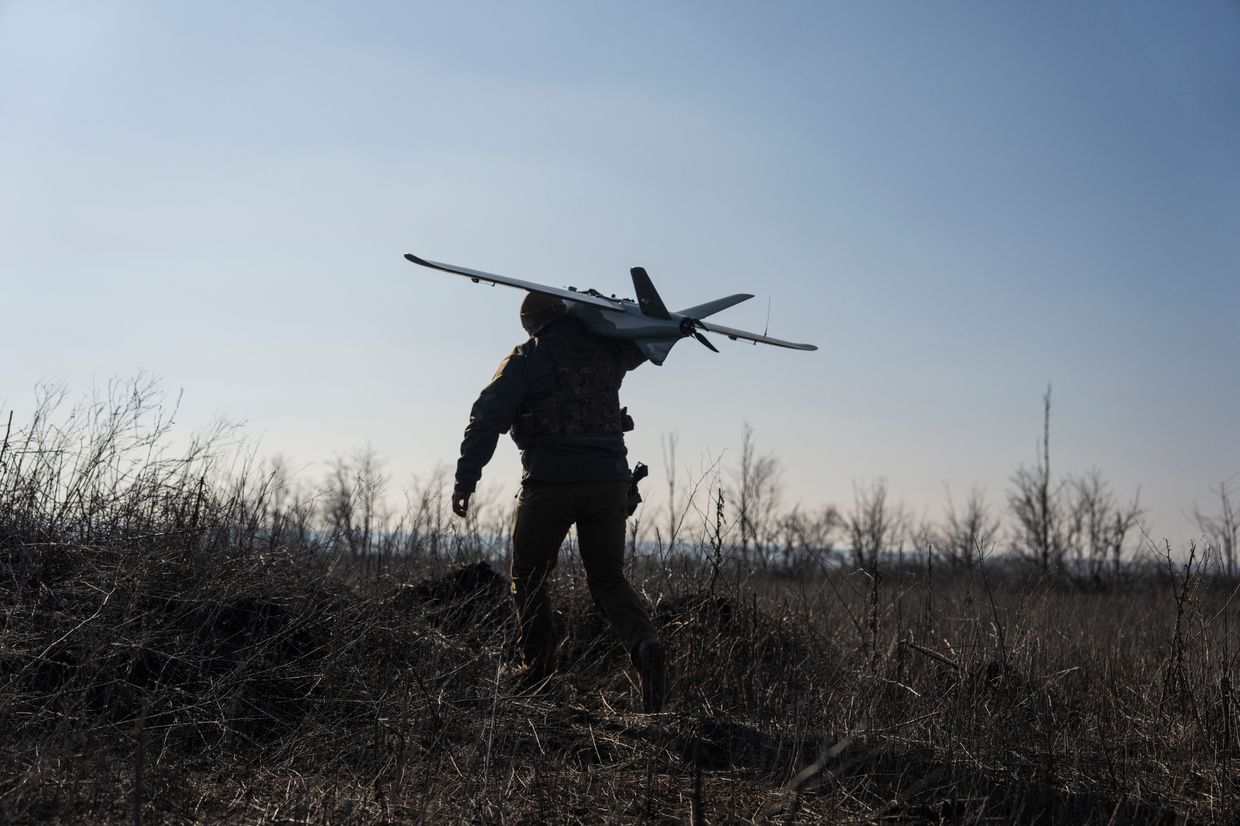
President Volodymyr Zelensky said on June 20 that Ukraine is rapidly developing interceptor drones to defend against increasingly frequent Russian drone attacks.
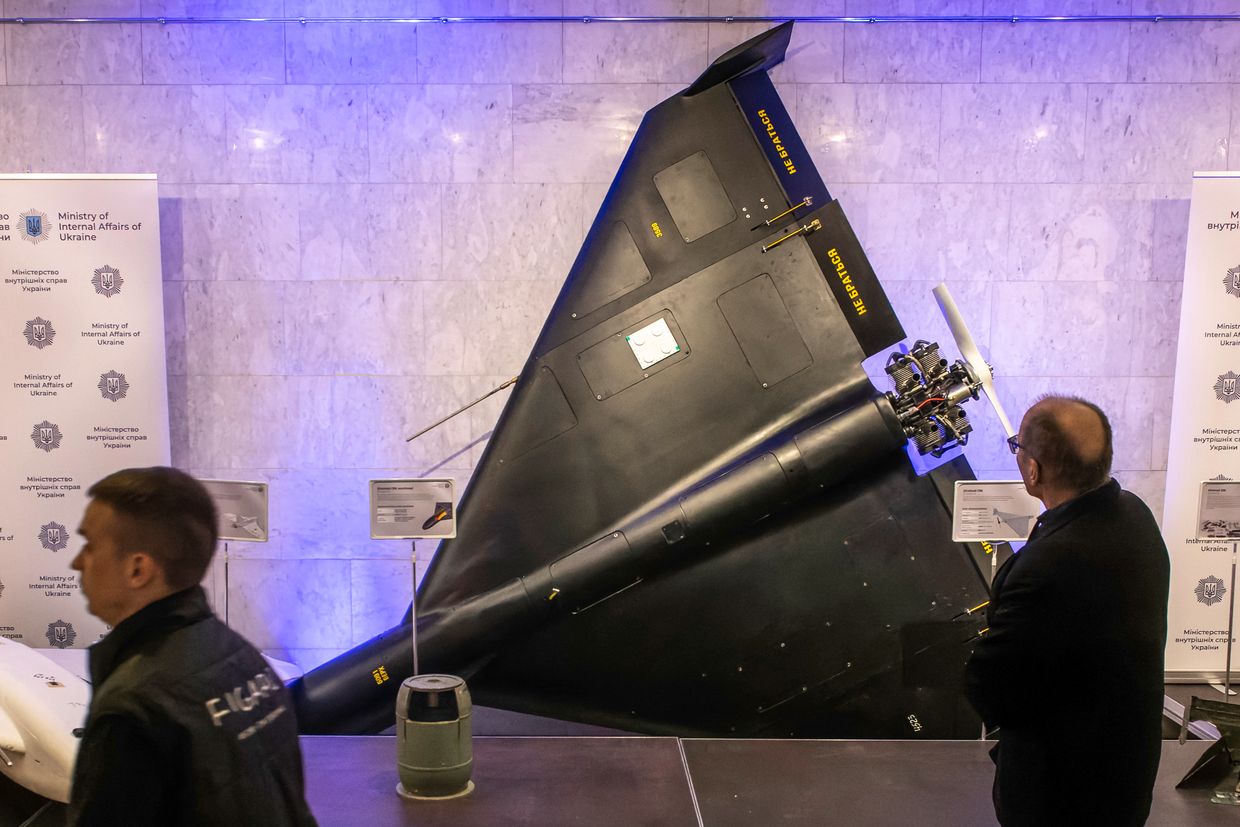
In his nightly address, Zelensky said the new drones would help strengthen Ukraine's defenses against Iranian-designed Shahed drones, which Russia has been deploying in growing numbers in recent weeks.
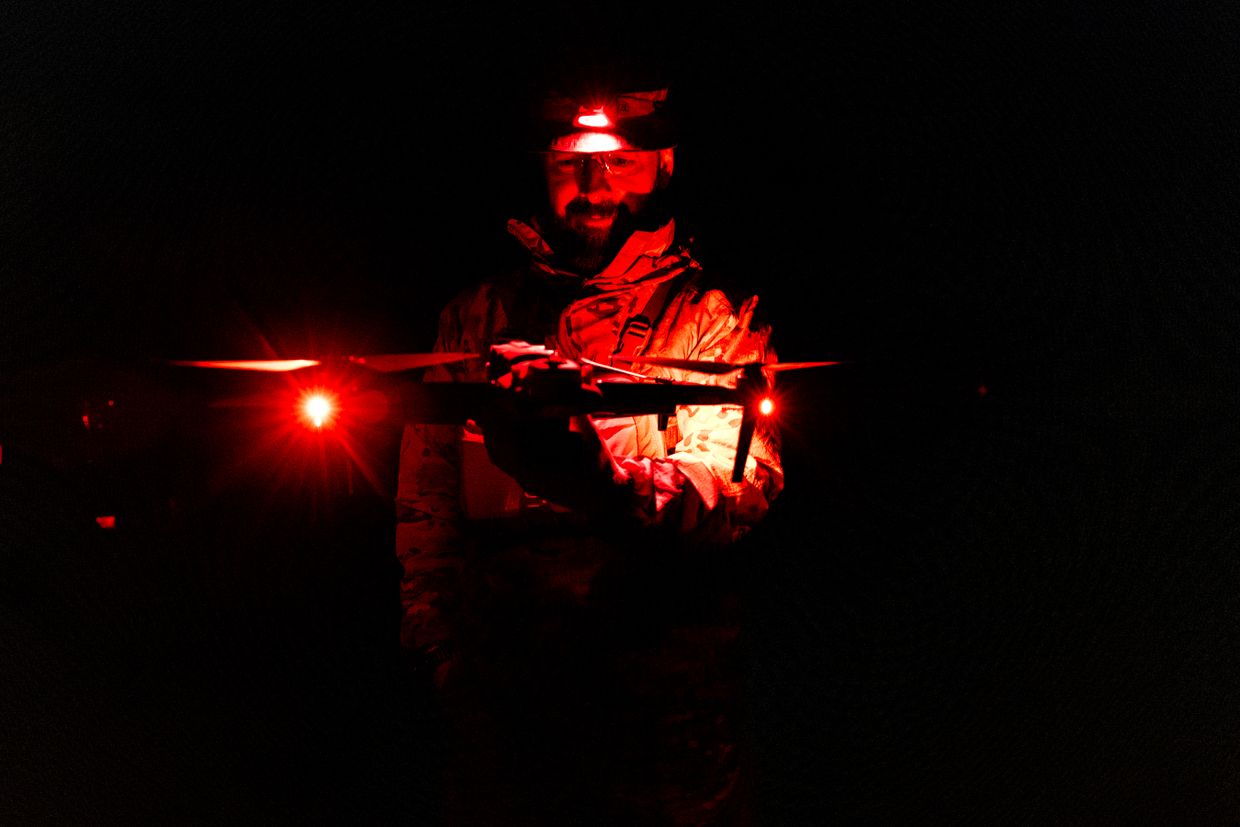
"We are... making separate efforts on interceptor drones, which must strengthen our defense against Shahed attacks," he said, adding that Ukraine's domestic drone production is "already delivering results."
Zelensky also noted that "production volumes of interceptors are already increasing."
Russian drone strikes across Ukraine have been breaking records in recent weeks, with nearly 500 drones and missiles launched overnight on June 9 – highlighting the urgent need for effective countermeasures.
To support Kyiv's defense industry, Zelensky said that Ukraine is working with international partners to secure additional funding and is preparing new agreements ahead of next week’s NATO summit.
Since the start of Russia’s full-scale invasion, Ukraine has focused heavily on developing and deploying advanced unmanned systems. As of April 2025, more than 95% of drones used by Ukrainian forces on the front line are domestically produced.
Both Ukraine and Russia have increasingly relied on drone warfare, employing aerial, naval, and ground-based drones for reconnaissance and combat operations – making technological innovation a critical component of the war.
Ukraine's Unmanned Systems Forces (USF) announced on June 20 the establishment of a new command group that will unite the branch with other top drone units in the country's military.Drones have become one of the defining tools of the full-scale war, used extensively by both Ukraine and Russia for surveillance, long-range strikes, and tactical battlefield firepower.The new formation will unite all military units of the USF with the Drone Line, a project launched by President Volodymyr Zelensky in
Ukraine's Unmanned Systems Forces (USF) announced on June 20 the establishment of a new command group that will unite the branch with other top drone units in the country's military.
Drones have become one of the defining tools of the full-scale war, used extensively by both Ukraine and Russia for surveillance, long-range strikes, and tactical battlefield firepower.
The new formation will unite all military units of the USF with the Drone Line, a project launched by President Volodymyr Zelensky in February this year to coordinate and expand five of the country's strongest drone units.
The new command umbrella was created to "improve the efficiency of management, transform the Forces, and adapt to the requirements of modern warfare," according to the statement.
The units will operate within a single chain of command, with a defined structure and a common vision of unmanned aerial vehicle (UAV) tactics in order to harmonize approaches, establish joint work, and use unmanned systems more effectively in combat, the USF said.
The Unmanned Systems Forces were created as a separate branch of Ukraine's military in June 2024.
At that time, Ukraine's strongest existing drone units served in other branches of the defense forces, including the Ground Forces, National Guard, and the Security Service of Ukraine.
The newly-created group will be led by Major Robert Brovdi, better known by his callsign Magyar, whom Zelensky appointed as the commander of the USF in early June.
Brovdi had previously served as commander of the eponymous Magyar's Birds Unmanned Systems Brigade, a founding member of the Drone Line initiative and one of the most consistently high-performing drone units in the Ukrainian military.
A world-first phenomenon, Ukraine's Unmanned Systems Forces works to improve the country's drone operations, creating drone-specific units, ramping up training, increasing drone production, and advancing innovation.
Following in Ukraine's footsteps, Russian President Vladimir Putin announced the creation of his country's own individual drone branch on June 12.
Colonel Vadym Sukharevskyi, previously deputy commander-in-chief of Ukraine's Armed Forces, was named the first commander of the USF on June 10, 2024.
Brovdi replaced Sukharevskyi, who was dismissed on June 3.
According to military personnel who spoke anonymously to Ukrainian news outlet Suspilne, Sukharevskyi's relationship with Commander-in-Chief Oleksandr Syrskyi was tense from the beginning of the USF's formation.
Sukharevskyi's appointment was a decision by president Zelensky, not Syrskyi, sources said.
People close to both Syrskyi and Sukharevskyi also claimed the two men avoided face-to-face interactions.
President Volodymyr Zelensky signed a decree on June 20, imposing sanctions on 56 individuals and 55 Russian, Chinese, and Belarusian companies involved in the production of Russian drones and sanctions circumvention.Ukraine introduced new restrictions as Russia has escalated drone attacks against Ukrainian cities over the past weeks, launching record 400-500 unmanned aerial vehicles (UAVs) per night.Individuals and legal entities subject to Ukrainian sanctions cannot do business and trade in Uk
President Volodymyr Zelensky signed a decree on June 20, imposing sanctions on 56 individuals and 55 Russian, Chinese, and Belarusian companies involved in the production of Russian drones and sanctions circumvention.
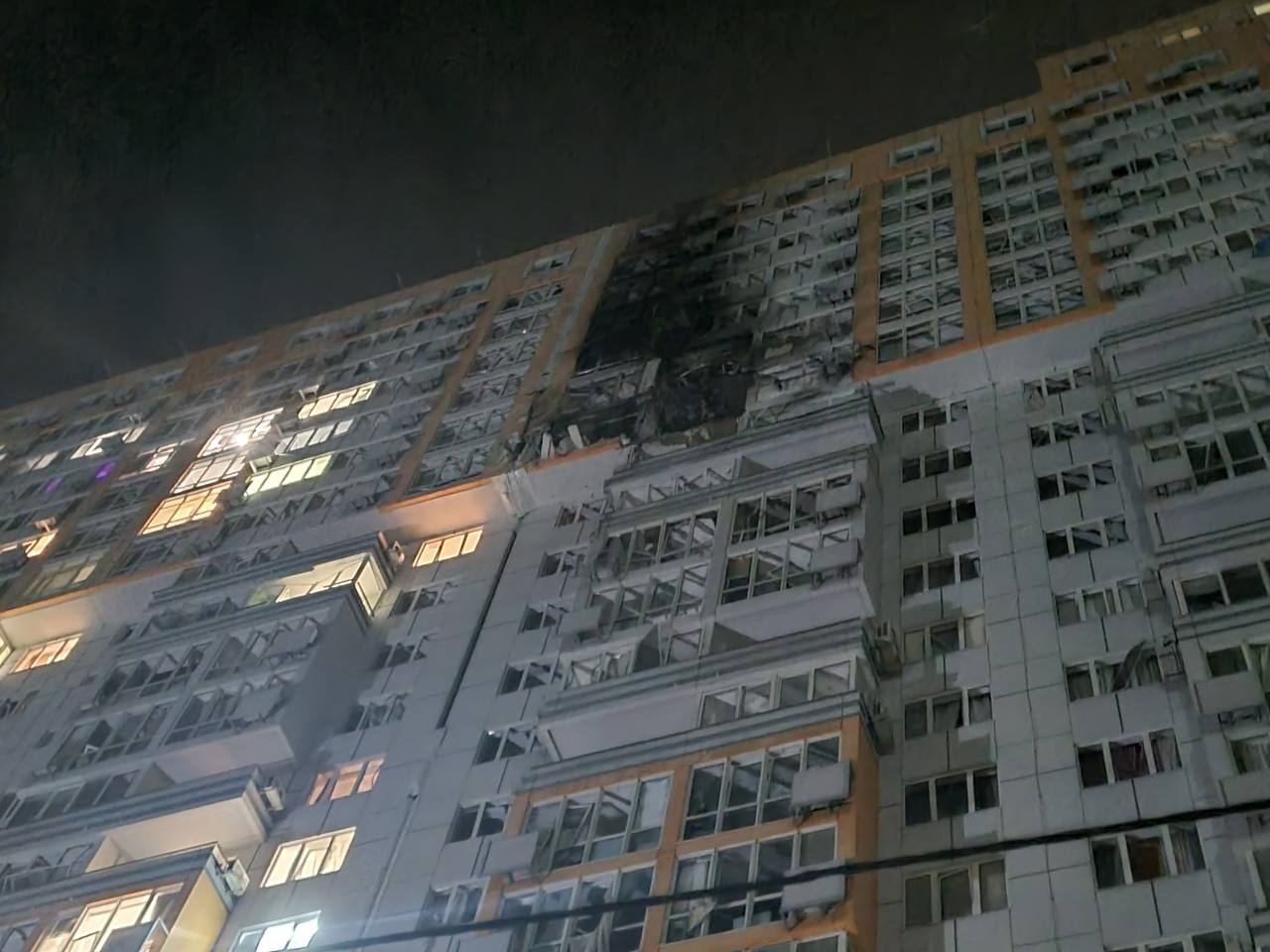
Ukraine introduced new restrictions as Russia has escalated drone attacks against Ukrainian cities over the past weeks, launching record 400-500 unmanned aerial vehicles (UAVs) per night.
Individuals and legal entities subject to Ukrainian sanctions cannot do business and trade in Ukraine, cannot withdraw their capital from the country. In the meantime, their assets are blocked, as well as their access to public and defense procurement, and entry into the territory of Ukraine, among other restrictions.
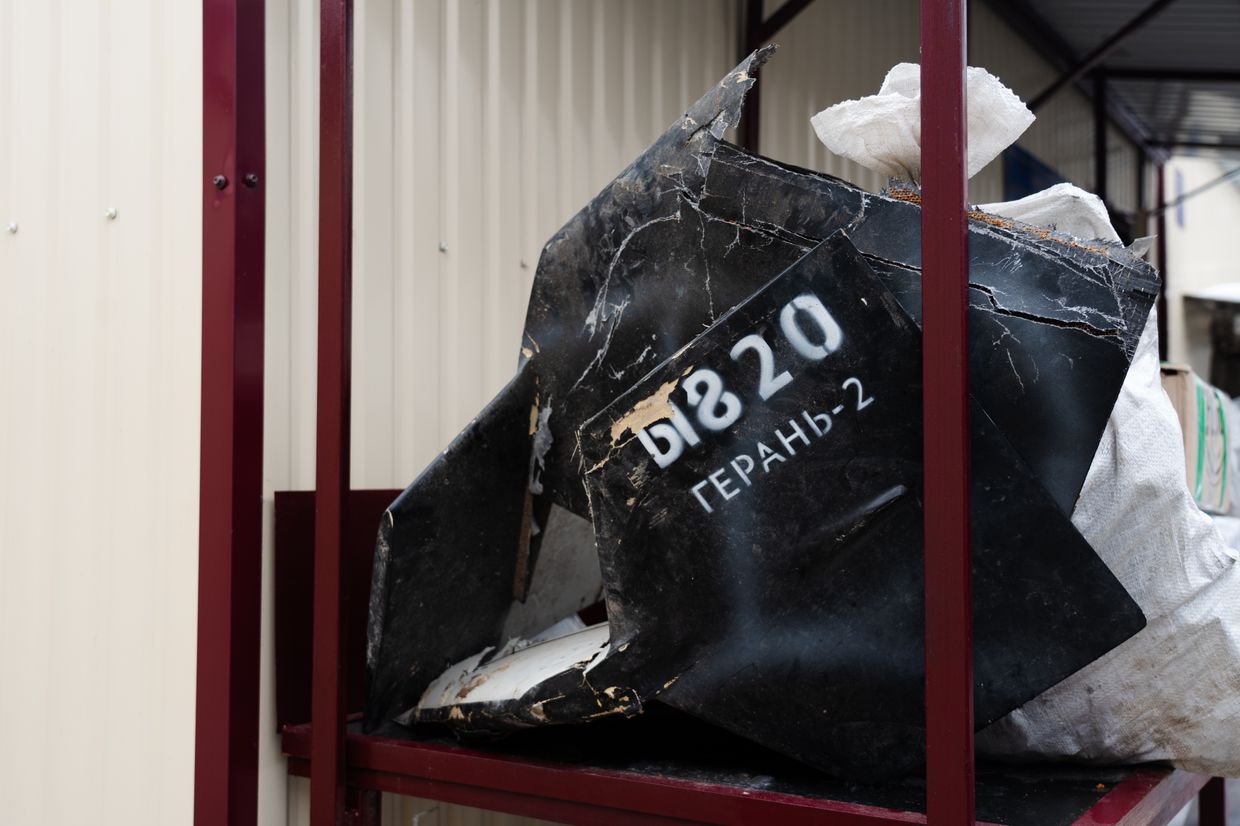
The new package of sanctions targets individuals and entities involved in the development and production of Russian drones such as Geran, Orlan-10, SuperCam, and first-person-view (FPV) drones, according to a decree published on the Presidential Office's website.
The Belarusian Precision Electromechanics Plant and six Chinese enterprises located in Hong Kong and in the provinces of Shandong and Shenzhen are among the sanctioned entities.
The sanctions list includes equipment suppliers to Alabuga Machinery, a Russian manufacturer of machine tools and gears, and individuals who import components for the sanctioned Kronshtadt JSC, a drone producer that developed Banderol UAVs with jet engines.
Russia has repeatedly targeted Ukrainian cities with waves of attack drones, often striking energy infrastructure and residential buildings overnight. Ukraine's defense forces use a mix of electronic warfare, air defense systems, and drone-on-drone interception to repel the assaults.
Drones have become one of the defining tools of the full-scale war, used extensively by both Ukraine and Russia for surveillance, long-range strikes, and tactical battlefield advantage.
Russian drone attacks against Ukraine might decrease due to Iranian Shahed production capabilities being targeted in Israeli strikes, Estonian military intelligence commander Ants Kiviselg said on June 20, according to the ERR broadcaster.The comments come as Russian drone strikes across Ukraine have been breaking records in recent weeks, with nearly 500 drones and missiles launched overnight on June 9."While it can be assessed that Russia has been able to largely localize and transfer the produ
Russian drone attacks against Ukraine might decrease due to Iranian Shahed production capabilities being targeted in Israeli strikes, Estonian military intelligence commander Ants Kiviselg said on June 20, according to the ERR broadcaster.
The comments come as Russian drone strikes across Ukraine have been breaking records in recent weeks, with nearly 500 drones and missiles launched overnight on June 9.
"While it can be assessed that Russia has been able to largely localize and transfer the production of Shahed and Geran-type drones to Russia, it can be assumed that some critical nodes for drone production continue to come from Iran," Kiviselg said.
Israel initiated a series of air strikes against Iranian military and nuclear facilities on June 13, with Tehran responding with waves of drone and missile attacks, further escalating tensions in the Middle East.
Iran has been a key ally to Moscow and provided the country with ballistic missiles and thousands of Shahed "kamikaze" drones for its war against Ukraine. Russia has also launched production of its own Shahed equivalents called Geran.
While Israeli strikes targeted and destroyed a Geran-type drone factory in Isfahan, Ukrainian forces have been attacking the Russian plant in Alabuga in Tatarstan, the Estonian intelligence chief noted.
"So there is a possibility that in the near future we may see a certain decline in the use of drones," Kiviselg said. Estonian intelligence is nevertheless convinced that Moscow is planning steps to not only maintain, but also "increase" its drone production.
Russia has been regularly deploying Shahed-type drones for nighttime attacks on Ukrainian cities and infrastructure, overwhelming Ukrainian air defenses with massive swarms.
Ukraine's intelligence has warned that the Russian defense industry seeks to ramp up the production of the strike drones, aiming to deliver 500 unmanned aircraft per month for Russia's war effort.
In turn, the Ukrainian side has also increasingly invested in its drone capabilities, and more than doubled its production of long-range drones in 2024 compared to the previous year.
Ukraine should continue to inflict "entirely justified" losses on Russia in the face of escalating aggression, President Volodymyr Zelensky said in his evening address on June 19. His remarks come two days after Russia launched one of its deadliest assaults on Kyiv, attacking the capital with ballistic missiles and hundreds of drones on June 17 in a nine-hour attack that killed 30 people and injured 172 others. "There was no military sense in this strike; it added absolutely nothing to Russia in
Ukraine should continue to inflict "entirely justified" losses on Russia in the face of escalating aggression, President Volodymyr Zelensky said in his evening address on June 19.
His remarks come two days after Russia launched one of its deadliest assaults on Kyiv, attacking the capital with ballistic missiles and hundreds of drones on June 17 in a nine-hour attack that killed 30 people and injured 172 others.
"There was no military sense in this strike; it added absolutely nothing to Russia in military terms," Zelensky said, refuting Moscow's claims that the attack targeted Ukraine's "military-industrial complex."
The president described Russia's attack — which struck residential buildings, student dorms, and a kindergarten — as "deliberate terror."
Zelensky urged Western partners to mount economic pressure on Russia and said he was working on new proposals for coordinated sanctions. He also said he held meetings with the Security Service of Ukraine (SBU) to discuss deep strikes in Russia.
"Russia must continue to suffer entirely justified losses due to its aggression," he said.
While Russia has intensified its campaign of aerial terror against Ukrainian cities, Kyiv has stepped up its efforts to reduce Russia's military capabilities, launching successful strikes on airfields, weapons factories, and oil refineries.
The most audacious of these attacks was the large-scale Operation Spiderweb, a coordinated drone strike on four key Russian military airfields on June 1. According to the SBU, the operation damaged 41 Russian warplanes, including heavy bombers and rare A-50 spy planes.
Since March, Ukraine has repeatedly offered to declare an unconditional ceasefire if Russia agrees to the same terms. The Kremlin has resisted at every turn. U.S. President Donald Trump's attempts to broker a peace deal have led to continued escalation and more civilian deaths.
With Western support eroding and no ceasefire in sight, Ukraine continues grasping for leverage against Moscow — including by developing its own long-range weapons. Kyiv has developed several weapons capable of deep strikes in Russian territory, such as the Palianytsiaand Peklo(Hell) missile-drone hybrids.
Ukraine has proven its ability to strike targets far from the border. A June 15 attack reportedly hit a drone factory in Russia's Tatarstan, around 1,000 kilometers (620 miles) from Ukraine.
Russia also continues to suffer staggering troop losses on the front lines. Earlier on June 19, Russian Ambassador to the U.K. Andrey Kelin accidentally admitted that Moscow is rapidly losing personnel in Ukraine during an interview with CNN.
According to figures from Kyiv, Russia has suffered more than 1 million dead, wounded, and missing soldiers since the start of its full-scale invasion.
North Korea is considering sending up to 25,000 workers to Russia to assist in the mass production of Shahed-type attack drones, Japan's public broadcaster NHK reported on June 19, citing unnamed diplomatic sources in the West and Russia.The workers would be sent to the Alabuga Special Economic Zone in Russia's Republic of Tatarstan, where Moscow operates a facility for assembling Iranian-designed Shahed drones. In return, Pyongyang is reportedly seeking drone operation training.Shahed drones, k
North Korea is considering sending up to 25,000 workers to Russia to assist in the mass production of Shahed-type attack drones, Japan's public broadcaster NHK reported on June 19, citing unnamed diplomatic sources in the West and Russia.
The workers would be sent to the Alabuga Special Economic Zone in Russia's Republic of Tatarstan, where Moscow operates a facility for assembling Iranian-designed Shahed drones. In return, Pyongyang is reportedly seeking drone operation training.
Shahed drones, known for their low cost and heavy explosive payloads, have been used extensively by Russia since late 2022 to attack Ukrainian cities. The Alabuga site has been repeatedly struck by Ukrainian forces in an attempt to disrupt production.
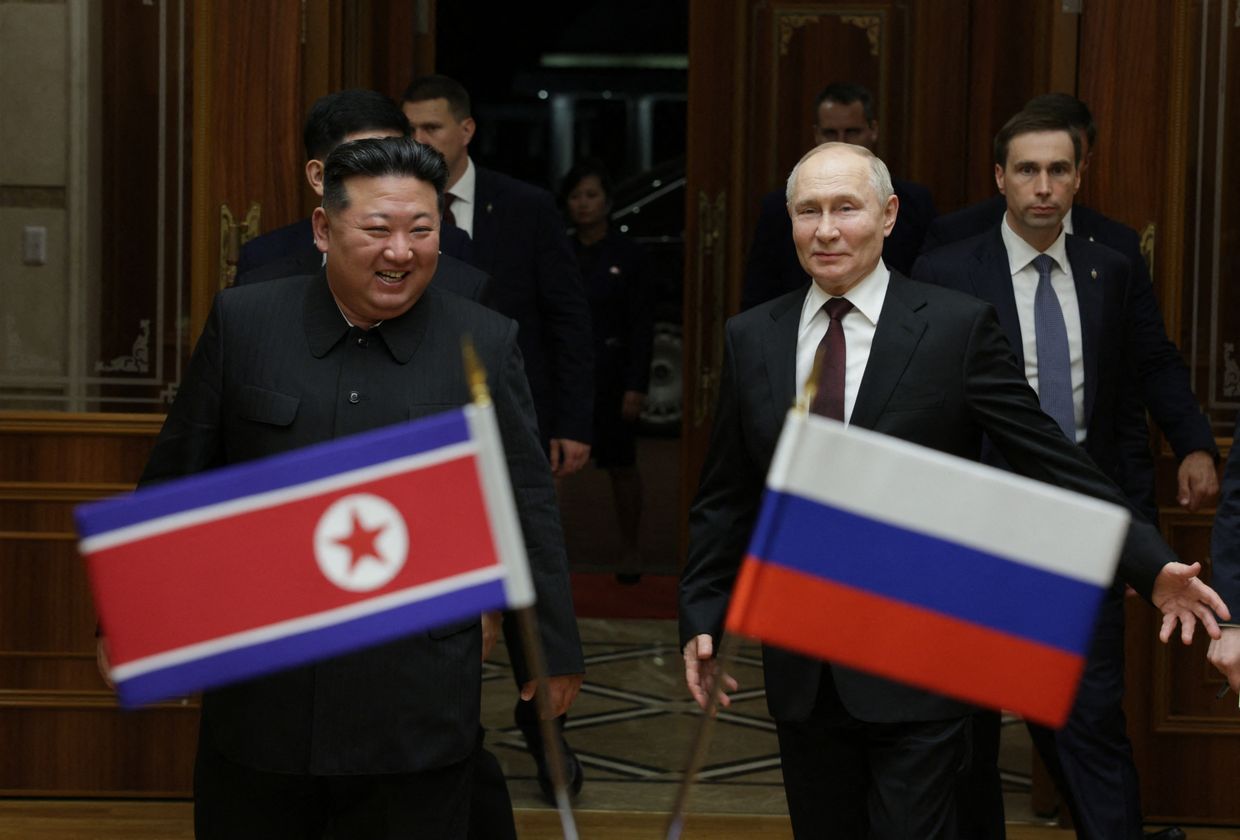
The media report follows a series of rapid developments in military cooperation between Moscow and Pyongyang. Russian Security Council Secretary Sergei Shoigu visited North Korea on June 17, reportedly on a "special assignment" from Russian President Vladimir Putin.
After meeting Kim, Shoigu said that Pyongyang had agreed to send 1,000 combat engineers and 5,000 military builders to Russia's Kursk Oblast to assist in reconstruction.
Ukraine controlled a part of Kursk Oblast following a cross-border offensive in August 2024. Russia regained much of the lost territory during a March 2025 counteroffensive that included backing from North Korean forces. According to estimates, North Korea has suffered over 6,000 casualties during the offensive operations.
Ukraine's military intelligence chief, Kyrylo Budanov, said on June 9 that Pyongyang and Moscow have agreed to start establishing domestic production of Shahed-136 drones on North Korean soil.
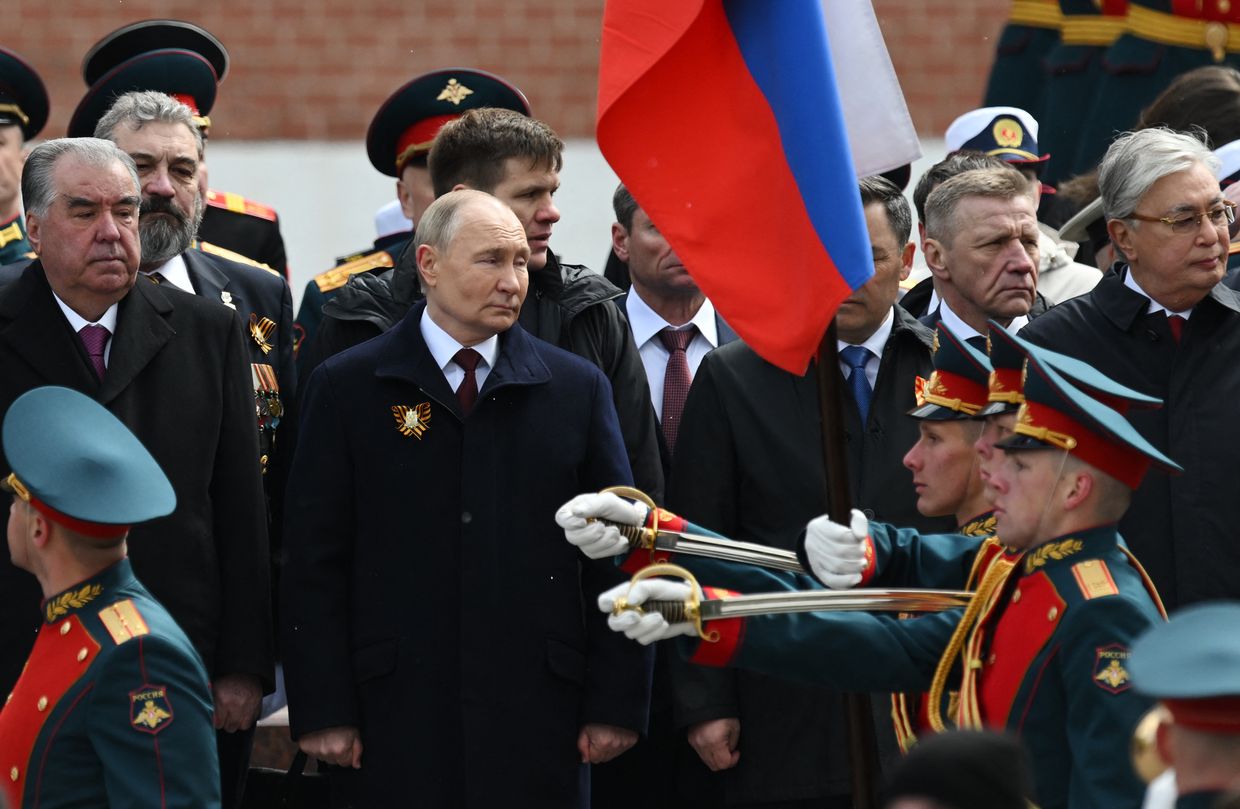
Kim remains a vocal ally of Putin, supplying not only soldiers but also artillery, drones, and ballistic missiles. During Russia's May 9 Victory Day Parade in Moscow, Putin personally greeted North Korean troops, though Kim did not attend.
Editor's note: This is a developing story and is being updated.Russian drone strikes on Odesa early June 17 killed 2 people and injured 17 others, including a pregnant woman and a child, regional authorities said.The body of a 60-year-old woman was recovered from the rubble of a collapsed building, along with the remains of another woman born in 1947, Odesa Oblast Prosecutor's Office reported."My sincere condolences to her family and loved ones," Odesa Oblast Governor Oleh Kiper wrote. One pers
Editor's note: This is a developing story and is being updated.
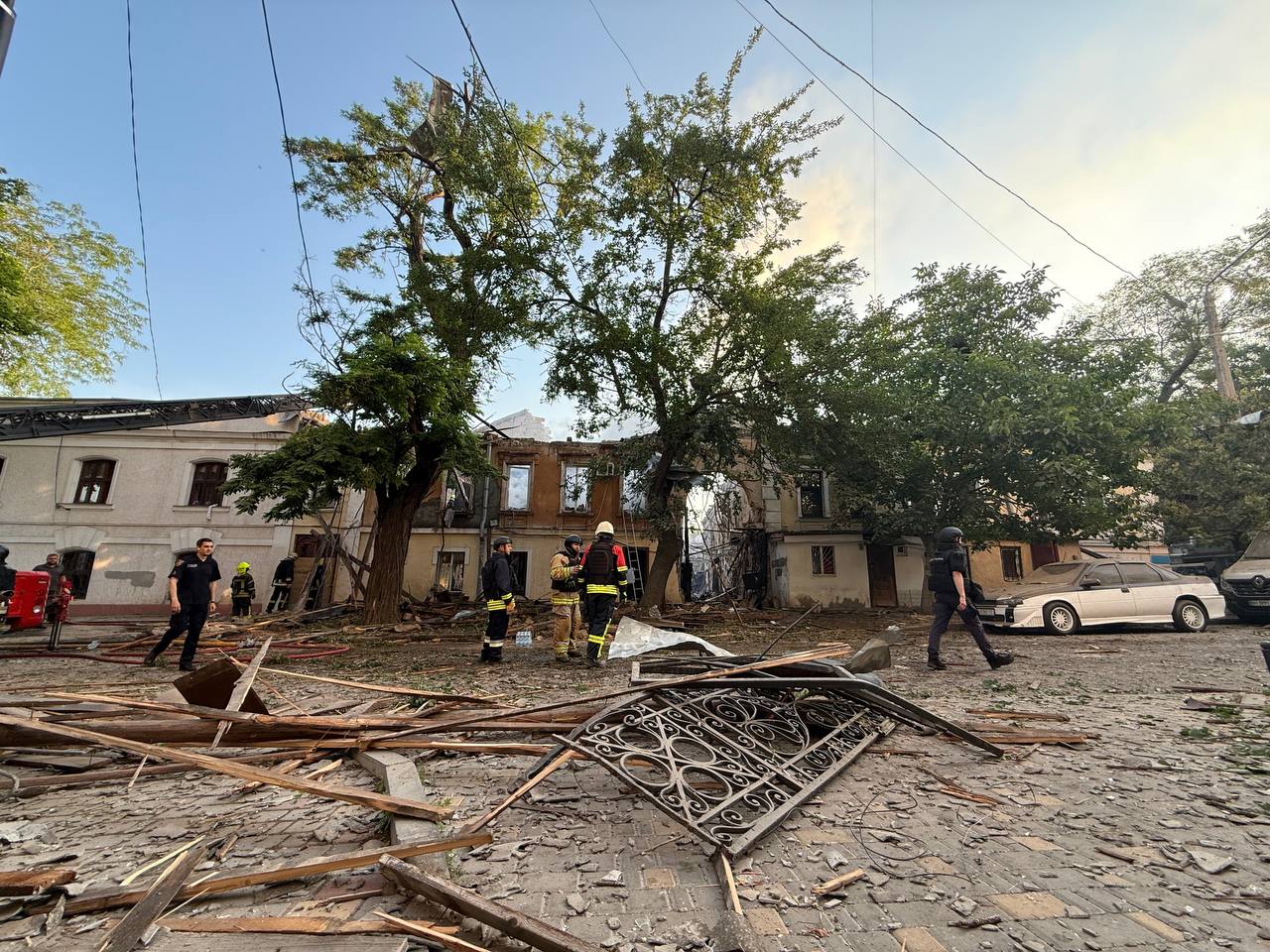
Russian drone strikes on Odesa early June 17 killed 2 people and injured 17 others, including a pregnant woman and a child, regional authorities said.
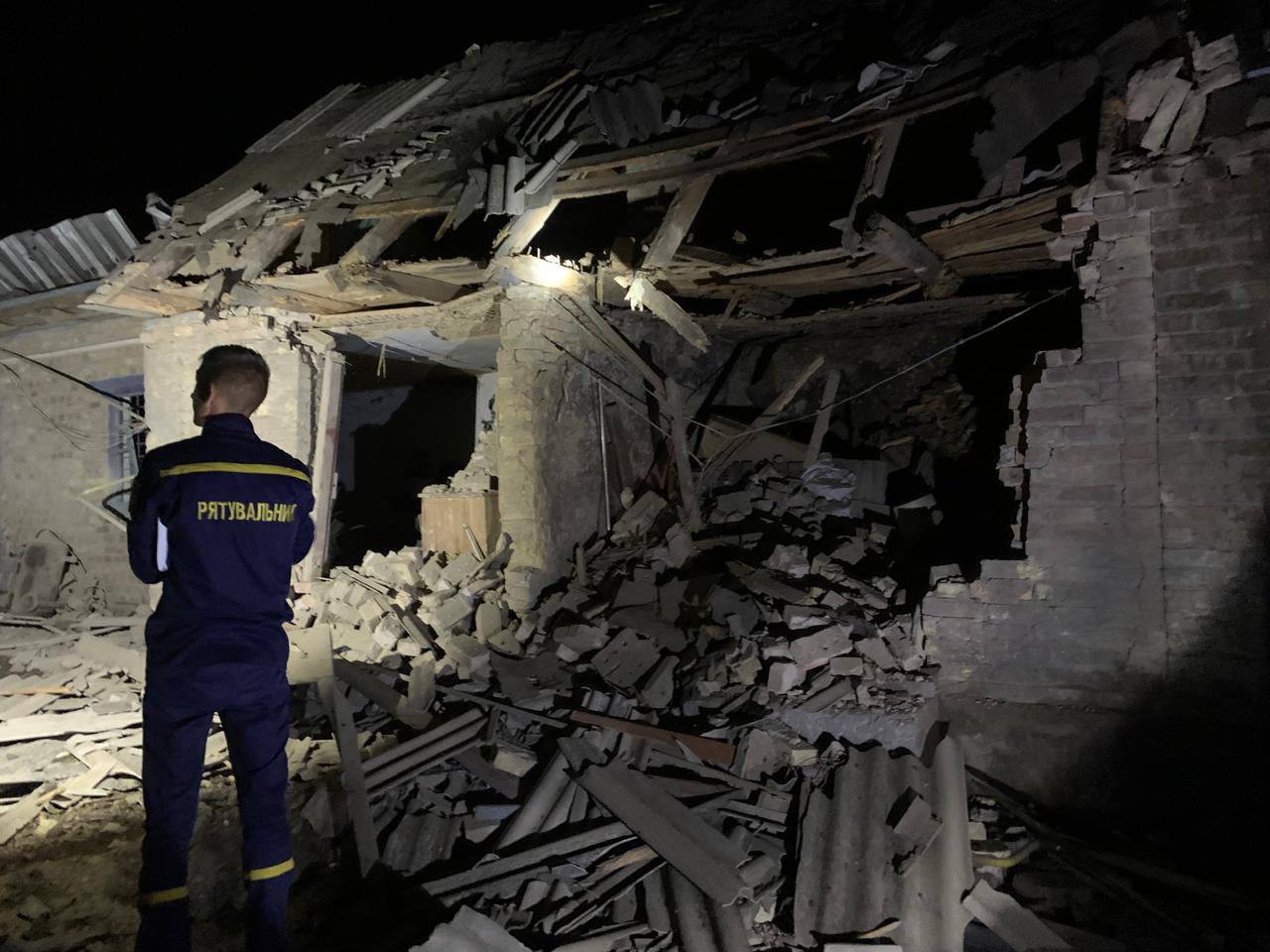
The body of a 60-year-old woman was recovered from the rubble of a collapsed building, along with the remains of another woman born in 1947, Odesa Oblast Prosecutor's Office reported.
"My sincere condolences to her family and loved ones," Odesa Oblast Governor Oleh Kiper wrote.
One person remains hospitalized as of 9 a.m., while the rest of the injured are receiving outpatient treatment.
The strike damaged multiple residential buildings in Odesa’s historic city center, as well as a kindergarten and an inclusive support center. Emergency services and volunteers continue clearing debris and responding to the aftermath.
The attack also damaged civilian infrastructure across the city, including residential buildings.
Emergency services and volunteers are working at the scene to clear debris.
Overnight, Russia also launched a mass attack on Kyiv, injuring at least 18 people.
Odesa, a port city on Ukraine’s Black Sea coast with a population of around 1 million, has been a frequent target of Russian attacks throughout the full-scale war.
Editor's note: This is a developing story and is being updated as new details emerge.Russia launched a series of drone attacks on Kyiv Oblast overnight on June 15-16, targeting both the capital city and regional settlements, according to government officials.In the Obukhiv district of Kyiv Oblast, a 60-year-old man was injured as a result of Russia's drone strike, reported regional governer Mykola Kalashnyk at 1:37 a.m. local time.The injured man received medical assistance, Kalashnyk confirmed.
Editor's note: This is a developing story and is being updated as new details emerge.
Russia launched a series of drone attacks on Kyiv Oblast overnight on June 15-16, targeting both the capital city and regional settlements, according to government officials.
In the Obukhiv district of Kyiv Oblast, a 60-year-old man was injured as a result of Russia's drone strike, reported regional governer Mykola Kalashnyk at 1:37 a.m. local time.
The injured man received medical assistance, Kalashnyk confirmed.
Civilian targets, including a private home, were also damaged in the attack. Emergency services are currently working at the scene.
Earlier in the night, explosions were also heard in Kyiv.
Kyiv Mayor Vitali Klitschko confirmed that the city's air defenses were operating and that drones were entering the city late on Sunday night, at about 11:29 p.m. local time.
Ukraine's military intelligence (HUR) destroyed three Russian air defense systems using drones in the occupied Zaporizhzhia Oblast on June 14, HUR says."Strike drone masters of the Department of Active Operations of the HUR of the Ukrainian defense ministry discovered and destroyed expensive air defense systems of the Russian invaders in the temporarily occupied territory of the Zaporizhzhia region," HUR reported in a post to Telegram.Ukraine's military regularly strikes military targets in Russ
Ukraine's military intelligence (HUR) destroyed three Russian air defense systems using drones in the occupied Zaporizhzhia Oblast on June 14, HUR says.
"Strike drone masters of the Department of Active Operations of the HUR of the Ukrainian defense ministry discovered and destroyed expensive air defense systems of the Russian invaders in the temporarily occupied territory of the Zaporizhzhia region," HUR reported in a post to Telegram.
Ukraine's military regularly strikes military targets in Russian-occupied territories and deep within Russia in an attempt to diminish Moscow's fighting power as it continues its war against Ukraine.
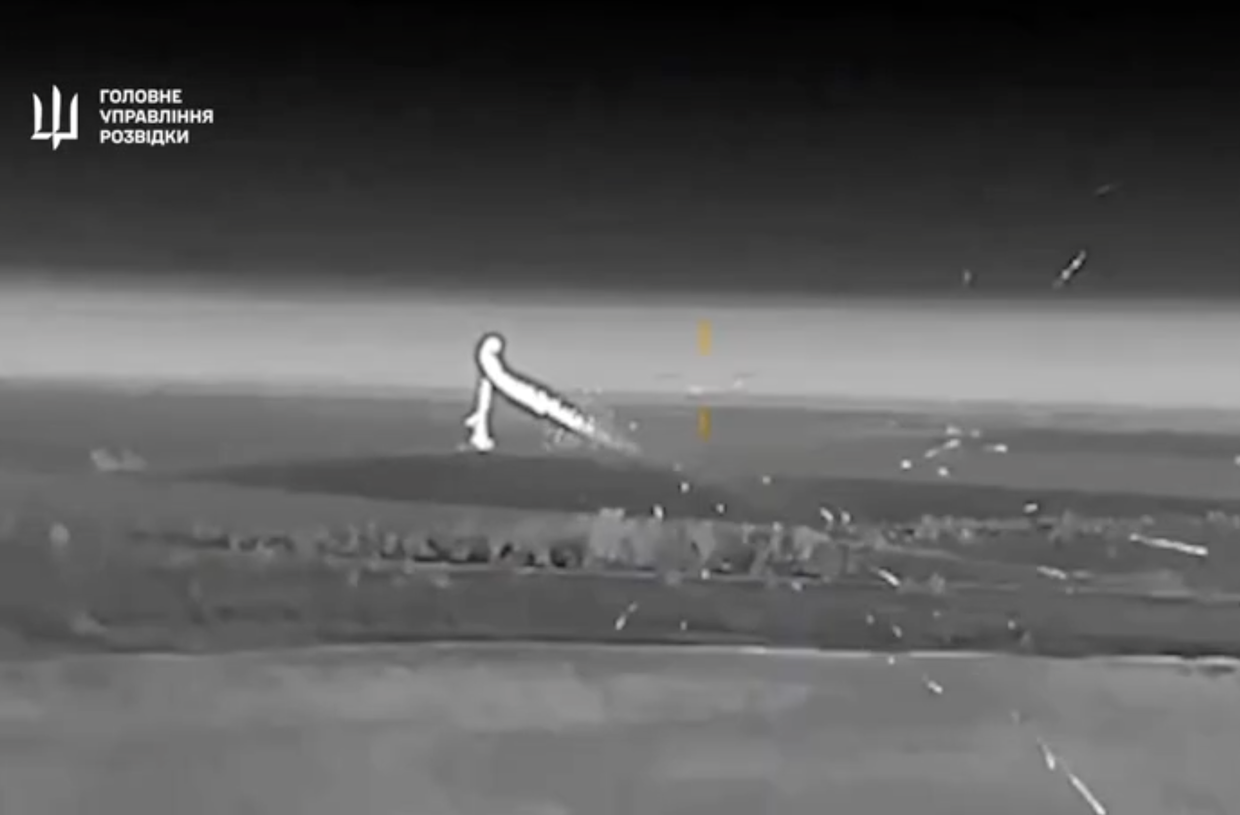
A Russian Buk-M3, a Pantsyr S1, and a 9S19 Imbir radar from the S-300V air defense system were destroyed in the Ukrainian drone attack.
"The video shows a stunning maneuver of a Ukrainian drone dodging a Muscovite anti-aircraft missile, as well as episodes of successful fire strikes," HUR's statement said.
Kyiv claimed it disabled 34% of Russia's strategic bomber fleet in what is seen as one of the most daring operations during Russia's full-scale war.
Ukraine's military intelligence agency was behind explosions near Desantnaya Bay in Russia's far eastern Vladivostok on May 30, which reportedly damaged military personnel and equipment, a source in HUR told the Kyiv Independent.
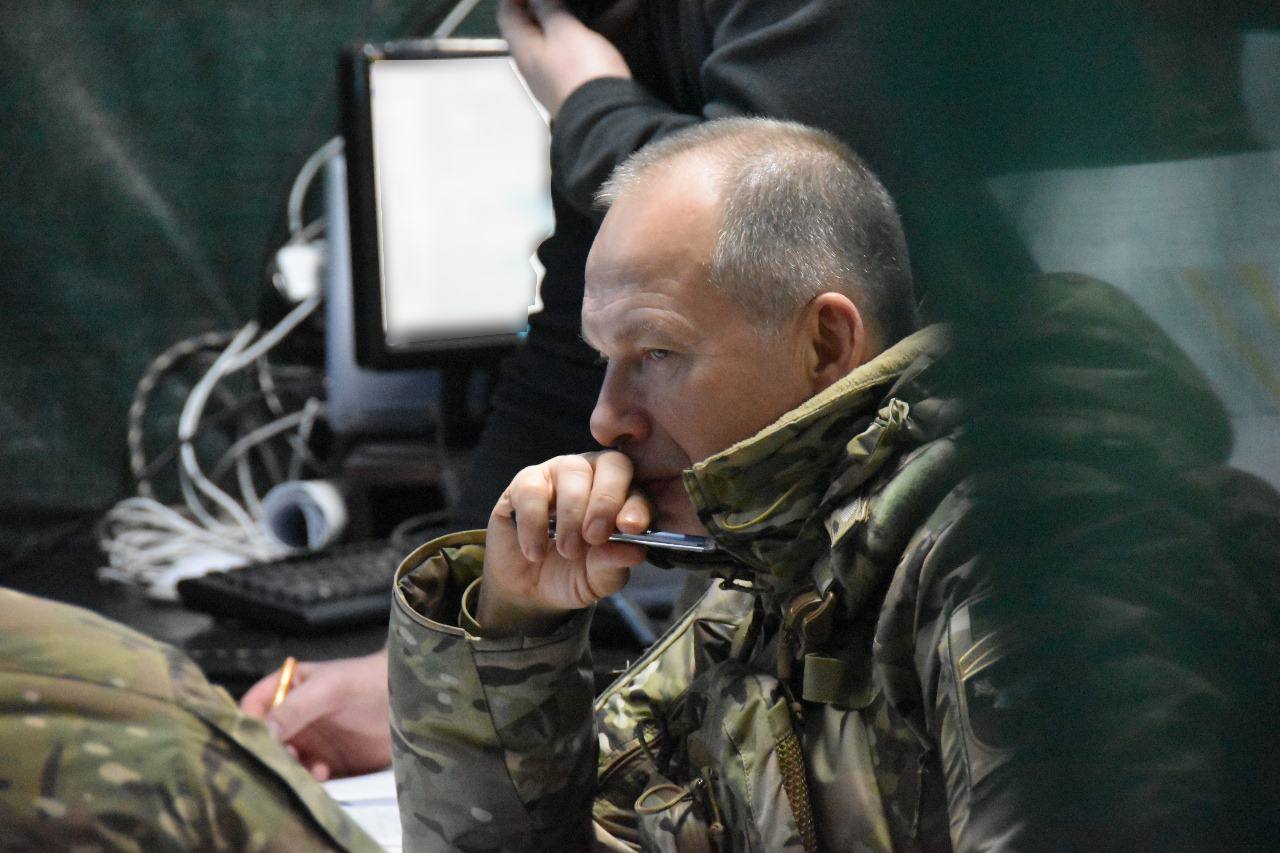
Efforts are underway to rapidly expand Ukraine's ability to counter Russian drone attacks, Commander-in-Chief of Ukraine's Armed Forces, Oleksandr Syrskyi, said on June 14.In a statement shared on Telegram, Syrskyi said he held a meeting focused on strengthening defenses against Russian strike drones, particularly Iranian-designed Shahed drones used by Russian forces to target Ukrainian cities."Task number one is scaling up the systems that already work effectively," Syrskyi said. "First and for
Efforts are underway to rapidly expand Ukraine's ability to counter Russian drone attacks, Commander-in-Chief of Ukraine's Armed Forces, Oleksandr Syrskyi, said on June 14.
In a statement shared on Telegram, Syrskyi said he held a meeting focused on strengthening defenses against Russian strike drones, particularly Iranian-designed Shahed drones used by Russian forces to target Ukrainian cities.
"Task number one is scaling up the systems that already work effectively," Syrskyi said. "First and foremost, that means increasing the number of drone interceptors."
Russia has been escalating drone attacks against Ukraine over the past weeks, launching record 400-500 UAVs (unmanned aerial vehicles) per night.
Syrskyi emphasized the need for a comprehensive approach that incorporates all available capabilities. "(Russia) is constantly modifying the characteristics of its Shaheds and changing their tactics," he said.
Ukrainian officials discussed ways to improve early detection of incoming drones and ensure their timely destruction. Syrskyi said he had set clear priorities and tasked military leaders accordingly.
Russia has repeatedly targeted Ukrainian cities with waves of attack drones, often striking energy infrastructure and residential buildings overnight. Ukraine's defense forces use a mix of electronic warfare, air defense systems, and drone-on-drone interception to repel the assaults.
Drones have become one of the defining tools of the full-scale war, used extensively by both Ukraine and Russia for surveillance, long-range strikes, and tactical battlefield advantage. In recent weeks, Russia has intensified its drone and missile attacks on Ukrainian cities and infrastructure.
Earlier on June 9, Ukraine's Air Force said it intercepted 479 drones and missiles during one of the largest attacks since the start of the war. Russia launched 499 weapons overnight, including 479 Shahed-type drones and multiple ballistic and cruise missiles.
Editor's Note: This story was updated to include confirmation from Ukraine's General Staff.Ukraine's General Staff confirmed on June 14 that overnight drone strikes targeted two major military-industrial facilities in Russia, according to a statement of the military. "As part of efforts to reduce (Russia's) ability to produce explosives and ammunition, the Ukrainian Armed Forces' drone systems, in coordination with other Defense Forces units, struck critical facilities of Russia's military-indus
Editor's Note: This story was updated to include confirmation from Ukraine's General Staff.
Ukraine's General Staff confirmed on June 14 that overnight drone strikes targeted two major military-industrial facilities in Russia, according to a statement of the military.
"As part of efforts to reduce (Russia's) ability to produce explosives and ammunition, the Ukrainian Armed Forces' drone systems, in coordination with other Defense Forces units, struck critical facilities of Russia's military-industrial complex overnight," Ukraine's General Staff said in a statement.
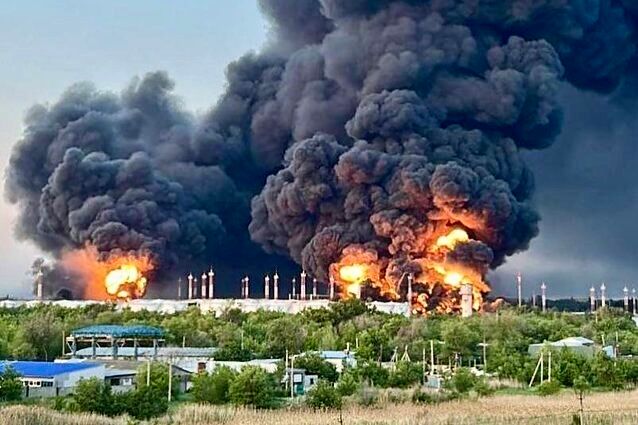
The strikes reportedly hit the Nevinnomyssk Azot chemical plant in Stavropol Krai and the Novokuybyshevsk Catalyst Plant in Samara Oblast. Both sites are described by Ukrainian officials as key suppliers of raw materials and components for Russia's weapons and fuel production.
Stavropol Governor Vladimir Vladimirov said drone debris fell in the city's industrial zone, confirming the strike was aimed at the Nevinnomyssk Azot plant. He initially reported one person injured, but later clarified there were no casualties. Footage circulating online showed explosions and drones flying over the city.
Nevinnomyssk Azot is among Russia's top producers of ammonia and nitrogen fertilizers, and hosts the country's only production lines for methyl acetate and high-purity acetic acid. It also operates Russia’s first melamine production facility, according to open-source data.
The plant, which produces up to one million tons of ammonia and over one million tons of ammonium nitrate annually, is "a critical element of Russia's military-industrial complex," Andrii Kovalenko, head of Ukraine's Center for Countering Disinformation at the National Security and Defense Council, said.
Kovalenko noted that ammonium nitrate is a key component for explosives and artillery shells. He added that the plant also synthesizes dual-use chemicals such as melamine, acetic acid, methanol, and potassium nitrate, frequently used in the production of grenade launchers, mines, and rocket charges.
Since 2024, the plant has been producing water-soluble fertilizers, which he said have been adapted to serve military chemical needs.
Ukraine's General Staff said the strike caused explosions and a fire at the site.
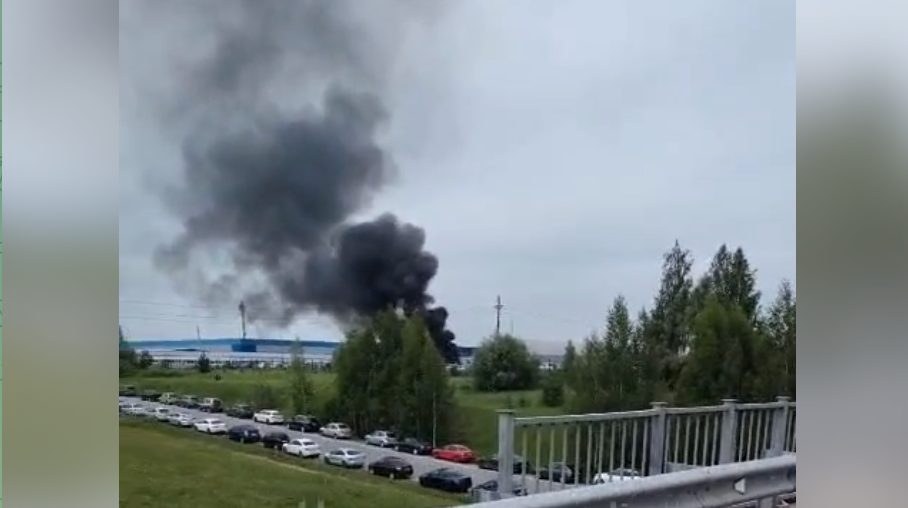
In Russia's Samara Oblast, a separate drone strike reportedly damaged the NovokuybyshevskCatalyst Plant, the country's largest specialized facility for producing catalysts used in petroleum refining and petrochemicals. The region's governor, Vyacheslav Fedorishchev, confirmed an attempted drone attack overnight on an industrial site in Novokuybyshevsk.
Kovalenko said the plant has a strategic role, stating that without its output, Russia's oil refineries, and by extension, its supply of aviation fuel, diesel for armored vehicles, and rocket propellant, would be severely affected.
Russia's Defense Ministry claimed it intercepted a total of 66 drones overnight across several regions, including 30 over Voronezh Oblast, 10 over Belgorod Oblast, 8 over Stavropol Krai, 6 over occupied Crimea, 1 over Samara Oblast, and 11 over the Azov Sea.
Editor's note: This story has been updated to include the latest injury figures confirmed by Zaporizhzhia Governor Ivan Fedorov.At least three people were killed and 11 injured in Russian attacks across Ukraine over the past day, Ukrainian officials said on June 14.According to Ukraine's Air Force, Russia launched 58 attack drones, primarily Shahed-type UAVs, and decoys from multiple directions. Air defenses destroyed 43 of the drones.In Donetsk Oblast, one civilian was killed and two others wer
Editor's note: This story has been updated to include the latest injury figures confirmed by Zaporizhzhia Governor Ivan Fedorov.
At least three people were killed and 11 injured in Russian attacks across Ukraine over the past day, Ukrainian officials said on June 14.
According to Ukraine's Air Force, Russia launched 58 attack drones, primarily Shahed-type UAVs, and decoys from multiple directions. Air defenses destroyed 43 of the drones.
In Donetsk Oblast, one civilian was killed and two others were injured in Russian shelling of Yablunivka, Governor Vadym Filashkin said. Russian forces attacked settlements in the region 27 times over the past day.
In Kherson Oblast, five people were injured as Russia struck 23 settlements with drones, artillery, and airstrikes, Governor Oleksandr Prokudin reported. Residential buildings in Kherson city, Antonivka, and other towns were damaged, including a multi-story apartment block, six houses, a gas station, and some vehicles.
In Zaporizhzhia Oblast, at least one person was killed and four others injured in attacks targeting Zaporizhzhia and Polohy districts, Governor Ivan Fedorov said. Russian forces launched 438 strikes on 16 settlements, including 11 airstrikes and 266 drone attacks, mainly using FPV (first-person view) drones.
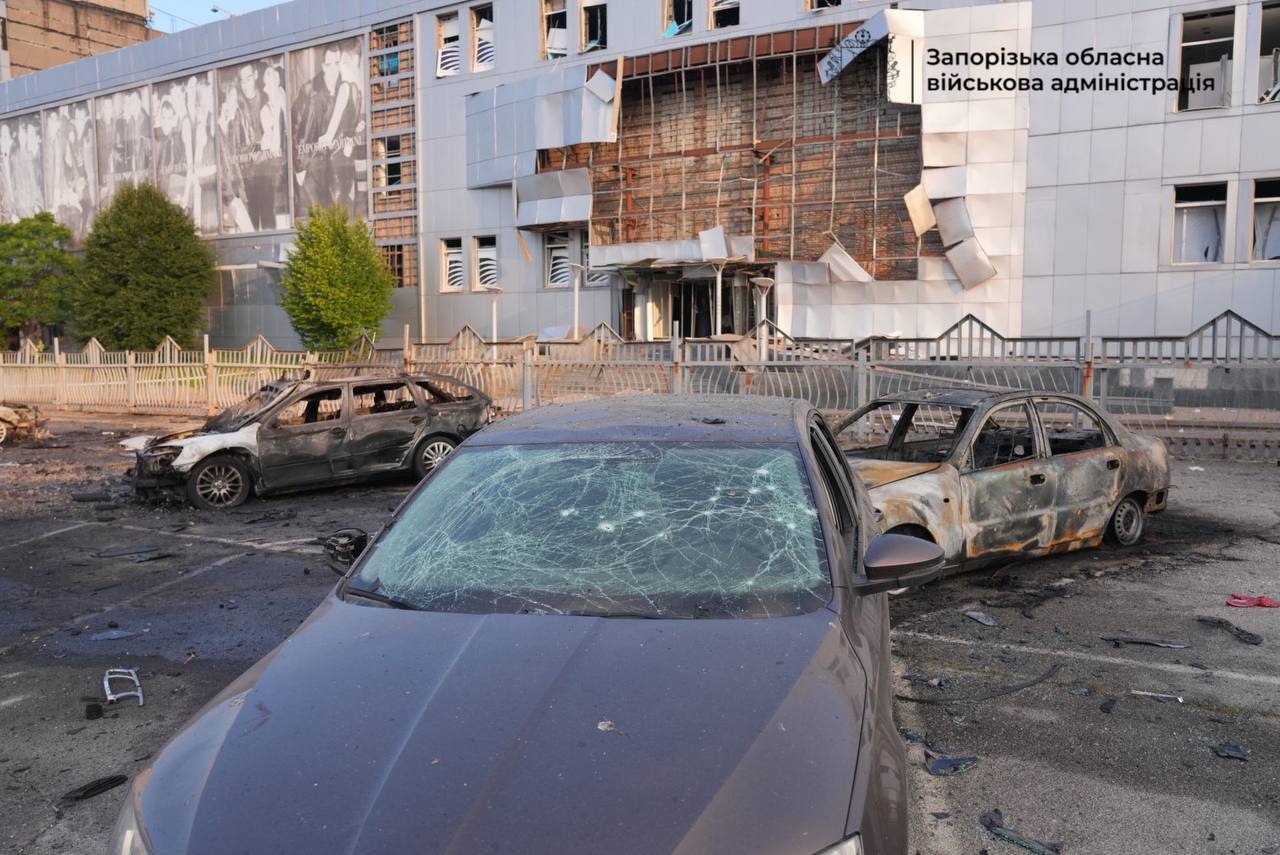
In a morning strike on Zaporizhzhia, more than 10 cars were burned at a parking lot, and at least 15 buildings were damaged. One person was injured.
According to Radio Free Europe/Radio Liberty, the Russian attack also destroyed a humanitarian aid warehouse in Zaporizhzhia. Over 100 metric tons of humanitarian supplies reportedly burned in the fire. The aid had recently arrived in five trucks and was intended for displaced people and residents of front-line areas. The damage is estimated at around $3 million.
Editor's note: This story has been updated with additional details.Iran's Islamic Revolutionary Guard Corps (IRGC) confirmed on June 13 that its aerospace commander, Amir Ali Hajizadeh, was killed in an Israeli air strike on a command facility, according to the Times of Israel. Hajizadeh was sanctioned by the European Union in 2022 for overseeing Tehran's supply of Shahed-type drones to Russia for use in its war against Ukraine, which have become a key component of Moscow's war against Ukraine.H
Editor's note: This story has been updated with additional details.
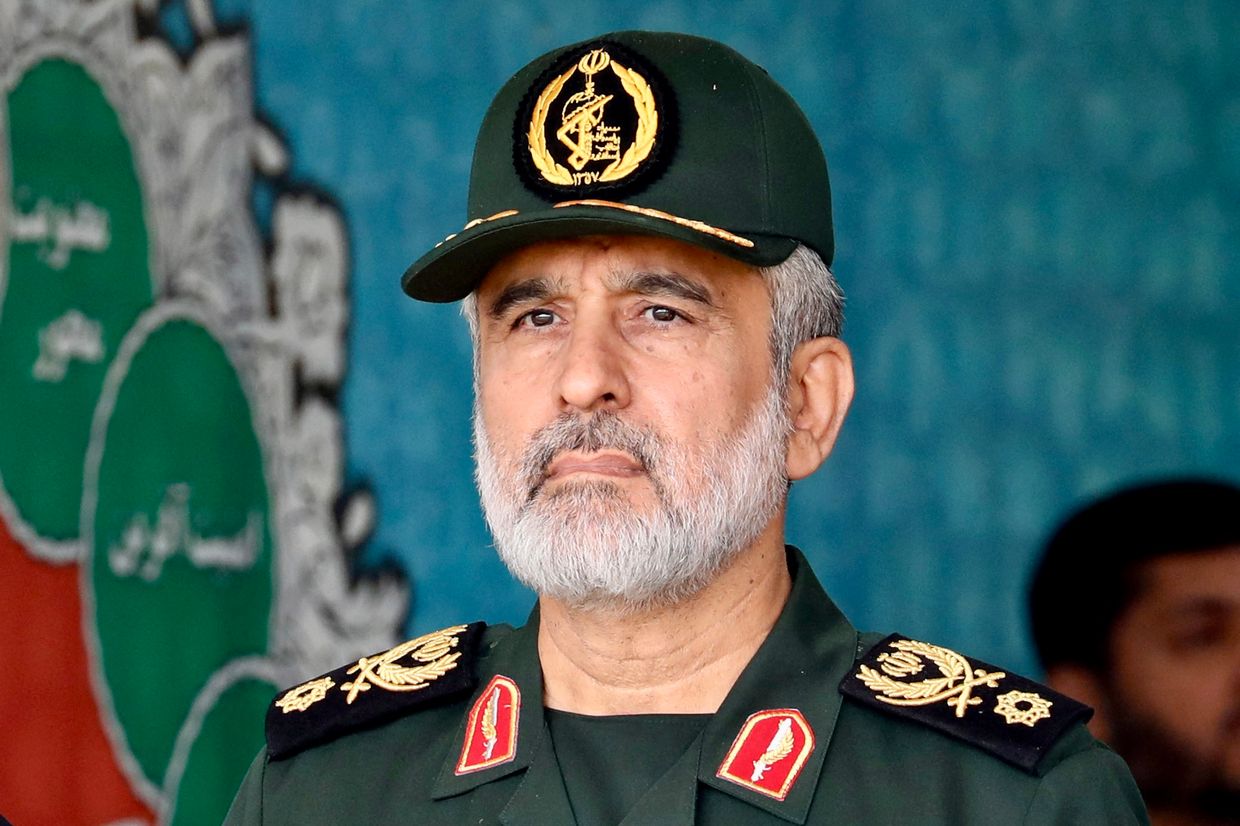
Iran's Islamic Revolutionary Guard Corps (IRGC) confirmed on June 13 that its aerospace commander, Amir Ali Hajizadeh, was killed in an Israeli air strike on a command facility, according to the Times of Israel.
Hajizadeh was sanctioned by the European Union in 2022 for overseeing Tehran's supply of Shahed-type drones to Russia for use in its war against Ukraine, which have become a key component of Moscow's war against Ukraine.
He played a central role in advancing Iran's drone and missile capabilities, meeting with then-Russian Defense Minister Sergei Shoigu in 2023 to showcase Iranian weapons.
The Israeli operation, described as "preemptive," involved 200 aircraft and the dropping of 330 munitions, targeting the country's nuclear program and killing top military officials.
Hajizadeh is also known for his role in the January 2020 downing of a Ukrainian civilian aircraft, which Iran later admitted was mistakenly shot down amid tensions with the U.S. All 176 people on board were killed.
Ukraine's Foreign Ministry issued a statement on June 13 expressing concern over the fallout from the Israeli operation but underscored that "the Iranian regime supports Russia in its illegal war of aggression" and supplies Moscow with "weapons to kill Ukrainians."
Along with North Korea, Iran has been a key ally to Russia during its full-scale war against Ukraine, providing thousands of Shahed strike drones and short-range ballistic missiles.
The drones, cheap and packed with explosives, have become a central weapon in Russia's aerial assaults on Ukraine since their introduction in late 2022.
Known for flying long distances before slamming into targets, they are now mass-produced by Russia and launched in near-nightly waves to overwhelm Ukrainian air defenses.
The Israeli strike took place amid escalating tensions in the Middle East, as well as U.S. negotiations with Tehran regarding its nuclear program. The Trump administration has acknowledged it knew about the operation in advance but denied any involvement.
Kyiv warned of the potential global repercussions of the strike, noting that regional instability could severely impact international security and financial markets, particularly oil.
Crude prices surged more than 10% following the attack, boosting revenues for Moscow, whose economy is heavily reliant on energy exports.
Russia has condemned Israel's attacks as "unprovoked aggression" and a violation of the U.N. Charter.
A Ukrainian MiG-29 fighter jet carried out a precision strike on Russian positions in the Zaporizhzhia direction, targeting a command post for drone operators and a combined ammunition and fuel depot, Ukraine's Air Force reported on June 13.The Air Force did not disclose the exact location of the strike but thanked international partners for providing the guided munitions used in the attack. "We thank our partners for their highly accurate and effective 'arguments'," the service wrote.0:00/1×A U
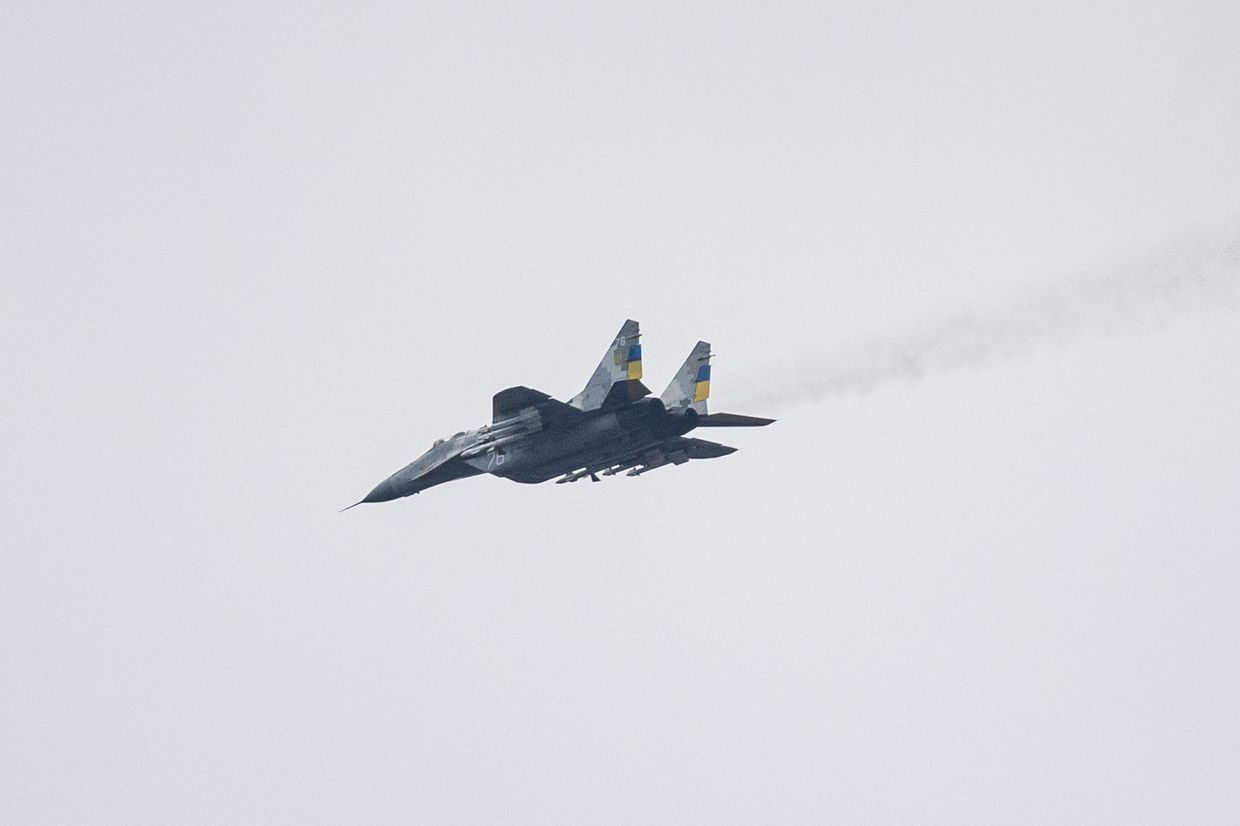
A Ukrainian MiG-29 fighter jet carried out a precision strike on Russian positions in the Zaporizhzhia direction, targeting a command post for drone operators and a combined ammunition and fuel depot, Ukraine's Air Force reported on June 13.
The Air Force did not disclose the exact location of the strike but thanked international partners for providing the guided munitions used in the attack.
"We thank our partners for their highly accurate and effective 'arguments'," the service wrote.
0:00
/
A Ukrainian MiG-29 fighter jet carried out a precision strike on Russian positions in the Zaporizhzhia area of southern Ukraine on June 13, 2025. (Ukraine's Air Force / Telegram)
The MiG-29, a Soviet-designed multirole fighter jet, remains a front-line platform in Ukraine's air force and has been adapted to carry Western-supplied precision-guided weapons.
Zaporizhzhia Oblast, located in southeastern Ukraine, remains one of the war's most contested areas. While the city of Zaporizhzhia is under Ukrainian control, southern parts of the region remain occupied by Russian forces.
Commander-in-Chief Oleksandr Syrskyi said on May 31 that Russia has intensified offensive operations across several key areas, including Zaporizhzhia, as part of a broader summer push.
Ukrainian forces have continued to conduct airstrikes and sabotage missions to degrade Russian supply lines and disrupt offensive preparations.
Iran launched over 100 drones against Israel, all of which were intercepted outside of Israeli airspace, Ynet News reported on June 13, citing Israeli military spokesperson Effie Defrin.The drone attack follows heavy air strikes launched by Israel against Iran, targeting the country's nuclear program and reportedly killing Hossein Salami, the commander-in-chief of the Islamic Revolutionary Guard Corps (IRGC), and other top officials.Israel said it had deployed some 200 aircraft in its "preemptiv
Iran launched over 100 drones against Israel, all of which were intercepted outside of Israeli airspace, Ynet News reported on June 13, citing Israeli military spokesperson Effie Defrin.
The drone attack follows heavy air strikes launched by Israel against Iran, targeting the country's nuclear program and reportedly killing Hossein Salami, the commander-in-chief of the Islamic Revolutionary Guard Corps (IRGC), and other top officials.
Israel said it had deployed some 200 aircraft in its "preemptive" attack overnight on June 13, dropping 330 munitions over 100 sites.
The full extent of the consequences was not immediately clear. Multiple explosions were reported in Tehran as videos posted on social media purportedly show fire burning in multiple locations of the Iranian capital.
Open-source intelligence researchers have shared alleged footage of Shahed kamikaze drones flying in the direction of Israel. Tehran has provided thousands of these drones to Russia for use against Ukrainian cities.
Iranian Shahed-136 attack drone headed westbound over Iraq, towards Israel.
Iran reportedly launched more than 100 attack drones this morning, as part of its opening wave of strikes on Israel. pic.twitter.com/0SU3aLR9ZX
Iran's Supreme Leader Ali Khamenei vowed to enact "severe punishment" in response to the attack, accusing the United States for "also (being) responsible for the dangerous consequences of this reckless escalation."
In a statement released by the State Department, U.S. Secretary of State Marco Rubio said that the United States was not involved in the strikes on Iran, calling it a "unilateral action."
The U.S. Embassy in Israel instructed its employees and family members to take shelter until further notice.
Jordan has announced it had closed its airspace "as a precaution against any risks resulting from the regional escalation."
The attacks are taking place amid escalating tensions in the Middle East. In April 2024, Iran launched 170 drones and 150 missiles against Israel, with an overwhelming majority being shot down outside of Israel with the assistance of Western partners.
The attack was a response to Israel’s strike on an Iranian consulate in Syria on April 1 as part of the broader Israel-Hamas war.
Russia will establish a dedicated military branch for unmanned systems, President Vladimir Putin said on June 12 during a meeting on the state armament program."We have accumulated a great deal of experience to create this branch of the armed forces," Putin said, noting the move includes personnel training, manufacturing, and deployment of modern equipment. The announcement comes as both Russia and Ukraine increasingly use drones for strike missions and surveillance. Unmanned systems have become
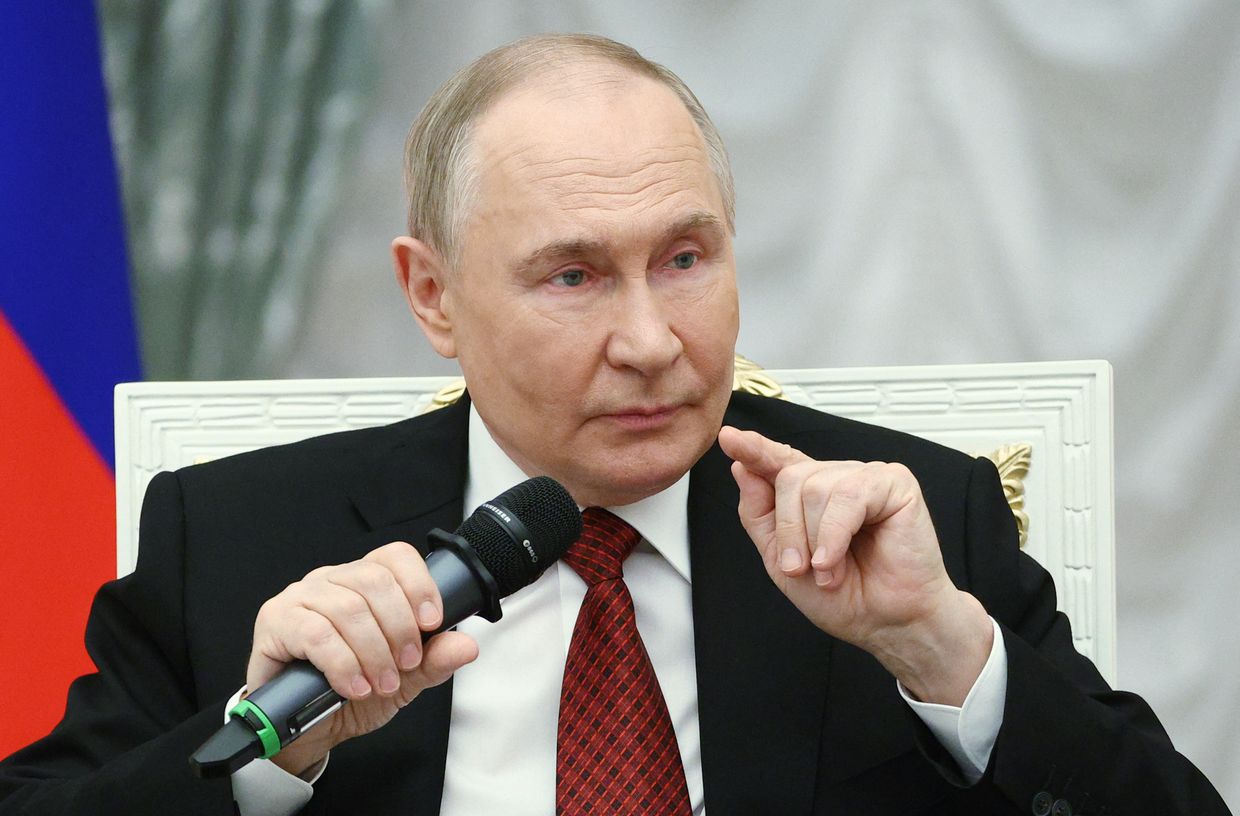
Russia will establish a dedicated military branch for unmanned systems, President Vladimir Putin said on June 12 during a meeting on the state armament program.
"We have accumulated a great deal of experience to create this branch of the armed forces," Putin said, noting the move includes personnel training, manufacturing, and deployment of modern equipment.
The announcement comes as both Russia and Ukraine increasingly use drones for strike missions and surveillance. Unmanned systems have become central to battlefield operations and enabling deep strikes.
Ukraine established its own Unmanned Systems Forces (USF) in June 2024 to formalize and scale its drone-based operations on the battlefield. The USF has since launched hundreds of deep strikes into Russian territory and worked to integrate drone technology across combat units.
Russia, meanwhile, has ramped up drone production over the past year, launching waves of Iranian-designed Shahed-type suicide drones in near-daily attacks on Ukrainian cities.
President Volodymyr Zelensky said on May 27 that Moscow intends to produce up to 500 drones daily, with Russian manufacturers gearing up to manufacture 300-350 drones each day.
Russian drone production has been supported by a steady flow of components from China and a workforce that includes teenagers and foreign laborers from African countries.
The Kremlin's move mirrors Kyiv's earlier military reform and signals Russia's recognition of drones as a critical pillar of modern warfare.

 Connexion
 The Kyiv IndependentDmytro Basmat