❌

Vue normale

1,125 Kyiv residents injured in Russian attacks since the start of 2026, more than a third of them in five weeks from late August, Kyiv health chief says
14 octobre 2026 à 09:03

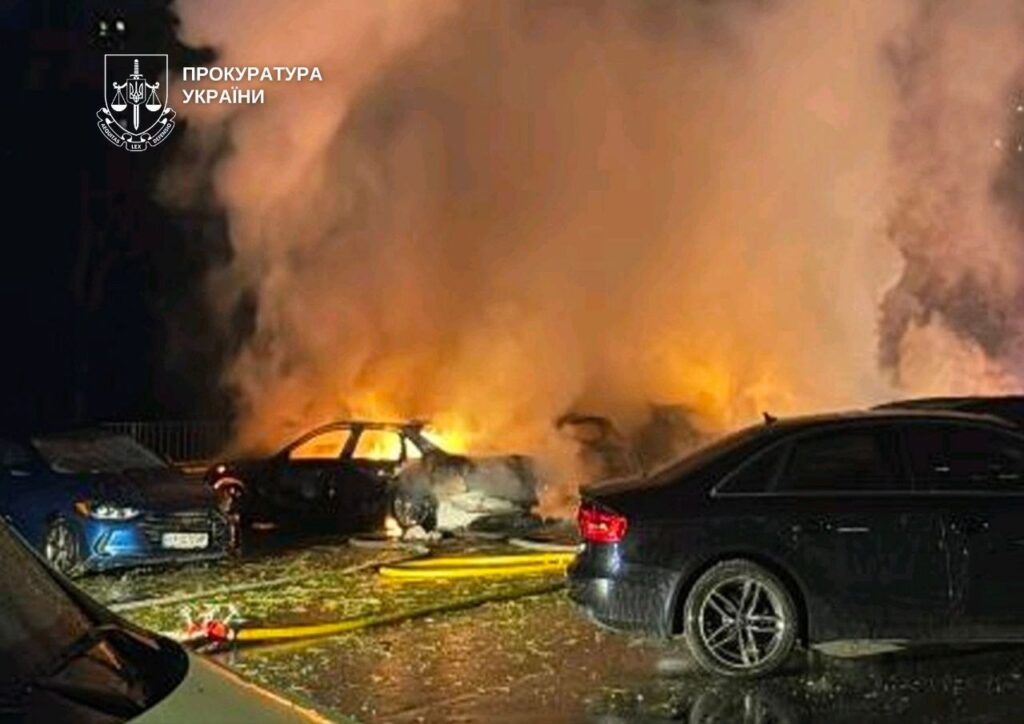
Cars burning outside a 25-story apartment building in Kyiv after a Russian drone strike

Russian attacks have injured 1,125 Kyiv residents since the start of 2026. Of these, 379 people, or nearly 34%, were injured in just five weeks, from 27 August to 7 October, Tetiana Mostepan, director of the Kyiv City State Administration’s Department of Health, said in an interview published on 13 October.

Russian air attacks on Kyiv have intensified since late August. Air attacks occur both day and night, and Russian drones target not only military facilities but also civilian buildings, including apartments. As a result, the number of casualties is also increasing. More than 40% of emergency medical responses to attacks this year occurred between late August and early October, Mostepan noted.

During this period, the capital’s emergency medical teams responded to 782 calls related to the attacks, the department director said. She also released data showing that 138 medical facilities in Kyiv have been damaged since the start of Russia’s full-scale invasion, including 47 this year.

“And when we talk about statistics, I always emphasize that behind every number is a human life. These are people who have been injured, as well as medical workers who respond to attack sites to save them,” Mostepan said.

People giving first aid to two women injured in a Russian drone strike in Kyiv
People giving first aid to two women injured in the Russian drone strike, Kyiv, 8 September 2026. Photo: Zelenskyy's Telegram

Russian attacks on Kyiv have become more frequent

Russia attacked Kyiv with drones throughout the day, Suspilne Kyiv reported on 27 August. Air raid alerts were issued 12 times in the capital, drone debris was found in five districts, and at least four people were injured, the report said. Russian forces used about 140 attack drones against Ukraine throughout the day, more than 100 of them jet-powered, the Ukrainian Air Force reported at the time.

At least 38 people were killed and dozens injured in a Russian drone strike on an ammunition depot in the Bucha district near Kyiv, triggering a massive fire and hours of explosions in a residential area, CNN reported. The attack in the Bucha district came amid near-constant Russian airstrikes, which continued into Sunday, the outlet reported.

Russian forces were likely seeking to exhaust Ukraine’s air defenses, disrupt civilians’ daily lives, and increase the scale of destruction, analysts at the Institute for the Study of War (ISW) said, citing CNN’s reporting.

On 8 September, NATO Secretary General Mark Rutte stressed the urgent need to strengthen support for Ukraine, particularly by providing air defense systems. Delays in delivering assistance cost human lives, he said.

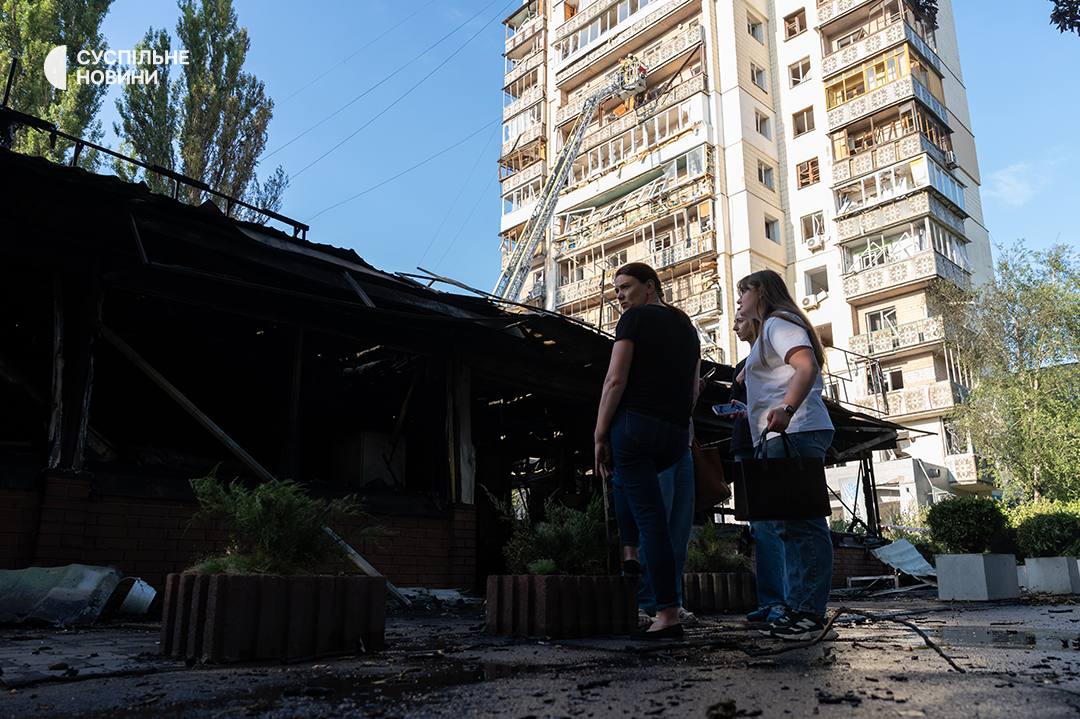
On 1 October, a Russian drone struck a school in Kyiv’s Solomianskyi district while 104 children were inside, Suspilne reported. Students and school staff took shelter, so no one was injured, the report said.
Aftermath of the Russian attack on a school in Kyiv’s Solomianskyi district, 1 October 2026. Suspilne News/Oleksandr Mahula
Aftermath of the Russian attack on a school in Kyiv’s Solomianskyi district, 1 October 2026. Photo: Suspilne News/Oleksandr Mahula

Russian attacks continue after Trump’s announcement of an energy ceasefire

Following US President Donald Trump’s announcement of an energy ceasefire, Russia continued striking Ukraine’s energy infrastructure, including in Kyiv. On 13 October, Russian ballistic missiles struck Kyiv, hitting a thermal power plant in the second attack in 24 hours without advance warning from Ukraine’s allies, Zelenskyy said. The evening and morning strikes killed four people in Kyiv, three of them women in a high-rise in Desnianskyi district, Kyiv prosecutors said.

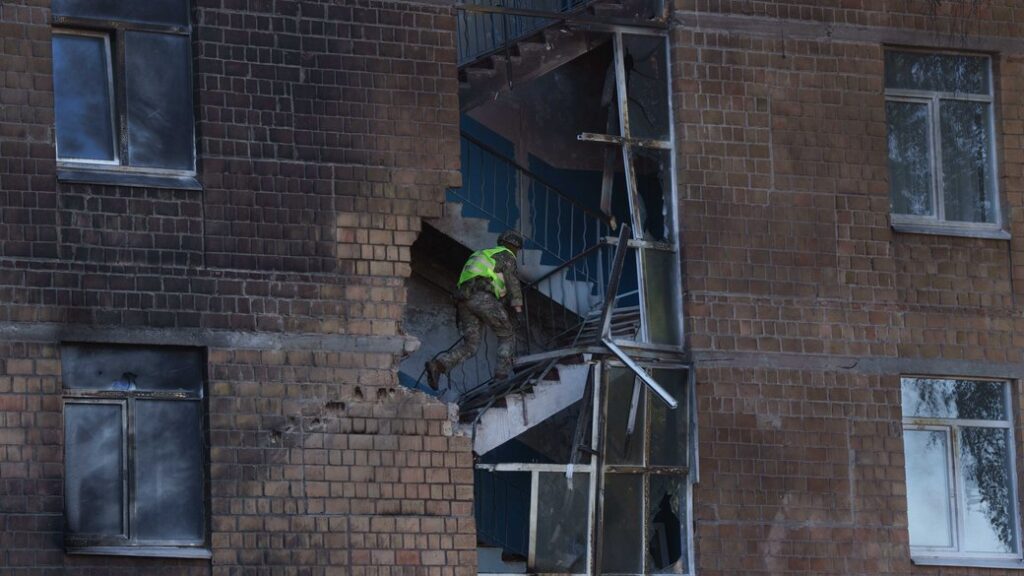
Aftermath of the Russian attack on Kyiv overnight into 14 October 2026
Aftermath of the attack on Kyiv on the night of 14 October 2026. Photo: Kyiv State Emergency Service

Russia attacked energy and critical infrastructure in Kyiv, Kyiv Oblast, and Kharkiv with 39 ballistic missiles and more than 120 attack drones, Ukrainian President Volodymyr Zelenskyy said on 14 October. At least 600,000 people were left without electricity, he said. Later that day, an accident on the grid cut power to part of Kyiv’s right bank, energy company DTEK said.

Russia equips Geran attack drones with image-based navigation using Google map imagery, reducing reliance on satellite navigation that Ukraine can jam, defense adviser warns

11 octobre 2026 à 09:01

Ukrainian defense technology adviser Serhii “Flash” Beskrestnov works near the front line monitoring Russian drone signals. Photo: Serhii “Flash” Beskrestnov

Russia is developing new navigation systems for attack drones and missiles that could make its strikes against Ukrainian cities harder to stop, as Moscow adapts its weapons to counter Ukrainian electronic warfare defenses, Ukrainian defense technology adviser Serhii “Flash” Beskrestnov said.

The shift poses an additional challenge for Ukraine as Russia continues to attack cities and critical infrastructure with drones and missiles. Systems that can navigate without relying on satellite signals may be harder to disrupt electronically, increasing the importance of other defenses, including interception and physical destruction of incoming weapons.

Image-based navigation could make Russian strike drones harder to jam

Beskrestnov, an adviser to the Ukrainian president on defense technology development, said image-based navigation systems would see wider use in 2027, including in medium- and long-range strike drones and inexpensive cruise missiles.

The technology allows drones to navigate by comparing images captured by an onboard camera with stored photographs of the terrain. Even basic navigation can use publicly available satellite or ground imagery from services such as Google, Beskrestnov said.

Unlike satellite navigation, which can be disrupted by electronic warfare, image-based navigation relies on visual recognition of the terrain. This makes drones using the technology more resistant to jamming and could allow them to continue toward their targets even when satellite navigation signals are unavailable.

Russia already uses image-based navigation on attack drones

Beskrestnov said Russian forces were already using the technology on several types of unmanned aircraft, including Molniya, V2U, and Lancet drones.

He also reported that similar systems had recently been identified on the Russian Geran-4 and Geran-5 attack drones, using a flight controller called Susanin.

The Geran series includes Russian attack drones used in strikes against Ukrainian cities and infrastructure. The introduction of image-based navigation could make some variants more difficult for Ukrainian forces to counter using electronic warfare.

Russia adapts its weapons to Ukrainian defenses

The development reflects Russia’s broader effort to adapt its weapons as Ukraine improves its air defenses and electronic warfare capabilities. By reducing reliance on satellite navigation signals, Russian drones can become less vulnerable to one of Ukraine’s key methods of disrupting incoming attacks.

Beskrestnov warned that image-based navigation would expand beyond individual drone models, with broader adoption expected next year across different categories of strike weapons.

  • ✇Euromaidan Press
  • Moldova pulls its border officers off Ukrainian soil again as Russian drones keep hitting crossings
    Moldova is creating protective zones at border crossing points along its border with Ukraine amid the threat of drone attacks. It is also relocating its personnel from joint border crossings on Ukrainian territory back to Moldova. Moldovan Interior Minister Daniella Misail-Nichitin said this on 7 October, according to NewsMaker. In recent months, Russian attacks on Ukrainian border crossing points near the country's borders with neighboring states have become more frequent. Ukrainian-Mo
     

Moldova pulls its border officers off Ukrainian soil again as Russian drones keep hitting crossings

8 octobre 2026 à 15:54

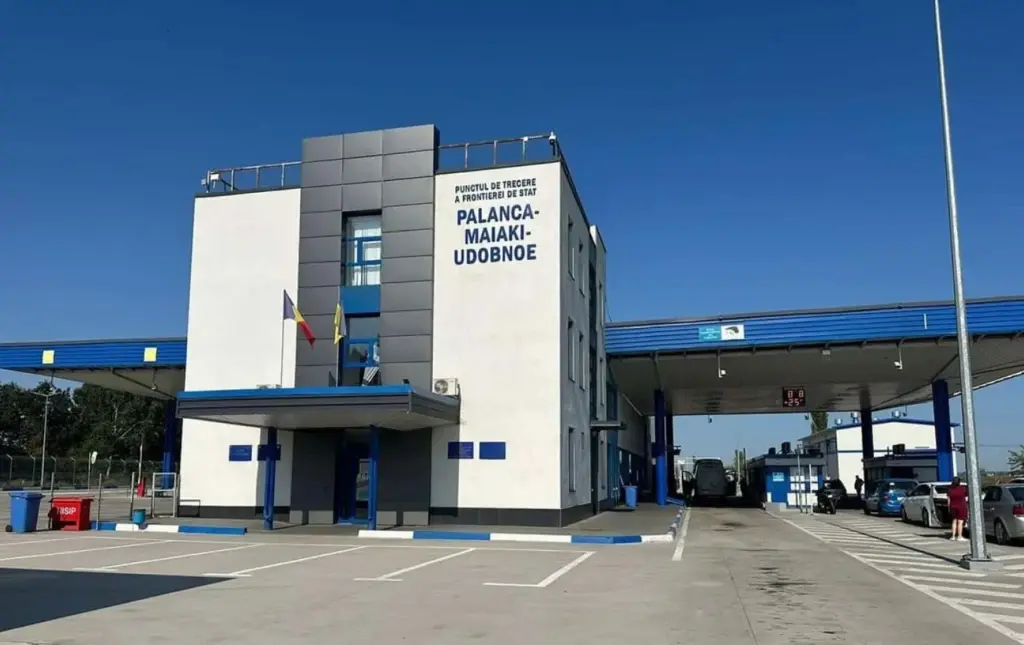
Palanca–Mayaky-Udobne border crossing on the Moldova-Ukraine border, illustrative photo: Zahidnuy.kordon/Facebook

Moldova is creating protective zones at border crossing points along its border with Ukraine amid the threat of drone attacks. It is also relocating its personnel from joint border crossings on Ukrainian territory back to Moldova. Moldovan Interior Minister Daniella Misail-Nichitin said this on 7 October, according to NewsMaker.

In recent months, Russian attacks on Ukrainian border crossing points near the country's borders with neighboring states have become more frequent. Ukrainian-Moldovan border crossings are among those most frequently targeted by Russia. As a result, Moldova now plans to withdraw all of its border personnel from Ukrainian territory.

A Moldovan border guard was also recently injured when a projectile struck near a passenger bus at the Palanca border crossing, Moldova's Border Police reported.

Chisinau strengthens protection of border crossings against Russian drone attacks

Moldovan authorities are working to strengthen security measures at all Border Police crossing points, including those located on Ukrainian territory, according to the statement.

Authorities are already setting up protective zones so that Border Police officers, government officials and civilians at the crossings can evacuate to a safe location if necessary, the minister said.

Moldova is also discussing moving its personnel from joint border crossings located on Ukrainian territory to Moldova. Personnel have already been withdrawn from two crossings, with plans to do the same at other joint crossings, Missail-Nikitin said.

NewsMaker clarified with Moldova’s Interior Ministry that the measure involves withdrawing Moldovan personnel from two joint border crossing points with Ukraine — Criva and Palanca.

Ukraine and Moldova seek a response to a new challenge

The first time Chisinau withdrew its personnel from Ukrainian territory at the Ukrainian-Moldovan border crossings was a month ago. Moldova temporarily changed the operating arrangements at three joint border crossings with Ukraine because of security risks linked to Russian attacks on Ukrainian infrastructure near the border, Moldova's Border Police reported on 11 September.

The crossings in question are Giurgiulesti–Reni, Briceni–Rossoșani, and Criva–Mamalyga, where Moldovan border guards and customs officers had previously carried out controls on Ukrainian territory, according to the Border Police.

Criva–Mamaliga border crossing on the Moldova-Ukraine border, illustrative photo: State Border Guard Service of Ukraine

Starting 12 September, Moldovan personnel returned to Moldovan territory for 90 days and began working from existing infrastructure on the Moldovan side. The crossings themselves remained operational, and the cross-border movement of people and vehicles continued. Only the location where Moldovan services carried out their duties changed, the authorities said.

Ukraine is also strengthening the protection of its border infrastructure. The State Agency for Restoration and Infrastructure Development plans to install 135 basic mobile shelters at 28 border crossing points and on access roads leading to them. The shelters are intended to protect civilians crossing the border and border crossing personnel. Procurement is being carried out by the Restoration Services in Vinnytsia, Odesa, Chernivtsi, Zakarpattia, and Volyn Oblasts, according to the statement.

Ukraine’s border crossings near Moldova face ongoing Russian attacks

Russia has repeatedly attacked Ukrainian border infrastructure near the Moldovan border in recent weeks. On 25 August, a Russian drone struck the Vynohradivka–Vulcănești border crossing in Odesa Oblast.

On 5 October, Russian strikes on Ukrainian infrastructure caused an incident near the Palanka–Mayaky–Udobne border crossing. A projectile fell near the crossing, ricocheted off the ground and struck a passenger bus. The control booth was also damaged, and one Moldovan border guard sustained a minor injury.

On 9 September, Russia attacked the Starokozache–Tudora border crossing. One drone struck the crossing, while two others crashed nearby on Ukrainian territory. Two people were killed and three others were injured in the attack, and the crossing was temporarily closed. Russia claimed that this strike on a border crossing was prompted by Ukraine transporting weapons through the facility, a claim Moldova has denied.

  • ✇Euromaidan Press
  • Polish SIM cards found inside Russian drones in Poland, raising new questions over 2025 incursion
    Polish SIM cards were found inside some of the Russian drones that entered Polish airspace during a mass incursion in September 2025, Polish outlet RMF24 reported, citing findings from a Polish prosecution investigation. SIM cards can allow drones to connect to local cellular networks for functions such as communications, data transmission, telemetry, or navigation-related services. However, investigators have not said what the Polish SIM cards found in the Russian drones were used for.
     

Polish SIM cards found inside Russian drones in Poland, raising new questions over 2025 incursion

8 octobre 2026 à 10:50

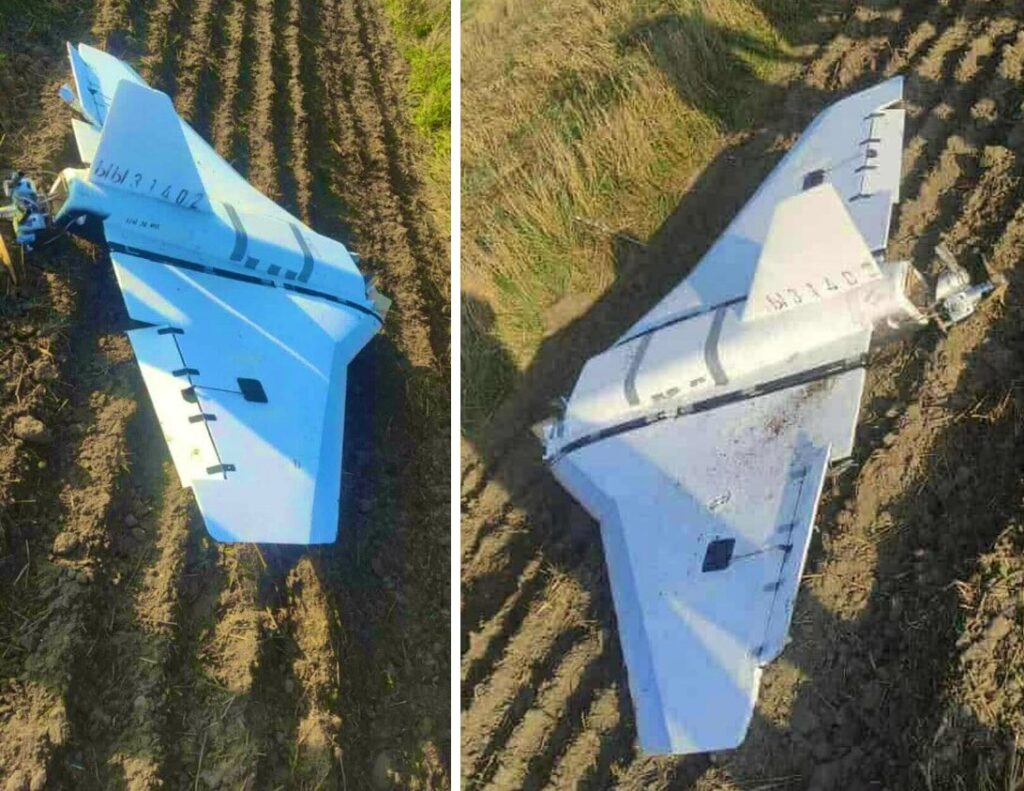
sim cards downed drones expose russia's months-long plan target poland lithuania russian gerbera crashed 10 2025 @warnewspl1 defense express download ukraine news ukrainian reports

Polish SIM cards were found inside some of the Russian drones that entered Polish airspace during a mass incursion in September 2025, Polish outlet RMF24 reported, citing findings from a Polish prosecution investigation.

SIM cards can allow drones to connect to local cellular networks for functions such as communications, data transmission, telemetry, or navigation-related services. However, investigators have not said what the Polish SIM cards found in the Russian drones were used for. The details remain classified.

The SIM cards were discovered in some of the Russian Gerbera drones recovered after the incursion, RMF24 reported.

Investigators have not disclosed whether the SIM cards were stolen or obtained illegally.

The investigation into the September 9–10, 2025 incursion was ultimately closed after prosecutors failed to identify those responsible for violating Polish airspace.

More than 30 drones entered Poland

The incursion took place overnight on September 9–10, 2025, during a large Russian missile and drone attack on Ukraine. More than 30 Russian Gerbera drones entered Polish airspace from the east and came down at 27 locations across the country, according to RMF24.

Polish forces intercepted and shot down multiple drones, with the Territorial Defense Forces deployed to search for wreckage and other objects that came down on Polish territory. Poland also maintained contact with NATO command throughout the operation.

The incident prompted Poland to close four airports – Warsaw Chopin, Warsaw-Modlin, Rzeszów-Jasionka and Lublin – because of the military activity. 

Polish officials described the airspace violations as unprecedented and a serious threat to national security. The incident marked the first time since Russia's full-scale invasion of Ukraine that Polish forces had used weapons against Russian aerial objects that entered the country's airspace.

The mass incursion subsequently became the subject of a criminal investigation into the violation of Polish airspace and the threat to public safety.

Investigation closed without identifying perpetrators

After months of investigation, Polish prosecutors closed the case because they were unable to identify the perpetrators, according to Lublin District Prosecutor’s Office spokesman Marcin Kozak, as cited by RMF24.

Most of the case files, including the justification for the decision, are classified.

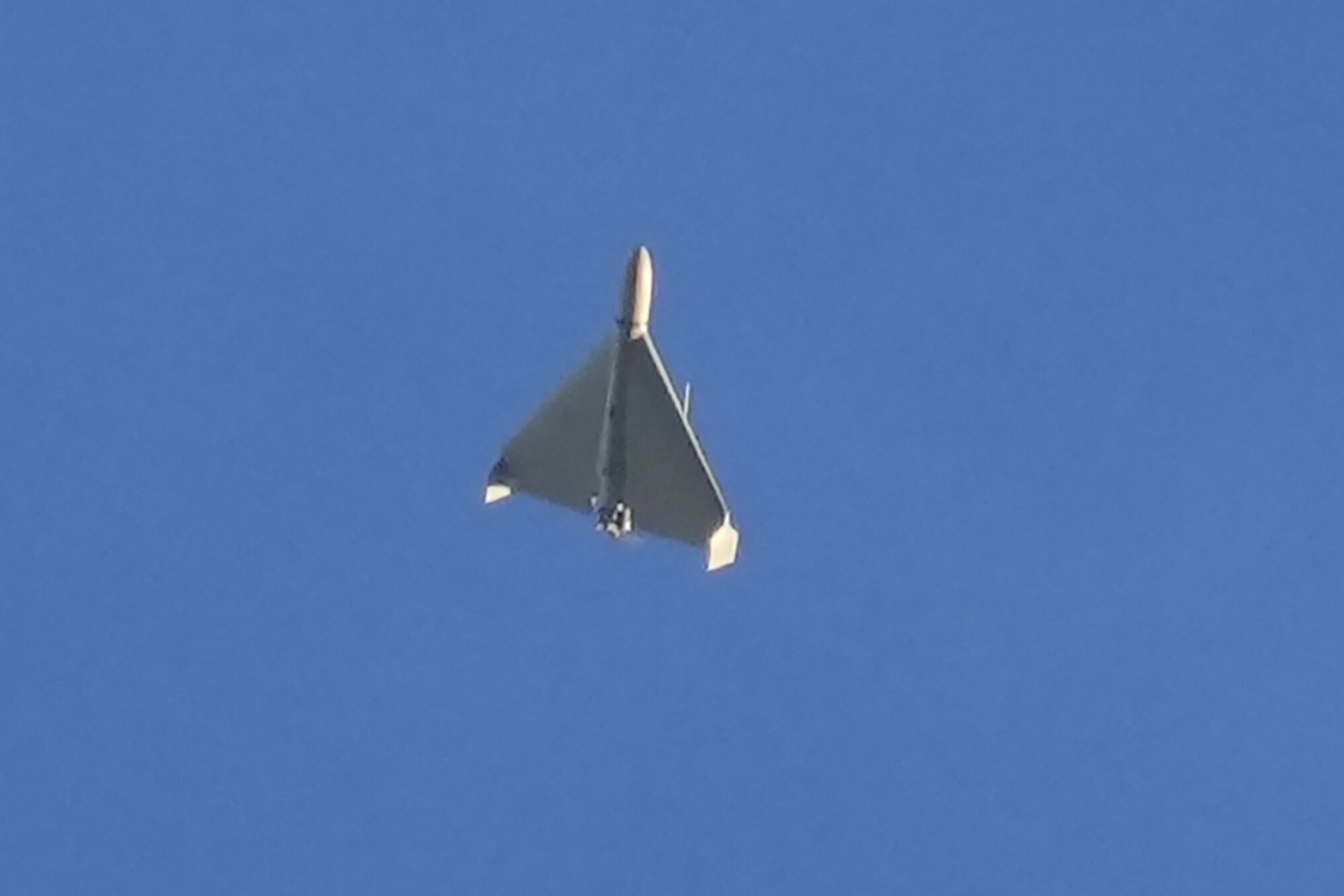
shahed-136 Geran-2 iranian airborne A drone is seen in the sky seconds before it attacked buildings in Kyiv, Ukraine, on Oct. 17, 2022. The Russian military has been using the Iranian Shahed exploding drones to strike Ukraine's vital infrastructure for more than a year. (AP Photo/Efrem Lukatsky/EastNews
Explore further

Last September, Poland downed four of 19 Russian drones. This September, drone reached NATO’s missile shield in Redzikowo, and troops guarding it called 112

Prosecutors cleared Poland's military response

Investigators also examined whether the Polish military had responded properly to the drone incursion.

According to RMF24, prosecutors concluded that the military acted in accordance with procedures. Polish troops had the right to use force and shoot down hostile objects, and prosecutors found no irregularities in their response.

The investigation was therefore closed both over the failure to identify the perpetrators and over the assessment of the Polish military's actions.

Russia is out to break Ukraine’s economy this winter, Jetten says—and the Netherlands will help keep Ukraine’s drone-hunting F-16s in the air

6 octobre 2026 à 07:37

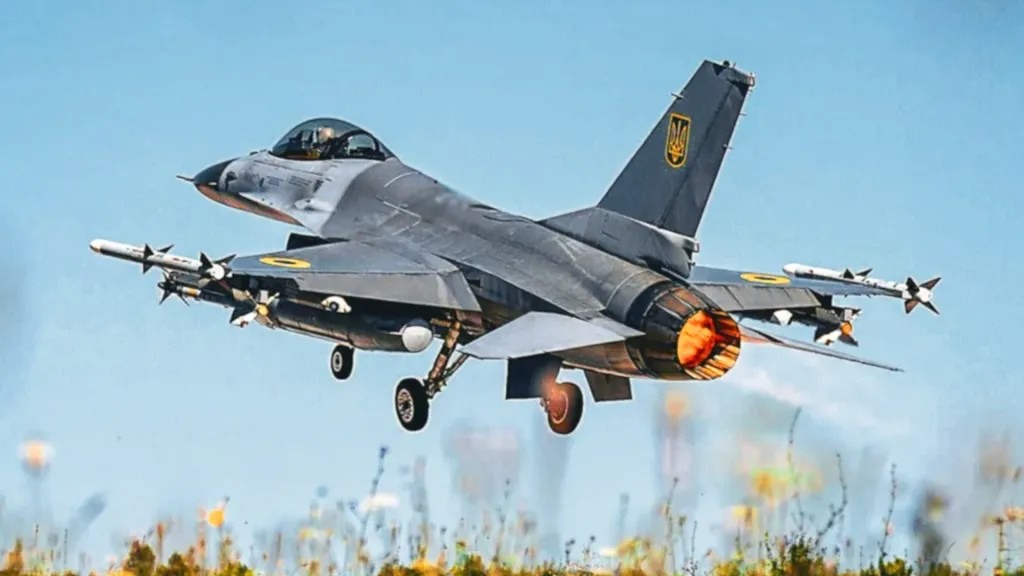
take off formation fly low navigate terrain—ukraine's f-16 trainees finished uk course russia helped design · post ukraine's air force carrying aim-120c aim-9 missiles fuel tanks terma pylons self-defense systems

The Netherlands will help Ukraine with maintenance, spare parts, and ammunition for F-16 fighter jets, Dutch Prime Minister Rob Jetten promised in a statement on 5 October. He made this and other statements following a phone call with Ukrainian President Volodymyr Zelenskyy.

Russia attacks Ukrainian cities with drones every day, increasingly with jet-powered ones. F-16 fighter jets are one of the effective options for shooting down these UAVs, but Ukraine has far too few of them. The F-16s are used very frequently and therefore require maintenance. About half of the aircraft spend extended periods abroad undergoing repairs and maintenance, Ukrainian President Volodymyr Zelenskyy told the Financial Times this month. The process of returning the aircraft has taken too long, and Ukraine has lost time when the jets were most needed to protect Ukrainian airspace, he said.

“A further strengthening of Ukraine’s air defense is literally vital,” the prime minister said.

Russia’s aggression continues to escalate, and F-16 fighter jets can help stop it

Russia is deliberately attacking civilian facilities and energy infrastructure and wants to make Ukrainian cities uninhabitable, Jetten said, adding that “we must not allow this to happen.”

One effective solution is the use of F-16 fighter jets, while Ukraine faces shortages of both these aircraft and the missiles for them.

Ukrainian F-16 pilots lack air-to-air missiles and take off with only the aircraft’s cannon during some daytime missions, the War Zone reported on 2 September. The M61A1 Vulcan 20mm rotary cannon can pose a danger to civilians on the ground, the outlet noted.

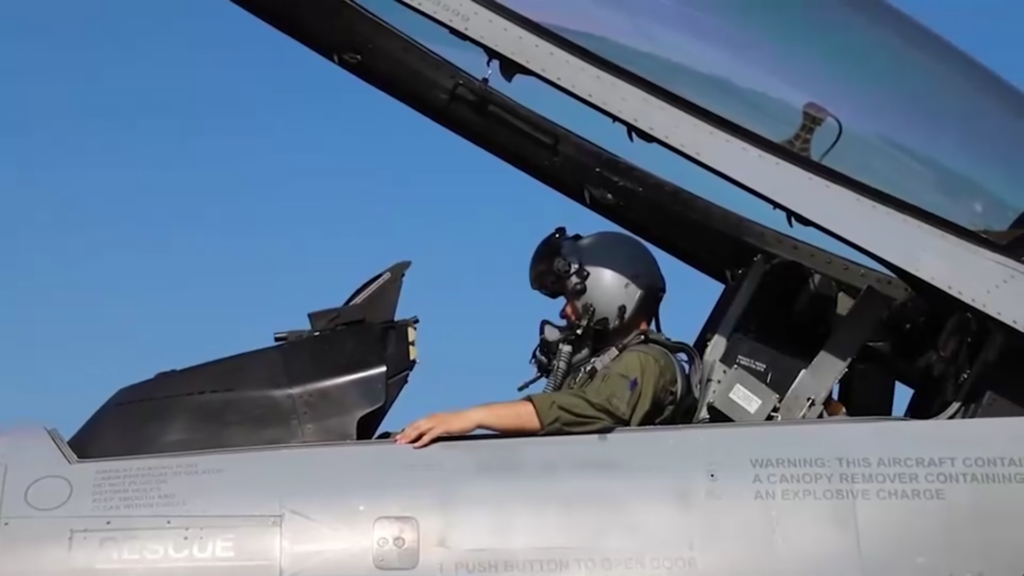
A pilot in an F-16 fighter in Ukraine.
A pilot in an F-16 fighter in Ukraine. Screenshot from the video of President Volodymyr Zelenskyy's speech on Ukraine's Air Force Day

Poland promised to provide Ukraine with F-16 missiles back in September, and several partners, including Poland, have already begun the process of transferring ammunition this month. Other partners include Spain and Belgium, which Foreign Minister Andrii Sybiha mentioned during a meeting with journalists, Hromadske reported on 1 October.

Ukraine critically needs this ammunition, especially as Russia prepares new strikes, Sybiha said.

“Against the backdrop of the fact that we have not yet built up the capability to repel jet-powered drones, against the backdrop of preparations for new strikes, it was critically important to help our military shoot down these drones. The most effective right now—apart from air defense systems, which are very expensive to use constantly against drones—are F-16 fighter jets,” the minister said.

Zelenskyy held talks with the president of France and the prime ministers of Poland and the Netherlands about means of protecting against Russian strikes, he said in his address on 5 October. In particular, he thanked the Dutch prime minister for his prompt response.

Whether Belgian maintenance delays are the reason for the low number of operational F-16s in Ukraine remains disputed

Fewer than 50% of the F-16s delivered to Ukraine may be operational, Defense Express reports, citing a Wall Street Journal (WSJ) editorial published on 29 September.

The Belgian company that services F-16s for Ukraine takes as long as 40 weeks to complete the work, retired US Navy Rear Admiral Mark Montgomery told the WSJ.

Zelenskyy with Belgian leaders at the Melsbroek Air Base
Belgian Defense Minister Ludivine Dedonder, Ukrainian President Volodymyr Zelenskyy, and Belgian Prime Minister Alexander De Croo visiting the Melsbroek Air Base, where Ukrainian personnel have been undergoing F-16 training, 28 May 2024. Photo: president.gov.ua

That day, Zelenskyy had already announced that Belgium would send three of its fighter jets to Ukraine this year. Ukraine will receive them under an accelerated procedure, he said.

Meanwhile, Ukraine’s Ministry of Foreign Affairs refutes claims that Ukrainian fighter jets have a catastrophically low operational availability rate and excessively long maintenance times.

“Contrary to these claims, our industrial sustainment partners are not only continuing to deliver overhauled aircraft, but are doing so at an increasing pace. Turnaround times are decreasing, not increasing,” Ukrainian Foreign Ministry spokesperson Heorhii Tykhyi said on 2 October.

Reports about the condition of Ukraine’s F-16s should not undermine confidence in international funding supporting F-16 maintenance or cast doubt on the need for additional F-16s from the stockpiles of partner countries, Tykhyi warned.

Three Russian missiles and two drones strike Moldovan territory in morning attacks on neighboring Ukraine. Moldova is increasingly exposed to the risks of Russia’s war next door

3 octobre 2026 à 08:14

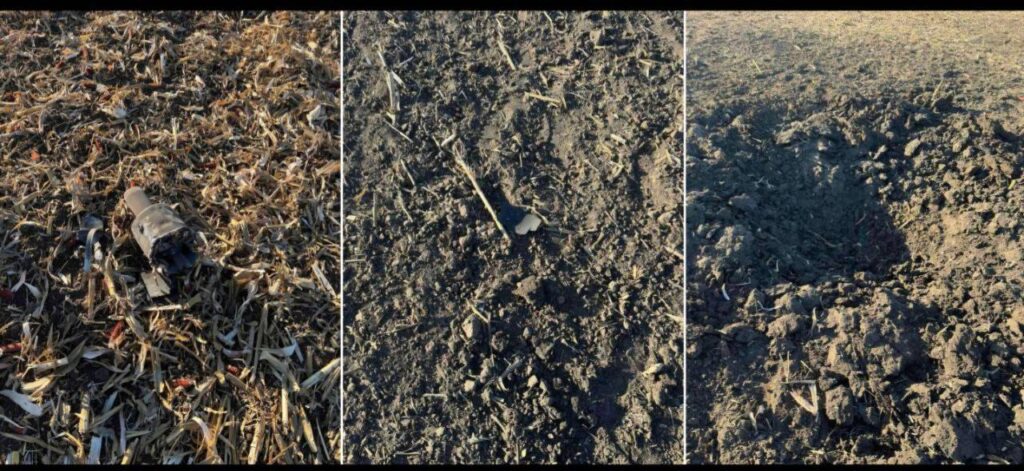
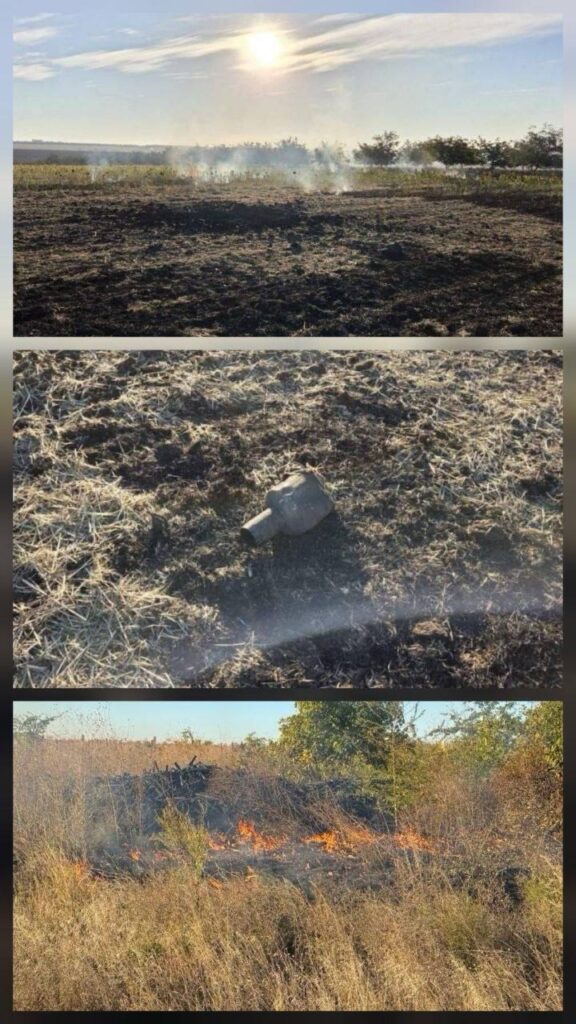
Fragments of Russian drones or missiles that struck Moldovan territory on 3 October 2026. Photo: Moldovan Police via Newsmaker

Three Russian missiles and two drones crossed Moldova’s airspace and exploded on Saturday morning, Moldovan Defense Minister Anatolie Nosatîi told TVR Moldova.

Moldova has seen a dramatic increase in Russian drone incursions in recent weeks as Russia ramps up near-constant drone attacks across Ukraine.

The five incidents occurred between 7:45 and 8:00 a.m., with explosions and debris reported across several districts. Moldova’s Foreign Ministry condemned the airspace violation.

Explosions and debris reported across Moldova

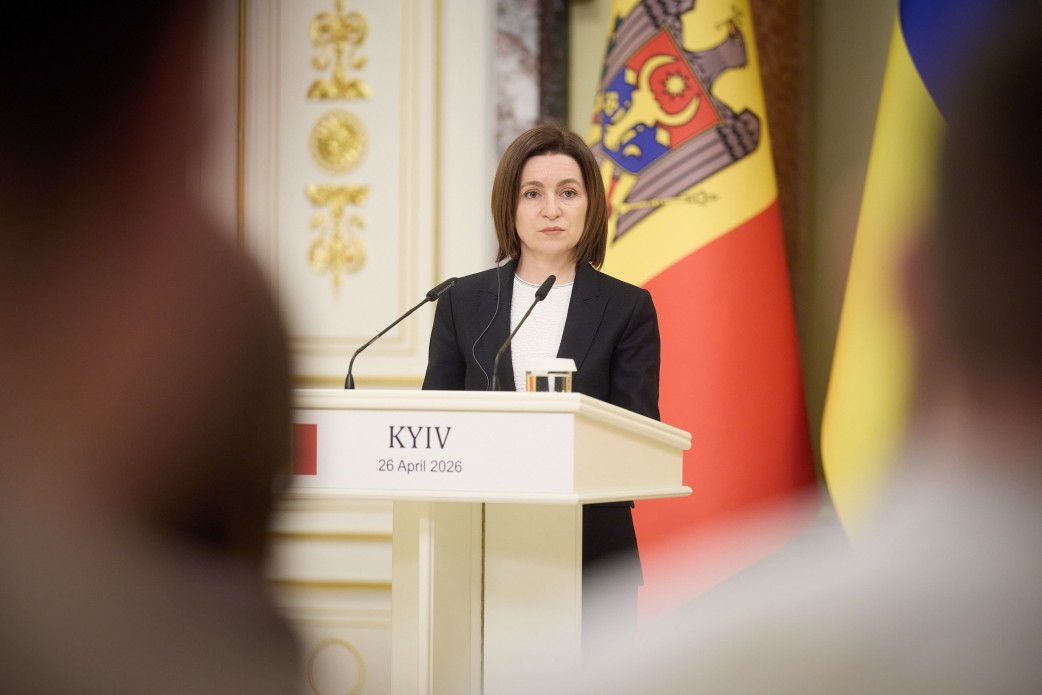
The Moldovan authorities initially said that five drones had crossed the country’s airspace before Nosatîi clarified that the five incidents involved three missiles and two drones. President Maia Sandu said the missiles were Banderol-type missiles, according to NewsMaker.

Nosatîi said the incidents had been documented and that evidence recovered at the sites could be presented to Russia’s ambassador.

Moldova’s Foreign Ministry said Russia’s war against Ukraine continues to create concrete threats for the country and condemned the violation of its airspace.

moldova counted 39 russian drone incursions eight months against 17 all 2025 · post maia sandu chairs meeting moldova's national security council 21 2026 sandu/facebook ukraine news ukrainian reports
Explore further

Moldova counted 39 Russian drone incursions in eight months, against 17 in all of 2025

According to NewsMaker, fragments were found outside Căușeni, near Dubovca in Hîncești District, between Delacău and Puhăceni in Anenii Noi District, and near Crocmaz in Ștefan Vodă District.

Near Crocmaz, an explosion in a vineyard field caused a vegetation fire and damaged windows at a nearby agricultural facility. Fragments were also found near Constantinovca in Căușeni District, where an explosion caused another vegetation fire.

Map of Russian attacks on Moldova, 3 October 2026. Map from social media

Moldova’s Defense Ministry later reported a sixth unauthorized flight over the country that did not result in an explosion. The object entered Moldovan airspace at 8:04 a.m. from the direction of Udobne, Ukraine, and exited a minute later toward Biliaivka, Ukraine. 

Fragments of Russian drones or missiles that struck Moldovan territory on 3 October 2026. Photo: Moldovan Police via Newsmaker

Moldova seeks stronger air defenses

Asked why the weapons were not intercepted, Nosatîi said Moldova was taking measures to strengthen its air-defense capabilities and acquire interception systems.

He said the drones are sophisticated and fast, adding that Moldova, like Ukraine, is learning how to defend against them. He also said Moldova needs additional resources to protect its 1,212-kilometer border with Ukraine and monitor its airspace.

romania's jets shoot down bulgaria's navy blows up moldova only now funding air defense russia hits ukraine · post moldovan president maia sandu kyiv anniversary chernobyl nuclear disaster 26 2026
Explore further

Moldova is investing in air defense against the Russian drones crossing from Ukraine—Romania shoots down the ones that reach it

Moldovan authorities urged residents not to approach or touch any fragments they find, but to mark the location and notify police or the military so the area can be secured and the debris neutralized.

Russia repeatedly attacks bridge connecting Kyiv’s two sides across the Dnipro river, disrupting transport across the capital

2 octobre 2026 à 10:34

Damage to Kyiv's Southern Bridge connecting the left and right banks of the city following several Russian drone strikes on 1-2 October, 2026. Photo: Ukraine's State Emergency Service

Russian forces have repeatedly struck Kyiv’s Southern Bridge with drones since 1 October, disrupting one of the capital’s main routes between the left and right banks of the Dnipro.

The strikes are part of a broader intensification of Russian drone attacks on the capital. In recent weeks, Russia has begun launching daily attacks involving jet-powered Geran drones, increasingly disrupting everyday life in Kyiv.

The Southern Bridge is an important road and rail crossing over the Dnipro. It carries road traffic between Kyiv's left and right banks and also forms part of the city's metro network.

The bridge was fully closed to traffic following the latest attacks, while restrictions were also introduced on the Metro and Paton bridges, according to Suspilne. Public transport has been diverted to alternative routes, while the disruptions have caused major traffic congestion across Kyiv.

Update 17:50: Kyiv Mayor Vitali Klitschko said Russian forces have struck the Southern Bridge again on the evening of 2 October. The bridge remains closed to road traffic and metro services following several previous attacks. Emergency services are heading to the site.

Bridge targeted repeatedly

The Southern Bridge came under attack multiple times on 1 October and was targeted again during the overnight attack into 2 October.

Ukrainian President Volodymyr Zelenskyy said Russian forces struck the bridge several times with drones during the night. He said the attacks were part of a larger Russian barrage involving more than 100 attack drones, nearly 50 of them jet-powered Gerans.

The bridge has not been destroyed, but the repeated strikes have forced authorities to limit its use and reorganize traffic across the Dnipro.

Ukrainian analyst Andrii Kovalenko said the Southern Bridge is difficult to destroy with the weapons Russia is using. However, he said such strikes can damage the bridge enough to disrupt its normal operation, while the resulting disruption can also be used to spread panic.

Russia’s repeated strikes on Kyiv’s Southern Bridge are now severely disrupting traffic across the capital.

Major roads are gridlocked, with some people reportedly walking across bridges as traffic comes to a standstill. Photos from Suspilne show the resulting congestion on… pic.twitter.com/7SyYG0WOCO

— Euromaidan Press (@EuromaidanPress) October 2, 2026

Zelenskyy: Russia is targeting bridges and critical infrastructure

Zelenskyy said Russia's intensified attacks are part of a broader effort to disrupt life in Ukrainian cities and damage infrastructure beyond individual military targets.

Citing Ukrainian intelligence and people he said are close to Russian President Vladimir Putin, Zelenskyy claimed Putin said in early September: “Now, there are no rules.” Zelenskyy said Russia had failed to occupy Ukraine and was therefore turning to mass attacks and killings.

“They want to destroy our bridges and, as we understand it, our data centers, internet, mobile networks, hospitals, kindergartens, schools, universities – everything,” Zelenskyy said.

He added that Russia wants to force Ukrainians to leave their cities. “They want people to flee their cities, and we need to do everything to save our people and our cities,” he said.

A key crossing for Kyiv disrupted

The bridge’s closure puts additional pressure on the capital's other bridges. On 2 October, traffic on the Metro Bridge was restricted to one lane toward the right bank, while traffic from the right bank toward the left was restricted on the Paton Bridge.

Several bus routes were diverted to other bridges. Kyiv authorities reported major traffic jams on the city's main roads as the restrictions disrupted normal movement between the two sides of the capital.

Metro service across the Southern Bridge also remains tied to an assessment of the structure. Kyiv Mayor Vitali Klitschko said on Friday the metro can resume crossing the bridge during yellow-level air alerts after experts provide an assessment confirming its condition.

Part of a wider campaign against Kyiv

The bridge strikes came alongside attacks on civilian areas of Kyiv. A Russian drone hit the upper floors of a 25-story residential building in the Darnytskyi district on 2 October, causing a fire on the 24th and 25th floors.

One person was killed and two were injured. The attack also damaged buildings and vehicles in the Holosiivskyi district.

A Russian drone struck a 25-story residential building in Kyiv’s Darnytskyi district this morning.

According to President Volodymyr Zelenskyy, Russia launched more than 100 attack drones at Ukraine overnight, including nearly 50 jet-powered drones.

In Kyiv, the strike caused a… pic.twitter.com/jiGjJeUgVf

— Euromaidan Press (@EuromaidanPress) October 2, 2026

The growing frequency of jet-powered Geran attacks is making the impact of Russian strikes increasingly visible beyond individual damage sites. Repeated attacks on infrastructure such as the Southern Bridge can disrupt transportation and daily routines across the capital even when the targeted structures are not destroyed.

Russia is now wiring its attack drones into one network in flight, so a single drone can scout, strike, and relay for the rest

30 septembre 2026 à 15:20

Geran-5 in the sights of a STING S interceptor drone.

Russia is wiring its long-range attack drones together by a mesh network in flight and buying pricier, higher-resolution cameras for them, Ukraine's Air Force reported on 29 September. Its spokesperson said one drone could serve as a scout, strike drone, and relay for the rest, which is why they often fly one behind another over long distances. Chains of them keep crossing near the Belarus border, UkrInform reports.

For Ukraine, the danger in each such upgrade is arithmetic: the more Russia networks cheap, once-disposable drones and pushes its control links away from the front, the harder they become to jam or shoot down, and the more of them reach the cities they are aimed at.

Sharper, pricier eyes

Ihnat said on a national broadcast that Russia is sourcing higher-quality materials and raising the resolution of its drone cameras. The cameras it buys are increasingly expensive and higher-quality, he said, which lets its operators study the ground in fine detail and use each drone for a specific purpose.

On a mesh network, he said, the drones talk to each other and hand the control signal back toward the operator, so no single link has to carry it alone.

Aftermath of a massive Russian ballistic missile attack in Kyiv's Lukianivka district, 19 July 2026. Photo: Suspilne
Explore further

Russia is mapping everyday targets across Kyiv, from trolleybus depots to Zhuliany airport, top monitoring channel says, ahead of next ballistic strike

Chains along the Belarus border

Asked about relays operating out of Belarus and about Russia's guidance of jet-powered Shaheds, the exploding drones it fires in swarms, Ihnat said Moscow had already claimed its satellite network was ready. He confirmed mesh networks are in use and said their use was quite dangerous. Ukraine has no information yet on whether Russia is using towers, he said.

It often sees drones crossing long distances in chains along the Ukrainian-Belarusian border, so nothing can be ruled out, but intelligence would have to confirm whether such relays exist. Asked whether Russia is preparing a fresh ballistic strike, he said intelligence would warn when extra vigilance is needed.

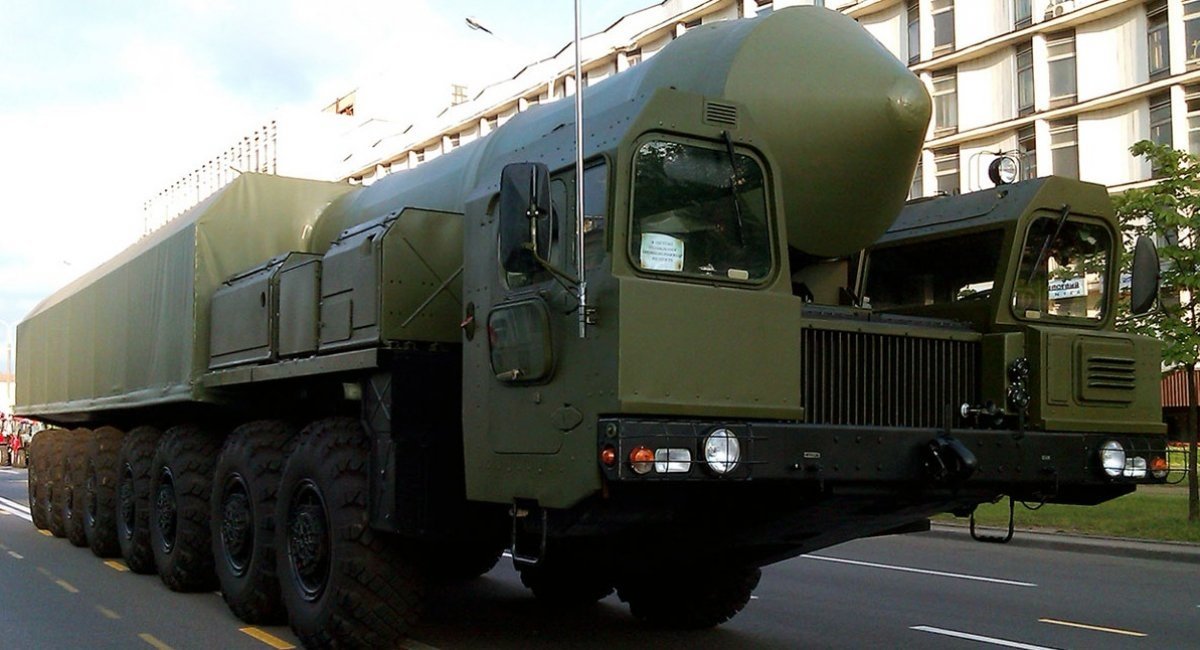
isw kremlin continues its nuclear threats while dangling economic carrots sway washington russia's rs-26 intercontinental ballistic missile rubezh oreshnik militarnyi appears focused reshaping ties through mix promises all refusing engage
Explore further

Russia deploys missile brigade to Belarus as fears grow over new threat to Kyiv

Ukraine's countermeasures

Ihnat has also said Russia launched more attack drones in September than in August, counting 3,177 jet-powered drones so far this month against 2,850 in August. To knock them down, Ukraine leans mainly on tactical aviation, including F-16 fighters, and on ground-based air defense when missiles are available, he said, with shoulder-fired man-portable air-defense systems (MANPADS) working well against jet drones inside their range. He said Ukraine needs more missiles for both Patriot systems and ground-based launchers, plus faster domestic solutions it can scale up.

❌