 Connexion
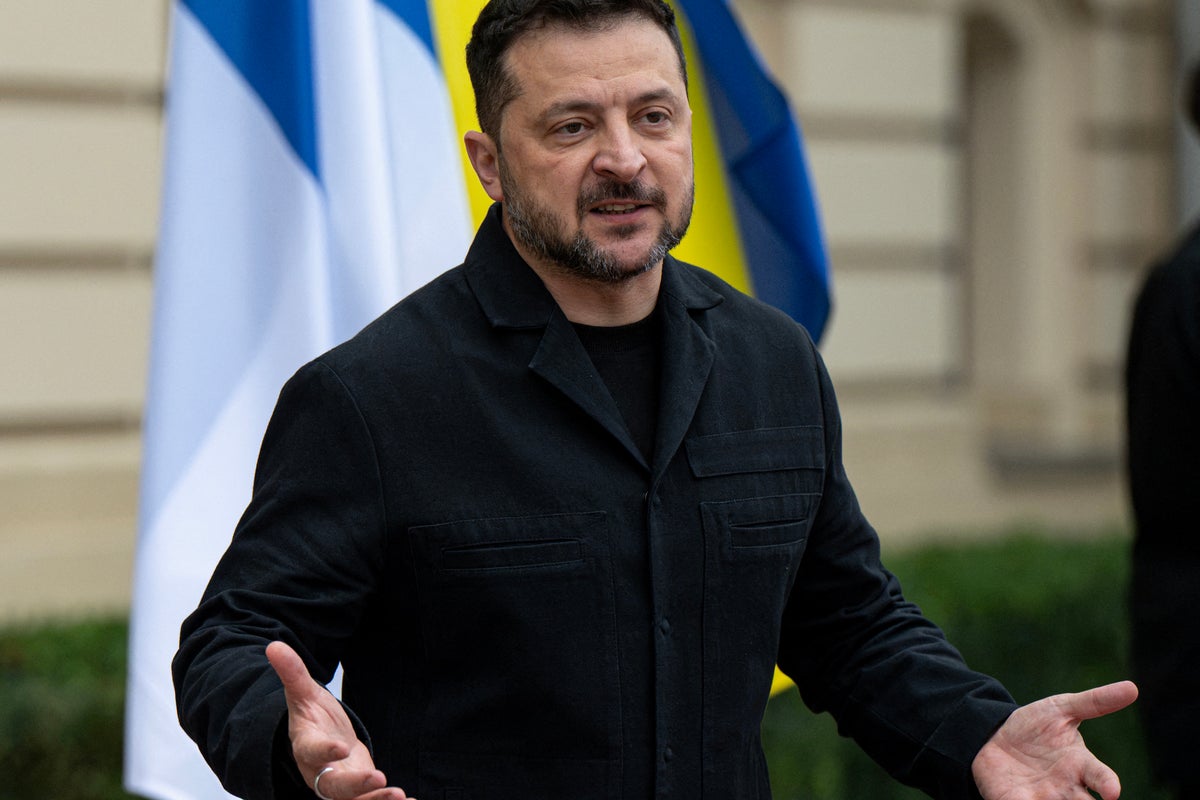
Europe furious after Finland and Norway break convention by speaking directly to Putin
28 octobre 2026 à 02:32
The move attracted criticism from the Danish prime minister, who urged Europe to ‘stick together’ on Ukraine
© AP

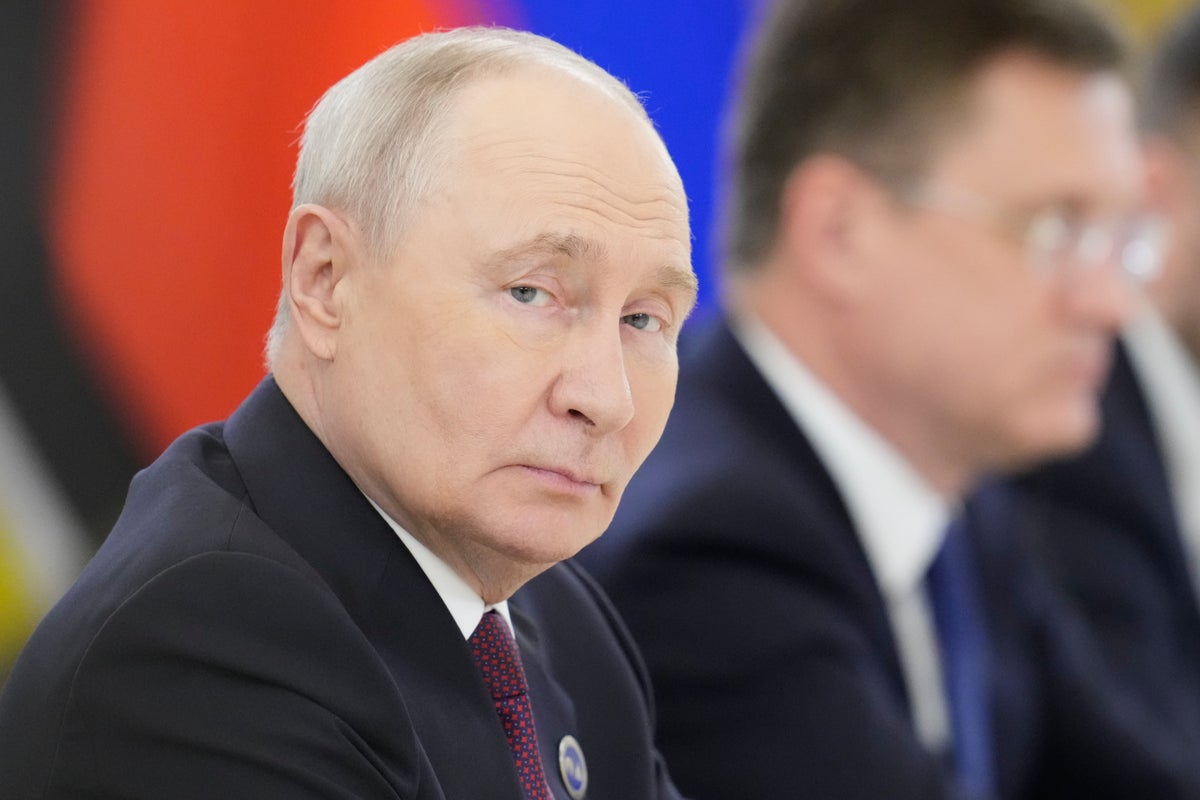

The move attracted criticism from the Danish prime minister, who urged Europe to ‘stick together’ on Ukraine
© AP
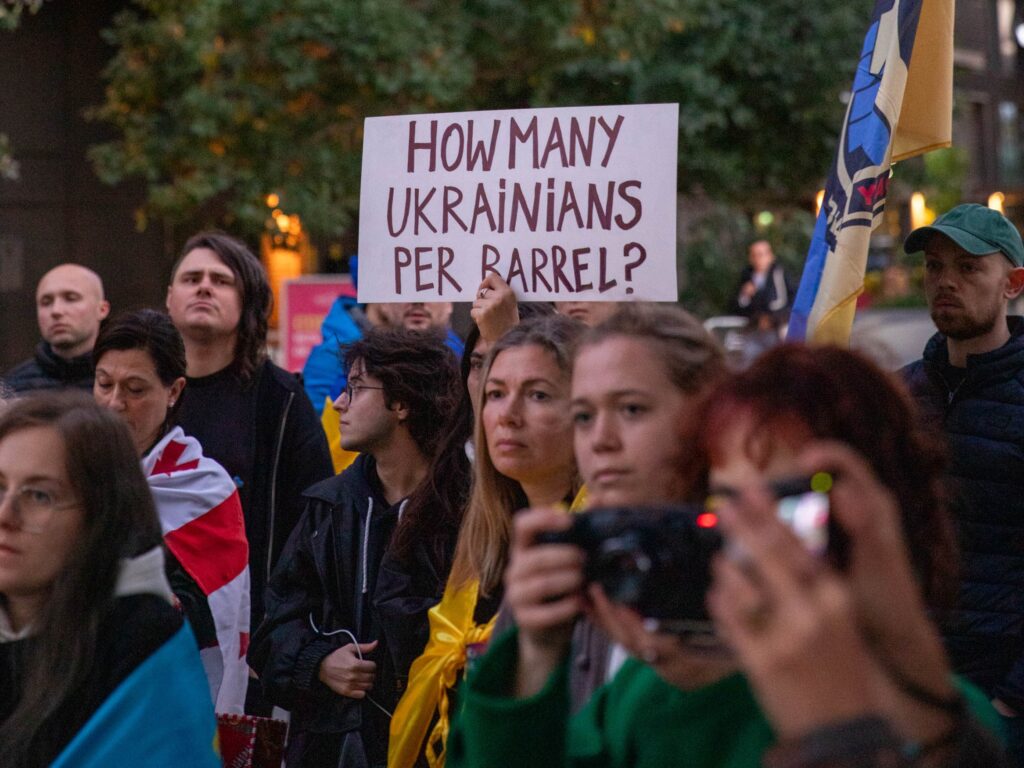
Pro-Ukraine demonstrations took place in more than 10 cities across Europe, North America, and Australia over the past week, with protesters opposing US President Donald Trump’s agreement to resume Russian diesel shipments, the easing of sanctions on Moscow, and restrictions affecting Ukraine’s military support.
The protests were organized by Ukrainian diaspora groups and international supporters of Ukraine, who called on Washington to maintain pressure on the Kremlin, restore Ukraine’s access to Starlink, and stop using military aid and intelligence sharing as leverage against Kyiv.
The International Center for Ukrainian Victory (ICUV) said the actions reflected growing concern over US decisions that could benefit Russia while its war against Ukraine continues.


The demonstrations followed Trump’s announcement on 9 October that Russia would supply diesel to US and global markets. The US Treasury’s Office of Foreign Assets Control subsequently issued a temporary license authorizing transactions involving Russian-origin diesel, including imports into the United States, through 7 April 2027.
The decision reversed part of Washington’s restrictions on Russian fuel imposed after Russia’s full-scale invasion of Ukraine in 2022.
“We are witnessing a dangerous situation today: Russia, which attacks Ukrainian cities every day, is being offered economic agreements and sanctions relief, while Ukraine is being asked to make concessions. But Ukrainians cannot simply stop fighting. For us, this is a matter of our state’s existence. Our future cannot be the subject of agreements between Trump and Putin. It belongs to Ukrainians,” said Olena Ivashchenko, founder of Campaign for Ukraine.


In London, hundreds of protesters gathered outside the US Embassy on 16 October, according to organizers from Campaign for Ukraine and partner groups. Participants included Ukrainians, Britons, Americans, and members of other national communities. British lawmakers also raised the issue in Parliament.
Demonstrators carried signs reading “How Many Ukrainians per Barrel?” and “Occupation Is Not Peace,” calling on Washington to preserve sanctions and reject pressure on Ukraine to make territorial concessions.


Protests also took place in Edinburgh, Chicago, Houston, Boston, San Diego, Prague, Rome, Stockholm, and Sydney. In Prague, two Ukrainian activists staged a protest outside the US Embassy on 21 October, pouring a red liquid resembling blood onto the road to symbolize the human cost of the policy.

Participants in several cities also condemned restrictions on Starlink, delays in ammunition supplies, and disruptions to intelligence sharing with Ukraine.
The diesel agreement has drawn criticism in Ukraine because Russian fuel exports generate revenue for Moscow while its forces continue attacking Ukrainian cities and infrastructure. A Russian diesel tanker carrying 40,000 metric tons of fuel departed Russia’s Baltic port of Primorsk on 22 October bound for New York, according to shipping data reported by Reuters. It was expected to arrive on 7 November.
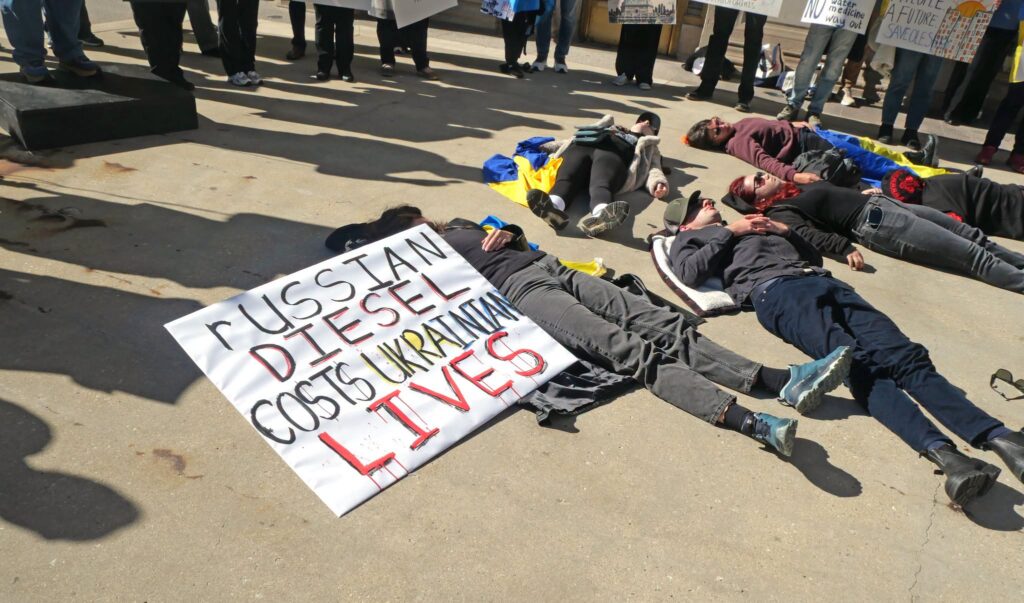

Protest organizers argued that restoring Russian fuel sales and relaxing sanctions risk helping Moscow finance its war. They also opposed any US effort to secure concessions from Kyiv without requiring Russia to end its aggression.
The demonstrations reflect concerns among Ukraine’s international supporters that Washington’s pursuit of economic agreements with Moscow could undermine efforts to isolate Russia and strengthen Kyiv’s position.
Trump has defended the diesel arrangement as a way to increase fuel supplies and lower prices. His administration has also presented engagement with Moscow as part of its broader effort to end the war, while critics question whether easing economic pressure will produce meaningful concessions from the Kremlin.


© Pool photo by Maxim Shipenkov

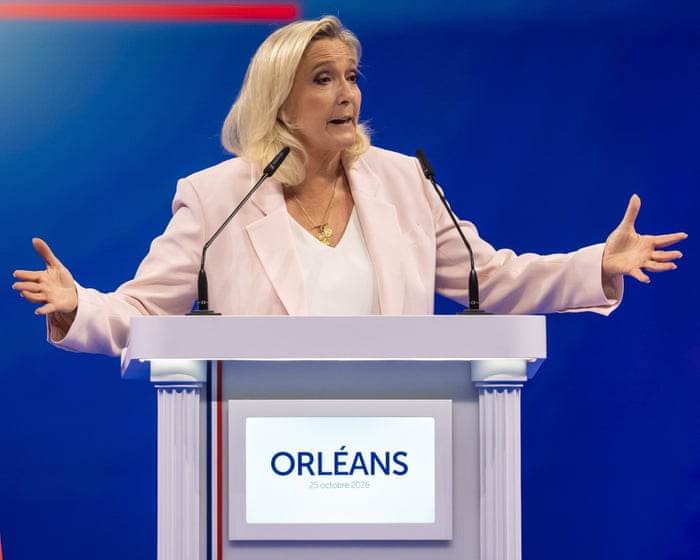
If ever enacted, proposals by Marine Le Pen and the AfD leader, Alice Weidel, to hollow out EU institutions would be a continental act of self-harm
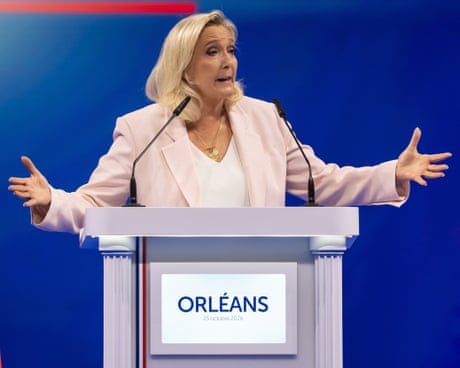
Following the Brexit referendum in 2016, Marine Le Pen was in a predictably celebratory mood. Britain’s vote to leave the European Union, she told one interviewer, was the first breach in the “Brussels Wall”. Ms Le Pen’s Front National party was at that point committed to taking France down the same path, given the chance. But as the UK’s self-inflicted economic wounds became a cautionary tale for the rest of Europe, the notion of Frexit was put on ice.
Instead, Ms Le Pen now hopes to lead far-right allies in hollowing out the EU from within. This month, both she and the leader of Alternative für Deutschland, Alice Weidel, outlined their visions of a “Europe of nations” in which EU institutions would be stripped of both cash and power. Ms Weidel’s “new deal for Europe” would abolish elections to the European parliament, and seek German opt-outs in areas such as migration, defence and common borrowing. Ms Le Pen’s party, now called National Rally, proposes slashing French contributions to the EU budget by 60% over a five-year presidential term, and ending the role of Brussels in proposing common policies for the 27 member states.
Do you have an opinion on the issues raised in this article? If you would like to submit a response of up to 300 words by email to be considered for publication in our letters section, please click here.
Continue reading...
© Photograph: Christophe Petit-Tesson/EPA
© Photograph: Christophe Petit-Tesson/EPA
© Photograph: Christophe Petit-Tesson/EPA


© Marko Djurica/Reuters


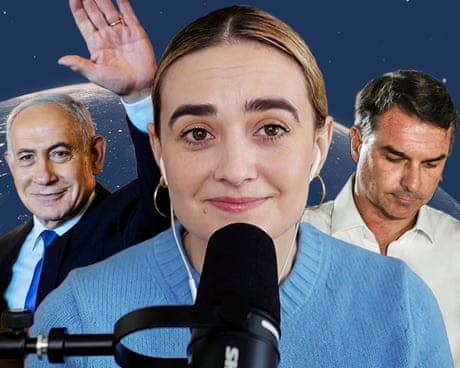
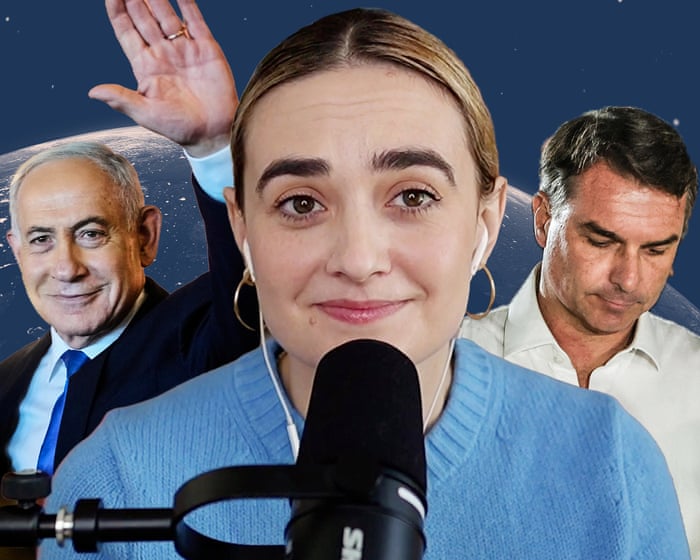
Benjamin Netanyahu is in the fight of his political life. Voters in Israel are heading to the polls on Tuesday to decide an election that could determine whether Netanyahu will remain the country's prime minister (and affect the outcome of the corruption charges against him). But the Israeli election also arrives at a time when voters around the world seem to be rejecting authoritarianism. A student-run movement stunned the world on Sunday when its candidates routed Serbia's long-serving leader, Aleksandar Vučić. That same day, Brazilians beat back a campaign by Flávio Bolsonaro – the son of Jair Bolsonaro, the disgraced former president – in a historic upset. Carter Sherman speaks to Julian Borger, the Guardian’s senior international correspondent, about how these four elections could reshape the political world order in just 10 days, and why the upcoming US midterm elections are the biggest test for global democracy.
Julian Borger on 10 days that could shake the world
© Photograph: Grid
© Photograph: Grid
© Photograph: Grid
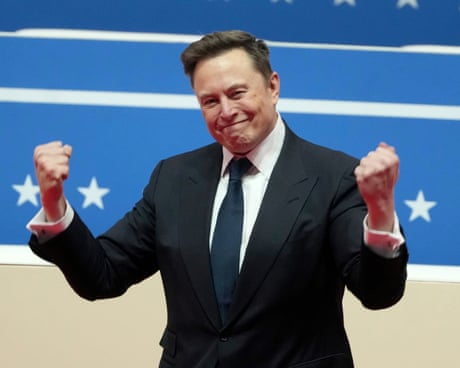
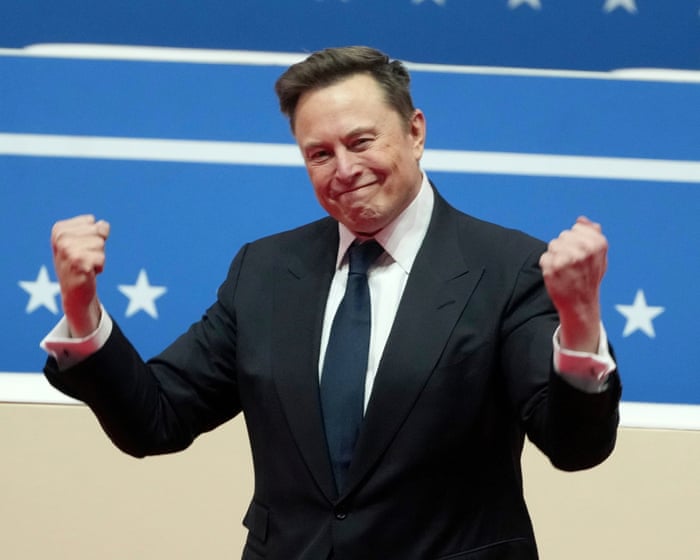
No private individual should have the power to determine US foreign policy, as Musk has attempted to do in Ukraine
He’s Exhibit A on why billionaire wealth should be taxed, why we must get big money out of politics, why billionaires shouldn’t be allowed to buy up major media, and why our government shouldn’t give them huge military contracts.
I’m talking about Elon Musk, of course.
Continue reading...
© Photograph: Matt Rourke/AP
© Photograph: Matt Rourke/AP
© Photograph: Matt Rourke/AP
Finnish president defends calling Putin, saying ‘ending the war requires direct discussions’
© AFP/Getty
