Connexion

Oleshky ceasefire expands beyond occupied town as truce holds without reported violations
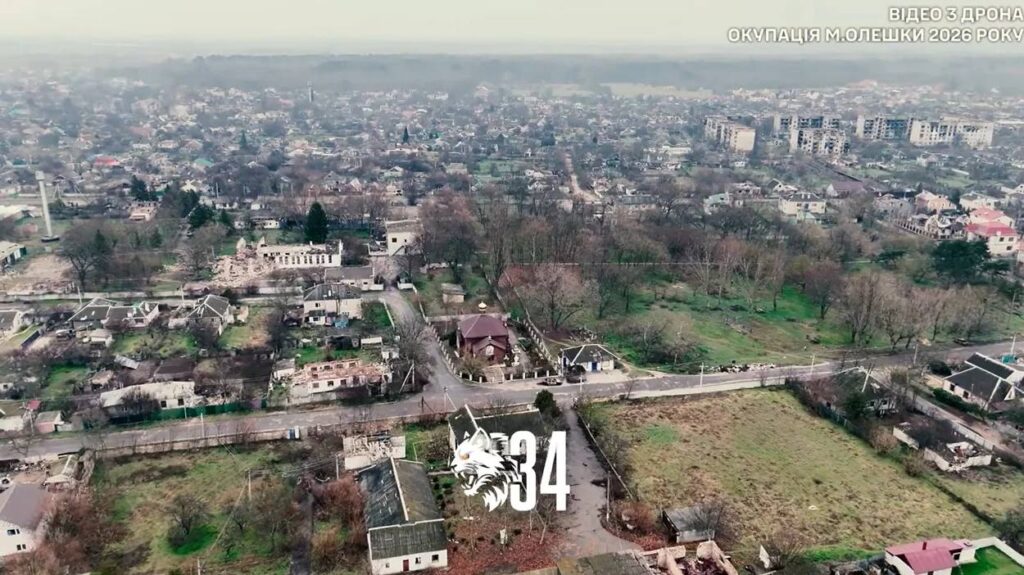
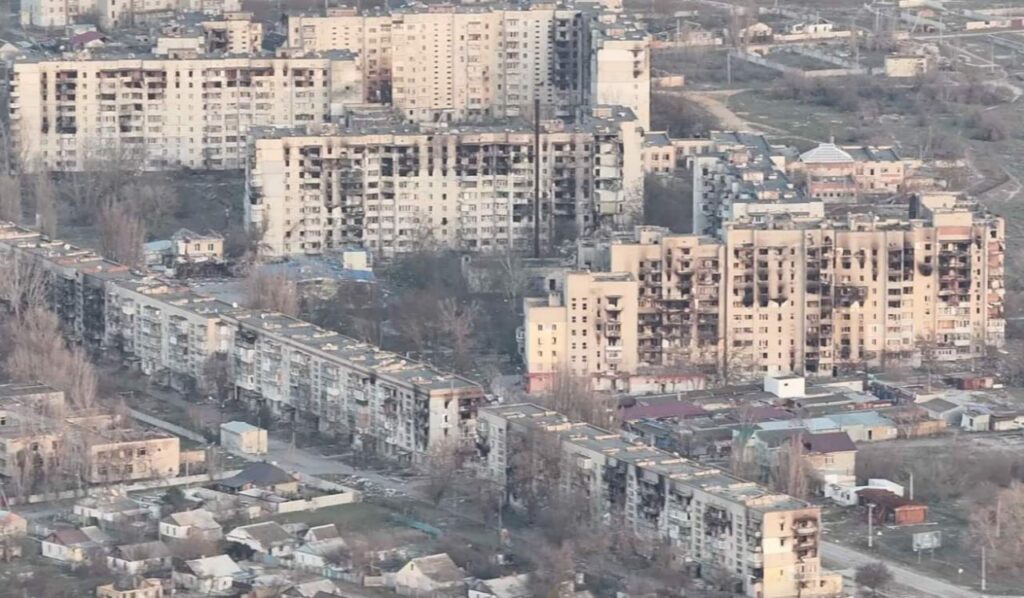
The ceasefire around Russian-occupied Oleshky in Kherson Oblast has expanded beyond the town to provide safe passage for humanitarian convoys, US First Lady Melania Trump said on 27 October. The expansion is intended to facilitate aid deliveries to civilians trapped under Russian occupation.
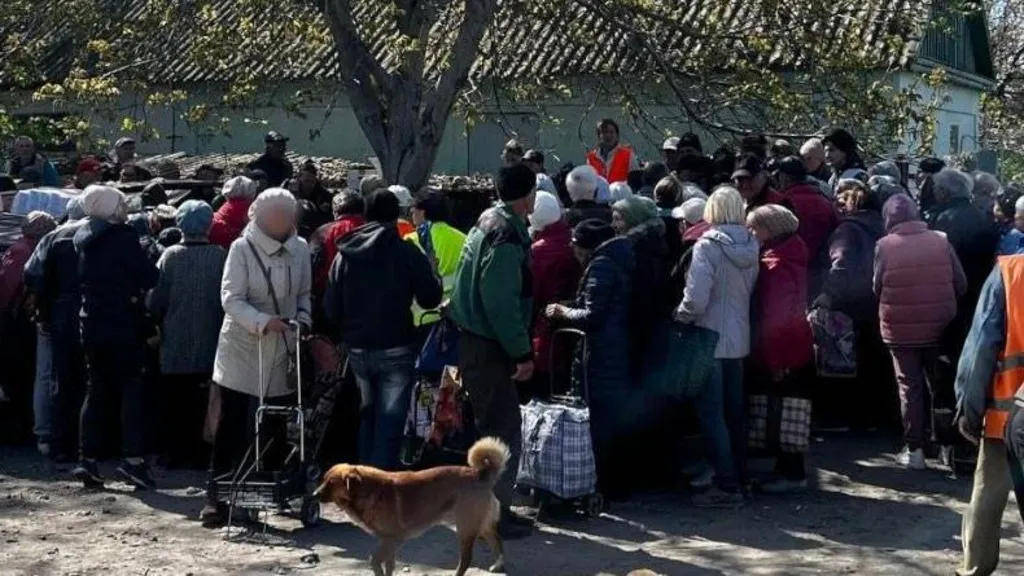
Ukraine and Russia are observing a localized ceasefire to enable a humanitarian mission to reach Oleshky, where residents have faced months of shortages of food, medicine, and medical care under Russian occupation.
Trump said the ceasefire took effect at 04:00 Moscow time on 27 October, two days ahead of the original schedule, to protect civilians and facilitate the delivery of critical humanitarian aid. Russia’s chief of General Staff, Valery Gerasimov, had confirmed the arrangement, she said.
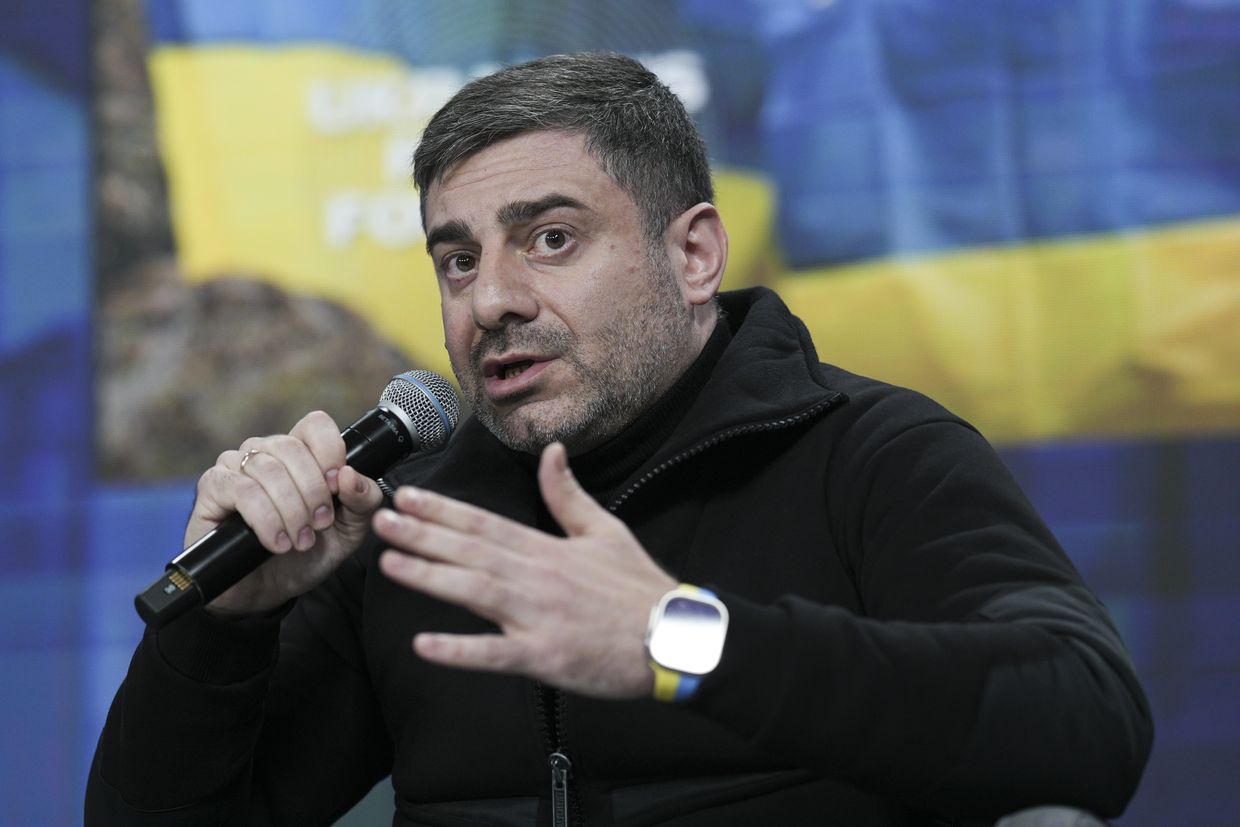
Ukraine’s human rights ombudsman Dmytro Lubinets said no ceasefire violations had been recorded by 19:49 Kyiv time on 27 October, and Russian forces had made no attempts to advance. He added that he remained in constant contact with his Russian counterpart, Yana Lantratova.
THE CEASEFIRE HAS COMMENCED
— First Lady Melania Trump (@FLOTUS) October 27, 2026
The ceasefire between Ukraine and Russia took effect at 4:00am Moscow time on October 27, 2026.
Timing was accelerated two days ahead of schedule to protect the safety of civilians and to facilitate the delivery of critical humanitarian aid. The…
Road to Oleshky must be cleared before aid can arrive
Lubinets said the ceasefire began at 03:00 Kyiv time and would remain in effect until 22:59 Kyiv time on 1 November. He reported no violations since it began and said Russian forces had made no attempts to advance.
The next steps are to clear mines from the road to Oleshky and deliver humanitarian supplies. Representatives of Ukraine, Russia, and the United States will be present once the route is cleared and the aid arrives, Lubinets said in an interview with Ukrainian broadcaster 1+1.
He added that everyone who wants to leave for Ukrainian-controlled territory would be able to do so and that assistance would be provided to everyone who needs it.
The Financial Times earlier reported, citing sources familiar with the negotiations, that residents who agree to leave Russian-occupied Oleshky during the ceasefire would first be transported to occupied Crimea or Russia before being allowed to return to Ukrainian-controlled territory.
Humanitarian mission follows months of efforts
Oleshky has been under Russian occupation since 2022. The town has been cut off for months, with shortages of food, medicine, and medical care worsening.
The White House announced on 23 October that Melania Trump had secured a localized ceasefire originally scheduled to begin on 29 October. Russia subsequently announced a ceasefire on the Kherson axis from 27 October, with preparations to secure a route for a humanitarian convoy.
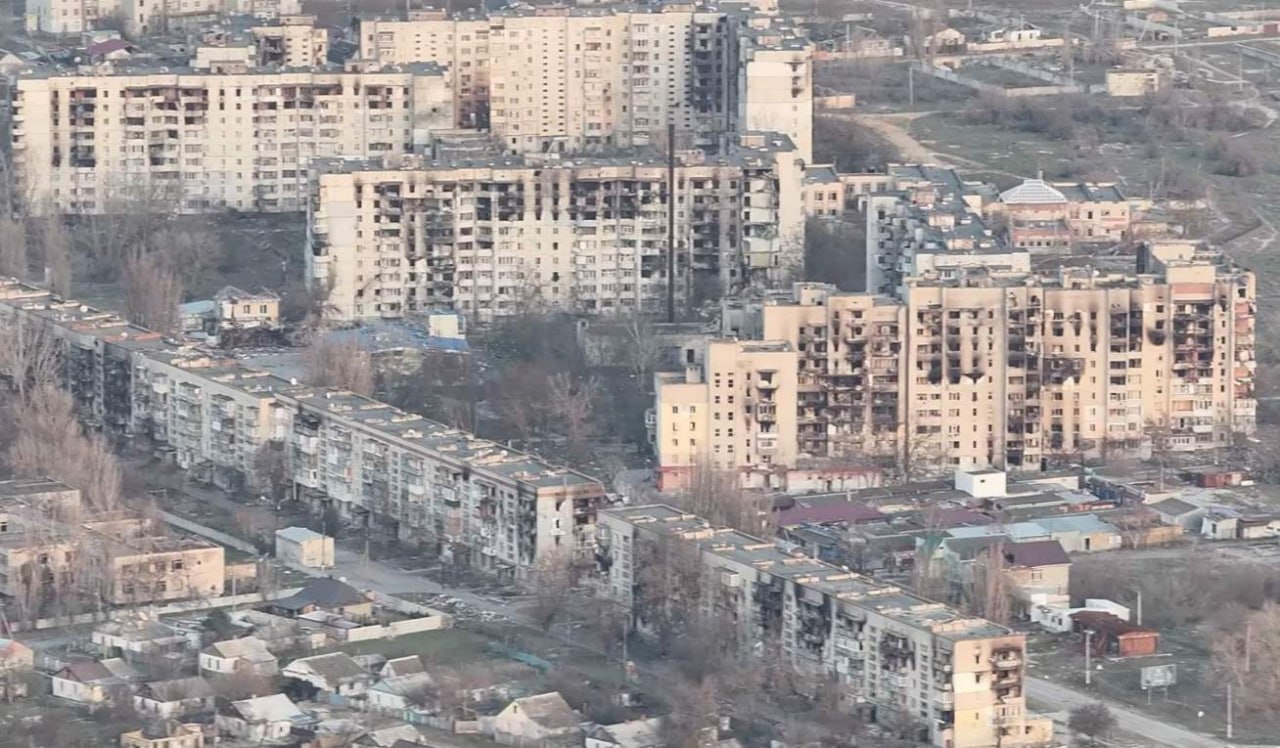
Ceasefire planned for occupied Oleshky as residents face starvation and blocked escape routes, White House announces
Lubinets said efforts to address the humanitarian crisis in Oleshky began in late February 2026, but progress accelerated in September following Melania Trump’s involvement.
The expanded ceasefire area is intended to facilitate the humanitarian operation, but the route must still be cleared and supplies delivered before the mission can reach residents. The new boundaries of the ceasefire area have not been specified publicly.
Read also
-
Russia replaces Ukrainians with Russian settlers in occupied Kherson Oblast; only 10–20% of pre-war population remains, Ukraine says
-
Finland and Norway leaders make rare direct call to Putin, breaking with the West’s diplomatic isolation of the Russian leader to influence Ukraine peace talks
-
Ukraine intercepts nearly 60% of Russia’s Geran-4 jet drones, General Staff says, as Kyiv races to counter evolving threat