John was first player to undergo pioneering operationNew York Yankees pay tribute to four-time All-StarTommy John, the namesake of a ligament-replacement surgery that paved a path to recovery for injured baseball players, has died. He was 83.TMZ.com reported that the pitcher died at his home in Florida, surrounded by his family, including his wife, Cheryl. John had recently been in hospice care. Continue reading...
John was first player to undergo pioneering operation
New York Yankees pay tribute to four-time All-Star
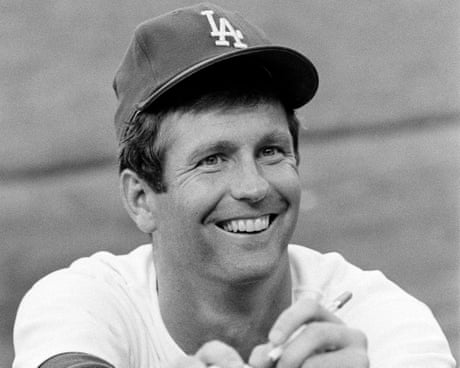
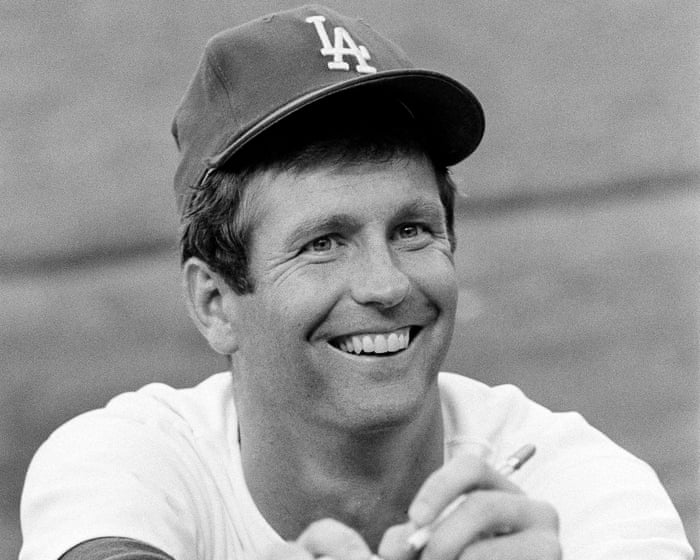
Tommy John, the namesake of a ligament-replacement surgery that paved a path to recovery for injured baseball players, has died. He was 83.
TMZ.com reported that the pitcher died at his home in Florida, surrounded by his family, including his wife, Cheryl. John had recently been in hospice care.
Four horses with little record of success suddenly won in the US. A seemingly coordinated betting operation across London did too – and now racing authorities want answersTo understand why horse racing on both sides of the pond has been gripped by the Fair Hill Five over the past week, start with a basic principle of betting: when two unlikely horses win in back-to-back races, a wager correctly picking both should pay off handsomely. Last Sunday at New Jersey’s Monmouth Park, it did not.The sequ
Four horses with little record of success suddenly won in the US. A seemingly coordinated betting operation across London did too – and now racing authorities want answers
To understand why horse racing on both sides of the pond has been gripped by the Fair Hill Five over the past week, start with a basic principle of betting: when two unlikely horses win in back-to-back races, a wager correctly picking both should pay off handsomely. Last Sunday at New Jersey’s Monmouth Park, it did not.
The sequence began with The Great Amira, a 17-1 longshot who went from finishing last in her previous two starts to winning wire to wire by nine and a half lengths. Her little-known trainer then won the very next race with Tepeyac, who went off at about 4-1, and the meager Daily Double payout for picking both outsiders suggested the exact combination had been unusually well backed. Later that afternoon, two more longshot winners emerged at Saratoga. They were among five runners with recent workouts at Maryland’s Fair Hill Training Center, the common link behind the name Fair Hill Five.
American stops Sydneysider at 1:38 of sixth roundShields claims WBA and WBC belts after 38lb cutLauren Price identified as preferred next opponentClaressa Shields completed a remarkable journey from heavyweight to middleweight on Sunday, stopping Australia’s Kaye Scott in the sixth round to capture the WBA and WBC titles.The five-division world champion and double Olympic gold medalist dominated her outclassed opponent from the opening bell at State Farm Arena in Atlanta before dropping Scott in
Lauren Price identified as preferred next opponent
Claressa Shields completed a remarkable journey from heavyweight to middleweight on Sunday, stopping Australia’s Kaye Scott in the sixth round to capture the WBA and WBC titles.
The five-division world champion and double Olympic gold medalist dominated her outclassed opponent from the opening bell at State Farm Arena in Atlanta before dropping Scott in the sixth and overwhelming her against the ropes after the action resumed. With Scott unable to defend herself from another sustained barrage, the 42-year-old champion’s corner threw in the towel.
American clocks 23.19sec to win final at Pan PacsDouglass had first broken record with 23.49sec in heatsKate Douglass lowered her own world record in the women’s 50m freestyle for the second time in one day, winning the Pan Pacific Championships final in 23.19sec.In the morning preliminaries, the 24-year-old American swam 23.49 to take the mark away from teammate Gretchen Walsh, who finished second in the evening final in 23.74. Australia’s reigning world champion Meg Harris was third in 23.89.
Douglass had first broken record with 23.49sec in heats
Kate Douglass lowered her own world record in the women’s 50m freestyle for the second time in one day, winning the Pan Pacific Championships final in 23.19sec.
In the morning preliminaries, the 24-year-old American swam 23.49 to take the mark away from teammate Gretchen Walsh, who finished second in the evening final in 23.74. Australia’s reigning world champion Meg Harris was third in 23.89.
23-year-old hits home run on first pitch in majorsBáez drives in five during 8-4 victory over CubsRookie was called up from Triple-A earlier in dayJoshua Báez became the first player to hit three home runs in his first three at-bats in the major leagues, leading the St Louis Cardinals to an 8-4 victory over the Chicago Cubs on Saturday.The 23-year-old left fielder, called up from Triple-A Memphis earlier in the day, hit the first pitch he saw into the Wrigley Field bleachers, then homered in his
23-year-old hits home run on first pitch in majors
Báez drives in five during 8-4 victory over Cubs
Rookie was called up from Triple-A earlier in day
Joshua Báez became the first player to hit three home runs in his first three at-bats in the major leagues, leading the St Louis Cardinals to an 8-4 victory over the Chicago Cubs on Saturday.
The 23-year-old left fielder, called up from Triple-A Memphis earlier in the day, hit the first pitch he saw into the Wrigley Field bleachers, then homered in his next two at-bats. He also drove in five runs.
“I’ve been working air traffic for 25 years — I’ve never seen two aircraft pretty much emerge with the same call sign,” the controller who discovered the overlap said.
Puerto Rican suffered brain bleed in only defeatWBC blamed illegal blows to back of the headColón had won his first 16 professional fightsThe boxing world was in mourning Friday following the death of Puerto Rican fighter Prichard Colón at the age of 33, 11 years after he sustained brain damage in the only defeat of his professional career.Colón’s death was confirmed in statements by the World Boxing Council and the World Boxing Organization late Thursday. Continue reading...
The boxing world was in mourning Friday following the death of Puerto Rican fighter Prichard Colón at the age of 33, 11 years after he sustained brain damage in the only defeat of his professional career.
Colón’s death was confirmed in statements by the World Boxing Council and the World Boxing Organization late Thursday.
As ESPN cuts expert voices and rewards viral argument, fans who want to understand basketball are building a smarter conversation elsewhereAfter the Phoenix Suns dumped the Golden State Warriors out of last season’s play-in, Stephen A Smith settled behind the First Take desk to explain why Steve Kerr might have coached his last game. Midway through the burial, he claimed the Warriors hadn’t “been to the playoffs since that championship in 2022” – a four-year drought in his telling – before grumb
As ESPN cuts expert voices and rewards viral argument, fans who want to understand basketball are building a smarter conversation elsewhere
After the Phoenix Suns dumped the Golden State Warriors out of last season’s play-in, Stephen A Smith settled behind the First Take desk to explain why Steve Kerr might have coached his last game. Midway through the burial, he claimed the Warriors hadn’t “been to the playoffs since that championship in 2022” – a four-year drought in his telling – before grumbling that Golden State could pay someone far less than $17m a year to miss the postseason.
Cool. Except the drought never happened. Golden State reached the conference semi-finals in 2023 and again in 2025. ESPN anchor Shae Cornette, who had command of the basic facts, tried to smuggle that inconvenient reality into the discussion. It went nowhere. Apparently, nobody on an ESPN set is permitted to correct the franchise “star”. Only weeks earlier, Smith had been inducted into the National Black College Alumni Hall of Fame for his work in media.
The 1996 US women’s Olympic team enter the Hall of Fame on Saturday after giving momentum to the WNBA and re-launching an era of American dominanceFor the US women’s basketball team, the 1996 Olympics weren’t just about winning gold in front of their home crowd.It was about the future of women’s basketball in America. The US women were knocked out of the 1992 Olympics in the semi-finals by the Commonwealth of Independent States – a stunning and embarrassing defeat. Heading into the 1996 Games, w
The 1996 US women’s Olympic team enter the Hall of Fame on Saturday after giving momentum to the WNBA and re-launching an era of American dominance
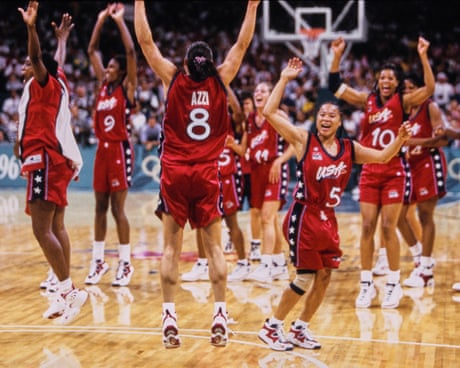
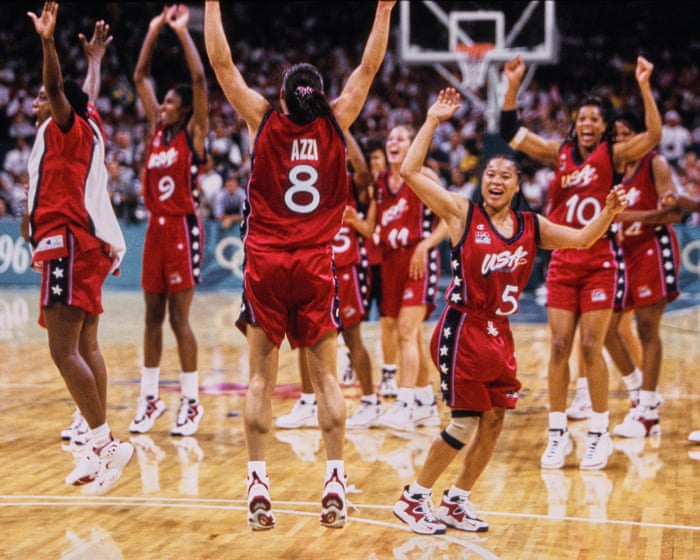
For the US women’s basketball team, the 1996 Olympics weren’t just about winning gold in front of their home crowd.
It was about the future of women’s basketball in America. The US women were knocked out of the 1992 Olympics in the semi-finals by the Commonwealth of Independent States – a stunning and embarrassing defeat. Heading into the 1996 Games, which were held in Atlanta, turning around the program was a top priority not just for USA Basketball, but the NBA as well, which was looking to start a women’s league that would become the WNBA.
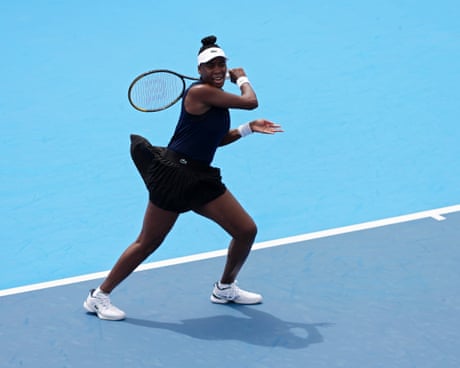
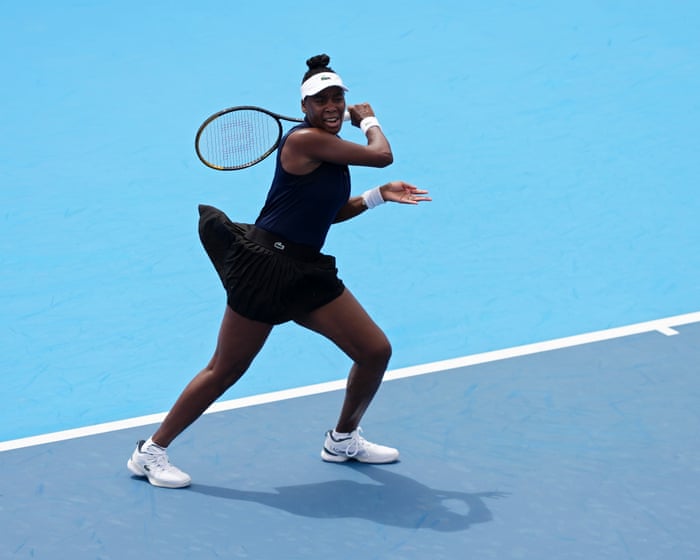
Seven-time major champion beaten 6-2, 6-2Williams, 46, loses 11th match of the seasonTsitsipas advances as Dimitrov squanders leadColombian Emilia Arango handed Venus Williams a 14th straight loss dating to July of last year, defeating the fading seven-time grand slam champion who is currently ranked 615th in 66 minutes by 6-2, 6-2 at the ATP-WTA Cincinnati Masters.The 46-year-old Williams was given a wild card entry at an event where she reached a semi-final a dozen years ago. She has played an
Colombian Emilia Arango handed Venus Williams a 14th straight loss dating to July of last year, defeating the fading seven-time grand slam champion who is currently ranked 615th in 66 minutes by 6-2, 6-2 at the ATP-WTA Cincinnati Masters.
The 46-year-old Williams was given a wild card entry at an event where she reached a semi-final a dozen years ago. She has played and lost 11 times this season while competing on organizer free entries.
The Italian military police said that art collectively valued at more than $10 million had been found five months after being taken in a nighttime heist near Parma.
The Italian military police said that art collectively valued at more than $10 million had been found five months after being taken in a nighttime heist near Parma.
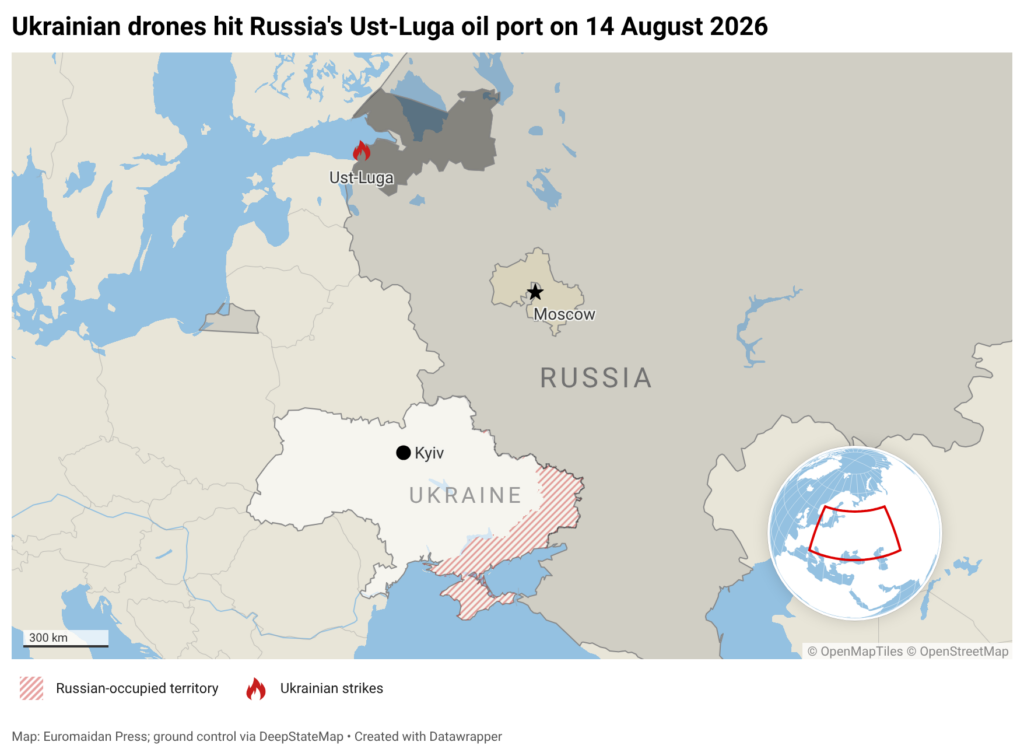
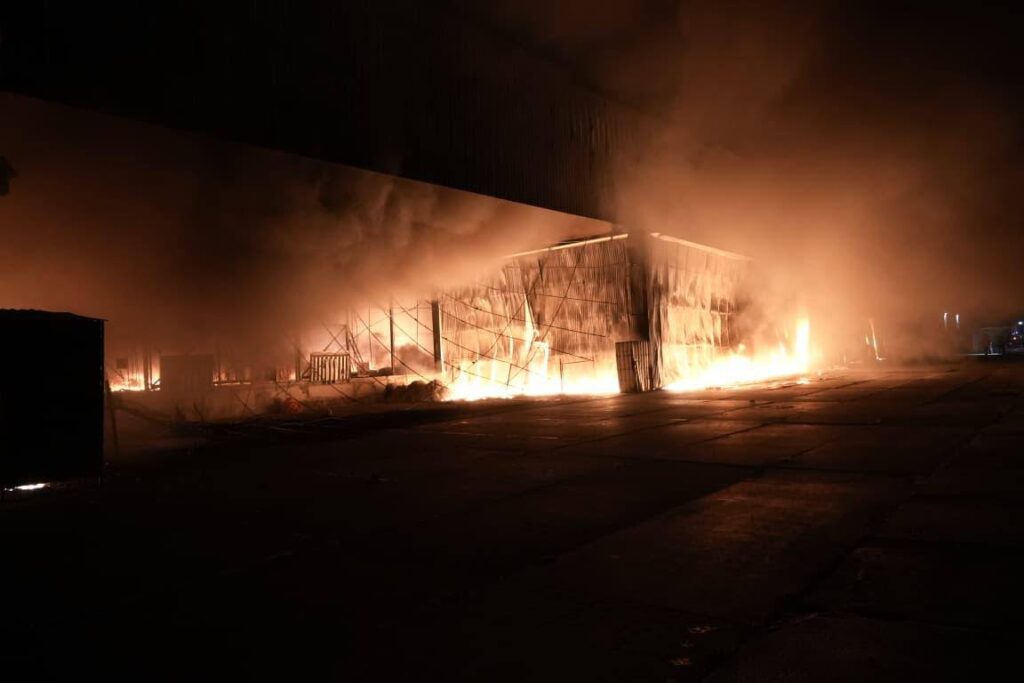
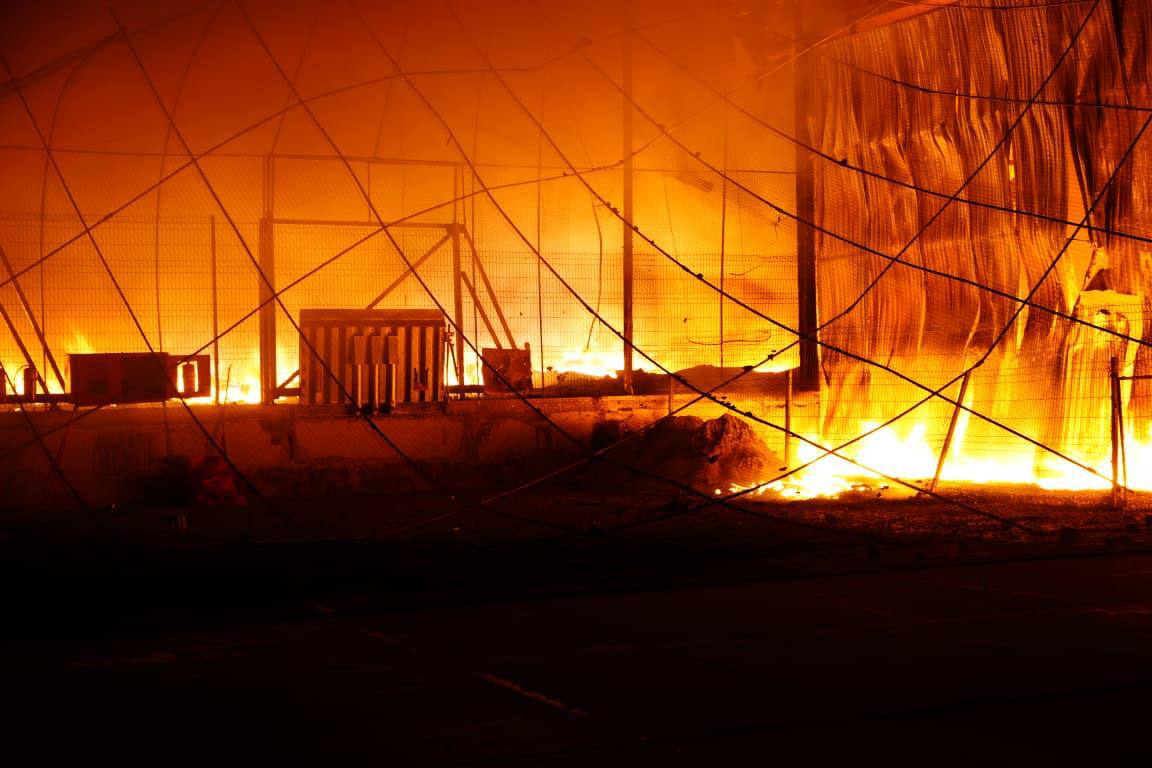
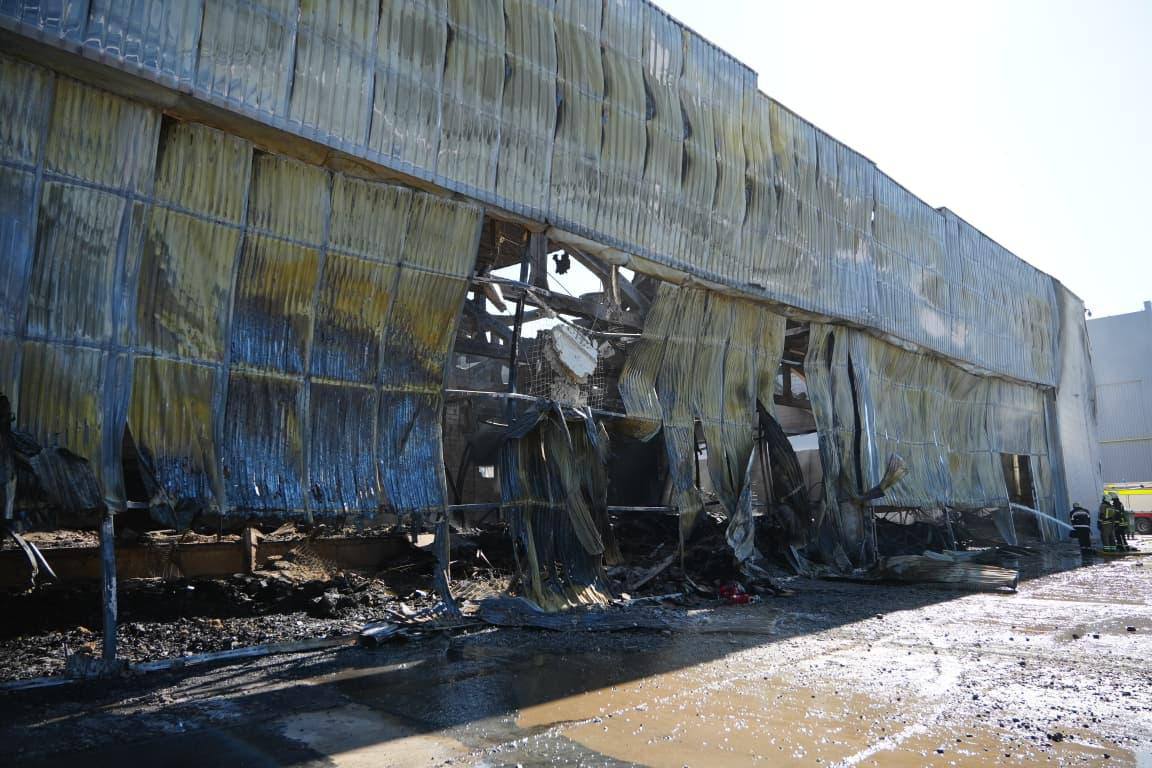
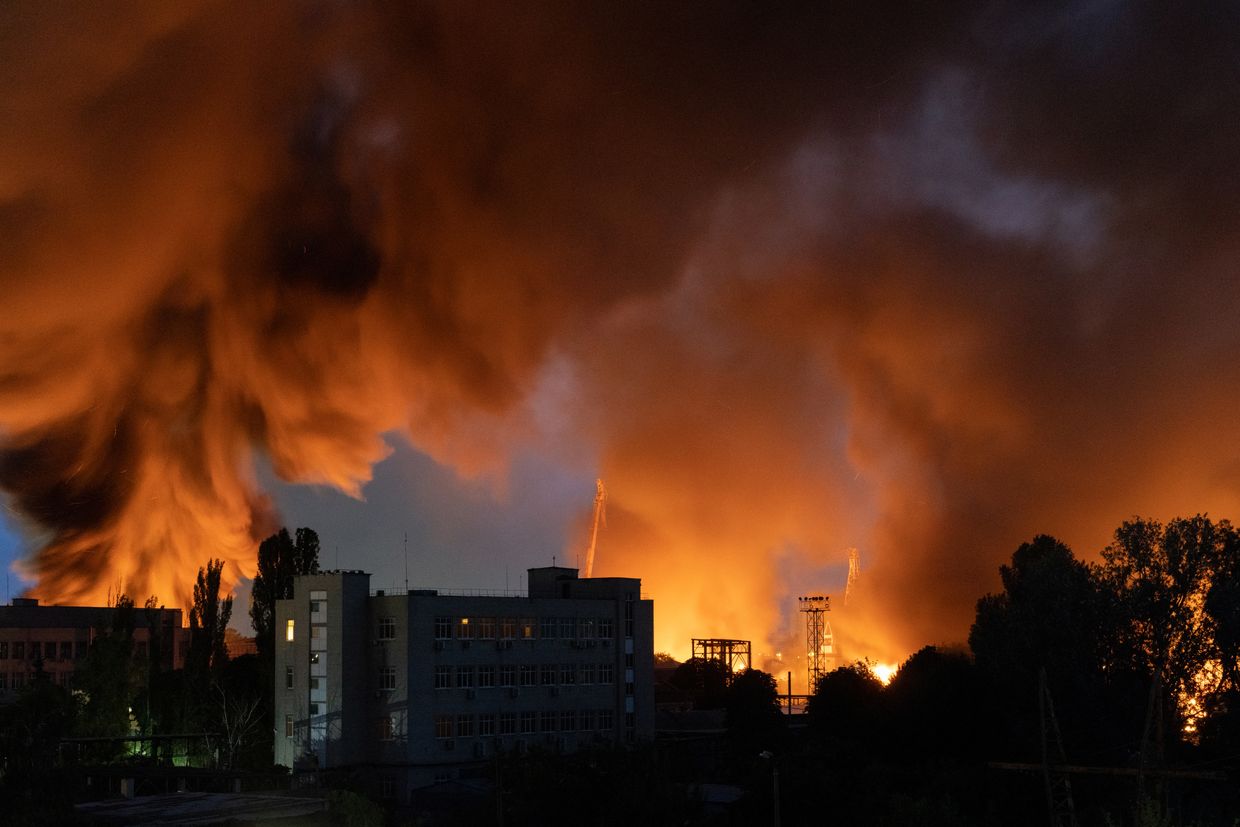
Ukrainian drones struck Russia's Ust-Luga port overnight on 14 August, sparking a fire at the Baltic Sea terminal — the sixth attack on the facility since March, according to Russian and Ukrainian reporting.
Leningrad Oblast Governor Alexander Drozdenko said air defenses shot down 51 drones over the region and that "damage was recorded" at the port, with a fire breaking out and firefighters responding. By morning he raised the regional tally to 54 drones destroyed. Mosc
Ukrainian drones struck Russia's Ust-Luga port overnight on 14 August, sparking a fire at the Baltic Sea terminal — the sixth attack on the facility since March, according to Russian and Ukrainian reporting.
Leningrad Oblast Governor Alexander Drozdenko said air defenses shot down 51 drones over the region and that "damage was recorded" at the port, with a fire breaking out and firefighters responding. By morning he raised the regional tally to 54 drones destroyed. Moscow Mayor Sergei Sobyanin separately claimed 10 drones downed approaching the Russian capital overnight, with no casualties reported in either city. Drozdenko did not specify which facility inside the sprawling port complex was hit or the scale of the damage.
Ust-Luga is Russia's largest Baltic Sea port and, as of January 2026, handled nearly half — 47.4% — of the Baltic basin's total cargo turnover, according to industry data cited by Censor.NET. Its oil terminals ship crude and refined products, including naphtha, fuel oil, and jet fuel, and serve as the endpoint of the Baltic Pipeline System-II.
Sixth strike since March
Ukrainian forces have hit Ust-Luga repeatedly through 2026. The first major strike came overnight on 24–25 March, when long-range drones hit the NOVATEK gas condensate complex; Euromaidan Press reported the SBU and Special Operations Forces both claimed the operation. Follow-up strikes hit the port again on 27 and 29 March, and a fourth wave on 31 March damaged a mazut storage tank and two NOVATEK fuel tanks, according to Euromaidan Press's own coverage. A fifth strike reached the wider St. Petersburg port area on 3–4 July.
Wednesday's strike came two days after Ukrainian drones hit Russia's Sheskharis terminal at Novorossiysk on the Black Sea — the country's largest oil-export hub after Primorsk and Ust-Luga — and follows a late-July strike on the Caspian Pipeline Consortium terminal, also on the Black Sea. Combined, Ust-Luga and Primorsk normally move about 40% of Russia's seaborne oil exports, according to Reuters figures cited by The Moscow Times.
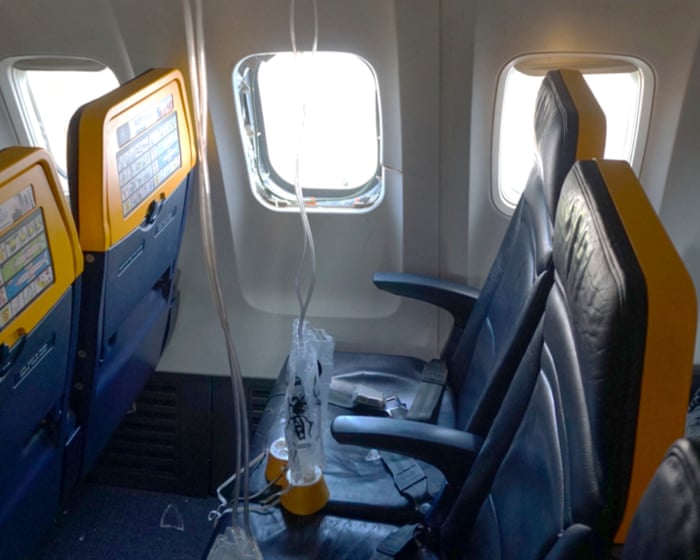
Fan blade broke off shortly after takeoff on 10 July flight from Greece to Germany, preliminary findings showBusiness live – latest updatesBroken engine parts were responsible for shattering a window on a Ryanair plane, causing a passenger to be partly sucked out mid-flight in July, US investigators have said.A preliminary report by the National Transportation Safety Board (NTSB) found an engine fan blade broke off shortly after takeoff on the 10 July flight from Greece to Germany shattering the
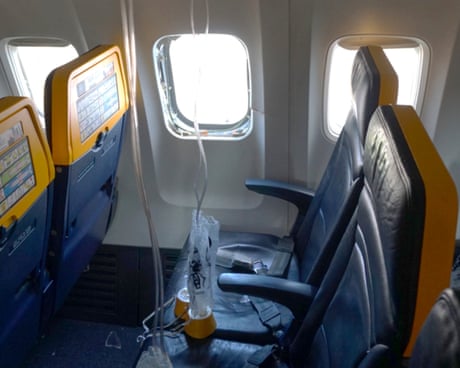
Broken engine parts were responsible for shattering a window on a Ryanair plane, causing a passenger to be partly sucked out mid-flight in July, US investigators have said.
A preliminary report by the National Transportation Safety Board (NTSB) found an engine fan blade broke off shortly after takeoff on the 10 July flight from Greece to Germany shattering the window and damaging the fuselage.
Newly analyzed airport camera footage shows a quadcopter drone loaded with Semtex explosive flew straight at a parked Ukrainian An-124 Ruslan cargo aircraft and struck its wing at Leipzig/Halle airport in Germany on the evening of 4 August, the media outlet Die Zeit reported on 10 August. The device bounced off the wing, fell to the ground, and failed to detonate. The drone attacked the aircraft at around 19:30 local time, the media outlet reports.
Russia's hybrid a
Newly analyzed airport camera footage shows a quadcopter drone loaded with Semtex explosive flew straight at a parked Ukrainian An-124 Ruslan cargo aircraft and struck its wing at Leipzig/Halle airport in Germany on the evening of 4 August, the media outlet Die Zeit reported on 10 August. The device bounced off the wing, fell to the ground, and failed to detonate. The drone attacked the aircraft at around 19:30 local time, the media outlet reports.
Russia's hybrid attacks are increasingly moving from the information domain into the physical one, including on the territory of other countries. This incident makes sabotage on NATO member states' territory potentially more dangerous if suspicion of Russian involvement is confirmed.
Footage contradicts the warning-shot theory
The drone struck the wing near the fuel tanks, then bounced off the aircraft's surface and fell to the ground. The explosive device also ended up on the ground and did not detonate. The device contained Semtex plastic explosive. Approximately four hours later, a tourist bus driver accidentally noticed it lying on the ground, put his foot on it, and reported the find to airport security.
Video analysis contradicts the earlier theory that the incident may have been intended only as a warning. The nature of the attack indicates an attempt to cause actual damage.
Drone found near a Ukrainian An-124 aircraft in Leipzig, Germany, on 5 August, 2026. Photo: screenshot from Bild video
Investigators examining foreign state involvement
German Interior Minister Alexander Dobrindt suggested that a state actor may have been behind the explosive-laden drone found at the airport. On 7 August, Germany's National Security Council convened under Chancellor Friedrich Merz.Earlier,the United States assessed that the drone discovered at Leipzig/Halle Airport in Germany overnight into 5 August belonged to Russian intelligence, a US Department of Defense official in Europe told CNN.
The cargo aboard the Ukrainian aircraft targeted in the sabotage attempt consisted of military equipment and ammunition that had arrived in Germany from France and was being prepared for further transportation, Süddeutsche Zeitung stated, citing a confidential German police report. However, Germany's Federal Ministry of the Interior denied this claim, according to dpa.
The An-124 Ruslan, struck by the drone, is operated by the Ukrainian company Antonov Airlines. After Russian forces destroyed its main base in Hostomel in 2022, the company has been using Leipzig/Halle airport as a temporary base for its aircraft.
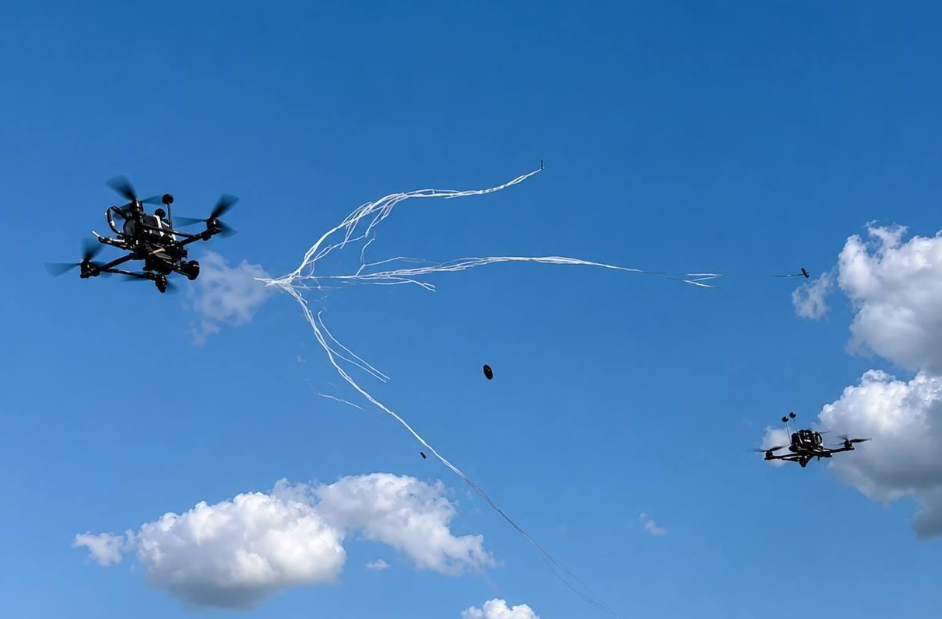
Ukraine has built an interceptor that catches Russian drones instead of ramming them. The company WINFLY has unveiled the WINFLY Spider, an interceptor equipped with a net-launcher to neutralize targets with a net and return to its launch point, the defense outlet Militarnyi reported.
The Spider is the newest entry in Ukraine's fast-growing interceptor-drone industry. Ukraine has fielded a widening range of cheap interceptors to counter Russia's massed drone attacks, an
Ukraine has built an interceptor that catches Russian drones instead of ramming them. The company WINFLY has unveiled the WINFLY Spider, an interceptor equipped with a net-launcher to neutralize targets with a net and return to its launch point, the defense outlet Militarnyi reported.
The Spider is the newest entry in Ukraine's fast-growing interceptor-drone industry. Ukraine has fielded a widening range of cheap interceptors to counter Russia's massed drone attacks, and the Spider's distinction is reusability.
The netgun makes it reusable
Most interceptors are one-shot weapons that ram or explode against their target. The Spider instead carries the Karakurt net-launcher, made of high-strength aluminum and rated to work from −20°C to +50°C, which snares an enemy drone in a net while the interceptor itself stays intact and ready for repeat flights.
The economics are the point. The developers say each net shot about $27, while the drone remains undamaged. That turns the cost equation of drone defense, where an interceptor is often spent to down a single target, into one where the same aircraft can make many intercepts, paying only for a cheap net each time.
The platform and what it hunts
The Spider is built on an existing WINFLY interceptor. It uses the WINFLY 10 Hunter as its base platform, which operates at up to 5,000 meters, reaches 160 kilometers per hour, and has a range of over 18 kilometers.
It is designed for a range of Russian drones. The system targets fixed-wing UAVs, Mavic quadcopters, FPV drones, and fiber-optic drones, with flight times up to 25 minutes, deployment times of up to 3 minutes, and target detection ranges of up to 500 meters. The maker offers day and night versions.
One tool in a scaling defense
Ukraine is downing tens of thousands of Russian drones a month, per the Defense Ministry, and fielding interceptors from at least 29 licensed makers, with new designs like the high-altitude Tsyklop climbing above enemy drones and others ramming them.
The US Department of Agriculture's Foreign Agricultural Service (FAS) forecasts that Ukraine's grain exports will fall steeply in the 2026-27 season, with corn shipments dropping 39% to 14 million tonnes and wheat 26% to 10.8 million, World Grain reported. The agency tied the decline to Russia's summer campaign against the Odesa ports, which handle roughly 90% of the country's grain.
The forecast puts Washington's own numbers behind what Kyiv has warned for weeks. Ukrai
The US Department of Agriculture's Foreign Agricultural Service (FAS) forecasts that Ukraine's grain exports will fall steeply in the 2026-27 season, with corn shipments dropping 39% to 14 million tonnes and wheat 26% to 10.8 million, World Grain reported. The agency tied the decline to Russia's summer campaign against the Odesa ports, which handle roughly 90% of the country's grain.
The forecast puts Washington's own numbers behind what Kyiv has warned for weeks. Ukraine's agriculture ministry projects farm exports could fall by almost half this season, and the FAS estimate — from a body with no stake in Ukraine's budget — points the same way. The difference is where the FAS looks: not at the ships that cannot sail, but at the grain that cannot follow them out.
Grain with nowhere to go
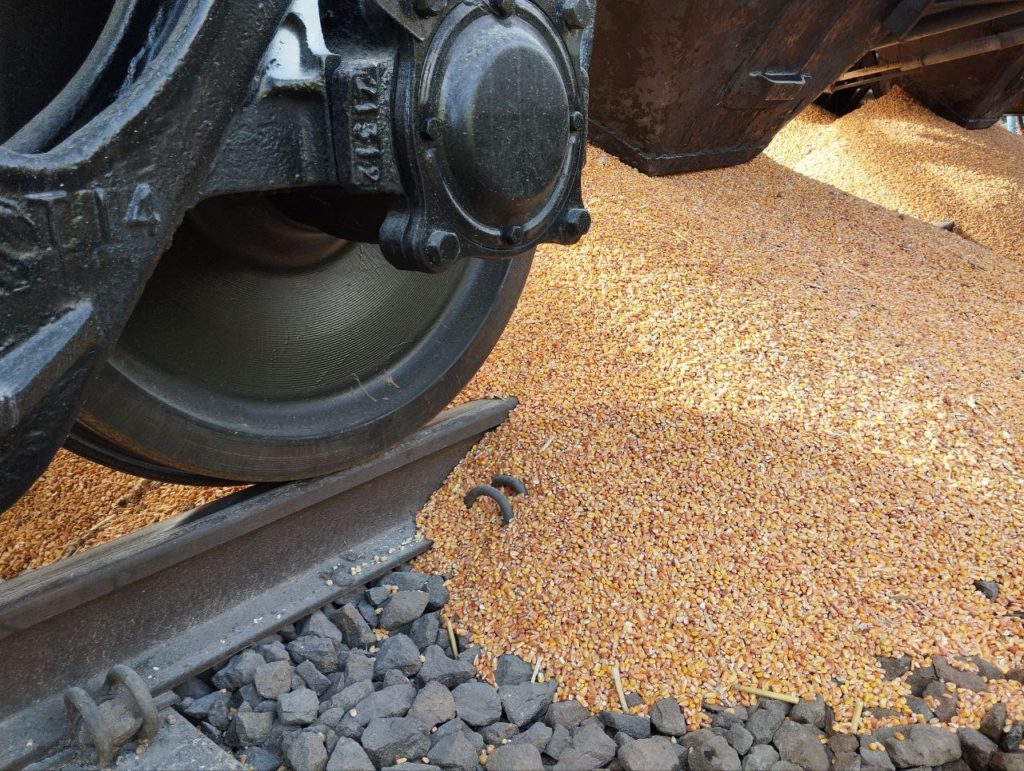
The clearest sign of the blockage is in ending stocks — grain left sitting in the country when the season closes. The FAS expects Ukraine's corn stocks to jump more than tenfold, to 13.5 million tonnes from 1.3 million, and wheat stocks to more than double to 8.2 million. That is grain the harvest produced and the ports could not move.
Ukraine has more than 74 million tonnes of storage for grain and oilseeds, the FAS noted, including about 23 million tonnes of certified warehouse space. Even so, the agriculture ministry has said the country may need another 10 to 12 million tonnes of temporary storage to get through the corn harvest if the Black Sea disruptions continue — most acutely in regions near the front line.
Why Odesa decides the harvest
Almost everything moves through Odesa. Three deepwater ports in Odesa Oblast carry more than 90% of Ukraine's farm exports, and Russia spent the summer hitting them and the ships that call there. Missiles struck the Turkish-owned bulk carrier Golden Leo as it left Odesa loaded with grain on 19 July, killing 10. Days earlier, a Russian drone hit a Palau-flagged corn ship twice as it sailed for Greece.
The land routes that remain — rail, road, and the Danube — cannot take up the slack, and traders have pulled back from buying grain they have no way to ship.
Farming is Ukraine's biggest export earner, bringing in more than half of what the country made selling goods abroad last year. Ukraine is also among the world's largest corn suppliers, which is why a cut of this size registers well beyond its own budget. For the farmers holding this year's crop, the FAS forecast describes a harvest they may not be able to sell.
A Russian overnight strike heavily damaged a German-owned car-parts plant in Zhytomyr Oblast, forcing it to halt production, the company said. No workers were hurt, but the destruction was extensive. One of the region's major employers now has no restart date.
Russia increasingly hits the factories and warehouses of foreign companies that kept producing in Ukraine through the war, not only Ukrainian factories, energy facilities, infrastructure, and homes. Each strik
A Russian overnight strike heavily damaged a German-owned car-parts plant in Zhytomyr Oblast, forcing it to halt production, the company said. No workers were hurt, but the destruction was extensive. One of the region's major employers now has no restart date.
Russia increasingly hits the factories and warehouses of foreign companies that kept producing in Ukraine through the war, not only Ukrainian factories, energy facilities, infrastructure, and homes. Each strike on a foreign-owned factory chips away at the jobs and outside investment propping up Ukraine's wartime economy, adding to a burden the country's partners are scrambling to offset.
A German plant knocked offline
Russia struck Zhytomyr Oblast overnight into 9 August and hit the Kromberg & Schubert plant, which reported the attack on Facebook. Its production lines and infrastructure took heavy damage.
"The most important thing for us is that no employees were hurt in the attack," the statement said.
With the damage so severe, the plant suspended operations for an indefinite period. A restart depends on a technical assessment and the full scope of repairs, the company added.
Kromberg & Schubert is a civilian manufacturer with 100% German investment. It has run in the Zhytomyr region for 11 years and employs about 3,500 people. The plant makes the wiring harnesses that thread through cars, supplying European automakers.
The Kromberg & Schubert plant ablaze after the Russian strike in Zhytomyr Oblast, overnight on 9 August 2026. Photo: Vitalii Bunechko
Vitalii Bunechko, head of the Zhytomyr Oblast Military Administration, called it one of the region's budget-forming enterprises. He said the administration and local authorities are working to help the strategic investor and keep the plant running.
The burned-out Kromberg & Schubert plant after the Russian strike in Zhytomyr Oblast, 9 August 2026. Photo: Vitalii Bunechko
Part of a wider overnight assault
Bunechko reported that Russia had launched a massive strike on the oblast overnight. The attack also damaged civilian infrastructure, he said. State Emergency Service crews contained the fires, and investigators began work at the site.
Russia has repeatedly struck Zhytomyr Oblast during the war, stepping up its drone strikes on northwestern Ukraine, often exploiting Belarusian territory.
The US Army has suddenly removed the general in charge of the corps that helps coordinate American support to Ukraine. The Army abruptly fired Lieutenant General Charles Costanza, commander of V Corps, roughly two months before his scheduled departure, ABC News reports.
The corps he led is central to the US role on NATO's front line with Russia. Costanza had commanded V Corps since April 2024, a corps partly based in Poland that has taken on an increasingly prominent ro
The US Army has suddenly removed the general in charge of the corps that helps coordinate American support to Ukraine. The Army abruptly fired Lieutenant General Charles Costanza, commander of V Corps, roughly two months before his scheduled departure, ABC News reports.
The corps he led is central to the US role on NATO's front line with Russia. Costanza had commanded V Corps since April 2024, a corps partly based in Poland that has taken on an increasingly prominent role since Russia's full-scale war against Ukraine, helping coordinate US military support for Ukraine and managing the American presence on NATO's eastern flank.
The reason has not been made public
The Army confirmed the removal but not its cause. A service spokesperson said the circumstances remained unclear, and the Army said the matter was "referred to the appropriate authority in accordance with Army regulations," according to The Hill.
Reporting points away from politics. Two US officials told journalists that the removal was not political and was not initiated by Defense Secretary Pete Hegseth, with one source citing conduct that could ground a commander's removal at any level and a former defense official citing alcohol problems. Brigadier General John Mountford, the deputy commander for readiness, has begun his service as acting commander.
It comes amid a wider shake-up of the top brass
The timing places it in a turbulent period for US military leadership. Costanza's removal comes amid a broader shake-up in which more than two dozen senior officers have been removed or sidelined under Hegseth, often without public explanation.
The backdrop is US force posture in Poland
The command change lands amid questions over the US presence in Poland. This year, the Pentagon canceled a planned deployment of a Fort Hood-based armored brigade to Poland, and after the cancellation drew criticism in Warsaw, President Donald Trump announced the US would deploy 5,000 troops in the country.
I’m marching across Lower Manhattan in the middle of a heatwave with a friendly mob of Luddite gnomes, and there isn’t a phone in sight.It’s Fourth of July weekend in New York City, and the brutal temperatures haven’t stopped a hundred-or-so people from donning pointy hats and dancing in the streets while chanting anti-Big Tech slogans. “Fuck, fuck, fuck AI,” the Luddite gnomes – people in colorful, pointy homemade hats – chant as we march, urging the confused spectators recording us to put a
I’m marching across Lower Manhattan in the middle of a heatwave with a friendly mob of Luddite gnomes, and there isn’t a phone in sight.
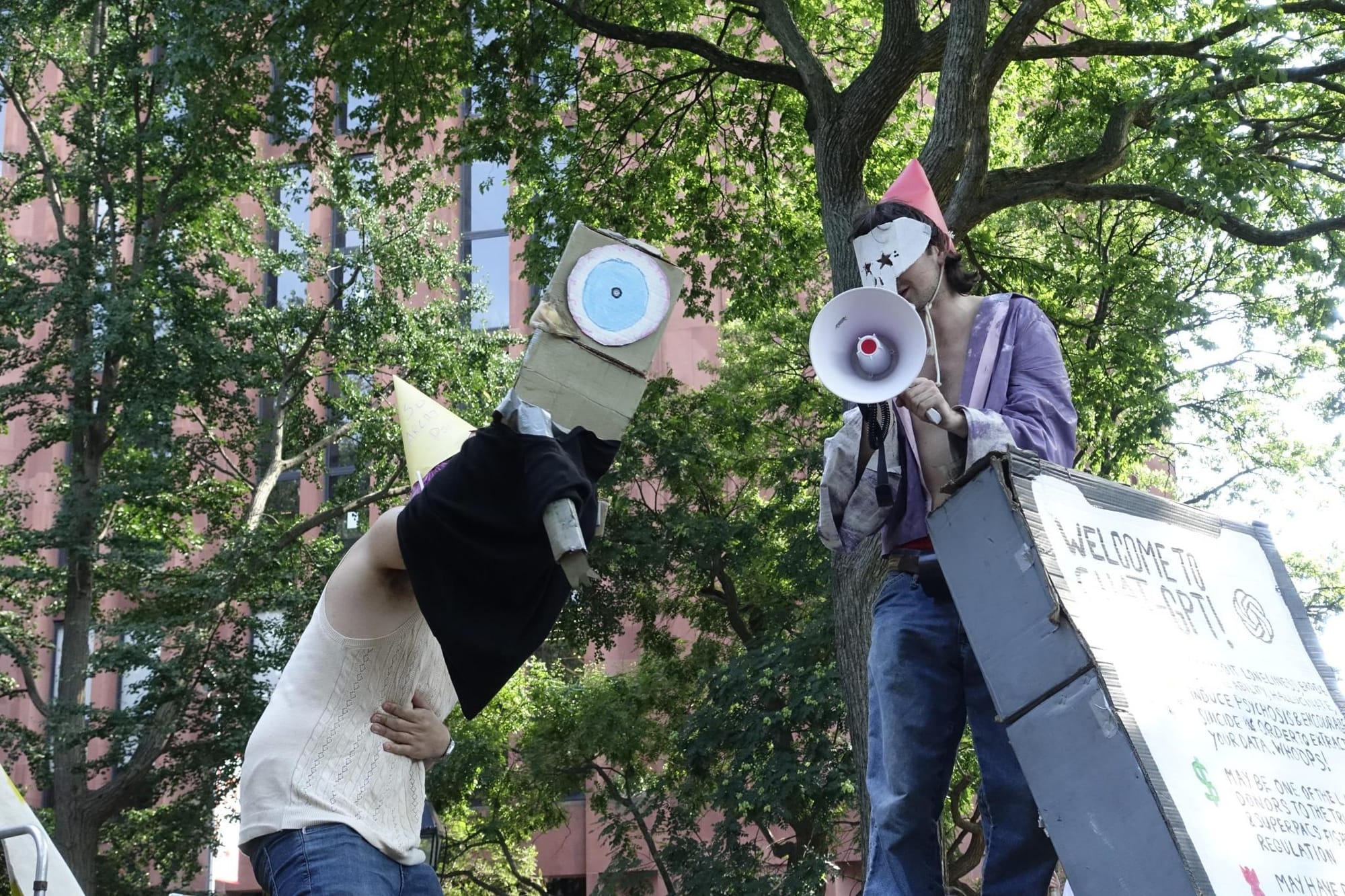
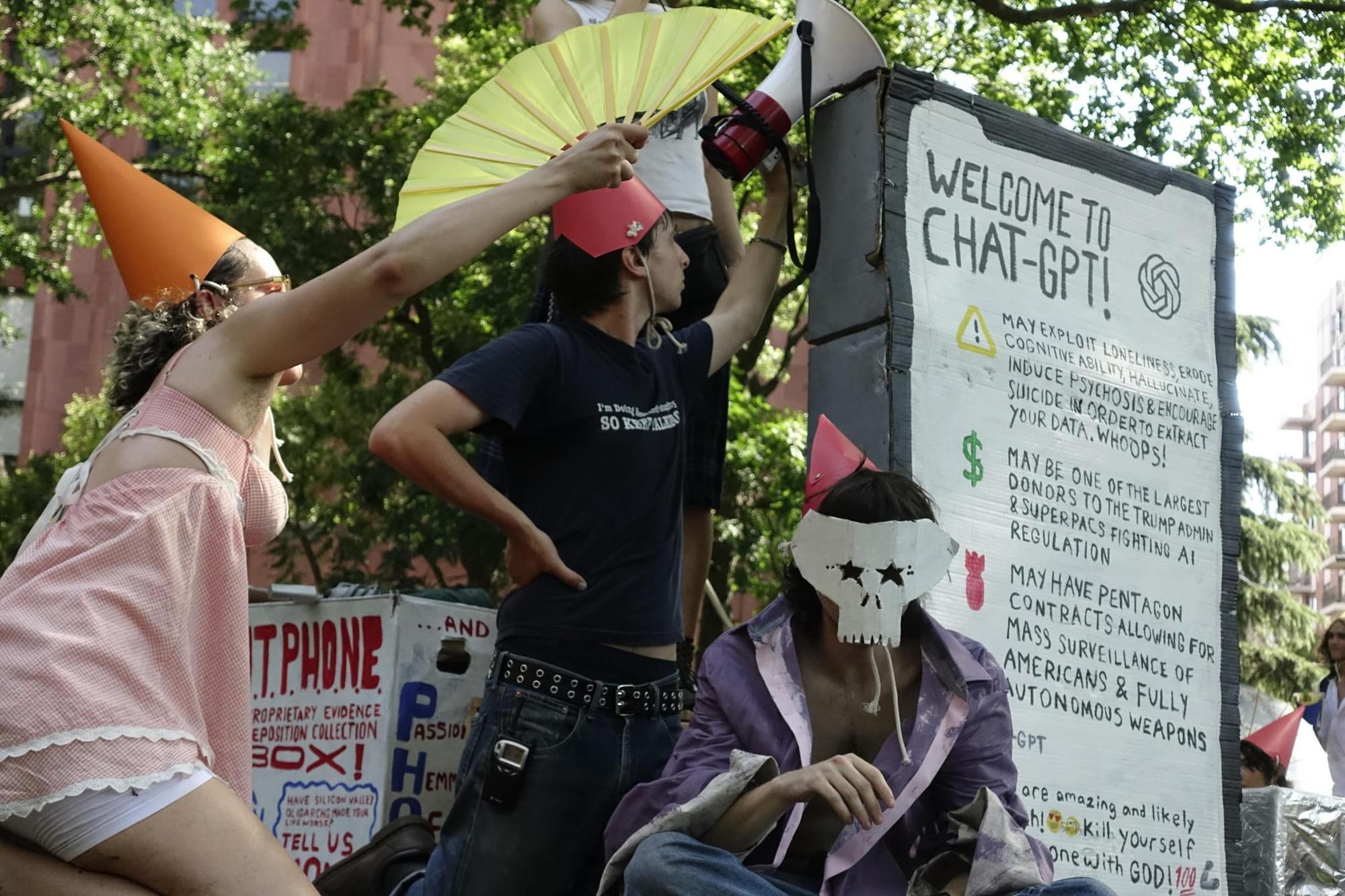
It’s Fourth of July weekend in New York City, and the brutal temperatures haven’t stopped a hundred-or-so people from donning pointy hats and dancing in the streets while chanting anti-Big Tech slogans. “Fuck, fuck, fuck AI,” the Luddite gnomes – people in colorful, pointy homemade hats – chant as we march, urging the confused spectators recording us to put away their pocket rectangles and join us in our sweaty, phone-less revelry. The gnomes are headed West, towards Washington Square Park, where they plan to carry out a public show trial for OpenAI and its CEO, Sam Altman. It’s the fourth iteration of a theatrical protest event they call “S.H.I.T.P.H.O.N.E,” which stands for “Scathing Hatred of Information Technology and the Passionate Hemorrhaging of Our Neo-liberal Experience.”
This time, the protest isn’t a one-off. It’s part of the “Summer of Ludd,” a week-long festival of free public events organized and advertised entirely off of tech platforms and social media. The Summer of Ludd doesn’t have a website, but you can call a phone number to get a run-down of the events happening each day around the city. The schedule includes everything from an “offline rizz” workshop designed to help you ditch dating apps, a phone-free rave called “Let’s Get Off Together,” internet piracy 101 skill-shares, and an outdoor play that retells the story of the original Luddites. I found out about the Summer of Ludd from a local event mailing list calledNYC Off Tech, but other folks I met throughout the week learned about it from posters wheat-pasted around their neighborhoods, paper event guides distributed to bookstores and coffee shops, or just word-of-mouth from friends.
Basically, the whole thing is an experiment designed to prove a single point: You don’t need social media and extractive tech platforms to meet people and have fun.
“Google knows next to nothing / My mom knows everything!” the gnomes chant as they hand out gnome hats to random bystanders and implore them to put away their phones. The hats, I’m told, are a reference to aDutch anarchist group from the 1970s known for their impish culture-jamming and absurd carnival humor. It’s also “just kinda silly,” one of the organizer gnomes explains to me.
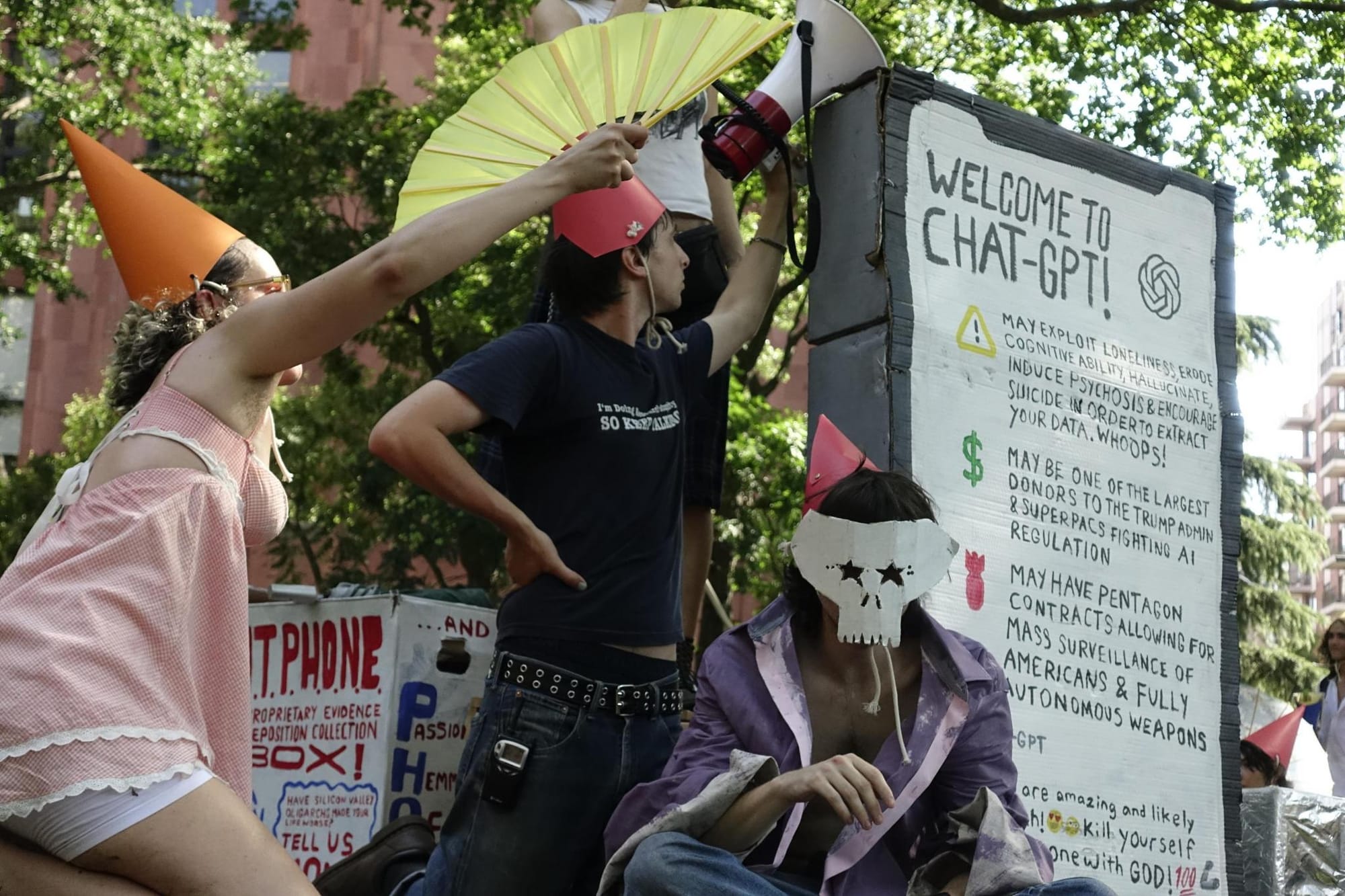
At the front of the march, two gnomes carry a giant cardboard smartphone labeled “ChatGPT,” which lists off thevariouswell-documentedsocial ills caused by chatbot tools. “Even if it gives us rabies / we will free the iPad babies,” the gnomes continue chanting as they set the smartphone effigy down on a grassy knoll, next to a soapbox that will be used as a witness stand. The crowd is all-ages, but skews heavily Gen-Z — consistent with recent polls showing thatyoung people have become some of Big Tech’s fiercest critics.
Images courtesy Janus Rose
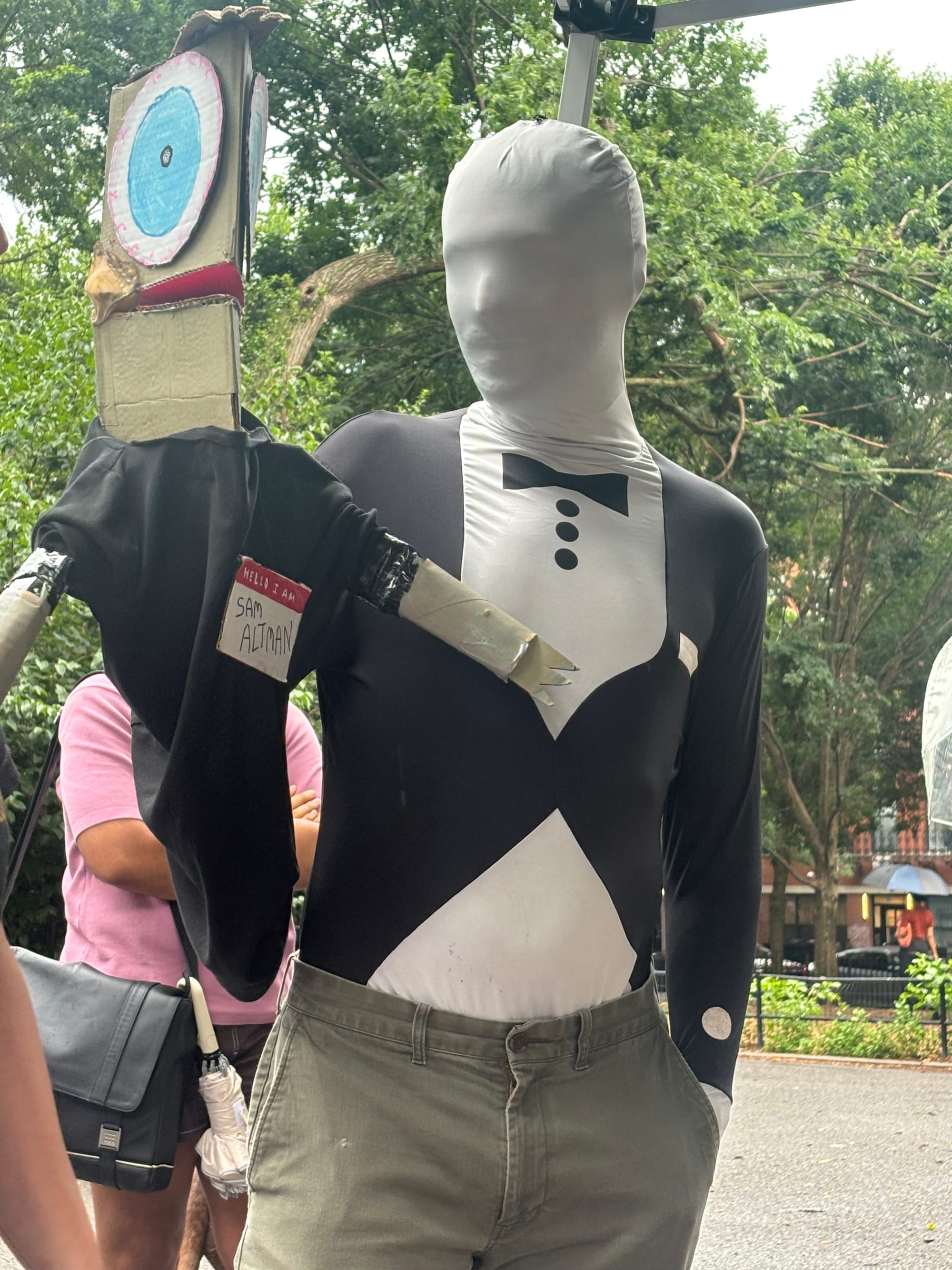
One by one, witnesses take the stand to accuse Altman of numerous crimes perpetrated by OpenAI — from training models on artists’ work, to inducing AI psychosis, to accelerating the climate crisis with polluting and power-hungry AI datacenters. “I used AI to write one of my essays and got in trouble. Now I’m starting a war on AI,” one young person says from atop the soapbox, receiving cheers of approval. “These companies want you to think that you’re dumb, but that is a lie. Everyone here is smart. Everyone here is creative,” says another witness, describing how tech companies design AI tools and social media apps to make people dependent on them — making them feel helpless, alienated, and addicted to the endless scroll. The crowd roars its unanimous verdict in unison (“GUILTY!”) and everyone begins joyfully stomping on the giant cardboard GPT phone. Leading them is a gnome “executioner” holding a hammer that bears the phrase “Enoch Made Them / Enoch Shall Break Them” — an homage to the original 19th Century Luddites, who named the hammers they famously used to smash factory machines after the guy who made both the machines and the hammers.
It’s tempting to compare the spectacle to something from the days of Occupy Wall Street. But what sets the Summer of Ludd apart from what one might expect of a Luddite protest is its lack of cynicism and an overwhelming abundance of raw, anarchic joy. Far from the distorted caricature of Luddites as curmudgeonly, puritanical tsk-tsk’ers, the new Luddites attract people to their movement through playfulness and participation. Instead of shaming others for too much screen time, they use public events to make their points for them, demonstrating organically and in real-time that the “indispensable” tech we’ve organized our lives around is not so indispensable after all.
I first met the Luddites a week earlier in Tompkins Square Park, for a press conference hosted by their official spokesperson: a puppet made of garbage.
I joined a small group of journalists sitting in plastic chairs and directing questions at the puppet, who is named Gowanus, after the famously putrid Brooklyn canal where the parts of its patchwork body were found. Gowanus is the Luddites’ “media spokespuppet,” a stand-in created to maintain the organizers’ anonymity while interfacing with digital media platforms and their operatives—including me.
As one might imagine, the Luddites are very averse to any kind of social media. Smartphones are verboten, and they ask every journalist present to sign a “Terms of Service” agreement on a comically long brown paper scroll, which states that nothing we capture may be used to make “short-form video content” like TikToks or Instagram Reels. In keeping with the spirit of the event, I kept my phone stowed away and used nothing but my Hobonichi notebook, a pen, and a small voice memo recorder to do my reporting for this article.
“We are interested in building alternative social infrastructure that allows us to be no longer reliant on Big Tech,” Gowanus told the group of journalists as they dutifully scribbled notes. “All our events are free, and defy any sort of transactionalism or consumption. We’re trying to dispel that transactional element and get people to participate and create the events themselves. That is what the Summer of Ludd is all about.”
On my train ride home, I pondered the irony of being a journalist covering an event series designed to resist digital capture and consumption. When I reached my subway stop, I noticed an ad for the second-hand online marketplace Backmarket, showing a pink Nintendo Game Boy with the text “AB > AI.” Someone drew a heart next to it in black sharpie marker—an anonymous mark of approval that felt like the opposite of the subway ads for the “Friend” AI device that were widely and virally defaced last year.
Almost reflexively, I took a picture of the ad with my phone and posted it to BlueSky with the caption: “Hatred of AI now reaching the level of cultural consensus that becomes attractive to advertisers.” I woke up the next morning to thousands and thousands of interactions, many from people delighted to see their anti-AI sentiment vaguely reflected in a subway ad for overpriced second-hand goods. This made me think about the classic political trap, where capitalists co-opt social movements by channeling their radical potential into harmless forms of aesthetic consumption and feckless identity politics.
How can the neo-Luddites resist these inevitable attempts at co-optation? Can Luddism generate mass-appeal beyond Y2K aesthetic Tiktok trends, where Gen-Z’ers marvel at flip phones, iPods, and other retro tech as a kind of performative false-nostalgia? And how do you build a successful movement while eschewing the most common (albeit flawed) tools of mass-communication?
Members of the Luddite Renaissance—as the loose-knit, anonymous collective that organized the Summer of Ludd refer to themselves—attempt to answer these questions in “The Event is the Medium,” a zine manifesto referencing the famous Marshall McLuhan quote which, naturally, is only available in physical paper format (The Luddites humbly request that none of their work be uploaded to social media). The central idea is utilizing public space to run events that get people to experience—and directly participate in—what Luddism has to offer in 2026, instead of just yelling at people on a street corner.
What should these Events entail? This is where the Luddites become intentionally vague—not for lack of answers, but as a defense mechanism designed to make the Event unpredictable and unmonetizable. If social media’s role is to consume and metabolize human existence into an endless scroll of bite-sized, short-form video content, then the Event’s purpose is to bring people together in ways that defy categorization and documentation. Like the “Happenings” of 1960s performance artist Allan Kaprow, they can be anything and everything—as long as they are free, participatory, and never, ever boring.
“The Event may seem nebulous and surreal to you; this is on purpose,” the Luddites write in their zine manifesto. “DIY shows, teach-ins, art fairs, all come with a preconceived notion of what will happen. This causes people to act in a ritualized or transactional way. Any way that you can break through the monotony of ‘coolness’ to facilitate earnestness and urgency is paramount.”
In other words: If the event is the medium, the message is that being a Luddite is fun again.
I returned to Tompkins Square several times over the next week. Throughout the Summer of Ludd festivities, the Luddites had transformed the formerly-bohemian Lower East Side hangout into a kind of town square. They camped out at the park each day, providing free food, zines, and plenty of ways to plug in to the various happenings throughout the city. Basically, if you wanted to find out what the Luddites are all about, you had to meet them here, in person.
Images courtesy Summer of Ludd
Somewhere in the large crowd that had gathered for the gnome protest, I ran into Motherboard founder and fellow low-tech appreciator Alex Pasternak, along with “extremely online” journalist Taylor Lorenz, whorecently told WIRED that her screen time averages 17 hours a day. Also present was Reverend Billy, leader of the Church of Stop Shopping, whose corporate exorcisms and culture-jamming theatrics have been a staple of NYC protests since the 90s.
“Chronically online culture has become something we’re attached to, even as activists,” Bucky, one of the Luddite organizers, told a crowd of gnomes in the park, just prior to the million-gnome march. “Our consumer habits are tracked, analyzed, and sold back to us. Every time we seek fun in our little light-boxes, we feed a beast which surveils us, which exploits our time and our imagination, and which lines the pockets of big psycho assholes like Elon Musk, Peter Thiel, Mark Zuckerberg, Marc Andreesson, and Tim Cook.”
“I want my attention back!” someone shouts in response. The crowd cheers in agreement.
Bucky mentions the 2012 Arab Spring uprisings as a pivotal example of how Silicon Valley extended this capture to the realm of activism. In the heyday of Twitter, tech companies and most of the Western press pushed a narrative that social media platforms were helping liberate people around the world from oppressive regimes. Thanks to these platforms and their beneficent corporate overlords, the argument went, the techno-utopian dream of the 90s internet would be realized, and dictators would crumble under the power of free information and free markets.
Others likeEvgeny Morozov argued that this framing was not only naïve and wrong, but allowed companies like Twitter and Facebook to advance their ambitions and establish themselves as centralized social infrastructure under the guise of do-gooder tech saviorism. At the same time, the ad-powered surveillance networks built by social media enabled governments to crack down on dissidents like never before, paving the way for things like facial recognition, algorithmic manipulation, and discriminatory digital ID laws.
But there was another explanation for the revolutions in Egypt and elsewhere that had little to do with tech.
“The reason hundreds of thousands of people went to Tahrir Square is because a million people lived within ten miles of it. That is public space, and public space is where politics happens,” said Bucky. “Public space is the new social media. Running an event is the new activist infographic on an Instagram story.”
With hatred of big tech and AI hitting the mainstream, it makes a lot of sense that something like the Summer of Ludd would emerge in this particular moment. Everywhere I go, there is an overwhelming sense that the Silicon Valley experiment is on its last legs. The companies that once aimed to make good products and postured as democracy-loving and progressive now open ally themselves with fascists, actively enshittify the internet with slop, and force-feed us annoying AI features that nobody wants. In response, the new Luddites seek not to abandon technology entirely, but build new infrastructure that embraces proximity and in-person human relationships, instead of alienation and doom-scrolling.
“This is an activism of the moment,” internet culture theorist and media professor Douglas Rushkoff, who was also present for the Luddite gnome march, told 404 Media. “Even if the whole thing is ending, even if we’ve already lost, we’re gonna go and party. We’re gonna go down having fun. And if we can have a good enough party in face-to-face, non-technological, non-digital interaction, we will seduce the world like Abby Hoffman never could.”
As the person who coined the rise of “viral” media back in the 90s, Rushkoff has been paying attention to tech backlash trends longer than most. His 2016 book “Throwing Rocks at the Google Bus” captures a pivotal moment where public sentiment toward Silicon Valley began to sour, as companies like Google and Facebook disrupted public infrastructure and reshaped the San Francisco Bay Area in their image.
Over the next decade, the tech companies did away with their vaguely progressive, ‘Don’t Be Evil’ public image, and young people who came of age in the aftermath increasingly found themselves attracted to tech backlash and the neo-Luddite movement as a reflection of their lived reality.
“The extent of the skinner box that this generation is living in is more extreme. We adapted to it as best we could, but they were born inside of it,” said Rushkoff. “Their hearts and their somatic sensibilities have been intentionally disrupted and stymied since they were born. And so they’re a good case study to show that whatever that part of us is, it will seek expression eventually.”
Bleak job prospects and a visibly collapsing climate further explain why some of the biggest moments of Big Tech backlash in recent months have come from Gen-Z—like the series of viral videos showing graduates booing tech CEOs for praising AI during their commencement speeches. But the Luddites are quick to point out that their movement is multi-generational, and their goals for the Summer of Ludd can’t be realized through the medium of news headlines and viral online attention.
So, what am I doing here? Why am I writing this article, attempting to capture the essence of a movement and an event that—by its very nature and stated intention—refuses to be captured? Maybe it’s because journalism is best when it acts as a cultural placeholder, a blurry indication that something happened here, and perhaps will keep happening in the future. It’s also a kind of beacon for others to find—an indication that the “inevitable” future tech companies keep threatening us with is perhaps not so inevitable, and that humans aren’t so hopeless at finding each other and creating new ways to live.
“Part of the concept is: You had to be there,” Rushkoff told me. “It’s like oh, Earth? You had to be there. Life? You had to be there.”
[fr]
Ah, les titres! Ces derniers temps, prise d’une inspiration subite, j’ai fait quelques exercices d’écriture à la main. Promis, je demanderai à une IA de me les retranscrire pour que vous ne soyez pas obligés de zoomer sur les photos de mes ratures sur votre smartphone. C’est une expérience intéressante, d’autant plus que je résiste depuis des années à cette idée que l’écriture à la main possède une qualité fondamentalement différente, sur le plan cognitif, à celle où on tape sur un clavier
Ah, les titres! Ces derniers temps, prise d’une inspiration subite, j’ai fait quelques exercices d’écriture à la main. Promis, je demanderai à une IA de me les retranscrire pour que vous ne soyez pas obligés de zoomer sur les photos de mes ratures sur votre smartphone. C’est une expérience intéressante, d’autant plus que je résiste depuis des années à cette idée que l’écriture à la main possède une qualité fondamentalement différente, sur le plan cognitif, à celle où on tape sur un clavier (ou l’autre, où on dicte, que je connais aussi).
Une chose très claire quand on se met à écrire à la plume dans un cahier en mode “exercice d’écriture”, c’est qu’on ne part pas avec une idée préconçue de ce qu’on va dire, et surtout pas avec un titre. L’article de blog, lui, appelle haut et fort son titre, et je suis de plus en plus convaincue que ce qui pourrait sembler être un détail joue un rôle fondamental dans le fait que les blogs aient été délaissés au profit des réseaux sociaux. Juste là, j’écris sans titre. Je mettrai quelques mots au pif une fois que j’aurai fini d’écrire.
Je crois vraiment qu’il y a des démarches fondamentalement différentes dans l’écriture en ligne.
On peut avoir une intention claire, un message à faire passer. On va écrire un article avec une certaine structure, un titre réfléchi pour bien rendre compte du contenu, et être un peu efficace pour les moteurs de recherche. OK.
Mais le blog, il n’est pas né du magazine en ligne, il n’est pas l’enfant de la presse traditionnelle qui s’aventure au pays du numérique. Non, le blog est plutôt l’enfant des diaristes, des gens qui expriment quelque chose qu’ils ont sur le coeur ou dans les doigts, des gens qui écrivent parce que ça leur sert à quelque chose d’écrire et de partager, des gens qui racontent quelque chose qui leur parle. La mission d’informer le monde et d’atteindre le plus grand nombre, ce n’est pas ce sur quoi le blog s’est construit. Le blog c’est le lieu des bouteilles à la mer, de la réflexion à haute voix, de la correspondance d’avant internet qui nous tombe par hasard sous les yeux.
Et dans ce monde-là, même si le titre a son utilité pour le lecteur – pour s’y retrouver, pour avoir une vague idée de quoi sa parle, peut-être même décider si on lit ou non la première phrase – il dessert plutôt l’écriveur. Il est une première marche haute sur laquelle il faut se hisser, il enferme le texte dans une boîte, et la pensée aussi.
Je refuse les titres, de plus en plus. Vous l’avez peut-être remarqué, ces dernières semaines, ces derniers mois. Je veux écrire, surtout. Tant mieux si vous voulez me lire, aussi. Mais le titre, franchement… c’est comme la photo d’illustration. Il y a quelques années j’ai commencé à mettre presque systématiquement une photo pour illustrer mes articles de blog. Parce que quand on partage sur les réseaux, ça donne mieux. Et aussi parce qu’on aime les photos, et j’aime prendre des photos, et j’ai des tas de jolies photos, d’ailleurs. Mais vous avez peut-être remarqué que ma photo d’illustration n’a pas toujours grand-chose à voir avec ce dont je parle. Des fois oui, un peu. Mais la plupart du temps, je regarde juste dans mes photos récentes, j’en choisis une sympa. Parfois elle me parle un peu par rapport à ce que j’ai écrit, mais pas toujours. Des fois c’est juste parce qu’elle est jolie.
Je me dis que je devrais nourrir la “médiathèque” de mon WordPress avec un petit stock de photos choisies, à l’avance, au gré de mes égarements dans mes albums photos. Je pourrais par la suite piocher directement dedans quand je suis prête à publier mon article, plutôt que de scroller sur mon téléphone pour chercher quelque chose d’exploitable, entre les captures d’écran, les photos de tickets de caisse ou de plantes malades, les mauvais clichés du quotidien et de mon salon en désordre, ou ma dernière mesure de tension artérielle.
Ecrire pour écrire, un peu, sans but précis. C’est peut-être pas génial à lire, surtout si vous me connaissez pas. Mais moi ça me fait du bien.
Ces temps je réfléchis beaucoup à l’équilibre de ma vie, au système complexe d’ingrédients multiples qui me permet de fonctionner et qui s’est effondré il y a 16 mois aujourd’hui. Je reconstruis. La fatigabilité est le sable dans les rouages. Je fais des allers-retours: faut-il me reposer plus? Faire moins? Faire plus mais d’autres choses?
Le manque d’activité physique peut nourrir la fatigue. Le manque de plaisir aussi, le manque de contact. Je me demande de plus en plus si le plus gros obstacle à ma récupération en ce moment n’est pas ce qui est en trop, mais ce qui manque. J’apprends à me reposer mieux – plus tôt, plus consciemment. Il faut faire des pauses avant d’en avoir besoin. C’est pas simple pour moi, les pauses, mais je trouve des stratégies: un moment de puzzle, écouter quelques chansons, m’étendre avec un podcast ou un livre, même regarder ma série.
Mais le gros de ce qui manque juste maintenant c’est le mouvement et le plaisir. Donc je suis en train de me mettre à reprendre l’activité physique. Pas juste me promener au parc. Ramer ou pédaler et me retrouver à bout de souffle et les pulsations à 180. Il n’y a pas besoin de faire ça longtemps – ça me fait déjà un bien fou. Justement: je ne peux pas juste “reprendre” ce que je faisais avant directement. Je dois reconstruire. Alors reconstruisons. Ma vie sociale et mes loisirs ont pâti: ça aussi, il faut reprendre. En mars, j’ai tout coupé, mais peut-être était-ce trop radical? Ou nécessaire sur le moment, mais plus maintenant?
J’ai été à deux concerts ces dernières semaines. Mika et Lewis Capaldi. Ça fait un bien fou. Même pas de mal de tête le lendemain, malgré des nuits courtes. La semaine prochaine, je vais à Paléo deux soirs. Je me réjouis. Je vais remettre les pieds au judo et au chant dans les semaines qui viennent, à voir exactement quand, en mode “thérapeutique” pour commencer. Pas tout le cours, pas toute la répète – une dose limitée pour en tirer les bénéfices sans déclencher l’alerte de surcharge. Il trotte aussi dans ma tête l’idée d’organiser une après-midi par mois “sociale”: apéro ou thé, jeux de société ou puzzle. J’en ai marre de ne pas voir les gens que j’aime. Je vais aussi couper dans les rendez-vous médicaux: bien sûr qu’on ne peut pas tout envoyer balader, je dois faire mon job de patiente, mais certaines choses peuvent peut-être être espacées, ou repoussées, ou même mises sur pause “jusqu’à ce que”.
L’autre chose qui est cruciale pour moi c’est la structure, les routines, les habitudes. Pas évident, entre l’accident et le changement brutal de rythme qu’il a amené, la reprise du travail un peu par à-coups, l’alternance de congés pour cause de formation ou de festival, le décès d’Oscar aussi. Tout ça a bien mis à mal la structure de mes journées et de mes semaines qui me sert de support. Pas facile de remettre ça en place entre les coups de mou dûs à la fatigue subite que je n’avais pas vue venir, les semaines de canicule en mode survie, les gens qui meurent et les diverses petites urgences de la vie qui ne prennent pas de vacances, elles. Mais je reconstruis.
J’essaie de me lever à heure régulière, même si ça peut vouloir dire moins de sommeil. En passant, c’est moins tentant de se coucher à pas d’heure quand on sait que le réveil sonne le lendemain que quand on se dit “bah je peux dormir si besoin”. Je mets en place des petites habitudes avec Juju – monter à l’appartement pour le petit déj sur le balcon et le souper. Il pionce à côté de moi en ce moment, pendant que je pianote sur mon clavier dans le noir. Mettre en route Bob et ranger la cuisine dans la foulée quand je ramène mes assiettes — sinon, le risque est grand que je ne le fasse pas par la suite. Un épisode de Grey’s Anatomy le soir: un objectif réaliste si je prends garde de me “programmer/vacciner” (“à la fin de l’épisode je sais que je vais vouloir enchaîner avec un deuxième, c’est fait pour ça, mais je vais quand même éteindre la télé et l’ordi et m’arrêter là même si c’est frustrant”) et si j’évite de mettre en route la série quand mon moral est en berne (mieux vaut juste écrire ou lire, à ce moment-là, et faire l’impasse sur la télé). Voilà un petit aperçu, il y en a d’autres.
Sur ce, il est grand temps que je descende (avec Juju) voir ce qui se passe ce soir à Grey Sloan Memorial Hospital!
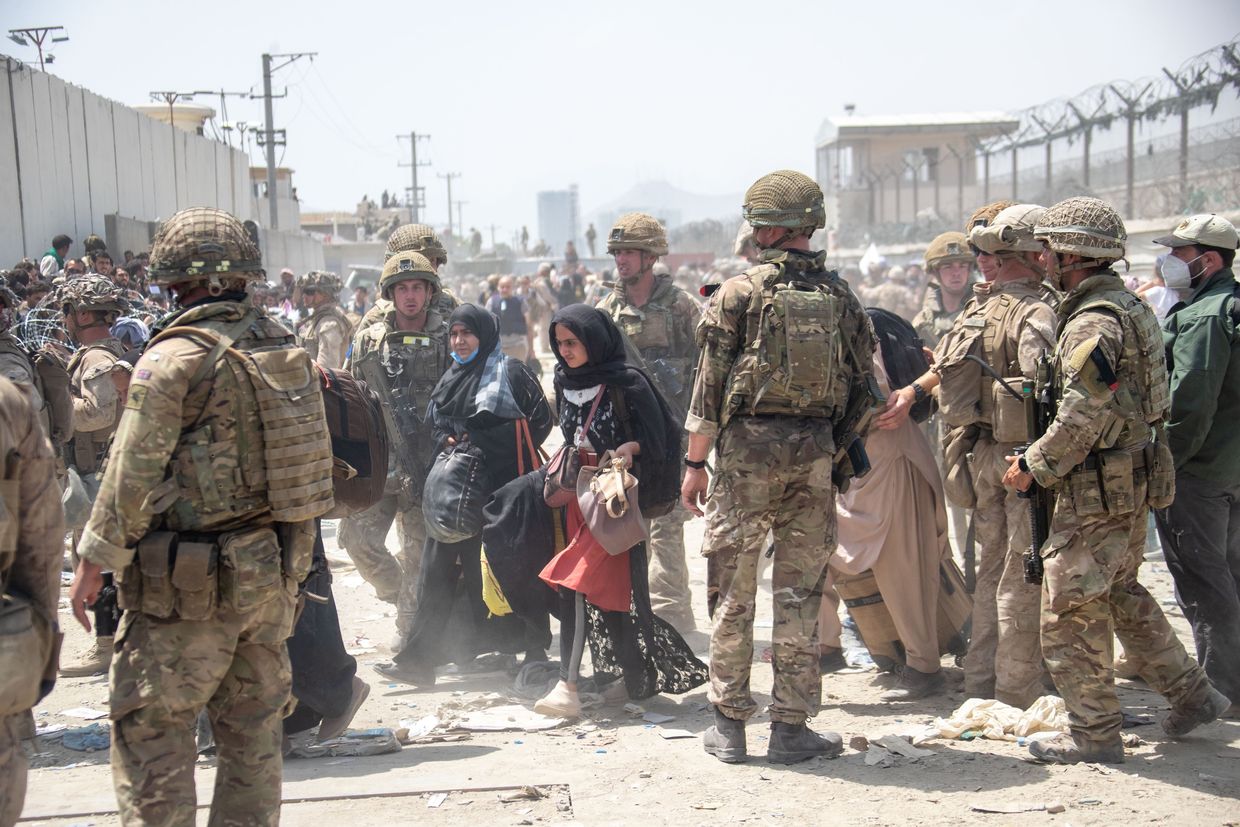
The International Criminal Court (ICC) said on July 8 that it had issued arrest warrants for two senior Taliban leaders, accusing them of crimes against humanity and gender-based persecution following the group's takeover of Afghanistan in 2021. The move follows Russia's recognition of the Taliban as Afghanistan's legitimate government on July 3. Russia, which had previously designated the Taliban as a banned terrorist group, became the first country in the world to recognize it. In a statement,
The International Criminal Court (ICC) said on July 8 that it had issued arrest warrants for two senior Taliban leaders, accusing them of crimes against humanity and gender-based persecution following the group's takeover of Afghanistan in 2021.
The move follows Russia's recognition of the Taliban as Afghanistan's legitimate government on July 3. Russia, which had previously designated the Taliban as a banned terrorist group, became the first country in the world to recognize it.
In a statement, the ICC named Taliban supreme leader Haibatullah Akhundzada and Afghanistan's top judge Abdul Hakim Haqqani as suspects in a campaign of systematic oppression targeting women, girls, and others who do not conform to the group's rigid gender ideology.
The court said the alleged crimes took place across Afghanistan from the Taliban's return to power on August 15, 2021, and continued at least until Jan. 20, 2025. The suspects are believed to have played key roles in the enforcement of Taliban policies that led to "murder, imprisonment, torture, rape and enforced disappearance."
The persecution was not limited to women and girls, according to the ICC. The court said that men perceived as allies of women or opponents of Taliban ideology were also targeted.
The ICC emphasized that the Taliban implemented a state-led policy of repression that violated fundamental human rights and freedoms across the country.
Most of the international community has refused to formally recognize the Taliban regime due to its human rights abuses and failure to meet international standards.
Meanwhile, since Moscow's full-scale invasion of Ukraine in 2022 the Kremlin has deepened relationships with authoritarian regimes, including North Korea, Iran, and now the Taliban. Russia has expanded trade with Afghanistan and allowed Taliban officials to participate in Russian forums.
In December 2024, the Russian State Duma passed a law allowing certain groups, including the Taliban, to be removed from the country's list of banned terrorist organizations. The move paved the way for official recognition.
Putin has referred to the Taliban as "allies," and Lavrov has called them "sane people," despite the group's ongoing enforcement of strict Islamic law, including gender apartheid, public executions, and bans on women's education.
The European Union has reached a long-term trade agreement with Ukraine, marking the end of wartime trade liberalisation measures, though key details of the deal remain undisclosed.EU Trade Commissioner Maros Sefcovic and Agriculture Commissioner Christophe Hansen announced the agreement on June 30, calling it a "predictable" and "reciprocal" framework. However, they did not reveal the final quotas or volumes included in the deal. Sefcovic noted that the finer points would be finalised "in the c
The European Union has reached a long-term trade agreement with Ukraine, marking the end of wartime trade liberalisation measures, though key details of the deal remain undisclosed.
EU Trade Commissioner Maros Sefcovic and Agriculture Commissioner Christophe Hansen announced the agreement on June 30, calling it a "predictable" and "reciprocal" framework. However, they did not reveal the final quotas or volumes included in the deal. Sefcovic noted that the finer points would be finalised "in the coming days."
The new deal replaces the autonomous trade measures (ATMs) that allowed Ukrainian agri-food exports to enter the EU tariff-free since 2022. Those temporary measures expired on June 5, reinstating pre-war trade conditions for a brief period.
Structured in three tiers, the new framework introduces modest increases in quotas for products considered sensitive by EU member states, such as eggs, poultry, sugar, wheat, maize, and honey. A second group of products—including butter, skimmed milk powder, oats, barley, malt, and gluten—will see their quotas adjusted to reflect peak import levels reached since the start of the war. A third category, which includes items such as whole milk powder, fermented milk, mushrooms, and grape juice, will be fully liberalised.
Once finalised, the text of the agreement will be submitted to the Council for ratification.
Sefcovic said negotiations concluded over the weekend, less than a month after formal talks began. However, some critics claim the EU delayed the process to avoid backlash from farmers ahead of Poland’s presidential election.
The agreement also benefits EU producers, granting them greater access to the Ukrainian market for goods like pork, poultry, and sugar. But Hansen made it clear that expanded access for Ukrainian exports will depend on Ukraine’s compliance with EU agricultural standards by 2028, including rules on animal welfare and pesticide use. "This commitment also fits perfectly with Ukraine's EU accession path," he said.
The deal includes safeguard provisions, allowing the EU or individual member states to restrict imports if domestic markets face serious disruptions. “Both EU and Ukrainian producers deserve a stable and predictable basis for the future development of bilateral trade,” Hansen added.
Russian President Vladimir Putin has received an official invitation to attend the G20 summit in South Africa, Russian Ambassador-at-Large Marat Berdyev said in an interview with state-owned media outlet RIA Novosti on June 19.South Africa is a member of the International Criminal Court (ICC) and a signatory to the Rome Statute, meaning it is obliged to arrest Putin if he enters the country.The ICC issued a warrant for the Russian leader's arrest in March 2023 over the illegal deportation of Ukr
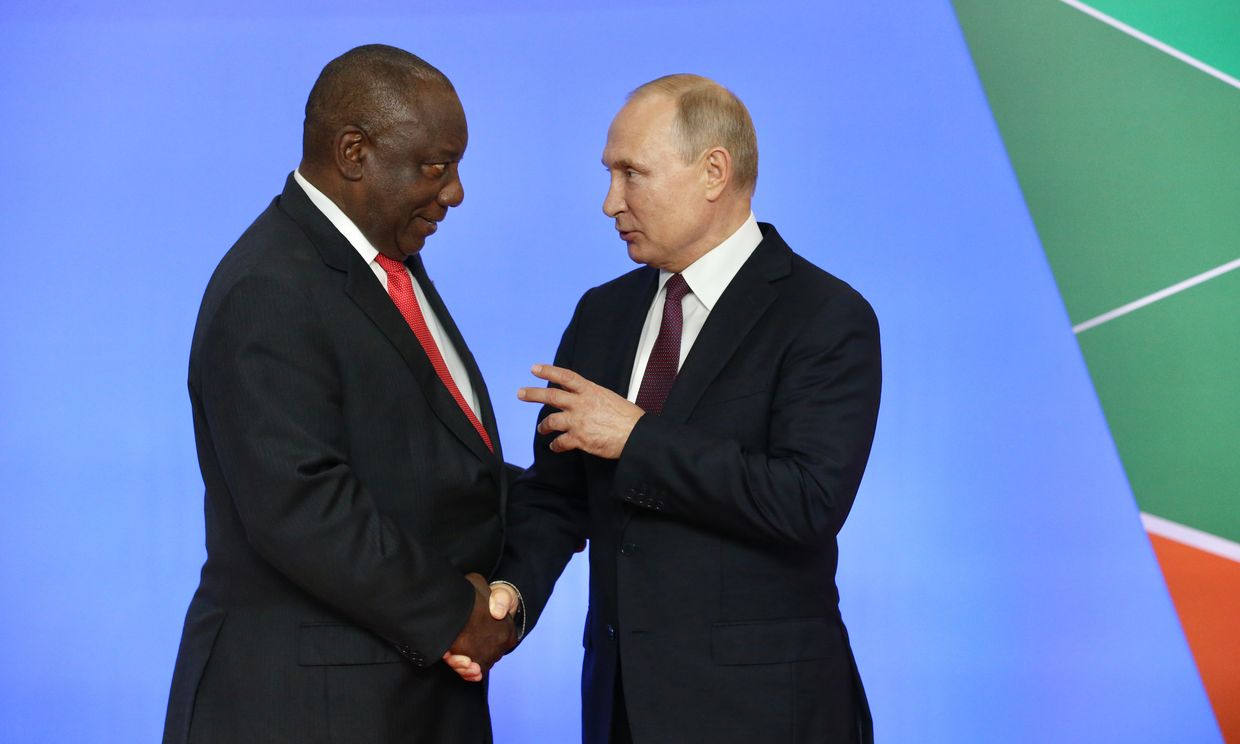
Russian President Vladimir Putin has received an official invitation to attend the G20 summit in South Africa, Russian Ambassador-at-Large Marat Berdyev said in an interview with state-owned media outlet RIA Novosti on June 19.
South Africa is a member of the International Criminal Court (ICC) and a signatory to the Rome Statute, meaning it is obliged to arrest Putin if he enters the country.
The ICC issued a warrant for the Russian leader's arrest in March 2023 over the illegal deportation of Ukrainian children during Russia's full-scale invasion of Ukraine.
"Last week, we received an official invitation. This is an appeal from the head of state, the president of South Africa (Cyril Ramaphosa), to his colleagues," Berdyev said.
The summit is scheduled to take place in Johannesburg from Nov. 22 to 23. Berdyev noted that Russia's final decision on Putin's participation will be made closer to the date. In recent years, Russia has been represented at G20 summits by Foreign Minister Sergey Lavrov.
Despite the warrant, South Africa continues to deepen political and military ties with Moscow. In 2023, the country conducted joint naval drills with Russia and China, and maintains its membership in the BRICS bloc alongside both nations.
In November 2024, Putin skipped the G20 summit in Brazil, another ICC member state, and sent Lavrov instead. Russia's G20 participation has continued uninterrupted despite its war against Ukraine.
In September 2024, Putin made a rare visit to Mongolia, which is also a signatory of the ICC, prompting criticism over the non-enforcement of the warrant.

 Connexion