Vue normale

Russia pulled its fleet back to Novorossiysk to keep it safe. Ukraine hit it there with 15 kinds of weapons at once
13 août 2026 à 06:06

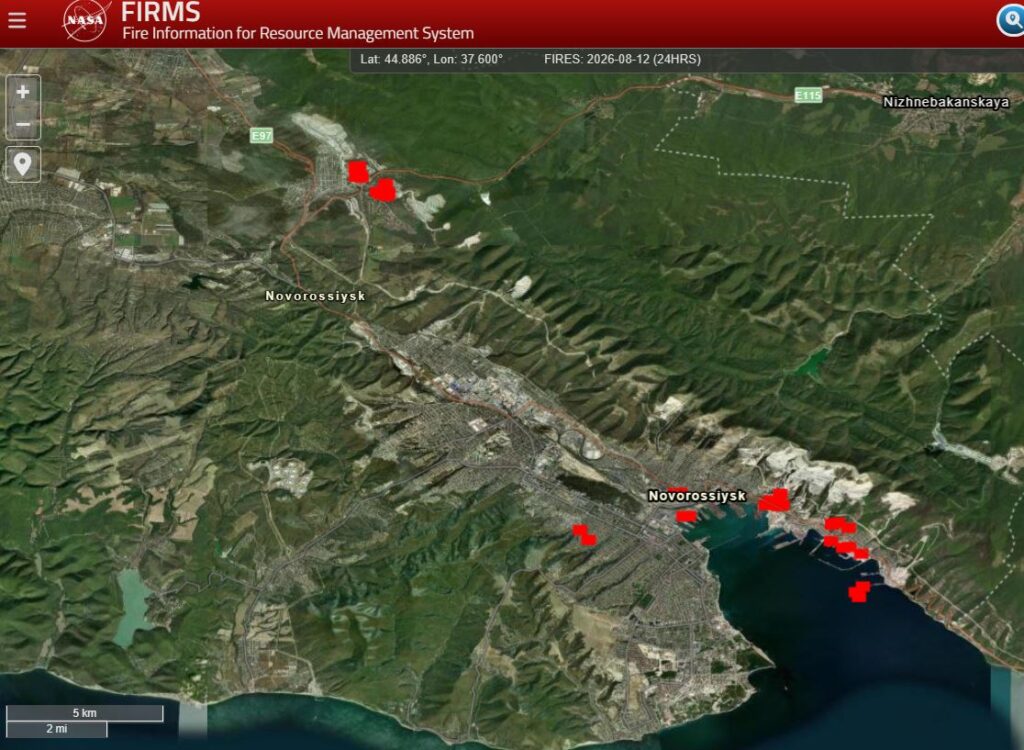
sea drones jet neptune missiles hit one russian port single night · post nasa firms shows fires detected around novorossiysk 12 2026 ukraine news ukrainian reports

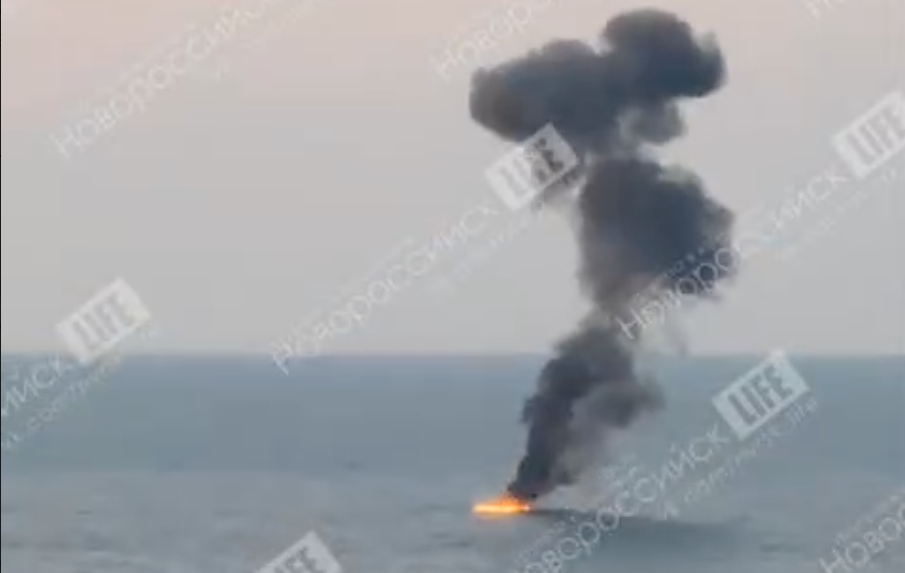
Ukraine struck the Novorossiysk naval base in Russia's Krasnodar Krai overnight on 12 August, and for the first time coordinated more than 15 different strike systems in a single operation, President Volodymyr Zelenskyy said. The package combined Palianytsia jet drones, Neptune anti-ship missiles and naval drones, hitting warships, air defenses and oil infrastructure at the Black Sea Fleet's main base.

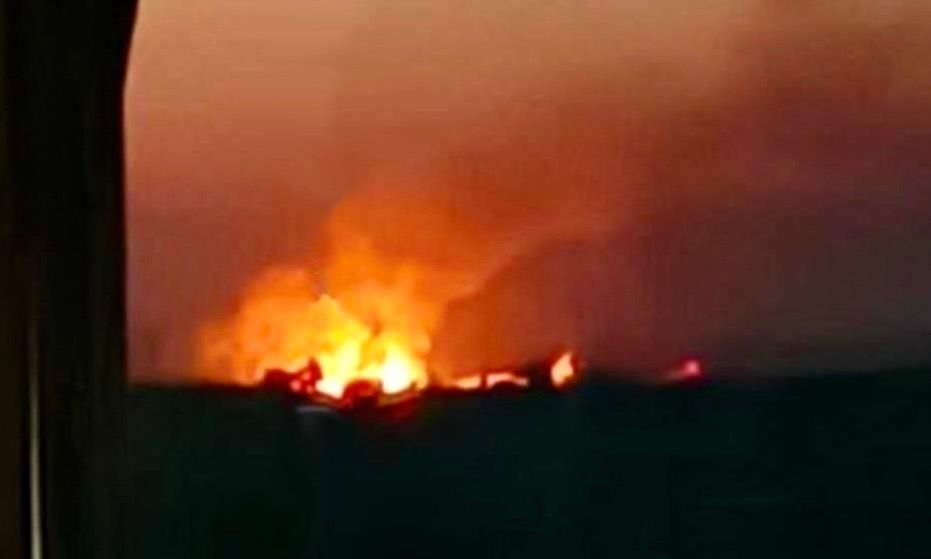
Novorossiysk is the refuge Russia's fleet fled to after Ukrainian drones and missiles pushed it out of occupied Crimea. Reaching its warships there with a mixed salvo — and getting through air defenses that bystander footage showed firing heavily — is the operational read the strike carries, more than any single ship damaged.

The systems and the targets

Zelenskyy named more than a dozen systems that worked together for the first time, from the Palianytsia and Peklo drones to the long-range Neptune and a set of naval drones. He thanked weapons developers for the added reach, framing the coordination itself as the milestone rather than the results.

The Security Service of Ukraine (SBU) confirmed hits on two Kalibr-carrying frigates, the Admiral Essen and Admiral Makarov, and the patrol ship Vasily Bykov. The same strike hit an S-300 radar, a firing position on one of the port's piers, the Sheskharis oil terminal and three of the harbor's berths — a target list wider than the ships alone.

How many ships

The three Ukrainian accounts agree on the two frigates but not on the full tally. The General Staff counted four warships, adding a Buyan-M missile ship to the SBU's three. Zelenskyy separately cited a large landing ship and a corvette among the vessels hit.

Independent analysts who reviewed satellite imagery told The Maritime Executive the damage did not appear catastrophic, with no ships visibly burning or sinking. Ukraine's General Staff said the assessment is still under way.

The fleet's shrinking refuge

The strike extends a campaign that has driven Russia's fleet eastward without Ukraine fielding a navy of its own. Having lost safe basing in Sevastopol, Russia moved its ships more than 300 kilometers from the front — far from Ukraine, but no longer out of reach.

The operation's footprint reached past the base. Russian authorities in Novorossiysk declared a state of emergency and cut water to the port city, and the strike on the Sheskharis oil terminal hit infrastructure that helps fund the war. Zelenskyy said Ukraine would keep striking such targets, and that Russia alone can end the war it started.
  • ✇Euromaidan Press
  • Third one down: Ukraine keeps destroying Russia’s $1.8 million Starlink jammers
    Satellite imagery has confirmed that Ukraine's Defense Forces destroyed a Russian electronic-warfare system built to jam Starlink at Gelendzhik in southern Russia, the Ukrainian defense outlet Militarnyi reported. Ukrainian drones hit the machine on the grounds of a Russian border-guard base during their sweep of the Black Sea coast. It is one more of these costly jammers Russia has lost, even as Ukraine's long-range drones cannot use Starlink over Russia. Ukraine's
     

Third one down: Ukraine keeps destroying Russia’s $1.8 million Starlink jammers

9 août 2026 à 07:59

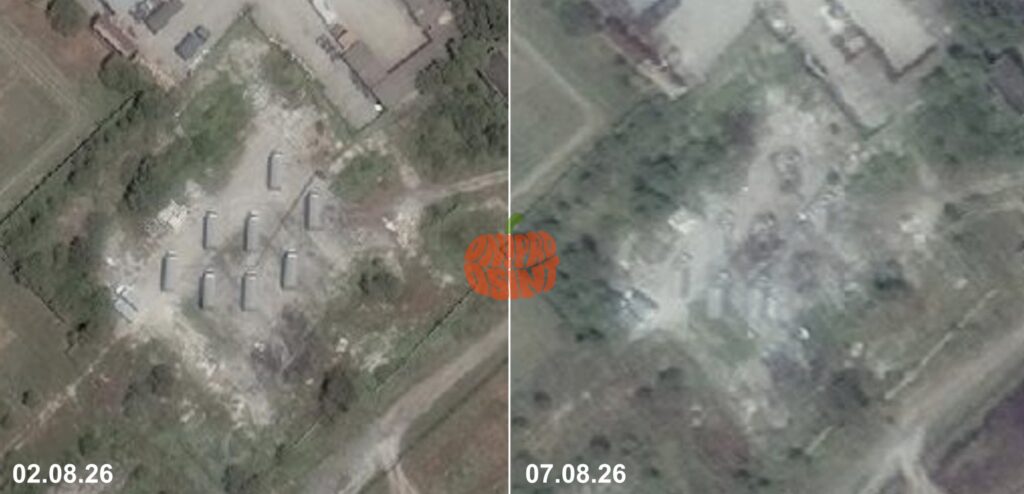
third one down ukraine keeps destroying russia's $18 million starlink jammers · post satellite images russian volna kupol garant starlink-jamming site gelendzhik krasnodar krai russia 2 (left) 7 2026 (right)

Satellite imagery has confirmed that Ukraine's Defense Forces destroyed a Russian electronic-warfare system built to jam Starlink at Gelendzhik in southern Russia, the Ukrainian defense outlet Militarnyi reported. Ukrainian drones hit the machine on the grounds of a Russian border-guard base during their sweep of the Black Sea coast. It is one more of these costly jammers Russia has lost, even as Ukraine's long-range drones cannot use Starlink over Russia.

Ukraine's deep strikes, targeting oil production, e-commerce, and military production, now reach hundreds to thousands of kilometers into Russia. At the same time, Ukrainian drone crews increasingly aim at the air-defense batteries, radars, and jammers in the occupied territory and the adjacent Russian regions — the hardware Moscow relies on to keep those drones out. Such attacks make subsequent Ukrainian strikes more successful.

Satellites caught the before and after

Satellite images published by the OSINT community Dnipro Osint show the site cleared at Gelendzhik, in Russia's Krasnodar Krai. The Volna Kupol Garant complex is gone. Researchers called it the third destruction of this jammer recorded in open sources. The strike landed on the grounds of military unit 2156, the Novorossiysk border detachment of Russia's FSB Border Service.

Ukrainian drones likely hit it alongside a 7 August strike on cargo ships near Novorossiysk and Gelendzhik. Geolocated photos from residents point to a repeat strike on the base on 8 August.

A Volna Kupol Garant system burns.
Explore further

Ukraine’s newest drones don’t need Starlink. Russia spends $1.5 million to jam it anyway.

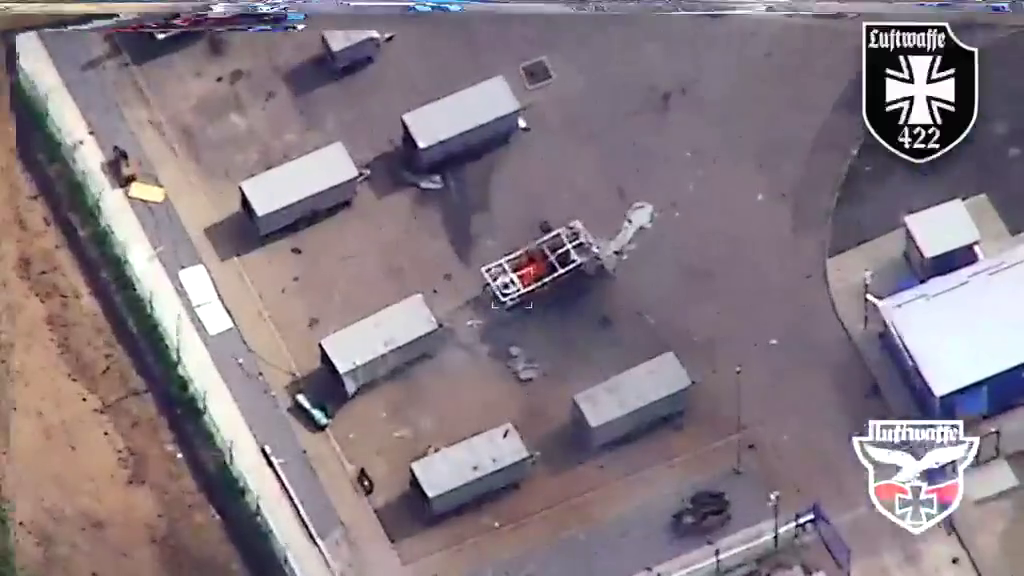
The Volna Kupol Garant is built from trailers carrying satellite antennas. It tracks a passing Starlink satellite and beams a strong signal that scrambles the terminals below across up to 20 km². Starlink is the SpaceX satellite-internet network that Ukrainian drones rely on to reach their operators. Each unit costs about $1.8 million. A same-named firm registered in occupied Simferopol builds it. The developer also makes the Volna 3M jammer that Russia has fitted to Mi-8AMTSh helicopters to block drone satellite navigation.

Ukraine has knocked out these jammers before. The 422nd Unmanned Systems Regiment, the Security Service of Ukraine's (SBU) Alpha special-operations center, and other Ukrainian units have struck such systems, including in occupied Crimea. The complex's weakness is its own power: beaming enough energy to reach a satellite makes it loud and easy to find. 

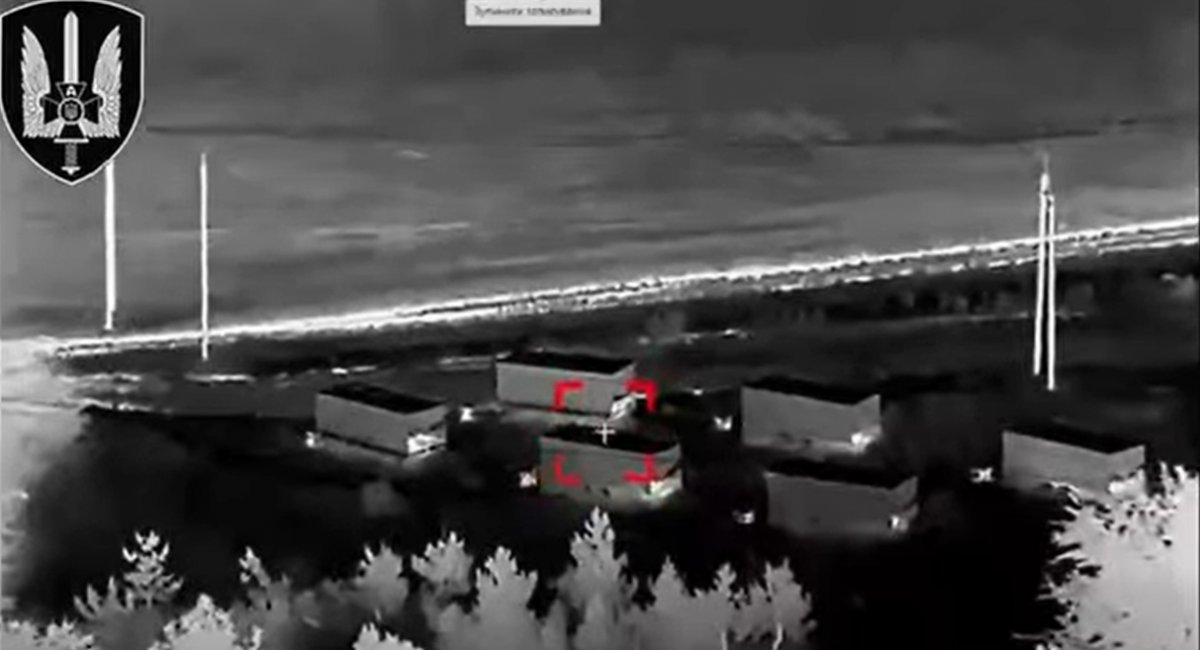
Russian Volna Kupol Garant system, meant to jam Starlink signals in a 20-kilometer area, shortly before being struck by a Ukrainian attack drone. (Video Still: 422nd Separate Unmanned Systems Battalion "Luftwaffe")
Explore further

Russians deploy massive $1.5M Starlink jammers, Ukrainians are blowing them up

And deep inside Russia, there is little Ukrainian Starlink to jam — SpaceX geofences the network to Ukrainian territory, and Elon Musk has refused Kyiv's push to use it for strikes into Russia so far.

The wider hunt

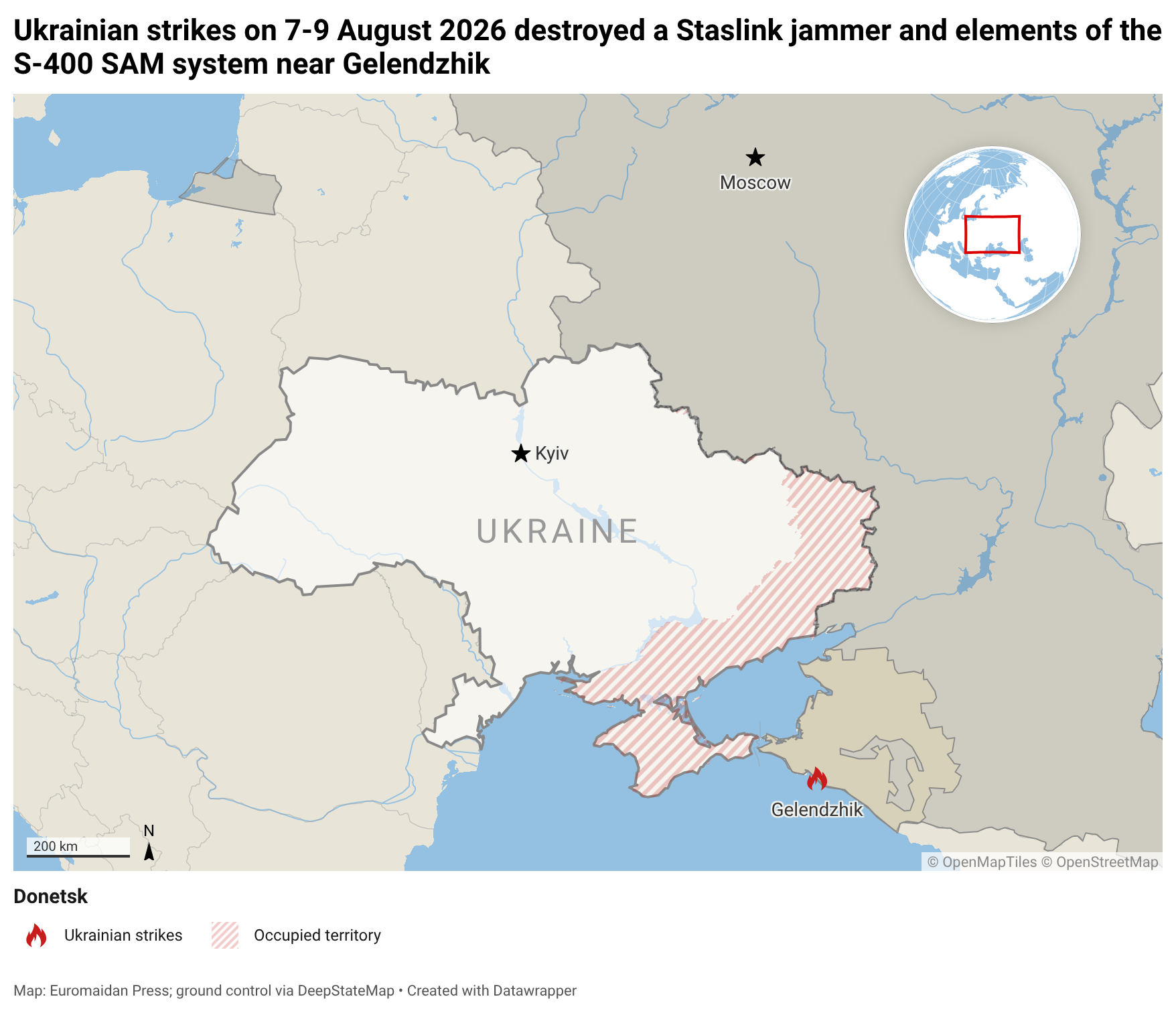
Ukraine's drone crews have spent 2026 tearing into Russia's air defenses and rear. The same run of Black Sea strikes that wrecked this jammer also burned a Russian S-400 air-defense system on the Gelendzhik coast. 

  • ✇Euromaidan Press
  • Russia wanted Novorossiysk to be its main export gateway—Ukraine turned it into a chokepoint
    Ukrainian aerial- and sea-drone attacks have turned Russia's busiest seaport into a place cargo ships increasingly refuse to sail, choking both imports from China and exports of grain and oil, according to The Moscow Times. Logistics and trade executives describe a route to Novorossiysk grown too risky to use, and a Russian grain-industry group warns the Black Sea export corridors could shut down entirely. The strikes that once spared container ships have now reached th
     

Russia wanted Novorossiysk to be its main export gateway—Ukraine turned it into a chokepoint

4 août 2026 à 03:28

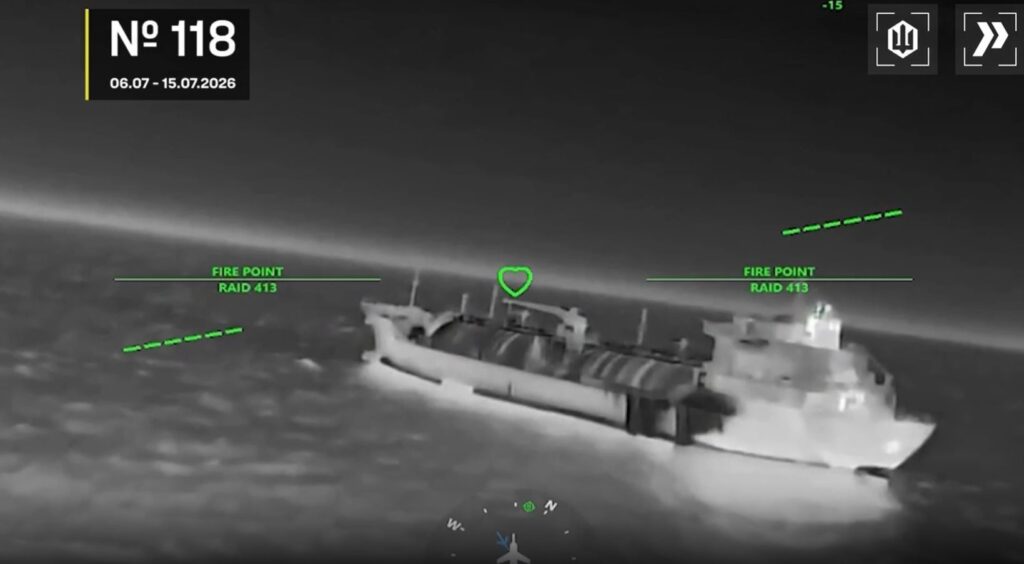
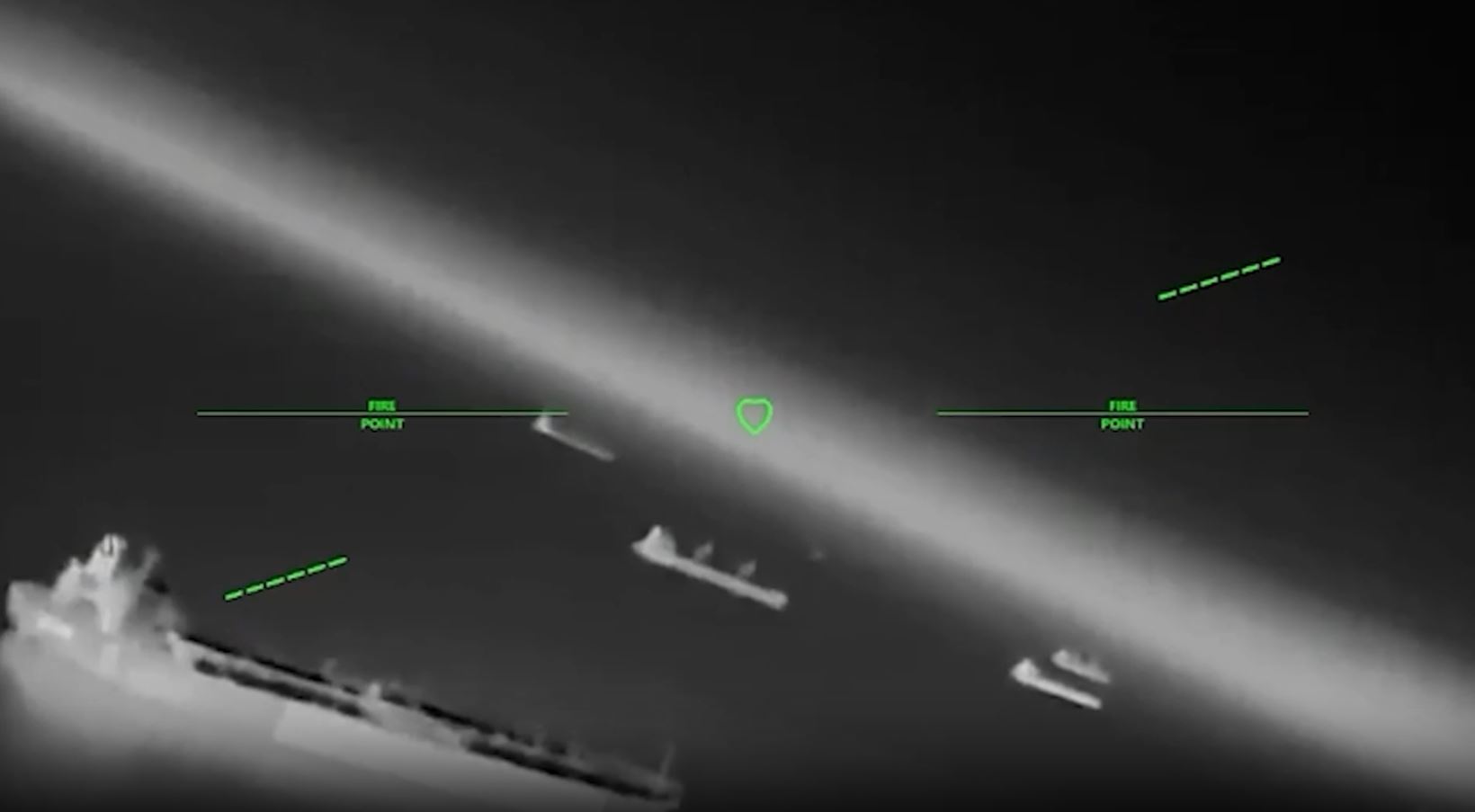
russia wanted novorossiysk its main export gateway—ukraine turned chokepoint · post russian gas carrier thermal sight ukrainian drone during strikes black sea marked 118th vessel hit 6–15 2026 operation sbs

Ukrainian aerial- and sea-drone attacks have turned Russia's busiest seaport into a place cargo ships increasingly refuse to sail, choking both imports from China and exports of grain and oilaccording to The Moscow Times. Logistics and trade executives describe a route to Novorossiysk grown too risky to use, and a Russian grain-industry group warns the Black Sea export corridors could shut down entirely. The strikes that once spared container ships have now reached them too.

Ukraine has spent 2026 forcing Russia to defend a maritime supply chain it once treated as low-risk, turning the sea into one of the war's contested fronts. The longer the southern sea approaches stay dangerous, the more of Russia's oil and grain earnings, the money that pays for the war, end up stuck at sea instead of being sold.

The China route importers are told to skip

"On the China–Novorossiysk route everything is now difficult, the delays are huge," one importer told The Moscow Times. 

Freight forwarders now tell clients to avoid the route outright, three colleagues said. Aerial drones and unmanned boats make the approaches too unpredictable. Earlier strikes fell mostly on grain carriers and oil tankers. Ukrainian drones hit a container ship carrying imports in late July. Then, overnight on 1 August, a sea drone sank the FESCO vessel Yanina about 130 miles offshore. The crew got out. The cargo did not.

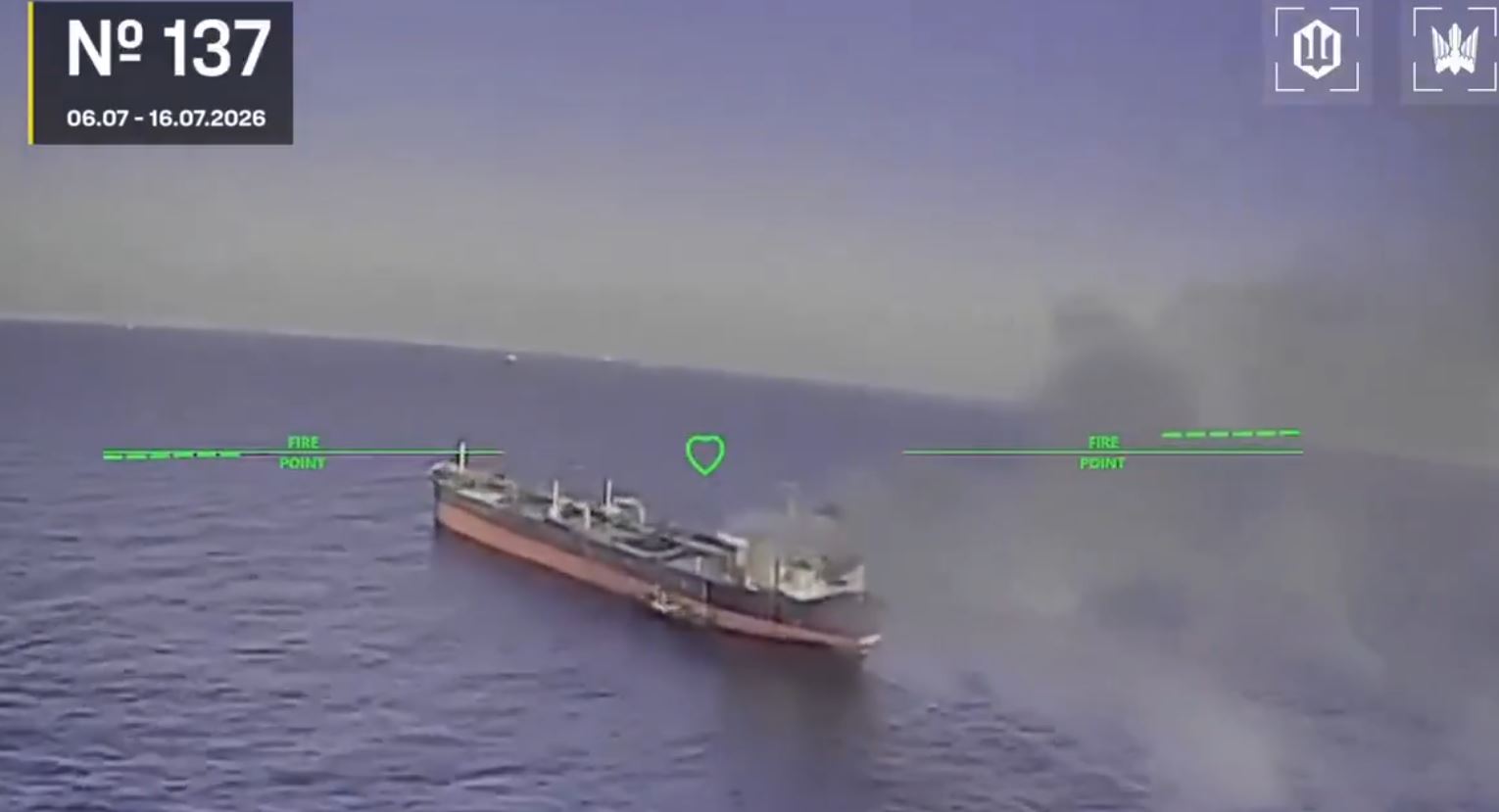
ukraine's spy service navy team up strike two russian crude tankers black sea · post shadow-fleet tanker marked 137th vessel struck 6–16 2026 operation sight ukrainian drone sbs video oil
Explore further

Ukraine hits 201 Russian shadow fleet ships in three weeks. Commander says Crimea’s supply route is now blocked indefinitely

Sailings drop as the campaign widens

Large-ship sailings from Novorossiysk fell 38% in July, the Moscow Times says, citing ship-tracking data, with tanker runs down by half. 

"But now the situation will get worse, because container ships have also become a target," a logistics manager told the publication. 

116 russian ships nine days one big export tanker needs 12–15 small ones fill ukraine burning · post several vessels once thermal sight ukrainian drone over sea azov 13–14 2026
Several Russian vessels at once in the thermal sight of a Ukrainian drone over the Sea of Azov, 13–14 July 2026. Screenshot from video: Unmanned Systems Forces

This is one edge of a wider Ukrainian drone campaign against Russian shipping, codenamed MoLoChKa. The name is an acronym for "Moscow will fall through Crimea." Its own public scoreboard counts 206 vessels hit in July by the Unmanned Systems Forces (SBS) alone, with another logged in August. The SBS have mostly burned the small tankers and support ships that keep Russia's sanctioned shadow fleet moving.

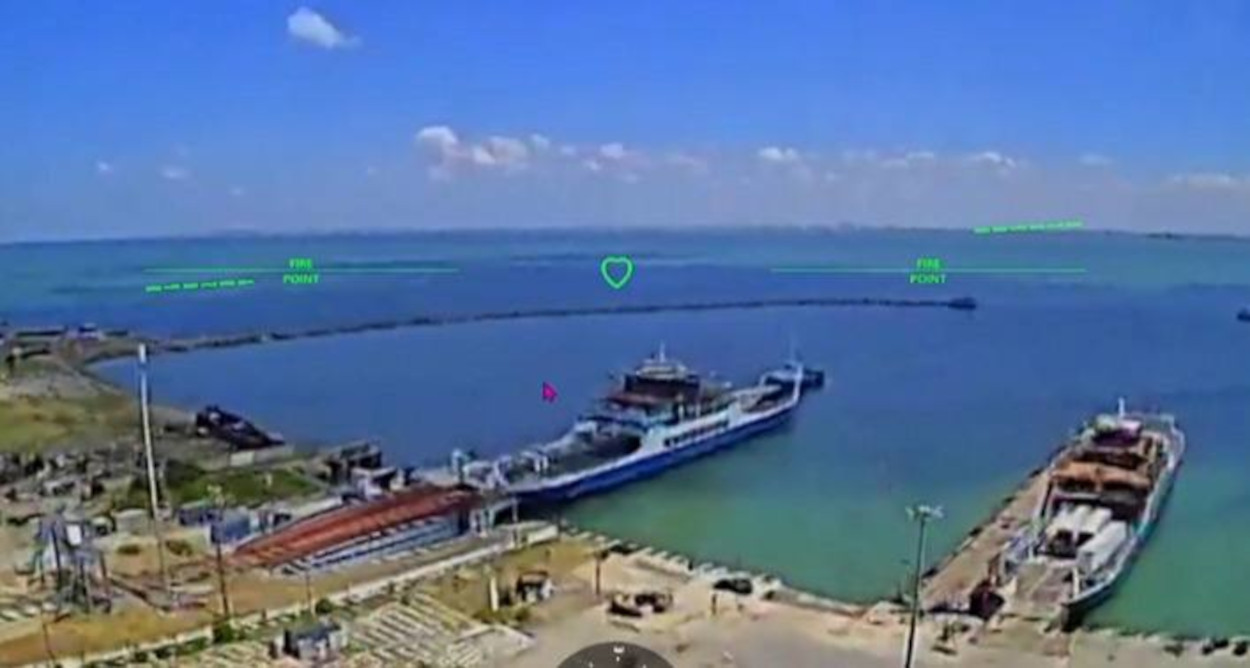
A photo shared by Robert “Madyar” Brovdi shows the Russian ferry “Maria” before it was struck in Ukrainian drone operations, with the damaged “Panagia” ferry visible to the right. Photo: Robert "Madyar" Brovdi
Explore further

Ukrainian drones slash Kerch ferry crossing capacity by 75%, as daily strikes continue on Russian vessels and occupation energy infrastructure

What Russia stands to lose

Novorossiysk carries every fifth ton of Russia's seaborne exports: Urals oil, Kazakh crude, wheat for Egypt, and fertilizer for Asia and Africa

Attacks across the Azov–Black Sea region could cost Russia up to 30–35 million tons of wheat exports this season, a grain-exporters' union estimated. That would gut a harvest analysts expected to top 44-45 million tons. 

"Systematic attacks that began in July could soon lead to the complete blocking of the export corridors of the Black Sea basin," the union said. 

Ukraine's drones had already cut into Russia's seaborne grain trade this summer, and repeated hits on the port's main oil terminal have dented crude loadings. Russia keeps pouring money into the port, building a new terminal worth 120.7 billion rubles (about $1.5 billion), even as ships stay away, The Moscow Times said.

  • ✇Euromaidan Press
  • No siren sounded before drone hit crowded Russian beach near missile maker’s resort, killing six
    A drone came down on a beach full of Russian holidaymakers, and the evidence points to Russia's own air defense bringing it there. On 3 August, drones attacked Krasnodar Krai, and one crashed onto a beach in Arkhipo-Osipovka near Gelendzhik, killing at least six people, three of them children, and injuring around 40, Krasnodar Governor Veniamin Kondratyev said. Russian outlet Agentstvo and OSINT analysts assessed that the drone likely fell because of Russian air-defense
     

No siren sounded before drone hit crowded Russian beach near missile maker’s resort, killing six

3 août 2026 à 18:24

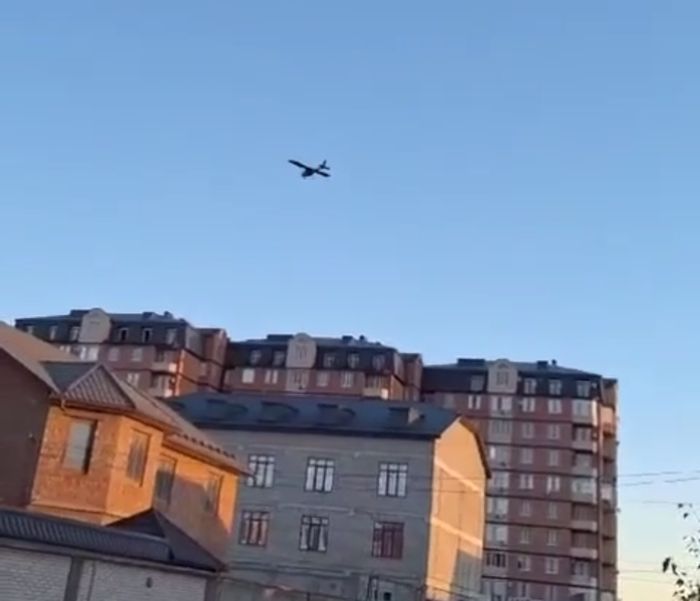
A Ukrainian A-22 long-range strike drone flying on Kaspiysk. Geolocated by Dominik on X.

A drone came down on a beach full of Russian holidaymakers, and the evidence points to Russia's own air defense bringing it there. On 3 August, drones attacked Krasnodar Krai, and one crashed onto a beach in Arkhipo-Osipovka near Gelendzhik, killing at least six people, three of them children, and injuring around 40, Krasnodar Governor Veniamin Kondratyev said.

Russian outlet Agentstvo and OSINT analysts assessed that the drone likely fell because of Russian air-defense fire rather than a direct hit, citing gunfire audible in footage before the drone dived and an abrupt change in its flight path.

The beach sits directly in front of the Rassvet resort, a facility of NPO Mashinostroyeniya, one of Russia's key missile-manufacturing enterprises.

The warning system did not sound

Survivors say they had no notice. Local residents and holidaymakers complained that no air-raid alert sounded at all, though warning systems are installed in the village, and the Russian channel Astra also noted that no alert was heard in the region during the attack, per the reports.

People on the beach were in the open, with little chance to take cover, even if they had been warned. The absence of a siren in a resort packed at the height of the summer season left sunbathers and swimmers with no warning that a drone was overhead and being fired at.

The target was a missile maker's resort

NPO Mashinostroyeniya develops cruise missiles for the Russian army, and its Rassvet recreation base was the apparent target roughly 300 meters from where the drone came down, the Supernova Telegram channel reported.

Ukraine strikes Russian military-industrial sites across the country, and a missile-development enterprise is a legitimate military target. What turned a strike near a defense plant into a mass-casualty event on a beach was, by the analysts' account, Russian air defense knocking the drone down over the crowd rather than away from it. Ukraine had not commented on the strike.

The dynamic is one Ukraine knows intimately in reverse

Russian air-defense missiles and the debris of intercepted drones regularly fall on Ukrainian cities, killing civilians, and Ukraine has long documented how interception over populated areas kills the people it is meant to protect.

  • ✇Euromaidan Press
  • Ukraine destroyed 12 fuel tanks at Russian export terminal. That’s enough fuel to fill 1,000 rail cars
    Ukraine set a major Russian oil terminal ablaze on the Black Sea coast. Operators of the SBS 413th "Raid" Regiment, in a joint operation with comrades from the 1st Separate SBS Center and the Security Service of Ukraine (SBU), struck the Taman maritime terminal near the village of Volna in Krasnodar Krai on 30 July, the regiment reported. The strike destroyed a volume of fuel equal to 1,000 rail tank cars. According to updated data, 12 reservoirs, each holding 5,000 ton
     

Ukraine destroyed 12 fuel tanks at Russian export terminal. That’s enough fuel to fill 1,000 rail cars

3 août 2026 à 11:30

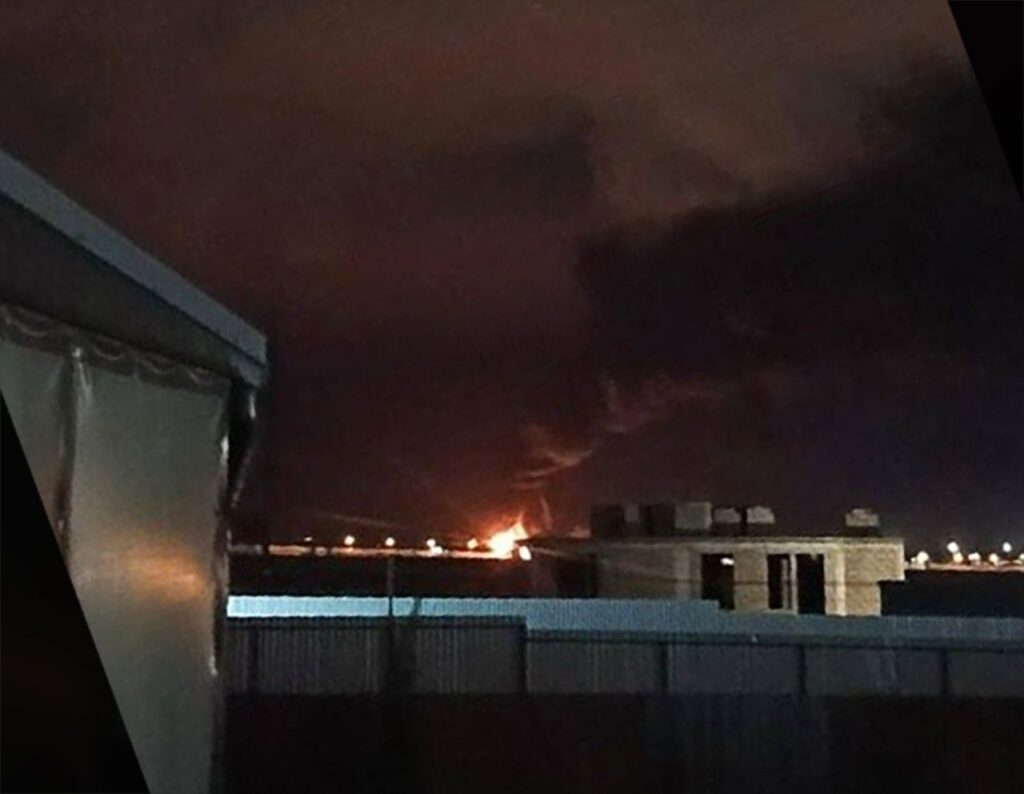
ukraine just blew up same oil terminal southern russia third time since · post fire tamannneftegaz settlement volna krasnodar krai overnight 22 2026 after ukrainian drone strike taman (1) struck

Ukraine set a major Russian oil terminal ablaze on the Black Sea coast. Operators of the SBS 413th "Raid" Regiment, in a joint operation with comrades from the 1st Separate SBS Center and the Security Service of Ukraine (SBU), struck the Taman maritime terminal near the village of Volna in Krasnodar Krai on 30 July, the regiment reported.

The strike destroyed a volume of fuel equal to 1,000 rail tank cars. According to updated data, 12 reservoirs, each holding 5,000 tons, were destroyed at the Taman terminal, and the fire covered more than 17,000 square meters.

The terminal is a key southern export node

Taman is one of the most important fuel facilities in southern Russia. The terminal specializes in the transshipment and export of oil, fuel oil, diesel, and liquefied petroleum gases, operates a large tank farm, and supplies fuel to Russian forces, according to the regiment.

Destroying 12 of its tanks strikes both Russia's fuel exports and its military supply at once, the dual purpose of Ukraine's campaign against Russian oil infrastructure, which targets the refineries, depots, and terminals that turn crude into export revenue and military fuel.

Satellites confirmed the fire

The strike's effect was visible from orbit. The Ukrainian drone strikes caused a large-scale fire on the terminal's territory, recorded by the NASA FIRMS satellite fire-monitoring service.

The reported date corroborates that something large burned there, moving the claim beyond a single belligerent's word.

The unit pioneered Ukraine's long-range drone strikes

The 413th "Raid" Regiment is one of the units that started Ukraine's deep-strike campaign. In 2022, at the start of the full-scale war, a group of special operations fighters first used drone technology to reconnoiter and strike enemy forces at distances up to 500 kilometers, the origin of the regiment.

The Taman strike extends the near-nightly Ukrainian campaign that has idled a large share of Russian refining capacity and now reaches the export terminals on the coast, raising the cost of the oil trade that funds Russia's war.

  • ✇The Kyiv Independent
  • Ukrainian drone strike hits major oil refinery in Russia's Krasnodar Krai, HUR source claims
    Long-range Ukrainian drones struck the Ilsky oil refinery in Russia's Krasnodar Krai on July 7, hitting one of the facility's technological workshops, a source in Ukraine's military intelligence (HUR) told the Kyiv Independent. Located roughly 500 kilometers (311 miles) from Ukrainian-controlled territory, the refinery is among the largest in southern Russia, producing over 6 million tons of fuel annually. It is involved in the reception, storage, and processing of hydrocarbons and distributes r
     

Ukrainian drone strike hits major oil refinery in Russia's Krasnodar Krai, HUR source claims

7 juillet 2025 à 08:01
Ukrainian drone strike hits major oil refinery in Russia's Krasnodar Krai, HUR source claims

Long-range Ukrainian drones struck the Ilsky oil refinery in Russia's Krasnodar Krai on July 7, hitting one of the facility's technological workshops, a source in Ukraine's military intelligence (HUR) told the Kyiv Independent.

Located roughly 500 kilometers (311 miles) from Ukrainian-controlled territory, the refinery is among the largest in southern Russia, producing over 6 million tons of fuel annually.

It is involved in the reception, storage, and processing of hydrocarbons and distributes refined products via road and rail. The refinery is part of Russia's military-industrial complex and plays a direct role in supporting Moscow's war effort, the source said.

The Russian regional operational headquarters claimed that "drone debris" fell on the oil refinery.

The strike marks a renewed wave of Ukrainian attacks on Russian oil infrastructure, following a months-long pause since March. On July 1, Ukrainian drones struck the Saratovorgsintez oil refinery in Russia's Saratov Oblast.

Kyiv has targeted dozens of refineries, oil depots, and military-industrial sites since the start of Russia's full-scale invasion in 2022. Winter drone attacks forced at least four Russian refineries to temporarily shut down.

This is the second known strike on the Ilsky refinery. Ukrainian drones, operated by the Security Service (SBU) and Special Operations Forces (SSO), previously targeted the facility on Feb. 17, causing a fire.

Krasnodar Krai, a strategic region along Russia's Black Sea coast, has increasingly come under Ukrainian drone attacks as Kyiv extends the range of its strikes deep into Russian territory.

HUR publishes Russian military order, claims proof of Moscow increasing military footprint in Armenia
HUR first made the claim on July 5, saying Russia was increasing its forces at the Gyumri base to exert greater influence in the South Caucasus and “destabilize the global security situation.”
Ukrainian drone strike hits major oil refinery in Russia's Krasnodar Krai, HUR source claimsThe Kyiv IndependentChris York
Ukrainian drone strike hits major oil refinery in Russia's Krasnodar Krai, HUR source claims
  • ✇The Kyiv Independent
  • Drones reportedly attack Russia's Black Sea fleet
    Drones attacked Russia's Black Sea Fleet at the port of Novorossiysk in Krasnodar Krai overnight on July 6, the Russian media outlet Astra reported.Ukraine has not officially commented on the reported strikes, and the Kyiv Independent could not independently verify the claims.An air alert was sounded in the city for several hours, and air defense was active. The consequences of the attack are still being determined, according to Astra.The media outlet also published footage purportedly showing a
     

Drones reportedly attack Russia's Black Sea fleet

6 juillet 2025 à 10:14
Drones reportedly attack Russia's Black Sea fleet

Drones attacked Russia's Black Sea Fleet at the port of Novorossiysk in Krasnodar Krai overnight on July 6, the Russian media outlet Astra reported.

Ukraine has not officially commented on the reported strikes, and the Kyiv Independent could not independently verify the claims.

An air alert was sounded in the city for several hours, and air defense was active. The consequences of the attack are still being determined, according to Astra.

The media outlet also published footage purportedly showing a burning maritime drone that was allegedly shot down during the attack.

Krasnodar Krai is located east of Crimea, with the Kerch Strait separating them at their closest point.

Ukraine regularly strikes military targets within Russia as Moscow continues to wage its war against Ukraine.

The Russian Defense Ministry claimed that Russian forces downed 120 drones overnight on July 6.

Thirty drones were shot down over Bryansk Oblast, 29 over Kursk Oblast, and 18 over Oryol Oblast, according to the ministry. An additional 17 and 13 drones were reportedly intercepted over Belgorod and Tula oblasts, respectively, the ministry said.

Due to drone attacks in Russia, numerous flights were canceled or delayed at several airports, including Moscow's Sheremetyevo Airport, overnight between July 5 and July 6.

Ukrainian drone strike on Russian airfield hits bomb depot, aircraft
The airfield hosts Su-34, Su-35S, and Su-30SM jets that Russia regularly uses in air strikes against Ukraine, according to the Ukrainian military.
Drones reportedly attack Russia's Black Sea fleetThe Kyiv IndependentOlena Goncharova
Drones reportedly attack Russia's Black Sea fleet
❌