Moldova has overtaken Poland and Germany to become the largest foreign buyer of Ukrainian dairy products in the first seven months of 2026. It is not the win it sounds like.A country of some 2.5 million people now buys more Ukrainian dairy than any EU member, as falling European prices make EU sales less attractive and cheap imports capture a growing share of Ukraine’s home market.
Ukraine now buys about as much dairy from abroad as it sells—unusual for a country used t
Moldova has overtaken Poland and Germany to become the largest foreign buyer of Ukrainian dairy products in the first seven months of 2026. It is not the win it sounds like.
A country of some 2.5 million people now buys more Ukrainian dairy than any EU member, as falling European prices make EU sales less attractive and cheap imports capture a growing share of Ukraine’s home market.
Ukraine now buys about as much dairy from abroad as it sells—unusual for a country used to exporting it.
Why the EU sales stopped paying
Over that period, the Association of Milk Producers reports, dairy exports shrank by almost a fifth in value against last year, while imports rose by more than a third. Ukraine now buys about as much dairy from abroad as it sells—unusual for a country used to exporting it.
What pushed producers toward a small neighbor rather than the EU was price: European wholesale prices for butter and milk powder fell throughout the summer, until selling into the EU stopped paying. The association expects that to reverse only if prices climb again in the autumn.
The pull shows up most in butter, where Moldova is now the largest butter buyer, taking more than four of every ten kilograms Ukraine exports, even as the total shrinks.
Explore further
Ukraine and Moldova discuss rail corridor for grain amid Russian Black Sea attacks
Cheaper cheese from Poland and other EU states now feeds more than half of Ukraine’s cheese market, up from under 40 percent at the start of 2025, and Ukrainian cheesemakers have cut production rather than compete.
According to the association, a large share is declared as humanitarian aid, allowing it to enter without being tested, without Ukrainian labels, and free of duties and VAT. The association estimates that this costs the budget at least 730 million hryvnias ($16 million) a year.
Moldova subsidizes its own dairy farmers for every liter of milk they sell, yet it now buys more Ukrainian dairy products than any other country.
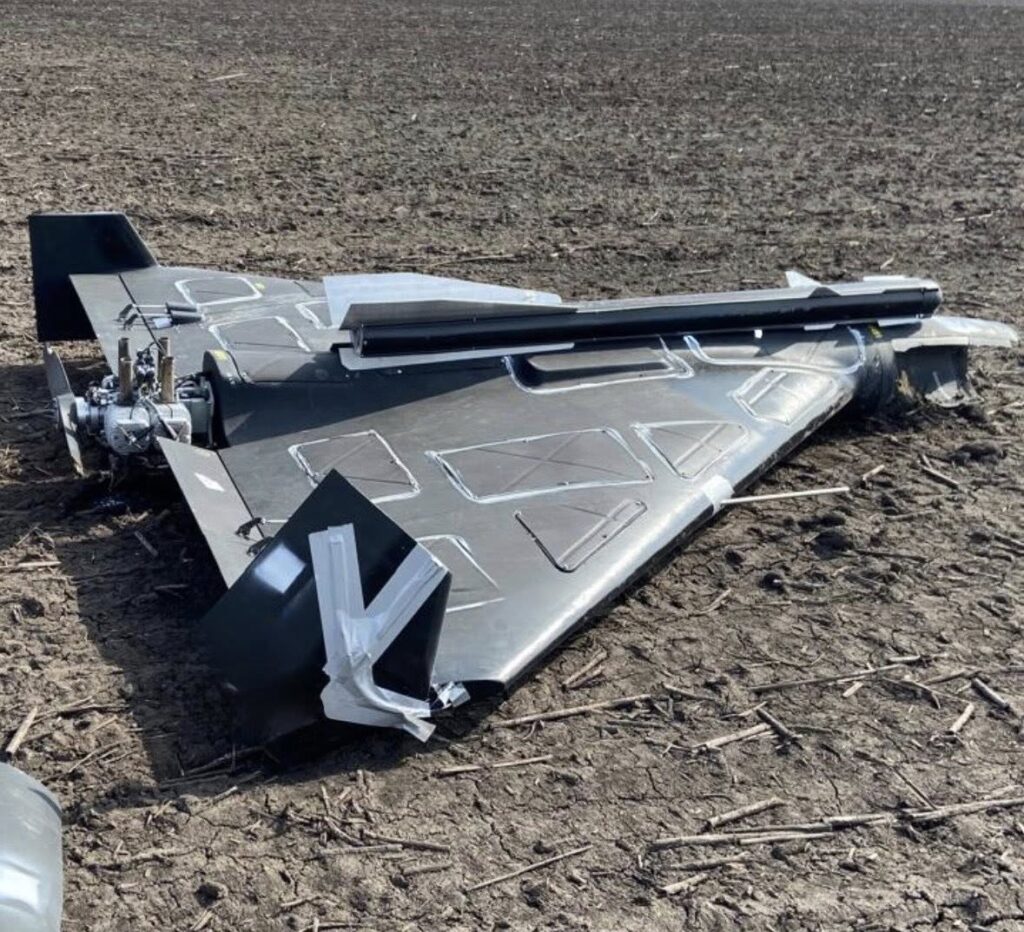
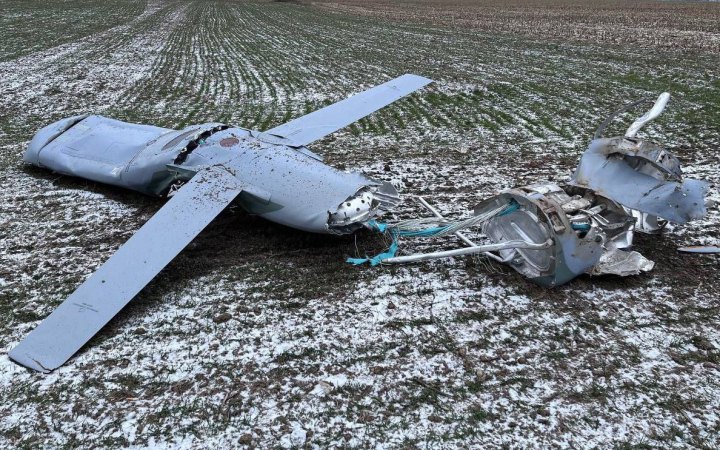
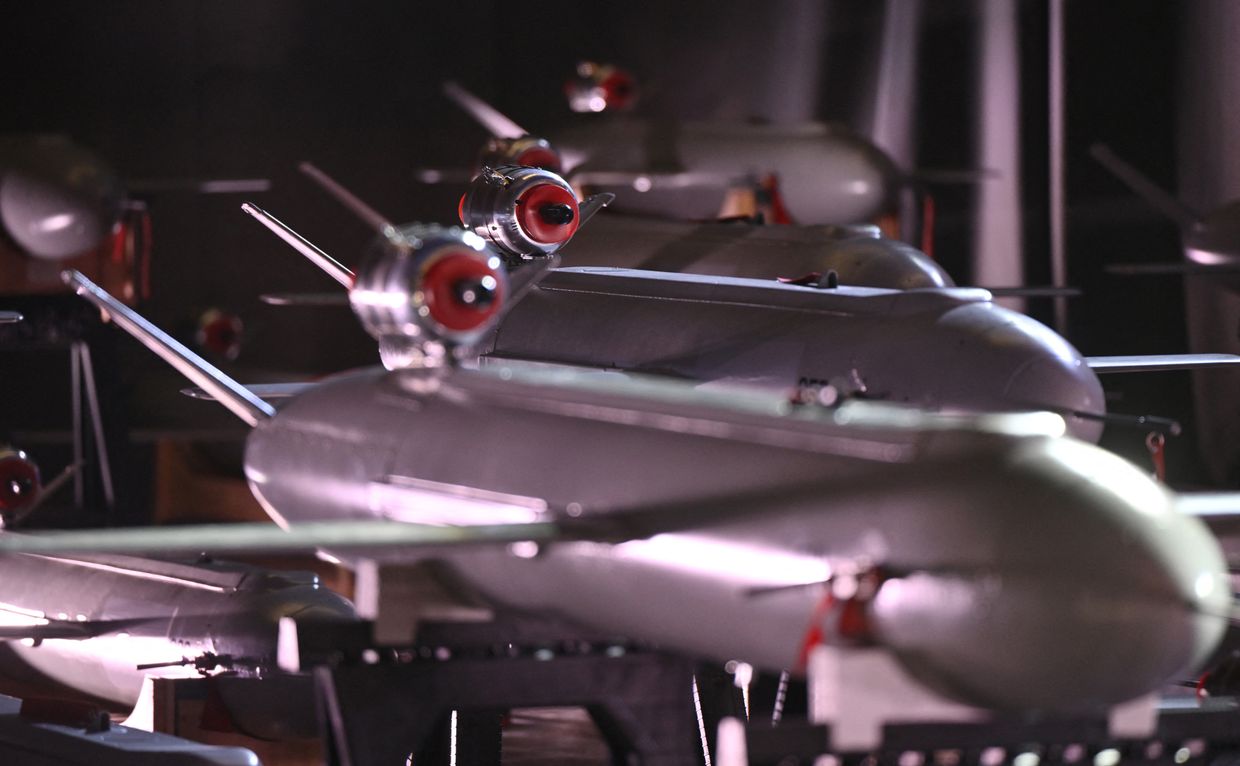
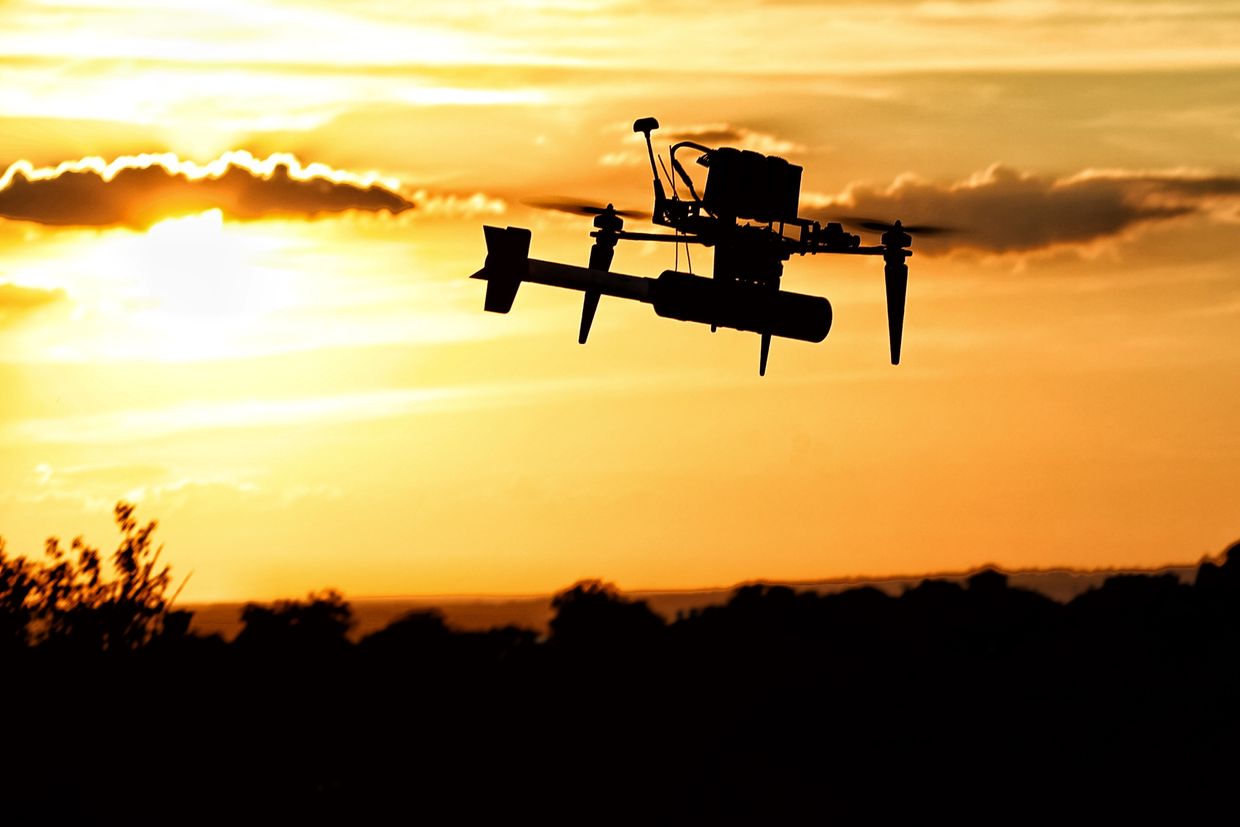
Russia has ceased producing its Geran-3 jet-powered attack drone, Ukraine’s Military Intelligence (HUR) told the Ukrainian defense outlet Militarnyi. The agency estimates Russian industry now makes about 3,000 newer Geran-4 and Geran-5 drones per month.
Russia is shifting toward faster jet drones as Ukraine’s low-cost interceptors have become more effective against slower Shaheds. The Geran-4 and Geran-5 leave defenders less time to react, requiring faster interceptors
Russia has ceased producing its Geran-3 jet-powered attack drone, Ukraine’s Military Intelligence (HUR) told the Ukrainian defense outlet Militarnyi. The agency estimates Russian industry now makes about 3,000 newer Geran-4 and Geran-5 drones per month.
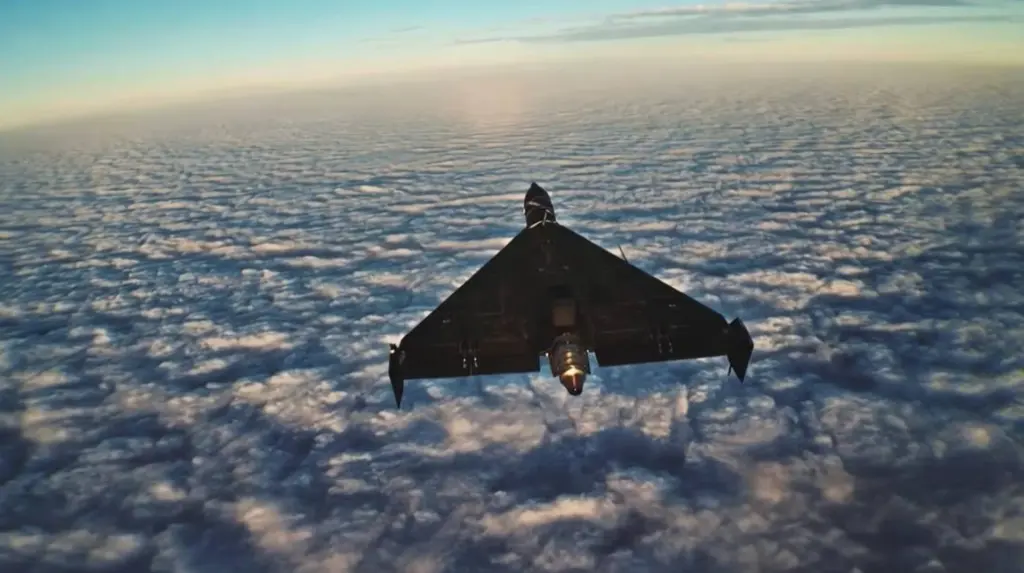
Russia is shifting toward faster jet drones as Ukraine’s low-cost interceptors have become more effective against slower Shaheds. The Geran-4 and Geran-5 leave defenders less time to react, requiring faster interceptors or short-range air defenses. At the reported production rate, these newer Geran models, previously used in limited numbers, could become a regular feature of Russian attacks.
HUR said Russia has established serial assembly of the two newer models at the Alabuga complex in Tatarstan, with other Russian companies supplying components. The agency also said Russia’s Defense Ministry wants to expand Alabuga’s capacity. Construction began in May. Satellite imagery showed large-scale work by early July 2026, although the purpose of the new buildings remains unknown.
From Geran-3 to newer jet drones
Russia first used Geran-3 drones in large numbers during a combined nighttime attack on Ukraine on 30 July 2025. At least eight flew alongside propeller-driven Shaheds and decoys. The model retained the Geran-2 airframe but replaced its piston engine with a Chinese Telefly JT80 turbojet. HUR gave it a speed of 300–370 kilometers per hour and a range of up to 1,000 kilometers.
In May, then-Defense Ministry adviser Serhii “Flash” Beskrestnov said Ukrainian defenses stopped 95% of incoming Shaheds during the most recent documented strike and predicted Moscow would produce more jet-powered Geran variants.
The newer Geran-4 has a more robust airframe than the Geran-3 and is designed for high-speed flight and maneuvers. It can reach 500 kilometers per hour.
The larger Geran-5 carries a roughly 90-kilogram warhead and has a stated range of up to 1,000 kilometers. HUR has said Russia may equip it with R-73 air-to-air missiles, potentially threatening aircraft sent to intercept it.
The Chinese engines that Russia itself can't build
The Geran line combines Iranian designs, Russian assembly, and imported technology. HUR described the Geran-3 as a localized version of Iran’s Shahed-238. It found 45 foreign components inside, including parts from the United States, China, Switzerland, Germany, Britain, and Japan.
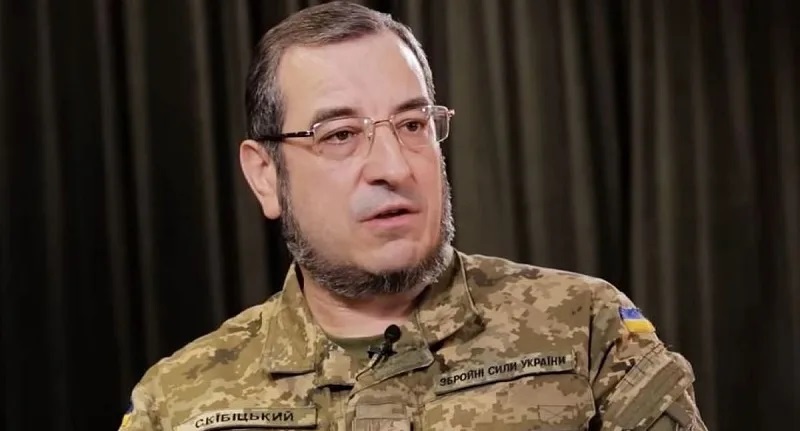
Russia depends on China for the turbojet engines in newer Geran models. HUR deputy chief Vadym Skibitskyi told RBC-Ukraine that Russia remains fully dependent on Chinese turbojet engines for the Geran-4 and Geran-5. Each costs about $35,000–$40,000, he said.
A Chinese XK-F358 mesh radio recovered from a Geran-5 also helps Russian drones resist jamming. Its manufacturer remains outside the US, EU, UK, and Ukrainian sanctions, according to a review by Euromaidan Press.
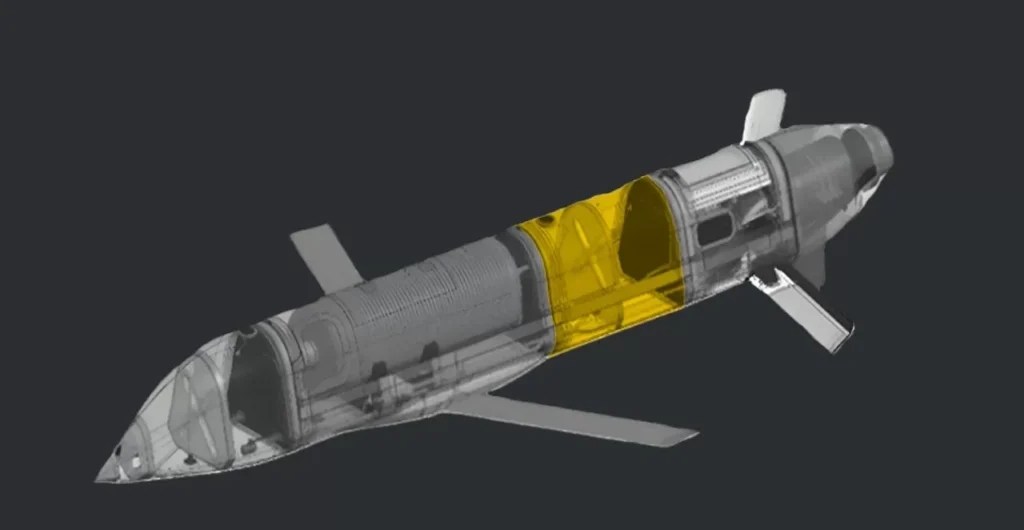
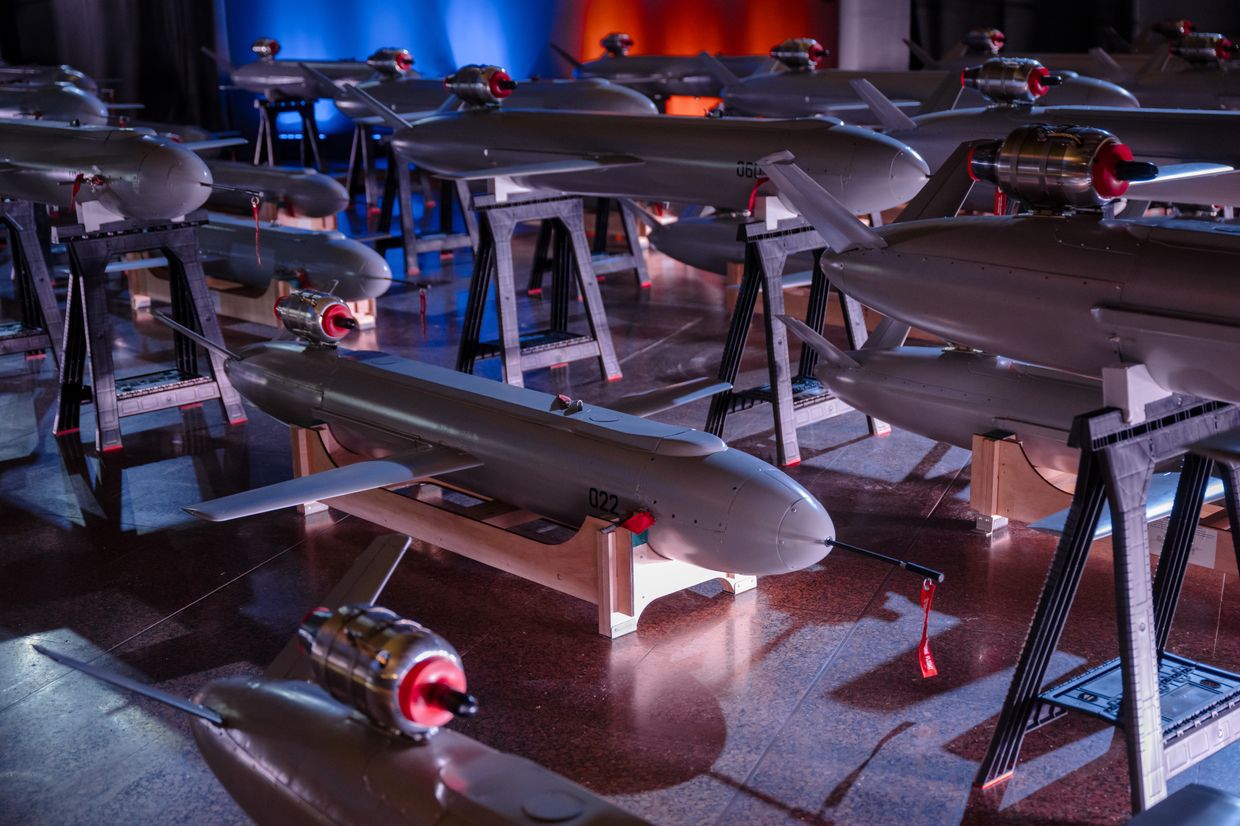
Russia is turning out its cheap Banderol drone-cruise missile at scale. Russia is capable of producing up to 80 jet-powered weapons a month, Ukraine's Defense Intelligence (HUR) told the defense outlet Militarnyi in response to a query.
The production figure sharpens a threat Ukraine has tracked as the Banderol expands. The missile has a relatively short range of about 500 kilometers, so Russia effectively launches it from Crimea at Odesa. It means Russia can sustain an
Russia is turning out its cheap Banderol drone-cruise missile at scale. Russia is capable of producing up to 80 jet-powered weapons a month, Ukraine's Defense Intelligence (HUR) told the defense outlet Militarnyi in response to a query.
The production figure sharpens a threat Ukraine has tracked as the Banderol expands. The missile has a relatively short range of about 500 kilometers, so Russia effectively launches it from Crimea at Odesa. It means Russia can sustain and grow the Banderol strikes on Ukraine's south, a weapon whose ground launcher Ukraine recently found could let Russia fire it without warning and in salvos.
The missile is fast, cheap, and short-range
The Banderol was developed and is made by the Russian company Kronshtadt, reaching a maximum speed of 620 to 650 kilometers per hour and cruising at 520 to 560, with a fragmentation-high-explosive warhead of 114.3 kilograms, of which 49.5 kilograms is explosive.
Its range dictates where it is used. At about 500 kilometers, the Banderol cannot reach far into Ukraine, which is why Russia fires it from occupied Crimea at Odesa, using the peninsula's proximity to strike the southern port city that has borne so much of Russia's missile campaign.
It has launched them at the Kyiv agglomeration to hit Rozetka, Ukraine's largest online retailer.
Banderol's jet propulsion allows speeds that Ukrainian mobile fire teams cannot match with standard ground-based machine guns. Countering the missile requires systems like the Gepard that can track fast-moving targets.
The production runs on Western parts
The 80-a-month figure comes at a cost in effort and imports. To sustain the stated production rate, Russian enterprises work in three shifts, and to make the missiles, Russia uses Western components.
Ukraine's War & Sanctions portal documented over 20 foreign-made components and approximately 20 microchips of foreign origin from 30 different companies in the missile's construction, with a Chinese Swiwin SW800Pro jet engine, available on AliExpress for approximately $16,000, powering the weapon.
If President Trump moves ahead with 50 percent tariffs on a wide range of Canadian products later this month, some companies may only survive by relocating to the United States.
If President Trump moves ahead with 50 percent tariffs on a wide range of Canadian products later this month, some companies may only survive by relocating to the United States.
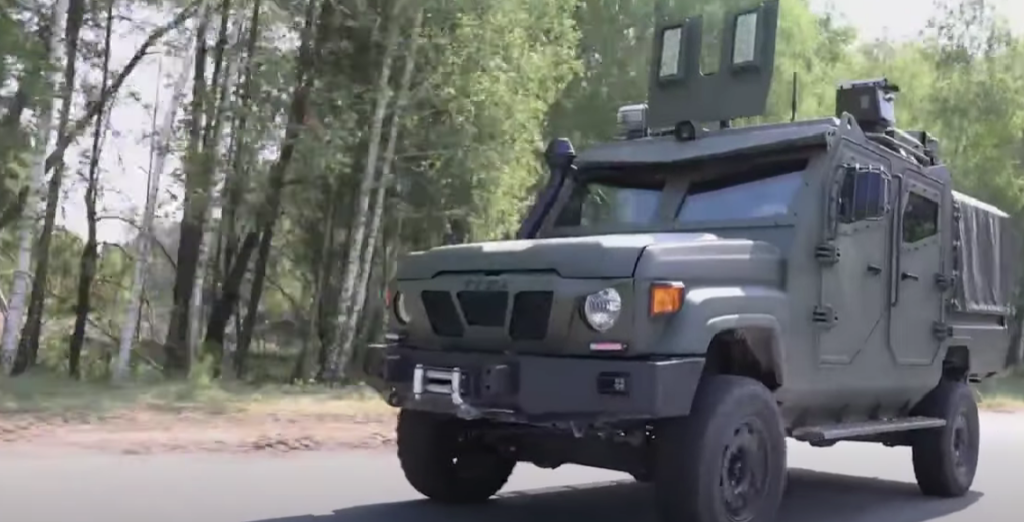
Ukraine is retiring a Soviet chemical-scout vehicle in favor of one it built itself. Ukraine's National Guard has received the first Ukrainian radiation and chemical reconnaissance vehicles on the armored Tisa chassis, replacing the outdated Soviet UAZ-469RKh, National Guard commander Oleksandr Pivnenko announced.
The vehicle is a step in Ukraine's shift from Soviet legacy equipment to its own modern designs. Developed to National Guard specifications for current battle
Ukraine is retiring a Soviet chemical-scout vehicle in favor of one it built itself. Ukraine's National Guard has received the first Ukrainian radiation and chemical reconnaissance vehicles on the armored Tisa chassis, replacing the outdated Soviet UAZ-469RKh, National Guard commander Oleksandr Pivnenko announced.
The vehicle is a step in Ukraine's shift from Soviet legacy equipment to its own modern designs. Developed to National Guard specifications for current battlefield conditions, the armored scout allows crews to survey and monitor contaminated zones without leaving the protected vehicle.
What the vehicle does
The vehicle carries radiation and chemical reconnaissance instruments, an automated system for collecting and processing information, a weather station, modern communications, and satellite navigation, all of which enable real-time data collection and transmission to assess a situation and make decisions faster.
The mission is early warning of invisible threats. The task of chemical, biological, radiological, and nuclear (CBRN) units is to detect radiation, chemical, and biological threats in time, determine the extent of contamination, and quickly pass the information to command.
"The safety of soldiers, the completion of combat tasks, and the protection of the civilian population depend on the speed and accuracy of this work," Pivnenko said.
The armored base is the upgrade
The Tisa chassis is what sets the new vehicle apart from its Soviet predecessor. The light-armored Tisa is built on the Toyota Land Cruiser 79 platform and meets the NATO STANAG 4569 protection standard, providing ballistic and mine protection that the open-topped UAZ never offered.
The vehicle is equipped for hard conditions. It carries night-vision systems and air ventilation and filtration systems, letting the crew work in contaminated or dangerous environments while staying protected. The filtration matters especially for a CBRN vehicle: it lets the crew operate inside a sealed, over-pressured cabin in exactly the toxic zones the vehicle is sent to scout.
Russia can currently fire a simultaneous salvo of 77 ballistic missiles, and it aims to lift that ceiling to 200. Robert "Magyar" Brovdi, who commands Ukraine's Unmanned Systems Forces, told the Associated Press. He called the plan one of Ukraine's gravest weak points.
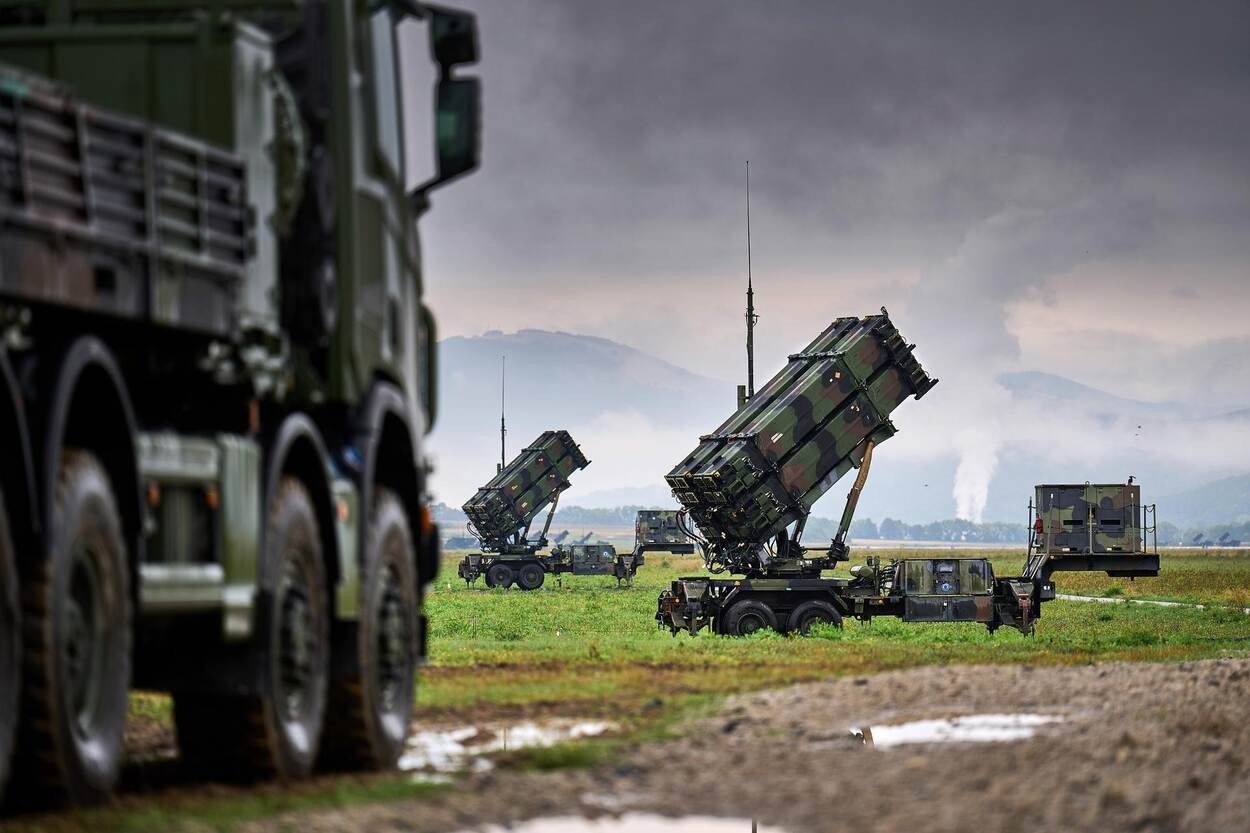
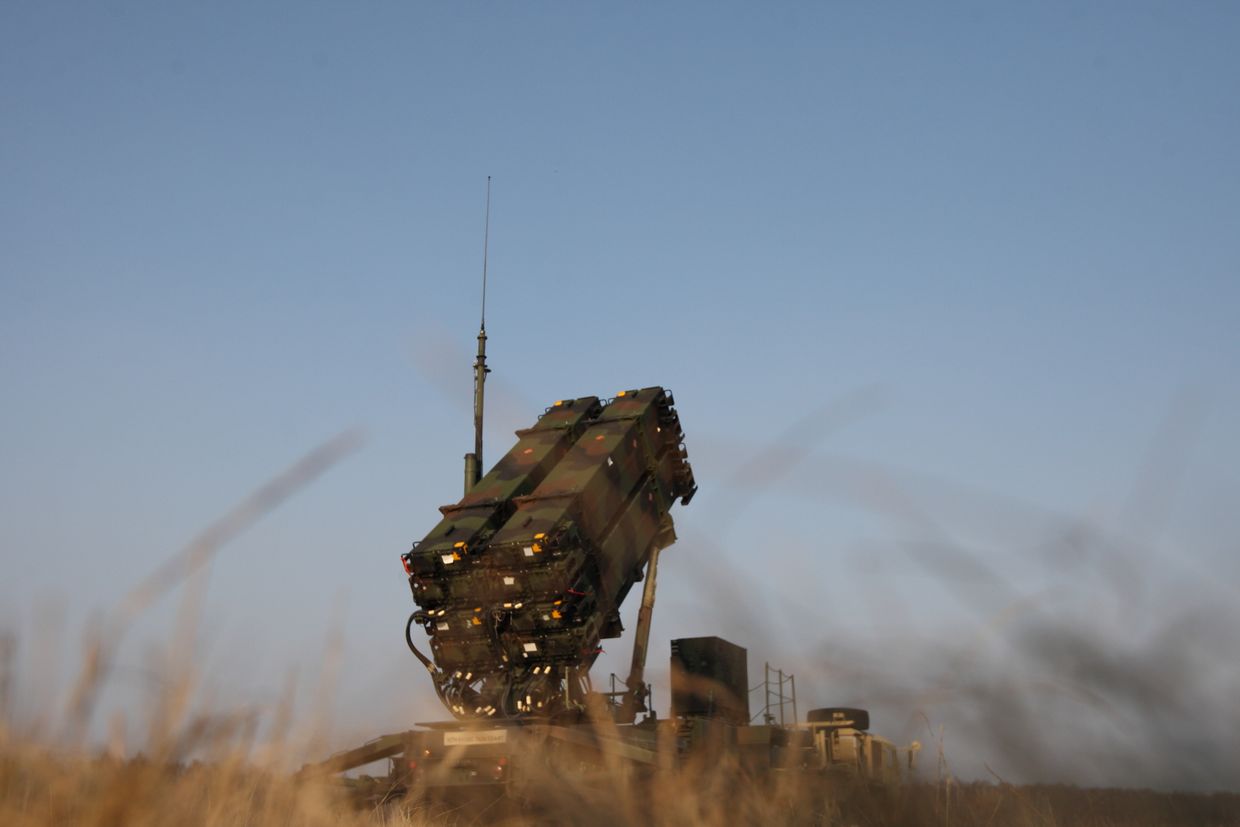
Kyiv's only reliable shield against ballistic missiles is the US-made Patriot, and its interceptor stocks are critically low. During mass barrages, dozens of warheads therefore slip through and reach their ta
Russia can currently fire a simultaneous salvo of 77 ballistic missiles, and it aims to lift that ceiling to 200. Robert "Magyar" Brovdi, who commands Ukraine's Unmanned Systems Forces, told the Associated Press. He called the plan one of Ukraine's gravest weak points.
Kyiv's only reliable shield against ballistic missiles is the US-made Patriot, and its interceptor stocks are critically low. During mass barrages, dozens of warheads therefore slip through and reach their targets. Only a handful of countries can build such interceptors, and all are short, defense analysts have warned. The AP, for its part, could not independently verify Brovdi's numbers.
Ballistic missiles remain the hardest to stop
That shortfall has already turned lethal. Intensified strikes made July the deadliest month for Ukrainian civilians since April 2022, the UN human-rights office in Ukraine documented. Air defenses downed just 29 of the 195 ballistic missiles Russia fired that month, roughly 15%. Another 40 fell short on their own. Yet the largest single-night launches recorded so far run to only a few dozen. That is well below the salvo of 77 that Brovdi describes, and a fraction of the 200 Moscow is reaching for.
"Even if they only manage half of that, it will all be flying at us." - Robert "Magyar" Brovdi, commander, Ukraine's Unmanned Systems Forces
Production running ahead of plan
His warning tracks Ukrainian intelligence. Russia's defense industry is overfulfilling its monthly targets, hitting 110% to 120% on the main missile types. So said Deputy Military Intelligence Chief Vadym Skibitskyi in an interview with RBC-Ukraine. He put July output for the Kh-101 cruise missile at 140% of plan, the Kalibr at 111%, and the Kh-35 at 200%. A pause in strikes, he judged, is unlikely.
The pivot to jet-powered drones
Moscow's factories are also retooling around drones. Russia plans to assemble 11,000 strike drones of various types in August 2026, Skibitskyi said. That mix spans the Geran-1 through Geran-5, the Harpia, and several Gerbera variants. Output dipped in July as the industry shifted toward the turbojet Geran-4 and Geran-5.
Those jet models fly faster and demand different interceptors or short-range air defense. They already made up half of one recent attack. The concentration of jet-powered Shaheds, meanwhile, has climbed 2.5 times in recent weeks, Brovdi added. Taken together, the assessments point one way: more missiles and faster drones, launched in larger waves, against defenses Ukraine is scrambling to rebuild.
Russia fired 198 ballistic and hypersonic missiles at Ukraine in July, its highest monthly total of 2026, alongside 153 cruise missiles, as its factories ran their main missile lines at 110 to 120% of plan, the deputy head of Ukraine's Defense Ministry intelligence directorate (HUR), Major General Vadym Skibitskyi, told RBC-Ukraine in an interview published on 10 August.
The volume reflects a production run, not a drawdown of reserves. Moscow has spent recent months bui
Russia fired 198 ballistic and hypersonic missiles at Ukraine in July, its highest monthly total of 2026, alongside 153 cruise missiles, as its factories ran their main missile lines at 110 to 120% of plan, the deputy head of Ukraine's Defense Ministry intelligence directorate (HUR), Major General Vadym Skibitskyi, told RBC-Ukraine in an interview published on 10 August.
The volume reflects a production run, not a drawdown of reserves. Moscow has spent recent months building and firing more of exactly the weapons most likely to penetrate Ukrainian defenses, as Kyiv runs short of the Patriot interceptors that are its only reliable counter to ballistic missiles. On 5 August, Ukraine failed to intercept any of 28 Russian missiles, including 24 ballistic ones.
Launches climbed through the summer
Ballistic launches rose steadily before July's peak: 61 in April, 107 in May, and 134 in June, Skibitskyi said. Attack intervals shortened from roughly one strike every 10 days to weekly, then tighter. "Everything depends on the quantity of weapons produced," he said.
Russia is meeting its monthly plans for the main missile types at 110 to 120% and, by 3 August, had already fulfilled its full-year plan for the Zircon hypersonic and modernized Onyx missiles, building 33 Zircons and 60 Onyx in seven months. That output, Skibitskyi said, makes a lasting pause in strikes unlikely.
A downed Russian Kh-101 missile. Illustrative photo by Ukraine's Air Force
Plans overfulfilled, reserves untouched
Output for individual systems ran well above target. The July plan for the Kh-101 cruise missile was met at 140%, the Kalibr at 111%, and the Kh-35 at 200%, according to HUR figures. In absolute terms, Russia planned 72 Kh-101s and built 87. It planned 26 Kalibrs and built 29.
Its stockpile of 9M723 ballistic missiles for the Iskander-M stood at about 130 as of 5 August, against a monthly plan of 60, though July output reached 65, Skibitskyi said. For the RM-48U, a Mach 6 surface-to-surface missile launched from the S-400, the August plan is about 40 units on estimated reserves of 400.
"They are not really going into reserves. Right now almost everything for use comes off the assembly line," Skibitskyi said.
An Iskander-M short-range ballistic missile launcher with its missile raised, at the Army-2016 military expo near Moscow, Russia, 8 September 2016. Photo: Vitaly V. Kuzmin
Newly built Kalibrs now largely go to equip Russia's new warships and submarines, he added, and Ukraine intercepts nearly all the Kalibrs fired when it has the surface-to-air missiles to do so.
Kinzhal and Kh-32 output halted since April
Part of the ballistic surge came from stopping other programs. Russia suspended production of the hypersonic Kinzhal and the Kh-32 cruise missile in April, redirecting their propellant and components to missiles it considers more effective, Skibitskyi said. The Kh-32, a modernized Kh-22, had failed repeated attempts to improve its accuracy and was returned to development.
The Kinzhal has a similar problem.
"We can hardly recall a case when this missile hit the target precisely," Skibitskyi said. "For an effective missile the deviation from the target should not exceed 5 to 7 meters, and theirs is 30 meters and more."
The Geran-3 jet-powered Russian attack drone. (Photo: Wild Hornets)
A shift to jet-powered drones
Russia's August plan for strike drones, across the Geran, Gerbera, and Harpia families, is 11,000 units, Skibitskyi said. Production dipped in July as plants retooled toward the turbojet Geran-4 and Geran-5, which already made up half of one recent attack and require faster interceptors to stop.
The engines remain a bottleneck. Russia depends on China for the turbojets, pays about $35,000 to $40,000 apiece, and is trying to build its own, Skibitskyi said.
Targets: defense plants, logistics, and Black Sea shipping
Russia concentrates its strikes on Ukraine's defense-industrial complex, centered on Kyiv, Zaporizhzhia, Dnipro, and Kharkiv, and on logistics, including railways, ports, and shipping, Skibitskyi said. He described a methodical campaign against civilian vessels in the Black Sea: "This is an unprecedented situation, when civilian vessels are not simply struck but methodically finished off and destroyed, to deny us the ability to conduct trade."
Energy sites tied to ports and logistics are also targeted, he said, along with other infrastructure meant to sow panic and destabilize the country.
North Korea, Iran, and a Starlink analog
North Korea has transferred 40 more KN-23 and KN-24 missiles after an initial batch of about 100, Skibitskyi said. One recent North Korean missile strayed roughly 15 kilometers from its target and killed a family. Iranian cooperation has narrowed since 2022 and 2023, as Russia now builds its own strike and FPV drones.
Moscow is also fielding Rassvet, a Russian analog of Starlink, faster than planned. Sixteen satellites reached orbit in March 2026, with a planned constellation of 292 by 2027 and 924 by 2035. For now, it works only in fragments, as each satellite passes over Ukrainian territory.
A pause looks unlikely
Russia may cut the number of missiles sent at a single target but is unlikely to stop, Skibitskyi said. The tempo will depend above all on how much it can produce. "They will be able to reduce the number of missiles flying at one target, but they are unlikely to make a pause," he said.
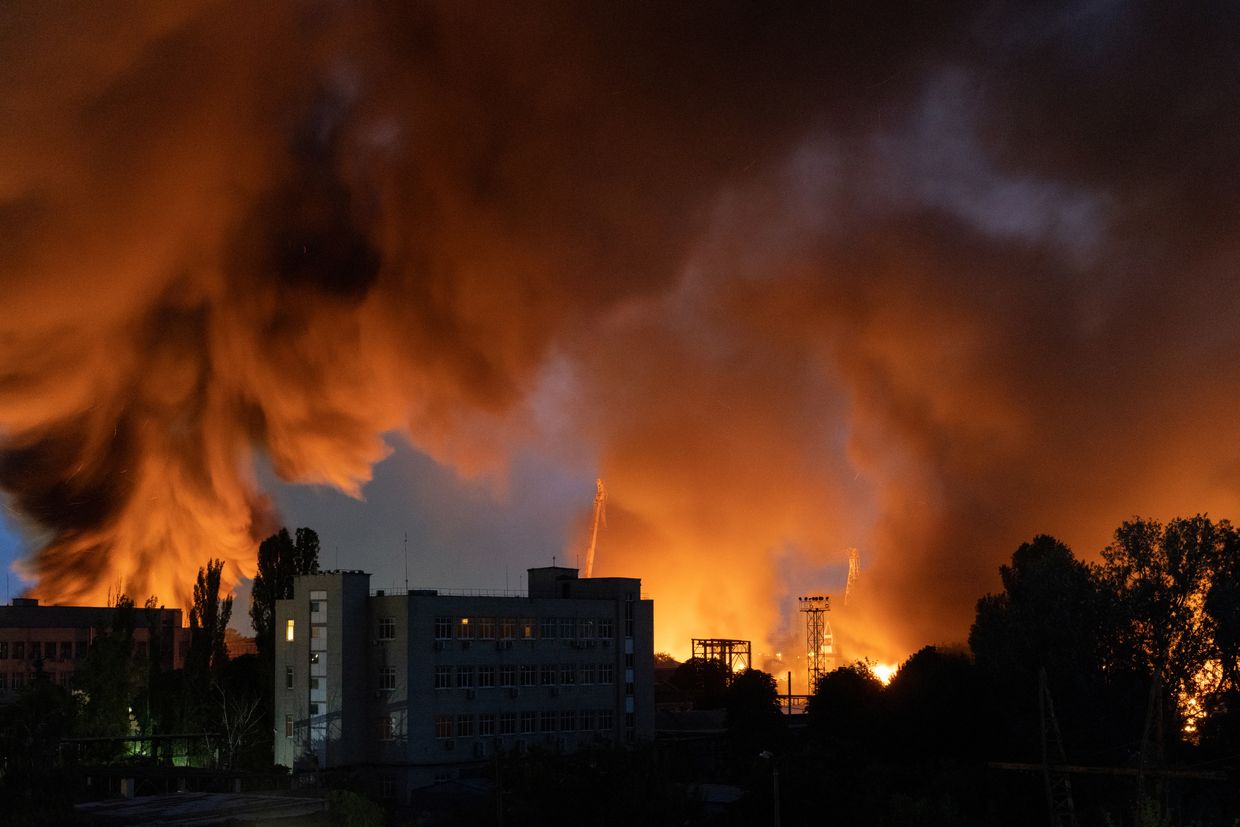
Russia is trying to knock out Ukraine's gas production before the cold comes. Russia carried out massive strikes on the assets of the Naftogaz Group in eastern, western, and central Ukraine, the company reported.
The strikes target Ukraine's ability to produce the gas it needs for winter. The Russians aim to inflict maximum damage on Ukrainian production and other critical infrastructure to make preparation for the heating season impossible, acting Naftogaz chairman Ser
Russia is trying to knock out Ukraine's gas production before the cold comes. Russia carried out massive strikes on the assets of the Naftogaz Group in eastern, western, and central Ukraine, the company reported.
The strikes target Ukraine's ability to produce the gas it needs for winter. The Russians aim to inflict maximum damage on Ukrainian production and other critical infrastructure to make preparation for the heating season impossible, acting Naftogaz chairman Serhii Fedorenko said, calling the intensity of attacks on oil-and-gas infrastructure sharply higher in recent days.
The strikes hit extraction across the country
Russia targeted the sites where Ukraine pulls gas from the ground. On the night of 9 August, the extraction assets of Ukrnafta and a company drilling site came under massive attack, with Russian forces using dozens of strike drones against the extraction infrastructure.
The damage stopped production. There is substantial destruction at the site; part of the equipment has been put out of commission, and the asset's operation has been halted. However, safety measures meant that workers at the attacked facilities were unhurt.
Fuel stations and production sites were also hit
The campaign extended to Naftogaz's retail and production network. On 7 and 8 August, seven UKRNAFTA filling complexes in Dnipropetrovsk, Zaporizhzhia, and Mykolaiv oblasts came under drone attack, and a worker at one station was injured and is in hospital receiving care.
Central Ukraine was struck, too. On 8 August, Russia attacked Naftogaz production facilities in the central part of the country with jet-powered drones, and the facility suffered serious destruction, though staff were in shelter at the time of the strike.
The target is the heating season
The strikes match the warning from First Deputy Prime Minister and Energy Minister Denys Shmyhal, who has said Russia's aim this winter is to destroy the systems Ukrainians need to survive the cold, from power to water, Politico reported. Damaging gas production now, months before winter, is meant to leave Ukraine unable to heat itself when temperatures drop, turning the coming season into another front against civilians in Russia's war.
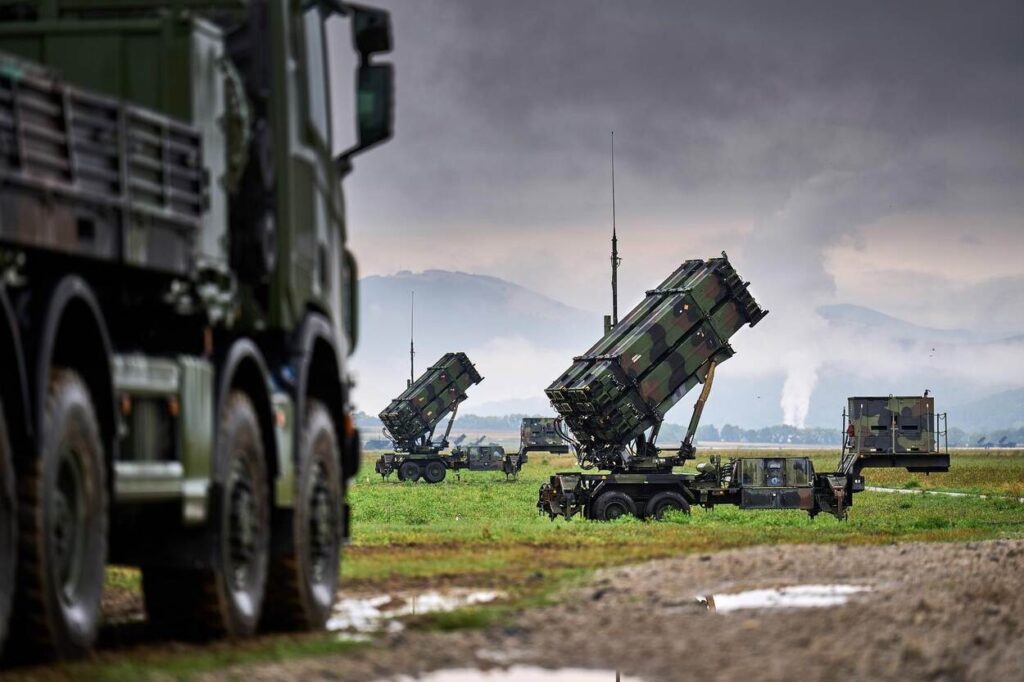
US negotiators have quietly kept a deal to let Ukraine help build Patriot interceptor missiles alive, even after US President Donald Trump publicly cast doubt on it, Reuters reported. Four people familiar with the talks said Washington never ordered them stopped. Ukraine, running low on air defenses, urgently wants the missiles to blunt Russia's growing ballistic strikes.
Russian daily drone attacks forced Kyiv to chase air defense from every direction at once, includin
US negotiators have quietly kept a deal to let Ukraine help build Patriot interceptor missiles alive, even after US President Donald Trump publicly cast doubt on it, Reuters reported. Four people familiar with the talks said Washington never ordered them stopped. Ukraine, running low on air defenses, urgently wants the missiles to blunt Russia's growing ballistic strikes.
Russian daily drone attacks forced Kyiv to chase air defense from every direction at once, including home-grown interceptors. But this year, Moscow has increasingly turned to ballistic missiles, the hardest weapons for Ukraine to stop. US-supplied PAC-3 interceptors fired by Patriot systems are among the few weapons that can reliably shoot them down, and Ukraine has now run out.
President Donald Trump greets Ukraine's President Volodymyr Zelenskyy at his Mar-a-Lago club, Sunday, Dec. 28, 2025, in Palm Beach, Fla. AP Photo/Alex Brandon/Eastnews
The talks Trump seemed to kill
Last week, Trump appeared to reverse course, telling reporters the US had not agreed to let Ukraine build Patriots and must be "very careful about letting somebody build them."
According to Reuters, two sources tied that to a tense White House meeting with Zelenskyy. Yet the negotiations pressed on.
"No order was given to halt the discussions," one source said, adding that talks continued with US arms makers and military officials.
Matthew Whitaker, Washington's envoy to NATO, is leading the drive for a deal. He visited Kyiv last month to weigh options with Ukrainian officials and weapons executives. His spokesperson framed the trip around drone collaboration that would benefit US forces, without naming the Patriot plan.
A senior administration official told Reuters that any agreement must protect US technology.
Reuters: The Patriot deal Trump denied is quietly still alive
What Ukraine could build
The options include making Patriot components in Ukraine and shipping them to Germany for final assembly, the sources said. A US official called that the most feasible route. Germany already produces an older Patriot model, and the advanced PAC-3, the newest Patriot interceptor, is expected to follow.
Ukraine could instead join an existing US-European Patriot program, or build a cheaper version of the PAC-3.
It might also tap Lockheed Martin's new lower-cost interceptor, the PAC-3 ACE, unveiled last month.
A promise made, then pulled back
During a meeting with Zelenskyy in Ankara last month, Trump said the US would license Ukraine to make PAC-3s. His later reversal caught many off guard, including Zelenskyy. In a follow-up call, US Vice President JD Vance assured him that deals between presidents would hold, one source said.
Explore further
Reuters: The Patriot deal Trump denied is quietly still alive
Ukraine's clock is running
Even with a deal, Ukraine would not receive newly built interceptors for a year or more. So Kyiv is urging allies to hand over some of theirs and exploring swaps to get missiles sooner.
Earlier, Zelenskyy warned that Ukraine had run out of Patriots. That day, it intercepted just one of 27 ballistic missiles Russia fired.
Global stocks of high-end interceptors have shrunk since the Iran war, with Patriots once bound for Ukraine diverted to US forces and Gulf allies.
The United States has only about 25% of the Patriot missile interceptors it needs to meet Pentagon military plans, a shortage that led U.S. President Donald Trump's administration to pause a major transfer of weapons to Ukraine, the Guardian reported on July 8.The decision to halt the delivery, made on July 2, followed an internal review showing low stockpiles of critical air defense systems. The depletion was largely due to recent U.S. operations in the Middle East, including the interception o
The United States has only about 25% of the Patriot missile interceptors it needs to meet Pentagon military plans, a shortage that led U.S. President Donald Trump's administration to pause a major transfer of weapons to Ukraine, the Guardian reported on July 8.
The decision to halt the delivery, made on July 2, followed an internal review showing low stockpiles of critical air defense systems. The depletion was largely due to recent U.S. operations in the Middle East, including the interception of Iranian missiles after strikes on the American Al Udeid airbase in Qatar, according to the Guardian.
According to officials familiar with the matter, the Pentagon's munitions tracker, used to measure the minimum supplies needed for U.S. war plans, showed Patriot interceptor levels had fallen below acceptable levels. That prompted concerns that sending more to Ukraine could put U.S. defense readiness at risk, the Guardian wrote.
The freeze reportedly affected Ukraine's two key arms transfer methods: drawdowns from Pentagon stockpiles and the Ukraine Security Assistance Initiative (USAI), through which the Defense Department orders new weapons from contractors.
Because U.S. orders take priority, Ukrainian requests for new weapons, including Patriot missiles, face years-long delays.
The pause came at a critical time for Kyiv, as Russia intensifies large-scale aerial attacks on Ukrainian cities. With limited options to acquire precision-guided and other key munitions, Ukrainian forces have increasingly relied on Western-supplied air defenses to counter the growing threat.
For its latest aid package, the U.S. had planned to send dozens of Patriot interceptors, along with Hellfire missiles, air-to-air Sparrows, GMLRS rockets, and anti-tank weapons, according to the Guardian.
NBC News reported on July 4 that U.S. Defense Secretary Pete Hegseth unilaterally halted a weapons shipment to Ukraine despite internal military assessments showing the aid would not compromise American military readiness.
The assessment concluded that while some munitions stockpiles, including precision weapons, were low, they had not fallen below critical thresholds.
Amid the ongoing questions over Washington's weapons pause, Trump has apparently promised to send 10 Patriot interceptors to Ukraine, Axios reported on July 8. Sources also told the Wall Street Journal (WSJ) that Trump claimed he wasn't behind the decision to halt arms to Kyiv in a recent phone call with President Volodymyr Zelensky.
Skyeton Prevail Solutions, a joint venture between Ukrainian drone manufacturer Skyeton and U.K.-based defense company Prevail Solutions, will manufacture and supply Raybird drones in the U.K., the two companies announced on July 2."Skyeton — a Ukrainian unmanned aircraft systems company with 19 years of engineering pedigree, and Prevail Partners — a leading U.K. defense and security company, announced a joint venture to fast-track the volume manufacture, supply, and support for the integration
Skyeton Prevail Solutions, a joint venture between Ukrainian drone manufacturer Skyeton and U.K.-based defense company Prevail Solutions, will manufacture and supply Raybird drones in the U.K., the two companies announced on July 2.
"Skyeton — a Ukrainian unmanned aircraft systems company with 19 years of engineering pedigree, and Prevail Partners — a leading U.K. defense and security company, announced a joint venture to fast-track the volume manufacture, supply, and support for the integration of its best-in-class drone into U.K. military applications," a statement by the two companies said.
Ukraine has developed drones that have proven to be effective amid the onset of Russia's full-scale war against Ukraine in February 2022 and Russia's initial invasion of Ukraine in 2014.
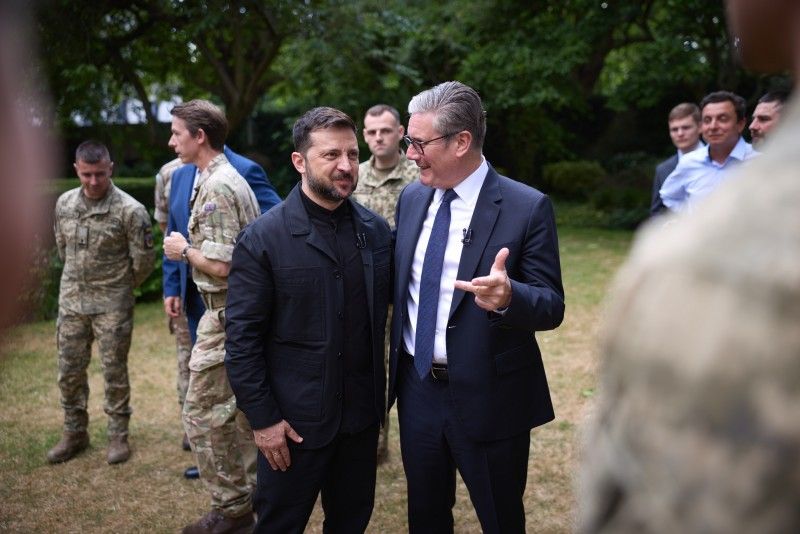
President Volodymyr Zelensky and U.K. Prime Minister Keir Starmer met in London on June 23, where the two leaders agreed to an "industrial military co-production agreement."
"The joint venture will scale the availability of Raybird with new manufacturing in the U.K. for both deployment in Ukraine and provide the necessary integration expertise from Prevail Partners for U.K. and other Western militaries," the statement said.
U.K. lawmaker Iain Duncan Smith described the move as an "important step" for U.K. drone production.
Skyeton says its Raybird drone has over 350,000 flight hours and is responsible for billions of dollars in Russian losses.
Ukraine has relied on drones to meet its own defense needs, as foreign military aid has fallen short in supplying necessary weapons and air defenses.
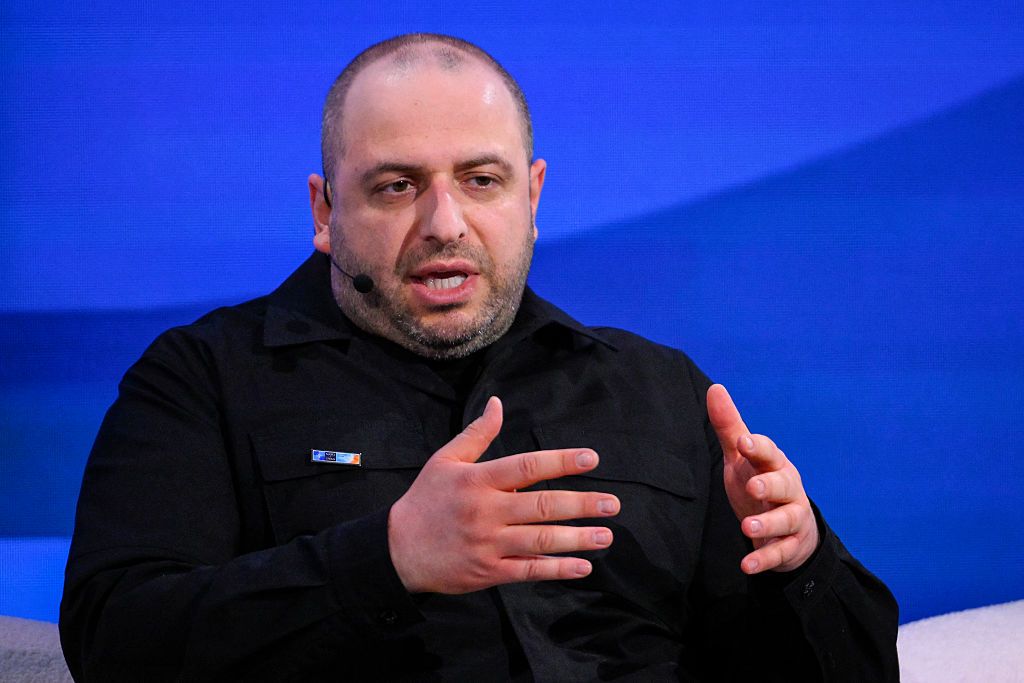
Ukraine is launching a joint weapons production program with members of the Ukraine Defense Contact Group (UDCG), or Ramstein summit participants, Defense Minister Rustem Umerov announced on July 1. The UDCG was formed in 2022 under former U.S. President Joe Biden to coordinate military assistance for Ukraine among about 50 of Kyiv's allies. As part of a new joint production program, new factories and weapons manufacturing facilities will be built in Ukraine and abroad, Umerov said in a social m
Ukraine is launching a joint weapons production program with members of the Ukraine Defense Contact Group (UDCG), or Ramstein summit participants, Defense Minister Rustem Umerov announced on July 1.
The UDCG was formed in 2022 under former U.S. President Joe Biden to coordinate military assistance for Ukraine among about 50 of Kyiv's allies.
As part of a new joint production program, new factories and weapons manufacturing facilities will be built in Ukraine and abroad, Umerov said in a social media post. The international sites will be UDCG member countries participating in the Ramstein-format summit.
New legal and tax regulations will also be put in place for Ukrainian weapons manufacturers, facilitating the construction of new sites and allowing them to rapidly scale up production, Umerov said.
The Defense Ministry on July 1 joined the Verkhovna Rada (Ukraine's parliament) Finance, Tax, and Customs Committee in presenting four draft laws regarding domestic weapons production "aimed at developing the industry." The legislation introduces amendments to tax, customs, and budget regulations, as well as the Criminal Code.
The first vote on the new legislative package is expected to take place in a month, according to Umerov.
"This is a new type of military-industrial cooperation, where Ukraine is an equal partner and player in the global defense market," he said.
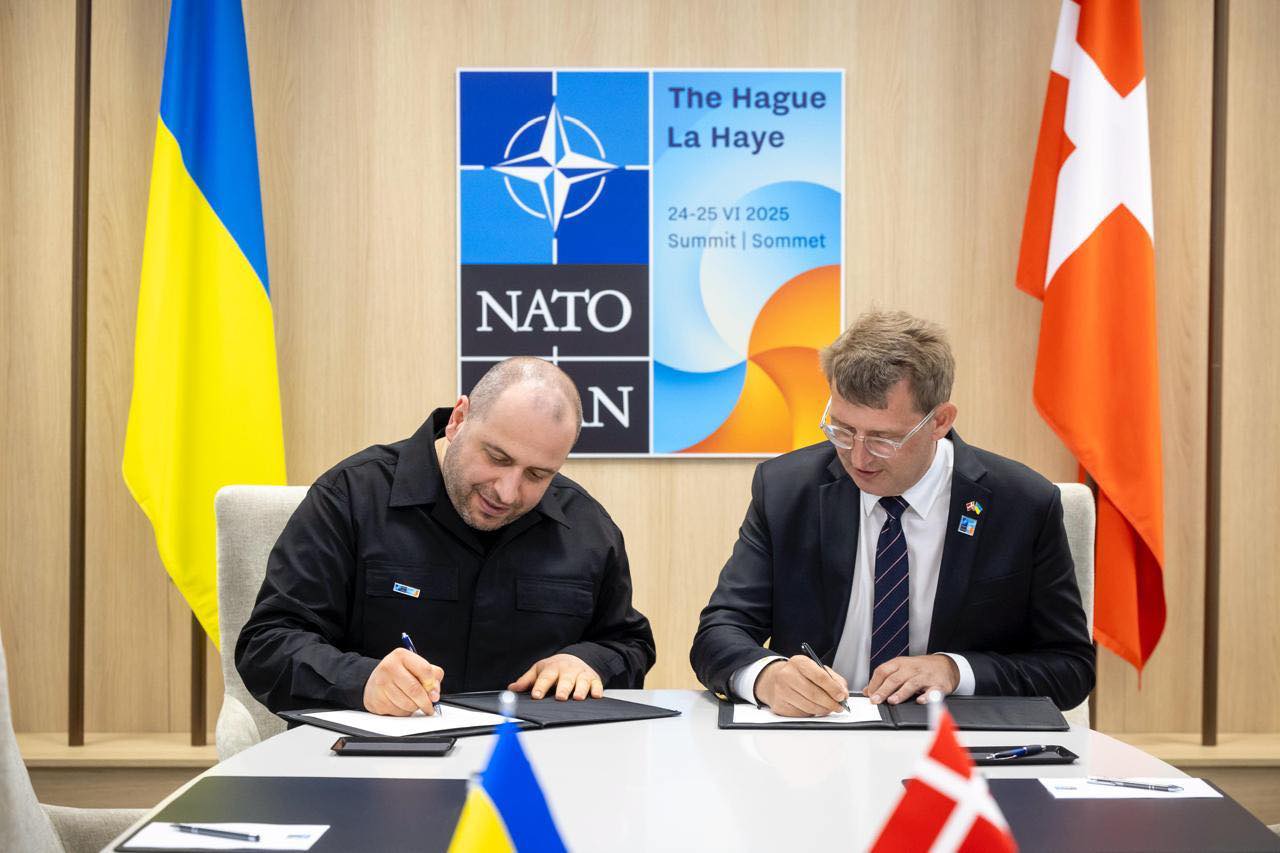
As Ukraine scales up domestic defense production, President Volodymyr Zelensky has been lobbying foreign partners to provide funding to help match its manufacturing capacity. At the NATO summit in The Hague, Ukraine signed agreements on joint weapons production with the U.K. and Denmark. Norway also pledged to jointly develop air defense systems with Kyiv.
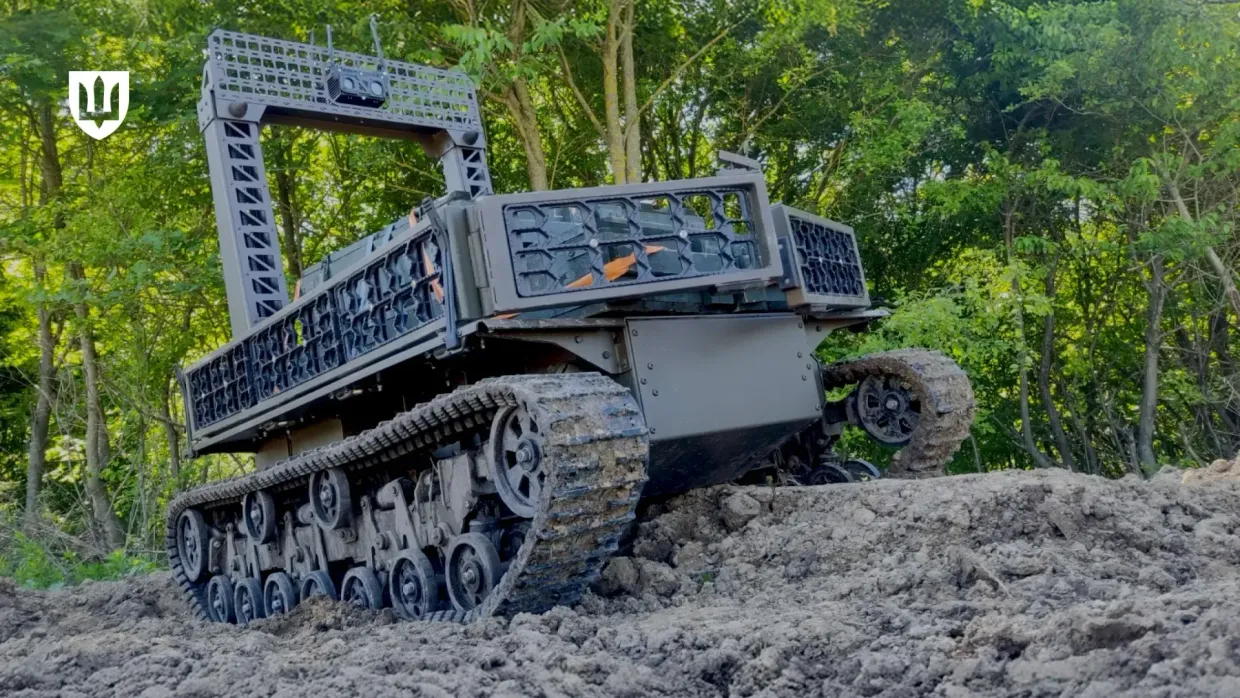
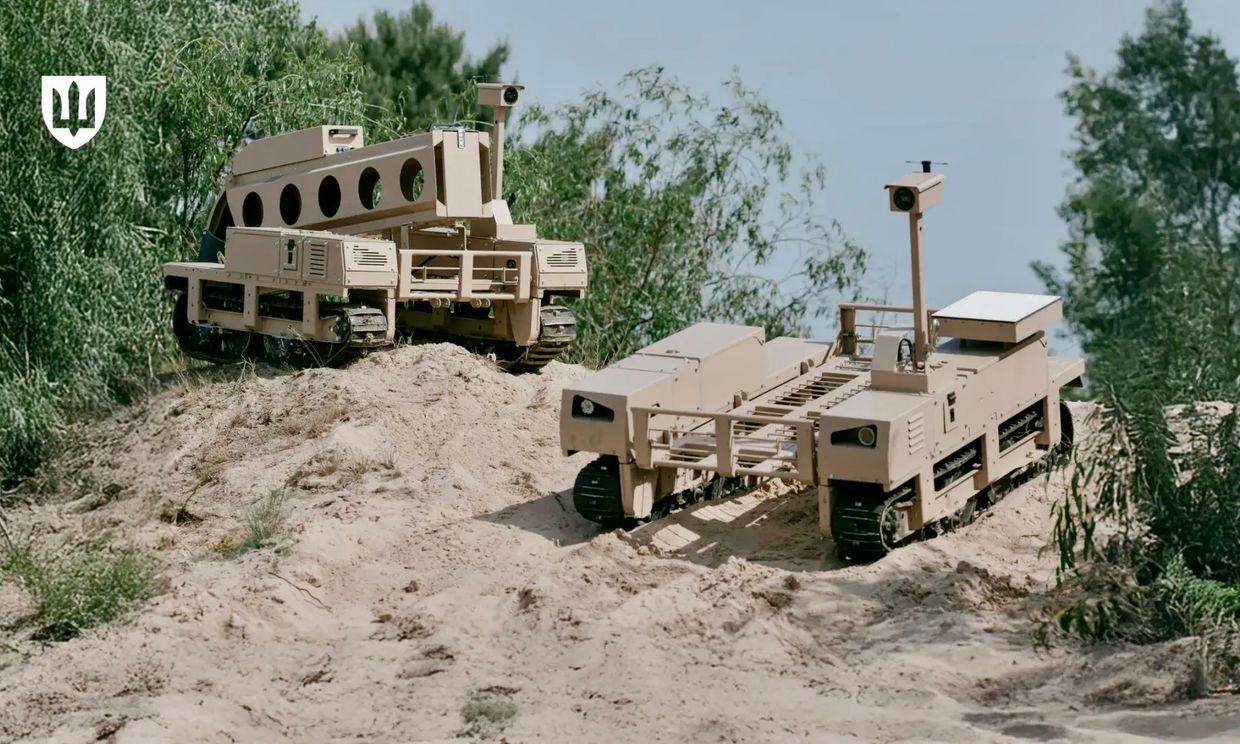
The Defense Ministry has approved the Ukrainian-made ground-based robotics complex "Murakha" ("Ant") for combat operations, the ministry announced on June 28. Since 2024, Ukraine has been scaling up robotics development in hopes that mass production of unmanned ground vehicles (UGVs) will "minimize human involvement on the battlefield." The Murakha is a tracked robotic platform designed to support front-line units working under challenging conditions, such as under enemy artillery and in heavily
The Defense Ministry has approved the Ukrainian-made ground-based robotics complex "Murakha" ("Ant") for combat operations, the ministry announced on June 28.
Since 2024, Ukraine has been scaling up robotics development in hopes that mass production of unmanned ground vehicles (UGVs) will "minimize human involvement on the battlefield."
The Murakha is a tracked robotic platform designed to support front-line units working under challenging conditions, such as under enemy artillery and in heavily mined terrain, the Defense Ministry said.
Its larger size makes it one of Ukraine's leading UGVs in terms of load capacity. The Murakha can reportedly carry over half a ton of weight across dozens of kilometers. It can also cross difficult terrain and shallow water.
According to the Defense Ministry, the Murakha's multiple control channels allow it to function successfully even in areas of the battlefield where Russian electronic warfare (EW) systems are operating.
Mobile robots are capable of performing several tasks on the battlefield, including offensive and defensive activities, evacuation of the wounded, logistical support for units, and mining and demining.
In April, the Defense Ministry unveiled the D-21-12R UGV, a ground-based robot equipped with a machine gun.
Ukraine provides over 40% of the weapons used to defend the nation's independence against Russia's full-scale invasion, President Volodymyr Zelensky said at the State and Business Forum in Kyiv on June 27. As Ukraine scales up domestic defense production, Zelensky has been lobbying foreign partners to provide funding to help match its manufacturing capacity. The government and Ukrainian businesses now provide more than 40% of the weapons the country uses in its fight against Russia, Zelensky sai
Ukraine provides over 40% of the weapons used to defend the nation's independence against Russia's full-scale invasion, President Volodymyr Zelensky said at the State and Business Forum in Kyiv on June 27.
As Ukraine scales up domestic defense production, Zelensky has been lobbying foreign partners to provide funding to help match its manufacturing capacity.
The government and Ukrainian businesses now provide more than 40% of the weapons the country uses in its fight against Russia, Zelensky said. Business-driven innovations in technology have helped Ukraine on the battlefield, particularly in drone development.
"Thanks to Ukrainian entrepreneurship and all the conditions we have created as a state, a new sector of our domestic manufacturing has emerged and immediately become one of the world’s most advanced — the production of drones of various types," Zelensky said.
"Hundreds of companies are now involved in weapons production in one way or another."
Zelensky's comments come a day after Defense Minister Rustem Umerov reported that Ukrainian companies have increased their industrial capacity in order to produce four million drones a year.
At the NATO summit in The Hague on June 24, Zelensky said Ukraine could potentially produce as many as eight million drones per year, but lacks the financial backing to achieve its full capacity. During the summit, Ukraine signed agreements on joint weapons production with the U.K. and Denmark in an effort to bridge the gap between Kyiv's capacity and current funds.
Ukraine has rapidly developed its drone capabilities since 2022, evolving from modifying commercial aircraft to producing military UAVs, attack drones, and reconnaissance systems at scale.
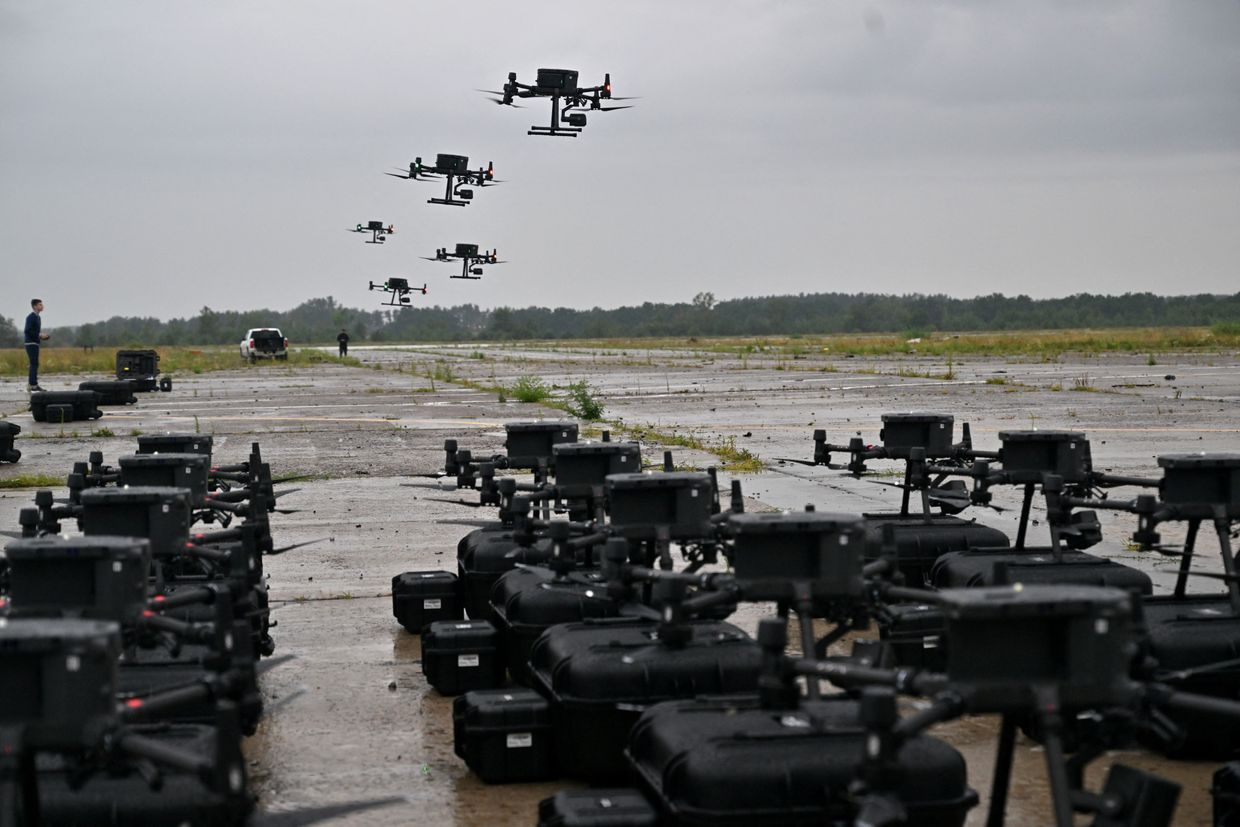
Ukrainian companies have increased their industrial capacity to produce four million drones a year, Defense Minister Rustem Umerov said at a June 26 press briefing.The statement comes as Ukraine seeks to increase domestic arms production amid uncertainty over further U.S. support and reduced dependence on supplies from European partners.Ukrainian manufacturers will supply four million drones to the front line this year, while the Ukrainian army has already received up to 1.5 million drones as of
Ukrainian companies have increased their industrial capacity to produce four million drones a year, Defense Minister Rustem Umerov said at a June 26 press briefing.
The statement comes as Ukraine seeks to increase domestic arms production amid uncertainty over further U.S. support and reduced dependence on supplies from European partners.
Ukrainian manufacturers will supply four million drones to the front line this year, while the Ukrainian army has already received up to 1.5 million drones as of the end of June, according to Umerov.
The minister said that brigades made many requests for direct funding last year, with a commitment secured for 2025. The government is currently allocating Hr 2.5 billion ($60 million) per month for direct procurement teams, he added.
In the meantime, Umerov said that not all brigades spend money due to a lack of procurement specialists, so the Defense Procurement Agency (DPA) launched the DOT Chain Defense marketplace for Ukrainian soldiers
"The teams see a 'marketplace' of drones: each team orders what it needs, and the healthcare organization pays for it. This way we significantly reduce all the bureaucracy, and the teams get what they need ten times faster," Umerov said.
Russian drone strikes across Ukraine have been breaking records in recent weeks, with nearly 500 drones and missiles launched overnights.
Since the start of Russia’s full-scale invasion, Ukraine has focused heavily on developing and deploying advanced unmanned systems. As of April 2025, more than 95% of drones used by Ukrainian forces on the front line are domestically produced.
Both Ukraine and Russia have increasingly relied on drone warfare, employing aerial, naval, and ground-based drones for reconnaissance and combat operations – making technological innovation a critical component of the war.
A key military-industrial site in the Russian city of Taganrog linked to Moscow's production of combat drones and electronic warfare systems was damaged overnight, a Ukrainian official said on June 25, amid Russian reports of Ukrainian drones targeting the area."Something unknown flew into the Atlant-Aero plant in Taganrog," Andrii Kovalenko, head of the counter-disinformation center at Ukraine's National Security and Defense Council said. "This is an important node in the Russian military-indu
A key military-industrial site in the Russian city of Taganrog linked to Moscow's production of combat drones and electronic warfare systems was damaged overnight, a Ukrainian official said on June 25, amid Russian reports of Ukrainian drones targeting the area.
"Something unknown flew into the Atlant-Aero plant in Taganrog," Andrii Kovalenko, head of the counter-disinformation center at Ukraine's National Security and Defense Council said.
"This is an important node in the Russian military-industrial complex, specializing in components for combat drones and control systems."
Kovalenko said the plant is involved in the production of "Orion" drones, electronic warfare complexes, and digital integration systems for strike FPV (first person view) drones and loitering munitions.
Russian authorities reported a wave of overnight Ukrainian drone attacks across multiple regions, including Rostov, which borders eastern Ukraine. Russia's Defense Ministry said its forces shot down 40 Ukrainian drones over several areas, including the Crimean Peninsula and seven over the Rostov region.
Rostov Governor Yuri Slyusar said on Telegram that while there were no casualties, the strikes allegedly caused a fire at a sports complex and damaged a high school and two residential buildings in Taganrog. In nearby Azov, a grain warehouse and industrial facility were hit, he added, without providing further detail.
The Kyiv Independent could not verify the claims.
Throughout Russia's full-scale invasion, Ukraine and Russia have extensively invested in dronetechnology, revolutionizing the way wars are fought.
Ukraine has ramped up its domestic drone production and long-range strike capabilities as it seeks to weaken Russian military infrastructure deep behind enemy lines. Earlier in June, Ukrainian drones targeted long-range Russian bombers in an operation dubbed "Spiderweb."
Russia has escalated its missile and drone attacks on Ukrainian cities, launching hundreds of drones during overnight assaults. Since February 2022, Moscow has launched 28,743 Shahed-type drones at Ukraine
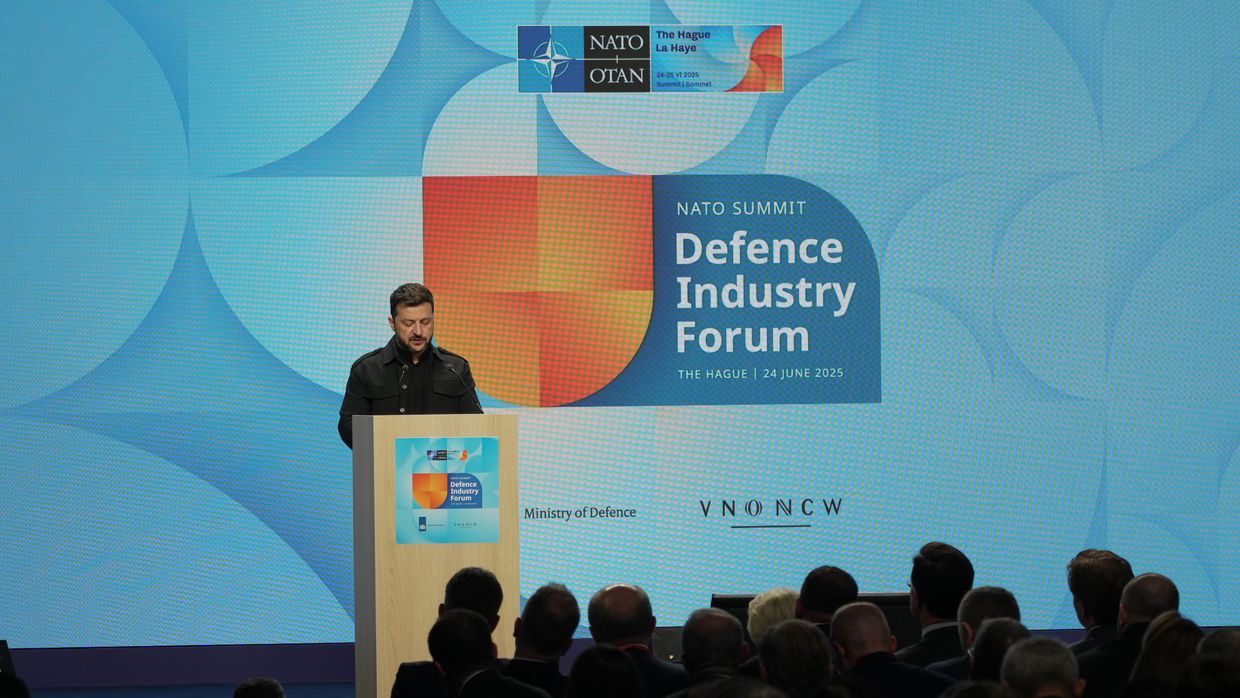
Speaking at the NATO Defense Industry Forum in The Hague on June 24, President Volodymyr Zelensky said Ukraine can produce over 8 million drones of various types each year. He called for an increased investment from the allies to reach that potential.
Defense Minister Rustem Umerov signed a Letter of Intent on June 24 with his Danish counterpart Troels Lund Poulsen to launch Ukrainian defense production in Denmark, Umerov announced on Facebook.The document envisages facilitating the deployment of Ukrainian defense companies in Denmark and integrating of the defense industries of both countries through the "Build with Ukraine" initiative.Denmark has already allocated $47 million for the project, and Ukraine's partners will provide further fund
Defense Minister Rustem Umerov signed a Letter of Intent on June 24 with his Danish counterpart Troels Lund Poulsen to launch Ukrainian defense production in Denmark, Umerov announced on Facebook.
The document envisages facilitating the deployment of Ukrainian defense companies in Denmark and integrating of the defense industries of both countries through the "Build with Ukraine" initiative.
Denmark has already allocated $47 million for the project, and Ukraine's partners will provide further funding for production.
"I thank the Danish government for its trust, steadfast support of Ukraine, and commitment to developing a deep partnership between our countries," Umerov said. "This partnership enhances the security of Ukraine, Denmark, and all of Europe — today and into the future."
The agreement between Ukraine and Denmark also provides coordination between the Danish Defense Ministry, the Business and Industry Ministry, and the Foreign Ministry to integrate Ukrainian enterprises into the European defense system.
"By providing Ukrainian defense companies the opportunity to start production in Denmark, we are creating a basis for close cooperation between defense companies in both countries. This will also provide the Danish Armed Forces with access to the latest technologies and the experience of Ukraine," Poulsen said.
Denmark has pioneered efforts to support Ukraine by investing in its defense industry, creating the so-called "Danish model" of purchasing arms for Kyiv from Ukrainian producers. Copenhagen has provided around $9.8 billion in military aid under its Ukraine Fund for the years 2023-2028.
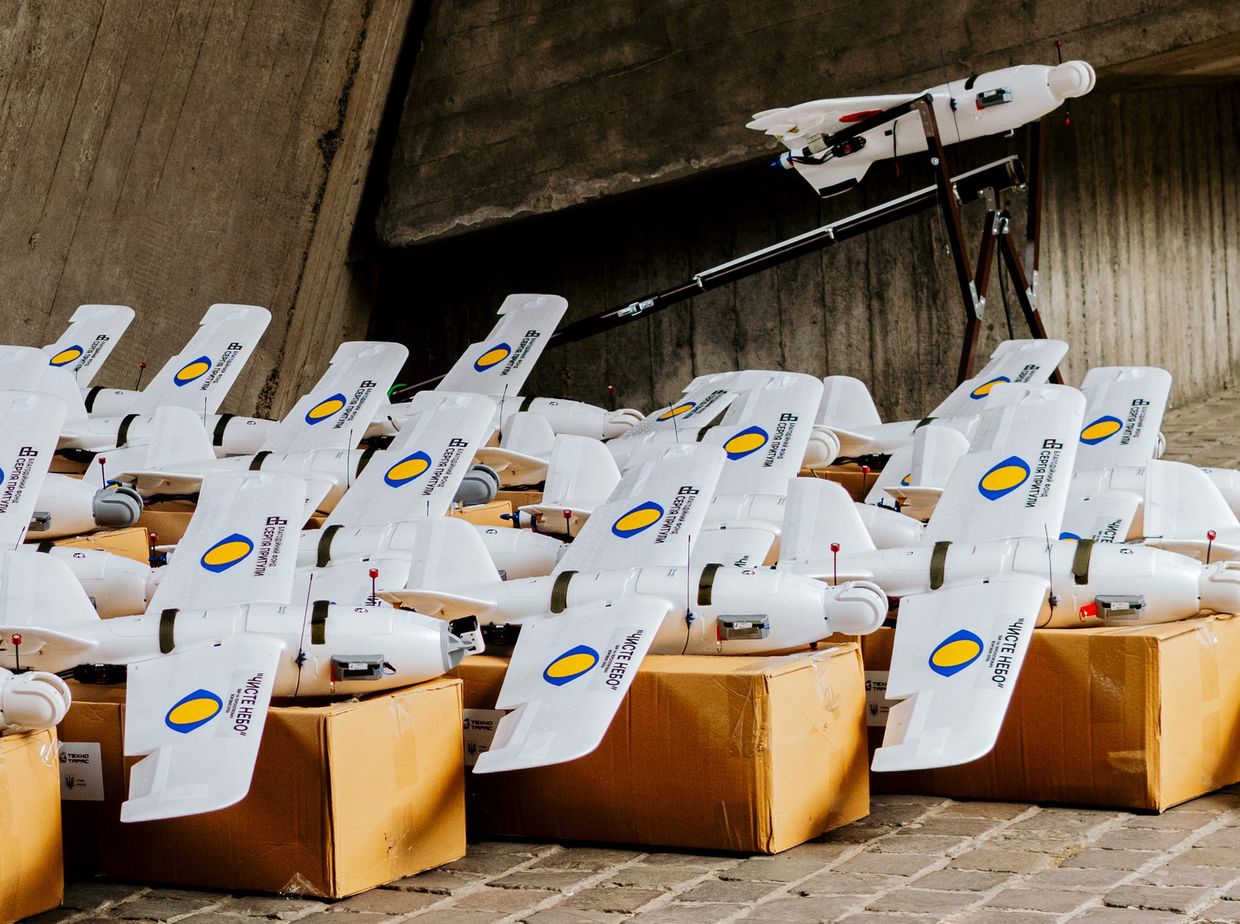
Ukraine and the United Kingdom have reached an agreement to jointly produce drones, Defense Minister Rustem Umerov announced on June 24.Britain will finance the procurement of Ukrainian-designed drones manufactured in the UK, he added. The deal comes as Ukraine has rapidly developed its drone capabilities since 2022, evolving from modifying commercial aircraft to producing military UAVs, attack drones, and reconnaissance systems at scale.The agreement was reached between President Volodymyr Zele
Ukraine and the United Kingdom have reached an agreement to jointly produce drones, Defense Minister Rustem Umerov announced on June 24.
Britain will finance the procurement of Ukrainian-designed drones manufactured in the UK, he added.
The deal comes as Ukraine has rapidly developed its drone capabilities since 2022, evolving from modifying commercial aircraft to producing military UAVs, attack drones, and reconnaissance systems at scale.
The agreement was reached between President Volodymyr Zelensky and British Prime Minister Keir Starmer, Umerov said.
Under the three-year program, the UK will finance the procurement of a wide range of Ukrainian drones to be produced by British defense companies.
"This will enable British defense companies to rapidly design and produce state-of-the-art drones on a large scale," Umerov wrote on Facebook.
According to Umerov, all production will be directed to meet the needs of Ukraine's Defense Forces. After the war ends, the UK and Ukraine will share the produced drones between themselves.
The initiative will support the scaling of advanced technologies, increased drone production, and the integration of Ukrainian and British defense industries, Ukraine’s defense minister wrote.
Ukraine has ramped up domestic drone production over the recent years of its war with Russia, as well as the development of new missiles.
Various aerial, naval, and ground drones have been developed and often successfully used for reconnaissance, combat, and other tasks throughout the full-scale war with Russia.
In January 2025, Umerov announced that the United Kingdom would finance the production of air defense systems and long-range weapons in Ukraine.
President Volodymyr Zelensky said during NATO summit on June 24 that Ukraine has the capacity to produce over 8 million drones of various types each year, but lacks the financial backing to reach that potential, a shortfall he said must be urgently addressed to defeat Russia's growing military network."Our defense production potential has surpassed $35 billion,” Zelensky said during a speech at the NATO Defense Industry Forum in The Hague. "This includes nearly 1,000 types of products... but aro
President Volodymyr Zelensky said during NATO summit on June 24 that Ukraine has the capacity to produce over 8 million drones of various types each year, but lacks the financial backing to reach that potential, a shortfall he said must be urgently addressed to defeat Russia's growing military network.
"Our defense production potential has surpassed $35 billion,” Zelensky said during a speech at the NATO Defense Industry Forum in The Hague. "This includes nearly 1,000 types of products... but around 40% of this potential lacks proper funding. For example, we can produce over 8 million drones of different types each year, but the financing allows for far fewer."
Zelensky urged allies to scale up investments in joint weapons production, including drone technologies, artillery, and interceptors. He argued that Ukraine's defense capabilities are not only key to defending its own territory, but essential to strengthening NATO's long-term security.
"We must lead in the drone race, both in strike drones and interceptors," he said. "Please increase your investments in Ukraine and joint weapons production. All the weapons we produce become part of a new, stronger European defense and security system."
The Ukrainian president emphasized that Russia is not acting alone, but as part of a broader network of state and non-state actors, including North Korea, Iran, and Chinese companies, which support its war effort against Ukraine and pose a long-term threat to Europe.
"The source of this war and the long-term threat to Europe is Russia," Zelensky said. "But in reality, we are not just facing Russia alone. We are facing a network of state and non-state actors."
Zelensky also called on NATO members to increase defense spending to 5% of GDP and to dedicate at least 0.25% of GDP to support Ukraine's military needs directly. He thanked countries such as Germany, Norway, Sweden, and the Netherlands for their elevated commitments, but urged others to follow suit.
Zelensky warned that Russia is planning "new military operations on NATO territory" and that the war in Ukraine must be stopped now to prevent broader European conflict.
"There are no signs that Putin wants to stop this war," Zelensky said. "So long as he kills, he lives. And our intelligence confirms this."
He also appealed for a crackdown on the supply chains that allow Russia to sustain its weapons manufacturing, referring to Western-origin components found in Russian missiles, drones, and armored vehicles.
"It's not just China, also Taiwan. Some of these parts come from European countries and from the United States," Zelensky said. "Every single tool delivered to Russia's defense sector helps prolong the war and is a crime against peace."
Zelensky's speech comes as NATO leaders gather in The Hague for a high-level summit on June 24-25. NATO leaders are expected to discuss raising the alliance's defensespending target to 5% of the GDP, a proposal the U.S. has championed but from which it considers itself exempt.
Norway will invest $400 million in Ukraine's defense industry to support drone and air defense missile production, President Volodymyr Zelensky said in his nightly address on June 22.The announcement followed a visit to Ukraine by Norwegian Defense Minister Tore Onshuus Sandvik."Today, Norway’s Minister of Defense visited Ukraine. A decision has been reached to invest $400 million in our production – new funding, primarily for drones," Zelensky said.Zelensky added that the two countries are also
Norway will invest $400 million in Ukraine's defense industry to support drone and air defense missile production, President Volodymyr Zelensky said in his nightly address on June 22.
The announcement followed a visit to Ukraine by Norwegian Defense Minister Tore Onshuus Sandvik.
"Today, Norway’s Minister of Defense visited Ukraine. A decision has been reached to invest $400 million in our production – new funding, primarily for drones," Zelensky said.
Zelensky added that the two countries are also working together to establish joint air defense production inside Ukraine.
"We are working together to create all the necessary conditions to produce air defense systems in Ukraine — jointly with partners, jointly with Norway," Zelensky said.
He added that Norway's largest defense company – Kongsberg Defence & Aerospace – has already opened an office in Ukraine as part of the cooperation.
"We are expediting all processes to the maximum extent," Zelensky said.
On X, Norway's defense ministry confirmed that Kongsberg has signed agreement with a major Ukrainian company to jointly develop and produce missiles for air defense systems in Ukraine.
The collaboration will focus on producing missiles for the National Advanced Surface-to-Air Missile System, or NASAMS.
"The Norwegian NASAMS system saves lives in Ukraine every day, and is crucial in protecting critical infrastructure. That is why it is important for the Norwegian Government to finance this development of cheaper missiles for the NASAMS system in Ukraine," said Minister Sandvik.
The announcement marks deepening ties between Kyiv and Oslo as Ukraine seeks to expand its domestic defense industry amid Russia’s ongoing full-scale invasion and reduced military aid from the United States.
Ukraine is asking partner countries to allocate 0.25% of their GDP to boosting Kyiv's defense production, President Volodymyr Zelensky said on June 20 at a press briefing attended by the Kyiv Independent. The president's comments come less than a week before the NATO summit in The Hague, where Zelensky will have another opportunity to discuss Ukraine's security needs with world leaders. "Ukraine is part of Europe's security, and we want 0.25% of the GDP of a particular partner country to be allo
Ukraine is asking partner countries to allocate 0.25% of their GDP to boosting Kyiv's defense production, President Volodymyr Zelensky said on June 20 at a press briefing attended by the Kyiv Independent.
The president's comments come less than a week before the NATO summit in The Hague, where Zelensky will have another opportunity to discuss Ukraine's security needs with world leaders.
"Ukraine is part of Europe's security, and we want 0.25% of the GDP of a particular partner country to be allocated to our defense industry and domestic production," Zelensky said at the briefing.
Ukraine is currently in talks with Denmark, Norway, Germany, the United Kingdom, and Lithuania on weapons development partnerships, Zelensky said.
The proposed spending target comes as Ukraine faces intensified aerial bombardments, dwindling U.S. support, and new Russian offensives. Moscow has doubled down on its maximalist ambitions in Ukraine, with Russian President Vladimir Putin insisting "all of Ukraine is ours" in remarks on June 20.
At the same time, Ukraine has demonstrated its ability to strike back at the aggressor state using its own domestically produced weapons. Operation Spiderweb, a mass attack on four key military airfields in Russia, was carried out entirely with Ukrainian drones.
Ukraine has been ramping up its defense production since the full-scale invasion in 2022. Support from Western allies has been critical to that effort, as Kyiv's defense budget does not match the capacities of domestic weapons production.
Denmark pioneered a new model of defense support when it became the first country to offer donate arms to Ukraine via direct purchases from the Ukrainian defense industry. Zelensky has said he wants other NATO members to purchase weapons from Ukraine under the Danish model.
Increased defense spending is the main item on the agenda at the upcoming NATO summit. The United States has backed a proposal to raise the spending target from the current 2% to 5% GDP.
While thus far only Spain has rejected the proposal outright, most NATO members have remained noncommittal. Poland, the Netherlands, and Sweden have expressed willingness to consider the 5% target.
Ukraine's Defense Ministry has officially approved the new domestically produced unmanned ground vehicle, known as the Termit, for front-line use, the ministry announced on June 21.The tracked robot is a next-generation version of Ukraine's existing ground-based unmanned systems already deployed across the front. These systems have supported operations by transporting supplies, conducting reconnaissance, and carrying explosives in contested areas.Termit, the newest model in the series, features
Ukraine's Defense Ministry has officially approved the new domestically produced unmanned ground vehicle, known as the Termit, for front-line use, the ministry announced on June 21.
The tracked robot is a next-generation version of Ukraine's existing ground-based unmanned systems already deployed across the front. These systems have supported operations by transporting supplies, conducting reconnaissance, and carrying explosives in contested areas.
Termit, the newest model in the series, features improved mobility and modularity. The drone can carry up to 300 kilograms and operates on various terrains thanks to its low profile, tracked design, and improved weight distribution.
Its traction battery system allows for several hours of continuous movement over dozens of kilometers. According to the Defense Ministry, Termit drones can be equipped with combat modules, used for medical evacuations, or for transporting specialized equipment as needed.
Ground drones such as Termit are being used more frequently to minimize soldier exposure to front-line risks. Since Russia's full-scale invasion in 2022, Kyiv has prioritized the development of unmanned systems across all domains — air, sea, and land.
President Volodymyr Zelensky has called for the production of at least 30,000 long-range drones in 2025, alongside expanded investment in strike-capable hybrids such as the Palianytsia and Peklo missile-drone platforms.
President Volodymyr Zelensky said on June 20 that Ukraine is rapidly developing interceptor drones to defend against increasingly frequent Russian drone attacks.In his nightly address, Zelensky said the new drones would help strengthen Ukraine's defenses against Iranian-designed Shahed drones, which Russia has been deploying in growing numbers in recent weeks."We are... making separate efforts on interceptor drones, which must strengthen our defense against Shahed attacks," he said, adding that
President Volodymyr Zelensky said on June 20 that Ukraine is rapidly developing interceptor drones to defend against increasingly frequent Russian drone attacks.
In his nightly address, Zelensky said the new drones would help strengthen Ukraine's defenses against Iranian-designed Shahed drones, which Russia has been deploying in growing numbers in recent weeks.
"We are... making separate efforts on interceptor drones, which must strengthen our defense against Shahed attacks," he said, adding that Ukraine's domestic drone production is "already delivering results."
Zelensky also noted that "production volumes of interceptors are already increasing."
Russian drone strikes across Ukraine have been breaking records in recent weeks, with nearly 500 drones and missiles launched overnight on June 9 – highlighting the urgent need for effective countermeasures.
To support Kyiv's defense industry, Zelensky said that Ukraine is working with international partners to secure additional funding and is preparing new agreements ahead of next week’s NATO summit.
Since the start of Russia’s full-scale invasion, Ukraine has focused heavily on developing and deploying advanced unmanned systems. As of April 2025, more than 95% of drones used by Ukrainian forces on the front line are domestically produced.
Both Ukraine and Russia have increasingly relied on drone warfare, employing aerial, naval, and ground-based drones for reconnaissance and combat operations – making technological innovation a critical component of the war.
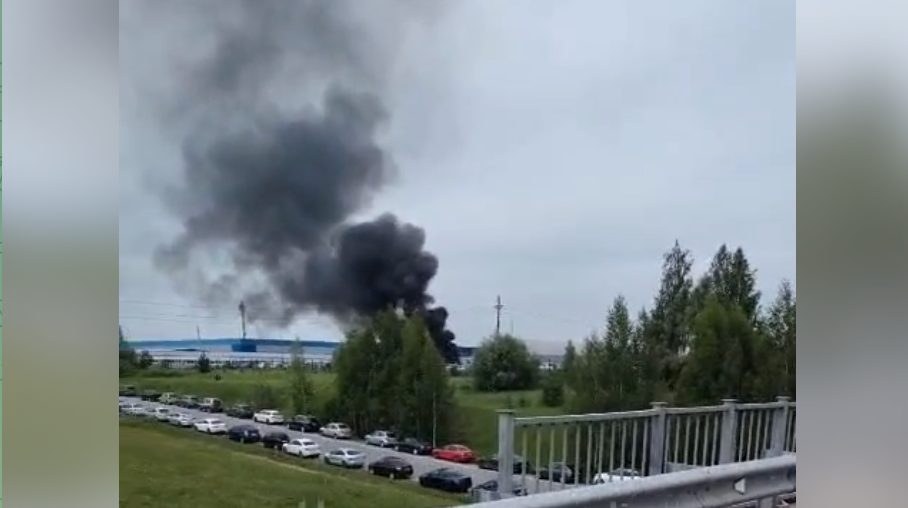
Editor's Note: June 15: This article has been updated to include confirmation of the attack from Ukrainian authorities.Ukraine allegedly launched drones at Russia’s Tatarstan region, killing one and injuring 13, regional governor Rustam Minnikhanov reported on June 15. The Ukrainian drones were reportedly shot down, but the debris fell on a plant in the town of Yelabuga, where Russian Shahed-type attack drones are manufactured, causing a fire.According to Minnikhanov, it was an automobile plant,
Editor's Note: June 15: This article has been updated to include confirmation of the attack from Ukrainian authorities.
Ukraine allegedly launched drones at Russia’s Tatarstan region, killing one and injuring 13, regional governor Rustam Minnikhanov reported on June 15.
The Ukrainian drones were reportedly shot down, but the debris fell on a plant in the town of Yelabuga, where Russian Shahed-type attack drones are manufactured, causing a fire.
According to Minnikhanov, it was an automobile plant, but some Telegram channels, including Astra, speculate that the well-known drone factory was the target.
Ukraine's General Staff subsequently confirmed details of the strike, including that it was directed at Shahed-style drone production in Yelabuga.
“Despite the attempt to sow fear and panic, all enterprises and life support facilities in the republic are operating stably. Emergency services are on constant alert,” said Minnikhanov.
A video of the attack was shared on Telegram, showing smoke billowing over the town, which lies some 1,500 kilometers from Kyiv. There has been no official statement from Kyiv on the alleged strike, and the Kyiv Independent could not independently verify these claims.
The so-called Alabuga Special Economic Zone hosts a factory producing Shahed-type long-range attack drones as well as other reconnaissance drones, and has been repeatedly targeted by Ukrainian forces since its launch in 2022.
The factory aims to produce 6,000 Shahed-type drones a year, with each one estimated to cost as little as $20,000.
Last year, Ukraine confirmed attacking military facilities in Tatarstan at least twice with long-distance drone strikes. Most recently, Ukrainian drones reportedly struck the plant on May 25.
Facing a workforce problem, the factory began recruiting African women under false pretences via a work-study program. As a result, Interpol began an investigation into the company in April for human trafficking.
Ukraine’s domestically developed short-range Sapsan ballistic missile has successfully completed combat testing and is in the process of serial production, Ukrainian media reported on June 13.The missile, with a payload of 480 kg, completed testing in May after successfully striking a Russian military target at a range of nearly 300 km, Valentyn Badrak, head of the an independent Ukrainian think Center for Army, Conversion and Disarmament Studies told Liga.net.Ukraine's Defense Ministry reported
Ukraine’s domestically developed short-range Sapsan ballistic missile has successfully completed combat testing and is in the process of serial production, Ukrainian media reported on June 13.
The missile, with a payload of 480 kg, completed testing in May after successfully striking a Russian military target at a range of nearly 300 km, Valentyn Badrak, head of the an independent Ukrainian think Center for Army, Conversion and Disarmament Studies told Liga.net.
Ukraine's Defense Ministry reportedly dedicated a department to formulate and test the missile.
There is no reported timeline as to when the missiles can be seen in regular use on the battlefield.
Domestically produced long-range weapons are of key importance to Ukraine's defense strategy, as Western partners have been slowin delivering adequate weaponry amid increasing Russian attacks and offensives.
The news comes as U.S. Defense Secretary Pete Hegseth said in a congressional hearing on June 10 that the United States will reduce funding allocated for military assistance to Ukraine in its upcoming defense budget
In November 2024, President Volodymyr Zelensky announced that Ukraine has produced its first 100 missiles.
Since then, Ukraine has continued to increase domestic weapon production. Zelensky said on April 16 that over 40%of the weapons used at the front line are now produced in Ukraine, including over 95% of drones used at front line.
Zelensky also previously revealed that Ukraine had developed another domestic-made weapon, a missile-drone Palianytsia.
As Ukraine attempt to increase its defense production, Russia has continued to unleash large-scale attacks on Ukrainian cities, regularly launching hundreds of drones to overwhelm Ukrainian air defenses.
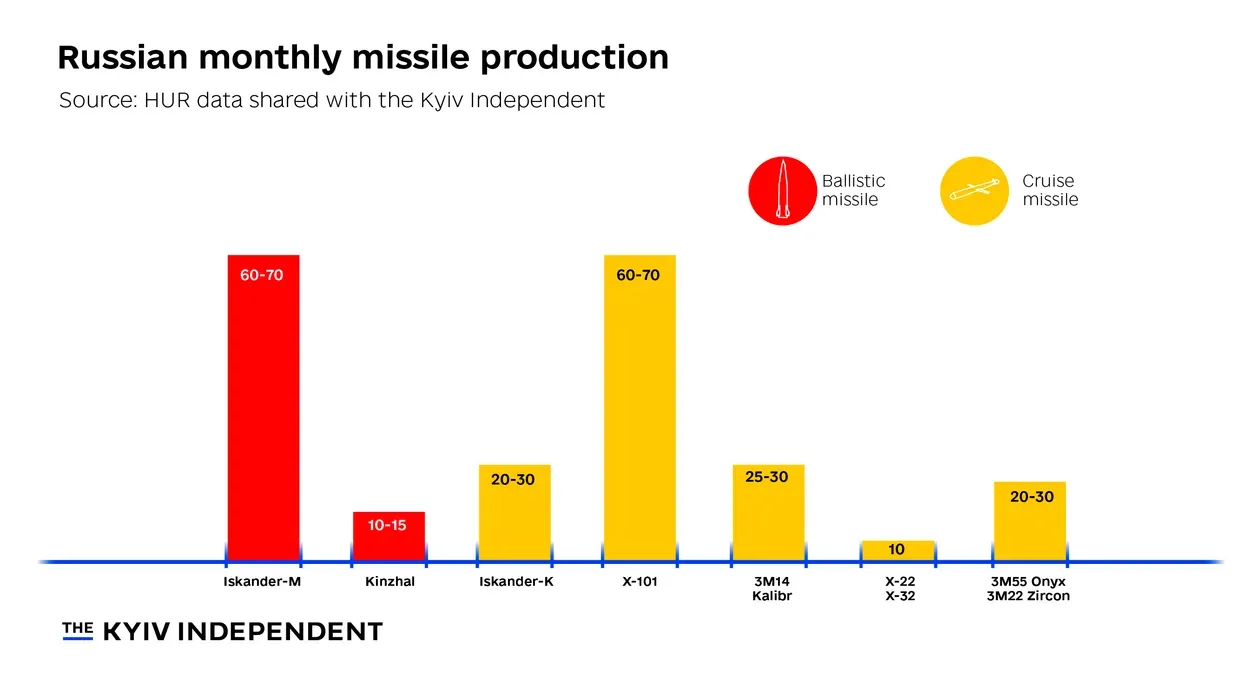
Ukraine's military intelligence (HUR) sharedwith the Kyiv Independent that Russia's production of ballistic missiles has increased by at least 66% over the past year.
Russian monthly missile production (Nizar al-Rifai/The Kyiv Independent)
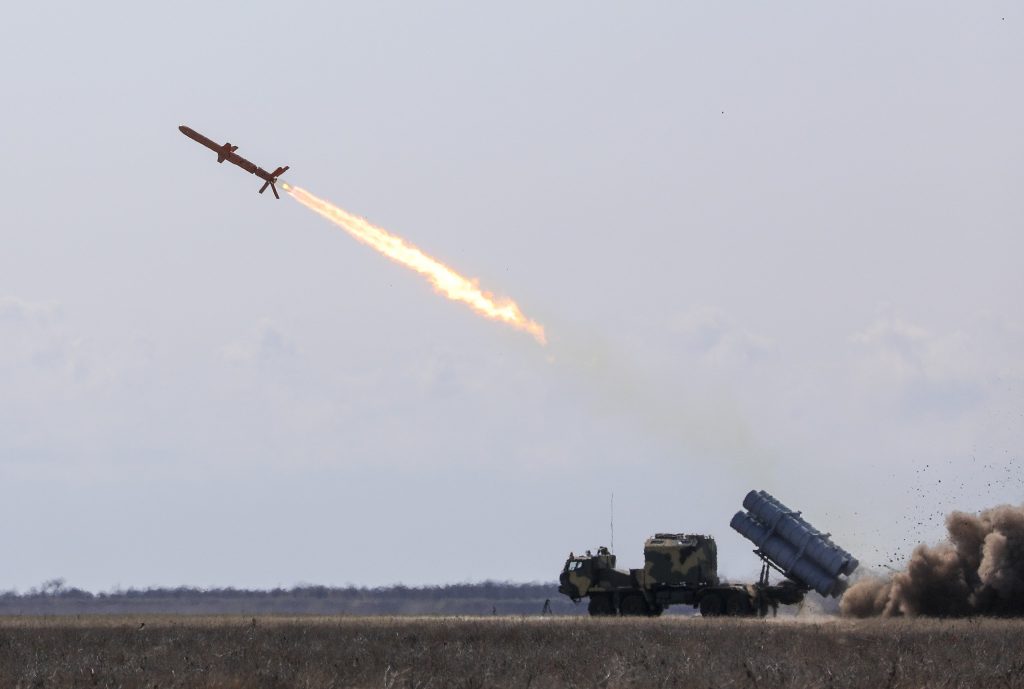
Ukraine's Defense Minister Rustem Umerov said in late 2024 that Ukraine also resumed and scaled up serial production of Neptune cruise missiles, modifying them to have a greater range.
Kyiv has received a number of long-range missiles from partners, such as U.S.-made ATACMS, British Storm Shadow, or French SCALP/T. Despite Ukrainian requests, German Defense Minister Boris Pistorius saidon June 12 that Berlin has no plans to provide Taurus long-range missiles to Kyiv.

 Connexion