Someone tried to set fire overnight to a Lithuanian company that stores Starlink communication equipment, but tipped-off guards foiled the attempt, Lithuanian Prime Minister Mindaugas Sinkevičius said. He linked the attack to Russia’s hybrid war against Europe. It is the third suspected sabotage of Starlink infrastructure in Europe in under a month.
Russia keeps attacking Ukraine at the front and from the air while running a sabotage campaign behind the lines in Europe, which ISW has li
Someone tried to set fire overnight to a Lithuanian company that stores Starlink communication equipment, but tipped-off guards foiled the attempt, Lithuanian Prime Minister Mindaugas Sinkevičius said. He linked the attack to Russia’s hybrid war against Europe. It is the third suspected sabotage of Starlink infrastructure in Europe in under a month.
Russia keeps attacking Ukraine at the front and from the air while running a sabotage campaign behind the lines in Europe, which ISW has linked into one pattern. Starlink keeps Ukraine’s drone units and front-line troops connected, and Poland pays for much of that service.
Fuel canisters and a control unit
The attack came just after midnight, the prime minister wrote. Security services had warned the company about possible attacks, security was stepped up, and the attempt failed.
The company provides connectivity through nine Starlink satellite antennas used by Ukraine, Sinkevičius told Lithuanian public radio LRT. At almost 2 a.m., intruders tried to burn the antennas and their control unit, leaving behind incendiary liquid in canisters of 3 to 10 liters.
“It is obvious that this is part of Russia’s hybrid war with elements of sabotage,” he said, adding that the client was likely “the Russian side.”
He said he believes the people involved, and how many there were, are known, but gave no details, citing the investigation.
Police Commissioner General Arūnas Paulauskas said no suspects had been detained, any damage was minimal, and the company kept working. A pretrial investigation is under way.
Explore further
New Starlink restrictions disrupt Ukrainian drone missions. Kyiv adviser says move is tied to “political situation”
A drone the same morning
Hours later, an object that apparently entered from Poland crossed northern Lithuania, and NATO jets failed to identify it, Defense Minister Robertas Kaunas said. Possible fragments were found in the Pasvalys district near the Latvian border. Latvia’s military said the object may have blown itself up on a course toward Latvia.
Sinkevičius said the sabotage version had to be checked for the drone too. He called the National Security Commission for Monday, 19 October, to examine both incidents and consider giving services more powers to neutralize drones.
The third Starlink site
In September, a fire destroyed the distribution panel at a Starlink ground station in Wola Krobowska, Poland. Germany detained two Turkish nationals on 12 October, and Warsaw blamed Russian intelligence. In Bulgaria, masked intruders burned 11 of 17 Starlink antennas near Sofia.
A modern-day prospector promised rural Imperial thousands of jobs and millions in tax revenue – but his plan has set off a firestorm of resistanceSebastian Rucci zoomed in on a map in late 2024, looking closely at a large block of brown earth. The barren plot sandwiched between sprawling alfalfa fields and sleepy desert suburbs was exactly what he’d been searching for – the perfect place to realize his dream of building the largest artificial intelligence datacenter in California.The dusty expan
A modern-day prospector promised rural Imperial thousands of jobs and millions in tax revenue – but his plan has set off a firestorm of resistance
Sebastian Rucci zoomed in on a map in late 2024, looking closely at a large block of brown earth. The barren plot sandwiched between sprawling alfalfa fields and sleepy desert suburbs was exactly what he’d been searching for – the perfect place to realize his dream of building the largest artificial intelligence datacenter in California.
The dusty expanse wasn’t an obvious location. It was in the Sonoran desert, just north of the Mexican border, where temperatures regularly rose past 100F (37.8C). Water was scarce in the once-booming agricultural area, which gets its supply from the beleaguered Colorado River. And then, there was the city of Imperial – population 22,000 – to win over. As controversial datacenter projects have sprung up across the US, residents were naturally skeptical of a new, energy-guzzling neighbor.
Il ne reste que trois samedis avant la fin de la saison du Marché public de Rimouski. Autant pour les habitués que pour les nouveaux consommateurs, les exposants seront au rendez-vous ce samedi 17 octobre, de 10 h à 14 h, au parce de la Gare.
Les exposants présents :
Le Jardin d’Animaux
Ferme Pastel
Kusala Rose beauté naturelle
Ferme du Fond d’Orme
Marins Plaisirs
Les herbes salées du Bas-du-Fleuve
Bergerie de La Colline
Ferme Du Caneton Polisson
La Fumerie de l’Es
Il ne reste que trois samedis avant la fin de la saison du Marché public de Rimouski. Autant pour les habitués que pour les nouveaux consommateurs, les exposants seront au rendez-vous ce samedi 17 octobre, de 10 h à 14 h, au parce de la Gare.
Même si la fin de la saison approche à grands pas, la programmation du Marché public de Rimouski déborde toujours de nouveautés et d’activités pour toute la famille.
Ce samedi, les Insoumis animeront un atelier de peinture sur roche où vous aurez l’occasion de laisser aller votre créativité dans une ambiance automnale.
Finalement, le Havre de la Faune sera présent. Ce refuge, situé à Saint-Fabien, est l’un des uniques centres pouvant offrir une seconde chance à plusieurs animaux sauvages au Bas-Saint-Laurent. Passez les voir au Café du Marché pour en apprendre encore plus sur leur mission.
The EU plans to fast-track antitrust approval for Project Bromo, a satellite venture meant to cut Europe's reliance on American space technology, Bloomberg reports. The news comes days after the White House ordered the Pentagon to slow Starshield, the military-grade Starlink service Ukraine's forces use, according to Reuters.
Project Bromo would merge the satellite businesses of Italy’s Leonardo and France’s Airbus and Thales into one company. Bloomberg calls it the bloc’s answer to Spa
The EU plans to fast-track antitrust approval for Project Bromo, a satellite venture meant to cut Europe's reliance on American space technology, Bloomberg reports. The news comes days after the White House ordered the Pentagon to slow Starshield, the military-grade Starlink service Ukraine's forces use, according to Reuters.
Project Bromo would merge the satellite businesses of Italy’s Leonardo and France’s Airbus and Thales into one company. Bloomberg calls it the bloc’s answer to SpaceX, and the EU sees it as a regional giant able to compete with US and Chinese rivals.
European Commission President Ursula von der Leyen has backed the project, Eunews reports.
“These are the types of industrial champions we need if Europe is to lead in the space economy of tomorrow,” she said at an international space summit in Paris last month, citing Bromo by name.
A year of quiet groundwork before the filing
Over the past year, the partners and EU officials have worked through potential competition concerns so they can be resolved before a formal application, according to Bloomberg. The companies have not yet applied, but Brussels expects them to in the coming weeks.
For large deals, regulators usually hold such preliminary talks to flag obstacles early. If the companies offer concessions, such as selling some assets, the deal could clear after a first-phase review of a little over a month. If competition concerns remain, the Commission could open an in-depth probe lasting several months.
The caveat behind the SpaceX-rival label
A fast review is not a free pass. Competition Commissioner Teresa Ribera has warned that the project cannot expect one, and unions and suppliers have raised concerns about jobs and competition, Bloomberg reports. Von der Leyen’s public backing drew criticism from some members of the European Parliament.
Her support “doesn’t mean we are not going to apply and to enforce our own regulation,” Ribera told Bloomberg TV.
Why it matters to Ukraine
The push is part of a wider European scramble for space autonomy. Ukraine wants to build a satellite system of its own that no single company controls.
This week showed why. After the Starshield order, the military-grade terminals stopped working on fast-moving objects, and now work only at speeds of up to 160 kph, a person in Ukraine’s Defense Ministry told Reuters. Ukrainian officials said the restrictions complicated strike missions against Russian forces and logistics in occupied territory and slowed the interceptor drones that shoot down Shaheds.
US President Donald Trump called Ukraine’s renewed strikes on Russian oil refineries a disgrace in an interview with Newsmax and questioned President Volodymyr Zelenskyy’s will to settle the war on 15 October. His statements came after he made a deal with Russian President Vladimir Putin to allow Russian diesel back into the US ahead of the mid-term elections in the US.
Kyiv says its long-range strikes have knocked out more than half of Russia's refining capacity, one of the few levers
US President Donald Trump called Ukraine’s renewed strikes on Russian oil refineries a disgrace in an interview with Newsmax and questioned President Volodymyr Zelenskyy’s will to settle the war on 15 October. His statements came after he made a deal with Russian President Vladimir Putin to allow Russian diesel back into the US ahead of the mid-term elections in the US.
Kyiv says its long-range strikes have knocked out more than half of Russia's refining capacity, one of the few levers it controls on Moscow's war income, according to Ukraine's Defense Ministry. This is part of efforts to reduce the aggressor's capabilities to launch assaults, including the latest, during which four Russian regions fired 39 Iskander-M, North Korean KN-23, hypersonic Zircon, and supersonic anti-ship cruise Oniks missiles, Zelenskyy said.
Trump criticizes Zelenskyy over oil prices while remaining silent on Russian strikes
Earlier, Zelenskyy said that Ukraine stopped refinery strikes for three days to meet US wishes after Trump announced an “energy ceasefire” on 11 October. At the same time, Russia struck a Kharkiv heat-and-power plant within hours of the announcement, he emphasized.
Meanwhile, in the interview with Newsmax, Trump said Zelenskyy is only pushing world oil prices higher.
“Well, I think that’s a disgrace,” he said.
He added that Ukraine has other options: “There are a lot of targets that you can hit.”
At the same time, Trump didn't say a word about Russian strikes on Ukraine's civilian buildings and power infrastructure ahead of the winter.
Trump compares Zelenskyy to a circus showman
The US leader said he is “not a big fan” of Zelenskyy. He claimed both sides “would like to see it end,” but that he finds Zelenskyy “more difficult to deal with than Putin.”
Explore further
US weighs relief for sanctioned shadow fleet tankers, days after freeing Russian diesel
He also said that he believes the depletion of US ammunition stockpiles is linked to the aid provided to Ukraine under the Biden administration, rather than the war with Iran.
Ukraine has repeatedly offered to help the US counter Iranian drones during the operation. The New York Times reported that a Ukrainian team departed the day after the US made such a request.
Nevertheless, despite Kyiv’s offers and actions, Trump once again compared Zelenskyy to P. T. Barnum, the 19th-century American circus showman, saying that he received a tremendous number of Patriots and Tomahawks.
However, there is no public confirmation that Tomahawk missiles were transferred to Ukraine during the Biden administration.
A nurse gestures inside Nairobi Hospital, where an Ebola patient was isolated immediately upon arrival and treated at the hospital’s East Wing Isolation Facility. The patient later died.
SpaceX chief Elon Musk says the version of Starlink that Ukraine’s military uses, StarShield, is owned and controlled by the US government rather than by his company. His claims come amid a storm over Ukrainian reports that a speed cut had broken their frontline operations.
Ukraine’s drones and air defenses rely on Starlink to steer and strike, so a limit on the network hits combat directly. Ukrainian troops reported that overnight into 14 October, the faster military package they depen
SpaceX chief Elon Musk says the version of Starlink that Ukraine’s military uses, StarShield, is owned and controlled by the US government rather than by his company. His claims come amid a storm over Ukrainian reports that a speed cut had broken their frontline operations.
Ukraine’s drones and air defenses rely on Starlink to steer and strike, so a limit on the network hits combat directly. Ukrainian troops reported that overnight into 14 October, the faster military package they depend on was throttled, halting a series of missions. Musk’s answer shifts the decision and the blame from SpaceX to the US government and, ultimately, to the president.
“Any limits on speed or usage are decided by the US military and ultimately POTUS. StarShield systems are owned and controlled by the US government,” Musk says.
He draws a line between the two services. Ordinary Starlink is a commercial product owned by SpaceX, limited to civilian or defensive use and not for offensive military action, which he called inappropriate for a commercial company.
Their conversation took place the same week that Washington pressured Kyiv over its strikes on Russian oil refineries amid US President Donald Trump's diesel deal with Moscow.
The exchange that forced Musk to answer
The statement followed a direct appeal. Former Defense Minister Mykhailo Fedorov told Musk on X that Starlink connectivity at speeds of up to 160 km/h was being restored, and pressed for more.
“Removing StarShield’s speed limit entirely is now critical for Ukraine’s defense. Thank you, Elon Musk. We hope for your continued support,” Fedorov wrote, framing the cap as a direct constraint on the war.
The faster package Ukraine cannot do without
The ordinary Starlink Mini mounted on drones is capped at about 160 km/h, which is too slow for some missions, so faster flight requires access to the military version, StarShield, Ukrainska Pravda notes. Ukraine has used StarShield since 2024.
Ukraine and NATO have unveiled two artificial intelligence (AI) tools in Vilnius, Lithuania, Ukraine’s Defense Ministry reported on 13 October. One forecasts Russian drone attacks near the front and is ready to join the Armed Forces’ situational awareness systems. The other helps plan artillery fire and is still in testing.
A forecast of where, when, and which drones will fly targets the main source of losses near the front. In March, Ukraine’s military put the share of front-line casua
Ukraine and NATO have unveiled two artificial intelligence (AI) tools in Vilnius, Lithuania, Ukraine’s Defense Ministry reported on 13 October. One forecasts Russian drone attacks near the front and is ready to join the Armed Forces’ situational awareness systems. The other helps plan artillery fire and is still in testing.
A forecast of where, when, and which drones will fly targets the main source of losses near the front. In March, Ukraine’s military put the share of front-line casualties caused by FPV drones at up to 80%. In May, Ukraine’s drone forces commander Robert Brovdi said Russia was copying Ukraine’s model to grow its drone forces. A month earlier, Presidential Office head Kyrylo Budanov wrote that adding more drones no longer fundamentally changes the battlefield. The next stage, he said, is full integration of AI.
Forecasting Russian drone attacks
The NATO-Ukraine Joint Analysis, Training and Education Center (JATEC) presented both at a three-day seminar in the Lithuanian capital. NATO’s Allied Command Transformation and Ukraine’s Armed Forces built the tools with JATEC’s support.
“The solution has already been validated using real-world datasets. It has been refined and is ready for integration into the Armed Forces of Ukraine's situational awareness systems,” the ministry said.
Model No. 13 works from past data, weather, and the current battlefield situation. The ministry said it can identify the intensity of attacks, the areas, the time windows, and the types of drones with a high probability.
Ranking artillery options
Model No. 32 is a decision-support module. It tests whether artillery plans can be generated automatically. It weighs the mission’s requirements and current operational data, including available weapons, ammunition, firing positions, and constraints.
Explore further
Ukraine’s new military AI does more than watch the battlefield—it helps commanders plan what comes next
First, it applies logistics, ballistics, and impact-zone parameters to throw out unworkable options. Then it scores and ranks the rest. That means less hand-based comparison, faster decisions, and a more efficient fire loop, the ministry said. The prototype is now with the Ukrainian military for trials. If the trials succeed and it is validated, it could be expanded to other units that strike Russian forces.
Recent polls show that American voters across the political spectrum are deeply dissatisfied with the Trump administration, and the upcoming midterm elections will provide them an opportunity to express how they feel. The Guardian's reporter Fabiola Cineas breaks down the four key issues that will drive voters to the polls Continue reading...
Recent polls show that American voters across the political spectrum are deeply dissatisfied with the Trump administration, and the upcoming midterm elections will provide them an opportunity to express how they feel. The Guardian's reporter Fabiola Cineas breaks down the four key issues that will drive voters to the polls
US President Donald Trump said on 13 October that the US continues to share intelligence with Ukraine, following reports that Washington had threatened to suspend intelligence assistance unless Kyiv stopped striking Russian oil refineries, POLITICO reported.
The comments came after Ukraine received no advance warning from its partners ahead of Russia's latest ballistic missile strike, raising fresh questions about intelligence sharing between Kyiv and Washington.
“We are helping them
US President Donald Trump said on 13 October that the US continues to share intelligence with Ukraine, following reports that Washington had threatened to suspend intelligence assistance unless Kyiv stopped striking Russian oil refineries, POLITICO reported.
The comments came after Ukraine received no advance warning from its partners ahead of Russia's latest ballistic missile strike, raising fresh questions about intelligence sharing between Kyiv and Washington.
“We are helping them, and we are sharing intel. We want the war to end,” Trump told reporters at the White House, according to POLITICO, reaffirming US support after his recent efforts to reach an agreement with Russian President Vladimir Putin drew criticism over his approach to the war.
Trump reaffirms support after backlash over Russia deal
Last week, the US threatened to cut intelligence sharing if Ukraine did not stop attacking Russian oil refineries. Zelenskyy did not publicly confirm the reported threat.
The reports came amid criticism of Trump’s announcement of a deal to buy Russian oil and his pressure on Kyiv to make concessions, even as Russia continued attacking Ukraine.
Zelenskyy said Ukraine had refrained from striking Russian oil refineries and the energy sector for two days after Trump announced an energy ceasefire. Russia, however, continued attacking Ukrainian energy facilities and critical infrastructure, he said, with 19 Ukrainian regions coming under attack during those two days.
Trump said Monday that both Russia and Ukraine had violated the energy ceasefire, arguing that each side was responsible. He also said Putin wanted a deal and that Washington needed to persuade Zelenskyy to agree.
Trump's latest comments publicly reaffirm that intelligence sharing is continuing. However, the circumstances surrounding the latest Russian strike have raised questions about whether Ukraine is receiving the early warnings it needs to protect civilians.
Ukraine received no warning before latest Russian strike
Early warnings of incoming Russian ballistic missiles give Ukrainians a brief window to reach shelter before impact. US intelligence helps make those warnings possible, giving civilians crucial time to protect themselves.
Zelenskyy said Russia's latest attack involved five ballistic missiles and more than 100 drones, and that Ukraine received no warning from its partners before the strike.
“Intelligence on Russian ballistic missile launches helps save lives,” Zelenskyy said Tuesday. “This is precisely what helps prevent people from being killed — when there is an early warning about ballistic missiles.”
He added that Ukraine had received no warning ahead of the attack.
Explore further
Russian ballistic missiles hit Kyiv before sirens, gap that lands hard amid fears that Washington could cut data that warns of launches
Ukraine normally receives alerts about impending Russian missile launches through the Battlespace Command and Control Center, a system operated by the US military and NATO members, among others, POLITICO reported.
Citing an unnamed official familiar with the matter, POLITICO reported that US officials attributed the missing warning to bad weather. The explanation reportedly raised doubts among Ukrainian officials.
Ukrainian Air Force spokesperson Yurii Ihnat said the warning system had failed to transmit information on previous occasions. He said specialists would work with international partners to resolve any technical problems.
Ukrainian Foreign Minister Andrii Sybiha said Tuesday that intelligence sharing through the platform was continuing, according to POLITICO.
Ukrainian drones have helped push Russia into its worst fuel crisis since the Soviet Union fell, The Washington Post (WaPo) reported on 11 October.
Diesel is where this war reaches American drivers. US President Donald Trump blames rising diesel prices mostly on Russia’s war in Ukraine, while experts blame mainly the US war with Iran. Some of his allies now accuse Kyiv of trying to sway the US midterms.
Drones go for the first stage of refining
The Washington Post looked at dozens
Ukrainian drones have helped push Russia into its worst fuel crisis since the Soviet Union fell, The Washington Post (WaPo) reported on 11 October.
Diesel is where this war reaches American drivers. US President Donald Trump blames rising diesel prices mostly on Russia’s war in Ukraine, while experts blame mainly the US war with Iran. Some of his allies now accuse Kyiv of trying to sway the US midterms.
Drones go for the first stage of refining
The Washington Post looked at dozens of strikes between 1 April and 31 August. Three refinery experts then examined satellite images of 54 strikes with visible damage. In over half, the damage seems to be to the desalting and distillation units, known by the Russian acronym ELOU-AVT. These units clean the crude of water and salt, then split it into separate compounds, the first steps toward gasoline and diesel. More than a third appear to have hit secondary units, which turn those compounds into jet fuel, gasoline, and liquefied petroleum gas.
From April through August, drones struck two-thirds or more of the 36 big Russian refineries that S&P Global Energy tracks, a strike every third day. Some took as many as five hits. On 16 June, drones set the Moscow refinery’s distillation towers on fire. That strike and a second one days later kept the plant offline into September, WaPo reported, citing data firm Kpler. Ukraine targeted the refinery again on 20 September.
Explore further
Trump’s Russian diesel deal, which drew fury in Ukraine, is unlikely to lower prices, experts say
“We don’t need to hit the entire plant,” a Ukrainian drone battalion commander with the call sign Tango told The Washington Post. Ukraine knows where to strike so that a refinery stops and stays down, he said. His unit, Ukraine’s 1st Separate Center of Unmanned Systems, runs long-range strikes deep inside Russia.
Sanctions slow the repairs
The EU banned exports of oil-refining equipment to Russia the day after the 2022 invasion, and the US followed days later. WaPo reported that the bans cover the distillation and secondary processing units Ukraine keeps hitting. The bans make spare parts hard to get, Alexander Kolyandr of Eurasia Group told the paper, and the strikes come faster than repairs.
Since last year, Ukraine has doubled the size of each wave, decoys included, a person involved in the strike campaign told WaPo. The decoys are unarmed and draw Russian fire, wasting air-defense ammunition, WaPo explained. Without them, the person said, Ukraine would simply lose expensive systems. András Rácz of the German Council on Foreign Relations told WaPo that even if only 2–3% of drones get through, the damage is significant.
Russia is building a satellite network that could soon put all of Europe within its reach. The “Rassvet” satellite system is an extraordinary threat, first to Ukraine and then to the rest of Europe, Oleksandr Danyliuk, the head of the private European aerospace and defense technology company Destinus, said at the Warsaw Security Forum, according to Ukrinform.
Rassvet is Russia’s answer to Starlink, a low-orbit satellite network built by Bureau 1440 to give Moscow’s forces communications
Russia is building a satellite network that could soon put all of Europe within its reach. The “Rassvet” satellite system is an extraordinary threat, first to Ukraine and then to the rest of Europe, Oleksandr Danyliuk, the head of the private European aerospace and defense technology company Destinus, said at the Warsaw Security Forum, according to Ukrinform.
Rassvet is Russia’s answer to Starlink, a low-orbit satellite network built by Bureau 1440 to give Moscow’s forces communications that no one else can switch off. European states must invest more quickly in cheap, effective, mass-produced systems to counter it.
“They will be able to navigate to any point in Europe without problems. This needs to be stopped,” said Danyluik, a former Ukrainian finance minister, said.
Cheap systems, made at scale
Danyliuk’s prescription is already being used on Ukraine’s front. Europe should invest in inexpensive, effective systems that can be mass-produced, he argues, the same approach Ukraine uses, and that Russia also turns against it.
“This gap needs to be filled as quickly as possible,” he said.
He urged allies not to overlook threats that might look secondary today, pointing to Rassvet as exactly that kind of slow-building danger.
Appearing strong is not enough to deter Russia, Danyliuk argued, because Moscow can gauge how ready European states actually are.
Ukraine races to catch up
Both sides are now scrambling to own the satellite link rather than rent it. Ukraine is building a satellite system of its own, similar to Starlink but beyond any single company’s control, President Volodymyr Zelenskyy said on 4 October.
He argued Kyiv should be free to turn Starlink on Russian military targets, warning that China and other states will share comparable satellite technology with Moscow within months.
By Ukrainian estimates, Russia still needs five to eight years to complete Rassvet, which so far reaches Ukraine only in brief passes. That window is the time Danyliuk says Europe must use.
Russia and four allies began five-day military drills in Belarus on 12 October, the Russia-led Collective Security Treaty Organization (CSTO) said. The troops are rehearsing peacekeeping and a biological-threat response. Minsk insists the drills target no one, while Belarus’s army chief calls them deterrence against hostile states.
Russian troops crossed Belarus to advance on Kyiv in 2022, and it now hosts Russian units with Oreshnik missiles and equipment guiding attack drones into Ukr
Russia and four allies began five-day military drills in Belarus on 12 October, the Russia-led Collective Security Treaty Organization (CSTO) said. The troops are rehearsing peacekeeping and a biological-threat response. Minsk insists the drills target no one, while Belarus’s army chief calls them deterrence against hostile states.
Russian troops crossed Belarus to advance on Kyiv in 2022, and it now hosts Russian units with Oreshnik missiles and equipment guiding attack drones into Ukraine. Every foreign deployment there worries Kyiv and neighboring NATO members, which blame Minsk and Moscow for border pressure.
Riot police and drone crews in a “peacekeeping” drill
Belarus, Kazakhstan, Kyrgyzstan, Russia, and Tajikistan brought more than 1,500 troops and over 300 weapons and vehicles, including about 80 drones, The Moscow Times reported, citing the bloc. Armenia, the sixth member, is not among them. The peacekeeping drill runs in Vitsebsk Oblast, bordering Latvia and Lithuania, with Belarusian riot police and internal troops joining, the bloc’s command said.
Explore further
Up to 60 railcars: Belarus wires a border base to take in military trains
Russia sent motorized rifle, reconnaissance, electronic warfare, and drone units from its Central Military District, the CSTO said. Russia, this year’s chair, prioritized peacekeeping readiness and the joint biological protection and medical unit, a bloc general said.
Belarus’s military insisted the drills are planned, yet its army chief called them “one of the measures of strategic deterrence against aggressively minded states” and claimed the West is “effectively preparing for a new hot war.”
Pressure on Belarus’s neighbors
In Latvia, armed, masked escorts from Belarus tried to force migrants across this month, the military said, and raiders stole border cameras hours later. Estonia’s police and border guard chief warned migration pressure could jump before winter, as Russia eases entry from countries like Ethiopia and Belarus passes migrants on to the EU. Lithuania posted up to 100 soldiers on its border with Russia’s Kaliningrad, and in September NATO’s Italian jets downed a drone that crossed in from Belarus. On 9 October, Minsk summoned Ukraine’s envoy over an alleged drone strike on a Belarusian truck in Russia, and Kyiv rejected the “absurd accusations” of “an accomplice in the crime of aggression against Ukraine.”
Belarus keeps its army on alert
In September, Belarusian armor drilled near the Suwałki Gap, NATO’s land link to the Baltic states, and Lukashenka said the whole army would be checked, up to mobilization. On 12 October, he ordered a snap check of a 6th Separate Guards Mechanized Brigade battalion, state news agency BelTA reported. European spy agencies also warn of more Russian assassination plots against defense executives.
Ukraine’s intelligence still rates the threat from Belarus as low, but each new contingent, missile unit, and airborne brigade there widens what Kyiv and NATO’s eastern flank must watch.
In an interview, Dr. Peter Piot recalled when he first saw the spindly virus under a microscope and reflected on a five-decade career spent fighting two deadly pathogens.
In an interview, Dr. Peter Piot recalled when he first saw the spindly virus under a microscope and reflected on a five-decade career spent fighting two deadly pathogens.
In an interview, Dr. Peter Piot recalled when he first saw the spindly virus under a microscope and reflected on a five-decade career spent fighting two deadly pathogens.
In an interview, Dr. Peter Piot recalled when he first saw the spindly virus under a microscope and reflected on a five-decade career spent fighting two deadly pathogens.
[en]
Another dry spell on the blog, but not in my mind or my intentions. I figured I’d try and challenge myself to do something a little different in terms of format: a list of stuff that’s jostling about in my head, in no particular order, without much explanation, a couple of sentences max for each. Just some stuff. Feels like it should be bullet points, but I’ll try without.
Caved in and bought AirPods, given how much I spent these last years replacing the EarPods I keep breaking because
Another dry spell on the blog, but not in my mind or my intentions. I figured I’d try and challenge myself to do something a little different in terms of format: a list of stuff that’s jostling about in my head, in no particular order, without much explanation, a couple of sentences max for each. Just some stuff. Feels like it should be bullet points, but I’ll try without.
Caved in and bought AirPods, given how much I spent these last years replacing the EarPods I keep breaking because they catch on stuff or I drop my phone. Unintended side-effect: I’m watching more videos on my phone.
Julius has been regressing a little lately, more scared of me and people, scared of coming upstairs. Maybe it’s because I spent a few weeks putting medications in him.
I’m finally figuring out the point of hierarchical keywords in Lightroom. And toying with AnyVision to finally get my 150k+ photos more or less organised (motivation: tagging my cats and my orchids).
I now I have 41 orchids and an outbreak of thrips. Treat every 5-7 days, repeat, repeat, repeat (they lay eggs and start developing inside the leaves).
Something is definitely off since my accident between eyes and inner ear, investigation on track, and moving around less (like being ill for a week) definitely has a positive impact.
The solution to bedtime procrastination should also be searched for in the morning, just like the solution to difficulties in picking up an interrupted task or project should also be addressed at the “stopping” stage.
I love my Multi Counter app. I use it to track symptoms, adherence to habits I’m trying to get into or stick to, life balance, daily energy use or recuperation.
Understanding that when habits or routines are interrupted, they’re not as easy to resume as “pick up where you left off”. You have to approach it as “rebuilding” (though it can of course be accelerated). Assume nothing. Unintended interruptions result in a shift in context. Context is key. Routines evolve.
Try out habits or routines first, start tracking later.
A light antihistamine treatment all year around is definitely doing wonders regarding how often I fall ill. Oh, and when ill, paying very close attention to my nose is the key to less coughing (rincing + nasal spray + anti-inflammatories: remaining decongested has other benefits than just comfort!)
Phalaenopsis leaf width can tell you if they’re getting enough light or not. Also, make sure decorative pots are wide enough that air can circulate freely.
I’ve finally figured out how to prevent my clean laundry from sitting in the basket until the next laundry day two weeks later: book an hour in the calendar on Thursday night to not only pick up the laundry but put it away.
Death by Powerpoint is still a thing. But I’m starting to love the exercise of extracting a key nugget people absolutely need to get and synthesising it into a very clear, easily understandable slide. Understanding a point in the context of a deep, intense conversation does not mean it will stick with you afterwards.
Purging suspended folders containing 20-year-old documents goes much faster and is much more satisfying than I expected.
Trying to figure out how to adapt making a fruit tart in the air fryer. Not quite there yet, though finishing off the last one in the pan to get the pastry nice and cooked was a good move.
I gave my orchids names and stuck them in a Google Sheet. Started tagging them by name in Lightroom and trying to track down individuals to figure out who is who and what their history is (none of them are in bloom right now, and what looks more like a Phalaenopsis than 20 other Phalaenopsis?)
I still haven’t scattered Oscar’s ashes. Or Erica’s for that matter. I feel bad about it, particularly Erica. He should be resting in his garden, not in a little box in my bookcase.
If you need a proper “blackout” eye mask where you can keep your eyes open as an alternative to palming, if your eyes need that kind of rest, check out the “BDSM accessories” section
Light Meter app allows you to measure luminosity (useful for plants). Probably not great for absolute measures, but useful to compare relative luminosity of different windows, and to see how it changes dramatically as soon as you back away from the window a little.
I’ve left PAI/LifeOS on the backburner and am back to “just using” normal Claude, and being much less ambitious in what I ask of it.
Water is the number one enemy of skin and nails, said my dermatologist. Washing my hands less (hello, disinfectant gel and nitrile gloves) has done wonders for my breaking nails.
Realising how key the Zeigarnik Effect is in so many aspect of my life that I struggle with. Looking at things through the lens of “open loops” is really changing how I manage certain issues. Amongst other things, I’m working on a “Loop Card” format (in Google Keep) that helps me stop and restart things.
The more time I spend doing a certain activity (caring for my orchids, watching a TV series, tidying, working, whatever) the more difficult it is to stop.
Invisible injury/disability is a bitch. People keep expecting you to do the “brain equivalent” of hobbling another 500m on crutches to the bench over there when the problem is you can’t walk another step and need a place to sit down “here”. Being accepting and actively supporting are not the same thing.
Reading “Moral Luck” by Thomas Nagel when I was young had a strong impact on me. I’m reluctant to pass moral judgment on others and find the current propensity to label people as “bad” or “toxic” or whatever essentialising qualifier one favours abhorrent. I however don’t seem to be able to get rid of the nasty habit of judging others for “doing it wrong” or “being wrong”, particularly when they double down on it.
I haven’t been doing a good job of eating my veggies these last two weeks.
Les visiteurs sont encore invités à faire leurs réserves pour la saison hivernale, ce samedi 10 octobre, au Marché public de Rimouski.
Pourquoi ne pas planifier vos prochains mois en achetant à l’avance auprès de vos éleveurs, artisans et pâtissiers préférés pendant qu’ils sont toujours présents au marché ? De cette façon, il sera possible de bénéficier de leurs conseils sur la conservation de leurs produits et de s’assurer d’une consommation responsable au quotidien lors des temps plus froi
Les visiteurs sont encore invités à faire leurs réserves pour la saison hivernale, ce samedi 10 octobre, au Marché public de Rimouski.
Pourquoi ne pas planifier vos prochains mois en achetant à l’avance auprès de vos éleveurs, artisans et pâtissiers préférés pendant qu’ils sont toujours présents au marché ? De cette façon, il sera possible de bénéficier de leurs conseils sur la conservation de leurs produits et de s’assurer d’une consommation responsable au quotidien lors des temps plus froids.
Les exposants présents ce samedi, de 10 h à 14 h, au parc de la Gare :
US President Donald Trump announced a deal with Russian President Vladimir Putin for Moscow to supply millions of tons of diesel fuel to American and global markets.
The announcement would give Russia a major opportunity to sell fuel abroad at a time when Ukraine is targeting its oil industry to deprive Moscow of revenue and disrupt the resources sustaining its invasion. The US president has increasingly called for Ukraine to halt strikes on Russian oil infrastructure in recent weeks,
US President Donald Trump announced a deal with Russian President Vladimir Putin for Moscow to supply millions of tons of diesel fuel to American and global markets.
The announcement would give Russia a major opportunity to sell fuel abroad at a time when Ukraine is targeting its oil industry to deprive Moscow of revenue and disrupt the resources sustaining its invasion. The US president has increasingly called for Ukraine to halt strikes on Russian oil infrastructure in recent weeks, blaming Ukraine for high fuel prices in the US.
Trump’s push for Kyiv to halt those attacks, alongside his effort to secure Russian fuel supplies, risks undermining Ukraine’s campaign to put economic pressure on the Kremlin while the US seeks to contain the fallout from its war with Iran.
Trump promises millions of tons of diesel from Russia
In a 9 October post on Truth Social, Trump said Russia would immediately supply more than 300,000 tons of diesel, followed by another 500,000 tons in November and 1 million tons shortly afterward. He also announced a possible additional delivery of 3 million tons, conditional on the state of Russian refineries.
“Diesel Prices for Americans and, indeed, the World, will be COMING DOWN, IN RECORD NUMBERS, AND FAST!” Trump wrote, describing lower fuel prices as a top priority for American farmers, ranchers, and truckers.
Trump's announcement did not explain how the promised volumes would be reconciled with the condition of Russian refineries amid ongoing Ukrainian strikes, which he cited as a factor determining the timing of later deliveries.
Trump has pressed Ukraine to stop targeting Russian refineries
The announcement comes after Trump repeatedly blamed Ukrainian strikes on Russian oil infrastructure for worsening global diesel shortages and driving up fuel prices.
Ukraine has continued targeting Russian oil facilities as part of its campaign to undermine Moscow's war economy. Ukrainian strikes have damaged refining capacity, contributed to fuel shortages inside Russia, and forced Moscow to restrict fuel exports.
Kyiv has argued that the attacks put pressure on Russia's ability to finance and sustain its war against Ukraine.
Iran war drives fuel prices higher, not Ukraine
The rise in US fuel prices stems largely from the US-Israeli war with Iran and its disruption of global energy supplies, according to Reuters. The conflict has disrupted shipping through the Strait of Hormuz, a strategic waterway through which roughly one-fifth of the world's oil supplies normally pass, pushing energy prices higher.
Trump has nevertheless blamed Ukraine's refinery strikes for rising fuel costs while pressing Kyiv to halt them.
Ukraine's attacks on Russian oil infrastructure are intended to weaken Moscow's war economy. By contrast, the disruption to global energy shipments stems largely from the conflict with Iran.
Zelenskyy warns Russian diesel deal would fund further attacks on Ukraine
Ukrainian President Volodymyr Zelenskyy warned later on 9 October that allowing Russia to sell petroleum products abroad without securing a lasting de-escalation agreement would help finance Moscow's war against Ukraine.
“Allowing Russia to sell petroleum products is an investment in a war that must be ended, not prolonged,” Zelenskyy said, responding to Trump's announcement of a proposed Russian diesel supply deal.
Zelenskyy said Ukraine's strikes on Russian oil refineries and other oil facilities were a response to Russia's years-long campaign against Ukrainian energy infrastructure. He offered a reciprocal arrangement under which Ukraine would stop striking Russian refineries if Russia stopped destroying Ukrainian energy facilities, saying the United States had sufficient leverage to secure such an agreement.
“Ukraine will not burn Russian oil refining facilities if Russia does not destroy our energy infrastructure,” Zelenskyy said.
He also urged Washington to maintain pressure on Moscow, including sanctions under the proposed Graham legislation, and to continue supporting Ukraine's defense. Zelenskyy argued that easing sanctions without a clear, sustained de-escalation agreement would signal weakness and give Russia more time and resources to continue the war.
“Gifts to Putin will not bring peace,” Zelenskyy said, warning that Russia would respond to diesel supplies with further terror and attacks. He called on the United States to pursue a reciprocal de-escalation agreement and press Russia to stop its attacks on Ukrainian energy infrastructure.
Two Ukrainian defense-tech firms, The Fourth Law and Odd Systems, have joined forces to mass-produce thermal imaging sensors in Europe and the US, The Fourth Law told Militarnyi. The goal is to wean Western militaries off foreign suppliers, chiefly China, for the core part of every thermal camera.
Amid Russia's daily attacks, Ukrainian drone makers have been shifting production to allied countries. Linza and Zoom drones are now built in Germany, and another top manufacturer has taken it
Two Ukrainian defense-tech firms, The Fourth Law and Odd Systems, have joined forces to mass-produce thermal imaging sensors in Europe and the US, The Fourth Law told Militarnyi. The goal is to wean Western militaries off foreign suppliers, chiefly China, for the core part of every thermal camera.
Amid Russia's daily attacks, Ukrainian drone makers have been shifting production to allied countries. Linza and Zoom drones are now built in Germany, and another top manufacturer has taken its technology to Canada and Finland. Sensor plants would move a core component west, not just finished drones.
A Western answer to Chinese sensors
The project, called Project Foundation, will build long-wave infrared sensors, known as microbolometers. These chips register heat, so a camera can pick out a person or vehicle at night or through smoke. The aim, The Fourth Law said, is to "ensure the sovereignty of Western countries in the field of thermal imaging technology."
Plants in Europe and the US from 2027
The project will run two sites, First Foundation in Europe and Second Foundation in the US, from a headquarters in Eindhoven, a Dutch semiconductor hub. Mass production is due to start in 2027. Within three years, the partners want to quadruple Europe's output of these sensors and double America's.
Why Europe's supply isn't enough
Ukraine's front line burns through sensors faster than Europe can make them. "Europe currently produces less than 500,000 such sensors per year, while Ukraine consumes this amount in about five months," Odd Systems co-founder Yaroslav Azhniuk said in February, when he first announced plans for a plant able to make one million sensors a year. European sensors cost about five times as much as Chinese ones and are hard to buy at all, because Europeans need them too, he added.
Factories working for Ukraine abroad have already become sabotage targets. In March, an arson attack in Pardubice, Czechia, destroyed nearly all the production capacity of a plant making drones and thermal sights for Ukraine's army. Czech investigators are looking into a possible Russian trail behind the attack.
Lithuania plans to deploy up to 100 soldiers to support border guards along its frontier with Russia's Kaliningrad Oblast, Defense Minister Robertas Kaunas said on 7 October.
Lithuanian Interior Minister Martynas Katelynas has described the deployment as a preventive measure linked to possible Russian mobilization and a recent incident on the Latvia-Belarus border, where masked, armed escorts tried to push a group of migrants into Latvia. Katelynas said Lithuania could face people tryin
Lithuania plans to deploy up to 100 soldiers to support border guards along its frontier with Russia's Kaliningrad Oblast, Defense Minister Robertas Kaunas said on 7 October.
Lithuanian Interior Minister Martynas Katelynas has described the deployment as a preventive measure linked to possible Russian mobilization and a recent incident on the Latvia-Belarus border, where masked, armed escorts tried to push a group of migrants into Latvia. Katelynas said Lithuania could face people trying to avoid mobilization and seeking asylum.
Kaunas said he had granted permission to use Lithuanian soldiers to strengthen border protection for the next several weeks.
“The order starts being implemented immediately,” he wrote on Facebook.
Russia denies a new mobilization
The Kremlin denies a new mobilization is coming. In early September, Russian President Vladimir Putin called reports of one "complete nonsense" and "an information attack on Russia." Ukraine's military and foreign intelligence services say Russia's General Staff has prepared a scenario to mobilize 600,000 people over 2026 and 2027. On 28 September, President Volodymyr Zelenskyy said that "in effect, the Russians have already begun additional mobilization."
Frontier-station patrols for a couple of weeks, possibly longer
On 8 October, the Lithuanian army said soldiers were being brought in to help the State Border Guard Service from that day. A company-sized unit was planned for the assignment, initially for two weeks, with the option to extend. Soldiers will patrol with border guards in frontier-station areas, while mobile patrols, mobile observation posts, and military police crews may be added as needed. The army described the deployment as preventive and a normal form of interagency cooperation.
Kaunas had told LRT TV the soldiers would stay until 16 October. On the morning of 8 October, he said the deployment "was supposed to start" overnight and that he would check with the army. On 8 October, the Lithuanian army said soldiers were being brought in to help the State Border Guard Service from that day. Kaunas also said that “on the Kaliningrad side” there were no physical barriers, unlike the border with Belarus.
Lithuania says its border guards are stretched
On 8 October, Katelynas said the border guard service’s capacity was insufficient, with shifts growing while officer numbers were not increasing. He said the threat level had not changed. In a Facebook post the previous day, he said the situation at Lithuania’s border was calm and there was no reason to panic. He said Russia was planning mobilization after the elections and that Lithuania may face people trying to avoid it and seeking asylum.
Lithuania's State Border Guard Service had turned back 1,693 people trying to cross illegally from Belarus this year and about 26,300 since the migration crisis began, as reported by ELTA on 8 October. Katelynas said 43 migrants tried to enter southern Lithuania last week and were turned back.
A drone attack overnight on 8 October caused a fire that hit part of Yandex's data center in Sasovo, Ryazan Oblast, about 580 km from Ukraine, and the site is fully stopped, the Russian tech company told Russian media. The data center sits on the grounds of Sasta, a sanctioned machine-tool plant, Russian outlet Astra said, citing Wikimapia data. Astra's OSINT analyst found from eyewitness footage that the fire hit the plant.
Since late September, Russia has been striking data centers in
A drone attack overnight on 8 October caused a fire that hit part of Yandex's data center in Sasovo, Ryazan Oblast, about 580 km from Ukraine, and the site is fully stopped, the Russian tech company told Russian media. The data center sits on the grounds of Sasta, a sanctioned machine-tool plant, Russian outlet Astra said, citing Wikimapia data. Astra's OSINT analyst found from eyewitness footage that the fire hit the plant.
Since late September, Russia has been striking data centers in Kyiv that keep Ukraine's internet and online services running. Now a drone attack has stopped one of the data centers that Russia's largest tech company relies on.
Fires reported at a refinery in Salavat and a machine-tool plant in Sasovo after overnight attacks on 8 October 2026. Map: Euromaidan Press
Yandex counts the damage
Yandex warned that some services may be unavailable, while its core services kept running and no one was hurt. Ryazan Oblast Governor Pavel Malkov claimed two drones were downed, a roof caught fire at an enterprise in the Sasovo district, and windows were blown out in several homes.
The power failure took down a wide range of Yandex Cloud infrastructure, including computing capacity, networks, data storage, databases, Kubernetes, cloud services, AI, and security and monitoring systems, Ukrainian outlet ZN.ua reported, citing Exilenova+.
Ukrainian monitoring channel Exilenova+ reported that the plant was hit, without naming an attacker. The channel said Sasta, which claims a place on Russia's register of defense-industry companies, makes computer-controlled machine tools, including five-axis machining centers, and previously supplied the Tactical Missiles Corporation (KTRV) and Roscosmos. The plant's value to the arms industry lies in machines that cut precision parts, not in finished weapons, the channel said.
Citing Exilenova+, Militarnyi reported that Ukraine's Defense Forces hit the plant. It also linked Sasta to Iskander missile supply chains. No source has said whether the plant or the data center was the target, and no Ukrainian official has claimed the Sasovo strike. Sasta has been under US sanctions since November 2023, UK sanctions since February 2024, and Ukrainian sanctions since April 2025, a sanctions database shows.
Salavat: Kyiv reports a hit
Ukrainian forces hit the Gazprom Neftekhim Salavat complex in Bashkortostan, about 1,380 km from the front line, causing a fire, Ukraine's General Staff said. It said the complex processes up to 10 million metric tons of hydrocarbons a year and serves Russia's armed forces. Its key unit, the ELOU-AVT-6 primary oil refining unit launched in 2012, can process 6 million metric tons a year, Militarnyi reported. Astra's analyst placed the fire a few kilometers outside Salavat, possibly near the refinery.
Salavat Mayor Marat Zagidullin claimed that debris from several drones fell in the industrial zone that morning and started a fire.
"The enterprise continues to work," he said.
Astra noted earlier hits on the complex on 24 September 2025, on 14 July 2026, when refining fully stopped, and on 13 August 2026.
Russia's strikes on Ukraine's data centers
Russia has repeatedly hit data centers in Kyiv since 23 September. Strikes hit the COSMONOVA data center twice, the second time knocking it out, and the Parkovyi data center stopped working completely on 1 October after a series of strikes. In early October, Russia destroyed the dline.ua data center in Kyiv.
A Russian missile strike on an apartment building in Pryluky, a town in northern Ukraine's Chernihiv Oblast, killed 22 people on 7 October, regional police reported on the morning of 8 October. Five of the dead were children: three one-year-old boys, an eight-year-old boy, and a 13-year-old girl, police said.
Russian strikes on Pryluky, Kremenchuk, Oleksandriia, and Kyiv killed 28 people on 7 October, Interior Minister Ivan Vyhivskyi said. For the town, it was the second deadly missile
A Russian missile strike on an apartment building in Pryluky, a town in northern Ukraine's Chernihiv Oblast, killed 22 people on 7 October, regional police reported on the morning of 8 October. Five of the dead were children: three one-year-old boys, an eight-year-old boy, and a 13-year-old girl, police said.
Russian strikes on Pryluky, Kremenchuk, Oleksandriia, and Kyiv killed 28 people on 7 October, Interior Minister Ivan Vyhivskyi said. For the town, it was the second deadly missile strike since May. Behind the toll are families like this one: three generations hit by a single strike.
A family visit that ended under rubble
Three-year-old Zlatoslava is now in the Chernihiv Oblast children's hospital, Pryluky district police chief Vladyslav Stoianov told. Her mother, Kateryna, is hospitalized too. The two had come on the evening of 6 October to visit Kateryna's sister, police officer Yuliia Malysh. The girl's father stayed home in Lynovytsia, a village 15 km away.
Yuliia was wounded and is in hospital, Stoianov said. Her husband, Oleh Malysh, was killed. Until recently, Oleh had fought at the front in the Chernihiv Oblast police rifle battalion. The sisters' mother, Liudmyla, had also come over that evening, and she died too. All the family details come from Stoianov, who was describing a colleague's family.
Explore further
22 killed in Russian missile strike on Pryluky, including five children
Footage of an emergency worker carrying a little girl from the ruins reached almost all media, Vyhivskyi wrote in the same post. Suspilne first reported that the filmed rescuer had carried Zlatoslava. It then corrected itself: he had carried a different child, five-year-old Zoriana. Vyhivskyi also gives the girl's age as five, and he named the rescuer as State Emergency Service section commander Pavlo Levchenko. With colleagues, Levchenko freed the girl and her mother after the blast threw them out of the building.
Russia is concentrating missiles on a smaller, more specific set of targets, and its jet-powered attack drones are part of the reason, the Institute for the Study of War (ISW) assessed. Its combined attack overnight on 7 October killed 22 people in Pryluky, the State Emergency Service (SES) said as of the morning of 8 October. Russian milbloggers noted the shift the same day.
Russia often uses concentrated drone and missile strikes to overwhelm localized Ukrainian air defenses and destr
Russia is concentrating missiles on a smaller, more specific set of targets, and its jet-powered attack drones are part of the reason, the Institute for the Study of War (ISW) assessed. Its combined attack overnight on 7 October killed 22 people in Pryluky, the State Emergency Service (SES) said as of the morning of 8 October. Russian milbloggers noted the shift the same day.
Russia often uses concentrated drone and missile strikes to overwhelm localized Ukrainian air defenses and destroy urban centers, ISW noted. Pryluky, where the strike killed children, was one of the areas a Russian channel says drew a significant share of the Kh-101s that night. With winter close, ISW expects the same pattern against Ukraine's energy grid, with jet drones partly letting Russia keep its missiles for priority targets without firing many more.
Missile waves on a few areas, Russian channels claim
Russia launched 48 Kh-101, Iskander-K, and Kalibr cruise missiles overnight on 7 October, Ukraine's Air Force reported. It also fired ballistic missiles, Zircon and Oniks anti-ship missiles, and 130 strike and decoy drones, 46 of them jet-powered Shahed-type models.
Explore further
22 killed in Russian missile strike on Pryluky, including five children
Russian milbloggers claimed the same day that Moscow had grouped a large part of its missile salvo into repeated waves on a few areas, while other weapons kept stretching Ukraine's air defenses elsewhere. The pro-war Russian Telegram channel Dva Mayora described the change as a switch from striking with splayed fingers to a series of hits with missile "fists." Defenders must then absorb a sharply rising load around one chosen site as one wave follows another, the channel claimed.
Citing Ukrainian monitoring channels, it claimed that roughly 30 or more Kh-101 cruise missiles flew toward Pryluky, Kremenchuk, Svitlovodsk, and Oleksandriia in Chernihiv, Poltava, and Kirovohrad oblasts. It put the Kremenchuk group at up to 15 missiles, Kh-101s and Kalibrs among them, aimed at the area of Kremenchuk and its hydroelectric plant.
Jet drones take some of the load off Russia's missiles
ISW said the jet-powered versions penetrate Ukrainian air defenses deeper and more reliably than propeller models. In ISW's assessment, that partly lets Russia concentrate cruise and ballistic missiles on priority targets without significantly raising missile use. Russia builds about 3,000 Geran-4 and Geran-5 jet drones a month, Ukraine's military intelligence agency (HUR) told Militarnyi in August.
Explore further
Ukraine spent three years learning to catch Russian drones—so Russia made them fly faster
ISW expects Russia to apply the pattern in a likely brutal winter campaign against energy infrastructure. Russia likely intends to make city life untenable and force Ukraine to capitulate to its demands, ISW assessed. Such tactics have not worked before and are unlikely to work now, analysts added.
They called cheap countermeasures to jet drones and small cruise missiles vital, alongside Western air defense aid such as US-made Patriots, which can stop ballistic missiles. Ukraine has already paired a Soviet-era Kub launcher with American RIM-7 interceptors to catch jet drones.
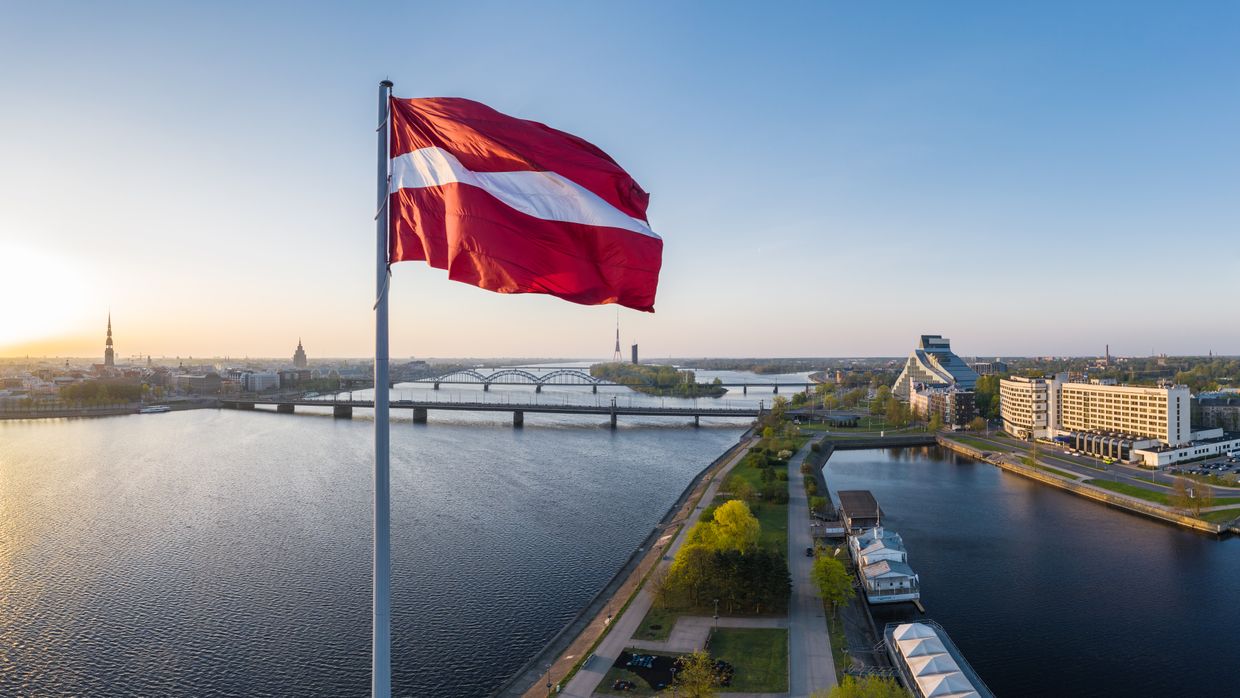
Armed escorts in masks pushed a group of migrants from Belarus toward Latvia and threatened Latvian soldiers, and hours later masked people crossed into Latvia and stole border surveillance cameras, Latvian Interior Minister Jānis Dombrava said on 6 October. Latvia's military described the incident as part of a continuing hybrid campaign on the border, and Ukraine's foreign minister blamed Moscow.
Russia keeps probing the EU's eastern defenses with migrants pushed from its own soil and
Armed escorts in masks pushed a group of migrants from Belarus toward Latvia and threatened Latvian soldiers, and hours later masked people crossed into Latvia and stole border surveillance cameras, Latvian Interior Minister Jānis Dombrava said on 6 October. Latvia's military described the incident as part of a continuing hybrid campaign on the border, and Ukraine's foreign minister blamed Moscow.
Russia keeps probing the EU's eastern defenses with migrants pushed from its own soil and through its ally Belarus, alongside drone incursions and sabotage that ISW has linked into one Russian pattern across Europe.
Armed escorts threatened Latvian soldiers
Latvian soldiers stopped at least 20 migrants trying to cross the border illegally from Belarus, the Latvian National Armed Forces said. Masked escorts led the group, and this time they were armed, threatened the soldiers, and urged and drove the migrants toward Latvia, the military said.
"Unlike many previous incidents, this time the provocation was particularly demonstrative and aggressive," Dombrava said.
The incident confirms that deliberate provocations and hybrid threats on the border will continue, the armed forces said. Illegal migration is being used as a tool to pressure Latvia's border and, with it, the external border of the EU and NATO, they added.
Belarus began funneling migrants toward the EU in 2021, a campaign Poland's government called a hybrid attack in which the migrants end up as weapons. In 2023, Finland closed its border crossings with Russia, accusing Moscow of the same tactic, and by mid-July Latvia had logged 111 straight days of migrants pushed across from Belarus.
Masked people stole the cameras
Several hours after the standoff, people in masks entered Latvian territory, damaged a distribution cabinet, and stole surveillance cameras, Dombrava said. They returned to Belarus before the border guard patrol could arrive.
"Belarus should understand that such incidents could lead to more serious consequences for Belarus itself," he said.
Ukrainian Foreign Minister Andrii Sybiha said Ukraine stands in full solidarity with Latvia. "Make no mistake: Moscow is behind it," he wrote, adding that Russian President Vladimir Putin "deliberately weaponizes migration, with the help of Lukashenka, to destabilise Europe."
Tunnels, tear gas, and damaged cameras on the border
Latvia's border guards stopped 11,384 attempts to cross illegally from Belarus between the start of 2026 and 24 September. In January, Latvia's armed forces and border guard published evidence that Belarusian security agencies were organizing illegal migration across the border. Latvia has also recorded deliberate damage to cables, distribution cabinets, and camera poles on its eastern border, aimed at slowing the rollout of an automated border control system.
Explore further
Stop arming Ukraine or we shut down your defense firms, pro-Kremlin group tells Latvia, Poland, and Portugal
On 22 July, Latvian soldiers fired warning shots and used tear gas against migrants trying to cross. The next day, Prime Minister Andris Kulbergs said Russia and Belarus were stepping up their hybrid war against the Baltic States to distract from Russia's failures in Ukraine. Latvia temporarily halted crossings on the Belarus border on 31 July. In August, Latvian guards found the first tunnel dug from Belarus and turned back 15 migrants who used it.
The authorities said that the virus had been diagnosed in a man arriving from the Democratic Republic of Congo and that they were taking measures to prevent any spread.
The authorities said that the virus had been diagnosed in a man arriving from the Democratic Republic of Congo and that they were taking measures to prevent any spread.
The Kenyan cabinet secretary for health, Aden Duale, at a news conference in Nairobi on Tuesday. He said the man with Ebola had lived in Congo for seven years, and fell sick a month ago.
Les produits seront toujours en abondance, ce samedi 3 octobre, au Marché public de Rimouski. Les consommateurs sont invités à planifier et à prolonger leurs bonnes habitudes d’approvisionnement en profitant pleinement de la saison agricole.
En transformant, congelant, séchant, cannant, il est possible d’avoir accès à des produits d’ici et de qualité même une fois la saison terminée.
Les exposants présents ce samedi, de 10 h à 14 h, au parc de la Gare :
Les Jardins du Saroit
Les M
Les produits seront toujours en abondance, ce samedi 3 octobre, au Marché public de Rimouski. Les consommateurs sont invités à planifier et à prolonger leurs bonnes habitudes d’approvisionnement en profitant pleinement de la saison agricole.
En transformant, congelant, séchant, cannant, il est possible d’avoir accès à des produits d’ici et de qualité même une fois la saison terminée.
Les exposants présents ce samedi, de 10 h à 14 h, au parc de la Gare :
L’organisme Mobilité partagée Rimouski sera présent pour s’entretenir avec les visiteurs et les entendre au sujet du transport dans la ville.
Le parc national du Bic proposera une activité de sensibilisation qui permettra d’en apprendre davantage sur les enjeux de conservation qui touchent cet endroit emblématique de la région.
Ukraine is stitching together a layered answer to Russia's faster, jet-powered Shahed drones, leaning on electronic jamming, fighter jets, and a new class of homegrown interceptors, RBC-Ukraine reported. Each tool has limits, and the new interceptors still bring down only the occasional jet drone. The bottleneck now is money and factory output, not ideas.
Russia is pouring faster jet-powered drones into the air war as winter nears, a campaign Western analysts say is meant to wear Ukrain
Ukraine is stitching together a layered answer to Russia's faster, jet-powered Shahed drones, leaning on electronic jamming, fighter jets, and a new class of homegrown interceptors, RBC-Ukraine reported. Each tool has limits, and the new interceptors still bring down only the occasional jet drone. The bottleneck now is money and factory output, not ideas.
Russia is pouring faster jet-powered drones into the air war as winter nears, a campaign Western analysts say is meant to wear Ukraine's defenses down—and holding those skies now turns on which side can keep out-producing the other's cheap weapons.
Fighter jets help, but they run on imported rounds
Electronic jamming can work against some of the drones, and Ukraine is also sending combat aircraft up after them. But aviation has a catch: the jets need air-to-air missiles and cannon rounds, and for the F-16 and Mirage those are imported and not always in stock. Flying over Kyiv adds danger to the civilians below and to the pilots, so Ukraine would rather catch the drones out on the approaches.
New interceptors are landing hits—just not enough
The newest piece is a wave of Ukrainian interceptor drones built to chase the jet versions, which fly three times faster than the propeller Shaheds. Ukrainian crews have been downing the jet Gerans in a recent run: on 19 September, presidential adviser Serhii Beskrestnov, known as Flash, confirmed one Geran-5 shot down, and in late September, operators of the National Guard's Separate Artillery Brigade brought down a Geran-4 with the Bullet interceptor made by General Cherry, the first Geran-4 that drone has downed, Ukraine's National Association of Defense Industries said. Ukrainian President Volodymyr Zelenskyy said several prototypes have proven themselves in combat.
Explore further
Russia is now wiring its attack drones into one network in flight, so a single drone can scout, strike, and relay for the rest
Across all methods, Ukraine now intercepts about 57% of the jet drones Russia launches, Zelenskyy said on 28 September—a rate that has climbed but still trails the 90%-plus it manages against slower Shaheds. Kills by the new interceptors specifically remain isolated. In August, Air Force spokesperson Yurii Ihnat said jet drones can make up as much as two-thirds of the drones in some raids—though not every time. One promising route is reworking Ukraine's own long-range strike drones into interceptors. Kyiv is in talks with partners over the money; on 28 September, Ukraine's Defense Minister Yevhenii Khmara asked the EU to help finance the interceptors so enough reach the front quickly.
Hitting the launch sites and jamming the controls
Ukrainian forces strike the Russian airfields the jet drones launch from, RBC-Ukraine's sources said, though the raids have not forced Russia to abandon the attacks. On 20 August, military intelligence hit drone storage and launch sites at Primorsko-Akhtarsk, one of the launch bases RBC names, and at occupied Donetsk airfield. Ukraine also keeps going after the Belarusian relay towers Russia strings into a mesh network to steer the drones in, RBC's sources said.
Russia is wiring its long-range attack drones together by a mesh network in flight and buying pricier, higher-resolution cameras for them, Ukraine's Air Force reported on 29 September. Its spokesperson said one drone could serve as a scout, strike drone, and relay for the rest, which is why they often fly one behind another over long distances. Chains of them keep crossing near the Belarus border, UkrInform reports.
For Ukraine, the danger in each such upgrade is arithmetic: the more R
Russia is wiring its long-range attack drones together by a mesh network in flight and buying pricier, higher-resolution cameras for them, Ukraine's Air Force reported on 29 September. Its spokesperson said one drone could serve as a scout, strike drone, and relay for the rest, which is why they often fly one behind another over long distances. Chains of them keep crossing near the Belarus border, UkrInform reports.
For Ukraine, the danger in each such upgrade is arithmetic: the more Russia networks cheap, once-disposable drones and pushes its control links away from the front, the harder they become to jam or shoot down, and the more of them reach the cities they are aimed at.
Sharper, pricier eyes
Ihnat said on a national broadcast that Russia is sourcing higher-quality materials and raising the resolution of its drone cameras. The cameras it buys are increasingly expensive and higher-quality, he said, which lets its operators study the ground in fine detail and use each drone for a specific purpose.
On a mesh network, he said, the drones talk to each other and hand the control signal back toward the operator, so no single link has to carry it alone.
Explore further
Russia is mapping everyday targets across Kyiv, from trolleybus depots to Zhuliany airport, top monitoring channel says, ahead of next ballistic strike
Chains along the Belarus border
Asked about relays operating out of Belarus and about Russia's guidance of jet-powered Shaheds, the exploding drones it fires in swarms, Ihnat said Moscow had already claimed its satellite network was ready. He confirmed mesh networks are in use and said their use was quite dangerous. Ukraine has no information yet on whether Russia is using towers, he said.
It often sees drones crossing long distances in chains along the Ukrainian-Belarusian border, so nothing can be ruled out, but intelligence would have to confirm whether such relays exist. Asked whether Russia is preparing a fresh ballistic strike, he said intelligence would warn when extra vigilance is needed.
Explore further
Russia deploys missile brigade to Belarus as fears grow over new threat to Kyiv
Ukraine's countermeasures
Ihnat has also said Russia launched more attack drones in September than in August, counting 3,177 jet-powered drones so far this month against 2,850 in August. To knock them down, Ukraine leans mainly on tactical aviation, including F-16 fighters, and on ground-based air defense when missiles are available, he said, with shoulder-fired man-portable air-defense systems (MANPADS) working well against jet drones inside their range. He said Ukraine needs more missiles for both Patriot systems and ground-based launchers, plus faster domestic solutions it can scale up.
Une trentaine d’exposants seront au Marché public de Rimouski ce samedi 26 septembre, de 10 h à 14 h, au parc de la Gare. En nouveauté cette semaine, Marins Plaisirs qui proposera des produits cuisinés avec des ingrédients provenant directement de la Gaspésie.
Les autres exposants présents :
Les herbes salées du Bas-du-Fleuve
Bergerie de La Colline
Porc O’ Rye du Kamouraska
Les Fumoirs J-P
Domaine Vert Forêt https://www.domainevertforet.ca/
Estran – Cidrerie bas-laurentie
Une trentaine d’exposants seront au Marché public de Rimouski ce samedi 26 septembre, de 10 h à 14 h, au parc de la Gare. En nouveauté cette semaine, Marins Plaisirs qui proposera des produits cuisinés avec des ingrédients provenant directement de la Gaspésie.
The US has arrested the CEO of Virginia-based digital forensics company Oxygen Forensics and a Russian national over allegations that they concealed the company’s Russian ownership and the fact that its software was developed in Russia while selling it to US government agencies, according to the US Justice Department.
The case highlights a potential route through which Russian-linked networks could seek access to sensitive US institutions: concealing Russian ownership and influence behi
The US has arrested the CEO of Virginia-based digital forensics company Oxygen Forensics and a Russian national over allegations that they concealed the company’s Russian ownership and the fact that its software was developed in Russia while selling it to US government agencies, according to the US Justice Department.
The case highlights a potential route through which Russian-linked networks could seek access to sensitive US institutions: concealing Russian ownership and influence behind seemingly legitimate American companies.
Lee Reiber, 55, and Oleg Sergeyevich Davydov, 52, are charged with conspiracy to commit wire fraud. The US Justice Department alleges that five Russian nationals, including Davydov, owned and controlled Oxygen Forensics through a Cyprus-based holding company, while its software was developed by a team in Russia.
Software sold to US government agencies
According to the criminal complaint, Oxygen Forensics presented itself to US agencies as an independent American company with no foreign ownership or control.
The company sold digital forensic software used to recover and analyze data from electronic devices to the US Department of War and three Department of Homeland Security components: the Secret Service’s National Computer Forensics Institute, Homeland Security Investigations, and the DHS Office of Inspector General.
The National Computer Forensics Institute awarded Oxygen Forensics a five-year contract in September 2024. The award file included a certification from Reiber stating that the company had no immediate or highest-level owner, according to the affidavit.
The Justice Department alleges that this was false. The Russian owners allegedly continued to make significant company decisions, set Reiber’s compensation, control payments and retain signatory authority over bank accounts after their names were removed from public corporate filings.
Russian software development allegedly concealed
The complaint says the same five Russian nationals also owned a Russian company founded by Davydov in 2000, previously known as Oxygen Software and now called MKO Systems.
According to the affidavit, the Russian company developed the software used by Oxygen Forensics, with developers working in Russia under Davydov’s direction. MKO Systems also sold its software in Russia under different product names to customers that reportedly included the Federal Security Service (FSB), the Russian Investigative Committee and the Russian Ministry of Internal Affairs.
After the US expanded sanctions against Russia in 2022 following Russia’s full-scale invasion of Ukraine, the Russian owners allegedly agreed with Reiber to conceal both the company’s ownership and its Russian development operations.
Reiber was installed as CEO, president and chairman in March 2022, while the Russian owners were removed from the company’s public filings, according to the Justice Department.
The complaint alleges that the arrangement did not end the Russian owners’ control. One of them was later appointed to the company’s board using a Turkish identity, according to the affidavit.
OSINT investigators had traced Russian software links
Militarnyi separately reported that OSINT investigators from InformNapalm had previously traced corporate and technological links between Oxygen Forensics and Russia’s Oxygen Software, now known as MKO Systems.
According to Militarnyi, the Russian company’s products were supplied to Russian security and law-enforcement agencies, including the FSB and Ministry of Internal Affairs. The investigation traced a common corporate and technological origin between the Russian and US software ecosystems.
CEO allegedly denied Russian involvement
The Justice Department says Reiber repeatedly certified to US authorities that the company had no foreign ownership or control.
In March 2026, he allegedly told DHS personnel that no Russian was involved in developing Oxygen Forensics’ software and that no one in Russia had access to its development environment. Days later, he published a statement saying the company had no development presence in any restricted jurisdiction.
The complaint alleges that the software was in fact written and managed by a team in Russia, using a cloud environment administered by one of the Russian owners.
The affidavit also describes a November 2023 exchange in which Reiber allegedly told the Russian owners that public reporting about the company’s Russian connections could jeopardize a pending US government contract.
Arrests and seizures
Reiber was arrested in Idaho on 20 September and released on bond after appearing in federal court. Davydov was arrested the same day at London Heathrow Airport before boarding a flight to Istanbul. The US says it will seek his extradition.
Separately, a federal judge authorized the seizure of Oxygen Forensics’ corporate bank accounts, around 57 domains and other cyber infrastructure allegedly used in the scheme. The domains and related infrastructure were seized on 20 September.
The case is being investigated by the US Department of Commerce’s Bureau of Industry and Security, with assistance from the Department of War Office of Inspector General’s Defense Criminal Investigative Service.
Each could face up to 20 years in federal prison if convicted.
[en]
Le 3 février 2025, je rentre du judo et je descends récupérer Oscar à l’eclau. Il aime rester installé sur la plate-forme devant la chatière condamnée: bonne vue sur le jardin, et effluves de l’extérieur.
En arrivant, je suis surprise par un matou gris et blanc de l’autre côté de la vitre. Je le surprends aussi. Il a pas l’air commode: oreilles aplaties, balafré, bajoues de compét’ – et il souffle. “Toi, t’es pas castré, ça c’est sûr!”
J’ai le réflexe de prendre une pho
Le 3 février 2025, je rentre du judo et je descends récupérer Oscar à l’eclau. Il aime rester installé sur la plate-forme devant la chatière condamnée: bonne vue sur le jardin, et effluves de l’extérieur.
En arrivant, je suis surprise par un matou gris et blanc de l’autre côté de la vitre. Je le surprends aussi. Il a pas l’air commode: oreilles aplaties, balafré, bajoues de compét’ – et il souffle. “Toi, t’es pas castré, ça c’est sûr!”
J’ai le réflexe de prendre une photo, je récupère Oscar, je laisse quelques croquettes de l’autre côté de la chatière et je braque la caméra de surveillance dessus. Le lendemain, je verrai qu’il a mangé les croquettes.
Les chats errants n’ont pas une belle vie, contrairement à ce que voudrait faire croire le mythe populaire de la liberté et de “la nature“. Les bonnes âmes qui mettent une gamelle dehors ont bonne conscience et sont tout attendries, mais la réalité est une vie de bagarres, de dangers, de kilomètres parcourus poussés par leurs hormones, un risque de maladies plus élevé et évidemment, pas de soins médicaux. Non, il n’y a pas de soins médicaux dans la nature, c’est vrai, et le résultat c’est de la souffrance, encore de la souffrance, des vies qui se terminent misérablement dans les buissons, oui, dans la souffrance.
Il y a quelques années, j’avais tenter d’attirer un des matous errants du quartier, les oreilles déformées par la gale, le pas boiteux vu son âge avançant, pour le castrer. J’ai échoué. Je ne sais pas ce qu’il est devenu. Sans doute mort dans un coin.
Donc quand j’ai vu Juju, j’ai passé à l’action. Quand j’ai vu qu’il revenait, j’ai lancé l’opération “rendez-vous croquettes sur le rebord de la fenêtre”.
J’ai vérifié s’il était pucé, j’ai mis des affiches dans le quartier, j’ai mis des annonces sur internet. J’ai vu que je pouvais le toucher, même s’il avait peur. Une voisine aussi. J’ai préparer le terrain pour qu’on puisse le castrer quand je l’attrapais – vétérinaire, WCs aménagés pour pouvoir l’y enfermer quelques heures le cas échéant. Quand tout était prêt, j’ai attendu que l’opportunité se présente.
Elle s’est présentée le mercredi 26 février 2025, vers midi et demie. Dire que ça s’est bien passé serait mentir. J’ai pu le saisir mais au moment de l’approcher de la cage de transport, il a commencé à se débattre comme un beau diable. Je ne sais pas combien de temps ça a duré, mais j’ai tenu bon et lui aussi. La fenêtre était ouverte, je savais que si je le lâchais, il y avait toutes les chances que l’opportunité ne se représente plus. Lui luttait pour sa vie. A un moment il a failli m’échapper et je l’ai rattrapé par une patte. Il m’a mordue. J’ai réussi à fermer la fenêtre avec le pied et je l’ai laissé filer dans l’espace coworking.
Par chance, il s’était planqué quelque part d’accessible et était plus paralysé de peur que bête sauvage. Après avoir pansé mes doigts, je l’ai attrapé et mis dans les WC. La suite a été moins aventureuse: un peu d’aide pour le choper avec une couverture et mettre le tout dans la grosse grosse cage de transport que j’avais achetée pour les trajets Lausanne-chalet avec Oscar, direction véto, récupération, convalescence, apprivoisement.
Direction véto.Après le véto.
Je n’avais pas prévu de le garder. Mon projet était de le remettre dehors, avec abri et gamelle à puce (j’en avais profité pour le faire pucer). J’avais prévu de le relâcher. Une personne de l’immeuble était peut-être intéressée à tenter de l’adopter. On ferait les choses en douceur.
Mais vu comment s’était passée sa capture, je me suis dit qu’il valait mieux le garder quelques jours dedans avant de le laisser filer. Pas dit qu’il revienne, après avoir eu la peur de sa vie. En plus, c’était quand même mieux pour lui après l’intervention.
On me demande régulièrement pourquoi “Julius”. Avant sa capture, j’avais vaguement réfléchi à un nom temporaire pour lui. Oscar était mon premier chat à avoir un “nom d’humain”, et ça m’a un peu inspirée. Je voulais un nom qui colle pour un matou barreur et un peu patibulaire. Victor? Julius? Je n’y ai pas beaucoup pensé, je ne cherchais pas vraiment de nom, j’avais juste pris quelques secondes pour envisager des possibilités, puis je n’y ai plus repensé. En le récupérant chez le vétérinaire, l’assistante me demande “quel nom mettre sur le dossier”. Je suis prise de court, je me souviens de “Julius”, je me dis “bah, s’il est sympa on pourra dire Juju”. Autant vous dire que “Julius” est inusité, même ça reste son “vrai nom”.
Mon projet initial de le remettre dehors a été mis au rebut dès le premier soir. Juju était terré au fond de sa cage de transport, n’en était pas sorti. J’ai tenté une caresse. Sous ma main, j’ai vu se fermer ses yeux, sa posture se détendre, et sa tête se poser. J’ai gratté un peu sous le cou, et il a tendu le menton pour en profiter. Cet instant-là, j’ai décidé que je n’allais pas prendre le risque de le remettre dehors, et qu’il valait la peine de tenter de le resocialiser pour adoption. Surtout que j’avais quelqu’un sur les rangs. Je me suis dit qu’un chat qui se détendait sous les caresses d’une main inconnue après la journée qu’il avait eue, il avait du potentiel.
La tentative d’adoption n’a pas fonctionné. Juju est un nocturne — et aussi, ce que je n’avais pas réalisé à l’époque, il y avait certainement une minette en chaleur dehors, ce qui expliquait les bagarres terribles qui avaient déchiré nos nuits de février, et simplement, la présence de Juju, qui normalement ne venait pas par ici. Le jour, il restait planqué, craintif, prudent. La nuit, l’appel de l’extérieur et probablement des hormones l’amenait à miauler, miauler, miauler, miauler. De plus, après des années d’errance, il y avait quand même pas mal à reconstruire pour qu’il surmonte sa crainte de l’humain. C’est un gros investissement et mine de rien, ça nécessite des compétences en matière de comportement qui ne sont pas toujours simples à acquérir sur le tas.
Je l’ai récupéré, en bas dans ma salle de réunion, ou au moins, s’il passait la nuit à miauler, même si ce n’était pas rigolo pour lui, il n’empêchait personne de dormir.
Je ne prévoyais pas de le garder. J’avais Oscar, et j’avais décidé que tant qu’Oscar était là, je ne prendrais pas de deuxième chat. J’avais aussi décidé qu’après Oscar, je m’octroierais une “pause chat“, après avoir enchaîné des années de soins pour deux très vieux chats. J’ai donc commencé à réfléchir au profil de la maison d’accueil ou de l’adoptant qu’il lui faudrait. Et je suis arrivée à la conclusion, dans un contexte où choisir l’option la moins lourde pour moi était un critère important, que partir du principe que je gardais Juju serait paradoxalement beaucoup plus simple à gérer que de lui chercher un foyer à la hauteur de ses besoins.
Cette décision prise et sa garde organisée, je suis partie au chalet le 17 mars avec Oscar pour profiter de mes vacances tant attendues, les premières depuis bien trop longtemps… Mais ça, c’est une autre histoire !
Juju s’est super bien bien adapté. C’est un chat super câlin, super tolérant, qui aime les caresses et les genoux. Il ronronne bien. Il est plutôt bonne pâte. Il me fait penser à Quintus, côté tempérament. Un peu plus craintif. Mais il apprend à faire confiance si on prend le temps de lui montrer qu’il n’a rien à craindre. Ses oreilles aplaties, c’est leur position naturelle. Elles doivent avoir été implantées bizarrement. Comme dit une copine “il est en mode avion”. Elle l’a aussi surnommé “le chavion”.
Il continue à courir le quartier chaque nuit, parfois jusqu’à Prilly Centre et même en-dessous, parfois juste autour du pâté d’immeubles. Son tracker m’a montré que son coeur de territoire n’était certainement pas ici, mais plus au sud. Avec le temps, il va moins par là-bas, et reste plus proche d’ici. Il n’aime pas les trajets en voiture, pas du tout. Il est plutôt chill avec les autres chats, pas dans le genre “je suis le roi” comme Oscar (qui le poursuit sans merci quand il en a l’occasion… Juju a appris qu’il suffisait de s’éloigner un peu vu la vitesse de déplacement de papy), mais si on vient le chercher dans son espace vital, il le défendra. J’ai déjà perdu le compte des abcès et mises sous antibios.
Seule ombre au tableau: il s’est bien enrobé. C’est un euphémisme. J’ai honte, vraiment. Comme dit sa véto “au moins vous êtes pas dans le déni, c’est déjà ça!” Comme je n’ai pas envie d’avoir un nouveau chat diabétique tout de suite (et aussi parce que le diabète n’est pas la seule menace qui pèse sur le chat obèse), on va prendre ça en main plus sérieusement. Il a déjà des croquettes Metabolic, mais cela ne semble pas tout à fait suffisant. Pour marquer le coup, ce matin je lui ai appris à monter sur la balance (merci les Churu).
Ukraine's military intelligence (HUR) on July 7 published what it claimed was a Russian army order to increase its military presence at a base in Armenia, two days after HUR's warning of such a move was denied by Yerevan.HUR first made the claim on July 5, saying Russia was increasing its forces at the Gyumri base to exert greater influence in the South Caucasus and "destabilize the global security situation."Armenia's Foreign Ministry denied the claim on the same day.In a post on social media o
Ukraine's military intelligence (HUR) on July 7 published what it claimed was a Russian army order to increase its military presence at a base in Armenia, two days after HUR's warning of such a move was denied by Yerevan.
HUR first made the claim on July 5, saying Russia was increasing its forces at the Gyumri base to exert greater influence in the South Caucasus and "destabilize the global security situation."
Armenia's Foreign Ministry denied the claim on the same day.
In a post on social media on July 7, HUR published a document which it said was a "order from the commander of the troops of the Southern Military District of the Russian Armed Forces on the 'replenishment' of the Russian military base in Armenia."
"The telegram lists a list of measures for the urgent “replenishment” of the units of the Russian unit by selecting personnel from among the servicemen of the 8th, 18th, 49th and 58th combined arms armies of the Southern Military District of the Russian Armed Forces," HUR said.
The news comes amid a major deterioration in Russian-Azerbaijani relations after a deadly June 27 operation in Russia's Yekaterinburg, where Russian security forces killed two Azerbaijani nationals and injured several others in a raid linked to a 2001 murder case.
Armenia has had a historically close relationship with Russia but the relations between Yerevan and Moscow have recently deteriorated.
Russia's leverage over both Baku and Yerevan has diminished dramatically since Azerbaijani troops captured Nagorno-Karabakh, an Armenian-controlled region in Azerbaijan, in 2023.
Russian peacekeepers later withdraw from the region, and now Baku and Yerevan are negotiating a permanent peace deal.
Armenia, which has lambasted Moscow for failing to help it during the Nagorno-Karabakh conflict, is drifting closer to the West.
Armenian Prime Minister Nikol Pashinyan has suspended the country's membership in a Russian-led military alliance and announced plans to join the European Union. Recently there has also been a crackdown on the pro-Russian opposition in Armenia.
Russian state-funded propaganda media outlet Sputnik will cease operations in Azerbaijan, Russia Today media group CEO Dmitry Kiselyov said on July 3, according to the Russian state news agency RIA Novosti."We regret to say that, as of today, the conditions for Sputnik Azerbaijan to continue its activities in this country are not in place," Kiselyov said.The move comes amid a major deterioration in Russian-Azerbaijani relations.Kiselyov's comments followed the detention of several Sputnik Azerba
Russian state-funded propaganda media outlet Sputnik will cease operations in Azerbaijan, Russia Today media group CEO Dmitry Kiselyov said on July 3, according to the Russian state news agency RIA Novosti.
"We regret to say that, as of today, the conditions for Sputnik Azerbaijan to continue its activities in this country are not in place," Kiselyov said.
The move comes amid a major deterioration in Russian-Azerbaijani relations.
Kiselyov's comments followed the detention of several Sputnik Azerbaijan employees by Azerbaijani police on June 30. Authorities said two of the detainees were operatives of Russia's Federal Security Service (FSB), prompting a formal protest from Moscow.
Kiselyov called the charges "far-fetched," saying the staff had worked to "develop cooperation between Azerbaijan and Russia." He added that legal action would be taken to defend them.
Sputnik, a key pillar of the Kremlin's global propaganda network, has long been accused by Western governments and media watchdogs of spreading disinformation and pro-Russian narratives.
These developments follow a deadly June 27 operation in Russia's Yekaterinburg, where Russian security forces killed two Azerbaijani nationals and injured several others in a raid linked to a 2001 murder case.
On June 28, Azerbaijan's Foreign Ministry issued a rare public rebuke, calling the operation "ethnically motivated" and part of a "systematic pattern" of unlawful treatment of Azerbaijani nationals in Russia.
The diplomatic rupture deepened further after Azerbaijani authorities arrested eight Russian citizens the next day, presenting them in court handcuffed and visibly injured. They were accused of participating in organized crime, cyberattacks, and drug smuggling from Iran.
The closure of Sputnik's bureau marks a new low in relations between the two former Soviet states, which have seen escalating tensions despite longstanding ties.
U.S. Special Envoy for Ukraine Keith Kellogg denied on July 1 that he agreed to "work on" halting Ukraine's drone attacks on Russia, contradicting Belarusian dictator Alexander Lukashenko's claim.Speaking at a state event on Belarus's Independence Day, Lukashenko said he relayed Russian President Vladimir Putin's position to Kellogg during their June 21 meeting in Minsk.According to Lukashenko, the Russian president is willing to consider a ceasefire in Ukraine if Ukrainian forces stop conductin
U.S. Special Envoy for Ukraine Keith Kellogg denied on July 1 that he agreed to "work on" halting Ukraine's drone attacks on Russia, contradicting Belarusian dictator Alexander Lukashenko's claim.
Speaking at a state event on Belarus's Independence Day, Lukashenko said he relayed Russian President Vladimir Putin's position to Kellogg during their June 21 meeting in Minsk.
According to Lukashenko, the Russian president is willing to consider a ceasefire in Ukraine if Ukrainian forces stop conducting drone strikes on Russian territory.
"I conveyed this position to the Americans," Lukashenko said on July 1. "We will work on it, said (the U.S. special envoy), in this direction."
Kellogg pushed back on the claim, writing on X that the quote was "taken out of context" and misrepresented the substance of their talks.
"At no point did I make comments related to Ukraine's prosecution of the war outside of a total ceasefire," he said. "In my conversation with Lukashenko, we discussed a full and unconditional ceasefire."
The June meeting between Kellogg and Lukashenko marked the highest-level U.S. visit to Belarus since former Secretary of State Mike Pompeo's 2020 trip. Belarusian state media widely portrayed Kellogg's visit as a sign of thawing relations.
Shortly after the talks, Belarus released opposition leader and political prisoner Siarhei Tsikhanouski, who had been jailed since the 2020 presidential election.
Lukashenko has ruled Belarus since 1994 and remains a key ally of the Kremlin. His regime has allowed Russian troops and equipment to use Belarusian territory to attack Ukraine since the start of the full-scale invasion in February 2022.
Armenian authorities should "seriously" consider banning the broadcast of Russian television channels in Armenia, Armenian Parliament Speaker Alen Simonyan said on July 1, citing concerns over interference and deteriorating ties."We must very seriously discuss the suspension of the Russian television channel broadcast in the territory of Armenia," Simonyan told reporters, according to Armenpress. He criticized recent content aired by Russian state broadcasters, which the Armenian government has
Armenian authorities should "seriously" consider banning the broadcast of Russian television channels in Armenia, Armenian Parliament Speaker Alen Simonyan said on July 1, citing concerns over interference and deteriorating ties.
"We must very seriously discuss the suspension of the Russian television channel broadcast in the territory of Armenia," Simonyan told reporters, according to Armenpress. He criticized recent content aired by Russian state broadcasters, which the Armenian government has denounced as harmful to bilateral ties.
The remarks come as Armenia continues to pivot away from Moscow's sphere of influence and seeks to bolster ties with the West.
Simonyan suggested that individuals connected to Armenian-Russian oligarch Samvel Karapetyan may be financing efforts to meddle in Armenia's internal matters.
"If there are channels that allow themselves to interfere in Armenia’s domestic affairs, perhaps we ought to respond likewise, by at least banning their entry into the homes of our society," he said.
Tensions between Armenia and Russia have mounted since Moscow's failure to intervene during Azerbaijan's military operation in Nagorno-Karabakh in September 2023, which resulted in the mass displacement of ethnic Armenians.
In April, Armenian President Vahagn Khachaturyan signed a law initiating the country's formal accession process to the European Union.
Though symbolic, the legislation marks a significant political shift, embedding European integration into Armenian law. The bill, passed by parliament in March, was backed by 64 lawmakers and opposed by seven.
Armenian Prime Minister Nikol Pashinyan has said that EU membership would require a referendum, while the Kremlin warned that joining both the EU and the Russian-led Eurasian Economic Union (EAEU) is "simply impossible." The EAEU, established in 2015, includes Russia, Belarus, Kazakhstan, Armenia, and Kyrgyzstan.
Belarusian dictator Alexander Lukashenko announced on July 1 that the Russian-made Oreshnik missile system will be deployed in Belarus by the end of 2025. Speaking at a ceremony marking Independence Day, Lukashenko said the decision was made in coordination with Russian President Vladimir Putin during a meeting in Volgograd."The first Oreshnik positions will be in Belarus. You’ve seen how Oreshnik works: the same missiles, the same strikes — but without nuclear warheads, without radioactive cont
Belarusian dictator Alexander Lukashenko announced on July 1 that the Russian-made Oreshnik missile system will be deployed in Belarus by the end of 2025. Speaking at a ceremony marking Independence Day, Lukashenko said the decision was made in coordination with Russian President Vladimir Putin during a meeting in Volgograd.
"The first Oreshnik positions will be in Belarus. You’ve seen how Oreshnik works: the same missiles, the same strikes — but without nuclear warheads, without radioactive contamination of the land and air. This weapon will be stationed in Belarus by the end of the year," Lukashenko said.
Lukashenko, who has ruled since 1994 and claimed victory in a seventh consecutive presidential election in January, argued that hosting such weaponry would not make Belarus a target, adding that such concerns are being "imposed from outside." He claimed that countries possessing nuclear weapons have historically avoided military aggression and said the presence of such systems in Belarus is intended solely as a deterrent.
He also said he had delivered a warning to U.S. officials, stating that while nuclear weapons in Belarus are securely stored in accordance with international standards, any unauthorized incursion into Belarusian territory would trigger a "swift and forceful response."
The Belarusian leader emphasized that any use of the Oreshnik system would not involve nuclear warheads and that maintaining modern military capabilities is critical for national defense.
Russia first launched the experimental Oreshnik missile during a strike on the Ukrainian city of Dnipro on Nov. 21. Putin claimed the attack was in retaliation for Ukraine's use of U.S. and British long-range missiles against Russian territory.
Although little is publicly known about the missile, defense experts believe Oreshnik is not a wholly new development but likely an upgraded version of Russia’s RS-26 missile, also known as the Rubezh, which was first produced in 2011.
Lukashenko reportedly thanked Moscow for supporting the deployment of advanced weapons systems to Belarus and said the introduction of Oreshnik would serve as a tool for domestic stability. "I’m confident that even those of our supporters who don’t yet understand this will come to realize it — without a war. That’s why Oreshnik will be on Belarusian soil. To prevent uprisings," he said.
Siarhei Tsikhanouski, a Belarusian oppositionist recently released from prison, thanked the U.S. on June 22 for brokering his release and appealed to President Donald Trump to help free other political prisoners in Belarus."President Trump now has the power and opportunity to free all political prisoners in Belarus with a single word. And I ask him to do so, to say that word," Tsikhanouski said in Vilnius during his first press conference after the release.Tsikhanouski, a popular blogger who pla
Siarhei Tsikhanouski, a Belarusian oppositionist recently released from prison, thanked the U.S. on June 22 for brokering his release and appealed to President Donald Trump to help free other political prisoners in Belarus.
"President Trump now has the power and opportunity to free all political prisoners in Belarus with a single word. And I ask him to do so, to say that word," Tsikhanouski said in Vilnius during his first press conference after the release.
Tsikhanouski, a popular blogger who planned to challenge Belarusian dictator Alexander Lukashenko in the 2020 presidential election, was arrested shortly before the vote and later sentenced to 18 years in prison on politically motivated charges.
The opposition leader and at least 13 other detainees were released from Belarusian prisons on June 21 after Lukashenko met U.S. Special Envoy for Ukraine, Keith Kellogg, in Minsk.
Speaking at the press conference alongside his wife and opposition leader, Sviatlana Tsikhanouskaya, Tsikhanouski affirmed that both of them "will continue to support Ukraine and call all of the perpetrators accountable."
Tsikhanouski confirmed that he used to do business both in Ukraine and in Russia but refuted allegations of pro-Russian sympathies, affirming his support for Ukraine and President Volodymyr Zelensky.
"I believe Crimea is Ukrainian. Zelensky has the hardest fate and a heavy load that no other president has. Zelensky is my hero," Tsikhanouski said.
He also said that Sviatlana Tsikhanouskaya remains the leader of the Belarusian opposition, and he will not challenge that.
Tsikhanouskaya stepped in as the opposition candidate in 2020 after her husband's arrest, but was forced into exile after Lukashenko declared victory in what was broadly seen as massive election fraud.
"Do you think that anybody who serves in prison automatically becomes a leader? We have 1,200 such leaders," Tsikhanouski added, referring to the number of political prisoners who remain in prison under Lukashenko's regime.
"Belarus can't be free until the Putin regime collapses. If it wasn't for (Russian President Vladimir) Putin, we would not be sitting here; it would have been over (after the Belarus' popular protests against Lukashenko) in 2020-2021," Tsikhanouski said.
Lukashenko, in power since 1994, is a close ally of Putin and has allowed Russia to use Belarusian territory for military operations against Ukraine.
The Belarusian dictator has maintained a tight grip over his country by electoral fraud, surveillance, and brutal crackdown on free press, civil society, and political opposition, prompting Western countries to impose sanctions on Belarus.
Editor's note: This item has been expanded with additional details.Belarusian opposition leader and political prisoner Siarhei Tsikhanouski was released on June 21, shortly after dictator Alexander Lukashenko met in Minsk with U.S. President Donald Trump's special envoy for Ukraine, Keith Kellogg.Tsikhanouski , a popular blogger who planned to challenge Lukashenko in the 2020 presidential election, was arrested shortly before the vote and later sentenced to 18 years in prison on politically moti
Editor's note: This item has been expanded with additional details.
Belarusian opposition leader and political prisoner Siarhei Tsikhanouski was released on June 21, shortly after dictator Alexander Lukashenko met in Minsk with U.S. President Donald Trump's special envoy for Ukraine, Keith Kellogg.
Tsikhanouski , a popular blogger who planned to challenge Lukashenko in the 2020 presidential election, was arrested shortly before the vote and later sentenced to 18 years in prison on politically motivated charges. Amnesty International recognized Tsikhanouski as a prisoner of conscience.
His wife, Sviatlana Tsikhanouskaya, stepped in and became the main opposition candidate against Lukashenko.
At least 13 political detainees, including prominent blogger Ihar Losik, were also released on June 21, Belarusian independent outlet Nasha Niva reported.
The other released prisoners include three Polish citizens, two Latvian citizens, one Estonian citizen, a Swedish citizen, a U.S. citizen, and two Japanese citizens, according to Lukashenko's press secretary.
In a post on social media, Tsikhanouskaya welcomed the news but highlighted that "1,150 political prisoners remain behind bars."
My husband Siarhei is free! It’s hard to describe the joy in my heart.
We’re not done. 1150 political prisoners remain behind bars. All must be released. pic.twitter.com/MhngqBHFq3
— Sviatlana Tsikhanouskaya (@Tsihanouskaya) June 21, 2025
Kellogg's deputy, John Coale, said the released political prisoners had been transferred to Vilnius and expressed gratitude to the Lithuanian government for facilitating their relocation.
"President Trump's strong leadership led to the release of 14 prisoners from Belarus today. Thanks to the Lithuanian government for its cooperation and assistance — they remain a true friend and ally," Coale wrote on X.
According to official results of the 2020 election, Lukashenko won with 80% of the vote, while Tsikhanouskaya received just 10%. Evidence indicates that the election was heavily rigged, and Tsikhanouskayacould have realistically won the vote.
As a result, hundreds of thousands took to the streets in Belarus in 2020 to demand a fair election. Thousands were arrested, and many were beaten and tortured. At least seven demonstrators were killed during the protests.
Minsk has faced repeated Western sanctions since the brutal crackdown on pro-democracy protests.
Lukashenko, in power since 1994, is a close ally of Russian President Vladimir Putin and has allowed Russia to use Belarusian territory for military operations against Ukraine.
"You have caused quite a stir in the world with your arrival," Lukashenko told Kellogg during their meeting at the Palace of Independence, according to state-run outlet Belta.
"But I wonder why. Can't we have a normal dialogue and talk about our affairs – about relations between Belarus and the United States of America?"
Kellogg is the highest-ranking U.S. official to visit Belarus in recent years, following former Secretary of State Mike Pompeo's 2020 trip under Trump's first term.
Since Russia's full-scale invasion of Ukraine in February 2022, Lukashenko's regime has played a key logistical role in supporting Moscow's campaign, offering its territory for troop deployments and weapons stockpiles.
Latvia's parliament adopted a bill on June 19 that prohibits citizens of Russia and Belarus from purchasing real estate in the country, Latvian media reported.The bill — which carves out exceptions for EU and Latvian permanent residence holders, Belarusian refugees, and repatriates — establishes the new restrictions under the pretenses of protecting the country's national security. In addition to citizens, the bill prohibits entities that are at least 25% owned by Russian or Belarusian nationals
Latvia's parliament adopted a bill on June 19 that prohibits citizens of Russia and Belarus from purchasing real estate in the country, Latvian media reported.
The bill — which carves out exceptions for EU and Latvian permanent residence holders, Belarusian refugees, and repatriates — establishes the new restrictions under the pretenses of protecting the country's national security.
In addition to citizens, the bill prohibits entities that are at least 25% owned by Russian or Belarusian nationals from purchasing property.
"This is a step to limit the influence and presence in Latvia of persons and companies that are adverse to the country,” said Agnese Krasta, an Estonian member of parliament and one of the authors of the initiative.
Latvia, which borders both Russia and Estonia, is widely viewed as one of the most likely targets for a future Russian attack on NATO or the European Union. As the war in Ukraine continues to rage on, Latvia has taken action to increase civil preparedness measures and has drafted plans to relocate a quarter of its population in the case of war.
EU intelligence and security agencies have warned of mounting Russian sabotage operations, including several arson attacks believed to have been coordinated by Moscow.
Latvia joins Finland in imposing a ban on Russians from buying, as Baltic and Nordic countries continue to impose restrictions on Russia over its aggression in the region.
In September 2022, Latvia imposed entry restrictions on Russian citizens as part of a jointagreement with Lithuania, Estonia, and Poland.
Since the start of Russia's full-scale invasion in 2022, Latvia has been one of Ukraine's most vocal backers.
The Baltic state ranks among Europe's top defense spenders, allocating over 3% of GDP to defense in 2025, according to NATO estimates.
U.S. Special Envoy for Ukraine Keith Kellogg will meet Belarusian President Alexander Lukashenko in the coming days, Reuters reported on June 17, citing four sources familiar with the matter.Kellogg will meet Lukashenko in a visit to Belarus as peace talks to bring an end to Russia's war against Ukraine remain inconclusive, Reuters reported.In February, U.S. Deputy Assistant State Secretary Christopher W. Smith visited Belarus alongside two other U.S. officials to conduct a prisoner swap in a si
U.S. Special Envoy for Ukraine Keith Kellogg will meet Belarusian President Alexander Lukashenko in the coming days, Reuters reported on June 17, citing four sources familiar with the matter.
Kellogg will meet Lukashenko in a visit to Belarus as peace talks to bring an end to Russia's war against Ukraine remain inconclusive, Reuters reported.
In February, U.S. Deputy Assistant State Secretary Christopher W. Smith visited Belarus alongside two other U.S. officials to conduct a prisoner swap in a similar unannounced visit.
Lukashenko has been in power since 1994 and has been accused of staging fraudulent elections in Belarus. The leader declared a seventh consecutive presidential election victory in January.
Kellogg has given the impression that the meeting could help reinitiate largely unsuccessful peace talks between Ukraine and Russia, two sources told Reuters.
Lukashenko is seen as a key ally of Russian President Vladimir Putin as Russia faces isolation in response to its full-scale war against Ukraine.
The White House has discussed ways to weaken Russia's influence on Minsk and bring Belarus closer to the United States, one of the sources said.
On Feb. 12, Smith drove to Belarus from Lithuania following a phone call with Lukashenko. The small U.S. delegation visited a border town where three political prisoners were transferred, including one U.S. citizen and two Belarusian citizens, the New York Times reported.
Lukashenko assured he was ready to decrease repression in Belarus, Smith said, adding that the U.S. wants Belarus to be less reliant on Russia.
Belarus has faced Western sanctions following a presidential election in 2020 that international observers condemned as fraudulent. The sham election garnered mass protests that rejected the results.
Minsk refused to invite a mission from the Organization for Security and Cooperation in Europe (OSCE) to observe the country's Jan. 26 presidential election.
Belarus further isolated itself from the West as it supports Russia in its ongoing war against Ukraine.
An uninsured Russian Aframax-class tanker has been illegally conducting ship-to-ship oil transfers in international waters near Greece and Cyprus since July 2024, Ukraine's military intelligence (HUR) reported on June 16.According to the agency, the vessel, operating without Western insurance, is part of Russia's expanding shadow fleet used to bypass G7 and EU sanctions on Russian oil exports. HUR said such transfers "pose an environmental threat, allow the aggressor to conceal the origin of oil
An uninsured Russian Aframax-class tanker has been illegally conducting ship-to-ship oil transfers in international waters near Greece and Cyprus since July 2024, Ukraine's military intelligence (HUR) reported on June 16.
According to the agency, the vessel, operating without Western insurance, is part of Russia's expanding shadow fleet used to bypass G7 and EU sanctions on Russian oil exports.
HUR said such transfers "pose an environmental threat, allow the aggressor to conceal the origin of oil, evade international control, and ensure its supply to third countries in circumvention of sanctions."
Ukraine has identified the tanker as IMO 9247443 and listed it on the War&Sanctions platform, along with 159 other tankers allegedly belonging to Russia's shadow fleet and 55 captains involved in sanction-busting operations.
Despite price caps and Western restrictions, Russia continues to profit from oil and gas exports, which remain a vital revenue source. According to HUR estimates, roughly one-third of those profits are expected to fund Russia's war against Ukraine in 2025.
In May, the EU approved its 17th sanctions package, targeting nearly 200 shadow fleet vessels. The U.S. Treasury had earlier sanctioned over 180 tankers, which together accounted for nearly half of Russia's offshore oil shipments.
While the Biden administration ramped up pressure on Russia's oil trade early in 2024, U.S. President Donald Trump has since declined to impose new sanctions, despite Moscow's continued refusal to agree to a ceasefire.
German Defense Minister Boris Pistorius said Europe must begin preparing for a gradual reduction in U.S. military support for both the continent and Ukraine, Tagesschau reported on June 13."Yes, that's right. That would be so, and we have to deal with that," Pistorius told journalists in response to a question about the U.S. potentially scaling down its support. He noted that the discussions focus on a reduction in U.S. backing rather than a full halt.The comments come after U.S. Defense Secreta
German Defense Minister Boris Pistorius said Europe must begin preparing for a gradual reduction in U.S. military support for both the continent and Ukraine, Tagesschau reported on June 13.
"Yes, that's right. That would be so, and we have to deal with that," Pistorius told journalists in response to a question about the U.S. potentially scaling down its support. He noted that the discussions focus on a reduction in U.S. backing rather than a full halt.
The comments come after U.S. Defense Secretary Pete Hegseth announced that Washington would reduce the assistance allocated to Ukraine in the next year's federal budget.
"We now have to look at how much support drops and whether Europeans can compensate for it," Pistorius added.
While the U.S. has been Ukraine's leading military backer under former President Joe Biden, the Trump administration has yet to approve any aid packages and has become increasingly disengaged from peace talks.
Pistorius's comments come amid increasing uncertainty in transatlantic relations. U.S. Ambassador to NATO Matthew Whitaker confirmed on May 16 that the United States plans to begin discussions with European allies later this year about reducing its military presence on the continent.
Speaking at a security conference in Estonia, Whitaker said the talks would begin after the NATO summit in The Hague in June.
"Nothing has been determined," Whitaker said, according to Reuters. "But as soon as we do, we are going to have these conversations in the structure of NATO."
Whitaker emphasized that any drawdown would be closely coordinated to avoid creating security gaps. Still, he reiterated U.S. President Donald Trump's position that long-standing U.S. efforts to reduce its European military footprint must now be implemented.
"This is going to be orderly, but we are not going to have any more patience for foot-dragging in this situation," he said.
In February, Hegseth reportedly told NATO allies that "stark strategic realities" prevent the United States from being primarily focused on Europe's security. Leaks reported by the Atlantic in March revealed that both Hegseth and Vice President JD Vance privately criticized European defense spending, with Hegseth allegedly expressing his "loathing of European free-loading."
Trump called on NATO member states to increase defense spending up to 5% of GDP. Ahead of the upcoming NATO summit in The Hague on June 24–25, U.S. Secretary of State Marco Rubio said that member states will have agreed to a new goal of increasing defense spending.
"We are headed for a summit in six weeks in which virtually every member of NATO will be at or above 2%, but more importantly, many of them will be over 4%, and all will have agreed on a goal of reaching 5% over the next decade," Rubio told Fox News on May 15.
Such a move would mark a historic shift, with NATO partners collectively accounting for more than half of the alliance's military capacity, according to Rubio.
Since the beginning of Russia's full-scale war against Ukraine in 2022, NATO members have significantly increased their defense spending, with countries like Poland and the Baltic nations aiming to reach the 5% target in the coming years.
Editor's note: This story has been updated to include Germany's announcement to supply Ukraine with $2.2 billion in additional military aid.Germany will deliver new IRIS-T air defense systems to Ukraine under a three-year supply plan, President Volodymyr Zelensky said during a joint press conference with German Defense Minister Boris Pistorius, who added Berlin has no plans to provide Taurus long-range missiles.The announcement comes amid escalating Russian aerial assaults, including a June 10 m
Editor's note: This story has been updated to include Germany's announcement to supply Ukraine with $2.2 billion in additional military aid.
Germany will deliver new IRIS-T air defense systems to Ukraine under a three-year supply plan, President Volodymyr Zelensky said during a joint press conference with German Defense Minister Boris Pistorius, who added Berlin has no plans to provide Taurus long-range missiles.
The announcement comes amid escalating Russian aerial assaults, including a June 10 missile and drone strike on Kyiv, one of the largest since the start of the full-scale invasion.
"We are grateful for the supply of IRIS-T air defense systems," Zelensky said on June 12. "We understand that deliveries are currently being planned... for the next three years. This is very important assistance."
The IRIS-T is a German-made medium-range surface-to-air missile system capable of intercepting drones, aircraft, and cruise missiles.
Pistorius confirmed the delivery timeline but firmly ruled out the possibility of sending Taurus missiles — weapons Kyiv has repeatedly requested to strike deep into Russian territory.
"You asked me whether we are considering this, and my answer is no," Pistorius said.
Before taking office, German Chancellor Friedrich Merz signaled openness to lifting former Chancellor Olaf Scholz's ban on the missiles. That stance has not yet resulted in a policy shift.
Ukraine has already received long-range missiles — including ATACMS from the U.S. and Storm Shadow and SCALP from the U.K. and France. Initially restricted to use within Ukrainian territory, Western allies only began easing those limitations in late 2024.
Germany is Ukraine's largest military donor in Europe. Pistorius said that Berlin will provide 9 billion euros ($10.4 billion) in aid this year, with investments in defense production being considered. The total includes an additional commitment in military aid worth 1.9 billion euros ($2.2 billion).
"Today, we discussed that this aid will continue," he said. "We agreed on additional investments in production... both in Ukraine and in Germany."
Zelensky visited Berlin on May 28 for talks with Merz, part of an ongoing effort to bolster Ukraine's defense industry amid uncertainty over U.S. support under President Donald Trump.
The Council of the EU on June 12 approved fresh tariffs on fertilizers and remaining agricultural goods from Russia and Belarus, aiming to reduce Russian export revenues.The measures target those goods that have not yet been subject to additional customs duties and will enter into force on July 1. The tariffs on fertilizers will increase gradually over the next three years.The step comes as the EU readies additional sanctions against Russia as it continues to wage its all-out war against Ukraine
The Council of the EU on June 12 approved fresh tariffs on fertilizers and remaining agricultural goods from Russia and Belarus, aiming to reduce Russian export revenues.
The measures target those goods that have not yet been subject to additional customs duties and will enter into force on July 1. The tariffs on fertilizers will increase gradually over the next three years.
"Polish Presidency motto is 'Security, Europe!' and these measures increase our economic security by reducing dependencies from Russia," said Michal Baranowski, the trade undersecretary at the Polish Economy Ministry.
"We are further reducing Russia’s export revenues and therefore its ability to finance its brutal war. This is united Europe at its best," he said in a statement.
The new tariffs will apply to goods that made up around 15% of all agricultural imports from Russia in 2023. Fertilizer tariffs will focus on certain nitrogen-based products, the Council said in a statement.
Russian fertilizers accounted for more than a quarter of all of the EU's imports in this sector in 2023, worth almost $1.5 billion.
Apart from stifling Russia's trade revenue, the step also aims to reduce the EU's dependence on Russian and Belarusian goods, protect European farmers, and diversify the supply.
The EU adopted higher tariffs on cereals, oilseeds, and some other products from Russia and Belarus in May 2024. Earlier this year, the European Commission proposed imposing similar measures on all remaining agricultural products from the two countries.
Il n’a jamais été simple de parler du Bélarus en France sans tomber dans le cliché. La formulation « dernière dictature d’Europe » a encore été reprise par les médias aujourd’hui pour évoquer le scrutin présidentiel qui s’est tenu dimanche, et j’en veux un peu aux journalistes pour cette paresse intellectuelle.« Dernière dictature d’Europe » était une formule confortable pour se rassurer sur le processus de démocratisation qui aurait été en voie de généralisation sur le continent européen; certe
Il n’a jamais été simple de parler du Bélarus en France sans tomber dans le cliché. La formulation « dernière dictature d’Europe » a encore été reprise par les médias aujourd’hui pour évoquer le scrutin présidentiel qui s’est tenu dimanche, et j’en veux un peu aux journalistes pour cette paresse intellectuelle. « Dernière dictature d’Europe » était une formule confortable pour se rassurer sur le processus de démocratisation qui aurait été en voie de généralisation sur le continent européen; certes, à des vitesses variables, mais quand-même quasiment certain. Le Bélarus faisait alors office d’épouvantail et de dernier bastion d’un monde en cours de disparition. Cela empêchait de voir les dynamiques réelles sur place (et de s’interroger par exemple sur la manière dont la stabilité, les politiques sociales et le progrès économique pouvaient atrophier la sensibilité politique). Cela faisait aussi du bien à l’égo européen. Nous n’en sommes plus là aujourd’hui, bien évidemment, et dans un contexte de montée d’attractivité des autoritarismes, le Belarus est plutôt un cas d’école qui devrait attirer notre attention. Dire que l’élection présidentielle qui vient de s’écouler était un simulacre, c’est à la fois vrai et stérile, parce que c’est une manière de dire « point, à la ligne, on passe à autre chose » qui neutralise toute volonté de compréhension. Malheureusement, la guerre conduite par la Russie contre l’Ukraine m’a empêché d’être suffisamment vigilante sur le Bélarus pour livrer une analyse approfondie. Ce que je dis est à prendre avec des pincettes; ce sont des pistes à creuser. Un régime politique autoritaire fonctionne grâce à un certain dosage de coercition et d’adhésion; il doit non seulement mettre en place une répression suffisamment forte pour bloquer les oppositions, mais aussi distribuer suffisamment de bénéfices pour susciter l’adhésion. Plus le ratio est en faveur des bénéfices, plus le pouvoir est stable; plus il penche du côté répressif, plus le régime est fragile. Pendant longtemps, le régime politique du Belarus s’est attaché à distribuer beaucoup de bénéfices à la population, notamment à travers des politiques sociales, des politiques de développement et une promesse de stabilité et de prévisibilité. Les Bélarusses vivaient – économiquement – plutôt mieux que beaucoup de leurs voisins, et en avaient conscience. Le prix politique à payer apparaissait donc comme acceptable. Evidemment, le soutien de la Russie était et reste l’exosquelette du régime bélarusse, aussi bien d’un point de vue politique qu’économique. Les protestations massives de 2020 étaient intervenues dans le contexte d’une certaine fragilisation du modèle, et notamment d’une perception du régime comme moins protecteur, mais aussi en décalage avec les demandes de la société. Les répressions violentes qui ont suivi et qui se sont maintenues tout au long des années suivantes ont fait basculer le ratio répression/bénéfices en faveur de la répression. Cette période violente va compter dans l’histoire politique bélarusse: on ne le perçoit pas encore, mais elle a donné naissance à une expérience différente, moins marginale de l’opposition politique, de la répression et de la prison. Elle a aussi permis de structurer une opposition à l’étranger et de lui donner des canaux de prise de parole. Derrière les apparences de « il ne se passe rien », le Belarus est en réalité bien plus prêt qu’en 2020 à entamer une transition politique, avec une nouvelle génération de citoyens jetés avec violence dans la politique. Cependant, et paradoxalement, c’est la guerre en Ukraine qui a redonné de la stabilité au régime bélarusse. En effet, dans un contexte où la Russie essaie de toutes ses forces de faire du Bélarus un cobelligérant, il y a des choses que Loukachenko a réussi à protéger. Certes, des unités armées russes et des complexes d’armement sont désormais basés au Belarus, qui sert de base aux attaques contre l’Ukraine. Cependant, aucune unité armée bélarusse ne combat aux côtés de la Russie contre l’Ukraine. Pensez au paradoxe: des soldats nord-coréens, mais pas de soldats bélarusses, alors que le pays se déclare être le plus proche allié de la Russie. Le territoire du Bélarus reste un territoire en paix. Cela, les citoyens savent qu’ils le doivent en partie à Loukachenko… mais aussi en partie aux Ukrainiens qui ne désespèrent pas de retourner les Bélarusses contre Moscou, et qui ne les perçoivent pas de la même manière que les Russes. La politique menée par Loukachenko vis-à-vis de la Russie a été caractérisée par un de mes anciens collègues bélarusses par la formule suivante: « on dit oui à tout, puis on bureaucratise au maximum le processus pour finalement ne rien faire ». C’est aussi une stratégie que les Bélarusses appliquent au quotidien vis-à-vis de leur Etat. Il y a une certaine résilience stratégique de la société bélarusse qu’on ferait bien de souligner. Ne nous laissons pas tromper par cette apparence de calme plat: le Bélarus n’est pas la Russie et suivra une dynamique qui lui sera propre.

 Connexion

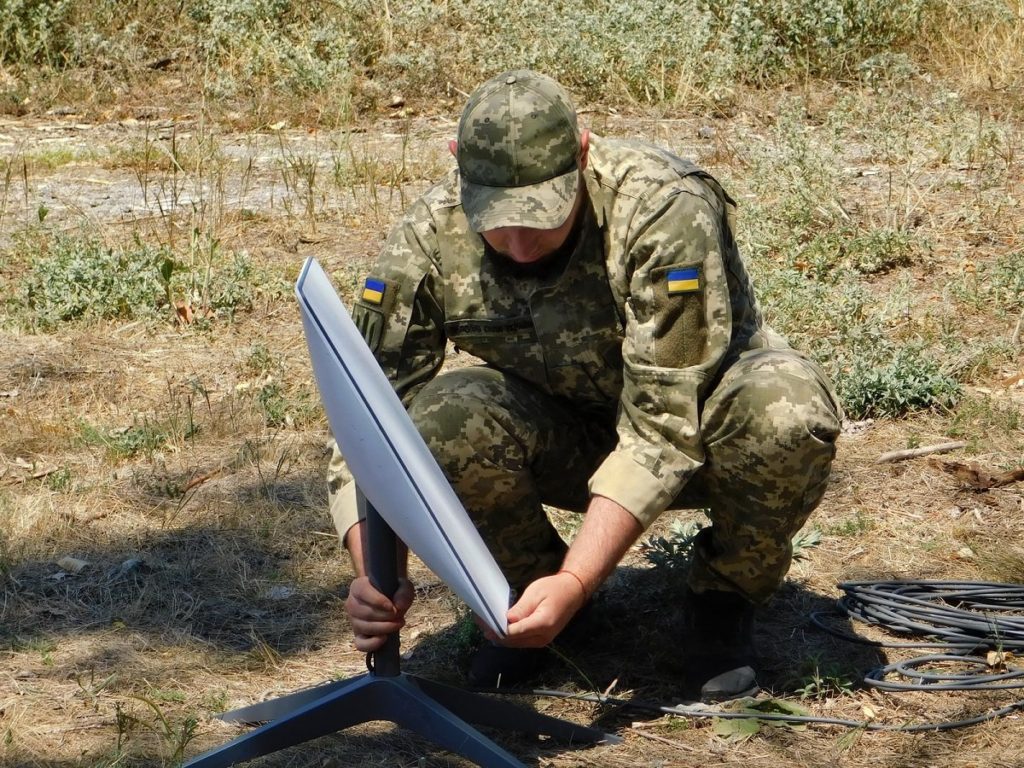
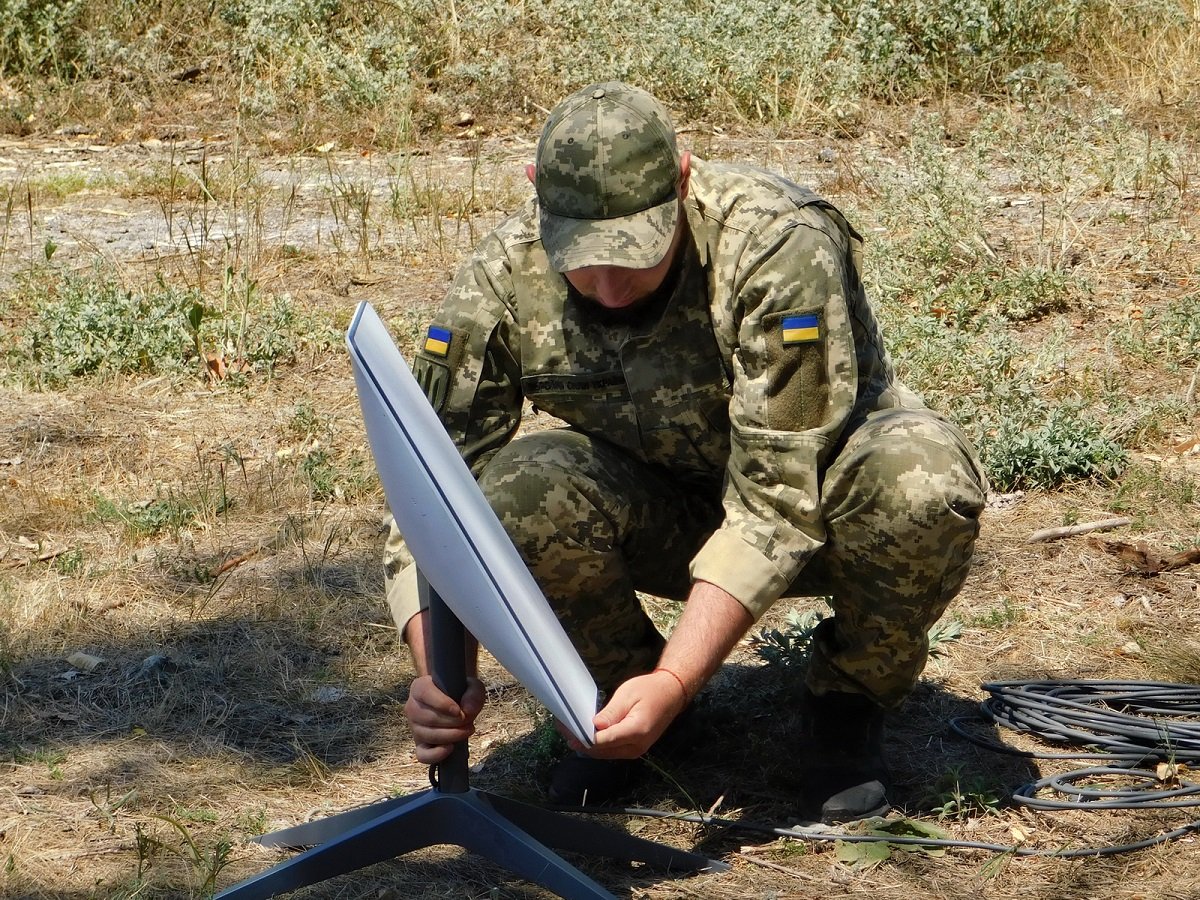


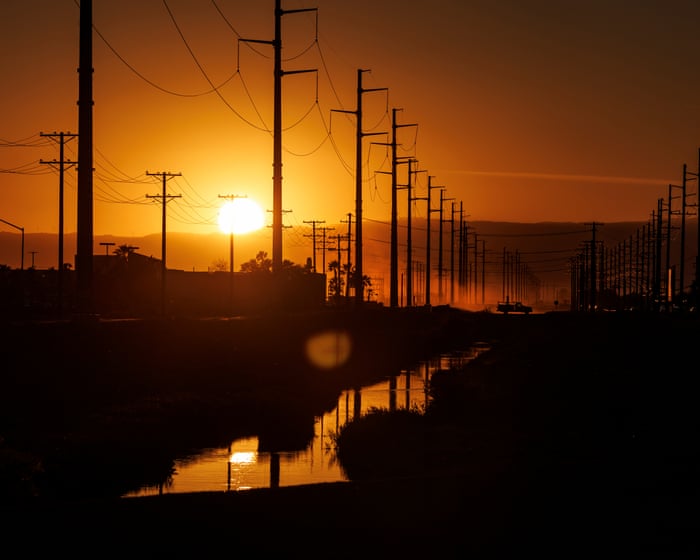


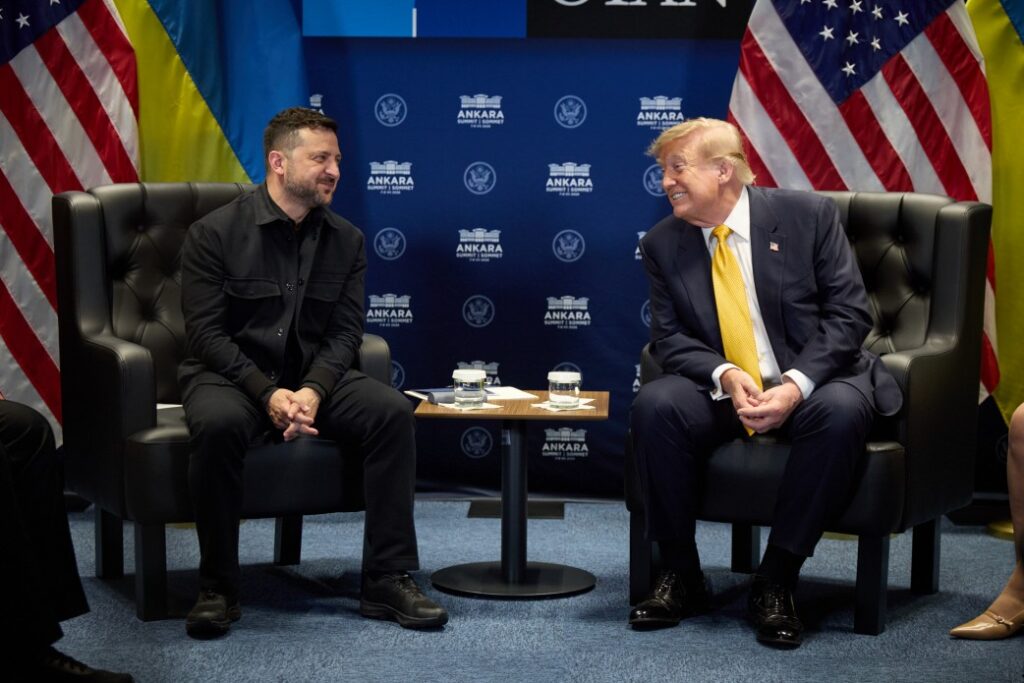



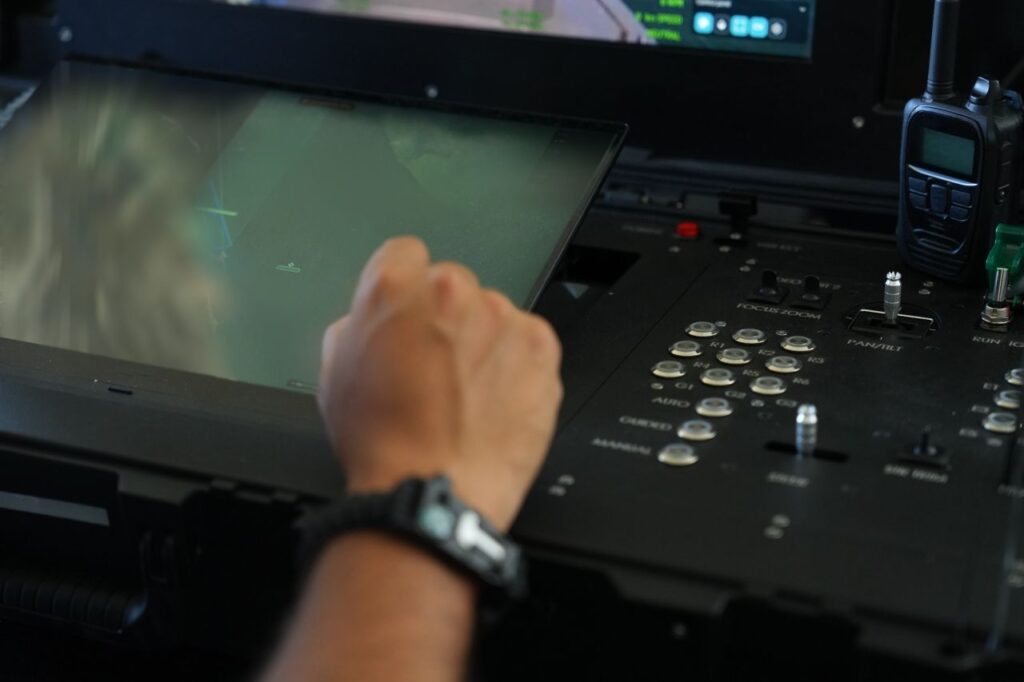
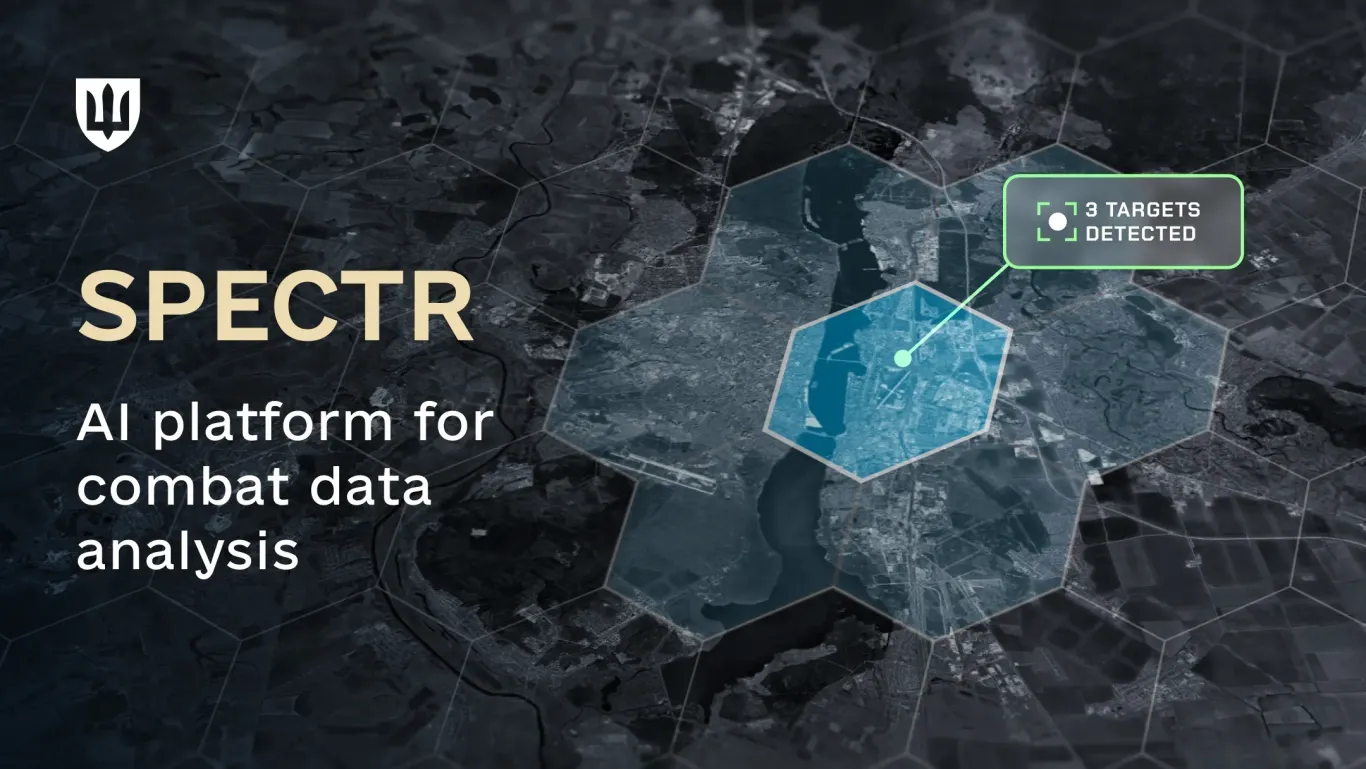




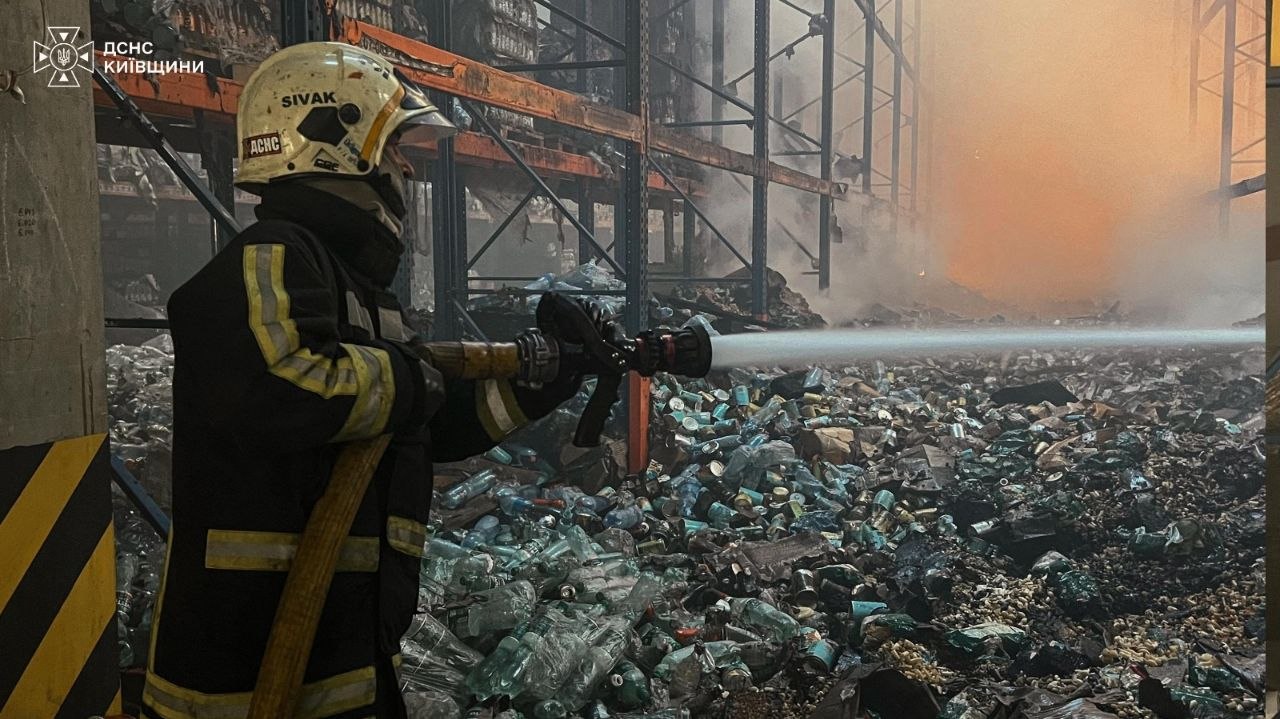
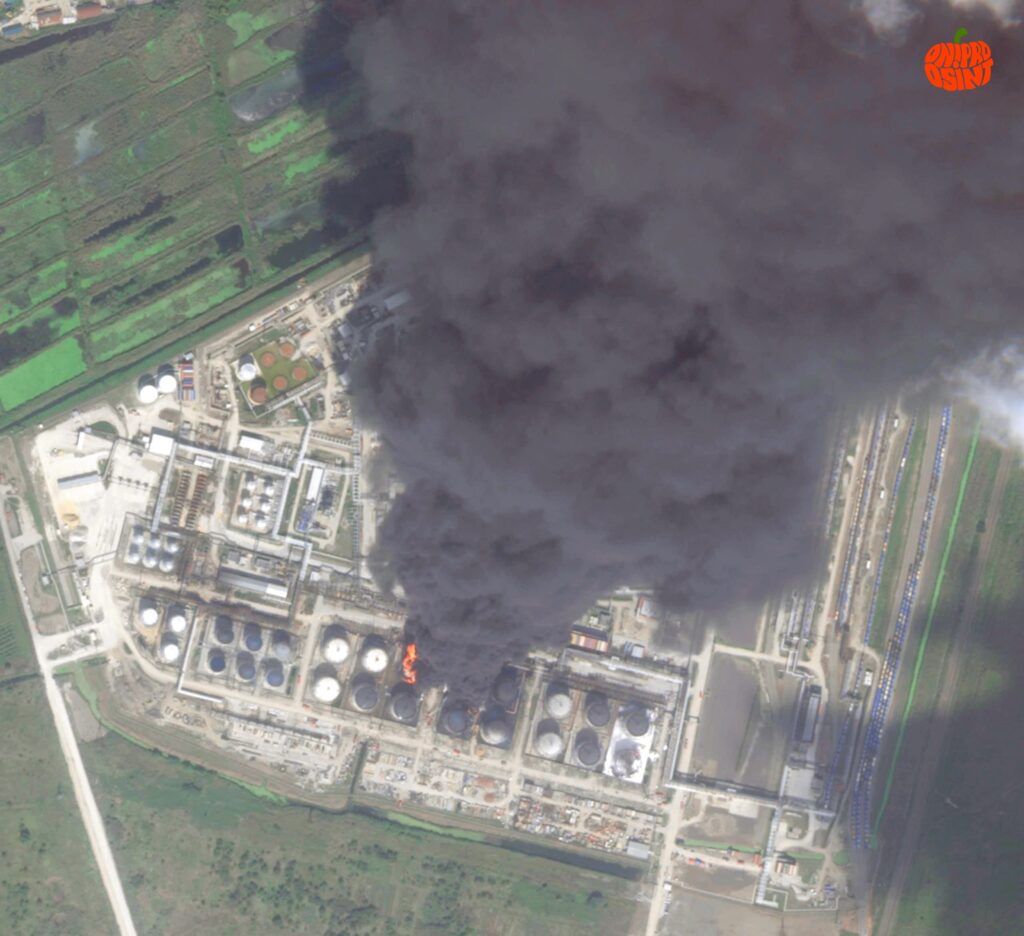

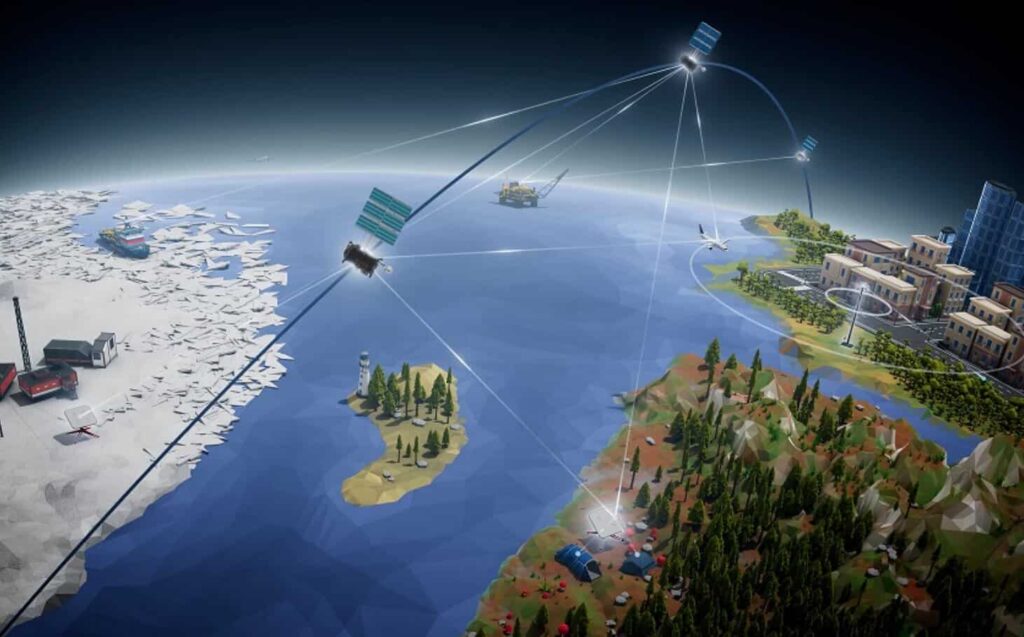




 – no wonder I always had trouble looking her up). Guilty pleasure:



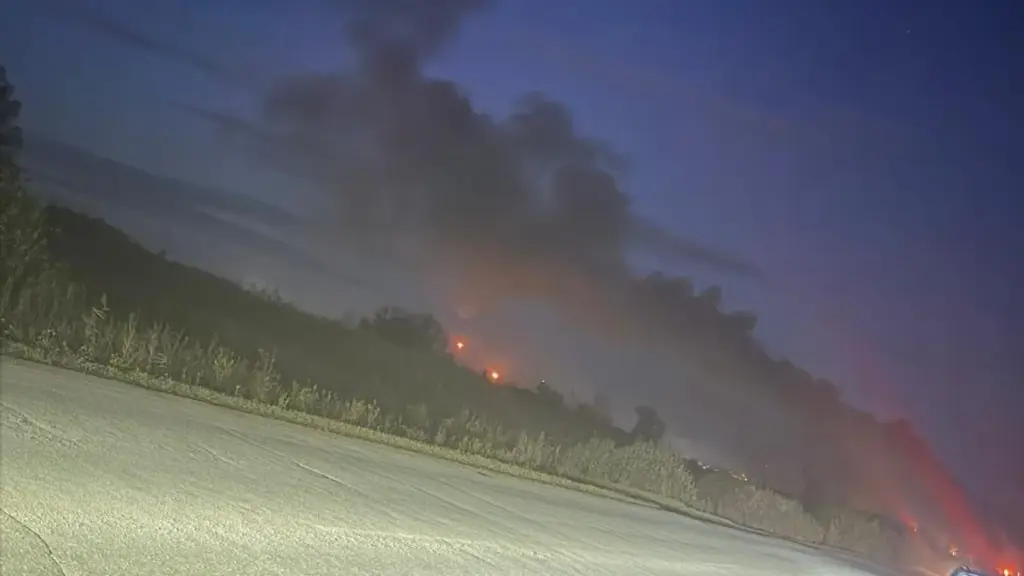


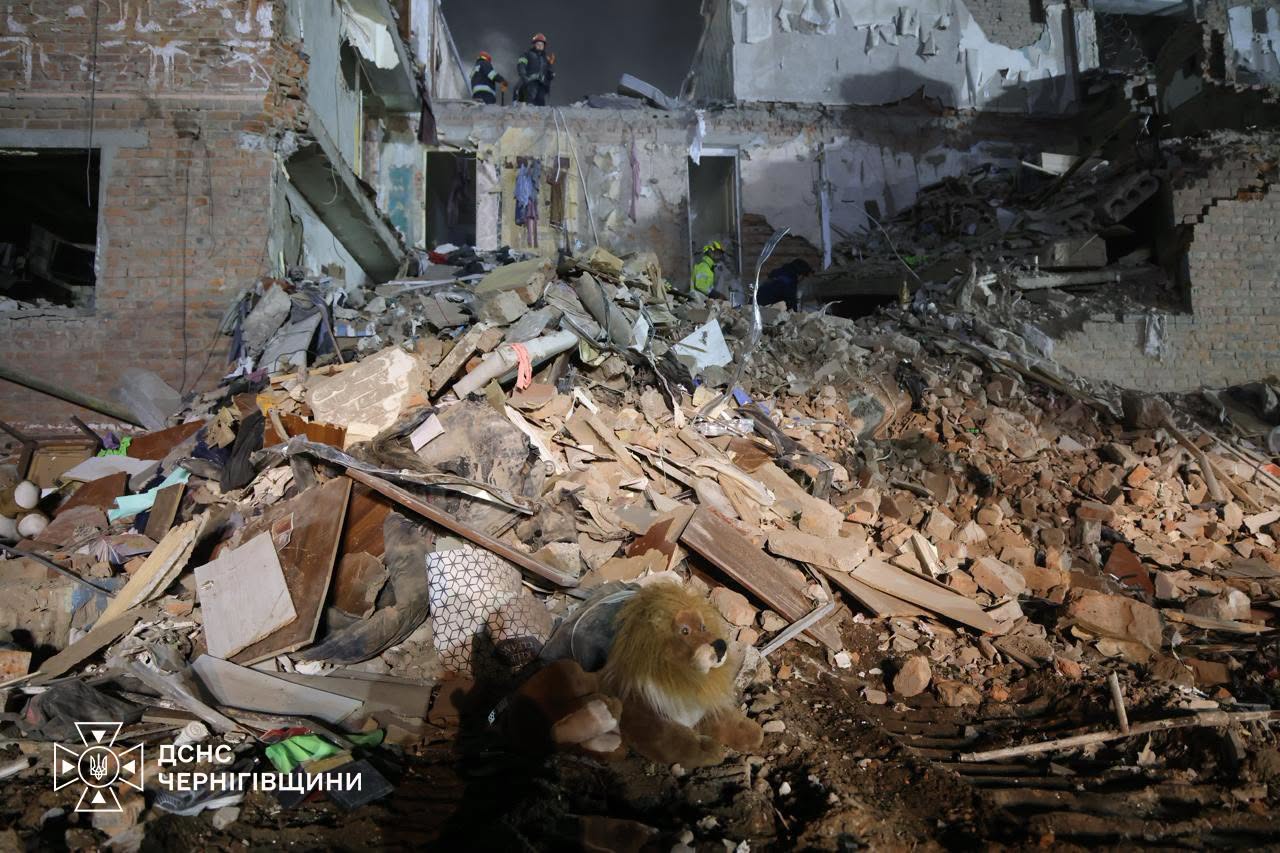

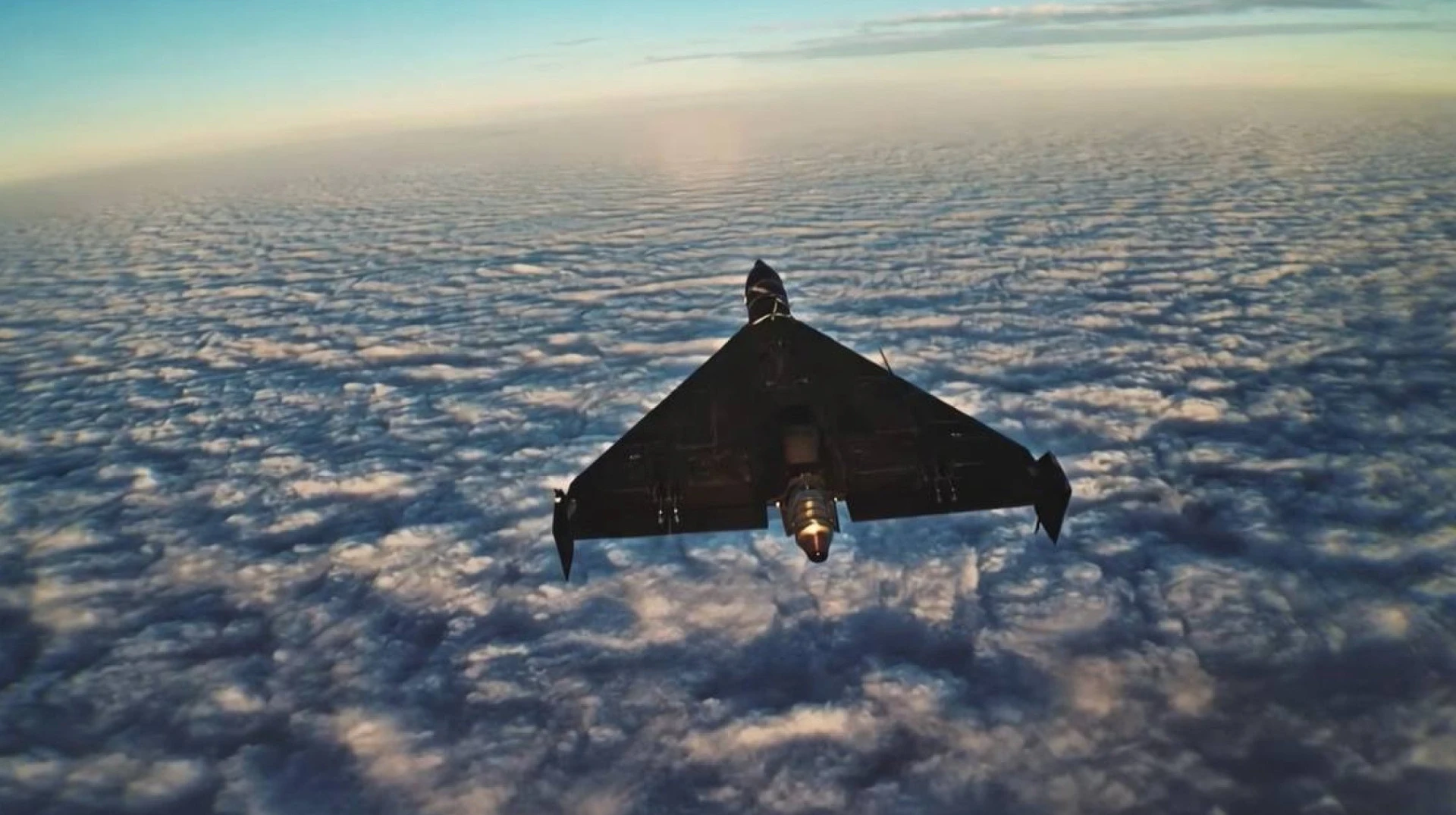





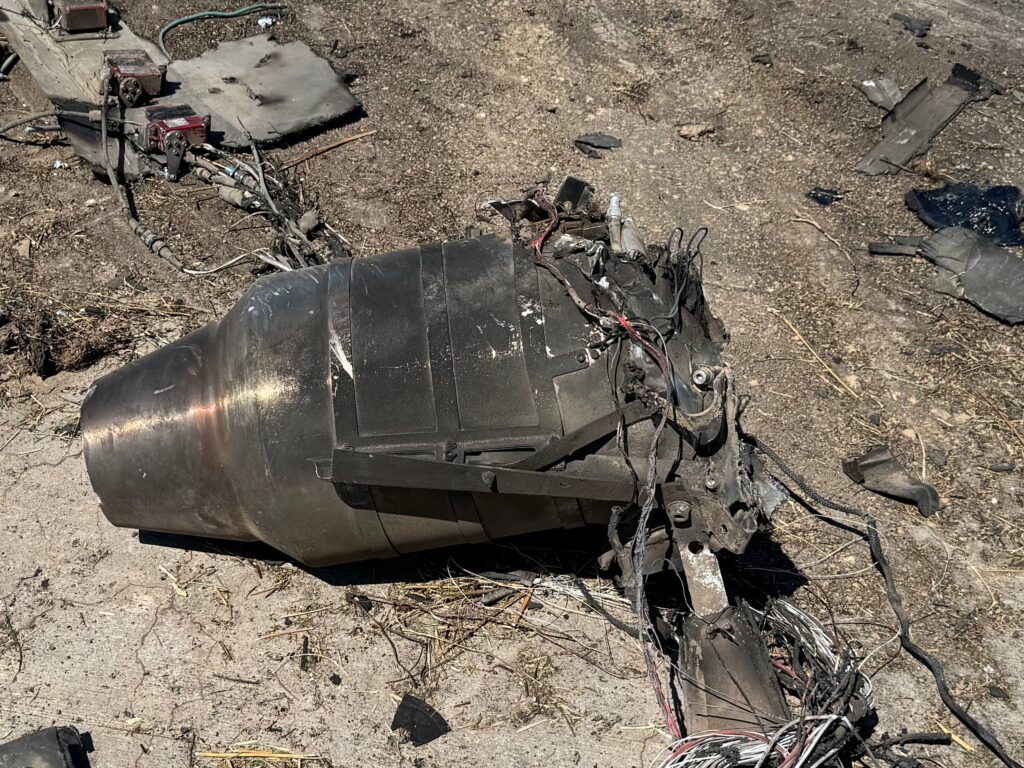


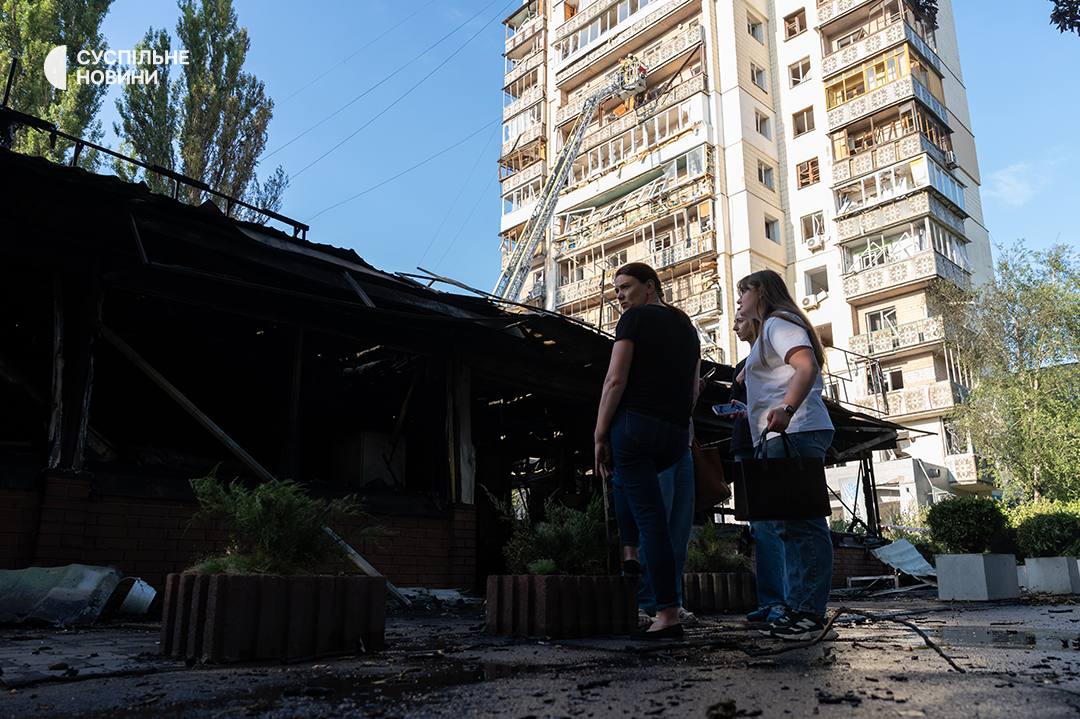
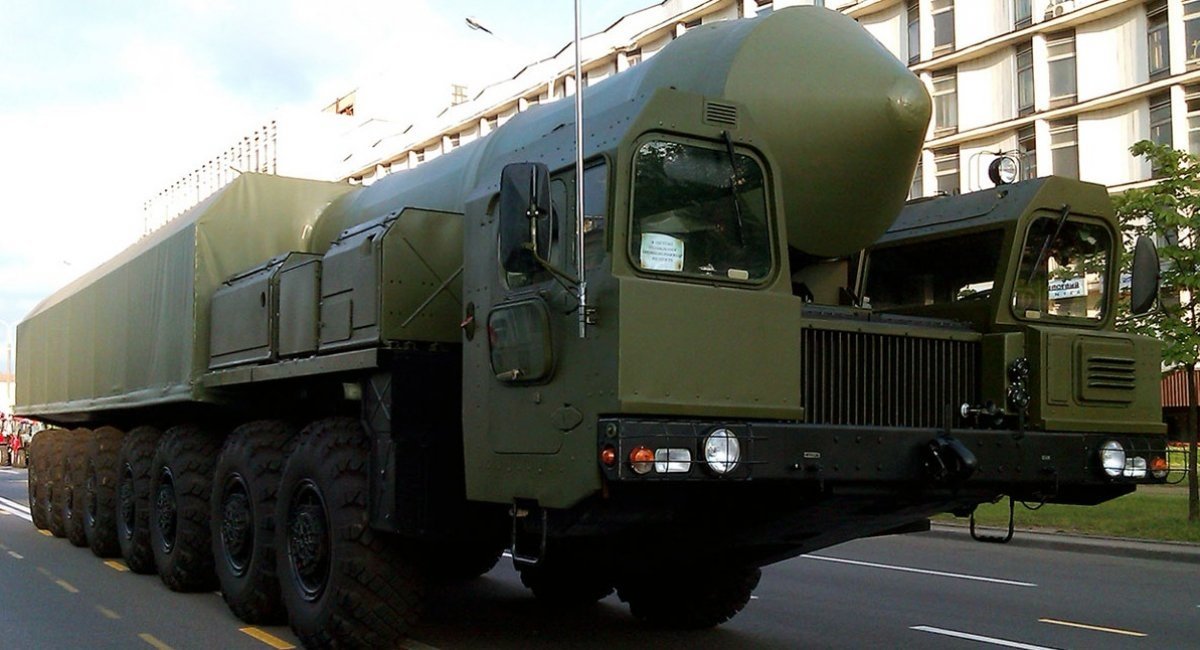




 !