Russia has found a way to cut Ukraine’s power lines that no repair crew can undo. A unique power transmission tower that a Russian drone cut down at the Dnipro River crossing in Kyiv cannot be restored, Ukrenergo board chairman Vitaliy Zaichenko says, as the grid operator rushes to build alternative ways to keep electricity flowing, Interfax reports.
Russia has spent the war trying to switch off Ukraine’s lights. Now, it is widening the campaign before winter with a new tactic: drones
Russia has found a way to cut Ukraine’s power lines that no repair crew can undo. A unique power transmission tower that a Russian drone cut down at the Dnipro River crossing in Kyiv cannot be restored, Ukrenergo board chairman Vitaliy Zaichenko says, as the grid operator rushes to build alternative ways to keep electricity flowing, Interfax reports.
Russia has spent the war trying to switch off Ukraine’s lights. Now, it is widening the campaign before winter with a new tactic: drones that slice through the steel towers carrying high-voltage lines.
“Everyone has seen the video showing the destruction of one of the unique power transmission towers at the crossing over the Dnipro in Kyiv. It was severed, and it is impossible to restore it,” Zaichenko continues.
He adds that now the company is developing new technical solutions "on the fly, and very fast." It will start the procedures for those solutions from 15 October, he notes. Russia’s use of drones able to sever metal towers is a new and serious challenge for Ukraine’s power engineers.
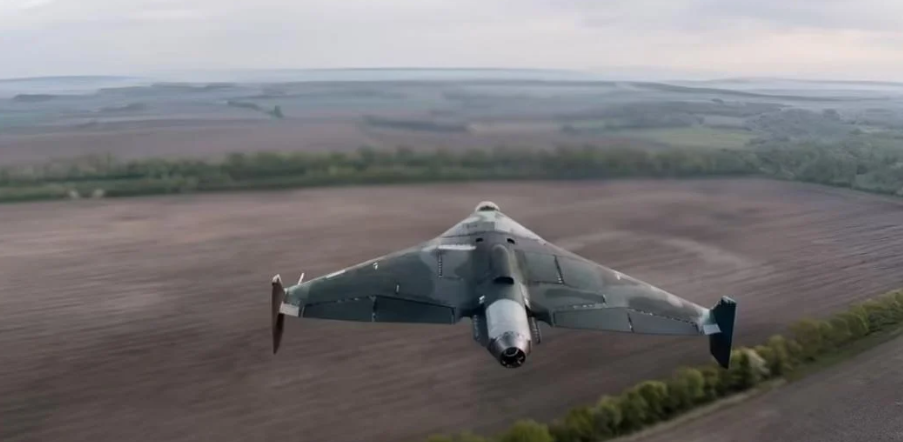
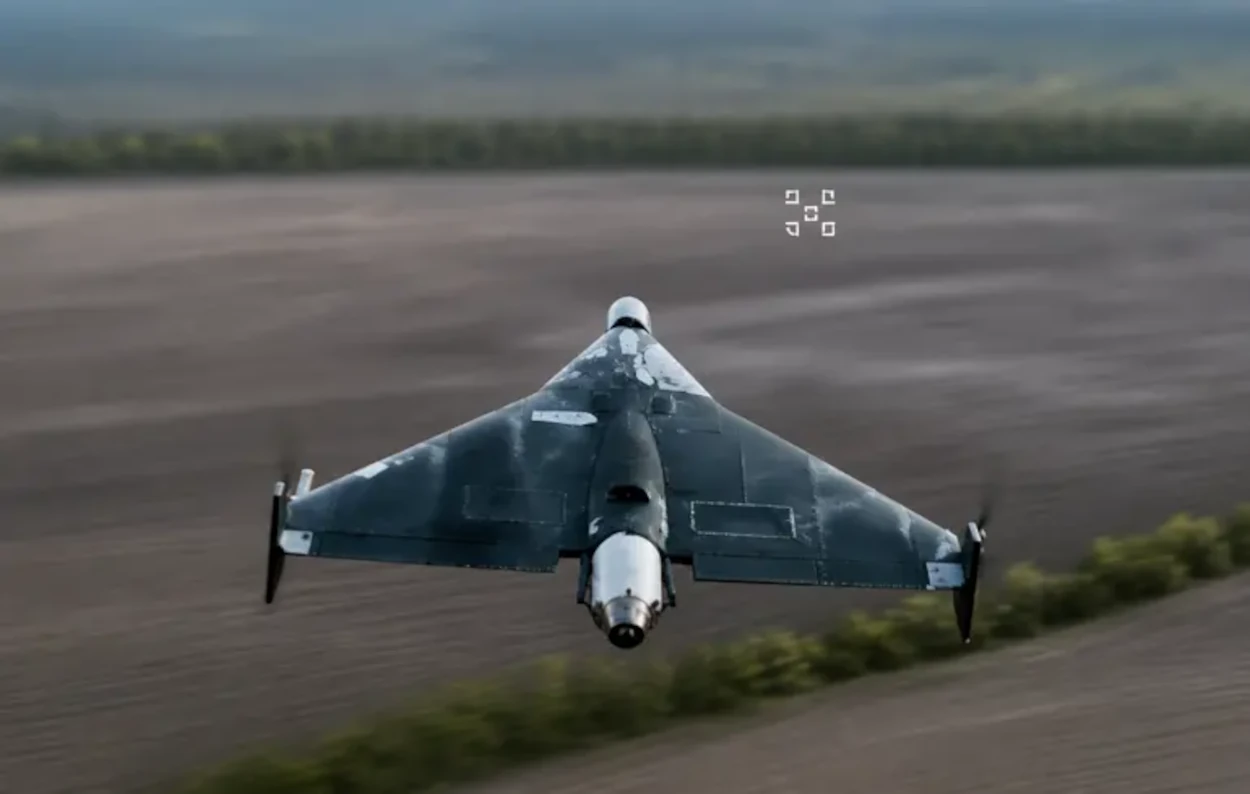
Zaichenko did not say when the tower was hit. On 30 September, Russia first used a jet-powered drone carrying a 40-kilogram charge built to cut steel towers, and that evening an eyewitness filmed one striking a power line tower in Kyiv, which cut electricity in parts of three districts, Informator reported.
When the spare parts are as scarce as the targets are plentiful
Rebuilding is colliding with a global shortage. Ukrenergo faces serious difficulties getting backup equipment, Zaichenko explains, because the whole world’s energy system is expanding at once and everyone needs the same hardware.
“There is a real problem with equipment. The global power system is expanding, and everyone needs energy equipment. There is a tough queue,” Zaichenko says.
Ukraine has faced such challenges since August 2026, when Russia began launching its jet-powered drones. Kyiv still has no effective solution against them and relies more on a mix of air defenses, such as automated turrets and interceptor drones.
Kyiv has also engaged over 100 private air defense system brigades to protect its enterprises in the ranks of the Ukrainian Air Forces.
Ukraine’s Security Service (SBU) detained two men suspected of scouting targets for Russian strikes on Sloviansk and Dnipro, the agency reported on 14 October. Catching both early let it secure Ukrainian reserve command posts and the gas stations the alleged agents had been hunting, the agency added.
Sloviansk anchors the northern end of the Fortress Belt, the chain of fortified cities that has held Ukraine’s defense of Donetsk Oblast since 2014. Russia is pushing to seize them, and its
Ukraine’s Security Service (SBU) detained two men suspected of scouting targets for Russian strikes on Sloviansk and Dnipro, the agency reported on 14 October. Catching both early let it secure Ukrainian reserve command posts and the gas stations the alleged agents had been hunting, the agency added.
Sloviansk anchors the northern end of the Fortress Belt, the chain of fortified cities that has held Ukraine’s defense of Donetsk Oblast since 2014. Russia is pushing to seize them, and its aircraft bombed a residential area of Sloviansk on 11 October. Where Ukrainian convoys stop and troops gather is exactly what Russian handlers allegedly asked these suspects to supply.
A gas station worker suspected of filming convoys
The first suspect worked at a gas station complex in Sloviansk, Donetsk Oblast. Russian intelligence allegedly reached him through a former classmate who left for Russia after the full-scale invasion and now works for its special services, the SBU said. He then allegedly used his phone to secretly film Ukrainian army convoys at or near gas stations. He was allegedly supposed to send the photos and videos to Russia to help it prepare a targeted strike. He also allegedly drove his own car around other gas stations and bridges that the Defense Forces use for logistics.
Spotted through Telegram comments
The second suspect, a former Pokrovsk resident, moved to Dnipro in 2024 and settled in a dormitory. Russian intelligence noticed him through pro-Kremlin comments he posted in Telegram chats, investigators say. A female handler in Russia allegedly tasked him with guiding missile and drone attacks on places in the city where Ukrainian troops and equipment were concentrated. He allegedly scouted on foot or took public transport to reach outlying districts.
Explore further
Ukrainians think their own security service is calling—it’s Russia recruiting saboteurs
Officers seized computers and smartphones containing evidence of the men’s alleged work for Russia. Both are suspected of treason under martial law and of unauthorized dissemination of information on Ukrainian troop movements or deployment, under Articles 111(2) and 114-2(2) of the Criminal Code. They remain in custody without bail and face up to life imprisonment with confiscation of property. The SBU’s office for Donetsk and Luhansk oblasts ran the operation under the Donetsk Oblast Prosecutor’s Office.
Ukraine is drafting crisis scenarios for November to March as Russian strikes target the country’s biggest cities, Head of the Presidential Office Kyrylo Budanov said on 13 October after chairing a meeting with donor-country diplomats and humanitarian organizations. His deputy Iryna Vereshchuk warned the same day that this winter may bring a new type of humanitarian crisis. She asked donors to be ready with fast extra funding.
Russia has struck Ukraine’s grid deep into winter before: la
Ukraine is drafting crisis scenarios for November to March as Russian strikes target the country’s biggest cities, Head of the Presidential Office Kyrylo Budanov said on 13 October after chairing a meeting with donor-country diplomats and humanitarian organizations. His deputy Iryna Vereshchuk warned the same day that this winter may bring a new type of humanitarian crisis. She asked donors to be ready with fast extra funding.
Russia has struck Ukraine’s grid deep into winter before: last February, it launched more than 500 missiles and drones as temperatures fell below −20°C. Strikes have continued despite a US-announced energy truce Moscow has not confirmed. Kyiv now wants donors ready to pay for the humanitarian fallout in advance.
Crisis scenarios for November to March
The core task is clear crisis scenarios and synchronized response plans for that period, Budanov wrote. The government is building a baseline threat scenario through the State Emergency Service, while the military and intelligence will provide a risk assessment.
“The available resource must be concentrated where people will have the hardest time,” Budanov wrote.
Ukraine, he added, must hold its rear as reliably as the Defense Forces hold the front line.
What officials mean by a new type of crisis
A war of rear areas is underway, Vereshchuk wrote. Russia is changing tactics in an attempt to deepen the humanitarian crisis, especially in Kyiv, Kharkiv, Odesa, and Dnipro, she added.
Vereshchuk did not define what makes the crisis new, but she tied her warning to the big cities.
“This winter, it is the big cities that may become the testing ground of our national resilience,” she wrote.
Humanitarian organizations must adapt their plans to protect and support civilians, Vereshchuk wrote. Donors, she said, must be ready to provide additional crisis-response funding quickly.
The capital lags behind
Ukrainian President Volodymyr Zelenskyy wrote on 13 October that even border and frontline oblasts were ahead of Kyiv on resilience plans as of mid-October. Even single hits by Shahed attack drones can cut power and water across much of the capital, he noted. He also began consultations on urgent security and management steps to fix the situation in the city.
Explore further
Three days after Washington announced an energy ceasefire, Russia fires 39 ballistic missiles at Ukraine’s grid
Russia carried out more than 200 strikes on Ukraine’s power generation and transmission in the week to 11 October, Zelenskyy said. Overnight on 14 October, Russia fired 39 ballistic missiles and more than 120 drones at energy and critical infrastructure. The barrage left at least 600,000 people without power, Zelenskyy said.
Russian munitions brought down a stairwell of an apartment building in Kharkiv on the evening of 12 October, and rescuers recovered three bodies from the rubble overnight, local authorities reported. Survivors described fire, falling glass, and pets left behind. The strike came days after Washington waived sanctions on Russian diesel, as it expects Kyiv to stop hitting Russian refineries.
Russia hits Ukraine’s cities every day as it readies a winter campaign against Ukrainian infrastruc
Russian munitions brought down a stairwell of an apartment building in Kharkiv on the evening of 12 October, and rescuers recovered three bodies from the rubble overnight, local authorities reported. Survivors described fire, falling glass, and pets left behind. The strike came days after Washington waived sanctions on Russian diesel, as it expects Kyiv to stop hitting Russian refineries.
Russia hits Ukraine’s cities every day as it readies a winter campaign against Ukrainian infrastructure, and its oil exports keep bringing in the money that pays for the drones and missiles. A halt to Ukraine’s refinery strikes with no matching halt to Russia’s strikes would leave Moscow’s fuel income intact while Kharkiv digs through rubble. Estonia’s prime minister has already urged Europe to help Ukraine destroy those refineries instead.
A stairwell gone in Kholodnohirskyi district
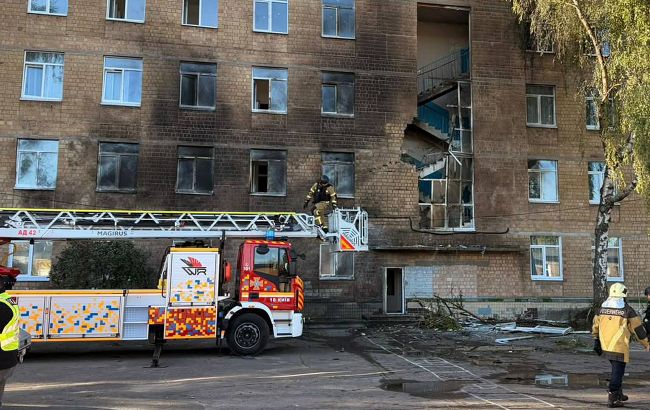
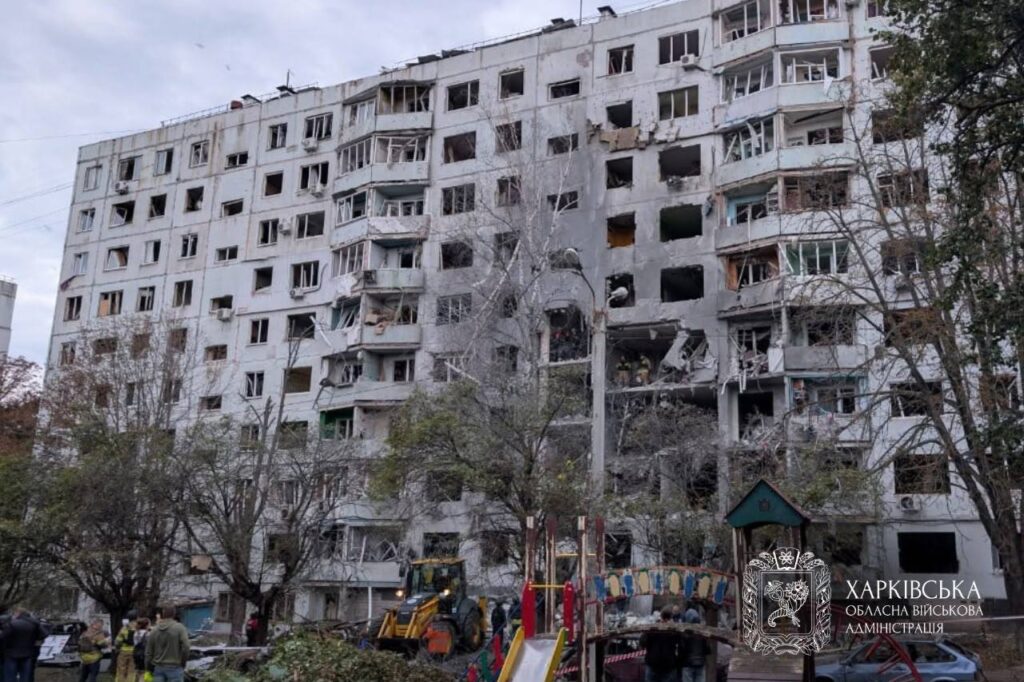
Russian munitions hit Kharkiv’s Kholodnohirskyi district repeatedly from around 21:17, and Mayor Ihor Terekhov preliminarily identified them as Banderols. At 22:21, he said one strike had hit a residential building, possibly trapping people. He then added in a follow-up post: “Very serious destruction—an entire stairwell has collapsed.”
The strike destroyed an entrance of the four-story building, the State Emergency Service (DSNS) said. It counted 11 injured across the city’s evening strikes, and a rescuer was hospitalized, while Terekhov put the number at 10. By 06:56 on 13 October, rescuers had found a third body. Oblast head Oleh Syniehubov confirmed three dead and said the search continued. Experts will check whether the building is still fit to live in, he added.
A rescuer at the collapsed stairwell of an apartment building hit by a Russian strike in Kharkiv’s Kholodnohirskyi district, Ukraine, 12 October 2026. Photo: Oleksandr Manchenko/Suspilne Kharkiv
Over 24 hours, Russian attacks killed three people in Kharkiv and injured 37, including two children treated for acute stress, Syniehubov reported.
“I realize I’m on fire”: two residents recall the strike
Larysa Maksimenko had just put her bedridden husband to sleep when the strike hit, she told Suspilne Kharkiv. She suffered a head wound and burns.
“I went to the kitchen to switch on the kettle for myself, to have some coffee. I realize I’m on fire. Then glass fell on me. I came to, and I’m buried under everything. All covered in blood,” she said.
Larysa Maksimenko, a resident injured in the Russian strike on her apartment building in Kharkiv’s Kholodnohirskyi district, Ukraine, 13 October 2026. Photo: Valeriia Yemets/Suspilne Kharkiv
The window bars were broken, and medics carried her husband out through the window. Rescuers later found a woman under the rubble in her apartment, likely a neighbor, Maksimenko said. All she wants now, she said, is to get to her husband in hospital.
Viacheslav Chibitko, a resident of the apartment building hit by a Russian strike in Kharkiv’s Kholodnohirskyi district, Ukraine, with one of his dogs, 12 October 2026. Photo: Valeriia Yemets/Suspilne Kharkiv
Viacheslav Chibitko, who lives on the second floor next to the collapsed entrance, saw a flash, and then everything blew out. He got his three dogs out, but five cats are still inside. During the clearing, a concrete slab fell on a rescuer, Suspilne’s correspondent reported. Crews pulled him out and handed him to medics.
Cars burning outside a 25-story apartment building in Kyiv’s Darnytskyi district after a Russian drone strike, Kyiv, Ukraine, 12 October 2026. Photo: Office of the Prosecutor General of Ukraine
Kyiv’s toll rises, and strikes hit other cities overnight
The evening drone strike on a 25-story building in Kyiv’s Darnytskyi district killed two people, Kyiv prosecutors reported. The second victim was found dead in a car near the building. Prosecutors counted at least seven injured, including a 17-year-old girl, while Mayor Vitali Klitschko counted 11 in the capital.
Explore further
Russian ballistic missiles hit Kyiv before sirens, gap that lands hard amid fears that Washington could cut data that warns of launches
From 18:00 on 12 October, Russia launched five ballistic missiles, nine loitering munitions, and 108 attack drones, Ukraine’s Air Force reported. Air defenses downed or suppressed 88 drones. A Russian drone attack injured four patients at a medical facility in Khmelnytskyi Oblast, oblast head Serhii Tiurin said. In Dnipro, a Russian attack injured a 64-year-old man, oblast head Oleksandr Hanzha reported. A downed Russian drone set two houses on fire in Murovane near Lviv, oblast head Maksym Kozytskyi said.
On 12 October, a Russian Smerch rocket with a cluster warhead hit a house in Cherkaske, Donetsk Oblast, killing three people, including a 13-year-old girl, oblast head Vadym Filashkin reported.
Russian attacks killed more than 150 people in the week to 11 October, Ukrainian President Volodymyr Zelenskyy said. Russian bombs killed at least 20 people in Zaporizhzhia on 10 October, by the oblast’s count. On 9 October, the US waived its sanctions on Russian diesel until April 2027. The White House expects Kyiv to halt refinery strikes under its proposed energy ceasefire.
Russia attacked Kyiv and 12 oblasts overnight on 7 October with about 70 missiles, many of them ballistic, as well as Shahed drones, President Volodymyr Zelenskyy said. The strikes killed at least 20 people, with the deadliest hit on an apartment block in Pryluky in Chernihiv Oblast. Russia also hit Kremenchuk, Oleksandriia, Dnipro, and Zaporizhzhia, while Poland scrambled its jets.
Moscow has likely begun its winter strike campaign earlier than usual, aiming to make civilian life in Uk
Russia attacked Kyiv and 12 oblasts overnight on 7 October with about 70 missiles, many of them ballistic, as well as Shahed drones, President Volodymyr Zelenskyy said. The strikes killed at least 20 people, with the deadliest hit on an apartment block in Pryluky in Chernihiv Oblast. Russia also hit Kremenchuk, Oleksandriia, Dnipro, and Zaporizhzhia, while Poland scrambled its jets.
Moscow has likely begun its winter strike campaign earlier than usual, aiming to make civilian life in Ukraine unbearable, and UN figures already show civilian casualties running 55% above last year's.
Update: Pryluky death toll rises to 14, including four children
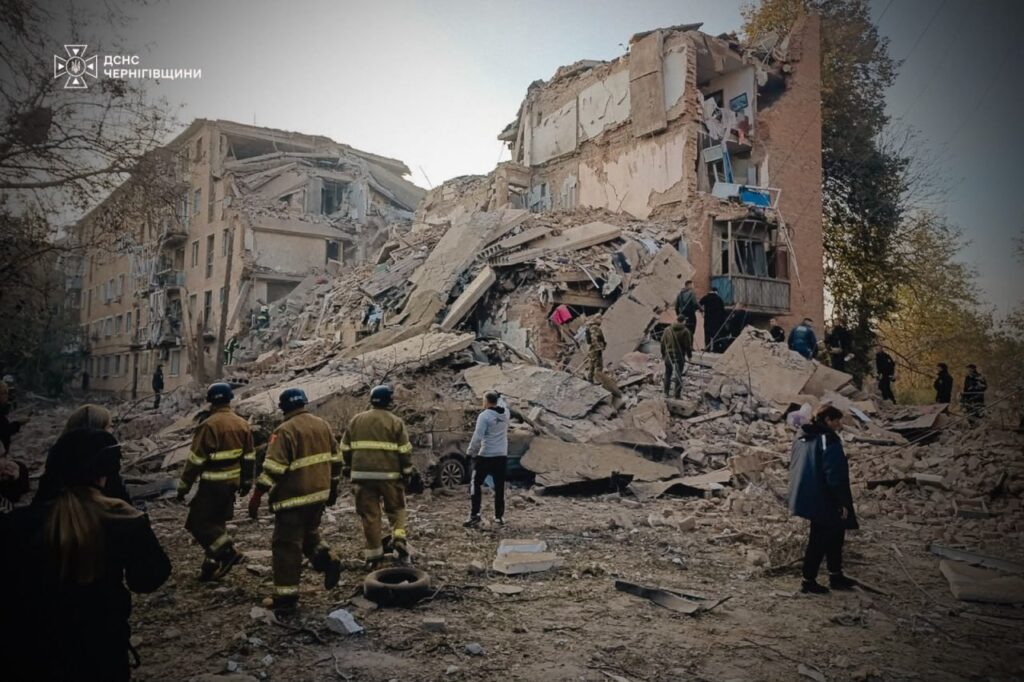
The death toll from the Russian strike on Pryluky has risen to 14, including four children, Ukraine's State Emergency Service said on the afternoon of 7 October. Fifty people were injured, seven of them children, and rescuers pulled 15 people from the rubble, including a child.
Russia attacked Pryluky with cruise missiles, and one scored a direct hit on the five-story apartment building, Chernihiv Oblast head Viacheslav Chaus said. Earlier in the day, he reported that 27 of the injured had been hospitalized, three in serious condition. The search-and-rescue operation was still under way.
Morning repoting: five dead in Pryluky
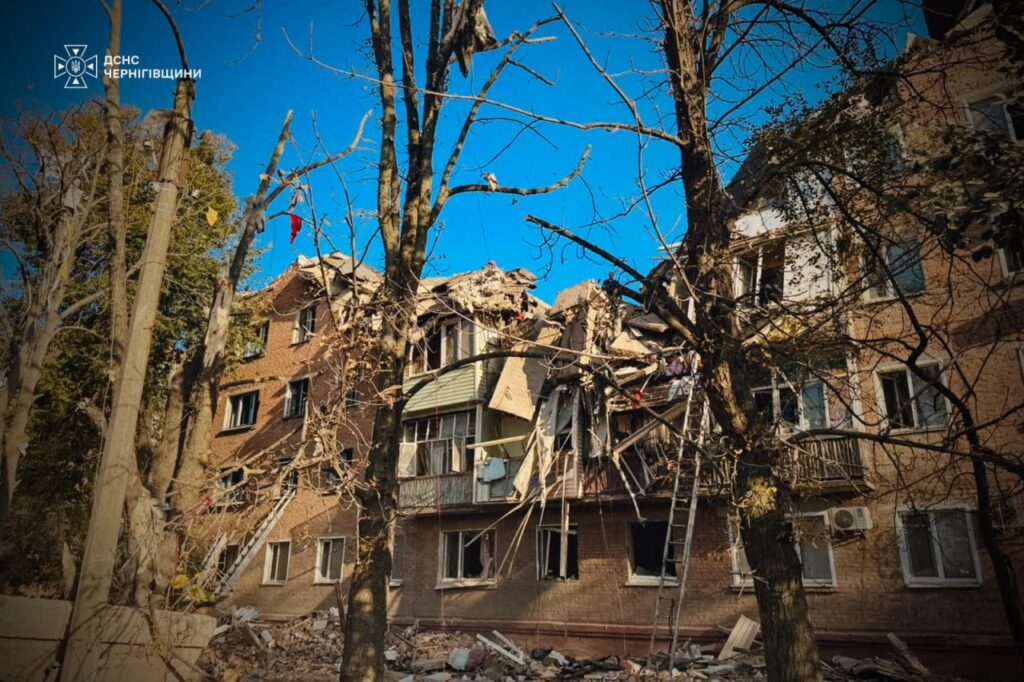
A Russian missile struck a five-story apartment building in Pryluky early in the morning, while residents were still asleep, Chernihiv Oblast head Viacheslav Chaus said. The strike completely destroyed one sectkion of the building, killing five people and injuring 26, including five children, Ukraine's National Police reported. Rescuers pulled three people from the rubble, including a child, and more people may still be trapped, Chaus said.
"Today, for Putin's birthday, the Russian army 'gave' him the destruction of an apartment building in Pryluky in Chernihiv Oblast. It was an ordinary five-story building," Zelenskyy said.
A five-story apartment building in Pryluky, Chernihiv Oblast, damaged by a Russian missile strike, 7 October 2026. Photo: State Emergency Service of Ukraine in Chernihiv Oblast
Kyiv, Kremenchuk, and Oleksandriia
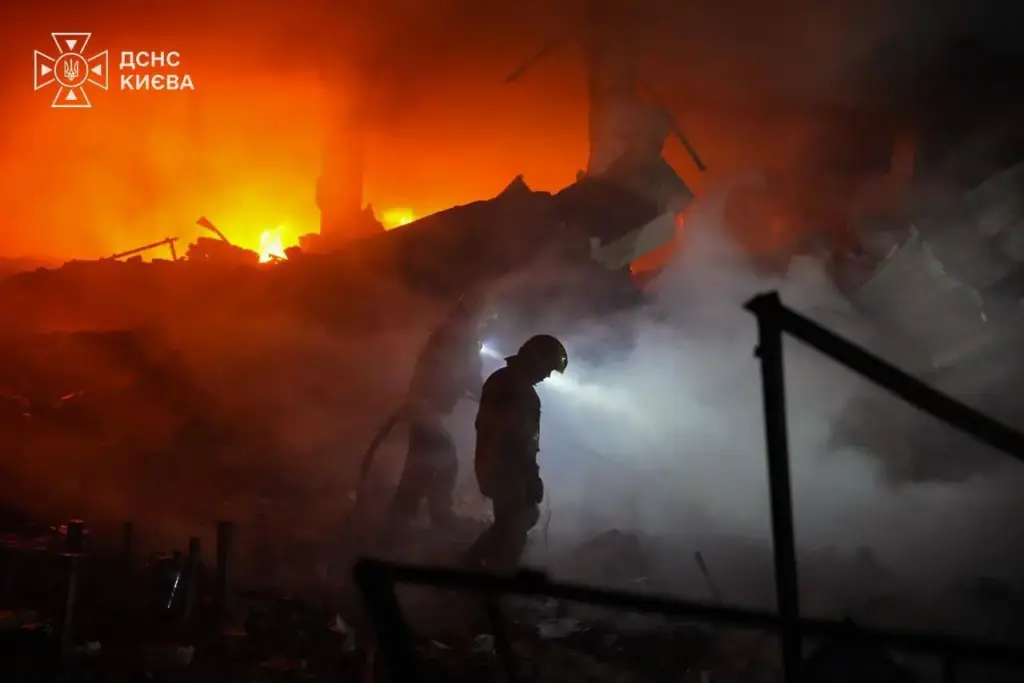
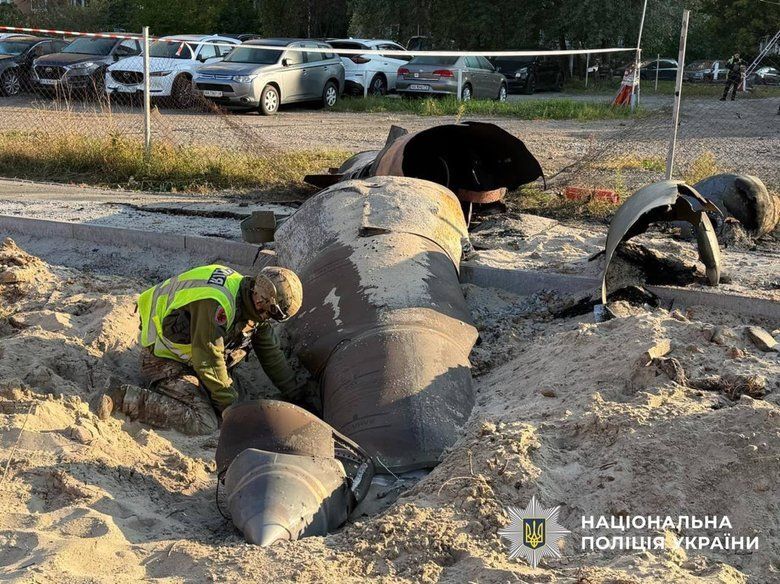
In Kyiv, Russian missiles hit non-residential buildings and warehouses in the Obolonskyi and Podilskyi districts, Mayor Vitali Klitschko said. Strikes also hit the Shevchenkivskyi district, and debris burned in the Darnytskyi district, he added. In the Darnytskyi district, a missile set fire to a garage cooperative, where firefighters rescued two people and found two men dead, Klitschko wrote. Police and rescuers worked to defuse an unexploded ballistic missile that fell among apartment blocks in the same district, the National Police said.
Damaged high-rises and wrecked cars in a residential area of Kremenchuk after a Russian missile strike, 7 October 2026. Photo: Vitalii Diakivnych/Telegram
In Kremenchuk, Russian missiles hit a densely populated residential area, killing two people and injuring seven, Poltava Oblast head Vitalii Diakivnych said. Zelenskyy later put the number of injured at eight and said four high-rises were damaged.
Explore further
A school with children, a café, warehouses: Russia’s drones hit civilian Kyiv again
In Oleksandriia in Kirovohrad Oblast, Russia hit an enterprise. One person was killed, three injured, and two were out of contact, Kirovohrad Oblast head Andrii Raikovych said. Zelenskyy later put the death toll there at two.
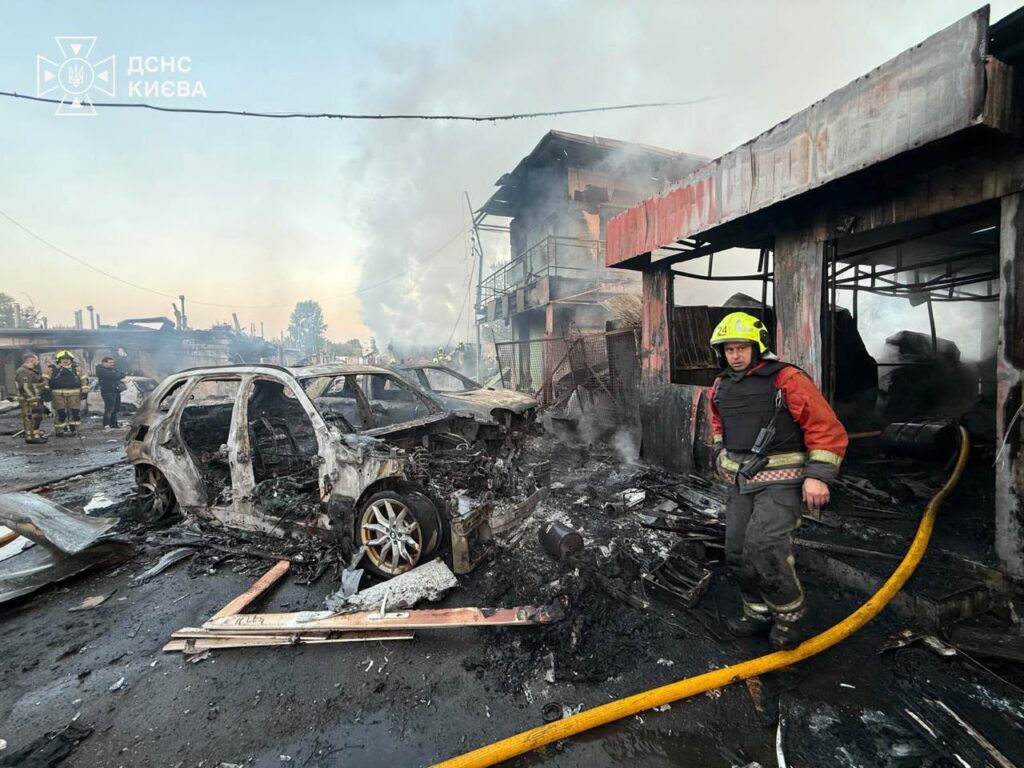
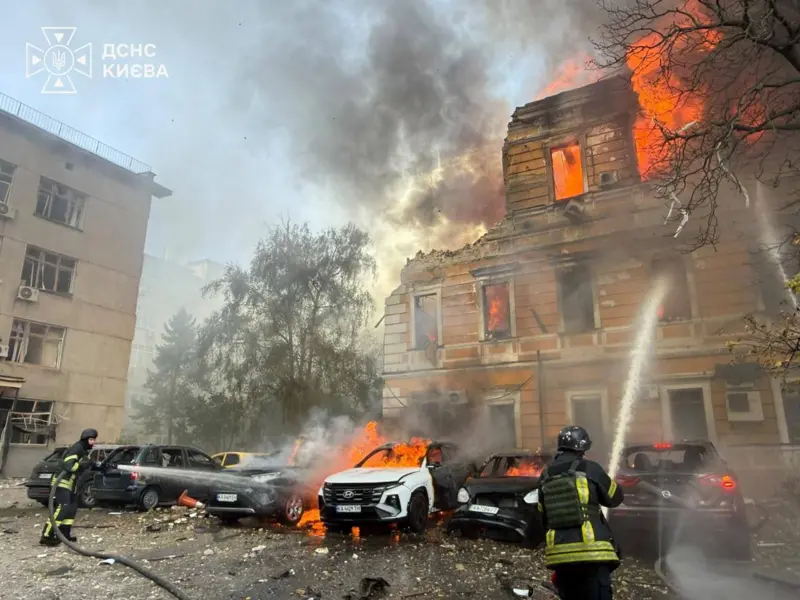
A firefighter among burned cars at the site of a fire after a Russian missile attack on Kyiv, 7 October 2026. Photo: State Emergency Service of Ukraine in Kyiv
Drones and other targets
In Dnipro, Russian strikes damaged an industrial enterprise, apartment buildings, and a sports club, Dnipropetrovsk Oblast head Oleksandr Hanzha said. In Nikopol district, the attacks injured a 65-year-old woman and a 64-year-old man. Russia also struck Lozova in Kharkiv Oblast with a missile, and a drone hit an apartment building in Zaporizhzhia, police said.
In Zaporizhzhia, Russia attacked a transport infrastructure facility, acting oblast head Mykhailo Semikin said, a day after a strike on one of the city's bridges over the Dnipro halted traffic. In Kyiv Oblast, three production and warehouse buildings were damaged in Obukhiv district, with no casualties, the Kyiv Oblast Military Administration said.
A bomb technician works beside an unexploded Russian ballistic missile among residential buildings in Kyiv's Darnytskyi district, 7 October 2026. Photo: National Police of Ukraine
Air defense downed five ballistic missiles, 39 cruise missiles, and 117 drones, while missiles and drones hit 18 locations, the Air Force said. Polish military aircraft took off and Poland put its ground-based air defense on alert during the attack, Poland's Operational Command said.
Russian ballistic missiles remain the biggest challenge, Zelenskyy said, adding that Ukraine is searching daily for Patriot missiles.
Strikes across the front over the past day
Russian attacks killed one person and injured 11 in Kherson Oblast over the past day, the Kherson Oblast Military Administration reported. Russia injured 12 people in Donetsk Oblast on 6 October, Donetsk Oblast head Vadym Filashkin said. Two people were injured in Kharkiv Oblast, Kharkiv Oblast head Oleh Syniehubov said.
Bridges and a maternity hospital in Russia's sights
Russia has stepped up strikes on Kyiv's bridges and has now extended them to Zaporizhzhia. In September, a Russian ballistic and hypersonic missile attack on Kyiv damaged a maternity hospital.
Russia struck Kyiv's Northern Bridge with a drone again on 4 October, the second hit on the crossing in two days, Kyiv Mayor Vitali Klitschko said. The attack damaged a heating main and rerouted public transport, as overnight and morning strikes also hit Kyiv Oblast, Dnipro, and Sumy, where one person was killed.
Russia's air attacks on Ukrainian cities are daily, and in recent days they have hit a Kyiv school sheltering children and turned supermarkets into targets. Strikes on the cros
Russia struck Kyiv's Northern Bridge with a drone again on 4 October, the second hit on the crossing in two days, Kyiv Mayor Vitali Klitschko said. The attack damaged a heating main and rerouted public transport, as overnight and morning strikes also hit Kyiv Oblast, Dnipro, and Sumy, where one person was killed.
Russia's air attacks on Ukrainian cities are daily, and in recent days they have hit a Kyiv school sheltering children and turned supermarkets into targets. Strikes on the crossings between the capital's two banks add another layer: they disrupt how millions of people move through the city every day.
A crater on the Northern Bridge, no hot water across the river
The drone hit the bridge's roadway, and videos posted by local channels showed a crater, Liga reported. The strike also damaged a heating main, cutting hot water in Kyiv's Desnianskyi district on the left bank, Klitschko wrote. Repair crews are working to restore it, he added.
Kyiv's transport operator Kyivpastrans cut trolleybus routes short of the river. Routes 29, 30, 31, and 47 now run from the left bank only to Darnytsia Square, and routes 29, 30, and 31 run from the right bank only to Pochaina metro station. Buses 21, 73, 101, and 114 run only to Darnytsia Square because the bridge is closed to traffic.
Russia first hit the Northern Bridge on 3 October, damaging its roadway and trolleybus lines. Two people were injured, and one of them was hospitalized, Klitschko said. A day earlier, repeated drone strikes hit the Southern Bridge and forced its closure. Overnight on 4 October, drone debris also fell on two locations in Kyiv's Dniprovskyi district, Klitschko reported.
Explore further
Russia adds new weapon to its jet-powered drones, even more dangerous: 40-kilogram charge made to sever high-voltage pylons and iron bridges
Ukraine's government has already begun work on earth dams and pontoon crossings in case the city's Dnipro bridges are knocked out, Restoration Minister Mykola Kalashnyk told Suspilne.
The strike came as German Chancellor Friedrich Merz visited Kyiv. Ukraine and Germany would reach important agreements during the visit, Zelenskyy said. This week alone, Russia launched more than 1,900 attack drones, 1,700 guided bombs, and 25 missiles at Ukraine, more than 800 of the drones jet-powered, he added.
135 drones overnight
Russia launched 135 attack drones at Ukraine overnight, 52 of them jet-powered Shaheds, Ukraine's Air Force reported. By 08:30, air defenses had downed or suppressed 123 drones and two Banderol or Dan-T missiles. Strikes hit five locations, and debris fell on five more.
In Kyiv Oblast, Russian drones damaged six detached houses, a car, a church, a primary school, a café, and a medical facility in Boryspil Raion, the Kyiv Oblast Military Administration said. No one was killed or injured.
Dnipro and Sumy
Russia attacked a communications company's building in central Dnipro, Dnipropetrovsk Oblast head Oleksandr Hanzha reported.
"The whole street there is covered in broken glass, debris, and branches," Dnipro Mayor Borys Filatov wrote, adding that nearby homes and schools escaped damage.
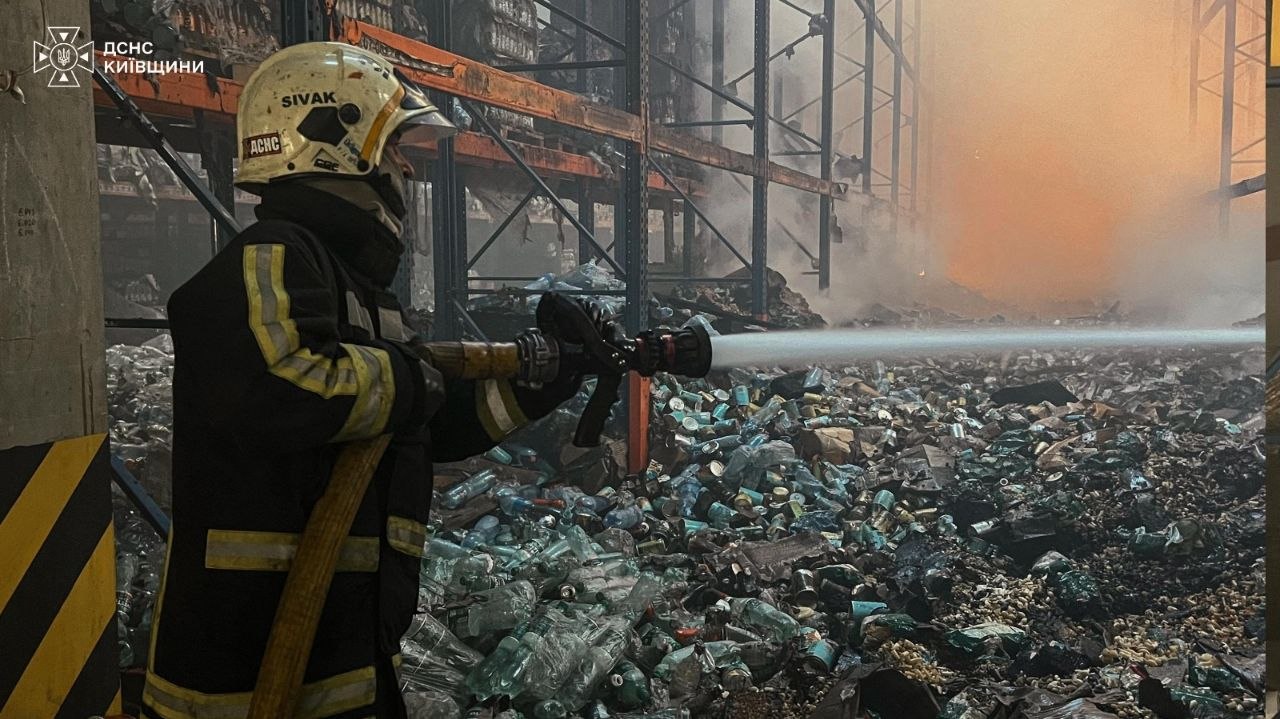
In Sumy, Russian drones struck an ordinary medical supplies warehouse and killed one person, Zelenskyy said. Strikes across the city injured seven people, two of them seriously, the Sumy city council said. The attack also damaged gas networks and left 70 apartments without gas.
A Russian strike on an apartment building in Kharkiv injured dozens of people, many of them children, early on 28 September, regional prosecutors reported. Through the rest of the day, Russian drones hit Kyiv, Dnipro, and other cities, killing civilians in several of them.
Russia has moved much of its aerial campaign to jet-powered drones that fly too fast for the cheap interceptors Ukraine built against older models. Every switch to a faster weapon reopens gaps in city defenses that Uk
A Russian strike on an apartment building in Kharkiv injured dozens of people, many of them children, early on 28 September, regional prosecutors reported. Through the rest of the day, Russian drones hit Kyiv, Dnipro, and other cities, killing civilians in several of them.
Russia has moved much of its aerial campaign to jet-powered drones that fly too fast for the cheap interceptors Ukraine built against older models. Every switch to a faster weapon reopens gaps in city defenses that Ukraine had only just begun to close.
Two floors partly destroyed in a Kharkiv apartment block
Russia hit a nine-story building in Kharkiv's Saltivskyi district around 04:00. By early afternoon, the count had risen to 43 injured, including 11 children, prosecutors said.
A man of 43 and a girl of 14 remain in hospital with blast wounds, and the others have moderate or light injuries, Kharkiv Oblast head Oleh Syniehubov said. Three children lived in the apartment that took the hit. Their father carried them out himself, and none of them was seriously hurt.
Rescuers on the destroyed floors of an apartment building hit by Russia in Kharkiv, Ukraine, 28 September 2026. Photo: Kharkiv Oblast Military Administration
The strike hit the second floor and destroyed the ceiling between the third and fourth floors. Rescuers brought 32 people out of the building. Across the district, the attack damaged 18 apartment buildings and blew out more than 1,500 windows. More than 100 volunteers are helping city services seal them, Syniehubov added.
A resident who fled Kramatorsk a year and a half ago said her family never heard the blast itself.
"We didn't hear any explosion. Glass came pouring down, and a column of smoke stood there," Yuliia Baldzhy told Suspilne Kharkiv. "The children were sleeping in another room, and my husband and I barely squeezed through, grabbed them, and got out."
Yuliia Baldzhy, a resident of the damaged apartment building in the Saltivskyi district of Kharkiv, Ukraine, 28 September 2026. Photo: Suspilne Kharkiv
Kharkiv Mayor Ihor Terekhov said the city had not taken a hit "of this level" in some time. Officials are still establishing the weapon. Syniehubov named guided aerial bombs (KABs) and counted six of them over the oblast in the past day. Prosecutors named a UMPB-5, a Russian munition, as the preliminary version. Terekhov said the city was checking whether it was a KAB or a Banderol, a small cruise missile.
Fire among wrecked structures after overnight Russian strikes in Kharkiv Oblast, Ukraine, 28 September 2026. Photo: Kharkiv Oblast Military Administration
Russia has hit Kharkiv high-rises with guided bombs before. In November 2024, one such strike injured 25 people, including an infant.
Explore further
Combat shows speed alone can’t catch Russia’s jet-powered drones, despite eight Ukrainian makers’ assurances. So why can’t they stop them?
Kyiv hit through the night and into the day
In the middle of the working day, a Russian jet drone struck the main building of the National Academy of Sciences in Kyiv's historic center. The attack killed a woman and injured five people, the Kyiv City Military Administration said. Three of them were hospitalized, Klitschko said. People climbed out of windows to escape the fire.
Firefighters put out fires at the main building of the National Academy of Sciences of Ukraine and at burning cars after a Russian drone strike in Kyiv, Ukraine, 28 September 2026. Photo: State Emergency Service of Kyiv
"Russia will definitely get a response to this," Ukrainian President Volodymyr Zelenskyy said.
Overnight and into the morning, Russian drones hit a gas station in Obolon, a café by a gas station, office buildings, and a 16-story residential building in Podil. The attacks injured three teenagers in Podil, Kyiv Mayor Vitali Klitschko said. A 17-year-old boy was hospitalized.
A firefighter tackles a blaze in a two-story house after a Russian drone attack in Kyiv, Ukraine, 28 September 2026. Photo: State Emergency Service of Kyiv
Nationwide, Russia launched 165 drones overnight, 79 of them jet-powered, the Air Force reported. Air defenses downed or suppressed 112, and hits were recorded at 14 locations.
The capital is now under attack daily. On 27 September, Russian strikes injured nine people in Kyiv, and Russia hit a Kyiv data center twice. That evening, a Russian drone struck the Stolychnyi market in Sofiivska Borshchahivka, just outside the city, and killed two people. Zelenskyy wrote that one of the two killed in Kyiv Oblast was a citizen of Azerbaijan.
Deaths in Dnipro and Synelnykove
Around 11:15, a Russian drone hit a business center in central Dnipro, killing three people. The number of injured rose to 15, Dnipropetrovsk Oblast head Oleksandr Hanzha said. Rescuers led 47 people out of the burning building, regional council head Mykola Lukashuk said.
"Nearby are residential buildings, a park, a library, offices, shops. The center of Dnipro. In the middle of the working day, hundreds of people are here," Hanzha wrote.
In Synelnykove, a Russian strike on a logistics company's branch killed one person. It injured three others, including a 15-year-old boy now in hospital in serious condition.
Overnight, Russian drones also hit infrastructure in the Vasylkivka community and a market in Nikopol.
Strikes across other regions
In Kharkiv Oblast on 27 September, a Russian FPV drone killed a 67-year-old driver in Shestakove, prosecutors said. A drone on fiber-optic control also killed a 41-year-old woman in a car in Velykyi Burluk and injured a 46-year-old man.
Debris at a warehouse after an overnight Russian strike in Odesa Oblast, Ukraine, 28 September 2026. Photo: Odesa Oblast Military Administration
Explosions sounded in Poltava overnight. In Rivne Oblast, a Russian attack damaged a detached house without injuring anyone. In Odesa Oblast, Russia struck a warehouse, and an evening attack injured a man of 62 and a woman of 63. Zelenskyy also listed a Palau-flagged ship hit in Odesa Oblast and an ice cream plant damaged in Zhytomyr Oblast, in the same post.
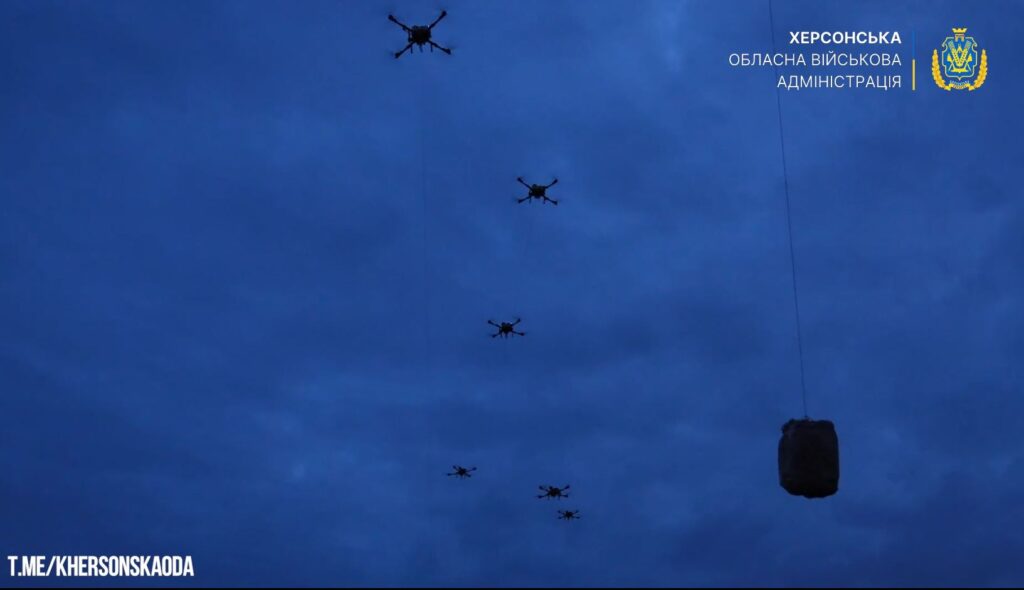
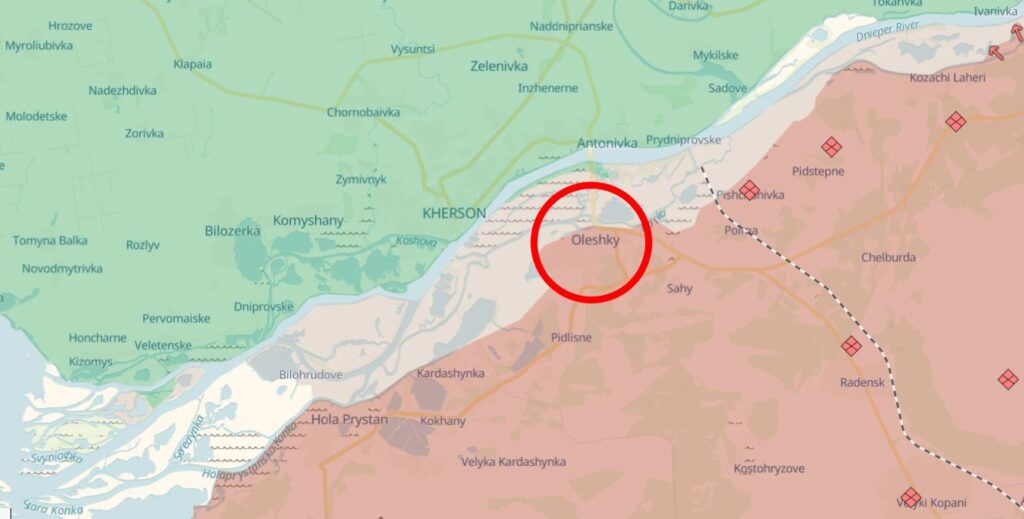
Ukrainian forces carried out one of the largest drone food delivery operations across the Dnipro to occupied Oleshky, dropping about 4,000 kg of supplies provided by partners at 100 locations across the city where people are trapped without food, electricity, or water, Kherson Oblast head Oleksandr Prokudin said on 27 September. Russian forces punish residents who receive aid—shooting down supply drones, confiscating packages, and beating people caught accepting food, he noted.
Oleshky—
Ukrainian forces carried out one of the largest drone food delivery operations across the Dnipro to occupied Oleshky, dropping about 4,000 kg of supplies provided by partners at 100 locations across the city where people are trapped without food, electricity, or water, Kherson Oblast head Oleksandr Prokudin said on 27 September. Russian forces punish residents who receive aid—shooting down supply drones, confiscating packages, and beating people caught accepting food, he noted.
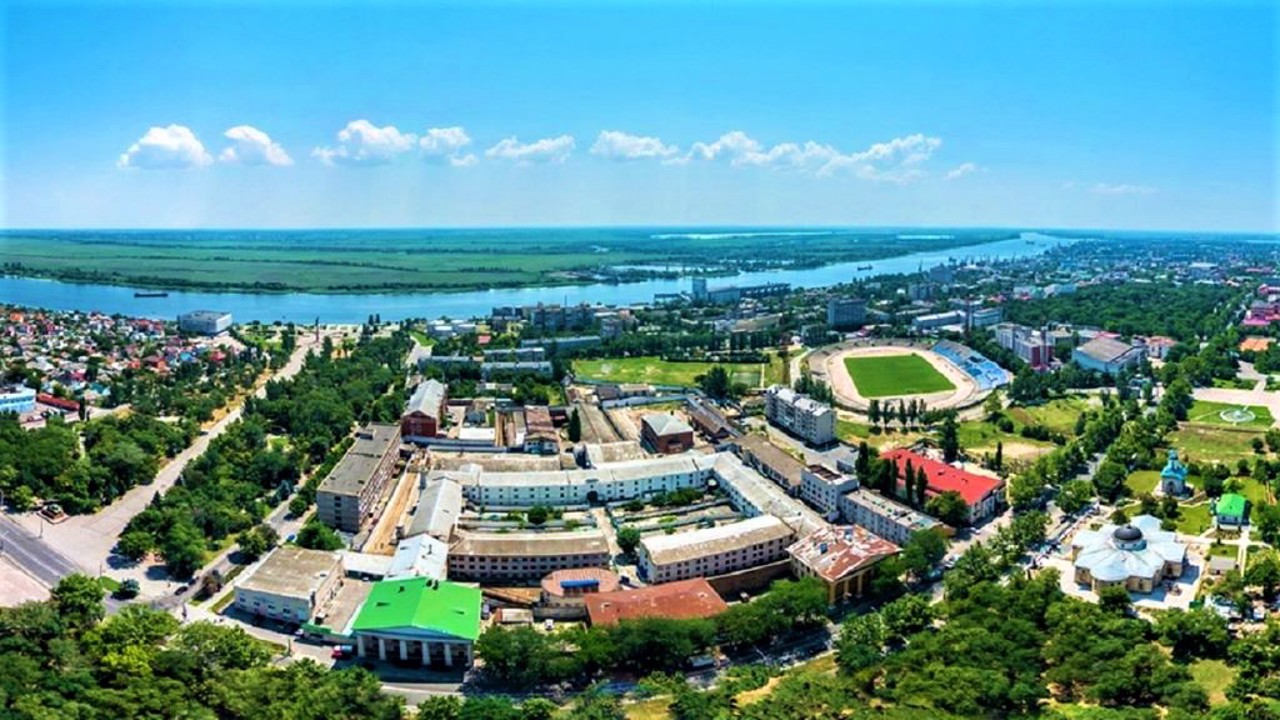
Oleshky—a city across the Dnipro from liberated Kherson—has been occupied since 2022. Russia sealed off the city in late 2025, and conditions worsened sharply in early 2026 as occupation forces cut off food supplies, prevented evacuation, and left the dead unburied. The drone flights are now the only humanitarian operation reaching the trapped population, making each sortie both a lifeline and a target for Russian forces that treat civilian starvation as a tool of control.
Multiple military units flew food across the Dnipro
Since March, Ukrainian forces have been systematically delivering food to Oleshky by drone in coordination with the 11th National Guard Brigade's Bolharychi unit and the 34th Separate Marine Brigade Borysfen, Prokudin said.
Ukrainian soldiers prepare food packages for drone delivery to occupied Oleshky, September 2026. Screenshot: Kherson Oblast Military Administration via Telegram
The latest operation expanded the effort: the 30th Marine Corps, the Hrim tactical group, the 34th National Guard Regiment, and the 79th Border Detachment joined alongside the Borysfen brigade and the Bolharychi unit.
"Instead of loud statements, we chose the path of concrete action," Prokudin wrote.
Resident approaches a food package delivered by drone to Russian-occupied Oleshky, Kherson Oblast, September 2026. Screenshot: Kherson Oblast Military Administration via Telegram
The deliveries fly across the Dnipro and drop food packages at pre-selected locations across the occupied city.
Prokudin said about 2,000 people remain trapped in Oleshky, including nearly 50 children. Ukraine's ombudsman and international monitors have put the figure at up to 6,000, with about 200 children.
Explore further
“There is real hunger there”: Oleshky, occupied town in Ukraine’s Kherson Oblast, turned 942 this week. Behind Russian blockade, its people eat roadside grass
Russia shoots down supply drones and beats residents for receiving food
Russian forces try to disrupt the deliveries. Soldiers shoot down drones carrying food, confiscate or resell packages meant for children and elderly residents, and detain people caught receiving humanitarian aid, Prokudin said. Residents are thrown into basements and beaten.
"Deliberate blocking of aid and creation of famine among the civilian population are war crimes with no statute of limitations. Everyone involved in these actions will face inevitable accountability," Prokudin wrote.
Ukraine prepared an evacuation list, secured the ICRC's readiness, and coordinated a ceasefire on its side, but Russia has not confirmed its readiness to open a route, Ukraine's ombudsman said.
Ukraine delivered 4,000 kg of food by drone across the Dnipro to occupied Oleshky
About 2,000 people, including nearly 50 children, are trapped there. Russia shoots down supply drones and beats residents for receiving aid, Kherson Oblast head Prokudin said.
Council of Europe Commissioner for Human Rights Michael O'Flaherty warned on 25 September that the humanitarian crisis in Oleshky is deteriorating rapidly. Civilians, including children, are trapped without food, medicines, medical care, running water, or electricity, and reports indicate a high risk of death, he said. Under international humanitarian law, Russia as the occupying power is obliged to provide the population with food and medical supplies, O'Flaherty noted, and called for an immediate local ceasefire, unimpeded humanitarian access, and safe evacuation of civilians.
Editor's note: This is a developing story and is being updated. Russia launched a deadly missile attack on the Ukrainian city of Dnipro on June 24, striking civilian infrastructure and a passenger train, killing at least 17 people and injuring scores of others, local officials reported.Dnipropetrovsk Oblast Governor Serhii Lysak said the morning strike ignited a large fire and also damaged a dormitory, a gymnasium, and an administrative building in the city.The Russian military also struck the n
Editor's note: This is a developing story and is being updated.
Russia launched a deadly missile attack on the Ukrainian city of Dnipro on June 24, striking civilian infrastructure and a passenger train, killing at least 17 people and injuring scores of others, local officials reported.
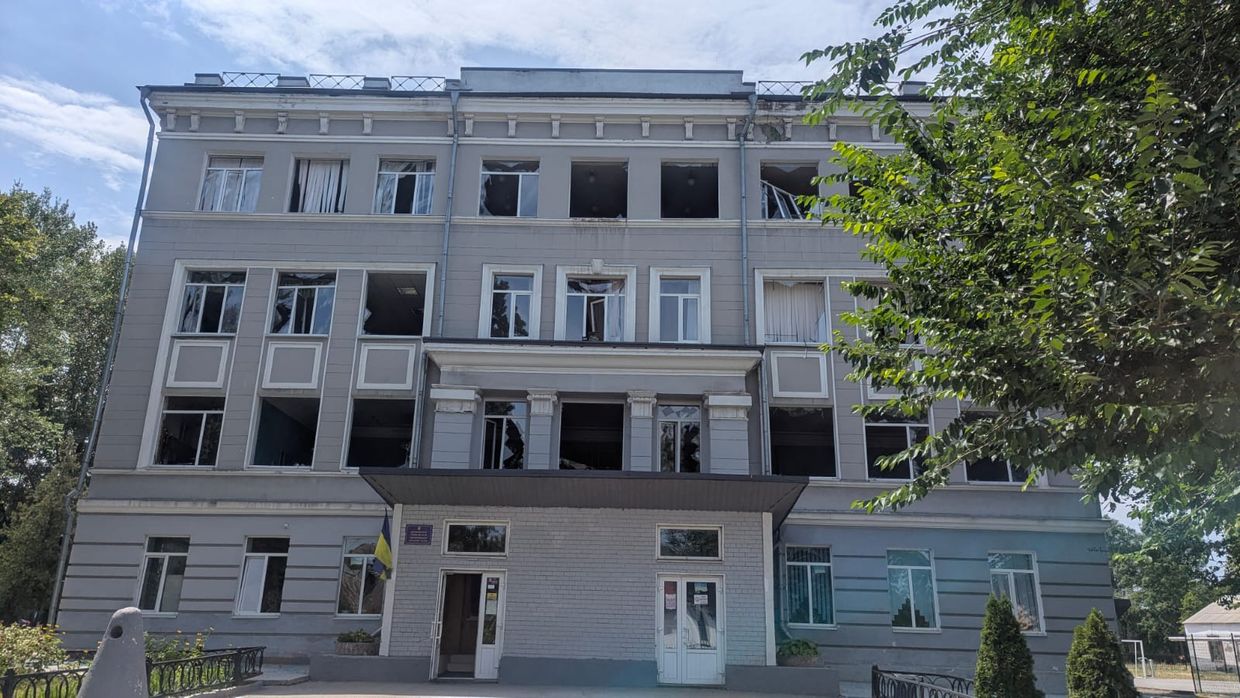
Dnipropetrovsk Oblast Governor Serhii Lysak said the morning strike ignited a large fire and also damaged a dormitory, a gymnasium, and an administrative building in the city.
The Russian military also struck the nearby town of Samarske, Lysak said. Casualties were reported in both locations.
"Unfortunately, there are dead and wounded everywhere," he said.
An school in Dnipro that was damaged in Russia's ballistic missile attack on June 24, 2025. (Dnipro.media)
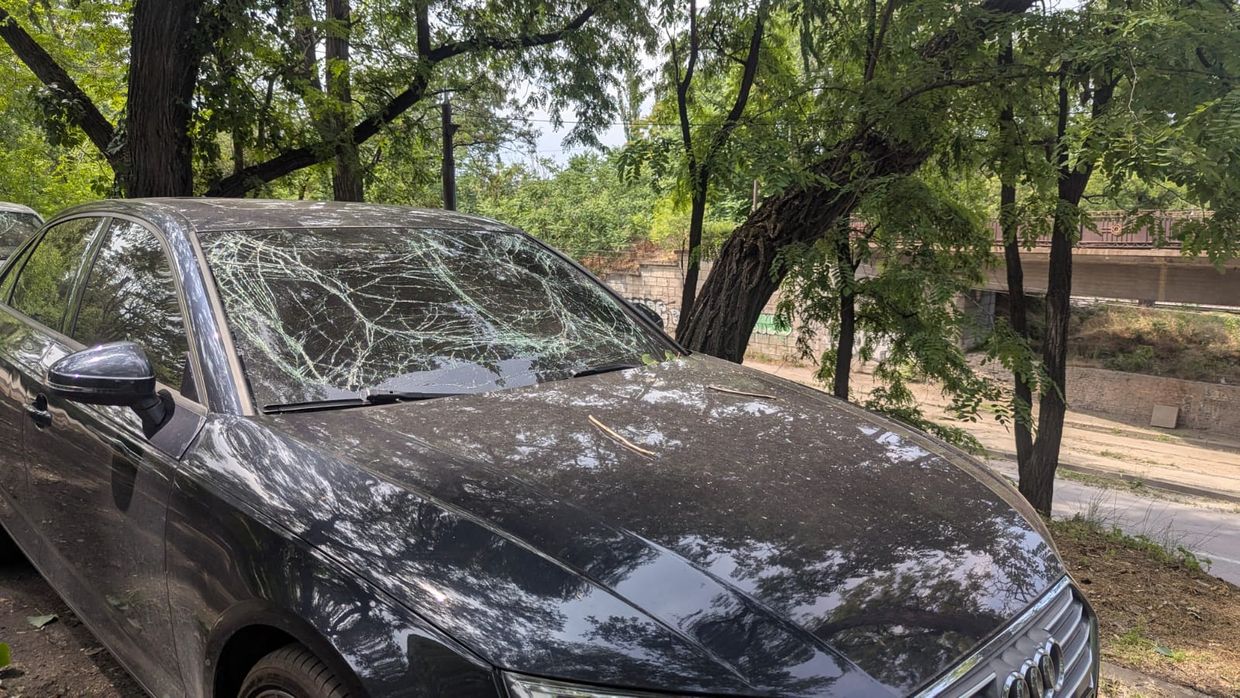
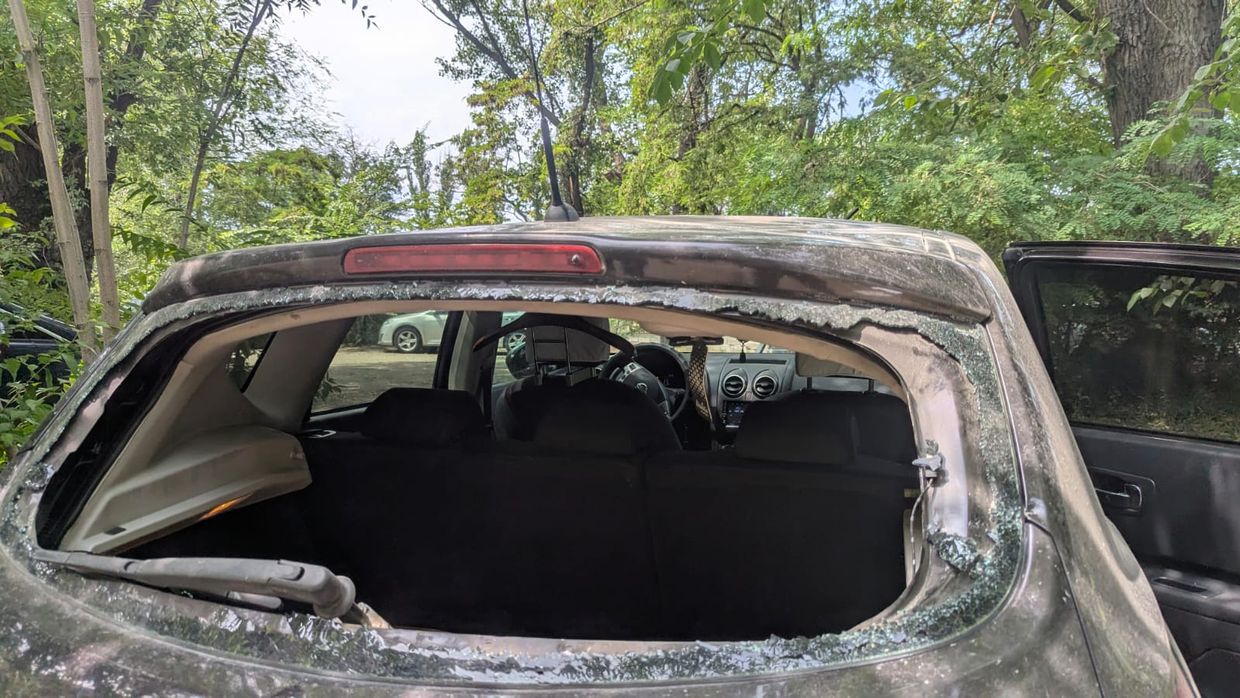
Multiple cars got damaged in Dnipro during Russia's ballistic missile attack on June 24, 2025. (Dnipro.media)
Multiple cars got damaged in Dnipro during Russia's ballistic missile attack on June 24, 2025. (Dnipro.media)
In Samarske, two people were killed, and 14 injured. Eight were hospitalized, with half of them in critical condition.
"As of now, more than 160 people are known to have been injured. Unfortunately, 11 people have died," President Volodymyr Zelensky said in a post on social media, adding: "The rubble is still being cleared, so the death toll may, unfortunately, increase."
Around 8:30 p.m. local time, the death toll rose to 17, while the number of wounded increased to 279, including 27 children, Lysak reported.
Almost a hundred of the victims remain in hospital, according to Lysak.
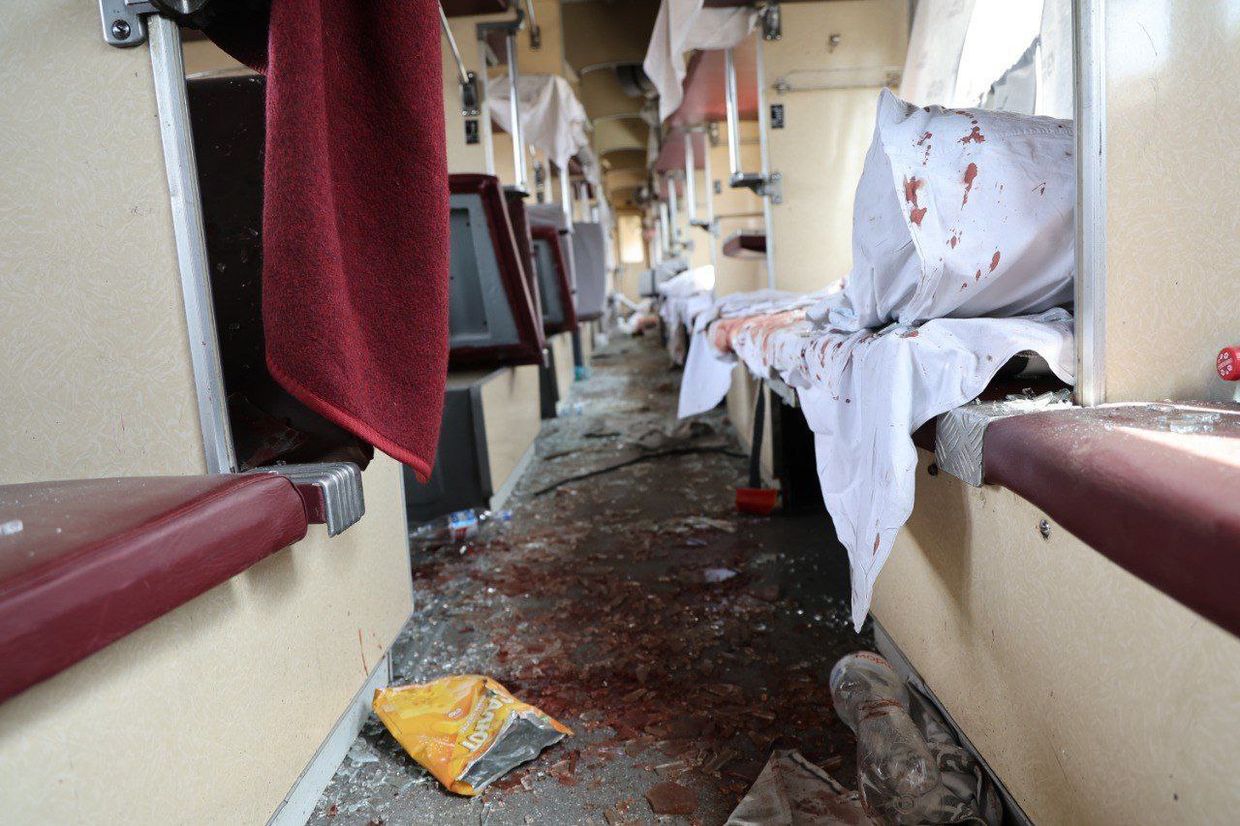
Ukraine's national railway company, Ukrzaliznytsia, said that a train traveling from Odesa to Zaporizhzhia was damaged in the attack.
"Ukrzaliznytsia is preparing a replacement train in Dnipro to evacuate passengers to Zaporizhzhia," the company said in a statement.
A damaged passenger train at a station in Dnipro Oblast, Ukraine after a Russian missile strike on June 25, 2025. (Ukrzaliznytsia / Telegram)
In an update, Ukrzaliznytsia said no passengers or railway workers were killed in the attack, though several people sustained injuries and are receiving medical care.
The attack came as NATO leaders convened for a high-level summit in The Hague. NATO Secretary General Mark Rutte warned on June 23 that Russia remains the alliance's most immediate and long-term threat.

 Connexion














 TG/Oleksandr…