A New Level of Threat and Fear Risks Pushing the U.S. and Iran Back to Full War

© Arash Khamooshi/Polaris for The New York Times


© Arash Khamooshi/Polaris for The New York Times


© Arash Khamooshi/Polaris for The New York Times


© Haiyun Jiang/The New York Times

But Elon Musk, whose company SpaceX owns Starlink, accuses Ukrainian military of violating the company’s terms
Ukraine’s military has a “stable connection to Starlink”, the Ukrainian government said, 10 days after its ability to use the satellite communications system was suddenly restricted.
But hours after the announcement, SpaceX CEO Elon Musk, whose company owns Starlink, accused the Ukrainian military of violating the company’s terms. Neither Musk nor the US government, which operates Starshield using Starlink technology, took responsibility for imposing the curbs.
Continue reading...
© Photograph: Sergey Dolzhenko/EPA

© Photograph: Sergey Dolzhenko/EPA

© Photograph: Sergey Dolzhenko/EPA


© Doug Mills/The New York Times


© Haiyun Jiang/The New York Times

The basketball star seems proud to leave the job to his partner. That’s so last century
Nobody can accuse the basketball star LaMelo Ball of being bad at his job. That said, the Minnesota Timberwolves point guard doesn’t seem to be a huge fan of dribbling.
Ball has a nine-month-old son, LaOne, with his partner Ana Montana (real name: Analicia Chaves) and is apparently uninterested in dealing with all the body fluids that come with a baby.
Arwa Mahdawi is a Guardian columnist
Continue reading...
© Photograph: Matt Krohn/AP

© Photograph: Matt Krohn/AP

© Photograph: Matt Krohn/AP


© Lynsey Addario for The New York Times


© Shannon Stapleton/Reuters


© David Guttenfelder/The New York Times


© Silvio Avila/Agence France-Presse — Getty Images


© Paul Ratje for The New York Times


© Kenny Holston/The New York Times


© Doug Mills/The New York Times


© Julia Demaree Nikhinson/Associated Press


© Victor J. Blue for The New York Times


© Nick Fancher for The New York Times


© Victor Moriyama for The New York Times


© Alfonso Duran for The New York Times

Vice-president’s visibility has risen as Trump’s popularity wanes, but path to inherit Maga throne is more complicated than it may seem
A day after JD Vance suggested Donald Trump would endorse him if he runs for president, the vice-president shifted awkwardly in the Oval Office as his boss was asked about the remark.
“He’s a very talented person, and he’s a very good person,” Trump said of the man standing behind him, with a forced smile this week. “But we’ve literally – I don’t think we’ve ever talked about,” the president claimed, leaving the assertion unconfirmed.
Continue reading...
© Photograph: Cheney Orr/Reuters

© Photograph: Cheney Orr/Reuters

© Photograph: Cheney Orr/Reuters

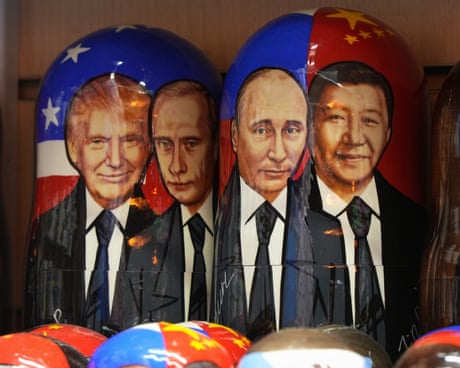
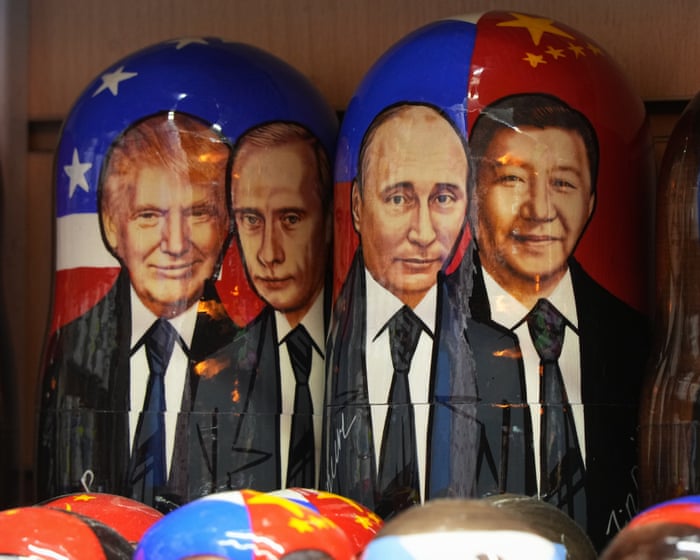
We’ve heard much about the end of the west. At the proposed summit between Trump, Putin and Xi, those fears could crystallise
In the final two years of a US presidency, when Congress has been lost, approval ratings have sunk like a stone and their party has started to think about who’s coming next, the person occupying the Oval Office can feel their power draining away. Domestic legislation, particularly in an era where bipartisan cooperation is almost nonexistent, grinds to a halt. But as the days tick by until the end, and as presidents begin to think about their legacy, there is one part of the job where they still have power: the rest of the world.
In the final weeks of his presidency in 1992 George HW Bush sent 28,000 American troops to Somalia to help end a famine. For Bill Clinton, it was a quixotic attempt to bring peace to the Middle East by ending the Israeli-Palestinian conflict. Barack Obama restored diplomatic ties with Cuba, making a historic visit to Havana, as well as a final, successful push on the Iran nuclear deal.
Continue reading...
© Photograph: Dmitri Lovetsky/AP

© Photograph: Dmitri Lovetsky/AP

© Photograph: Dmitri Lovetsky/AP


© Ahmad Al-Rubaye/Agence France-Presse — Getty Images


© Ahmad Al-Rubaye/Agence France-Presse — Getty Images


© Philip Cheung for The New York Times

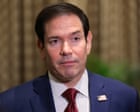
US secretary of state makes comments after Trump tells US rally warships could intervene on return from Iran
Marco Rubio urged Cubans seeking political change in their country to act, saying “now is the time” moments after Donald Trump told a Friday rally for candidates in south Florida that US warships could intervene in Cuba on their way back from the Iran war.
The US secretary of state, in his social media post addressed “to those who seek to create positive change”, urged Cubans to capitalize on Trump’s plans. “The disappointment of failed promises, corruption, and the privileged lives of only a few; seize this opportunity to create the change you desire through a discrete [sic] partnership with the CIA,” Rubio said.
Continue reading...
© Photograph: Kylie Cooper/Pool Reuters/AP

© Photograph: Kylie Cooper/Pool Reuters/AP

© Photograph: Kylie Cooper/Pool Reuters/AP


© Daniel Acker/Bloomberg


© Kerry Tasker/Reuters


On 18 October, President Zelenskyy accused Donald Trump of trying to pressure Ukraine into capitulating to Russia.
Asked by NBC whether Ukraine could win the war without the US, he answered: "Without United States support it's very difficult. But if United States will support Putin, it's historic mistake and big tragedy.... If the United States officially will take the side of Russia, if these two countries will be together, of course we will not prevail and we will not be able to stand."
He said Ukraine hopes Trump will be on its side, or at least "in the middle," and that he will "change his decisions" on Russia, as "it's all mistakes, it will not help us, and it will not help United States." In an interview with NBC's Meet the Press, when asked whether Trump is still an ally of Ukraine, Zelenskyy said: "I hope so." Not a definitive yes, but a weak maybe.
As diplomacy goes, statements do not come much stronger than this. What triggered them?
Probably the sum of all things. We all remember Trump and Vance humiliating Zelenskyy in the White House on 28 February 2025. Trump told the Ukrainian President that he was "gambling with" a third world war. Zelenskyy was told to come back "when he is ready for peace". Most will also remember that the USA enacted the decision to halt its aid to Ukraine across two separate, sweeping actions taken during the first months of the second Trump administration in early 2025. Presently, it is only delivering military aid decided by former President Biden.
Some might have forgotten that Trump called Zelenskyy a "dictator without elections," suggested Ukraine started the war, and pushed a "peace plan" whose original 28-point draft gave Russia terms more favorable than what Moscow sought at the 2022 Istanbul talks.
After 640 days in office, Trump's disdain for Ukraine and admiration for Russia seem to grow by the day, and his kakistocracy—government by the least qualified—keeps undermining Ukraine's defense. In less than two weeks:
Less than two weeks, summarized.
This is how Trump's administration talks about, and acts towards, the victim of an unjustified, unprovoked and horrendous war. Trump's USA (TUSA) is siding with autocracy against democracy and the rules-based world order. It talks about America's former allies in a similar manner: derogatory and disrespectful. None of the above is the word or deed of an ally.
When one chooses to see the world as it is, Zelenskyy's statements become both necessary and important. This is not only about Ukraine's self-respect and survival. Once we acknowledge the realities—that Europe is in an undeclared war with Russia at a moment when the USA has chosen to become a strategic adversary—we stand better prepared to defend ourselves: to accept that our present security system does not work and new solutions are urgently needed, and that diplomacy alone does not work and military force is essential to protect freedom, democracy and international law.
More than a year ago, German Chancellor Friedrich Merz warned that Europe is "not at war, but no longer at peace either" with Russia. Other heads of state have echoed him. NATO has since shifted from a peacetime alliance to one focused on urgent wartime readiness. Unfortunately, the process started years too late.
By seeing the world as it is, European leaders might reach the long-overdue conclusion that Russia's wars in Ukraine and Europe can only be stopped by a demonstration of strength: an alliance willing and capable of using military force to stop Russia. The alliance Russia fears isn't NATO. It's a coalition that will actually fight.
European courage and action are urgently needed. Ukraine is exposed to a two-front war, defending itself against both Russia and TUSA, and their attacks are increasing in scale and scope. Both Moscow and Washington want to end the war this year and are ramping up their assaults on Ukraine accordingly.
Irrespective of one's view of Ukraine, it is commonly understood that it is stopping Russia from advancing and increasing its border with NATO and the EU. Ukraine is defending European values and principles, ensuring the rest of us can continue living in something resembling peace. The consequences of its defeat would be truly devastating.
There can be no European strategic autonomy without Ukraine. There can be no European security and stability without Ukraine. Europe can never become a Great Power without Ukraine. And neither Russia nor the USA want Europe to achieve any of the above.
It is time to act according to the present-day realities and face down Europe's two strategic adversaries. In the worst case, Ukraine's destiny might be decided in November already.
Editor's note. The opinions expressed in our Opinion section belong to their authors. Euromaidan Press' editorial team may or may not share them.
Submit an opinion to Euromaidan Press


© Christopher S. Miller for The New York Times


© Kerry Tasker for The New York Times


© Haiyun Jiang for The New York Times


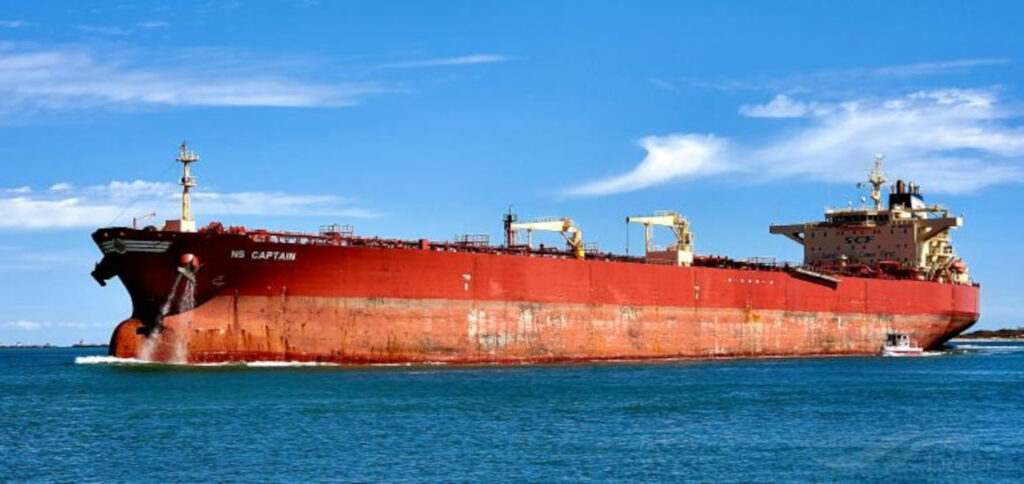
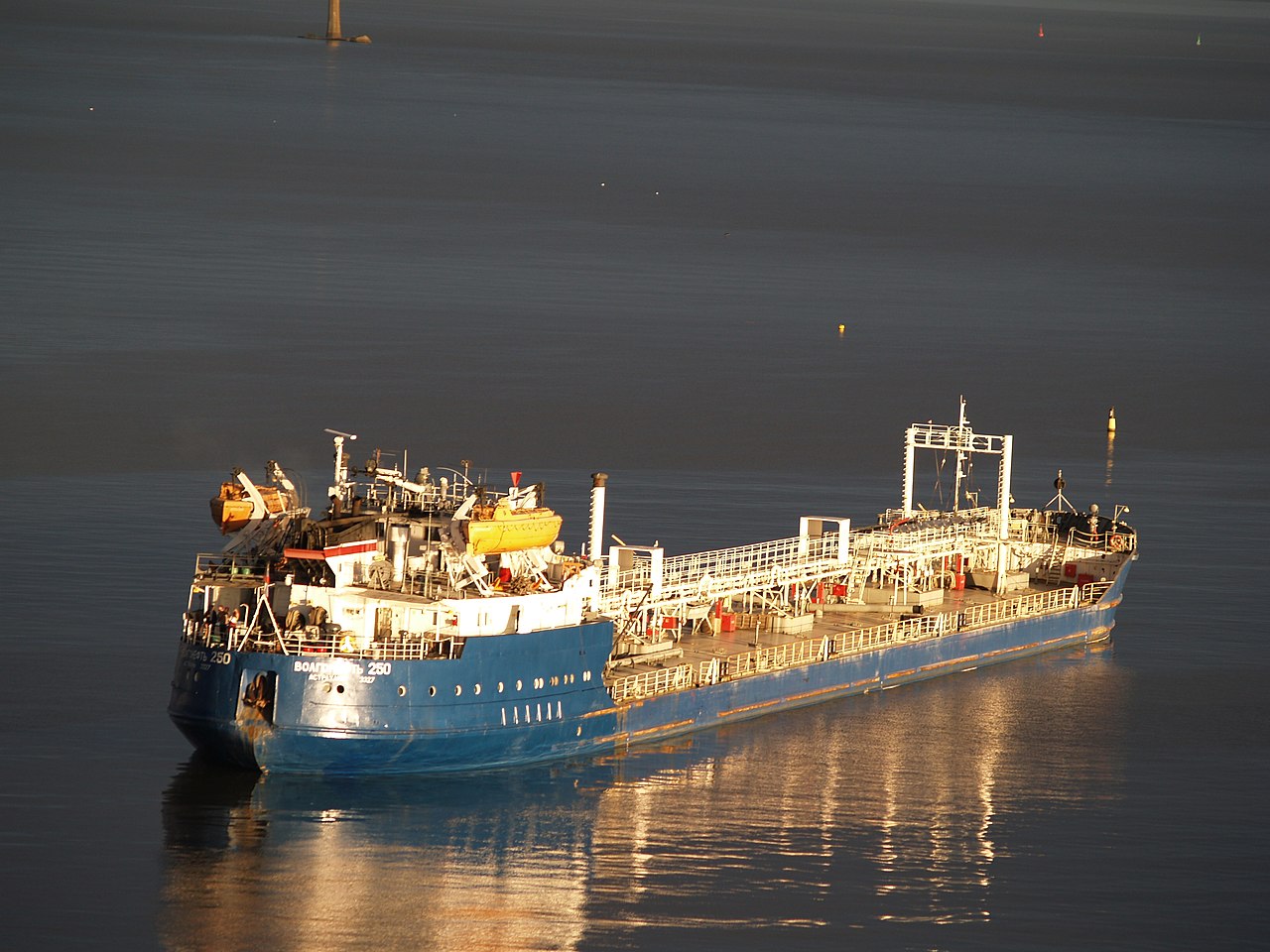
A Malta-flagged tanker carrying Russian diesel is heading for New York after the fuel deal between US President Donald Trump and Russian President Vladimir Putin, Reuters reported in an exclusive on 23 October, citing LSEG shipping data. Two weeks earlier, the US Treasury temporarily waived sanctions on Russian diesel.
The tanker is due in the US on 7 November, four days after Americans vote in the midterms. So the first US-bound cargo cannot reach American pumps before the election. Energy analysts also doubt the deal will lower diesel prices meaningfully. US fuel prices rose mainly because the war with Iran disrupted shipping through the Strait of Hormuz. Trump, however, has blamed Ukraine’s strikes on Russian refineries.
The medium-sized tanker Agioi Fanendes took on 40,000 metric tons of ultra-low sulfur diesel at the Baltic port of Primorsk on 22 October, shipping data showed. In March, Ukraine’s General Staff said its drones hit the Transneft oil terminal at that same port.
A day before the loading, Russian Deputy Prime Minister Alexander Novak announced that the first tanker would sail for the US on 22 October. He pledged more shipments and said Russia would meet US needs within its capabilities.
On 9 October, Trump wrote that Russia would immediately supply over 300,000 tons of diesel “to the American and Global Marketplace.” Another 500,000 tons would follow in November, then 1 million tons “immediately thereafter.”
Moscow had banned diesel exports on 8 July, after Ukrainian drone strikes shut down refineries and caused fuel shortages inside Russia. The Russian government stated on 10 October that it had partially lifted the ban, clearing 500,000 tons for the world market at this stage. Russian diesel shipments to Türkiye and Brazil have since resumed, boosting Moscow’s war revenue.
Trump has made other moves to cut diesel prices before the vote, Reuters reported. He waived parts of a new sanctions law against Russia. He also threatened Europe with a US diesel export ban unless countries released more fuel from their emergency reserves.


© Shelby Tauber for The New York Times

Donald Trump told rally-goers on Thursday evening that he had 'the right to run again' for president, invoking a claim he has repeatedly made that he may seek a third term despite it being unconstitutional
Continue reading...
© Photograph: Reuters

© Photograph: Reuters

© Photograph: Reuters


© Joe Raedle/Getty Images


© Kenny Holston/The New York Times


© Haiyun Jiang/The New York Times


© Erin Schaff/The New York Times


© Haiyun Jiang/The New York Times


© Venezuelan Presidency, via Agence France-Presse


© Venezuelan Presidency, via Agence France-Presse

An electoral supercycle over the next year may redefine the continent’s future. But what’s happening on the streets is shaping it, too
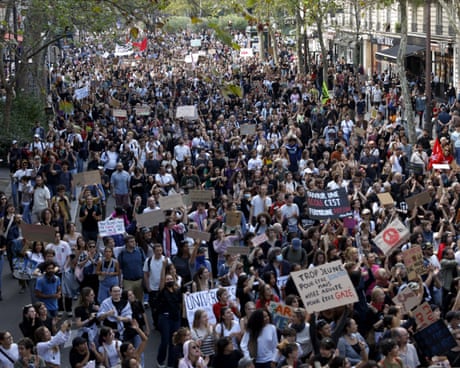
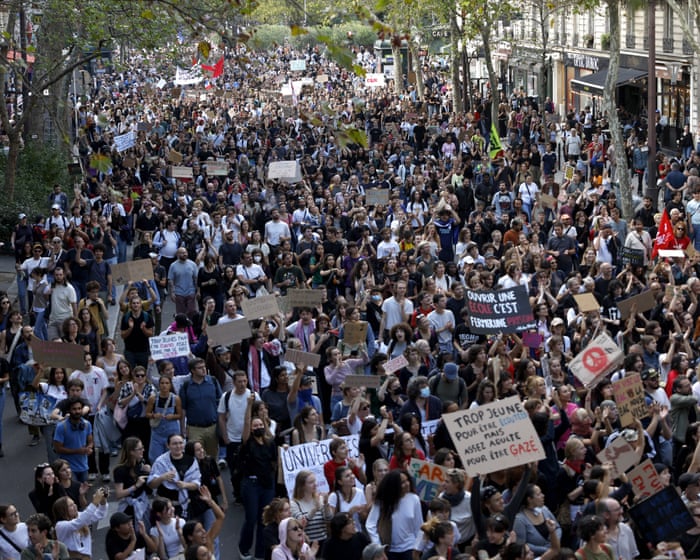
France sneezed, and Europe has again caught the cold. The wave of unrest which began with teenagers at a high school soon drew in hundreds of thousands of people nationwide and then spread across the continent. Protests have filled the streets in Lisbon and Madrid, and have ignited into violence in Milan, Brussels and Tirana as well as in French cities.
French authorities say they are deploying 70,000 officers on Saturday and are allowing only marches organised by unions. They blame hard-left militants as well as opportunistic young perpetrators for last weekend’s destruction and looting, when a minority hijacked largely peaceful protests. But with fuel prices set to rise further over the winter, the demands and participants broadening, and President Macron utterly failing to meet the moment, there is no sign of an end to the wider discontent and no speedy resolution in sight.
Continue reading...
© Photograph: Mohammed Badra/EPA

© Photograph: Mohammed Badra/EPA

© Photograph: Mohammed Badra/EPA

Despite distraction and distortion, voters know what issues will be informing their votes in this election
Elections too often get pigeonholed. The hot take, or simplistic analysis, would have it that just one issue – often the issue the source so happens to be most animated about – will decide the entire result.
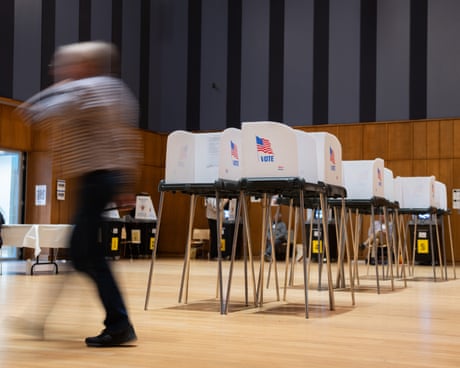
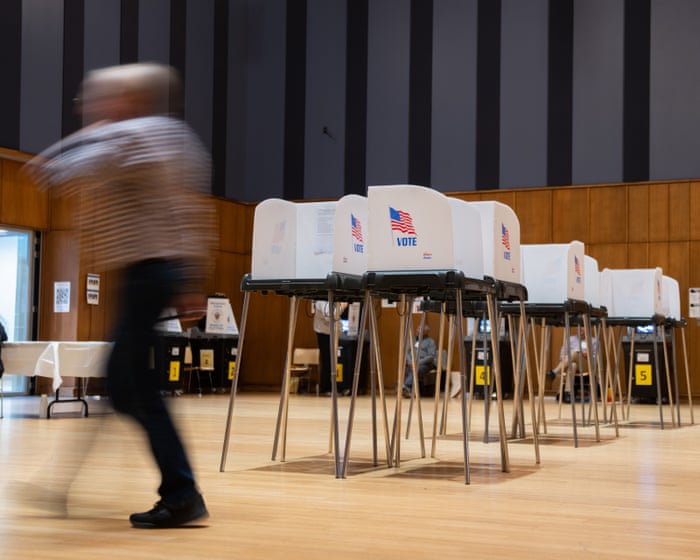
Tens of millions of Americans will go to the polls next month. Will they be galvanized by affordability? Maybe it’s Iran. Or healthcare? Taxes, perhaps. Or crime.
Continue reading...
© Photograph: Allison Robbert/AP

© Photograph: Allison Robbert/AP

© Photograph: Allison Robbert/AP


© Doug Mills/The New York Times

US constitution unequivocally states that he can’t campaign again, which the president also seems to acknowledge
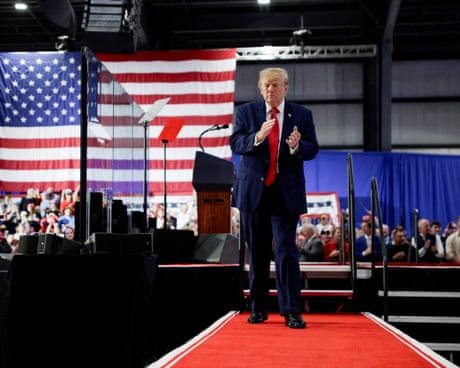
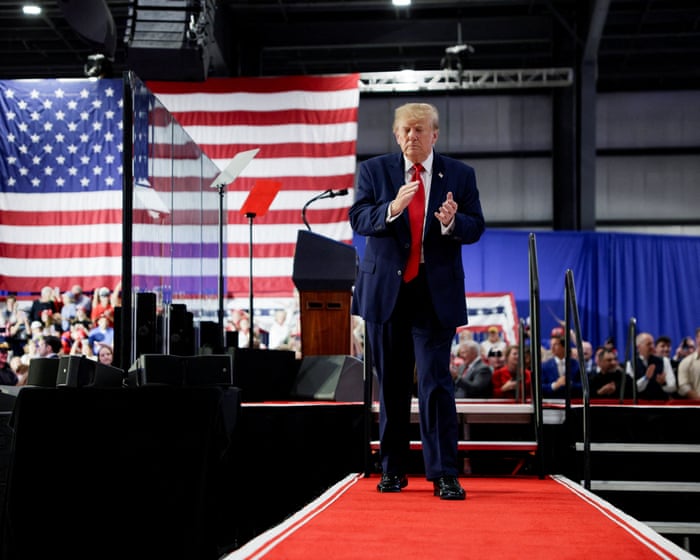
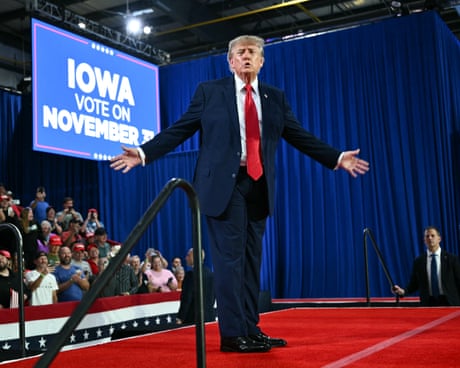
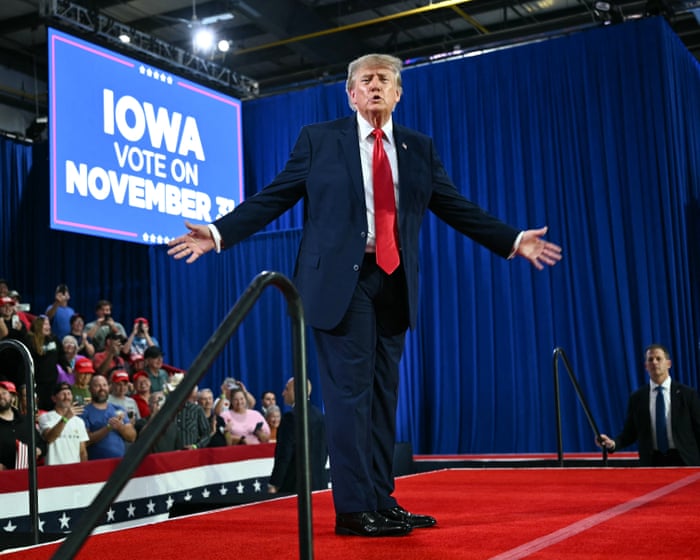
Donald Trump joked with rally-goers on Thursday evening that he had “the right to run again” for president, invoking a claim he has repeatedly made that he may seek a third term despite it being unconstitutional.
“I don’t know who is going to be your next president and I think the law said, I’m not 100% sure, but I think the law says I’m not allowed to run again,” Trump said in Sioux City, Iowa.
Continue reading...
© Photograph: Kent Nishimura/AFP/Getty Images

© Photograph: Kent Nishimura/AFP/Getty Images

© Photograph: Kent Nishimura/AFP/Getty Images


© Eric Lee for The New York Times

People in Russian-occupied city facing severe shortages of food, water and electricity, with some reportedly surviving on weeds
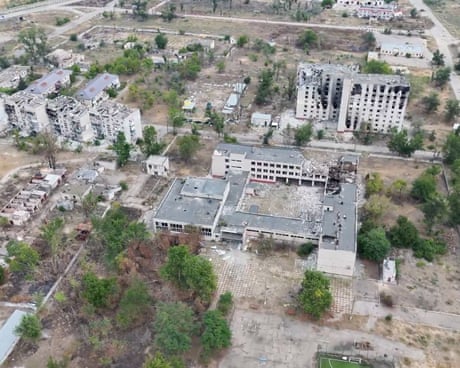
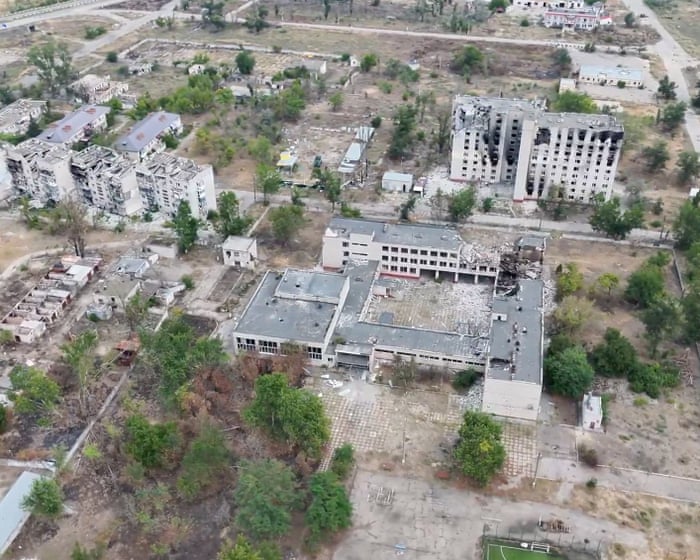
The White House has said that Russia and Ukraine have agreed to a ceasefire in the Russian-occupied city of Oleshky, where a deepening humanitarian crisis has left thousands of civilians struggling to survive.
In a statement on Friday, the White House said both sides had agreed to halt all military operations in the city from 27 October to allow humanitarian aid deliveries and preparations for the evacuation of civilians.
Continue reading...
© Photograph: 34th Separate Marine Brigade "Borysfen"/Reuters

© Photograph: 34th Separate Marine Brigade "Borysfen"/Reuters

© Photograph: 34th Separate Marine Brigade "Borysfen"/Reuters


US First Lady Melania Trump has secured an agreement for a localized ceasefire between Russia and Ukraine in the Russian-occupied city of Oleshky, Kherson Oblast, to allow humanitarian aid deliveries and civilian evacuations to begin on 29 October, the White House announced on 23 October.
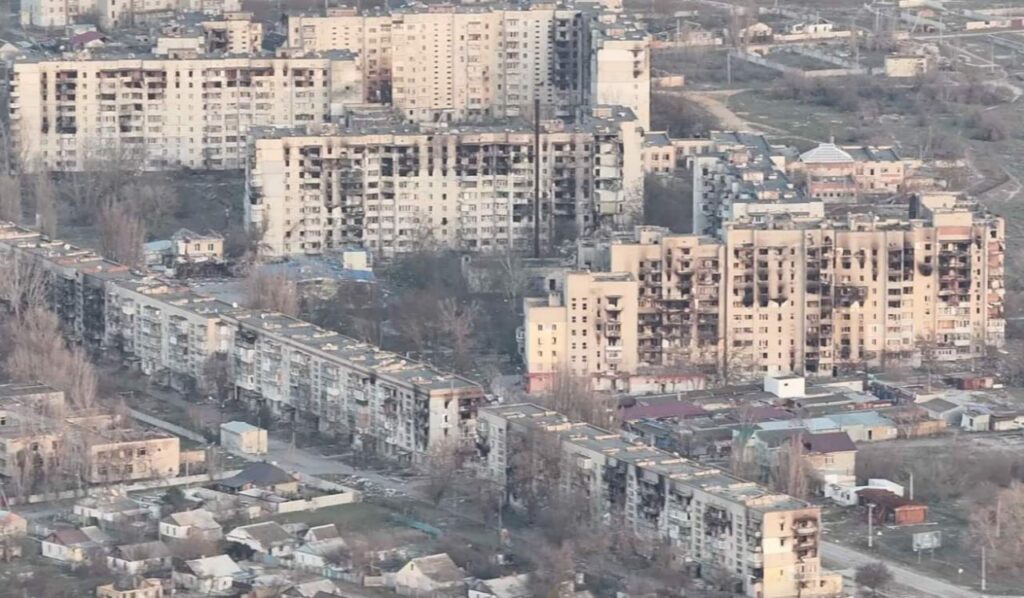
The proposed truce comes after months of worsening conditions in Oleshky, where Russian restrictions have left residents without reliable access to food, drinking water, medicine, and medical care. Ukrainian officials and international monitors have called for a humanitarian corridor as civilians face hunger, landmines, and regular attacks, with residents unable to leave safely.
Update 21:31: Ukraine’s Human Rights Ombudsman Dmytro Lubinets announced the launch of a humanitarian mission to Russian-occupied Oleshky in Kherson Oblast, saying an agreement had been signed following negotiations coordinated by the US side, with mediation by US First Lady Melania Trump.
The agreement provides for several stages, including preparations for a ceasefire, clearing routes of mines, delivering humanitarian aid, and unblocking evacuation routes.
Lubinets said his office had been raising the alarm about the looming humanitarian catastrophe in Oleshky since late February 2026 and would report on each stage of the mission.
According to the White House, Trump and her representative worked directly with Russian and Ukrainian leadership to agree on the ceasefire's terms, timing, and procedures. Civilian representatives from both countries are expected to visit residents to assess their needs, while those wishing to leave will receive transportation to their preferred destination.
The White House said an American media organization would accompany the teams to document the process and help ensure families' wishes are respected.
Trump said she initiated discussions after learning about the crisis during a private conversation at an event in New York during the 81st United Nations General Assembly. She said the agreement also involves technical preparations, including demining.
Oleshky, on the Russian-occupied left bank of the Dnipro River, had around 24,000 residents before Russia's full-scale invasion. Recent estimates put the remaining population at roughly 1,700 to 2,000, including about 50 children.
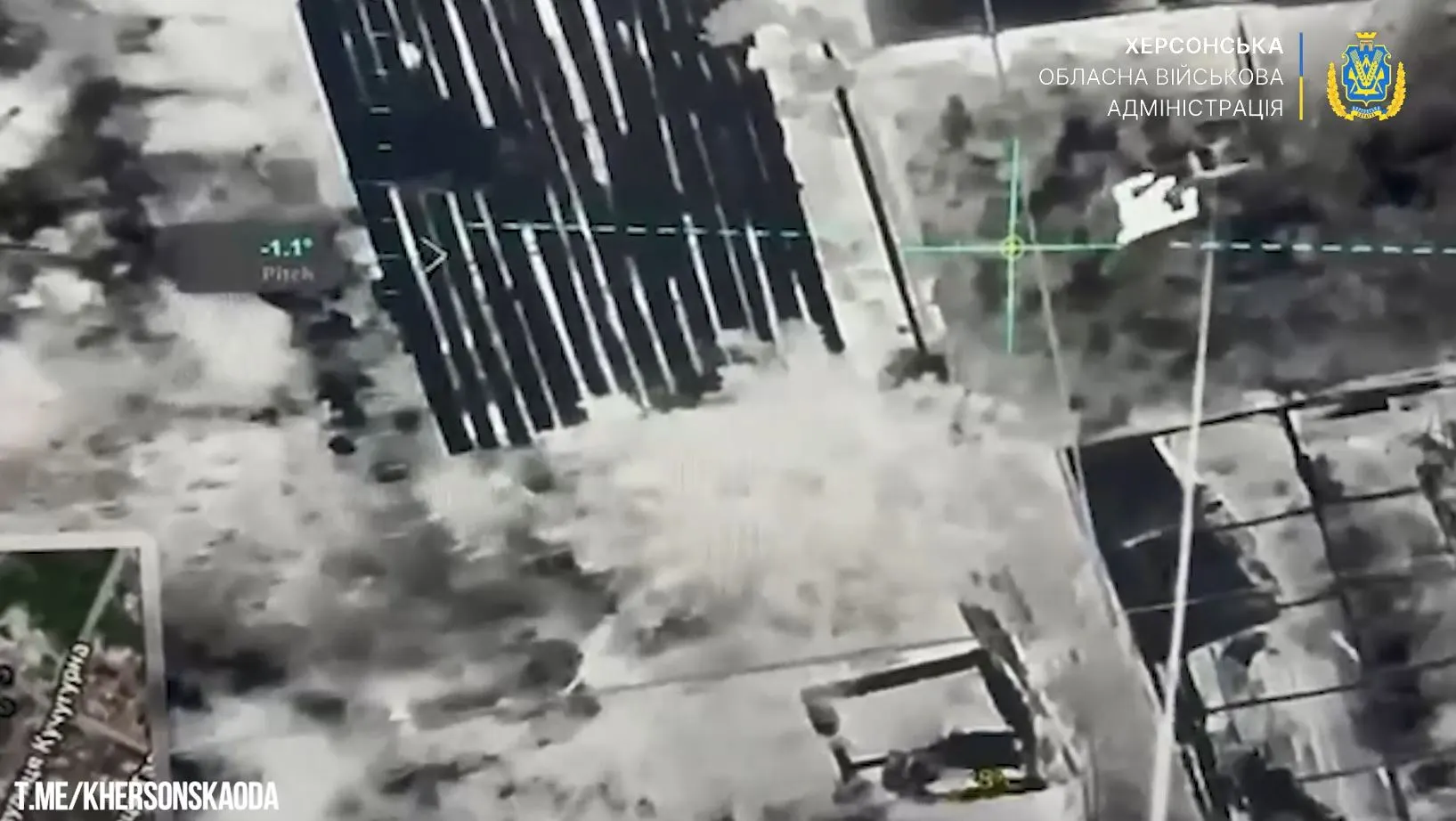
Residents face severe food and medicine shortages, while Russian forces have restricted movement and attacked vehicles attempting to deliver humanitarian supplies. Ukrainian officials have also said Russian troops have seized food parcels delivered by Ukrainian drones and detained or beaten some residents who received them.
The crisis has drawn growing international attention. Pope Leo XIV appealed to Russian leader Vladimir Putin for a truce to allow aid deliveries and safe civilian evacuations, while Ukraine's human rights ombudsman, Dmytro Lubinets, said on 18 October that negotiations over a ceasefire and evacuation had advanced to the stage of agreeing on final details.
The White House announcement sets 29 October as the start date for the localized ceasefire. Its implementation will determine whether aid can reach residents and civilians can leave safely after months of isolation.


© Scott Olson/Getty Images


© Joshua Bright for The New York Times