The rule to require efficient replacement tires was praised by environmentalists. But manufacturers warned that the change would hurt American companies and increase tire prices.
The rule to require efficient replacement tires was praised by environmentalists. But manufacturers warned that the change would hurt American companies and increase tire prices.
Potential presidential hopeful running for re-election in Georgia intensifies White House feud after remarks about ‘Natalie’ drew ire of president and alliesThe Democratic senator Jon Ossoff called Donald Trump a “draft-dodging, crook president” while defending the senator Mark Kelly as a hero during a Tuesday campaign appearance in Georgia, escalating his public feud with the US president.“I don’t think anything illustrates the times more aptly than that the draft-dodging, crook president, who
Potential presidential hopeful running for re-election in Georgia intensifies White House feud after remarks about ‘Natalie’ drew ire of president and allies
The Democratic senator Jon Ossoff called Donald Trump a “draft-dodging, crook president” while defending the senator Mark Kelly as a hero during a Tuesday campaign appearance in Georgia, escalating his public feud with the US president.
“I don’t think anything illustrates the times more aptly than that the draft-dodging, crook president, who has plunged our nation recklessly into a war he knows not how to end or to win, tried to imprison this man, who embodies American heroism,” Ossoff said while appearing alongside Kelly and his wife, the former Arizona congresswoman Gabrielle Giffords.
The arrangement is one of the largest known deals that the Trump administration has struck to expel migrants who cannot be sent back to their home countries.
The arrangement is one of the largest known deals that the Trump administration has struck to expel migrants who cannot be sent back to their home countries.
The first group of 20 deportees is expected to arrive in Liberia on Thursday, the country’s government said in a statement. It asserted that its agreement with the United States was “not a transaction with a quid pro quo.”
More than a dozen current and former students from two fraternities were part of an operation that involved packaging drugs at fraternity houses, the authorities said.
More than a dozen current and former students from two fraternities were part of an operation that involved packaging drugs at fraternity houses, the authorities said.
Administrators at Pennsylvania State University said that they are investigating the current and former students who were charged in trafficking cocaine.
An Australian woman, Erin Patterson, was found guilty of murdering three of her husband’s relatives and trying to kill a fourth by serving them deadly mushrooms.
An Australian woman, Erin Patterson, was found guilty of murdering three of her husband’s relatives and trying to kill a fourth by serving them deadly mushrooms.
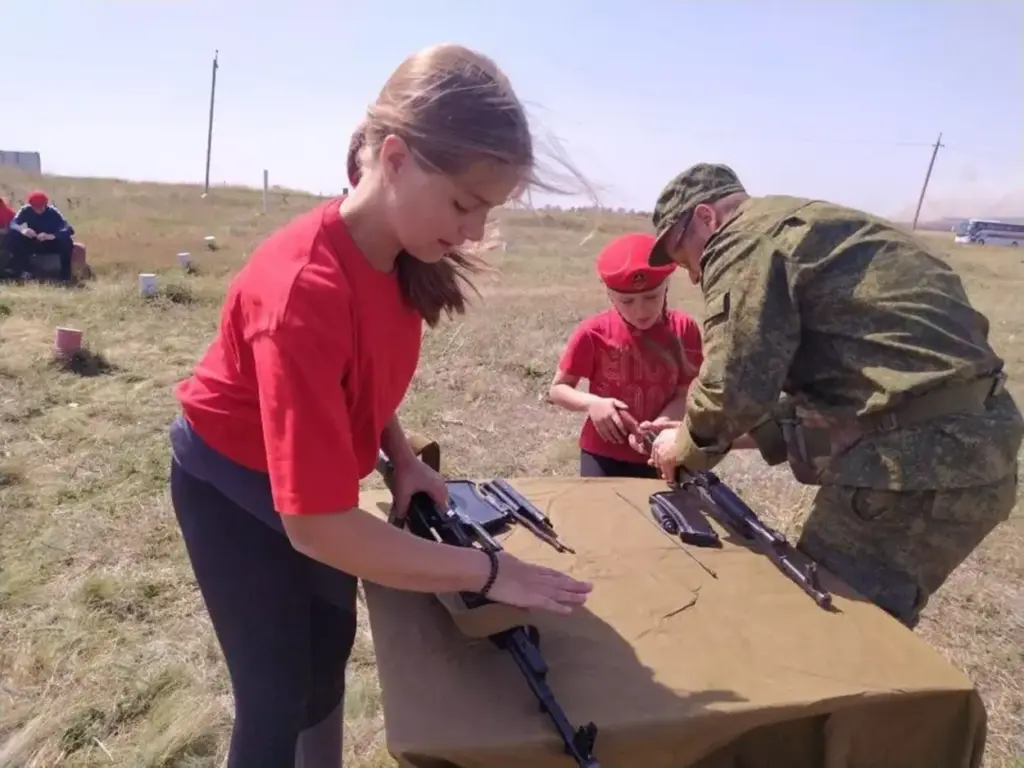
Ukraine’s military intelligence (HUR) has named 10 people and two institutions it says are teaching Ukrainian children under occupation to handle weapons—and preparing them to serve Russia.
HUR says those named use youth groups, occupation education authorities, and schools to erase children’s Ukrainian identity and prepare them for Russian military service. Publishing their names supports Ukraine’s efforts to document the system and hold its organizers accountable, but
Ukraine’s military intelligence (HUR) has named 10 people and two institutions it says are teaching Ukrainian children under occupation to handle weapons—and preparing them to serve Russia.
HUR says those named use youth groups, occupation education authorities, and schools to erase children’s Ukrainian identity and prepare them for Russian military service. Publishing their names supports Ukraine’s efforts to document the system and hold its organizers accountable, but HUR announced no charges or sanctions with the update.
How Russia militarizes Ukrainian youth in occupied territory
At a May 2026 “Zarnitsa 2.0” competition, the Kremlin-backed Movement of the First taught children to handle weapons and explosives and operate drones, HUR said.
At the competition’s stage in occupied Zaporizhzhia Oblast, regional organizer Viktoria Kostromina stated those skills would provide children with a “reliable foundation in life.”
The training sits inside a much larger school system. From 1 September, occupation schools will add a separate basic military-training track alongside a new Russian ideology class and behavior grades. More than 582,000 children across nearly 2,000 schools study under the imposed Russian curriculum, according to the Almenda Center of Civil Education.
Russia is also embedding combat preparation more deeply. “Cossack classes” will make ideological and combat-related drills compulsory for fifth-graders in four occupied Donbas cities. In Crimea, occupation authorities say they have built a pipeline that selects schoolchildren for drone training and ultimately for the Russian military reserve.
The policy has a long horizon. Putin’s 2025 strategy set a 95% “Russian civic identity” target for occupied populations by 2036.
Who HUR says is behind the indoctrination
HUR linked the individuals to the Movement of the First, Yunarmia, occupation education bodies, and a school in Simferopol.
Whom the HUR identified
Artur Orlov: chairman of the Kremlin-backed Movement of the First.
Oleksii Lavrentiev, Marina Tsvetinskaya, Ruyal Aliyev, Ekaterina Kozyr, Viktoria Kostromina and Kateryna Popova: regional Movement of the First organizers in occupied Ukraine.
Svitlana Bespalova: occupation deputy education minister in Crimea.
Nikita Polyakov: Yunarmia organizer in occupied Kherson Oblast.
Dmytro Pryvidion: director of School No. 5 in occupied Simferopol.
HUR also identified two institutions: Pryvidion’s School No. 5 and the Selet–Ak Bars youth center in Foros. It says the school holds militaristic activities and produces devices for loading rifle magazines, while the center stages pro-war events for children.
All 12 entries now appear in the “Child Kidnappers” section of HUR’s War&Sanctions database.
Ukraine has previously pursued individual organizers through criminal cases. In 2024, the SBU accused a Crimea occupation official of using schools and military camps to indoctrinate pupils and encourage enlistment in Russia’s forces.
Russia has threatened Britain with “consequences” over reports that Ukrainian forces used drones manufactured by UK companies to carry out strikes inside Russia.
The Russian Embassy in London accused the UK of deliberately escalating the war by supporting Ukraine’s long-range strike campaign, saying Britain was seeking to “contain Russia and inflict maximum damage on it by proxy.” It warned that the deeper Britain becomes involved, “the higher the price it will pay.”
Russia has threatened Britain with “consequences” over reports that Ukrainian forces used drones manufactured by UK companies to carry out strikes inside Russia.
The Russian Embassy in London accused the UK of deliberately escalating the war by supporting Ukraine’s long-range strike campaign, saying Britain was seeking to “contain Russia and inflict maximum damage on it by proxy.” It warned that the deeper Britain becomes involved, “the higher the price it will pay.”
The threat followed news that Ukrainian forces had used two British-built drone systems to strike targets inside Russia for the first time. The Sunday Times, citing Ukrainian military sources, reported that the drones had been used against targets including oil refineries in Volgograd and Yaroslavl over the past six months.
Moscow warns Britain of “consequences”
The Russian Embassy said in a statement that the reported use of British-made drones “confirms that London is deliberately opting for an escalation of the Ukraine crisis.”
It warned that British actions would “inevitably carry consequences for which it will have to answer,” without specifying what form those consequences could take.
The warning comes as Ukraine has significantly expanded its long-range strike campaign against Russian military and energy targets. Kyiv has increasingly used large drone swarms to hit targets deep inside Russia, seeking to disrupt military production, logistics, and energy revenues while forcing Moscow to spread its air defenses across a much larger area.
Burnham says UK will continue backing Ukraine
UK Prime Minister Andy Burnham rejected Moscow’s warning, saying Britain would continue supporting Ukraine despite Russian threats, The Independent reported on Tuesday.
“This is the UK doing what it has long said it would do, which is to support Ukraine 100 per cent against this illegal war led by Vladimir Putin,” Burnham said during a visit to Wolverhampton.
“We are providing support so that Ukraine can defend itself,” he said, adding: “We are not fair weather friends. We will be there in Ukraine’s hour of need, and that won’t change.”
UK Work and Pensions Minister Lilian Greenwood similarly said Britain’s resolve to support Ukraine remained “completely steadfast” and that the country would continue providing the military equipment Kyiv needs.
The UK Ministry of Defence also said Russia should have “no doubt” about the government's resolve to oppose Russian aggression in Ukraine and against Britain and its allies.
UK Prime Minister Andy Burnham and Ukrainian President Volodymyr Zelenskyy aboard the Ukrainian Navy’s Cherkasy minehunter at Portsmouth Naval Base, UK, 27 July 2026. Photo: Zelenskyy
British drones expand Ukraine’s deep-strike capabilities
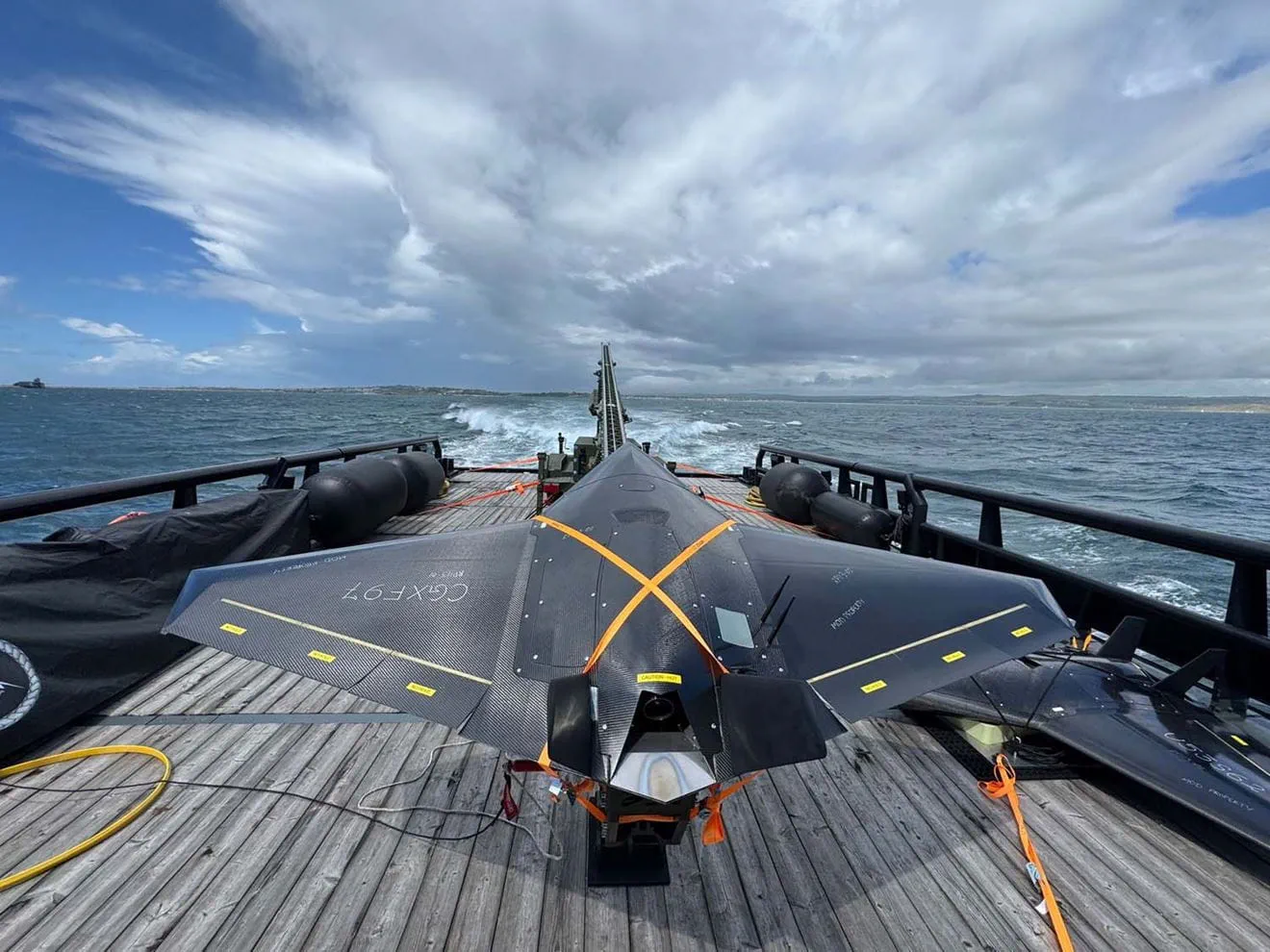
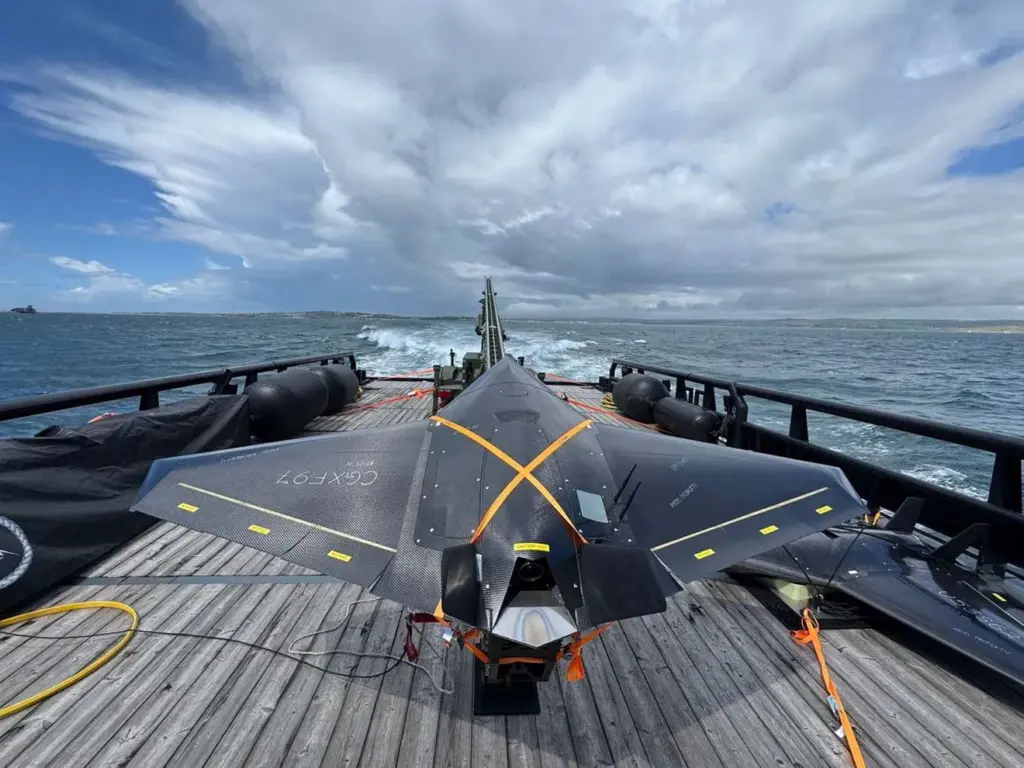
According to The Sunday Times, one of the British systems used by Ukraine is the Nyan, a jet-powered one-way attack drone produced by BAE Systems subsidiary Callen-Lenz, with a reported range of more than 150 miles.
The second system has a reported range exceeding 600 miles, although its manufacturer was not identified for security reasons. The drones provide Ukraine with additional long-range strike capacity that can be produced and deployed in larger numbers than more expensive Western cruise missiles.
Explore further
British drones hit Russia for first time in Ukraine’s deep-strike campaign – The Sunday Times
The reported deployment marks a further expansion of UK military support for Ukraine as Kyiv increasingly takes the fight to Russian military and energy infrastructure inside Russia.
Delta Upsilon and Sigma Chi were off campus, with Delta Upsilon placed on interim probationMore than a dozen Penn State University students ran a cocaine-trafficking ring that cut and packaged the potent drug mainly at two fraternity houses, authorities said on Monday.The Pennsylvania attorney general, Dave Sunday, announced charges on Monday against 14 people linked to the purported operation, saying it involved “primarily college students and two fraternities”. The drugs were “distributed main
Delta Upsilon and Sigma Chi were off campus, with Delta Upsilon placed on interim probation
More than a dozen Penn State University students ran a cocaine-trafficking ring that cut and packaged the potent drug mainly at two fraternity houses, authorities said on Monday.
The Pennsylvania attorney general, Dave Sunday, announced charges on Monday against 14 people linked to the purported operation, saying it involved “primarily college students and two fraternities”. The drugs were “distributed mainly to Penn State … students”, Sunday’s office contended in statements that caused waves far beyond the research university’s campus community.
Attorneys for Ábrego, who was wrongfully deported to El Salvador, say the DoJ’s appeal was ‘flat wrong’The Trump administration has asked a federal appeals court to reinstate criminal charges against Kilmar Ábrego García that were dismissed in May by a judge who said the prosecution of the man who unwittingly became a symbol of the White House’s mass deportation campaign was “vindictive in nature”.In a filing to the US sixth circuit court of appeals, the justice department insisted that human sm
Attorneys for Ábrego, who was wrongfully deported to El Salvador, say the DoJ’s appeal was ‘flat wrong’
The Trump administration has asked a federal appeals court to reinstate criminal charges against Kilmar Ábrego García that were dismissed in May by a judge who said the prosecution of the man who unwittingly became a symbol of the White House’s mass deportation campaign was “vindictive in nature”.
In a filing to the US sixth circuit court of appeals, the justice department insisted that human smuggling allegations against Ábrego are genuine – and not retaliation for challenging his wrongful deportation to El Salvador in March 2025.
Network alleges FCC is trying to send ‘chilling message’ in retaliation for content the administration disapproves ofABC has sued the Federal Communications Commission (FCC), arguing that it is being retaliated against for content-based reasons in a move it warns threatens the independence of the press.The network filed the lawsuit on Tuesday after being forced to apply early to renew its license to broadcast on the eight local television stations it owns. It is waiting to hear whether the Brend
Network alleges FCC is trying to send ‘chilling message’ in retaliation for content the administration disapproves of
ABC has sued the Federal Communications Commission (FCC), arguing that it is being retaliated against for content-based reasons in a move it warns threatens the independence of the press.
The network filed the lawsuit on Tuesday after being forced to apply early to renew its license to broadcast on the eight local television stations it owns. It is waiting to hear whether the Brendan Carr-led FCC approves its renewal requests, or, more likely, holds a hearing on their merits.
Edward Zimbardi, 59, who had fled US, will appear in court in Los Angeles on wire fraud and money-laundering chargesA man from Flowery Branch, Georgia, has been deported from Fiji to face charges in his home state accusing him of defrauding more than 6,000 investors and causing more than $165m of losses in a cryptocurrency Ponzi scheme, the US attorney in Atlanta said on Monday.Edward Zimbardi, 59, was indicted on 12 counts of wire fraud, 12 counts of money laundering and one count of money-
Edward Zimbardi, 59, who had fled US, will appear in court in Los Angeles on wire fraud and money-laundering charges
A man from Flowery Branch, Georgia, has been deported from Fiji to face charges in his home state accusing him of defrauding more than 6,000 investors and causing more than $165m of losses in a cryptocurrency Ponzi scheme, the US attorney in Atlanta said on Monday.
Edward Zimbardi, 59, was indicted on 12 counts of wire fraud, 12 counts of money laundering and one count of money-laundering conspiracy.
Romania detected more than 100 drones involved in seven attacks on Ukraine’s Danube ports in recent days, interim Romanian Defense Minister Radu Miruță told Romanian channel Digi24 on 17 August 2026. He said the attacks were the most intense recorded recently and that Ukrainian forces destroyed most of the drones “a few dozen meters from Romanian airspace.”
Russia’s growing attacks on Ukraine’s Danube ports put a key export route at risk as Kyiv seeks other outlets whil
Romania detected more than 100 drones involved in seven attacks on Ukraine’s Danube ports in recent days, interim Romanian Defense Minister Radu Miruță told Romanian channel Digi24 on 17 August 2026. He said the attacks were the most intense recorded recently and that Ukrainian forces destroyed most of the drones “a few dozen meters from Romanian airspace.”
Russia’s growing attacks on Ukraine’s Danube ports put a key export route at risk as Kyiv seeks other outlets while its Black Sea ports are under attack. They also put Ukraine's southern border region under pressure as Kyiv develops trade links with Moldova and Romania, and NATO routes more military aid through Romania.
The latest drone swarms remained over Ukraine, and officials found no indication that Romania’s threat level had risen, Miruță stated. The Romanian military nevertheless remained on alert as attacks intensified across the Danube.
Ukraine looks south for trade and military aid
With Russia hitting its ports, Ukraine is turning to Romania and Moldova to keep trade moving. Kyiv and Chișinău are discussing a rail link through Moldova to Romania’s Constanța port, though Ukraine estimates it could carry only about 10% of its grain exports.
The rail proposal comes as Russian port strikes have cut monthly agricultural exports by 20–30% and left up to 10 million tons of grain in storage without buyers, Agriculture Minister Taras Vysotskyi has said.
Explore further
More than 100 drones detected near Romania in four days, NATO jets scrambled seven times
NATO said in December that a second aid hub in Romania would begin operating in January. It was designed to supplement the main center in Rzeszów, Poland, and route supplies toward Ukraine’s southern and eastern fronts.
Romania faces repeated drone incursions
Russian drones targeting Ukraine have repeatedly entered Romania as Moscow attacks Ukrainian ports across the Danube. More than 40 such incursions had been recorded by early June, Romanian Foreign Minister Oana Țoiu said.
The most serious occurred on 29 May, when a drone hit an apartment building in Galați. Two people were injured, and about 70 residents fled or were evacuated.
Vladimir Putin suggested that the aircraft might have been Ukrainian, but Romania’s forensic investigation later identified it as a Russian-built Geran-2.
Romanian forces later shot down three drones in 72 hours in July, while Miruță said Spanish pilots and Romanian troops destroyed a fourth on 16 August.
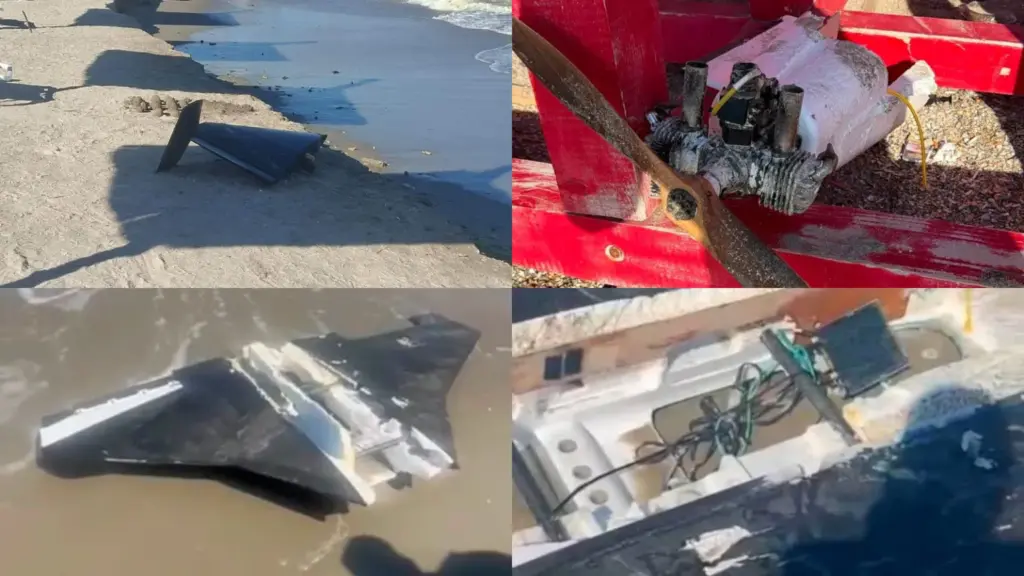
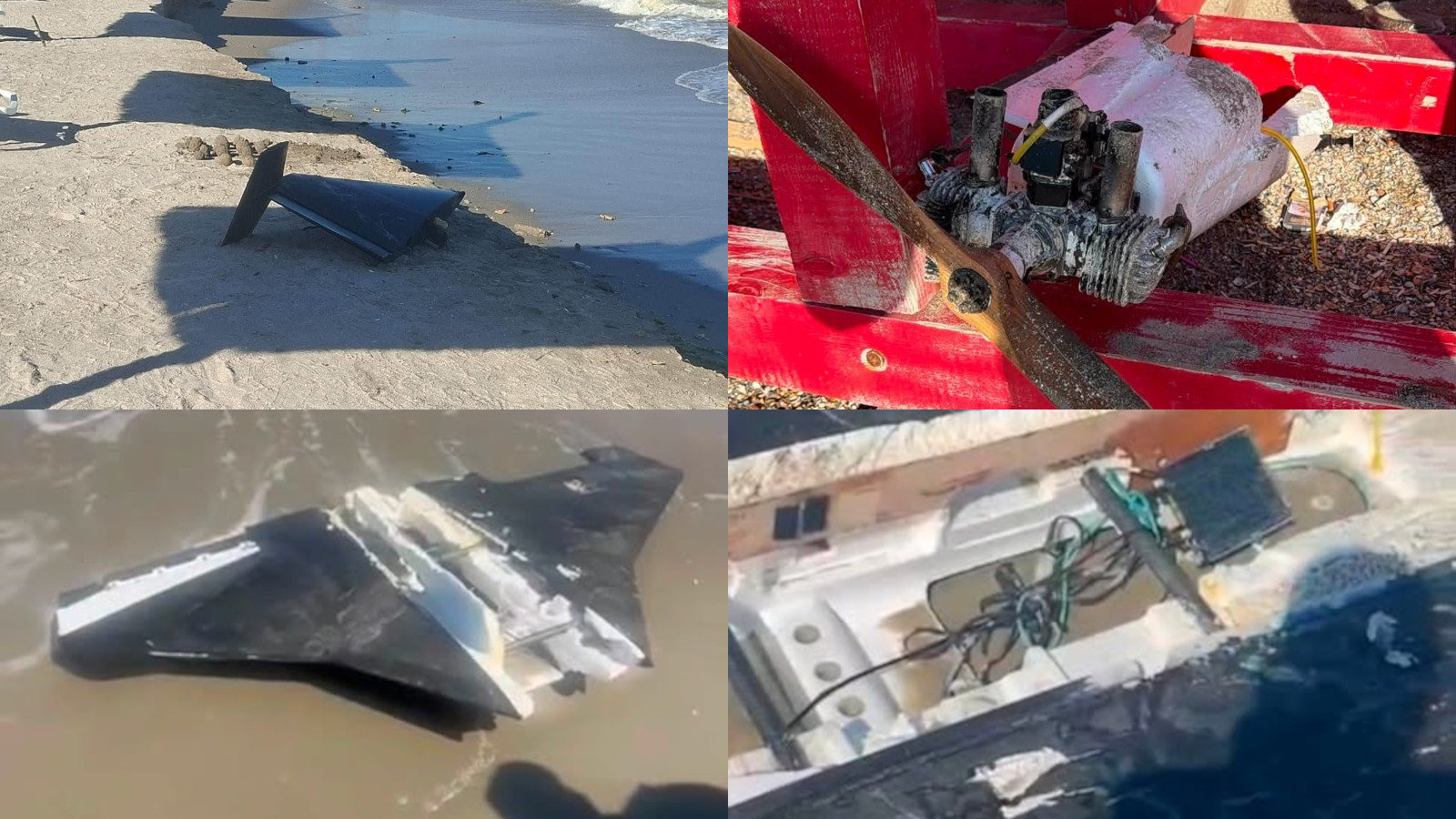
Debris from drones intercepted over Ukraine has also washed onto Romania’s coast, prompting temporary access restrictions while specialists checked for explosives.
Bucharest is buying low-altitude radars and ground interceptors through the EU’s SAFE program. Miruță said drones often fly at 70 to 150 meters, and ground systems would be cheaper to use than fighter-launched missiles.
An early glimpse of a pivotal Senate race, heated primaries on a newly redrawn congressional map, and a special election to replace Eric Swalwell will be in the spotlight on Tuesday.
An early glimpse of a pivotal Senate race, heated primaries on a newly redrawn congressional map, and a special election to replace Eric Swalwell will be in the spotlight on Tuesday.
Senator Dan S. Sullivan and former Representative Mary Peltola are both widely expected to advance in Alaska’s Senate primary, but their vote shares will be closely watched as a reflection of who’s ahead going into the general election.
Authorities blamed Nanner for knocking over a heat fixture, but Brittany Jacobs contends it was trying to escape blazeThe snake didn’t start the fire. So says a Virginia science teacher who owns a python that was found outside its enclosure in a middle school classroom that caught fire recently.Authorities, meanwhile, have publicly blamed the fire on the snake, named Nanner, alleging the python knocked over a heat fixture in her owner’s classroom, igniting a blaze that caused damage at Bedford c
Authorities blamed Nanner for knocking over a heat fixture, but Brittany Jacobs contends it was trying to escape blaze
The snake didn’t start the fire. So says a Virginia science teacher who owns a python that was found outside its enclosure in a middle school classroom that caught fire recently.
Authorities, meanwhile, have publicly blamed the fire on the snake, named Nanner, alleging the python knocked over a heat fixture in her owner’s classroom, igniting a blaze that caused damage at Bedford county’s Forest middle school and killed a tortoise there.
The former Dallas Cowboys star is on indefinite leave after being arrested on suspicion of drunk driving. His future in a competitive business is now in doubtAfter Tony Romo’s arrest last month, TMZ published a 31-minute “extended cut” of the body-camera footage from the Wisconsin police officer who arrested CBS Sports’ star NFL analyst on suspicion of operating a vehicle while under the influence.It’s an uncanny watch. The former Dallas Cowboys quarterback’s familiar goofy geniality collides wi
The former Dallas Cowboys star is on indefinite leave after being arrested on suspicion of drunk driving. His future in a competitive business is now in doubt
After Tony Romo’s arrest last month, TMZ published a 31-minute “extended cut” of the body-camera footage from the Wisconsin police officer who arrested CBS Sports’ star NFL analyst on suspicion of operating a vehicle while under the influence.
It’s an uncanny watch. The former Dallas Cowboys quarterback’s familiar goofy geniality collides with the gravity and stilted formality of an encounter with law enforcement. The video of a disoriented Romo struggling to answer basic questions and failing a field sobriety test, and his rictus-grinning, disheveled, head-askew mug-shot, form a glaring contrast with his smart-suited look a year earlier: beaming as he posed in the spotlight with his play-by-play partner, Jim Nantz, at the network’s preseason media preview.
They made a risky bid to reunite after three years of separation, illness and deprivation — the kind of ordeal suffered by many thousands of families torn apart by the war in eastern Ukraine.
They made a risky bid to reunite after three years of separation, illness and deprivation — the kind of ordeal suffered by many thousands of families torn apart by the war in eastern Ukraine.
Liliia Prutian, 55, a military medic and a former POW, who spent more than 2 years in Russian captivity, at a rehabilition center Lisova Poliana in Kyiv region, Ukraine, in February.
Prosecutors led by Jeanine Pirro, the U.S. attorney in Washington, argued that Melissa Farris posed a flight risk and asked the court to reverse its decision.
Prosecutors led by Jeanine Pirro, the U.S. attorney in Washington, argued that Melissa Farris posed a flight risk and asked the court to reverse its decision.
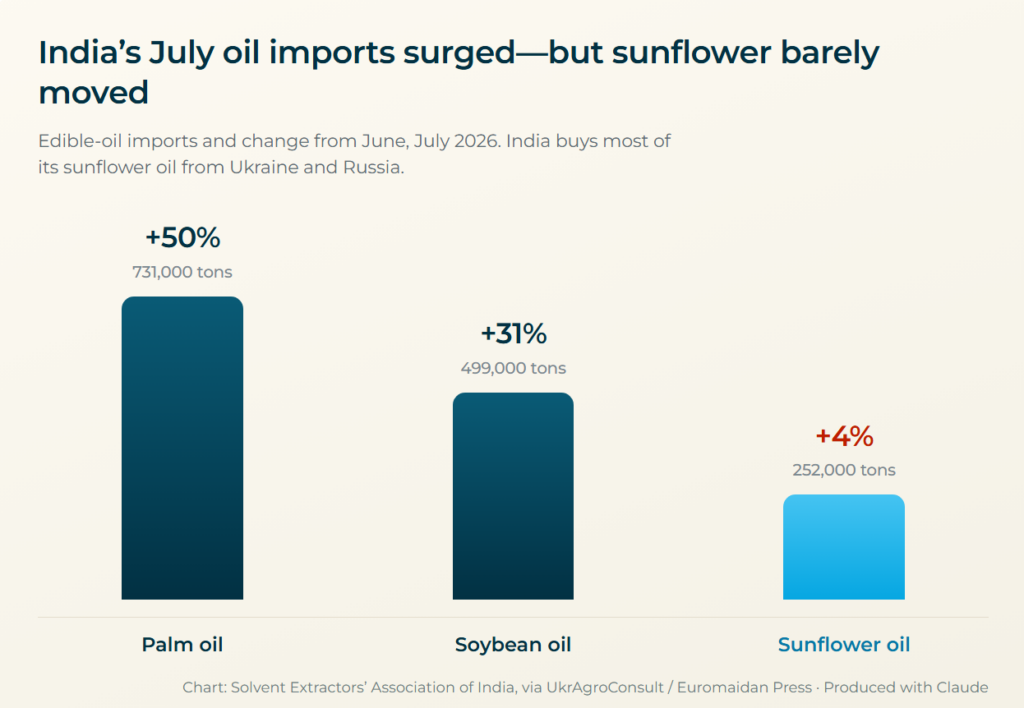
India, the world’s biggest edible-oil importer, bought a 10-month high of about 1.5 million tons of vegetable oil in July, up roughly a third from June, as refiners restocked for the August-to-November festival season.The jump was led by palm oil, up by half, and soybean oil, up about a third, data compiled by UkrAgroConsult. Sunflower oil rose just 4%, the weakest of the three, and India buys most of it from Ukraine and Russia, the world’s leading exporters.
Vegetable
India, the world’s biggest edible-oil importer, bought a 10-month high of about 1.5 million tons of vegetable oil in July, up roughly a third from June, as refiners restocked for the August-to-November festival season.
The jump was led by palm oil, up by half, and soybean oil, up about a third, data compiled by UkrAgroConsult. Sunflower oil rose just 4%, the weakest of the three, and India buys most of it from Ukraine and Russia, the world’s leading exporters.
Vegetable oil and meal earn more than 15% of Ukraine’s foreign currency.
Now the sunflower supply is the one going into reverse. India’s sunflower-oil imports are set to fall in August to their lowest since February, with about 150,000 tons of cargo delayed at Black Sea ports and buyers in the south switching to soybean, four traders told Reuters.
The switch is only partly about the war. Soybean and palm oil are cheap, and India’s own mills are pressing less oil from a smaller domestic harvest, leaving refiners leaning on imports, Rajesh Patel told OFI. The GGN Research partner expects soybean oil imports to top 500,000 tons a month into the autumn.
India’s edible-oil imports hit a 10-month high in July 2026 as refiners stocked up for the festival season, but the surge went to palm and soybean oil while sunflower barely moved. Chart: Solvent Extractors’ Association of India, via UkrAgroConsult / Euromaidan Press · Made with Claude
Russia’s strikes close Ukraine’s window
Ukraine is in no position to capture that demand. Russian strikes on Chornomorsk in mid-July forced Kernel, its largest exporter, to halt its terminals there, and the country’s farmers’ union reckons the summer attacks have cost a third of its capacity to ship grain by sea.
Explore further
Russia’s port strikes leave Ukraine’s grain with almost nowhere else to go
Vegetable oil and meal earn more than 15% of Ukraine’s foreign currency, among its largest sources of the hard cash that funds the war, the industry association Ukroliyaprom has said.
The squeeze runs through geography Ukraine cannot change: almost all its farm exports leave by sea, through a handful of Odesa ports now under regular fire, with no land route at anything near the scale.
Kyiv now expects to export barely half the harvest it had planned to sell abroad this season, and is arranging emergency loans so farmers can plant the next crop. Since the start of August, grain leaving by rail has dropped by more than three-quarters year-on-year, according to Ukrzaliznytsia data.
Latvia's public broadcaster opened a new fundraising drive on 17 August to pay for the rehabilitation of wounded Ukrainian soldiers, LSM reported. The effort is timed to Ukraine's Independence Day on 24 August. Donations run through the charity Ziedot.lv.
Russia's invasion has produced a generation of wounded and traumatized Ukrainians whose recovery will outlast the war. The state already counts more than a million registered veterans, a number that climbs every month.
Latvia's public broadcaster opened a new fundraising drive on 17 August to pay for the rehabilitation of wounded Ukrainian soldiers, LSM reported. The effort is timed to Ukraine's Independence Day on 24 August. Donations run through the charity Ziedot.lv.
Russia's invasion has produced a generation of wounded and traumatized Ukrainians whose recovery will outlast the war. The state already counts more than a million registered veterans, a number that climbs every month.
A new channel for Ukraine's wounded
The drive, called "Together with Ukraine in Thought and Deed!", runs from 17 August to 13 September 2026. Latvian Public Media (LSM) organized it with Ziedot.lv and the Ukrainian Embassy in Latvia. It is dedicated to rehabilitation. Organizers said every euro goes to that goal. Latvians can give online through Ziedot.lv, or by calling a national donation line charged at €5 including VAT.
"Fighting for the security of us all"
The campaign's ambassador is Odita Krenberga, an LSM journalist who has reported from the Ukrainian front line. She said only seconds separated her from death or serious injury, and that many others never got that chance. Russia has taken hundreds of thousands of lives and wounded even more, she said, calling it a painful injustice. Ukrainians, she added, are fighting "for the security of us all, for a safe Europe."
Wounds that take years to heal
Rūta Dimanta, who heads Ziedot.lv, said "the wounds of war take a long time to heal." They are not only physical, she said, but also the pain of loss, helplessness, and injustice. Soldiers must live with the deaths of comrades and the pain in their souls. The money cannot erase that, but it can fund recovery in Ukraine and Latvia, allowing them to carry on with their lives.
Latvia keeps giving
Since the war began, LSM and Ziedot.lv have raised more than €2 million across earlier appeals. The two partners have already sent Ukraine a locally built naval drone, and Latvia has funneled millions to front-line oblasts on the Russian border. Latvia has also pledged 0.25% of its GDP a year to Ukraine's defense—a bigger share than most larger allies give.
Ukraine brought the world's most battle-tested counter-drone experience to a NATO exercise. From 3 to 14 August, Ukraine took part in NATO's Baltic Trust 2026 exercise in Latvia, which focused on countering drones and other threats posed by uncrewed aerial systems, the General Staff reported.
The exercise responds to a mounting Russian threat against NATO's Baltic flank. Russia has probed the alliance's eastern edge so aggressively that NATO scrambled over the Baltic, j
Ukraine brought the world's most battle-tested counter-drone experience to a NATO exercise. From 3 to 14 August, Ukraine took part in NATO's Baltic Trust 2026 exercise in Latvia, which focused on countering drones and other threats posed by uncrewed aerial systems, the General Staff reported.
The exercise responds to a mounting Russian threat against NATO's Baltic flank. Russia has probed the alliance's eastern edge so aggressively that NATO scrambled over the Baltic, jumping more than 250% in July.
Also, Moscow has increasingly launched drones on the Baltic States. Even on 14 August, the final day of the drill, a NATO fighter shot down a drone over Latvia after Russian electronic warfare pushed it off course, the second Baltic drone incursion that week. Baltic Trust 2026 was NATO's answer: about 650 participants from 24 countries building the counter-drone defenses that the threat demands.
The exercise tested systems working together
Baltic Trust focused on integration, not single technologies. Soldiers, specialists, and industry representatives jointly tested new technological solutions in conditions close to a modern operational environment, the General Staff said.
The core was whether the pieces work as one system. Participants checked how detection tools, command-and-control systems, and counter-drone measures can exchange data, form a common operational picture, and enable coordinated response.
Ukraine's experience is the draw
Ukraine's participation carries particular weight in this field. No NATO member has faced the scale of drone attack Ukraine confronts nightly, and its forces have built and continually adapt the detection, interception, and electronic-warfare methods that down Russian drones by the tens of thousands.
That makes Ukraine a source of hard-won practical knowledge for allies still preparing for threats Ukraine already lives with. Bringing Ukrainian experience into a NATO drill turns the country's battlefield lessons into shared allied capability, on exactly the drone warfare the alliance is scrambling to counter on its eastern flank.
The exercise builds collective defense
Baltic Trust served NATO's broader readiness. Jointly testing and integrating such solutions helps turn technological innovation into practical capabilities that strengthen readiness and collective defense.
Previously, Russia's Foreign Intelligence Service Head Sergey Naryshkin accused NATO of escalating military activity near Russia’s borders. He warned that Poland and the Baltic states would be the first to suffer in the event of a war between Moscow and the Alliance.
In Chocó, a remote region, “pain, hunger and homelessness await” survivors of last week’s earthquake, the governor said. Shakira visited to help draw awareness.
In Chocó, a remote region, “pain, hunger and homelessness await” survivors of last week’s earthquake, the governor said. Shakira visited to help draw awareness.
The top elections official in Shasta County offered a job to Ms. Peters, a Trump supporter who was convicted of tampering with voting machines in Colorado.
The top elections official in Shasta County offered a job to Ms. Peters, a Trump supporter who was convicted of tampering with voting machines in Colorado.
With a second term, Hakainde Hichilema must navigate relations with the Trump administration, which has sought greater access to the copper-rich nation’s natural resources.
With a second term, Hakainde Hichilema must navigate relations with the Trump administration, which has sought greater access to the copper-rich nation’s natural resources.
Donald Trump berated a CNN reporter at a press availability, insisting that she 'be quiet' after she asked about a reduction in US military exercises with South Korea. The CNN correspondent, Kristen Holmes, pressed Trump on whether Kim Jong-un had requested a reduction in military activities. When another reporter asked about the extensive accounts of deteriorating living conditions on the USS Abraham Lincoln during its lengthy deployment in the strait of Hormuz, the president dismissed the comp
Donald Trump berated a CNN reporter at a press availability, insisting that she 'be quiet' after she asked about a reduction in US military exercises with South Korea. The CNN correspondent, Kristen Holmes, pressed Trump on whether Kim Jong-un had requested a reduction in military activities. When another reporter asked about the extensive accounts of deteriorating living conditions on the USS Abraham Lincoln during its lengthy deployment in the strait of Hormuz, the president dismissed the complaints: ' It was fake news reporting from CNN'
Shasta county, hotbed of US election denialism movement, set to appoint ex-Colorado clerk who served prison termA northern California county that has become a hotbed of activism for those who sow doubts about the reliability of voting machines plans to hire Tina Peters, the prominent Colorado election denier recently released from prison, to work on elections.Clint Curtis, the top election official in Shasta county, told the Guardian he plans to hire Peters as a consultant to replace Brent Turne
Shasta county, hotbed of US election denialism movement, set to appoint ex-Colorado clerk who served prison term
A northern California county that has become a hotbed of activism for those who sow doubts about the reliability of voting machines plans to hire Tina Peters, the prominent Colorado election denier recently released from prison, to work on elections.
Clint Curtis, the top election official in Shasta county, told the Guardian he plans to hire Peters as a consultant to replace Brent Turner, his top deputy, who has been on medical leave. He said Peters would not have access to the county’s voting system and did not directly respond when asked what her responsibilities would be. Plans to hire Peters, who is still on parole and must receive permission to travel outside Colorado, were first reported by Action News Now.
President hosts Nathanial Rai and lifeguard Ryder Williams at White House after video of California rescue went viral Nathanial Rai had been swept off his feet along the California coast, was rescued by a 16-year-old lifeguard – and was now sitting in the Oval Office with Donald Trump.Of the rescuer, Ryder Williams, Trump said to Nathanial: “He’s a real hero. I don’t know if I’d do it. Continue reading...
President hosts Nathanial Rai and lifeguard Ryder Williams at White House after video of California rescue went viral
Nathanial Rai had been swept off his feet along the California coast, was rescued by a 16-year-old lifeguard – and was now sitting in the Oval Office with Donald Trump.
Of the rescuer, Ryder Williams, Trump said to Nathanial: “He’s a real hero. I don’t know if I’d do it.
Democratic senator Jon Ossoff attacked Donald Trump and the defense secretary, Pete Hegseth, over the Iran war, saying they lied 'the nation into a war'. Ossoff, who is running for re-election in Georgia in November, made the comments while speaking at a rally in midtown Atlanta on Sunday afternoonJon Ossoff calls Trump’s handling of Iran war ‘uniquely despicable’ in excoriating speech Continue reading...
Democratic senator Jon Ossoff attacked Donald Trump and the defense secretary, Pete Hegseth, over the Iran war, saying they lied 'the nation into a war'. Ossoff, who is running for re-election in Georgia in November, made the comments while speaking at a rally in midtown Atlanta on Sunday afternoon
Georgia Democratic senator has stoked speculation for 2028 presidency bid by delivering stinging attacks on TrumpDemocratic senator Jon Ossoff has attacked Donald Trump’s “uniquely despicable” handling of the US-Israel war on Iran, accusing the US president of “re-rigging” a corrupt system for himself in an excoriating speech.Ossoff, who is running for re-election in Georgia in November, has repeatedly stoked speculation that he is laying the ground for a bid for the US presidency in 2028 by del
Georgia Democratic senator has stoked speculation for 2028 presidency bid by delivering stinging attacks on Trump
Democratic senator Jon Ossoff has attacked Donald Trump’s “uniquely despicable” handling of the US-Israel war on Iran, accusing the US president of “re-rigging” a corrupt system for himself in an excoriating speech.
Ossoff, who is running for re-election in Georgia in November, has repeatedly stoked speculation that he is laying the ground for a bid for the US presidency in 2028 by delivering a series of stinging attacks on Trump and his administration.
The armed group, based in Yemen and backed by Iran, said it had launched missiles near the vital maritime trade route, in a conflict that shows no sign of abating.
The armed group, based in Yemen and backed by Iran, said it had launched missiles near the vital maritime trade route, in a conflict that shows no sign of abating.
Ukraine has approved a drone built to reach the deepest parts of Russia. Ukraine's Defense Ministry has codified the domestic Dovbush T40 uncrewed aviation complex, a strategic-level drone for deep reconnaissance and precision strikes on distant Russian targets, the ministry announced.
The drone extends the reach of Ukraine's homegrown deep-strike arsenal to Siberia. With a wingspan of nearly 5 meters, the Dovbush T40 has enough range to hit targets beyond the Urals and
Ukraine has approved a drone built to reach the deepest parts of Russia. Ukraine's Defense Ministry has codified the domestic Dovbush T40 uncrewed aviation complex, a strategic-level drone for deep reconnaissance and precision strikes on distant Russian targets, the ministry announced.
The drone extends the reach of Ukraine's homegrown deep-strike arsenal to Siberia. With a wingspan of nearly 5 meters, the Dovbush T40 has enough range to hit targets beyond the Urals and in Russian Siberia.
What the drone does
The Dovbush T40 is a multi-role strategic aircraft. It is designed for deep reconnaissance, fire correction, and precision strikes on structures, equipment, and enemy personnel far from the line of contact.
Its endurance is the enabler. More than a day aloft gives it the range to reach targets, letting Ukraine threaten the deep-rear sites, from factories to airfields, that Russia has kept far from the front for safety.
Its advantages over similar drones
The drone offers several edges, the ministry said. It has ultra-low radar visibility, a high-performance engine with electronic fuel injection, and a choice of strike methods, either as a kamikaze drone or by dropping a munition.
It is built to work under jamming. The Dovbush T40 stands out for high resistance to electronic warfare, according to the Defense Ministry, the recurring requirement for any Ukrainian drone meant to fly deep into a contested electromagnetic environment.
It builds on combat-proven predecessors
The drone comes from a maker with a track record. It was built by a Ukrainian enterprise whose Dovbush T20 and Kotyhoroshko drones have operated on the battlefield since 2022 with some of the highest effectiveness ratings.
The T40 is an evolution of a proven system. The medium-range Dovbush T20, used for reconnaissance, real-time artillery correction, and pinpoint strikes, evolved through battlefield feedback into the longer-range, more powerful T40. It joins a fast-growing domestic fleet: since the start of 2026, Ukraine's Defense Ministry has codified 413 uncrewed systems, almost all of which are Ukrainian-made.
Slovak company STV Machinery has produced the first two prototype hulls for the BMP-1 infantry fighting vehicle after a 36-year break in production. The plant in Dubnica nad Váhom began developing an updated design in 2024, and a contract with an unnamed foreign customer was signed in late 2025, with serial production scheduled for 2026 to 2027.
The Slovak outlet Future Army reported this on 15 August, citing STV Group's director of special projects, Pavel Be
Slovak company STV Machinery has produced the first two prototype hulls for the BMP-1 infantry fighting vehicle after a 36-year break in production. The plant in Dubnica nad Váhom began developing an updated design in 2024, and a contract with an unnamed foreign customer was signed in late 2025, with serial production scheduled for 2026 to 2027.
The Slovak outlet Future Army reported this on 15 August, citing STV Group's director of special projects, Pavel Beran. He said one prototype is being used to test final assembly and the integration of weapons systems, while the second is undergoing physical and stress testing. The company will not disclose the customer's identity, citing security and business-ethics considerations.
Ukraine has a substantial need for armoured vehicles. Its forces already use and modernise the BMP-1, and cooperation with Western manufacturers could help replenish the fleet faster. In 2024, for example, Ukraine and Germany's Rheinmetall agreed to produce the Lynx IFV and to expand defence cooperation.
Digitised BMP-1 project. Photo: STV Machinery
The Slovak plant has returned to BMP-1 production
According to Militarnyi, the new hulls remain outwardly similar to the Soviet BMP-1 design but have been reworked to more modern requirements. STV Machinery revised the design to meet NATO standards for ergonomics and materials, and strengthened the armour using more modern materials.
Future vehicles will offer a choice of powerplant, with Western-made engines among the options. STV Machinery, the Slovak firm, will produce the hulls and other components, after which its Czech sister company STV Group will carry out full assembly and testing.
The exact size of the order is not yet known, though earlier reports suggested production could eventually reach up to 100 hulls a year.
The company has not named the customer. Defense Express suggested as early as December 2025 that it could be Ukraine. One scenario the outlet floated was the supply of hulls or turretless vehicles, which would allow other combat modules to be fitted.
Production of the BMP-1 hull by the Slovak company STV Machinery. 2025. Photo: STV Machinery
Why Slovakia is building the BMP-1 again
The Dubnica nad Váhom plant previously built licensed versions of the BMP-1, known locally as the BVP-1. Serial production there ran until 1989, after which the plant went more than three decades without making new hulls for the vehicle. The site is the same, but the manufacturer is not: the original vehicles came off the ZŤS Dubnica nad Váhom line in the Czechoslovak era, while today's hulls are made by STV Machinery.
At the same time, the BMP-1 remains a vehicle of the 1960s. Even a modernised hull does not change the platform's fundamental limitations, particularly its level of protection. So if Ukraine really is behind the order, it is likely more a way to rapidly increase the number of armoured vehicles than a long-term replacement for modern Western IFVs, Defense Express noted in 2025.
Also Defense Express stressed that the customer's identity remains only speculation, adding that the buyer could turn out to be another country that operates or once operated the BMP-1, and that firmer detail will have to wait for the company.
Russia has built or expanded at least 10 drone bases along its borders with Ukraine and Belarus, creating launch capacity for newer jet-powered attack drones, the most powerful of which could reach Warsaw, The Telegraph reported on 16 August 2026.
The network expands Russia’s capacity for mass drone attacks on Ukraine, while some sites could later threaten NATO. The findings come as Russia is also expanding bases and other military infrastructure along NATO’s northern a
Russia has built or expanded at least 10 drone bases along its borders with Ukraine and Belarus, creating launch capacity for newer jet-powered attack drones, the most powerful of which could reach Warsaw, The Telegraph reported on 16 August 2026.
The network expands Russia’s capacity for mass drone attacks on Ukraine, while some sites could later threaten NATO. The findings come as Russia is also expanding bases and other military infrastructure along NATO’s northern and Baltic borders. The Telegraph found no evidence that Moscow is planning such an attack.
Seven of the 10 sites were used during recent bombardments of Kyiv, tracking data cited by The Telegraph showed. Using leaked documents, satellite imagery, and DroneSec's analysis, the newspaper identified at least 59 launch rails—tracks that launch fixed-wing drones without runways.
Around 20 appeared long enough for Russia’s latest long-range models, while one base could reportedly store over 1,000 drones.
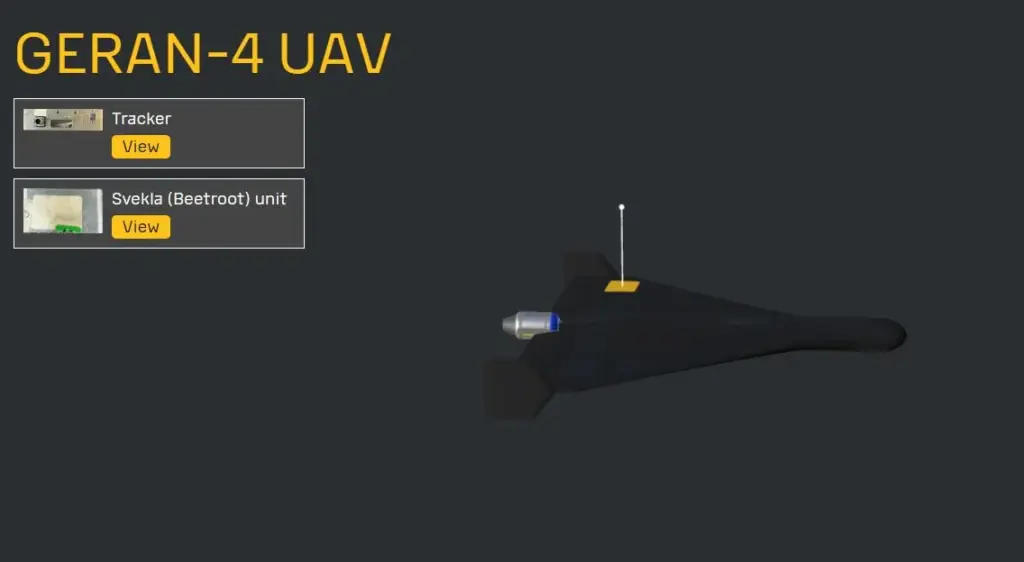
Leaked Ukrainian documents cited by The Telegraph say the jet-powered Geran-4 and Geran-5 can carry 90-kilogram warheads. However, Ukrainian military intelligence puts the Geran-4’s range at up to 450 kilometers, while the larger Geran-5 has a stated range of up to 1,000 kilometers — enough to reach Warsaw from several of the new sites.
DroneSec founder Mike Monnik said expanded launch capacity and harder-to-intercept technology together increase pressure on Ukrainian air defenses.
Russia builds military infrastructure along NATO’s northern flank
Russia is also expanding military infrastructure elsewhere along NATO’s borders. A Nordic-Baltic investigation identified new or expanded infrastructure from Norway to Kaliningrad, with potential capacity for up to 115,000 personnel.
Satellite imagery showed new barracks, ammunition warehouses, and expanded bases near NATO’s northern and Baltic members.
The Institute for the Study of War, a US-based think tank, assessed that the construction likely supports future Russian operations against NATO rather than an imminent attack. Most Russian combat power remains committed to Ukraine, it said.
Other drone hubs support rapid Russian attacks
Russia has already built comparable hubs for attacks on Ukraine. Satellite imagery analyzed by the open-source intelligence group Strategic Aviation of Russia showed 10 additional launchers under construction at Tsymbulova in Oryol Oblast, following the start of work on 22 April 2026.
At occupied Donetsk Airport, the group identified enlarged launch pads, roads to a Geran and Gerbera drone warehouse, and the apparent construction of another storage building.
Ukraine’s Security Service (SBU) said it struck Shahed storage and launch sites at Primorsko-Akhtarsk on 2 August 2025. Ukraine’s Unmanned Systems Forces commander Robert "Madyar" Brovdi reported hitting drone logistics, warhead-storage, and preparation facilities at Donetsk Airport on 30 December 2025.
486 Africans recruited into Russia’s armed forces are dead, while Ukraine is holding 35 citizens from 17 African countries as prisoners of war, Ukraine’s Ministry of Foreign Affairs (MFA) told Ukrainian public broadcaster Suspilne in findings published on 16 August 2026. Its overall tally rose only slightly from May, climbing from 2,965 recruits from 36 countries to at least 2,982 from 37.
Russia’s recruitment in Africa is part of a broader effort to enlist foreigners f
486 Africans recruited into Russia’s armed forces are dead, while Ukraine is holding 35 citizens from 17 African countries as prisoners of war, Ukraine’s Ministry of Foreign Affairs (MFA) told Ukrainian public broadcaster Suspilne in findings published on 16 August 2026. Its overall tally rose only slightly from May, climbing from 2,965 recruits from 36 countries to at least 2,982 from 37.
Russia’s recruitment in Africa is part of a broader effort to enlist foreigners for its war. A joint human-rights investigation found that Russia had recruited at least 27,000 people from more than 130 countries since 2022. The system helps Moscow replenish its forces while shifting battlefield risk onto foreigners, many of whom are drawn in by financial pressure, deception, or coercion.
The largest groups of recruits came from Kenya, Egypt, Cameroon, Ghana, Nigeria, Uganda, Algeria, and Mali, the ministry told Suspilne.
Russia’s wider recruitment pipeline in Africa
Russian security services use a “broad arsenal of manipulative methods,” the Ukrainian MFA said. Recruiters promise civilian jobs, education, high salaries, Russian citizenship, or migration benefits. In many cases, foreigners must sign Russian-language military contracts under threat of deportation or imprisonment.
The FIDH–Truth Hounds–KIBHR report found recruiters using social media and intermediaries to advertise civilian jobs. Of 16 foreign POWs interviewed, 13 said they had been promised they would not fight. Most reached combat positions within weeks.
The human toll on African recruits
Kenyan engineer Francis told journalist Dmytro Karpenko, who interviews prisoners captured while fighting for Russia, that he thought he had accepted a security job. In Russia, he received a military uniform instead. After two weeks of training, he reached the front and was captured.
Ukraine’s response to Russia's recruitment campaign
Ukraine’s diplomatic missions regularly inform African officials about the recruitment of their citizens and run awareness campaigns, according to the ministry.
The MFA and Ukraine’s POW Coordination Headquarters also launched Stop Russian Recruiters, a website that explains recruitment methods, shares victims’ accounts, advises people at risk and their families, and accepts reports about recruiters.
Grant cancellations at leading research institutions appear to target study of impacts of racism on brain healthA new round of scientific grant cancellations has hit brain health and Alzheimer’s disease research at two leading research institutions, Emory University and the University of Pittsburgh.The latest cancellations are the Trump administration’s most recent effort to remove disfavored topics from the National Institutes of Health (NIH) $47bn scientific portfolio – and appear to target th
Grant cancellations at leading research institutions appear to target study of impacts of racism on brain health
A new round of scientific grant cancellations has hit brain health and Alzheimer’s disease research at two leading research institutions, Emory University and the University of Pittsburgh.
The latest cancellations are the Trump administration’s most recent effort to remove disfavored topics from the National Institutes of Health (NIH) $47bn scientific portfolio – and appear to target the study of the impacts of racism.
Hi-tech cameras orbiting Earth and on the ground, along with AI, help firefighters extinguish blazes before they spreadThe fires in Spokane, Washington, this summer are the latest reminder that when a wildfire is detected can be just as important as where it starts. A blaze found within minutes can often be contained before it spreads. Wait too long, and a small spark can become a major disaster.A new effort to shorten that timeline began in July when a SpaceX rocket carried the first three Fire
Hi-tech cameras orbiting Earth and on the ground, along with AI, help firefighters extinguish blazes before they spread
The fires in Spokane, Washington, this summer are the latest reminder that when a wildfire is detected can be just as important as where it starts. A blaze found within minutes can often be contained before it spreads. Wait too long, and a small spark can become a major disaster.
A new effort to shorten that timeline began in July when a SpaceX rocket carried the first three FireSat satellites into orbit. The trio is the first part of a planned network of 50 satellites built solely to spot wildfires while they are still small enough to stop.
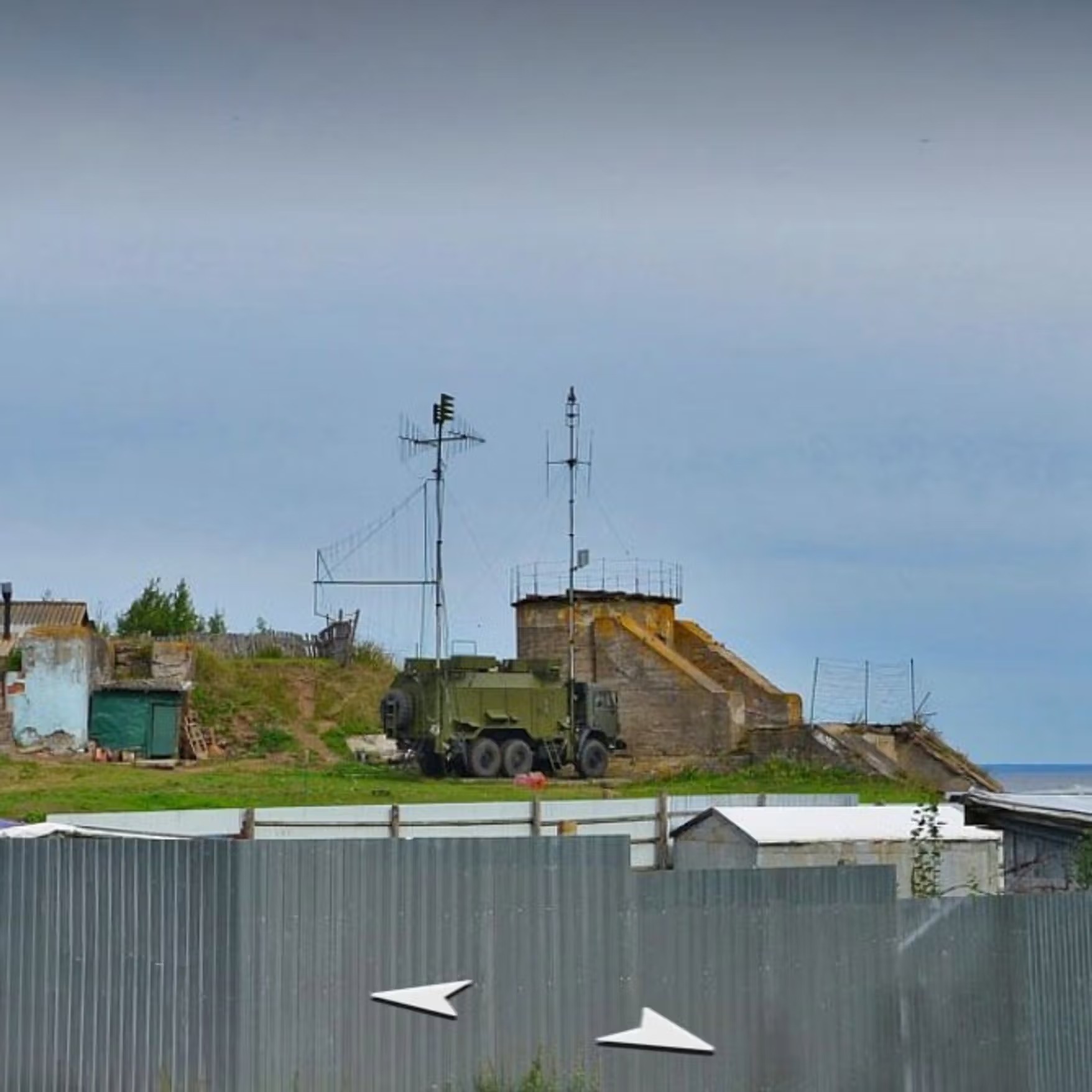
Russia's most-used mapping service has digitally hidden a military missile site near Finland by copying a fake forest over it on satellite imagery, Finnish public broadcaster Yle reported. Western map services still show the same position, and a Finnish military analyst called the concealment careless and self-defeating. The clumsy edit points to Moscow's growing fear of Ukrainian drones.
Ukraine's drones now reach thousands of kilometers into Russia, striking refin
Russia's most-used mapping service has digitally hidden a military missile site near Finland by copying a fake forest over it on satellite imagery, Finnish public broadcaster Yle reported. Western map services still show the same position, and a Finnish military analyst called the concealment careless and self-defeating. The clumsy edit points to Moscow's growing fear of Ukrainian drones.
Ukraine's drones now reach thousands of kilometers into Russia, striking refineries, defense plants, and naval yards once thought safe. That expanding reach has upended Moscow's sense of a protected rear across the war.
What Yandex tried to erase
The concealed site sits beside the Kronstadt naval base, on Kotlin Island off St. Petersburg in the Gulf of Finland. Editing software copied trees from another image and laid them over the missile position. Until now, Russia mostly blurred sensitive locations rather than deleting them, but this edit tries to hide the target's existence outright. The same battery still appears on Google, Apple, and Microsoft satellite maps. In the covered zone, Russia has previously kept Bastion anti-ship missiles and their radar and reconnaissance systems.
A screenshot from Yandex's map service showing an electronic warfare base near Kronstadt. Photo: Yandex
A cover-up that gives itself away
Marko Eklund, a military expert and former Finnish intelligence officer, called the secrecy pointless. Western and Ukrainian analysts read their own satellite images, not Yandex, so the edit protects nothing in practice. He believes an administrative order drove it, and that the work was done sloppily. Anyone who knows what to look for can spot the seams and repeating patterns.
Explore further
Kronstadt, Russia’s major naval Base after Black Sea Fleet losses, gets hit by Ukrainian drones (VIDEO)
A pattern set by Ukraine's drones
Russia's map cover-ups have tracked Ukraine's deep strikes. A Moscow court ordered Yandex to mask an oil refinery in Ryazan in 2024 after repeated Ukrainian strikes, and a Nordic-Baltic investigation later counted 119 blurred sites near Russia's northwestern border. Blurring shows up at once, while cloned forest hides the tampering itself.
Kronstadt gives Russia one of its main Baltic Fleet bases, and Ukraine's drones have already reached it. In early June, they set a Russian missile corvette ablaze in dry dock there.
Exclusive: Raúl Torrez is drafting two bills with state lawmakers to bolster consumer protections and child safety online, building on state’s landmark case against MetaNew Mexico’s attorney general is mounting a full-court press against technology companies to improve their child safety measures, capitalizing on a landmark win in court against Meta earlier this year.Raúl Torrez is working with state lawmakers to draft two new bills he says will strengthen consumer protections and child safety o
Exclusive: Raúl Torrez is drafting two bills with state lawmakers to bolster consumer protections and child safety online, building on state’s landmark case against Meta
New Mexico’s attorney general is mounting a full-court press against technology companies to improve their child safety measures, capitalizing on a landmark win in court against Meta earlier this year.
Raúl Torrez is working with state lawmakers to draft two new bills he says will strengthen consumer protections and child safety online. The legislation, expected to be announced in the coming weeks, will build on the state’s case against the parent company of Facebook, WhatsApp and Instagram. A jury found in March that the company misled its users about the safety of its platforms and enabled harm, including child sexual exploitation. The social media giant was fined nearly $1bn as a result of the case.
Mon Carnet, le podcast · Farah RK : politique, réseaux sociaux, médias et citoyens À l’approche de l’élection présidentielle française de 2027, une transformation s’accélère dans le paysage médiatique. Les responsables politiques ne s’adressent plus uniquement aux grandes chaînes de télévision, aux radios et aux journaux. Ils doivent désormais composer avec une nouvelle génération de […]
Mon Carnet, le podcast · Farah RK : politique, réseaux sociaux, médias et citoyens À l’approche de l’élection présidentielle française de 2027, une transformation s’accélère dans le paysage médiatique. Les responsables politiques ne s’adressent plus uniquement aux grandes chaînes de télévision, aux radios et aux journaux. Ils doivent désormais composer avec une nouvelle génération de […]
Two adults allegedly attacked a 14-year-old Ukrainian girl and her 12-year-old brother after hearing them speak Ukrainian, Ukraine’s Consulate General in Gdańsk said. The attack occurred on 14 August 2026 in a park near a railway station in Bydgoszcz, north-central Poland.
The case comes amid a documented rise in anti-Ukrainian violence in Poland, with recent attacks reported throughout the country. Recent incidents include attacks on Ukrainians in Poznań and Wrocław, a
Two adults allegedly attacked a 14-year-old Ukrainian girl and her 12-year-old brother after hearing them speak Ukrainian, Ukraine’s Consulate General in Gdańsk said. The attack occurred on 14 August 2026 in a park near a railway station in Bydgoszcz, north-central Poland.
The case comes amid a documented rise in anti-Ukrainian violence in Poland, with recent attacks reported throughout the country. Recent incidents include attacks on Ukrainians in Poznań and Wrocław, as well as on people mistaken for Ukrainians or defending them. Police data obtained by the Polish newspaper Rzeczpospolita showed 180 hate-crime reports involving Ukrainian citizens in the first half of 2026, over 30% more than a year earlier.
The pair, a man and woman with a small dog, shouted obscenities and made nationality-based threats, the consulate said.
“They twisted a child’s arm, broke a toy drone, and threw fragments at the boy,” the Ukrainian consulate said, adding that the fragments scratched him.
The consulate said a complaint had been filed, police were searching for the pair, and the children were physically safe but severely stressed. It urged witnesses to contact the police. Polish police had not commented by the time of publication.
Other attacks on Ukrainians in Poland
The attack on the children came amid a string of assaults on Ukrainians across Polish cities.
Shortly after midnight on 13 August 2026, an intoxicated woman insulted two Ukrainian men, spat at one, and struck one of them outside a restaurant in Poznań, according to Polish media. Police detained her and another woman the following day.
In July, three men allegedly beat a young Ukrainian couple in Wrocław after first asking whether they were Ukrainian. Police detained two suspects and continued searching for the third.
That month, a man in Łódź attacked a passerby he supposedly mistook for a Ukrainian, breaking his nose and jaw. Three men also reportedly beat a 60-year-old Pole who intervened when they harassed a Ukrainian teenager on a Poznań tram.
The deepening Polish-Ukrainian rift and decline in relations
The attacks coincide with a broader decline in Polish-Ukrainian relations. Polish support for accepting Ukrainian refugees fell from 94% in March 2022 to 48% by early 2026, while politicians increasingly use Ukraine as a wedge issue.
Much of the fallout stems from disputes over the Volhynia massacres—the 1943–44 mass killings of Polish civilians by the Ukrainian Insurgent Army (UPA) and Polish retaliatory violence against Ukrainian civilians.
The dispute escalated after President Volodymyr Zelenskyy signed a 26 May decree granting a Ukrainian special forces unit the honorary title “Heroes of the UPA.” Polish President Karol Nawrocki responded on 19 June by stripping Zelenskyy of the Order of the White Eagle, Poland's highest state honor.
Ukrainian forces have used British drones to attack targets inside Russia for the first time, adding two UK-built systems to Kyiv’s arsenal, The Sunday Times reported on 15 August, citing Ukrainian military sources. The newspaper explicitly identified oil refineries in Volgograd and Yaroslavl among the targets struck during the previous six months.
Ukraine still relies mainly on domestically produced drones. But the British systems give Kyiv cheaper weapons that can be
Ukrainian forces have used British drones to attack targets inside Russia for the first time, adding two UK-built systems to Kyiv’s arsenal, The Sunday Timesreported on 15 August, citing Ukrainian military sources. The newspaper explicitly identified oil refineries in Volgograd and Yaroslavl among the targets struck during the previous six months.
Ukraine still relies mainly on domestically produced drones. But the British systems give Kyiv cheaper weapons that can be replenished and launched in volume. They help sustain Kyiv's attacks on Russian oil, logistics, and military targets without running down limited stocks of Western long-range missiles.
The Sunday Times called this a new phase in UK–Ukraine military cooperation. A senior British defense source said the deployments showed London was “not nervous anymore” about Russian pressure.
What British support adds to Ukraine’s homegrown drone force
Britain has supplied Ukraine with two systems with very different ranges. The Nyan, a jet-powered one-way attack drone made by BAE Systems subsidiary Callen-Lenz, can travel more than 150 miles. The second is catapult-launched and has a range above 600 miles; The Sunday Times withheld its manufacturer’s name on security grounds.
Long-range drones typically cost £50,000 to £100,000, compared with more than £750,000 to replace a Storm Shadow missile, the newspaper said. They can also be stockpiled and launched in swarms, helping Ukraine strain Russian air defenses without exhausting finite missile stocks.
The drones extend wider British support. In June, the UK announced funding for 150,000 Ukrainian-produced drones by the end of 2026. Ukrainian forces have also deployed British Rapid Ranger systems against Russian Shaheds and used UK-supplied Storm Shadows inside Russia, protecting Ukraine at home while widening its options across the border.
Ukraine’s deep-strike campaign reaches 52 Russian regions
Across Ukraine’s overall campaign, The Sunday Times reported almost 700 successful deep strikes between January and June. They reached 52 Russian regions and caused more than £35 billion (about $47.3 billion) in economic damage.
A senior Ukrainian military source said the British systems were proving successful. “When we launch them, we always say Slava Ukraini and God save the King,” the source told The Sunday Times.
Former UK Air Marshal Greg Bagwell predicted Moscow would “sabre rattle” and potentially declare British factories legitimate targets. Other defense sources warned of intensified cyberattacks or espionage against the UK.
Suspect, 19, who is not enrolled at the university arrested in connection with shooting of five people, authorities sayA young man suspected in connection with the shooting of five people on Saturday on the campus of Virginia State University (VSU) hid in a dormitory closet for more than 14 hours before being found and arrested, according to authorities.The suspect – identified as 19-year-old Camron Harris – was found in Seward Hall on VSU’s campus at 4pm, local police Lt James Lamb said, accord
Suspect, 19, who is not enrolled at the university arrested in connection with shooting of five people, authorities say
A young man suspected in connection with the shooting of five people on Saturday on the campus of Virginia State University (VSU) hid in a dormitory closet for more than 14 hours before being found and arrested, according to authorities.
The suspect – identified as 19-year-old Camron Harris – was found in Seward Hall on VSU’s campus at 4pm, local police Lt James Lamb said, according to the Virginia news outlet WTVR. The shooting occurred at about 1.30am on Saturday.
Famous raptor helped livestream viewers in difficult moments, and inspired a conservation project at her lake homeThe bald eagle Jackie made her home on the shore of southern California’s Big Bear Lake for most of her 14 years. But her death earlier this week drew international attention.The Los Angeles Times described her as “arguably the world’s most famous bald eagle”. For years, millions of people tuned into a live stream of Jackie’s nest, watching her rear her eaglets, work out life with he
Famous raptor helped livestream viewers in difficult moments, and inspired a conservation project at her lake home
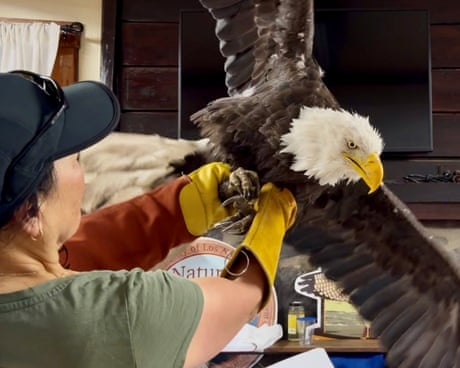
The bald eagle Jackie made her home on the shore of southern California’s Big Bear Lake for most of her 14 years. But her death earlier this week drew international attention.
The Los Angeles Times described her as “arguably the world’s most famous bald eagle”. For years, millions of people tuned into a live stream of Jackie’s nest, watching her rearhereaglets, work out life with her mate, Shadow, and, perhaps most memorably, incubate her eggs while almost completely buried in snow.

 Connexion