❌

Vue lecture

For Israel’s Neighbors in Middle East, the Election Offers Little Hope of a Reset

Few countries in the Middle East expect a turning point in relations with Israel. But the outcome of the vote has implications for the regional conflict with Iran.

© David Guttenfelder/The New York Times

Parts of Lebanon have been greatly damaged in fighting between Israel and Hezbollah since March, including the Dahiya neighborhood, a Hezbollah stronghold in the capital, Beirut.
  •  

Trump is in a corner and likely to lash out at Iran again. Here’s how to avert that disaster | Simon Tisdall

Once the midterms are over, Trump will be free to pursue vendetta politics. But with will and diplomacy, he can be reined in

As another Iran catastrophe looms, one question matters more than any other: how to stop it before it’s too late? Whatever the eventual outcome of Israel’s election and next week’s US midterm polls, Donald Trump, playing the Lone Ranger, and Benjamin Netanyahu, his badass Tonto, appear hell-bent on resuming the illegal war of choice they began in June last year and expanded in February. Like a Shakespearean tragedy moving inexorably to a bloody denouement, the worst is yet to come. And yet three things seem certain: the US and Israel will again fail to totally destroy Iran’s largely hypothetical nuclear capabilities; its regime will survive; and millions of ordinary people, there and around the world, will pay the price for this unjustified, reckless aggression.

Ducking and weaving, Trump is desperate to dodge the blame for the Republicans’ anticipated midterm meltdown, largely triggered by war-related fuel and consumer price inflation. He claimed Ukraine’s attacks on Russian refineries were responsible, but that didn’t wash. He cut a treacherous diesel deal with Vladimir Putin but, as usual, Russia’s smirking mafioso conned him. He urged US allies to tap their strategic reserves but, unsurprisingly, vilified and sidelined European leaders, who view his war as an unmitigated disaster and declined to bail him out. Trump also reportedly rebuffed last-gasp, electorally driven pressure from Netanyahu to hit Iran this month, fearful it would unleash a Democratic tsunami.

Simon Tisdall is a Guardian foreign affairs commentator

Continue reading...

© Photograph: Chip Somodevilla/Getty Images

© Photograph: Chip Somodevilla/Getty Images

© Photograph: Chip Somodevilla/Getty Images

  •  

Germany’s Helsing promises jet-drone-hunting missiles at under $100,000 a shot—its CEO doesn’t expect them on the market before 2027

Helsing’s Inferno missile.

German defense AI firm Helsing has unveiled Contra, an AI-run air defense system and two interceptor missiles designed to chase Russia’s jet-powered Geran drones, the company announced on 26 October. Officials pitch it as cheap, but it won’t reach the market this winter.

That leaves Ukraine on its own defenses as Russia shifts to jet drones. By early October, jet models made up about 40% of Russian drone launches, and Ukraine’s own interceptors for them won’t arrive in needed numbers before late November, Air Force Deputy Commander Yurii Cherevashenko said.

Two missiles, one AI brain

Contra is the command layer of air defense: it links radars and other sensors, tracks incoming drones and missiles, and assigns a weapon to each target, while people keep control over decisions, Helsing said. Besides the company’s own missiles, it can also use other firms’ interceptors, lasers, guns, or nets. AD-1 Inferno is jet-powered and designed to loiter, swarm, and re-engage targets, while AD-2 Ambush, a solid-fuel rocket, is designed to reach Mach 2.5, over twice the speed of sound, and a range of more than 20 km, the company said.

Inferno, with a 700 km/h speed and a 20-km range, would be the everyday shooter. Ambush would handle “leakers,” drones about to hit the ground, said Maxwell Adams, Helsing’s senior product director. Each shot should cost under $100,000, company officials said.

Built for the faster Gerans

Ukraine once downed 90% of Russia’s slower, propeller-driven Gerans, copies of Iran’s Shahed, Defense News reported. Russia has since fielded thousands of jet Geran-4s and Geran-5s flying at 400–700 km/h, and almost half now get through, Helsing co-founder and co-CEO Gundbert Scherf said.

Ukraine’s own nightly rates swing widely. On 28 September, President Zelenskyy put the shoot-down rate for jet drones at 57%. Overnight on 7 October, it exceeded 82%, National Security and Defense Council Secretary Ihor Klymenko said. Russian output of the two models has reached 4,000 a month, Helsing said, citing unspecified intelligence reports.

A HX-2 AI drone.
Explore further

German company introduces AI-powered HX-2 drone for Ukrainian military

Helsing has signed one Contra contract, Scherf said, but the system is still in testing, and he expects it on the market in the second half of 2027. Ukraine already uses Helsing’s HX-2 strike drones. Scherf said they should be integrated into a system like Contra.

  •  

A 4-watt video link passed Ukraine’s state tests, its maker says, and could stretch STING interceptors’ radius from 20 km to 30 km

Hornet Vision Ctrl system and Sting interceptor.

A new video transmitter for Wild Hornets’ drones, including its STING interceptors, has passed state tests, the Ukrainian drone maker told Militarnyi. The module sends a drone’s camera feed to its pilot. The company expects it to widen its interceptors’ operating radius.

Russia launched 140 Shahed-type drones at Ukraine overnight on 26 October and 280 the next night, when its main target was Kyiv, Air Force figures as of the morning show. Interceptor drones, which cost dozens of times less than the Shaheds they hunt, are one of Ukraine’s answers. The STING alone downed more than 3,000 drones in its first seven months of use, Wild Hornets says. If the company’s estimate holds, a 30 km radius would let each ground station cover more than twice the area it covers at 20 km.

What the testers checked

Specialists from the State Research Institute for Testing and Certification of Arms and Military Equipment and the Defense Ministry’s State Quality Assurance Directorate confirmed the module’s declared characteristics on three drone types, the company said. The three were the STING interceptor, the Queen of Hornets cargo platform, and the 10-inch Wild Hornets Digital anti-aircraft drone.

Some of the drones’ figures exceeded the values the company had set for them, Wild Hornets told Ukrainian defense outlet Oboronka, without saying which ones. Those figures will enter the official specifications after further field tests, it said.

More than double the power

The module, called HV VTX Pro, is part of an upgrade to Wild Hornets’ Hornet Vision digital video system. It more than doubles the transmitter’s maximum power, to 4 W. That sends a clear picture farther and makes the feed steadier in crowded airwaves and under electronic jamming, the company said.

Hornet Vision Ctrl system
Hornet Vision Ctrl system. Photo: Wild Hornets

Wild Hornets first described the module in August, when it was already in serial production. Its interceptors’ operating radius would grow from around 20 km to 30 km, the company said at the time. That estimate assumed good line of sight and the 360-degree antenna on its ground stations, according to a company statement Interfax-Ukraine quoted. Interception could also become at least 20% more effective against targets flying extremely low, the statement said.

Wild Hornets is a Ukrainian company that designs and builds drones, from strike FPV drones and cargo platforms to the STING, which the company says flies at up to 280 km/h to hunt Shaheds. Its drones serve with more than 100 units of Ukraine’s Defense Forces, from the army and the National Guard to military intelligence, the Air Force, and the border guard, according to Interfax-Ukraine.

  •  

RAF Fairford Incident Was Coordinated By Man Acting for Iran, UK Prosecutors Say

Two British men were charged Tuesday over a suspected plot targeting a base used by the United States. Prosecutors believe they were directed by a man working for Iran.

© Toby Shepheard/Reuters

Police officers outside the perimeter of the R.A.F. Fairford air base in Gloucestershire, England, last month.
  •  

Netanyahu Pushed for Attack on Iran Ahead of Israeli Election, Officials Say

Israel’s military chief resisted the prime minister, who then pressed in recent days for a separate action, short of an overt strike, according to an official and a person briefed on the matter.

© Jack Guez/Agence France-Presse — Getty Images

A campaign billboard in Tel Aviv depicting Prime Minister Benjamin Netanyahu and President Trump on Monday, the eve of Israel’s national election.
  •  

Flurry of Diplomacy in Iran Amid Reports of U.S. and Israeli Plans to Renew War

Saudi Arabia, Turkey and Pakistan made a rare joint visit to Tehran amid reports that the U.S. and Israel were drawing up plans to renew their attacks on Iran.

© Mohammed Salem/Reuters

Mohsen Rezaei, the head of Iran’s Supreme National Security Council, in July. He will meet with a delegation from countries in the Mecca Pact to discuss conflict in the region, according to an Iranian official.
  •  

U.S. Army Trains Apache Helicopter Pilots to Shoot Drones

The U.S. Army is training Apache pilots to shoot down drones as militaries around the world assess the efficacy of 20th-century technologies in a new era.

© Lena Mucha for The New York Times

An Apache helicopter hovering during Operation Skyfall II at the Grafenwöhr Training Area in Germany.
  •  

Saudi Arabia Reopens Riyadh Airport Even as Houthis Threaten Further Strikes

The Houthis, an Iran-backed Yemeni militia, launched several deadly attacks on the airport this month.

© Agence France-Presse — Getty Images

The departure terminal at King Khalid International Airport in Riyadh, Saudi Arabia, in April.
  •  

A New Level of Threat and Fear Risks Pushing the U.S. and Iran Back to Full War

With new intelligence and the possibility of all sides seeking pretexts for action, the war in Iran is entering a dangerous phase ahead of elections in the United States and Israel.

© Arash Khamooshi/Polaris for The New York Times

A senior official in Iran took to social media in recent days to say the country was preparing to take on its adversaries with surprise attacks.
  •  

Iranians Face Anxious Wait as Threat of Attack Looms

The United States and Israel have drawn up plans to renew strikes against Iran, creating a sense of dread among war-weary residents.

© Arash Khamooshi/Polaris for The New York Times

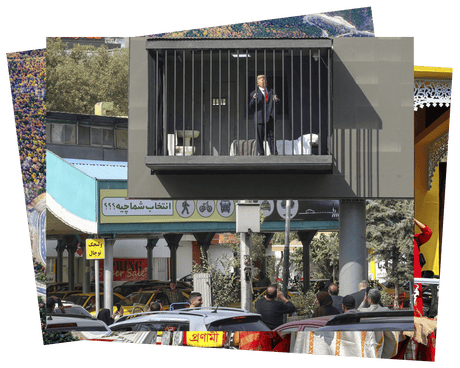
People passing photos of the three supreme leaders and a display featuring a Donald Trump impersonator behind bars in Tehran, on Thursday.
  •  

Iran in ‘Advanced Stages’ of Planning Attacks Against Americans, Officials Say

The U.S. government has ordered diplomats and other federal employees to leave Saudi Arabia. It is also drawing down staff at other missions in the region.

© Ahmad Al-Rubaye/Agence France-Presse — Getty Images

Security stationed outside the U.S. embassy in Baghdad’s fortified Green Zone in March.
  •  

40,000 tons of Russian diesel are bound for New York—due four days after Americans vote

The DF Peak crude oil tanker, part of Russia's shadow fleet. Photo: VesselFinder

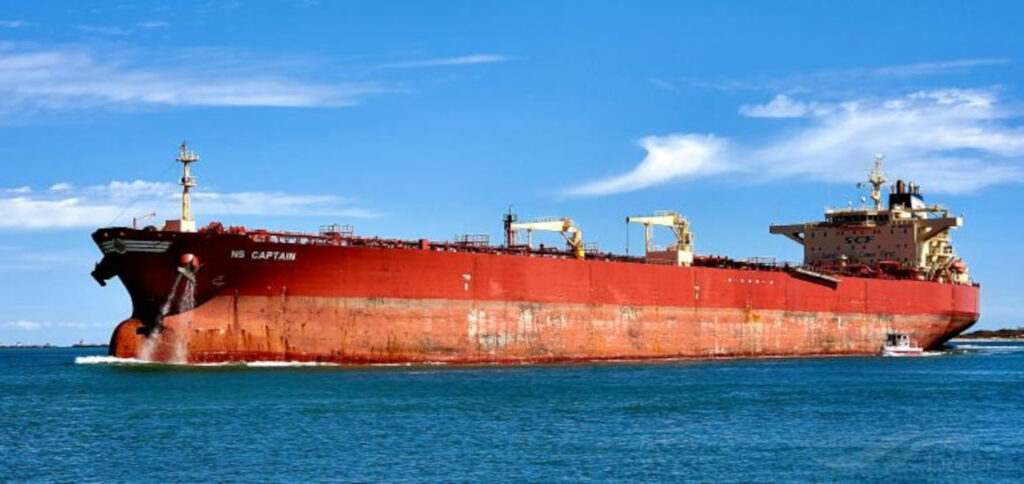
A Malta-flagged tanker carrying Russian diesel is heading for New York after the fuel deal between US President Donald Trump and Russian President Vladimir Putin, Reuters reported in an exclusive on 23 October, citing LSEG shipping data. Two weeks earlier, the US Treasury temporarily waived sanctions on Russian diesel.

The tanker is due in the US on 7 November, four days after Americans vote in the midterms. So the first US-bound cargo cannot reach American pumps before the election. Energy analysts also doubt the deal will lower diesel prices meaningfully. US fuel prices rose mainly because the war with Iran disrupted shipping through the Strait of Hormuz. Trump, however, has blamed Ukraine’s strikes on Russian refineries.

Loaded on the day Moscow promised

The medium-sized tanker Agioi Fanendes took on 40,000 metric tons of ultra-low sulfur diesel at the Baltic port of Primorsk on 22 October, shipping data showed. In March, Ukraine’s General Staff said its drones hit the Transneft oil terminal at that same port.

A day before the loading, Russian Deputy Prime Minister Alexander Novak announced that the first tanker would sail for the US on 22 October. He pledged more shipments and said Russia would meet US needs within its capabilities.

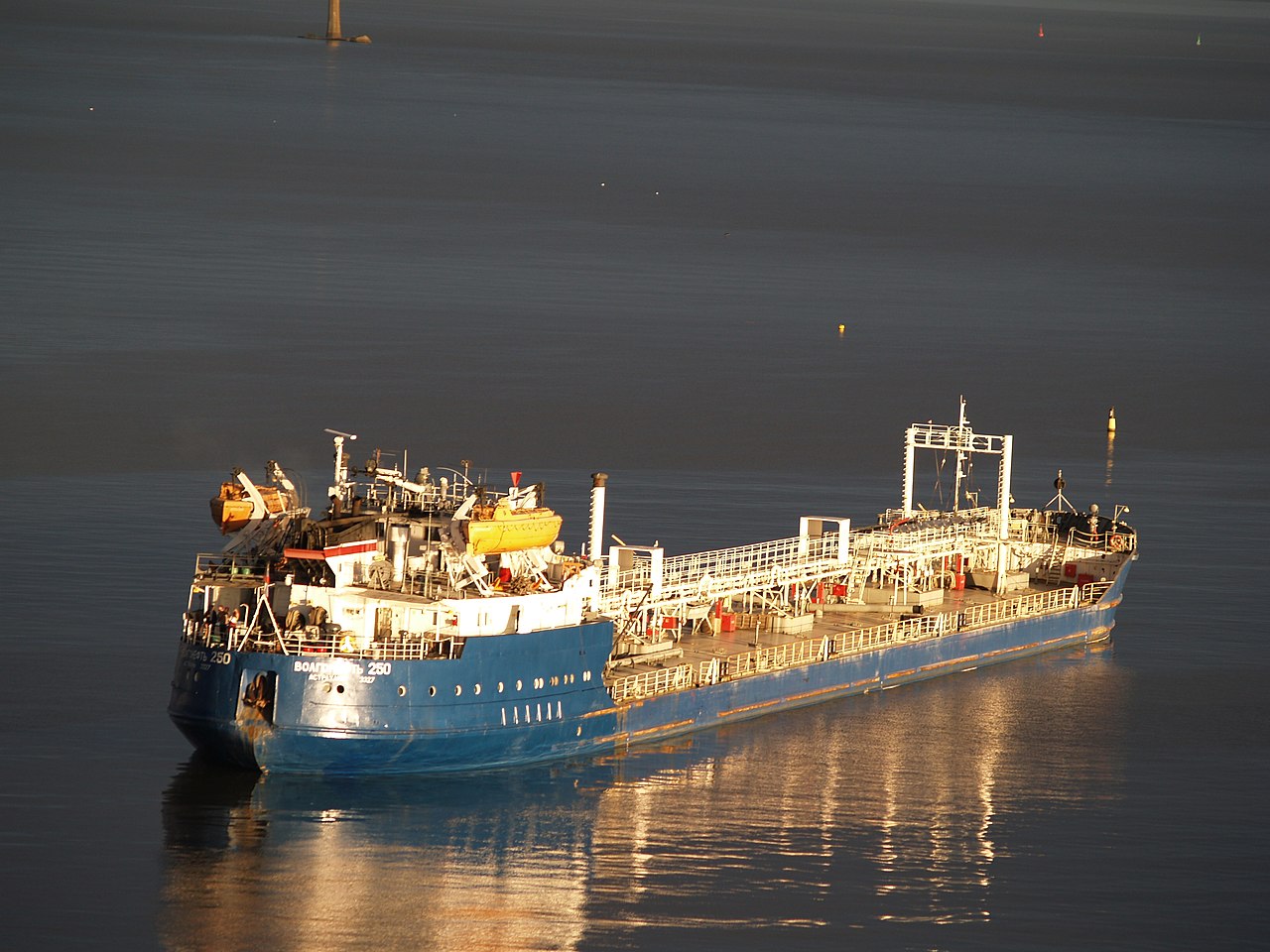
A Russian oil tanker, illustrative image. Photo via Wikimedia.
Explore further

Russia resumes diesel exports to Türkiye, Brazil, after Trump lifts sanctions on fuel supplies, boosting Moscow’s war revenue – Reuters

From a pledge to a partial lift

On 9 October, Trump wrote that Russia would immediately supply over 300,000 tons of diesel “to the American and Global Marketplace.” Another 500,000 tons would follow in November, then 1 million tons “immediately thereafter.”

Moscow had banned diesel exports on 8 July, after Ukrainian drone strikes shut down refineries and caused fuel shortages inside Russia. The Russian government stated on 10 October that it had partially lifted the ban, clearing 500,000 tons for the world market at this stage. Russian diesel shipments to Türkiye and Brazil have since resumed, boosting Moscow’s war revenue.

Trump has made other moves to cut diesel prices before the vote, Reuters reported. He waived parts of a new sanctions law against Russia. He also threatened Europe with a US diesel export ban unless countries released more fuel from their emergency reserves.

  •  

The Epstein Files Produce an Unlikely Weapon for the Houthi Messaging Wars

The Yemeni militia is using the culture of its sworn enemies in the renewed fighting with Saudi Arabia.

© Osamah Abdulrahman/Associated Press

Houthi supporters chanting slogans and holding pictures of Abdul Malik al-Houthi, the Houthi leader, in Sanaa, Yemen.
  •  

Some US diplomats told to leave Saudi Arabia amid Houthi attacks

Similar withdrawals from UAE, Jordan, Qatar and Bahrain reported as concerns grow about restart of war on Iran after US midterm elections

The US state department has ordered some diplomats and the families of US government employees to leave Saudi Arabia as the gulf kingdom faces a barrage of near-daily attacks, with at least three people killed at an airport and oilfield.

Attacks on “civilian airports and other critical infrastructure” by the Iranian-supported Houthis in Yemen were highlighted as the reason for the drawdown. The state department spokesperson, Tommy Pigott, said: “The safety and security of department personnel and their families remain our highest priority.”

Continue reading...

© Photograph: AFP/Getty Images

© Photograph: AFP/Getty Images

© Photograph: AFP/Getty Images

  •  

Houthi Strike on Saudi Airport Kills 2 as U.S. Tells Some Diplomats to Leave

The airport is in Dammam, which is near the headquarters of oil giant Saudi Aramco. For weeks, Yemen’s Iran-backed Houthi militia has been attacking the kingdom’s aviation and energy sectors.

© Afzal Khan/Alamy

King Fahd International Airport in Dammam, Saudi Arabia, in 2025.
  •  

From “bad-guy fleet” to “good-guy fleet”: US will let investors buy sanctioned tankers and return them to legal trade

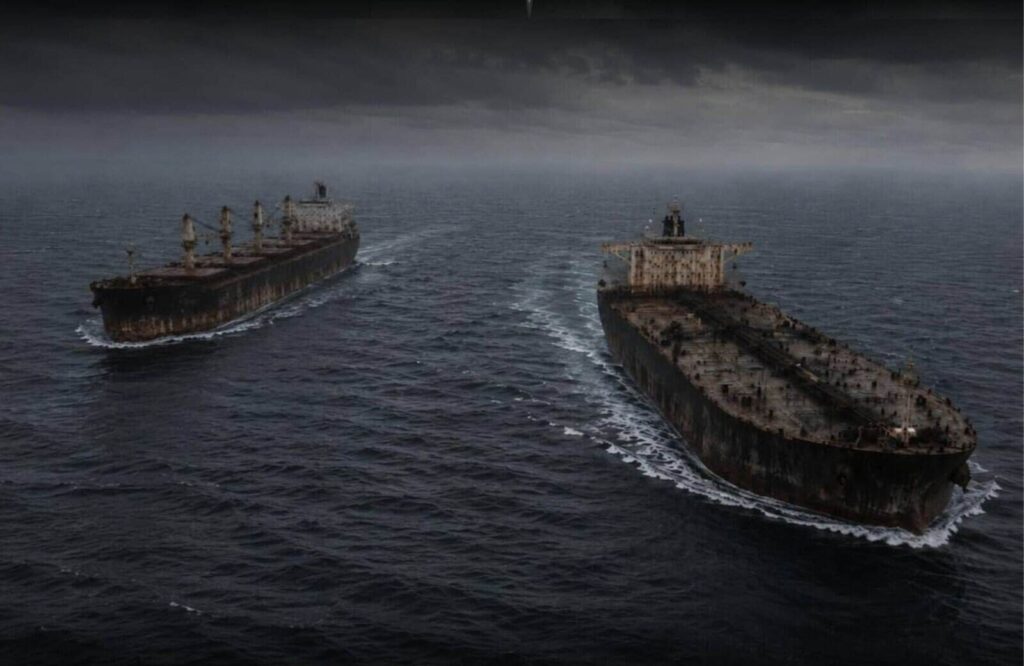
Two weathered cargo ships sail across a dark sea beneath heavy storm clouds.

Investors who buy idle sanctioned tankers and refit them could put the ships back into legal oil trade, US Energy Secretary Chris Wright said on 19 October, Bloomberg reported. He laid out the plan five days after a US official described it to Reuters.

That official said the aim was to cut record tanker freight rates. The Energy Department added that any relief would not help Russia move its oil. The plan comes weeks before the 3 November midterms, with voters worried about fuel costs after gasoline and diesel prices surged in the Mideast conflict. Yet the shadow fleet is also how Russia sells oil past sanctions, and those sales fund its war against Ukraine. In December 2025, Ukraine’s foreign intelligence counted more than 1,100 tankers serving Russia alone, 226 of them under US sanctions.

An approval process Wright didn’t detail

Many sanctioned tankers sit idle, Wright told Bloomberg’s Annmarie Hordern, and buyers keep approaching the administration offering to fix them up and carry only legal oil.

“We’re going to move some of the ships from what I call the ‘bad-guy fleet’ to the ‘good-guy fleet,’” he said. “They will not carry sanctioned oil anymore.”

The ships must go through an approval process, Wright said, but he gave no criteria. He insisted “there is no removing of sanctions.”

He put the global dark fleet at about 1,600 ships, a count covering vessels that hauled Venezuelan, Iranian, and Russian oil. Dozens or even hundreds could turn legitimate, he said. The ships are no longer needed for Venezuelan oil, Wright said, and no Iranian oil is moving. Russian oil exports, he added, “are certainly not growing.”

Diesel, a waiver, and the tankers

Earlier, on 9 October, the Treasury issued General License 135, allowing some deals in Russian diesel until 7 April 2027. On 16 October, US President Donald Trump waived sanctions and tariffs under the Graham Act, leaving earlier sanctions intact. That law had directed him to review and sanction shadow-fleet vessels. Trump defended the waiver as a way to keep Moscow at the negotiating table.

House Speaker Mike Johnson told Fox News host Larry Kudlow on 18 October that he had asked the White House team to “carefully consider the unintended consequences,” The Hill reported. He added that he thought “the right decision will be made” in the end.

  •  

U.S. and Israel Draw Up Plans for Renewed Strikes on Iran After Midterm Elections

Renewed hostilities might not be any more successful than the war’s first phase, and President Trump has repeatedly canceled plans for a return to major combat.

© Arash Khamooshi/Polaris for The New York Times

A site of a U.S.-Israeli airstrike in Tehran in March.
  •  

Trump’s approval rating drops to 36% two weeks before midterms, poll finds

Voters disapprove of Trump’s handling of economy and cost of living, says poll in new low recorded by NY Times/Siena

Donald Trump’s approval rating sank to 36% just two weeks before the midterm elections, the lowest recorded in a poll by the New York Times/Siena College, with most respondents expressing frustration over his handling of the US economy, cost of living and Iran war.

In an October survey of approximately 3,494 likely voters, 59% said they disapproved of Trump’s handling of his job, and 52% said they planned to vote for the Democratic candidate in the upcoming election.

Continue reading...

© Photograph: Brendan Smialowski/AFP/Getty Images

© Photograph: Brendan Smialowski/AFP/Getty Images

© Photograph: Brendan Smialowski/AFP/Getty Images

  •  

The British Police Rearrest Two in Connection With Alleged Terror Plot

The counterterrorism police investigating a threat against an English air base used by U.S. bombers said the two men were working on behalf of Iran.

© Toby Shepheard/Reuters

A B‑1B Lancer bomber at the R.A.F. Fairford air base in Fairford, Gloucestershire, England, last month.
  •  

From Iran to AI: the six key voter issues shaping the US midterm elections

Much of Donald Trump’s unpopularity in polls stems from dissatisfaction over the economy and war on Iran

***

Continue reading...

© Illustration: Guardian Design

© Illustration: Guardian Design

© Illustration: Guardian Design

  •  

Iran, Taunting Trump Over Gas Prices, Braces for Aftermath of Midterm Elections

The midterm elections appear to be a factor for both sides in the war as President Trump weighs his next steps.

© Brandon Tauszik for The New York Times

President Trump is wary of military escalation that could drive oil prices even higher and anger voters who already mostly oppose the Iran conflict.
  •  

Houthi Strikes Kill Dozens in Yemeni Desert Military Camp, Officials Say

The Iranian-backed militia struck with ballistic missiles deep in government-held central Yemen, in what appeared to be among the deadliest attacks of the renewed war.

© Social Media, via Reuters

A still from a social media video verified by The New York Times as from Al Alam camp in Shabwa Province, Yemen, after officials said Houthi strikes killed dozens of Yemeni soldiers on Monday.
  •  

Trump calls Ukraine’s renewed refinery strikes “a disgrace” after Russia’s 39-missile strike on its energy sites

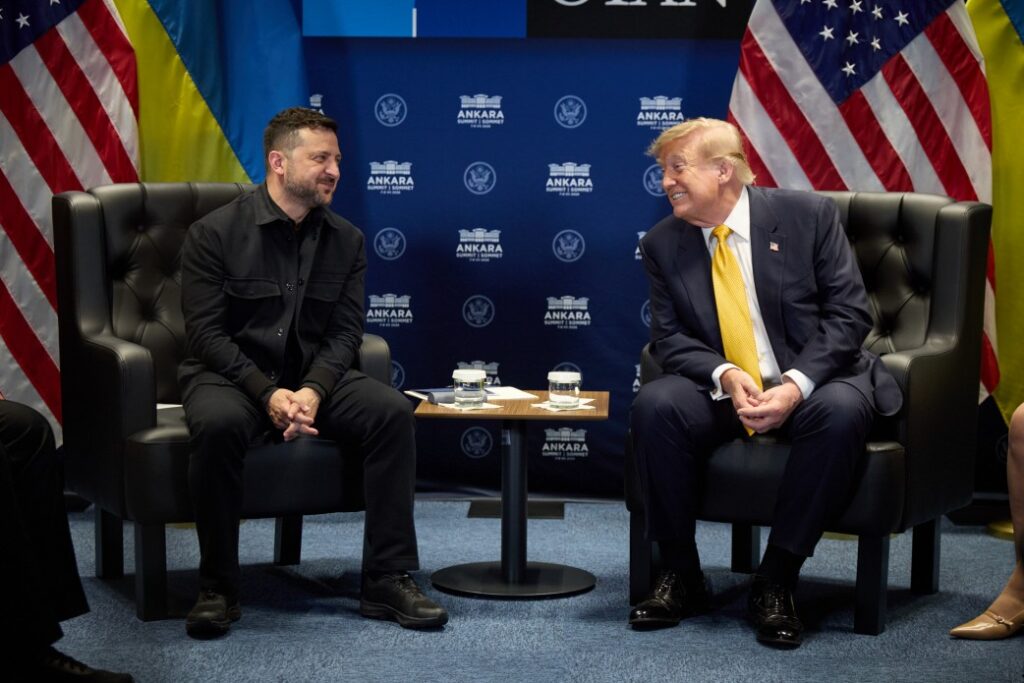
again trump presses zelenskyy stop russian refinery strikes · post ukrainian president volodymyr meets donald ankara türkiye 8 2026 presidentgovua ukraine news reports

US President Donald Trump called Ukraine’s renewed strikes on Russian oil refineries a disgrace in an interview with Newsmax and questioned President Volodymyr Zelenskyy’s will to settle the war on 15 October. His statements came after he made a deal with Russian President Vladimir Putin to allow Russian diesel back into the US ahead of the mid-term elections in the US.

Kyiv says its long-range strikes have knocked out more than half of Russia's refining capacity, one of the few levers it controls on Moscow's war income, according to Ukraine's Defense Ministry. This is part of efforts to reduce the aggressor's capabilities to launch assaults, including the latest, during which four Russian regions fired 39 Iskander-M, North Korean KN-23, hypersonic Zircon, and supersonic anti-ship cruise Oniks missiles, Zelenskyy said.

Trump criticizes Zelenskyy over oil prices while remaining silent on Russian strikes

Earlier, Zelenskyy said that Ukraine stopped refinery strikes for three days to meet US wishes after Trump announced an “energy ceasefire” on 11 October. At the same time, Russia struck a Kharkiv heat-and-power plant within hours of the announcement, he emphasized.

Meanwhile, in the interview with Newsmax, Trump said Zelenskyy is only pushing world oil prices higher.

“Well, I think that’s a disgrace,” he said.

He added that Ukraine has other options: “There are a lot of targets that you can hit.”

At the same time, Trump didn't say a word about Russian strikes on Ukraine's civilian buildings and power infrastructure ahead of the winter.

Trump compares Zelenskyy to a circus showman

The US leader said he is “not a big fan” of Zelenskyy. He claimed both sides “would like to see it end,” but that he finds Zelenskyy “more difficult to deal with than Putin.”

Kremlin welcomes Trump National Security Strategy as aligned with Russian vision on Ukraine
Explore further

US weighs relief for sanctioned shadow fleet tankers, days after freeing Russian diesel

He also said that he believes the depletion of US ammunition stockpiles is linked to the aid provided to Ukraine under the Biden administration, rather than the war with Iran.

Ukraine has repeatedly offered to help the US counter Iranian drones during the operation. The New York Times reported that a Ukrainian team departed the day after the US made such a request.

Nevertheless, despite Kyiv’s offers and actions, Trump once again compared Zelenskyy to P. T. Barnum, the 19th-century American circus showman, saying that he received a tremendous number of Patriots and Tomahawks.

However, there is no public confirmation that Tomahawk missiles were transferred to Ukraine during the Biden administration.

  •  

Democratic Senators Move to Block U.S.-Saudi Nuclear Deal

The move will force a vote on the agreement after the midterm elections, though it faces steep odds in the Republican-controlled Congress even amid bipartisan concern about the deal.

© Evelyn Hockstein/Reuters; Joshua Roberts/Reuters

  •  

US weighs relief for sanctioned shadow fleet tankers, days after freeing Russian diesel

Kremlin welcomes Trump National Security Strategy as aligned with Russian vision on Ukraine

The Trump administration is weighing looser sanctions on shadow fleet tankers that have hauled oil from Russia, Iran, and Venezuela, a US official said on 14 October, Reuters reported. An industry research group expects the change to do little for freight rates.

With Reuters calling high fuel prices a risk for Trump before the 3 November midterms, Washington has already eased sanctions on Russian oil and diesel this year and is now looking at the ships blacklisted for hauling sanctioned cargoes. In March, Treasury Secretary Scott Bessent said a waiver on Russian oil at sea would bring Moscow no significant financial benefit, yet Russia’s seaborne oil income jumped by $890 million in the week to 15 March, Bloomberg data showed.

“Legal oil” on blacklisted ships

The talks center on letting “legal oil” sail on previously sanctioned vessels, the official said. Only crude or fuel free of US sanctions would qualify, not Russian or Iranian oil. Washington wants more crude and refined products moving out of the Gulf, the official added. Companies would need US Treasury approval to use the ships.

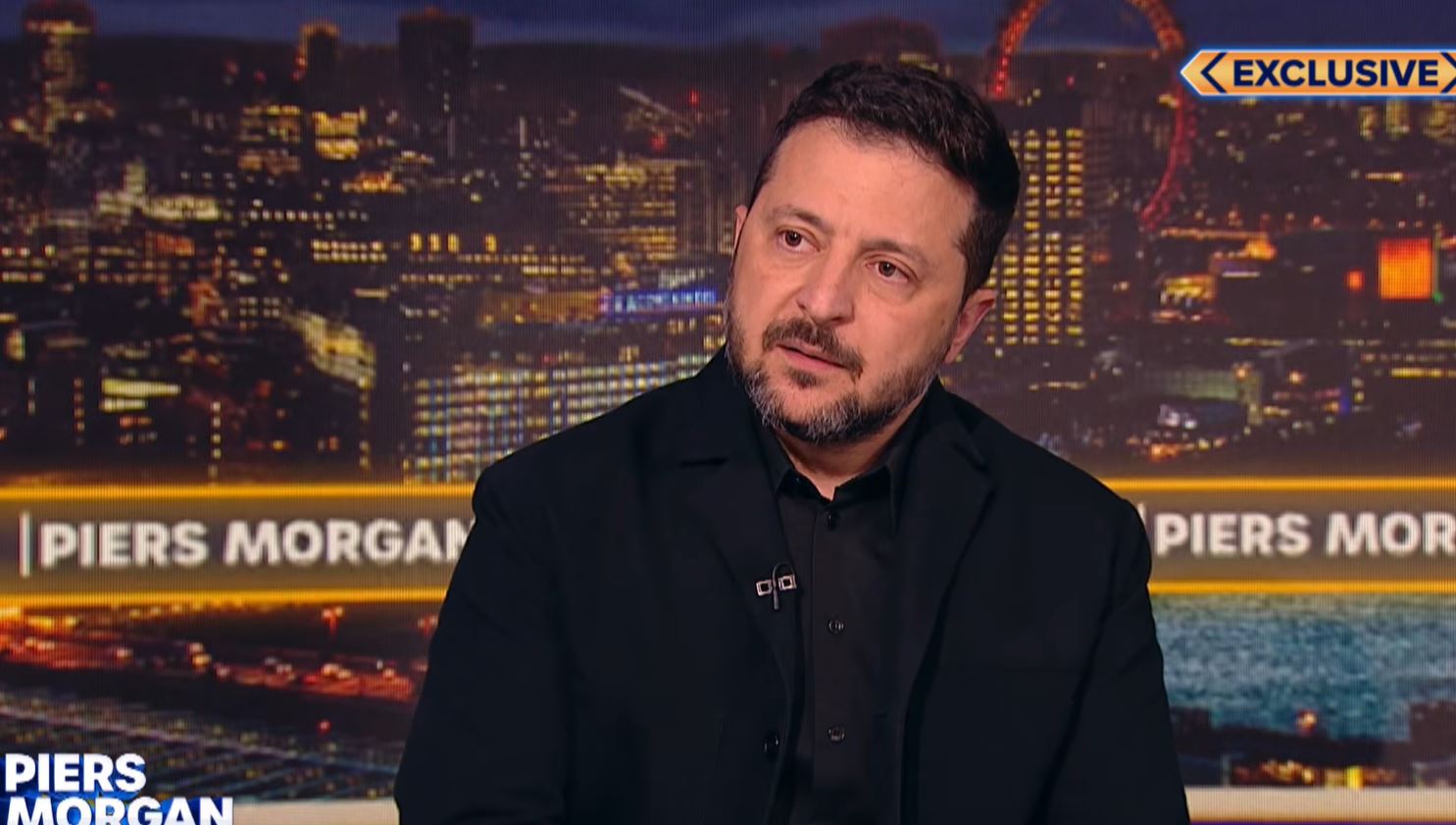
ukraine goes back hitting russian oil after its trump-forced pause left kyiv without warnings incoming ballistic missiles · post ukrainian president volodymyr zelenskyy during interview piers morgan london 14 2026
Explore further

Ukraine is going back to hitting Russian oil after its Trump-pressured pause, during which Kyiv got no US warnings of incoming ballistic missiles

Research group Energy Aspects said US Energy Secretary Chris Wright, in a video to the World Petroleum Congress in Riyadh, tied the easing to record freight rates. Those rates hit records after the Iran and Ukraine wars drove up inflation and left US crude too costly for Asian refiners, Reuters said. Energy Aspects itself expects the easing to do little for freight rates, since most tankers sanctioned over Russian or Venezuelan links have kept trading for the past three months.

The Energy Department said any relief would do nothing to help Russia ship its oil or refined products. Treasury referred questions to the Energy Department. Yet Reuters noted that both departments could face pressure to let these vessels carry Russian diesel, given Trump’s push to get it onto world markets fast.

Britain is pushing the other way. UK finance minister John Healey urged counterparts at International Monetary Fund meetings in Bangkok on 15 October to keep tough sanctions on Russia, “especially a tighter ban on shipping services” that keep Putin’s shadow fleet operating.

Diesel license criticism and an unconfirmed ceasefire

On 9 October, the US Treasury issued a license clearing Russian-origin diesel trade until 7 April 2027. Ukrainian President Volodymyr Zelenskyy told reporters it was a weak decision unworthy of Ukraine’s partners. Democratic Senators Jeanne Shaheen, Chuck Schumer, and Elizabeth Warren called it a “total betrayal of Ukraine.” Republican Senator Thom Tillis said there is “a legitimate case for saying the president’s not following the law.”

The White House in Washington DC, USA. Illustrative image: Wikimedia Commons.
Explore further

“He thinks Ukraine is a weak link and that it needs to be squeezed into giving in”: diplomat on why Trump pressures Kyiv, not Moscow

Trump then pressed Kyiv to spare Russian refineries and declared an “energy ceasefire” on 11 October. A White House official told Axios it covers only oil refineries. Neither side confirmed a similar announcement Trump made in mid-September, AAP reported.

Kremlin spokesperson Dmitry Peskov told reporters on 13 October that contacts on the ceasefire were continuing and referred further questions to Trump, Russian newspaper Vedomosti reported. He claimed the diesel deal was “a very mutually beneficial item of Russian-American cooperation” that serves the interests of Russia, the US, and world energy markets, Russian newspaper Kommersant reported.

  •  

Why Does Saudi Arabia Struggle to Stop Houthi Attacks?

The Saudi military has expensive equipment, but the missiles and drones used by the Yemeni militia are difficult to detect and stop.

© Fayez Nureldine/Agence France-Presse — Getty Images

A military parade marked Saudi National Day in Riyadh last month.
  •  

Trump Says Those Who Leak Military Plans Should Be Shot

At a rally in Arizona, the president dramatically escalated his attacks on news gathering and those willing to speak to the press.

© Alex Wong/Getty Images

  •  

US inflation rose to 3.7% in September in blow to Republicans before midterms

Final inflation report before voters go to polls comes amid widespread anger over cost of living under Trump

Republicans are entering the midterm elections with the highest rate of inflation since the spring, according to a government report released on Wednesday.

US price increases reached an annual rate of 3.7% in September, according to the latest data from the Bureau of Labor Statistics, up from 3.4% in August. This final inflation report before the pivotal midterm elections comes amid polls showing widespread dissatisfaction with the Trump administration over the cost of living.

Continue reading...

© Photograph: Patrick T Fallon/Bloomberg via Getty Images

© Photograph: Patrick T Fallon/Bloomberg via Getty Images

© Photograph: Patrick T Fallon/Bloomberg via Getty Images

  •  

‘From liabilities to goldmines’: refineries eye record profits from diesel shortage

Firms turning crude oil into the ‘workhorse’ fuel stand to gain most despite economic fallout from record prices

Days after Donald Trump announced a deal to import Russian diesel into the US in an effort to lower soaring pump prices, the world’s energy watchdog has warned that the global fuel shortage will drag into 2027.

Trump’s temporary sanctions reprieve was criticised for offering “too little, too late” to temper the sky high pump prices triggered by the shutdown of war-damaged refineries in the Middle East and Russia – once the world’s second-largest diesel exporter behind the US.

Continue reading...

© Photograph: Martin Meissner/AP

© Photograph: Martin Meissner/AP

© Photograph: Martin Meissner/AP

  •  

From Allies to Enemies: Ethiopia and Eritrea Edge Toward War

The two nations fought alongside each other during a brutal conflict in Tigray that left hundreds of thousands of people dead just a few years ago. Now they are on the brink of fighting each other.

© Agence France-Presse — Getty Images

Members of the Ethiopian Federal Police on patrol aboard a pickup truck as they continued operations after federal forces pushed back the rebel Tigray People’s Liberation Front in Mekelle, Ethiopia, last week.
  •  

MI5 Chief Warns of Escalating Hybrid Threats From Iran and Russia on British Soil

The head of Britain’s domestic security agency accused Tehran and Moscow of escalating their hybrid campaigns in the U.K., and called Iran-led attacks on Jewish communities “sickening.”

© Pool photo by Jonathan Brady

The head of MI5, Ken McCallum, during his annual threat briefing in London in 2025.
  •  

“Now it’s your turn”: US envoys planned to show Moscow a refinery pause and a diesel deal, then ask for something back, a source tells Reuters

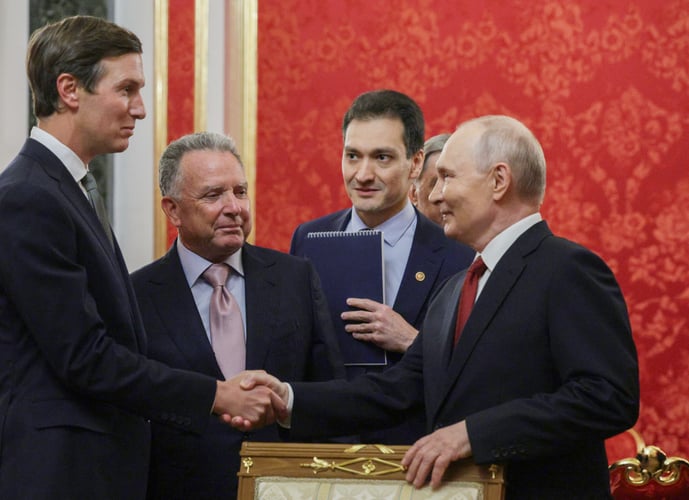
“now it’s turn” envoys planned show moscow refinery pause diesel deal ask something back tells · post jared kushner shakes hands russian president vladimir putin special envoy steve witkoff beside

US President Donald Trump’s envoys told Kyiv that letting Russia sell diesel could draw Moscow back to peace talks, Reuters reported. In the same meeting, they said Russia’s leader was not ready to negotiate. Since then, Moscow has offered nothing in return, and Trump has brushed off claims that Russia helps Iran.

Washington is pressing Ukraine to stop striking Russian refineries and offering Moscow economic incentives to return to peace talks, even though Russia has made no commitment in return. Yesterday, Russian ballistic missiles hit Kyiv before air raid sirens sounded, amid disputed warnings that the US could cut intelligence support. Meanwhile, Ukraine is being asked to halt its long-range campaign against the oil infrastructure that fuels and finances Russia's war.

The pitch: a diesel deal as a signal to Moscow

Trump’s Middle East envoy Steve Witkoff and Trump’s son-in-law Jared Kushner met the Ukrainian delegation in Miami on 9 October. They described Russian President Vladimir Putin as unprepared to negotiate but said the diesel deal could help restart three-way talks, two of the sources said.

The third source said the deal could “soften” Moscow because it “sends a signal that Trump is open to do things” with Russia. One of the sources described the plan:

“The idea was that the US could go back to Russia and say ‘See, the Ukrainians stopped striking and we gave you this deal. Now it’s your turn to do something.’”

Ukraine’s part was to stop hitting Russian refineries. Kushner repeated Trump’s request at the meeting, noting the administration had made it several times, two sources said.

trade banks energy crypto—the eu keeps its full russia economic sanctions wall standing 2027 · post flags member states headquarters council european union brussels belgium 17 2025 getty images/thierry monasse
Explore further

EU blacklists 1,569 Russian arms suppliers and their bosses in its biggest sanctions round ever, as Trump eases up on Moscow

Kyiv was asked to hold its fire on Russian oil

The Ukrainians agreed to nothing formally, Reuters’ sources said. They signaled they would accept an energy ceasefire if Russia did the same, but saw the US approach as an attempt to appease Russia with business deals.

Two days later, Trump declared an energy ceasefire, and Ukrainian President Volodymyr Zelenskyy said Ukraine was ready if Russia reciprocated. Euromaidan Press has monitored official and unofficial Ukrainian and Russian sources and found no reports of new Ukrainian strikes on Russian refineries after Trump’s announcement. One of the last, on the night of the diesel announcement, knocked out more than half the tanks at a fuel-export terminal in Rostov-on-Don.

Three sources told Reuters the envoys did not threaten to cut US support over the refinery strikes. A Ukrainian official told Axios, however, that the envoys warned Trump could cut Ukraine off from US intelligence, which a US official denied. US officials are also believed to have told European allies that Trump would halt PURL, the NATO scheme for Europe-funded US weapons for Ukraine, unless the strikes stopped, according to FT.

U.S. President’s envoys, Steven Witkoff and Jared Kushner on 6 September in Kyiv. Source: President's Office of Ukraine
Explore further

Ukrainian journalist asks Trump’s envoy to his face whether he was disgusted to sit across from “international criminal” Putin. Witkoff wouldn’t answer directly

What Moscow has offered in return

A person close to the Kremlin told Reuters that Putin would return to the table only when he gets “the remaining 11% of Donbas.” Ukraine refuses to cede more land. During the 9 October call that produced the deal, Putin declined to commit to resuming talks, his aide Yuri Ushakov told reporters, Axios reported.

Moscow has not confirmed the energy ceasefire either. Trump insisted on 12 October that the sides had agreed “because I said they agreed,” RFE/RL reported. On the evening of 12 October, Russian munitions collapsed an apartment stairwell in Kharkiv, killing four people. Russian Deputy Prime Minister Aleksandr Novak, meanwhile, claimed diesel exports could reach 3.0–3.5 million tons a month by year-end, above the volumes Trump announced.

“Too much to lose”: Trump on Russia and Iran

Late on 12 October, Trump wrote on Truth Social that he did not believe Russia and China were helping Iran, since they have “too much to lose.” In March, he told Fox News that Putin “might be helping them a little bit.” Asked about Russia’s possible support for Iran, Treasury Secretary Scott Bessent told Fox News on 2 September that his message to everyone was to “stay away.” That month, a Financial Times investigation found Russia secretly helping Iran develop supersonic cruise missiles that could threaten US warships.

  •  

“We don’t need to hit the entire plant”—Ukraine’s drones go for refinery parts sanctions make hard to repair

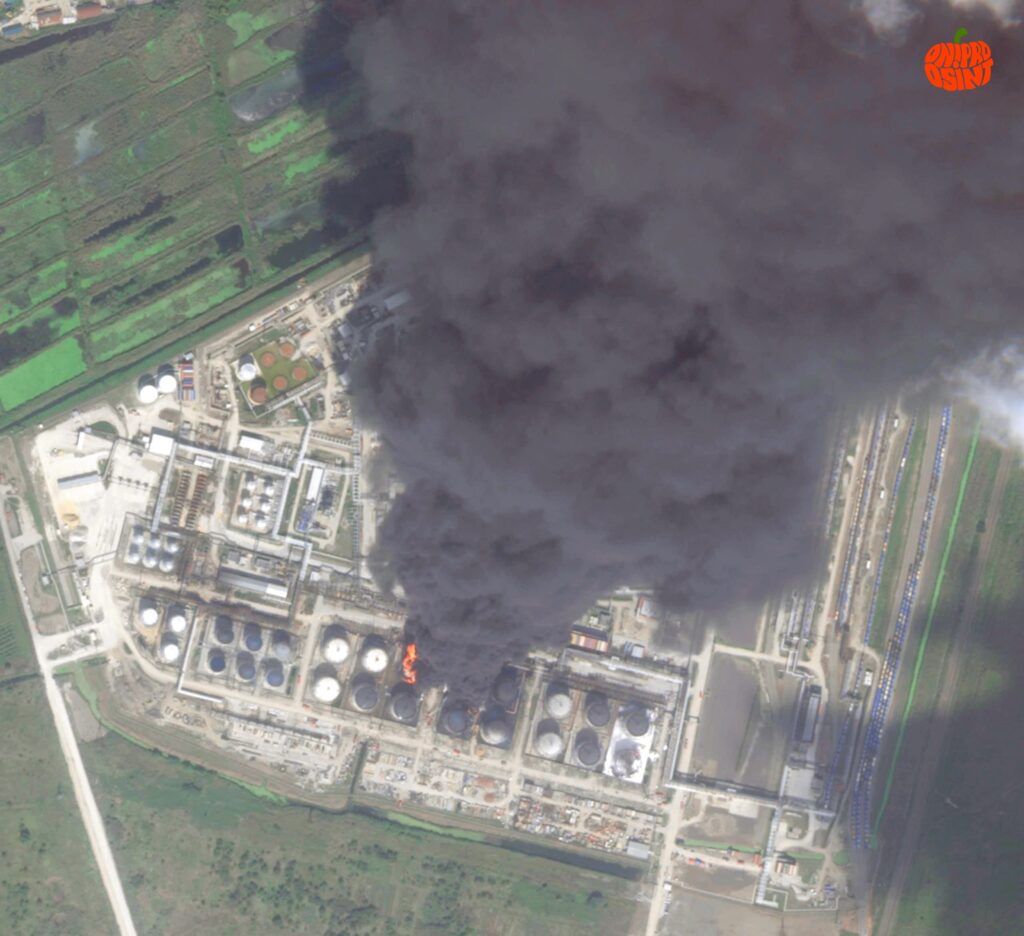
Satellite imagery of the Slavyansk oil refinery after a nighttime UAV attack on 13 September. Part of the refinery is obscured by thick smoke from a fire in the tank farm, Krasnodar Krai, Russia. Photo: Dnipro Osint

Ukrainian drones have helped push Russia into its worst fuel crisis since the Soviet Union fell, The Washington Post (WaPo) reported on 11 October.

Diesel is where this war reaches American drivers. US President Donald Trump blames rising diesel prices mostly on Russia’s war in Ukraine, while experts blame mainly the US war with Iran. Some of his allies now accuse Kyiv of trying to sway the US midterms.

Drones go for the first stage of refining

The Washington Post looked at dozens of strikes between 1 April and 31 August. Three refinery experts then examined satellite images of 54 strikes with visible damage. In over half, the damage seems to be to the desalting and distillation units, known by the Russian acronym ELOU-AVT. These units clean the crude of water and salt, then split it into separate compounds, the first steps toward gasoline and diesel. More than a third appear to have hit secondary units, which turn those compounds into jet fuel, gasoline, and liquefied petroleum gas.

From April through August, drones struck two-thirds or more of the 36 big Russian refineries that S&P Global Energy tracks, a strike every third day. Some took as many as five hits. On 16 June, drones set the Moscow refinery’s distillation towers on fire. That strike and a second one days later kept the plant offline into September, WaPo reported, citing data firm Kpler. Ukraine targeted the refinery again on 20 September.

The White House in Washington DC, USA. Illustrative image: Wikimedia Commons.
Explore further

Trump’s Russian diesel deal, which drew fury in Ukraine, is unlikely to lower prices, experts say

“We don’t need to hit the entire plant,” a Ukrainian drone battalion commander with the call sign Tango told The Washington Post. Ukraine knows where to strike so that a refinery stops and stays down, he said. His unit, Ukraine’s 1st Separate Center of Unmanned Systems, runs long-range strikes deep inside Russia.

Sanctions slow the repairs

The EU banned exports of oil-refining equipment to Russia the day after the 2022 invasion, and the US followed days later. WaPo reported that the bans cover the distillation and secondary processing units Ukraine keeps hitting. The bans make spare parts hard to get, Alexander Kolyandr of Eurasia Group told the paper, and the strikes come faster than repairs.

Since last year, Ukraine has doubled the size of each wave, decoys included, a person involved in the strike campaign told WaPo. The decoys are unarmed and draw Russian fire, wasting air-defense ammunition, WaPo explained. Without them, the person said, Ukraine would simply lose expensive systems. András Rácz of the German Council on Foreign Relations told WaPo that even if only 2–3% of drones get through, the damage is significant.

  •  

Saudi Arabia Faces More Attacks as It Reels From Airport Strikes

The Saudi authorities said they were fending off drone and missile attacks after a weekend of confrontation with the Houthi militia in Yemen, whose patrons Iran offered to mediate.

© Atta Kenare/Agence France-Presse — Getty Images

Iran’s foreign minister, Abbas Araghchi, in Tehran earlier this month.
  •  

Saudi Arabia Has Few Options as Houthis Aim at Heart of Its Ambitions

Three deadly attacks by the Iran-backed Houthis in Yemen on an airport in the Saudi capital underscored the asymmetrical nature of their conflict with the kingdom.

© Pool photo by Julie Sebadelha

Crown Prince Mohammed bin Salman of Saudi Arabia in Paris in August. Houthi strikes on the Saudi capital, Riyadh, have cast a shadow on his efforts to transform the kingdom into a global hub for business and tourism.
  •  

Saudi Arabia’s Riyadh Airport Attacked Again, After Days of Houthi Strikes

The strike on Saturday was the deadliest attack in a Gulf Arab country since the U.S.-Israeli war with Iran began in February, and forced the airport to temporarily suspend operations.

© via Reuters

  •  

Economic Pain and an Unpopular Trump Put G.O.P. on its Heels With Three Weeks to Go

Inflation has hurt Americans at many levels: Farmers, truckers, consumers. It has also expanded the electoral map into what was safely Republican country just a few months ago.

© Jamie Kelter Davis for The New York Times

Fuel prices have soared throughout the country since President Trump started a war against Iran.
  •  

Days of Deadly Houthi Attacks Show Saudi Arabia’s Vulnerabilities

Par : Euan Ward
The escalating violence has brought the conflict in Yemen to the doorstep of the Saudi capital, and the kingdom has no easy options to curtail the increasingly sophisticated and targeted strikes.

© Social Media, via Reuters

A still from a video obtained from social media and verified by The New York Times showing a blast at King Khalid Airport in Riyadh, Saudi Arabia, on Thursday.
  •  

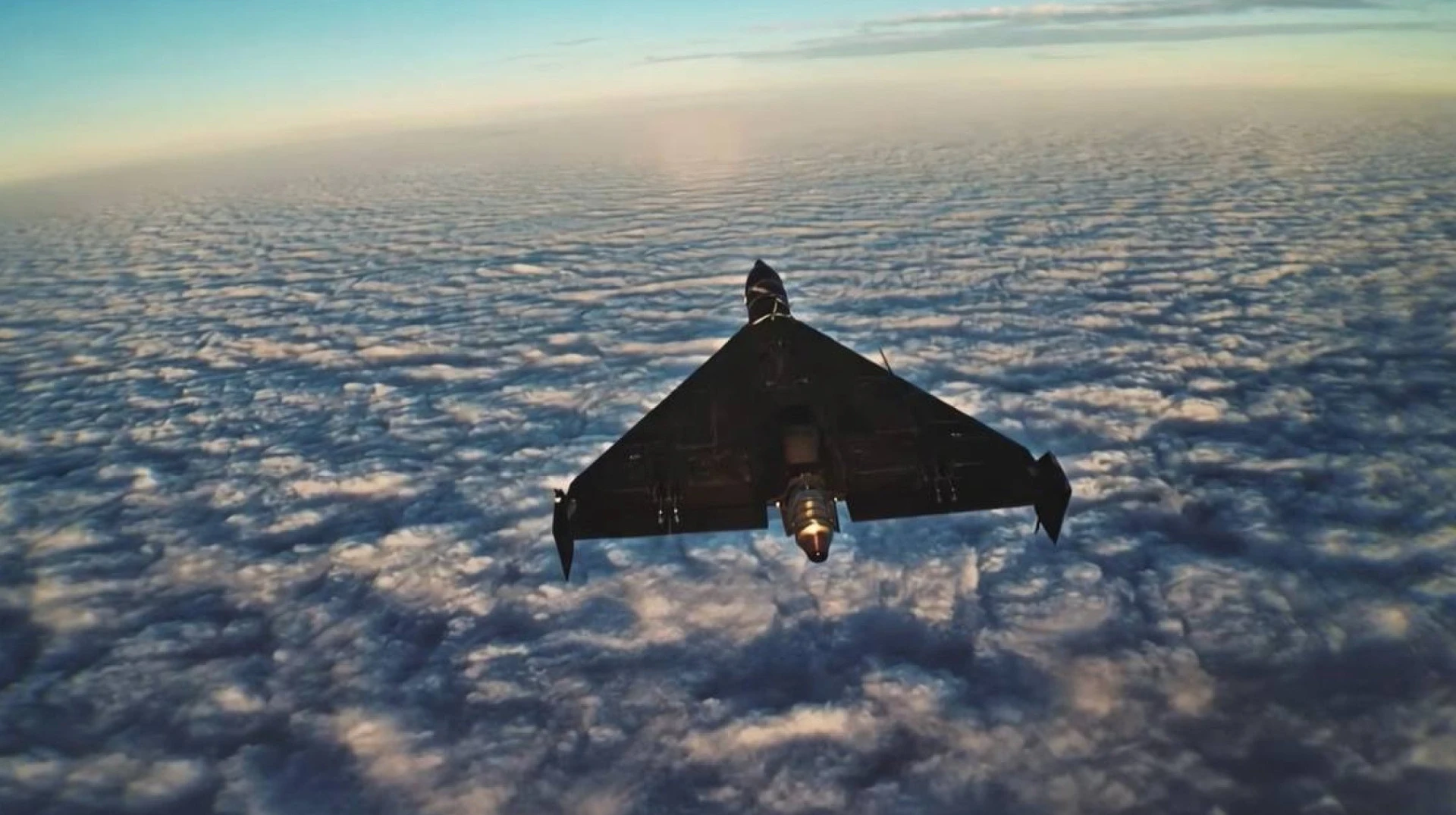
Fewer targets, more waves: jet-powered Gerans partly free Russia to concentrate missiles, ISW says

fewer targets more waves jet-powered gerans partly free russia concentrate missiles isw says · post russia's shahed drone ukraine news ukrainian reports

Russia is concentrating missiles on a smaller, more specific set of targets, and its jet-powered attack drones are part of the reason, the Institute for the Study of War (ISW) assessed. Its combined attack overnight on 7 October killed 22 people in Pryluky, the State Emergency Service (SES) said as of the morning of 8 October. Russian milbloggers noted the shift the same day.

Russia often uses concentrated drone and missile strikes to overwhelm localized Ukrainian air defenses and destroy urban centers, ISW noted. Pryluky, where the strike killed children, was one of the areas a Russian channel says drew a significant share of the Kh-101s that night. With winter close, ISW expects the same pattern against Ukraine's energy grid, with jet drones partly letting Russia keep its missiles for priority targets without firing many more.

Missile waves on a few areas, Russian channels claim

Russia launched 48 Kh-101, Iskander-K, and Kalibr cruise missiles overnight on 7 October, Ukraine's Air Force reported. It also fired ballistic missiles, Zircon and Oniks anti-ship missiles, and 130 strike and decoy drones, 46 of them jet-powered Shahed-type models.

pryluky
Explore further

22 killed in Russian missile strike on Pryluky, including five children

Russian milbloggers claimed the same day that Moscow had grouped a large part of its missile salvo into repeated waves on a few areas, while other weapons kept stretching Ukraine's air defenses elsewhere. The pro-war Russian Telegram channel Dva Mayora described the change as a switch from striking with splayed fingers to a series of hits with missile "fists." Defenders must then absorb a sharply rising load around one chosen site as one wave follows another, the channel claimed.

Citing Ukrainian monitoring channels, it claimed that roughly 30 or more Kh-101 cruise missiles flew toward Pryluky, Kremenchuk, Svitlovodsk, and Oleksandriia in Chernihiv, Poltava, and Kirovohrad oblasts. It put the Kremenchuk group at up to 15 missiles, Kh-101s and Kalibrs among them, aimed at the area of Kremenchuk and its hydroelectric plant.

Jet drones take some of the load off Russia's missiles

ISW said the jet-powered versions penetrate Ukrainian air defenses deeper and more reliably than propeller models. In ISW's assessment, that partly lets Russia concentrate cruise and ballistic missiles on priority targets without significantly raising missile use. Russia builds about 3,000 Geran-4 and Geran-5 jet drones a month, Ukraine's military intelligence agency (HUR) told Militarnyi in August.

ukraine spent three years learning catch russian drones—so russia made fly faster · post geran-3 jet-powered attack drone wild hornets c1c840787fca380485636007cf683d71 news ukrainian reports
Explore further

Ukraine spent three years learning to catch Russian drones—so Russia made them fly faster

ISW expects Russia to apply the pattern in a likely brutal winter campaign against energy infrastructure. Russia likely intends to make city life untenable and force Ukraine to capitulate to its demands, ISW assessed. Such tactics have not worked before and are unlikely to work now, analysts added.

They called cheap countermeasures to jet drones and small cruise missiles vital, alongside Western air defense aid such as US-made Patriots, which can stop ballistic missiles. Ukraine has already paired a Soviet-era Kub launcher with American RIM-7 interceptors to catch jet drones.

  •  

How a Small Business Got Entangled in U.S. Sanctions on Iranian Oil

Par : Max Kim
The case of a small Malaysian shipping agency illustrates the challenges Washington faces in its effort to stanch the flow of Iranian oil.

© Ore Huiying for The New York Times

Shahul Hamid Ahmad, the owner of Tefcas Marine, a small shipping agency that was hit with U.S. sanctions, standing in his empty office in Johor Bahru, Malaysia, in September.
  •  

Man Arrested in Connection With Incident at UK Air Base RAF Fairford

A 22-year-old from London was the seventh person to be arrested by the counterterrorism police investigating an incident at R.A.F. Fairford last month.

© Toby Shepheard/Reuters

Armed police officers stood guard on a road outside the perimeter of the R.A.F. Fairford air base last month.
  •  

Les États-Unis et l’Iran ont repris leurs frappes après un mois d’accalmie

Les États-Unis ont bombardé deux lanceurs de roquettes iraniens sur une île située dans le détroit d’Ormuz. 

L’armée américaine a indiqué qu’elle avait observé des forces des Gardiens de la révolution islamique se préparer à envoyer des mines dans le détroit.

Les Gardiens de la révolution ont frappé en représailles: 

  • des installations militaires américaines en Jordanie;
  • une base aux Émirats arabes unis où les États-Unis auraient des troupes.

Donald Trump a dit à la chaine Fox News que l’armée américaine répondrait aux attaques des Gardiens de la révolution, et qu’elle allait «les frapper fort».

[L'article Les États-Unis et l’Iran ont repris leurs frappes après un mois d’accalmie a d'abord été publié dans InfoBref.]

  •  

Les États-Unis imposent de nouvelles sanctions à l’Iran

Scott Bessent, ministre américain des finances, a déclaré que Washington avait l’intention de «couper toutes les ressources économiques» du régime iranien.

Les nouvelles sanctions américaines visent cinq secteurs:

  • les actifs numériques
  • la technologie
  • l’or
  • l’aviation
  • le transport maritime

Bessent a affirmé que tous les pays qui ne participeraient pas aux sanctions américaines seraient aussi isolés que l’Iran.

Le gouvernement américain menace d’expulser les pays récalcitrants du système financier lié au dollar américain.

[L'article Les États-Unis imposent de nouvelles sanctions à l’Iran a d'abord été publié dans InfoBref.]

  •  
❌