Vue lecture

Ukraine escaped the empire in 1991. The empire struck back.
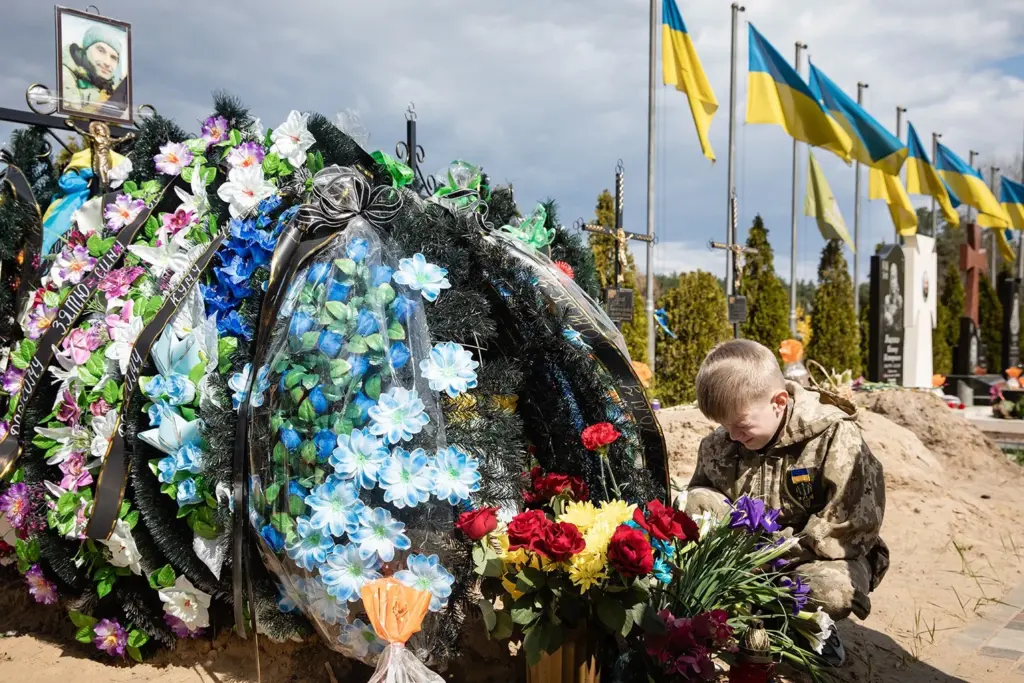
A child cries at a grave in Irpin after its liberation from Russian occupation. 1 May 2022. Photo: Mykhailo Palinchak

In 1991, Ukraine did not shed a drop of blood. It was a transition of power. We raised a flag, we declared ourselves independent, and we received our independence as a gift.

Now we are shedding rivers of blood for real independence.

That is the difference between this Independence Day and the ones before it, and I do not think we have absorbed it yet.

Colonial theory has a name for what happened to us thirty-five years ago. It is called flag independence. You raise the flag, you declare the state, and for a while you believe that was it—that this was the end, and now we simply continue as an independent nation.

In theory it was believed to be like that. In practice, every decolonized nation eventually discovered the same thing: it is not the end. It is the beginning.

The nations that gathered at Bandung in Indonesia in 1955 worked this out before us. They had their flags. They also had the former metropolis still holding the strings—to their economies, their cultures, their political classes. They named it: neocolonialism.
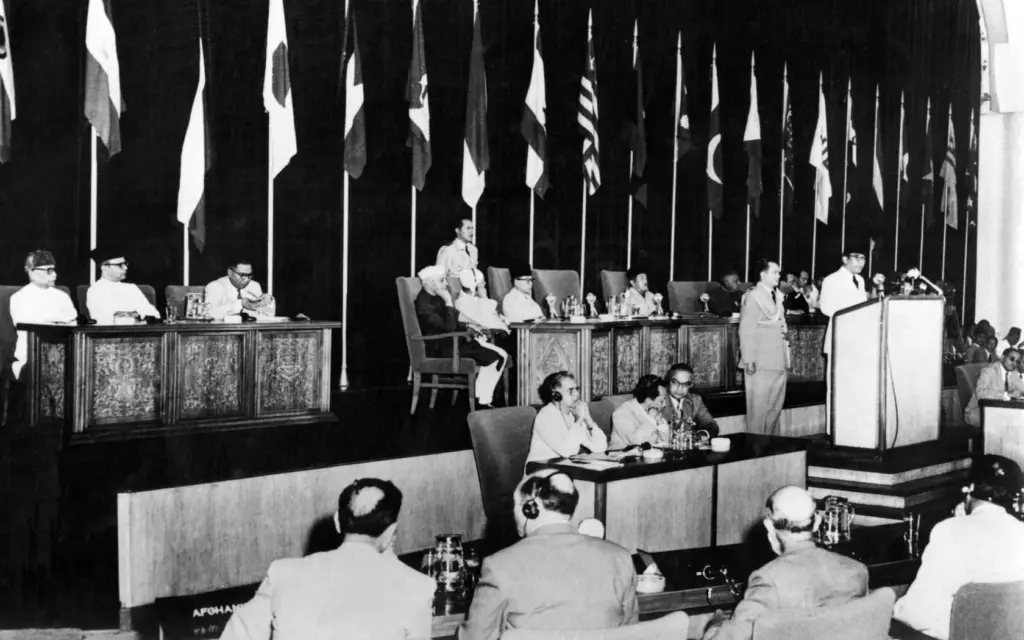
National flags at the 1955 Bandung Conference, where 29 Asian and African states gathered in the postcolonial era. Their experience helped expose the limits of what colonial theory calls “flag independence”: gaining a state and a flag while the former metropolis retains economic, cultural, or political influence. Credit: Smith Archive

And they understood that real independence would take something longer and harder than a declaration. Not only liberation with arms, but liberation of the mind from the colonial legacy. Not erasing the colonial memory—reworking it, synthesizing it into something new.

So here is the shape of it. Before 1991, Ukrainians waged a struggle for independence without statehood. After 1991, we have been waging a struggle for independence within statehood. The struggle did not end. It changed its conditions.

In 1991 we did not shed a drop of blood. We received our independence as a gift.

What was gathered into the Act of Independence
Independence Ukraine
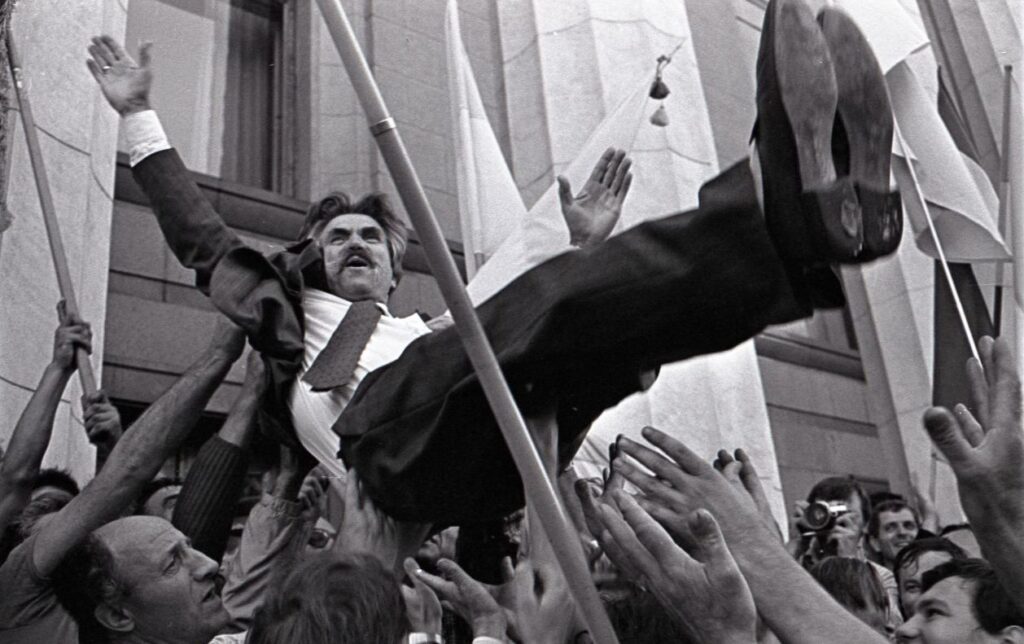
The crowd throws opposition MP Levko Lukianenko into the air after the Verkhovna Rada adopted the Act of Declaration of Independence of Ukraine, Kyiv, 24 August 1991. Photo: Pavlo Pashchenko

The declaration was a beginning, but it was also a result—of generations.

It begins in the nineteenth century, with people like Taras Shevchenko, who essentially invented a Ukrainian identity. It was a construction. It was not, as Putin claims, the invention of Vladimir Lenin. It was the invention of Ukrainian intellectuals, writers, and religious leaders, who constructed this nation on the basis of what came before—the Cossack Republic, Kyivan Rus, the long stretch from the Middle Ages through early modernity.

Then the dissidents of the Soviet period. Then the Ukrainian Insurgent Army, which fought on two fronts against three colonizers: the Germans, the Poles, and the Soviets. Their struggle was clearly anti-colonial. Brutal, but anti-colonial. I do not justify everything they did. I am applying postcolonial theory in order to make sense of what they did, or tried to do. They were defeated. Their ideas resurfaced in 1991 and were gathered into the Act of Independence.

And that Act, while it closed a long period of Ukrainian struggle without a state, opened a new one.

Today, more independence than colonialism
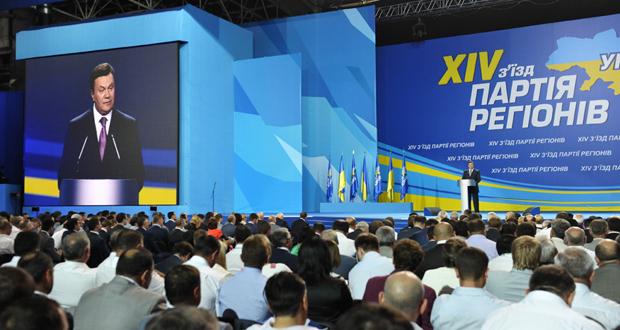
A Congress of former pro-Russian president Viktor Yanukovych’s Party of Regions in 2012. Yanukovych fled in 2013 following the Euromaidan Revolution. The party was banned in 2023. File photo

Before 2013, I would say, there was more neocolonialism than independence.

This is a description, not a figure of speech. The former metropolis re-established the strings. Russian capital came into the economy under the presidencies of Leonid Kuchma and Viktor Yanukovych, and Russian corruption came with it.

Proxy parties were planted—the Party of Regions and its various clones. Russian pop music was everywhere, which sounds like a small thing and is not: in postcolonial studies, literature and popular culture are considered among the most effective vehicles of neocolonial control.

Today it is the other way around. Neocolonialism has not evaporated, but the proportion has changed. There is now more independence than neocolonialism—and that itself is what thirty-five years of struggle have achieved.

And corruption was a neocolonial instrument. This is the part Ukrainians resist, so let me put it plainly: our fight against corruption is effectively an anti-colonial fight. In Ukraine people sometimes present this as a dilemma—either we fight corruption or we fight the Russians, we cannot do both. From the perspective of postcolonial studies the dilemma does not exist. Both are anti-colonial efforts. They go hand in hand.

Our fight against corruption is effectively an anti-colonial fight. Both go hand in hand.

Empires have always travelled with religion on their shoulders, and religion has always helped establish imperial rule in the colonies. In the Ukrainian case it was first the Greek Catholic Church, established in 1596 an instrument of Polish colonization, although this is not the case anymore. But that is how it began.

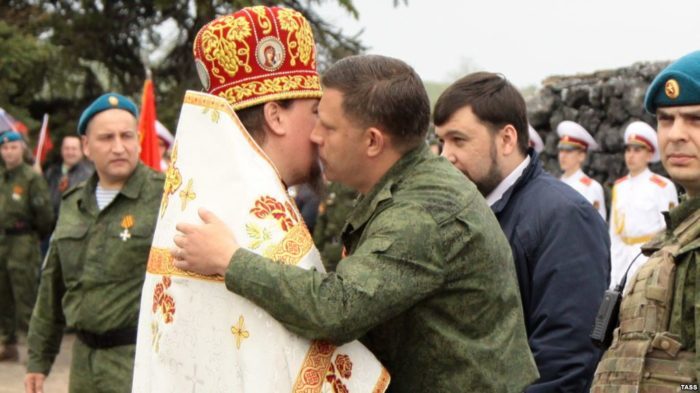
And presently Russia’s instrument of recolonization is the Moscow Patriarchate, still present in Ukraine as the Ukrainian Orthodox Church under the Moscow Patriarchate (UOC MP).
Explore further

Anatomy of treason: how the Ukrainian Orthodox Church sold its soul to the “Russian world”

Here I have to say something uncomfortable for many Ukrainians.

Nations that decolonize very often produce new subalterns. In post-colonial language, these are parts of the population that are subdued, oppressed by the dominant power. But we may be producing such subalterns as an effect of pushing back against Russian colonization: groups of Ukrainians belonging to the UOC MP being marginalized, subalternized, by our own struggle. It is a very difficult dilemma how to deal with this subalternization, and I do not have a resolution for it.

We may be producing new subalterns: Ukrainians marginalized by our own struggle. I do not have a resolution for it.

Two revolutions against the ratio
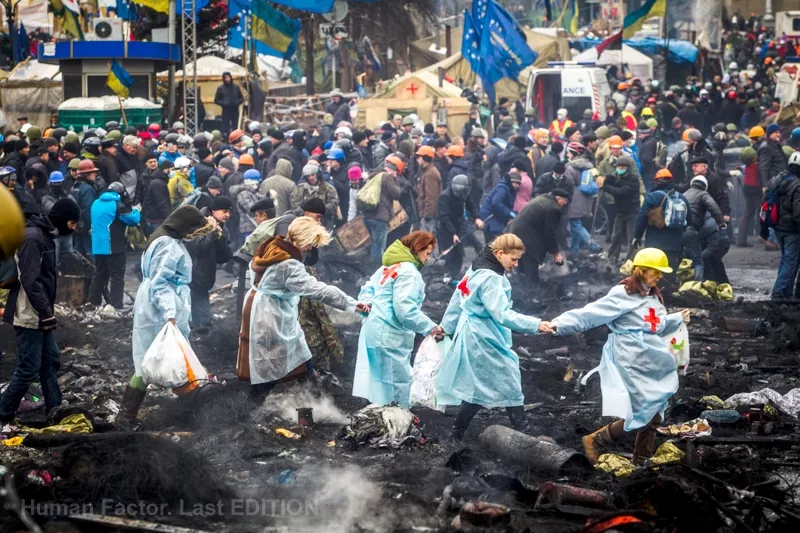
Volunteer medics provided aid to the wounded during Euromaidan protests in Kyiv. Photo:  Maksym Liukov. 20 February 2014

Both of Ukraine’s major “Maidan” protests were anti-neocolonial revolutions.

In the Orange Revolution of 2004 and again during the Euromaidan Revolution in 2013, Ukrainians protested because they had decided there was not enough independence—that what we had was more neocolonial than independent, more fake than real, and that the proportion had to be corrected. That is what a Maidan is. A public consensus that the ratio is wrong.

In February 2022, independence very nearly ended. People gave our statehood three days—and not only Russians. That was the opinion of most observers. It did not end. We survived it. But our statehood is still not secured, and it is being secured every day, including today.

What Ukraine contributed to the empire, and how

There is an argument against everything I have said so far, and Ukrainians make it as often as anyone. They object: look, we have contributed to the Russian Empire and to the Soviet one. We have basically built them.

Which is true.
serhii plokhy harvard historian ukrainian studies
Explore further

Ukraine helped build the Russian empire. Now it stands in the way of its resurrection – Serhii Plokhii

But Ukrainians were never permitted to contribute as independent agents. They were allowed to contribute exactly as long as they lost their identity—as long as they denounced their own agency. They were contributors without their will and without their identity.

Corsica is my example. It had its own culture, its own identity, its own language, still spoken in pockets. Go into a good Corsican restaurant in Corsica and they may speak Corsican to you; I have had this experience. But it is not a language widely spoken anymore. It has been completely subsumed by French, and France holds Corsica tightly today. And what is France? To a great extent, it is the creature of a great Corsican named Napoleon Bonaparte, who built the French Empire. Nobody concludes from this that Corsica was not a colony.
isw kremlin statements again show russia’s unwillingness pursue real peace · post russian fund chief presidential envoy kirill dmitriev (left) special missions steve witkoff (right) saint petersburg 2025 ria novosti
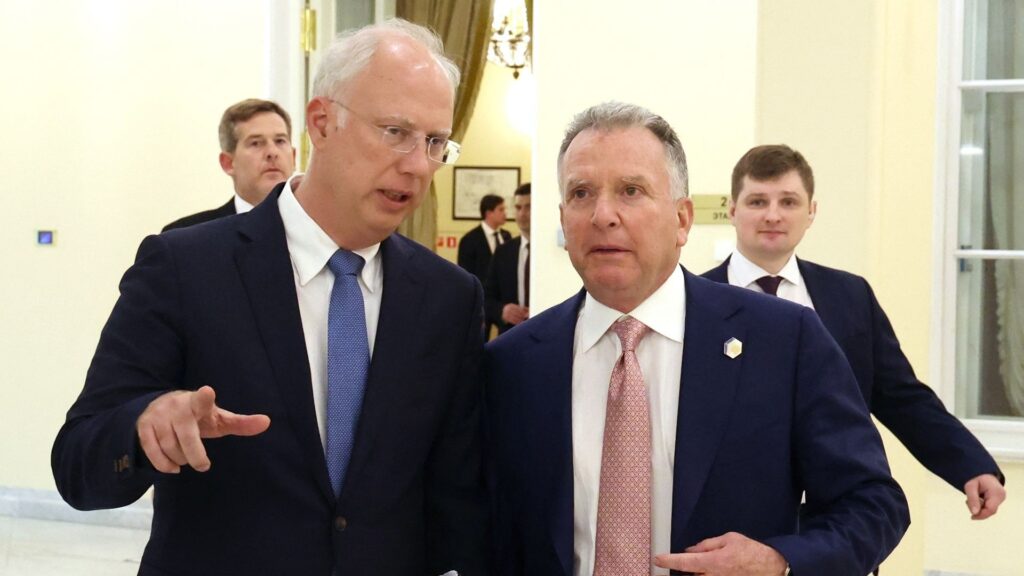
Russian fund chief and presidential envoy Kirill Dmitriev (left) with US Special Envoy for Peace Missions Steve Witkoff (right) in Saint Petersburg, April 2025. Photo: RIA Novosti.

It is remarkable to me that Putin still does this. He puts people with Ukrainian backgrounds into key positions—in the military, in propaganda, in negotiations.

  • Vladimir Medinsky, one of his chief propagandists and now his negotiator, was born in Smila, in Cherkasy Oblast, my own small motherland.
  • Valentina Matviyenko, third in the official hierarchy, comes from Shepetivka in Khmelnytskyi Oblast.
  • Kirill Dmitriev, who negotiates with the Americans, was born in Kyiv to a family of Ukrainian biologists.
More land, more war, no regrets: Russia's demands to Ukraine in Istanbul
Russian delegation head Vladimir Medinsky during talks with Ukraine on 16 May 2025. Photo: Meduza

It was Medinsky, incidentally, who announced in a 2012 interview that the Russian people has one extra chromosome—his explanation for how Russia survived the catastrophes of the twentieth century when other nations, the Scythians and Sarmatians among them, broke and vanished. Russians mocked him for it, since an extra chromosome is the marker of Down syndrome.

As a claim, though, it is a race claim. Made by a man born in Cherkasy Oblast, about a people he was not born into.

They contribute to the Russian neo-empire. They contribute to it not as Ukrainians but as those who denounced Ukrainian identity. This is how empire functions. It absorbs the representatives of subaltern nations who willingly denounce their own will. It was so under the Romanovs. It was so in the Soviet empire. It is so in Putin's quasi-empire now.

Ukrainians were, and still are, a subaltern nation.

Ukrainians were allowed to contribute to the empire exactly as long as they lost their identity.

Papua, and Scotland

There are worse outcomes than ours and there are better ones.

The Papuans of West Papua tried. They fought for independence, failed, and many of them were killed. They are still oppressed. That is the bad end of the range, and it is not hypothetical.

The better scenario would be the Scots. They had statehood, and it was strong—kings and queens, pride, history, narratives, everything a full and self-sufficient nation possesses. Then they lost it. They are not being killed. They do not suffer the way the Papuans suffer. And yet many of them remain deeply dissatisfied with what they are. We support the United Kingdom, of course, but we are also mindful of the peoples who constitute it—Scots, Irish, Welsh. They have their pride, their nation, their language, their history, their self-consciousness, their identity.

They cannot fully live any of it without independence.

That would be a much better scenario for us than the Papuan one. From where we are now, I still do not think it would be enough.

Colonies taken by neighbors

Timor-Leste has stayed with me. One of the newest countries in the world, independent since 2002, and before that a genocide. Up to a third of its population died. Its capital, Dili, was destroyed in 1999.

Our own Baturyn, the capital of the Cossack Hetmanate, was destroyed by Peter I's army in 1708 in the same way.

And Timor is not an overseas colony. That is the other thing. There is the colonization conducted across an ocean—the Dutch in the Malay Archipelago, to which Timor belongs—and there is the colonization conducted by a neighbor. Indonesia, having been a Dutch colony itself, became independent, developed a colonial attitude within thirty years, and invaded Timor.

Ukraine was taken by neighbors too. First Poland, then the Russian Empire. Both committed atrocities here. We always resisted, and always with some violence—there has never been an anti-colonial struggle that was not violent, and ours is not an exception. I wish it were an exception. It was not.

Explore further

The myth of “historically Russian Crimea”: colonialism, deconstructed

The first colonization, and the first decolonization

The Polish colonization is the one Ukrainians forget, and it matters for a reason that has nothing to do with Poland.

It ended. And the decolonization from it was successful: we regained our ground, re-established Ukrainian identity on our territory, our own way of living. And there was a process of reconciliation that worked, at least to some extent. That is the first decolonization Ukrainians ever accomplished, and it is the paradigm I hold onto when I think about what happens with Russia.

Which does not mean it is finished. Some of the reactions coming from the Polish side now are, to me, surprising and incomprehensible, and I can explain them only through this lens: post-colonial phantom pain. They lost a limb and they still feel it. Russia feels the same phantom pain about what it calls the Russian World, and reacts far more violently, because Russia is historically far more violent. But the pain is the same kind of pain.

One white nation killing another

Much of the world does not accept that any of this is decolonization. In the Global South the response is: one white nation is killing another white nation, why should we care.

They should care, because our struggle is the same as theirs was. If ours is meaningless, then theirs was meaningless too.

They are working with a black and white colonial paradigm—sometimes literally—which skims over the surface. There is a name for what we are: a South within the North. Inside the Global North pockets of land and people exist whose experience and self-perception are closer to the peoples of the Global South than to their neighbors. Ukraine is one of those pockets. Our vision of ourselves may be nearer to the Global South than to Europe.

Race is the real difference, and I will not pretend otherwise. Though even there the resemblance is closer than people assume. When we were a Polish colony, the Poles developed the idea that we were an inferior people—chłopy—while they were Sarmatians, a superior nation. Not race as skin color. Race as ethnic origin, which does the same work.

By my own study, something like 90% of the criteria that apply to other colonies apply to Ukraine. Perhaps 10% do not.

But before the world can see this, we Ukrainians have to see it.

If our struggle is meaningless, then theirs was meaningless too.

Why the blood

Fanon believed that violence is embedded in colonialism—that it is intrinsic, that you cannot be a colonial power without being violent, without being prepared to kill the subalterns. He also believed that anticolonial struggle is inevitably violent. Sartre, who wrote the preface to him, believed it too. Maybe that is right, and it would be a good and easy explanation.

But our struggle is particularly bloody for a particular reason, and it is Russian. Russia has adopted most of its ideas from the West, and has almost always put them into practice through violence exceeding anything done in the place the idea came from. Marxist ideas about the counter-revolutionary nature of the peasantry produced the Holodomor; American culture wars are producing this one.
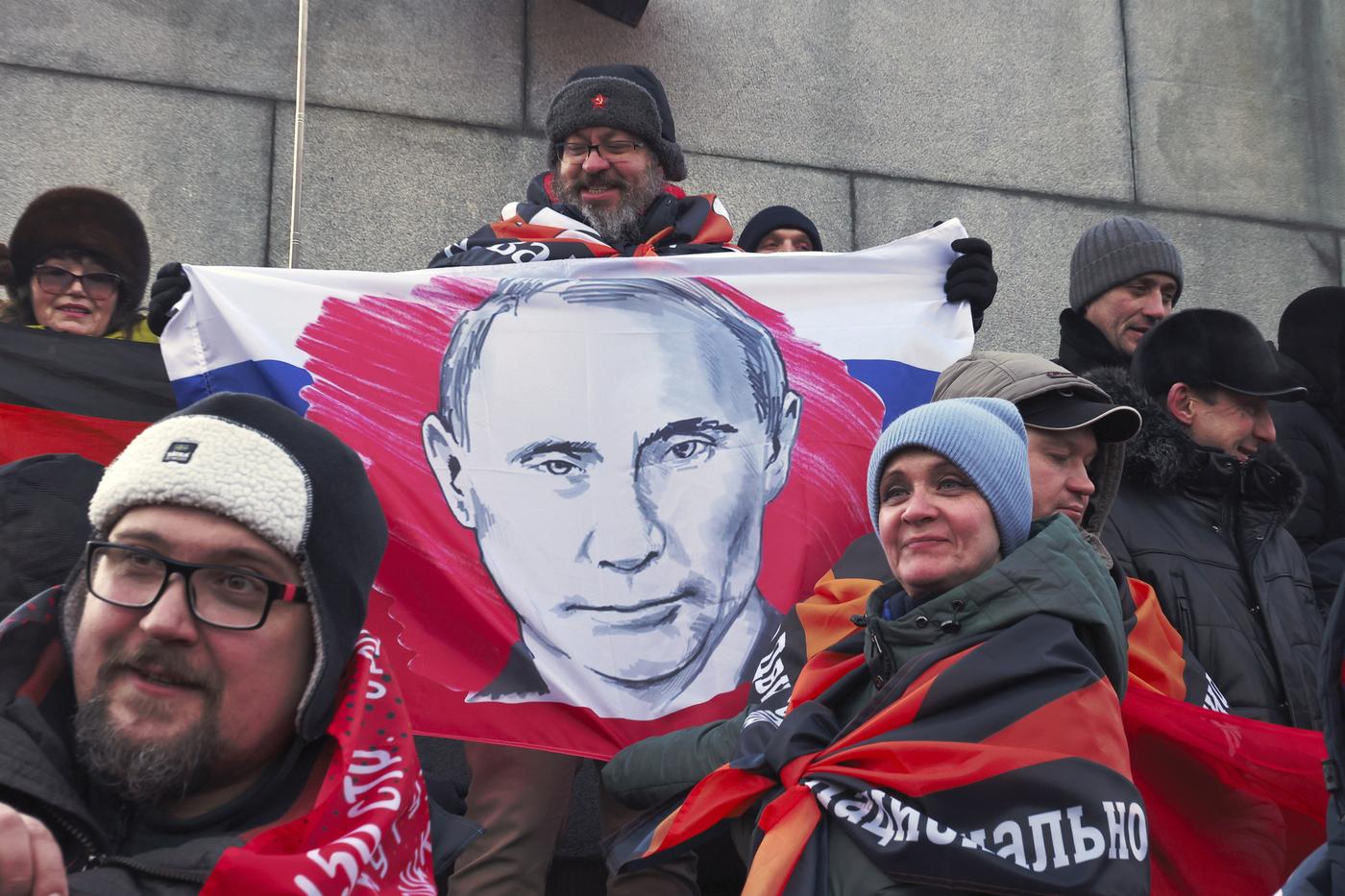
Russians support Putin
Explore further

How American “culture wars” became Russia’s actual war against Ukraine

Our resistance is violent because their aggression is. It is a reaction, and it does not exceed the action. If anything it is disproportionate in the other direction. They kill our civilians in daylight and destroy hospitals and residential buildings. We destroy their oil plants and the warehouses of their online marketplaces.

From the standpoint of genocide studies, what is being done to us is a classical genocide. Not a rhetorical trope—a scientifically provable case. What is unprecedented is not the death toll but the intensity: the quantity of weaponry and ammunition involved in this anti-colonial war has no precedent among anti-colonial wars.

Agency

This is what Ukraine has to contribute to postcolonial theory, and I think it is the important thing.

The victims are not powerless and they are not will-less. They have their own volition. They have their own agency. And the purpose of an anti-colonial struggle is to regain agency—not merely independence, not merely economic freedom, not merely the cutting of ties with international capital or with the old and new empires. Agency.

Our struggle is a struggle for and through our agency. And it is a path that other peoples still living with the residues of colonialism could follow.

The neocolonialism that is not Russian

The Russian form is the most obvious available to us. It is not the only one.

The newest arrived with the Trump administration, which tried to exchange support for our resources—rare earth elements and so forth—essentially requiring us to give them up in return for help. This is a classical neocolonial attitude. It is what happens when a neocolonial power is being established.

I want to be careful here, because this is the policy of the White House and not of Americans. Most Americans who come to Ukraine come as volunteers, prepared to sacrifice their lives, because they understand that global democracy depends on what happens here. The neocolonial attitude belongs to a minority. Unfortunately, that minority currently holds power.

It is a new situation for us, but it is not unique for the world. Still, we can survive it if we understand what it is.

Explore further

Russia is the last European colonial empire, but the West looks away. Expert explains why

Whether it is worth it

It is not for us to answer that.

Our generation has decided that it is worth it. But we should remember that we have also decided for the next generation. The Ukrainian Sich Riflemen, a volunteer legion of students and intelligentsia raised in Lviv in 1914, decided in their time that it was worth sacrificing themselves for Ukrainian independence, and we now judge that they were right. The UPA, fighting into the 1950s, decided the same. They were defeated.

We do not know how the next generation will judge us. Because there will be millions of Ukrainians who will not have been born as a result of this war. They will not decide whether we were right or wrong. They will not exist.

Those who do exist will make the judgment.

Cyril Hovorun

Archimandrite Cyril Hovorun is a professor of ecclesiology, international relations and ecumenism at Sankt Ignatios College, University College Stockholm, and a director of the Huffington Ecumenical Institute at Loyola Marymount University in Los Angeles.

Edited by Alya Shandra

Editor's note. The opinions expressed in our Opinion section belong to their authors. Euromaidan Press' editorial team may or may not share them.

Submit an opinion to Euromaidan Press
  •  

Second Russian MiG-29 in two days: Ukraine’s drones worked over Millerovo airbase

second russian mig-29 two days ukraine's drones worked over millerovo airbase · post fighter jet beside shelter rostov oblast russia ukrainian drone's sights 24 2026 telegram madyar ukraine news reports

Ukrainian drones worked over dozens of Russian military and industrial sites overnight on 24 August, reaching from occupied Ukraine and the Black Sea to southern Russia, the commander of Ukraine's Unmanned Systems Forces (SBS) reportedThe night's targets included a fighter jet at a Russian airbase, air-defense radars, fuel and propellant facilities, and vessels of Russia's sanctions-evading shadow fleet. A fuller breakdown released later in the day named the site of each strike and the unit that carried it out. Footage released with the breakdown shows the strikes.

Ukraine has been running mid-range strikes across the belt from occupied Crimea to Rostov Oblast for months, taking out the radars, missile batteries, and the aircraft that fly air-defense patrols over it — a rolling effort to thin the cover that meets every deeper Ukrainian strike.

A fighter jet and a decoy at the same airbase

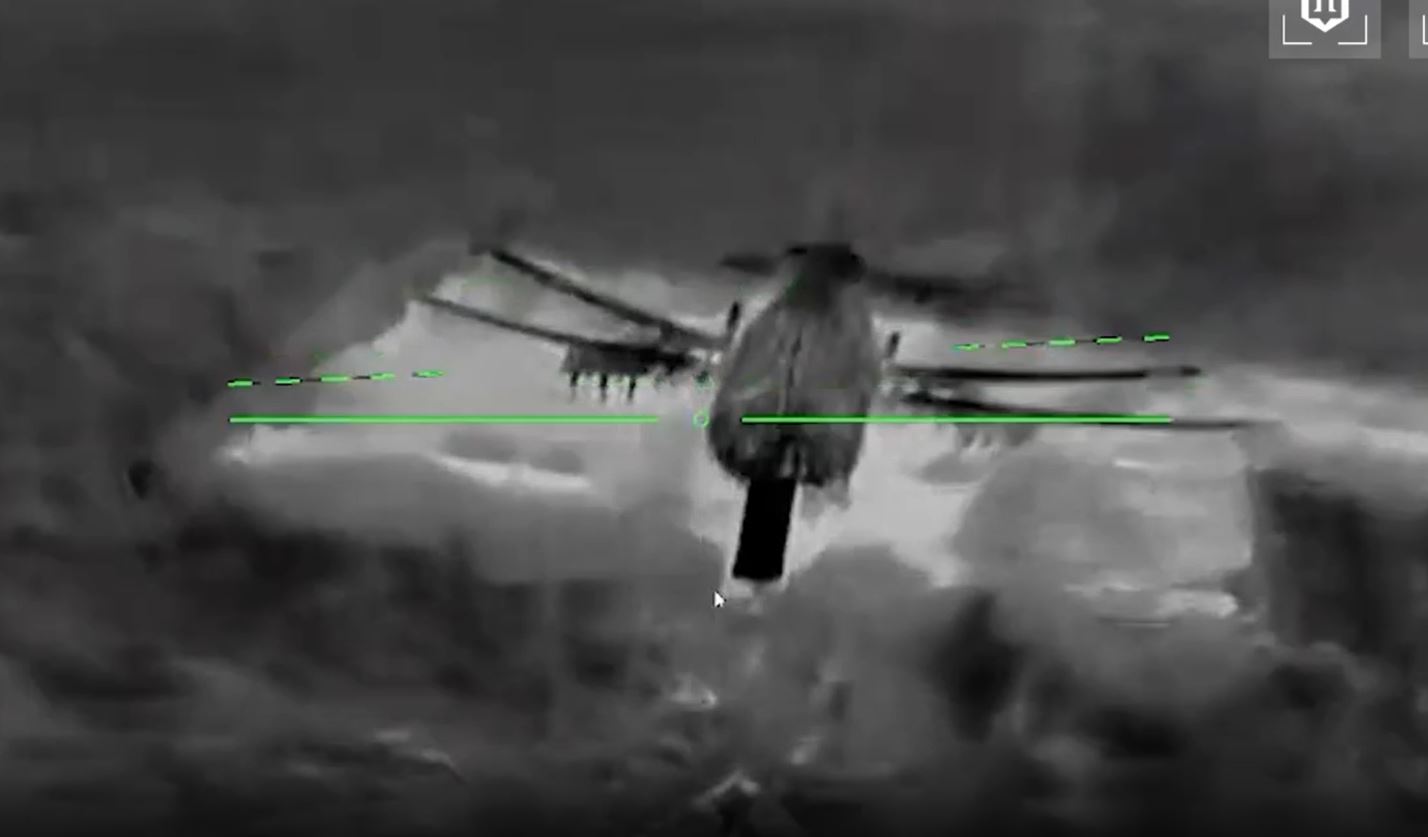
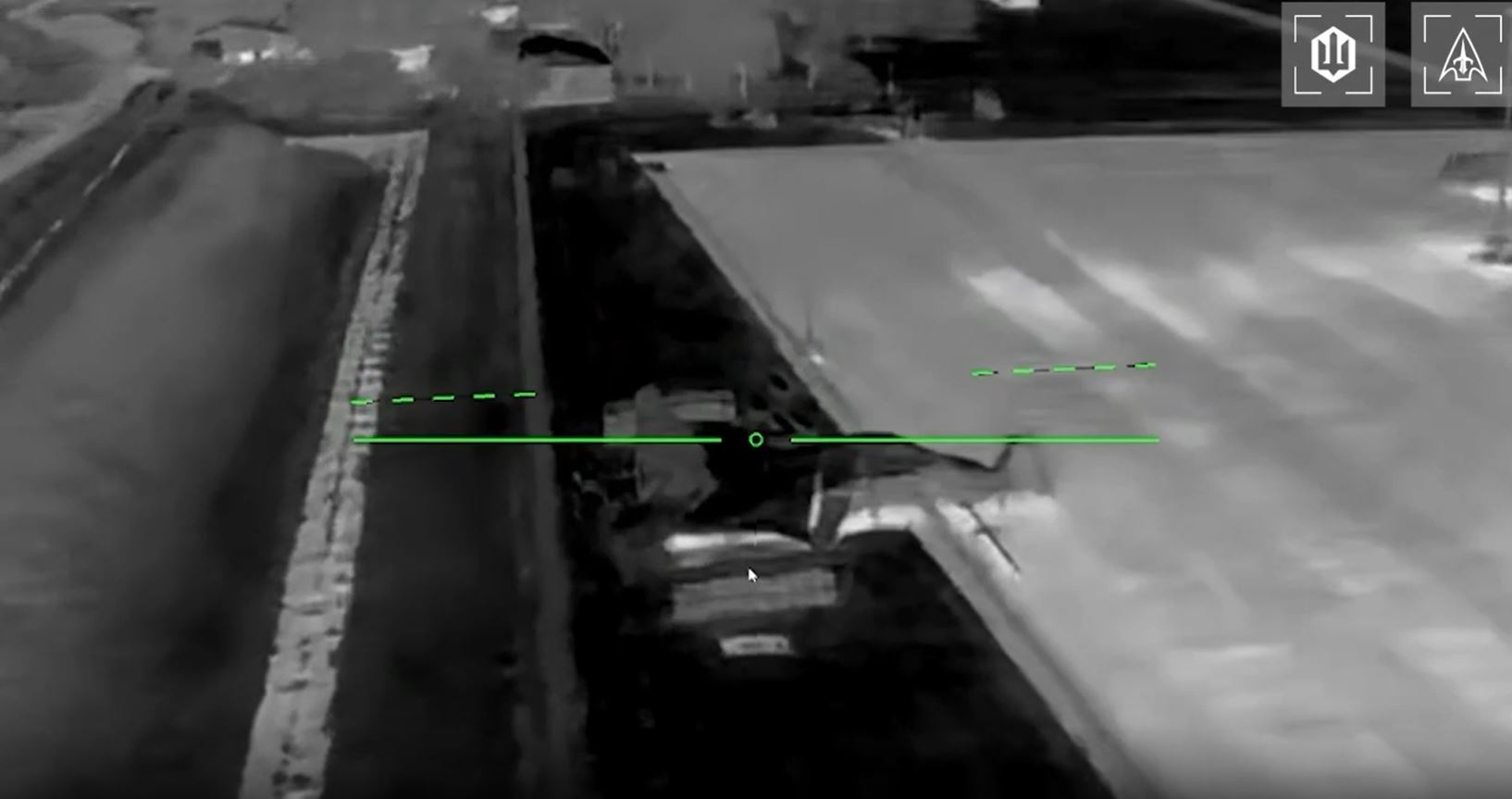
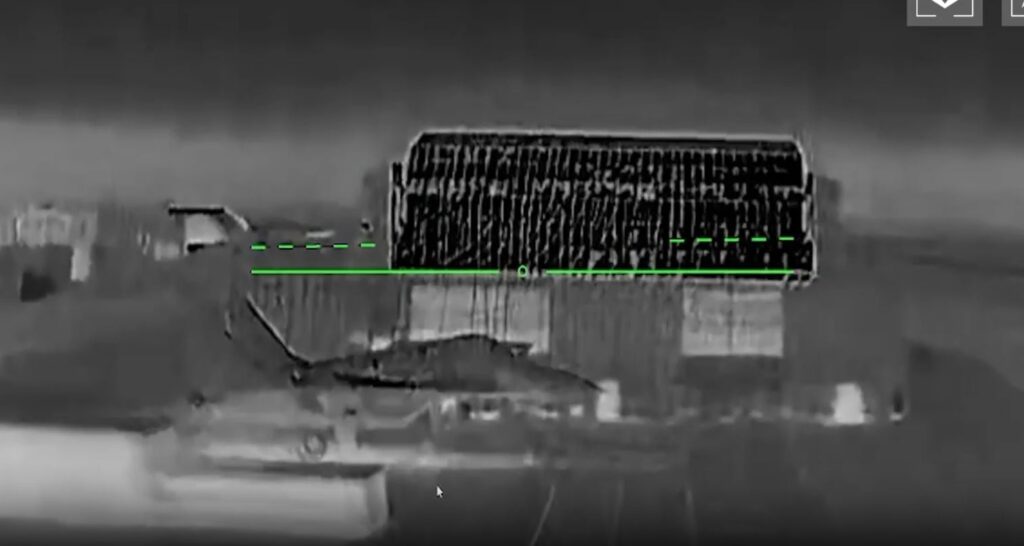
Robert Brovdi, callsign Madyar, said his crews hit 66 targets in the operational depth of the Russian rear. Among them was a MiG-29 at Dolotinka, on the grounds of the Millerovo airbase in Rostov Oblast. The 1st Separate Center of the SBS carried out that strike.

second russian mig-29 two days ukraine's drones worked over millerovo airbase · post ka-52 helicopter mockup rostov oblast russia ukrainian drone's sights 24 2026 heli ukraine news reports
A Ka-52 helicopter mockup at Millerovo airbase in Rostov Oblast, Russia, in a Ukrainian drone's sights, 24 August 2026. Photo: Telegram/Robert Brovdi

The same unit hit a mockup of a Ka-52 Alligator attack helicopter at the same location. Russia uses such decoys to draw drones away from real aircraft.

two russian fighters one spy drone hit kranodar radars anti-air systems elsewhere—ukraine forces · post combat aircraft ukrainian drone's sights vityazevo airfield krasnodar krai russia 23 2026 su-33 video sbs
Explore further

Ukraine’s drones hit two Russian fighters and a spy drone—and blinded radars from occupied Crimea to Rostov

It was the third Russian fighter jet Ukrainian drones reached in two days. Crews struck another MiG-29, a jet SBS identified as a Su-33 and Militarnyi assessed as a Su-30SM, and an Orion strike-reconnaissance drone at Vityazevo in Krasnodar Krai on 23 August. Ukrainian drones have caught a MiG-29 on a Russian airfield before, at Kursk in July.

Four radars, from Rostov Oblast to occupied Crimea

Crews hit four radar systems overnight. Two Kasta-2E2 sets went down at Geraskin and Karaichev in Rostov Oblast, and a Nebo-SV at Gukovo in the same oblast. All three fell to the 1st Separate Center.

The fourth, an ST-68, stood at Rozdolne in occupied Crimea. The 9th Kairos battalion of the 414th Madyar's Birds brigade struck it.

The radar work is part of a campaign against Russian sensors and launchers that has run for months without a pause.

Rocket propellant, fuel, and two ships

The 1st Separate Center struck the Kamensky Combine at Kamensk-Shakhtinsky in Rostov Oblast, a plant producing solid rocket fuel, according to SBS. The 9th Kairos battalion hit a fuel tank at Yeysk in Krasnodar Krai. In occupied Luhansk Oblast, the 20th K-2 brigade struck a fuel depot belonging to the 106th material support brigade of Russia's 41st Army at Dovzhansk. 

Brovdi also said his crews hit and destroyed two shadow-fleet vessels, a tanker and a bulk carrier, in the Black Sea. No independent account of either loss has appeared.

A drone school, relays, and a base in occupied Kherson Oblast

In occupied Kherson Oblast, Ukrainian crews destroyed the quarters of a Russian National Guard rapid-response unit and hit two relay stations for Geran attack drones, according to the SBS breakdown.

second russian mig-29 two days ukraine's drones worked over millerovo airbase · post explosions base national guard rapid-response unit strilkove occupied kherson oblast 24 2026 - seen ukraine news ukrainian
Explosions at the base of a Russian National Guard rapid-response unit in Strilkove, occupied Kherson Oblast, 24 August 2026. Photo: Telegram/Robert Brovdi

They also struck a shelter for a Zala reconnaissance drone crew in occupied Crimea, a drone school in occupied Zaporizhzhia Oblast, and a drone laboratory in occupied Donetsk Oblast.

Brovdi also reported 11 Russian rear deployment points burning across occupied Zaporizhzhia, Donetsk, and Luhansk oblasts, along with strikes on energy nodes in occupied territory.

  •  

Russia grinds up the eastern approach to Sloviansk after its northeastern push stalled

The aftermath of the destruction following one of the strikes in Sloviansk

Russian forces have gained ground on the eastern approaches to Sloviansk and continue to prioritize an eastern route toward the city, according to the Institute for the Study of War (ISW). Their earlier push from the northeast had bogged down, and Russia now aims to set up a future assault on one of the last major cities Ukraine still holds in Donetsk Oblast. A quick move on the city itself remains extremely unlikely, ISW said.

Russia's 2026 summer campaign in the east has advanced through field edges and small villages rather than the breakthroughs the Kremlin keeps promising, the grinding pattern that has defined the fighting across Donetsk Oblast for years.

Destroyed Kostiantynivka
Explore further

Kostiantynivka: Why one city in Donbas matters so much that Putin lies about having captured it

The eastern approach

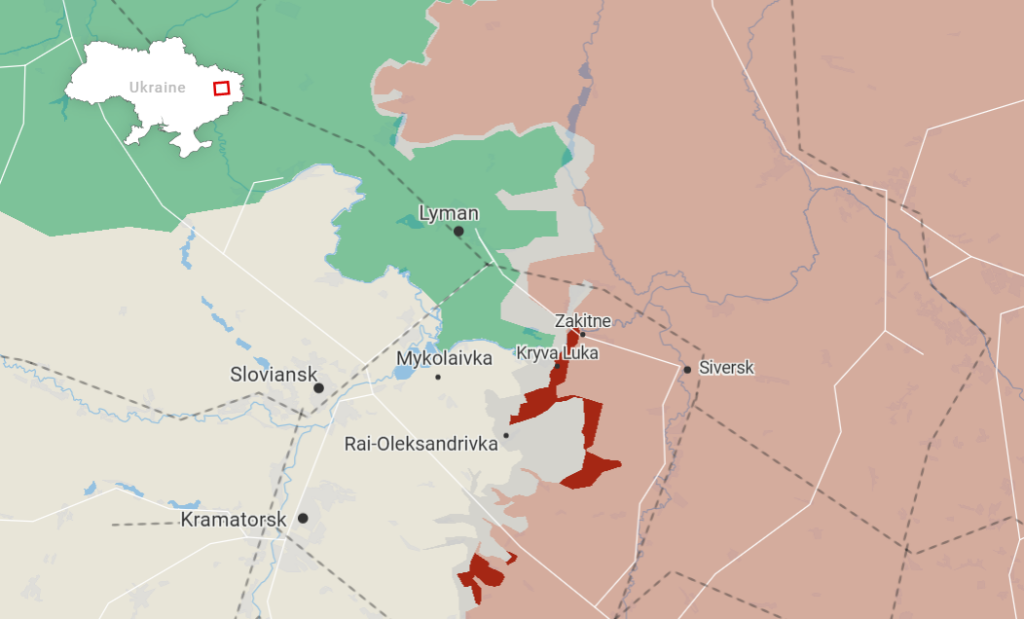
Ukrainian military observer Kostiantyn Mashovets reported that Russian forward units are advancing across several tactical areas at once in the Sloviansk direction. He said the command of Russia's 3rd Combined Arms Army rushes assault infantry forward right after each successful infiltration. Russian troops reached the southeastern edge of Pyskunivka, east of Sloviansk, from the east and northeast, moving off positions they had seized on the southern bank of the Siverskyi Donets, Mashovets said. Zakitne lies northeast of Pyskunivka and Kryva Luka southeast of it, and ISW read the advance as evidence Russia has consolidated positions in both.

They also infiltrated the southern and southeastern outskirts of Mykolaivka from western Rai-Oleksandrivka. ISW assessed that Russia is running a dual effort to connect its units near Kryva Luka with those at Rai-Oleksandrivka, so it can assault Mykolaivka from dominant terrain to the east and south at once. Mashovets added that other Russian groups slipped through three settlements along the E-40 Bakhmut-Sloviansk highway, trying to hold the western bank of the Siverskyi Donets-Donbas Canal and reach the river just east of the city.

ISW observed reports on 23 August that Ukrainian forces repelled a Russian infiltration attempt in Mykolaivka.

Oleksandr Borodin, spokesperson for Ukraine's 3rd Army Corps, said the Lyman direction falls in his corps' zone and that Russia's goal there is to half-encircle the Sloviansk-Kramatorsk agglomeration from the flank—first securing bridgeheads across the rivers, then cutting logistics. He called those plans unrealistic:

"We have quite serious defensive positions there and have been preparing for a long time. The capabilities they currently have to try to accomplish this task are insufficient even to come close to achieving such a goal."

Why Moscow switched directions

Russia prioritized attacking Sloviansk from the northeast through Lyman when it opened its spring-summer 2026 offensive, but that effort has largely stalled. The Siverskyi Donets River, which loops north and northeast of the city, together with a web of canals, handed Ukrainian defenders a natural moat. So Russian commanders now treat Mykolaivka as a key prize. Taking it would let them strike west toward Sloviansk from the east, skirting the water obstacles that blocked the northeastern route.

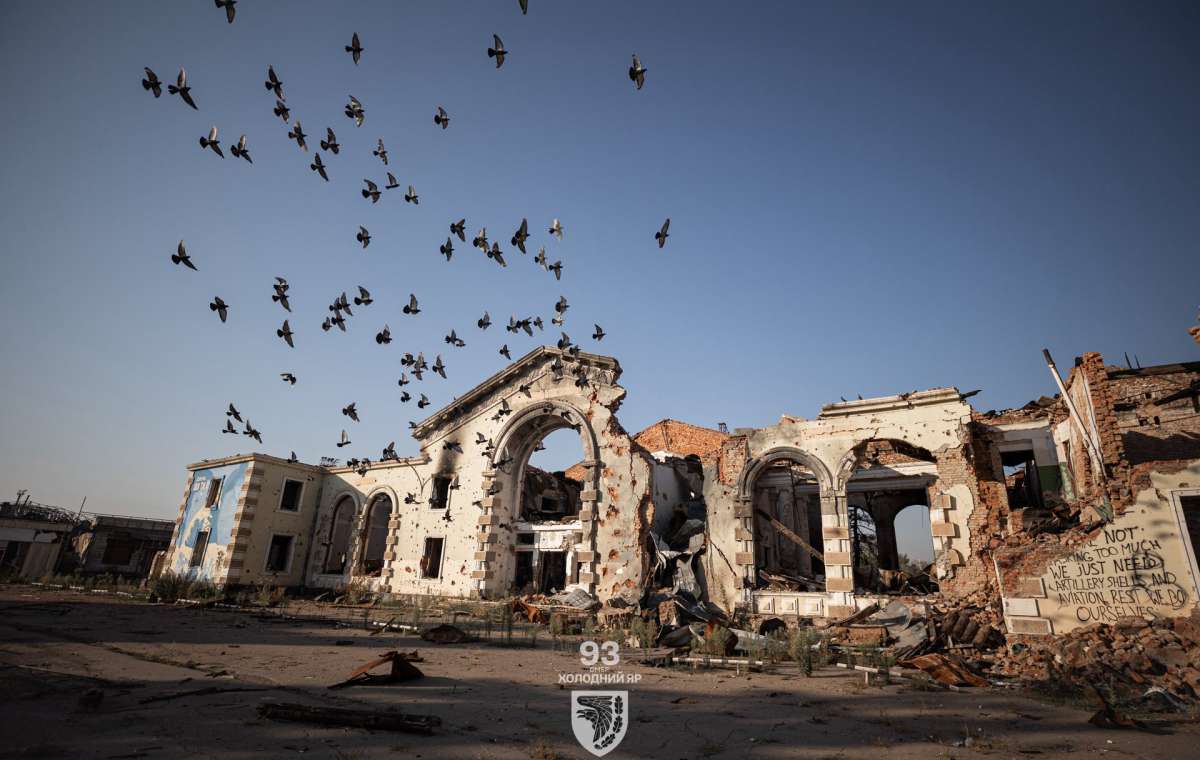
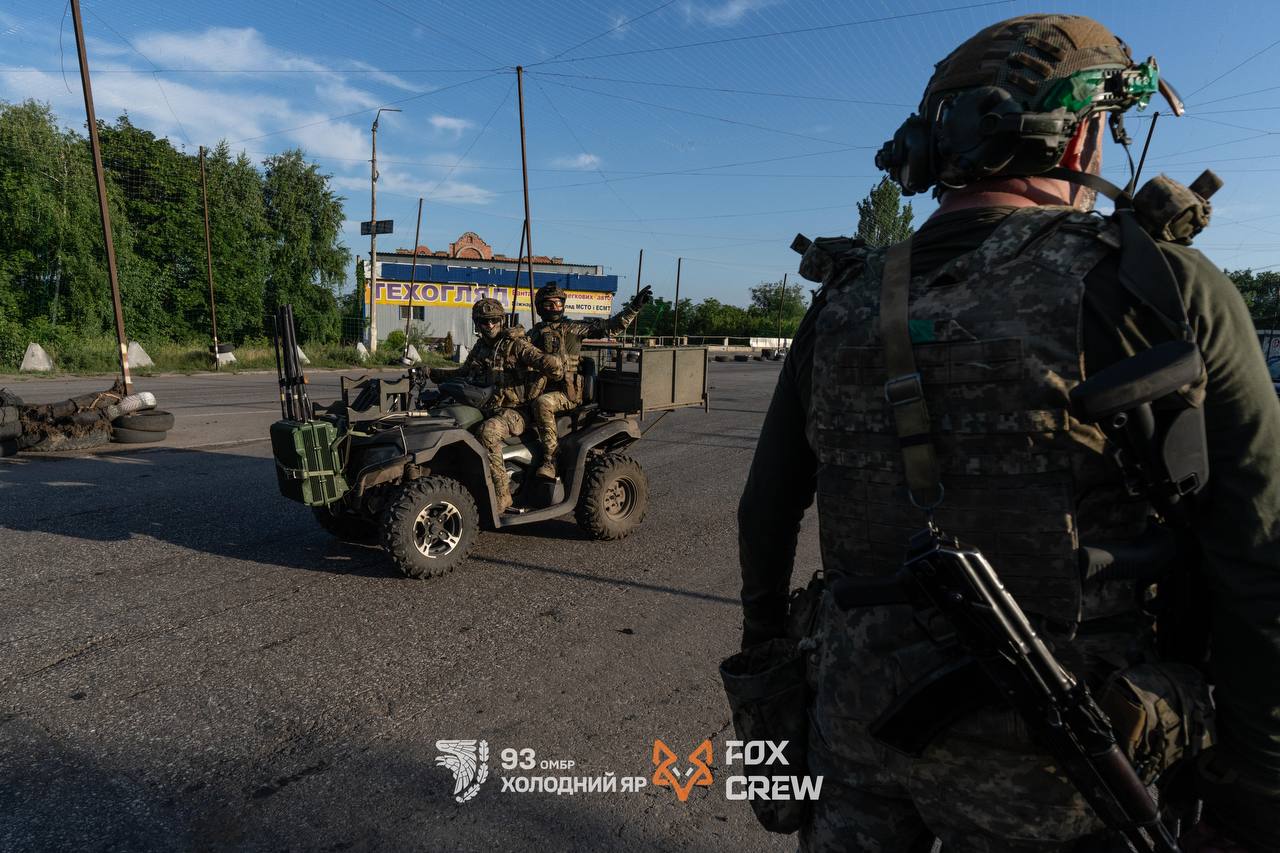
Soldiers of the 93rd Separate Mechanized Brigade’s Fox Crew prepare for a logistics run near the Kramatorsk–Kostiantynivka road in Donetsk Oblast. The unit, once focused on anti-tank warfare, now uses strike drones to disrupt Russian supply lines. Credit: 93rd Separate Mechanized Brigade / Fox Crew.
Explore further

Ukrainian intelligence units will not help: Analyst warns that once Russia breaks into Sloviansk and Kramatorsk, reinforcing them only delays inevitable

A slow road into the Fortress Belt

Sloviansk anchors the northern end of Ukraine's Fortress Belt, a chain of fortified cities that has blunted Russian advances in Donetsk Oblast since 2014. ISW cautioned that Russian forces are extremely unlikely to make fast gains west of Mykolaivka, since they still need to seize several more settlements first.

Ukraine's President Volodymyr Zelenskyy said on 23 August that Putin has ordered his army to seize all of Donetsk Oblast by 31 December. By ISW's count, it is the 15th such deadline since 2022, and Russia has missed every one that has come due.

Zelenskyy put Russia's frontline casualties this year at around 267,000, including about 155,000 killed, and said 70% to 80% of them fall in the Kostiantynivka direction. Russia holds about 79.89% of Donetsk Oblast, by ISW's count, and Zelenskyy said the Kremlin is preparing to mobilize around 300,000 men after the 18–20 September State Duma elections, partly to reinforce Donetsk and Luhansk oblasts.

  •  

Ukraine returns 10 servicemen its own records had marked missing in action

title · post returned servicemen staff coordination headquarters treatment prisoners war outside its building 24 2026 pow swap zelensky5215191480174059044 ukraine news ukrainian reports

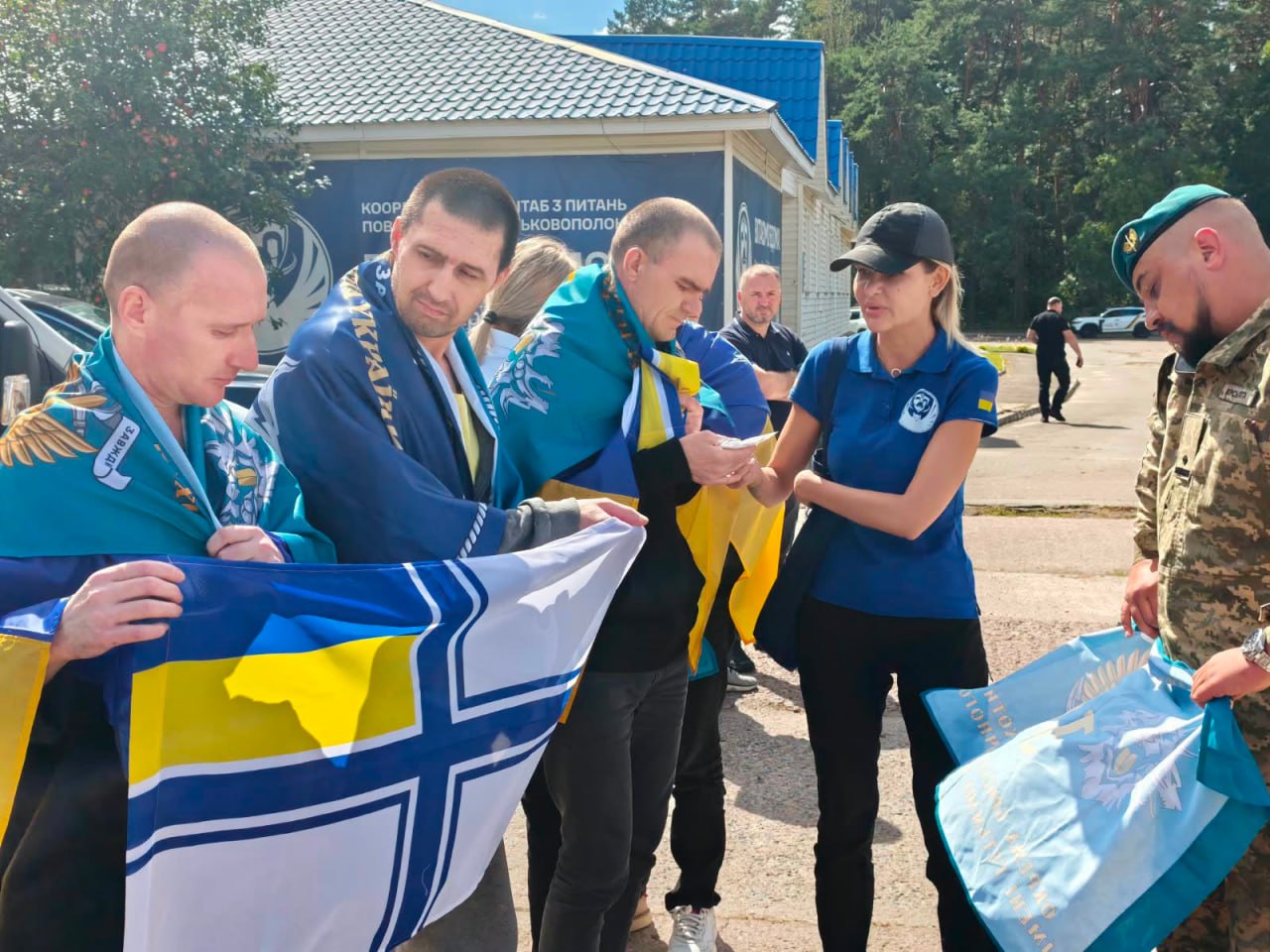
Ukraine brought a small group of servicemen home from captivity on 24 August, its Independence Day, and every one of them had been carried as missing in action, Ukrainian President Volodymyr Zelenskyy announced. The men crossed back through Belarus as a separate stage of the exchange now under way. Ukraine's prisoner-of-war agency later set out who they were.

Amid Russia's all-out war in Ukraine, prisoner swaps remain one of the few Ukrainian-Russian mechanisms still producing results while every negotiating track on territory and ceasefires stays deadlocked, which leaves each completed stage as the practical measure of what still passes between two governments that agree on nothing else.

Ten men Ukraine had listed as missing, not captured

President Zelenskyy said Ukraine was bringing back 10 of its soldiers through Belarus. They serve in the Armed Forces and the National Guard, and they defended the country in the Donetsk sector in the east. He called it a special stage of the exchange.

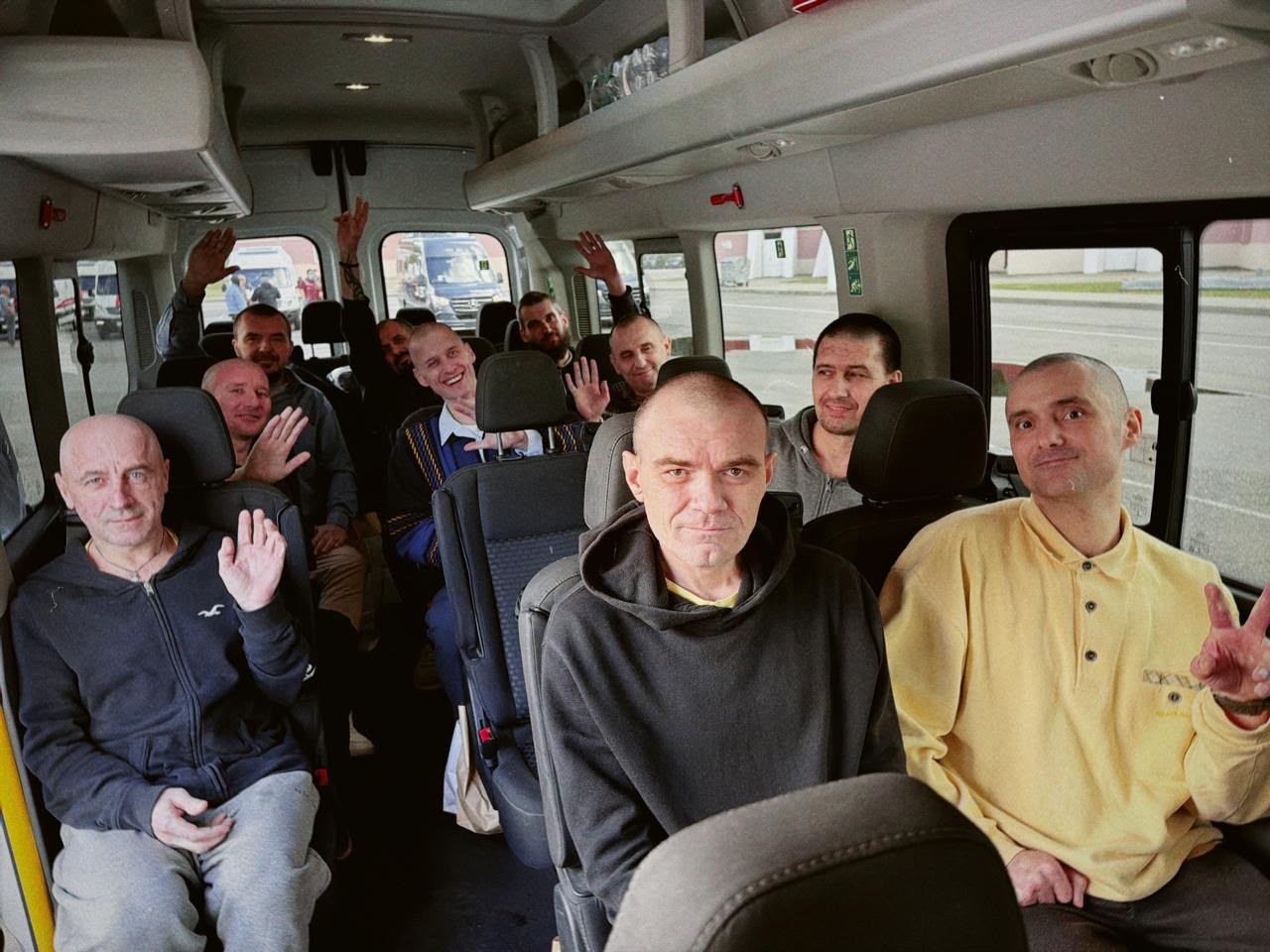
title · post returned servicemen inside minibus day release 24 2026 pow swap zelensky5215191480174059045 ukraine news ukrainian reports
Returned servicemen inside a minibus on the day of their release, 24 August 2026. Photo: Zelenskyy

The Coordination Headquarters for the Treatment of Prisoners of War, the state body that runs Ukraine's exchanges, specified the details in the afternoon. The freed men hold the ranks of sergeant, soldier, and sailor. All 10 had been logged as missing rather than captured. 

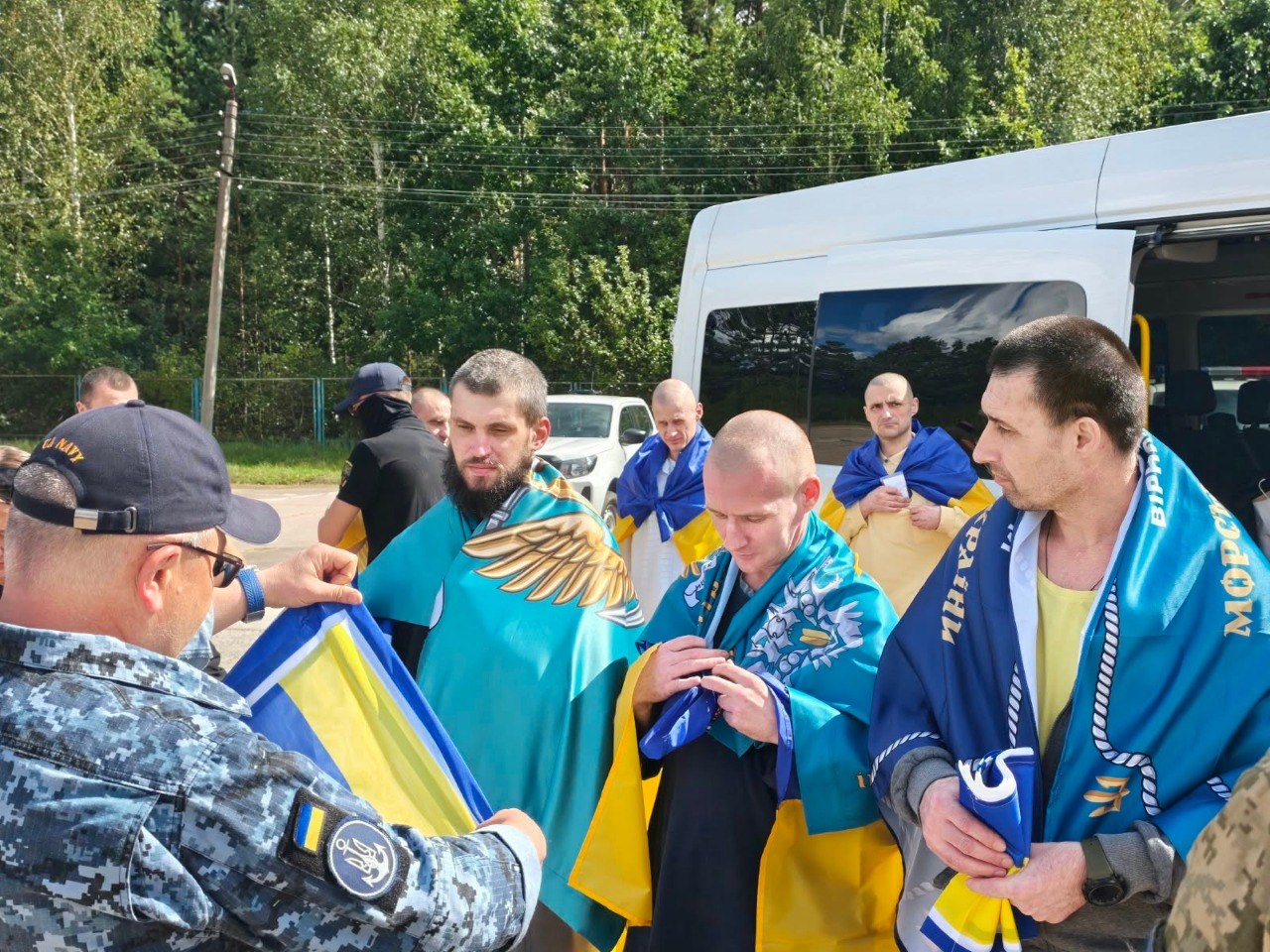
title · post serviceman ukrainian navy uniform holds flag beside troops returned russian captivity 24 2026 pow swap coord hq5215453606323101166 ukraine news reports
A serviceman in Ukrainian Navy uniform holds a flag beside troops returned from Russian captivity, 24 August 2026. Photo: Coordination Headquarters for the Treatment of Prisoners of War

Two had been listed as missing since 2024, the other eight since 2025. The agency said the handover came out of talks run by its own exchange working group. It described the return as the second stage of the current exchange. 

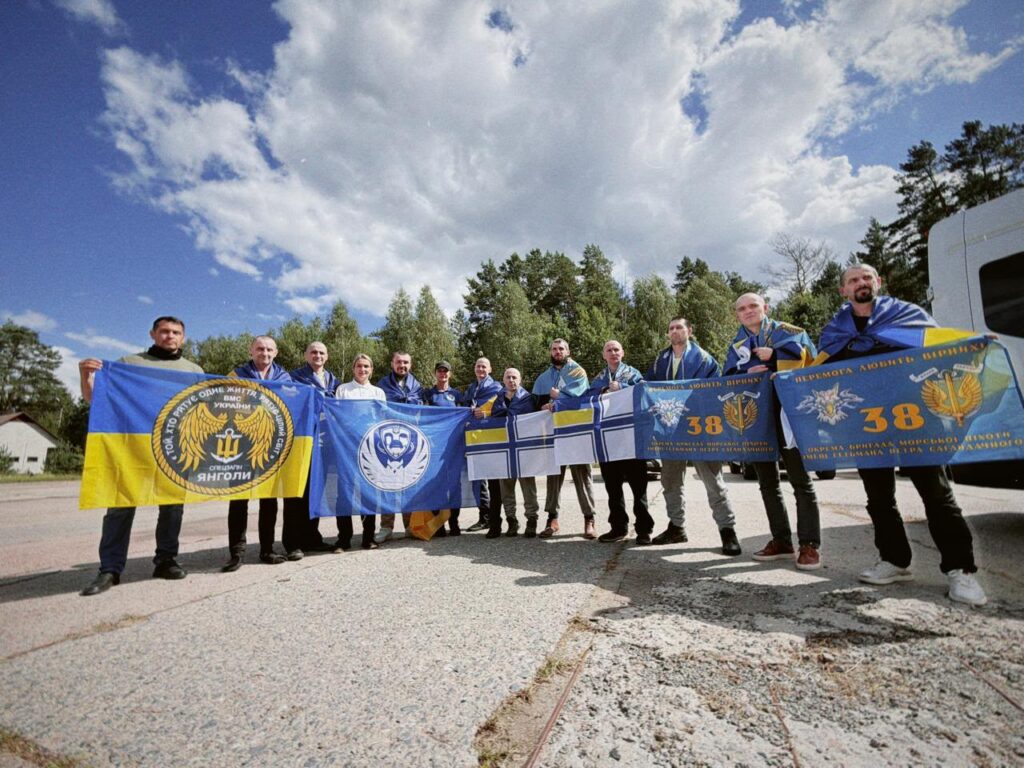
title · post returned servicemen hold ukrainian navy unit flags including those 38th separate marine brigade 24 2026 pow swap zelensky5215191480174059051 ukraine news reports
Returned servicemen hold Ukrainian, Navy, and unit flags, including those of the 38th Separate Marine Brigade, 24 August 2026. Photo: Zelenskyy

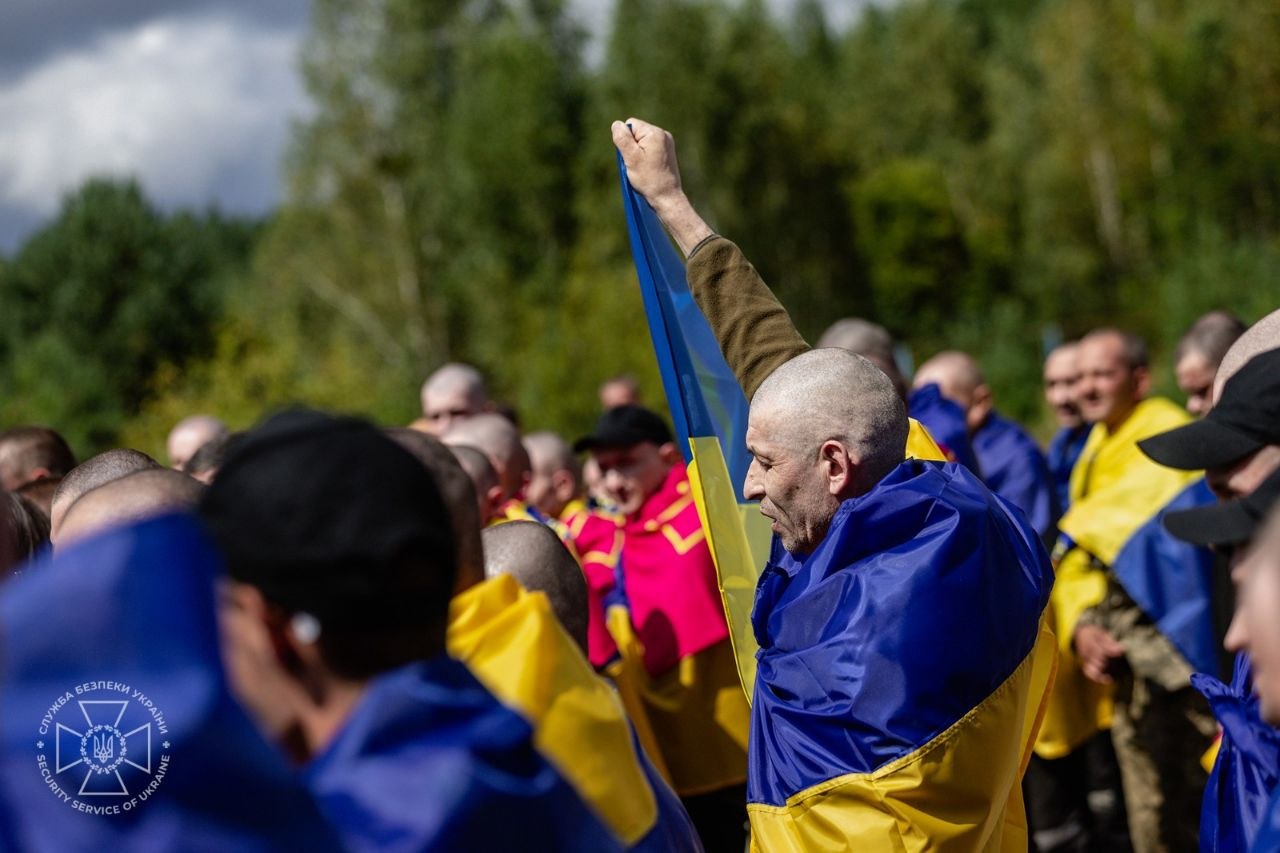
The first stage ran on 19 August and brought back 103 servicemen. 

two officers 101 soldiers—ukraine's newest homecoming russian cells · post freed ukrainian defender raises fist among fellow released captives wrapped national flags 19 2026 4 pow exchange sbu5199714552638020898 ukraine news
Explore further

Two officers, 101 soldiers—Ukraine’s newest homecoming from Russian cells

Locating Ukrainian captives inside Russia or the occupied territories is often difficult, as is verifying their identities, because Russia withholds data on captured soldiers and civilian hostages. Former detainees describe beatings, electric shocks, mock executions, and refusals of medical care, and civilians held without trial report the same treatment as the soldiers.

Roughly 7,000 Ukrainian service members were in Russian captivity as of May 2026, with civilian detainees estimated at 10,000 to 20,000. Ukraine had returned 9,606 military personnel and civilians through exchanges by late June. 

  •  

Russia’s biggest electronics chain delays seller payments as it expands online

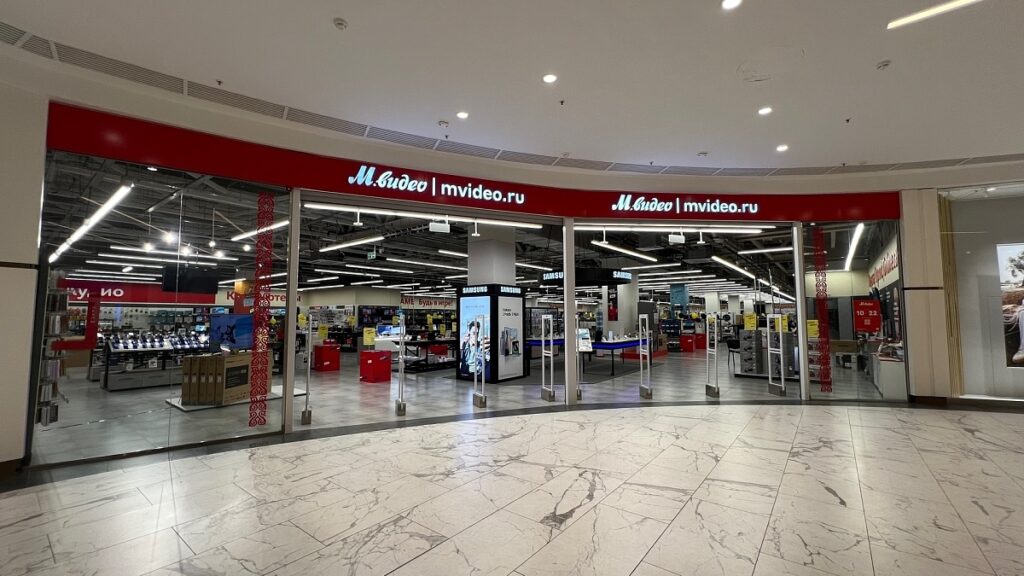
v.mideo store at grozny mall in chechnya

Independent businesses selling through M.Video, Russia’s largest electronics chain, waited months to receive customer payments for goods already sold. One seller received it only after filing a formal demand that usually precedes a lawsuit, according to a Vedomosti report.

The sellers are independent businesses using M.Video’s website as their storefront. Under M.Video’s seller contract, a customer buys from the independent business while M.Video collects the payment as the seller’s agent.

The business pays M.Video a commission for listing the product and handling payment and delivery. Until M.Video transfers the proceeds, the seller has already handed over the product but has not received the money from the sale.

Some sellers turn to legal demands

Sellers said payments for goods sold in May and June were still missing in August. One sent M.Video a formal demand on 13 August, giving the company five days to pay and waiving interest. The money arrived on 18 August.

Another business said its demand went unanswered, while its assigned manager stopped responding. It continued shipping orders until mid-July because M.Video had promised to transfer payment for its May sales.

Similar complaints had already surfaced two months earlier. M.Video told ABN that transfers were regular, but rapid growth sometimes required additional checks before funds could be released. The same report cited a business that had waited 24 working days after approving its sales statement; its previous transfer had also arrived late.

Independent sellers are taking a larger role in M.Video’s business. M.Video’s annual results show that products from these sellers accounted for one in every ten orders in 2025. According to its half-year marketplace update, turnover from these businesses quadrupled year-on-year as M.Video expanded beyond electronics. The number of products listed grew nearly sixfold.

The shift follows heavy losses in M.Video’s store-based business. M.Video’s annual results show that it lost about 64 billion rubles (about $770 million)—nearly one-fifth of its annual revenue. The chain closed hundreds of underperforming stores and opened only 11.

  •  

EU approves $7.12 billion for Ukraine’s defense as Kyiv marks 35 years of independence

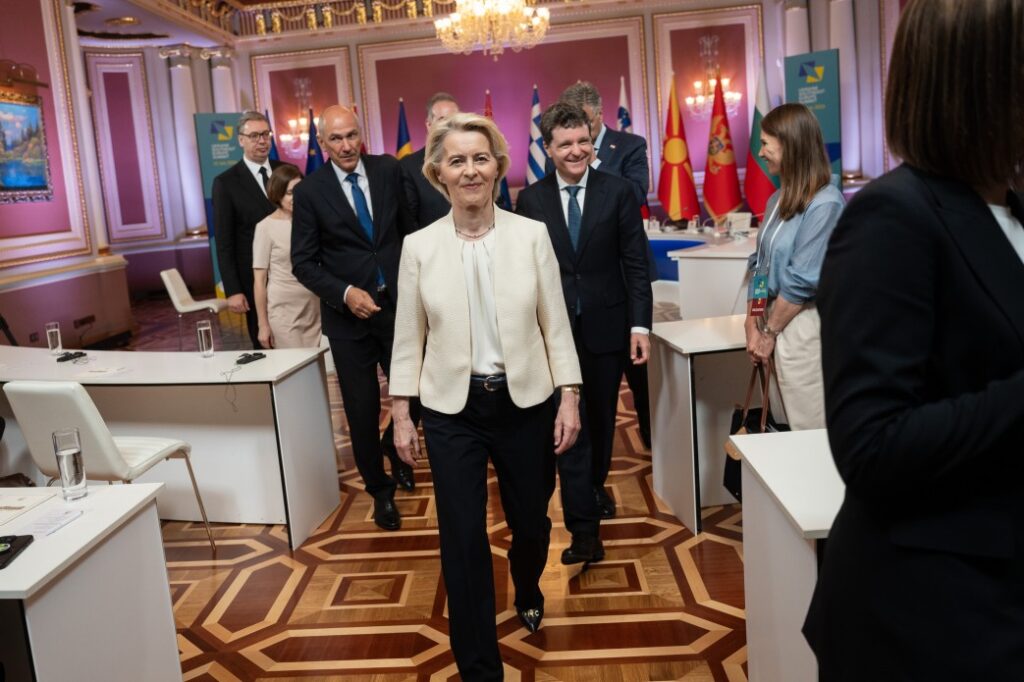
eu approves $712 billion ukraine's defense kyiv marks 35 years independence · post european commission president ursula von der leyen 5th ukraine–southeast europe summit 15 2026 presidentgovua ukraine news ukrainian

The European Commission approved €6.1 billion ($7.12 billion) in new defense procurement for Ukraine on 24 August, covering air and missile defense systems, missiles, ammunition, and radars. European Commission President Ursula von der Leyen announced the decision as Ukraine marked its Independence Day.

Russia's intensifying missile campaign has outpaced what Ukraine's partners can supply, and Europe is now financing the systems its own industry can build while the scarcest interceptors stay in American hands.

How the €90 billion loan pays out

The funding is part of the EU's €90 billion ($105 billion) Ukraine Support Loan for 2026-27, with €60 billion allocated to defense and €30 billion for budgetary support. The new package comes on top of €16 billion in previously approved defense procurement. Reuters put the disbursed total at €8.35 billion.

On 30 June, the European Commission disbursed €3.9 billion as the first payment under a first tranche of around €6 billion dedicated to drone procurement. On 15 July, it disbursed €1.1 billion, and on 30 July another €3.47 billion for drones, missiles, air defense, and Gripen fighter jets. The Commission's own three defense-window payments add to €8.47 billion.

Most of the buying will be from EU defense companies, and the Commission said deliveries will mean drawing down stockpiles, reprioritizing orders, and raising production. Under the mechanism, Ukraine submits signed contracts with defense companies, and the Commission reviews them before releasing funds.

Interceptor deliveries are falling as strikes rise

Air defense is among Ukraine’s most urgent military needs as Russia steps up its aerial campaign. The European Commission said Ukraine faced 376 missile strikes in July alone.

Kyiv has repeatedly warned of shortages of interceptors, particularly for ballistic missiles. The shortfall traces to Washington: since the United States went to war with Iran, it faces its own Patriot shortage and has resisted releasing large numbers to Ukraine.

Ukrainian President Volodymyr Zelenskyy released figures ahead of the Independence Day meeting that show the scale: Ukraine received 675 Patriot interceptors in 2023 and 364 in 2025, while 264 are projected for 2026, against a request for at least 300 for the winter, according to Kyiv Post.

Allies gather in Kyiv with missiles on the table

The announcement coincided with a hybrid meeting of the Coalition of the Willing in Kyiv. British Prime Minister Andy Burnham, German Chancellor Friedrich Merz, and French President Emmanuel Macron co-chaired the meeting, with Macron joining by videoconference, the Élysée Palace said. European Council President António Costa also took part, and NATO was represented by Deputy Secretary General Radmila Šekerinska.

Britain agreed to let defense firm MBDA release classified information on UK components of the long-range SCALP missile so Ukraine and France can set up local assembly lines, the UK government said. The EU decision followed Norway's pledge on 23 August to provide Ukraine with about $9 billion in support in 2027, including military, humanitarian, and financial assistance. Nordic and Baltic leaders announced the pledge during a visit to Kyiv.

  •  

No GPS, no landmarks—how Ukraine’s drones hunt Russian spy drones far out over the Black Sea

Ukraine sea drone USV machine gun naval

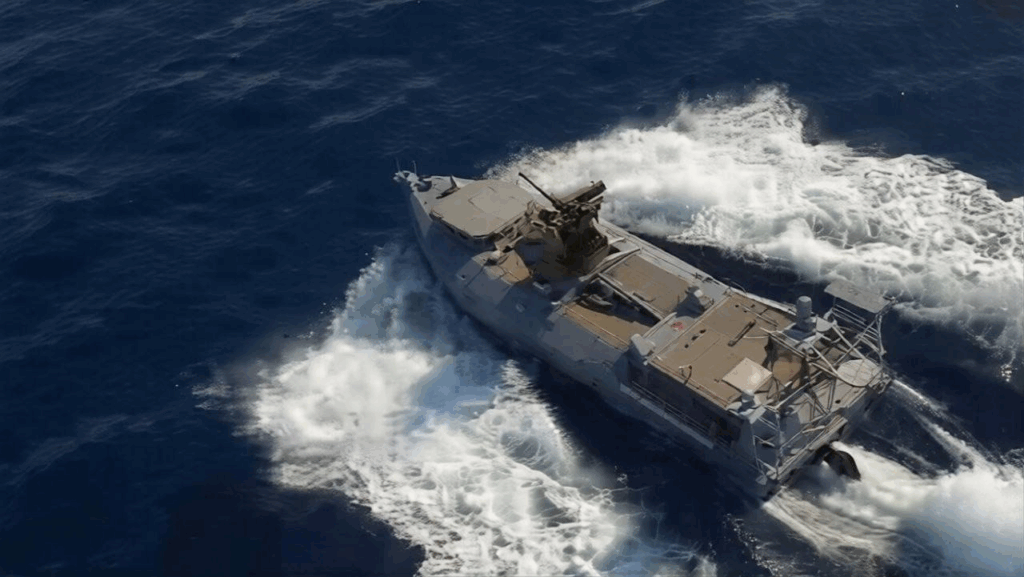
Ukraine is building a sea-facing layer of air defense along its southern coast, Kyrylo Liukov, head of the unmanned technologies department at the Serhii Prytula Foundation, wrote in a column for RBC-Ukraine. Winged interceptors now reach the Russian spy drones that guide strikes in the south.

Russia's nightly drone strikes on Ukrainian cities have turned air defense into a race to close every corridor Russia can fly through, over land first and now over the open sea. Kyiv does it with cheap interceptors rather than costly missiles, and keeps having to chase Russian workarounds. The sea was the stretch air defense could not reach, and it is where Russia keeps the spotters that make its Shahed swarms steerable.

Land and sea are two different fights

Defending the sky over land and over open water are two different problems, Liukov wrote. Multirotor copters are fast and simple to launch near the coast, but past roughly 25 km offshore, a multirotor is almost useless. Russia builds its mission routes so that drones cross dozens of kilometers over sea before they turn toward Ukrainian targets. Fixed-wing drones close the gap. Built like gliders, they loiter for over an hour and hold a link at 40 km and beyond, helped by an open radio horizon that land's terrain and buildings deny them.

Recon drones are the priority target for a reason. Beyond spotting and confirming hits, they work as relays in a MESH network for a group of strike drones. In that setup, Russian crews can steer Shaheds by hand right up to the moment of impact, Liukov wrote.

Southern units recently set three distance records with foundation-supplied interceptors. The 18th aviation commandant's office of Air Command South downed a Russian Orlan-30 reconnaissance drone 110 km out. It used a Wovkulaka Spitfire interceptor, the longest kill on record for that system.

The 12th Separate Special Purpose Center set the other two, flying a system from the miltech company TechnoTaras: an Orlan downed at 86 km, and a 145 km hunt measured from the takeoff point that held a stable digital link the whole way, Liukov wrote. That leaves Russia's drones exposed much farther from shore than its planners assume, he added—and if such results become routine, Russia has to pull its transit routes farther out still.

The Maiachnia beacon line

A less obvious problem was navigation, not shooting. A drone flying without GPS steers by landmarks, and over open sea, there are none. Late last year, the foundation, the 12th Separate Special Purpose Center, and TechnoTaras launched a project called Maiachnia. It strings radio beacons on the Skyline system along the coast from Ochakiv to Izmail. The beacons work on their own and keep backup power, tied to a central network that operators can adjust remotely. An operator can then track the drone even under GPS jamming, bad weather, or a temporary loss of link, and bring it home. More than five southern units now fly the foundation's winged drones.

The real stakes sit offshore—the southern ports and the Black Sea grain corridor that Russian drones threaten and that land-based copters can barely reach. Keeping Russian drones farther offshore would buy room there. But Russia is scaling up a faster, jet-powered Shahed, and the interceptor answer to it is early—so the offshore edge just won will have to be defended again.

  •  

Why did Ozon fall as much as 29% while Russia’s market lost 2.9%?

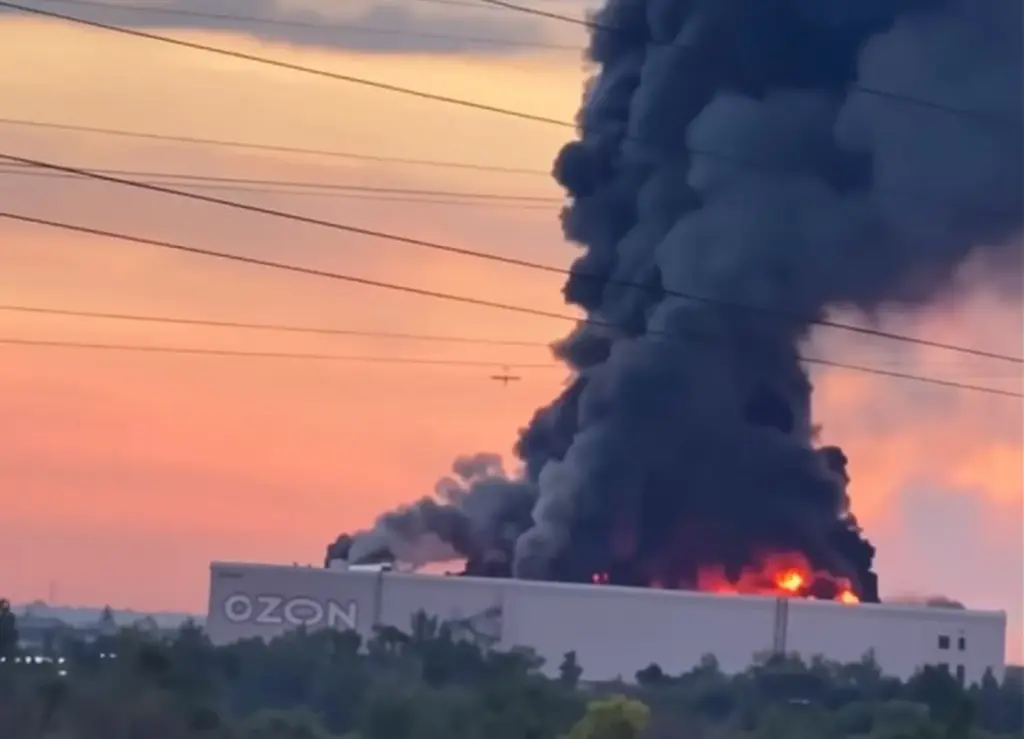
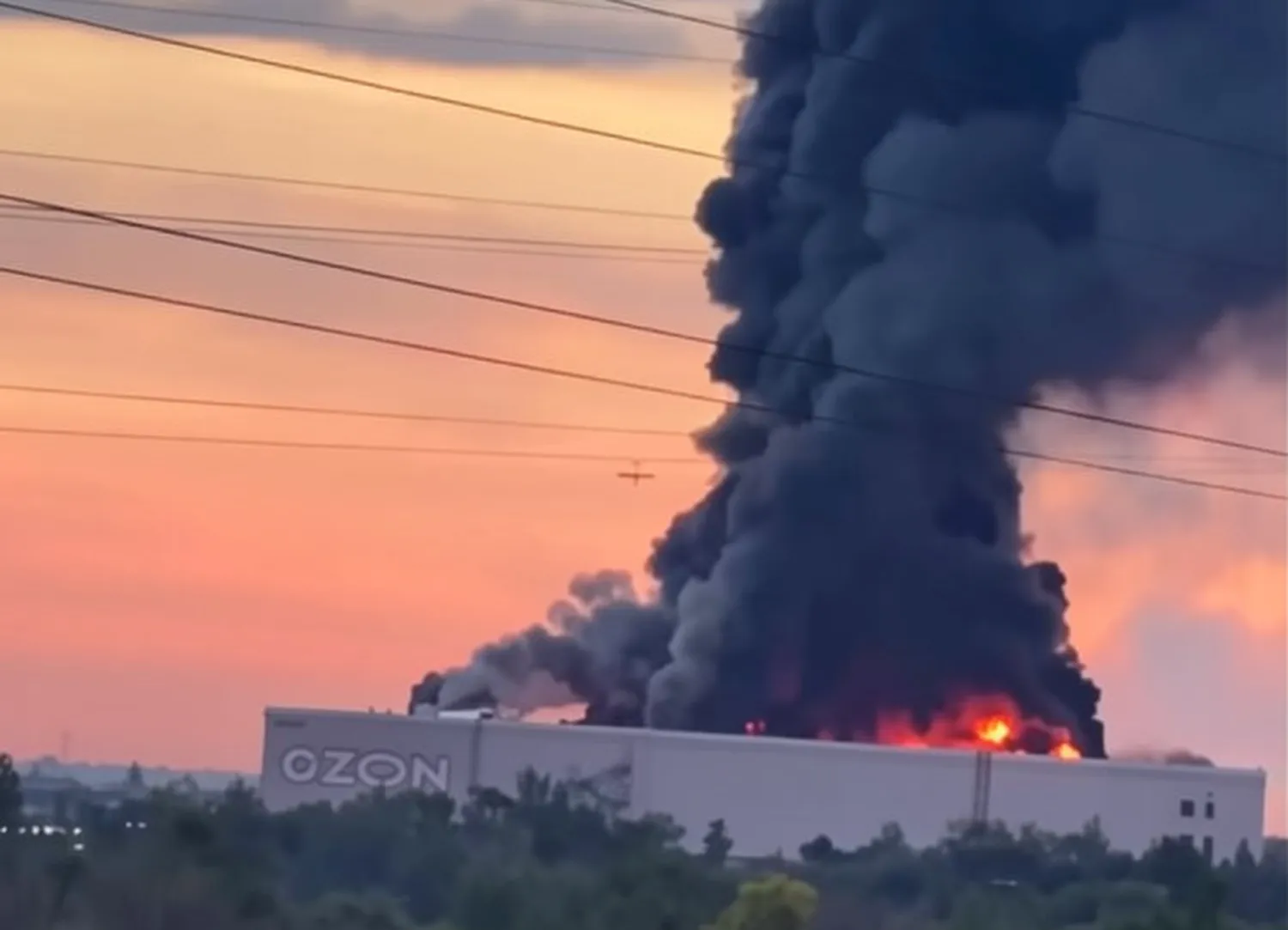
Thick black smoke and flames rise from an Ozon warehouse in Chapayevsk, Russia, at sunset.

Ukrainian strikes on Ozon’s warehouses sent the listed retailer’s shares down 29.09% from Friday’s close at Monday’s low, RBC’s market report said. The Moscow Exchange shifted Ozon’s main trading session to a 30-minute auction, while other trading modes remained open, exchange rules show.

Unlike privately held Wildberries, Ozon’s listing made investors’ response to the disruption immediately visible.

Unlike privately held Wildberries, Ozon’s listing made investors’ response to the disruption immediately visible. The sell-off came before Ozon had calculated the physical damage, which the company said it would assess later in its statement on Chapayevsk.

Since 22 August, Ozon has reported disruption at six facilities: warehouses in Chapayevsk and Orenburg, three facilities in southern Russia, and another warehouse in Krasnodar.

Thick black smoke and flames rise from an Ozon warehouse in Chapayevsk, Russia, at sunset.
Explore further

Ukrainian drones hit warehouse belonging to Russian online retailer Ozon for the first time

Russia was simultaneously attacking Ukraine’s retail and logistics infrastructure. Russian strikes burned two Epicentr hypermarkets in Odesa on Monday morning and caused fires at food warehouses in the city, regional authorities said.

Two days earlier, President Vladimir Putin had said Kyiv should “expect a response targeting your most sensitive economic sectors” in comments published by state journalist Pavel Zarubin.

Ozon falls farther than the market

The MOEX index fell about 2.9% on 24 August. Ozon’s 29.09% decline went far beyond the broader sell-off, indicating that investors were reacting to company-specific risk rather than merely following the Russian market.

That risk had appeared before Ozon’s warehouses were struck. Its shares fell 2.3% on 22 July over concerns that the retailer might become a target. Six days later, VTB Bank fell 2.5%, with analysts attributing part of the decline to uncertainty surrounding its Wildberries partnership.

Wildberries, Ozon, and their smaller rivals sell goods and services worth the equivalent of 8.5% of Russia’s GDP and employ 4 million people—more than 5% of the country’s workforce.

The August attacks turned that risk into operational disruption. Ozon reported fires at its Makhachkala facility and Krasnodar warehouse. In Chapayevsk, the company evacuated more than 500 workers, suspended operations, and redirected shipments. The following day, it evacuated more than 300 workers and closed its Orenburg warehouse.

dagestan stavropol krai adygea ukraine's drones worked straight down delivery russia's 2 online store · post fire ozon logistics complex tyube settlement 24 2026 пожежа на території логістичного комплексу у
Explore further

Dagestan, Stavropol Krai, Adygea: Ukraine’s drones worked straight down the delivery map of Russia’s No. 2 online store

Rerouting allowed Ozon to keep orders moving by transferring the workload to facilities that remained open. That is the business risk investors were pricing: a distributed warehouse network can absorb an isolated closure, while repeated attacks progressively reduce the capacity available to absorb the next one.

ozon delivery truck outside of a warehouse
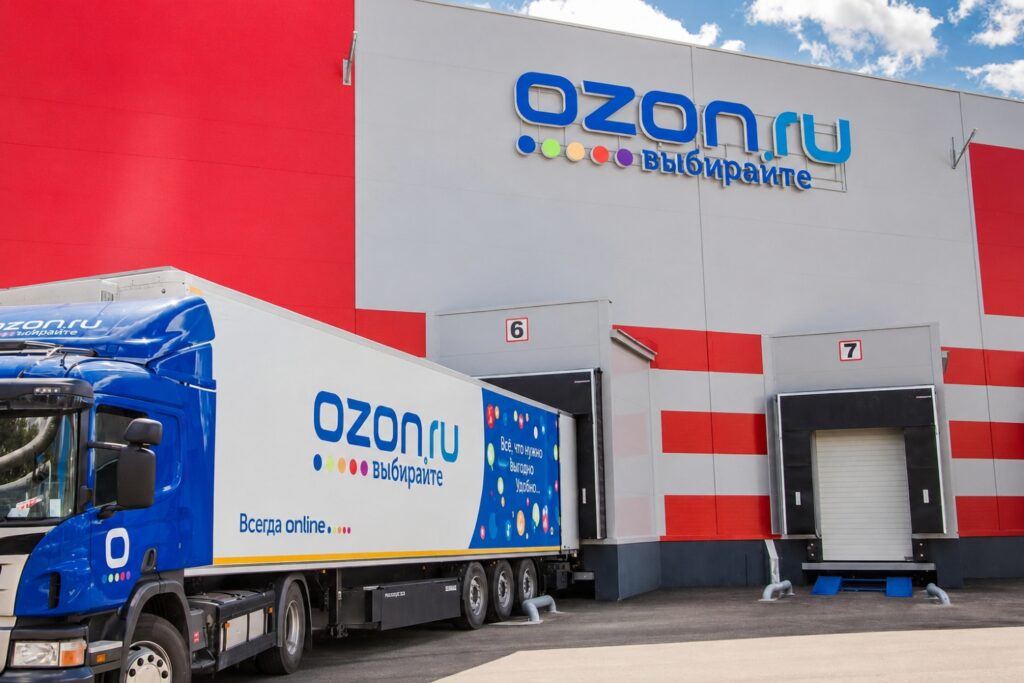
An Ozon delivery truck outside one of the Russian retailer’s logistics centers. Photo: Retail.ru

Each strike leaves fewer warehouses

Ukraine’s campaign against Wildberries shows how warehouse losses accumulate across a retail network. By the end of July, Verstka counted eight affected warehouses covering 860,000 square meters, or 15.4% of the company’s total warehouse space.

By mid-August, ISW counted seven of its ten largest hubs knocked out. The two estimates measure different things, but both show disruption spreading through the network.

A distributed warehouse system can absorb an isolated closure by moving shipments through other hubs. As more sites are lost, fewer alternatives are available to carry out that work. The economic effect, therefore, depends not only on the value of the buildings or goods destroyed, but on how much spare capacity remains after each strike.

Russia’s attacks on Ukraine illustrate the same logistical resilience. Two strikes destroyed warehouse buildings at Aurora’s distribution center, CEO Taras Panasenko said, but the retailer kept its stores open. Ozon similarly redirected shipments after closing warehouses in Russia.

Continued sales do not mean that the strikes had no economic effect. They show that retailers can absorb individual losses by relying on the rest of their networks. Repeated attacks gradually consume that protection, and Ozon’s public listing allowed investors to price the risk before the company could calculate the damage.

  •  

“You wanted our land. You lost your refineries and your fleet.”—Ukraine’s anniversary message to Russia

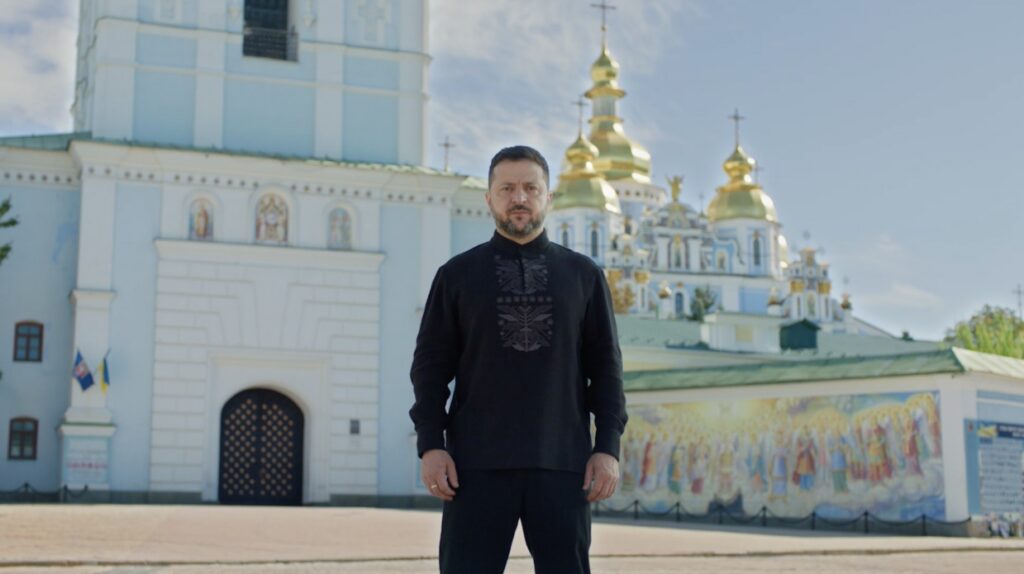
wanted land lost refineries fleet—ukraine's anniversary message russia · post ukrainian president volodymyr zelenskyy delivers independence day address front st michael's golden-domed monastery kyiv 24 2026 presidentgovua download ukraine news

Ukraine celebrated 35 years of independence on 24 August, and Ukrainian President Volodymyr Zelenskyy marked the day with an address listing what the invasion has cost Russia, published by the President's Office. He said Putin is mortal and out of time to understand Ukraine, and said Ukraine will not hand over Donbas or save the Kremlin half a million soldiers. He also asked partners for sanctions and weapons strong enough to force an end to the war.

Russia has been invading Ukraine since 2014 and fighting a full-scale war on it since 2022, and Ukraine now supplies a growing share of the missiles and drones it fights back with, while the air defense shielding its cities still hangs on decisions taken in Washington and European capitals—which is what makes a holiday speech a statement of what Kyiv will not trade and what it needs built or delivered next.

The losses he read back to Moscow

President Zelenskyy turned from his own citizens to Russia partway through the speech. 

"You wanted to take all our Ukraine, all our land; instead, you lost your oil refineries, your fleet, your profits, your entire generation that you sent into the meat grinder," he said. 

A country that wanted Ukraine erased from the map, he added, is now absent from the international agenda of the future civilization.

For five years now, Russia has tried to exhaust and break Ukrainians — cutting light and heat, destroying homes, Kyiv Mayor Klitschko said on Ukraine's 35th Independence Day

"The aggressor failed to understand one fundamental thing: above all else, Ukrainians love freedom," he… pic.twitter.com/NvVVKSKIK1

— Euromaidan Press (@EuromaidanPress) August 24, 2026
He set Moscow's self-image against its filling stations. 

"For 27 years, the head of Russia has talked about greatness, while Russia is standing in lines for gasoline," Zelenskyy said. 

Moscow and St. Petersburg brought back gasoline rationing this month, and Rosneft capped fills at every station in the country.

On the Russian leader he was blunt. 

"Putin hopes that we are tired. But we know that he is mortal," he said, adding that Putin never understood Ukraine and now will not have the time to.

A fifth Independence Day at war

Before the holiday, Russian ballistic missiles hit Kyiv and its main airport hub twice in 24 hours. A solution to Russian ballistic terror must be found, Zelenskyy said, and that gamble must not pay off. 

Russia does not want peace, it wants mobilization, the president said. Ukraine will not let Moscow seize the initiative or convince Europe that surrendering Donbas ends the war. Russia keeps pushing back the dates for taking all of Donetsk Oblast and will keep pushing them back, he said.

The president called Ukraine's defense industry a giant that forges independence around the clock, and demanded more from it. Mid-range strikes cut Russian logistics and long-range weapons cut Russian profits, he said, listing Moscow, Tuapse, Tula, Ryazan, Olenya, and Omsk among the places already hit. 

two russian fighters one spy drone hit kranodar radars anti-air systems elsewhere—ukraine forces · post combat aircraft ukrainian drone's sights vityazevo airfield krasnodar krai russia 23 2026 su-33 video sbs
Explore further

Ukraine’s drones hit two Russian fighters and a spy drone—and blinded radars from occupied Crimea to Rostov

Ukraine's home-built Flamingo cruise missiles should stop being a rare species and arrive en masse: "They must 'winter' in Russia," Zelenskyy noted. 

Previously, Flamingos have hit defense plants more than 1,000 km from the border, though they still appear in strikes in small numbers.

"China should no longer remain silent"

Ukraine is not asking anyone to fight for it, the president said — only for everything needed to stop the war before Putin starts the next one. He wants sanctions that make Russians howl and Moscow at a negotiating table, and said Washington has lost its illusions about Russian intentions. Europe must be Europe, he said: united, ambitious, brave. 

"China should no longer remain silent," he added, saying Beijing must cool the ardor of someone who puts on a sailor's uniform and cap and talks about a nuclear strike—a description that fits Putin.

  •  

Dagestan, Stavropol Krai, Adygea: Ukraine’s drones worked straight down the delivery map of Russia’s No. 2 online store

dagestan stavropol krai adygea ukraine's drones worked straight down delivery russia's 2 online store · post fire ozon logistics complex tyube settlement 24 2026 пожежа на території логістичного комплексу у

Ukrainian drones struck three warehouses of the Russian online retailer Ozon across the country's south overnight on 24 August, monitoring Telegram channels reported. Ozon is Russia's second-largest online store, an Amazon-style marketplace, shipping customer orders out of huge regional depots. Fires broke out, the company closed one hub, and its shares fell in Monday trading.

Kyiv's deep-strike campaign has moved from refineries and fuel depots onto the freight network that carries Russian consumer goods and dual-use parts, where the sprawling marketplace hubs make wide, flat targets that Russian air defenses have failed to cover, so each fire takes storage out of use faster than the retailers can rent replacements.

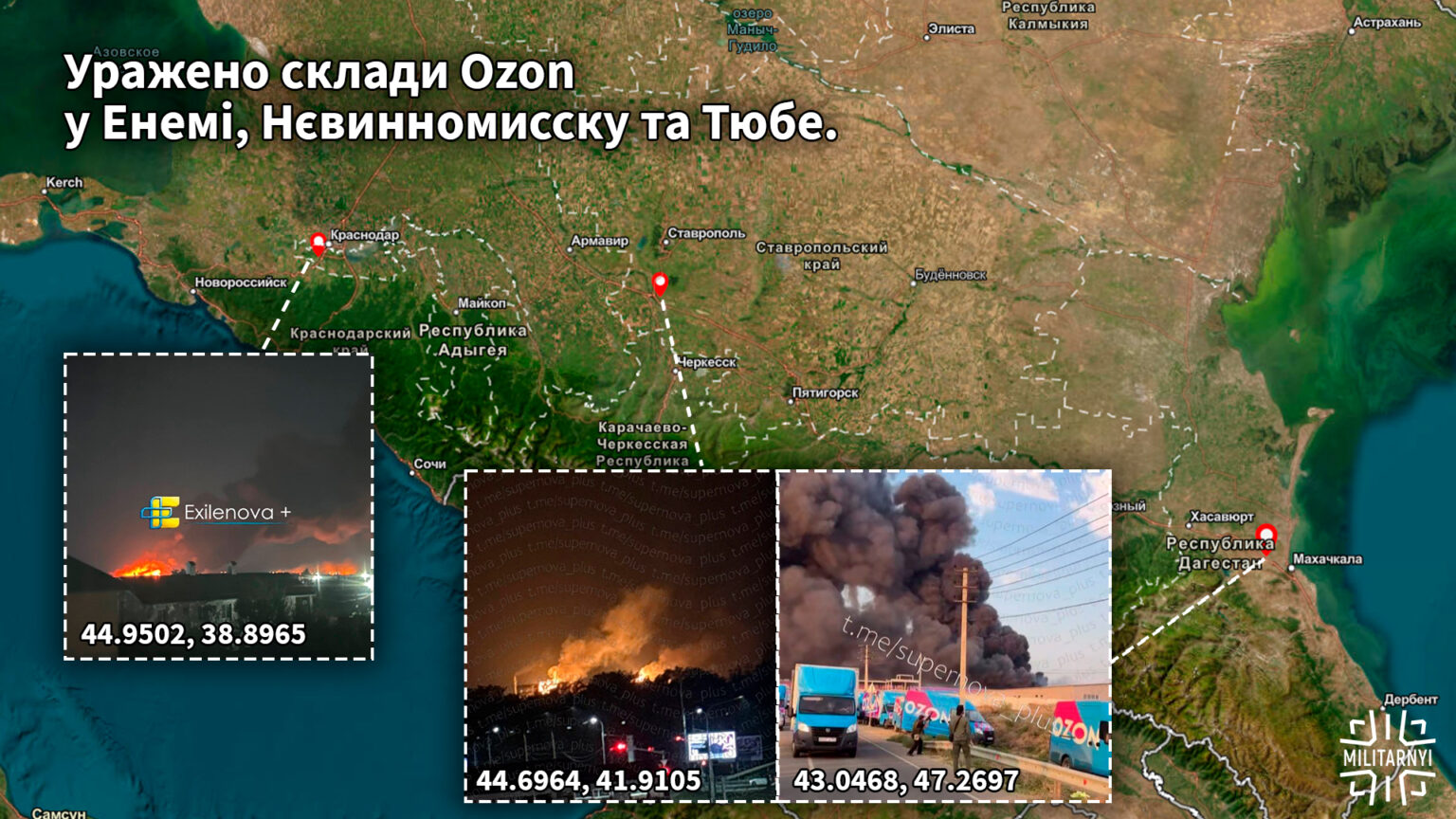
Three warehouses, 314,714 square meters

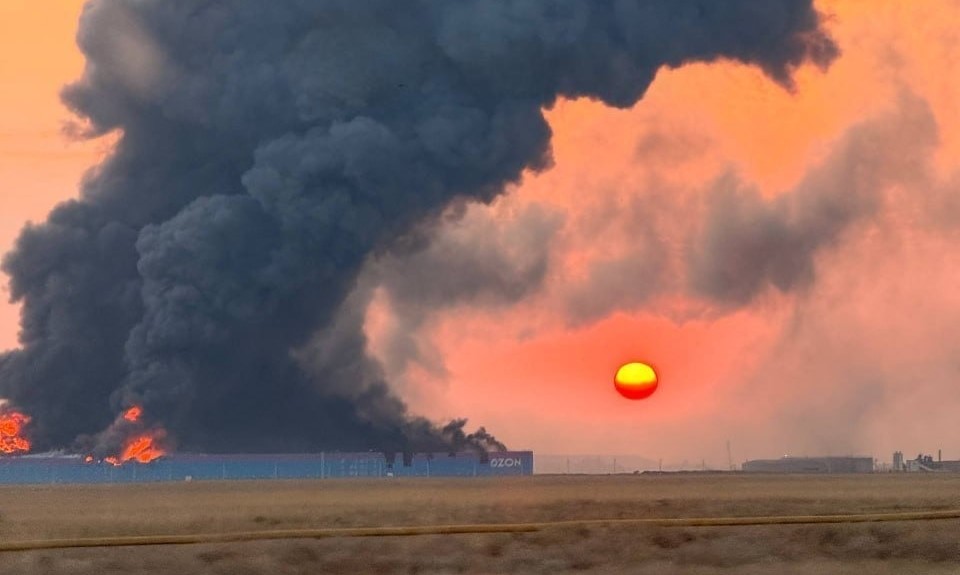
The three struck sites cover 314,714 m² in three Russian regions, Militarnyi calculated. The largest, about 130,000 m², stands in Tyube in Dagestan, 800 to 900 km from Ukraine's border. Russian news Telegram channel Astra called it the company's biggest warehouse in the North Caucasus. Residents said the fire was visible up to 10 kilometers away.

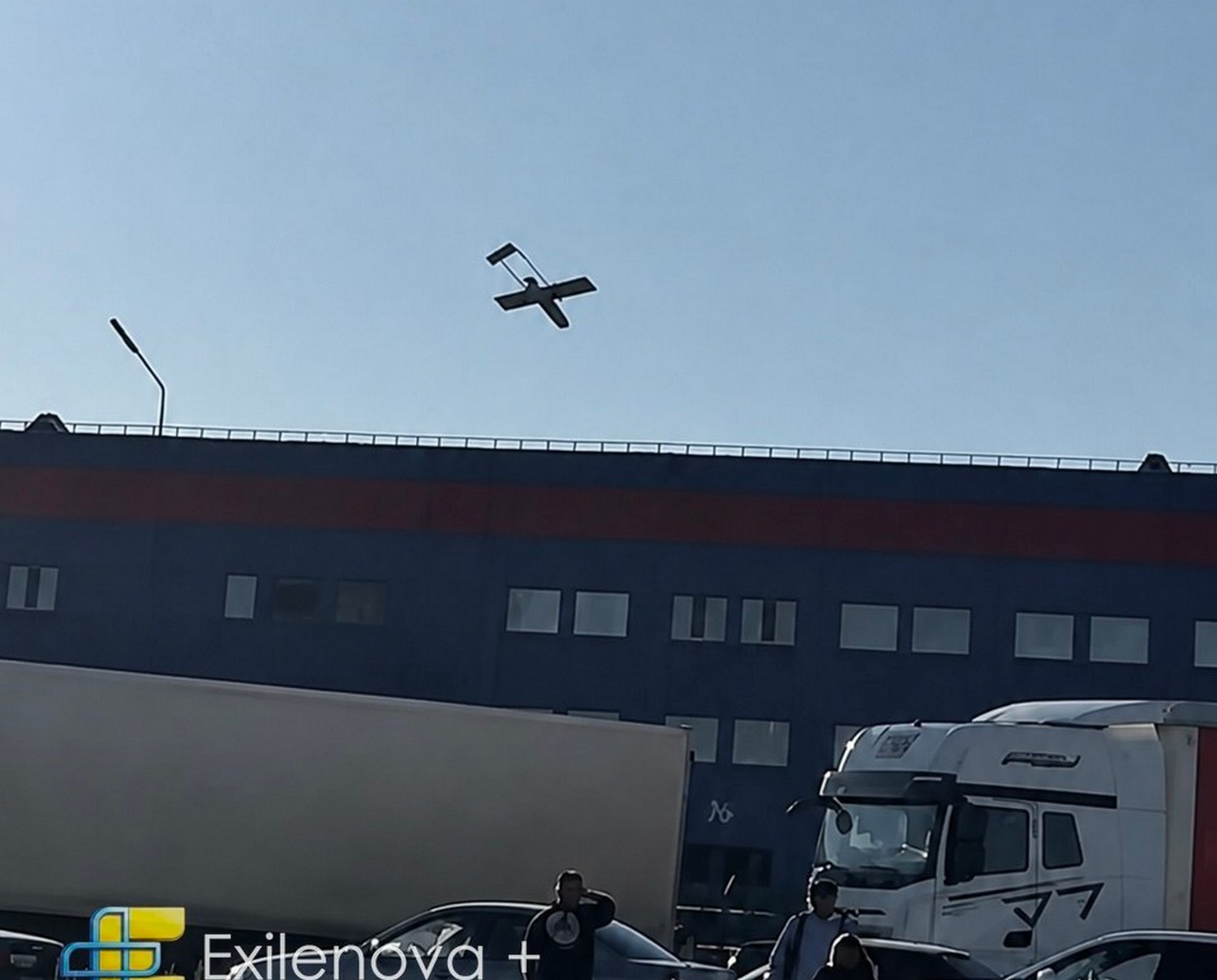
Dagestan Ozon, moment of attack pic.twitter.com/z52qNTlGV9

— Exilenova+ (@Exilenova_plus) August 24, 2026

Nevinnomyssk in Stavropol Krai holds the second site, 93,514 m². The third, 91,200 m², sits near Enem in Adygea, on the boundary with Krasnodar Krai. Drones have now hit five Ozon warehouses, Militarnyi noted.

dagestan stavropol krai adygea ukraine's drones worked straight down delivery russia's 2 online store · post locations three ozon logistics warehouses struck 24 2026 логістичні склади компанії атаковані серпня року
Locations of three Ozon logistics warehouses struck in Adygea, Stavropol Krai, and Dagestan, 24 August 2026. Map: Militarnyi/ESRI

The company's account differs

Ozon said fires started at its Dagestan and Krasnodar warehouses and that people were injured in Dagestan. In Nevinnomyssk it evacuated staff, closed the site, and stated that the facilities and the goods inside were "in order."

Six of the retailer's complexes have come under drone attack in three days, according to the company. The company also said the Adygeysk and Nevinnomyssk warehouses escaped damage. Monitoring data places a struck 93,514 m² warehouse in Nevinnomyssk.

Russian officials blame falling debris

Krasnodar Krai Governor Veniamin Kondratyev claimed drone debris allegedly killed two children at a private children's center in Krasnodar, with the injured count later put at 12.

one russian warehouse smolders near kazakhstan while bigger fire rages st petersburg · post ukrainian drone over ozon logistics complex orenburg russia 23 2026 fp-1 hitting ozone exilenova ukraine news
Explore further

One Russian warehouse smolders near Kazakhstan while a bigger fire rages near St. Petersburg

Head of Adygea Murat Kumpilov confirmed a fire at the Ozon center in Takhtamukaysky district. Acting head of Dagestan Fyodor Shchukin claimed falling drone fragments started the Kumtorkalinsky district fire and hurt nobody, which the company contradicts. Stavropol Krai Governor Vladimir Vladimirov claimed air defenses were repelling a raid on Nevinnomyssk's industrial zone.

Rostov Oblast head Yuri Slyusar claimed 120 drones were downed over the oblast. Russia's Defense Ministry claimed 351 Ukrainian drones destroyed across 10 Russian regions and occupied Crimea, without saying how many got through.

Ozon shares dropped 28% on Monday morning, state agency TASS reported, while Reuters put the fall at almost 13%.

The third night in a row

Ukraine has destroyed or damaged 29 marketplace warehouses since 18 July, RFE/RL said, mapping them with satellite imagery. Drones struck the Orenburg complex on 23 August, where the company pulled more than 300 workers out. On 22 August they hit the Chapayevsk warehouse in Samara Oblast, the first strike on the company, where people were injured.

Custom Code

Before Ozon, Ukrainian drones spent weeks on Wildberries, Russia's largest marketplace, wrecking about 15.4% of its storage space in July alone.

  •  

Independence Day gift from inside Russian army: Partisans say soldier whose comrades were killed over extortion money destroyed truck resupplying Kostiantynivka front

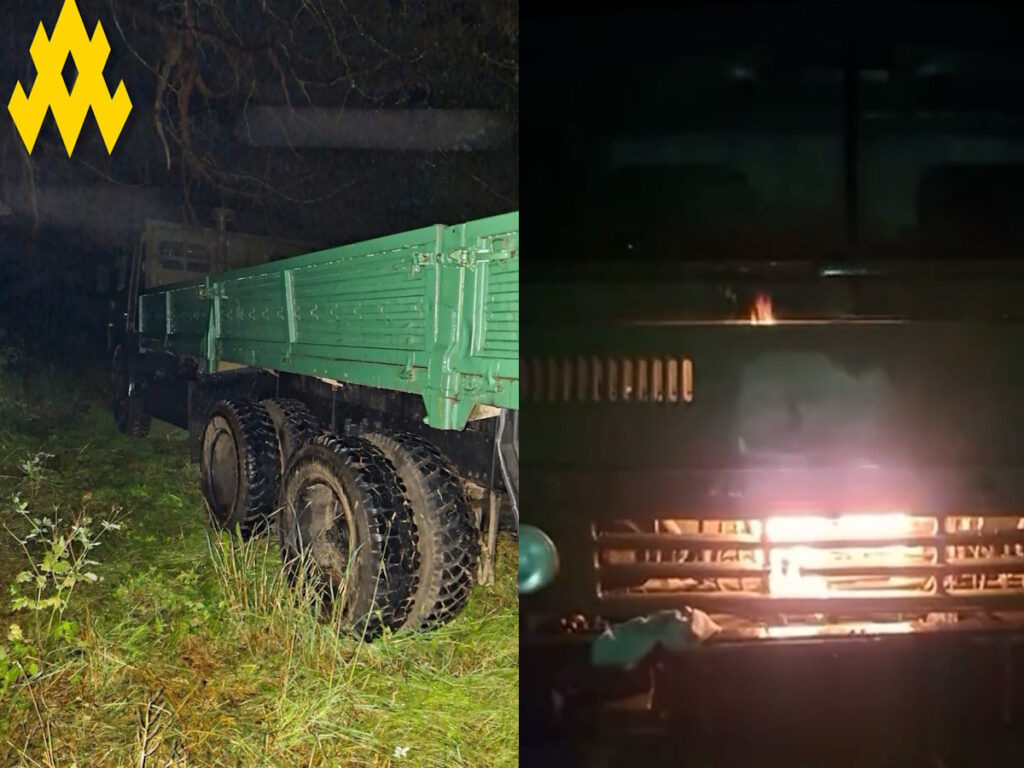
The destroyed KamAZ truck by a partisan in the Atesh group. Source: Atesh

Ukrainian partisans have dedicated their new “catch” to Ukraine’s Independence Day. According to ATESH, they destroyed a military KamAZ truck that was used in assaults on Donetsk Oblast and was stationed with Russian occupation forces in Rostov Oblast.

ATESH is a Ukrainian-Crimean Tatar partisan movement founded in September 2022 in response to Russia's full-scale invasion. The group operates in occupied Ukrainian territories and in Russia itself, with members including Crimean Tatars, Ukrainians, and Russians who were mobilized into the Russian army but now work for Ukraine.

The operation was carried out without the partisans even having to do it themselves. The vehicle was used in the offensive toward Kostiantynivka, one of the hottest sectors of the current fighting, alongside the Russian advances toward Sloviansk and Kramatorsk.

The sabotage was carried out by a soldier from the Russian Armed Forces’ “Center” Group of Forces, which is assaulting Kostiantynivka. The vehicle was actively used to supply the advancing forces, and its loss disrupts Russian logistics.

Putin has a primary target, Zelenskyy says

Earlier, President Zelenskyy said that the offensive toward Kostiantynivka would remain one of the Russian military’s main priorities through the end of the year, according to Suspilne.

“Putin’s unchanged primary objective on the front is Kostiantynivka–Sloviansk. The latest deadline he has given his generals is to complete the occupation of Donetsk and Luhansk oblasts by the end of the year,” he said.

Since the beginning of 2026, Russia has lost 267,000 personnel along the entire front line, including approximately 155,000 killed, according to the figures cited in the report. Russian forces are suffering their heaviest losses specifically in the sector stretching from Sloviansk to Kostiantynivka.

How was the operation carried out?

The agent joined the movement out of revenge: his commanders killed his fellow soldiers after he refused to pay extortionate demands. The partisans said that such abuses in the Russian army are commonplace, and that the only way to survive and punish those responsible is to resist from within.

Earlier, the partisans reported that Russia’s 64th Motor Rifle Brigade, which has been implicated in crimes in Bucha, was concealing its actual losses. The command allegedly registers many of the dead as “missing in action” in order to reduce the official death toll and avoid payments to their families.

Meanwhile, security and counterintelligence services are reportedly putting pressure on the women, threatening them with criminal charges for “discrediting” the army and the complete loss of any payments if they continue searching for their missing relatives.

  •  

Russo-Ukrainian war, day 1642: Ukraine sinks three Kalibr shooters, but at least four remain

Russo-Ukrainian war (daily review)

Exclusives

Ukrainians rally across dozens of countries to demand Europe use Russia’s frozen billions. The EU backed a €90 billion Ukraine loan with its budget while €210 billion in Russian central bank assets remain immobilized.
Ukraine finally hit three Russian Kalibr ships on 12 August. On the 19th, an untouched one hit Kyiv. Prior to 12 August, the Russian Black Sea Fleet had eight warships capable of firing Kalibr cruise missiles. It still has at least four.

Military

Ukraine’s drones hit two Russian fighters and a spy drone—and blinded radars from occupied Crimea to Rostov. The aircraft sat at Vityazevo, a Black Sea airfield the jets had fled to after strikes made occupied Crimea too dangerous to park in.

One Russian warehouse smolders near Kazakhstan while a bigger fire rages near St. Petersburg. The parcel depot near Kazakhstan can hold tens of millions of orders and had to be cleared out.

Ukraine says it hit an Iskander launcher near the border—part of a dedicated hunt for Russia’s ballistic launch sites. The tactic gives Kyiv another way to reduce the missile threat when its stocks of anti-ballistic interceptors are low, Zelenskyy says.

Intelligence and technology

Ukraine’s ousted defense minister confirms M&M’s operation planning and discloses real story behind its name. The planned operation involved using autonomous, AI-powered drones to target Moscow’s airports and disrupt air traffic.

Reports credit North Korea’s newest missile of terror with 2.5-ton warhead and 900-km range. Expert explains why those numbers can’t both be true. Russia may receive up to 150 North Korean missiles, including the KN-30.

International

Six Nordic-Baltic leaders came to Kyiv. Norway put a $9 billion figure on 2027 support. The visitors joined Ukraine's State Flag Day events ahead of Independence Day, alongside bilateral and multilateral talks with the Ukrainian president.

Humanitarian and social impact

Every Russian attack on Kyiv costs the city about $12 million. They now come almost twice in week. Over 4,000 buildings were damaged in the Ukrainian capital.

Russia holds up to 20,000 Ukrainian civilians in captivity. One of newest is teacher who stayed in her occupied village to care for her 83-year-old mother. Russia is replacing detained Ukrainian teachers with its own educators in occupied territories, where they are used to impose propaganda narratives.

New developments

Zelenskyy awarded Vikings star, ballistic missile CEO took stage, and strike drone got signed with messages to Russians: Ukraine’s major UNITED24 platform turns four. Ukraine's UNITED24 platform has raised nearly $4 billion in four years of war.

Read our earlier daily review here.

  •  
❌