Vue lecture

Frontline Rolls: Ukrainian soldiers document their lives at the front on film
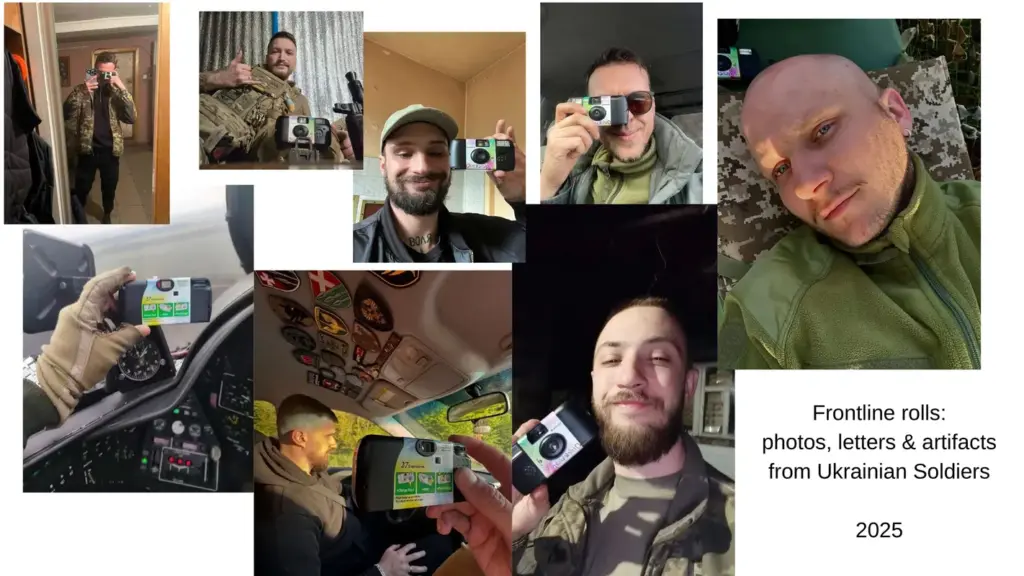
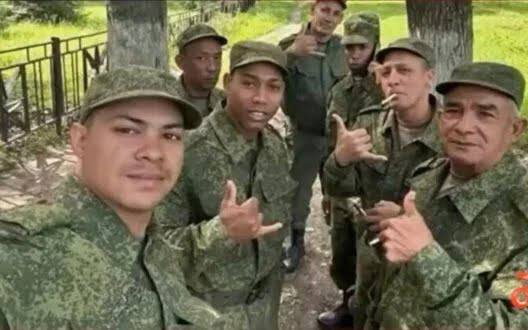
Ukrainian servicemembers pose with film cameras used to document their lives at the front. 2025. Collage: Serhii Melnitchenko

Frontline Rolls, a documentary photography project by Ukrainian photographer Serhii Melnychenko, began in February 2025, when Serhii started sending disposable film cameras to soldiers serving in different areas of the front line. He asked them to document their daily lives, routines, and work.

The project has since been published as a standalone photobook and adapted into an exhibition, with photographs, handwritten letters, and artifacts returned by the participants. In 2026, it won the PhMuseum 2026 Photography Grant Main Prize.

The Ukraine War Archive calls Russia’s war against Ukraine the most documented war in history. Frontline Rolls records it from the soldiers’ own perspective through their photographs, letters, and chosen objects.

How Frontline Rolls began

Serhii spent nearly all of 2024 working on Along the Dnipro. Since he did not have time to travel to soldiers’ positions but wanted to document their experiences, he began looking for alternative ways. He asked himself one question:

“Do I really have to be there in person to document this?” Serhii writes in the foreword to the book, the project’s print format.

The book Frontline rolls: Photos, Letters & Artifacts from Ukrainian Soldiers. Photo: Serhii Melnychenko.
The book Frontline Rolls: Photos, Letters & Artifacts from Ukrainian Soldiers. Photo: Serhii Melnychenko

The answer was for the soldiers themselves to document their lives for a period of time. Serhii reached out to Fotovramci, which agreed to provide him with disposable film cameras free of charge.
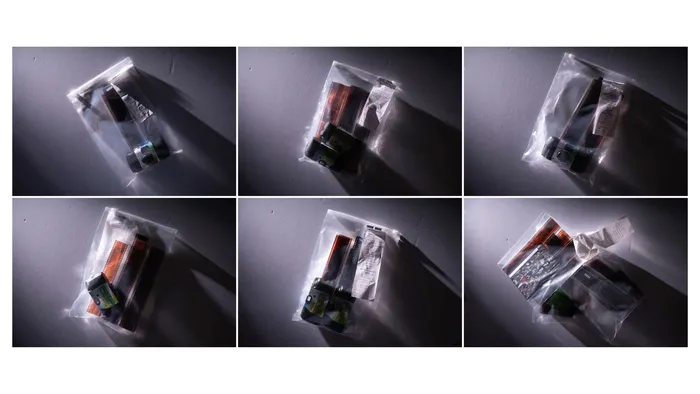
The bags contain film cameras along with the exposed film. Photo: Serhii Melnychenko.
The bags contain film cameras along with the exposed film. Photo: Serhii Melnychenko

The photographs that came back document the soldiers’ daily lives and the spaces in which they served.
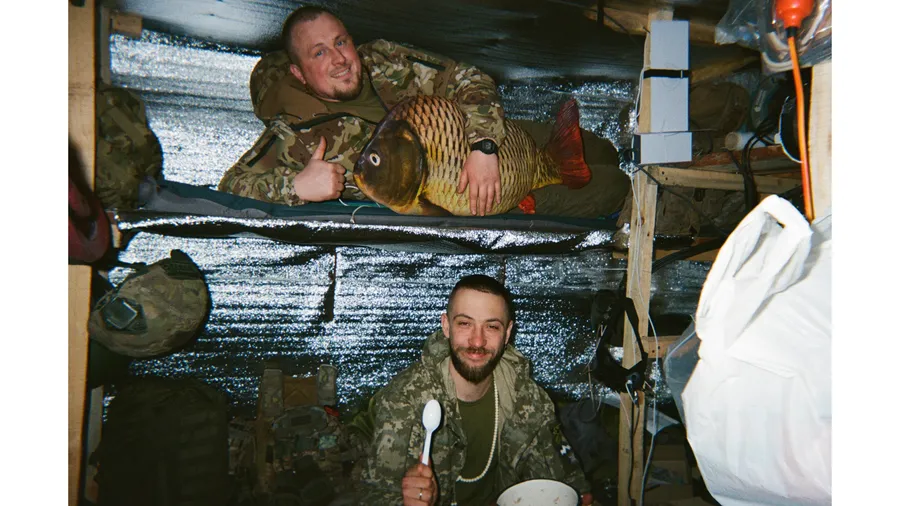
Ukrainian service members inside a dugout, 2025. Photo: project participant Andrii “Dronchik”

Project participants also shared their stories in the book:

“I joined because I have to protect my family from the orcs. Before the full‐scale invasion I was an artist–designer, worked in advertising. Now a tank commander and reconnaissance pilot on a Mavic. In my free time I decorate shell‐casings and send them to volunteers for help,” says Oleksii, a soldier and participant in the project who goes by the call sign “Lapa.”
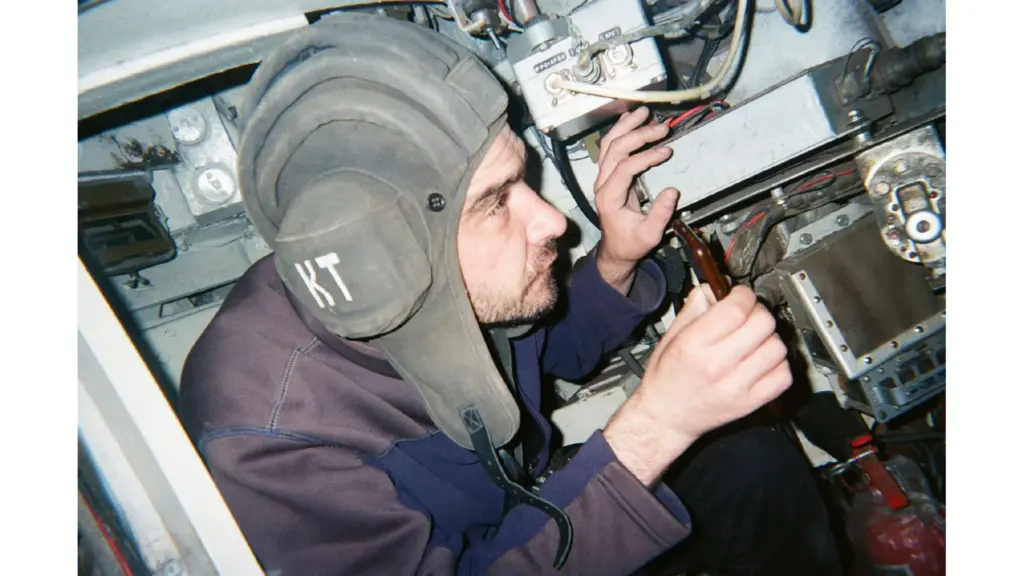
A Ukrainian serviceman works on equipment inside a military vehicle, 2025. Photo: project participant Oleksii “Lapa”
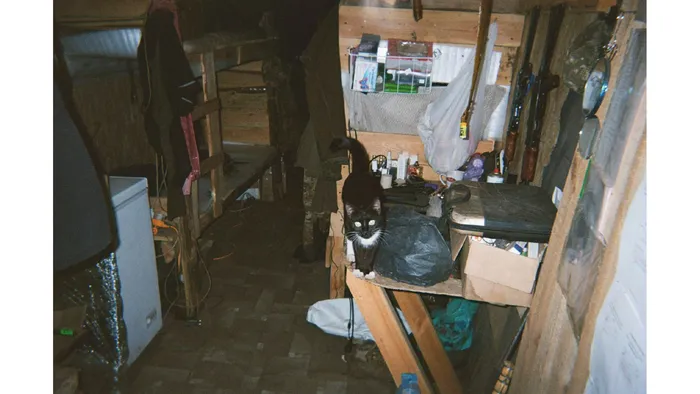
A cat sits inside a Ukrainian military dugout, 2025. Photo: project participant Oleksii “Lapa”

“For almost 3½ years I have remained in my soul a civilian. This system is very alien to me. In it I suffer a lot, in particular due to the huge restrictions on freedom. But I am here so that my country remains free. And for my values and convictions I have already paid a considerable price. If I had the option to choose another path—I would still choose this one,” says Oleksii “Photographer,” a soldier and project participant.
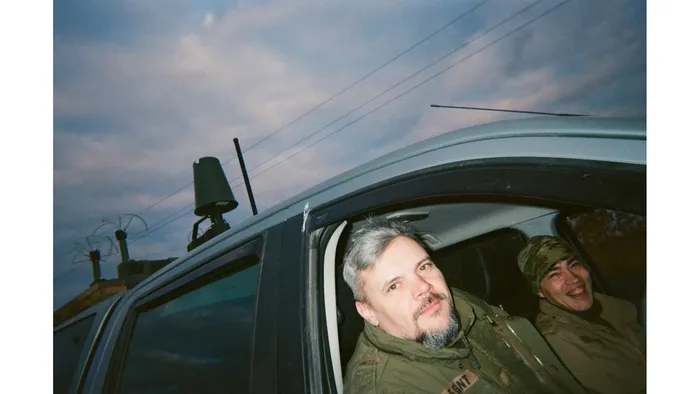
Ukrainian service members travel in a vehicle fitted with military communications or electronic equipment, 2025. Photo: project participant Oleksii “Photographer”

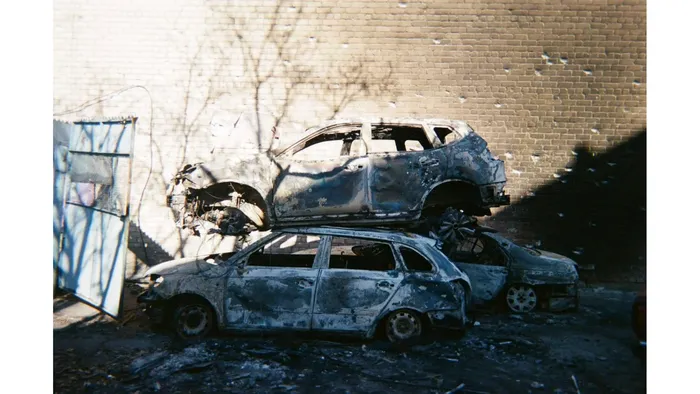
“I don’t have a callsign, because everyone knows me as Holikov. In the military since November 2023. From the very start of the full‑scale invasion I volunteered, but with each trip to the front I felt that I was doing not enough and decided to join the ranks of the 109th Separate Brigade of Territorial Defence,” says Viktor Holikov.
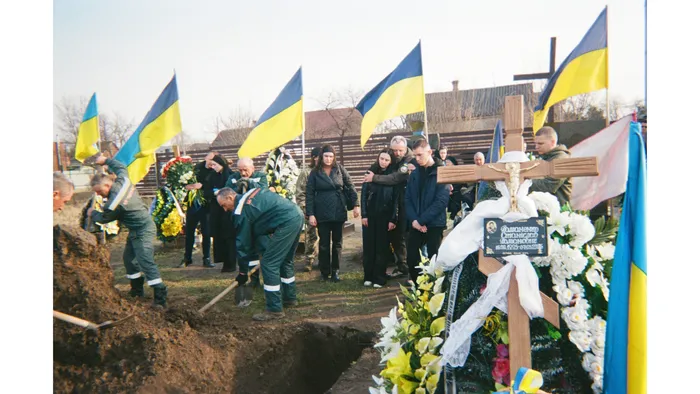
Mourners attend the funeral of a fallen Ukrainian service member, surrounded by Ukrainian flags and wreaths, 2025. Photo: project participant Viktor Holikov
Burned-out vehicles stand beside a damaged building after an attack, 2025. Photo: project participant Viktor Holikov

“In the army I... feel calmer. I have finally found a certain peace of mind during the full‐scale invasion, despite the difficulties. Partly I still feel that I’m doing not enough, but now it doesn’t haunt me like it used to,” says Kseniia, a servicewoman who goes by the call sign “Jane.”
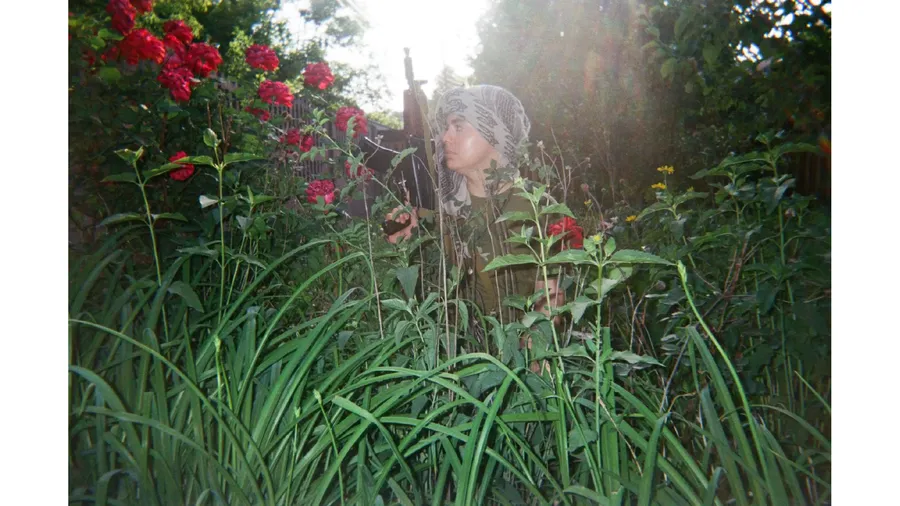
A Ukrainian servicewoman poses among tall grass and flowers near a frontline position, 2025. Photo: project participant Kseniia “Jane”

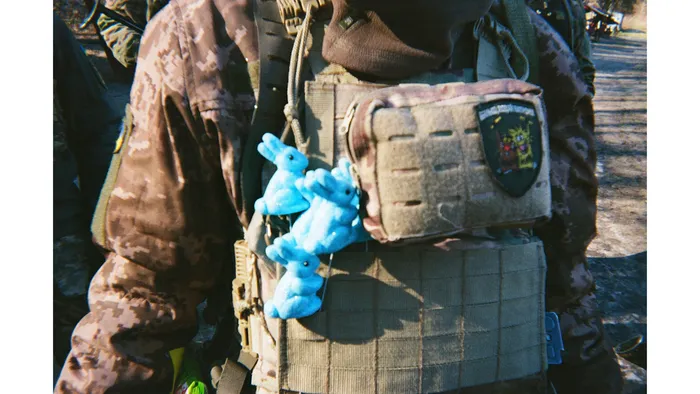
“The army for me is, first of all, what is called brotherhood. It is hard to describe—you can only understand it by being inside,” says Danylo “Doc.”
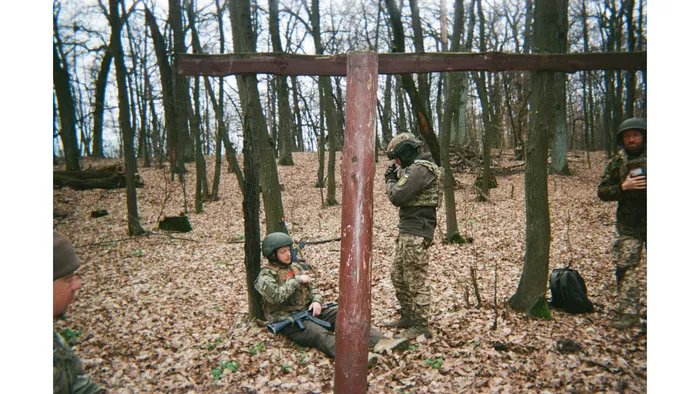
Ukrainian service members rest in a wooded area near the front, 2025. Photo: project participant Danylo “Doc”
Small blue figurines are attached to a Ukrainian service member’s body armor, 2025. Photo: project participant Danylo “Doc”

The artifacts tell their own stories

Participants returned handwritten letters and personal objects with the exposed film. Serhii describes the resulting collection as a record of “personal experiences, struggles, and memories.”

“I collected artifacts that will remain part of our nation’s history after victory, reminding us of these challenging times,” Serhii says in the book.
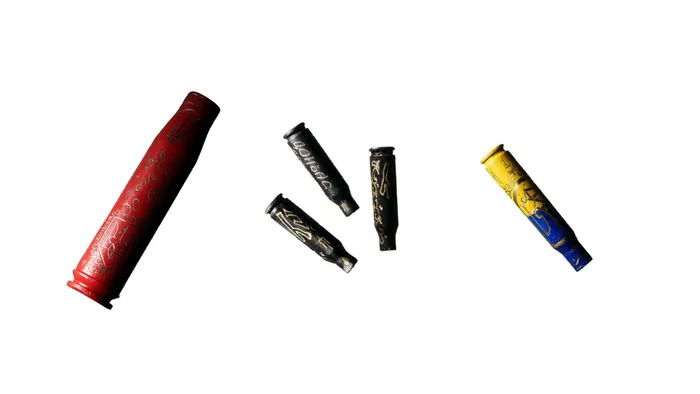
Decorated spent shell casings provided by project participant Oleksii “Lapa,” 2025. Photo: Serhii Melnitchenko
Decorated spent shell casings provided by project participant Oleksii “Lapa,” 2025. Photo: Serhii Melnychenko
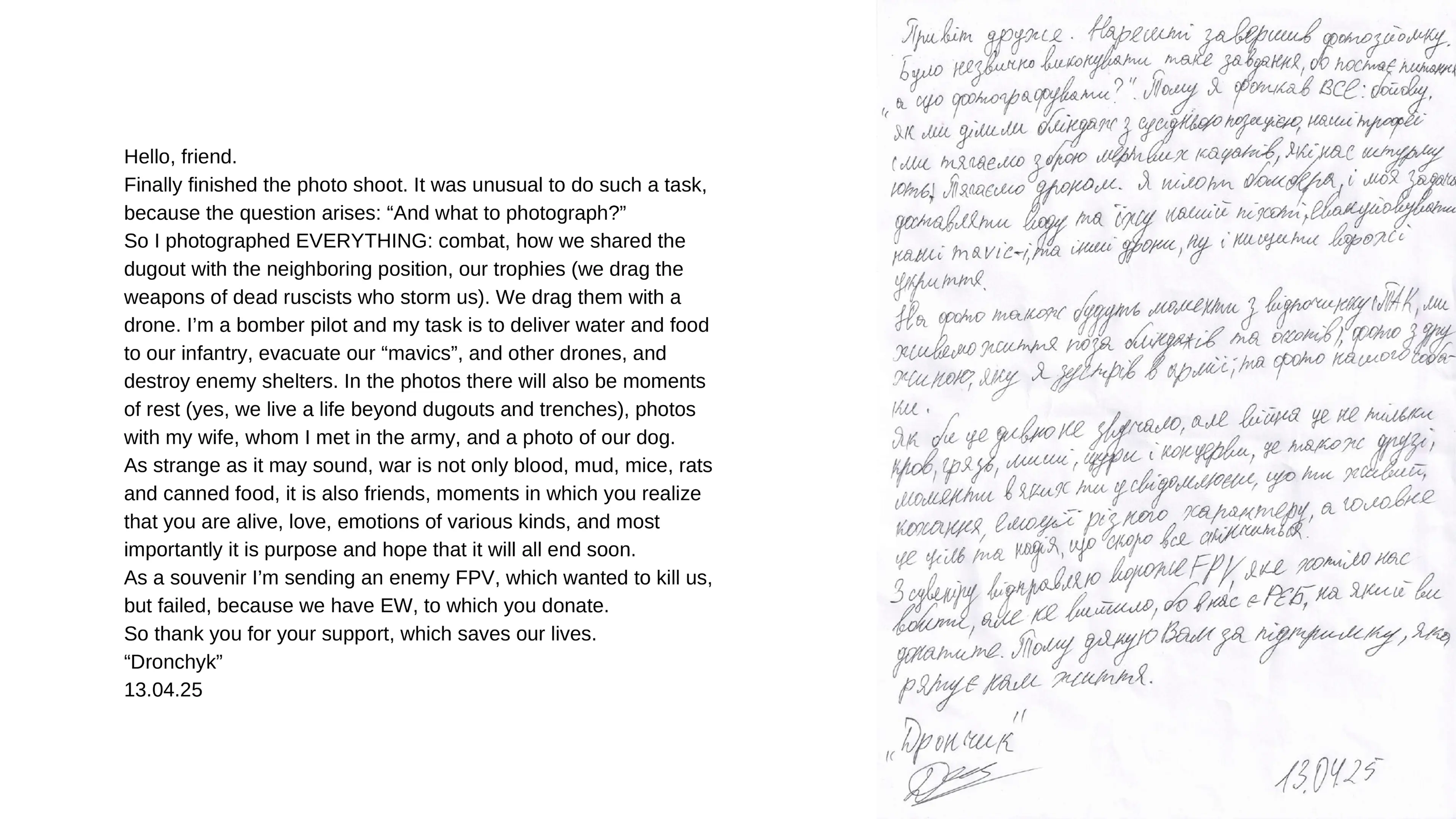
A handwritten letter from Ukrainian service member “Dronchik,” describing life at the front and thanking supporters for their help, 2025. Photo: Serhii Melnychenko

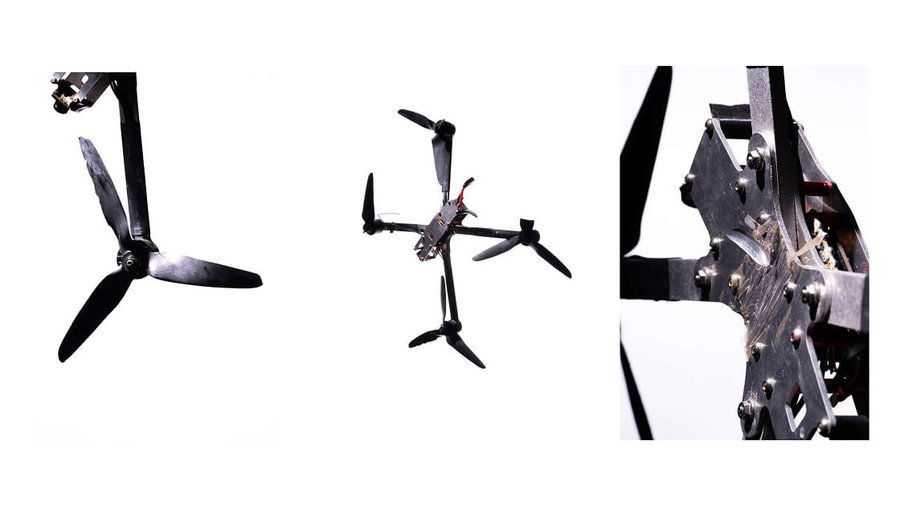
FPV drone — a drone remotely controlled by an operator using a live video feed, 2025. Photo: Serhii Melnychenko
An FPV drone—a drone remotely controlled by an operator using a live video feed, 2025. Photo: Serhii Melnychenko
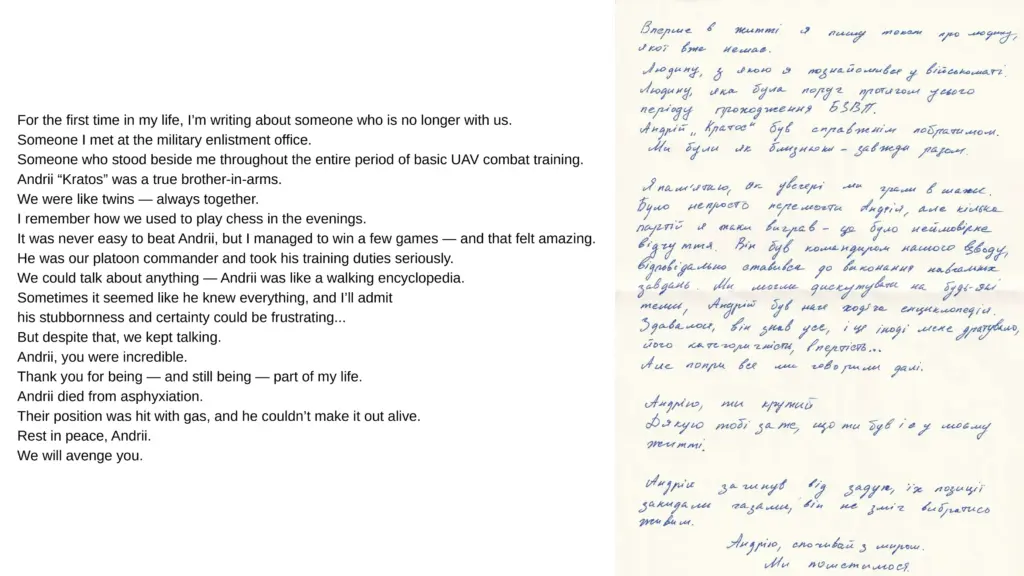
A handwritten remembrance by Roman 'Fjord' says Andrii 'Kratos' was killed after his position came under a gas attack, 2025. Photo: Serhii Melnychenko
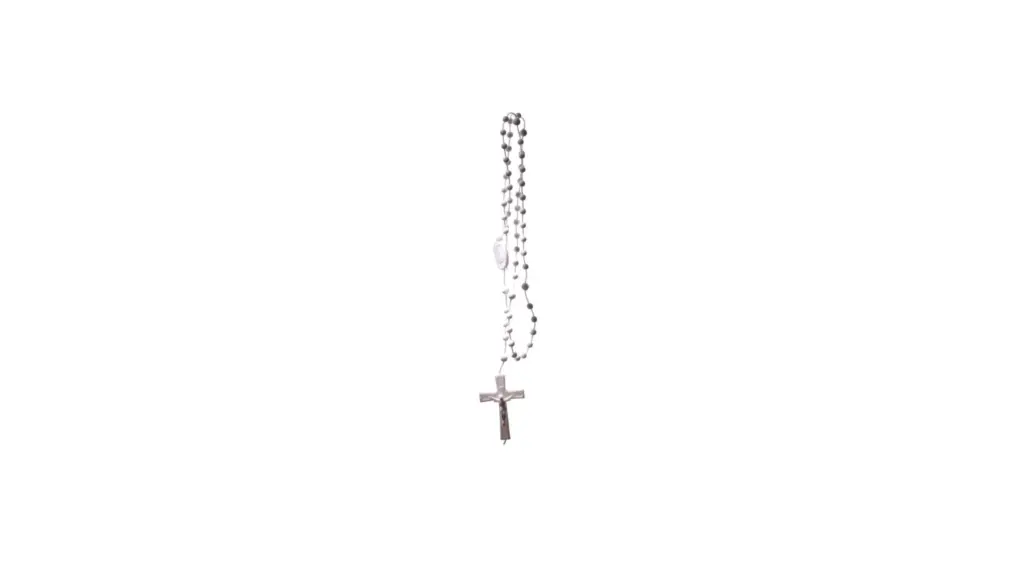
A rosary with a crucifix belonging to Andrii “VirtuoZ,” 2025. Photo: Serhii Melnychenko

Frontline Rolls travels beyond Ukraine

In 2026, Serhii also received the PhEST International Award in Italy, ex aequo with photographer Victorine Alisse.

The photographs were also presented in Copenhagen as part of The War They Live, an exhibition curated by The Kyiv Independent photo editor Irynka Hromotska together with Serhii. The project was also shown at the Athens Photo Festival in 2026. According to Serhii, the exhibition is also scheduled to open at Fotografiska Stockholm in October 2026.
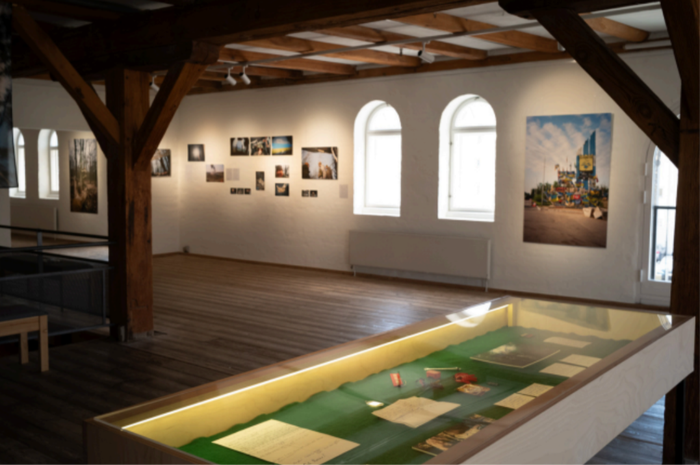
The Frontline rolls exhibition, featuring photographs, letters, and personal artifacts from Ukrainian soldiers. Ukraine House in Denmark, Copenhagen, 2026. Photo: Serhii Melnychenko

“I sincerely hope that when the war ends, every participant in this project will be alive. Because each of them has become much more to me than just a contributor—they’ve become true friends,” Serhii concludes the foreword to the book.

  •  

The Fedorov protesters lost. But they backed a man for what he built, not what he promised—and that may be new in Ukraine.

A column of protesters demanding reinstatement of Mykhailo Fedorov as Defense MInister walks in vul. Khreschatyk in Kyiv, 1 August 2026. Photo: Serge Kostezh/Kyivpost

On 19 August, veteran and civic activist Dmytro Koziatynskyi thanked everyone who had taken part in the month-long protests to bring back Mykhailo Fedorov, and said it was all worth it. Koziatynskyi was one of the organizers of rallies across Ukrainian cities demanding the reinstatement of Fedorov, the defense minister widely credited with driving Ukraine's military-tech overhaul, after he was abruptly dismissed on 14 July.

His firing detonated a month of protests because Fedorov was no ordinary minister: the 35-year-old reformer had exposed billions in defense overspending and built the drone programs many Ukrainians saw as their best chance in the war, so his removal read, to those in the streets, as the old system protecting itself.

Koziatynskyi's decision to end his protest came after Parliament voted 312 that same day to appoint Yevhenii Khmara as defense minister. Ukrainian President Zelenskyy did not meet the protesters' main demand: the return of Fedorov.

"It is a pity that we were never able to establish a dialogue between the authorities and society. I hope this issue will be resolved over time because, in my view, the lack of communication was the root cause of these protests," Koziatynskyi writes.

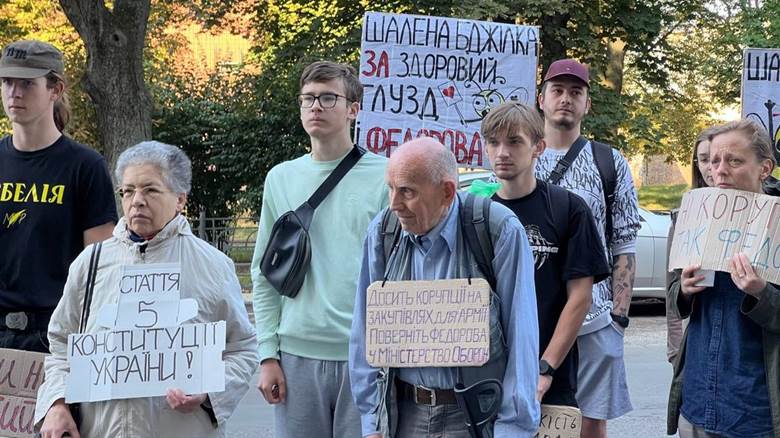
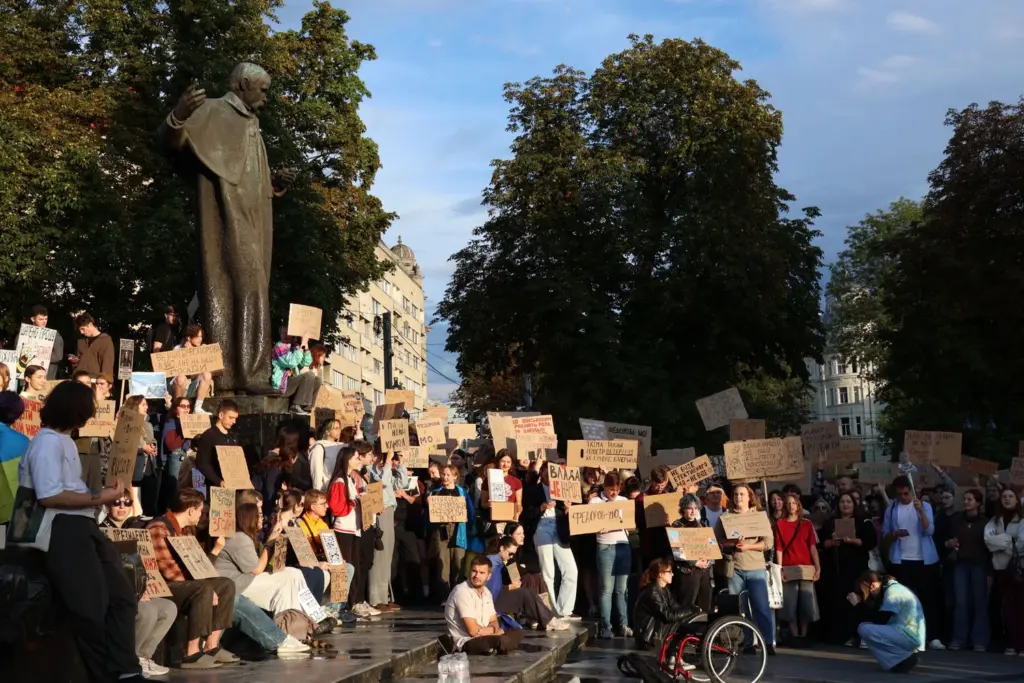
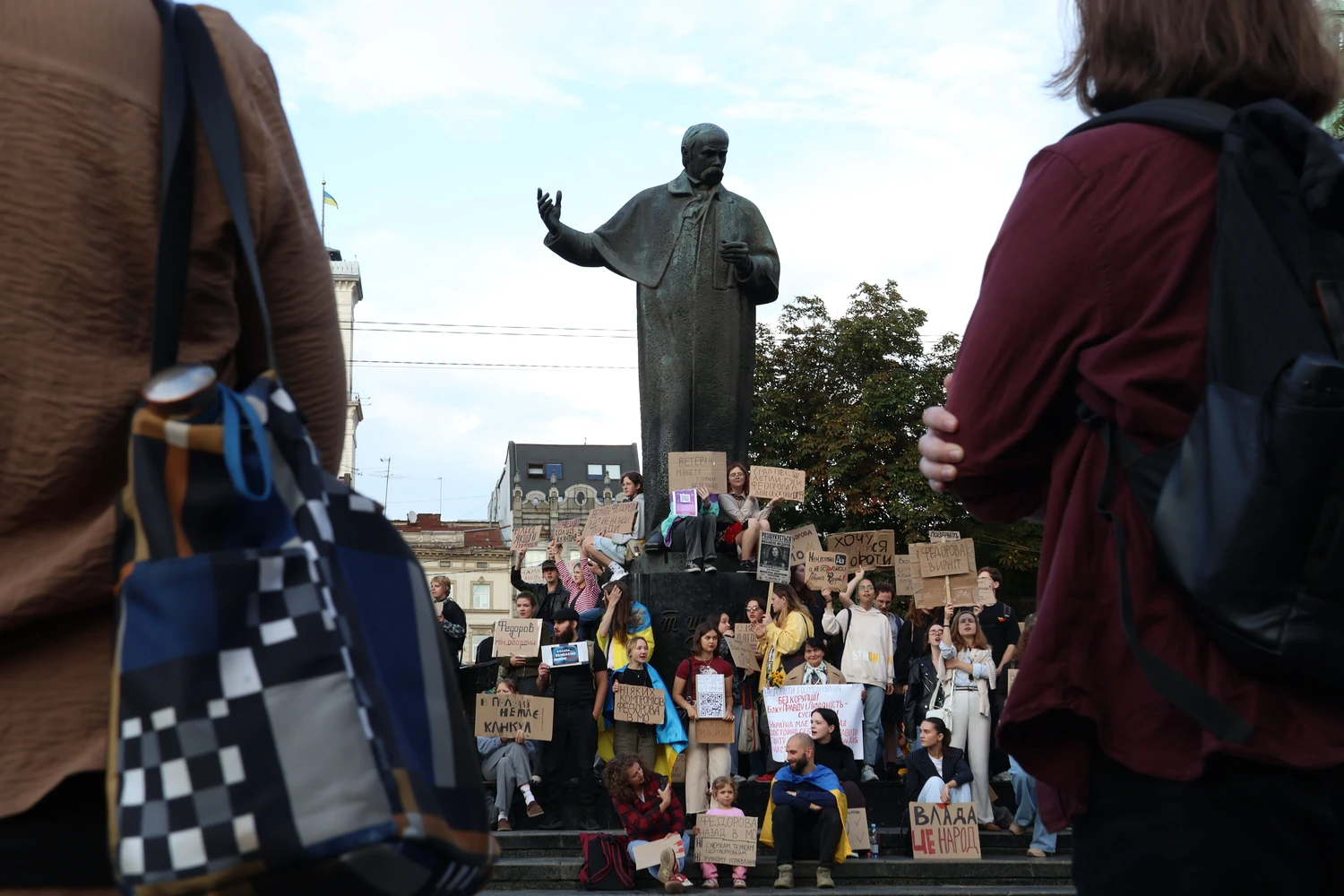
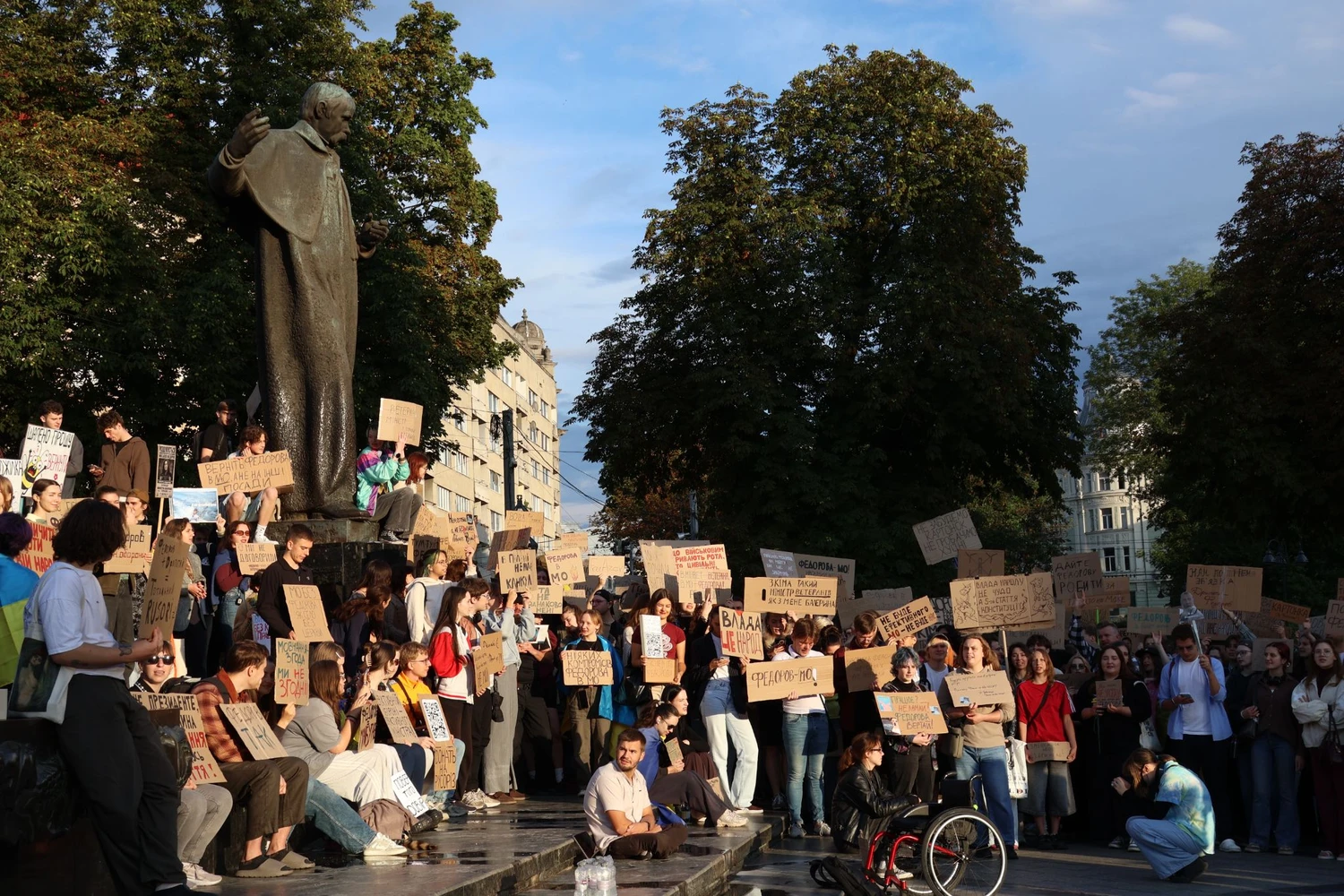
Demonstrators beneath the Taras Shevchenko monument in Lviv hold handwritten cardboard signs during an open-ended protest calling for Mykhailo Fedorov's reinstatement as Ukraine's Minister of Defence. Photo: Solomiia Stanovych/Euromaidan Press.
Explore further

Ukraine’s cardboard protests look like democracy working. In a war, that’s also the risk.

But the rallies may leave Ukrainian society with something that outlasts the outcome of one personnel decision, Anatolii Romaniuk, a political scientist at Ivan Franko National University in Lviv, told Euromaidan Press. The protesters lost: Parliament appointed Yevhenii Khmara as defense minister, not Mykhailo Fedorov. Yet the "cardboard Maidan," as the protests were termed for their abundance of handmade signs, may have revealed the beginnings of a broader shift in Ukrainian society. Romaniuk believes its significance lies in why people took to the streets: to support a politician not because of what he promised them, but because of what he had already done.

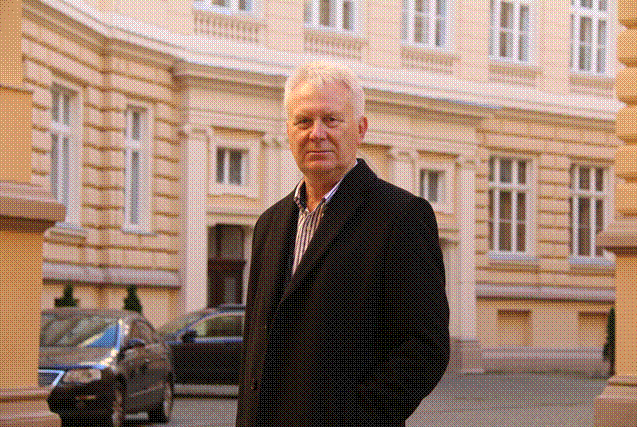
Anatolii Romaniuk. Photo: Ivan Franko National University of Lviv

Actions, not words

Romaniuk believes Ukrainian society has long lived under what he calls a "political curse": large numbers of Ukrainians repeatedly bought into populist promises from politicians offering things that were simply unrealistic.

He points to every Ukrainian election from 2004 through 2019, arguing that the share of populist promises only increased. Experts could see that many of them were impossible to fulfill, he says, yet voters continued to support politicians who made them. Romaniuk points to a promise from the 2019 election campaign that Ukrainian wages would overtake Poland's—at a time when the average salary in Ukraine was around $400 a month, and Poland's was roughly three times that.

The 2026 protests may represent a change in perspective, he argues: people backed a politician not for what he said he would do, but for what he had already done.

Fedorov's signature result was an audit—in his first months, his ministry exposed roughly $7.2 billion (300 billion hryvnia) in defense overspending, and that figure became the movement's rallying cry. "The audit showed 300 billion in theft. They removed the auditor, not the thieves," read one cardboard sign in Lviv.

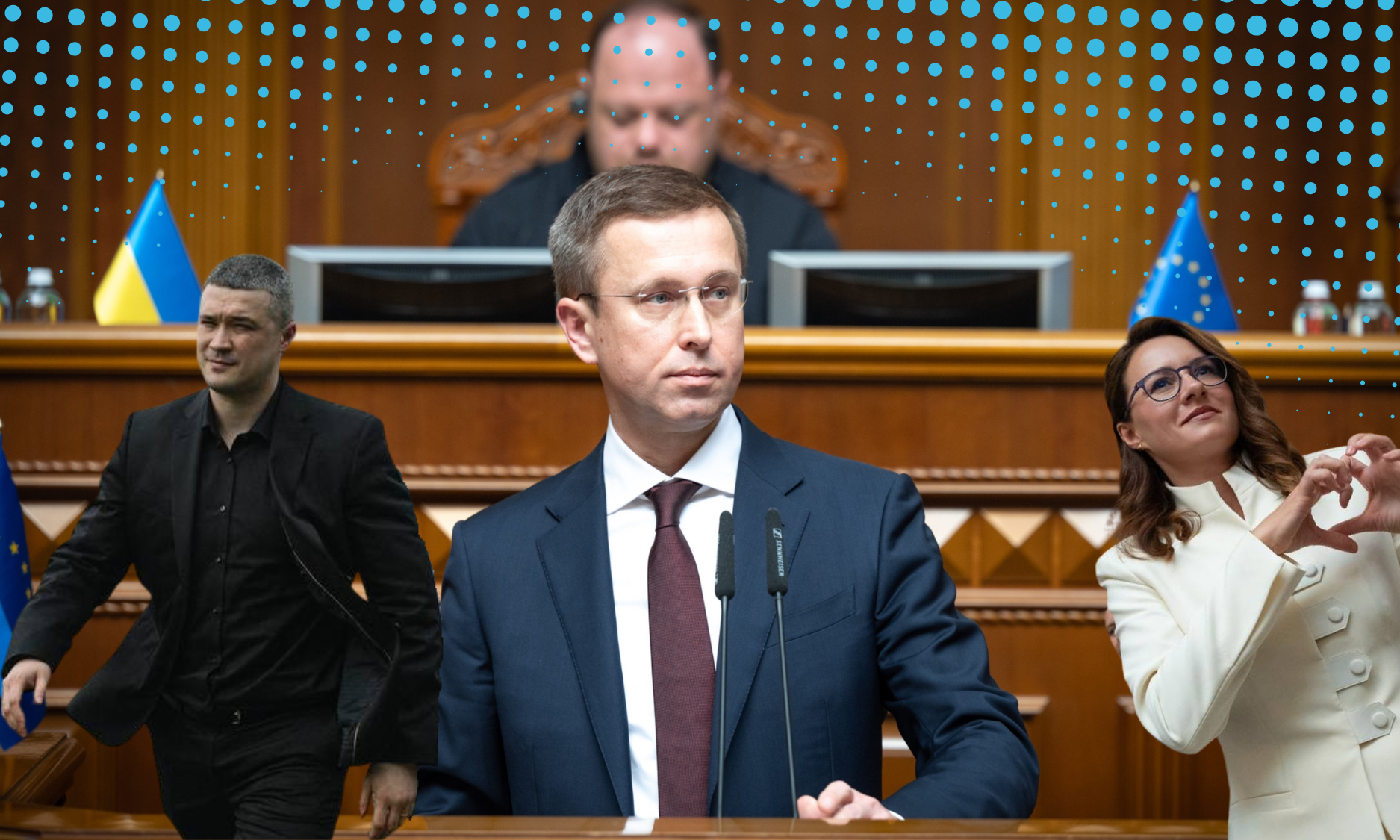
fedorov, koretskyi, svyrydenko collage
Explore further

“They removed the auditor, not the thieves”: why Ukrainians are protesting Zelenskyy’s reshuffle

The protesters were defending a record: open procurement built on the Brave1 marketplace, where frontline units order drones directly from certified manufacturers; a first competitive tender that cut 155mm shell prices by 16%; and, above all, Fedorov's bet on robotization—technology instead of manpower—that many Ukrainians saw as their best chance against a larger Russian army, a way to spend drones rather than lives. Fedorov was removed while he was implementing the reform, amid a conflict with then Commander-in-Chief Oleksandr Syrskyi.

"If this change in perspective continues, we will get out of the situation where we have become hostages to a growing wave of populism that would otherwise simply overwhelm us in the next elections. Because the degree, or the level, of populism in the 2019 elections was already very high. It was unrealistic," Romaniuk says of the protests' possible longer-term effect.

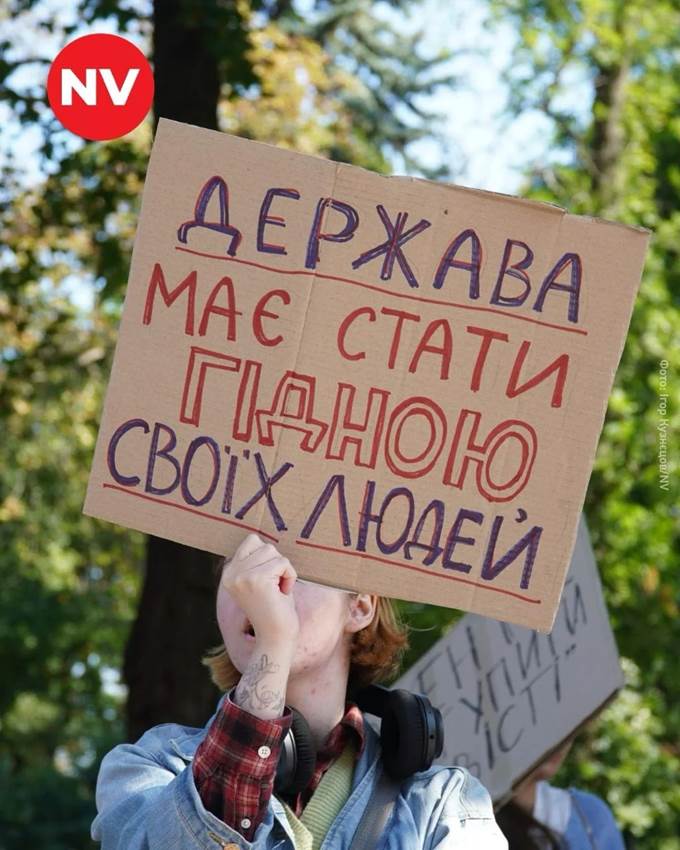
"The state must be worthy of its people." A protester stands with a cardboard sign outside the Verkhovna Rada during the session on Khmara's appointment. Kyiv, 19 August 2026. Photo: Ihor Kuznietsov/NV

The protesters were "for," not "against"

Romaniuk sees another distinction between these demonstrations and earlier protests in Ukraine's modern history: previous movements were built around being "against" something. This time, the demand was explicitly "for" something.

"If we recall the events of the 2014 Euromaidan Revolution, and even last year's protests, they were 'against.' That is, they were against Yanukovych signing an agreement with Russia and refusing to sign the Association Agreement. They were against a decision made at the highest level in Ukraine to restrict the anti-corruption bodies," Romaniuk says, referring to former President Viktor Yanukovych, whose 2013 pivot away from the European Union set off the Euromaidan Revolution.

He argues that Ukraine has never before seen protests explicitly organized in support of a government official, making the Fedorov rallies a first.

At the same time, Romaniuk acknowledges the paradox: even protests framed as being "against" something almost always implied support for an alternative. In 2004, for example, Ukrainians protested the results of the second round of a falsified presidential election that had declared pro-Russian Viktor Yanukovych the winner over his pro-European rival, Viktor Yushchenko. But by opposing those results, Romaniuk says, they were also supporting democratic elections.

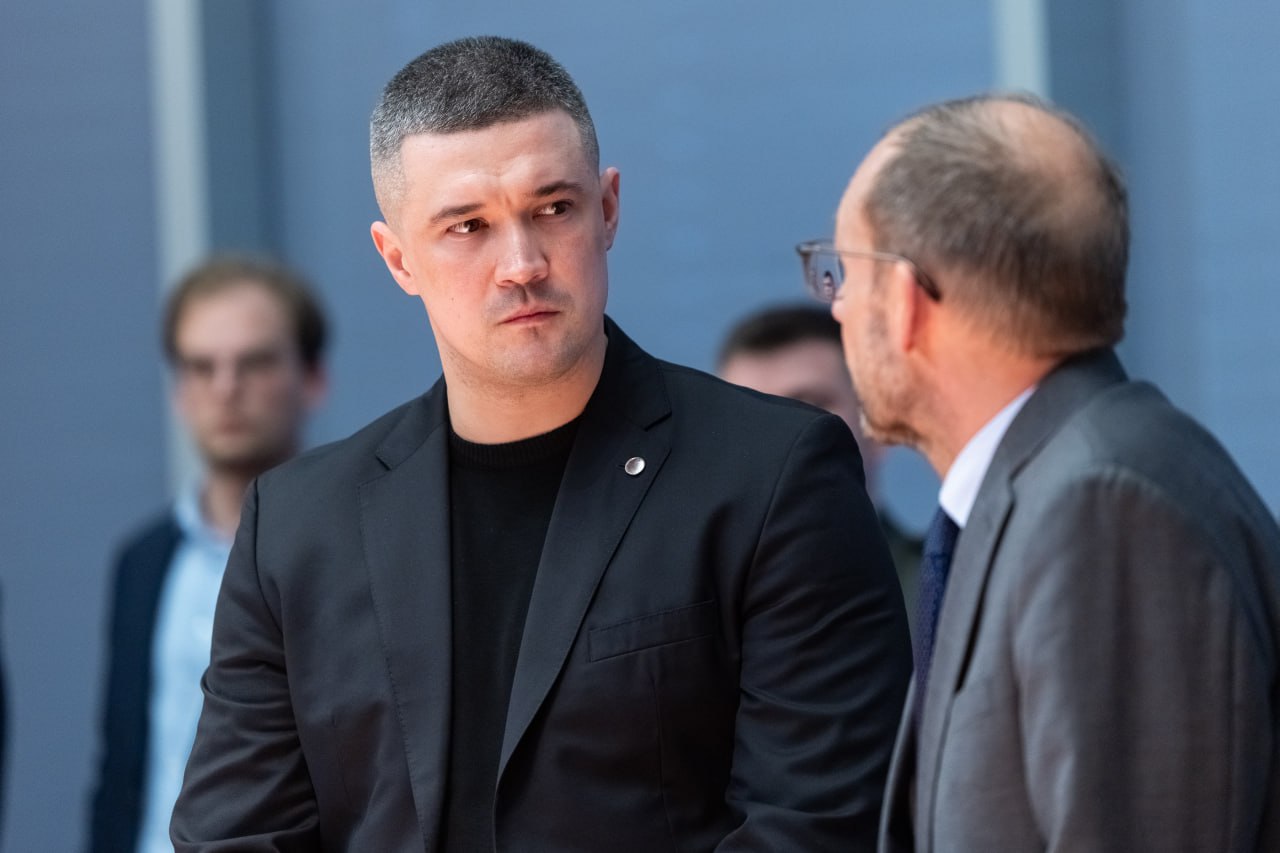
Ukrainian Defense Minister Mykhailo Fedorov in Germany, on 15 April 2026. Source: Fedorov
Explore further

Ukraine’s ousted defense minister took drone contracts away from the generals. Now they may take them back

The difference this time is that the "for" was clearly articulated. Protesters demanding Fedorov's return had an idea of the kind of Ukraine they wanted to see.

"In these protests, we have a situation where people are supporting the course pursued by Defense Minister Fedorov—the modernization of the army, changing approaches to warfare, and changing what the Ukrainian state should look like," Romaniuk says.

Participants in a protest calling for Mykhailo Fedorov to be reinstated as defense minister. Lviv, 19 August 2026. Photo: Snizhana Dobromylska/Suspilne Lviv.

Dariia, a 22-year-old who attended the protests in Lviv, describes her reasons for joining them in similar terms.

"My motivation is to see changes in the country, to see justice, to see that young, progressive people who put technology ahead of human losses are leading us toward victory."

She says Fedorov was one of the people introducing reforms "from the very top of government all the way to the battlefield."

"And we really saw those changes," Dariia told Euromaidan Press. She credits Fedorov with the long-range drone campaign that has struck Russian refineries, defense plants, and Wildberries depots as far as Bashkortostan, some 1,300 kilometers inside Russia: "Our enemy finds ways to attack, and we must also search for new ways to respond. Fedorov, as defense minister, was the person finding ways to respond to these attacks, how to carry out deep strikes."

mykhailo fedorov
Explore further

Ukraine’s defense minister explained how the country buys weapons—after he was sacked

This year's cardboard protests could be a good start

Romaniuk cautions that it is still too early to speak of a change in Ukrainians' political culture. But he says he would like to see this episode become the beginning of one.

"I would like other people in power to also be judged by their results, by what they have done," he says.

A genuine pattern, he adds, could only be established if similar cases repeated themselves. For now, this remains one specific episode rather than a proven trend.

Dariia connects the rallies to her own experience of protesting more than a decade earlier.

"I remember the rallies in Mykolaiv in 2014 against the occupation regime in the east. Back then, it was five people with cardboard signs standing in the rain. My family was one of them. Nobody came out, nobody understood that position… It is nice to see that people in the south and east understand now," Dariia says.

  •  

Operation Hell-2: Azov says it burned 4,221 tons of Russian fuel in occupied Donetsk Oblast

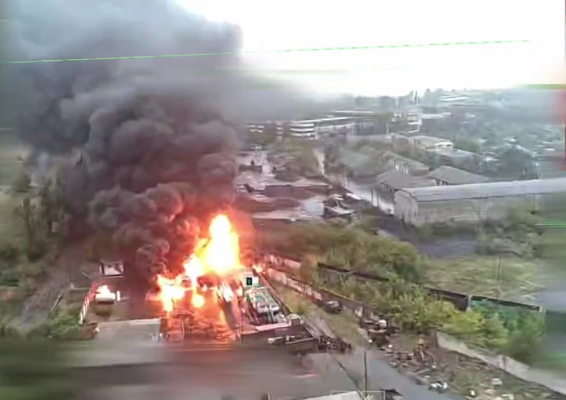
Aftermath of a strike on Russian fuel infrastructure during the Hell-2 operation in occupied Donetsk Oblast. 2026. Screenshot: National Guard of Ukraine

The 1st Corps of Ukraine's National Guard, known as Azov, says it destroyed 67 Russian fuel tanks holding 4,221 tons of fuel in occupied Donetsk Oblast, in an operation it named Hell-2. The unit released video of the strikes on 17 August, saying it had spent a month tracking where Russian forces moved and stored the fuel before hitting it.

Fuel is the blood of Russia's war, which is why its forces increasingly hide storage sites and route deliveries through improvised logistics hubs. Strikes on those hubs strip Russian units of what they need to move, supply, and fight. There have already been cases of Russian forces concealing fuel in grain trucks in occupied territories.

Azov warned the Russian forces before the strike

Azov says it flagged the fuel sites a month before hitting them, and struck when the Russians kept using them anyway.

“A month ago, we warned the occupier: ‘Azov sees your movements and will strike at the right moment.’ But some units of the Russian Armed Forces continued to store fuel in occupied Donetsk Oblast,” Azov said.

1 корпус НГУ «Азов» карає окупантів за спроби перевезення і зберігання військових вантажів. Задіяні у зберіганні та постачанні палива об’єкти росіян залишаються лише на картах, у реальності на їхньому місці – випалена земля. pic.twitter.com/FGgdn4J34k

— НГУ (@ng_ukraine) August 17, 2026

Azov emphasizes that it does not attack civilian gas stations or civilians. The operation targeted facilities used to supply Russian occupation forces. At the same time, according to Azov fighters, Russian military infrastructure remains a legitimate target.

The Russians didn’t get the message the first time

Hell-2 is likely a follow-up to the Hell operation, during which the first series of strikes, Azov also targeted the fuel logistics of Russian forces in occupied Donetsk Oblast.

On 12 July, Azov reported striking a secret Russian fuel base in Novoamvrosiivka. Drone operators from the 1st Azov Corps of the National Guard conducted reconnaissance and used Hornet drones to strike the facility. The strikes damaged fuel tanks and the base’s infrastructure and blocked the railway track.

According to the report, the Russians used the facility as a logistics hub to supply their occupation forces. After the strike, they were forced to abandon the base and move their logistics operations from the occupied territory into Russia.

  •  

Slovakia resumes BMP-1 hull production after 36 years. The secret customer may be Ukraine

slovakia resumes bmp-1 hull production after 36 years secret customer ukraine · post manufacturing slovak company stv machinery 2025 slovakia_bvp_productionjpg3 news ukrainian reports

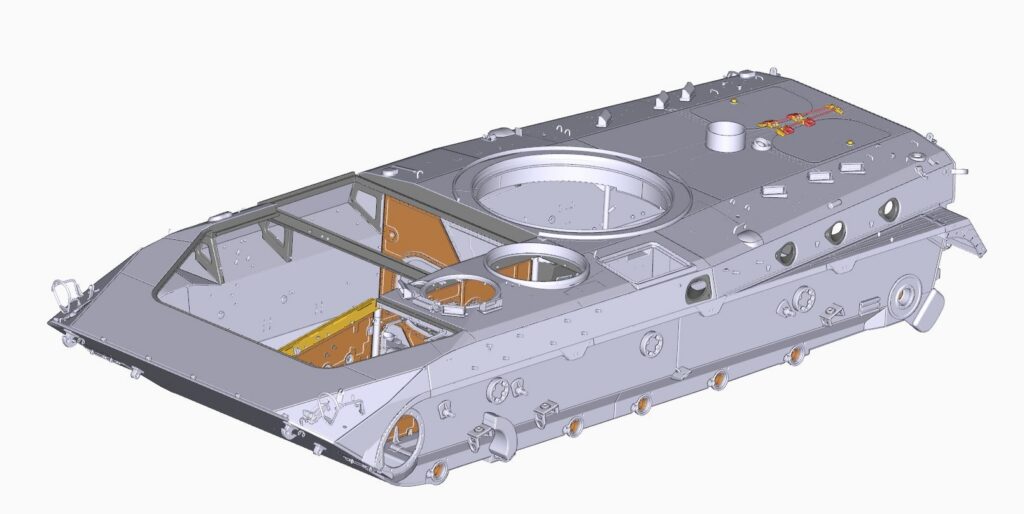
Slovak company STV Machinery has produced the first two prototype hulls for the BMP-1 infantry fighting vehicle after a 36-year break in production. The plant in Dubnica nad Váhom began developing an updated design in 2024, and a contract with an unnamed foreign customer was signed in late 2025, with serial production scheduled for 2026 to 2027.

The Slovak outlet Future Army reported this on 15 August, citing STV Group's director of special projects, Pavel Beran. He said one prototype is being used to test final assembly and the integration of weapons systems, while the second is undergoing physical and stress testing. The company will not disclose the customer's identity, citing security and business-ethics considerations.

Ukraine has a substantial need for armoured vehicles. Its forces already use and modernise the BMP-1, and cooperation with Western manufacturers could help replenish the fleet faster. In 2024, for example, Ukraine and Germany's Rheinmetall agreed to produce the Lynx IFV and to expand defence cooperation.

Digitised BMP-1 project. Photo: STV Machinery

The Slovak plant has returned to BMP-1 production

According to Militarnyi, the new hulls remain outwardly similar to the Soviet BMP-1 design but have been reworked to more modern requirements. STV Machinery revised the design to meet NATO standards for ergonomics and materials, and strengthened the armour using more modern materials.

Future vehicles will offer a choice of powerplant, with Western-made engines among the options. STV Machinery, the Slovak firm, will produce the hulls and other components, after which its Czech sister company STV Group will carry out full assembly and testing.

The exact size of the order is not yet known, though earlier reports suggested production could eventually reach up to 100 hulls a year.

The company has not named the customer. Defense Express suggested as early as December 2025 that it could be Ukraine. One scenario the outlet floated was the supply of hulls or turretless vehicles, which would allow other combat modules to be fitted.

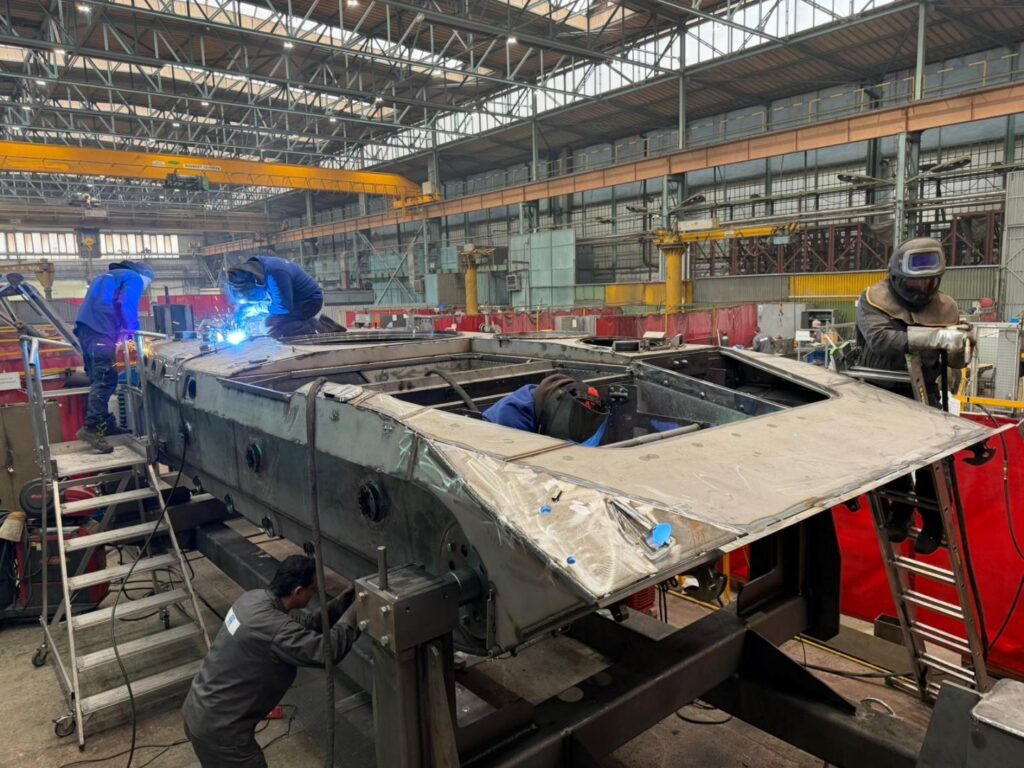
Production of the BMP-1 hull by the Slovak company STV Machinery. 2025. Photo: STV Machinery

Why Slovakia is building the BMP-1 again

The Dubnica nad Váhom plant previously built licensed versions of the BMP-1, known locally as the BVP-1. Serial production there ran until 1989, after which the plant went more than three decades without making new hulls for the vehicle. The site is the same, but the manufacturer is not: the original vehicles came off the ZŤS Dubnica nad Váhom line in the Czechoslovak era, while today's hulls are made by STV Machinery.

At the same time, the BMP-1 remains a vehicle of the 1960s. Even a modernised hull does not change the platform's fundamental limitations, particularly its level of protection. So if Ukraine really is behind the order, it is likely more a way to rapidly increase the number of armoured vehicles than a long-term replacement for modern Western IFVs, Defense Express noted in 2025.

Also Defense Express stressed that the customer's identity remains only speculation, adding that the buyer could turn out to be another country that operates or once operated the BMP-1, and that firmer detail will have to wait for the company.

  •  

Russia’s strikes across 10 Ukrainian regions kill at least eight in 24 hours

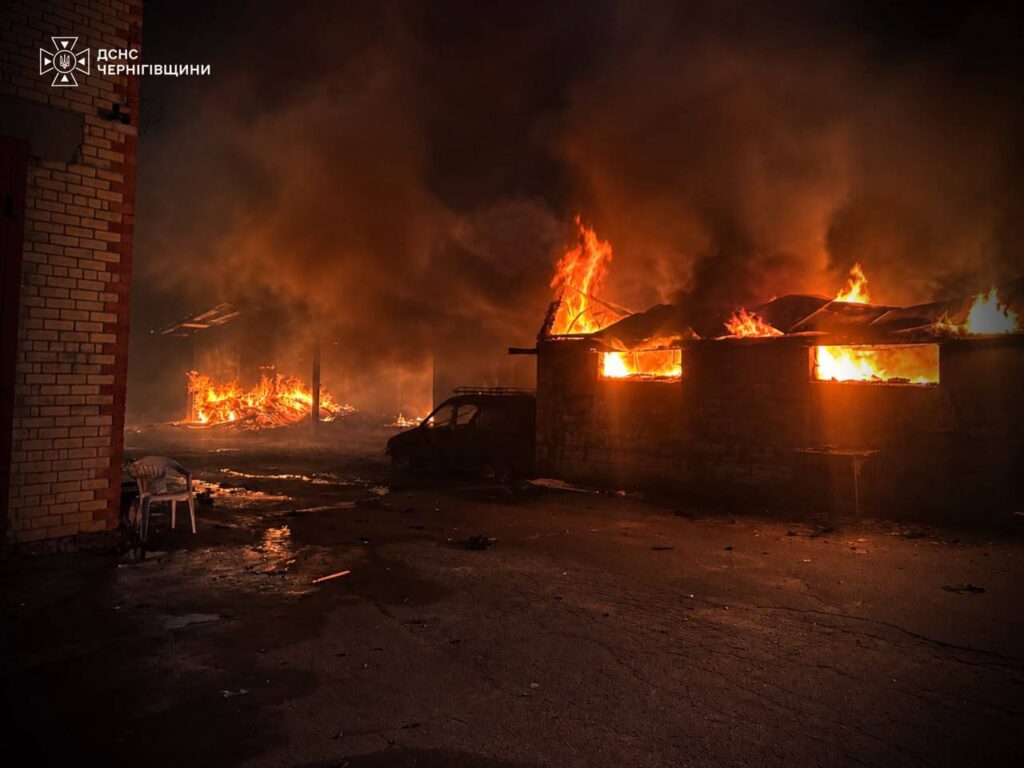
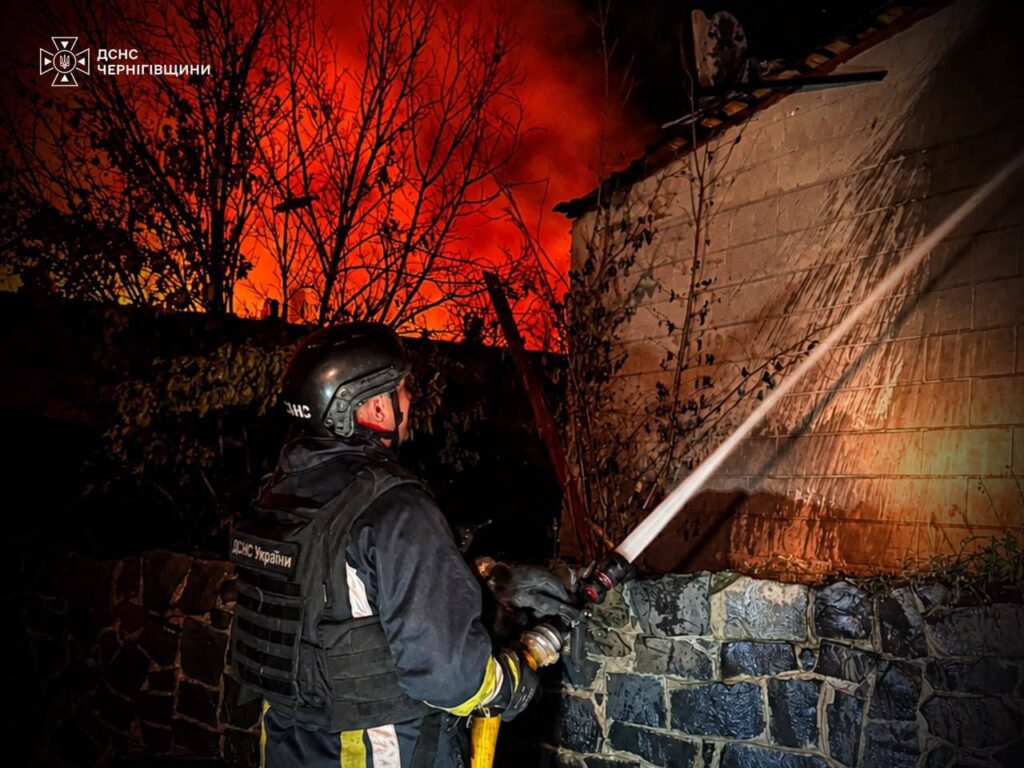
least eight people were killed dozens more wounded russia strikes 10 ukrainian regions over 24 hours · post fire chernihiv oblast broke out result russian shelling 17 2026 chernihiv_16_08 ukraine

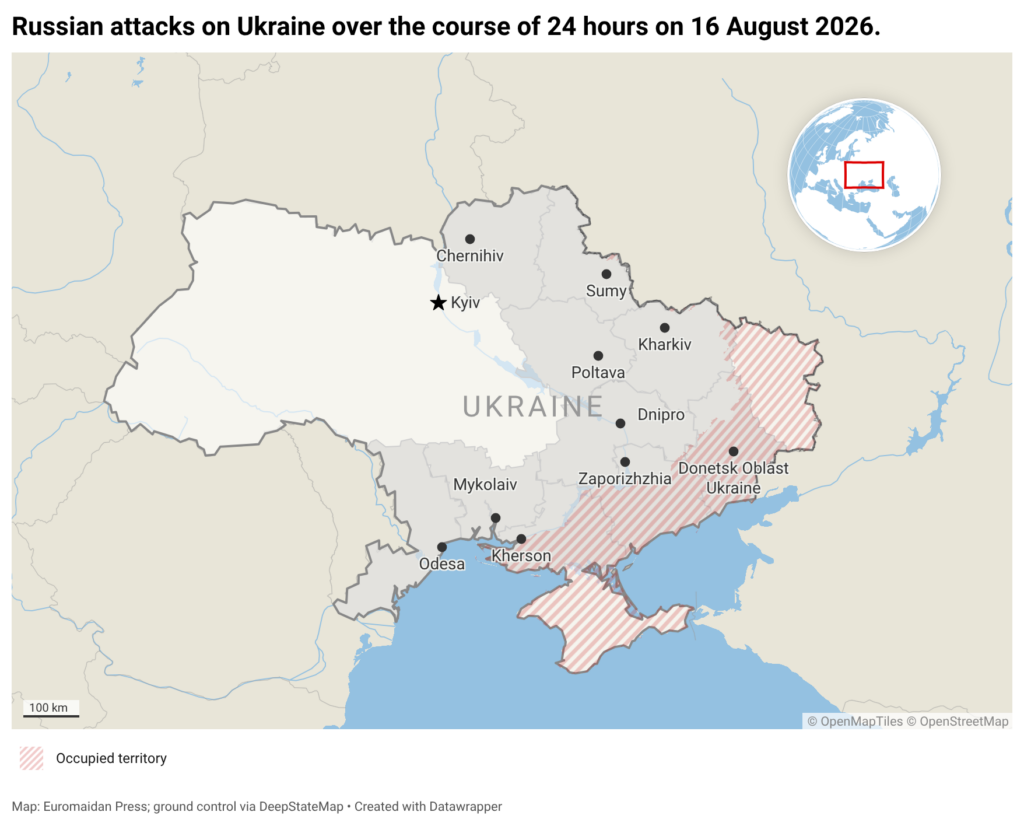
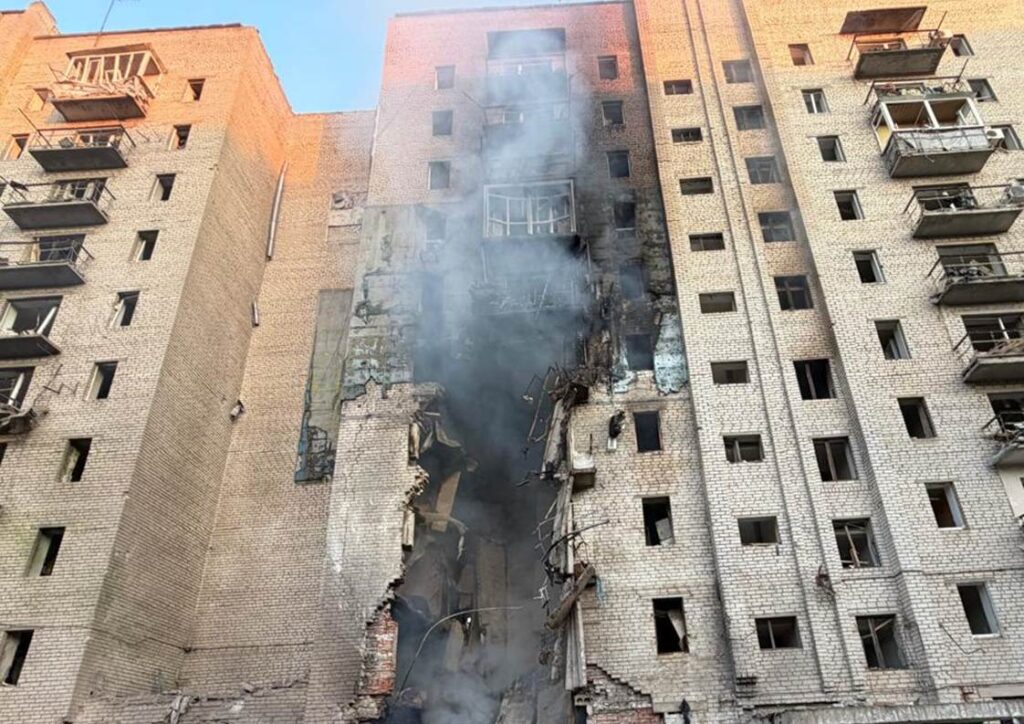
Russian forces shelled and struck front-line and border regions across northern, eastern, and southern Ukraine over the past 24 hours, killing at least eight civilians and wounding more than 40, regional authorities reported on 17 August. Sumy, Donetsk, Kherson, and Zaporizhzhia oblasts reported deaths, while people were wounded in Kharkiv, Kherson, Dnipropetrovsk, Chernihiv, and Odesa Oblasts.

Russia's daily strikes have hit populated areas and civilian infrastructure both near the front line and far behind it. President Volodymyr Zelenskyy said that 13 regions had come under attack over the past week, with more than 1,550 attack drones, nearly 1,560 guided aerial bombs, and 62 missiles, most of them ballistic, launched at Ukraine.

Map: Euromaidan Press

North: FPV drone attacks firefighters’ vehicle

In Sumy Oblast, Russian forces carried out more than 50 strikes on 24 settlements across 11 communities. A drone strike in the Sumy community killed a 75-year-old man and a 72-year-old woman and wounded another civilian, the Sumy military administration said. It also said two more people were wounded in the Seredyna-Buda community. A mass drone attack on Sumy caused large fires and wounded at least one person, Sumy city military administration head Serhii Kryvosheienko said.

In Chernihiv Oblast, a 41-year-old man was wounded in a Geran drone strike on the Kozelets community, Head of the Regional Military Administration Viacheslav Chaus said. He added that Gerbera drones destroyed a hangar and farm equipment in the Kholmy community. In a border village in the Horodnia community, an FPV drone struck a yard, and a second FPV drone hit a firefighters' vehicle that had arrived at the scene. A house later caught fire. A critical infrastructure facility was also hit.

Firefighters put out a fire in Chernihiv Oblast that broke out as a result of Russian shelling. Approximately, morning of 17 August. Photo: Chernihiv Oblast State Emergency Service

In Kharkiv Oblast, six people were wounded in strikes on Kharkiv and nine other settlements. The heaviest damage was reported in Izium, where 19 houses and four apartment blocks were damaged, head of the Regional Military Administration Oleh Syniehubov said.

East: Russian strikes destroy 30 stalls

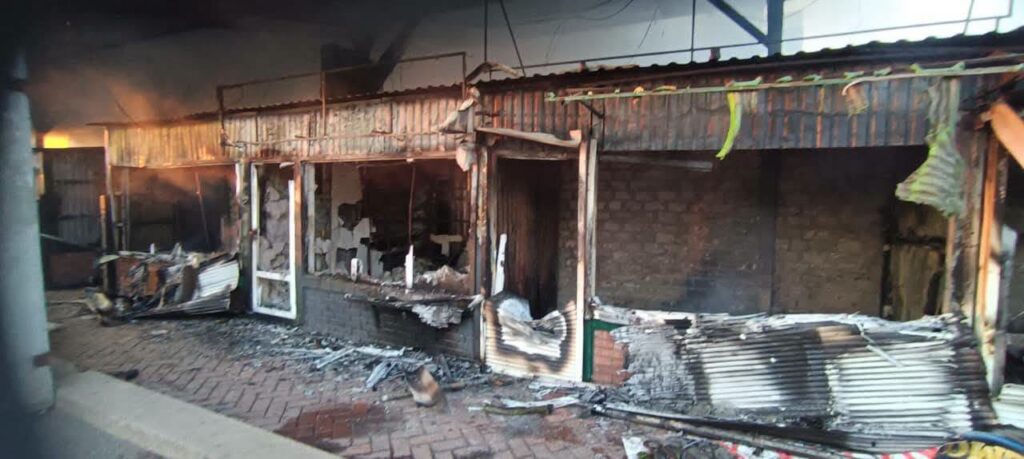
In Donetsk Oblast, Russian forces killed two residents of Kramatorsk and wounded 18 people across the region, Head of the Regional Military Administration Vadym Filashkin said. In Sloviansk, round-the-clock strikes damaged critical infrastructure and destroyed 30 stalls at the Lisnyi market, Sloviansk City Military Administration Head Vadym Liakh said.

Consequences of Russian strikes on Sloviansk on 16 August and overnight into 17 August. Photo: Vadym Liakh


In Poltava Oblast, two industrial facilities were hit, causing fires, and drones also attacked another industrial facility in Myrhorod district, Head of the Regional Military Administration Vitalii Diakivnych said. No casualties were reported.

In Dnipropetrovsk Oblast, Russian forces attacked four districts nearly 20 times from the evening of 16 August, wounding five people, Head of the Regional Military Administration Oleksandr Hanzha said. He added that houses and outbuildings caught fire in Pavlohrad and Nikopol district.

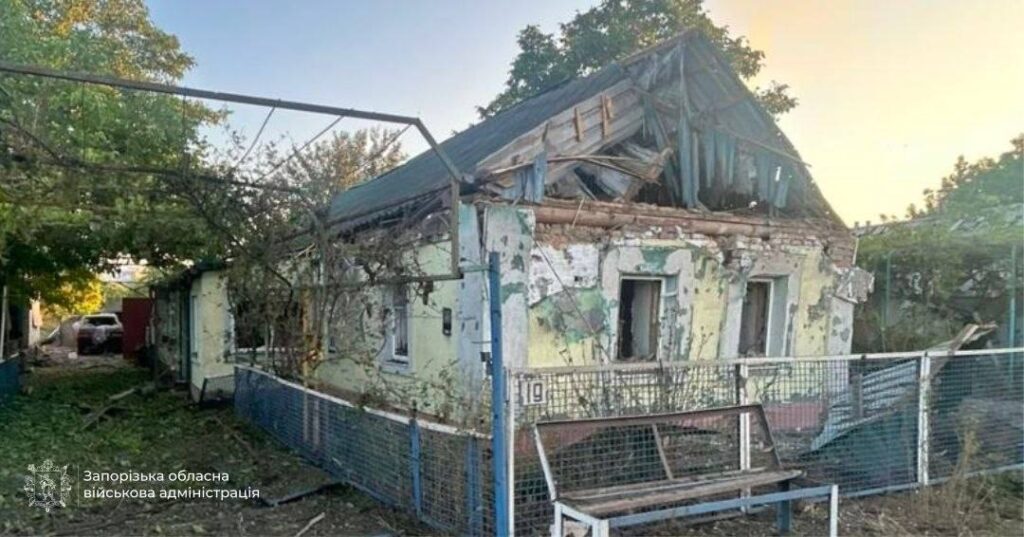
In Zaporizhzhia district, two people were killed and three wounded, Head of the Regional Military Administration Ivan Fedorov said. He also reported 1,217 strikes on 60 settlements across the oblast, including 20 air strikes, about 846 drone attacks, and 350 artillery strikes.

Consequences of Russian strikes on Zaporizhzhia Oblast on 16 August. Photo: Zaporizhzhia Regional Military Administration

South: strike damages civilian vessel flying the flag of Togo

In Odesa Oblast, a night-time strike on port infrastructure damaged a civilian vessel flying the flag of Togo and wounded four people, one of them seriously, Head of the Regional Military Administration Oleh Kiper said.

In Kherson Oblast, in the early morning, Russian forces killed two residents of the village of Novokayiry in the Mylivska community, – Head of the Kherson Regional State Administration Oleksandr Prokhudin said. Also russian forces attacked 52 settlements, including the regional capital. Six people were wounded, while 11 apartment blocks and 15 private houses were damaged, Prokudin said.

In Mykolaiv Oblast, Russia attacked with Shahed and Gerbera drones, but no casualties were reported, acting Head of the Regional Military Administration Heorhii Reshetilov said. He added that the roof of an agricultural enterprise building was damaged in the Horokhivska community.

  •  

Russian agent who set fires in Kyiv receives 15-year prison sentence

Illustrative photo. Source: Depositphotos

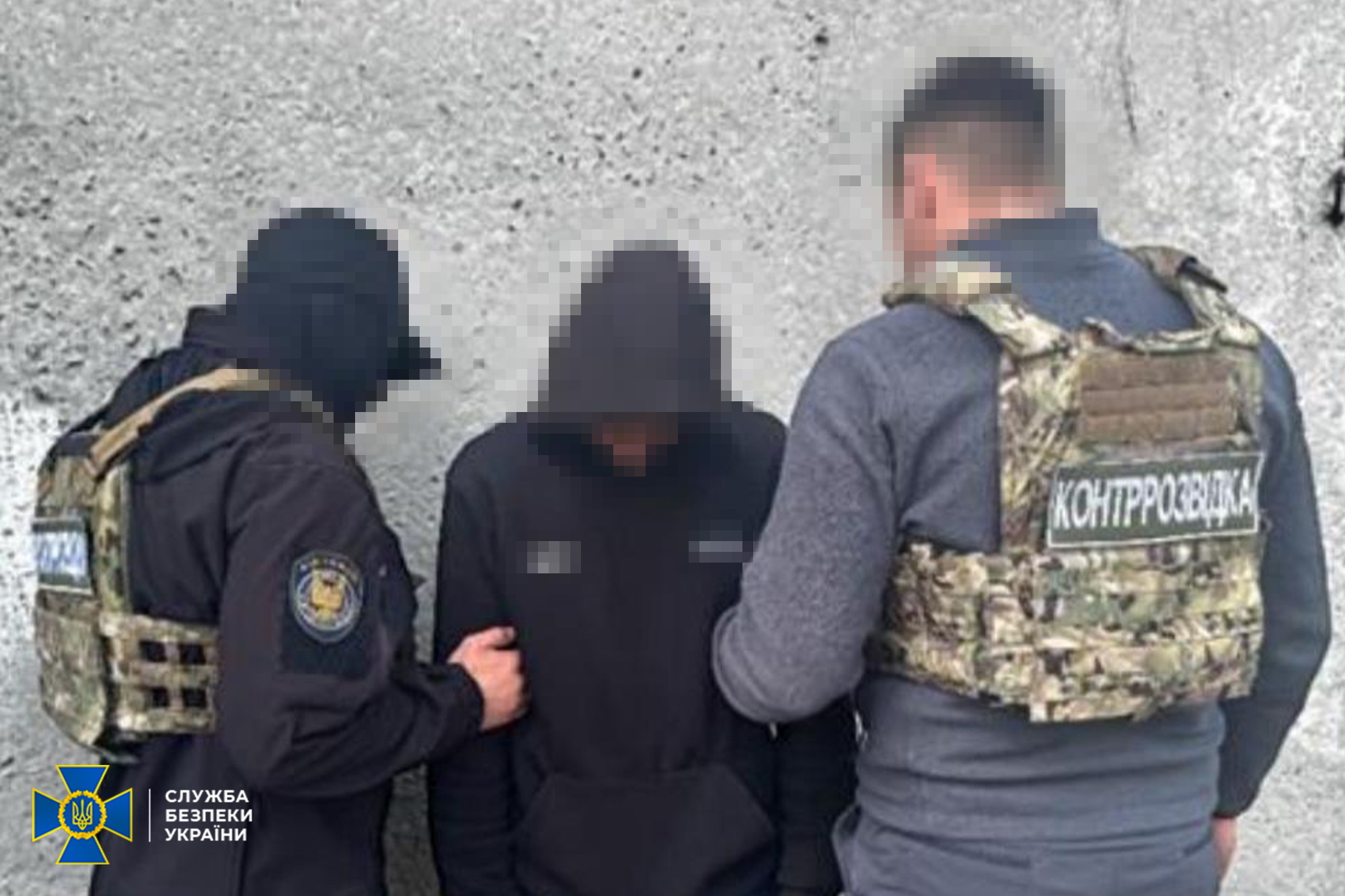
A Kyiv court has sentenced an unemployed man to 15 years in prison with confiscation of his property for carrying out arson attacks on behalf of Russian intelligence, Ukraine's Security Service (SBU) said on 13 August. The man was recruited while looking for "easy money" on Telegram channels and carried out two arson attacks in Kyiv before fleeing to Odesa, the SBU reported.

Russian intelligence increasingly recruits Ukrainians through Telegram for arson and sabotage. It targets people seeking quick money and treats them as disposable operatives, paying small sums for a single task and discarding them once they are caught.

The Russian agent carried out two arson attacks

According to the SBU, the man first set fire to a relay cabinet belonging to a railway signaling system. Russia intended the attack to disrupt freight logistics, including supplies to areas near the front.

The agent later burned a volunteer’s SUV used to deliver humanitarian aid and evacuate civilians from areas affected by Russia’s war. He carried out the attacks at night, using a flammable mixture and filming each incident on his smartphone before sending the footage to his Russian handler.

The SBU arrested him in Odesa in July 2025, where he had attempted to hide after carrying out the attacks. Investigators seized his phone, which contained evidence of his cooperation with Russia.

A court found him guilty on two counts — sabotage committed under martial law, and intentional destruction of property by arson — both carried out as part of a group acting on prior conspiracy. He was sentenced to 15 years in prison with confiscation of his property.

ukraine detains six suspected russian agents including teen arsonist one russian-paid detained sbu fsb saboteur arrested says suspects were recruited telegram ordered target railway military infrastructure 22 security service (sbu)
Explore further

From “easy money” to murder: Russia escalates recruitment of Ukrainians for terrorist attacks inside Ukraine, police warn

Easy money, hard time: other Telegram recruits jailed too

The case follows several similar convictions. In a May case, an agent received 15 years for burning a railway relay cabinet near a Dnipro station in an attempt to disrupt frontline logistics. The SBU said the unemployed local, recruited through Telegram, filmed the arson and reported it to his handler, then was caught before he could carry out a planned series of attacks on the city's critical infrastructure.

In June 2026, another agent was sentenced to 15 years for preparing to burn an electrical substation in Kropyvnytskyi.

In July, SBU investigators reported that a GRU agent in Zaporizhzhia received 15 years for preparing explosives for Russian-organized attacks.

  •  

Russia drops eight FAB-250 bombs on Kramatorsk, killing one and injuring 18

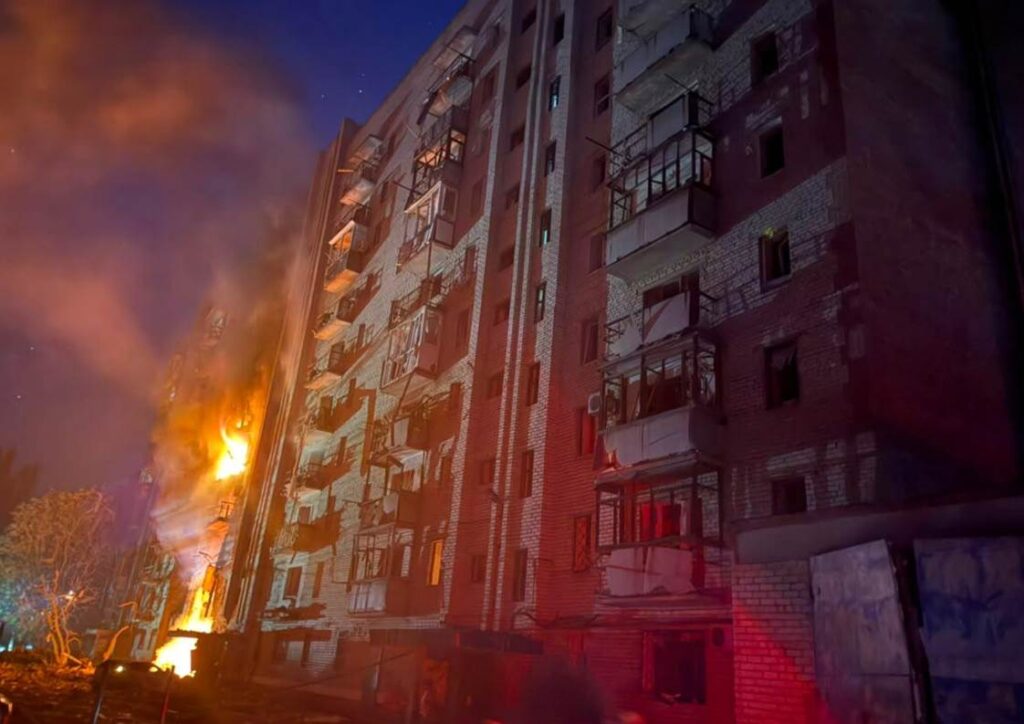
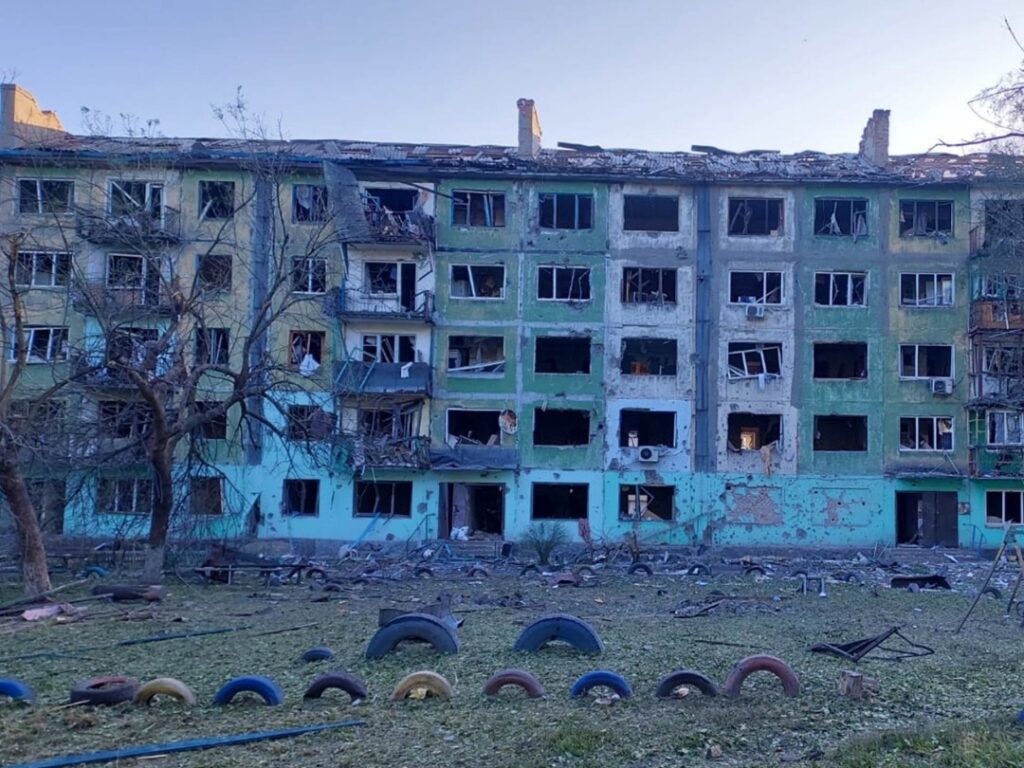
An apartment building hit in a Russian strike on Kostiantynivka on the evening of 13 August, 2026. Photo: Donetsk Region Prosecutor's Office

Russia's glide-bomb strike on Kramatorsk killed one person and wounded 18, the head of the Donetsk Oblast Military Administration, Vadym Filashkin, reported on the morning of 14 August. The Donetsk Oblast Prosecutor's Office has opened a war-crimes investigation into the attack.

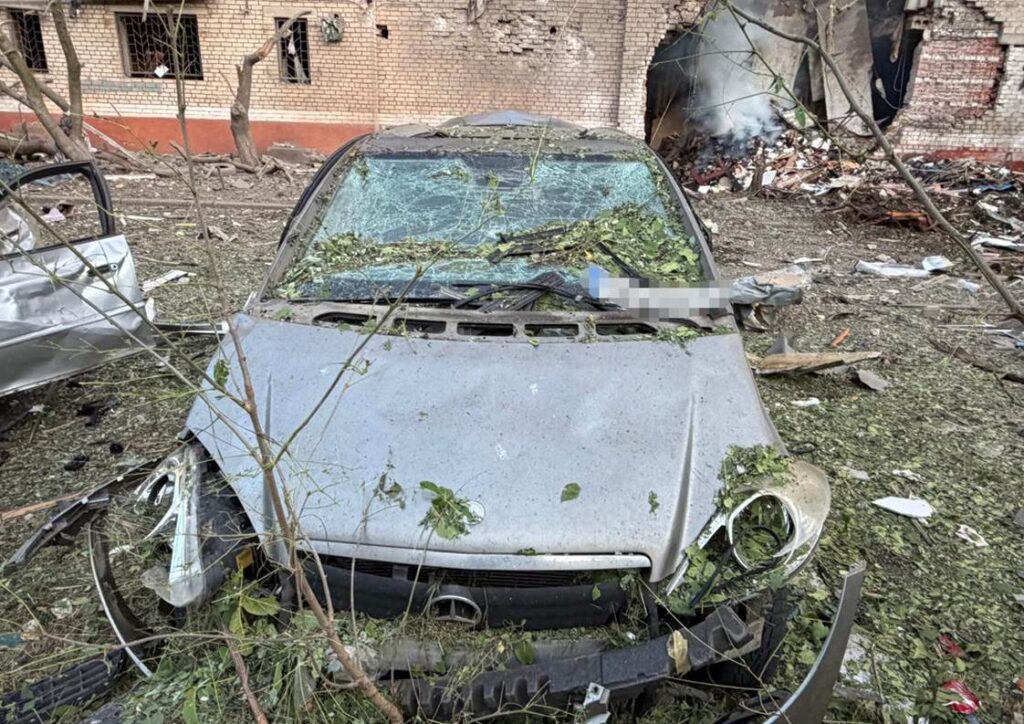
Russian forces dropped eight FAB-250 aerial bombs fitted with universal glide and correction modules (UMPK) on the city on the evening of 13 August, hitting residential areas including apartment buildings, the prosecutor's office reported. An apartment building and a car were damaged. Filashkin said the strikes also hit the nearby settlement of Bilenke.

The strike on the residential area was another instance of Russian forces using guided aerial munitions against civilian areas. Under international humanitarian law, civilian objects may not be deliberately targeted.

The toll rose overnight. Filashkin first reported at least one killed and 15 wounded on the evening of 13 August. By the next morning, the prosecutor's office had documented 17 of the wounded — seven men and 10 women aged between 47 and 85 — with blast and traumatic brain injuries, shrapnel wounds, cuts to the head, arms and legs, and abrasions and bruises. Filashkin's later update put the number of wounded at 18.

An apartment building hit in a Russian strike on Kramatorsk on the evening of 13 August, 2026. Photo: Donetsk Region Prosecutor's Office

"Russia again turned an ordinary evening in the city into deadly danger. This is not an accident or a mistake — this is how the enemy wages war against our people," Filashkin said.

Deliberately directing attacks against civilian objects may constitute a war crime under international humanitarian law. The prosecutor's office has opened a pre-trial investigation under Part 2 of Article 438 of Ukraine's Criminal Code.

"In total, over the past day, Russians shelled populated areas of Donetsk Oblast 37 times. 624 people, including 90 children, have been evacuated from the front line," Filashkin reports.

A car hit in a Russian strike on Kramatorsk on the evening of 13 August, 2026. Photo: Donetsk Region Prosecutor's Office

Repeated pattern of glide-bomb strikes on Donetsk Oblast

Russian forces regularly use FAB-250 bombs equipped with UMPK to strike populated areas in Donetsk Oblast and other frontline regions.

On 11 August 2025, Russian aircraft dropped FAB-250 bombs equipped with UMPK on a residential quarter in Bilozerske, Donetsk Oblast. Two civilians were killed, a 43-year-old man and a 34-year-old woman, while seven others were injured, including a 16-year-old boy. Eight apartment buildings and six vehicles were damaged. A pre-trial investigation was opened under Part 2 of Article 438 of Ukraine's Criminal Code.

An apartment building hit in a Russian strike on Bilozerske on 11 August, 2025. Photo: Donetsk Region Prosecutor's Office

On 18 September 2025, Russian forces struck civilians with a FAB-250 bomb equipped with UMPK in Kostiantynivka, Donetsk Oblast. Five residents aged between 62 and 74 were killed; three men and two women were outside at the time of the strike. The facades of four apartment buildings were damaged.

On 25 June 2026, Russian forces dropped three FAB-250 bombs equipped with UMPK on Druzhkivka, Donetsk Oblast. A 56-year-old woman was killed, and four others were injured: a 68-year-old man and three women aged 51, 58, and 67, sustaining blast injuries and shrapnel wounds.

  •  

NASA shows Crimea as Russian on a map during its eclipse broadcast

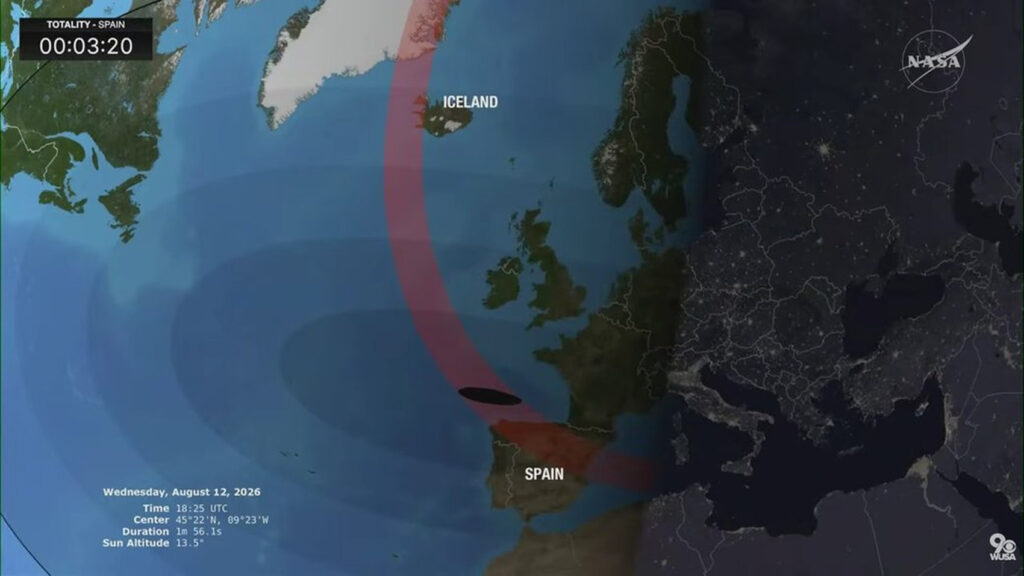
During the eclipse broadcast, NASA depicted Crimea as Russian on 12 August 2026. Photo: Screenshot from NASA's broadcast

On the evening of 12 August 2026, NASA displayed a map on which Crimea was marked as Russian. It happened during the live broadcast of a total solar eclipse: on the graphic, the peninsula was separated from mainland Ukraine by a border line and presented as part of Russia.

Crimea is a Ukrainian region that Russia occupied after its illegal annexation in 2014. Ukraine and the overwhelming majority of the world's states do not recognize that annexation, and no cartographic error changes the peninsula's status under international law. Each uncorrected map treats as ordinary what international law still calls an illegal occupation.

What happened during the broadcast

The US agency streamed the total eclipse, whose path crossed Greenland, Iceland, and Spain, live to a global audience. The error appeared on one of the visibility maps NASA showed during the broadcast: on it, Russia's border was drawn along the land boundary between mainland Ukraine and the peninsula, creating the impression that Crimea belongs to Russia.

Additional images from the August 12 Solar Eclipse are on our Flickr feed. Check them out! A few more frames may be added later too. 📷 https://t.co/CwbEoWw3Eq pic.twitter.com/mZRukcYnZd

— NASA HQ PHOTO (@nasahqphoto) August 12, 2026

Not the only case

In December 2024, FIFA eventually apologized for a map it displayed during the qualifying draw for the 2026 World Cup that left occupied Crimea outside Ukraine's borders. The graphic was meant to show pairs of teams that cannot be drawn against each other for geopolitical reasons, among them Spain and Gibraltar, Kosovo and Serbia, and Ukraine and Belarus. It marked out Ukraine but drew the country without the peninsula. Ukraine's Foreign Ministry spokesman Heorhii Tykhyi objected, Kyiv called the omission an unacceptable error, and football's world governing body pulled the image.

On 24 September 2024, the British broadcaster Sky News published an investigation into a scheme for supplying sanctioned goods to Russia through third countries, Georgia among them. The report was accompanied by three maps of vehicle-transport routes into Russia, on each of which Crimea was marked as Russian territory, Detector Media reports. The maps have since been edited, and Crimea is now marked as part of Ukraine.

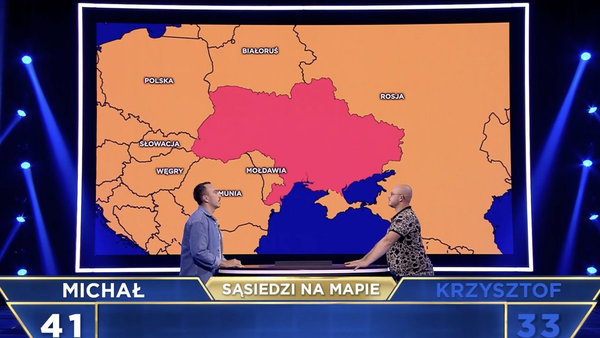
The Polish broadcaster TVN showed a map of Ukraine on which occupied Crimea was marked in a separate color during the entertainment show The Floor. The episode aired on Polish television, and the broadcaster published its video on its website in 2025.

Map of Ukraine without Crimea aired on Polish TV channel TVN during The Floor. Photo: Screenshot from the TVN website

Behind Putin's sacred Crimea stood Sevastopol's airfields

Explaining the annexation, Putin spoke not of the military but of sacred things. In his December 2014 address to the Federal Assembly, he called Crimea a place of "enormous civilizational and sacral significance," comparing the peninsula to the Temple Mount in Jerusalem. Europe rejected that mythology: just ten days after the sham referendum, the UN General Assembly passed Resolution 68/262 by a vote of 100 to 11 and declared the annexation illegal.

Putin arrived in annexed Sevastopol, where he took part in a ceremony marking the launch of the Balaklava Thermal Power Plant. 18 March 2019. Photo: TASS

But behind Moscow's "spiritual" rhetoric lay a different purpose for Crimea. Sevastopol, its airfields, and its logistics turned the peninsula into a springboard for the 2022 invasion, and it is largely for this reason that Ukraine's forces are now focused on striking Crimea. Robert "Madyar" Brovdi, commander of the Unmanned Systems Forces on 10 August said that the strikes are the first phase of a campaign meant to render the peninsula unusable for Russian troops.

"Crimea is one of the key conceptual pillars on the path to ending the war," Madyar told the Associated Press.

  •  

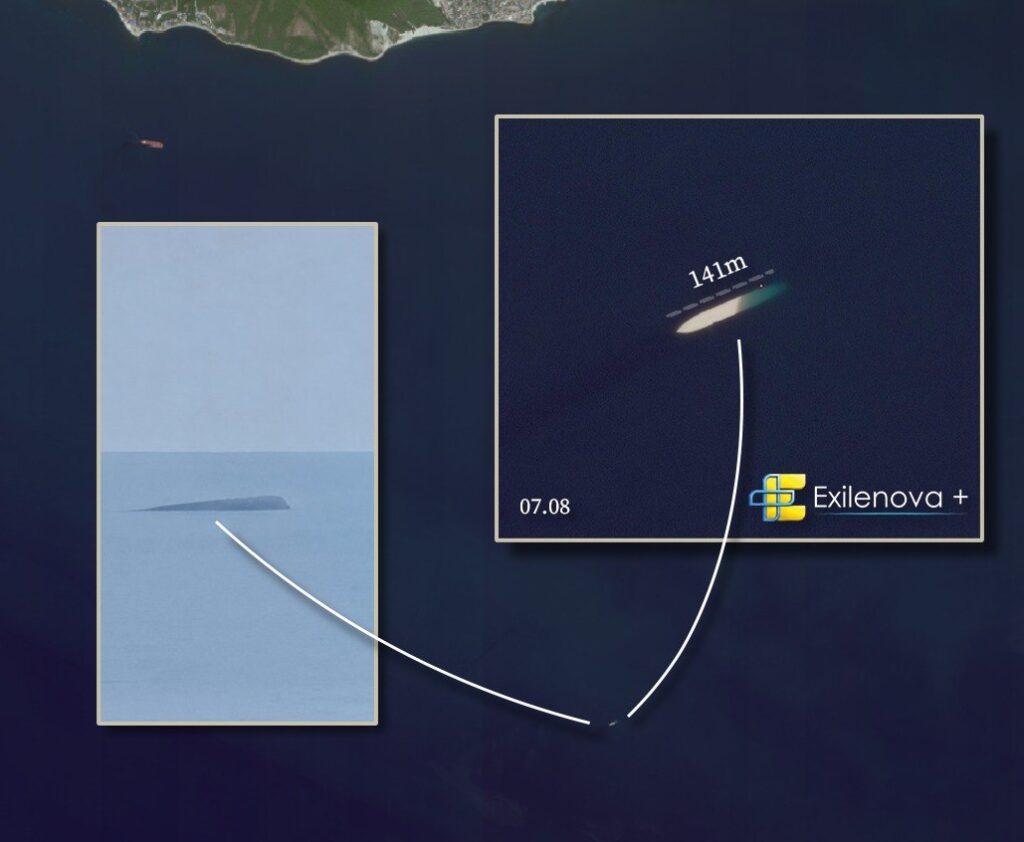
A 141-meter ship mysteriously “disappeared” in the Black Sea near Novorossiysk, while Russian authorities are keeping the incident under wraps

Sunken vessel near Novorossiysk. August 2026. Source: Exilenova+

Overnight on 7 August, a vessel was possibly sunk in the Black Sea near Novorossiysk, the Ukrainian monitoring channel Exilenova+ reports. The project, which spotted the ship in satellite imagery, suggests it may have been carrying military cargo.

Russia has a practice of concealing its fleet losses. Moscow tries to mask the scale of the problem in various ways: it classifies sinkings as accidents, downplays the number of casualties, or stays completely silent about vessel losses. Russia acknowledges fleet losses only when it happens accidentally or when concealing the sinking or damage is no longer possible. The 141-meter vessel, which had no foreign owner to demand explanations, has received none.

Russian officials have not commented on the sinking, Exilenova+ says.

"The news passed quite modestly, but there is a nuance. Russia's 'official' authorities have not reported about any sunken vessel. It just sank. It is not ruled out that the ship was carrying military cargo for Russia's armed forces. Otherwise, why pretend nothing happened?" Exilenova+ wrote.

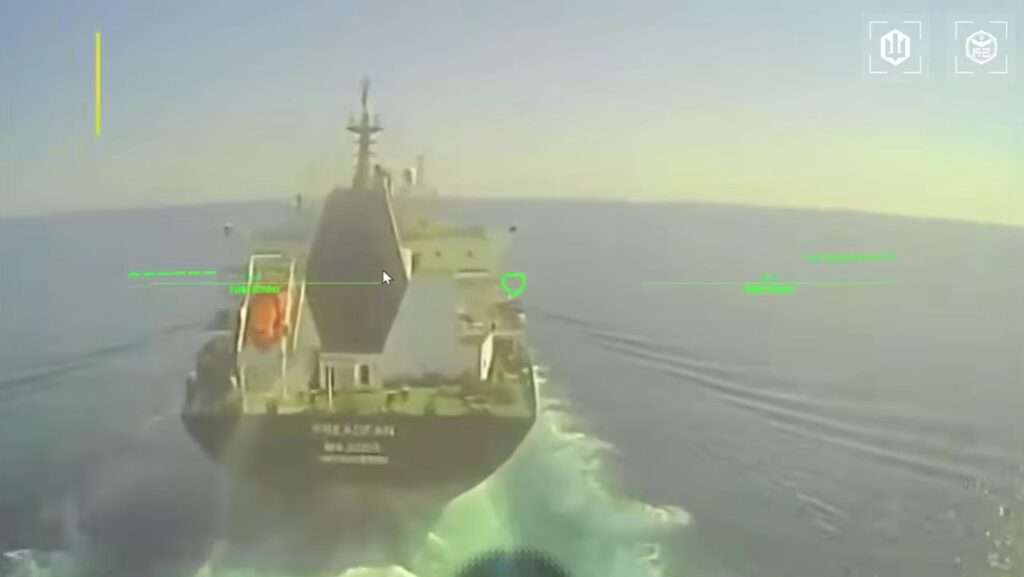
Russian shadow fleet vessel struck by a drone operated by the Unmanned Systems Forces of the Armed Forces of Ukraine. Photo: Screenshot from a video by Robert “Madyar” Brovdi

The vessel was approximately 141 meters long, suggesting a displacement of roughly 10,000 tonnes, according to the Ukrainian outlet Militarnyi.

The strikes that may have caused the sinking

Over 48 hours on 6-7 August, the Unmanned Systems Forces (SBS) struck 102 enemy targets, SBS Commander Robert “Madyar” Brovdi reported. In the same post, he noted that the targets included six shadow fleet vessels in the Black and Azov Seas: two tankers and four dry cargo ships. The SBS also reported striking three units of Russia's fleet on 7 August alone.

"It is entirely possible that the vessel that sank near Novorossiysk is among those struck in those days”, Militarnyi suggests.

Novorossiysk under fire again on 12 August

Just hours after the news of the earlier reported sinking surfaced publicly, Novorossiysk came under attack. Overnight on 12 August, Ukraine's defense forces conducted what President Zelenskyy called a "unique operation" against the naval base, using Palianytsia jet drones, Neptune missiles, and unmanned naval systems.

Novorossiysk became Russia's primary Black Sea naval hub after Ukrainian strikes forced the fleet out of Sevastopol.

  •  

A bomb-laden drone hit a Ukrainian An-124 in Germany, then lay unnoticed for hours

Ukrainian An-124 at Leipzig Airport in Germany. August 5 August, 2026. Photo: screenshot from Bild video

Newly analyzed airport camera footage shows a quadcopter drone loaded with Semtex explosive flew straight at a parked Ukrainian An-124 Ruslan cargo aircraft and struck its wing at Leipzig/Halle airport in Germany on the evening of 4 August, the media outlet Die Zeit reported on 10 August. The device bounced off the wing, fell to the ground, and failed to detonate. The drone attacked the aircraft at around 19:30 local time, the media outlet reports.

Russia's hybrid attacks are increasingly moving from the information domain into the physical one, including on the territory of other countries. This incident makes sabotage on NATO member states' territory potentially more dangerous if suspicion of Russian involvement is confirmed.

Footage contradicts the warning-shot theory

The drone struck the wing near the fuel tanks, then bounced off the aircraft's surface and fell to the ground. The explosive device also ended up on the ground and did not detonate. The device contained Semtex plastic explosive. Approximately four hours later, a tourist bus driver accidentally noticed it lying on the ground, put his foot on it, and reported the find to airport security.

Video analysis contradicts the earlier theory that the incident may have been intended only as a warning. The nature of the attack indicates an attempt to cause actual damage.

Drone found near a Ukrainian An-124 aircraft in Leipzig, Germany, on 5 August, 2026. Photo: screenshot from Bild video

Investigators examining foreign state involvement

German Interior Minister Alexander Dobrindt suggested that a state actor may have been behind the explosive-laden drone found at the airport. On 7 August, Germany's National Security Council convened under Chancellor Friedrich Merz. Earlier, the United States assessed that the drone discovered at Leipzig/Halle Airport in Germany overnight into 5 August belonged to Russian intelligence, a US Department of Defense official in Europe told CNN.

The cargo aboard the Ukrainian aircraft targeted in the sabotage attempt consisted of military equipment and ammunition that had arrived in Germany from France and was being prepared for further transportation, Süddeutsche Zeitung stated, citing a confidential German police report. However, Germany's Federal Ministry of the Interior denied this claim, according to dpa.

The An-124 Ruslan, struck by the drone, is operated by the Ukrainian company Antonov Airlines. After Russian forces destroyed its main base in Hostomel in 2022, the company has been using Leipzig/Halle airport as a temporary base for its aircraft.

  •  

Russia’s Syrian foothold shrinks to a training center as Damascus takes back the airport and a berth

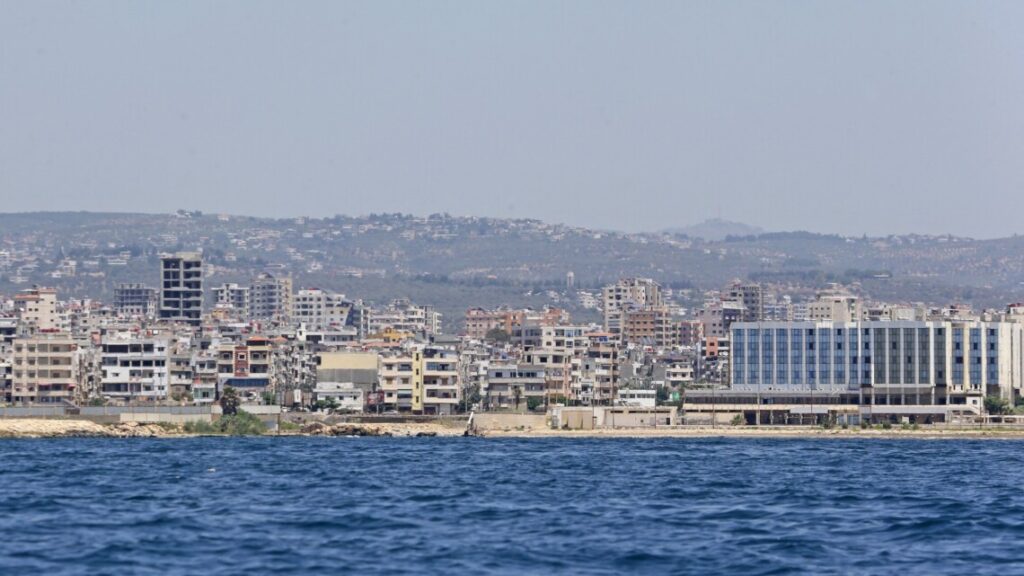
Illustrative photo. A panorama of Tartus, Syria. Photo: middleeasteye.net

On 9 August, Russia and Syria signed a memorandum on the reorganization of Moscow’s military presence in the country. For about 18 months, the two countries had been negotiating the status of Russian facilities in Syria. As a result, Damascus will take control of facilities intended for civilian use, including Hmeimim Airport and the fourth commercial berth at the port of Tartus, SANA reported.

Russia supported Bashar al-Assad’s regime in Syria. After the dictator’s defeat in 2024, Russian troops began leaving the country en masse, including from military facilities, CNN reports. However, Moscow sought to retain control over two strategic facilities: Hmeimim Air Base near Latakia and the naval base in Tartus. The new memorandum sets out a new format for Russia’s presence in Syria, including at these two facilities.

Russia's bases become training centers within three months

According to the report, Syria will integrate the facilities it receives under the memorandum into the country’s civilian administration. Russian military bases will be converted into joint training centers. The two sides also agreed to review the role of facilities currently used for military purposes.

Also under the memorandum, the countries are to implement these changes within three months. According to the journalists, “the Ministry of Foreign Affairs called the agreement the most important development since talks began about 18 months ago, saying it paves the way for a new stage in Syrian-Russian relations.”

How Russia's influence in Syria grew and then eroded

Since 2015, Russia has engaged in direct military intervention and supplied Bashar al-Assad’s regime with weapons. At the peak of its military activity in Syria, Russia maintained a presence at about 90 military facilities across the country, according to a joint investigation by OSINT groups GeoInsider and SONARROW.

In 2024, Assad lost power and fled to Russia, leaving the status of Russian military bases in Syria uncertain. Although the new government, led by interim President Ahmed al-Sharaa, had been on the opposite side of the Syrian civil war from Russia, it decided not to sever ties with Moscow completely. In 2025, Syria said it wanted Russia “by our side.”

Russian military police in Syria, illustrative image. Photo via Wikimedia

Despite the new government’s “pragmatic” approach to relations with Russia, Moscow’s military presence in Syria gradually began to shrink. Two particularly important strategic facilities for Moscow were the port of Tartus and Hmeimim Air Base. In particular, Tartus is important to Russia because it is Russia’s only naval facility in the Mediterranean. After Assad fled, Moscow began negotiations with Syria over the status of its military facilities.

Oil and sanctions shape the deal

The negotiations over the military bases are not the only contentious issue in Russian-Syrian relations. The issue of Assad’s extradition also featured in talks between Damascus and Moscow after he fled to Russia, per Al Jazeera. On 4 August, Reuters reported that Syria had signaled to Washington that it was prepared to significantly reduce imports of Russian oil amid talks over sanctions relief. Russia has emerged as Syria’s main supplier of oil, with shipments reaching about 60,000 barrels per day this year.

  •  

A $20,000 “welcome bonus” that was never paid: how a Colombia-registered recruiter sent Peruvians into Russia’s war

Illustrative photo. The flag of Peru. Photo: Getty Images

On 9 August, Peru's foreign ministry officially reported that 459 Peruvians had been recruited into the Russian army. Of these soldiers, 11 have been killed, 114 are missing, and three have been captured by the Ukrainian army. Another 31 Peruvians were evacuated: three of them chose to stay in Europe, and the rest returned home.

As of 29 April 2026, Russia had drawn in at least 27,000 foreign nationals from more than 130 countries to take part in its war against Ukraine, the International Federation of Human Rights reports. The Peru case is part of Russia's systematic recruitment of foreigners into its military, often through deception. Some men were offered civilian jobs or roles far from the front, only to end up in the thick of the fighting.

Relatives of the recruited men held demonstrations in Peru

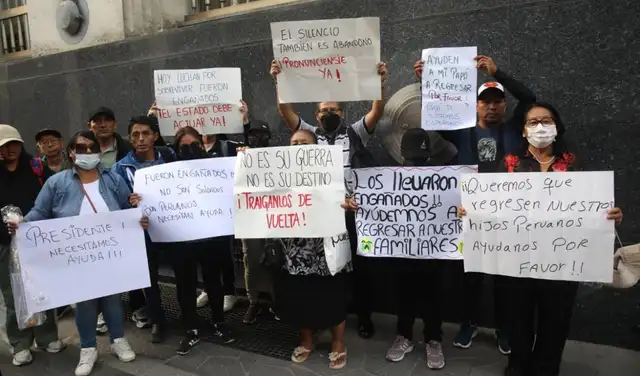
On 29 April 2026, relatives of men recruited into the Russian army demonstrated outside Peru's foreign ministry in Lima, urging the authorities to help bring their family members home, according to SwissInfo.

Relatives of Peruvians affected by Russia's war against Ukraine demand urgent repatriation. 2026. Photo: Carlos Félix/LR

On 30 April, the Russian embassy in Peru responded that it agreed some Peruvian men were taking part in the war on Russia's side, but said this was their own voluntary choice. La República, however, reports that before leaving for Russia, the men were made to sign papers in Russian.

On arrival, their documents were taken, after which they underwent brief military training and were ultimately sent to the front. According to media reports, most were former military and police personnel lured by promises of jobs as security guards or civilian specialists, with salaries of $2,600–4,000 a month and bonuses of up to $20,000.

A “rear position” — until it isn’t

First, recruiters promise foreigners high salaries, signing bonuses, and “rear” or civilian positions. Debt traps and threats of deportation are also used. They lure people even through video games and chats. Once in Russia, recruits are forced to sign contracts, after which their documents are confiscated to keep them at the front. The contracts are often written in Russian, a language the foreign recruit does not understand.

Instead of the promised “rear positions,” recruits are thrown into infantry “meat assaults” after just a few days or a week of training. Mercenaries are killed while carrying out missions, while the wounded are often left on the battlefield without evacuation. Some men go missing or flee. Russia treats foreign mercenaries as “expendable labor,” according to leaked recordings cited by Radio Free Europe/Radio Liberty.

This is not an isolated case

Facing losses that now outpace its own mobilization, Russia has turned to citizens of other countries to keep its ranks filled in its war against Ukraine.

Kenya has become one of the largest sources of people recruited through deception. At first, Nairobi believed the number was only a few hundred, but the scale proved much larger. Nairobi thought Russia had recruited around 200 Kenyan citizens, but a new report says the figure is over 1,000. The scheme relied on fake job and education offers, after which recruits had their documents confiscated to keep them on the front line. The European Parliament found that Russia confiscates African recruits' documents and sends them to the front line in Ukraine.

In Cuba, recruiters promised people lucrative jobs, only to lure them into a trap. A Cuban captured near Kupiansk said he joined Russia's war effort under threat of deportation. The scale of the recruitment has been enormous. Ukrainian intelligence estimates that around 20,000 Cuban mercenaries have fought on Russia's side against Ukraine.

ukrainian intel nearly 20000 cuban mercenaries fighting russia’s side against ukraine nationals wearing russian military uniform 2023 video x/pstyle0ne1 florida lawmakers officials highlighted threat regional security news reports
Cuban nationals wearing Russian military uniforms. 2023. Screenshot from a video, via X/PStyle0ne1

The Philippines case shows what awaits the recruited at the end of this pipeline. Ukrainian military intelligence identified a Filipino named John Patrick among Russian soldiers killed in Donetsk Oblast. He was sent into a "meat assault" after just one week of training. He did not speak Russian and carried only a piece of paper with his unit number and his commander's name. After he was wounded, he was left to die in a tree line without evacuation, and Ukrainian intelligence warned that any work in Russia now carries a real risk of forced deployment into an assault unit. The deception relied on promises of high salaries, non-combat positions in the rear, and fast-tracked Russian citizenship, after which recruits were sent into infantry assaults.

  •  

Ukraine’s cardboard protests look like democracy working. In a war, that’s also the risk.

Demonstrators beneath the Taras Shevchenko monument in Lviv hold handwritten cardboard signs during an open-ended protest calling for Mykhailo Fedorov's reinstatement as Ukraine's Minister of Defence. Photo: Solomiia Stanovych/Euromaidan Press.

On 16 July 2026, protesters took to the squares in Ukrainian cities with cardboard signs bearing the same demand in various forms: to reinstate Ukraine’s Defense Minister Mykhailo Fedorov. The following day, protesters added a new demand: to dismiss Commander-in-Chief of the Armed Forces of Ukraine Oleksandr Syrskyi. A few days later, Zelenskyy met the second demand—but not the first, which the protesters are still waiting on.

Since the beginning of the full-scale invasion, Ukraine has been under martial law, which necessarily restricts democracy in order to centralize governance. The country is not holding elections, citizens’ rights are restricted, and the military has become one of the country’s key institutions. Under these circumstances, the President dismissed one of the most important figures in the military at the demand of street protesters.

These centralizing tendencies of wartime rule could lead either to “strengthening democracy” or to “strengthening authoritarianism,” political science professor Anatolii Romaniuk told Euromaidan Press—and this year's protests, he argues, show that society is reaching for more democracy. Ukrainians recognize the cardboard-sign protests as an expression of democracy while also worrying about what such developments mean for a country at war.

What the protests for Fedorov achieved
  • On 14 July, the Verkhovna Rada of Ukraine backed the resignation of Prime Minister Yuliia Svyrydenko and the Cabinet of Ministers;
  • On 15 July, Fedorov confirmed that he was leaving the position of Defense Minister;
  • On 16 July, the first demonstrators gathered on Ivan Franko Square in Kyiv holding handwritten cardboard signs calling for Fedorov’s return. Similar protests soon spread to other Ukrainian cities;
  • On 20 July, Major General Yevhenii Khmara, acting head of the SBU, became acting defense minister—the post the protesters want returned to Fedorov.
  • On 21 July, President Zelenskyy announced that the commander-in-chief would be replaced. The following day, Syrskyi was officially dismissed, with Maj. Gen. Mykhailo Drapatyi appointed as his successor;
  • On 24 July, protesters declared the rallies open-ended until Zelenskyy reinstates Fedorov as Defense Minister.

“The fact that the authorities took the protesters’ demand into account is good,” Romaniuk says. He considers this an important element of political culture.

More than three weeks on, the protests continue—smaller than at their July peak but daily, from Lviv to frontline Dnipro, now under a broader call for "dialogue and reforms" in the defense sector. Fedorov himself has declined to lead them: he told the New York Times he will not go into opposition during the war or be "artificially dragged" into politics, and has turned down every post the president has offered except the one he lost.

We stood, we stand, and we will stand

Not every protester can fully explain every aspect of the issue, but they all recognize a sense of injustice and feel compelled to speak out against it, Ukrainian photojournalist Stas Kozliuk says.

Romaniuk sees these handwritten, highly individual signs as evidence of personal agency.

“This is a form of self-expression—of a person's identity, views, and position. To me, the cardboard sign itself is a powerful marker. Not a professionally printed slogan, because once perfectly designed placards start appearing at protests, it usually means someone has commissioned them,” Romaniuk says.

A protester prepares a handwritten cardboard sign before joining the demonstration calling for Mykhailo Fedorov's reinstatement as Minister of Defence. Photo: Euromaidan Press.
A protester prepares a handwritten cardboard sign before joining the demonstration calling for Mykhailo Fedorov's reinstatement as Minister of Defense. Photo: Euromaidan Press.

Do we know who the people holding cardboard signs at the protests are? Probably not. According to Ukrainian analyst Vadym Denysenko, no one really knows who these protesters are. He argues that no comprehensive sociological research has been done on either last year's protests or the current wave.

“Who are these people? Do they have a political program? What is their vision of the future? Ultimately, do they see themselves entering politics? These are basic questions. The answers would cost a few tens of thousands of dollars, yet no political force has been willing to spend that money,” Denysenko wrote on Facebook.
Twenty-two-year-old Dariia, who came to the rally in Lviv on 24 July, believes that the protests will not simply disappear.

“I think people will stay for as long as it takes, until Fedorov is restored to a position where he can genuinely influence the current situation,” she says.

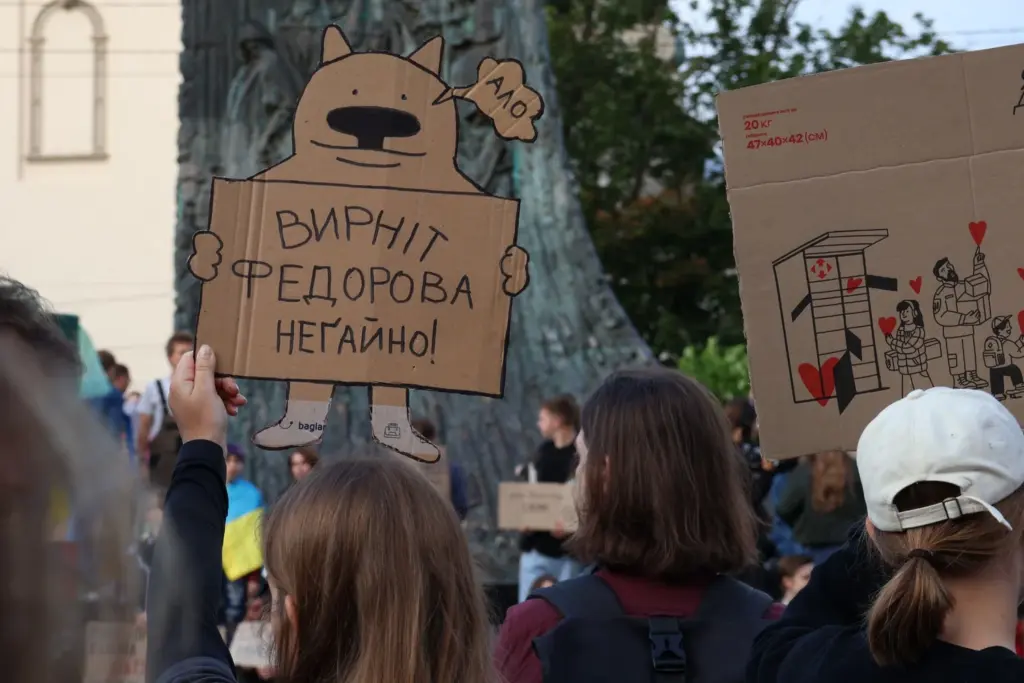
A protester holds a hand-drawn cardboard sign reading “Bring Fedorov back immediately!” during a demonstration in Lviv. Photo: Euromaidan Press.

Among the protesters at the 24 July rally in Lviv was also a woman holding a cardboard sign that read: “Swap the POWs, not Fedorov.” She came there with her husband and child.

“I am originally from Kharkiv. My father is missing, so first of all I was against Syrskyi. Now I am already satisfied. But now we need Fedorov, because he is ‘technology, not people,’” the woman said.

Protesters demand Mykhailo Fedorov is reinstated as defense minister in Lviv. Photo: Solomia Stanovych
Explore further

Ukraine’s Gen Z protested for their anti-corruption agencies last year. Now they’re protesting for one man

Strength and risk at the same time

Russia has sought to exploit the protests for its own purposes. It seizes on the fact that Ukrainians hold different views on the protests, amplifies divisions in public opinion, and presents them as evidence that the country is becoming ungovernable.

Writing for Ukrainska Pravda, media expert Oksana Moroz argues that the Kremlin has attempted to weaponize public discontent through coordinated information campaigns.

According to Moroz, Russia relied not only on artificially generated TikTok videos spreading narratives harmful to Ukrainian society but also on Telegram. There, she says, “a classic network of Russian or pro-Russian bloggers” circulated posts aimed, among other things, at discrediting the demonstrations. These bloggers promoted claims that the protests were orchestrated and that participants were being paid to attend.

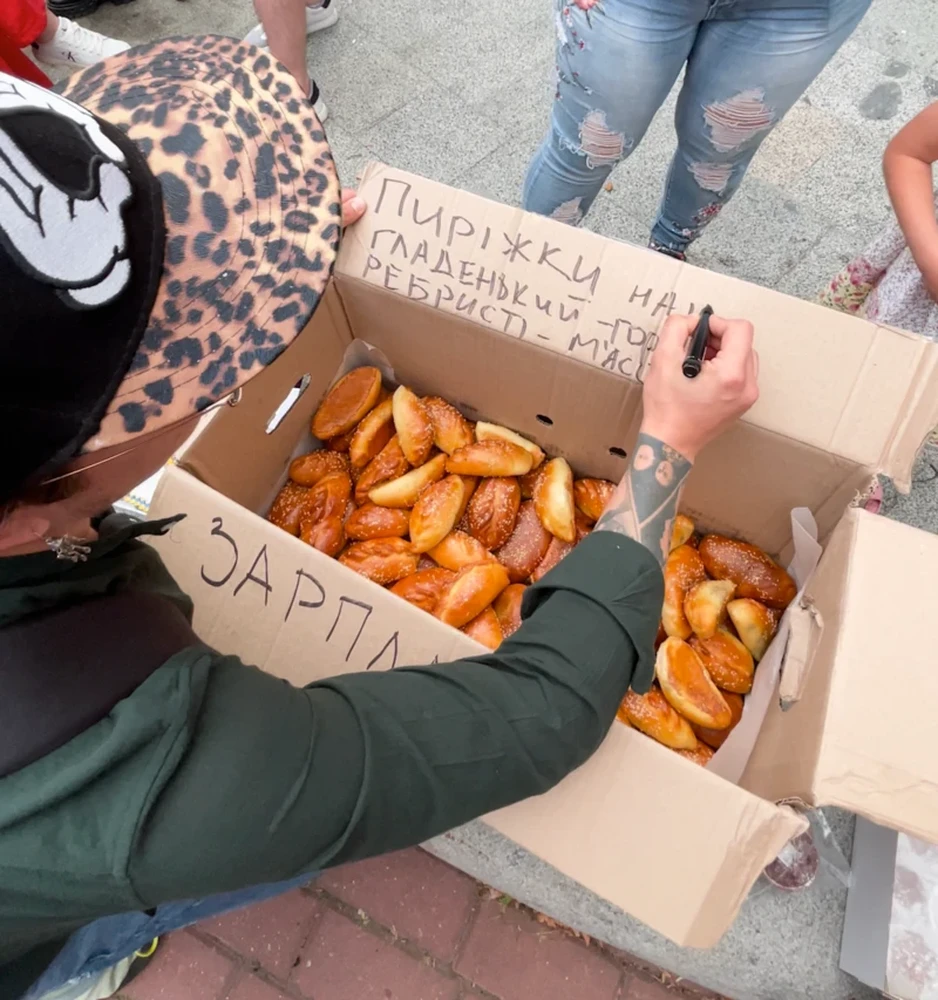
Some demonstrators have responded to those accusations with humor. Protesters voluntarily bring candy, cookies, pastries, and other snacks to share with anyone attending, joking that this is the “salary” they supposedly receive for protesting.

Caption: A box of pastries brought to the protest by participants so anyone could grab a symbolic snack. The word “Salary” is apparently written on the side of the box. Photo: Sofiia Sereda / BBC.


Military Ombudsperson Olha Reshetylova argues that “a sense of injustice in society cannot be bought, fabricated, or created overnight through a social media post. It is the result of accumulated and unresolved problems.”

Where the line has to be drawn

Opinions within the military are divided. Some servicemembers have openly supported the protests despite pressure from their commanders. Others believe demonstrations of this kind are inappropriate and harmful under wartime conditions, says Reshetylova.

“Many people around me today — including combat officers — see the cardboard-sign protests as infantile, detached from reality, and unacceptable while the country is fighting a war. Although I disagree with some of the protesters' demands, I do not share that view,” she says.

Personnel changes in the military should be made in consultation with the officers responsible for the country’s defense, says MP and member of the Verkhovna Rada Committee on National Security, Defense, and Intelligence Oleksandr Fedienko. He emphasizes that this reduces the risk of weakening the country’s defense capabilities due to inappropriate personnel changes.

Despite his positive view of the protests, Romaniuk warns that such pressure is dangerous in a country at war.

“During wartime, changing the military because of protests rather than professional assessments carries obvious risks. In this case, things ended well. But as a mechanism, it is dangerous. Someone could organize demonstrations demanding the dismissal of any official. That is where the line has to be drawn.”

Dariia, back at the Lviv rally, voiced her own doubt about whether President Zelenskyy would meet the demand:

“The pessimistic question arises: are they feeding us these little crumbs so that we calm down and forget about it? Many older people, for example, my parents, think that they will feed us a crumb of honey now, and then start stealing the budget again.”


  •  
❌