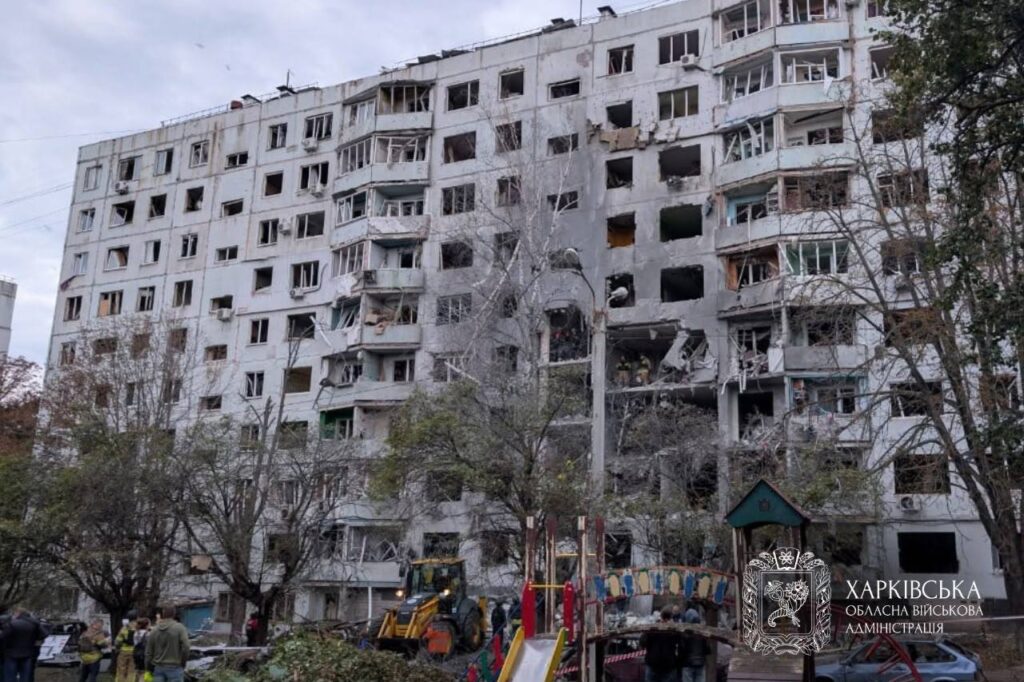
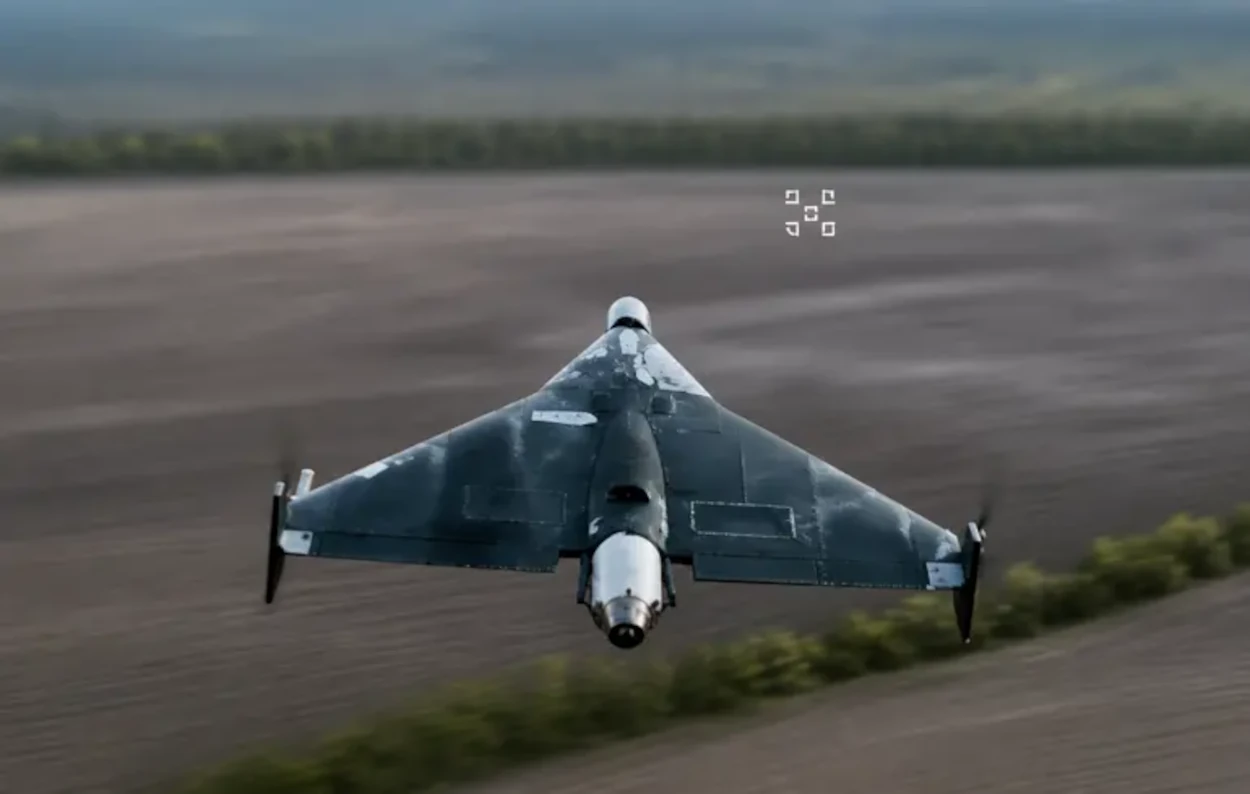
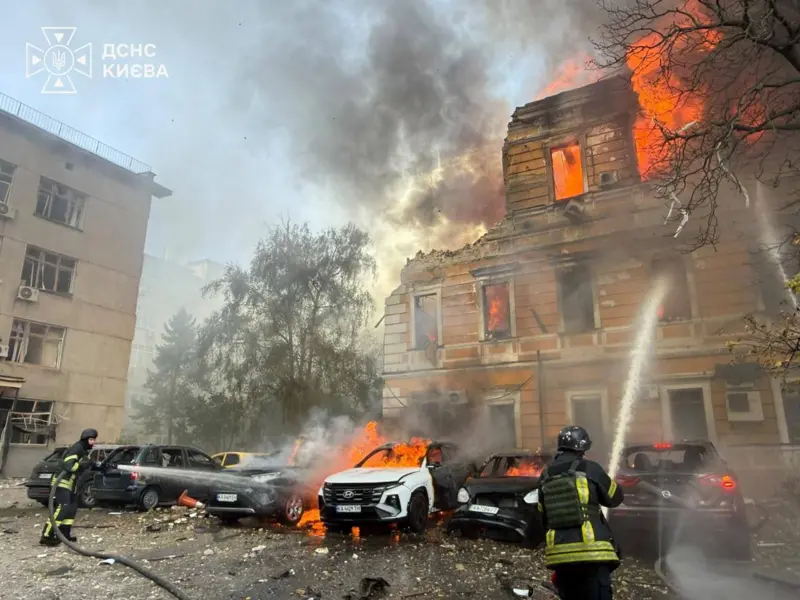
❌

Vue lecture

Russia has a plan for Ukraine this winter, Ukraine says: intercepted document reportedly outlines up to 1,000 missiles, drones, and bombs targeting 60 critical infrastructure sites

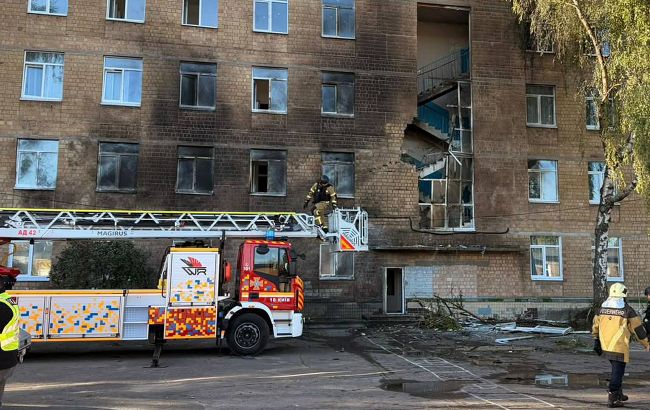
kindergarten school railway's warming shelter russia's overnight targets trump-pushed abu dhabi talks enter day two · post fire building roof after russian attack kyiv 5 2026 2f15ff6d-cd98-4bc0-839c-18fc74a3ef67 forces launched wave

Russia is planning a winter strike campaign involving up to 1,000 missiles, drones, and bombs targeting, among other facilities, electrical substations, hydroelectric and thermal power plants, and boiler houses. The information is contained in a document that, according to sources cited by The New York Times, Ukraine's Energy Minister Denys Shmyhal presented as an intercepted Russian plan to destroy energy infrastructure systematically. The newspaper reported on 2 October.

Russia has been striking critical infrastructure across Ukraine since the beginning of its full-scale invasion. Such attacks have become particularly frequent ahead of and during winter. Ukraine's recent battlefield gains may have prompted Putin to reconsider his strategy and attempt to force Ukraine to surrender through winter strikes, analysts at the Institute for the Study of War (ISW) suggest. Russia's reported plans to attack Ukraine's energy, water supply, and sewage systems could threaten the basic living conditions of millions of people. Such strikes could increase pressure on civilians and the Ukrainian economy while forcing the state to divert more resources to emergency infrastructure repairs instead of defense needs.

The New York Times was unable to verify the document's authenticity independently, but noted that it was written in Russian and dated August.
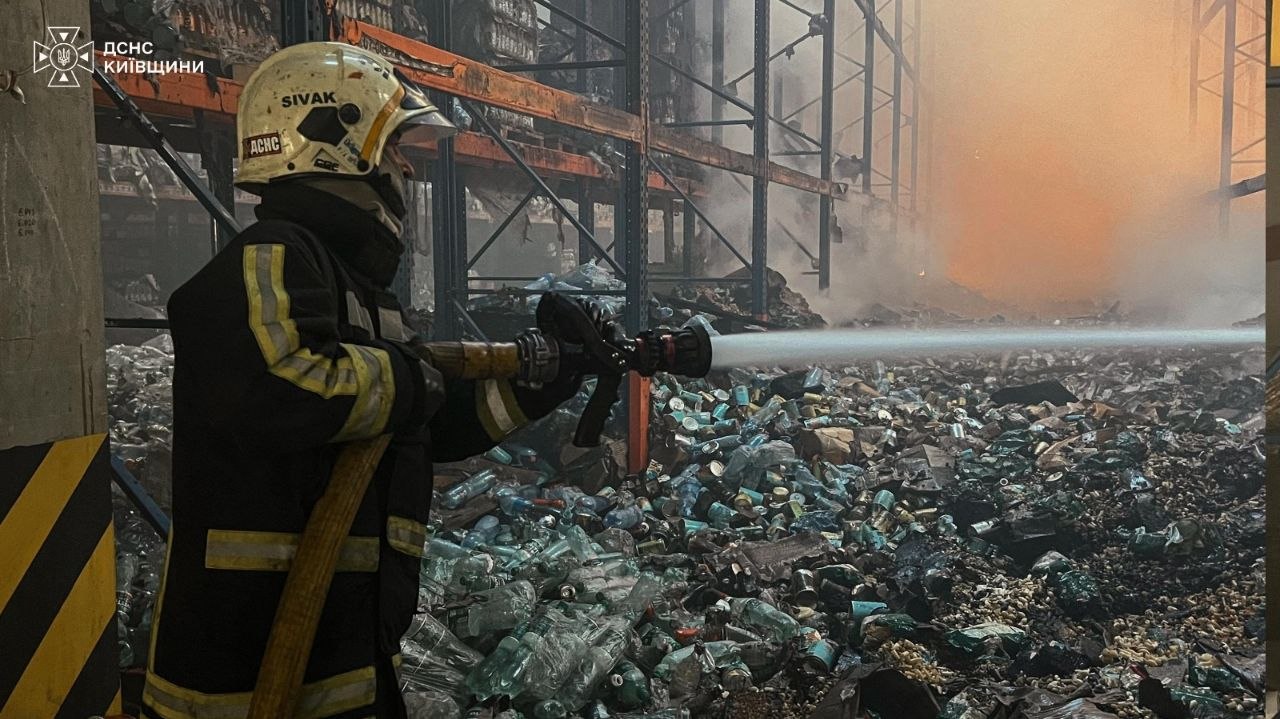
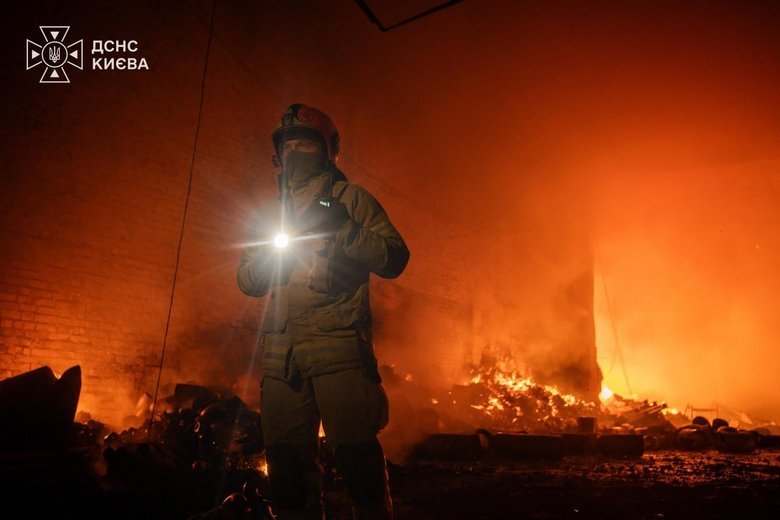
just power plants russia’s drones also went after warehouses groceries hardware chain · post firefighter puts out fire warehouse burned food drink stock hit russian attack bucha district kyiv oblast
Explore further

Warehouses, a home-improvement store, a farm: Russia’s strikes aimed past the grid at Ukraine’s civilian economy

A representative of Ukraine's defense-industrial sector who has reviewed the document believes it is more of a calculation than a finalized Russian military operations plan, according to Schemes, an investigative journalism project by Radio Free Europe/Radio Liberty (RFE/RL), in a report published on 8 October.

60 targets: how Russia could attack Ukraine's critical infrastructure

The document outlines how many missiles, drones, and bombs Russia would need to deprive Kyiv, Kharkiv, and Odesa of electricity, heating, water, and sewage services, Radio Liberty reported on 9 October. The document's full list of priority cities also includes Dnipro, Zaporizhzhia, Mykolaiv, Kherson, Poltava, Chernihiv, Kryvyi Rih, Cherkasy, Kropyvnytskyi, Lviv, Vinnytsia, and Ivano-Frankivsk.

Regions of Ukraine containing cities listed as “priority” targets in Russia's plan to attack critical infrastructure this winter (shown in grey). Map: Euromaidan Press

According to the document, Russia plans to begin by attacking substations near Ukraine's western border, through which the country receives electricity from Europe. Hydroelectric power plants could be targeted next, followed by facilities intended to shut down Ukraine's three operational nuclear power plants, Radio Liberty reports. The document lists a total of 60 key targets.

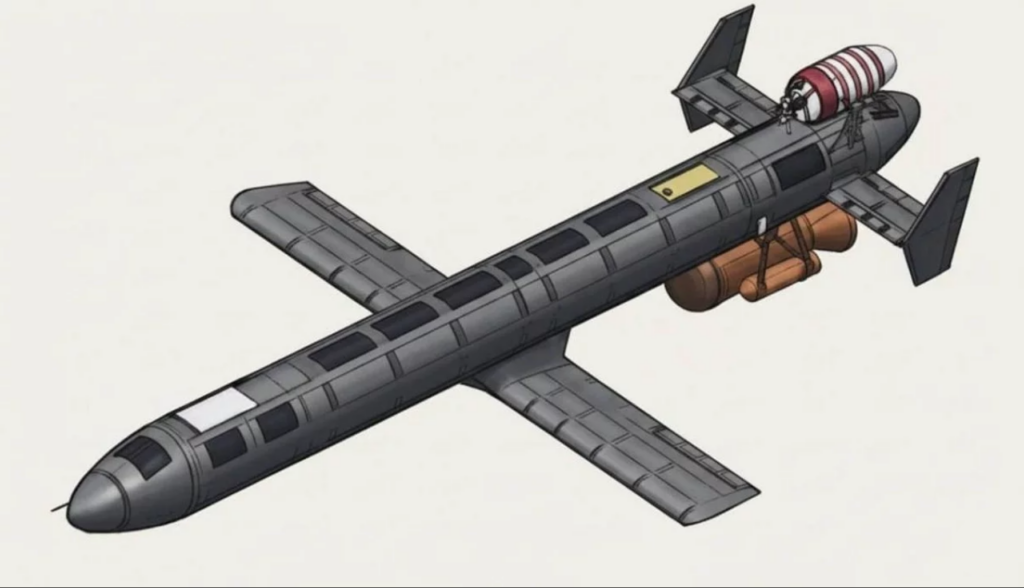
According to Schemes, the document states that Russia would need up to 770 Molniya and Geran drones, Dan-T/Banderol missile-drones, 170 FAB guided aerial bombs, and 75 Kinzhal and Iskander-M ballistic missiles to carry out the attacks.

Sewage systems could become Russia's next target

The document devotes particular attention to water supply and wastewater systems. These include pumping stations, treatment facilities, and other infrastructure essential for cities to provide residents with water and dispose of wastewater.

One of the water supply facilities. Illustrative photo: Ukrinform

Russia has not previously attacked such facilities on a similar scale, The New York Times notes.

Preparing for possible attacks on water supply and sewage systems is significantly more difficult than protecting energy infrastructure, Oleh Popenko, head of the Ukrainian Union of Utility Services Consumers, told Current Time, RFE/RL's Russian-language network.

“Sewage is a very complex system. There are specific challenges: where to discharge wastewater, how to organize treatment facilities, and so on. Some work is also underway in this sector, but it will be much more difficult here than with district heating utilities,” Popenko says.

Creating alternative routes in case sewage pumping stations are destroyed is an expensive and technically challenging task, he adds. Such construction could cost billions of hryvnias.
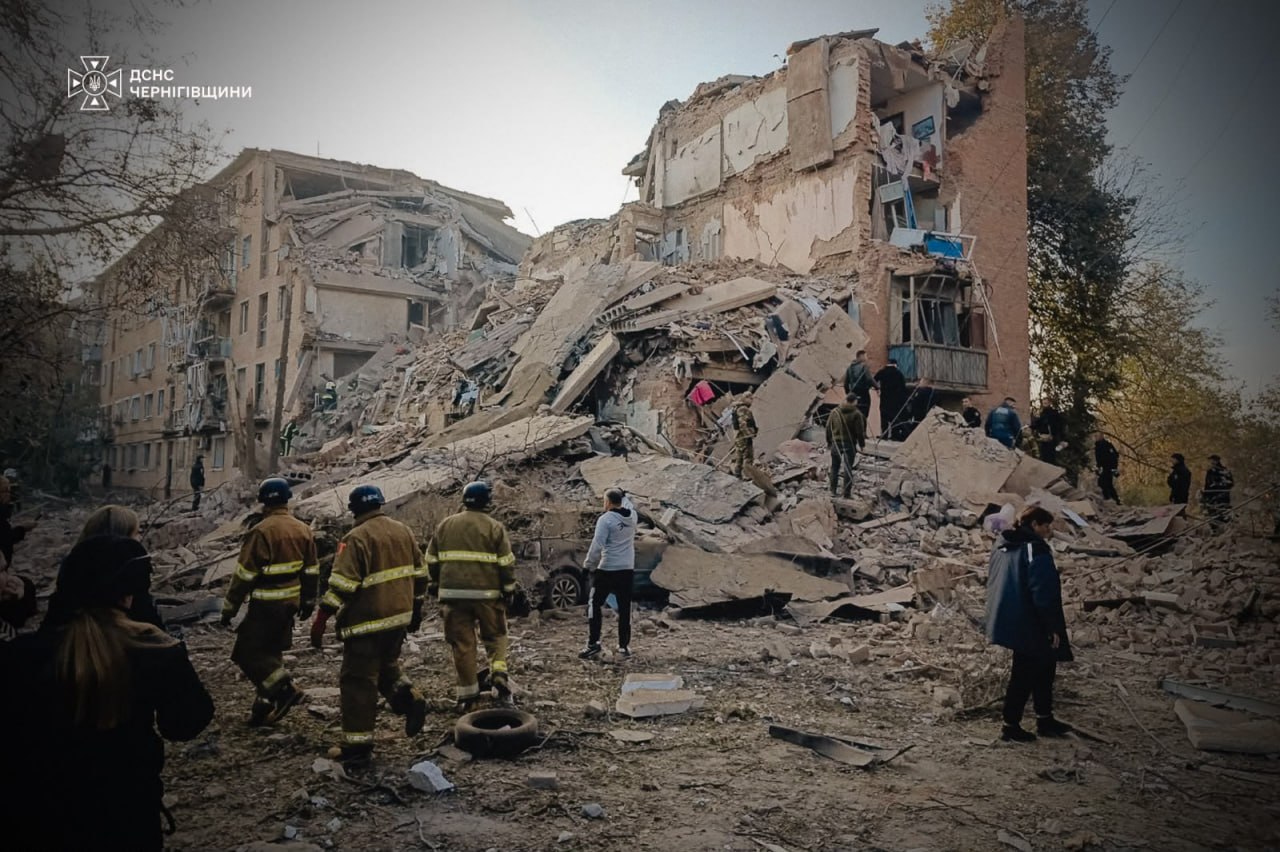
five dead pryluky two each kyiv kremenchuk oleksandriia russia's night 70 missiles · post rescuers collapsed section apartment building chernihiv oblast after russian missile strike 7 2026 ukraine news ukrainian
Explore further

14 dead in Pryluky, two each in Kyiv, Kremenchuk, and Oleksandriia: Russia’s night of 70 missiles

The priority is to equip water utilities with backup power sources so they can continue operating during power outages. However, if Russian strikes damage the sewage system itself, resolving the problem quickly will be much more difficult, Popenko believes. Specific solutions, including wastewater disposal and the operation of treatment facilities, will have to be determined according to the extent of the damage.

Sewage pumping stations play a particularly important role. They pump wastewater onward for disposal and treatment. If such a station is put out of operation by a strike, the city needs an alternative way to divert wastewater while the damaged facility is being repaired, Popenko says. Bypass pipes or channels could be installed for this purpose, but setting up such a system during wartime is far from easy.

Air defenses remain crucial to Ukraine's winter preparations

Preparations for winter are underway, but protection for energy infrastructure remains inadequate, Popenko believes. The main concern is large substations that transmit electricity from nuclear power plants and distribute electricity imported from Europe.
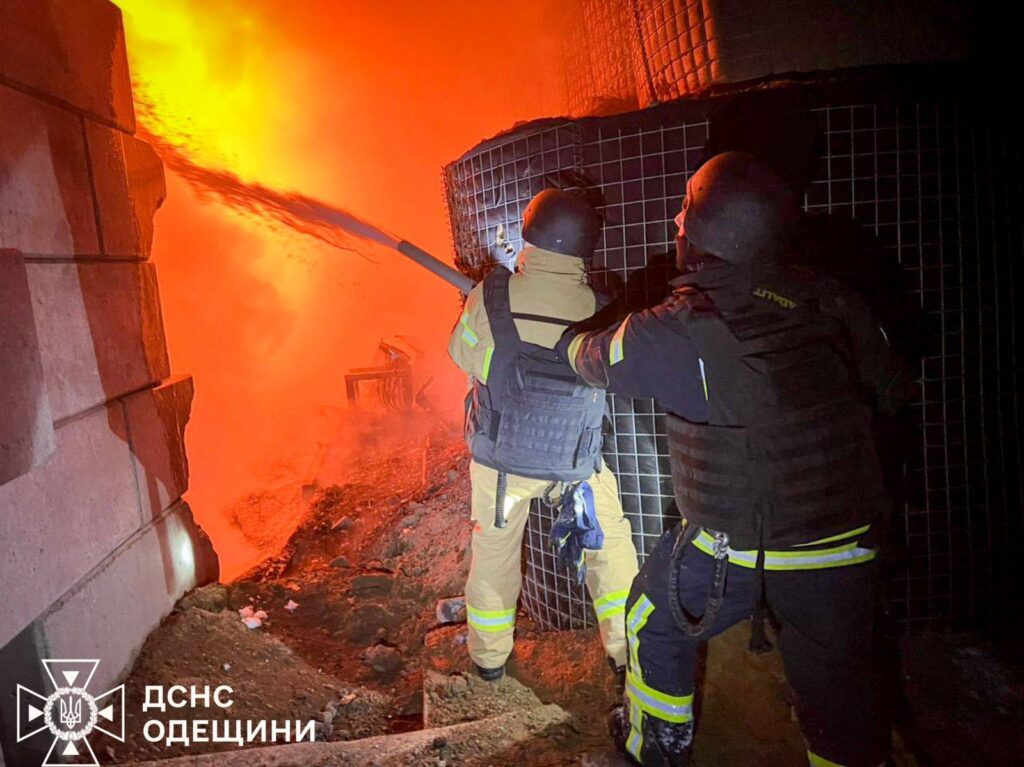
Rescuers extinguish a fire caused by a Russian strike in Odesa Oblast. Illustrative photo: State Emergency Service of Ukraine in Odesa Oblast

At the same time, some protective measures are already proving effective. Despite drone attacks over two days, one of Kyiv's substations withstood the strikes, and the city did not lose power, although scheduled outages were in effect, the expert says.

Popenko considers a repeat of last winter's scenario, when parts of Kyiv went without heating for weeks, entirely possible. Russian forces continue to attack energy facilities, and in his assessment, strengthening air defenses in Kyiv is the only way to protect its combined heat and power (CHP) plants from large-scale attacks.

“There are no other ways — for example, building some sarcophagi around CHPs or constructing shelters — because Russia can destroy these facilities again through massive strikes. And then the city risks being left 50–60% without heat,” Popenko believes.

Residents are also preparing for winter, but their options vary, he says. Some homeowners' associations participate in government programs to insulate apartment buildings and purchase backup power supplies for elevators and pumping stations. Owners of private houses are buying generators, among other measures. However, such equipment and preparations require substantial funds, meaning not everyone can afford them, he notes.

Ukraine has already experienced prolonged power outages during previous winters, particularly in 2022 and 2023. At the time, some regions went without electricity for 18–20 hours a day, the expert says. This experience may help people prepare for possible disruptions, but it does not eliminate the risk of further attacks and infrastructure damage.

  •  

Warehouses, a home-improvement store, a farm: Russia’s strikes aimed past the grid at Ukraine’s civilian economy

just power plants russia’s drones also went after warehouses groceries hardware chain · post firefighter puts out fire warehouse burned food drink stock hit russian attack bucha district kyiv oblast

Russian drones hit Ukraine's power grid, warehouses, a food warehouse, a home-improvement store, and a farm overnight on 9 October, Ukrainian officials and emergency services reported. The strikes triggered emergency power cuts in Kyiv and other regions and killed at least three people across the country.

As Russia continues its daily terror attacks, it has likely begun its winter strike campaign early, aiming to make civilian life in Ukraine unbearable, ISW assessed. Those strikes now reach beyond the grid to the businesses that store and sell goods, adding to damage Ukraine's Economy Ministry expects to reach up to $10 billion this year.

Power cut in Kyiv and other regions

Russia launched 136 drones overnight, 93 of them jet-powered, Ukraine's Air Force said. Air defenses downed or suppressed 114. Drones hit eight locations, and debris fell at seven more.

DTEK, Ukraine's largest private energy company, introduced emergency power cuts on Kyiv's right bank and in the Bucha and Vyshhorod districts on the grid operator's orders. Ukrenergo, the national grid operator, imposed emergency outages in some regions, citing the strain Russian attacks put on the system. Planned schedules were suspended there. Hourly cuts across parts of Ukraine had already been set for the whole day.

A Ukrainian air defense crew with a heavy machine gun in Cherkasy Oblast
A Ukrainian air defense crew with a heavy machine gun in Cherkasy Oblast. Illustrative photo: Suspilne Cherkasy

The cuts came a day after a Russian strike knocked out several grid elements supplying Kyiv, leaving many consumers without power. Russia has sharply stepped up attacks on Ukraine's energy system in recent weeks, deliberately targeting power lines and transformers, Ukraine's Energy Ministry said.

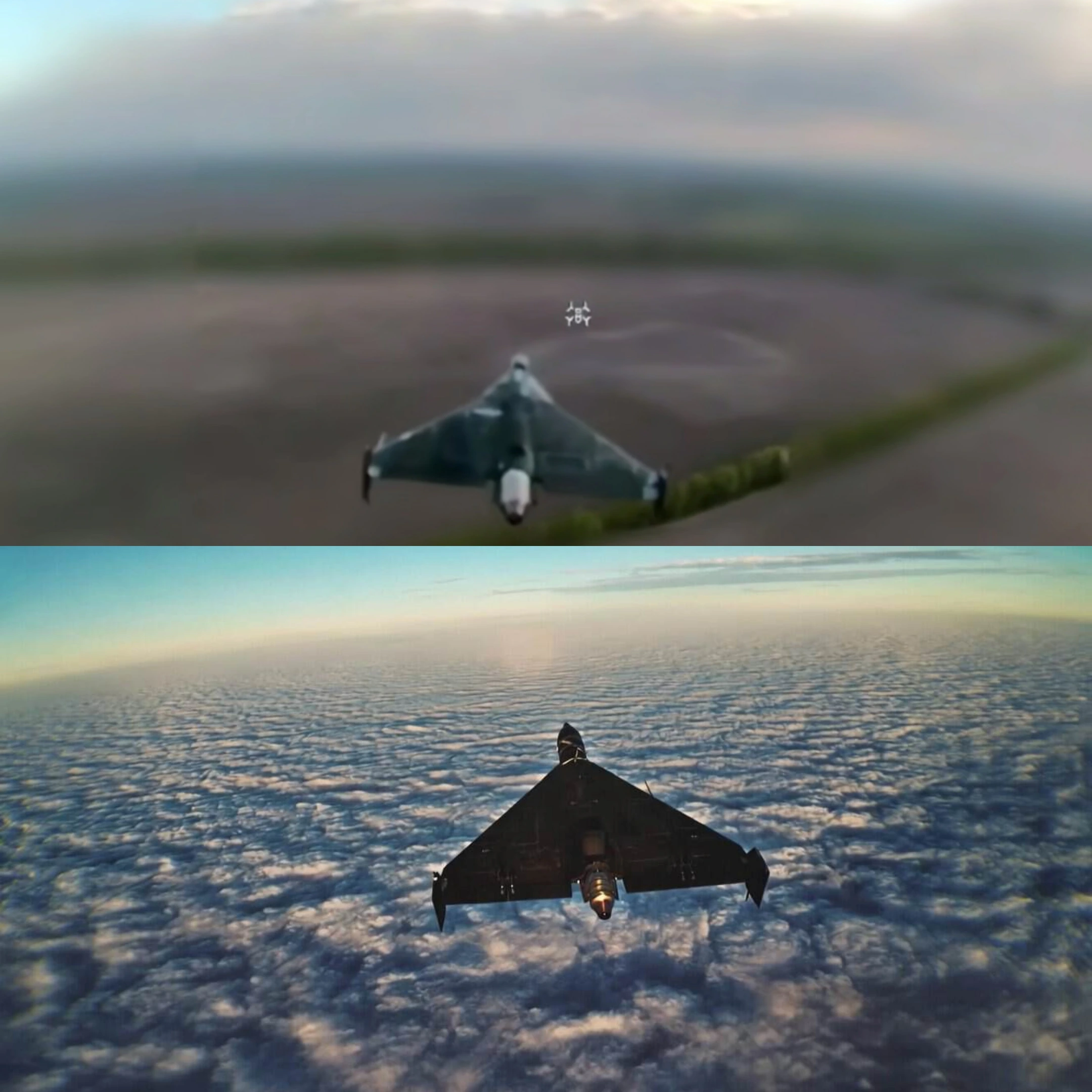
Geran-4" is an evolution of the earlier "Geran-3" model
Explore further

Ukraine’s war leadership sets new electronic warfare tasks as Russia’s jet-powered drones slip past nearly half of its air defenses

Warehouses and a store

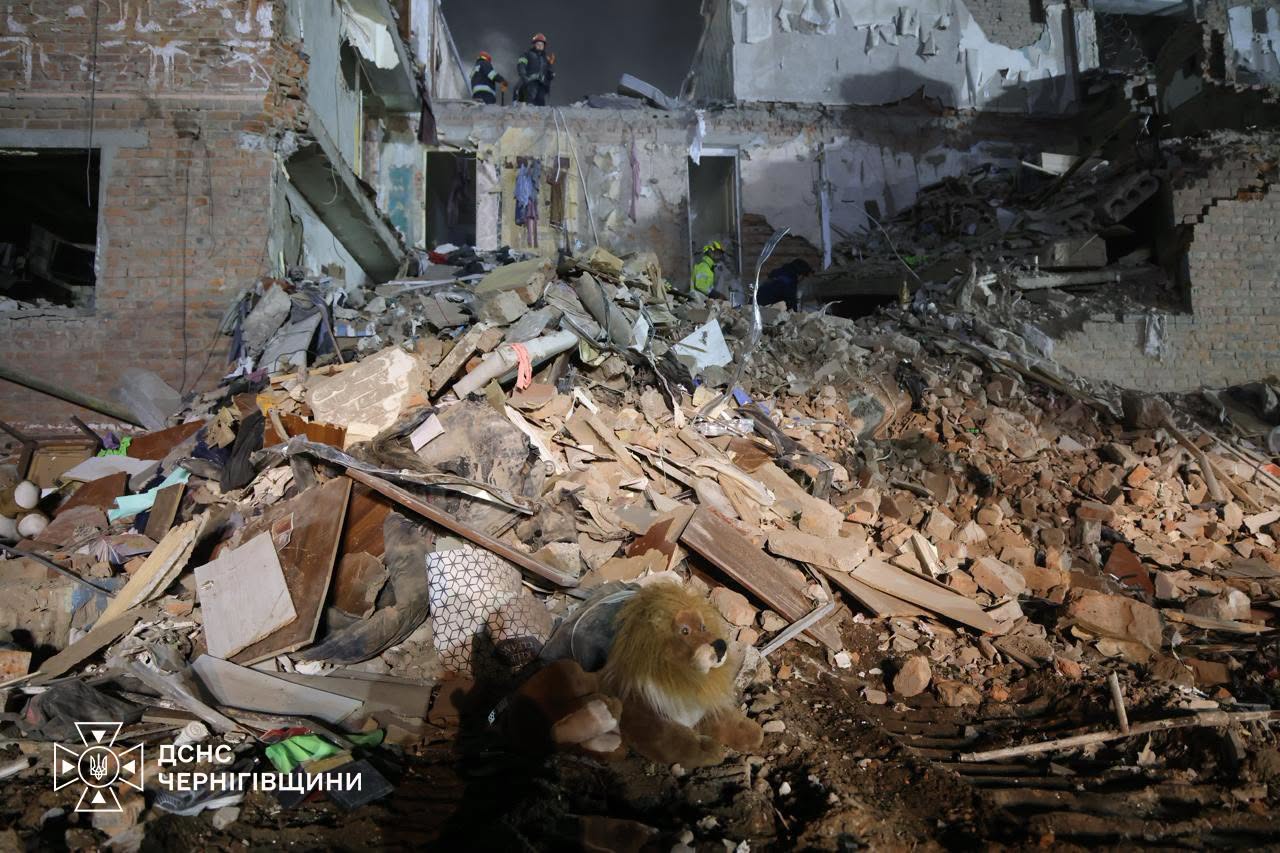
In the Bucha district of Kyiv Oblast, Russia hit warehouses and injured three people, Ukraine's State Emergency Service said. One was hospitalized. Rescuers were searching for a woman who may be under the rubble.

In Odesa, a strike damaged the roof of a warehouse storing food and started a fire, the region's emergency service reported. In the south of the oblast, Russia damaged buildings at holiday resorts and destroyed a café.

A food warehouse damaged by a Russian attack on Odesa, 9 October 2026
A food warehouse damaged by a Russian attack on Odesa, 9 October 2026. Photo: State Emergency Service of Ukraine in Odesa Oblast

Near Chernihiv, Russia hit a site just outside the city after 03:00, the city council said. A Suspilne correspondent at the scene reported that a drone hit the Epicenter store, part of a large Ukrainian home-improvement chain. Russian forces also struck a farm in the Kulykivka community. No one was hurt in Chernihiv Oblast.

Russia has already destroyed more than two-fifths of Ukraine's modern warehouse space.

Three killed overnight

In Zaporizhzhia, Russia struck near an apartment building, killing a man, the Zaporizhzhia Oblast administration said. The number of injured rose to nine, including a 14-year-old girl, regional prosecutors said. One strike landed near an after-school education center.

In Ivano-Frankivsk, falling drone debris started a fire, and a man born in 1959 was killed, Ivano-Frankivsk Oblast head Svitlana Onyshchuk said.

Rescuers work at a damaged building in Ivano-Frankivsk after a Russian drone attack, 9 October 2026
Rescuers work at a damaged building in Ivano-Frankivsk after a Russian drone attack, 9 October 2026. Photo: State Emergency Service of Ukraine

In Shyroka Balka, Kherson Oblast, a Russian drone dropped explosives on a house at about 06:20, killing a 74-year-old woman and injuring a 68-year-old man, regional prosecutors reported.

Russia injured three women in a Kharkiv suburb, Kharkiv Oblast head Oleh Syniehubov said. In the Nikopol district, a 24-year-old woman was injured, Dnipropetrovsk Oblast head Oleksandr Hanzha said.

Poland scrambled military aircraft as Russia struck targets in western Ukraine, its Operational Command said.

The past day's toll

Over the past 24 hours, Russia killed two people and injured 18 in Zaporizhzhia and the Zaporizhzhia district, regional council head Ivan Fedorov said. In Sumy Oblast, one man was killed and 14 people were injured, including two 12-year-old boys, the regional administration reported.

In Kherson Oblast, four people were injured, including a child, Kherson Oblast head Oleksandr Prokudin said. In Mykolaiv Oblast, a Russian drone injured two children aged three months and one year, acting oblast head Heorhii Reshetilov said. Three people were injured in Kharkiv Oblast, Syniehubov reported.

In Donetsk Oblast, Russia killed 35 people and injured 25 on 8 October, Donetsk Oblast head Vadym Filashkin said. Thirty-two of them died in Kramatorsk, most in a Russian bomb strike on two passenger buses.

  •  

Moldova pulls its border officers off Ukrainian soil again as Russian drones keep hitting crossings

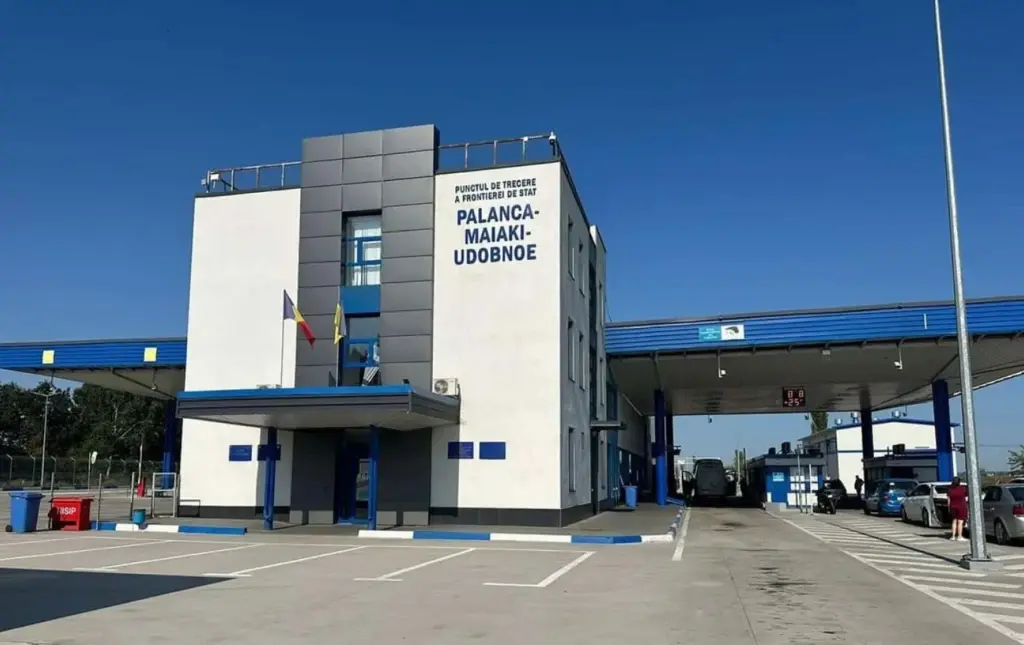
Palanca–Mayaky-Udobne border crossing on the Moldova-Ukraine border, illustrative photo: Zahidnuy.kordon/Facebook

Moldova is creating protective zones at border crossing points along its border with Ukraine amid the threat of drone attacks. It is also relocating its personnel from joint border crossings on Ukrainian territory back to Moldova. Moldovan Interior Minister Daniella Misail-Nichitin said this on 7 October, according to NewsMaker.

In recent months, Russian attacks on Ukrainian border crossing points near the country's borders with neighboring states have become more frequent. Ukrainian-Moldovan border crossings are among those most frequently targeted by Russia. As a result, Moldova now plans to withdraw all of its border personnel from Ukrainian territory.

A Moldovan border guard was also recently injured when a projectile struck near a passenger bus at the Palanca border crossing, Moldova's Border Police reported.

Chisinau strengthens protection of border crossings against Russian drone attacks

Moldovan authorities are working to strengthen security measures at all Border Police crossing points, including those located on Ukrainian territory, according to the statement.

Authorities are already setting up protective zones so that Border Police officers, government officials and civilians at the crossings can evacuate to a safe location if necessary, the minister said.

Moldova is also discussing moving its personnel from joint border crossings located on Ukrainian territory to Moldova. Personnel have already been withdrawn from two crossings, with plans to do the same at other joint crossings, Missail-Nikitin said.

NewsMaker clarified with Moldova’s Interior Ministry that the measure involves withdrawing Moldovan personnel from two joint border crossing points with Ukraine — Criva and Palanca.

Ukraine and Moldova seek a response to a new challenge

The first time Chisinau withdrew its personnel from Ukrainian territory at the Ukrainian-Moldovan border crossings was a month ago. Moldova temporarily changed the operating arrangements at three joint border crossings with Ukraine because of security risks linked to Russian attacks on Ukrainian infrastructure near the border, Moldova's Border Police reported on 11 September.

The crossings in question are Giurgiulesti–Reni, Briceni–Rossoșani, and Criva–Mamalyga, where Moldovan border guards and customs officers had previously carried out controls on Ukrainian territory, according to the Border Police.

Criva–Mamaliga border crossing on the Moldova-Ukraine border, illustrative photo: State Border Guard Service of Ukraine

Starting 12 September, Moldovan personnel returned to Moldovan territory for 90 days and began working from existing infrastructure on the Moldovan side. The crossings themselves remained operational, and the cross-border movement of people and vehicles continued. Only the location where Moldovan services carried out their duties changed, the authorities said.

Ukraine is also strengthening the protection of its border infrastructure. The State Agency for Restoration and Infrastructure Development plans to install 135 basic mobile shelters at 28 border crossing points and on access roads leading to them. The shelters are intended to protect civilians crossing the border and border crossing personnel. Procurement is being carried out by the Restoration Services in Vinnytsia, Odesa, Chernivtsi, Zakarpattia, and Volyn Oblasts, according to the statement.

Ukraine’s border crossings near Moldova face ongoing Russian attacks

Russia has repeatedly attacked Ukrainian border infrastructure near the Moldovan border in recent weeks. On 25 August, a Russian drone struck the Vynohradivka–Vulcănești border crossing in Odesa Oblast.

On 5 October, Russian strikes on Ukrainian infrastructure caused an incident near the Palanka–Mayaky–Udobne border crossing. A projectile fell near the crossing, ricocheted off the ground and struck a passenger bus. The control booth was also damaged, and one Moldovan border guard sustained a minor injury.

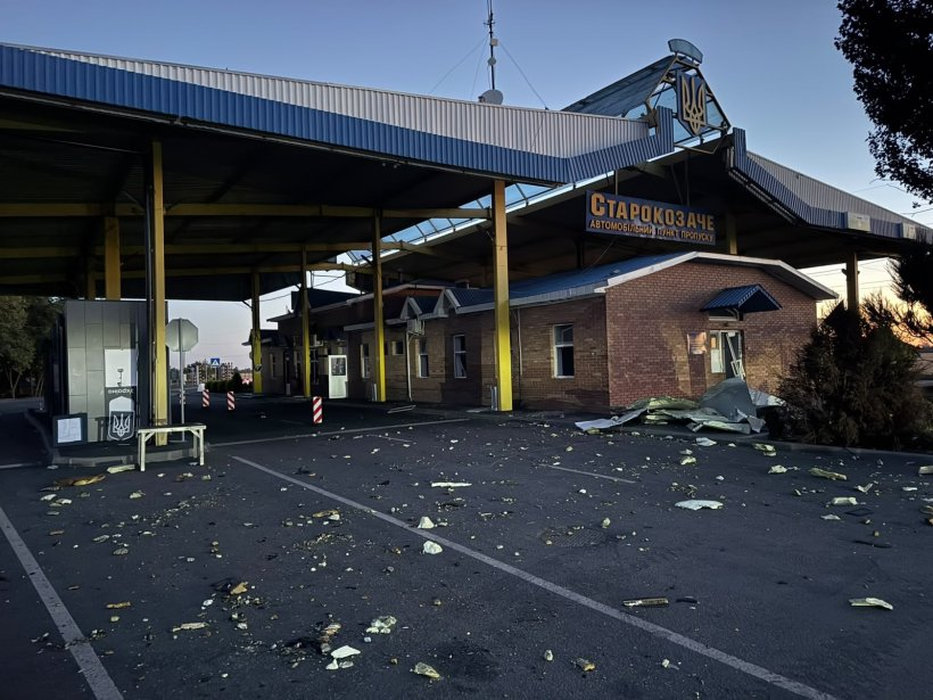
On 9 September, Russia attacked the Starokozache–Tudora border crossing. One drone struck the crossing, while two others crashed nearby on Ukrainian territory. Two people were killed and three others were injured in the attack, and the crossing was temporarily closed. Russia claimed that this strike on a border crossing was prompted by Ukraine transporting weapons through the facility, a claim Moldova has denied.

  •  

Blackouts return to Kyiv as Russia prepares to freeze civilians over the winter

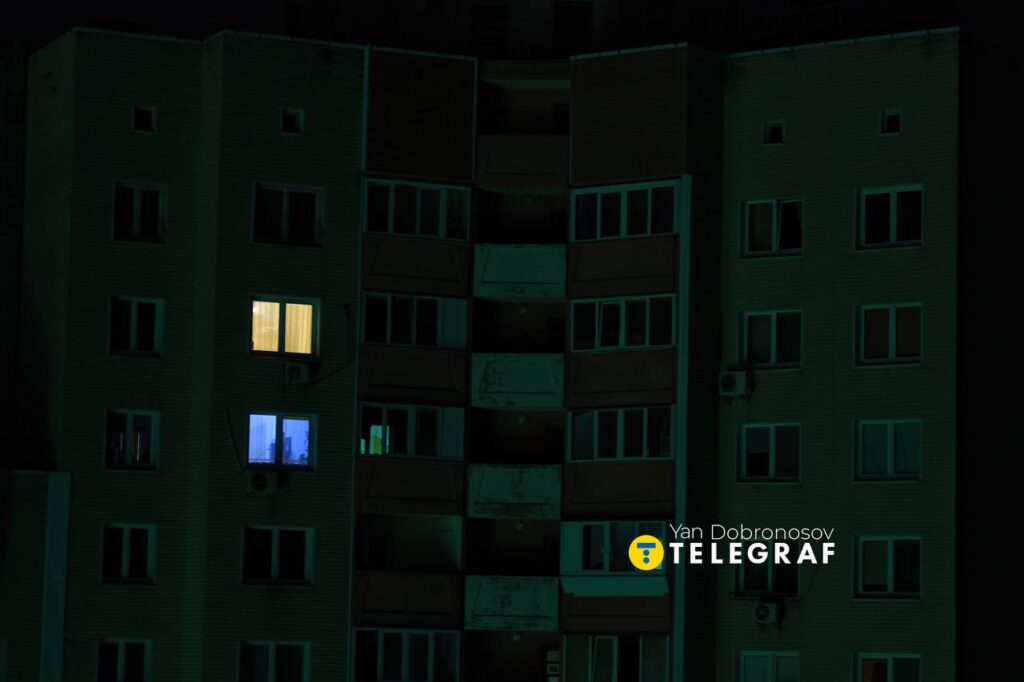
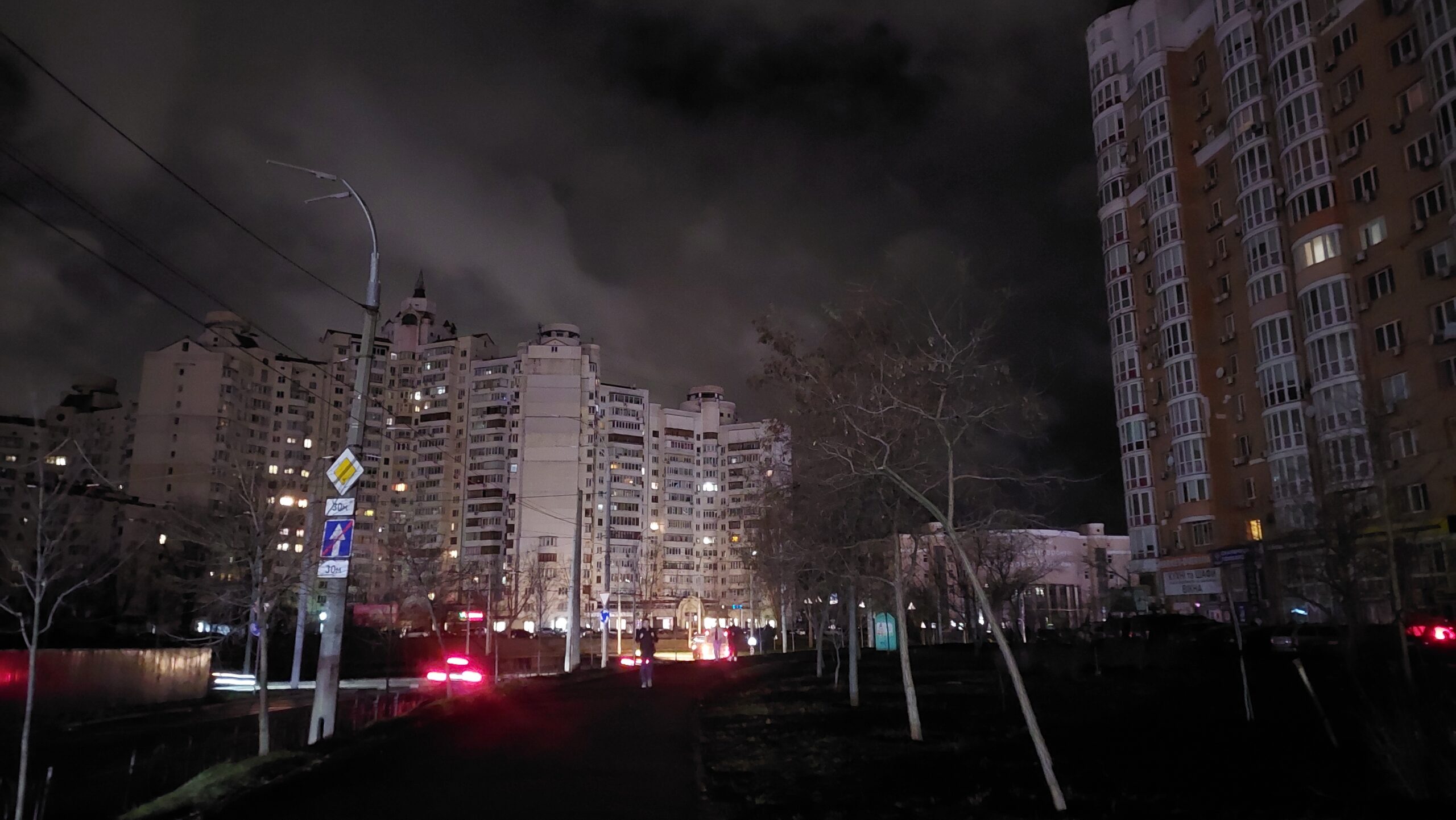
Kyiv building during a blackout following Russian attacks on energy infrastructure, 7 October 2026. Photo: Yan Dobronosov

Power outages have returned to Kyiv after Russian attacks damaged the energy infrastructure supplying the capital, with authorities warning that the situation could worsen as Russia intensifies its campaign against Ukraine’s energy system ahead of winter.

Russia has repeatedly targeted Ukraine’s power, heating, and other critical infrastructure to disrupt the systems civilians depend on and create a humanitarian crisis during winter. Ukrainian officials have repeatedly warned that this winter will be especially severe, as Russia has expanded its strike capabilities since the summer and Ukraine continues to face shortages of air-defense systems needed to protect its energy infrastructure.

Ukrenergo said on 8 October that emergency outages were being imposed in parts of Kyiv and Kyiv Oblast because of falling voltage in the high-voltage network. Previously announced hourly schedules were suspended, with predictable schedules to resume once the system stabilizes.

In the evening, further disruption came after a Russian attack on an energy facility important to Kyiv. Energy Minister Denys Shmyhal said that energy workers were working to restore power.

Kyiv has been under Russian attack throughout the day, with four people killed and 19 injured.

The attack continues into the evening of 8 October, with air raid alerts active across most of the country.

Kyiv loses power, water, and public transport

The damage throughout the day quickly spread beyond electricity.

The Kyiv City Military Administration said power disruptions temporarily halted metro trains and escalators. Part of the capital’s public transport system was also suspended because of the lack of electricity.

Reduced power to water infrastructure caused lower pressure on the right bank of the Dnipro, particularly in the Holosiivskyi, Sviatoshynskyi, Solomianskyi, and Shevchenkivskyi districts. Some buildings could temporarily lose water, the administration warned.

Russia is hitting the energy system as winter approaches

The outages come as Russia has stepped up attacks on Ukraine’s energy infrastructure ahead of the heating season.

Ukrenergo said Russian attacks had caused new power outages in Donetsk, Kharkiv, Sumy, and Zaporizhzhia oblasts. The company said damaged equipment was already limiting the grid’s ability to supply consumers and warned that further Russian strikes could rapidly change the situation.

For 9 October, Ukrenergo announced all-day power restrictions in affected regions, including hourly outages for some consumers. Industrial and business consumers will also face restrictions. The company urged Ukrainians to conserve electricity, particularly during the evening peak from 5 p.m. to 10 p.m.

Ukraine’s energy authorities have been warning about the consequences of repeated Russian attacks for months. In late September, Prime Minister Serhii Koretskyi said attacks on energy facilities had been occurring almost daily since the summer, with the September 29–30 attack marking the first massive combined strike on the energy system since the previous heating season.

The renewed strikes mark the beginning of Russia’s winter campaign against the energy system, with Russian missiles and drones increasingly targeting power-generation and transmission infrastructure in Kyiv and surrounding regions.

During blackouts, apartment blocks in Kyiv are mostly dark, with scattered lights from apartments with battery-powered sources. Generators power businesses on the ground floor. Street lights are largely off.
Explore further

Behind the black windows: How Kyiv survives a winter in the dark

Russia has openly threatened another winter of blackouts

The campaign follows years of Russian attacks aimed at disrupting the infrastructure that keeps Ukrainian homes heated and supplied with electricity and water during the winter.

In August, Russia’s Defense Ministry openly taunted Ukrainians over its attacks on energy-related infrastructure, posting images of attack drones with the message that Ukrainians would “get a freeze” in winter. 

Russia’s strategy has repeatedly linked attacks on electricity infrastructure to disruptions in heating and water supplies. This makes damage to the power grid particularly consequential as temperatures fall: a strike on an electrical facility can leave not only homes without lights, but also affect water pumps, heating systems, transportation, and other essential services.

The return of blackouts to Kyiv before the heating season is fully underway is an early indication of the pressure Russia’s renewed energy campaign is putting on Ukraine’s civilian infrastructure.

https://twitter.com/EuromaidanPress/status/2108182631217074459/
  •  

Two 14-year-old boys killed by an explosive device in a field in Sumy Oblast

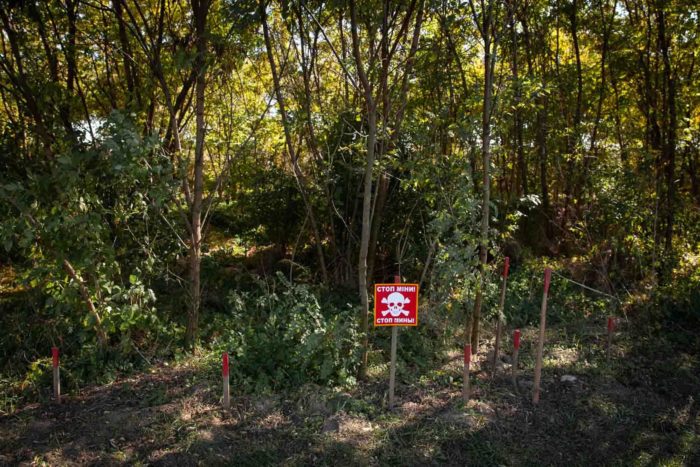
warning signs landmines kyiv oblast brovary

Two 14-year-old boys were killed when an explosive device detonated in the evening in the Konotop district of Sumy Oblast, according to the statement by Oleh Hryhorov, head of the Sumy Regional Military Administration. The children encountered the dangerous device in a field, suffered severe injuries, and died at the scene, the statement said.

In 2022, Russian forces occupied parts of Sumy Oblast, but Ukraine liberated the region in April. Russia intensified its offensive again in 2025. Today, mines, unexploded ordnance and Russian drones shot down over the region pose a danger, as their warheads can detonate after falling. Overall, 146 children in Ukraine have suffered mine-related injuries, former Interior Minister Ihor Klymenko reported in April. For example, two months ago, an 11-year-old boy and a 15-year-old boy in Sumy Oblast were injured when an explosive device detonated.

Hryhorov expressed his condolences to the parents and relatives of the victims and urged people to remain cautious:

“Please be as careful as possible and remind children: do not approach unknown or suspicious objects, touch them, or try to move them. Take care of yourselves and your loved ones,” Hryhorov said.

Demining efforts continue in Sumy Oblast

On 24 February 2022, Russian forces entered the territory of Sumy Oblast. The first battles in the region took place that same day. In particular, Russian forces attempted to break through to Sumy, but Ukrainian troops repelled the offensive. On 11 April 2022, Ukraine restored control over the entire Sumy region.

As early as 7 June 2022, deminers were working in the Konotop, Sumy, and Okhtyrka districts, according to the Government Portal. That day, they surveyed areas and neutralized explosive devices.

The work of deminers remains deadly dangerous. In September 2024, two pyrotechnicians from Dnipropetrovsk Oblast were hit by a mine while demining Sumy Oblast: one died, while the other was hospitalized. In July 2025, deminer Oleh Petrenko was killed during humanitarian demining operations in Shostka District when a Russian FPV drone detonated, the State Emergency Service of Ukraine reported. Another pyrotechnician was injured, the statement said.

Nevertheless, the work continues despite the danger. In 2025, State Emergency Service deminers in the Sumy Oblast found and neutralized 5,283 explosive devices, the agency said in April. Sumy Oblast ranked sixth among all Ukrainian regions by this figure.

Twenty-two percent of Ukraine’s territory is potentially contaminated with explosive devices — more than 133,000 square kilometers, former Interior Minister Ihor Klymenko reported in April this year. Since the beginning of the full-scale invasion, State Emergency Service and National Police deminers have surveyed more than 248,000 hectares of territory and found more than 1 million 112 thousand explosive devices, the statement said.

  •  

Fewer targets, more waves: jet-powered Gerans partly free Russia to concentrate missiles, ISW says

fewer targets more waves jet-powered gerans partly free russia concentrate missiles isw says · post russia's shahed drone ukraine news ukrainian reports

Russia is concentrating missiles on a smaller, more specific set of targets, and its jet-powered attack drones are part of the reason, the Institute for the Study of War (ISW) assessed. Its combined attack overnight on 7 October killed 22 people in Pryluky, the State Emergency Service (SES) said as of the morning of 8 October. Russian milbloggers noted the shift the same day.

Russia often uses concentrated drone and missile strikes to overwhelm localized Ukrainian air defenses and destroy urban centers, ISW noted. Pryluky, where the strike killed children, was one of the areas a Russian channel says drew a significant share of the Kh-101s that night. With winter close, ISW expects the same pattern against Ukraine's energy grid, with jet drones partly letting Russia keep its missiles for priority targets without firing many more.

Missile waves on a few areas, Russian channels claim

Russia launched 48 Kh-101, Iskander-K, and Kalibr cruise missiles overnight on 7 October, Ukraine's Air Force reported. It also fired ballistic missiles, Zircon and Oniks anti-ship missiles, and 130 strike and decoy drones, 46 of them jet-powered Shahed-type models.

pryluky
Explore further

22 killed in Russian missile strike on Pryluky, including five children

Russian milbloggers claimed the same day that Moscow had grouped a large part of its missile salvo into repeated waves on a few areas, while other weapons kept stretching Ukraine's air defenses elsewhere. The pro-war Russian Telegram channel Dva Mayora described the change as a switch from striking with splayed fingers to a series of hits with missile "fists." Defenders must then absorb a sharply rising load around one chosen site as one wave follows another, the channel claimed.

Citing Ukrainian monitoring channels, it claimed that roughly 30 or more Kh-101 cruise missiles flew toward Pryluky, Kremenchuk, Svitlovodsk, and Oleksandriia in Chernihiv, Poltava, and Kirovohrad oblasts. It put the Kremenchuk group at up to 15 missiles, Kh-101s and Kalibrs among them, aimed at the area of Kremenchuk and its hydroelectric plant.

Jet drones take some of the load off Russia's missiles

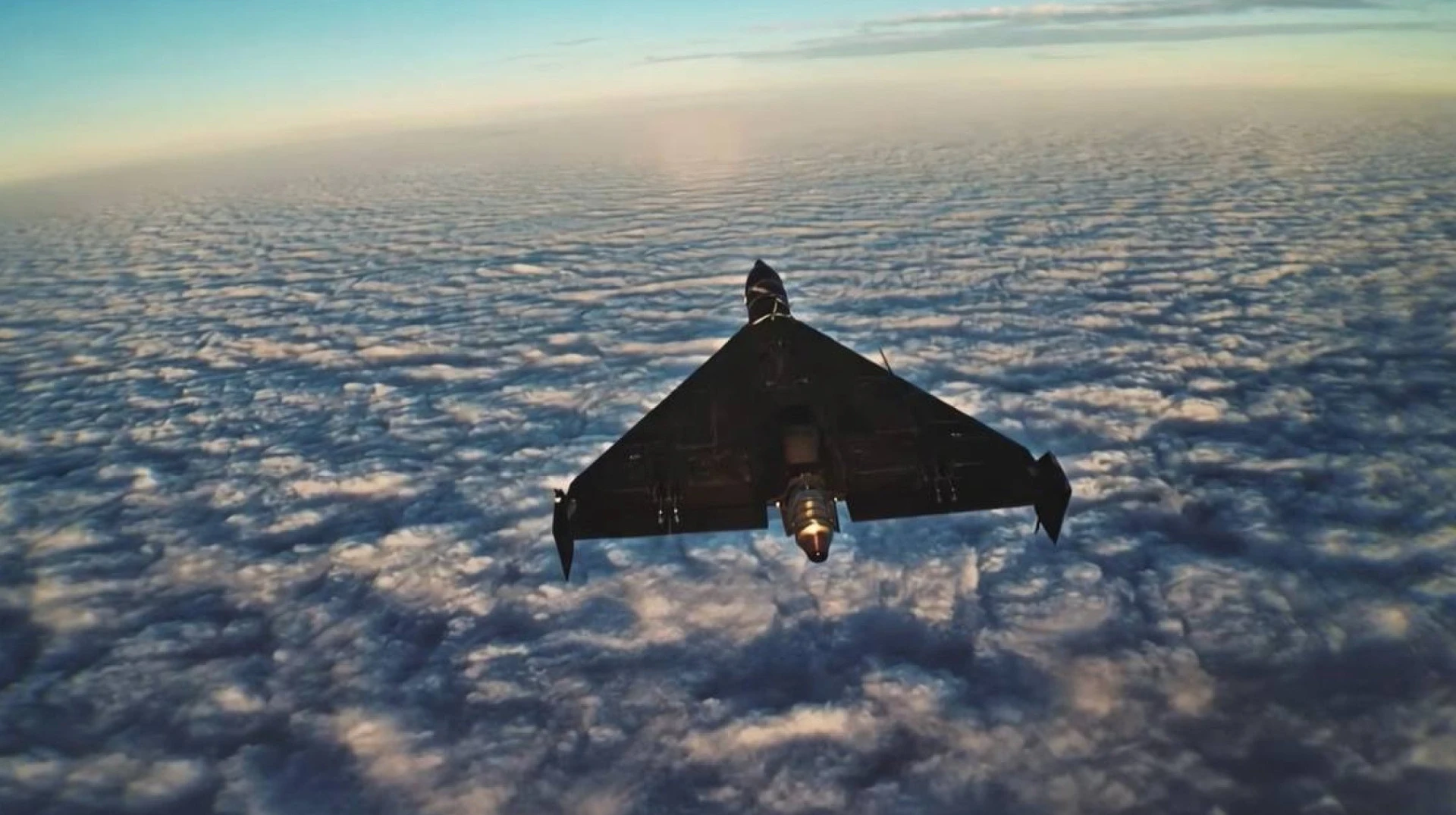
ISW said the jet-powered versions penetrate Ukrainian air defenses deeper and more reliably than propeller models. In ISW's assessment, that partly lets Russia concentrate cruise and ballistic missiles on priority targets without significantly raising missile use. Russia builds about 3,000 Geran-4 and Geran-5 jet drones a month, Ukraine's military intelligence agency (HUR) told Militarnyi in August.

ukraine spent three years learning catch russian drones—so russia made fly faster · post geran-3 jet-powered attack drone wild hornets c1c840787fca380485636007cf683d71 news ukrainian reports
Explore further

Ukraine spent three years learning to catch Russian drones—so Russia made them fly faster

ISW expects Russia to apply the pattern in a likely brutal winter campaign against energy infrastructure. Russia likely intends to make city life untenable and force Ukraine to capitulate to its demands, ISW assessed. Such tactics have not worked before and are unlikely to work now, analysts added.

They called cheap countermeasures to jet drones and small cruise missiles vital, alongside Western air defense aid such as US-made Patriots, which can stop ballistic missiles. Ukraine has already paired a Soviet-era Kub launcher with American RIM-7 interceptors to catch jet drones.

  •  

Ukraine is buying 135 mobile shelters for border crossings as Russian drones reach from the Danube to Poland

The Ukrainian Starokozache border crossing near Moldova, targeted by a Russian attack, September 2026. Photo: Odesa Oblast Military Administration / Telegram

Ukraine plans 135 basic mobile shelters for civilians at 28 of its border crossings, the State Agency for Restoration and Infrastructure Development said on 7 October.

Since the start of September, Russian drones have repeatedly struck crossings on Ukraine's borders with Moldova and Romania. Since mid-September, strikes have also reached the Polish border near the Yahodyn crossing in Volyn Oblast. On 13 September, a Russian drone strike set a gas station near the crossing on fire. On 28 September, the blast wave from another strike damaged the checkpoint building. On 25 September, First Deputy Minister for Restoration, Infrastructure and Transport Serhii Derkach said Ukraine is exploring with its neighbors whether some checkpoints could move onto their territory. No agreement has been reported. On 2 October, Moldovan Interior Minister Daniella Misail-Nichitin said Moldova had set up shelters next to its crossings with Ukraine and started relocating staff from joint checkpoints.

135 shelters for travelers and border staff

The shelters will stand at the crossings and on the roads leading to them. Regional recovery services in Vinnytsia, Odesa, Chernivtsi, Zakarpattia, and Volyn oblasts are running the purchases. The agency said the shelters will make the border safer for people crossing it and for checkpoint staff.

Map of Ukrainian border regions where mobile shelters are planned
Border regions where Ukraine plans to install shelters. Map: Euromaidan Press

In Chernivtsi Oblast, one of the 10 tenders the agency lists on Prozorro, Ukraine's public procurement system, covers eight shelters for 50 people each and three for 20 each, Ukrinform reported. They will stand on the approach road to the Porubne–Siret international crossing on the Romanian border. The work is expected to cost UAH 38.5 million (about $855,000), excluding VAT.

Russian strikes on crossings

On 5 October, at about 09:38, a projectile fell near the Palanca–Maiaky–Udobne crossing on the Moldovan border. It ricocheted off the ground into a shuttle bus parked by the barrier and also damaged a control booth. One Moldovan border officer suffered light injuries, and the crossing was suspended, Moldova's Border Police said, linking the incident to Russia's attacks on Ukrainian infrastructure. Moldovan authorities did not specify the projectile's type or origin.

Overnight on 9 September, Russian drones struck the Starokozache crossing with Moldova, killing two people and injuring three. On 1 September, Russian Shahed drones hit the Orlivka ferry crossing on the Danube, opposite Romania's Isaccea, and temporarily shut it down. Another Russian strike on 6 September halted the crossing again.

  •  

AI is changing Russia’s drone war on Ukrainian cities, deputy air defense commander says

geran-5

Russian forces appear to use AI to plan air attacks and recognize targets amid raids on Ukrainian cities. This may include recent air attacks on Odesa that have come in waves with short gaps, Deputy Air Force Commander for Air Defense Colonel Yurii Cherevashenko says, Ukrinform reports.

Russia has already equipped its jet-powered Geran-4 drones with machine vision, allowing them to recognize and track targets on their own in the final seconds of flight. Recently, a single jet drone hit a locomotive in Odesa Oblast in late September and killed two railway workers.

The scale of Russia's AI use is hard to measure, Cherevashenko continues, but Ukrainian specialists already see its elements in how attacks are organized. The long, wave-by-wave strikes on Odesa would be far harder to plan and coordinate without it, he believes.

"Russian forces use AI to lay out attack routes and to recognize targets," Cherevashenko says, framing it as his own assessment rather than a confirmed fact.

The sea is harder to defend than land

Odesa Oblast is home to the biggest port in Ukraine, "Southern". Protecting it is a challenging task as guarding the airspace over water is tougher than over land, Cherevashenko says. Some air defense assets do not perform as well at sea, and in some cases, crews can intercept a target only as it approaches.

Weather adds to the problem, with storms and fog, while the open sea gives Russia more freedom to choose drone routes and launch points. To protect ports and the coast, Ukraine uses drone motherships, platforms that carry other drones aloft to extend their flight time and keep watch over set areas.

Ukraine answers AI with AI

Ukraine is also building its own AI for air defense. Automated turrets using machine vision now help counter Russian drones. According to Army Media, the Air Force says such turrets have scored their first shoot-downs, including of Geran-5 jet drones, with one soldier saying 50 rounds were enough to bring down a Geran.

Ukraine's Defense Ministry is going further. In late September, it unveiled an AI system called SPECTR, built by its A1 Artificial Intelligence Center and already in testing with several combat units, to analyze battlefield data, predict Russian moves, and suggest options to commanders.

  •  

Russia’s war on Ukrainian books: a second strike burns tens of thousands of a Kyiv publisher’s rebuilt titles

russia's war ukrainian books second strike destroys kyiv publisher's rebuilt stock · post book warehouse knyholav publishing house damaged russian missile attack kyiv's podil district 7 2026 знищений склад де

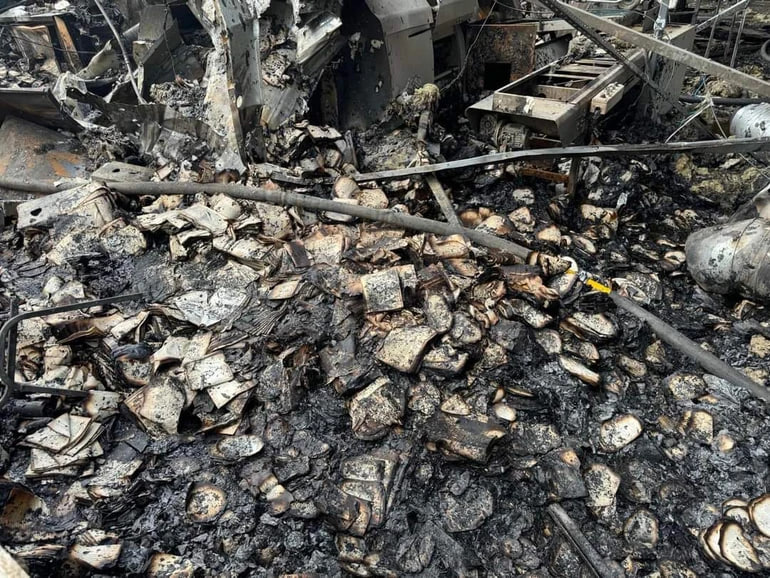
A Russian missile attack on Kyiv overnight on 7 October destroyed warehouse premises in the Podil district and badly damaged a book warehouse of Ukrainian publishing house Knyholav, the publisher said. Tens of thousands of books were lost, but no staff were hurt. It was the second time this year that Russia has destroyed Knyholav's stock.

Russia has destroyed Ukrainian books since the start of its invasion, seizing them from libraries in occupied areas and burning them in boiler houses. Since spring, it has also been aiming missiles and drones at the industry that makes them—printing houses, publishers' warehouses, and bookshops—destroying books by the millions. Each strike takes out not only stock but the reprints, new titles, and textbooks Ukrainian readers were waiting for, at a time when publishing in Ukrainian is part of how the country holds onto its identity.

Tens of thousands of books lost

The publisher can't yet say how many books were destroyed or can no longer be saved, it said, but tens of thousands were lost. The final count will be possible only once staff get full access to the warehouse and check the state of every book.

The burnt books in Kharkiv may 2024
Explore further

Russian aggression devastates 1,000 Ukrainian libraries and 200 million books

The losses include new titles Knyholav received over the past two months. They also include reprints of books Russia had destroyed in July at its previous warehouse. Knyholav had moved its rebuilt stock to this new warehouse after a Russian strike on 19 July destroyed its previous one outside Kyiv, along with about 250,000 books.

"This is a tangible blow for us. These are books we created, printed, and prepared for you," the publisher wrote. "But despite everything, we are holding on!"

The strike hit Kyiv's Podilskyi district, where a Russian attack caused a fire and the partial collapse of the floors of an office and warehouse building, Kyiv Mayor Vitali Klitschko said. The same overnight attack killed people in Pryluky, Kyiv, Kremenchuk, and Oleksandriia.

Millions of books burned

Russia's attacks destroyed more than 1.5 million books in July alone, Culture Minister Tetiana Berezhna said. On 1 August, a strike on the logistics center of publisher Ranok and the distribution center of the KnyhoLand bookshop chain in Kharkiv destroyed 8 million books, including 628,000 new school textbooks. Over three months, Russia burned about 13 million Ukrainian books, nearly a third of everything the country printed in 2025. In August, Russian missiles also hit Kyiv's largest book market.

  •  

First time since 2018: NATO’s top military body went to Kyiv to study the war it may one day face

first time since 2018 nato's military chiefs went kyiv study war one day face · post chair nato committee admiral giuseppe cavo dragone (left) commander-in-chief ukraine's armed forces mykhailo drapatyi

NATO's Military Committee, the Alliance's highest military body, visited Kyiv on 6 October to reaffirm support for Ukraine, its chair, Admiral Giuseppe Cavo Dragone, said. It was the committee's first official visit to Ukraine's capital in eight years. The officers came to hear how Ukraine is fighting Russia and to draw lessons for NATO's own defense, and Dragone used the visit to warn Moscow.

Russia's war no longer stays inside Ukraine: its drones, saboteurs, and pressure campaigns increasingly reach NATO members. That turns Ukraine, the only European army facing Russia in combat, from a country the Alliance helps into one it learns from.

All 32 allies at the table

Dragone brought the military representatives of all 32 member states to hear the latest battlefield assessment directly from Ukraine's commander-in-chief, Mykhailo Drapatyi, and his staff. They also came to learn what more NATO can do to support Ukraine, he said in an address recorded in Kyiv.

"After eight years, the NATO Military Committee comes back to Kyiv for an official visit. But while we were not physically present here, Ukraine is in our thoughts, in our discussions, in our decisions and following action every single day," Dragone said.

The visit fulfilled a promise he made to Drapatyi during their last conversation in August, the admiral said. It also follows a June visit to Kyiv by the North Atlantic Council, NATO's main political decision-making body. "We are here in full strength with a clear message. The bond between NATO and Ukraine is stronger and stronger," he said.

With the whole NATO Military Committee, we visited Kyiv, yesterday, to reaffirm unwavering support for #Ukraine.

Discussions with Major General Drapatyi, Commander-in-Chief of the 🇺🇦 Armed Forces, focussed on Ukraine’s military priorities and lessons learned to strengthen… pic.twitter.com/kar2l1Xlq4

— Admiral Giuseppe CAVO DRAGONE - NATO CMC (@CMC_NATO) October 7, 2026

Lessons from Ukraine's commanders

The talks with Drapatyi focused on Ukraine's military priorities and lessons learned to strengthen Allied preparedness for current and future threats, Dragone wrote on X. The delegation also paid respects at the Wall of Remembrance of the Fallen for Ukraine in Kyiv.

five dead pryluky two each kyiv kremenchuk oleksandriia russia's night 70 missiles · post rescuers collapsed section apartment building chernihiv oblast after russian missile strike 7 2026 ukraine news ukrainian
Explore further

14 dead in Pryluky, two each in Kyiv, Kremenchuk, and Oleksandriia: Russia’s night of 70 missiles

In his address, Dragone said Ukraine's courageous and resilient spirit remains unbreakable and serves as an example to other nations.

"An example that combines with all the lessons we can learn from your commanders, from their experience, which will ultimately help our Alliance too to better face today's and tomorrow's threats," he said.

To Russia: "You are failing"

Dragone also addressed Russia directly. NATO stands unwavering with Ukraine in the face of Russia's continued aggression and its reckless hybrid activities in member countries, he said.

"To those who think that by perpetrating acts of sabotage, cyberattacks, and violation of the airspace in national NATO territory they will undermine this support and our resolve, I will respond: You are failing. NATO support for Ukraine continues to grow, and our unity is stronger than ever."

Commander-in-Chief of Ukraine's Armed Forces Mykhailo Drapatyi (right) speaks at talks with the NATO Military Committee as its chair, Admiral Giuseppe Cavo Dragone (center), listens, Kyiv, 6 October 2026
Commander-in-Chief of Ukraine's Armed Forces Mykhailo Drapatyi (right) speaks at talks with the NATO Military Committee as its chair, Admiral Giuseppe Cavo Dragone (center), listens, Kyiv, 6 October 2026. Photo: Admiral Giuseppe Cavo Dragone/X

Russia bears full responsibility for such dangerous and unacceptable behavior, and allies will keep sharpening their tools and strengthening deterrence and defense, the admiral added.

Drapatyi became Ukraine's commander-in-chief in July, when President Volodymyr Zelenskyy replaced Oleksandr Syrskyi after a week of political turmoil.

Kyiv under fire, Russian troops pushed back near Lyman

The day after the visit, Russia struck Kyiv and 12 oblasts with about 70 missiles. In recent weeks, Russian attacks have cratered the capital's bridges and hit a school, a café, and warehouses, as well as a maternity hospital. Ukrainian troops also retook ground near Lyman in the Vivaldi counteroffensive.

  •  

Russia’s jet drones fly near 600 km/h now. Ukraine is building simulators for the 900 km/h ones it expects next

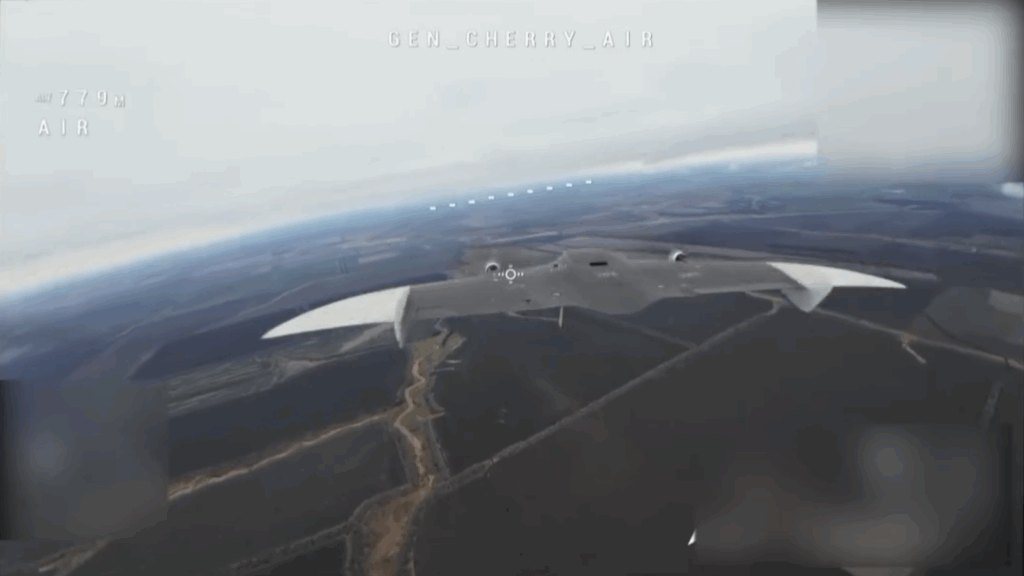
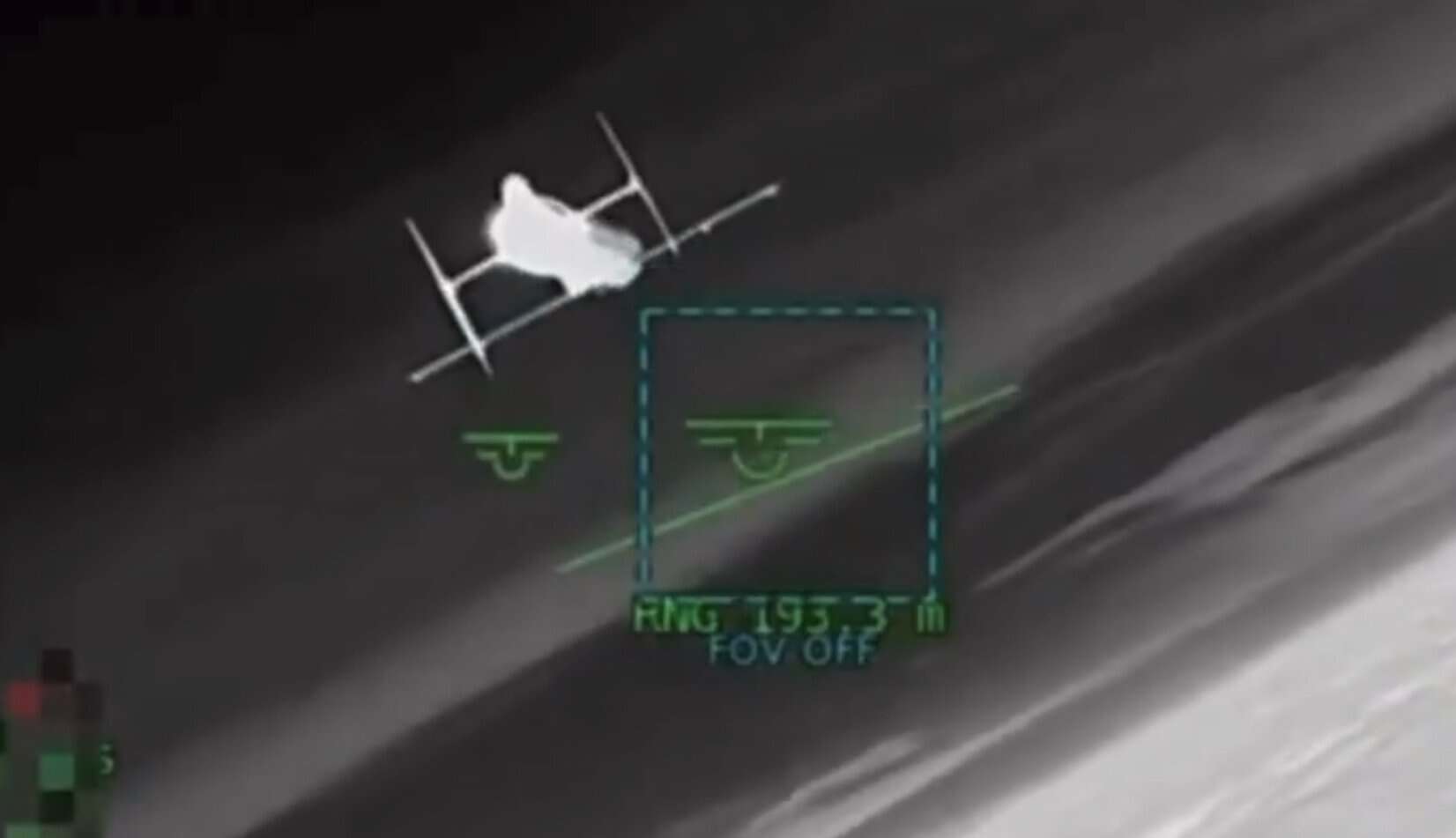
Russian "Knyaz Veshchiy Oleg" reconnaissance drone as seen from a Ukrainian "General Cherry AIR" interceptor drone, just before strike. Screenshot from video: General Cherry

Russia's jet-powered attack drones could eventually reach 800–900 km/h, and intercepting them will demand new piloting skills—so Ukraine has asked the makers of its interceptor drones to build simulators to train the crews, a senior Air Force officer told a parliamentary commission on 6 October, Suspilne reported.

Russia keeps modifying its jet Shaheds faster than Ukraine can field the drones meant to catch them, and Kyiv is now preparing crews for speeds its interceptors have never faced—a sign the air war is shifting from a contest of volume to one of raw speed.

The speed Russia hasn't reached yet

Colonel Yurii Cherevashenko, deputy commander of Ukraine's Air Force, told the commission that Russia's jet drones fly at around 600 km/h today but could eventually reach 800–900 km/h—speeds he said have not been recorded so far. That range sits near the cruising speed of a commercial airliner.

A Ukrainian interceptor drone chases a Russian Geran-5 jet-powered drone. September 2026.
Explore further

Ukraine just caught a Geran-5 at 425 km/h—the jet drone that has often outrun Ukrainian interceptor drones since January

Intercepting such targets will take specific piloting skills, Cherevashenko said. When an interceptor and its target move at roughly the same speed, he noted, the pilot barely perceives the difference in their speeds. To train for that, Ukrainian interceptor-drone makers have been tasked with building simulators where crews can practice against high-speed targets.

Where Ukraine stands now

Ukraine already downs 85% to 90% of Russia's slower, propeller-driven drones, Ukrainian President Volodymyr Zelenskyy has said, but the jet models remain a tougher problem—Ukrainian interceptors scored their reportedly first kill of a jet-powered Shahed in November 2025. In a 28 September evening address, Zelenskyy put the jet-drone interception rate at about 57%, lower than required. Days later, he said Ukraine is testing five interceptor-drone models and could be producing about 400 of one of them by the end of October. Asked when jet-drone interceptors would arrive at the scale needed, Cherevashenko answered: "Not before the end of November."

  •  

Ukraine is third in world for cyberattacks after US and Israel, and first in Europe. Machine-speed assaults run continuously and without fatigue

Illustrative photo. Credit: Philippe HUGUEN / AFP

Only the US and Israel were hit by more cyberattacks than Ukraine this year. Ukraine ranked third in the world and first in Europe among the countries whose organizations and users were most often targeted by cyberattacks in the first half of 2026, accounting for 4.8% of all victims worldwide, up from fifth in the world and third in Europe a year earlier, Microsoft said in its Digital Defense Report 2026.

Microsoft processes more than 165 trillion security signals a day, which lets it show how often attackers go after customers in each country. Russian state hackers aimed 14% of their recorded activity at Ukraine, more than at any country except the US.

The era of machine-speed cyberattacks is here

Government agencies and services were the most targeted sector worldwide at 27%, up from 17% in 2025. Phishing drove 23% of intrusions Microsoft investigated, up from 7% a year earlier, and the median time from finding a vulnerability to weaponizing it has fallen well below 24 hours.

The use of artificial intelligence is pushing cyberspace into an era of “machine-speed” attacks that operate continuously and without fatigue, according to Dev.

“Many AI agents act on behalf of users and with their access rights, so a compromised agent combines user-level access with machine-scale actions,” Natalia Burlakova, Security Sales and Engineering Lead at Microsoft, says.

Deception beats code in attacks on Ukraine

Ukraine's own agency data show a similar pattern. Malware accounted for 33% of cyber incidents in the first half of 2026, and social engineering 31%, the State Service of Special Communications and Information Protection reported on 30 September. System infections made up 15%, and system compromises 4.5%.

Attackers rely less on technical complexity than on trust, according to the report by Ukraine's computer emergency response team, CERT-UA. Hacker groups create fake pages that mimic CERT-UA, Ukraine's Parliament's document management system, and the Brave1 defense technology platform.

Microsoft urges five government steps

Microsoft asks governments to prepare for faster-moving threats by assigning roles and coordinating agencies in advance of a crisis, and to treat AI security as part of national resilience. It also asks them to plan for incidents that spread, noting that 52.2% of intrusions involving valid accounts led to additional credential theft.

  •  

Germany accuses Russia of a drone bomb attempt at Leipzig. Now its eight biggest airports get drone detection

The likely process of monitoring the airspace over airports connected to Germany’s new drone detection system. Photo: Deutsche Flugsicherung / Holger Matthies

Germany is expanding drone detection at its airports with a new system operated by German air traffic control provider Deutsche Flugsicherung (DFS), the German Federal Ministry for Transport (BMV) announced on 5 October.

Germany has accused Russia of attempting a hybrid attack at Germany’s Leipzig/Halle Airport near a Ukrainian An-124 aircraft using a drone carrying explosives. Earlier, Finnish President Alexander Stubb said Europe must be prepared for “continued hybrid and sabotage attacks” by Russia, adding that Russia seeks to sow panic through such actions.

On Monday, two more sites were added—Stuttgart and Hamburg. As of Monday, seven of Germany’s eight largest airports were equipped with the new drone detection system in their approach and departure areas.

Germany seeks responses to new hybrid threats

The Federal Ministry cited the reason for the new measure: drones near airports can affect air traffic very quickly.

Federal Transport Minister Steffen Bilger and Baden-Württemberg Transport Minister Nicole Razavi were briefed on the new system at Stuttgart Airport, where it is being put into operation, the ministry said. The system creates “an important technical basis for detecting potential threats at an early stage and quickly informing the competent authorities,” Bilger said.

“With today’s commissioning of the drone detection system at Stuttgart Airport, the federal government is fulfilling a key promise: it is not only talking about the dangers posed by unmanned aircraft, but is also following through with very concrete action. Protecting critical infrastructure and ensuring the safety of passengers at Stuttgart Airport require continuous adaptation to a changing security situation,” Razavi said, according to the ministry.

The new DFS system allows drones near airports to be detected at an early stage and information about possible threats to air traffic to be passed more quickly to the relevant authorities. This helps them assess risks and respond to them more quickly, the statement said.

DFS is responsible for detecting drones in approach and departure areas, while the Federal Police and other security services are responsible for preventing threats and defending against drones. The BMV, Federal Ministry of the Interior, DFS, Federal Police and airports coordinate their work to exchange information quickly and maintain a shared picture of the situation.

No further details about how the system operates have been disclosed.

The first stage of the expansion at Germany’s eight major commercial airports will be fully implemented this week, with the systems in Stuttgart and Hamburg being put into operation, the statement said.

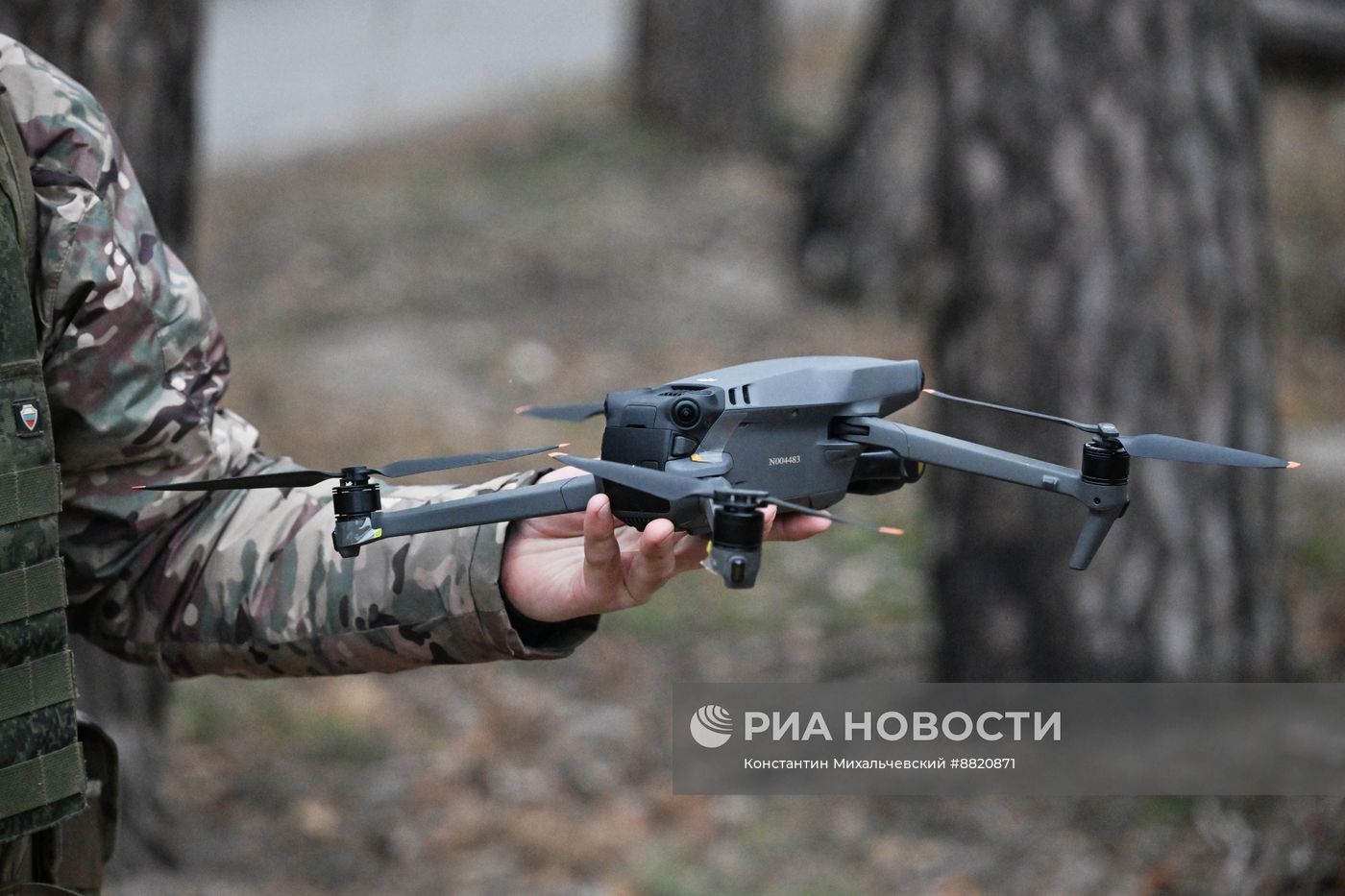
Illustrative image of a Russian drone. Photo: RIA Novosti/Konstantin Mikhalchevsky
Explore further

A drone came down beside a Bundeswehr air base, weeks after Berlin blamed Moscow for the Leipzig airport attack

The system will also be installed at the airport where a bomb-laden drone was found

The system will also be put into operation at Leipzig/Halle Airport this week, meaning that the first stage will be fully implemented at all eight of Germany’s largest commercial airports, according to the press release.

A quadcopter drone carrying a Semtex explosive flew directly toward a parked Ukrainian An-124 Ruslan cargo aircraft and struck its wing at Leipzig/Halle Airport in Germany on the evening of 4 August, Die Zeit reported on 10 August. The drone hit the aircraft at around 19:30 local time, bounced off the wing, and fell to the ground without detonating, according to the media outlet.

Ukrainian An-124 at Leipzig/Halle Airport in Germany, 5 August 2026. Photo: screenshot from Bild video

Germany has accused Russia of attempting the drone attack and announced further sanctions against Russian citizens and institutions, Tagesschau reported on 1 September.

At the crime scene, investigators found the drone configuration, explosives and detonation technology that had already appeared in other Russian hybrid operations and in Russia’s war against Ukraine, Federal Interior Minister Alexander Dobrindt said during a joint press conference with Federal Foreign Minister Johann Wadephul, the media outlet reported.

The German government assumes that Germany has been and will be a target of further such Russian attacks. Germany is not at war with Russia but is a “target of war,” Foreign Minister Wadephul said, according to the outlet.

  •  

Ukraine’s battlefield gains may be pushing Putin to shift focus to early winter strikes, ISW says

russian strike in Kyiv

Ukraine's battlefield successes appear to be forcing Russian President Vladimir Putin to reevaluate his theory of victory and shift focus toward long-range strikes to compel Ukraine to surrender, rather than advances on the battlefield, the Institute for the Study of War said on 4 October.

Ukrainian President Volodymyr Zelenskyy said Russia used more than 800 jet-powered drones during the week of 27 September to 4 October. Ukraine currently intercepts only 50–60% of jet-powered drones, leaving it vulnerable to the large number of new drones Russia is deploying.

The late-September start and the campaign's aim

ISW said Russian forces began their winter 2026–27 strike campaign against Ukraine's energy infrastructure in late September and that the campaign is aimed at making civilian life unbearable enough to force Ukraine to capitulate.

Russian forces would step up attacks on military facilities, defense industry sites, and related infrastructure in Kyiv and elsewhere in Ukraine, the Russian Defense Ministry said on 4 October, according to Reuters. The announcement followed Zelenskyy's vow to increase attacks on Russian oil refineries.

The ministry also claimed its recent strikes on Kyiv and other Ukrainian regions were a response to alleged Ukrainian attacks on civilian targets inside Russia. Among the grievances it named were Ukraine's strikes on Leningrad Oblast during the St. Petersburg International Economic Forum in June and alleged strikes on electoral infrastructure in Moscow during the 18–20 September State Duma elections, according to ISW.

ISW called the Russian Defense Ministry's framing of the recent strikes as retaliation for Ukrainian attacks on Russian civilian targets unfounded, saying many of its specific claims are "blatantly false." Russia has provided no evidence that Ukraine targeted electoral infrastructure, and Ukraine's 19–20 September strikes on Moscow targeted oil refineries and warehouses, the think tank said. The Russian strikes "are not an actual response to specific events," it concluded.

The 135 drones, the bridges struck seven times

Overnight on 3–4 October, Russia launched 135 Shahed-type and Gerbera-type drones, while also using decoy drones and Banderol or Dan-T loitering munitions. Ukrainian forces downed 123 drones and two loitering munitions, and strikes hit five locations, according to ISW, which cited the Ukrainian Air Force. Russian forces struck Kyiv's Northern and Southern bridges seven times between 1 and 4 October in an effort to disrupt Ukraine's economy and daily civilian life, ISW said.

Ukraine builds new layers of defense against jet drones

More than 12 .50-caliber machine-gun turrets are already working in Kyiv against jet-powered drones, and eight more will be installed in Kyiv Oblast, Zelenskyy said, Suspilne reported. He added that F-16s help a lot against the drones, according to Ukrinform. Ukraine is set to receive 2,000 Bars interceptor drones through joint production with Germany, RBC-Ukraine reported.

Ballistic missiles may be Russia's next wave

Zelenskyy said Ukraine estimates Russia has up to 700 ballistic missiles in reserve and produces 130–140 a month. He made the remarks at a joint media briefing with German Chancellor Friedrich Merz in Kyiv, Ukrinform reported. Russia is likely stockpiling ballistic and quasi-ballistic missiles for intense strikes after its jet-powered drones lose their current advantage, ISW assessed. ISW also cited an ongoing shortage of Patriot interceptors.

OHCHR has verified some 15,280 civilian casualties in Ukraine in the first eight months of 2026, 55% more than in the same period of 2025, UN High Commissioner for Human Rights Volker Türk said on 2 October.

  •  

Two ships sunk and a third set ablaze off NATO coasts in two days, and neither Bucharest nor Sofia will say “Russia”

russia's drones sinking ships nato waters can't bring say so · post smoke rises over royad mammadov cargo ship carrying ukrainian grain after drone attack romania's exclusive economic zone black

Drones sank two merchant ships and set a third on fire in the Black Sea economic zones of NATO members Romania and Bulgaria on 5 and 6 October, killing at least two seafarers, Romanian and Bulgarian authorities reported. Ukraine blamed Russia for the first attack. Neither Bucharest nor Sofia has said who launched the drones.

Russia has spent months striking ships bound to and from Ukrainian ports while denying responsibility or staying silent. Now merchant vessels are sinking inside NATO members' economic zones without either government naming the attacker, so Moscow pays no political price for hitting allied waters.

Grain ship sinks off Romania

The Royad Mammadov, a Turkish-owned ship carrying grain from Ukraine's port of Izmail to Italy, sank on 5 October near Romania's Pescăruș offshore platform, 20 nautical miles from the Romanian coast, Digi24 reported. The Romanian Naval Authority described the incident as a fire on board. Romania's Interior Ministry said 11 crew members were rescued and two people died.

Three injured sailors aged 22 to 50 were taken to the Constanța county hospital, conscious and stable, with multiple injuries. Adrian Mihălcioiu, the leader of Romania's Free Seafarers' Union, said the ship was attacked by Russian sea and aerial drones in waters Romanians consider safe.

"It is a commercial ship, a ship that is not part of the war… people who have nothing to do with the war, it is not their war," he said.

Ukrainian President Volodymyr Zelenskyy blamed the attack on "two Russian drones" and said the ship was in neutral waters carrying corn. Citizens of Azerbaijan and India were on board, and the captain was killed, he said. Romanian authorities have not attributed the sinking to Russia.

The Togo-flagged cargo ship Alfa Watan
The Togo-flagged cargo ship Alfa Watan, which sank after a drone attack in Bulgaria's exclusive economic zone on 6 October 2026. Illustrative photo: Capt. Mohammad Yassine/MarineTraffic via Militarnyi

Two more ships hit in Bulgaria's zone

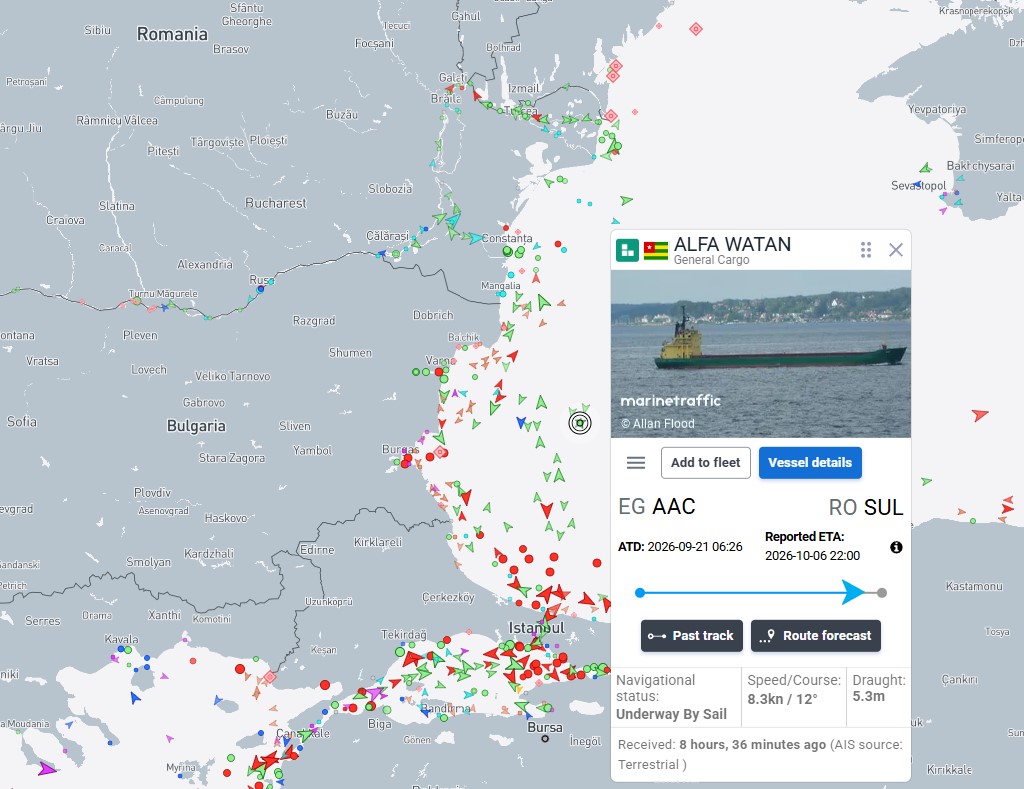
A day later, drones struck two merchant ships in Bulgaria's exclusive economic zone east of the town of Byala, the first known attack on ships there, Maritime.bg reported. The Togo-flagged Alfa Watan, sailing from Al-Arish, Egypt, to Sulina, Romania, suffered critical hull damage and sank, Militarnyi said. The Bulgarian ferry Dioscuria found only an overturned lifeboat and life jackets at the scene, and the search for the crew continues, Euronews reported.

The Palau-flagged Able, sailing from Galați, Romania, to Istanbul, caught fire, and the Dioscuria rescued its 18 crew members. Both ships are Turkish-owned, Türkiye Today reported. Two sailors with severe injuries were flown to a hospital in Varna, Prime Minister Rumen Radev said, according to AP. Sea and aerial drones hit the ships at about 3 a.m., he said, calling the attack "a blatant violation of international law and maritime law."

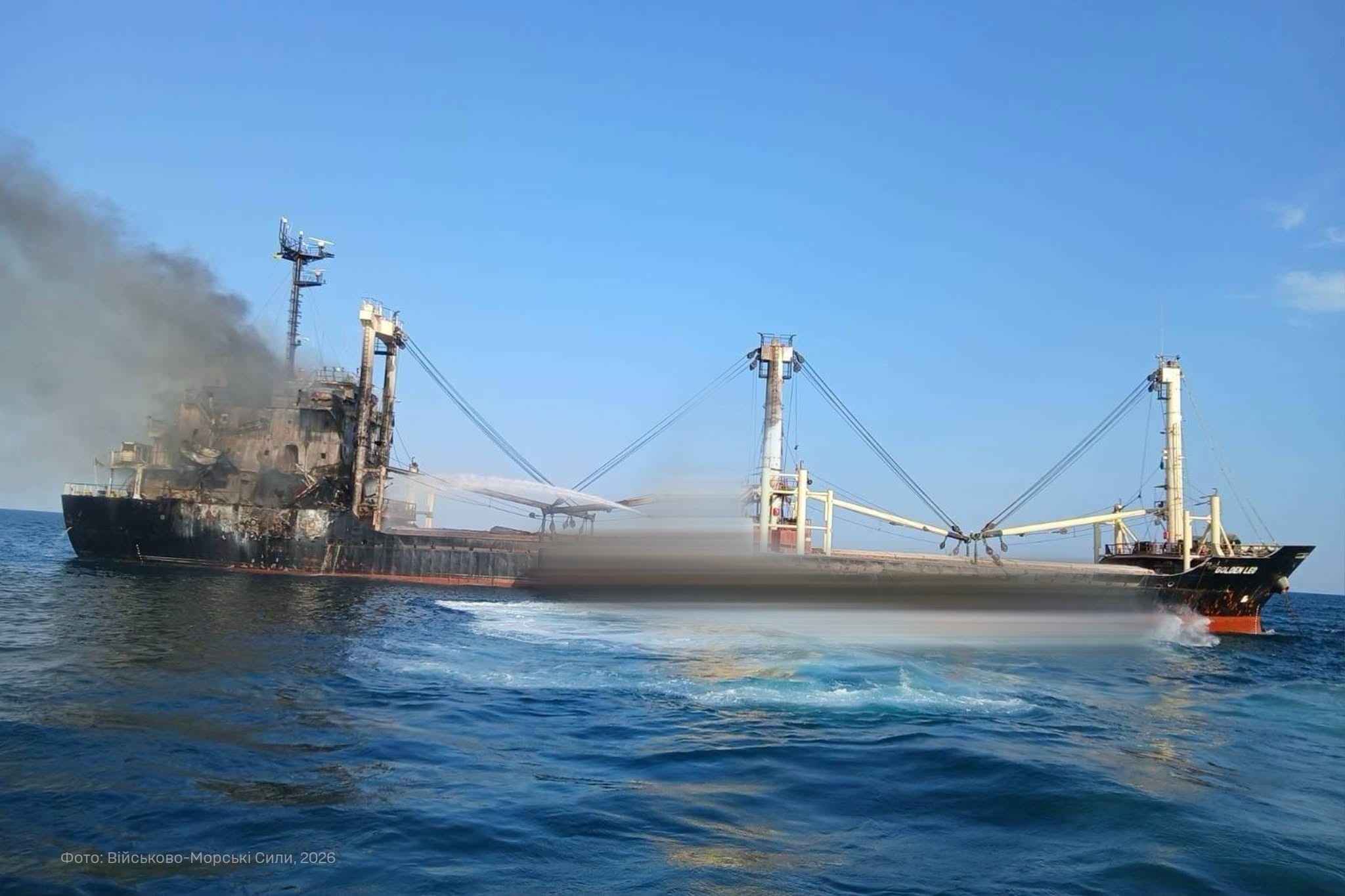
ten dead russia strikes turkish-owned bulk carrier off odesa · post civilian golden leo ablaze after russian missiles hit left cargo corn black sea 19 2026 ukraine's navy struck foreign-flagged
Explore further

Ten dead as Russia strikes a Turkish-owned bulk carrier off Odesa

Radev called an emergency meeting of four ministries, the presidency, and the security services. No one from the Alfa Watan has been found, he said, warning that if the war is not ended in time, it "will continue to expand its spatial scope." The origin of the drones is still being clarified, Maritime.bg said. Several Bulgarian media outlets cited sources as saying the drones were Russian, Sofia Globe reported.

Last reported position of the Alfa Watan on MarineTraffic
The last reported position of the Alfa Watan off Bulgaria's coast on its voyage from Al-Arish, Egypt, to Sulina, Romania, before it sank in a drone attack on 6 October 2026. Map: MarineTraffic via Militarnyi

Russia's war on Black Sea shipping

Russia had already killed the captain of a Tanzanian-flagged ship in September, and days later it struck another civilian vessel, killing its captain too. Ukraine says that route carries 90% of its farm exports.

Romania has destroyed a sea drone near its Neptun Deep gas project and found Russian drones floating in its economic zone. In September, ISW linked drone crashes in Romania and Moldova to a wider Russian pattern of pressure on NATO.

EU foreign policy chief Kaja Kallas called for a moratorium on Black Sea attacks. Turkish President Recep Tayyip Erdoğan said Ankara was stepping up diplomacy to restore grain exports. Türkiye and the UN are organizing new Black Sea truce talks between Russia and Ukraine, Bloomberg reported, citing a diplomat. Russia earlier dismissed Kyiv's offer of a Black Sea ceasefire.

  •  

Three ambulances hit, a woman killed at home: 25 minutes of Russian drone attacks on Kramatorsk

three ambulances burned woman dead 25 minutes russian drone attacks kramatorsk · post firefighters put out burning after fpv strike 5 2026 5343659307821636762 ukraine news ukrainian reports

Russian FPV drones hit three ambulances and, separately, a residential high-rise in Kramatorsk late on 5 October, the Donetsk Oblast Prosecutor's Office said. The strike on the high-rise killed a woman and injured another, and three medical workers were wounded trying to save their vehicles. Prosecutors have opened war-crimes investigations.

Russian drones attack Ukrainian civilians every day, and Ukraine's UN envoy has cited "human safari" and repeat strikes on medics as grounds to strip Moscow of its Security Council seat. Kherson, Nikopol, and Kramatorsk are all cities where drone operators pick civilian targets in real time.

Drones aimed at ambulances

Between 22:00 and 22:25, the Russian army deliberately directed two FPV drones at ambulances parked on a Kramatorsk street, prosecutors said. Three workers of the ambulance service were injured while trying to save the vehicles after the first hit. They suffered blast injuries, shrapnel wounds to the body and limbs, burns, and concussions, and received medical care. Three ambulances were damaged.

FPV drones are flown by an operator watching a live camera feed until the moment of impact. Prosecutors called the strike targeted.

three ambulances burned woman dead 25 minutes russian drone attacks kramatorsk · post residential high-rise damaged strike killed 5 2026 5343659307821636763 ukraine news ukrainian reports
A residential high-rise in Kramatorsk damaged by a Russian drone strike that killed a woman on 5 October 2026. Photo: Donetsk Oblast Prosecutor's Office

A woman killed at home

At 22:10, a Russian drone hit a residential high-rise in the city. A 49-year-old woman was killed. Another resident, a 68-year-old woman, suffered a broken foot, shrapnel wounds to the body and limbs, and a concussion, according to prosecutors. The Kramatorsk district prosecutor's office has opened criminal proceedings over war crimes.

protest Russia hunts targets civilians with drones Do I look like a target stop human safari save kherson
Explore further

Russian drone tears off 68-year-old man’s leg in Kherson’s daily “human safari”

Across Donetsk Oblast, Russian attacks killed three people on 5 October, in Sloviansk, Druzhkivka, and Sukhanivka, and injured 11, Donetsk Oblast head Vadym Filashkin said. His morning tally, posted before the prosecutors' report, did not include the Kramatorsk death.

three ambulances burned woman dead 25 minutes russian drone attacks kramatorsk · post burned-out section residential high-rise after strike 5 2026 5343659307821636764 ukraine news ukrainian reports
A burned-out section of a residential high-rise in Kramatorsk after a Russian drone strike on 5 October 2026. Photo: Donetsk Oblast Prosecutor's Office

Kramatorsk under the drone hunt

Russian drone operators have hunted people in Kramatorsk for months. In June, a Russian pilot chose to kill a man he saw on a city street. Russia strikes the city daily, and in August it dropped eight FAB-250 bombs on Kramatorsk, killing one person and injuring 18.

The same drone hunting of civilians has run for years in Kherson, where Ukraine's Security Service has named 10 Russian servicemen it ties to the "human safari." A UN inquiry has traced the Kherson campaign up the chain of command. In April, ISW found Russians using such tactics across southern Ukraine, including in Nikopol.

Medics have been repeated targets. In March, a Russian FPV drone killed two medics in an ambulance in Kharkiv Oblast, and in February, Russian drones hit an ambulance and a shop there, killing three. In Kyiv, a Russian missile attack damaged a maternity hospital in September.

  •  

Ukraine’s civilian casualties 55% higher in first eight months than in the same period in 2025, UN says

A house in Sumy destroyed in a Russian attack on 29 September.

The UN Human Rights Office verified some 15,280 civilian casualties in Ukraine during the first eight months of 2026, 55% more than in the same period last year, UN High Commissioner for Human Rights Volker Türk said on 2 October.

Türk's statement comes as Russia has begun its Winter 2026-2027 campaign of long-range strikes against Ukrainian energy infrastructure. The Institute for the Study of War (ISW) said Russian forces began the campaign in late September. Damage to energy infrastructure disrupt electricity, heating, and water supplies during the winter, increasing the risks to civilians.

Russian glide bombs killed and injured nearly 2,500 civilians in Donetsk, Kharkiv, Sumy, and Zaporizhzhia oblasts during the first eight months of the year, 62% more than in the same period last year, according to UN figures.

"As winter approaches, Ukrainians fear the worst is yet to come," Türk said.

On 4 October, Russia's Defense Ministry announced that it was intensifying strikes on infrastructure in Kyiv City and Oblast and across Ukraine, according to ISW.

Why Russia is turning to long-range strikes

ISW said Ukraine's 2026 battlefield successes "appear to be forcing" Russian President Vladimir Putin to shift focus from advances on the battlefield toward a winter campaign intended to compel Ukraine to surrender.

A week earlier, ISW assessed that Putin was likely attempting to force Ukraine to capitulate before spring 2027, with his theory of victory heavily relying on cheap, jet-powered Geran-type drones.

A toll rising all year

The 15,280 figure extends a trend the UN has tracked all year. Over the first seven months of 2026, its monitoring mission verified 1,839 civilians killed and 10,638 injured. In September, UN Under-Secretary-General Rosemary DiCarlo told the Security Council that more civilians were killed or injured in the first eight months of 2026 than in all of 2025.

  •  

Russia’s drones keep targeting the bridges Kyiv can’t easily replace—now the Northern crossing is cratered

russia's drones keep targeting bridges kyiv can't easily replace—now northern crossing cratered · post explosion bridge ukraine 4 2026 20261004111959-2727 (1) news ukrainian reports

Russia struck Kyiv's Northern Bridge with a drone again on 4 October, the second hit on the crossing in two days, Kyiv Mayor Vitali Klitschko said. The attack damaged a heating main and rerouted public transport, as overnight and morning strikes also hit Kyiv Oblast, Dnipro, and Sumy, where one person was killed.

Russia's air attacks on Ukrainian cities are daily, and in recent days they have hit a Kyiv school sheltering children and turned supermarkets into targets. Strikes on the crossings between the capital's two banks add another layer: they disrupt how millions of people move through the city every day.

A crater on the Northern Bridge, no hot water across the river

The drone hit the bridge's roadway, and videos posted by local channels showed a crater, Liga reported. The strike also damaged a heating main, cutting hot water in Kyiv's Desnianskyi district on the left bank, Klitschko wrote. Repair crews are working to restore it, he added.

Kyiv's transport operator Kyivpastrans cut trolleybus routes short of the river. Routes 29, 30, 31, and 47 now run from the left bank only to Darnytsia Square, and routes 29, 30, and 31 run from the right bank only to Pochaina metro station. Buses 21, 73, 101, and 114 run only to Darnytsia Square because the bridge is closed to traffic.

Russia first hit the Northern Bridge on 3 October, damaging its roadway and trolleybus lines. Two people were injured, and one of them was hospitalized, Klitschko said. A day earlier, repeated drone strikes hit the Southern Bridge and forced its closure. Overnight on 4 October, drone debris also fell on two locations in Kyiv's Dniprovskyi district, Klitschko reported.

Russia's new "Geran-4 Siker" Shahed variant uses machine-vision AI for targeting. Source: Warhronika
Explore further

Russia adds new weapon to its jet-powered drones, even more dangerous: 40-kilogram charge made to sever high-voltage pylons and iron bridges

Ukraine's government has already begun work on earth dams and pontoon crossings in case the city's Dnipro bridges are knocked out, Restoration Minister Mykola Kalashnyk told Suspilne.

The strike came as German Chancellor Friedrich Merz visited Kyiv. Ukraine and Germany would reach important agreements during the visit, Zelenskyy said. This week alone, Russia launched more than 1,900 attack drones, 1,700 guided bombs, and 25 missiles at Ukraine, more than 800 of the drones jet-powered, he added.

135 drones overnight

Russia launched 135 attack drones at Ukraine overnight, 52 of them jet-powered Shaheds, Ukraine's Air Force reported. By 08:30, air defenses had downed or suppressed 123 drones and two Banderol or Dan-T missiles. Strikes hit five locations, and debris fell on five more.

In Kyiv Oblast, Russian drones damaged six detached houses, a car, a church, a primary school, a café, and a medical facility in Boryspil Raion, the Kyiv Oblast Military Administration said. No one was killed or injured.

Dnipro and Sumy

Russia attacked a communications company's building in central Dnipro, Dnipropetrovsk Oblast head Oleksandr Hanzha reported.

"The whole street there is covered in broken glass, debris, and branches," Dnipro Mayor Borys Filatov wrote, adding that nearby homes and schools escaped damage.

In Sumy, Russian drones struck an ordinary medical supplies warehouse and killed one person, Zelenskyy said. Strikes across the city injured seven people, two of them seriously, the Sumy city council said. The attack also damaged gas networks and left 70 apartments without gas.

  •  

As Russia expands attacks on Kyiv, Ukraine prepares to hit Moscow’s oil industry harder in response

Ukrainian President Volodymyr Zelenskyy, 8 August 2026. Photo: Zelenskyy on Telegram

Ukraine will intensify strikes on Russian oil refineries in response to Moscow’s expanded campaign against Ukrainian infrastructure, Ukrainian President Volodymyr Zelenskyy said in an interview with Reuters on 3 October.

Russia has increased attacks on Kyiv in recent weeks, hitting energy and telecommunications infrastructure, roads, railways, and bridges across the Dnipro. Zelenskyy said Ukraine would respond by targeting the Russian energy infrastructure that helps finance the war.

Russia expands attacks on Kyiv

Russian forces have broadened their strikes on infrastructure in and around Kyiv in recent weeks, with attacks increasingly affecting systems that support civilian life.

Zelenskyy said Ukrainian intelligence obtained documents indicating that Russian authorities had approved a broader policy for targeting infrastructure, including logistics, roads, schools, and hospitals. He said the goal is to put pressure on residents to leave Kyiv and other major cities.

Russia has also begun targeting bridges across the Dnipro, which connect the eastern and western parts of the capital.

Ukraine targets Russia’s war economy

Ukraine plans to keep striking Russian oil refineries because they generate revenue that supports Moscow’s war effort, Zelenskyy said.

The policy puts Kyiv at odds with US President Donald Trump, who has urged Ukraine not to attack Russian oil facilities, arguing that such strikes contribute to higher global diesel prices.

Zelenskyy said he sees no indication that Moscow is prepared for either peace talks or an agreement to halt attacks on energy infrastructure.

Ukraine’s “long-range sanctions” hit targets supporting Russia’s war machine in Samara and Bryansk oblasts, including positions of Iskander missile crews, President Volodymyr Zelenskyy said. He also reported new “results” in the Black Sea.

Zelenskyy said the strikes came in… pic.twitter.com/4OFHaJ2bH7

— Euromaidan Press (@EuromaidanPress) October 3, 2026

Ukraine prepares for a new wave of air attacks

Ukraine is also preparing for intensified Russian attacks on its energy system over the winter. Ukrainian officials say Russia has stockpiled hundreds of ballistic missiles for a new campaign against electricity and other critical infrastructure.

Russia has also expanded its use of fast jet-powered Geran drones, launching dozens each day since the summer.

Ukrainian F-16s and MiG aircraft are intercepting around 60% of these drones, according to Zelenskyy, but ammunition for their 20 mm cannons is running low. Ukraine is increasing the use of electronic warfare and expects a first shipment of small, inexpensive air defense missiles designed to counter the jet-powered drones later in October.

Ukraine is developing five interceptor drone models to counter Russian Shaheds. Two have already undergone testing, with Zelenskyy putting their current interception rate at around 30%.

Ukraine expands its strike capabilities

Ukraine is also expanding its long-range strike capabilities. It has used its domestically produced FP-7 ballistic missile in combat for the first time, with a range of about 250 kilometers, while work continues on the longer-range FP-9.

At the same time, Kyiv is working with European partners to secure additional funding for its defense needs. Ukraine has found financing to order drones for early 2027 and is working to close a $27 billion gap in this year’s defense budget through its own resources, bilateral assistance, and financing linked to the EU’s €90 billion loan package.

Zelenskyy said Ukraine’s ability to sustain its defense and expand its strike capabilities will remain central as Russia prepares for another winter campaign.

  •  

Russia strikes second major Kyiv bridge in two days as attacks disrupt movement across the capital

Kyiv's Northern Bridge connecting the city's two sides across the Dnipro River. Photo via Wikimedia Commons

Russia struck Kyiv’s Northern Bridge with a drone on 3 October, damaging the roadway and overhead trolleybus lines, Kyiv Mayor Vitali Klitschko said. Two people were injured, one of whom was hospitalized.

The strike came one day after repeated Russian drone attacks on the Southern Bridge, which damaged its support structures, road surface and subway infrastructure and forced its closure. The attacks caused severe traffic disruption across Kyiv, with major roads gridlocked and some people reportedly walking across bridges.

Another key bridge targeted

The Northern Bridge connects Kyiv’s Obolon and Troieshchyna districts and is one of the capital’s major routes across the Dnipro.

Damage to its roadway and trolleybus network adds another disruption to Kyiv’s transport system after the attacks on the Southern Bridge. The Northern and Southern bridges are among the capital’s key crossings between its eastern and western banks.

Damage to Kyiv's Southern Bridge connecting the left and right banks of the city following several Russian drone strikes on 1-2 October, 2026. Photo: Ukraine's State Emergency Service
Explore further

Russia repeatedly attacks bridge connecting Kyiv’s two sides across the Dnipro river, disrupting transport across the capital

Kyiv changes bridge restrictions

Kyiv authorities announced temporary changes to bridge traffic rules following the attacks.

During air raids, traffic on the Southern Bridge will be restricted for 15 minutes in the direction from the right bank to the left bank, while traffic in the opposite direction will remain open. On the Podilskyi-Voskresenskyi Bridge, traffic in both directions will stop for 15 minutes when an air-raid alert is announced or lifted.

The Northern, Darnytskyi, Paton and Metro bridges will operate without restrictions during air raids, according to the Kyiv City Military Administration.

Russia’s repeated strikes on Kyiv’s Southern Bridge are now severely disrupting traffic across the capital.

Major roads are gridlocked, with some people reportedly walking across bridges as traffic comes to a standstill. Photos from Suspilne show the resulting congestion on… pic.twitter.com/7SyYG0WOCO

— Euromaidan Press (@EuromaidanPress) October 2, 2026

Russia intensifies attacks on Kyiv

The bridge strikes come amid an intensifying Russian aerial campaign against Kyiv. Russian drones and missiles have increasingly targeted the capital in recent weeks, damaging residential buildings, schools and infrastructure and disrupting daily life.

The attacks on the bridges add a different dimension to that campaign, directly disrupting movement between Kyiv’s two banks. With multiple crossings affected within days, the strikes have already translated into major traffic disruptions for the city’s residents.

  •  

Three Russian missiles and two drones strike Moldovan territory in morning attacks on neighboring Ukraine. Moldova is increasingly exposed to the risks of Russia’s war next door

Fragments of Russian drones or missiles that struck Moldovan territory on 3 October 2026. Photo: Moldovan Police via Newsmaker

Three Russian missiles and two drones crossed Moldova’s airspace and exploded on Saturday morning, Moldovan Defense Minister Anatolie Nosatîi told TVR Moldova.

Moldova has seen a dramatic increase in Russian drone incursions in recent weeks as Russia ramps up near-constant drone attacks across Ukraine.

The five incidents occurred between 7:45 and 8:00 a.m., with explosions and debris reported across several districts. Moldova’s Foreign Ministry condemned the airspace violation.

Explosions and debris reported across Moldova

The Moldovan authorities initially said that five drones had crossed the country’s airspace before Nosatîi clarified that the five incidents involved three missiles and two drones. President Maia Sandu said the missiles were Banderol-type missiles, according to NewsMaker.

Nosatîi said the incidents had been documented and that evidence recovered at the sites could be presented to Russia’s ambassador.

Moldova’s Foreign Ministry said Russia’s war against Ukraine continues to create concrete threats for the country and condemned the violation of its airspace.

moldova counted 39 russian drone incursions eight months against 17 all 2025 · post maia sandu chairs meeting moldova's national security council 21 2026 sandu/facebook ukraine news ukrainian reports
Explore further

Moldova counted 39 Russian drone incursions in eight months, against 17 in all of 2025

According to NewsMaker, fragments were found outside Căușeni, near Dubovca in Hîncești District, between Delacău and Puhăceni in Anenii Noi District, and near Crocmaz in Ștefan Vodă District.

Near Crocmaz, an explosion in a vineyard field caused a vegetation fire and damaged windows at a nearby agricultural facility. Fragments were also found near Constantinovca in Căușeni District, where an explosion caused another vegetation fire.

Map of Russian attacks on Moldova, 3 October 2026. Map from social media

Moldova’s Defense Ministry later reported a sixth unauthorized flight over the country that did not result in an explosion. The object entered Moldovan airspace at 8:04 a.m. from the direction of Udobne, Ukraine, and exited a minute later toward Biliaivka, Ukraine. 

Fragments of Russian drones or missiles that struck Moldovan territory on 3 October 2026. Photo: Moldovan Police via Newsmaker

Moldova seeks stronger air defenses

Asked why the weapons were not intercepted, Nosatîi said Moldova was taking measures to strengthen its air-defense capabilities and acquire interception systems.

He said the drones are sophisticated and fast, adding that Moldova, like Ukraine, is learning how to defend against them. He also said Moldova needs additional resources to protect its 1,212-kilometer border with Ukraine and monitor its airspace.

romania's jets shoot down bulgaria's navy blows up moldova only now funding air defense russia hits ukraine · post moldovan president maia sandu kyiv anniversary chernobyl nuclear disaster 26 2026
Explore further

Moldova is investing in air defense against the Russian drones crossing from Ukraine—Romania shoots down the ones that reach it

Moldovan authorities urged residents not to approach or touch any fragments they find, but to mark the location and notify police or the military so the area can be secured and the debris neutralized.

  •  

Russia repeatedly attacks bridge connecting Kyiv’s two sides across the Dnipro river, disrupting transport across the capital

Damage to Kyiv's Southern Bridge connecting the left and right banks of the city following several Russian drone strikes on 1-2 October, 2026. Photo: Ukraine's State Emergency Service

Russian forces have repeatedly struck Kyiv’s Southern Bridge with drones since 1 October, disrupting one of the capital’s main routes between the left and right banks of the Dnipro.

The strikes are part of a broader intensification of Russian drone attacks on the capital. In recent weeks, Russia has begun launching daily attacks involving jet-powered Geran drones, increasingly disrupting everyday life in Kyiv.

The Southern Bridge is an important road and rail crossing over the Dnipro. It carries road traffic between Kyiv's left and right banks and also forms part of the city's metro network.

The bridge was fully closed to traffic following the latest attacks, while restrictions were also introduced on the Metro and Paton bridges, according to Suspilne. Public transport has been diverted to alternative routes, while the disruptions have caused major traffic congestion across Kyiv.

Update 17:50: Kyiv Mayor Vitali Klitschko said Russian forces have struck the Southern Bridge again on the evening of 2 October. The bridge remains closed to road traffic and metro services following several previous attacks. Emergency services are heading to the site.

Bridge targeted repeatedly

The Southern Bridge came under attack multiple times on 1 October and was targeted again during the overnight attack into 2 October.

Ukrainian President Volodymyr Zelenskyy said Russian forces struck the bridge several times with drones during the night. He said the attacks were part of a larger Russian barrage involving more than 100 attack drones, nearly 50 of them jet-powered Gerans.

The bridge has not been destroyed, but the repeated strikes have forced authorities to limit its use and reorganize traffic across the Dnipro.

Ukrainian analyst Andrii Kovalenko said the Southern Bridge is difficult to destroy with the weapons Russia is using. However, he said such strikes can damage the bridge enough to disrupt its normal operation, while the resulting disruption can also be used to spread panic.

Russia’s repeated strikes on Kyiv’s Southern Bridge are now severely disrupting traffic across the capital.

Major roads are gridlocked, with some people reportedly walking across bridges as traffic comes to a standstill. Photos from Suspilne show the resulting congestion on… pic.twitter.com/7SyYG0WOCO

— Euromaidan Press (@EuromaidanPress) October 2, 2026

Zelenskyy: Russia is targeting bridges and critical infrastructure

Zelenskyy said Russia's intensified attacks are part of a broader effort to disrupt life in Ukrainian cities and damage infrastructure beyond individual military targets.

Citing Ukrainian intelligence and people he said are close to Russian President Vladimir Putin, Zelenskyy claimed Putin said in early September: “Now, there are no rules.” Zelenskyy said Russia had failed to occupy Ukraine and was therefore turning to mass attacks and killings.

“They want to destroy our bridges and, as we understand it, our data centers, internet, mobile networks, hospitals, kindergartens, schools, universities – everything,” Zelenskyy said.

He added that Russia wants to force Ukrainians to leave their cities. “They want people to flee their cities, and we need to do everything to save our people and our cities,” he said.

A key crossing for Kyiv disrupted

The bridge’s closure puts additional pressure on the capital's other bridges. On 2 October, traffic on the Metro Bridge was restricted to one lane toward the right bank, while traffic from the right bank toward the left was restricted on the Paton Bridge.

Several bus routes were diverted to other bridges. Kyiv authorities reported major traffic jams on the city's main roads as the restrictions disrupted normal movement between the two sides of the capital.

Metro service across the Southern Bridge also remains tied to an assessment of the structure. Kyiv Mayor Vitali Klitschko said on Friday the metro can resume crossing the bridge during yellow-level air alerts after experts provide an assessment confirming its condition.

Part of a wider campaign against Kyiv

The bridge strikes came alongside attacks on civilian areas of Kyiv. A Russian drone hit the upper floors of a 25-story residential building in the Darnytskyi district on 2 October, causing a fire on the 24th and 25th floors.

One person was killed and two were injured. The attack also damaged buildings and vehicles in the Holosiivskyi district.

A Russian drone struck a 25-story residential building in Kyiv’s Darnytskyi district this morning.

According to President Volodymyr Zelenskyy, Russia launched more than 100 attack drones at Ukraine overnight, including nearly 50 jet-powered drones.

In Kyiv, the strike caused a… pic.twitter.com/jiGjJeUgVf

— Euromaidan Press (@EuromaidanPress) October 2, 2026

The growing frequency of jet-powered Geran attacks is making the impact of Russian strikes increasingly visible beyond individual damage sites. Repeated attacks on infrastructure such as the Southern Bridge can disrupt transportation and daily routines across the capital even when the targeted structures are not destroyed.

  •  

A school with children, a café, warehouses: Russia’s drones hit civilian Kyiv again

A damaged school in Kyiv following a Russian attack.

Russia hit Kyiv with another round of drone strikes from the evening of 30 September into the morning of 1 October, striking a school, a café, and warehouse buildings across the capital, the city's mayor and emergency services said. The children inside the school were in its shelter and came through unharmed. Fires broke out across two districts, and one person in the city was wounded.

Children across Ukraine now start the school year in bomb shelters, as Russian drones, missiles, and glide bombs keep hitting schools, homes, and hospitals far from the front—part of a civilian toll the UN says has already outrun all of last year's.

A school full of children, all in the shelter

A Russian drone hit a school in Kyiv's Solomianskyi district on the morning of 1 October and started a fire, Kyiv Mayor Vitali Klitschko said, adding that the children were in the shelter. More than 100 students and about 60 staff were sheltering inside, and none were hurt, police said. The jet-powered drone damaged the building's facade at third-floor level, RBC-Ukraine reported.

A school in Kyiv damaged in a Russian drone attack, 1 October 2026.
A school in Kyiv damaged in a Russian drone attack, 1 October 2026. Photo: State Emergency Service of Ukraine

A café and warehouses among the sites hit

On the evening of 30 September, a Russian strike started a fire at a café on the ground floor of a residential building in Solomianskyi, while warehouse buildings burned in the northern Obolonskyi district. One person was injured in the warehouse fire and handed to medics, RBC-Ukraine reported.

42 sites damaged across Kyiv Oblast

Across Kyiv Oblast, Russian attacks over the previous 24 hours damaged 42 sites and injured six people, regional authorities reported.

A rescuer at the scene of a fire in Kyiv.
A rescuer at the scene of a fire in Kyiv. Photo: State Emergency Service of Ukraine

Kyiv is now under Russian air attack daily. On 28 September, Russian drones hit the city center in daylight, including the National Academy of Sciences, and earlier waves struck filling stations and other everyday sites across the capital.

  •  

Russia is now wiring its attack drones into one network in flight, so a single drone can scout, strike, and relay for the rest

Geran-5 in the sights of a STING S interceptor drone.

Russia is wiring its long-range attack drones together by a mesh network in flight and buying pricier, higher-resolution cameras for them, Ukraine's Air Force reported on 29 September. Its spokesperson said one drone could serve as a scout, strike drone, and relay for the rest, which is why they often fly one behind another over long distances. Chains of them keep crossing near the Belarus border, UkrInform reports.

For Ukraine, the danger in each such upgrade is arithmetic: the more Russia networks cheap, once-disposable drones and pushes its control links away from the front, the harder they become to jam or shoot down, and the more of them reach the cities they are aimed at.

Sharper, pricier eyes

Ihnat said on a national broadcast that Russia is sourcing higher-quality materials and raising the resolution of its drone cameras. The cameras it buys are increasingly expensive and higher-quality, he said, which lets its operators study the ground in fine detail and use each drone for a specific purpose.

On a mesh network, he said, the drones talk to each other and hand the control signal back toward the operator, so no single link has to carry it alone.

Aftermath of a massive Russian ballistic missile attack in Kyiv's Lukianivka district, 19 July 2026. Photo: Suspilne
Explore further

Russia is mapping everyday targets across Kyiv, from trolleybus depots to Zhuliany airport, top monitoring channel says, ahead of next ballistic strike

Chains along the Belarus border

Asked about relays operating out of Belarus and about Russia's guidance of jet-powered Shaheds, the exploding drones it fires in swarms, Ihnat said Moscow had already claimed its satellite network was ready. He confirmed mesh networks are in use and said their use was quite dangerous. Ukraine has no information yet on whether Russia is using towers, he said.

It often sees drones crossing long distances in chains along the Ukrainian-Belarusian border, so nothing can be ruled out, but intelligence would have to confirm whether such relays exist. Asked whether Russia is preparing a fresh ballistic strike, he said intelligence would warn when extra vigilance is needed.

isw kremlin continues its nuclear threats while dangling economic carrots sway washington russia's rs-26 intercontinental ballistic missile rubezh oreshnik militarnyi appears focused reshaping ties through mix promises all refusing engage
Explore further

Russia deploys missile brigade to Belarus as fears grow over new threat to Kyiv

Ukraine's countermeasures

Ihnat has also said Russia launched more attack drones in September than in August, counting 3,177 jet-powered drones so far this month against 2,850 in August. To knock them down, Ukraine leans mainly on tactical aviation, including F-16 fighters, and on ground-based air defense when missiles are available, he said, with shoulder-fired man-portable air-defense systems (MANPADS) working well against jet drones inside their range. He said Ukraine needs more missiles for both Patriot systems and ground-based launchers, plus faster domestic solutions it can scale up.

  •  

Russia struck a school in Sumy with a 250-kilogram bomb while children in grades 1–4 were studying there

A school in Sumy where Russian forces carried out a strike while elementary school children were studying, 29 September 2026. Photo: Sumy City Military Administration

The Russian army deliberately struck a school in Sumy with a 250-kilogram aerial bomb while students—children in grades 1–4—were there, Serhii Kryvosheienko, head of the Sumy City Military Administration, reported on 29 September. The strike was one of a series of mass attacks on Ukrainian territory over the past 24 hours.

Across Ukraine, children now begin the school year in bomb shelters, because Russian missiles, drones, and glide bombs keep hitting schools, hospitals, and homes far from the front. The first eight months of 2026 brought more civilian casualties than all of last year, the UN says, and places where children gather are part of that toll.

Kryvosheienko said the Russians aimed the bomb at the school on purpose.

"With no pity or compassion whatsoever, they strike at children? There is nothing human in the enemy! He is not fighting on the battlefield—he is destroying a nation," Kryvosheienko said.

About 40 students were in the school's shelter at the time, a school employee told Suspilne correspondents. Preliminary reports indicate the children were not injured, Suspilne said.

Ukrainian President Volodymyr Zelenskyy confirmed the strike on the school.

"Four KABs struck the city center, right at the school building, where classes were underway. Thank you to the teachers and the school administration: the children and teachers were in the shelter, a total of 100 people were evacuated in time," he wrote.

Two people were killed in Sumy, and children are among those injured

Over the past 24 hours, Russian forces carried out more than 60 strikes on 25 population centers in 13 territorial communities of Sumy Oblast, the Sumy Regional Military Administration reported. Two people were killed and 15 others were injured, including two children, according to the administration's figures for each community. Over the course of the day, the oblast was under an air-raid alert for 22 hours and two minutes.

In particular, a 74-year-old man and a 70-year-old woman were killed in the Sumy community as a result of strikes by guided aerial bombs (KABs), the report said. Four people were injured and three people sustained trauma as a result of the Russian attack, including a one-year-old girl. A six-year-old girl was also injured, while a 49-year-old man sustained injuries in a UAV attack.

Aftermath of the Russian attack on Sumy Oblast, Ukraine, 29 September 2026. Photo: Sumy City Military Administration

Over the past 24 hours, the Russians attacked Mykolaiv Oblast with Shahed/Gerbera-type attack UAVs, killing a 56-year-old man, the Mykolaiv Regional State Administration reported. The attack destroyed one detached house, damaged two others and four outbuildings, and caused fires, according to the report.

An 8-year-old girl and an 85-year-old woman suffered acute stress reactions as a result of Russian shelling

Russian forces attacked Kharkiv and 10 population centers in Kharkiv Oblast, according to Oleh Syniehubov, head of the Kharkiv Regional Military Administration. Two people were hurt, both with acute stress reactions.

In Kharkiv, an 8-year-old girl suffered an acute stress reaction, as did an 85-year-old woman in the village of Ohurtsivka, Syniehubov reported.

The Russians used various types of weapons against Kharkiv Oblast: one guided aerial bomb (KAB), one multiple rocket launcher system (MLRS), five Molniya-type UAVs, seven FPV drones, and eight UAVs whose type is still being determined, according to the report.

In Kharkiv, Russian shelling damaged the windows of an apartment building, two cars, a private house, and the roof of a shopping center. A car was also damaged in the village of Myronivka, and three cars in the village of Mali Fesky.

A car damaged in the Russian attack on Kharkiv Oblast, Ukraine, 29 September 2026. Photo: Kharkiv Regional Military Administration

The Russians also injured six residents of Donetsk Oblast: three people in Bilbasivka, one person in Sloviansk, one person in Shabelkivka, and one person in Druzhkivka, Donetsk Regional State Administration head Vadym Filashkin reported on his social media.

Over the past day, 18 population centers in Kherson Oblast came under Russian airstrikes, drone attacks, and artillery shelling, leaving five people injured, says Oleksandr Prokudin, head of the Kherson Regional Military Administration. He adds that Russian forces targeted critical and social infrastructure as well as residential areas, damaging two detached houses in particular.

Russian forces carried out 686 strikes on Zaporizhzhia Oblast

Over the past 24 hours, the Russians carried out 686 strikes on 51 population centers in Zaporizhzhia Oblast, but no civilians were injured, co-chair of the Zaporizhzhia Regional Defense Council Ivan Fedorov reported, adding that:

  • Russian forces carried out 22 airstrikes on 18 population centers.
  • 530 UAVs of various modifications, predominantly FPV drones, attacked 37 population centers.
  • Five MLRS strikes were recorded against Orikhiv, Novoandriivka, and Kosivtseve.
  • 129 artillery strikes hit 19 population centers.
  • 44 reports were received concerning damage to infrastructure, homes, and vehicles.
A house damaged in the Russian attack on Zaporizhzhia, Ukraine, 29 September 2026. Photo: Zaporizhzhia Regional Defense Council

Seven facilities in Zhytomyr Oblast were damaged during the evening and overnight hours leading into 30 September, says Vitalii Bunechko, head of the Zhytomyr Regional Military Administration. Food and processing industry enterprises as well as energy facilities came under Russian attack. Four cars also burned as a result of the attack, Bunechko added.

The Russian army attacked three districts of Dnipropetrovsk Oblast with UAVs, Dnipropetrovsk Regional Military Administration head Oleksandr Hanzha wrote on social media. The attacks damaged infrastructure, and a fire broke out in one of the communities, he said, adding that there were no casualties.

Air defense forces neutralized three Russian UAVs over Cherkasy Oblast, with no casualties, Ihor Taburets, head of the Cherkasy Regional Military Administration, reported. However, the fall of an enemy target caused a fire at an infrastructure facility, which was quickly extinguished, he added.

  •  

Russia’s mass drone attacks on Ukraine have a goal—likely Ukraine’s capitulation by spring 2027, ISW says

kyiv strike

Russia is likely attempting to force Ukraine to capitulate by spring 2027 through a large-scale campaign of long-range strikes, the Institute for the Study of War (ISW) said in its 27 September report. Russian President Vladimir Putin's new theory of victory relies heavily on the mass use of jet-powered drones and ballistic missiles against Ukraine, the institute assesses.

Russia keeps shifting to faster jet-powered drones that Ukraine's defenses struggle to stop, forcing it to spend scarce missiles on them. Russia's use of jet-powered drones rose eightfold from June to August, with Moscow launching around 7,700 such drones since their initial deployment, Ukrainian Air Force spokesperson Yurii Ihnat said on 23 September. But Putin likely does not expect the campaign to last indefinitely, and he may hold off on a new mobilization until he sees whether the strikes work, ISW assesses.

Putin's modified theory of victory

Putin's modified theory of victory largely depends on Russia's ability to mass-launch cheap jet-powered Gerans that get through Ukrainian defenses often enough, the institute notes.

Even a Kremlin-linked Russian milblogger claimed on 27 September that the Russian strategy, which relies heavily on long-range strikes, is costly and cannot continue indefinitely, not least because Ukraine is hitting Russia harder too, according to the analysis.

At the same time, Putin stated on 25 September that Ukraine "must feel" Russia's "retaliatory" strikes. ISW assesses that this suggests he intends to intensify Russia's strike campaign in winter, as he has in previous winters.

The aftermath of the Russian attack on Kyiv, Ukraine, 27 December 2025. Photo: National Police

If Putin is counting on Ukraine to break and capitulate this winter, he may be ignoring what the campaign will cost Russia over time, the institute notes. This strategy also counts on Ukraine's shortage of Patriot interceptors against ballistic missiles, and on the country's power grid and other vital systems giving way under months of strikes.

Until that approach runs out, Putin is unlikely to back down on his demands or agree to real ceasefire talks, ISW assesses.

Ukrainian interceptors could disrupt Russia's plan

A Kremlin-linked Russian milblogger claimed on 27 September that Russian forces launched predominantly jet-powered Geran-5 drones at Odesa, Mykolaiv, and Kyiv during the night of 26–27 September. According to the blogger, Russia's diverse arsenal of strike weapons and Ukraine's shortage of air defense assets allow Russian forces to maintain the current pace of strikes and expand the range of targets, ISW writes in its analysis.

At the same time, Ukrainian President Volodymyr Zelenskyy said on 26 September that Ukraine's interception rate for jet-powered Shahed drones currently stands at 55%. Of more than 2,730 such drones Russia had launched in September by then, Ukrainian forces had downed or suppressed more than 1,500, he added.

Geran-5 (Above) and Geran-4 (Below)
Jet-powered drones Geran-5 (above) and Geran-4 (below). Image: TurDef

Ukraine is testing interceptor drone prototypes in combat conditions, Ukrainian Presidential Office head Kyrylo Budanov told Novyny.LIVE on 27 September. The mass deployment of interceptors capable of shooting down jet-powered Gerans could begin within several months, he added. Ukrainian companies have already successfully tested several interceptor drones capable of intercepting Russian jet-powered drones in field conditions, the institute notes.

At the same time, it remains unclear whether Ukraine will be able to scale up its interceptor program quickly enough and achieve sufficient success to disrupt the intensification of Russia's campaign during the winter, ISW notes.

Why Putin may hold off on a new mobilization

Expanding Russia's arsenal of strike weapons is cheaper than carrying out a second mobilization economically, militarily, and socially, a Kremlin-linked Russian milblogger cited by the institute claimed.

Putin may put off large-scale forced mobilization until he sees whether the strikes deliver, ISW assesses, though his officials have been laying the groundwork for it despite Kremlin denials. Still, the need to replace Russia's enormous battlefield losses could push him to order such a mobilization as early as this fall, ISW notes, as Ukrainian and other sources have repeatedly reported he is preparing to do.

  •  

Russia hits a Kharkiv high-rise overnight, injuring 43 people, then kills four in daylight strikes on central Kyiv and Dnipro

russia hits kharkiv high-rise overnight injuring 43 people strikes central kyiv dnipro broad daylight · post nine-story apartment building damaged russian strike saltivskyi district ukraine 28 2026 synehubov 5319173733626879671 news

A Russian strike on an apartment building in Kharkiv injured dozens of people, many of them children, early on 28 September, regional prosecutors reported. Through the rest of the day, Russian drones hit Kyiv, Dnipro, and other cities, killing civilians in several of them.

Russia has moved much of its aerial campaign to jet-powered drones that fly too fast for the cheap interceptors Ukraine built against older models. Every switch to a faster weapon reopens gaps in city defenses that Ukraine had only just begun to close.

Two floors partly destroyed in a Kharkiv apartment block

Russia hit a nine-story building in Kharkiv's Saltivskyi district around 04:00. By early afternoon, the count had risen to 43 injured, including 11 children, prosecutors said.

A man of 43 and a girl of 14 remain in hospital with blast wounds, and the others have moderate or light injuries, Kharkiv Oblast head Oleh Syniehubov said. Three children lived in the apartment that took the hit. Their father carried them out himself, and none of them was seriously hurt.

russia hits kharkiv high-rise overnight injuring 43 people strikes central kyiv dnipro broad daylight · post rescuers destroyed floors apartment building hit ukraine 28 2026 synehubov5319173733626879672 news ukrainian reports
Rescuers on the destroyed floors of an apartment building hit by Russia in Kharkiv, Ukraine, 28 September 2026. Photo: Kharkiv Oblast Military Administration

The strike hit the second floor and destroyed the ceiling between the third and fourth floors. Rescuers brought 32 people out of the building. Across the district, the attack damaged 18 apartment buildings and blew out more than 1,500 windows. More than 100 volunteers are helping city services seal them, Syniehubov added.

A resident who fled Kramatorsk a year and a half ago said her family never heard the blast itself.

"We didn't hear any explosion. Glass came pouring down, and a column of smoke stood there," Yuliia Baldzhy told Suspilne Kharkiv. "The children were sleeping in another room, and my husband and I barely squeezed through, grabbed them, and got out."

Yuliia Baldzhy, a resident of the damaged apartment building in the Saltivskyi district of Kharkiv, Ukraine, 28 September 2026. Photo: Suspilne Kharkiv

Kharkiv Mayor Ihor Terekhov said the city had not taken a hit "of this level" in some time. Officials are still establishing the weapon. Syniehubov named guided aerial bombs (KABs) and counted six of them over the oblast in the past day. Prosecutors named a UMPB-5, a Russian munition, as the preliminary version. Terekhov said the city was checking whether it was a KAB or a Banderol, a small cruise missile.

russia hits kharkiv high-rise overnight injuring 43 people strikes central kyiv dnipro broad daylight · post fire among wrecked structures after russian oblast ukraine 28 2026 synehubov 5319173733626879675 news ukrainian
Fire among wrecked structures after overnight Russian strikes in Kharkiv Oblast, Ukraine, 28 September 2026. Photo: Kharkiv Oblast Military Administration

Russia has hit Kharkiv high-rises with guided bombs before. In November 2024, one such strike injured 25 people, including an infant.

money engineering what stands between ukraine russia's fastest drones zelenskyy says · post russia’s new “geran-4 seeker” shahed variant geran-4 news ukrainian reports
Explore further

Combat shows speed alone can’t catch Russia’s jet-powered drones, despite eight Ukrainian makers’ assurances. So why can’t they stop them?

Kyiv hit through the night and into the day

In the middle of the working day, a Russian jet drone struck the main building of the National Academy of Sciences in Kyiv's historic center. The attack killed a woman and injured five people, the Kyiv City Military Administration said. Three of them were hospitalized, Klitschko said. People climbed out of windows to escape the fire.

russia hits kharkiv high-rise overnight injuring 43 people strikes central kyiv dnipro broad daylight · post firefighters put out fires main building national academy sciences ukraine burning cars after russian
Firefighters put out fires at the main building of the National Academy of Sciences of Ukraine and at burning cars after a Russian drone strike in Kyiv, Ukraine, 28 September 2026. Photo: State Emergency Service of Kyiv

"Russia will definitely get a response to this," Ukrainian President Volodymyr Zelenskyy said.

Overnight and into the morning, Russian drones hit a gas station in Obolon, a café by a gas station, office buildings, and a 16-story residential building in Podil. The attacks injured three teenagers in Podil, Kyiv Mayor Vitali Klitschko said. A 17-year-old boy was hospitalized.

russia hits kharkiv high-rise overnight injuring 43 people strikes central kyiv dnipro broad daylight · post firefighter tackles blaze two-story house after russian drone attack ukraine 28 2026 zelenskyy news
A firefighter tackles a blaze in a two-story house after a Russian drone attack in Kyiv, Ukraine, 28 September 2026. Photo: State Emergency Service of Kyiv

Nationwide, Russia launched 165 drones overnight, 79 of them jet-powered, the Air Force reported. Air defenses downed or suppressed 112, and hits were recorded at 14 locations.

The capital is now under attack daily. On 27 September, Russian strikes injured nine people in Kyiv, and Russia hit a Kyiv data center twice. That evening, a Russian drone struck the Stolychnyi market in Sofiivska Borshchahivka, just outside the city, and killed two people. Zelenskyy wrote that one of the two killed in Kyiv Oblast was a citizen of Azerbaijan.

Deaths in Dnipro and Synelnykove

Around 11:15, a Russian drone hit a business center in central Dnipro, killing three people. The number of injured rose to 15, Dnipropetrovsk Oblast head Oleksandr Hanzha said. Rescuers led 47 people out of the burning building, regional council head Mykola Lukashuk said.

"Nearby are residential buildings, a park, a library, offices, shops. The center of Dnipro. In the middle of the working day, hundreds of people are here," Hanzha wrote.

In Synelnykove, a Russian strike on a logistics company's branch killed one person. It injured three others, including a 15-year-old boy now in hospital in serious condition.

Overnight, Russian drones also hit infrastructure in the Vasylkivka community and a market in Nikopol.

Strikes across other regions

In Kharkiv Oblast on 27 September, a Russian FPV drone killed a 67-year-old driver in Shestakove, prosecutors said. A drone on fiber-optic control also killed a 41-year-old woman in a car in Velykyi Burluk and injured a 46-year-old man.

russia hits kharkiv high-rise overnight injuring 43 people strikes central kyiv dnipro broad daylight · post debris warehouse after russian strike odesa oblast ukraine 28 2026 руйнування на одещині після
Debris at a warehouse after an overnight Russian strike in Odesa Oblast, Ukraine, 28 September 2026. Photo: Odesa Oblast Military Administration

Explosions sounded in Poltava overnight. In Rivne Oblast, a Russian attack damaged a detached house without injuring anyone. In Odesa Oblast, Russia struck a warehouse, and an evening attack injured a man of 62 and a woman of 63. Zelenskyy also listed a Palau-flagged ship hit in Odesa Oblast and an ice cream plant damaged in Zhytomyr Oblast, in the same post.

  •  

Asked if Ukraine would send troops to defend NATO, Zelenskyy offered something else: know-how to stop drones now reaching its neighbors

Ukraine, the country under daily Russian attack, is offering to help defend others from it. President Volodymyr Zelenskyy says Ukraine will share its drone-defense experience with partners facing Russia's hybrid and drone attacks, NATO members and non-members alike, through its "Drone Deal" agreements, according to UNIAN.

Russia's hybrid and drone attacks are spreading past Ukraine, to Moldova, Germany, and Romania, and Kyiv is casting itself as the country that knows how to counter them.

Asked whether he would send Ukrainian troops to defend NATO members, Zelenskyy instead pointed to the drone agreements, bilateral pacts open to partners in or out of NATO, that pair weapons sales and joint production with the transfer of Ukraine's combat experience.

Ukraine had signed such deals with nine countries by early August and is negotiating more than a dozen others, becoming, as its officials put it, "a security provider for Europe."

The attacks spread past NATO

"Russia will continue hybrid attacks against various countries, and not only NATO members," Zelenskyy said, pointing to drone incursions over Moldova, which belongs to neither NATO nor the EU.

Those crossings have become routine: Moldova logged 39 Russian drone incursions in the first eight months of the year, and on 24 September, drones entered both Moldova and Romania as Poland scrambled fighters. Ukraine has offered help, Zelenskyy said, "above all to those countries that help us during the war."

The Drone Deal shares experience

The Drone Deal agreements cover the sale of drones and missiles and joint production, he added, "but also an exchange of experience."

He offered a precedent: "How we sent our specialists to the Middle East, how we helped protect critical infrastructure." Sharing how to defend against drones, he said, is "precisely part of this exchange."

Ukraine turns security provider

Zelenskyy did not answer the question on whether Ukraine would put troops into NATO countries under attack, steering instead to what Ukraine can already give, its hard-won experience of fighting the very weapons now reaching its neighbors' skies.

  •  

Eight months of 2026 brought more Ukrainian civilian casualties than all of last year, UN says

protest Russia hunts targets civilians with drones Do I look like a target stop human safari save kherson

Russian strikes have killed or wounded more Ukrainian civilians in the first eight months of 2026 than in all of last year, a senior United Nations official told the Security Council, Censor.net reported. The official warned that the toll keeps climbing as missiles and drones increasingly reach cities far from the front line. She also cautioned that mounting attacks on Ukraine's battered energy grid could push millions into a dark, cold winter.

In the war's fifth year, Russia's long-range strikes on Ukrainian cities have shifted the danger from the front to the streets where people live, and the rising civilian toll now tracks how far those weapons reach.

Casualties outpace all of 2025

Rosemary DiCarlo, the UN Under-Secretary-General for Political and Peacebuilding Affairs, gave the toll as the Council met on Ukraine, Ukrinform reported.

"In just the first eight months, more civilians were killed or injured in Ukraine than in all of 2025," she said.

The heavy toll already recorded in September shows the trend continuing, she added, as strikes hit populated areas away from the front.

The UN human rights office has confirmed at least 17,257 civilians killed since February 2022, including 835 children. Another 53,693 people have been wounded, among them 3,247 children, and DiCarlo said the real numbers are likely far higher. Kyiv and other cities have faced near-daily attacks in recent weeks, she said, with strikes hitting railways, shopping centers, gas stations, warehouses, and food and logistics firms.

A warning over the coming winter

DiCarlo said the mounting strikes on Ukraine's already-damaged energy infrastructure are especially worrying with another war winter near.

"The cumulative impact of these strikes could plunge millions of people into darkness and cold in the coming months," she said.

She urged an immediate moratorium on strikes on populated areas and urgent action to protect the power grid. Targeting civilians and civilian sites is prohibited under international law, she noted.

The warning follows the deadliest stretch of the war for civilians, when UN monitors counted 437 people killed in July, the worst monthly toll since May 2022. Russia has also renewed strikes on gas production and power plants ahead of the heating season.

  •  
❌