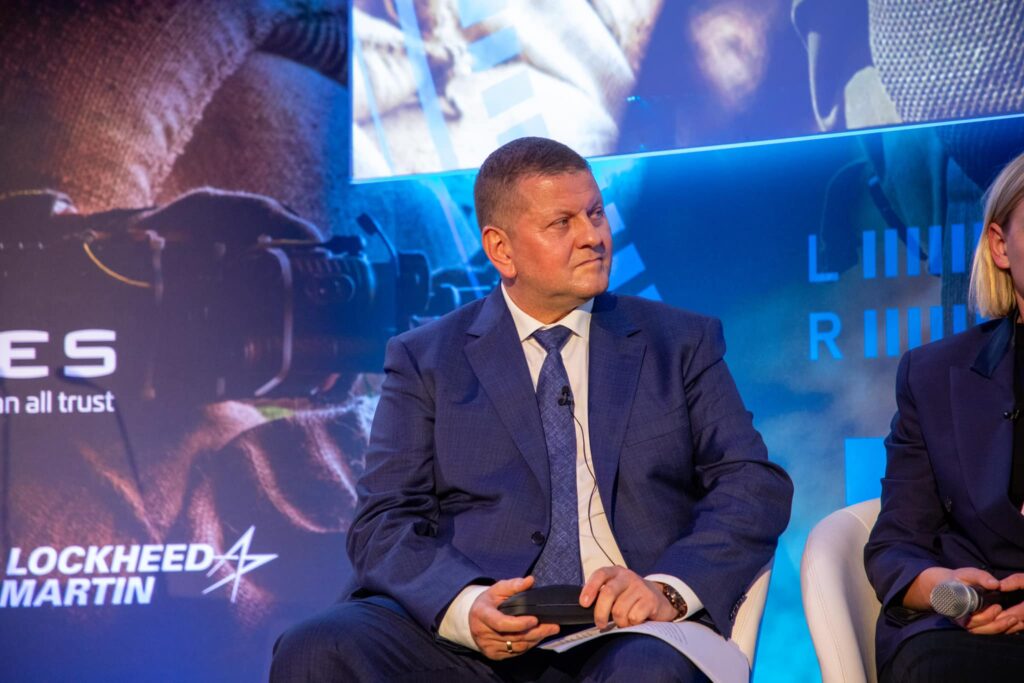
The US Army has suddenly removed the general in charge of the corps that helps coordinate American support to Ukraine. The Army abruptly fired Lieutenant General Charles Costanza, commander of V Corps, roughly two months before his scheduled departure, ABC News reports.
The corps he led is central to the US role on NATO's front line with Russia. Costanza had commanded V Corps since April 2024, a corps partly based in Poland that has taken on an increasingly prominent ro
The US Army has suddenly removed the general in charge of the corps that helps coordinate American support to Ukraine. The Army abruptly fired Lieutenant General Charles Costanza, commander of V Corps, roughly two months before his scheduled departure, ABC News reports.
The corps he led is central to the US role on NATO's front line with Russia. Costanza had commanded V Corps since April 2024, a corps partly based in Poland that has taken on an increasingly prominent role since Russia's full-scale war against Ukraine, helping coordinate US military support for Ukraine and managing the American presence on NATO's eastern flank.
The reason has not been made public
The Army confirmed the removal but not its cause. A service spokesperson said the circumstances remained unclear, and the Army said the matter was "referred to the appropriate authority in accordance with Army regulations," according to The Hill.
Reporting points away from politics. Two US officials told journalists that the removal was not political and was not initiated by Defense Secretary Pete Hegseth, with one source citing conduct that could ground a commander's removal at any level and a former defense official citing alcohol problems. Brigadier General John Mountford, the deputy commander for readiness, has begun his service as acting commander.
It comes amid a wider shake-up of the top brass
The timing places it in a turbulent period for US military leadership. Costanza's removal comes amid a broader shake-up in which more than two dozen senior officers have been removed or sidelined under Hegseth, often without public explanation.
The backdrop is US force posture in Poland
The command change lands amid questions over the US presence in Poland. This year, the Pentagon canceled a planned deployment of a Fort Hood-based armored brigade to Poland, and after the cancellation drew criticism in Warsaw, President Donald Trump announced the US would deploy 5,000 troops in the country.
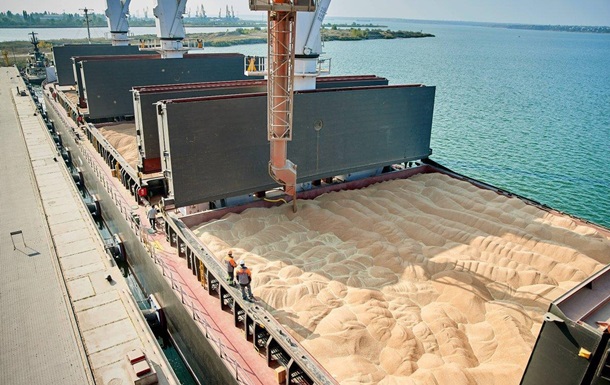
Ukraine's Ministry of Agrarian Policy and Food has asked the European Commission for €220 million ($253 million) in grants to keep its small and medium farmers afloat, after Russian strikes on the Greater Odesa ports severed the sea route that carries most of the country's agricultural exports. The money would cover interest on loans issued under the state "Affordable Loans 5-7-9%" program, the ministry's press service said.
The request marks the point where Russia's Bl
Ukraine's Ministry of Agrarian Policy and Food has asked the European Commission for €220 million ($253 million) in grants to keep its small and medium farmers afloat, after Russian strikes on the Greater Odesa ports severed the sea route that carries most of the country's agricultural exports. The money would cover interest on loans issued under the state "Affordable Loans 5-7-9%" program, the ministry's press service said.
The request marks the point where Russia's Black Sea campaign stopped being a shipping story and became a farm-finance one. With the corridor all but stalled, the ministry projects exports for the 2026/2027 season could fall by almost half, from 64.4 million to about 29.6 million tonnes. Grain the farmers have already harvested is piling up in silos the ministry expects to be full by October, and without cash from those sales, producers cannot finance the autumn sowing that plants next year's crop.
How €220 million turns into €4 billion in loans
The grant is small next to the hole it is meant to plug. Ukraine estimates its farm sector will take in roughly €6.4 billion this season against €11.2 billion in operating costs, and will need about €4 billion in working capital just to keep running. The €220 million would not cover that gap directly. Instead, by subsidizing interest, it is designed to unlock a credit portfolio of up to €4 billion ($4.6 billion) at a rate to farmers of no more than 10%, open to small and medium producers that meet the program's environmental and social criteria. Wheat exports alone could otherwise drop from 17.6 million to 8.3 million tonnes.
The blockade behind the request
Through July, Russia intensified strikes on civilian cargo ships in the Black Sea corridor, killing crew members and, on 22 July, halting traffic entirely — not a single vessel passed that day, at the height of the harvest. Ukraine's government called it "deliberate economic and humanitarian terror." Around 90% of Ukraine's farm exports normally move through three Odesa Oblast ports, and Agriculture Minister Taras Vysotskyi has said the rail, road, and Danube routes that remain can carry only about half the lost volume.
The squeeze is already reaching the fields. Oilseed and grain prices have fallen about 30% as unsold stock backs up inside the country, and the ministry puts direct losses to the sector this year at between $1.5 billion and $3 billion. The government has lowered minimum export prices on some products to keep trade moving, and Prime Minister Serhii Koretskyi has said it is expanding a separate program of grain-backed loans so farmers can borrow against stored crops rather than sell them cheap.
Whether Brussels funds the €220 million request, and how fast, will help decide how much of this year's harvest gets planted — and how much stays stranded in silos while the ports stay shut.
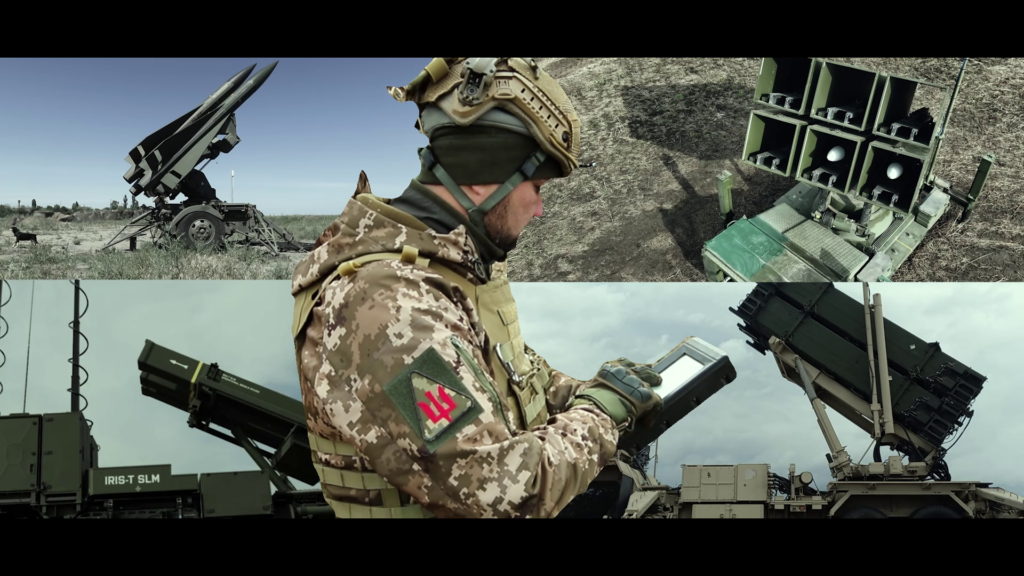
Ukraine expects the joint European FREYJA interceptor program to deliver "concrete results" by the turn of 2026–2027, President Volodymyr Zelenskyy said on 6 August. The program "is already actively underway," he added.
Under the program, Ukraine would manufacture the interceptor and launcher, while European partners would provide radars, sensors, and other critical components.
Zelenskyy said FREYJA is intended to intercept ballistic missiles and would benefit coun
Ukraine expects the joint European FREYJA interceptor program to deliver "concrete results" by the turn of 2026–2027, President Volodymyr Zelenskyy said on 6 August. The program "is already actively underway," he added.
Under the program, Ukraine would manufacture the interceptor and launcher, while European partners would provide radars, sensors, and other critical components.
Zelenskyy said FREYJA is intended to intercept ballistic missiles and would benefit countries across Europe. He said its successful development would place Ukraine among the few countries with an anti-ballistic system of their own.
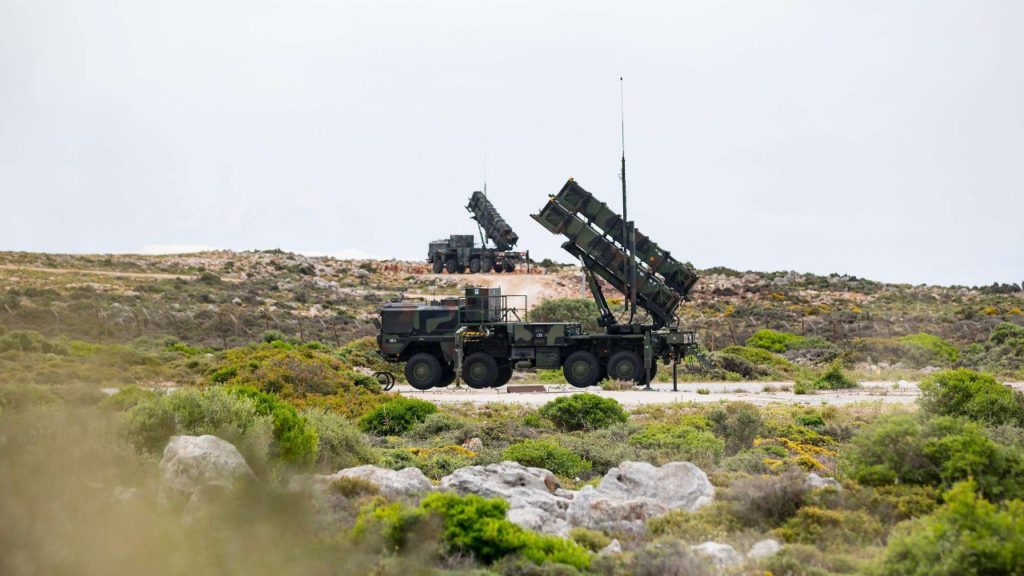
The FREYJA project seeks to address Ukraine's growing shortage of interceptors capable of stopping Russian ballistic missiles. FREYJA will not solve the immediate shortage, but it could reduce Europe's long-term reliance on scarce US-made Patriot interceptors. Recent Russian attacks have shown the consequences of that shortage.
How the FREYJA interceptor would help Ukraine
Ten countries are involved in FREYJA, and Zelenskyy said more partners had agreed to join the effort. Leading European defense companies will contribute the radars, sensors, and other technology the system requires, he said.
This joint venture connects Ukraine's wartime missile production with technologies held by established European manufacturers. Earlier Euromaidan Press reporting described the project as pairing a Ukrainian Fire Point interceptor with European radar, guidance, and sensor technology.
Image: Euromaidan Press
Euromaidan Press noted that each FREYJA round cost about $700,000, compared with roughly $4 million for a PAC-3 interceptor. However, FREYJA is not a one-for-one Patriot equivalent and has not yet demonstrated a ballistic-missile interception. The lower price could matter if Ukraine can manufacture it at scale.
Zelenskyy's timetable concerns "concrete results," not a fully operational or mass-produced system.
The need for FREYJA was on display during Russia's overnight attack on 5 August. Moscow launched 24 ballistic and four anti-ship missiles, and Ukraine reported intercepting none of them. Air defenders neutralized 98 of 115 drones, but missiles and drones still struck 26 locations. 17 people were killed.
July 2026 had already shown the same deterioration. Ukraine only downed two of 36 ballistic missiles in two major attacks, roughly one in eighteen, as Patriot stocks ran low.
Washington offers no quick relief. Trump's July promise of a Patriot production license remains in its early stages, according to the system's manufacturers. Asked about more Patriot interceptors on 6 August, Trump replied that the United States also needed missiles.
The mismatch leaves Ukraine pursuing two tracks: pressing partners for scarce Patriots now while building FREYJA for a less dependent European defense later.
Polish President Karol Nawrocki used a speech marking his first year in office to restate that Poland will keep backing Ukraine's war against Russia—and to frame that backing as cold strategic interest rather than solidarity, warning in the same speech that continued help does not extend to tolerating Ukrainian nationalist symbols" on Polish soil. He spoke on 6 August at a ceremony in the courtyard of the Presidential Palace in Warsaw, reported by RMF FM.
The remarks la
Polish President Karol Nawrocki used a speech marking his first year in office to restate that Poland will keep backing Ukraine's war against Russia—and to frame that backing as cold strategic interest rather than solidarity, warning in the same speech that continued help does not extend to tolerating Ukrainian nationalist symbols" on Polish soil. He spoke on 6 August at a ceremony in the courtyard of the Presidential Palace in Warsaw, reported by RMF FM.
The remarks land at the hottest point yet in a Polish-Ukrainian memory row that has stripped Kyiv of much goodwill from its most important frontline ally. Poland's interest, Nawrocki said, is that Ukrainians fight "as long as possible and as effectively as possible" against Russia, keeping it far from Poland—help offered not out of shared cause but because a Ukraine that bleeds Russia serves Warsaw. Coming from the country most vital to Ukraine's supply lines, it is a statement of support recast as conditional self-interest.
Support as strategy, not solidarity
"Poland's interest is that Ukraine and Ukrainian soldiers cope as well as possible with the post-Soviet Russian Federation and keep it as far from Poland as possible. That is obvious; that is the Polish state's strategy," Nawrocki said. "Let them kill the Soviets who attacked them—it does not hurt us Poles at all. In this they can always count on our help, because where a Muscovite is beaten, Poland helps, even if it does not take part directly in this war."
The register was deliberate. Nawrocki, a historian who ran the Institute of National Remembrance before winning the presidency, used the pejoratives "Soviets" and "Muscovites" for Russians throughout, casting Polish aid as a matter of keeping the fight on the far side of the border.
The red line: no Bandera flags
The support came fenced. "It is also Poland's strategic interest that Bandera flags do not fly in Warsaw or anywhere in Poland," Nawrocki said, promising to help "but always saying: Poland first, Poles first"—not, he added, "thoughtlessly sending fleet after fleet without analysis, on phone calls and smiles."
The condition points straight at the dispute that has consumed the relationship since May, when Zelenskyy signed a decree granting a special-forces unit the honorary title "Heroes of the UPA," the insurgent army Poland's parliament holds responsible for the Volhynia killings of tens of thousands of Poles and has declared a genocide. Nawrocki stripped Zelenskyy of the Order of the White Eagle in response; in July he pressed parliament to ban the UPA's red-and-black flag by law.
Moscow moves to widen the gap
Russia moved to pry the crack open within hours. Foreign ministry spokeswoman Maria Zakharova derided Nawrocki as a former Gdansk war-museum director whose "clinical Russophobia," she claimed, was affecting his judgment, and reminded him that Russia and Poland share a border "with no Ukraine and no Ukrainians between us"—the erasure of Ukraine stated plainly, from Moscow's own podium.
That is the move Warsaw itself has warned about. Polish officials have cautioned that Russia would seek to exploit the Ukraine tensions, and Polish services recently detained a group accused of recruiting Ukrainians for paid anti-Ukrainian rallies on Russian instructions. The memory feud, as one Polish advocate for Ukraine told Euromaidan Press in June, is theater that serves only one audience—the one in the Kremlin.
The United States and Ukraine are working together to put fresh missiles into Ukraine's aging Soviet-era S-300 air defenses, retired US Army colonel Robert Hamilton told PBS NewsHour. These long-range systems shoot down aircraft, but the missiles that feed them have been depleted. The effort—retrofitting old rounds or building a newer variant—would revive launchers Ukraine already owns.
Ukraine's air defense runs on a shrinking supply of interceptors, with Russian b
The United States and Ukraine are working together to put fresh missiles into Ukraine's aging Soviet-era S-300 air defenses, retired US Army colonel Robert Hamilton told PBS NewsHour. These long-range systems shoot down aircraft, but the missiles that feed them have been depleted. The effort—retrofitting old rounds or building a newer variant—would revive launchers Ukraine already owns.
Ukraine's air defense runs on a shrinking supply of interceptors, with Russian ballistic and drone strikes outpacing what allies can ship. The chokepoint is production capacity, not willingness—and Hamilton frames the S-300 rebuild as one of the slower-burn fixes that ease the strain on scarce Western systems rather than replace them.
A working system near the end of 2026
Hamilton, who heads the Delphi Global Research Center, said the joint effort should come online near the end of 2026 and could turn out "100 or a couple of hundred" anti-aircraft missiles a year. He described the work as an effort to "essentially retrofit or upgrade the old S-300 missiles or a newer variant of the S-300" and give the system better capabilities.
Explore further
Ukraine drones hit Crimea’s S-300/S-400 near Kerch—and knocked out power across four occupied territories overnight
In September 2024, then-US Defense Secretary Lloyd Austin announced at the Ramstein contact group that Washington, in partnership with several European companies, was working with Ukraine to "design and build a substitute" for the Soviet S-300 and the R-27 air-to-air missile used by fighter jets. He never spelled out what that substitute would be.
Why Ukraine's S-300s ran law
When Russia launched its full-scale invasion in 2022, Ukraine held roughly 25-30 S-300PT/PS battalions in varying states of readiness. As the missiles ran out, Kyiv came to lean on Western air defense systems and interceptors while Russia keeps launching mass strikes.
Explore further
“Very good results” – Wave of Ukrainian strikes across Russia and Caspian Sea overnight target warships, air defenses, logistics
Anything Ukraine can build or rebuild on its own soil is a supply that no foreign stockpile or political fight can cut off.
That same logic is pushing Kyiv toward co-producing Patriots with US firms and fielding its own ballistic interceptor—a race to turn air defense into a domestic industry before the next winter of strikes.
Ukraine's Main Directorate of Intelligence (HUR) destroyed a Pantsir-S1 air defense system worth an estimated $15 million and a military crane in occupied Crimea, HUR reported. The agency's Group 13 used maritime drones as drone carriers to deliver the strikes on ground targets. Separately, monitoring channels reported explosions across the peninsula from Kerch to Sevastopol overnight on 7 August, hitting the airfield Russia uses to launch Shaheds at Ukrainian cities.
T
Ukraine's Main Directorate of Intelligence (HUR) destroyed a Pantsir-S1 air defense system worth an estimated $15 million and a military crane in occupied Crimea, HUR reported. The agency's Group 13 used maritime drones as drone carriers to deliver the strikes on ground targets. Separately, monitoring channels reported explosions across the peninsula from Kerch to Sevastopol overnight on 7 August, hitting the airfield Russia uses to launch Shaheds at Ukrainian cities.
The strikes on air defense run alongside a broader isolation campaign. Ukraine's drones have hit 201 shadow fleet vessels in three weeks, the Kerch Strait supply route is blocked indefinitely, and Ukraine's defense minister said the drone campaign is turning Crimea into an island. Earlier this week, the SBU damaged two FSB coast guard ships in Kerch that had been guarding the Crimean Bridge.
FPV drones launched from Magura platforms destroy air defense
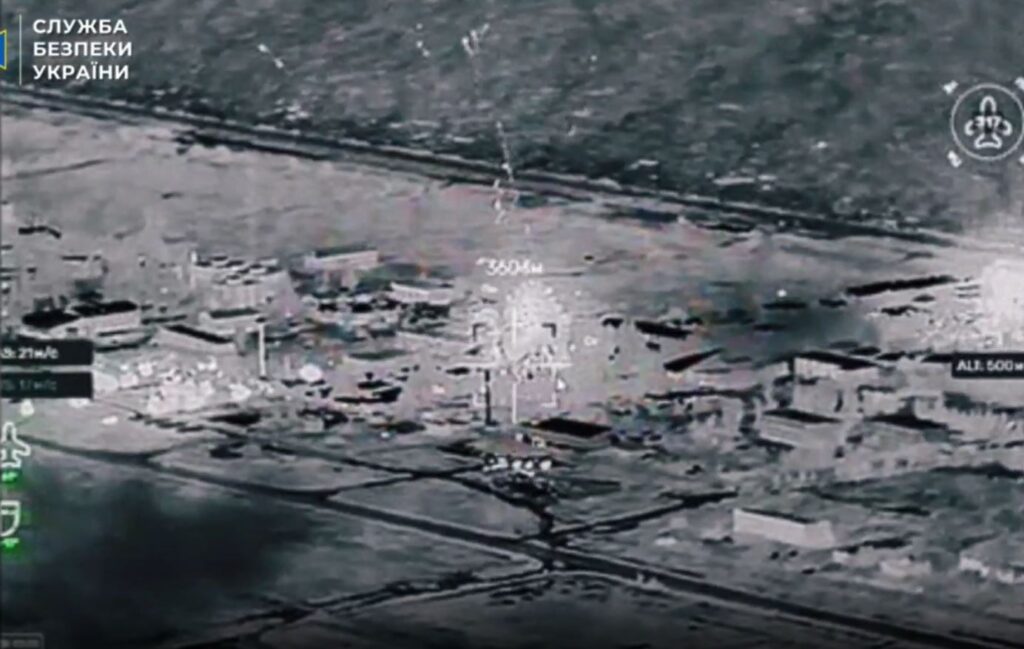
HUR's Group 13 used Magura naval platforms as floating carriers for FPV drones. The drones flew from the platforms to strike a camouflaged Pantsir-S1 and a military crane on land, the agency's video shows. HUR estimated the destroyed air defense system at $15 million.
HUR did not specify the exact location but said the operation took place in early August 2026. The Pantsir-S1 is a short-range gun-and-missile system Russia deploys to protect higher-value assets such as S-400 batteries and command posts. Each one destroyed leaves a gap in the layered coverage Russia relies on over the peninsula.
The agency noted that Group 13 operators recently struck a Podlyot radar control vehicle and a Parol-4 radar interrogator in Crimea as well.
The Pantsir kill adds to a months-long campaign that has destroyed nearly 200 Russian air defense assets in the first half of 2026 alone by the Unmanned Systems Forces.
Overnight strikes sweep peninsula from Kerch to Sevastopol
Separately, overnight on 7 August, Ukraine struck at least six locations across occupied Crimea.
Monitoring Telegram channel Krymsky Veter reported explosions and gunfire in Kerch at 02:38. Near Alushta, four strong explosions were heard in the village of Malorichenske close to a large power substation. In Sevastopol, mobile fire groups engaged targets without an air-raid alert, and residents reported a powerful explosion near Cape Fiolent.
Explore further
Ukraine’s sea drone that never touched the shore struck two Russian radars in occupied Crimea
The heaviest strikes hit the Hvardiiske military airfield, which Russia uses to launch Shahed attack drones against Ukrainian cities. Hits landed in two waves, from 03:30 to 03:39 and from 04:34 to 04:47. A fuel and lubricants depot caught fire, and small-arms ammunition began detonating, Krymsky Veter reported. Residents described two fire sites visible for kilometers. The Crimean Bridge was temporarily closed during the strikes.
In Feodosia, initial reports of a strike on the oil depot were corrected: the hit likely landed on a concentration of Russian military equipment at the former 13th military compound on the Kerch Highway. Krymsky Veter noted the same compound was struck on 22 June. A vessel also burned at sea off Gelendzhik overnight.
No official confirmation of the strikes' results has been issued.
Ukrainian jamming worked too well: it compelled Russian drone developers to innovate
Now many Russian drones communicate via unjammable optical fiber or jam-resistant mesh radio
But the Russians can't make all the hardware themselves
Instead, they rely on Chinese imports
Frustrated by Ukrainian electronic warfare, Russia transformed its drone arsenal to be harder—or impossible—to jam.
Most of Russia's tiny first-person-view drones now send and receive s
Ukrainian jamming worked too well: it compelled Russian drone developers to innovate
Now many Russian drones communicate via unjammable optical fiber or jam-resistant mesh radio
But the Russians can't make all the hardware themselves
Instead, they rely on Chinese imports
Frustrated by Ukrainian electronic warfare, Russia transformed its drone arsenal to be harder—or impossible—to jam.
Most of Russia's tiny first-person-view drones now send and receive signals via jam-proof fiber optic cable instead of wireless radio. For heavier one-way attack drones that travel too far for fiber optics, the Russians have mostly switched to jam-resistant mesh radio networks made up of many interconnected senders and receivers.
In both cases, China is key. Chinese companies sell Russian companies the optical fibers and mesh modems that the Russians install in their drones. In other words, Beijing is the critical enabler in Moscow's ongoing aerial aggression.
That's the unsurprising yet sobering conclusion that Tatarigami, the founder of the Ukrainian Frontelligence Insight analysis group, reached in a recent investigation.
It's not enough for Ukrainian forces to shoot down or otherwise defend against Russian drones, or to fight back with their own drones. To win the drone war, Ukraine and its allies must "step up pressure on Chinese manufacturers," Tatarigami wrote.
Russia's response to electronic warfare wasn't a single solution. It evolved along two major paths: fiber-optic drones and mesh networks. This thread summarizes Frontelligence Insight analysis based on OSINT data and a report by the Center for Defense Reforms. Threadpic.twitter.com/k0v0ZeWKYB
As the drone war over Ukraine ramped up in 2022 and 2023, most Russian FPVs were wireless models. And most heavier one-way attack drones navigated via satellite. Both classes of drone could be jammed. A cottage industry of Ukrainian electronic warfare producers sprung up. Each firm offered some variation of a radio noisemaker that can ground or misdirect wireless and satellite-guided drones.
The jamming worked. Combined with kinetic defenses—guns and missiles—and add-on protections such as mesh, cages and netting, the jamming blunted the impact of Russia's drone arsenal. But the Russians adapted. The turning point came in the spring of 2025, when Russia's elite Rubicon Center drone group led the counterattack against Ukrainian troops occupying parts of Kursk Oblast in western Russia.
Rubicon's fiber optic FPVs wreaked havoc on Ukrainian forces in the Kursk salient, damaging or destroying hundreds of trucks and other vehicles in the span of a few weeks. Starving for supplies and in danger of being cut off, the Ukrainians retreated.
But the Russian adaptation was just beginning. The Russians are now launching 10,000 FPVs a day. And in certain key sectors, 60% of the FPVs were fiber optic models, according to Tatarigami. The Ukrainians can shoot down these drones and block them with armor, nets and earthworks. They can also strike at the Russian FPV teams before the Russians can launch their FPVs.
But there's one thing the Ukrainians can't do: they can't jam the drones.
Over the past six months, SBS has been able to narrow the drone usage gap. They started at 1 for every 3 Russian drones in February, after russia spiked to 9K strikes and are running at 1 for every 2 by August. pic.twitter.com/9GWrU0fx4W
Jamming continued to work against many one-way attack drones that must travel hundreds or even thousands of kilometers—too far for optical fiber. Another turning point came in February, when Elon Musk's Starlink bricked Russia's thousands of smuggled and stolen satellite terminals, some of which Russian forces used to control the approximately 5,000 Geran attack drones they launch every month.
The Starlink shutdown compelled Russian developers to accelerate the transformation of the one-way attack drone force. "Russia's second adaptation was mesh networking, routing data through mesh modems to keep communications alive across both short and long-range drones," Tatarigami explained.
It's possible to jam a mesh radio network, but it's hard. Every drone in a given network is a node. It's not enough to jam a few of them; you have to jam all of them.
Chart: Euromaidan Press
If there's a constraint on Russia's switch to fiber optics and mesh networks, it's that Russian industry can't produce all the necessary hardware. "Unable to meet domestic demand, Russia turned to China," Tatarigami wrote.
The Washington Postreported Chinese optical fiber shipments to Russia growing from 119,000 miles in May 2025 to 328,000 miles that August. China sent Ukraine 72 miles the same month. For mesh networking, the Russians came to depend on XK-F358 modems from China's Shenzhen Xingkai Technology.
Ukraine's overstretched air defenses can't shoot down every Russian attack drone. Ukrainian troops and vehicle crews can't hide from 10,000 Russian FPVs a day. To defeat Russia's jam-proof drones, Ukraine and its allies must cut off the supply of Chinese parts, Tatarigami stressed.
They should extend export controls to modem-makers and producers of optical fiber, reels for the fiber and equipment associated with fiber production. "The recommendation is to expand sanctions beyond individual firms to the entire supply chain," Tatarigami advised.
Ukraine has a new deep strike drone
The Bravo has an unusual shape for a drone, with a blended wing and body
The shape confers greater efficiency, and thus greater range and payload, at certain speeds
Ukraine's latest deep strike drone is one of a kind. The Triada Robotics Bravo features a "blended wing body" design that's rarely seen on a drone. The special platform maximizes lift and minimizes drag, helping the drone fly farther for a given speed and payload
The Bravo has an unusual shape for a drone, with a blended wing and body
The shape confers greater efficiency, and thus greater range and payload, at certain speeds
Ukraine's latest deep strike drone is one of a kind. The Triada Robotics Bravo features a "blended wing body" design that's rarely seen on a drone. The special platform maximizes lift and minimizes drag, helping the drone fly farther for a given speed and payload than a conventional "tube and wing" drone can do.
A stubby jet drone appeared fleetingly in a video shot from the ground during a strike on the Ufa refinery cluster in Bashkortostan on 2 August, more than 1,700 km from the Ukrainian border. Ukrainian forces hit the three Bashneft plants at Ufa on 1, 2, and 5 August.
Ukraine's drones hit Bashneft refineries in Ufa. Map: Euromaidan Press
No official body has identified the aircraft in the footage. Online observers compared the silhouette to the American F-117 Nighthawk; the outline is also consistent with the renders Triada publishes of the Bravo. The clip runs a few tenths of a second.
Everything that has reached that deep into Russia until now has been propeller-driven, plodding along at less than 200 km/hr. A jet Bravo cruising at 600 km/hr covers the same 1,700 km in under three hours instead of nine and a half. That is the difference between an air defense network with all morning to work out where a drone is going and one with a couple of hours.
Exactly what the drone in the video was aiming for, and whether it struck its target, is unclear. But that's not stopping Russian observers from panicking. "Shooting down a drone is practically impossible," one Russian blogger moaned.
It's untrue. Motoring along at 600 km/hr—Triada claims around 800 km/hr in the final phase of flight—the jet-propelled Bravo is neither the fastest Ukrainian deep strike munition nor the slowest. If Russian air defenses can take down 950 km/hr Fire Point FP-5 Flamingo cruise missiles, they can take down Bravos, too. Detecting one is a separate question: Triada says the Bravo's composite airframe reduces its radar cross-section.
Explore further
Russia just copied Ukraine’s cleverest drone hunter
But invulnerability surely wasn't the main goal when Kyiv-based Triada Robotics designed the Bravo over the past couple of years. Efficiency was the objective. Which is probably why the firm chose the blended-wing-body arrangement for the one-way explosive drone, which it lists at around 174,000 euros—roughly $200,000.
The blended shape "provides many different aerodynamic benefits over conventional aircraft design," Oliver Johnson and Sam Dakka wrote in a 2019 article in International Journal of Aviation, Aeronautics and Aerospace.
Most drones, like most manned aircraft, have the same layout: a tube-shaped body and separate wings jutting from the body. These tube-and-wing aircraft are the easiest to conceptualize and the most straightforward to assemble, as the fuselage and wing can be built independently and attached during production.
The problem is drag, especially at the junctures between body and wing. A draggier airframe suffers a range and speed penalty compared to a less draggy airframe.
An unidentified Ukrainian jet-powered drone was filmed during yesterday's attack on Russian territory.
It is believed to be either the Bravo drone developed by Triada Robotics, which reportedly has a range of up to 2,000 km, a 100–200 kg warhead, and a top speed of 650–700 km/h,… pic.twitter.com/3ZtweKwR6t
There are alternatives to tubes and wings. Flying wing aircraft such as the US Air Force's B-2 and B-21 stealth bombers, both built by Northrop Grumman, are all wing—and have neither an identifiable fuselage nor horizontal or vertical stabilizers. They look like boomerangs.
At subsonic speed, that shape is less draggy than a tube and wing shape is, and thus more efficient for long-range flight. At the same time, a flying wing's lack of sharp angles reduces its radar reflectivity. In short, it can be very stealthy and hard to detect on radar.
The downside of a flying wing is that it's unstable and requires sophisticated flight controls to keep it in the air.
A blended wing body shape is a kind of compromise between a flying wing design and a tube and wing design. There's a fuselage and a wing and stabilizers, but the fuselage and wing blend into each other. A blended wing body isn't as stealthy as a flying wing is, but it's easier to control.
Explore further
Ukraine’s AI drones hammer Russian supply lines. Russia’s $10,000 drone just got the same kit
And it's still less draggy than a tube-and-wing type. "The improvements increase the overall lift to drag ratio providing a higher performance aircraft saving 27% fuel burn per passenger mile that of the modern conventional configuration," Johnson and Dakka wrote.
That benefit is apparent in the Bravo's performance specifications. The drone reportedly ranges 2,000 km with a warhead of 100 to 200 kg and AI-assisted targeting, flying as high as 5,000 m. It's unclear how the Bravo navigates, but it's probably via some combination of satellite and inertial systems.
It's an impressive set of stats. A $50,000, propeller-driven Fire Point FP-1 ranges slightly farther—2,300 km—but the FP-1 cruises at just 180 km/hr and packs a 60-kg warhead. The Bravo is more than three times as fast and carries at least half again as much explosive, and possibly triple, while still flying far enough to reach deep inside Russia.
Yes, the Bravo costs four times as much as the FP-1 does, probably in part because of the jet propulsion, but that could change if Triada Robotics can scale up production. Co-founder Artem Veselov has said the company aims for a first pre-series batch of 100 by the end of the year. For now, the Bravo is a rarity. But it may become much more common in the sky over Russia in the coming months.
Azerbaijan's top diplomat stood in the town that stopped Russia's drive on Kyiv and offered Ukraine help. Foreign Minister Jeyhun Bayramov has visited Irpin in Kyiv Oblast as part of an official visit to Ukraine, Azerbaijan's Foreign Ministry said on X.
The visit is a marker of how far Baku has swung toward Kyiv as its relations with Moscow have collapsed. Ukrainian-Azerbaijani ties improved sharply in 2024 and 2025 after a series of aggressive Russian actions, includin
Azerbaijan's top diplomat stood in the town that stopped Russia's drive on Kyiv and offered Ukraine help. Foreign Minister Jeyhun Bayramov has visited Irpin in Kyiv Oblast as part of an official visit to Ukraine, Azerbaijan's Foreign Ministry said on X.
The visit is a marker of how far Baku has swung toward Kyiv as its relations with Moscow have collapsed. Ukrainian-Azerbaijani ties improved sharply in 2024 and 2025 after a series of aggressive Russian actions, including Russian forces shooting down an Azerbaijani airliner near Grozny in December 2024, killing 38, and later raids that killed two Azerbaijani citizens, prompting Baku to openly strengthen ties with Kyiv.
Bayramov chose to visit Irpin, the town that became a legendary bulwark against Russia's 2022 advance on Kyiv, where Russia killed some 300 civilians and left over 70% of housing destroyed before its liberation on 28 March 2022, Ukrainska Pravda reports.
Baku offers gas and energy cooperation
At a joint press conference with Ukrainian Foreign Minister Andrii Sybiha, Bayramov made a specific offer. Azerbaijan is ready to supply gas to Ukraine if needed and to expand cooperation on energy security, including the use of Ukraine's underground gas storage, he said, per Ukrinform.
Energy is the anchor of the relationship. Bayramov called energy cooperation one of the most important areas of economic ties between the countries, noting that Azerbaijan's state oil company, SOCAR, has been present on the Ukrainian market for a decade and has plans for future energy cooperation.
Ukraine's gas storage is an asset
Bayramov called Ukraine's underground gas storage system, the largest in Europe, a very important asset and said an extremely dynamic dialogue is underway between Baku and Kyiv on key elements of energy cooperation.
That storage matters strategically. Ukraine's vast underground capacity offers a route to move Caspian gas into Europe as an alternative to Russian supplies, part of why Russia has bombed Ukraine's southern gas infrastructure. An Azerbaijani offer to use it deepens a partnership Russia has reason to want severed.
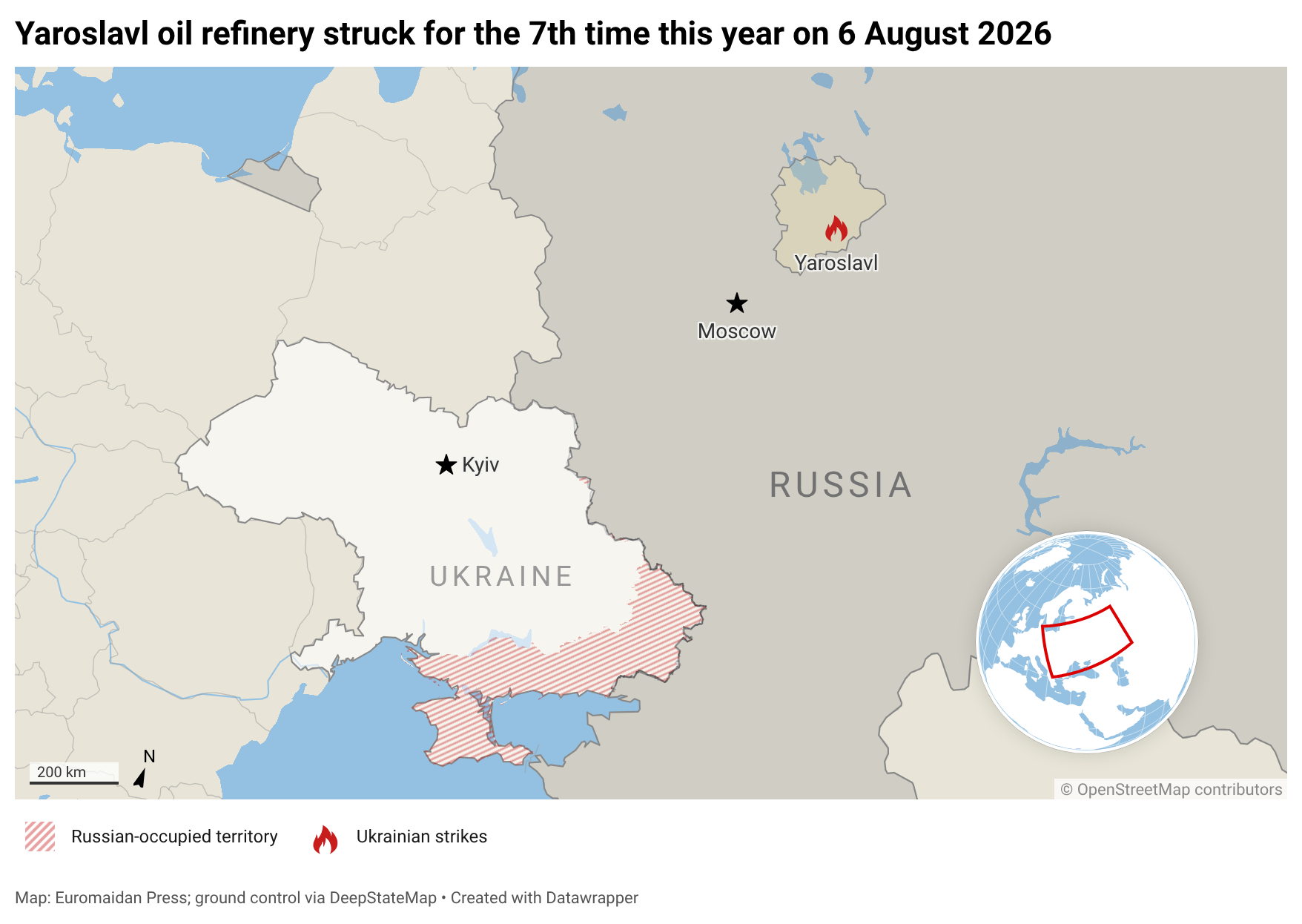
Ukraine reached one of Russia's largest refineries and hit its coast guard in occupied Crimea in one operation. The Security Service of Ukraine (SBU), together with the Defense Forces, struck the Slavneft-YANOS refinery in Yaroslavl, over 700 kilometers from Ukraine's border, the SBU reported.
The refinery is a major node in Russia's fuel supply to its capital region. The Yaroslavl refinery is one of the five largest oil-refining enterprises in Russia, with a capacity o
Ukraine reached one of Russia's largest refineries and hit its coast guard in occupied Crimea in one operation. The Security Service of Ukraine (SBU), together with the Defense Forces, struck the Slavneft-YANOS refinery in Yaroslavl, over 700 kilometers from Ukraine's border, the SBU reported.
The refinery is a major node in Russia's fuel supply to its capital region. The Yaroslavl refinery is one of the five largest oil-refining enterprises in Russia, with a capacity of nearly 15 million tons of oil per year, producing gasoline, diesel, aviation kerosene, and other strategically important products for central Russia and the Moscow metropolitan area.
The refinery took multiple hits
The strike set several parts of the plant on fire. At least six explosions were heard on the refinery's grounds, and fires broke out in four different parts of the plant.
The damage hit both storage and processing. According to preliminary information, four crude oil tanks were damaged, resulting in a spill. Two tanks were engulfed in fire, and key processing units were also damaged and set alight. Striking both the tanks that hold the crude and the units that refine it degrades the plant's ability to produce fuel, not just store it.
The Kerch strike hit FSB coast guard ships
The second target was in occupied Crimea. Drone strikes on the port in Kerch damaged two Project 10410 "Svetlyak" patrol ships of the FSB coast guard, the "Balaklava" and the "Kerch".
Hitting the FSB's patrol vessels chips at Russia's ability to guard the waters around occupied Crimea and the Kerch Strait, the same maritime chokepoint Ukraine's shadow-fleet campaign has targeted.
The strikes fit the campaign against Russia's war economy
The operation extends Ukraine's sustained effort to drain Russia's fuel revenue and military logistics. The SBU said it consistently works to reduce Russia's military-economic potential, and that military sites, fuel-and-energy enterprises, and other legitimate targets working for Russia's aggression will keep coming under fire.
On 4 August, Kazakhstan’s Trade and Integration Minister, Arman Shakkaliyev, confirmed that Russia’s largest online retailer is building 260,000 square meters of warehousing space in Almaty and Astana.In the same appearance, he told Kazakh shoppers to favor domestic marketplaces instead. Take the construction money, steer the customers away: that is Astana’s answer to a war that has driven Wildberries to look abroad for shelter.
Take the construction money, steer the cu
On 4 August, Kazakhstan’s Trade and Integration Minister, Arman Shakkaliyev, confirmed that Russia’s largest online retailer is building 260,000 square meters of warehousing space in Almaty and Astana.
In the same appearance, he told Kazakh shoppers to favor domestic marketplaces instead. Take the construction money, steer the customers away: that is Astana’s answer to a war that has driven Wildberries to look abroad for shelter.
Take the construction money, steer the customers away: that contradiction is Astana’s answer.
The warehouses aren’t new—they’ve been under construction for years. And officially, the ministry says, Wildberries hasn’t asked to move its Russian operations to Kazakhstan at all. Astana is drawing a careful line: a Russian company can build here, but it cannot relocate its business here to escape the drones.
The wariness predates the strikes. Kazakhstan already taxes foreign marketplaces at 12% and can block those that fail to register. Of marketplace complaints logged in 2024, 73.7% concerned Wildberries, even as home-grown Kaspi held more than 70% of the market to Wildberries’ 17.2%. Astana was fencing the platform in before the first drone struck.
The bill reaches the neighbors
Kazakh sellers put their losses at roughly 2 billion tenge ($4.2 million) by one count, and the Ecommerce-KZ association estimates more than $2.1 million—neither figure has been confirmed, and the minister has told people not to trust the numbers circulating online.
More than 120,000 Kazakh entrepreneurs were on the platform at the end of 2025, and Wildberries says it is repaying them in stages, working with the ministry and the business chamber Atameken.
Kyrgyzstan is hit harder. Its garment industry leans heavily on Wildberries, and individual producers have lost between 1 million and 100 million soms ($11,400 to $1.14 million) each—enough that Bishkek offered a tax holiday to garment firms through year-end.
What Wildberries wants sheltered is not neutral cargo. Ukraine says it strikes the retailer because the platform is used to trade body armor, drones, and their components that reach Russian forces.
Explore further
Russia can rebuild Wildberries warehouses more easily than it can replace warehouse workers
That leaves Kazakhstan exposed: it has spent the past year tightening dual-use export controls to avoid Western secondary sanctions, and now a company that sells to the Russian military wants to move its logistics onto Kazakh ground.
For now, the shelter barely exists. Wildberries wants to rent about 100,000 square meters—close to every empty warehouse Kazakhstan has—and the complexes it is building will not open until 2027. By then, Astana may have made up its mind about how much of Russia’s retreat it actually wants on its soil.
German security services believe Russia was preparing to assassinate the head of a company that supplies drones to Ukraine, according to Die Zeit. Two suspected agents who surveilled him have been arrested, and officials warn the case marks a deadlier turn in Russian operations inside Germany.
Russia's shadow campaign against European states has grown from disinformation into drone overflights, arson, and the tracking of people who help Ukraine. Moscow increasingly hire
German security services believe Russia was preparing to assassinate the head of a company that supplies drones to Ukraine, according to Die Zeit. Two suspected agents who surveilled him have been arrested, and officials warn the case marks a deadlier turn in Russian operations inside Germany.
Russia's shadow campaign against European states has grown from disinformation into drone overflights, arson, and the tracking of people who help Ukraine. Moscow increasingly hires vulnerable people and migrants for the dangerous work.
Surveillance of a drone-maker
Investigators say the target is Stefan Thumann, head of the Bavarian startup Donaustahl, which makes reconnaissance and kamikaze drones for Ukraine. In December 2025, a recruit filmed his home and photographed the nameplate, focusing on the man rather than the company, security services believe. Thumann has been outspoken against Moscow, posting that "Russia doesn't want peace. It wants the destruction of the West."
Two arrests
A foreign intelligence service flagged Thumann as high-risk in December 2025. Bavarian police arrested Serhii N., a former bricklayer from Kharkiv with no intelligence training, then released him before analyzing his phones. The devices later showed contact with Russian intelligence and attempts to trail his father, investigators found. He fled to Spain, and a Romanian woman, Alla S., continued the surveillance. Both were arrested in March 2026, in Spain and North Rhine-Westphalia.
Explore further
Fourth suspect arrested in arson attack on Czech factory that made drones and thermal optics for Ukraine
Russia recruits such disposable agents online, paying people from precarious backgrounds for surveillance, arson, and sabotage, and discarding them afterward. Ukraine's own SBU security service has reported dozens of cases in 2026 of Russia recruiting Ukrainians at home for arson and sabotage, often by forging Ukrainian security summonses to pose as their own government.
The BfV, Germany's domestic intelligence service, classifies the case as a suspected planned assassination. A federal investigating judge was not convinced, so the arrest warrant cites only suspected intelligence-agent activity. Lawyers for both suspects declined to comment.
Explore further
A French factory that makes drones for Ukraine was firebombed with Molotov cocktails
A widening threat
A second German arms company is reportedly in Russian intelligence's sights, investigators say. On 11 June, Serbian officers stopped a truck of concealed explosives apparently bound for Bavaria, home to Donaustahl, Quantum Systems, and Helsing.
The threat has precedent: agents had Rheinmetall chief Armin Papperger watched in 2024, and an FSB killing struck a Georgian exile in Berlin in 2019. It fits a broader Russian sabotage campaign across Europe.
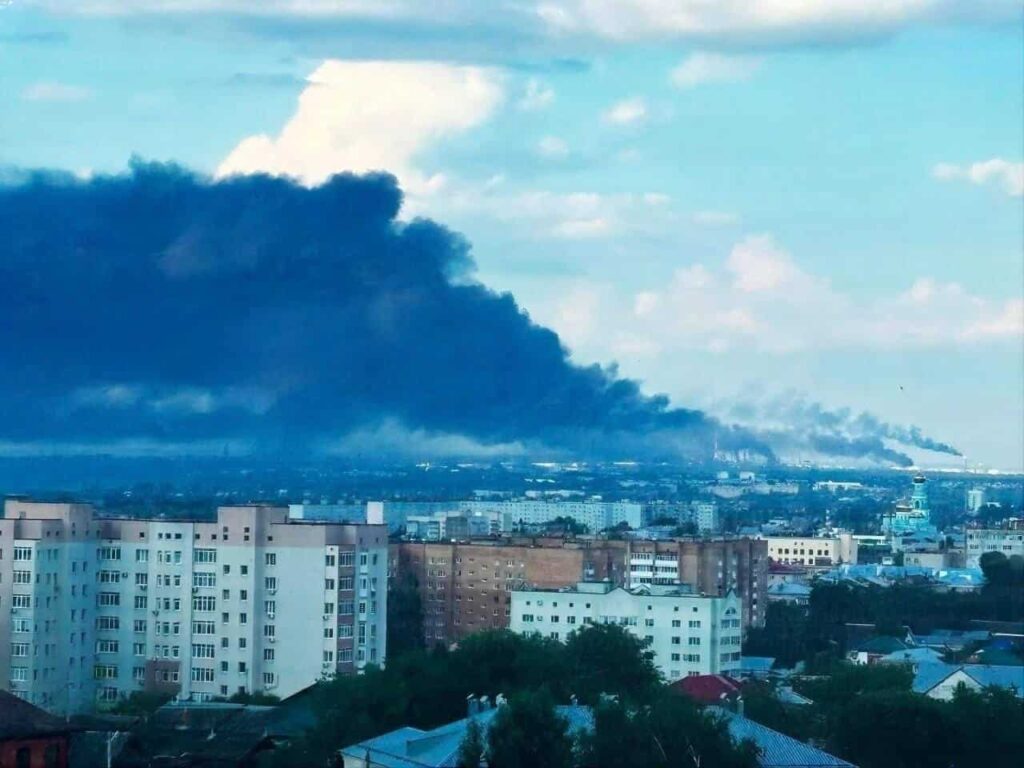
Ukrainian drones struck one of Russia's five largest oil refineries in Yaroslavl on the morning of 6 August, setting off several fires across the site, monitoring channels reported. Open-source analysts placed the blazes on the refinery grounds, while the region's governor claimed his air defenses downed the entire raid. The strike continued a months-long campaign that has pushed Russian oil refining to its lowest level in more than two decades.
Ukraine has turned long-
Ukrainian drones struck one of Russia's five largest oil refineries in Yaroslavl on the morning of 6 August, setting off several fires across the site, monitoring channels reported. Open-source analysts placed the blazes on the refinery grounds, while the region's governor claimed his air defenses downed the entire raid. The strike continued a months-long campaign that has pushed Russian oil refining to its lowest level in more than two decades.
Ukraine has turned long-range drones into an economic weapon in 2026, hitting the refineries and export terminals that bankroll Russia's war. The damage has reached ordinary Russians, with fuel shortages spreading from city pumps to farms and buses. A parallel campaign that started last month targets warehouses of Russia's largest online retailer.
Fires break out across the refinery
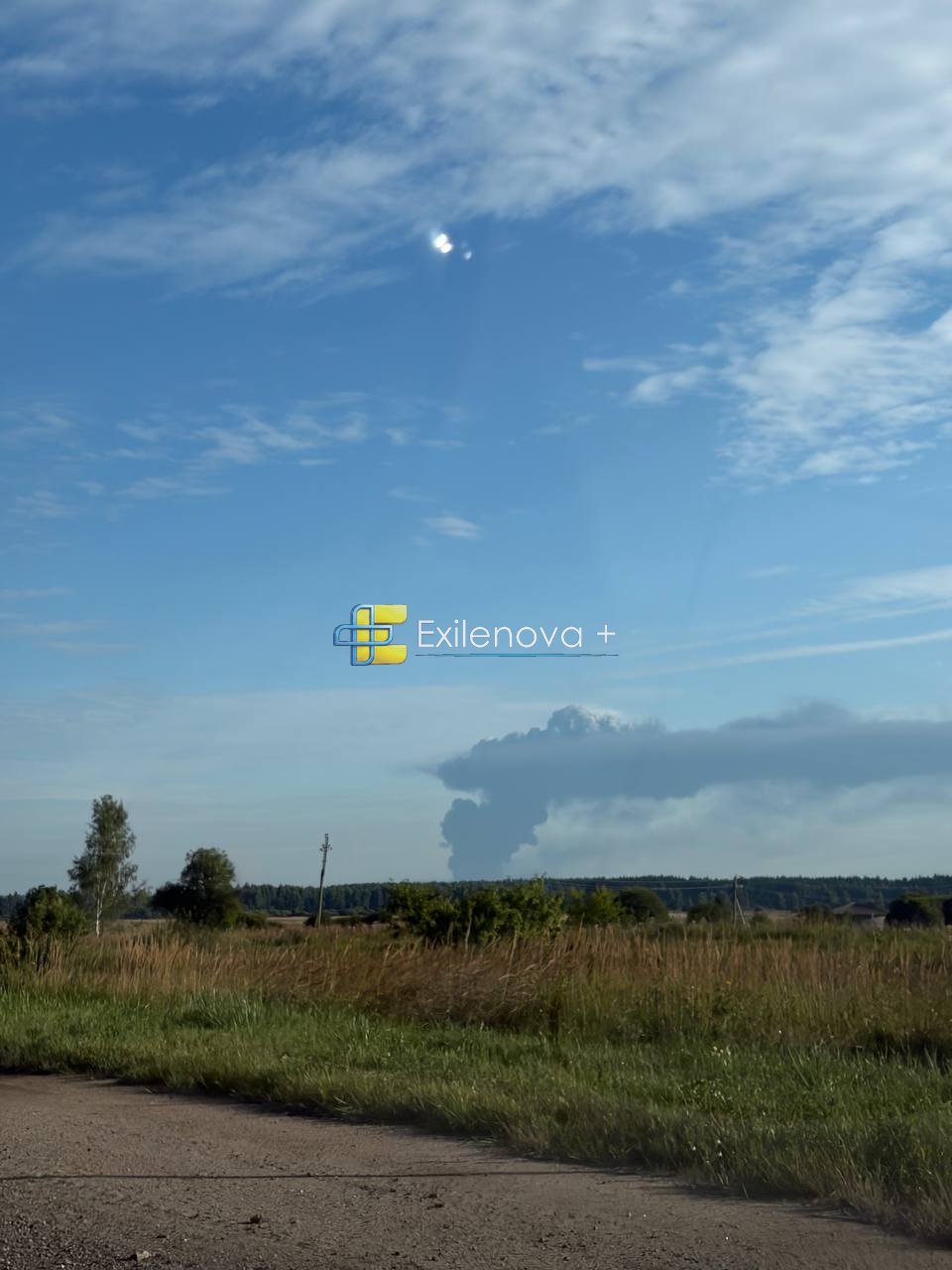
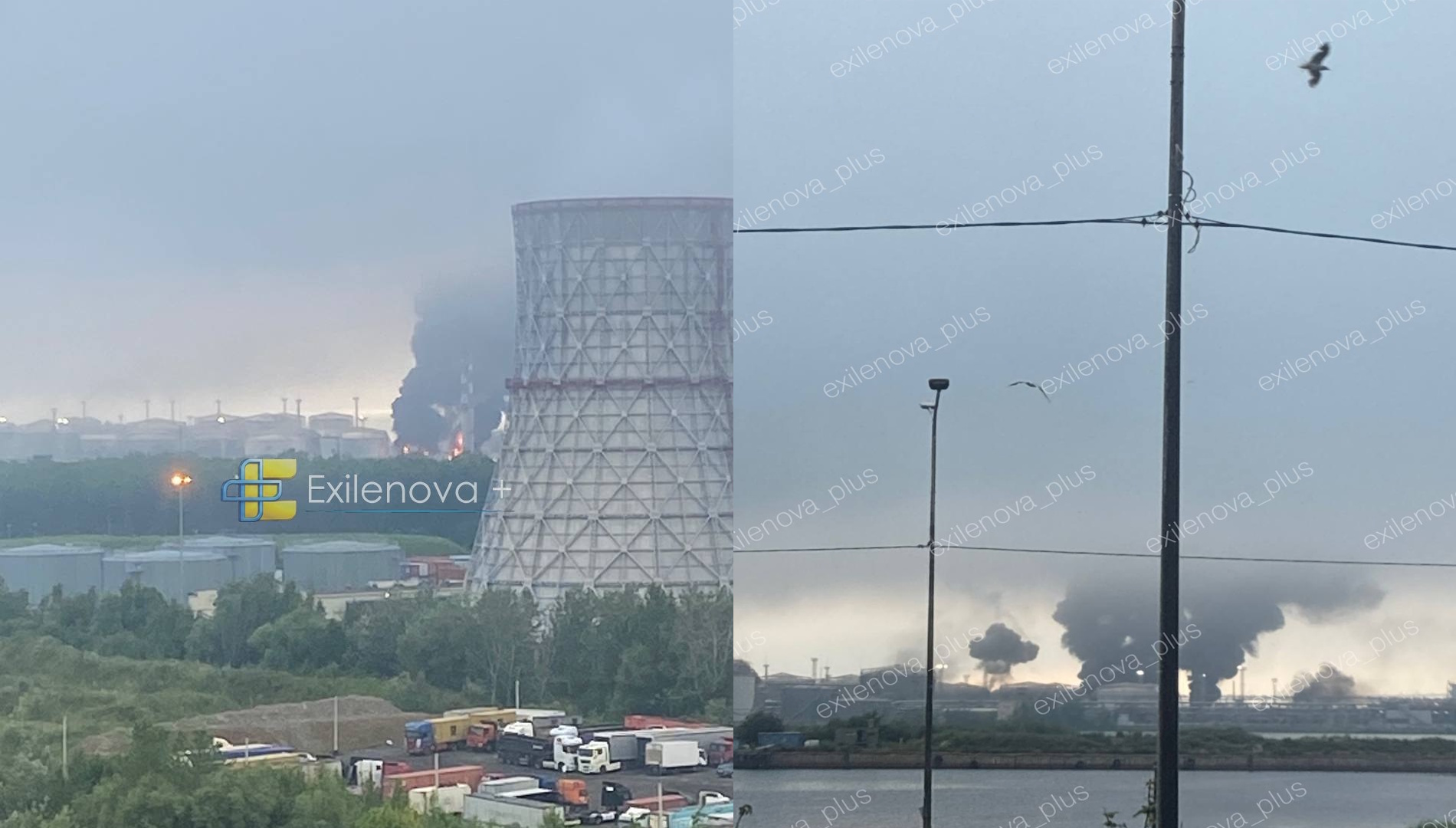
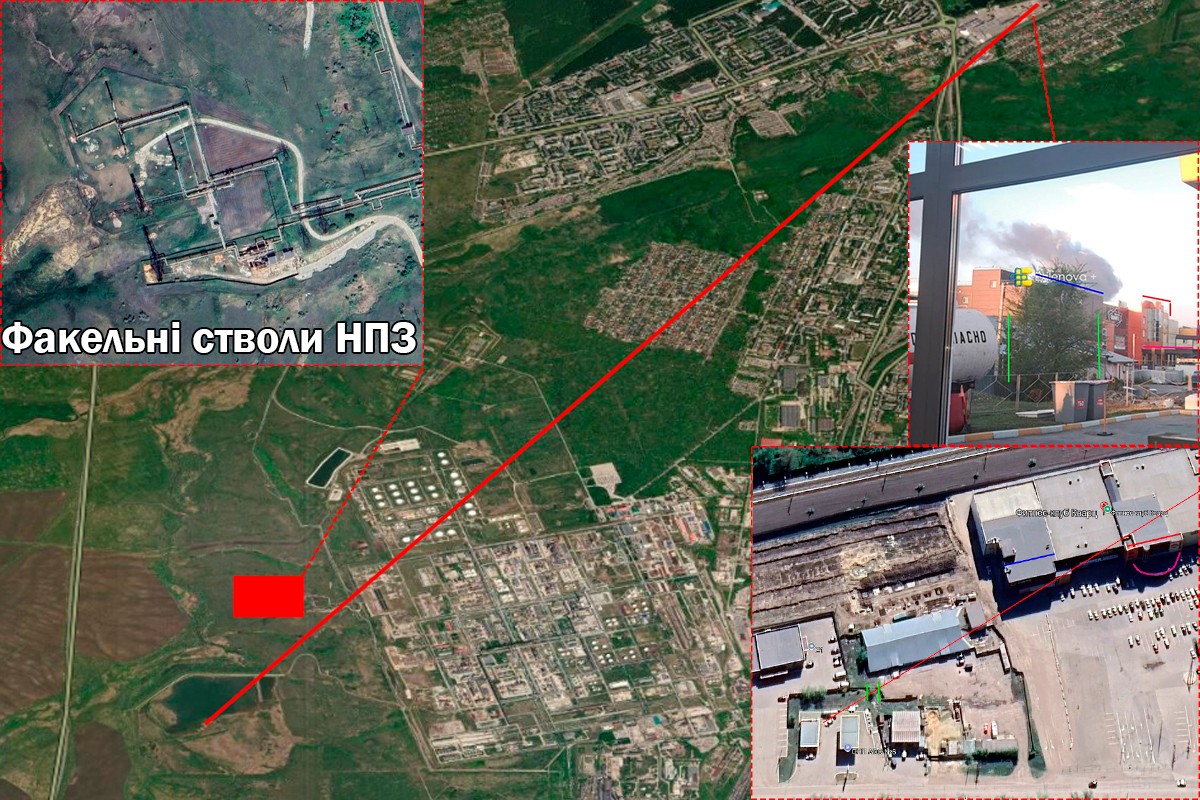
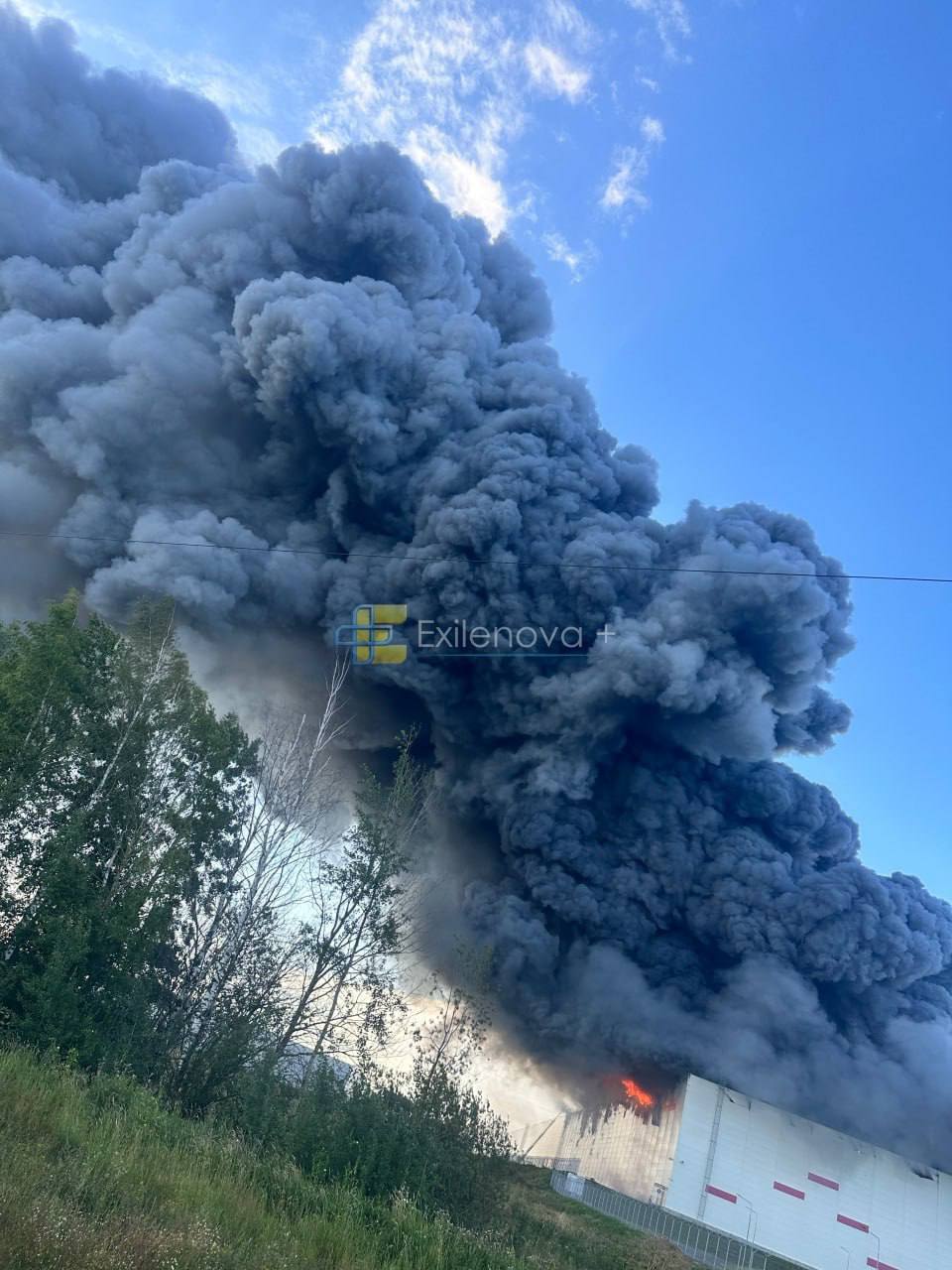
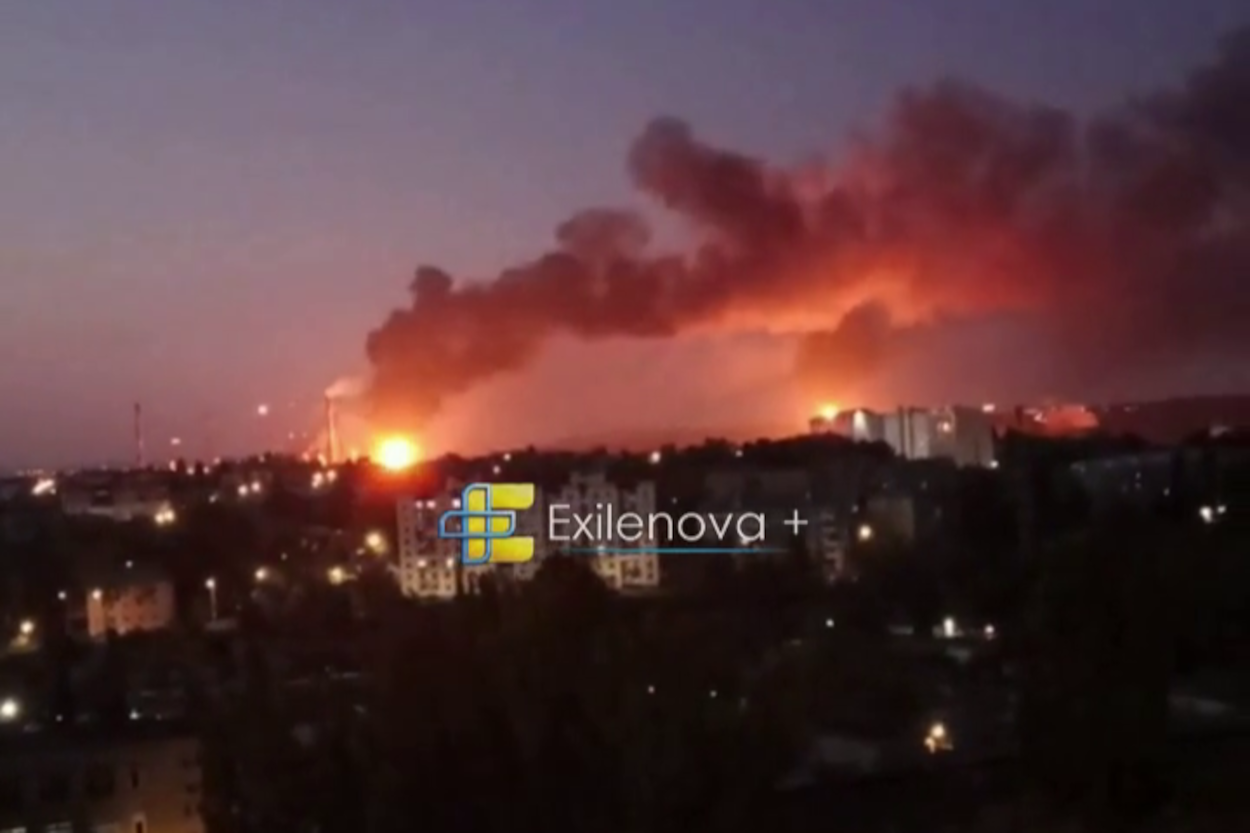
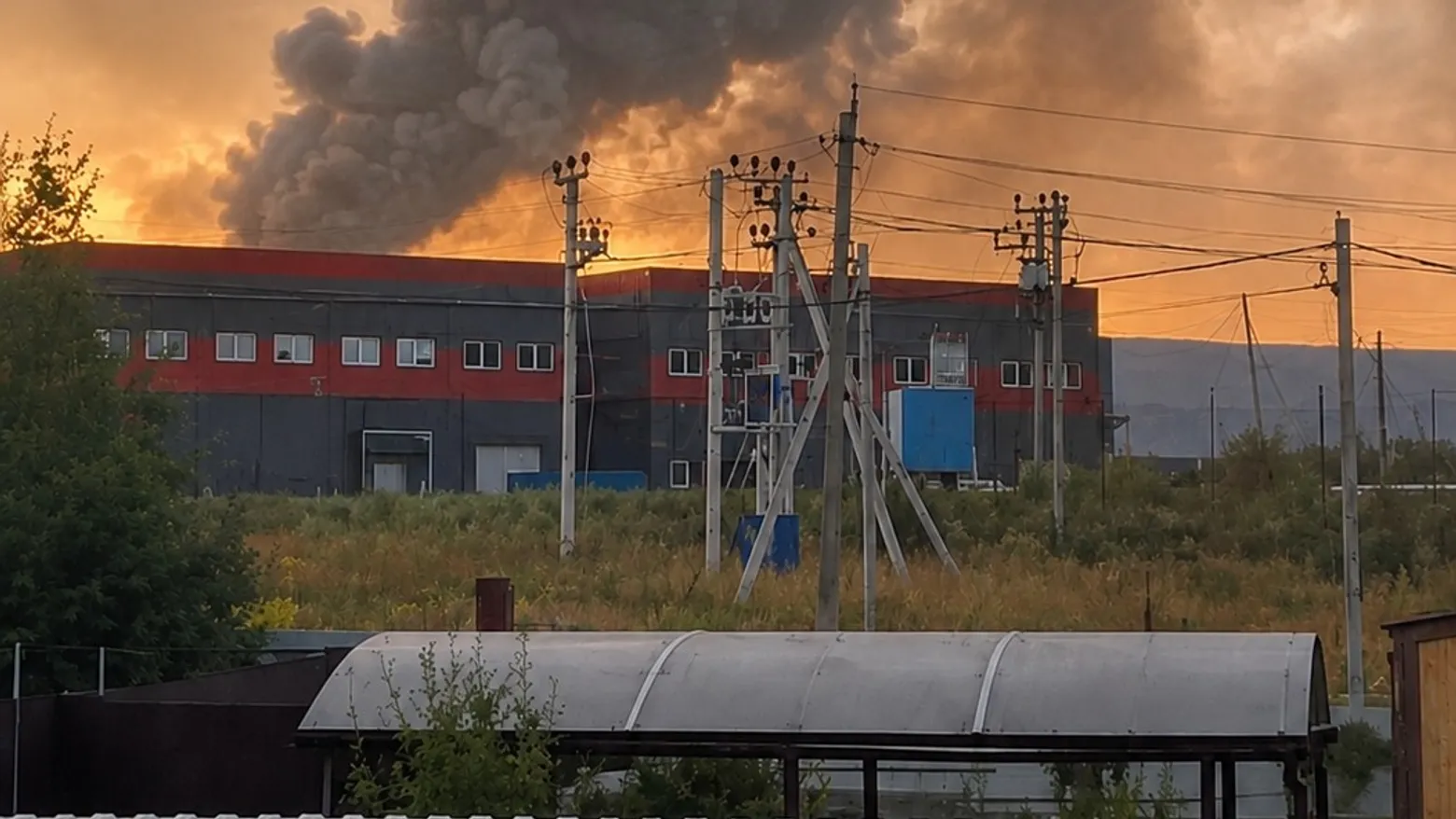
Ukrainian monitoring Telegram channel Exilenova+ first reported the attack around 4:00, later sharing footage that showed thick black smoke rising from several points on the site. Fire Point, the Ukrainian company that builds the FP-1 long-range drone, said Ukraine's Defense Forces hit the plant with the domestically made FP-1s. Open-source analysts geolocated one blaze to the refinery grounds. Astra, a Russian news Telegram channel, reported one fire on the plant's territory and a second it had not yet located.
Ukraine struck another Wildberries warehouse this morning, the 15th such facility hit in just 18 days
Thirteen of those fifteen warehouses have burned so far, a pace that turns Russia's largest online retailer into a recurring target list Exilenova+ pic.twitter.com/cGOvsmkR6L
Slavneft-YANOS, also called the Novo-Yaroslavl refinery, ranks among Russia's five largest and is the biggest in the country's central regions. It processes about 15 million tonnes of crude a year into gasoline, diesel, aviation kerosene, jet fuel, lubricants, and bitumen. Rosneft and Gazprom jointly control 99.7% of its parent company, Slavneft. The plant's fuel feeds central Russian industry, airports, the Northern Railway, and military sites. It sits more than 700 kilometers from Ukraine's border.
Russia claims it downed every drone in the region
Yaroslavl Governor Mikhail Yevraev first reported the region was under drone attack around 3:00 and closed the highway toward Moscow. He later claimed the region had repelled its most massive drone raid, downing all 88 drones with no casualties. Yevraev stated that a detached house burned, windows were shattered in several apartment blocks, and residents' cars were damaged.
A column of smoke from the burning Slavneft-YANOS refinery seen from outside Yaroslavl, Russia, 6 August 2026. Photo: Exilenova+
Russia's Defense Ministry claimed it destroyed 605 drones over several regions overnight.
The plant has burned repeatedly in 2026, catching fire on 28 March, 26 April, 8 and 22 May, and 6 and 16 July before the latest hit. That made 6 August the seventh strike on the refinery this year. In the 16 July attack, an FP-1 struck the plant's tank farm.
Russia's refining in retreat
Ukraine has sharply expanded its FP-1 deep strikes on refineries this year, knocking out around 26 plants. By late July, only eight had fully restarted and at least 11 partly. Seven refineries stayed idle. Russian refining fell to 3.6 million barrels a day, its lowest since May 2002.
Earlier, Moscow banned fuel exports, boosted gasoline imports from Belarus 25-fold, and turned to India and Morocco. It also let refiners sell Euro-2 gasoline, a grade banned in Russia since 2013, through 1 July 2027.
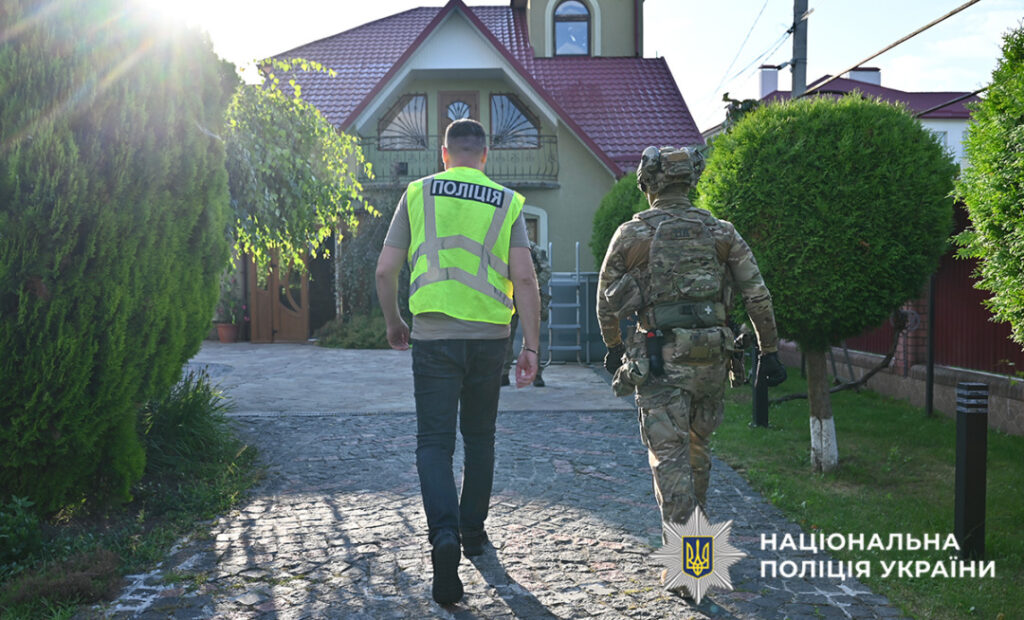
Ukrainian and Bulgarian police have taken apart a drug operation that ran from a lab in Bulgaria to dealers in Ukraine. In a large-scale operation, officers dismantled a transnational drug scheme and detained eight people, Ukraine's National Police reported.
The ring ran a full production-to-sale pipeline across two countries. It manufactured psychotropic drugs in an underground lab in Bulgaria for sale in Europe, then smuggled them into Ukraine's Chernivtsi Oblast for
Ukrainian and Bulgarian police have taken apart a drug operation that ran from a lab in Bulgaria to dealers in Ukraine. In a large-scale operation, officers dismantled a transnational drug scheme and detained eight people, Ukraine's National Police reported.
The ring ran a full production-to-sale pipeline across two countries. It manufactured psychotropic drugs in an underground lab in Bulgaria for sale in Europe, then smuggled them into Ukraine's Chernivtsi Oblast for distribution, and police seized psychotropic substances and precursors worth $960,000.
The lab was in Bulgaria
The first stage of the operation hit the production end. In the Bulgarian city of Burgas, police detained the scheme's organizer, a 39-year-old native of Chernivtsi, and a 31-year-old lab technician from Ivano-Frankivsk Oblast who directly produced the drugs.
The lab held a substantial stock. During searches, police seized 50 kilograms of psychotropic substances, alpha-PVP, mephedrone, and amphetamine, along with 150 liters of precursors, 200 liters of chemical compounds, and laboratory equipment.
The drugs moved by passenger bus
The smugglers used ordinary cross-border transport to move the product. They carried the psychotropics and precursors across the state border on international passenger buses, carefully hidden among personal belongings and luggage, with other members of the scheme receiving the goods in Chernivtsi Oblast.
The second stage targeted the Ukrainian end. Police exposed six more participants responsible for receiving, packaging, transporting, and selling the smuggled drugs across Ukraine, conducting 32 authorized searches with the support of special forces.
Eight face drug-trafficking charges
The Ukrainian arrests brought the total to eight. Police detained six drug dealers, four men and two women in Chernivtsi Oblast, and served them notices of suspicion for drug offenses under several articles of Ukraine's Criminal Code.
The searches turned up amphetamine, cannabis, packaging materials, cash in Ukrainian and foreign currency, bank cards, phones, and laptops, and police seized three of the suspects' cars worth nearly $43,000. The seized substances were sent for forensic analysis.
The man who gave thousands of Ukrainian families a chance to bury their closest people has been killed while doing that work. Oleksii Yukov, head of the "Platsdarm" search unit, has died, his wife Yevheniia Kaluhina announced on Facebook.
Yukov's work gave families the one thing that lets grief begin: a body and a name. For nearly 25 years, he searched for the remains of the fallen, recovering them from where the state could not reach so that the dead could be identifie
The man who gave thousands of Ukrainian families a chance to bury their closest people has been killed while doing that work. Oleksii Yukov, head of the "Platsdarm" search unit, has died, his wife Yevheniia Kaluhina announced on Facebook.
Yukov's work gave families the one thing that lets grief begin: a body and a name. For nearly 25 years, he searched for the remains of the fallen, recovering them from where the state could not reach so that the dead could be identified and returned to their relatives, ending the agony of families whose loved ones were listed as missing.
Yukov received a fatal wound during the exhumation of bodies on the line of contact, according to soldier Serhii Hnezdilov.
He worked where the state could not reach
Yukov's team operated where it was extremely dangerous or where state services could not go. The recovery missions often took place just a few kilometers from the front line, under the threat of repeat shelling or drone attacks, in the conditions in which he was killed.
His "Platsdarm" unit began by excavating the battlefields of the First and Second World Wars, and from 2014 searched for and evacuated those killed in Russia's war against Ukraine. The number of soldiers given a proper burial through his team's efforts runs into the thousands.
Here is what Yukov wrote in his last post.
"As a searcher, I see war in all its manifestations... Here, human life is worth nothing. Here, everything is unlike in the movies. Between two worlds, we gather bodies and souls to bring them back from the war. And those who have touched war remain with it and in it, because it no longer lets anyone go," he said.
What his name meant
Those who knew him spoke of what his work meant.
"A great loss for me personally and for my circle. For most of his life, he returned names to the dead. He lived in Sloviansk," Hnezdilov wrote, calling Yukov's name synonymous with Ukrainian Donbas and respect for every fallen person he returned to their family.
The head of the Sviatohirsk city military administration, Volodymyr Rybalkin, wrote that Yukov was "forever in the ranks."
"Friend, you are incredible. What you did, few people can do," Rybalkin said.
Yukov lived in Sloviansk in Donbas, where he spent his life honoring, and died on the front line, recovering the dead one last time.
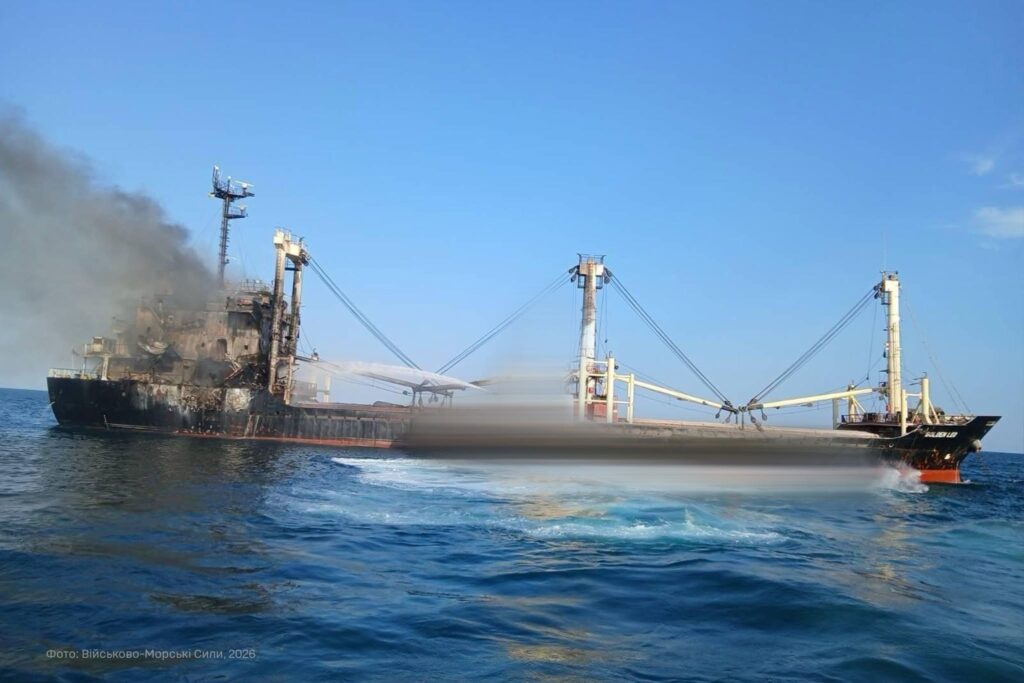
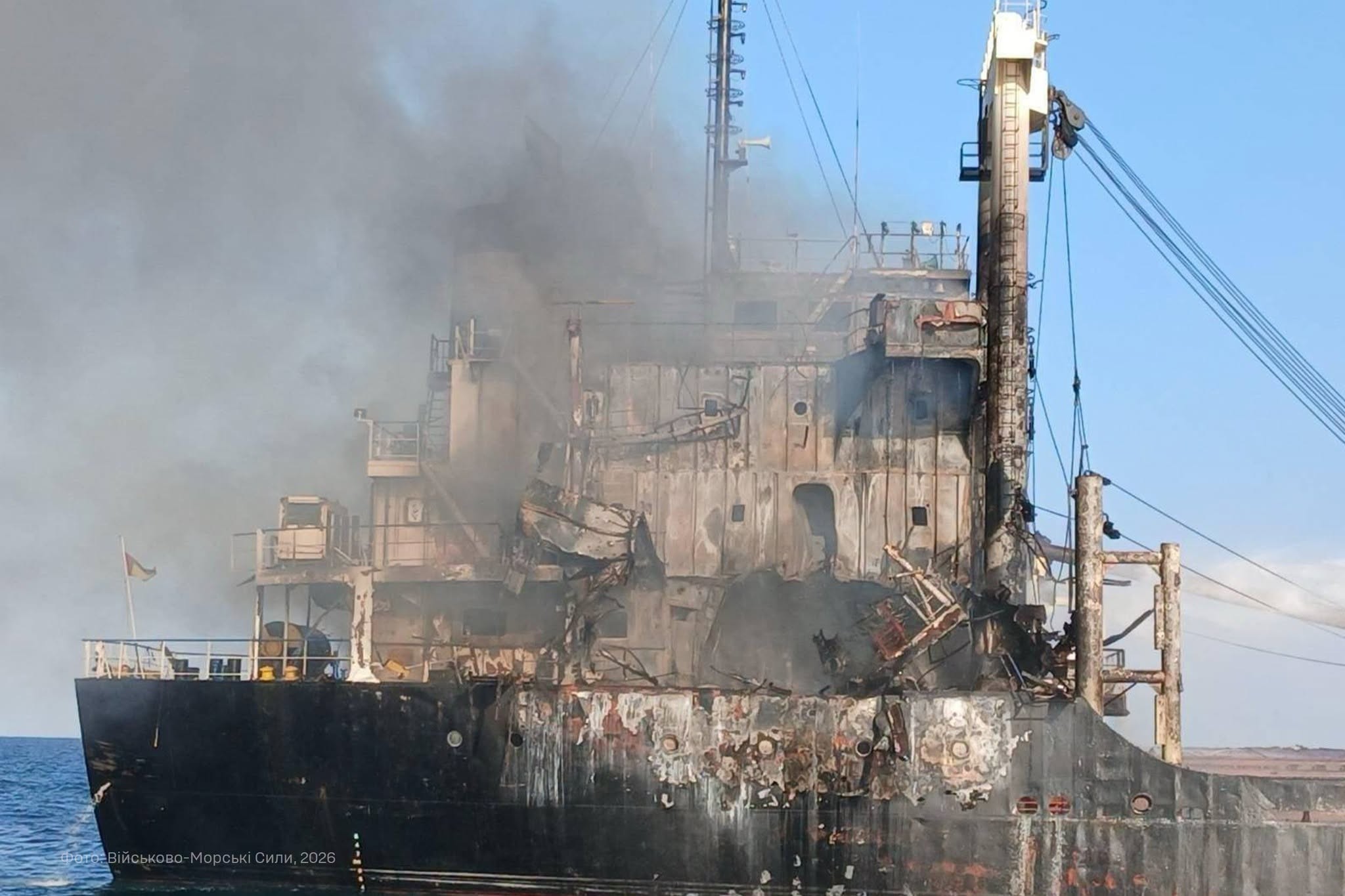
Two weeks ago, Russian strikes drove the ships out of Ukraine’s Black Sea ports, and Euromaidan Press reported that grain was piling up with nowhere to go. Now the bill is coming in.
Explore further
Russia’s strikes stopped Ukraine’s grain ships. Its farmers are the ones paying
First to the farms. With no ships to load, trad
Two weeks ago, Russian strikes drove the ships out of Ukraine’s Black Sea ports, and Euromaidan Press reported that grain was piling up with nowhere to go. Now the bill is coming in.
Explore further
Russia’s strikes stopped Ukraine’s grain ships. Its farmers are the ones paying
First to the farms. With no ships to load, traders have stopped buying, and the price they offer has dropped so far that Ukrainian farmers are, in places, selling wheat for less than it costs to grow. Port prices fell another 12–15% this week.
Grain buyers pay the world price, and when it suddenly costs far more to move Ukrainian grain out by rail than by sea, they hand that extra cost back to the farmer as a lower offer. That is how the head of Ukraine’s main association of agricultural producers, Oleh Khomenko, explained it.
Ukraine’s central bank has now measured the loss: $2.5 billion in export income gone in the second half of this year.
When the ships stop, the mines stop too
Ukraine mines iron ore and exports it by ship, just as it exports grain. The blockade has now spread into heavy industry. Ferrexpo, one of the country’s large ore producers, has suspended operations at its plant in central Ukraine—no point in digging ore that cannot leave the country.
After a Russian drone hit a vessel carrying its cargo, the company warned it will run out of cash by mid-September without fresh money. Metinvest, the steel group owned by Ukraine’s richest man, Rinat Akhmetov, has idled one of its own mines.
Explore further
Plant can’t mine because it can’t ship: Russia’s attacks on merchant vessels idle 4,480 workers at Ukrainian iron ore giant
Together, that is a country losing its two biggest foreign-currency earners. Ukraine’s central bank has now measured the loss: $2.5 billion in export income gone in the second half of this year, and almost a full percentage point—0.9%—knocked off the whole economy for 2026.
It could have been worse. An economist at the Kyiv School of Economics who tracked the 2022 blockade found that one cost Ukraine six times as much of its output. The sea lanes are not completely shut this time.
Ukrainian grain on the move: Despite a 33% drop in 2025 shipments, Ukraine remains a vital global food supplier as EU integration advances. Photo: Ukrainian Grain Association
Abroad, the price moves the other way
For the rest of the world, the strikes cut the other way. As grain gets cheaper inside Ukraine, it gets dearer everywhere else, because buyers can no longer be sure the wheat will arrive. The UN’s political affairs office told the Security Council that world wheat prices have climbed 20% since the start of July.
Ukraine ships about 7% of the wheat sold across the world’s borders, USDA figures show, most of it bound for the Middle East and North Africa, where buyers have few other places to turn.
The real danger is that everything converges on one month. The corn harvest arrives in mid-September, with nowhere to store it. Ferrexpo’s cash runs out in mid-September. And the Danube—the shallow river route carrying what little the ports cannot—drops too low to help the month after. None of those alternatives replaces a deepwater port.
A North Korean missile unit has begun deploying to western Russia and could soon operate up to 120 ballistic missiles and six launchers for strikes against Ukraine, according to Ukraine's military intelligence agency, Reuters reports.
Russia has sharply increased its use of ballistic missiles against Ukraine in recent months. Unlike drones and cruise missiles, ballistic missiles are much harder to intercept, and most launched in recent barrages have penetrated Ukraine's
A North Korean missile unit has begun deploying to western Russia and could soon operate up to 120 ballistic missiles and six launchers for strikes against Ukraine, according to Ukraine's military intelligence agency, Reuters reports.
Russia has sharply increased its use of ballistic missiles against Ukraine in recent months. Unlike drones and cruise missiles, ballistic missiles are much harder to intercept, and most launched in recent barrages have penetrated Ukraine's air defenses, causing widespread destruction and high civilian casualties.
North Korean missile unit deploying to Russia
Andrii Cherniak, a representative of Ukraine's Main Directorate of Intelligence (HUR), told Reuters that around 90 North Korean personnel are expected to be stationed in Russia's Voronezh Oblast within the Russian military's 112th Missile Brigade.
According to Cherniak, Pyongyang has already delivered another batch of 40 KN-23 and KN-24 ballistic missiles to Russia along with personnel. He said the final structure of the deployment and the total number of missiles are expected to be decided during high-level talks between Moscow and Pyongyang next month.
Reuters said it could not independently verify the intelligence assessment. Russia's Defense Ministry and North Korea's mission to the United Nations did not immediately respond to requests for comment.
Ballistic missile threat grows
The reported deployment comes as Russia increasingly relies on ballistic missiles, which are far more difficult for Ukraine to intercept than drones or cruise missiles.
Ukraine has warned for months that shortages of Patriot interceptor missiles leave it vulnerable to ballistic attacks. Last week, Russia launched what Ukrainian officials identified as the first North Korean ballistic missiles used against Ukraine since August 2025.
According to Cherniak, Russia has already received about 150 KN-23 and KN-24 missiles from North Korea since late 2023. The latest shipment of 40 missiles was reportedly used in last week's attacks.
Cherniak said North Korean KN-23 and KN-24 missiles carry larger warheads and have greater range than Russia's Iskander ballistic missiles, although they are less accurate and have been associated with strikes causing high civilian casualties, including last week's strike on the village of Radushne in Dnipropetrovsk Oblast that killed an entire family.
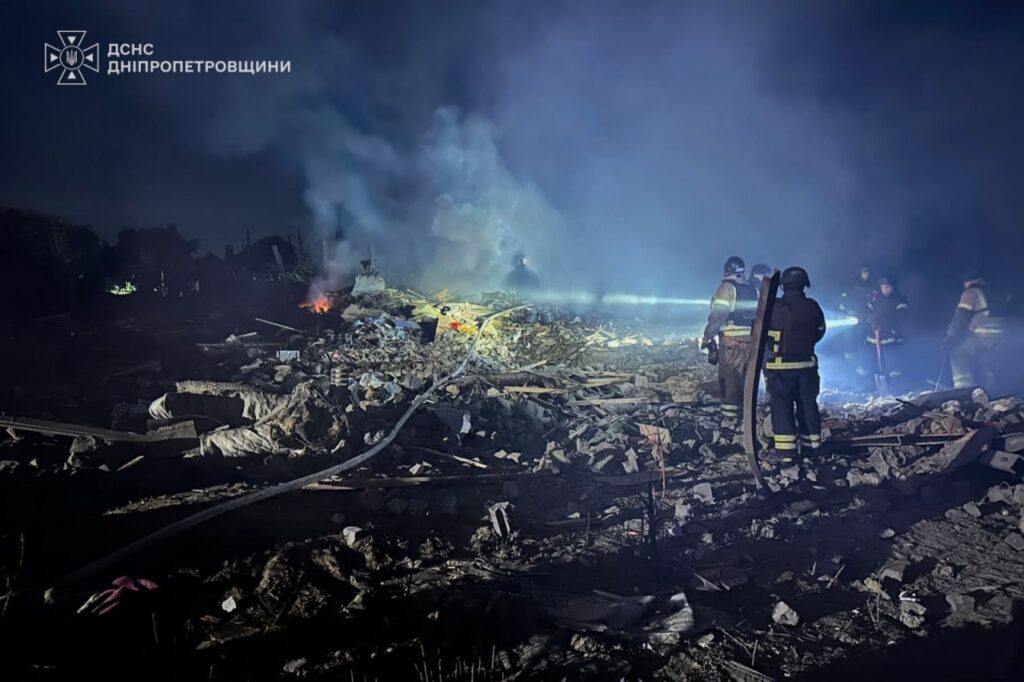
Rescuers search through rubble in the aftermath of a Russian ballistic missile attack on Radushne, Dnipropetrovsk Oblast, Ukraine, 30 July 2026. Photo: Ukraine's State Emergency Service
Rob Lee, a senior fellow at the Foreign Policy Research Institute, told Reuters that additional North Korean ballistic missiles would pose a significant challenge for Ukraine because ballistic missile defense remains one of Kyiv's greatest vulnerabilities.
The report comes as Russia continues to intensify its ballistic missile attacks on Ukraine. Overnight on 5 August, a combined missile and drone barrage on Kyiv and Kyiv Oblast killed at least 16 people, marking the third mass strike on the capital in a week.
Expanding military cooperation
The reported missile unit deployment would mark another step in the rapidly expanding military partnership between Moscow and Pyongyang since Russia launched its full-scale invasion of Ukraine in 2022.
North Korea has already supplied Russia with millions of artillery shells and, according to Ukrainian officials, deployed about 14,000 troops to Russia's Kursk Oblast in 2024. Ukrainian President Volodymyr Zelenskyy said last month that Russia was preparing to receive an additional 30,000 North Korean troops in Voronezh Oblast.
Cherniak told Reuters that about 9,500 North Korean soldiers remain in Russia's Kursk Oblast but are not currently participating directly in combat operations against Ukraine.
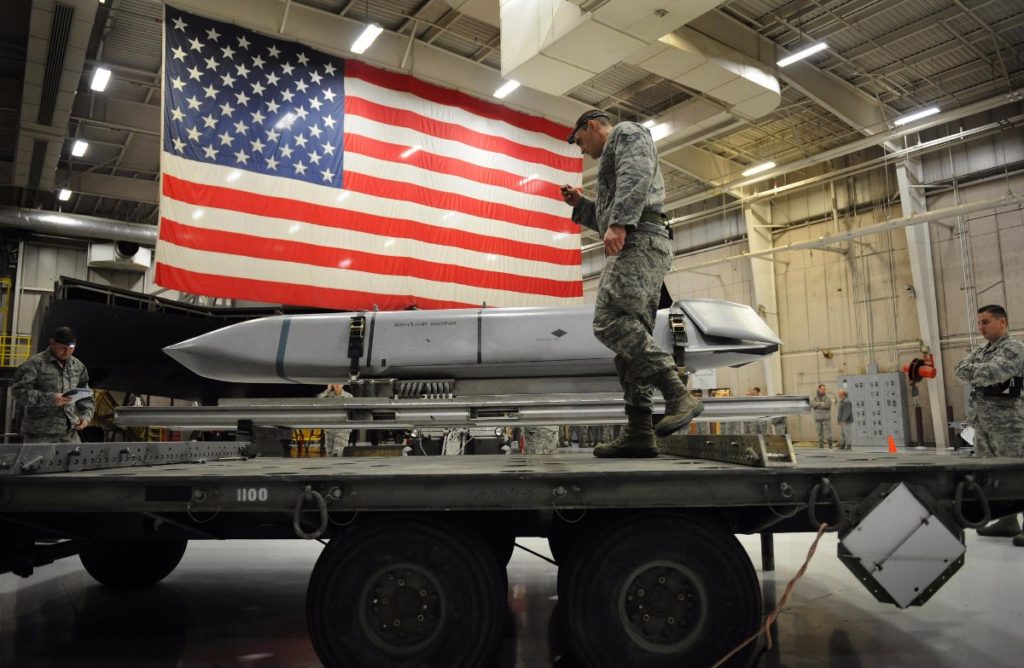
The US military has used up nearly 80% of its THAAD interceptors and roughly half of its Patriot stock during the five-month war with Iran, according to two sources familiar with the latest Pentagon inventory report, CNN reported.
Senior US military commanders are warning the Pentagon's munitions stockpile is "dangerously low," according to multiple sources familiar with the matter. The disclosure on THAAD levels has not been previously reported. Before the war began, t
The US military has used up nearly 80% of its THAAD interceptors and roughly half of its Patriot stock during the five-month war with Iran, according to two sources familiar with the latest Pentagon inventory report, CNN reported.
Senior US military commanders are warning the Pentagon's munitions stockpile is "dangerously low," according to multiple sources familiar with the matter. The disclosure on THAAD levels has not been previously reported. Before the war began, the US had around 2,200 Patriot interceptors of the platform's two most modern variants and 452 THAAD missiles, according to Center for Strategic and International Studies (CSIS) estimates. CSIS has assessed the war with Iran drained over half the global Patriot stockpile within its first 39 days.
The Patriot and THAAD systems are the same interceptor families that arm Ukraine's own air defense against Russian ballistic strikes - Kyiv depends on to stop Russian ballistic missiles. Thus a stockpile "dangerously low" for Washington is one that's already left Ukrainian Patriot launchers running empty during Russian barrages.
Commanders call stockpiles dangerously low
The US Army has fired "virtually all" of its long-range, surface-to-air precision weapons during the war, one source told CNN, referring to Army Tactical Missile Systems (ATACMS) and Precision Strike Missiles (PrSM). Close to half of the US Tomahawk cruise missile stockpile has also been used, a source said, up from nearly 30% reported by CNN in April.
Gulf allies have raised concerns that the shortage could limit their own ability to intercept Iranian retaliation, particularly if Washington resumes strikes. Replenishment is slow: the Pentagon is currently receiving about 15 new Tomahawks and 20 new Patriot missiles a month, and CSIS estimates rebuilding THAAD stocks to prewar levels will take three years or more.
Weekend strikes called off over stockpile concerns
The munitions warnings, combined with intelligence on the risks of striking Iranian energy infrastructure and concerns raised by Gulf states, were factors in President Donald Trump's decision to call off planned strikes over the weekend, according to CNN's sources. Trump had authorized the operation Friday, with Defense Secretary Pete Hegseth receiving the final order to proceed, a senior Trump official said. Trump reversed course Saturday after Middle East allies told him they feared Iranian retaliation against their energy infrastructure, the official said. He told Hegseth to stand down for now but has not ruled out strikes at a later date.
Pentagon spokesman Sean Parnell said in a statement that the US military "has everything it needs to execute at the time and place of the President's choosing." White House spokesperson Anna Kelly said the military has "more than enough munitions, ammo, and stockpiles to serve all of President Trump's strategic goals and beyond."
Joint Chiefs Chairman Gen. Dan Caine raised the stockpile issue in a separate White House meeting last month, CNN previously reported, where officials also discussed the risk of mass civilian casualties from a resumed US campaign inside Iran.
The shortage extends beyond Iran
CNN's sources said the depleted stockpile could affect the US military's ability to fight a future war involving China, Russia, or North Korea. "The lack of interceptors means that conventional attacks can backfire if the suicide drones start making it through in-masse," one source said. "Tit-for-tat will never end this."
Euromaidan Press has reported that the same Patriot shortage has already strained deliveries to Ukraine, which depends on PAC-3 interceptors as its only defense against Russian ballistic missiles. A senior Ukrainian official has told the Financial Times that deliveries to Kyiv faced delays since the war with Iran began, and President Volodymyr Zelenskyy has said late arrivals have left Patriot launchers empty during Russian missile barrages.
Analysts expect a slow recovery. The Precision Strike Missile and Joint Air-to-Surface Standoff Missile inventories should return to prewar levels by mid-to-late 2027, according to CSIS. The Defense Department has signed two deals this week to expand Patriot and THAAD rocket motor production, though a Pentagon spokesperson declined to say when the expansion would show results.
Trump on Monday called Iranian leadership "unbelievably duplicitous" after Tehran denied that negotiations would resume, and said Tehran had one "last chance" to sign a deal.
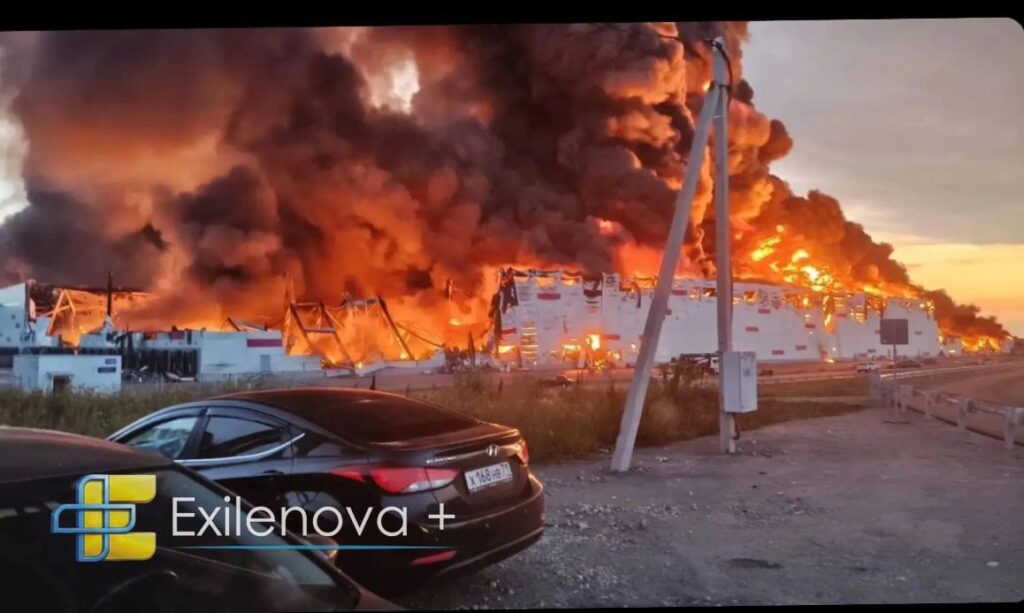
A Ukrainian drone strike set fire to a Wildberries logistics center in Oleksin, Russia's Tula Oblast, overnight into 5 August, according to the monitoring Telegram channel Exilenova+ and Russian outlet ASTRA. Tula Oblast Governor Dmitry Milyaev confirmed one person was injured and said a drone came down on the sorting center's territory before the fire broke out.
The strike extends a Ukrainian campaign against Russia's largest online retailer that has hit 15 Wildberries
A Ukrainian drone strike set fire to a Wildberries logistics center in Oleksin, Russia's Tula Oblast, overnight into 5 August, according to the monitoring Telegram channel Exilenova+ and Russian outlet ASTRA. Tula Oblast Governor Dmitry Milyaev confirmed one person was injured and said a drone came down on the sorting center's territory before the fire broke out.
The strike extends a Ukrainian campaign against Russia's largest online retailer that has hit 15 Wildberries logistics sites in 18 days, Unmanned Systems Forces commander Robert "Madyar" Brovdi said on 4 August, before the Oleksin strike. Thirteen of those 15 were knocked out of action or seriously damaged, he said. Ukraine's deep-strike drones have turned Wildberries hubs — repeatedly described by Ukrainian officials as Russia's answer to Amazon — into a recurring target as they widen a campaign against the fuel and freight networks that keep Russia's war economy running.
Wildberries confirmed the fire at its Oleksin site, saying it evacuated staff in advance and temporarily redirected new deliveries to other warehouses. Milyaev also reported damage to two apartment buildings in Venyov district and two industrial sites in Novomoskovsk and Uzlovaya district from the same overnight barrage.
The Oleksin center covers about 194,500 square meters, according to Exilenova+, and opened in 2022. It supplies Tula, Kaluga, Oryol, Bryansk, Kursk, Lipetsk, Ryazan, and other central Russian oblasts, and partly relieves logistics centers in the Moscow region.
The strike follows fires at two other Wildberries sites — in Krasny Bor, Leningrad Oblast, and Chekhov, Moscow Oblast — overnight into 4 August, and comes as Wildberries has begun restricting employees to camera-free phones after staff filmed and shared footage of the strikes.
Ukraine's Security Service (SBU) says it has struck more than 100 strategic military and industrial targets inside Russia and occupied Ukrainian territories during a 40-day campaign approved by President Volodymyr Zelenskyy.
The coordinated 40-day campaign combined long-range strikes deep inside Russia with frontline operations, aiming to simultaneously erode Moscow's military production, logistics, fuel supplies, air defenses, and combat capabilities rather than focusi
Ukraine's Security Service (SBU) says it has struck more than 100 strategic military and industrial targets inside Russia and occupied Ukrainian territories during a 40-day campaign approved by President Volodymyr Zelenskyy.
The coordinated 40-day campaign combined long-range strikes deep inside Russia with frontline operations, aiming to simultaneously erode Moscow's military production, logistics, fuel supplies, air defenses, and combat capabilities rather than focusing on a single target set.
In a statement on 4 August, the SBU said the operation targeted Russia's military-industrial complex, air bases, air defense systems, command posts, oil refineries, transport and military logistics infrastructure, as well as vessels from Russia's sanctions-evading "shadow fleet."
The agency said Zelenskyy has also approved a new series of operations proposed by SBU chief Maj. Gen. Oleksandr Poklad.
Campaign targeted air bases, oil facilities, and shadow fleet
According to the SBU, one of the campaign's main objectives was degrading Russia's military aviation and air defense capabilities.
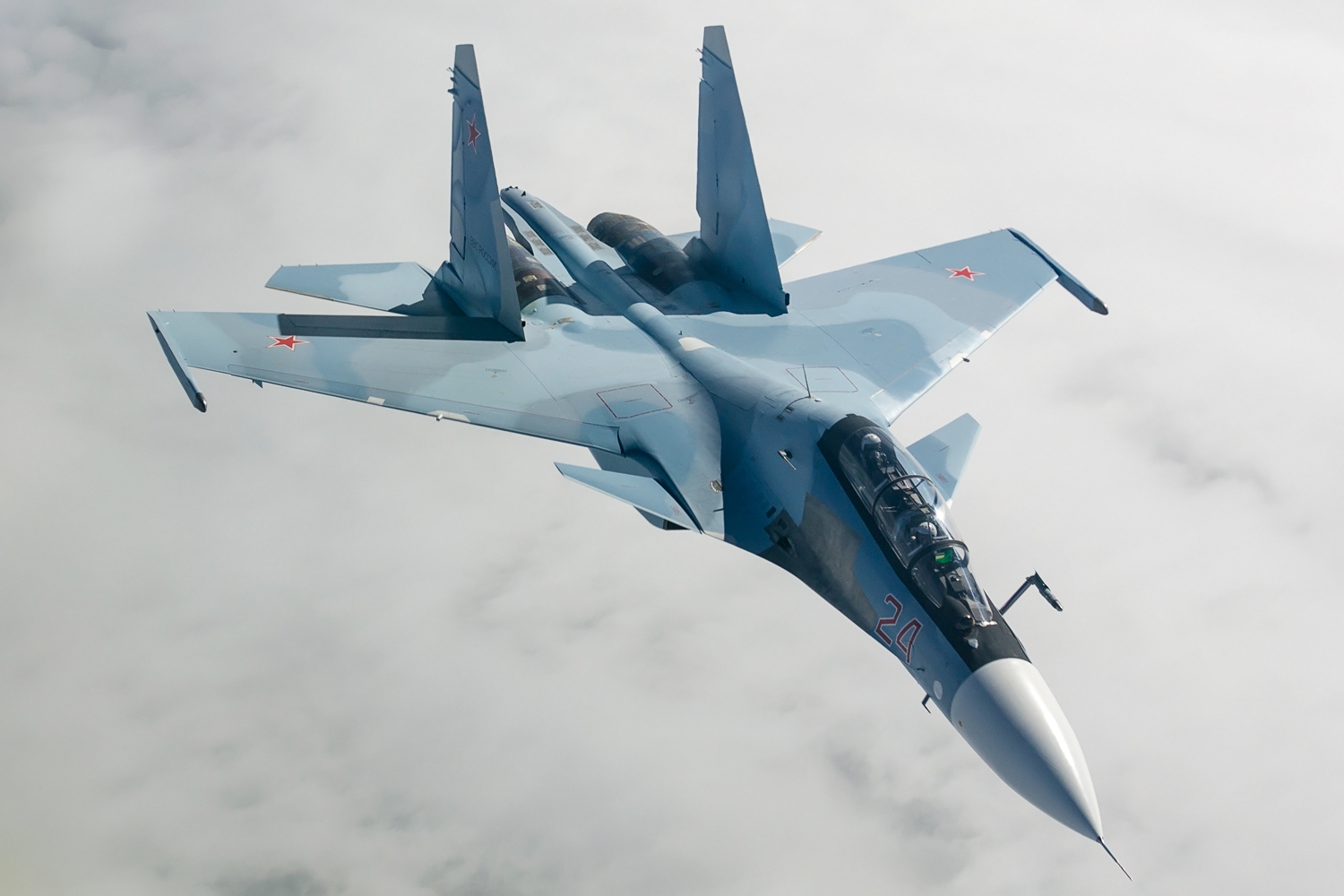
The agency said it struck the Saky, Hvardiiske, Belbek, Bagerovo, Engels, and Khanskaya air bases, as well as the Yevpatoria aviation plant. It claimed the attacks destroyed one Tu-95MS strategic bomber, damaged two Su-35 fighter jets and two L-39 trainer aircraft, and hit hangars housing Su-24, Su-30, and Su-30SM aircraft, Shahed drone storage facilities, and airfield fuel infrastructure.
The SBU also reported strikes on Russian air defense assets, including a Nebo-U radar, the 92N6E engagement radar of an S-400 system, Tor-M2 and Pantsir-S2 air defense systems, a Pole-21 electronic warfare system, and several Podlyot-K1 and Kasta-2E2 radar stations.
The agency said it also struck 14 oil refineries, dozens of oil depots, pumping stations, terminals, and storage facilities, naming refineries in St. Petersburg, Yaroslavl, Nizhny Novgorod, Perm, Volgograd, and Ufa among the targets.
It further claimed attacks on the tankers Blue, Louise 1, Banda, and Avero, along with two cargo vessels already under international sanctions, as part of efforts to disrupt Russia's "shadow fleet."
Explore further
Ukraine hits at least seven Russian warplanes in second strike on Crimea’s Saky airbase this week, SBU says
SBU reports thousands of battlefield targets hit
Alongside its long-range operations, the SBU said its frontline units struck more than 21,000 items of Russian military equipment, weapons, and infrastructure during the same 40-day period, while killing nearly 5,000 Russian troops.
According to the statement, those strikes included 24 tanks, 63 armored vehicles, 124 artillery systems, 22 multiple-launch rocket systems, 40 air defense systems, and 14 aircraft and helicopters.
The agency also said it destroyed more than 11,000 enemy drones and ground robotic systems, including 176 Shahed attack drones, and struck 712 drone crews together with their launch sites and equipment.
Explore further
Ukraine is ten days into campaign to pressure Moscow toward peace: Russia’s Baltic oil gateway took hit overnight
Part of Ukraine's broader deep-strike campaign
The figures add to a series of increasingly ambitious Ukrainian long-range strikes targeting Russia's military infrastructure, oil industry, and logistics network.
Over recent months, Ukraine has claimed attacks on strategic bomber bases, air defense systems, oil refineries, and vessels involved in transporting Russian oil despite Western sanctions.
Kyiv says the campaign aims to reduce Russia's ability to sustain its war against Ukraine by degrading both its military capabilities and the economic infrastructure supporting them.
Ukraine's Air Force says its air defenses have destroyed more than 445,000 Russian aerial targets since the start of Russia's full-scale invasion in 2022, according to figures released on 2 August.
The numbers come as Russia is reshaping much of its aerial campaign around ballistic missiles, exposing one of the few remaining vulnerabilities in Ukraine's air defense network despite its continued success against drones and cruise missiles.
The statistics were published
Ukraine's Air Force says its air defenses have destroyed more than 445,000 Russian aerial targets since the start of Russia's full-scale invasion in 2022, according to figures released on 2 August.
The numbers come as Russia is reshaping much of its aerial campaign around ballistic missiles, exposing one of the few remaining vulnerabilities in Ukraine's air defense network despite its continued success against drones and cruise missiles.
The statistics were published in a statement marking more than four and a half years of resistance since Russia launched its all-out invasion on 24 February 2022. The Air Force said its personnel preserved Ukraine's air defense network under sustained missile and air attacks from the opening hours of the war, preventing Russia from achieving its initial objective of subjugating the country.
The statement paid tribute to fighter pilots, air defense missile units, radar troops, drone operators, communications specialists, and support personnel involved in defending Ukraine's airspace.
More than 65,000 Shaheds intercepted
According to the Air Force, Ukraine's air defenses have destroyed more than 445,000 aerial targets since February 2022, including:
91 Kh-47M2 Kinzhal aeroballistic missiles
794 Kalibr cruise missiles
2,809 Kh-101/Kh-555/Kh-55 cruise missiles
13 Kh-22/32 cruise missiles
12 Oniks anti-ship missiles
294 Iskander-K cruise missiles
346 Iskander-M and North Korean KN-23 ballistic missiles
12 Zircon anti-ship missiles
622 guided air-launched missiles
More than 70 missiles of other types
65,618 Shahed attack drones
20,286 reconnaissance drones
10,604 Lancet loitering munitions
342,585 drones of other types
Ukraine's Air Force says it has destroyed more than 445,000 Russian aerial targets since the start of the full-scale invasion, including more than 65,000 Shahed attack drones, hundreds of ballistic and cruise missiles, and tens of thousands of reconnaissance and attack UAVs.
The Air Force said Ukrainian military aviation carried out 38,367 sorties between 2022 and 2026, including 12,280 strike and close air support missions and 21,524 fighter cover missions.
It added that aircraft from Ukraine's Defense Forces have destroyed more than 12,000 aerial targets during the full-scale war while striking Russian command posts, logistics facilities, and concentrations of troops and military equipment.
The statement also honored fallen service members and thanked those who continue defending Ukraine's skies.
Russia's ballistic missile attacks rise, breaking through Ukraine’s proven air defenses
The figures come as Russia increasingly turns to using ballistic missiles against Ukrainian cities, which are among the most difficult threats for Ukraine's air defenses to intercept.
Russia launched 126 ballistic missiles against Ukraine in July, the highest monthly total recorded this year. The attacks included Iskander-M missiles, North Korean KN-23 ballistic missiles, and S-300 and S-400 air defense missiles repurposed for ground strikes.
The shift is exposing a growing vulnerability in Ukraine's air defense network. Unlike drones and cruise missiles, ballistic missiles can only be reliably intercepted by a limited number of advanced systems, primarily the US-made Patriot with PAC-3 interceptors, which remain in short supply in the country.
Ukraine has urged international partners to provide more of these interceptors, but these efforts have not led to any major supply breakthroughs and have so far not made a significant difference.
The trend towards ballistic missile use suggests Russia is increasingly exploiting one of the few remaining gaps in Ukraine's air defense shield.
While Ukraine continues to destroy large numbers of drones and cruise missiles, the growing use of ballistic missiles is placing mounting pressure on its most limited and hardest-to-replace interceptor stocks, all while causing mass civilian casualties and major damage to cities across the country.
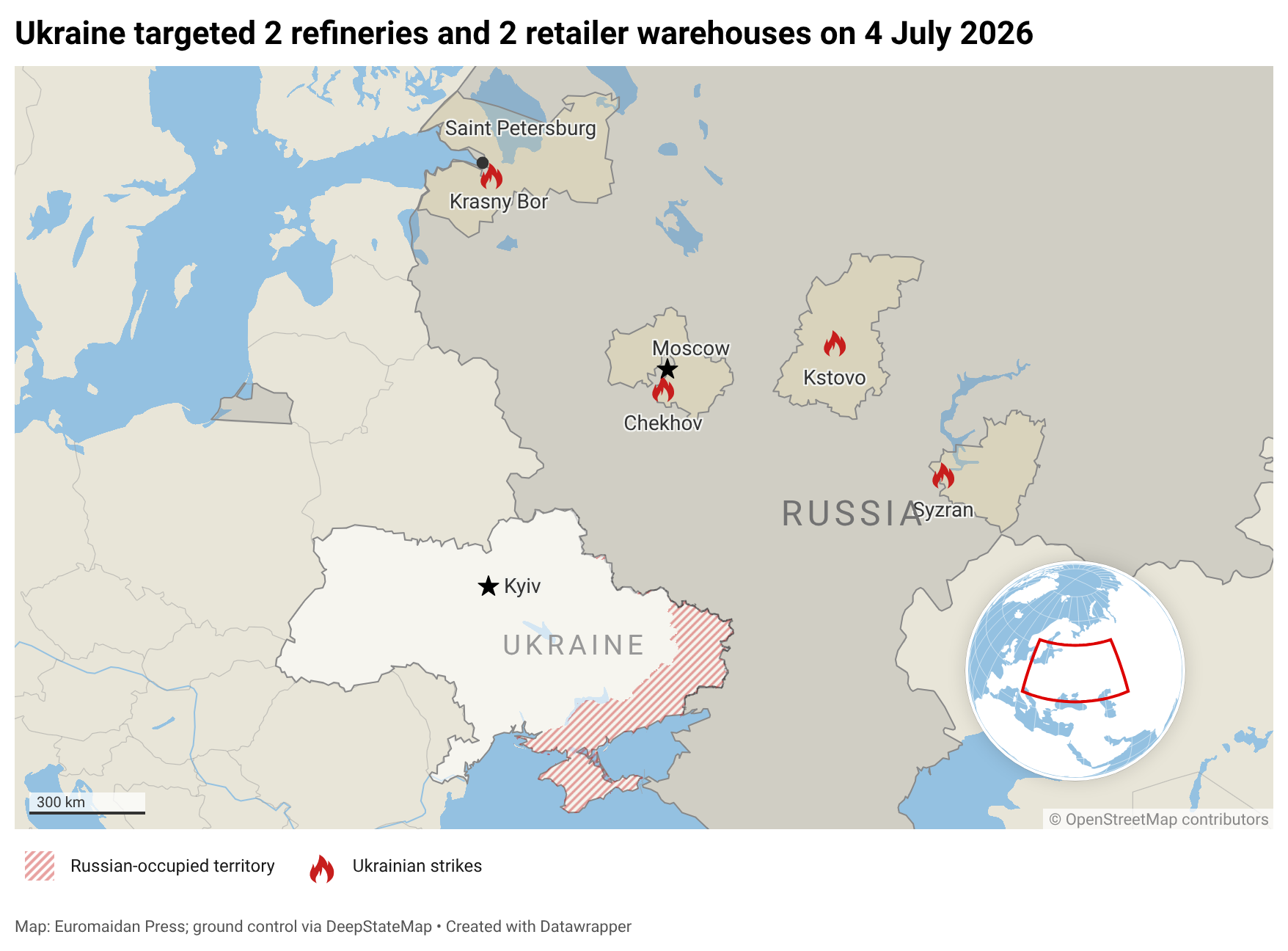
Ukrainian drones struck across four Russian regions before dawn on 4 August, setting fires at a Rosneft oil refinery and targeting two logistics hubs of Russia's largest online retailer, Militarnyi reported. The raid reached Samara, Leningrad, Moscow, and Nizhny Novgorod oblasts, hitting both the fuel that powers Russia's military and the warehouses that Kyiv says supply its army. Russian regional officials confirmed damage while claiming air defenses repelled much of t
Ukrainian drones struck across four Russian regions before dawn on 4 August, setting fires at a Rosneft oil refinery and targeting two logistics hubs of Russia's largest online retailer, Militarnyi reported. The raid reached Samara, Leningrad, Moscow, and Nizhny Novgorod oblasts, hitting both the fuel that powers Russia's military and the warehouses that Kyiv says supply its army. Russian regional officials confirmed damage while claiming air defenses repelled much of the attack.
Oil sales and a functioning supply chain keep Russia's war effort moving, and Ukraine has spent 2026 pushing its drones far past the front to reach both — the plants that turn crude into military fuel and the logistics that carry equipment to the army. Each fuel plant forced offline narrows the repair window Russia has left, and every hub burned pushes the retailer to guard, disperse, or replace space it treated as safe rear. Widening the target set from refineries to warehouses stretches Russian air defense across more ground than it can fully cover.
Syzran refinery burns again
Ukrainian drones attacked the Syzran oil refinery in Samara Oblast overnight more than 800 km from the war zone in Ukraine, and Militarnyi geolocated the rising smoke to the plant. A drone-danger alert went up in the region after 1 a.m., and residents then reported explosions in the city before a column of smoke climbed over the refinery.
The plant belongs to Rosneft and processes more than 8.5 million tons of crude a year, more than 3% of Russia's national total. It turns out gasoline, diesel, aviation kerosene, and bitumen, and supplies fuel to Samara, Saratov, and Penza oblasts as well as parts of central Russia. It also feeds airfields and military units of Russia's Central and Southern military districts. The refinery sits more than 800 km from Ukraine's border.
A geolocation analysis marking the drone's path toward the Syzran oil refinery, Samara Oblast, 4 August 2026. Source: Militarnyi
Ukraine's Defense Forces have hit this refinery many times before. Drones struck it overnight on 11-12 July, starting a large fire that analysts assessed reached every primary crude-processing unit. Samara Oblast Governor Vyacheslav Fedorishchev said a fire from the attack in the region was being extinguished.
Astra says residents of Kstovo in Nizhny Novgorod Oblast reported a fire after the attack, though the struck object there stayed unclear. The city is home to a Lukoil oil refinery about 800 km from Ukraine.
Warehouses near St. Petersburg and Moscow
In the morning, Ukrainian drones hit a logistics compound near Krasny Bor in the Tosnensky district of Leningrad Oblast, roughly 820 km from Ukraine's northern border. Eyewitnesses filmed a heavy fire, and Wildberries confirmed a blaze at its facility there.
Black smoke rises over the burning Wildberries logistics complex in Leningrad Oblast after the Ukrainian drone strike, 4 August 2026. Photo: Exilenova+
Its Krasny Bor site covers 154,000 square meters, one of the retailer's largest surviving logistics hubs in the region. Ukrainian drones burned two others in Leningrad Oblast on 24 July.
Leningrad Oblast Governor Alexander Drozdenko claimed air defenses downed 17 drones overnight and confirmed damage to the warehouse zone near Krasny Bor. An OSINT analyst at the Russian Telegram channel Astra, reviewing eyewitness video, placed the smoke over a site holding two complexes: the Wildberries hub and a Lenta depot of 70,000 square meters. The analyst said the damaged complex could belong to either.
Explore further
Oil refinery, strategic airbase, and drone facilities: Overnight strikes hit key pillars of Russia’s war effort
Ukraine's drones hit a Wildberries warehouse near St. Petersburg
Ukrainian drones struck the logistics site at Krasny Bor, in Leningrad Oblast southeast of St. Petersburg, and a large fire broke out. Bystanders filmed thick black smoke rising over the area. The site holds a… pic.twitter.com/mCPjEk3Y1N
Drones also struck Chekhov near Moscow, about 400 km from Ukraine, where Astra identified the likely target as a Wildberries warehouse. Moscow Oblast Governor Andrei Vorobyov confirmed the strike and claimed five people were killed and six injured.
Smoke rises over a warehouse in Moscow Oblast after a Ukrainian drone strike, 4 August 2026. Screenshot from video: Supernova+
Why the warehouses
President Volodymyr Zelenskyy has previously explained that Ukraine strikes what he calls "Russia's AliExpress" because the marketplace supplies occupying forces with sanctioned components for drones and navigation equipment. Ukraine's military command lists Wildberries among its long-range targets as a retailer that also moves non-lethal military gear.
Ukraine's Defense Forces began striking Wildberries logistics sites on 18 July. The company tightened rules on 3 August, allowing warehouse staff only button phones without cameras, after employees filmed the strikes and shared the footage.
Ukrainian aerial- and sea-drone attacks have turned Russia's busiest seaport into a place cargo ships increasingly refuse to sail, choking both imports from China and exports of grain and oil, according to The Moscow Times. Logistics and trade executives describe a route to Novorossiysk grown too risky to use, and a Russian grain-industry group warns the Black Sea export corridors could shut down entirely. The strikes that once spared container ships have now reached th
Ukrainian aerial- and sea-drone attacks have turned Russia's busiest seaport into a place cargo ships increasingly refuse to sail, choking both imports from China and exports of grain and oil, according to The Moscow Times. Logistics and trade executives describe a route to Novorossiysk grown too risky to use, and a Russian grain-industry group warns the Black Sea export corridors could shut down entirely. The strikes that once spared container ships have now reached them too.
Ukraine has spent 2026 forcing Russia to defend a maritime supply chain it once treated as low-risk, turning the sea into one of the war's contested fronts. The longer the southern sea approaches stay dangerous, the more of Russia's oil and grain earnings, the money that pays for the war, end up stuck at sea instead of being sold.
The China route importers are told to skip
"On the China–Novorossiysk route everything is now difficult, the delays are huge," one importer told The Moscow Times.
Freight forwarders now tell clients to avoid the route outright, three colleagues said. Aerial drones and unmanned boats make the approaches too unpredictable. Earlier strikes fell mostly on grain carriers and oil tankers. Ukrainian drones hit a container ship carrying imports in late July. Then, overnight on 1 August, a sea drone sank the FESCO vessel Yanina about 130 miles offshore. The crew got out. The cargo did not.
Explore further
Ukraine hits 201 Russian shadow fleet ships in three weeks. Commander says Crimea’s supply route is now blocked indefinitely
Sailings drop as the campaign widens
Large-ship sailings from Novorossiysk fell 38% in July, the Moscow Times says, citing ship-tracking data, with tanker runs down by half.
"But now the situation will get worse, because container ships have also become a target," a logistics manager told the publication.
Several Russian vessels at once in the thermal sight of a Ukrainian drone over the Sea of Azov, 13–14 July 2026. Screenshot from video: Unmanned Systems Forces
This is one edge of a wider Ukrainian drone campaign against Russian shipping, codenamed MoLoChKa. The name is an acronym for "Moscow will fall through Crimea." Its own public scoreboard counts 206 vessels hit in July by the Unmanned Systems Forces (SBS) alone, with another logged in August. The SBS have mostly burned the small tankers and support ships that keep Russia's sanctioned shadow fleet moving.
Explore further
Ukrainian drones slash Kerch ferry crossing capacity by 75%, as daily strikes continue on Russian vessels and occupation energy infrastructure
What Russia stands to lose
Novorossiysk carries every fifth ton of Russia's seaborne exports: Urals oil, Kazakh crude, wheat for Egypt, and fertilizer for Asia and Africa.
Attacks across the Azov–Black Sea region could cost Russia up to 30–35 million tons of wheat exports this season, a grain-exporters' union estimated. That would gut a harvest analysts expected to top 44-45 million tons.
"Systematic attacks that began in July could soon lead to the complete blocking of the export corridors of the Black Sea basin," the union said.
Ukraine's drones had already cut into Russia's seaborne grain trade this summer, and repeated hits on the port's main oil terminal have dented crude loadings. Russia keeps pouring money into the port, building a new terminal worth 120.7 billion rubles (about $1.5 billion), even as ships stay away, The Moscow Times said.
One of Ukraine's most respected generals has said out loud that the country's constitutional goal of NATO membership will never happen. Valerii Zaluzhnyi, Ukraine's ambassador to Britain, does not see Kyiv's path to NATO membership, he said in a discussion on Euro-Atlantic integration at a meeting of ambassadors in Kyiv, European Pravda reports.
The statement is striking because of who made it and from where. Zaluzhnyi, the former commander-in-chief, is, as ambassador t
One of Ukraine's most respected generals has said out loud that the country's constitutional goal of NATO membership will never happen. Valerii Zaluzhnyi, Ukraine's ambassador to Britain, does not see Kyiv's path to NATO membership, he said in a discussion on Euro-Atlantic integration at a meeting of ambassadors in Kyiv, European Pravda reports.
The statement is striking because of who made it and from where. Zaluzhnyi, the former commander-in-chief, is, as ambassador to a leading NATO member, formally part of the machinery pursuing the alliance path.
"I know NATO very well. For about 12 years, I personally worked on us mastering NATO standards and listened every year to fairy tales that said that any moment now we'd join NATO. Unfortunately, we will never join it," he said.
His case against joining
Zaluzhnyi argued the obstacle runs both ways. Ukraine cannot join at the level of development its Armed Forces have reached, "an organization that holds the doctrines of the Second World War," he said, dismissing NATO's capabilities despite the membership of Britain, the US, and others.
He was blunt about the alliance's trajectory. NATO will most likely stay in the same form it is now, he said, and would need 12 years, as Ukraine has, to reach the standards required to match even half the Russian level.
Despite this assessment, Zaluzhnyi acknowledged that "Ukraine needs technologies that are currently still held by NATO countries, including in areas such as anti-ballistic missile defense and space capabilities."
What he proposes instead
That view aligns Ukraine's security future with the European defense architecture now under discussion, the coalition of the willing, and the anti-ballistic coalitions Ukraine has helped assemble, rather than with the transatlantic alliance.
Zaluzhnyi's remarks are his own assessment, delivered in a diplomatic discussion, and Ukraine's official policy remains the constitutional Euro-Atlantic course.
One of the worst consequences of Russia's war, and of Iran's tactics, is that potential aggressors worldwide now see how much damage ballistic missiles can do to human life. So the global ballistic threat will grow, and anti-ballistic defenses must grow with it, Ukrainian President Volodymyr Zelenskyy says, according to UNIAN.
Ukraine has put a number on the shield it wants to build itself against ballistic missiles: 100 systems. These systems are planned to be built as
One of the worst consequences of Russia's war, and of Iran's tactics, is that potential aggressors worldwide now see how much damage ballistic missiles can do to human life. So the global ballistic threat will grow, and anti-ballistic defenses must grow with it, Ukrainian President Volodymyr Zelenskyy says, according to UNIAN.
Ukraine has put a number on the shield it wants to build itself against ballistic missiles: 100 systems. These systems are planned to be built as part of its FREYJA anti-ballistic project.
Zelenskyy frames the project as an answer to a threat spreading beyond Ukraine.
FREYJA is Ukraine's own interceptor, recycling a Soviet S-300 missile with a German seeker at roughly $700,000 per shot, a fraction of a $3.8 million Patriot, though its maker, Fire Point, does not target a first ballistic intercept until late 2027.
FREYJA as a shared European system
Zelenskyy pitches the Ukrainian project as Europe's future shield.
"Our FREYJA can become a common system for Europe that provides integrated protection. FREYJA will be fast to produce and tested by war," he said, offering to share all the know-how with partners if the system proves itself.
The project already has a coalition. Ten nations joined the European Anti-Ballistic Coalition in July, per Euromaidan Press, with Ukraine contributing the missile and partners supplying radars, command systems, and components Ukraine does not make.
The shield is a bet against a shortage
The 100-systems goal collides with the interceptor shortage that FREYJA is meant to solve. FREYJA has three tracks, including a transatlantic dimension and Ukraine's relationship with the US, Zelenskyy said, without disclosing details, and Ukraine needs both funding and certain components to build it.
In the meantime, Ukraine leans on the countries that already have Patriots. While Ukraine builds FREYJA and runs short on its current anti-ballistic systems, those partners that lack the production Ukraine needs but hold Patriot missiles today can invest those interceptors into Ukraine's defense, Zelenskyy said, welcoming them into the anti-ballistic coalition. The 100-system shield is the long game, while the borrowed Patriots are what keep Ukrainian skies covered until it exists.
[en]
C’est moche pour l’accessibilité, je sais.
Transcription IA non vérifiée (22.07.2026):
1er juillet 2026, 21h15
Ça fait longtemps que je n’écris plus à la main. Encore plus longtemps que je n’écris plus à la main avec soin. Depuis mes TMS en 2002 ou 2003, ce n’est pas confortable. Ça crampe, ça tétanise. Je regarde un peu de haut ces exercices qui disent de faire à la main. Je tape à l’aveugle plus vite que mon ombre. Bref : se passe-t-il vraiment autre chose d
Ça fait longtemps que je n’écris plus à la main. Encore plus longtemps que je n’écris plus à la main avec soin. Depuis mes TMS en 2002 ou 2003, ce n’est pas confortable. Ça crampe, ça tétanise. Je regarde un peu de haut ces exercices qui disent de faire à la main. Je tape à l’aveugle plus vite que mon ombre. Bref : se passe-t-il vraiment autre chose dans mon cerveau quand j’écris à la main ? Avec mes “petits problèmes linguistiques” depuis mon accident, je me pose la question, à nouveau, de l’utilité de ce genre d’exercice. Pourquoi pas. Écrire à la main, c’est me reconnecter à un rapport plus primitif de mon rapport à l’expression écrite : le seul que j’avais jusqu’au milieu de mon adolescence, quand j’ai appris à taper ; et le principal, jusqu’à la fin de mes études, justement autour de 2002-2003. C’est moins rapide et moins confortable, mais en ces temps post-commotion, je me réconcilie — tant bien que mal — avec le temps lent.
Je suis à Paris. Une semaine pour deux journées de formation à l’IGB. La dernière était aujourd’hui. Mon cerveau est cuit [?], et c’était fascinant et ultra riche, comme toujours à l’IGB. C’est le genre de formation où je prends des notes à la main, relativement illisibles, parce que les schémas de boucles interactionnelles entre les différents protagonistes des situations abordées, c’est quand même assez galère à faire à l’ordi. Avec ma logo la semaine dernière, j’ai évoqué ce que je ressens un peu comme une récalcitrance à l’effort cognitif, parfois. Il y a des articles un peu pointus que je veux lire, mais je rechigne à la perspective de cet effort. Un peu peur d’en faire trop, aussi, bien sûr. On s’est dit que ce serait peut-être un exercice utile de m’y mettre, de façon contrôlée : limité dans le temps, lentement, et — sa suggestion — en surlignant les points clés ou prenant des notes. Ça m’a parlé — et travaillé.
J’ai passé une décennie de ma vie à lire en prenant des notes — quand j’étais aux études. Je prenais aussi des notes de livres que je lisais “en plus”, par intérêt. Prendre des notes m’aide à comprendre. Quand j’écoute aussi, d’ailleurs. C’est ce qui m’a amenée à live-bloguer, en fait. Je peinais à rester concentrée sur des conférences (le TDAH était très loin d’être sur mon radar !) et j’ai fait l’expérience, un peu par hasard, qu’en prenant des notes ça allait beaucoup mieux. Pas très étonnant en fait, après avoir fait ça quasi quotidiennement sur les bancs de l’uni.
Alors oui, si on se dit que je dois peut-être “ré-entraîner” mon cerveau à certaines choses, lire en prenant des notes pourrait être une pratique intéressante à revisiter.
Ce qui est marrant, c’est que je n’ai pas arrêté de lire des choses “difficiles”, après mes études. Mais j’ai lâché la discipline de la prise de notes, en partie je pense car elle n’était plus forcément nécessaire en vue des raisons par lesquelles je lisais, aussi un peu en partie parce que c’est un effort en plus, et parce qu’avec les supports numériques dans lesquels on peut “rechercher”, les notes semblent un peu moins utiles — en tant que résumé permettant d’accéder au contenu.
Mais le travail cognitif de tri de l’information, de synthèse, d’organisation des idées, il se produit. Et au fil de toutes ces dernières années, j’ai parfois senti, en toile de fond, que je pourrais perdre un peu en rigueur, que les choses que j’avais lues et comprises finissaient par manquer de précision, qu’avec le temps il me manquait quelques bouts — rien de très grave — et qu’évidemment je n’allais que rarement replonger dans la source (si tant est que j’étais capable de la retrouver, malgré les miracles de la loupe et des images…)
Alors oui, écrire comme exercice, prendre des notes, pourquoi pas. Je me dis que je pourrais mettre au propre mes notes IGB par exemple. Il y a quelques articles écrits par un psychologue français sur la question de “l’énergie” dans le TDAH qui m’intéressent et qui méritent une lecture attentive, d’autant plus que je suis aux prises avec ces questions de “gestion de l’énergie” de façon criante depuis mon accident — je suis d’ailleurs au milieu d’un programme en ergothérapie sur la gestion.
“Journaler”, c’est aussi une pratique que je souhaite reprendre. Ma mémoire épisodique est souvent un peu confuse, et c’est pire depuis mon accident. Prendre quelques notes en fin de journée m’aide à ne pas me sentir en dérive temporelle. Il y a dix-huit mois, quand j’ai pris deux semaines de vacances pour réaménager mon chez-moi, j’ai eu envie de me mettre au scrapbooking. Peut-être qu’il y a une idée à creuser là. Écrire à la main, c’est peut-être aussi quelque chose qui pourrait être pour moi une forme de “repos”. Le rythme plus lent, la linéarité, je sens en effet que c’est différent de taper ou dicter sur l’ordi ou le tél. Chaque mot écrit est écrit.
On verra.
J’étais partie pour faire une page. J’en ai fait cinq. J’arrête là pour aujourd’hui.

 Connexion

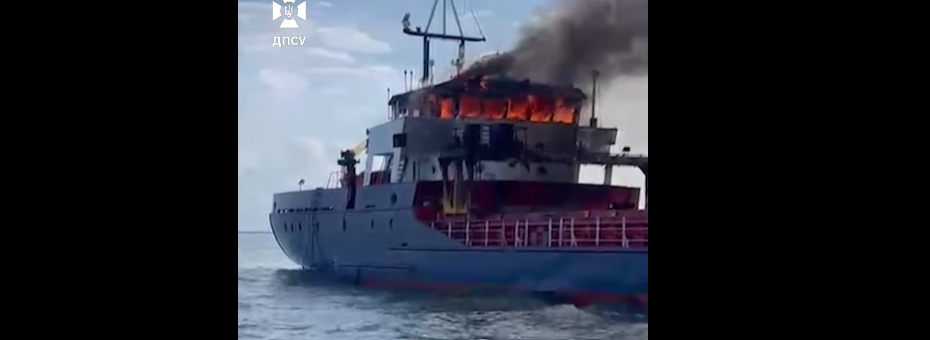
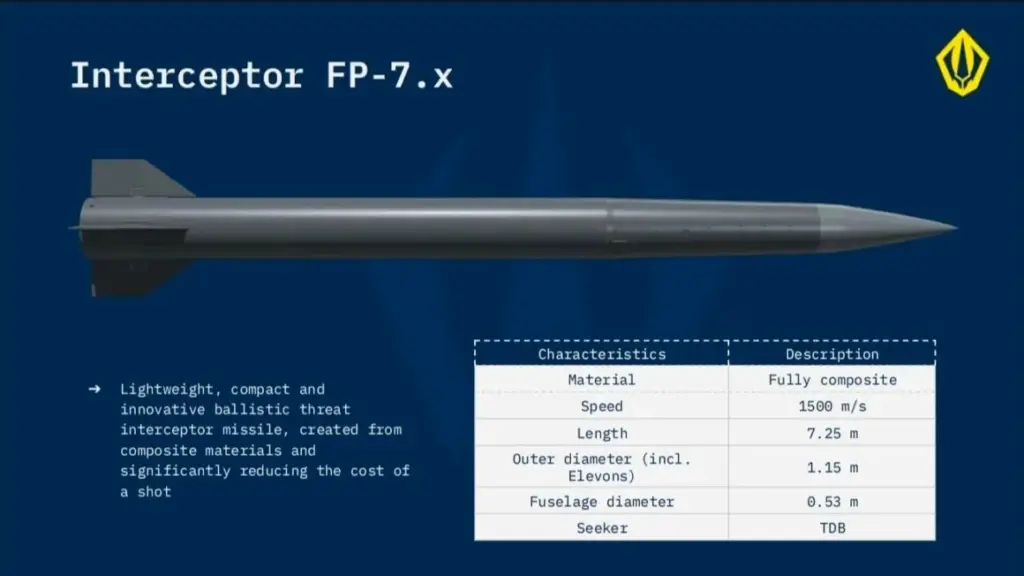
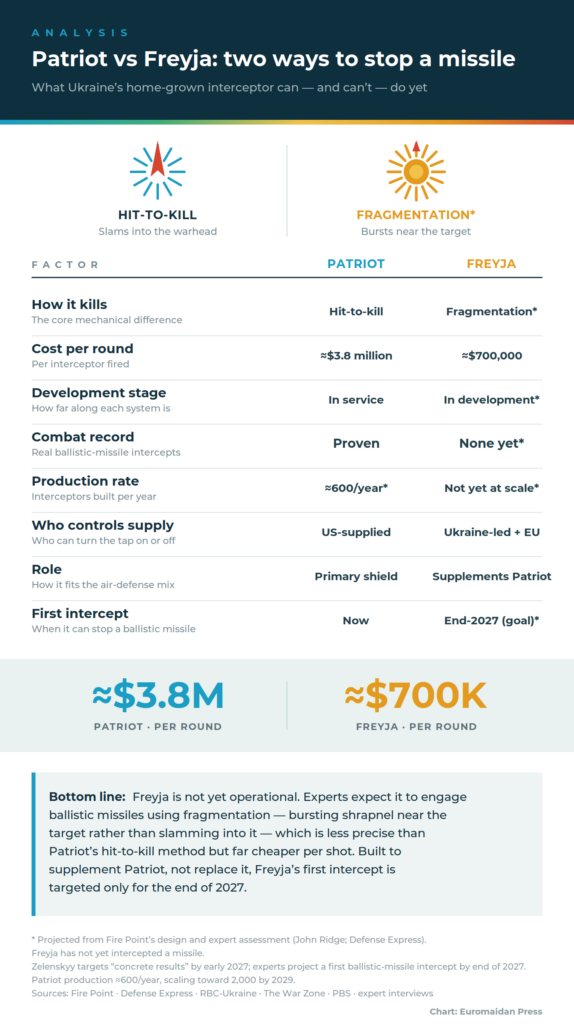
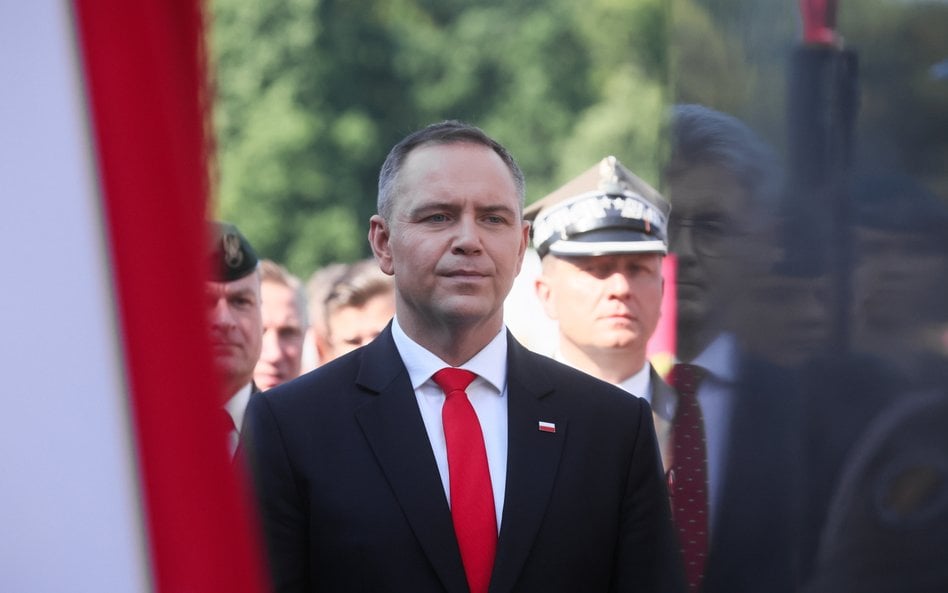
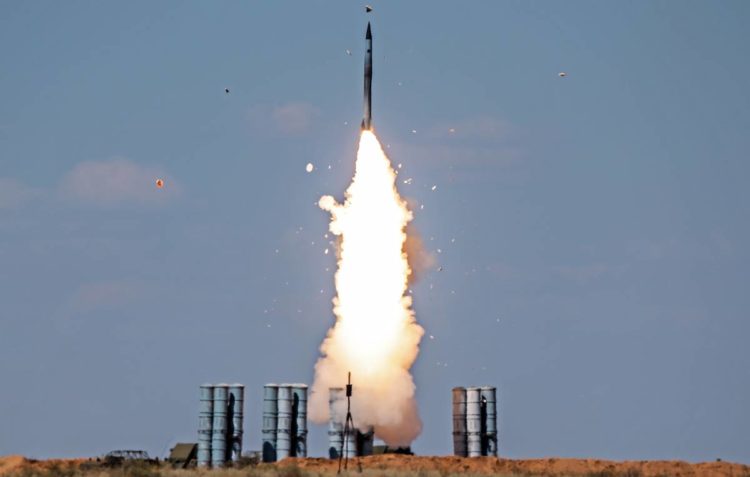
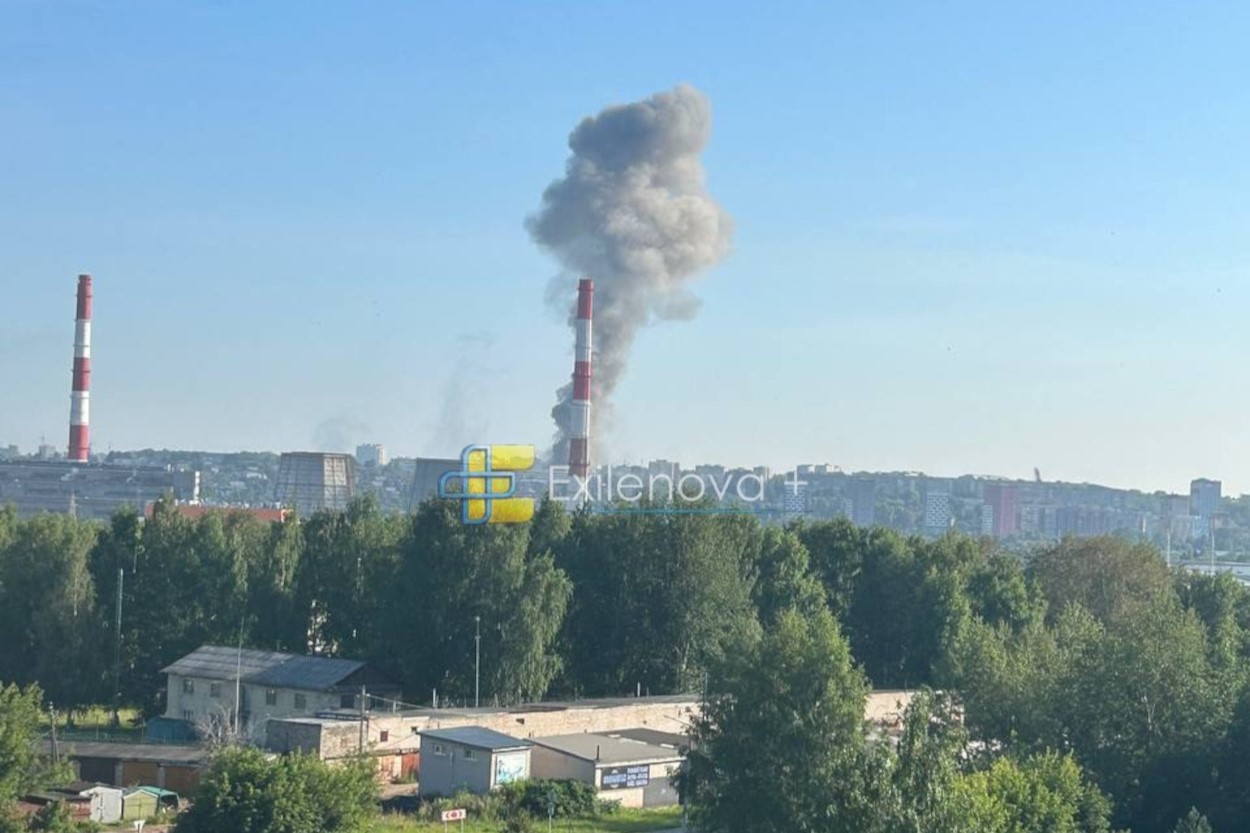

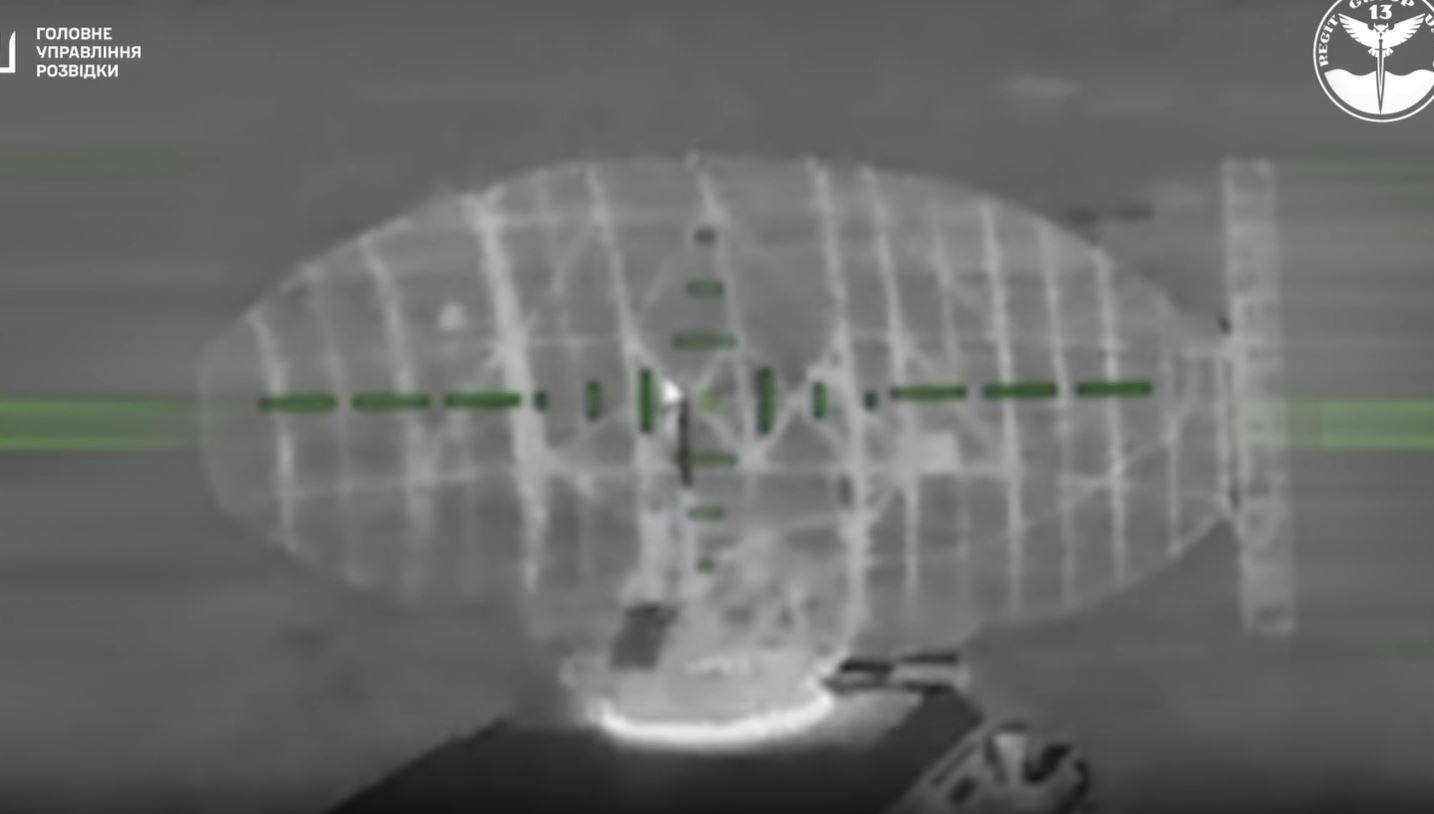
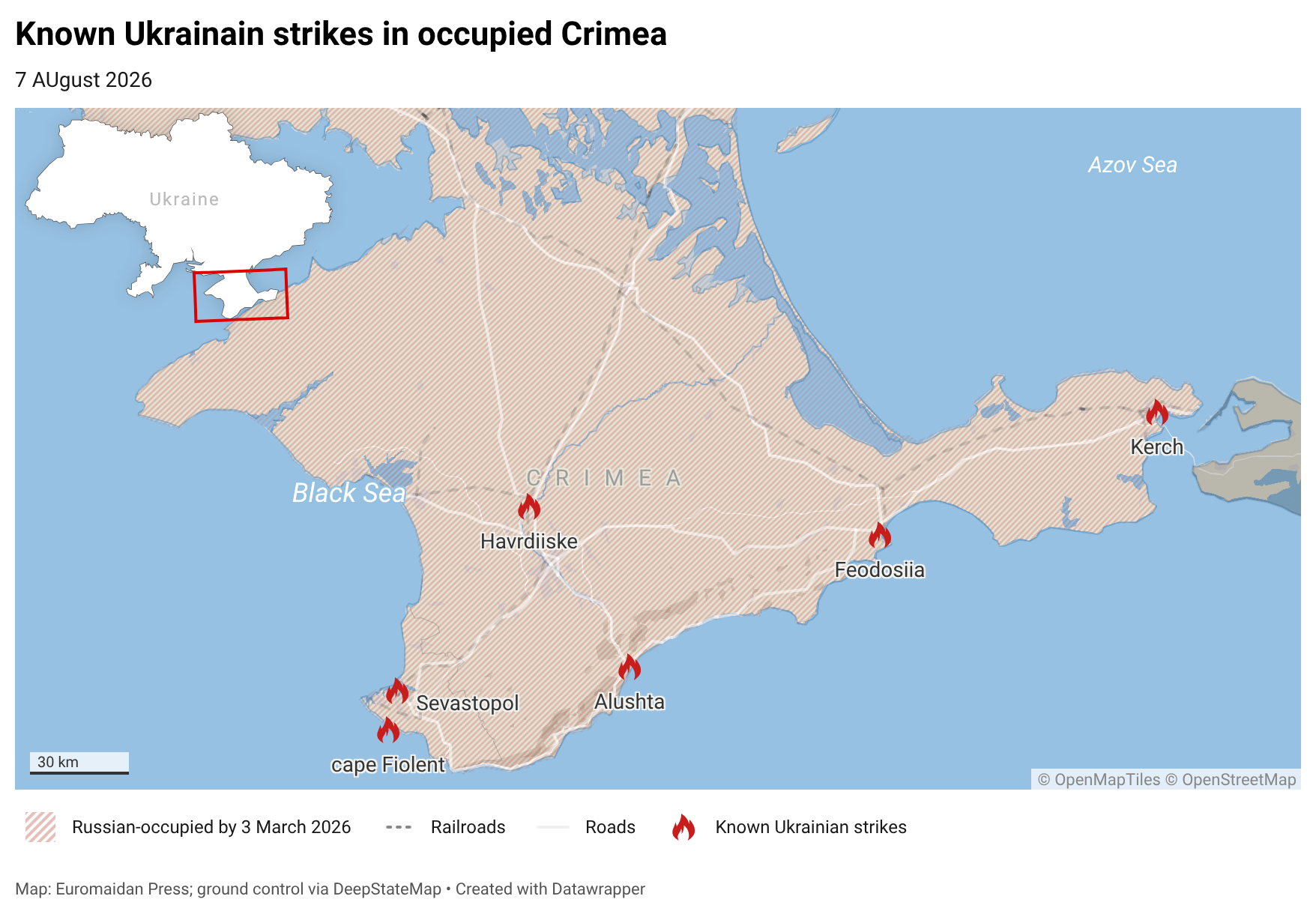
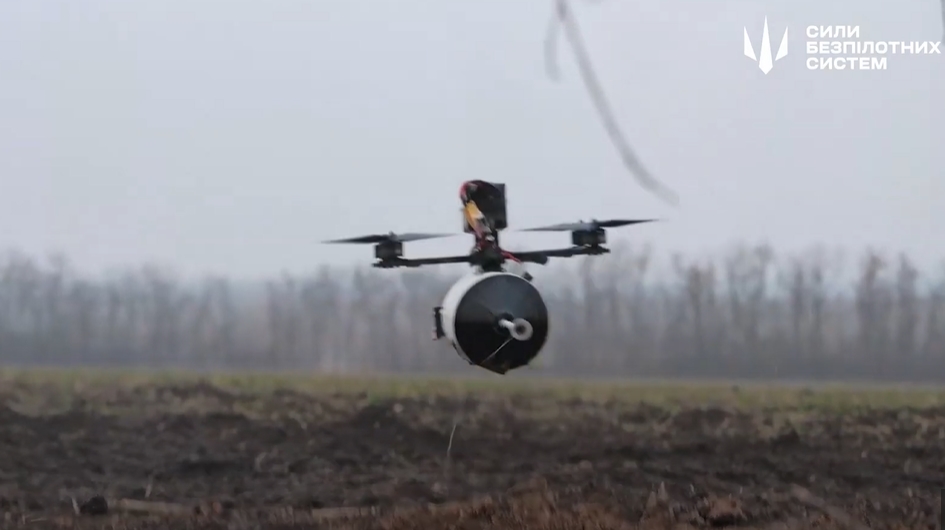

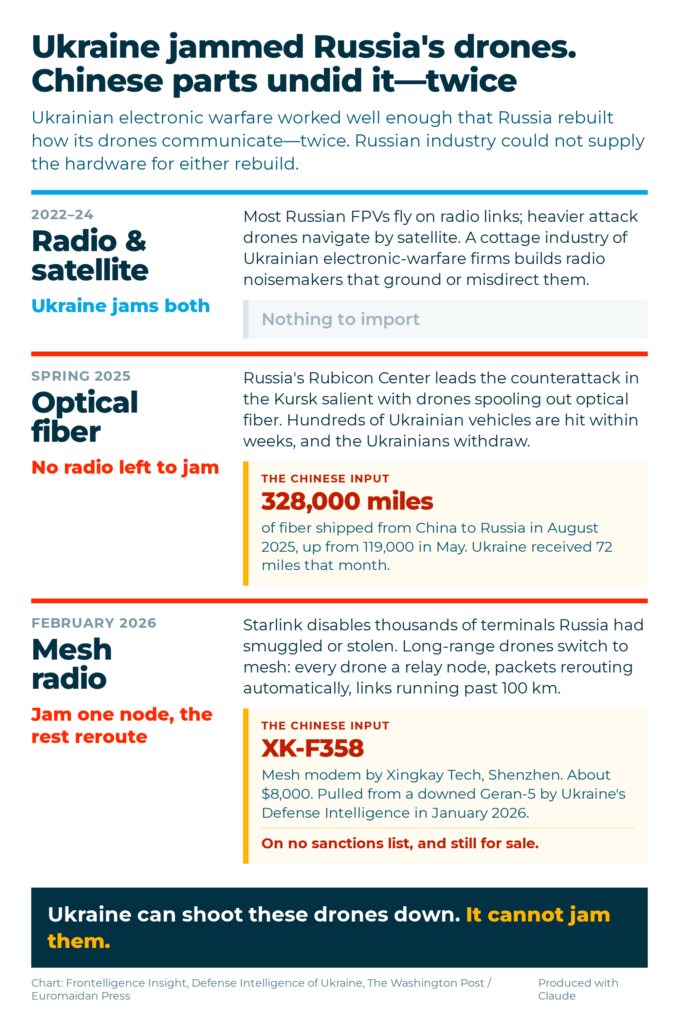
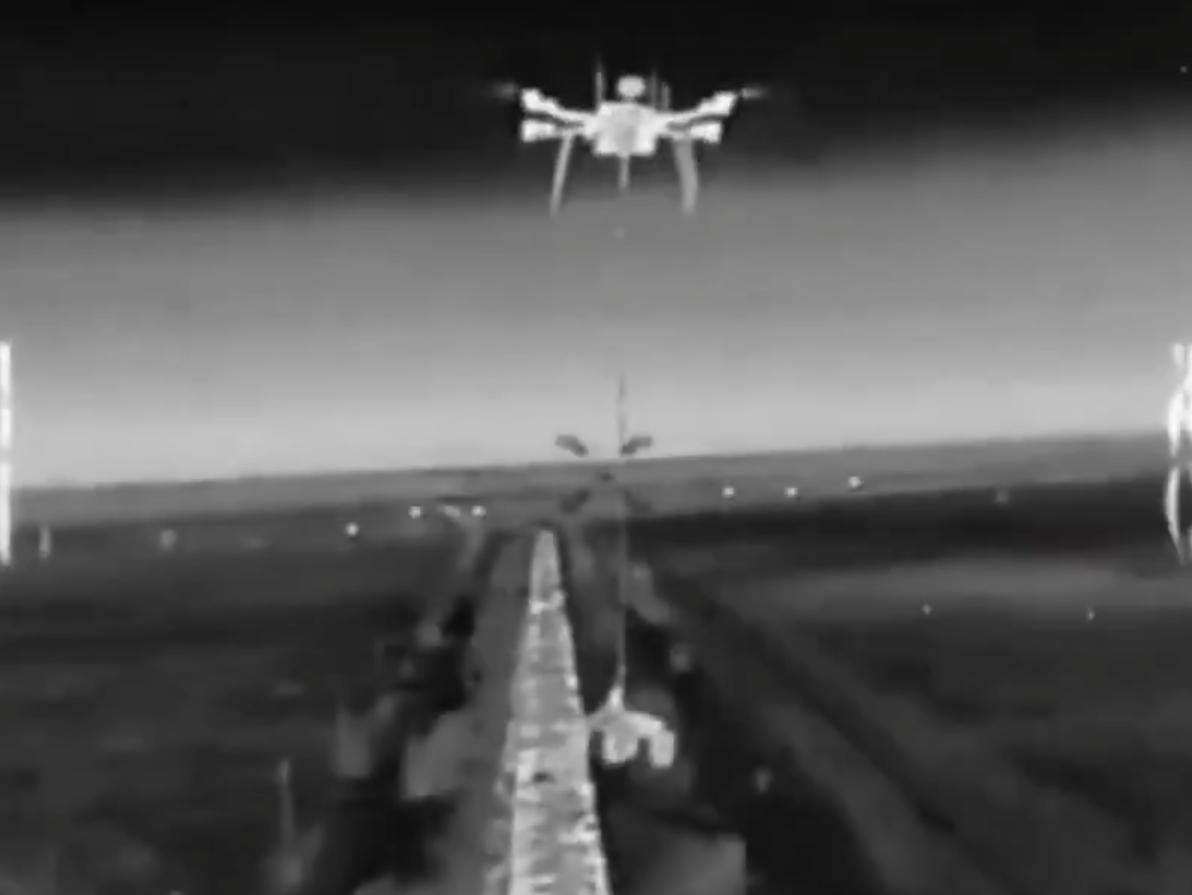
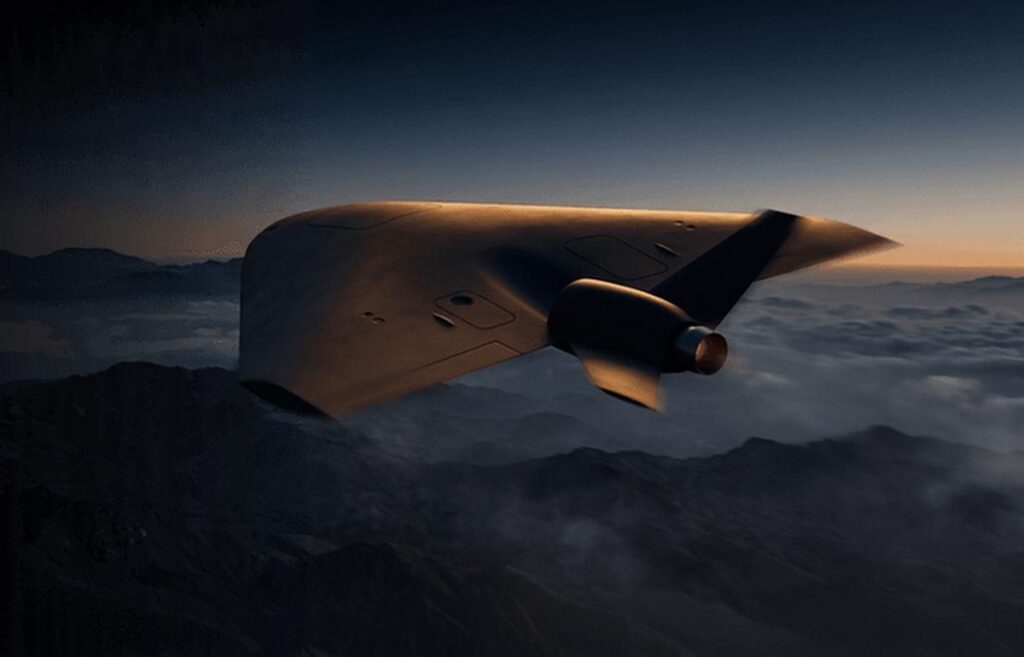
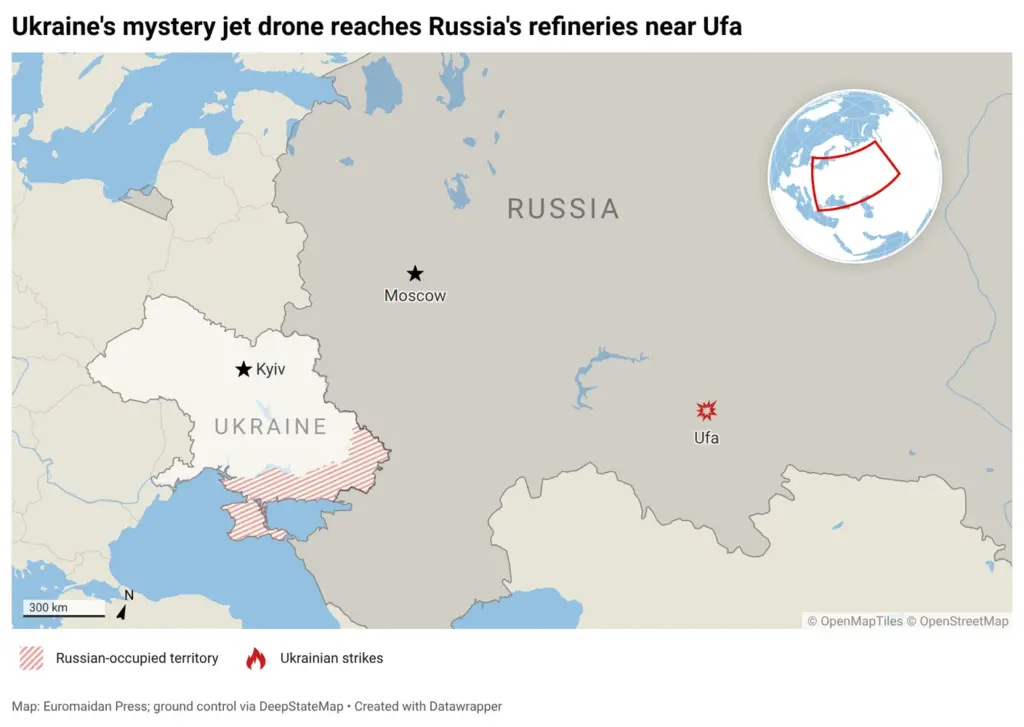
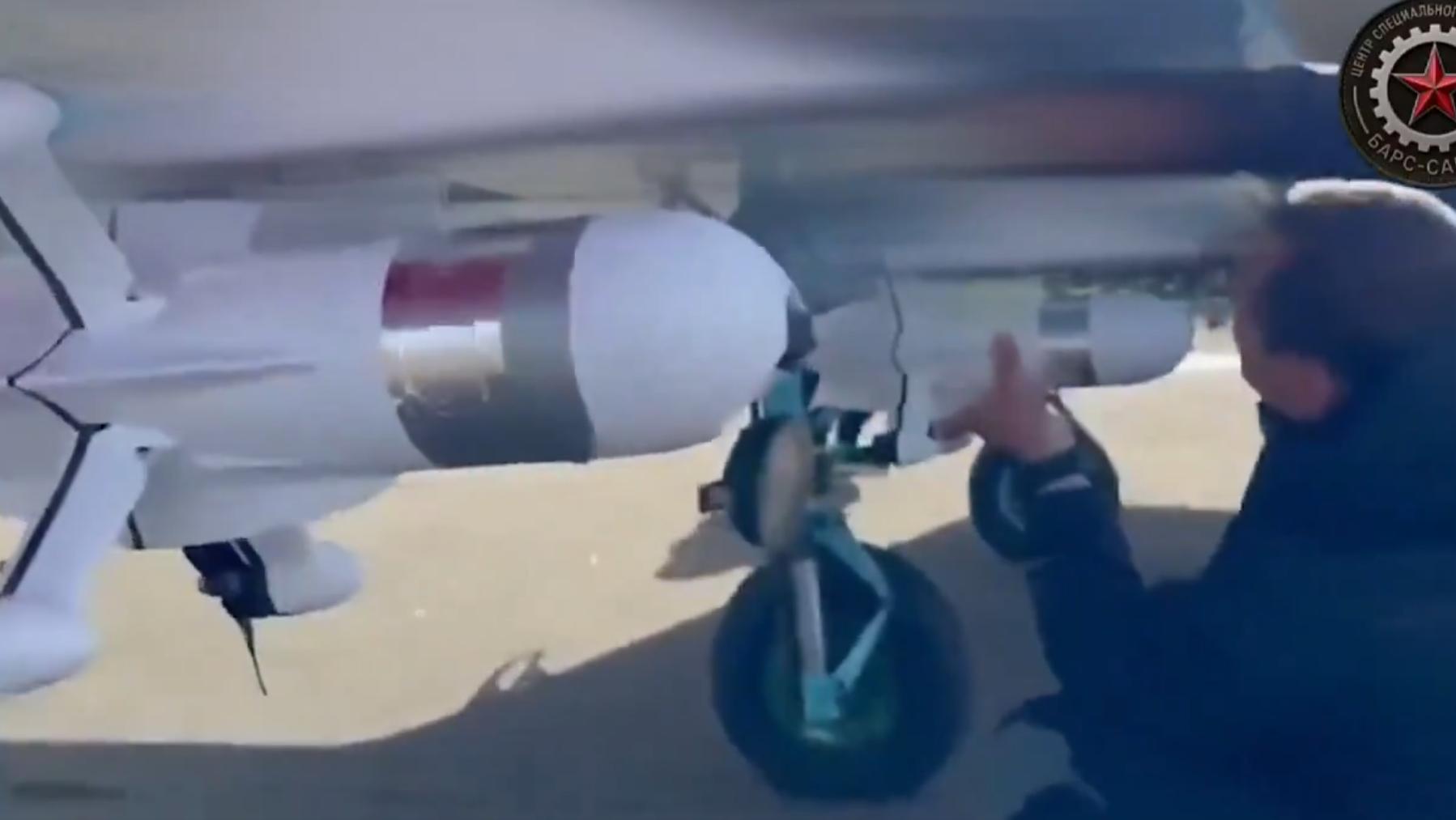
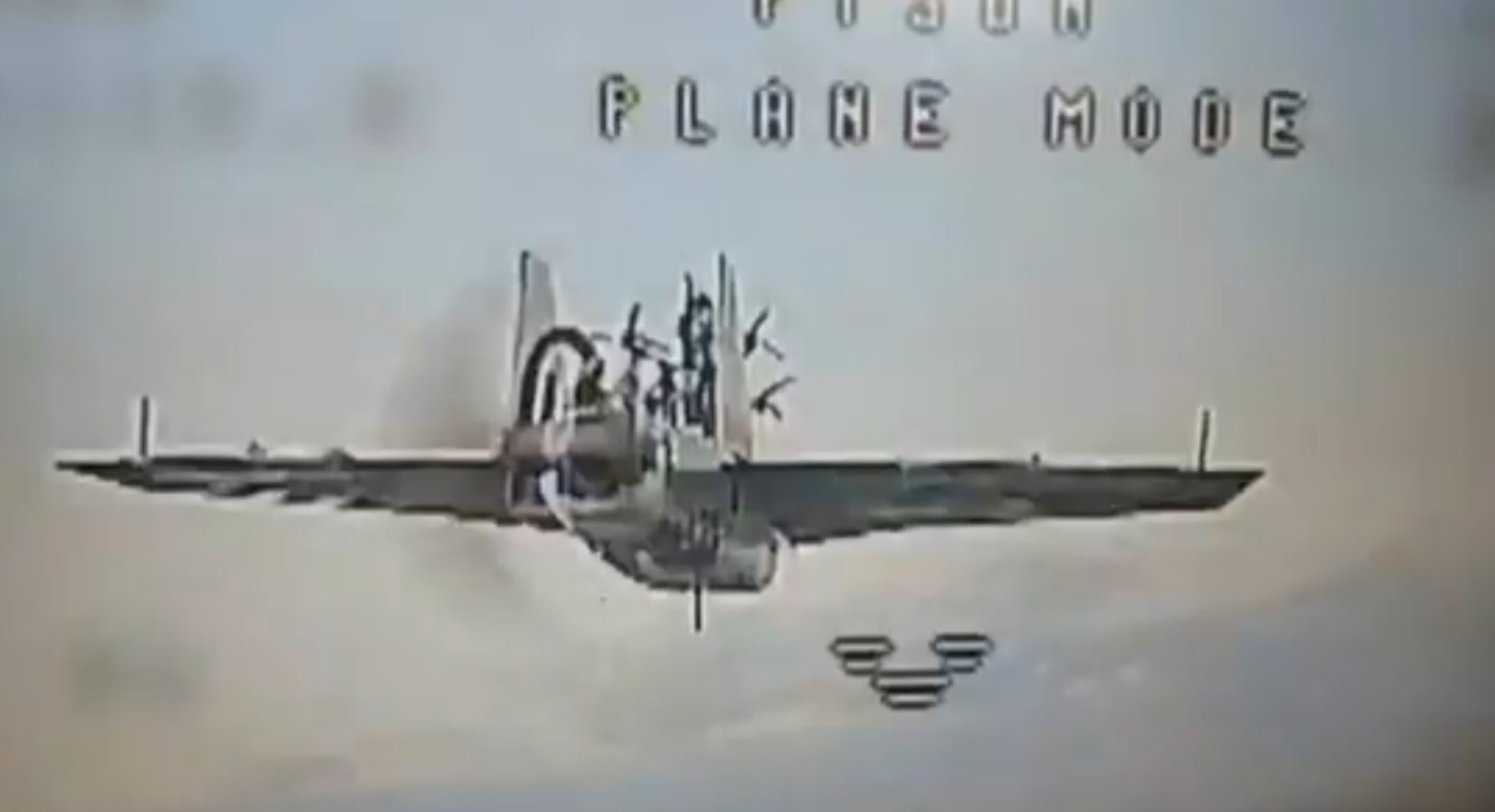

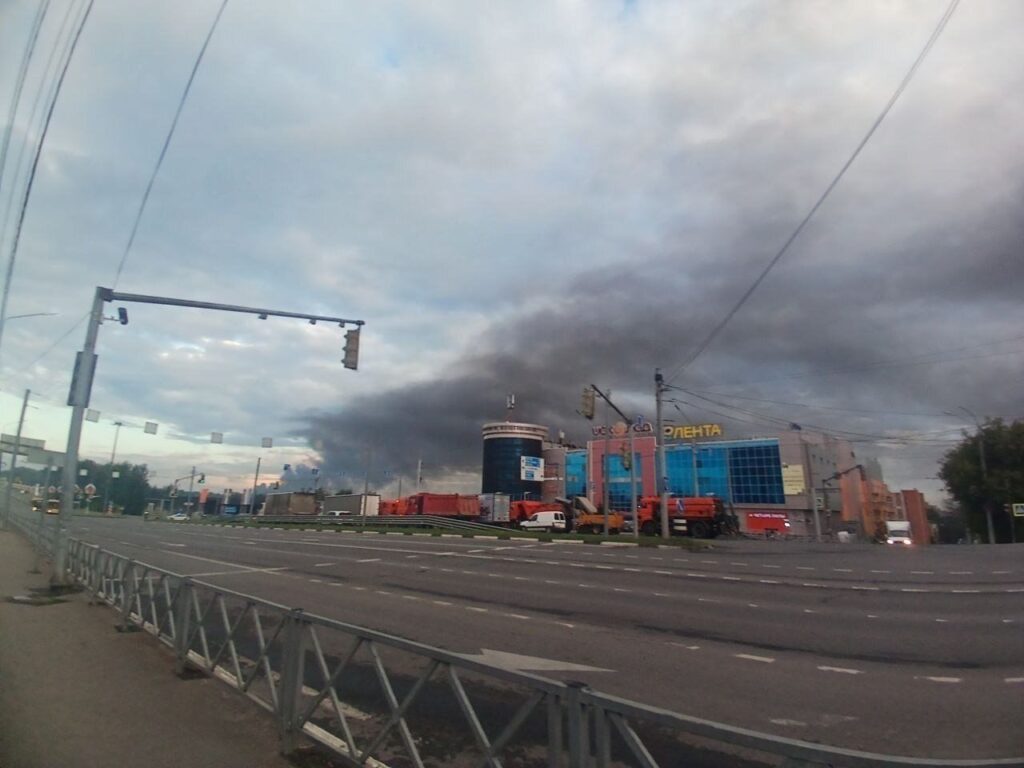
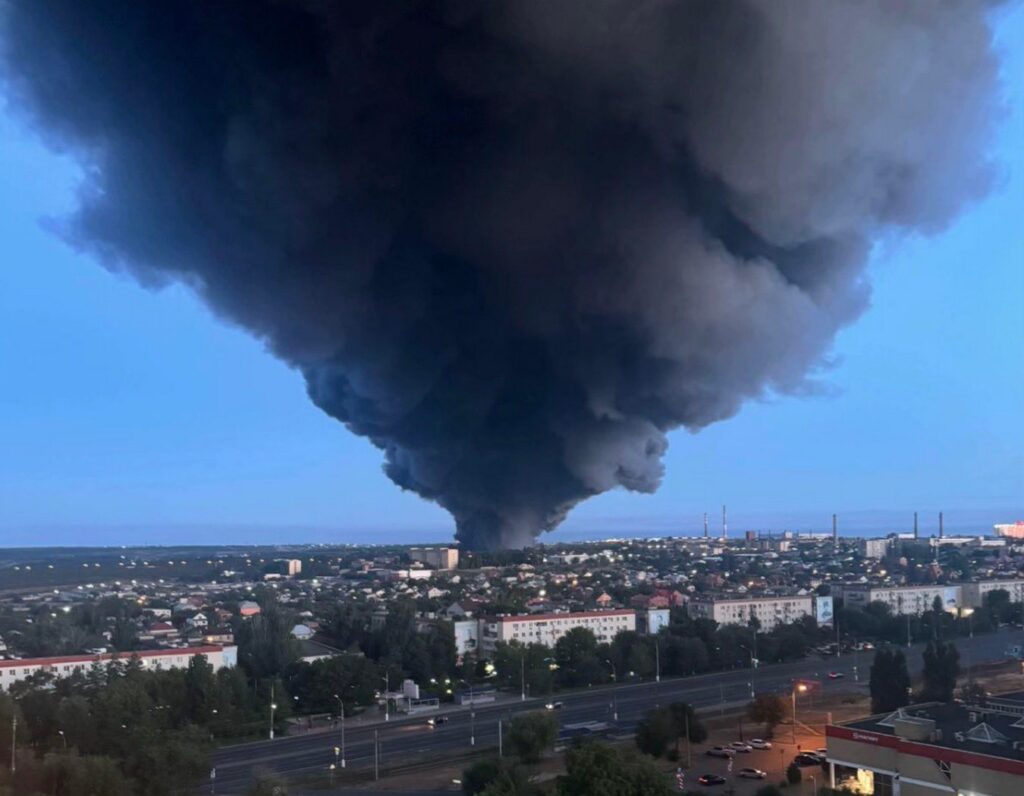
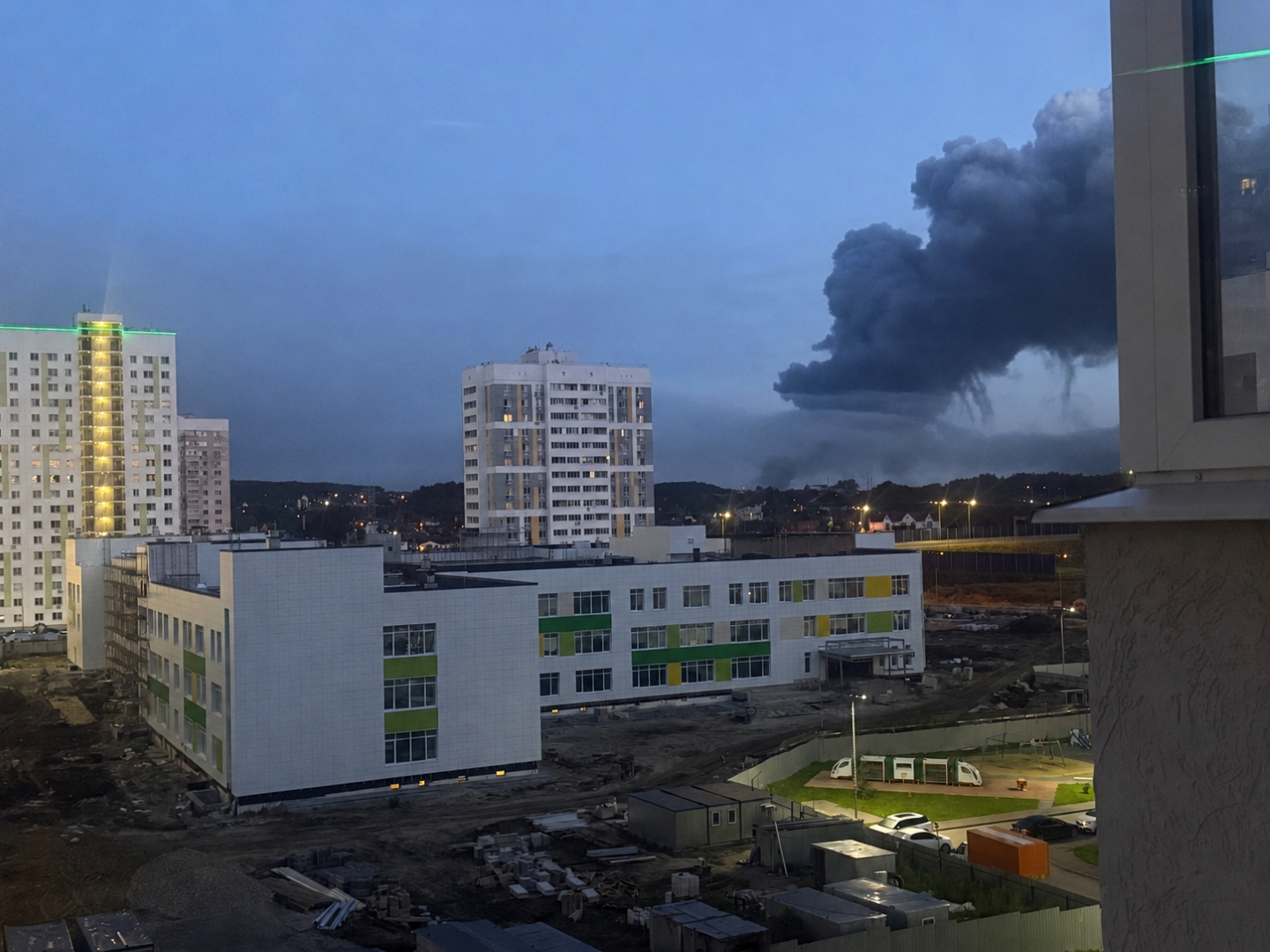

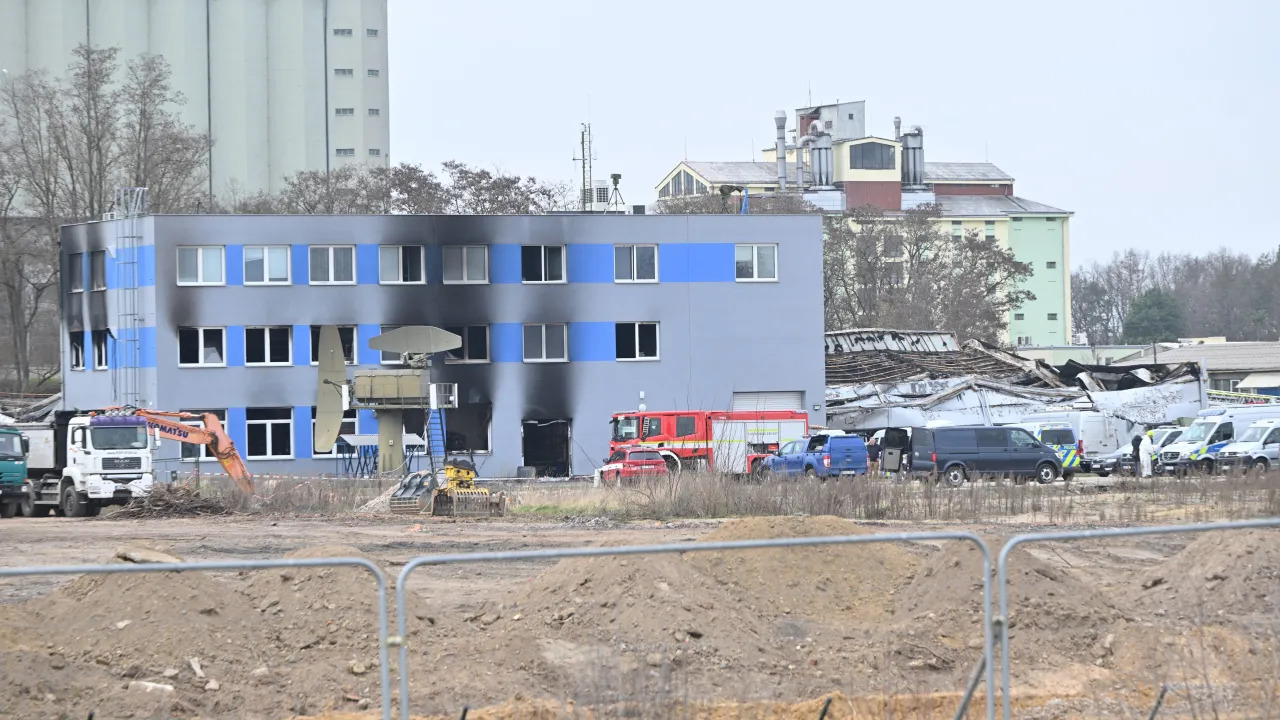
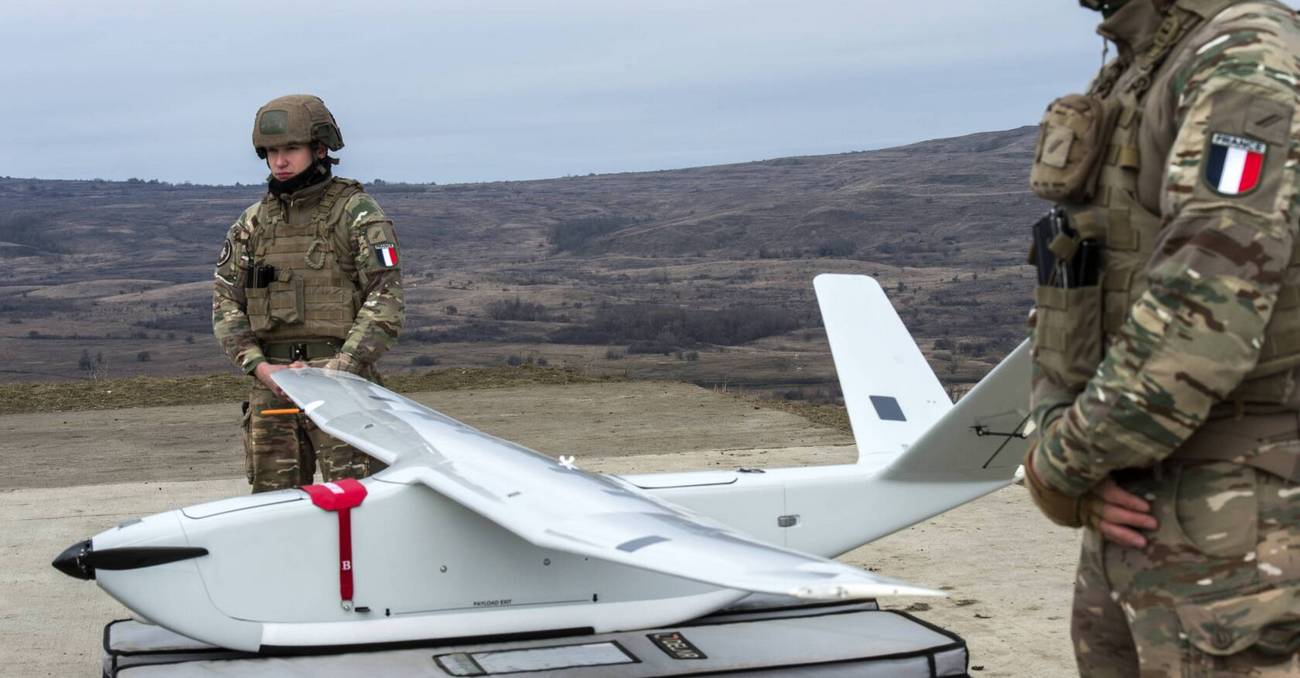
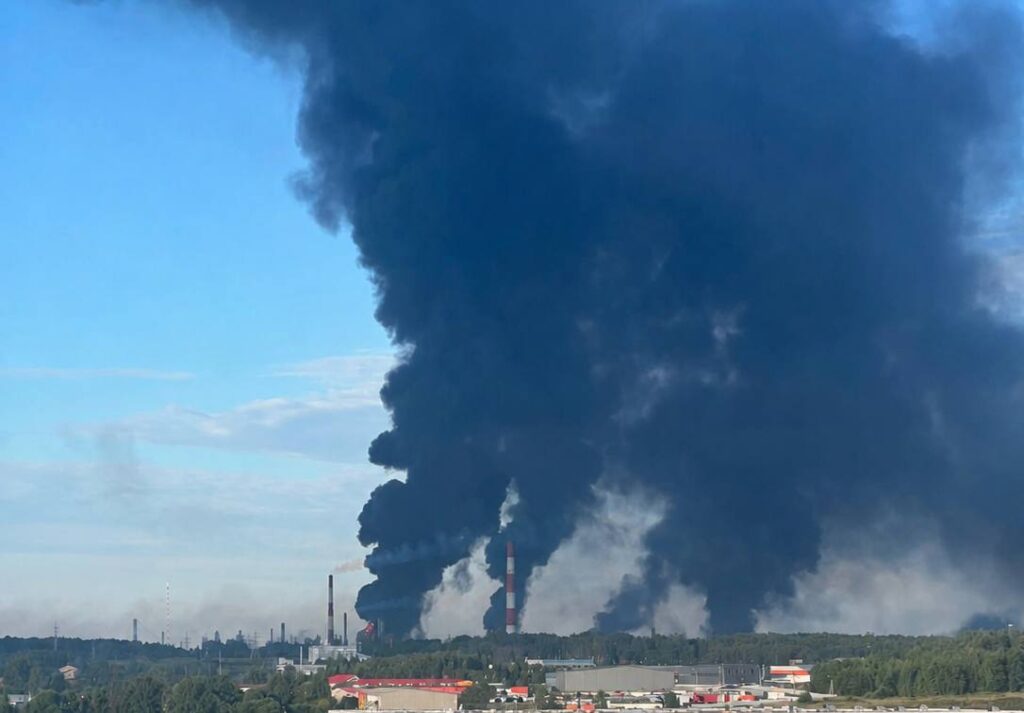
 Exilenova+