Ukraine has publicly shown off a homemade air-defense weapon that turns American anti-tank missiles into a drone-killer, The Defence Blog reported. The launcher stacks spare parts from three countries onto an ordinary military truck. It hands Ukraine a cheaper way to knock down the Russian attack drones that hit its cities.
Ukraine has become a proving ground for cheap air defense, forced there by a Russian bombing campaign that leans on mass and low cost. Then what
Ukraine has publicly shown off a homemade air-defense weapon that turns American anti-tank missiles into a drone-killer, The Defence Blog reported. The launcher stacks spare parts from three countries onto an ordinary military truck. It hands Ukraine a cheaper way to knock down the Russian attack drones that hit its cities.
Ukraine has become a proving ground for cheap air defense, forced there by a Russian bombing campaign that leans on mass and low cost. Then what works over Ukrainian cities is increasingly getting copied abroad.
Three countries' parts, one Ukrainian drone-killer
Ukraine's 302nd Anti-Aircraft Missile Brigade released an official video of the weapon, called STASH. Clips had leaked online for months, but this is the first time the military has shown it openly.
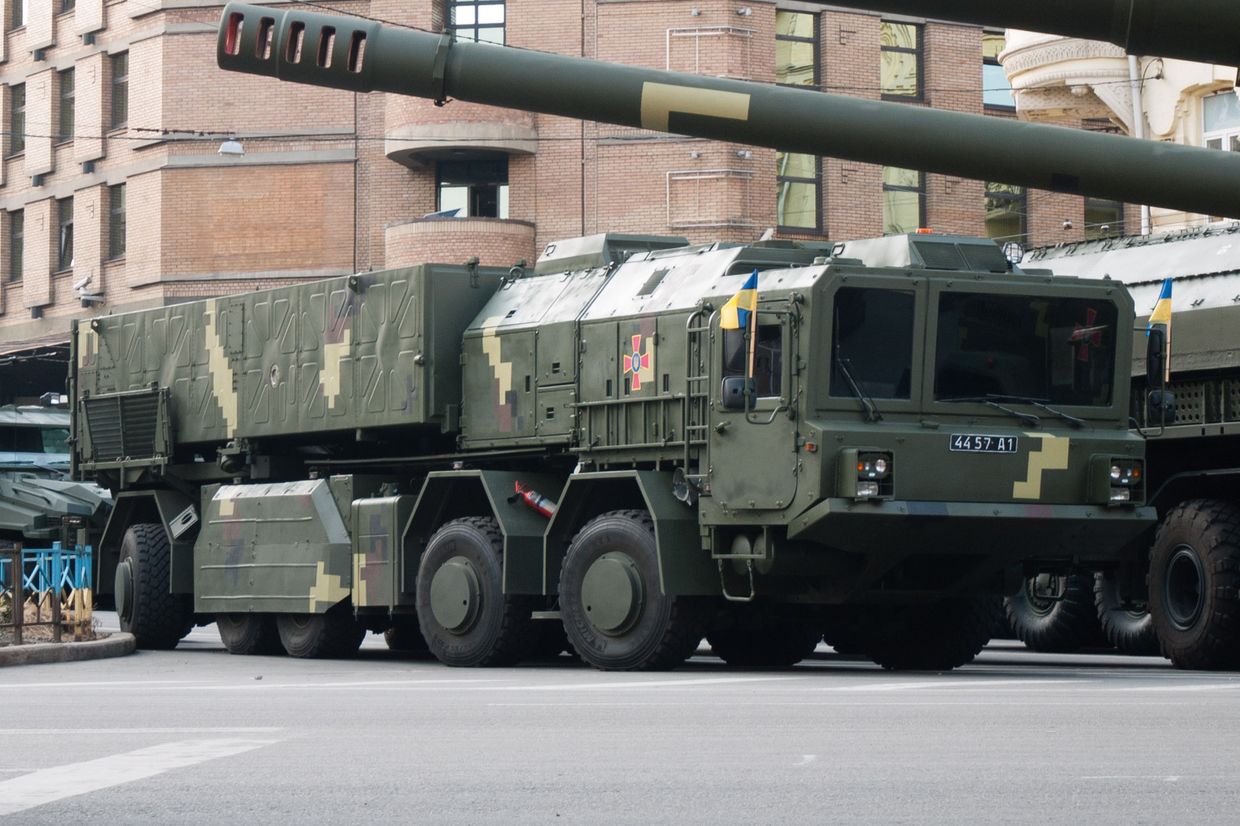
High-quality images of another variant of Ukraine's STASH short-range air defense system, this time mounted on a DAF YA 4442 truck and operated by the 302nd Anti-Aircraft Missile Brigade.
The STASH system can carry up to four AGM-114L Longbow Hellfire missiles for engaging UAVs.… pic.twitter.com/ewCiLHoJlj
The build is a patchwork. The missile is American. The radar comes from RADA, an Israeli maker of defense electronics. The truck is a Dutch DAF, a type that the Netherlands has long supplied to Ukraine. Crews bolted them together into a single launcher.
Why a tank missile now hunts drones
The missile at the core is the Hellfire, built to punch through tanks and armored vehicles when fired from helicopters. Ukraine repurposed it to shoot things out of the sky instead.
Explore further
Ukraine’s private air defense has quadrupled since spring: businesses are now shooting down Shaheds over their own sites
Not just any Hellfire, though. This is the radar-guided Longbow version (AGM-114L), not the common laser-guided one. After launch, the missile picks out its target and stays on it without further help from the crew. The crew does not have to keep pointing anything at the drone. They can fire without staying locked in place to guide the missile. The Israeli radar spots small, low-flying drones that slip past standard air-defense sets.
What it can and can't do
The weapon reaches about 10 kilometers (6.2 miles). That makes it a short-range system, built to guard one specific site rather than cover wide stretches of sky the way Patriot batteries do.
The STASH air defense system mounted on a truck chassis. Ukraine, August 2026. Screenshot from a video by the 302nd Anti-Aircraft Missile Brigade.
It is built to stop Russia's Shahed and Geran attack drones—including the newer jet-powered versions that now fly too fast for Ukraine's cheap interceptor drones to chase down. What it cannot reach are Russia's cruise and ballistic missiles, which travel much faster still.
The cost math behind the welding
A single Patriot interceptor runs into the millions of dollars. A Shahed-type drone sets Russia back just a few tens of thousands of dollars, and it launches them in swarms of hundreds during a single night. Trading costly missiles for cheap drones is a losing exchange, and it drains Ukraine's limited stock of interceptors.
STASH is how Ukraine tries to rebalance those numbers. It leans on anti-tank missiles that are cheaper and more available than purpose-built interceptors, carried on plain trucks rather than the permanent emplacements a full battery demands. Ukraine has been chasing cheaper ways to stop drones for a while now.
Explore further
EU releases another €3.47 billion for Ukraine’s “urgent needs” – drones, missiles, air defense, and Gripen jets
Not the first improvisation
STASH is not brand-new. It draws its missile and radar from a prior system, Tempest, built by the American contractor V2X and reportedly already flying with Ukraine's Air Force. Footage of Tempest downing drones at night surfaced in January 2026. STASH appears to strip that idea down, swapping the buggy-style chassis for a simpler truck or trailer launcher—less mobile, but cheaper to run and better for guarding fixed sites.
Ukraine has welded mismatched gear together like this before, pairing donated missiles with whatever launchers and trucks it can find.
Lithuania plans to establish production of Ukrainian-designed drones on its territory under a bilateral defense industry agreement, expanding Ukraine's manufacturing capacity abroad while strengthening Europe's defense industrial base, according to Lithuanian public broadcaster LRT.
Ukraine has increasingly pursued joint weapons production with allied countries as it seeks to scale up output, attract foreign investment, and build manufacturing capacity beyond the reach
Lithuania plans to establish production of Ukrainian-designed drones on its territory under a bilateral defense industry agreement, expanding Ukraine's manufacturing capacity abroad while strengthening Europe's defense industrial base, according to Lithuanian public broadcaster LRT.
Ukraine has increasingly pursued joint weapons production with allied countries as it seeks to scale up output, attract foreign investment, and build manufacturing capacity beyond the reach of Russian missile and drone attacks.
Lithuanian Defense Minister Robertas Kaunas said the project will be carried out through joint investments under a defense industry cooperation agreement signed by Lithuania and Ukraine in May.
Speaking to the business daily Verslo žinios, Kaunas said his ministry was reorganizing its team to begin implementing what he described as the two countries' "drone deal."
"We have an agreement with Ukraine known as the drone deal. Changes are currently being made within the ministry's team to bring in key personnel who will begin translating that agreement into practical solutions on the ground, so that we can localize Ukrainian drone production in Lithuania," Kaunas said, according to LRT.
He said the drones would be manufactured in Lithuania using Ukrainian technology.
The agreement, signed by Presidents Volodymyr Zelenskyy and Gitanas Nausėda in May, provides for the joint production of four classes of Ukrainian drones – long-range strike drones, naval drones, interceptor drones, and bomber drones – as well as technology transfer and broader cooperation in air defense, missile defense, and unmanned systems.
Explore further
Lithuania signs full Drone Deal, Latvia receives Ukrainian air defense experts
Ukraine builds production capacity with allies
Kaunas said the initiative would benefit both countries by expanding Ukraine's production capacity while helping Lithuania develop its own defense industry through new manufacturing capabilities, technological advances, and cooperation between Lithuanian and Ukrainian engineers.
For Kyiv, producing weapons abroad has become an increasingly important part of its defense strategy. Manufacturing in partner countries allows Ukrainian companies to expand output, access investment and industrial capacity, build more resilient supply chains, and reduce the risk of disruption from Russian long-range strikes while giving allies access to battlefield-tested Ukrainian technology.
Lithuania was among the first countries to back the initiative, having previously agreed to finance Ukrainian long-range drone production before formalizing the broader partnership this year.
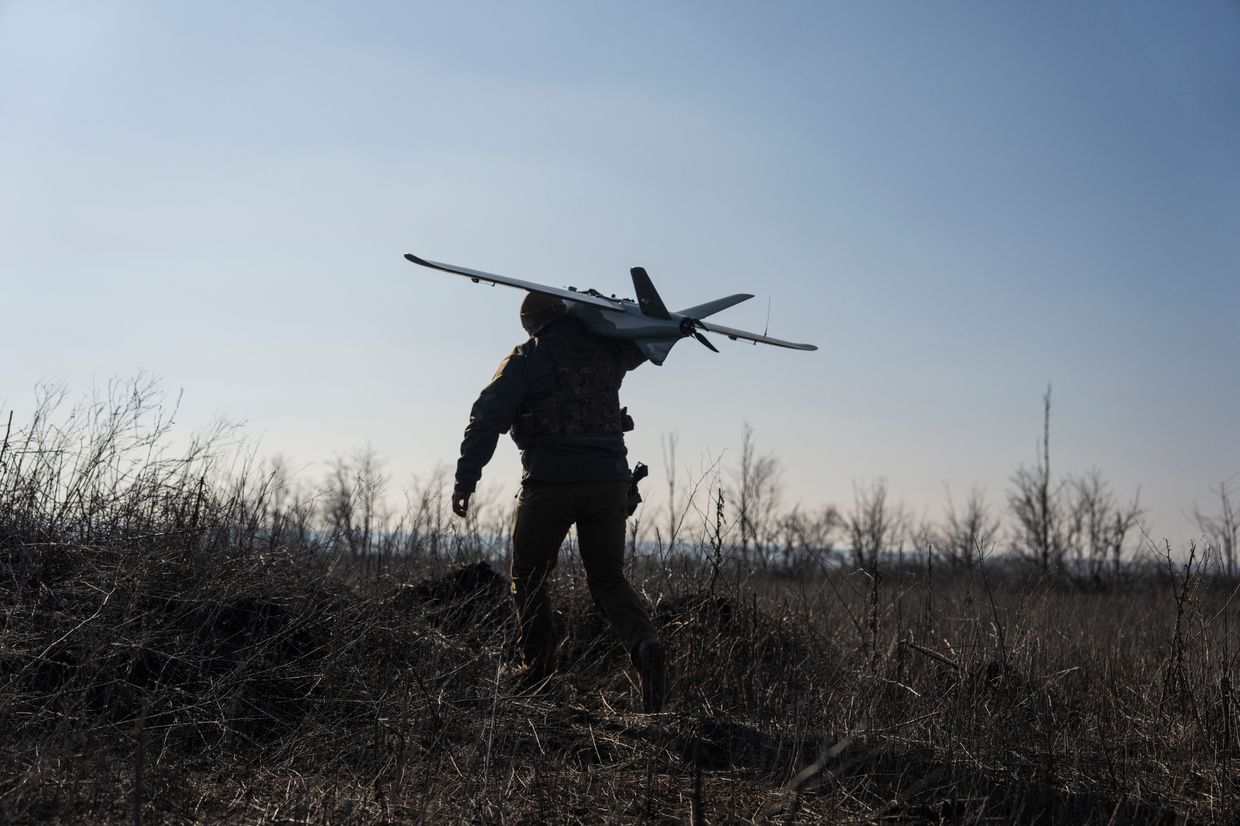
A Ukrainian service member holds a Darts attack drone, which has a reported range of 40-60 kilometers. Russian military bloggers say that these are among the Ukrainian drones that make use of a directional antenna that can dynamically maintain connection with a signal repeater. (Photo: Come Back Alive Foundation)
Lithuania expands cooperation with Ukraine's defense industry
LRT reported that several Ukrainian defense companies have already received approval from Lithuania's national security commission to establish operations in the country, according to Invest Lithuania CEO Elijus Čivilis.
In June, Kaunas also invited Luxembourg-based drone manufacturer Luxuav, founded by Ukrainians, to conduct testing in Lithuania, underscoring the country's growing role as a base for Ukrainian defense technology and manufacturing in Europe.
Russia is trying to seize the town of Lyman in northern Donetsk Oblast to turn it into a base for a push toward the twin cities of Sloviansk and Kramatorsk, Ukraine's Joint Forces spokesman Viktor Trehubov said on Ukrainian TV, according to Ukrinform. He described control of the town as a necessity for any Russian advance deeper into the region. For now, he said, Russian troops still cannot establish themselves inside it.
For years, Donetsk Oblast in eastern Ukraine has
Russia is trying to seize the town of Lyman in northern Donetsk Oblast to turn it into a base for a push toward the twin cities of Sloviansk and Kramatorsk, Ukraine's Joint Forces spokesman Viktor Trehubov said on Ukrainian TV, according to Ukrinform. He described control of the town as a necessity for any Russian advance deeper into the region. For now, he said, Russian troops still cannot establish themselves inside it.
For years, Donetsk Oblast in eastern Ukraine has seen the heaviest and most intense fighting along the roughly 1,200-kilometer frontline. Russia has spent 2026 trying to break the chain of fortified cities that has anchored Ukraine's eastern defense since 2014, a line it failed to crack even in the opening months of the full-scale invasion.
Why Russia needs Lyman
Trehubov said the Russians want to enter Lyman and dig in, aiming to hold the town and use it as a launchpad.
"The Russians want to enter Lyman and entrench," he said. "Their goal is precisely to take control directly over the settlement."
He stressed that it means "not just somewhere nearby, but over the settlement itself." Russia needs it to "use it as a base for further developing the offensive south toward the Sloviansk-Kramatorsk agglomeration. Even if you just look at the map, it becomes clear that for them this is a necessity."
Explore further
ISW: First Pokrovsk, then Huliaipole—now Russia points its logistics-killing air campaign at the Fortress Belt
For months Russia has looked for routes that avoid Lyman, he said, including attempts to move through the village of Rai-Oleksandrivka. Without holding the town, he added, any Russian effort to enter Sloviansk would be extremely risky and awkward. So Moscow keeps trying to take it.
Trehubov told national television that Russian forces have pushed as far as Lyman's eastern edge but cannot secure a foothold there. Lyman sits across the Siverskyi Donets River northeast of the twin cities, the largest settlements still under Ukrainian control in the area.
Russia bombs two front-line Donetsk Oblast areas, injuring civilians
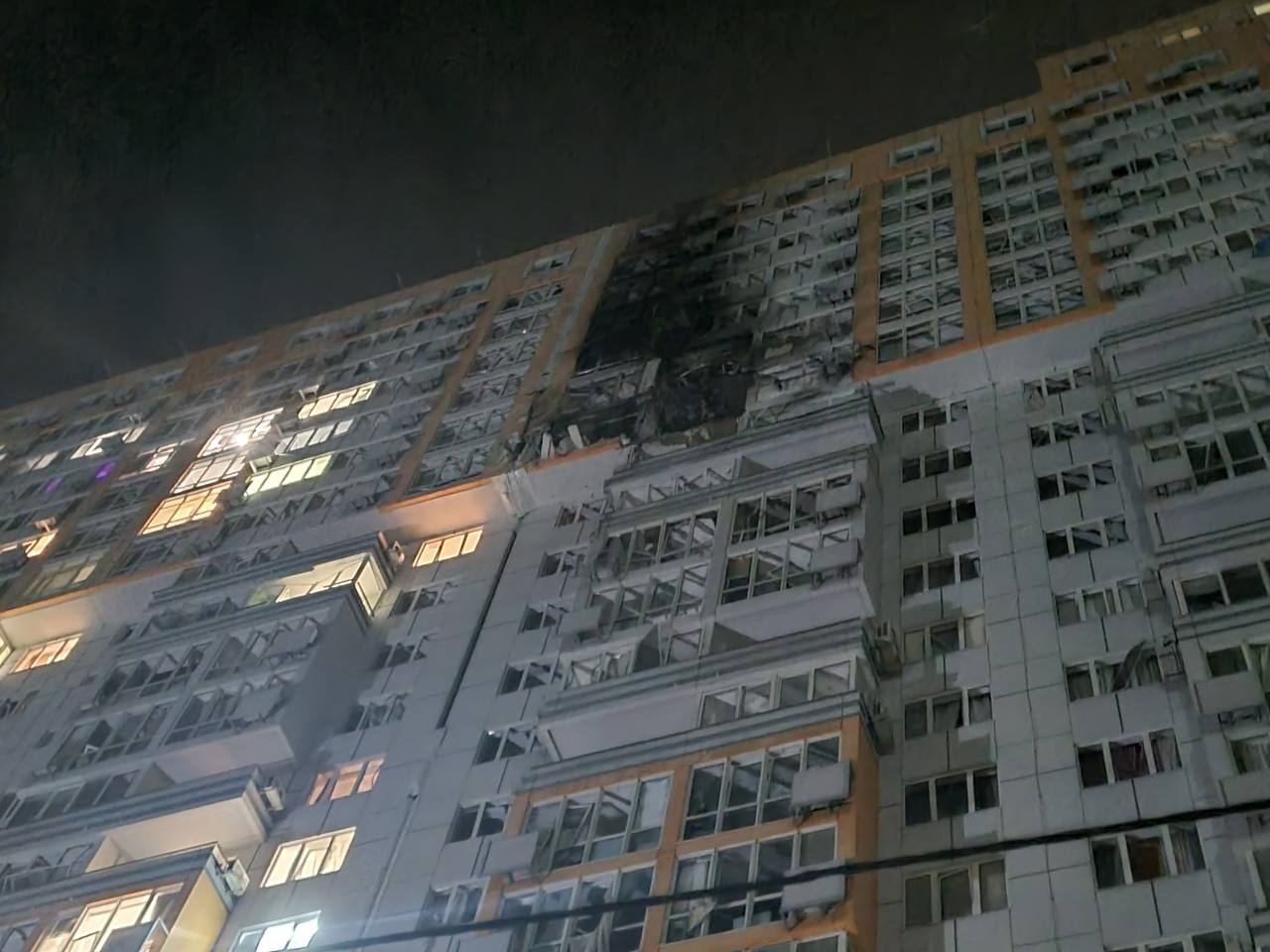
Russian aviation dropped four bombs on Kramatorsk overnight, wounding three and setting a 14-story building alight, then hit the Sloviansk community with a bomb and a drone, wounding one more, officials said.… pic.twitter.com/wrX8ypFOrT
Over the past year Ukraine's drone units have grown sharply, gradually shifting the front in Kyiv's favor, Trehubov said.
"The Russians still have some individual advantages, and there are moments where they have big problems, which they acknowledge, like heavy copters, for example, which they never managed to set up effectively," he said.
Moscow's failure to field working heavy drones stands out on this stretch of front.
"Overall the situation is evening out in Ukraine's favor thanks to both the quantitative and qualitative growth of Ukrainian drones and drone operators," Trehubov said, adding "There are more of them, they are used more effectively, and the organization of their interaction has become much better relative to the Russian one."
That shift in the drone math has been building for more than a year.
Over the past day, Ukraine's Defense Forces recorded 226 combat clashes with Russian troops, with the Kostiantynivka direction the most active.
The Institute for the Study of War (ISW) reads the main threat differently. The US-based think tank has assessed that Russia is now aiming its logistics-strangling air campaign at Sloviansk and Kramatorsk. Before it storms the cities, Moscow wants to cut their supply lines with drones, missiles, and increasingly glide bombs, the same method that set up its advances near Pokrovsk and Huliaipole in 2025.
Footage from a recent Ukrainian strike on a Russian oil refinery captured an unidentified drone resembling the US F-117 Nighthawk stealth jet, though on a far smaller, drone-sized scale, according to RBC-Ukraine. Online observers suspect a new Ukrainian jet-powered strike drone, or a test of an allied foreign one, but no official body has confirmed what the aircraft is. If the guesses hold, Ukraine may be fielding a faster, longer-reaching class of weapon for hitting t
Footage from a recent Ukrainian strike on a Russian oil refinery captured an unidentified drone resembling the US F-117 Nighthawk stealth jet, though on a far smaller, drone-sized scale, according to RBC-Ukraine. Online observers suspect a new Ukrainian jet-powered strike drone, or a test of an allied foreign one, but no official body has confirmed what the aircraft is. If the guesses hold, Ukraine may be fielding a faster, longer-reaching class of weapon for hitting targets deep inside Russia.
Ukraine has spent the past year turning Russia's interior into contested space, sending long-range drones ever deeper toward the oil, defense, and logistics sites the Kremlin once treated as untouchable. Each new type that surfaces marks another step from short-range drones toward missile-like machines.
An unfamiliar silhouette over the refinery
The drone appeared during a 2 August Ukrainian drone strike on a refinery near Ufa,more than 1,300 kilometers from the Ukrainian border. The clip shows an aircraft shaped unlike most Ukrainian long-range drones, likely powered by a jet engine. The open-source monitoring channel Clash Report, which first shared the footage, believes it may be the Bravo drone or a modified version.
Explore further
Drones flew 1,300 km to Russia’s Ufa—then struck Bashneft refineries
What the Bravo could do, and why it would matter
If the aircraft is indeed a Triada Robotics product, the company describes Bravo as a single-use, jet-powered drone intended for long-range strike missions. According to the developer, its range exceeds 2,000 km (about 1,240 miles)—enough to reach much of the refinery and defense-industrial infrastructure Russia keeps far from the front lines.
Mysterious Jet Drone Attacks Ufa
During the attack on the oil refinery in the Ufa area on July 2nd, an unidentified drone was spotted, resembling the American F-117 in shape. Theoretically, it could be the Bravo Deep-Strike UAV Platform from Triada Robotics, but there is no… pic.twitter.com/LnplWeRAul
Triada Robotics says the drone cruises at about 600 km/h and can accelerate to roughly 800 km/h (around 500 mph) during the final phase of flight. The company also lists a warhead weighing more than 100 kg (220 lb), a payload that could threaten facilities such as fuel depots or refineries.
The developer pitches it as a cheaper stand-in for a cruise missile—long-range reach at a fraction of the cost—so Ukraine could fly more strikes at distant targets.
Explore further
Oil refinery, strategic airbase, and drone facilities: Overnight strikes hit key pillars of Russia’s war effort
Why observers compare it to the F-117
The comparison rests on the drone's silhouette. Watchers noted its outline echoes the F-117 Nighthawk, the US jet built with radar-evading shaping. A similar shape, though, does not prove full stealth. Such geometry can also sharpen aerodynamics or dodge only certain radar types. Even so, the aircraft's identity stays unconfirmed, and its edge rests on the maker's claims rather than proven use.
Russia is changing the drones it attacks with, and hiding the ships it can no longer use. Russian forces are using more jet-powered drones in their air attacks, effectively betting on them, Ukrainian Navy spokesman Dmytro Pletenchuk said, according to UkrInform.
The shift is toward faster, harder-to-stop drones. Russia is reducing the number of ordinary drones and increasing the jet-powered ones, betting on them first and foremost.
Jet-powered Shaheds fly faster tha
Russia is changing the drones it attacks with, and hiding the ships it can no longer use. Russian forces are using more jet-powered drones in their air attacks, effectively betting on them, Ukrainian Navy spokesman Dmytro Pletenchuk said, according to UkrInform.
The shift is toward faster, harder-to-stop drones. Russia is reducing the number of ordinary drones and increasing the jet-powered ones, betting on them first and foremost.
Jet-powered Shaheds fly faster than propeller models, giving air defenses less time to react, and Russia has used them in recent strikes, including the 1 August attack that killed a warehouse worker at the retailer Rozetka. Ballistic missiles, Pletenchuk added, remain the main challenge.
The Black Sea Fleet no longer goes to sea
Russia also still claims control of waters it cannot use. The Russians believe they exercise operational control over the Black Sea, but if you look at it purely in terms of sea sorties, they are absent, Pletenchuk said.
"The Azov Sea is out of the question now, and the Black Sea, effectively, the same," he stressed.
Russian aviation remains present and is a problem because it allows Russia to at least map the situation and makes the sea dangerous, but the fleet itself has been driven from the water.
Russia is afraid to repair its own ships
The most striking detail is what has happened to ship maintenance. Russia has repair facilities in occupied Crimea, but does not dare enter and repair ships there, because it has already learned how such repairs end.
They end with the Navy and the Armed Forces adding the "final touches," he said, so Russia periodically tows ships between bays to keep them from being finished off. Novorossiysk has some repair capacity, but docking there is very risky because a ship under repair becomes a stationary target. In practice, no one does it there either. As for small craft like Raptor and Grachonok boats, they are caught during rotations to the occupied spits and destroyed when they come into view, he added, sometimes turning back mid-route, the only patrol vessels Russia still uses.
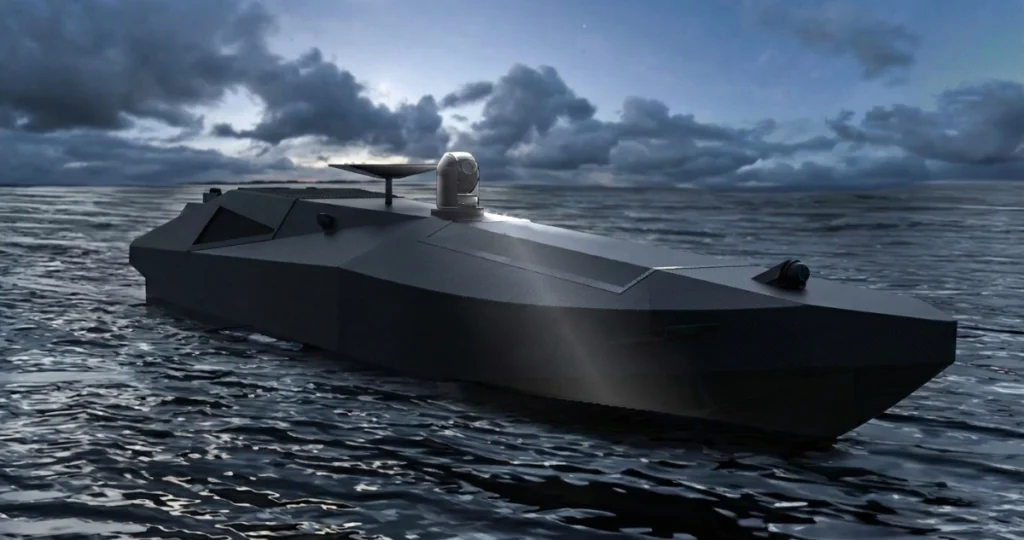
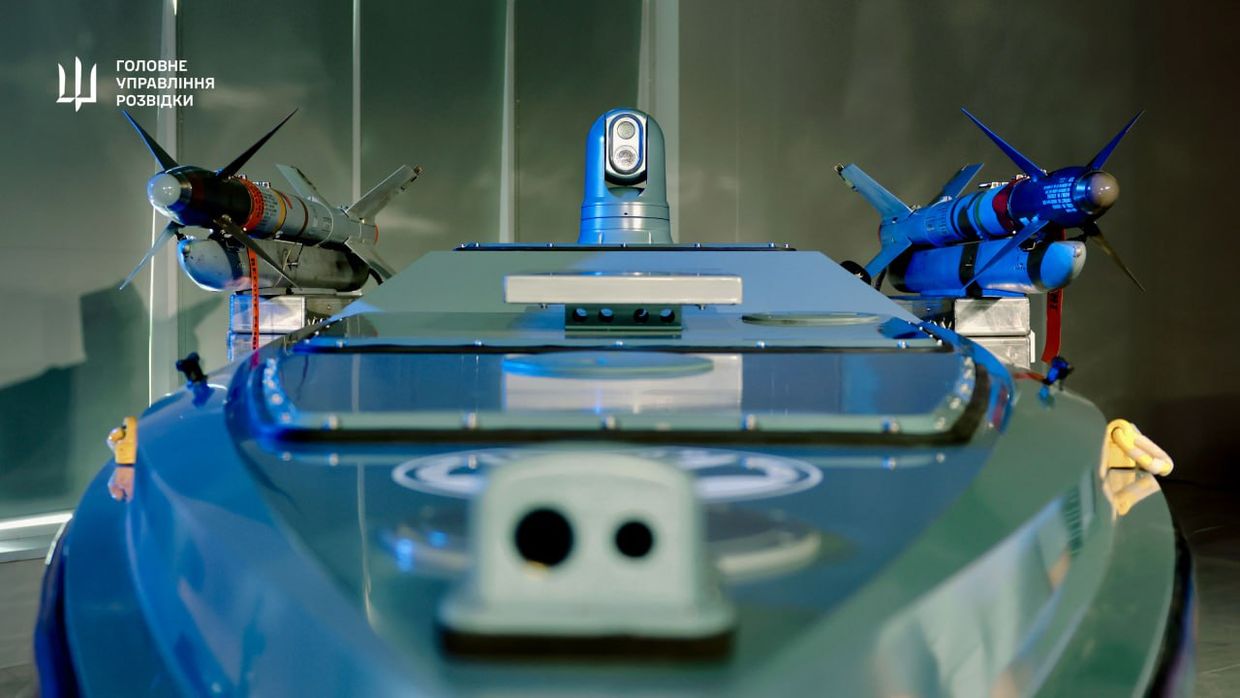
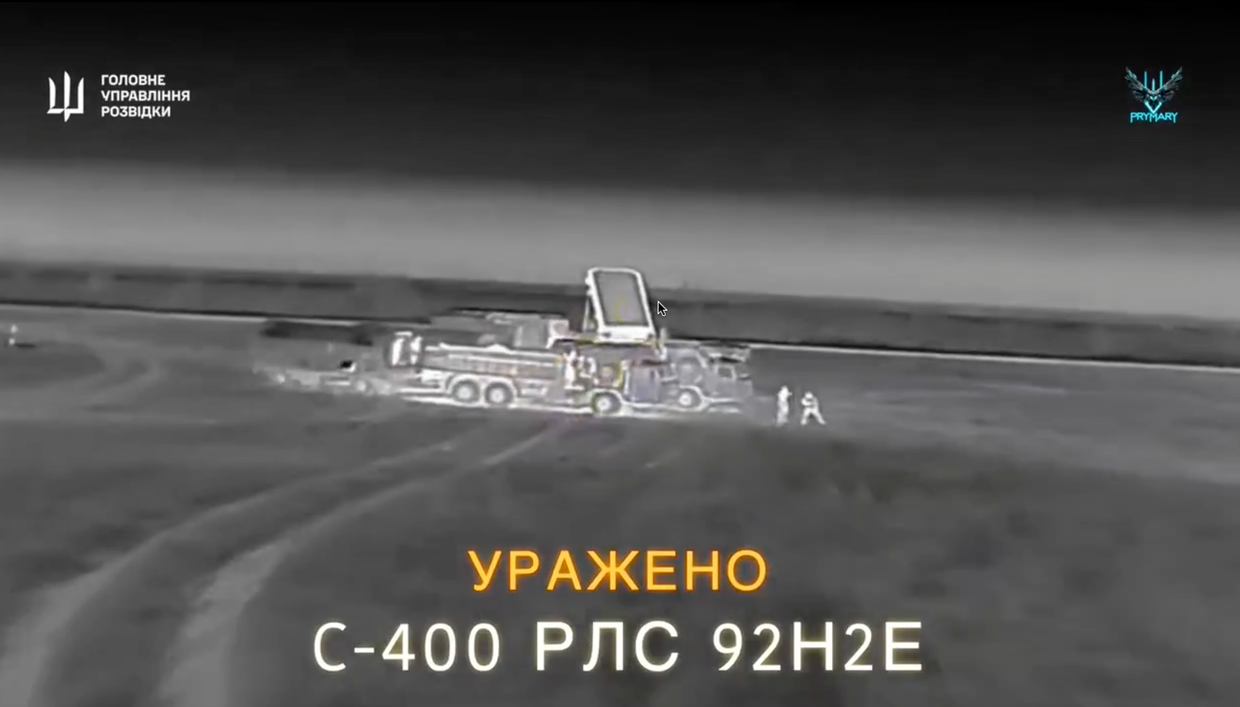
Ukraine's military intelligence turned its newest sea drones into carriers for FPV strike drones and knocked out two Russian radar targets in occupied Crimea, according to Ukraine's Main Directorate of Intelligence (HUR). The strike let its uncrewed boats reach Russian targets on land, a move the unit called a shift of the war to a new plane. HUR released footage of the operation on 3 August.
Ukraine has no significant navy now, so it built a fleet of uncrewed boats to cont
Ukraine's military intelligence turned its newest sea drones into carriers for FPV strike drones and knocked out two Russian radar targets in occupied Crimea, according to Ukraine's Main Directorate of Intelligence (HUR). The strike let its uncrewed boats reach Russian targets on land, a move the unit called a shift of the war to a new plane. HUR released footage of the operation on 3 August.
Ukraine has no significant navy now, so it built a fleet of uncrewed boats to contest a sea Russia once dominated. That improvised force keeps taking on new roles, growing from a way to sink ships into a tool that reaches the occupied peninsula itself. The radar strikes fit a wider push to raise the cost of Russia's hold on Crimea. Ukraine's forces kept hitting Russian depots and other military sites across the peninsula in early August. Every radar Ukraine burns thins the sensors Russia relies on to see and defend Crimea.
Sea drones that launched FPV drones onto land
HUR's special unit Group 13 ran the operation in occupied Crimea in late July 2026, the agency reported. The operators used the newest versions of Magura naval platforms, this time set up as FPV-drone carriers, to hit Russian ground targets on the peninsula. It was the first operation to show the newest Magura's effectiveness.
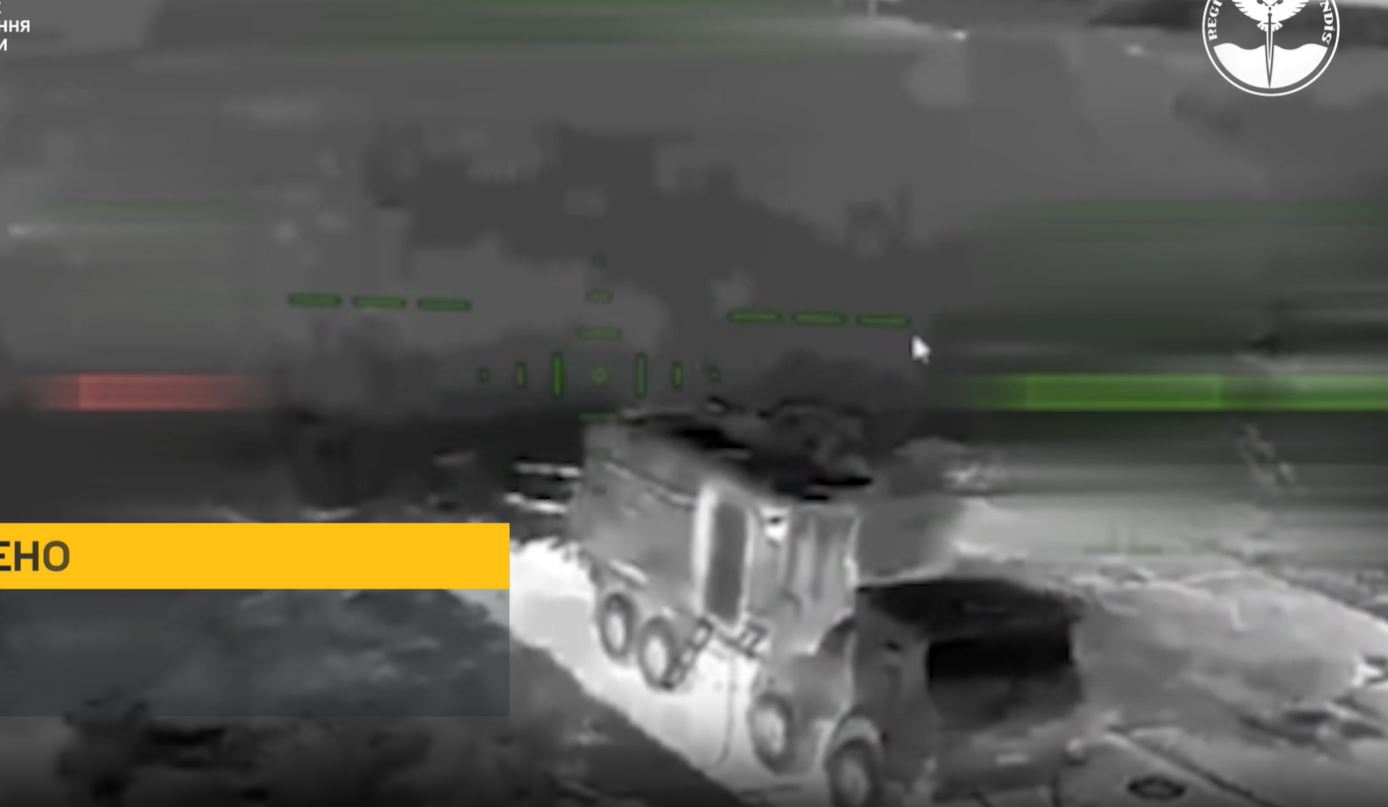
A control vehicle from a Russian Podlyot radar complex, seen from a Ukrainian FPV drone moments before the strike in occupied Crimea, late July 2026. Screenshot from video: Ukraine's Defense Intelligence (HUR)
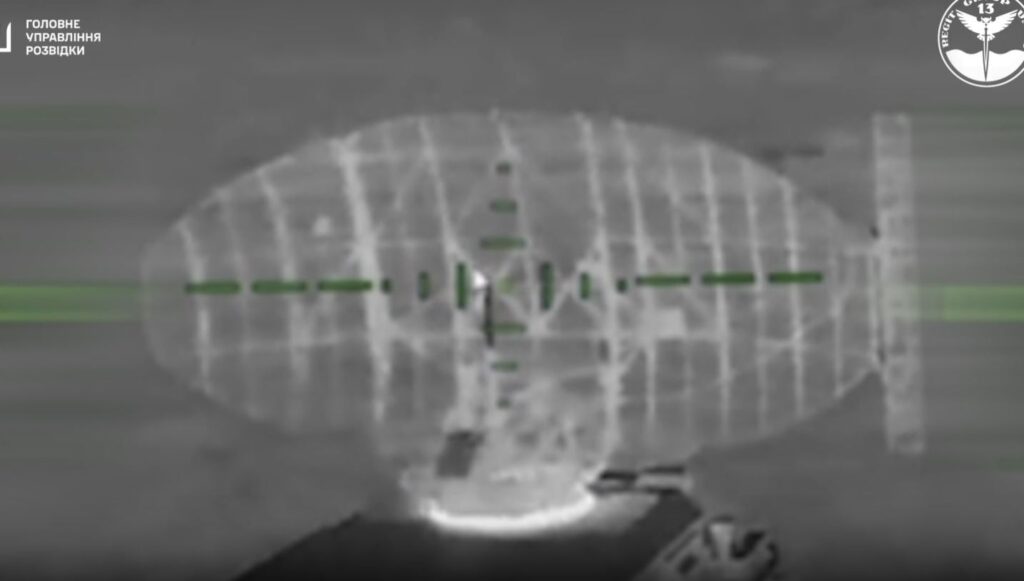
The aerial FPV drones struck a control vehicle from a Russian Podlyot radar system. They also hit a Parol-4 radar interrogator, part of the system Russian forces use to tell friendly aircraft from hostile ones.
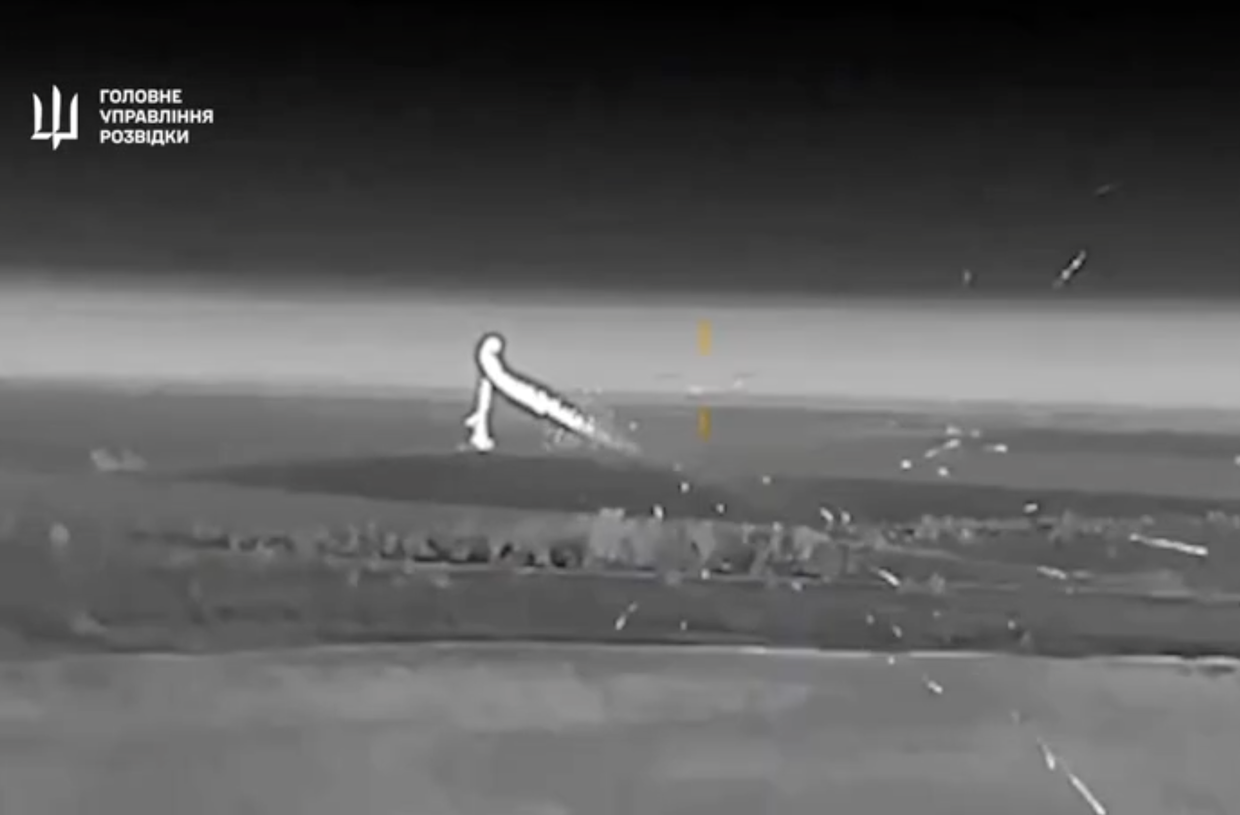
The footage opens with a Russian projectile fired from the Crimean coast. It streaks past a Ukrainian naval drone and misses. After a cut, a naval drone fires anti-air missiles. The video then shows an FPV aerial drone launching from a naval drone. Two FPV drones then dive into the two radar targets.
The Maguras that hunted ships now threaten land
The Group 13 commander, callsign Thirteenth, framed the strikes as a turn in the war.
"From now on our Maguras threaten the Russian occupiers on land too, a fundamental shift of the fight to another plane," he said.
At sea, Group 13 has destroyed nine Russian ships and damaged five, HUR says. It has also destroyed three enemy helicopters and damaged one, and destroyed two Russian fighter jets.
The Maguras began as kamikaze boats that were among the Ukrainian weapons that pushed Russia's Black Sea Fleet out of the northwestern sea, then grew into multi-role platforms that even downed Russian jets.
Russia’s growing ability to sustain weapons production despite Western sanctions is being driven by a flow of Chinese components and materials, Vladyslav Vlasiuk, the Ukrainian president’s commissioner for sanctions, told journalists on July 7.Vlasiuk’s statement comes as Russia escalates its drone and missile strikes on Ukraine, while the U.S. continues to hold back on imposing tougher sanctions against Moscow and foreign-made components are still being found in Russian weapons used in the atta
Russia’s growing ability to sustain weapons production despite Western sanctions is being driven by a flow of Chinese components and materials, Vladyslav Vlasiuk, the Ukrainian president’s commissioner for sanctions, told journalists on July 7.
Vlasiuk’s statement comes as Russia escalates its drone and missile strikes on Ukraine, while the U.S. continues to hold back on imposing tougher sanctions against Moscow and foreign-made components are still being found in Russian weapons used in the attacks.
Ukraine has previously documented that Chinese companies have contributed electronics and materials used in the production of these drones.
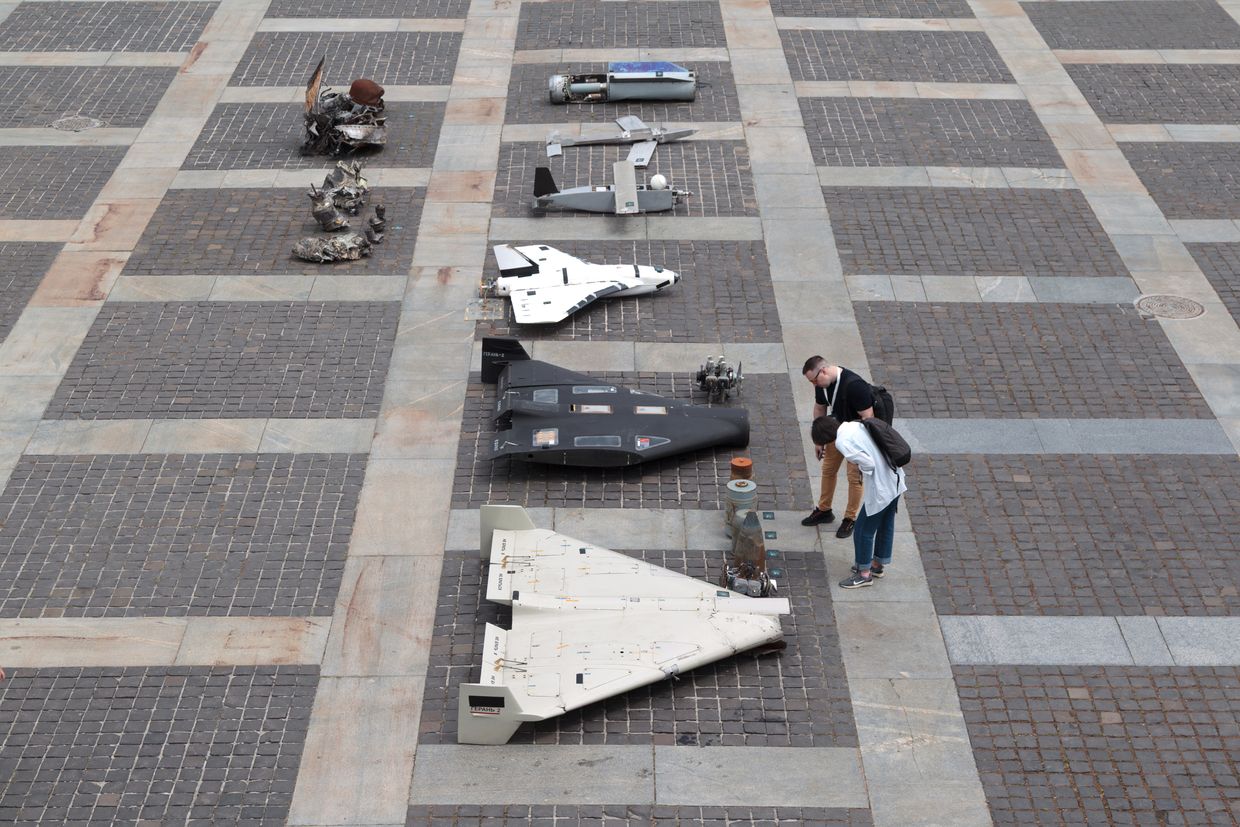
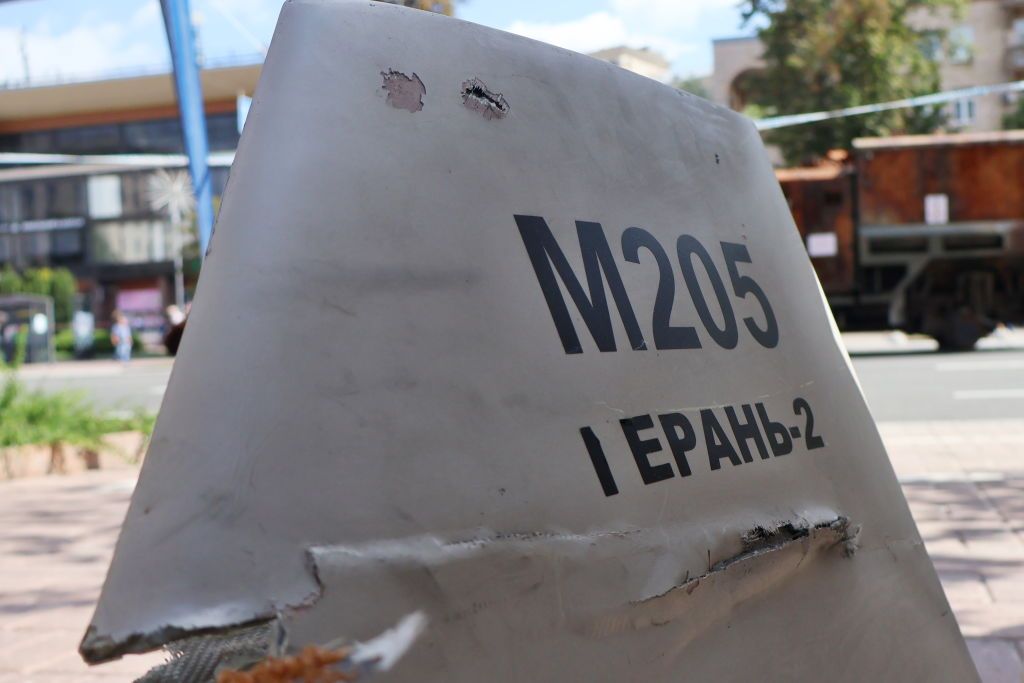
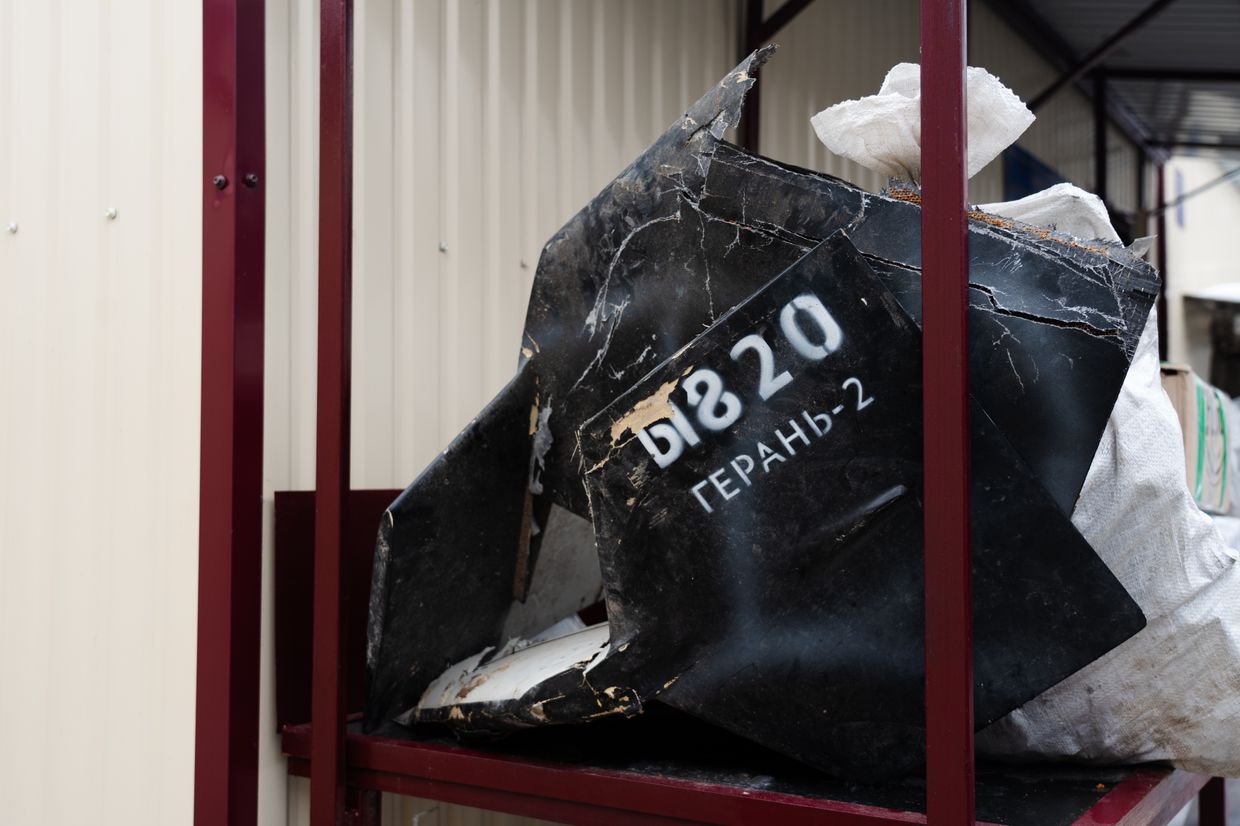
Just days earlier, after a large-scale Russian attack on July 4, Foreign Minister Andrii Sybiha shared on social media a photo of a component from a Shahed-136/Geran-2 combat drone discovered in Kyiv. According to Sybiha, the part was manufactured in China and delivered recently.
"The trend of China’s (role) is increasing," Vlasiuk told journalists.
He said that the presence of Chinese-made components and materials in Russian weapons is on the rise, adding that Beijing is expanding its technological capabilities and can now replicate some American technologies.
What an irony. Following tonight's massive Russian air attack on Ukraine, we discovered in Kyiv a component of a Russian-Iranian "Shahed-136"/"Geran-2" combat drone, which was made in China and supplied just recently.
When asked by Kyiv about the Chinese parts found in Russian weapons, Beijing responded by claiming that such support is "non-lethal," the president's commissioner for sanctions said.
Beijing remains one of Russia's key wartime partners, helping Moscow evade Western sanctions and emerging as the leading supplier of dual-use goods used by the Russian defense industry.
In April, President Volodymyr Zelensky said that China, alongside Iran and North Korea, is supplying weapons to Russia.
His remarks followed reports that Ukrainian soldiers had captured Chinese nationals fighting together with Russia's army in Donetsk Oblast. Later, Zelenskyrevealed that at least "several hundred" Chinese nationals are fighting on Russia's side in Ukraine.
Ukraine has already sanctioned several Chinese companies tied to Russia’s war effort.
The South China Morning Post reported that China's Foreign Minister Wang Yi reportedly told the EU's top diplomat Kaja Kallas on July 3 that the country cannot afford for Russia to lose the war in Ukraine amid fears Washington would shift focus towards Beijing.
Editor's note: This story was updated with a statement made by Ukraine's General Staff. Ukraine's military confirmed on July 7 that it targeted a chemical plant in Russia's Moscow Oblast used for producing ammunition and explosives, the General Staff said.The plant, located 88 kilometers (55 miles) northeast of Moscow, produces industrial and military-grade chemicals, including explosives, ammunition components, and aircraft protection systems. Established in 1915, the plant is one of the city's
Editor's note: This story was updated with a statement made by Ukraine's General Staff.
Ukraine's military confirmed on July 7 that it targeted a chemical plant in Russia's Moscow Oblast used for producing ammunition and explosives, the General Staff said.
The plant, located 88 kilometers (55 miles) northeast of Moscow, produces industrial and military-grade chemicals, including explosives, ammunition components, and aircraft protection systems.
Established in 1915, the plant is one of the city's largest employers and plays a key role in Russia's defense-industrial complex. Its location in Krasnozavodsk places it roughly 530 kilometers (329 miles) from the Ukrainian border.
It is affiliated with the Russian state defense conglomerate Rostec and supplies the Defense Ministry, Interior Ministry, Federal Security Service (FSB), and other law enforcement agencies.
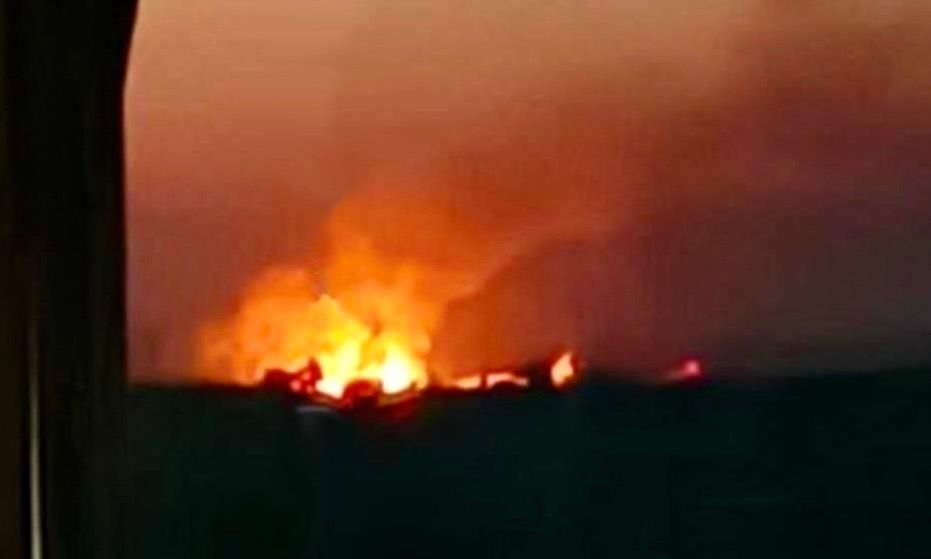
Residents of Moscow region report attack on chemical plant
Krasnozavodsk residents report an attack on the Krasnozavodsk chemical plant in local chat groups.
Moscow Oblast authorities have not officially confirmed the attack. Russia's Defense Ministry claimed that air defenses intercepted or destroyed 91 Ukrainian drones across multiple regions, including eight over Moscow Oblast.
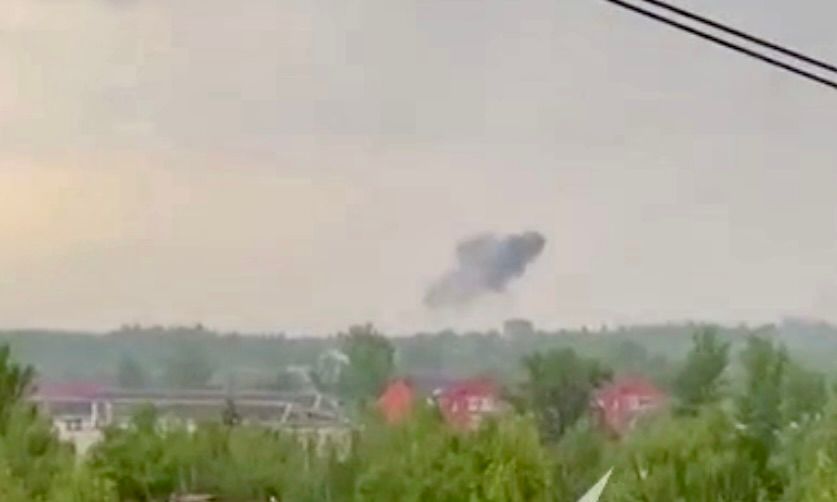
In a statement released later on July 7, Ukraine's General Staff confirmed that units from its Unmanned Systems Forces, in coordination with other elements of the Defense Forces, carried out a precision strike against the Krasnozavodsk Chemical Plant.
The facility was specifically targeted to disrupt Russia's ability to produce explosive materials and ammunition, including thermobaric warheads used in Shahed-type drones.
"A series of explosions was recorded in the area of Krasnozavodsk, and firefighting equipment was seen moving through neighboring settlements," the statement read. The results of the strike are still being assessed, it added.
The Kyiv Independent could not independently verify the reports.
The reported strike comes as part of Ukraine's broader campaign to disrupt Russian logistics, weapons production, and supply lines far behind the front line.
In recent months, Ukrainian drones have hit multiple industrial and military sites across Russia, including oil depots, airfields, and electronics facilities.
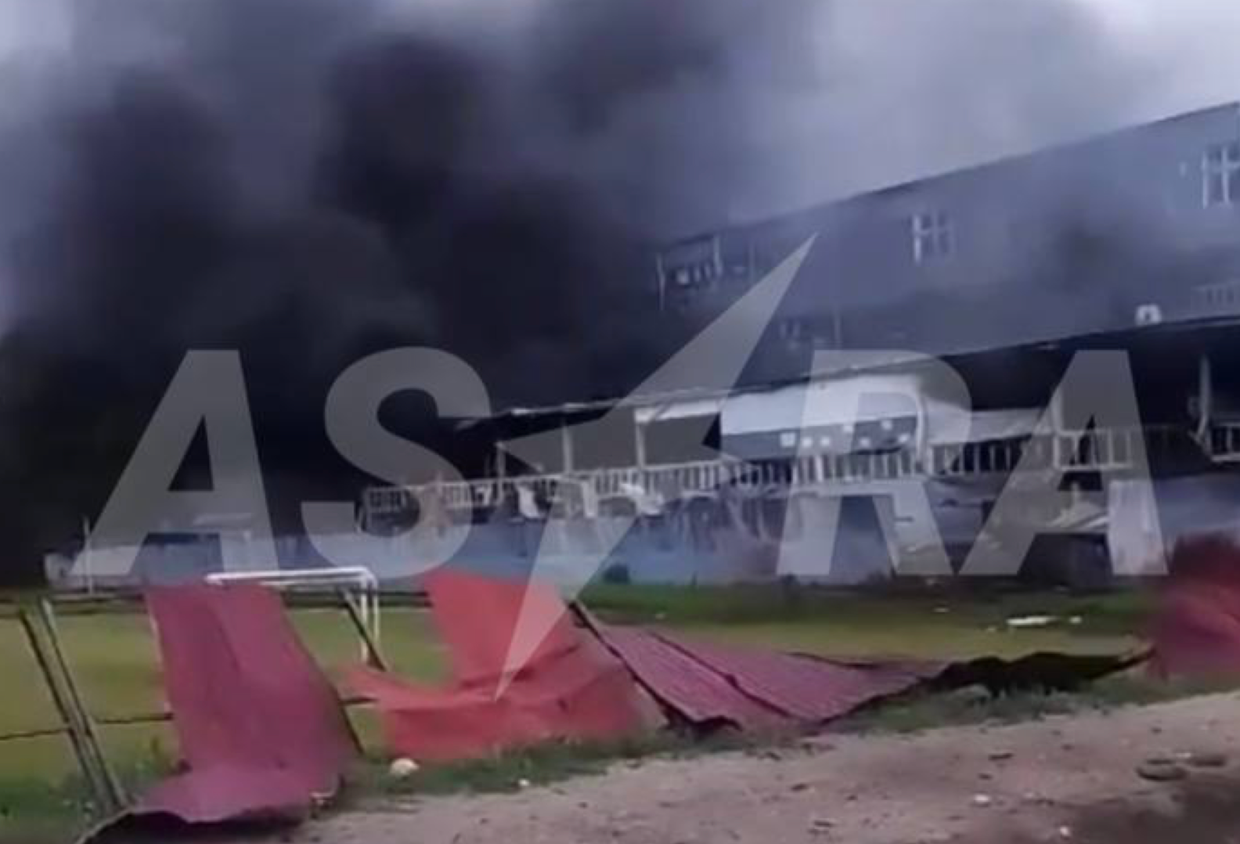
Drones attacked Russia's Black Sea Fleet at the port of Novorossiysk in Krasnodar Krai overnight on July 6, the Russian media outlet Astra reported.Ukraine has not officially commented on the reported strikes, and the Kyiv Independent could not independently verify the claims.An air alert was sounded in the city for several hours, and air defense was active. The consequences of the attack are still being determined, according to Astra.The media outlet also published footage purportedly showing a
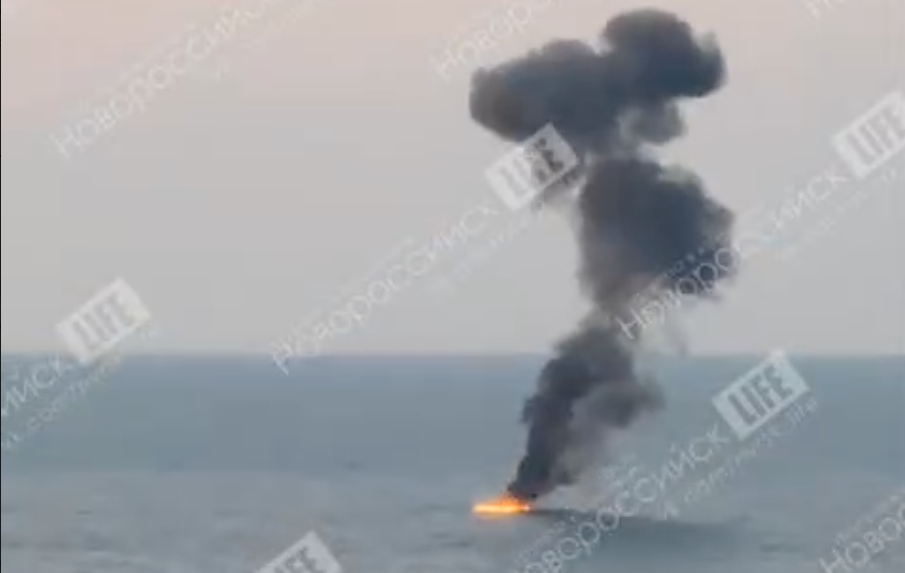
Drones attacked Russia's Black Sea Fleet at the port of Novorossiysk in Krasnodar Krai overnight on July 6, the Russian media outlet Astra reported.
Ukraine has not officially commented on the reported strikes, and the Kyiv Independent could not independently verify the claims.
An air alert was sounded in the city for several hours, and air defense was active. The consequences of the attack are still being determined, according to Astra.
The media outlet also published footage purportedly showing a burning maritime drone that was allegedly shot down during the attack.
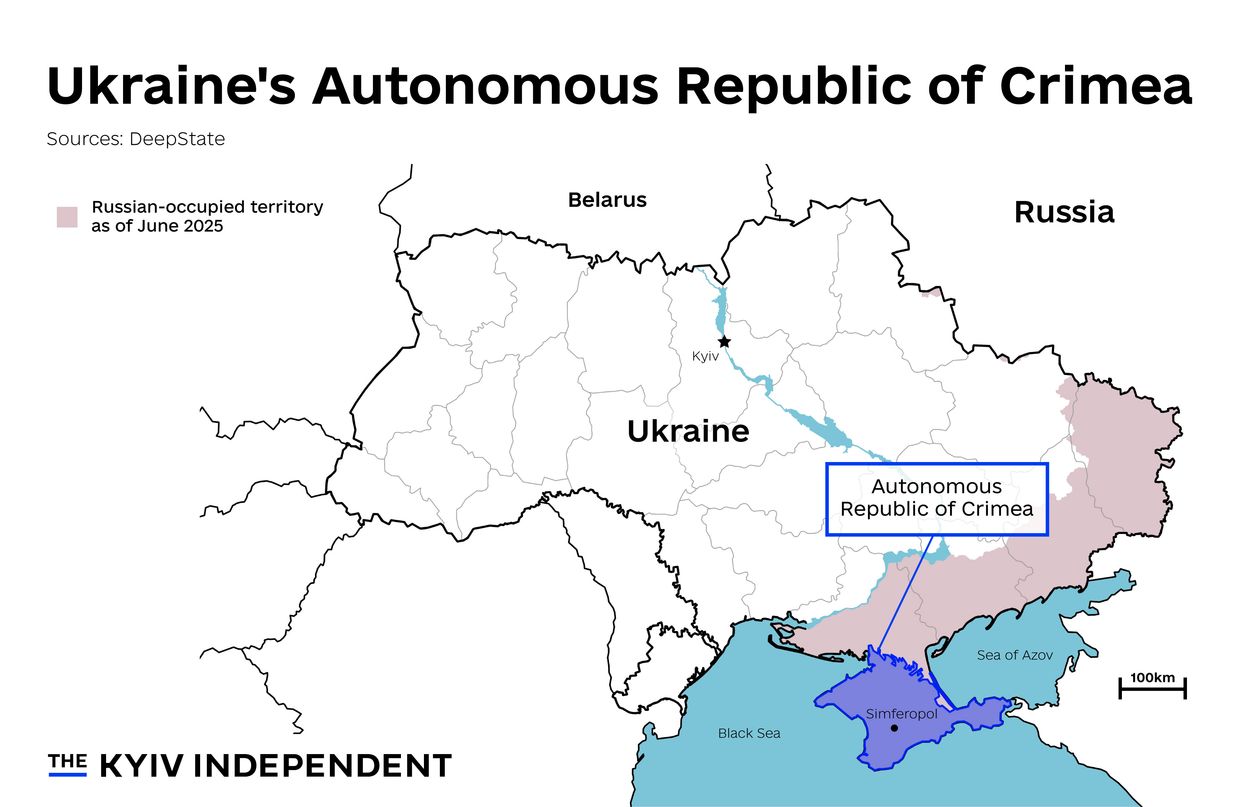
Krasnodar Krai is located east of Crimea, with the Kerch Strait separating them at their closest point.
Ukraine regularly strikes military targets within Russia as Moscow continues to wage its war against Ukraine.
The Russian Defense Ministry claimed that Russian forces downed 120 drones overnight on July 6.
Thirty drones were shot down over Bryansk Oblast, 29 over Kursk Oblast, and 18 over Oryol Oblast, according to the ministry. An additional 17 and 13 drones were reportedly intercepted over Belgorod and Tula oblasts, respectively, the ministry said.
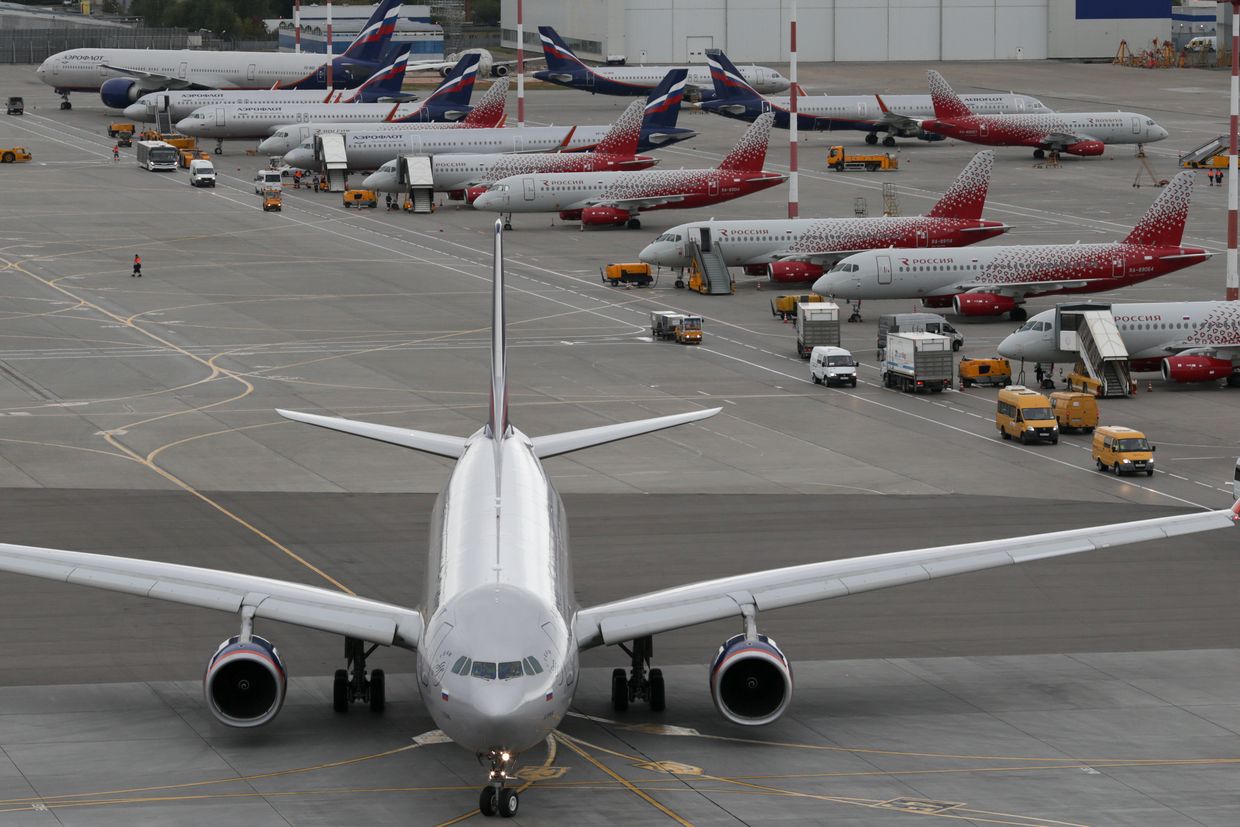
Due to drone attacks in Russia, numerous flights were canceled or delayed at several airports, including Moscow's Sheremetyevo Airport, overnight between July 5 and July 6.
Editor's note: The story was updated with new reports about operations at Russian airports during drone strikes.Several Russian airports have canceled flights due to safety concerns over Ukrainian drone attacks, the Russian Federal Aviation Agency (Rosaviatsia) reported on July 6. Rosaviatsia reported on the evening of July 6 that 287 flights had been grounded across three major airports: Moscow's Sheremetyevo, St. Petersburg's Pulkovo, and Strigino Airport in Nizhny Novgorod.The restrictions f
Editor's note: The story was updated with new reports about operations at Russian airports during drone strikes.
Several Russian airports have canceled flights due to safety concerns over Ukrainian drone attacks, the Russian Federal Aviation Agency (Rosaviatsia) reported on July 6.
Rosaviatsia reported on the evening of July 6 that 287 flights had been grounded across three major airports: Moscow's Sheremetyevo, St. Petersburg's Pulkovo, and Strigino Airport in Nizhny Novgorod.
The restrictions follow a wave of closures the previous night, also triggered by drone threats. Russia's Defense Ministry claimed that it had intercepted 120 drones on Russian territory overnight between July 5 and July 6.
Ukraine hasn't commented on the report. Kyiv's drone campaign, which has increasingly disrupted civilian air travel in Russia, is part of Ukraine's broader strategy to undermine Russia's logistics far beyond the front line.
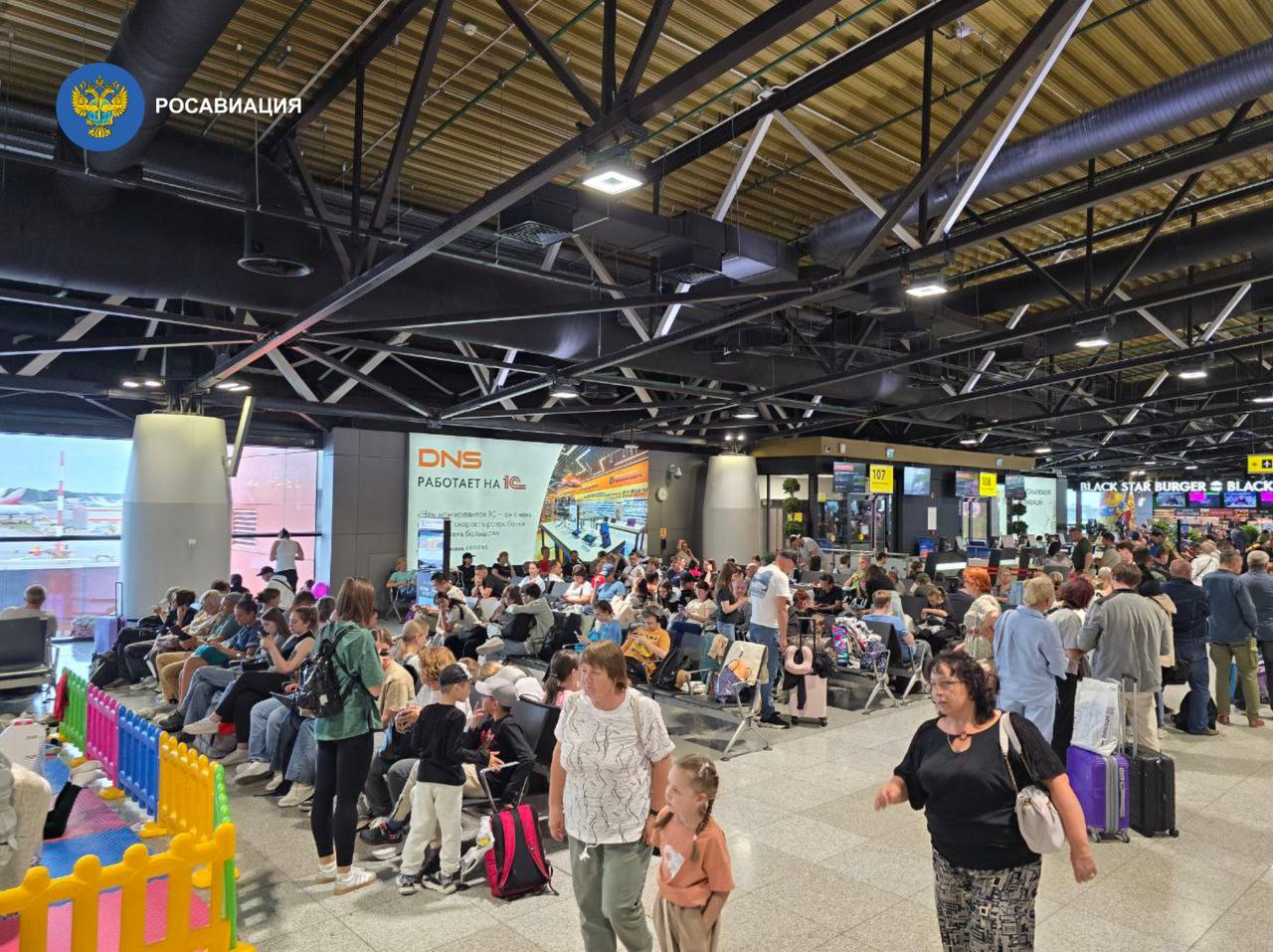
Rosaviatsia confirmed the temporary pause in flights at Moscow's Sheremetyevo airport, citing airspace restrictions over the capital and strong winds. At Sheremetyevo, 171 flights were canceled and 56 more were delayed, causing crowds of passengers to form at the airport.
At Pulkovo, 90 flights were canceled and 37 remain delayed due to safety concerns. In Nizhny Novgorod, 26 flights were canceled and 13 delayed. Flight restrictions have also been imposed on Russia's Ivanovo, Kaluga, Pskov, and Tambov airports, the agency said.
The Kyiv Independent couldn't immediately verify these claims.
Ukraine's General Staff reported that the strike damaged a warehouse containing guided bombs, aircraft, and other military assets.
The Borisoglebsk airfield is known to host Su-34, Su-35S, and Su-30SM jets, which Russia regularly employs in air strikes against Ukraine. Military assessments are underway, with initial reports suggesting a training and combat aircraft may have been destroyed.
NASA's Fire Information for Resource Management System (FIRMS) detected a fire near the Borisoglebsk military airfield shortly after the strike. Residents in the area reported 8–10 powerful explosions around 2 a.m. local time, according to the Russian independent outlet Astra.
The attack on Borisoglebsk was part of a broader overnight drone campaign across Russia, with explosions and fires reported in at least six regions.
Serhii Bratchuk, spokesperson for the Ukrainian Defense Army's Southern Division, told the Kyiv Independent in May that Ukraine is shifting its drone strategy, deliberately aiming to disrupt Russian aviation operations and make the war visible to the Russian population.
Ukraine struck a critical Russian military-industrial site overnight on July 5 that produces components for high-precision weapons used by Moscow to attack Ukraine, the General Staff of Ukraine's Armed Forces reported. The site in question is JSC VNIIR-Progress, a Russian state institute that specializes in developing electronic warfare (EW) systems, including the Kometa antenna arrays, used to jam satellite, radio, and radar signals.The institute is located in Cheboksary, Chuvash Republic, abou
Ukraine struck a critical Russian military-industrial site overnight on July 5 that produces components for high-precision weapons used by Moscow to attack Ukraine, the General Staff of Ukraine's Armed Forces reported.
The site in question is JSC VNIIR-Progress, a Russian state institute that specializes in developing electronic warfare (EW) systems, including the Kometa antenna arrays, used to jam satellite, radio, and radar signals.
The institute is located in Cheboksary, Chuvash Republic, about 1,200 kilometers (745 miles) away from the Ukrainian border.
The Kometa antenna is used in Shahed-type drones, Iskander-K cruise missiles, and guided aerial bomb modules — all high-precision weapons used by Russia to strike civilian and military targets across Ukraine.
The General Staff confirmed that Ukrainian weapons reached the target area but said final damage assessments were still underway.
The VNIIR-Progress institute has been sanctioned by both the United States and the European Union for its role in supporting Russia's war effort.
The Iskander-K is a precision-guided cruise missile with a range of up to 500 kilometers (311 miles), frequently used by Russia to target civilian areas. Shahed drones have become a central part of Moscow's airstrike tactics since late 2022 due to their low cost and high payload.
Located on the Volga River, Cheboksary is the capital of the Chuvash Republic and lies deep inside Russian territory. Russian independent media outlet Astra and local Telegram channels earlier reported explosions in the city overnight.
Russia's Defense Ministry claimed to have shot down two drones over the region.
This marks the second known Ukrainian drone strike on VNIIR-Progress. On June 9, explosions and fires were also reported at the facility following another drone attack.
Russia's largest airports experienced hours-long flight delays and cancellations on July 5, as authorities imposed temporary restrictions due to a reported threat of Ukrainian drone attacks, the pro-Kremlin Telegram channel Shot reported. Ukraine hasn't commented on the report. Kyiv's drone campaign, which has increasingly disrupted civilian air travel in Russia, is part of Ukraine's broader strategy to undermine Russia's logistics far beyond the front line.Some passengers in Russia reported wai
Russia's largest airports experienced hours-long flight delays and cancellations on July 5, as authorities imposed temporary restrictions due to a reported threat of Ukrainian drone attacks, the pro-Kremlin Telegram channel Shot reported.
Ukraine hasn't commented on the report. Kyiv's drone campaign, which has increasingly disrupted civilian air travel in Russia, is part of Ukraine's broader strategy to undermine Russia's logistics far beyond the front line.
Some passengers in Russia reported waiting more than 10 hours on July 5 as their flights were being delayed, according to Shot.
Departures at Moscow's Sheremetyevo Airport were halted for several hours, delaying over 20 flights. At St. Petersburg's Pulkovo Airport, roughly 50 flights were delayed and more than 20 canceled.
Leningrad Oblast Governor Alexander Drozdenko said that two drones were shot down south of St. Petersburg, prompting a temporary suspension of operations at Pulkovo Airport.
The disruptions followed a wave of Ukrainian drone attacks overnight, which targeted military and industrial infrastructure in at least six Russian regions.
The Russian Defense Ministry said it intercepted 42 drones within three hours, mainly over the Belgorod, Bryansk, and Kursk oblasts near the Ukrainian border.
Novaya Gazeta Europe reported in May that at least 217 temporary airport closures have occurred across Russia since Jan. 1 due to drone threats, more than in 2023 and 2024 combined.
A similar wave of strikes ahead of Russia's Victory Day in May led to massive delays, affecting an estimated 60,000 travelers.
A Russian missile and drone strike on Odesa on July 3 damaged the building of the Chinese Consulate General, Foreign Minister Andrii Sybiha said on July 4."Following tonight's massive Russian air attack on Ukraine, we discovered in Kyiv a component of a Russian-Iranian Shahed-136/Geran-2 combat drone, which was made in China and supplied just recently," Sybiha wrote on X. "And right on the eve, the Chinese Consulate General's building in Odesa suffered minor damage."The July 3 assault on Odesa k
A Russian missile and drone strike on Odesa on July 3 damaged the building of the Chinese Consulate General, Foreign Minister Andrii Sybiha said on July 4.
"Following tonight's massive Russian air attack on Ukraine, we discovered in Kyiv a component of a Russian-Iranian Shahed-136/Geran-2 combat drone, which was made in China and supplied just recently," Sybiha wrote on X.
"And right on the eve, the Chinese Consulate General's building in Odesa suffered minor damage."
The July 3 assault on Odesa killed two people and injured six others. China has not publicly acknowledged the incident or reported any damage to its diplomatic premises in the city.
The Shahed-136 drone, a loitering munition used by Russia in its attacks on Ukrainian cities, has been assembled in large numbers in Russia with components sourced globally.
Ukraine has previously documented that Chinese companies have contributed electronics and materials used in the production of these drones.
Beijing remains one of Russia's key wartime partners, helping Moscow evade Western sanctions and emerging as the leading supplier of dual-use goods used by the Russian defense industry.
China's Foreign Minister Wang Yi reportedly told EU foreign policy chief Kaja Kallas on July 3 that Beijing cannot afford for Russia to lose the war in Ukraine, according to the South China Morning Post, which cited unnamed sources familiar with the conversation.
The reported statement adds to growing concerns in Kyiv over China's expanding role in supporting Russia's war effort. President Volodymyr Zelensky has repeatedly accused China of siding with Moscow.
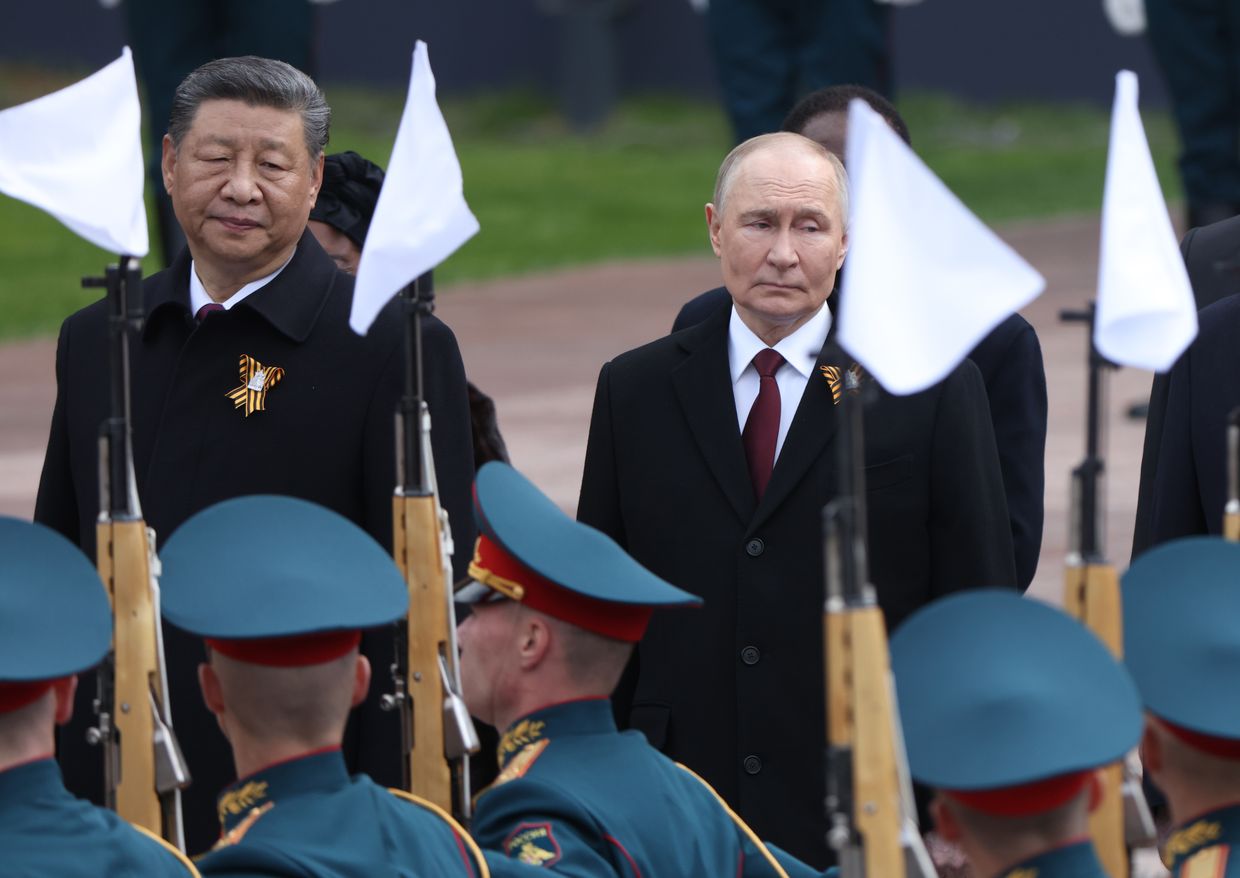
As Russian-Chinese relations deepen, Russian President Vladimir Putin is expected to visit China in September for the Shanghai Cooperation Organization summit, where he is scheduled to meet with Chinese leader Xi Jinping.
Editor's note: This story was updated with a statement made by Ukraine's General Staff.Drones struck multiple targets in Russia overnight on July 4, including a high-value defense facility in the southern Rostov region, according to Andrii Kovalenko, head of the counter-disinformation center at Ukraine’s National Security and Defense Council.Kovalenko said a drone hit the Azov Optical and Mechanical Plant in the town of Azov, Rostov Oblast. The facility reportedly manufactures critical component
Editor's note: This story was updated with a statement made by Ukraine's General Staff.
Drones struck multiple targets in Russia overnight on July 4, including a high-value defense facility in the southern Rostov region, according to Andrii Kovalenko, head of the counter-disinformation center at Ukraine’s National Security and Defense Council.
Kovalenko said a drone hit the Azov Optical and Mechanical Plant in the town of Azov, Rostov Oblast. The facility reportedly manufactures critical components for the Russian military, including sights, rangefinders, thermal imaging systems, and fire control equipment for tanks, infantry fighting vehicles, ships, and aircraft.
"Despite the difficult night, there is also good news. There were attacks on facilities in Russia, particularly in Moscow and Rostov regions," Kovalenko wrote. "This is where the 'eyes' for Russian armored vehicles are assembled."
Overnight on July 4, Russia launched a massive drone and missile assault on multiple Ukrainian cities, with Kyiv as the primary target. At least 23 people were injured in the capital amid widespread destruction and high levels of air pollution.
Ukraine's General Staff later confirmed that its drone units, operating in coordination with other elements of the Defense Forces, also struck the Scientific Research Institute of Applied Chemistry (FNTs NIIPKh) in Sergiyev Posad, Moscow Oblast.
The military said the facility is involved in the production of thermobaric warheads for Shahed-type drones and plays a critical role in Russia's airstrike capabilities.
"We confirmed that our munitions hit the target," the General Staff said. "A fire and heavy smoke were detected in the area of the facility." The full extent of the damage is still being assessed.
Russian officials also confirmed drone strikes across several regions.
Yuriy Slyusar, acting governor of Rostov Oblast, said a number of towns in the region were struck by drones. In the city of Azov, the attack reportedly damaged several cars and shattered windows in residential buildings. Debris from one drone allegedly fell onto a local stadium.
In the village of Dolotinka, a drone strike reportedly caused the collapse of a section of a residential apartment building, killing an elderly woman. Authorities said 20 residents were evacuated from the damaged structure.
In Sergiyev Posad in Moscow Oblast, four explosions were reported around 5 a.m. near the Zvezdochka neighborhood, accompanied by the sound of drone engines, according to local residents. Oksana Yerokhanova, head of the district, said a power substation was damaged in the incident.
Two people were injured in Sergiyev Posad, according to Governor Andrei Vorobyov.
Russia's Defense Ministry later claimed that air defense systems had intercepted or destroyed 48 Ukrainian drones overnight. According to the ministry, 26 were downed over Rostov Oblast, 12 over Kursk Oblast, six over Belgorod Oblast, three over Oryol Oblast, and one over Lipetsk Oblast.
The Kyiv Independent could not independently verify these claims.
Editor's note: This is a developing story and is being updated.Explosions rocked the city of Kyiv for more than seven hours overnight on July 4, as Russia launched a record missile and drone attack targeting the capital and other cities across Ukraine. At least one person was killed, and 23 others injured in Kyiv. Mayor Vitali Klitschko said 14 people had been hospitalized, while Tymur Tkachenko, head of the Kyiv City Military Administration, in the afternoon confirmed a body had been found duri
Editor's note: This is a developing story and is being updated.
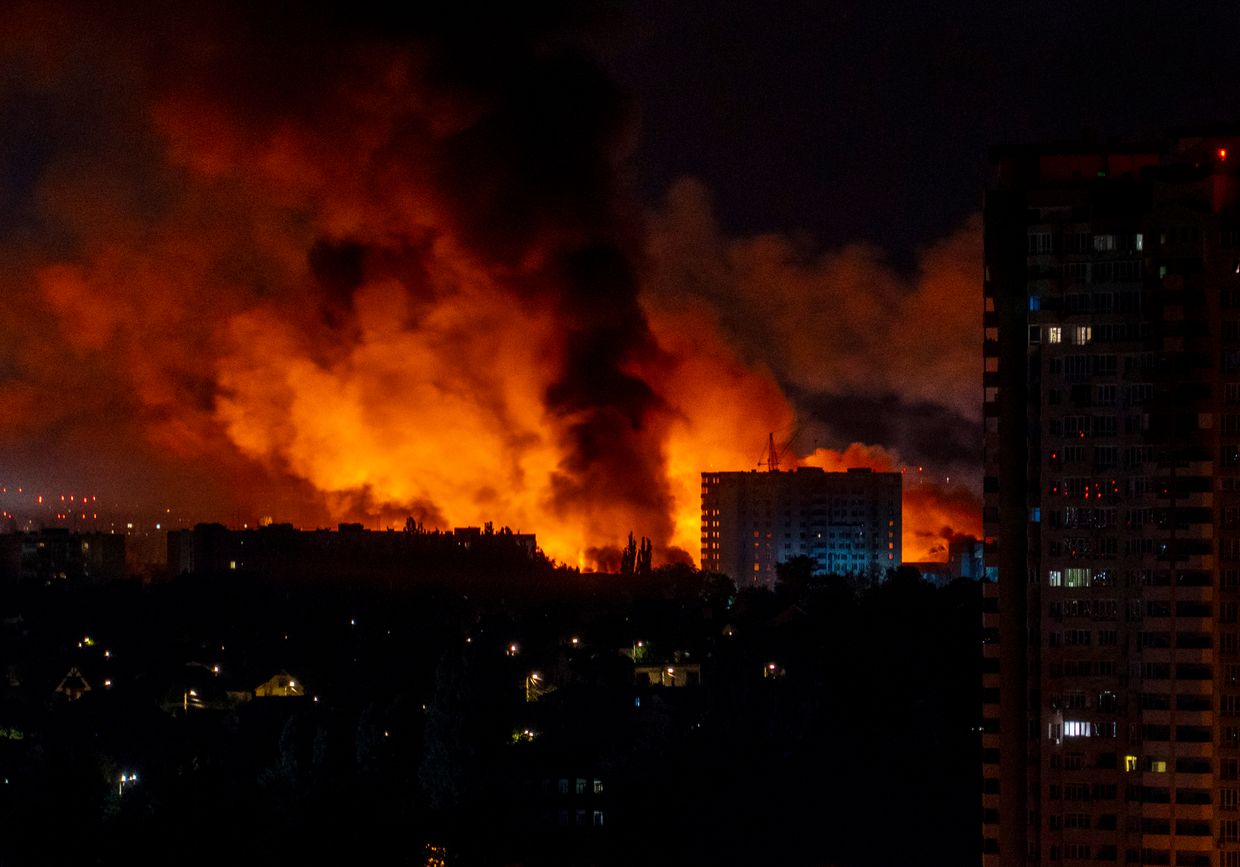
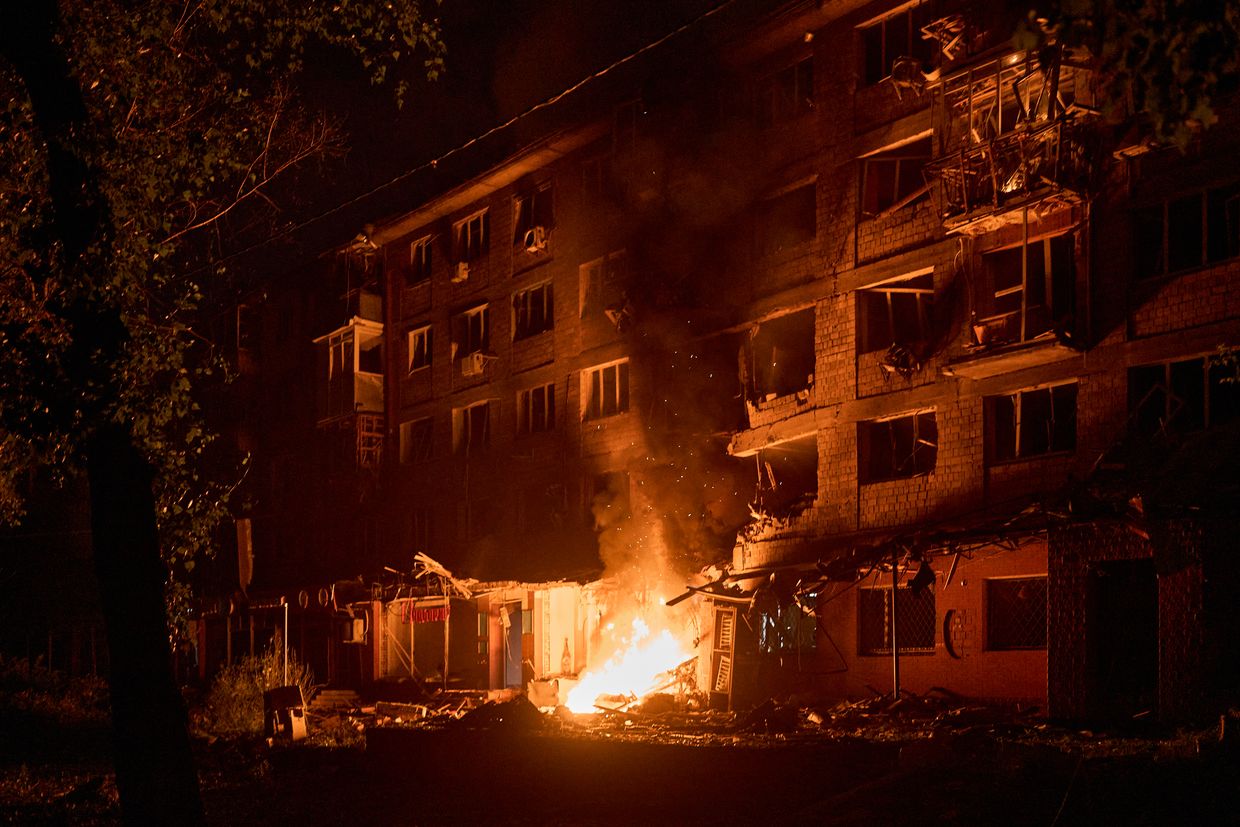
Explosions rocked the city of Kyiv for more than seven hours overnight on July 4, as Russia launched a record missile and drone attack targeting the capital and other cities across Ukraine.
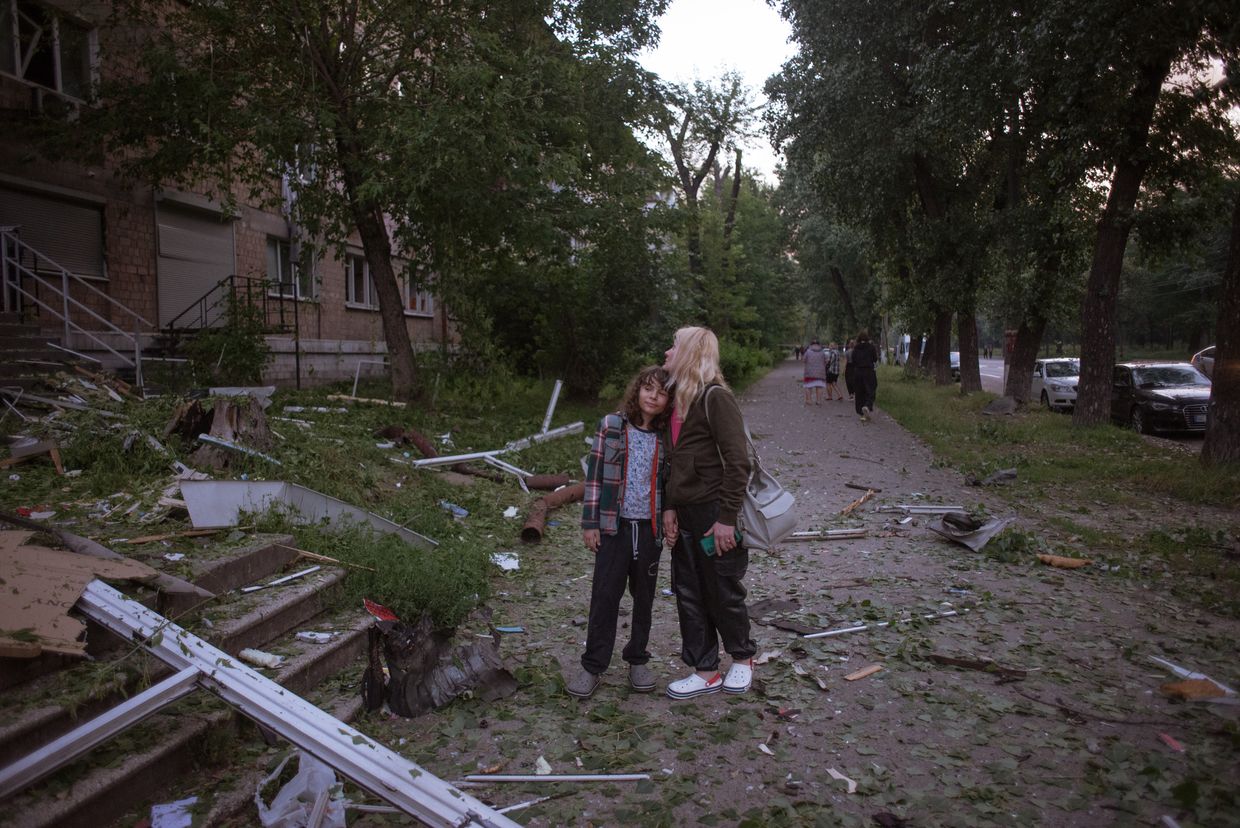
At least one person was killed, and 23 others injured in Kyiv. Mayor Vitali Klitschko said 14 people had been hospitalized, while Tymur Tkachenko, head of the Kyiv City Military Administration, in the afternoon confirmed a body had been found during rescue operations.
"Today’s attack was like the worst nightmare come to life," Kyiv resident Olha Vershynina told the Kyiv Independent at the site of damaged residential buildings in the capital's Solomianskyi district. "Because when the strike happened, the lights went out and glass came crashing down on my head.
"It was terrifying. Our entire building was shaking."
President Volodymyr Zelensky said Russia launched a record 550 drones and missiles during the seven-hour barrage. Kyiv Independent journalists on the ground heard multiple rounds of explosions in the city beginning around 8 p.m. local time on July 3 and continuing into the early hours of July 4
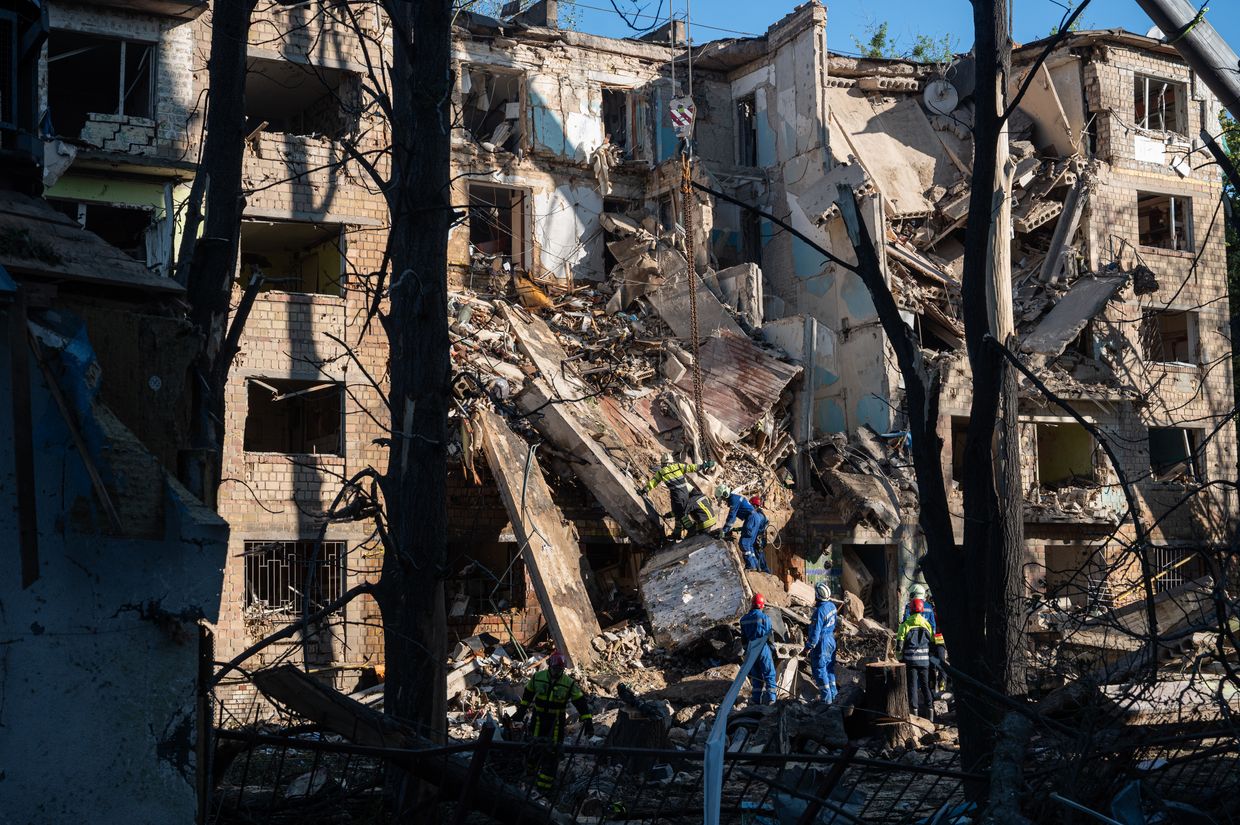
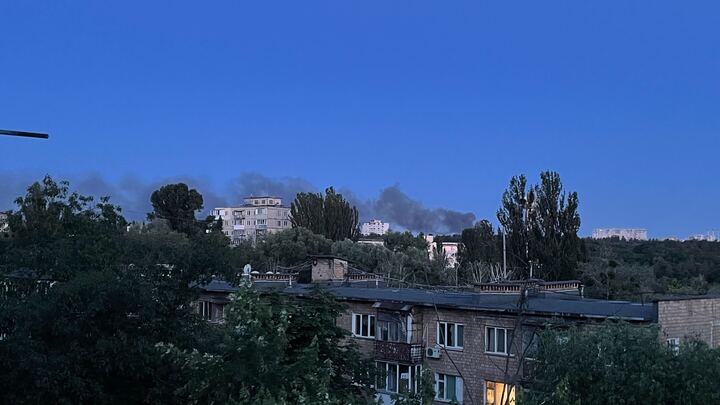
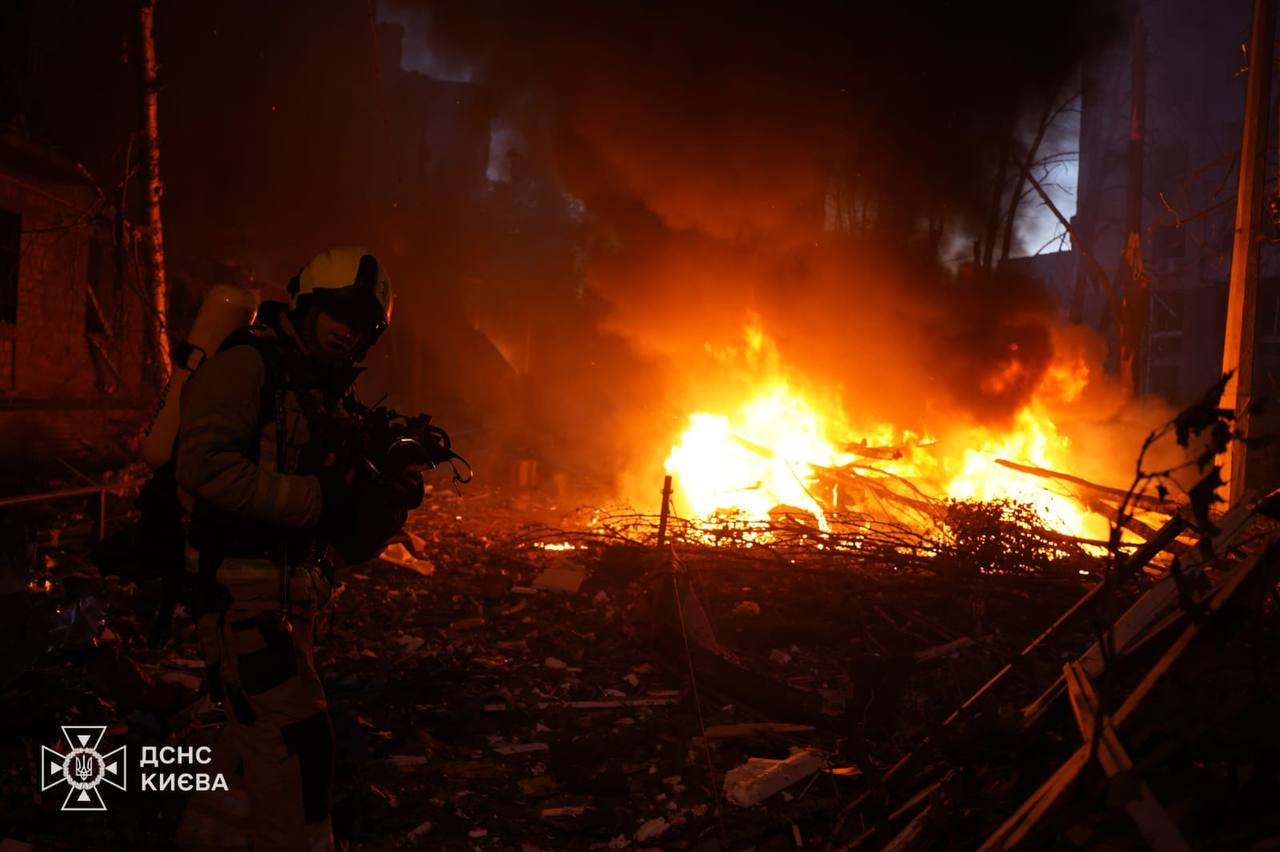
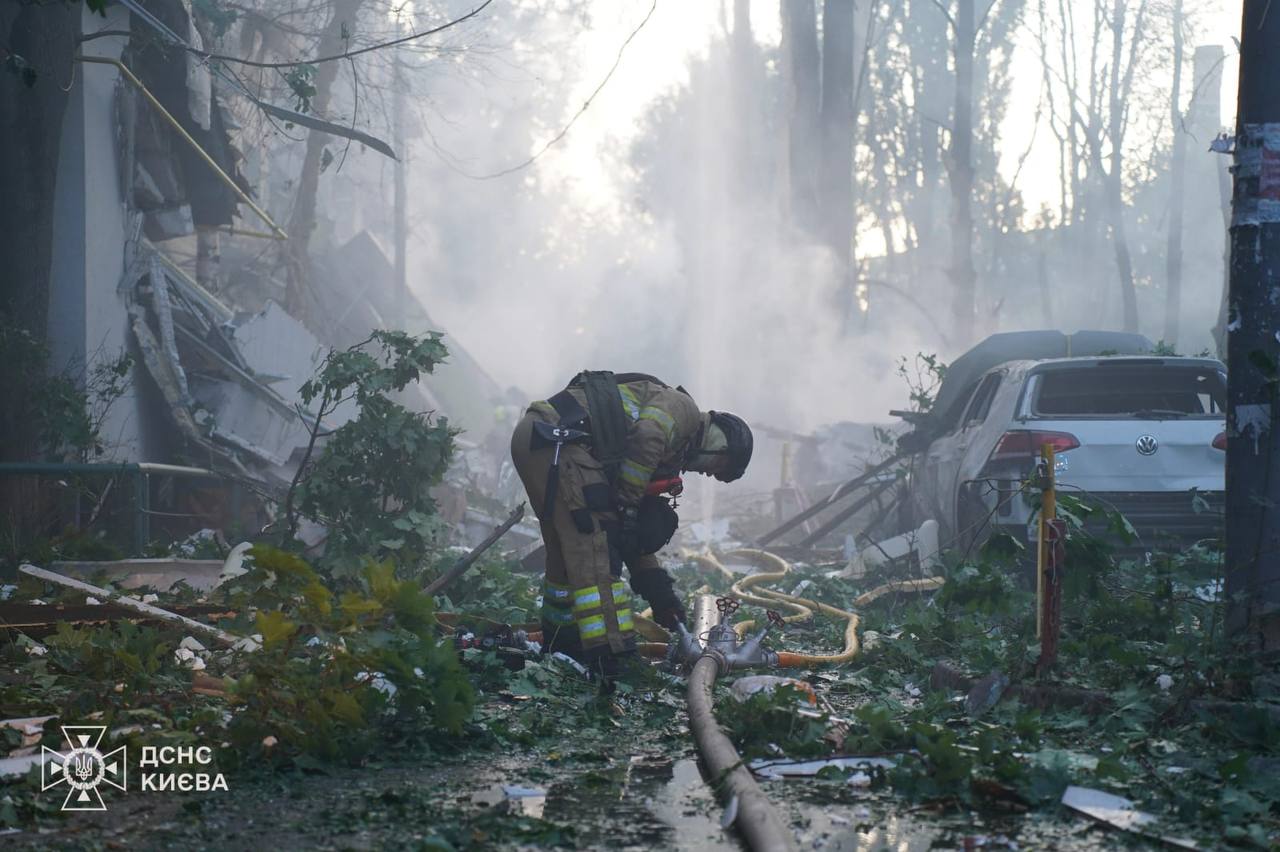
The attack damaged apartment buildings, businesses, a school, a medical facility, railway lines, and other civilian infrastructure in multiple districts. Fires blazed across the city, making the air dangerous to breathe.
Tymur Tkachenko, head of the Kyiv City Military Administration, warned residents to close their windows due to dangerous levels of "combustion products" in the air.
"Russia, a terrorist country, has wreaked havoc," Tkachenko wrote on Telegram. "The Russians bring nothing but terror and murder. That is a fact."
Liliia Kuzmenko, 23-years-old and eight months pregnant, moved to Kyiv a month ago with her husband from the embattled city of Pokrovsk, Donetsk Oblast.
"The kind of explosions I heard here were unlike anything I heard in Pokrovsk. It’s just beyond words," she told the Kyiv Independent. "Fortunately, everything in our apartment is intact. But in others, the windows were blown out, and everything fell apart."
"Russia is once again demonstrating that it is not going to end the war and terror."
Ukraine's Air Force reported that Russia had launched a ballistic missile towards Kyiv at around 12:30 a.m, and then additional missiles around 2:30 a.m.
"This time was truly terrifying.," Maria Maznichenko, a pensioner who lives in Kyiv's Solomianskyi district. "The explosions kept coming. Shaheds drones were flying in every minute, like a swarm of bees — one after another. It was very frightening."
Flames and smoke billow from buildings in Kyiv, Ukraine, on July 4, 2025, during mass Russian drone and missile strikes. (Oleksii Filippov/AFP via Getty Images)
As officials reported real-time updates on damage and casualties amid the ongoing assault, Kyiv Independent reporters in the city said that smoke from explosions clogged the air even in neighborhoods far from the attack sites.
The massive assault came hours after a phone call between Russian President Vladimir Putin and U.S. President Donald Trump, during which Putin reaffirmed that "Russia will continue to pursue its goals" in Ukraine despite calls for a ceasefire from the West.
"The first air raids in our cities and regions began yesterday almost simultaneously with the start of media discussions of President Trump's phone call with Putin," Zelensky said in a post on social media on July 4.
"This was one of the most large-scale air attacks – deliberately massive and cynical... Russia is once again demonstrating that it is not going to end the war and terror."
Tkachenko reported that an earlier drone strike damaged a residential building in the city's Obolon district, causing a fire to break out on the roof.
In the Sviatoshynskyi district, drone wreckage caused fires at storage facilities and hit the courtyard of a 16-story apartment building, Klitschko said. Vehicles in the area caught fire after the attack. Another fire broke out at a business in the district due to falling drone debris.
In the Dniprovskyi district, drone debris fell near a school and several residential buildings, Tkachenko reported.
Fires also broke out in the Solomianskyi district, Klitschko said. An administrative building was in flames after the attack, as were storage facilities and a garage. Debris damaged "non-residential buildings" in the area.
A damaged civilian home burns in Kyiv, Ukraine, on July 4, 2025, after being hit by a kamikaze drone during a mass drone and missile attack by Russia. (Kostiantyn Liberov/Libkos/Getty Images)Local residents take cover in a metro station used as a shelter in Kyiv, Ukraine, on July 4, 2025, during a mass drone and missile attack by Russia. (Kostiantyn Liberov/Libkos/Getty Images)
Klitschko reported another fire on the first floor of an 8-story residential building in the Shevchenkivskyi district, but said the building was not inhabited. Another fire broke out at a business in the same district.
A medical facility in the Holosiivskyi district was damaged in the attack, Klitschko said.
Ukrainian Railways (Ukrzaliznytsia) said that the attack damaged rail infrastructure in Kyiv and cautioned residents to expect delays due to diverted routes.
Polish Foreign Minister Radoslaw Sikorski said that the consular section of Poland's embassy in Kyiv was damaged during Russia's attack on Kyiv. "I just spoke with Ambassador (Piotr) Lukasiewicz; everyone is safe and unharmed," Sikorski said.
He added that Ukraine urgently needs air defense systems.
Russia also targeted other regions of Ukraine with overnight attacks. Downed drones struck property and a vehicle in the city of Poltava, regional Governor Volodymyr Kohut reported. The strike injured two people.
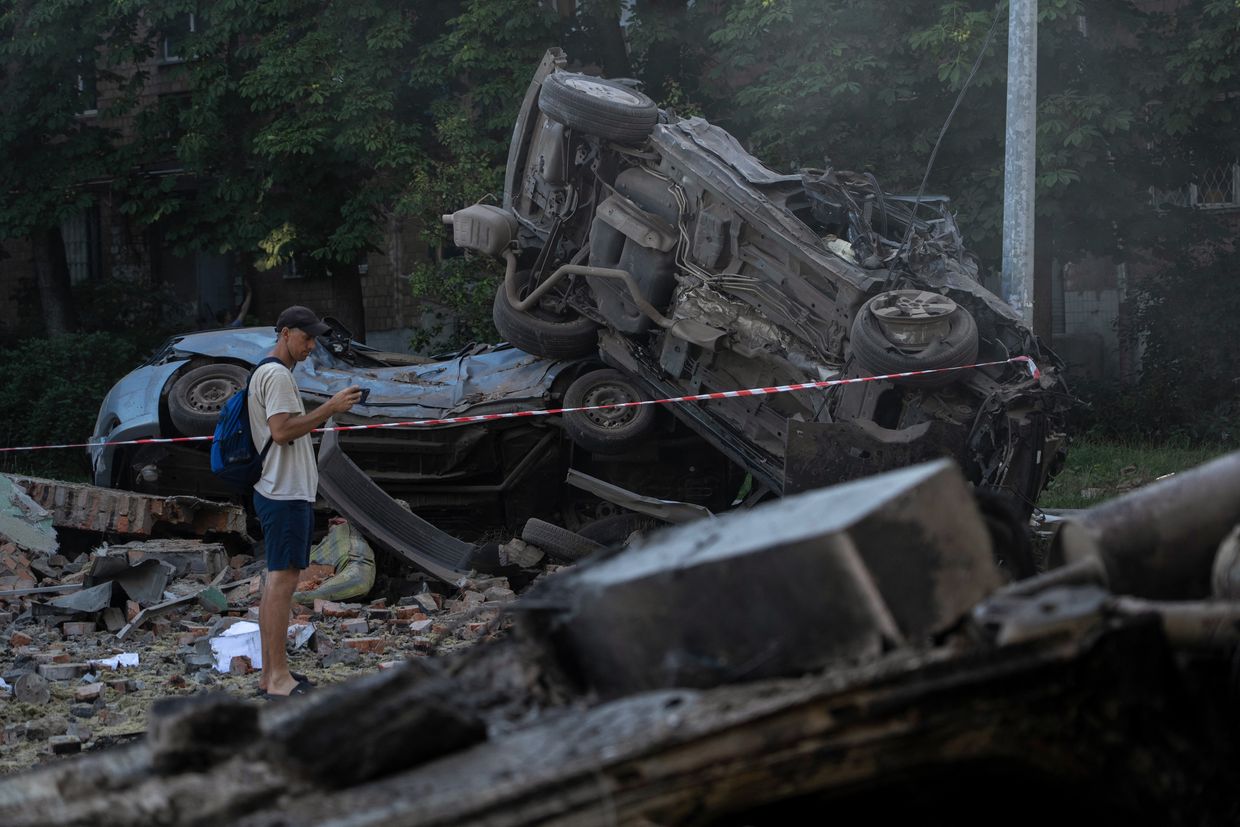
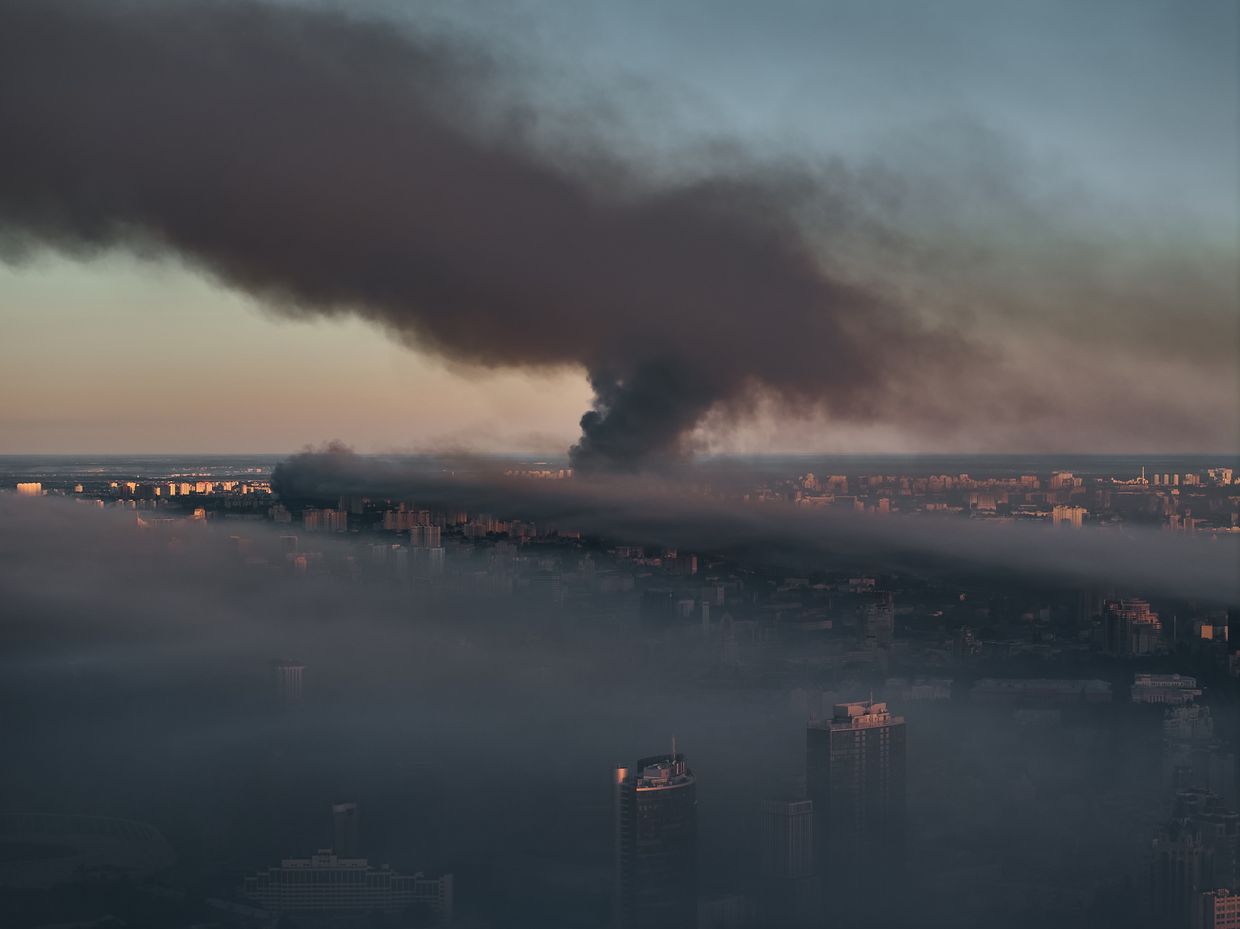
A man looks at the wreckage of cars in Kyiv, Ukraine, on July 4, 2025, after mass Russian drone and missile strikes. (Oleksii Filippov/AFP via Getty Images)A large plume of smoke covers Kyiv, Ukraine, on July 4, 2025, after a mass drone and missile attack by Russia. (Kostiantyn Liberov/Libkos/Getty Images)
Kyiv and other major Ukrainian cities have faced intensified drone and missile strikes in recent weeks, with Russia deploying Iranian-designed Shahed drones in record numbers.
Russia on June 17 launched one of its largest attacks against Kyiv since the start of the full-scale war, killing 28 people and injuring 134 others. Less than a week later, ballistic missiles and kamikaze drones assailed the city in another mass strike.
Ukrainian officials have warned that continued attacks are aimed at wearing down air defense systems and terrorizing civilians.
Despite Russia's escalating attacks and Ukraine's desperate need for air defense munitions, the U.S. has decided to halt shipments of Patriot missiles and other promised weapons to Kyiv, claiming it needs to bolster its own stockpiles.
Ukraine signed a major deal with U.S. company Swift Beat to co-produce hundreds of thousands of drones this year, President Volodymyr Zelensky announced on July 3 during his visit to Denmark.The long-term strategic partnership agreement was signed by Ukraine's Defense Minister Rustem Umerov and Eric Schmidt, the CEO of Swift Beat, in Denmark on the same day. Under the deal, the company will produce various kinds of unmanned aerial vehicles for Ukraine, including those designed to intercept Russi
Ukraine signed a major deal with U.S. company Swift Beat to co-produce hundreds of thousands of drones this year, President Volodymyr Zelensky announced on July 3 during his visit to Denmark.
The long-term strategic partnership agreement was signed by Ukraine's Defense Minister Rustem Umerov and Eric Schmidt, the CEO of Swift Beat, in Denmark on the same day.
Under the deal, the company will produce various kinds of unmanned aerial vehicles for Ukraine, including those designed to intercept Russian drones and missiles, reconnaissance, attack, and other drones, Zelensky said in a statement published on the website of the President's Office.
"The key priority is interceptor drones that have already proven effective in Ukraine," Zelensky said. "We've tested models from several companies, and now we're signing serious contracts."
Swift Beat will increase its production capacity, aiming to produce hundreds of thousands of drones for Ukraine this year, with plans to scale up production in 2026, according to Zelensky.
"Modern drones will be supplied to Ukraine as a priority, on special terms and at cost," Zelensky said.
The announcement comes just a day after the U.S. Defense Department (DOD) has halted shipments of some air defense missiles and other weapons previously promised to Kyiv. Ukraine has been trying to negotiate buying U.S. weapons for months after U.S. President Donald Trump, who has opposed military aid to Kyiv, took office in January.
Swift Beat has a significant presence in Ukraine, according to Zelensky's office. It specializes in autonomous AI-powered drones and cooperates with Ukrainian engineers and the military, conducting drone testing on Ukrainian territory, the statement reads.
Zelensky arrived in Denmark on July 3 to mark the country's assumption of the rotating presidency of the Council of the European Union.
Zelensky also said that during his visit, he plans to raise the issue of political blockages hindering Ukraine's path to joining the European Union.
"We're ready to open three accession clusters and want to start with one now, in the very near future. But political blockages remain, purely political," he said.
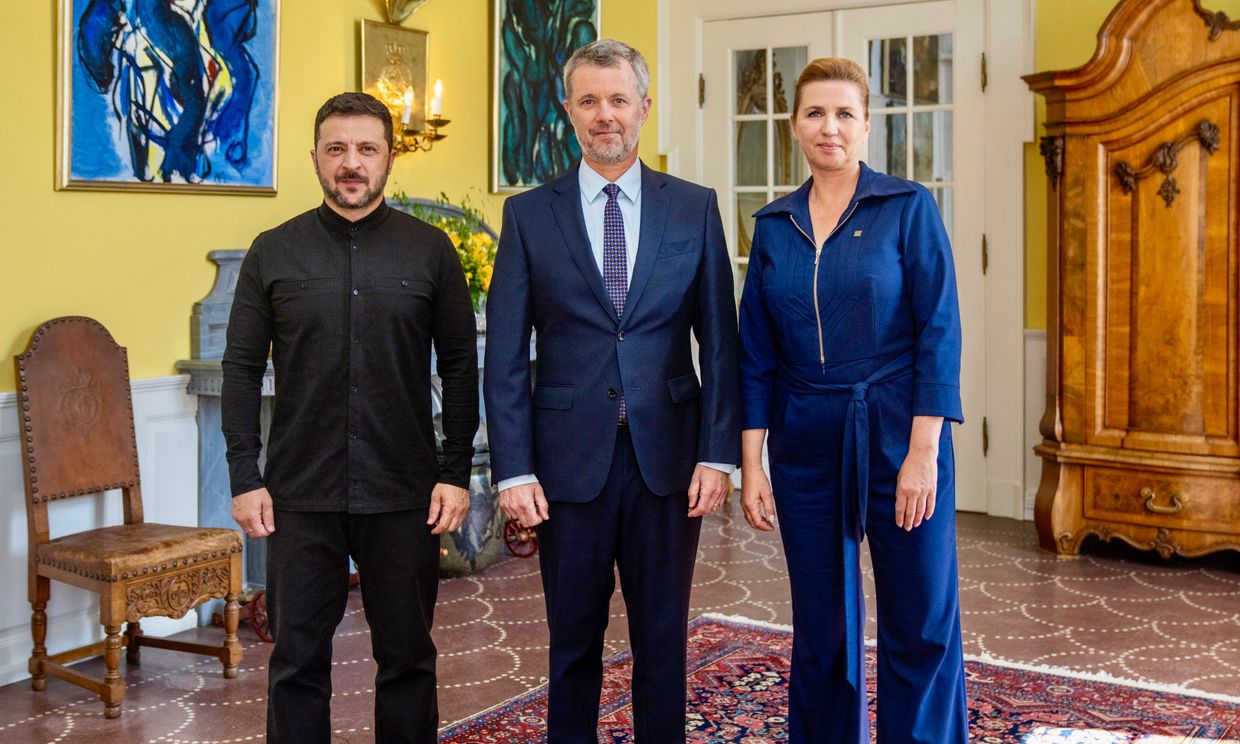
Denmark's King Frederik (C), President Volodymyr Zelensky (L), and Denmark's Prime Minister Mette Frederiksen (R) in Aarhus, Denmark, on July 3, 2025. (Ida Marie Odgaard / Ritzau Scanpix / AFP)
While EU member states agreed to take into account the European Commission's assessment that Ukraine is ready to open the first, Fundamentals cluster, the process remains stalled due to Hungary's refusal to grant unanimous support.
Ukraine applied for EU membership in 2022 and was granted candidate status shortly thereafter, but full negotiations require the approval of all 27 EU member states.
Denmark has been a key backer of Ukraine since the start of Russia's full-scale invasion in 2022. In February 2024, Copenhagen signed a 10-year bilateral security agreement with Kyiv, pledging long-term defense cooperation until Ukraine secures NATO membership.
Zelensky said he expects Denmark to expand its financial support for Ukraine's drone and missile production initiatives.
"What we've just signed requires significant funding. I'm counting on our relationship with Denmark," the president said.
The Ukrainian president will also participate in official events commemorating Denmark's presidency of the Council. According to Danish broadcaster DR, the events will be attended by Denmark's royal family, government officials, and EU leaders.
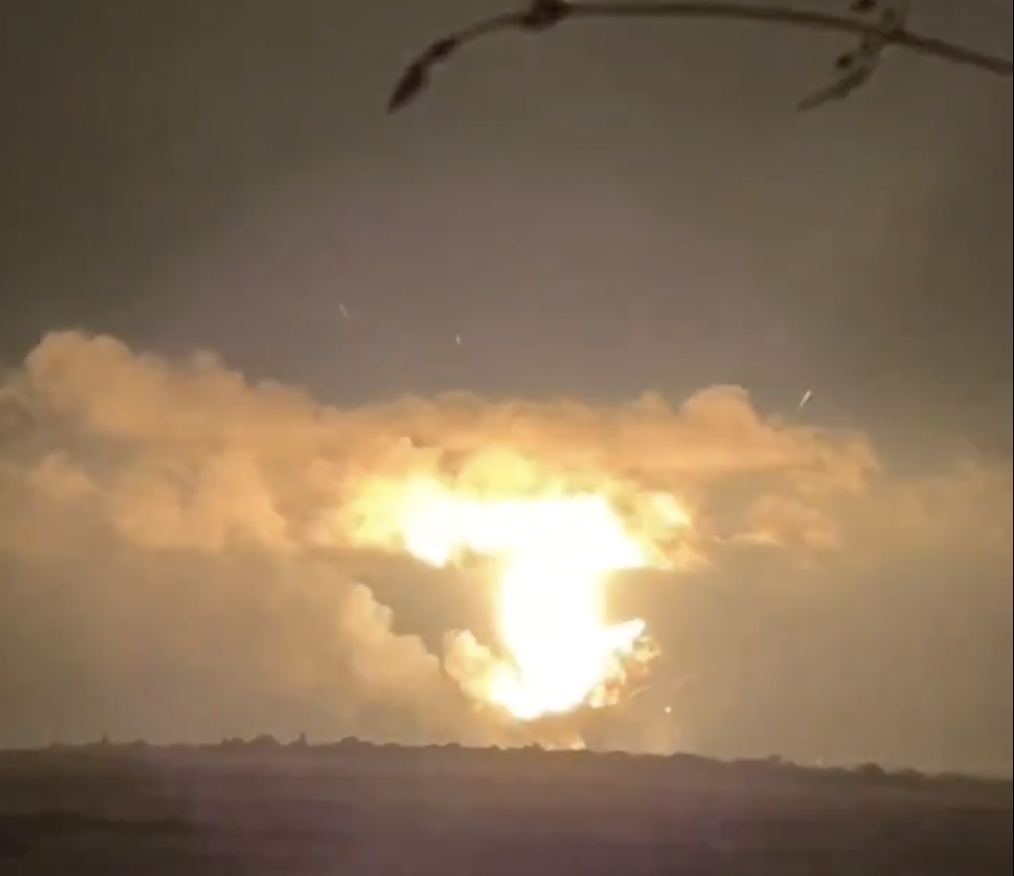
Ukrainian drones struck a Russian ammunition depot in occupied Donetsk Oblast overnight on July 3, setting off a series of huge explosions, Ukraine's State Security Service said on July 3."Starting at 10 p.m., explosions rang out at the depots, followed by a powerful secondary detonation of ammunition and a fire," the SBU said in a post on social media. According to the SBU, the ammunition depot is located in the occupied Ukrainian city of Khartsyzsk, near Donetsk, which is "of important strateg
Ukrainian drones struck a Russian ammunition depot in occupied Donetsk Oblast overnight on July 3, setting off a series of huge explosions, Ukraine's State Security Service said on July 3.
"Starting at 10 p.m., explosions rang out at the depots, followed by a powerful secondary detonation of ammunition and a fire," the SBU said in a post on social media.
According to the SBU, the ammunition depot is located in the occupied Ukrainian city of Khartsyzsk, near Donetsk, which is "of important strategic importance, as it is used by the Russians as a rear base."
"The enemy has placed command posts, logistics centers, and ammunition depots there. All of them are legitimate military targets," the statement added.
Unconfirmed videos posted to social media show a fire already burning followed by a large explosion and shockwave.
— Illia Ponomarenko 🇺🇦 (@IAPonomarenko) July 2, 2025
Elsewhere on July 3, Ukraine confirmed strikes on the Energia factory in Russia's Lipetsk Oblast overnight, a facility that produces components for missiles and drones, including batteries for the Iskander missile system and cruise missiles.
Andrii Kovalenko, head of the Counter-Disinformation Center at Ukraine's National Security and Defense Council, confirmed the strike, calling Energia "one of the most critical targets for Russia."
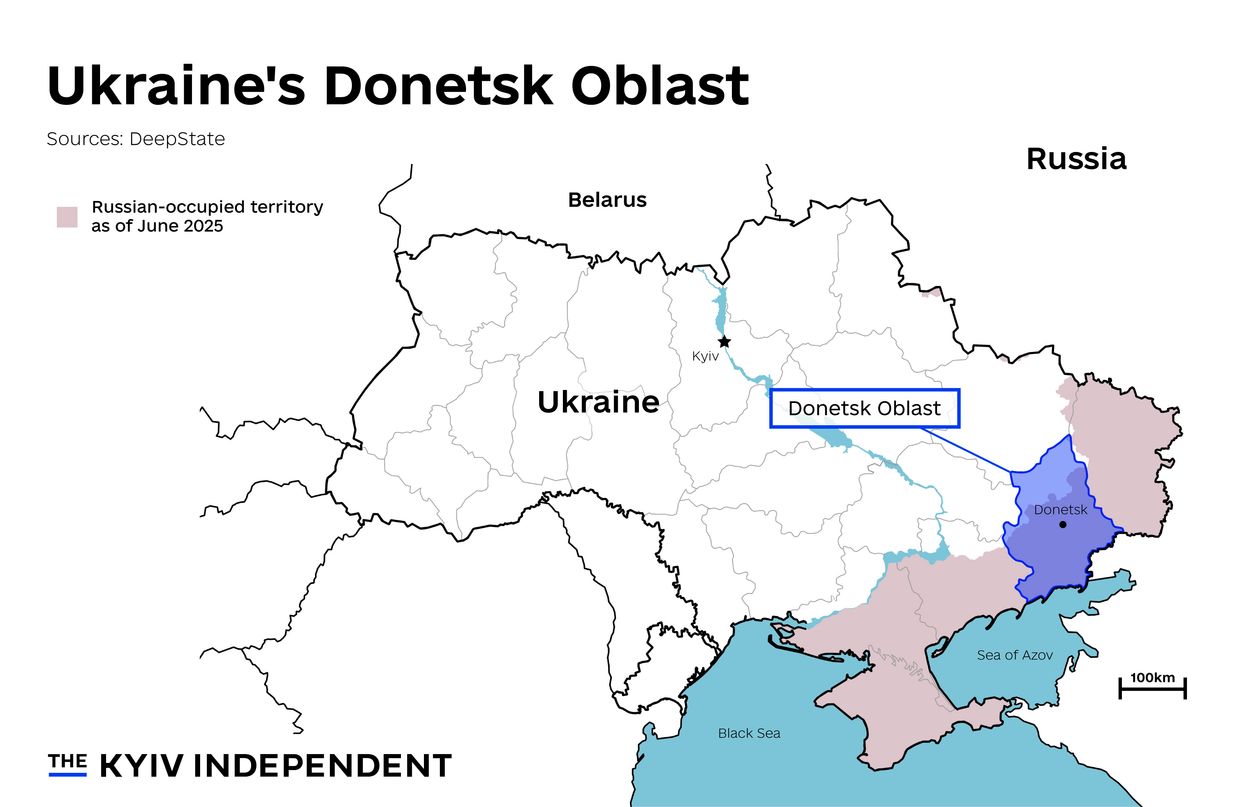
Ukraine's Donetsk Oblast (Nizar al-Rifai/The Kyiv Independent)
According to Kovalenko, the facility manufactures batteries for missile guidance and glider modules, including for the Iskander system and cruise missiles.
Ukraine's military regularly strikes military targets in Russian-occupied territories and deep within Russia in an attempt to diminish Moscow's fighting power as it continues its war against Ukraine.
On the evening of June 30, Ukraine similarly struck a command post of the 8th Combined Arms Army of the Russian Armed Forces in the Russian-occupied part of Donetsk Oblast.
Russia has for months focused its offensive efforts on the embattled town of Pokrovsk in Donetsk Oblast and has recently been escalating attempts to break through to neighboring Dnipropetrovsk Oblast, a region that has not yet seen combat.
Skyeton Prevail Solutions, a joint venture between Ukrainian drone manufacturer Skyeton and U.K.-based defense company Prevail Solutions, will manufacture and supply Raybird drones in the U.K., the two companies announced on July 2."Skyeton — a Ukrainian unmanned aircraft systems company with 19 years of engineering pedigree, and Prevail Partners — a leading U.K. defense and security company, announced a joint venture to fast-track the volume manufacture, supply, and support for the integration
Skyeton Prevail Solutions, a joint venture between Ukrainian drone manufacturer Skyeton and U.K.-based defense company Prevail Solutions, will manufacture and supply Raybird drones in the U.K., the two companies announced on July 2.
"Skyeton — a Ukrainian unmanned aircraft systems company with 19 years of engineering pedigree, and Prevail Partners — a leading U.K. defense and security company, announced a joint venture to fast-track the volume manufacture, supply, and support for the integration of its best-in-class drone into U.K. military applications," a statement by the two companies said.
Ukraine has developed drones that have proven to be effective amid the onset of Russia's full-scale war against Ukraine in February 2022 and Russia's initial invasion of Ukraine in 2014.
President Volodymyr Zelensky and U.K. Prime Minister Keir Starmer met in London on June 23, where the two leaders agreed to an "industrial military co-production agreement."
"The joint venture will scale the availability of Raybird with new manufacturing in the U.K. for both deployment in Ukraine and provide the necessary integration expertise from Prevail Partners for U.K. and other Western militaries," the statement said.
U.K. lawmaker Iain Duncan Smith described the move as an "important step" for U.K. drone production.
Skyeton says its Raybird drone has over 350,000 flight hours and is responsible for billions of dollars in Russian losses.
Ukraine has relied on drones to meet its own defense needs, as foreign military aid has fallen short in supplying necessary weapons and air defenses.
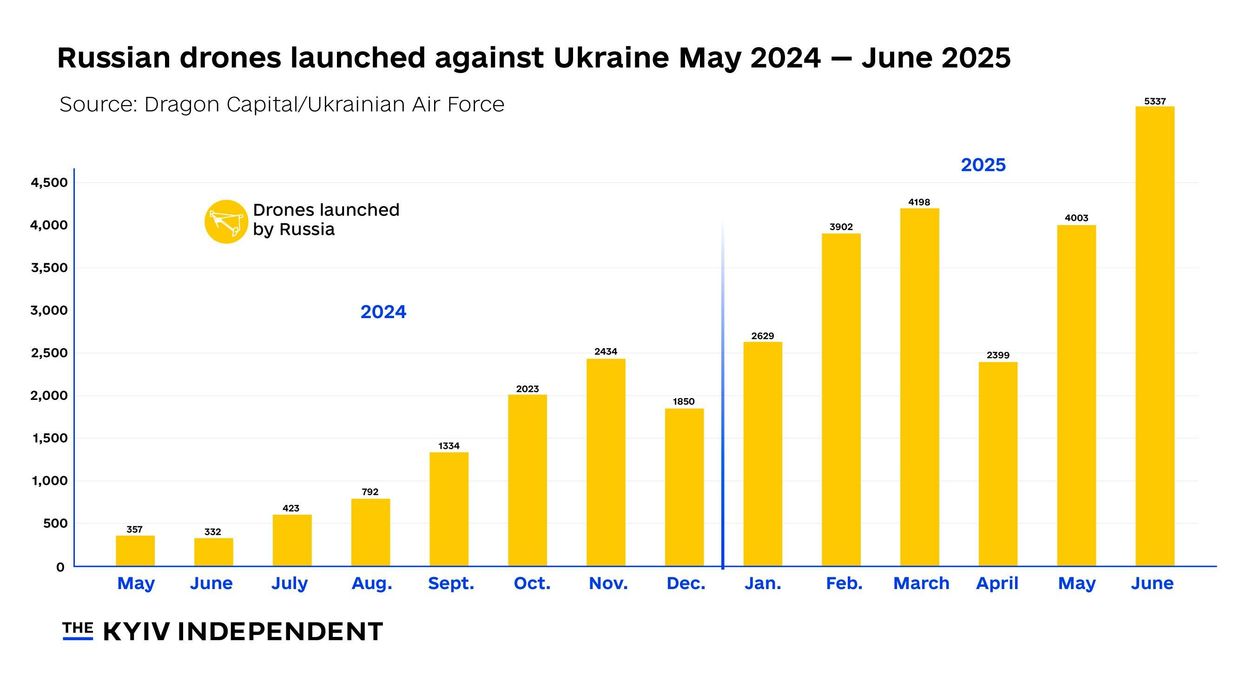
Russia has the capacity to launch as many as 500 Iranian-designed Shahed attack drones at Ukraine in a single attack, but doing so on a daily basis is not possible, Ukraine's military intelligence chief Kyrylo Budanov said on July 2, according to Suspilne.In recent weeks, Russia has intensified its drone assaults on Ukrainian cities, often launching hundreds in a single day. The largest aerial attack since the start of the full-scale invasion occurred overnight on June 29, when Moscow launched 4
Russia has the capacity to launch as many as 500 Iranian-designed Shahed attack drones at Ukraine in a single attack, but doing so on a daily basis is not possible, Ukraine's military intelligence chief Kyrylo Budanov said on July 2, according to Suspilne.
In recent weeks, Russia has intensified its drone assaults on Ukrainian cities, often launching hundreds in a single day. The largest aerial attack since the start of the full-scale invasion occurred overnight on June 29, when Moscow launched 477 drones and 60 missiles across Ukraine.
"Launching 450–500 Shaheds every day — it's just not realistic," said Budanov during a ceremony recognizing five Ukrainian intelligence achievements in the national record book, according to public broadcaster Suspilne.
"But unfortunately, they do have the ability to do it periodically. They can realistically launch up to 500 in one strike," Budanov added.
Budanov also said Russia is upgrading the capabilities of the Shahed-type drones by improving their CRPA (Controlled Reception Pattern Antenna) systems, which protect the drones from GPS jamming. He noted that Russian engineers are now producing 16-channel CRPA antennas, which are harder to counter electronically.
Russian drones launched against Ukraine by month (Nizar al-Rifai/The Kyiv Independent)
"These antennas are currently produced in Russia, but the engineer who developed this CRPA antenna was here in Ukraine," Budanov said.
"Back in the early 2000s, no one here needed it, so the engineer moved to Russia. One (of the two engineers involved in the development) has already died under unclear circumstances. The other is still alive, though probably not for long."
Russia has used thousands of Shahed-type drones throughout its full-scale invasion to strike Ukrainian cities and infrastructure, often in large overnight waves. Ukrainian air defenses have adapted over time but face growing challenges as Moscow improves drone resilience and electronic warfare capabilities.
President Volodymyr Zelensky said that Moscow has launched 28,743 Shahed-type drones at Ukraine since the start of Russia's full-scale invasion.
Budanov also said Russia has made unsuccessful attempts to develop its own naval drones. The last known effort came in early June, when experimental models detonated before reaching Ukrainian territorial waters, he said.
"They didn't achieve results. Based on our information, they were heading toward the city of Yuzhne, searching for targets," he said.
Ukraine has been using domestically developed Magura naval drones to target Russian military assets in the Black Sea, keeping much of Russia's fleet pinned in port.
Despite their small size, the unmanned surface vessels have proven effective, including in a May 2 operation when Ukraine's military intelligence used Magura-7 drones armed with air-to-air missiles to shoot down two Russian Su-30 fighter jets near Novorossiysk. It was the first recorded instance of fighter jets being downed by naval drones.
Ukrainian drones struck the Saratovorgsintez oil refinery in Russia's Saratov Oblast, causing damage to the facility, Ukraine's General Staff reported on July 1. "An important facility has been hit," the General Staff said via its official Telegram channel. The Saratovorgsintez refinery and chemical plant, owned by Russian energy giant Lukoil, is located nearly 1,500 kilometers (930 miles) from Ukraine's border in the city of Saratov. The city hosts multiple strategic military and industrial sit
Ukrainian drones struck the Saratovorgsintez oil refinery in Russia's Saratov Oblast, causing damage to the facility, Ukraine's General Staff reported on July 1.
"An important facility has been hit," the General Staff said via its official Telegram channel.
The Saratovorgsintez refinery and chemical plant, owned by Russian energy giant Lukoil, is located nearly 1,500 kilometers (930 miles) from Ukraine's border in the city of Saratov. The city hosts multiple strategic military and industrial sites.
The refinery was targeted to "reduce the enemy's offensive capabilities," the General Staff wrote.
"The occupiers use the capacity of this refinery to supply fuel and lubricants to Russian military units involved in the armed aggression against Ukraine."
The attack was a joint operation carried out by Ukraine's military intelligence agency (HUR) and other military units, the General Staff said. A fire broke out at the site of the attack and damage to the refinery's technological installations has been confirmed. The full consequences of the strike are still being investigated.
The Kyiv Independent could not verify these claims.
The report is the latest in a series of announcements on July 1 about successful Ukrainian strikes on Russian targets. Earlier in the day, HUR released footage of Ukraine's UJ-26 drones, commonly known as Bober (Beavers), targeting high-value Russian air defenses and a fighter jet in occupied Crimea.
A source in the Security Service of Ukraine (SBU) told the Kyiv Independent that Ukrainian drones struck a major Russian military plant in the city of Izhevsk, over 1,300 kilometers (800 miles) from the front lines.
Ukraine also hit a Russian command post in occupied Donetsk Oblast, according to the General Staff.
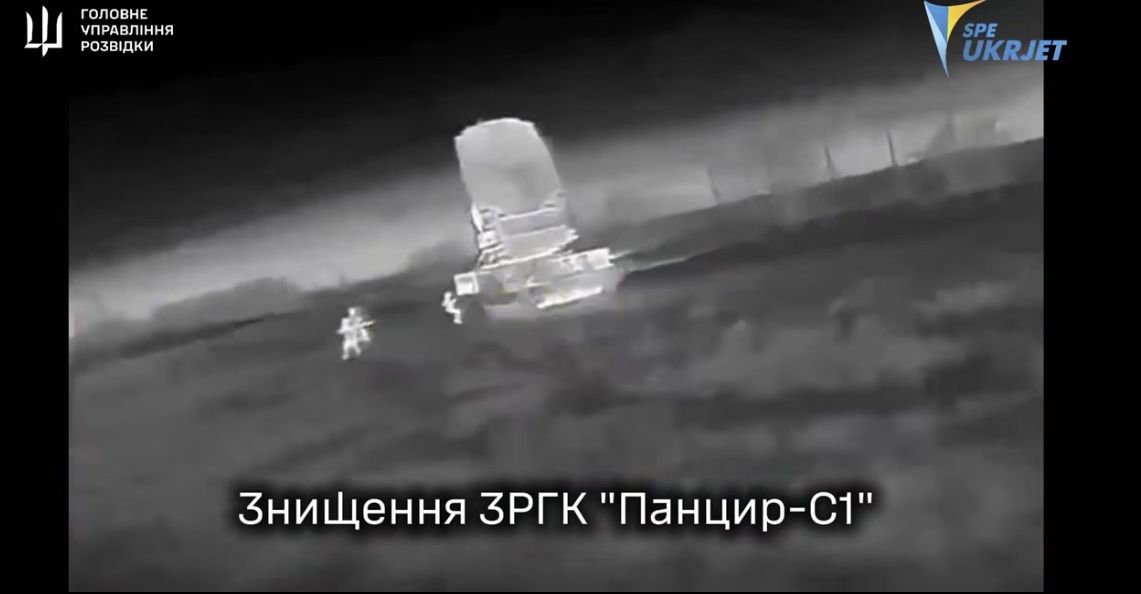
Ukraine's military intelligence agency (HUR) released on July 1 video footage showing domestically produced drones striking multiple Russian air defense assets and a fighter jet in occupied Crimea in what it described as a successful special operation.The undated footage shows the combat use of UJ-26 drones, commonly known as Bober (Beavers), targeting high-value Russian military systems."These reliable weapons in the hands of HUR special forces are turning critically important Russian targets i
Ukraine's military intelligence agency (HUR) released on July 1 video footage showing domestically produced drones striking multiple Russian air defense assets and a fighter jet in occupied Crimea in what it described as a successful special operation.
The undated footage shows the combat use of UJ-26 drones, commonly known as Bober (Beavers), targeting high-value Russian military systems.
"These reliable weapons in the hands of HUR special forces are turning critically important Russian targets into useless scrap," the agency said in a statement.
HUR added that the Bober drones are effectively "gnawing through" Russia's expensive air defense systems "like barberries."
0:00
/
A Ukrainian drone targets and destroys Russian military assets in occupied Crimea, according to Ukraine's military intelligence agency. (HUR / Telegram).
The released footage shows that the strikes destroyed or severely damaged several Russian military assets, including a Pantsir-S1 air defense system and its crew, a Niobium-SV radar, a Pechora-3 coastal radar, a Protivnik-GE radar, and a Su-30 fighter jet stationed at the Saky airfield in occupied Crimea.
The Kyiv Independent could not verify HUR's claims.
The strikes are part of Ukraine's ongoing efforts to degrade Russian military capabilities in Crimea, which has been under Russian occupation since 2014. Moscow reported Ukrainian drone strikes against the peninsula earlier on July 1, with the Crimean Wind Telegram channel reporting attacks in the vicinity of S-300/S-400 air defense systems.
Ukraine has increasingly deployed new drone systems to target Russian military assets on the front line and deep inside the Russian rear.
Ukraine's Autonomous Republic of Crimea. (Nizar al-Rifai/The Kyiv Independent)
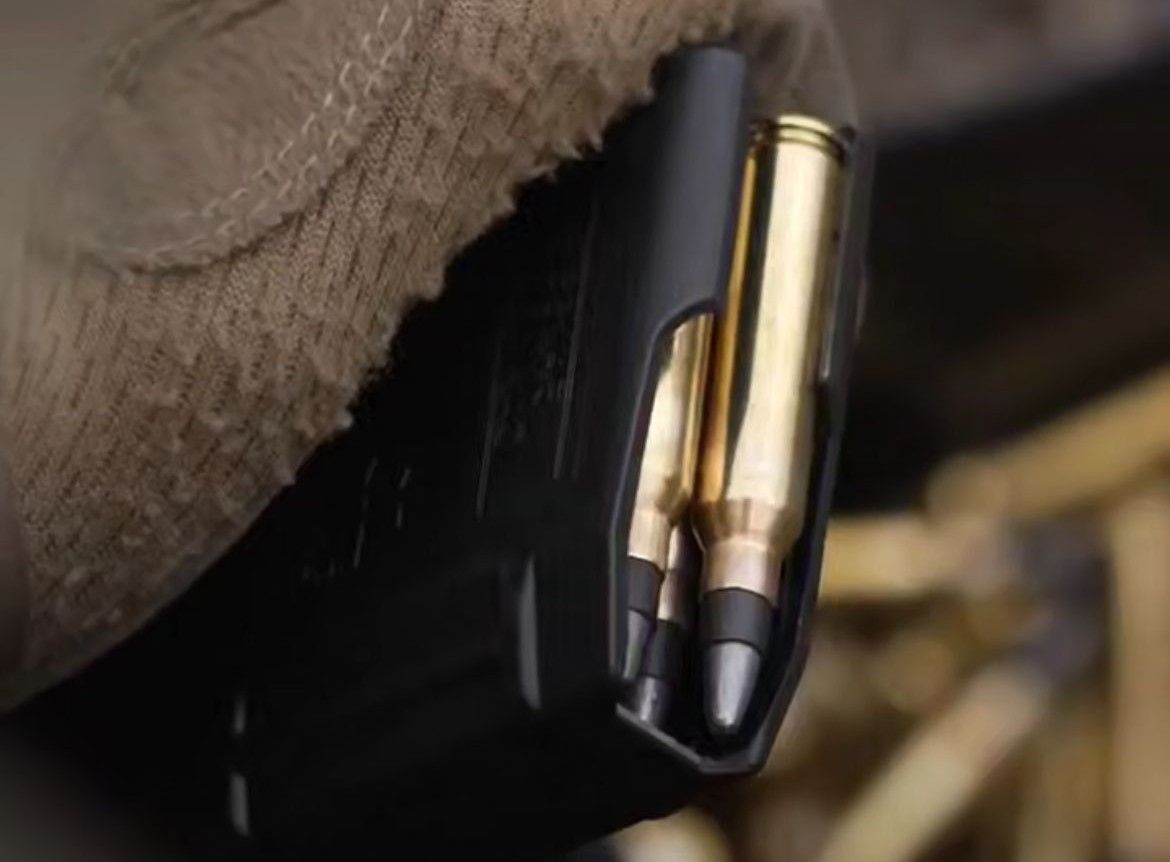
Ukraine's defense technology cluster Brave1 has launched the development of anti-drone rifle rounds, significantly increasing the chances of hitting fast-moving aerial targets, the group said in a statement on June 30.According to Brave1, the ammunition appears similar to standard rounds used in automatic rifles but features a specially designed warhead that increases the likelihood of shooting down FPV (first-person-view) drones or commercial quadcopters such as the DJI Mavic before they strike
Ukraine's defense technology cluster Brave1 has launched the development of anti-drone rifle rounds, significantly increasing the chances of hitting fast-moving aerial targets, the group said in a statement on June 30.
According to Brave1, the ammunition appears similar to standard rounds used in automatic rifles but features a specially designed warhead that increases the likelihood of shooting down FPV (first-person-view) drones or commercial quadcopters such as the DJI Mavic before they strike.
These types of drones are being used extensively on the battlefield by both Ukrainian and Russian forces. The cost-effective FPV drones have proven highly effective in destroying expensive military equipment.
The manufacturer has already codified the new rounds according to NATO standards, Brave1 said. The goal is to supply every infantry soldier with a magazine of specialized ammunition for use in case of aerial threats.
"These rounds that significantly improve the chances of hitting a moving target are a new development by Brave1," Digital Transformation Minister Mykhailo Fedorov said.
"Our common goal is to ensure that every infantryman has a magazine of such ammunition and can equip his rifle with it in case of an air threat."
Ukraine continues to scale up its drone warfare capabilities. The Defense Ministry said on March 10 that it plans to purchase 4.5 million FPV drones in 2025 at a cost exceeding Hr 110 billion ($2.6 billion), with most of the funds allocated through the Defense Procurement Agency.
President Volodymyr Zelensky has set a goal of producing at least 30,000 long-range drones in 2025.
Editor's note: This is a developing story and is being updated.Ukraine's military intelligence (HUR) struck on June 28 the 1060th Material-Technical Support Center in the city of Bryansk, Ukraine's General Staff said. The facilities store a Russian missile and drone arsenal, Ukrainska Pravda reported, citing a source in HUR.Local residents reported hearing explosions and gun fire throughout the morning of June 28. Pictures posted on social media show smoke billowing from the area of where the ce
Editor's note: This is a developing story and is being updated.
Ukraine's military intelligence (HUR) struck on June 28 the 1060th Material-Technical Support Center in the city of Bryansk, Ukraine's General Staff said.
The facilities store a Russian missile and drone arsenal, Ukrainska Pravda reported, citing a source in HUR.
Local residents reported hearing explosions and gun fire throughout the morning of June 28. Pictures posted on social media show smoke billowing from the area of where the centre, formerly the the 120th arsenal of the Main Missile and Artillery Directorate, is located in an industrial area in the southern part of the city.
The General Staff said it was assessing the strike as extent of the damage was not immediately clear.
Bryansk Oblast Governor Alexander Bogomaz acknowledged a drone attack on the region overnight claiming that four civilians were injured in the attack, damaging ten homes and a vehicle.
Later in the morning, Bogomaz claimed that all the drones had been downed by Russian air defense unit in a separate attack, claiming that no damage had been inflicted. He did not mention the Main Missile and Artillery Directorate in his comments.
The Kyiv Independent cannot immediately verify the reports or claims made by Russian officials.
Bryansk Oblast, located in Russia's far-west, borders Ukraine's Chernihiv and Sumy Oblast, and has been the target of various Ukrainian strikes.
Ukraine's military regularly conducts strikes onto Russian and Russian-occupied territory.
Drones operated by the Security Service of Ukraine (SBU) struck the Kirovske military airfield in occupied Crimea overnight on June 28, the SBU told the Kyiv Independent. The attack destroyed Mi-8, Mi-26 and Mi-28 attack helicopters, and a Pantsyr-S1 self-propelled anti-aircraft missile and gun system, the SBU claimed.
President Volodymyr Zelensky signed a decree on June 27 imposing sanctions on 52 Russian citizens as well as an additional 34 Russian companies and one Chinese entity involved in the production of Shahed-type drones and chip manufacturing machinery.Ukraine introduced new restrictions as Russia has escalated drone attacks against Ukrainian cities over the past weeks, launching upwards of 400-500 unmanned aerial vehicles (UAVs) per night.Individuals and legal entities subject to Ukrainian sanction
President Volodymyr Zelensky signed a decree on June 27 imposing sanctions on 52 Russian citizens as well as an additional 34 Russian companies and one Chinese entity involved in the production of Shahed-type drones and chip manufacturing machinery.
Ukraine introduced new restrictions as Russia has escalated drone attacks against Ukrainian cities over the past weeks, launching upwards of 400-500 unmanned aerial vehicles (UAVs) per night.
Individuals and legal entities subject to Ukrainian sanctions cannot do business and trade in Ukraine, cannot withdraw their capital from the country. In the meantime, their assets are blocked, as well as their access to public and defense procurement, and entry into the territory of Ukraine, among other restrictions.
Andrii Yermak, head of the Presidential Office, said on Telegram that the sanction primarily enterprises and individuals collaborating with a Shahed manufacturing facility located in the town of Yelbuga in Russia's Tatarstan.
Russia has launched thousands of cheap but effective Iranian-designed Shahed drones against Ukraine since the fall of 2022. Originally designed in Iran, Russia has since produced its own Shahed-type drones on Russian territory.
Drones have become one of the defining tools of the full-scale war, used extensively by both Ukraine and Russia for surveillance, long-range strikes, and tactical battlefield advantage.
Earlier in the day, Zelensky signeda decree to coordinate sanctions against Russia with international partners, particularly the European Union and the Group of Seven (G7).
Ukrainian companies have increased their industrial capacity to produce four million drones a year, Defense Minister Rustem Umerov said at a June 26 press briefing.The statement comes as Ukraine seeks to increase domestic arms production amid uncertainty over further U.S. support and reduced dependence on supplies from European partners.Ukrainian manufacturers will supply four million drones to the front line this year, while the Ukrainian army has already received up to 1.5 million drones as of
Ukrainian companies have increased their industrial capacity to produce four million drones a year, Defense Minister Rustem Umerov said at a June 26 press briefing.
The statement comes as Ukraine seeks to increase domestic arms production amid uncertainty over further U.S. support and reduced dependence on supplies from European partners.
Ukrainian manufacturers will supply four million drones to the front line this year, while the Ukrainian army has already received up to 1.5 million drones as of the end of June, according to Umerov.
The minister said that brigades made many requests for direct funding last year, with a commitment secured for 2025. The government is currently allocating Hr 2.5 billion ($60 million) per month for direct procurement teams, he added.
In the meantime, Umerov said that not all brigades spend money due to a lack of procurement specialists, so the Defense Procurement Agency (DPA) launched the DOT Chain Defense marketplace for Ukrainian soldiers
"The teams see a 'marketplace' of drones: each team orders what it needs, and the healthcare organization pays for it. This way we significantly reduce all the bureaucracy, and the teams get what they need ten times faster," Umerov said.
Russian drone strikes across Ukraine have been breaking records in recent weeks, with nearly 500 drones and missiles launched overnights.
Since the start of Russia’s full-scale invasion, Ukraine has focused heavily on developing and deploying advanced unmanned systems. As of April 2025, more than 95% of drones used by Ukrainian forces on the front line are domestically produced.
Both Ukraine and Russia have increasingly relied on drone warfare, employing aerial, naval, and ground-based drones for reconnaissance and combat operations – making technological innovation a critical component of the war.
A Chinese journalist was reportedly injured in a drone strike near Russia's border with Ukraine in Kursk Oblast, acting governor Alexander Khinshtein said on June 27.According to Khinshtein, 63-year-old reporter Lu Yuguang from the Chinese television network Phoenix TV was wounded in a Ukrainian drone strike on the village of Korenevo in Russia's Kursk Oblast. He sustained an open head injury and a contusion on the parietal region of his skull, but later declined hospitalization after being exam
A Chinese journalist was reportedly injured in a drone strike near Russia's border with Ukraine in Kursk Oblast, acting governor Alexander Khinshtein said on June 27.
According to Khinshtein, 63-year-old reporter Lu Yuguang from the Chinese television network Phoenix TV was wounded in a Ukrainian drone strike on the village of Korenevo in Russia's Kursk Oblast. He sustained an open head injury and a contusion on the parietal region of his skull, but later declined hospitalization after being examined at a regional hospital, Khinshtein wrote on Telegram.
"Fortunately, the journalist received skin wounds on the head. No other damage was found," the governor said, adding, "Please refrain from traveling to the border area, it can be dangerous."
If confirmed, this would be the first publicly reported case of a Chinese journalist being injured in Russia's Kursk Oblast as a result of cross-border drone strikes amid Moscow's full-scale war against Ukraine. The Kyiv Independent could not independently verify the claims.
Ukrainian forces launched a cross-border incursion into Russia's Kursk Oblast in August 2024, marking the first large-scale invasion of Russian territory by foreign troops since World War II. The move was intended to disrupt a planned Russian offensive targeting Ukraine's Sumy Oblast and to relieve pressure on the Donetsk front.
Since then, Ukraine claims it has inflicted 63,402 Russian troop casualties in the oblast, including 25,625 killed and 971 captured. Ukrainian forces also say they have destroyed or damaged over 5,664 pieces of Russian military equipment in the area.
Russia retook most of the lost territory during a renewed offensive in March 2025, supported by North Korean troops.
Ukrainian drones struck air defense equipment in Russian-occupied Crimea, damaging radar units and components of the S-400 Triumph system, Ukraine's military intelligence agency (HUR) claimed on June 26. The drone strike was carried out by the agency's "Ghosts" unit, HUR said. Video footage of the operation published on HUR's official Telegram channel shows the trajectory of multiple drones as they approach and hit their targets. The attack damaged "critical and expensive components" of Russia's
Ukrainian drones struck air defense equipment in Russian-occupied Crimea, damaging radar units and components of the S-400 Triumph system, Ukraine's military intelligence agency (HUR) claimed on June 26.
The drone strike was carried out by the agency's "Ghosts" unit, HUR said. Video footage of the operation published on HUR's official Telegram channel shows the trajectory of multiple drones as they approach and hit their targets.
The attack damaged "critical and expensive components" of Russia's S-400 Triumph air defense system, including two 92N2E multifunctional control radars, two 91N6E detection radars, and an S-400 launcher, according to HUR.
"Radars are the 'eyes' of the enemy's air defense system. Without them, anti-aircraft systems become combat ineffective," HUR wrote.
The Kyiv Independent could not verify these claims.
0:00
/
Video footage of an alleged Ukrainian drone strike on a Russian S-400 air defense radar system in occupied Crimea, June 2025. (Ukraine's military intelligence agency / Telegram)
Earlier this month, the Atesh partisan group reported that a Ukrainian drone attack hit Russian military facilities near Simferopol. The group claimed on June 13 that Ukrainian drone attacks likely hit a Russian air defense system.
Ukraine has previously carried out successful attacks on S-400 radar systems in Crimea and other regions, including Russia's Belgorod Oblast. Kyiv regularly launches strikes on military and industrial targets in both Russia and Russian-occupied regions of Ukraine.
Russia has illegally occupied Crimea since 2014, transforming the peninsula into a heavily militarized stronghold. Moscow uses the region to support its war in Ukraine, launching missiles from the Black Sea and exploiting the peninsula as a key logistics and transport hub.
The Kerch Airport in Crimea has also been repurposed from civilian to military use, with Moscow-backed proxies transferring part of the airport's land to the Russian Defense Ministry in spring 2025, according to an investigation by Radio Liberty/Radio Free Europe.
Ukraine's Autonomous Republic of Crimea (Nizar al-Rifai/The Kyiv Independent)
U.S. President Donald Trump's proposed defense budget for fiscal year 2026 prioritizes drones and long-range missile systems over traditional air and naval platforms, Reuters reported on June 26.The $892.6 billion request maintains the overall funding level from 2025 but shifts spending toward innovation and high-tech systems. The budget includes increased investment in small drones, a response to their proven battlefield value in Ukraine.The proposal slashes procurement of key legacy systems. T
U.S. President Donald Trump's proposed defense budget for fiscal year 2026 prioritizes drones and long-range missile systems over traditional air and naval platforms, Reuters reported on June 26.
The $892.6 billion request maintains the overall funding level from 2025 but shifts spending toward innovation and high-tech systems. The budget includes increased investment in small drones, a response to their proven battlefield value in Ukraine.
The proposal slashes procurement of key legacy systems. Trump's plan includes just 47 F-35 fighter jets, down from the 68 planned by the Biden administration, and only three warships.
The Pentagon will continue to purchase Joint Air to Surface Standoff Missile – Extended Range and Long Range Anti-Ship missiles for the U.S. Air Force. Fewer Precision Strike Missiles, meant to replace the ATACMS, are included in the main request.
The proposal also includes a 3.8% increase in military salaries, while decommissioning aging and costly aircraft and ships. The Navy's civilian workforce will be reduced by more than 7,000 employees to free up resources for technology and modernization.
The shift from traditional fleet expansion indicates a move towards asymmetric, precise warfare with drones playing a crucial battlefield role.
Ukraine's experience has informed several elements of the request. Since Russia's full-scale invasion in 2022, Kyiv has expanded drone production across all domains — air, land, and sea — with plans to manufacture 30,000 long-range drones in 2025.
Ukraine's hybrid strike platforms, such as the Palianytsia and Peklo missile-drones, have drawn international attention for their range and versatility.
A key military-industrial site in the Russian city of Taganrog linked to Moscow's production of combat drones and electronic warfare systems was damaged overnight, a Ukrainian official said on June 25, amid Russian reports of Ukrainian drones targeting the area."Something unknown flew into the Atlant-Aero plant in Taganrog," Andrii Kovalenko, head of the counter-disinformation center at Ukraine's National Security and Defense Council said. "This is an important node in the Russian military-indu
A key military-industrial site in the Russian city of Taganrog linked to Moscow's production of combat drones and electronic warfare systems was damaged overnight, a Ukrainian official said on June 25, amid Russian reports of Ukrainian drones targeting the area.
"Something unknown flew into the Atlant-Aero plant in Taganrog," Andrii Kovalenko, head of the counter-disinformation center at Ukraine's National Security and Defense Council said.
"This is an important node in the Russian military-industrial complex, specializing in components for combat drones and control systems."
Kovalenko said the plant is involved in the production of "Orion" drones, electronic warfare complexes, and digital integration systems for strike FPV (first person view) drones and loitering munitions.
Russian authorities reported a wave of overnight Ukrainian drone attacks across multiple regions, including Rostov, which borders eastern Ukraine. Russia's Defense Ministry said its forces shot down 40 Ukrainian drones over several areas, including the Crimean Peninsula and seven over the Rostov region.
Rostov Governor Yuri Slyusar said on Telegram that while there were no casualties, the strikes allegedly caused a fire at a sports complex and damaged a high school and two residential buildings in Taganrog. In nearby Azov, a grain warehouse and industrial facility were hit, he added, without providing further detail.
The Kyiv Independent could not verify the claims.
Throughout Russia's full-scale invasion, Ukraine and Russia have extensively invested in dronetechnology, revolutionizing the way wars are fought.
Ukraine has ramped up its domestic drone production and long-range strike capabilities as it seeks to weaken Russian military infrastructure deep behind enemy lines. Earlier in June, Ukrainian drones targeted long-range Russian bombers in an operation dubbed "Spiderweb."
Russia has escalated its missile and drone attacks on Ukrainian cities, launching hundreds of drones during overnight assaults. Since February 2022, Moscow has launched 28,743 Shahed-type drones at Ukraine
Speaking at the NATO Defense Industry Forum in The Hague on June 24, President Volodymyr Zelensky said Ukraine can produce over 8 million drones of various types each year. He called for an increased investment from the allies to reach that potential.
Since the start of Russia’s full-scale invasion, Moscow has launched 28,743 Shahed-type drones at Ukraine — with 2,736, or roughly 9.5%, fired in June 2025 alone, President Volodymyr Zelensky said during a speech to the Dutch Parliament in The Hague.Speaking on June 24, he stressed that Russia would never have been able to carry out such drone attacks without support from Iran, and Ukraine, in turn, could not have intercepted most of the drones without the help of its international partners.Zel
Since the start of Russia’s full-scale invasion, Moscow has launched 28,743 Shahed-type drones at Ukraine — with 2,736, or roughly 9.5%, fired in June 2025 alone, President Volodymyr Zelensky said during a speech to the Dutch Parliament in The Hague.
Speaking on June 24, he stressed that Russia would never have been able to carry out such drone attacks without support from Iran, and Ukraine, in turn, could not have intercepted most of the drones without the help of its international partners.
Zelensky called for accountability and emphasized that rules must apply to all — including the Kremlin: "Putin pretends not to understand the rules that shape the modern world. And here, in The Hague, I want to say this very clearly to him: There is a rule — do not kill. There is a rule — do not treat people like beasts. There is a rule — do not destroy cities and villages. There is a rule — do not sponsor terror. There is a rule — do not steal children. And if you break these rules, you will be held accountable."
According to Zelensky, these principles — though difficult for Russia to grasp — form the foundation of international norms, from the UN Charter to Europe’s shared vision of life.
To achieve lasting peace, Zelensky outlined two key strategic priorities. First, he called for maximum isolation of Russia which includes full political isolation, comprehensive sanctions, and the termination of any cooperation that allows Russia to survive and continue waging war.
"Every loophole that allows them to keep going must be closed. We need a strong 18th EU sanctions package. We need tough, painful sanctions on Russian oil. Every reduction in Russia’s oil revenue helps bring peace closer," he said.
Zelensky argued that the most effective step would be imposing a $30-per-barrel price cap on Russian oil exports.
“The world must reach this threshold — not just to help stop Russia’s war against us, but to prevent any future military operations that Russia might launch against Europe and the Alliance,” he said. “Military plans must become prohibitively expensive for Russia. We must fully block their tanker fleet and cut them off from international banking. That’s what works.”
Second priority, according to Zelensky, is the need for stability in defense support. "Russia must see that Ukraine will not be left alone, and that Europe will not back down."
President Volodymyr Zelensky said during NATO summit on June 24 that Ukraine has the capacity to produce over 8 million drones of various types each year, but lacks the financial backing to reach that potential, a shortfall he said must be urgently addressed to defeat Russia's growing military network."Our defense production potential has surpassed $35 billion,” Zelensky said during a speech at the NATO Defense Industry Forum in The Hague. "This includes nearly 1,000 types of products... but aro
President Volodymyr Zelensky said during NATO summit on June 24 that Ukraine has the capacity to produce over 8 million drones of various types each year, but lacks the financial backing to reach that potential, a shortfall he said must be urgently addressed to defeat Russia's growing military network.
"Our defense production potential has surpassed $35 billion,” Zelensky said during a speech at the NATO Defense Industry Forum in The Hague. "This includes nearly 1,000 types of products... but around 40% of this potential lacks proper funding. For example, we can produce over 8 million drones of different types each year, but the financing allows for far fewer."
Zelensky urged allies to scale up investments in joint weapons production, including drone technologies, artillery, and interceptors. He argued that Ukraine's defense capabilities are not only key to defending its own territory, but essential to strengthening NATO's long-term security.
"We must lead in the drone race, both in strike drones and interceptors," he said. "Please increase your investments in Ukraine and joint weapons production. All the weapons we produce become part of a new, stronger European defense and security system."
The Ukrainian president emphasized that Russia is not acting alone, but as part of a broader network of state and non-state actors, including North Korea, Iran, and Chinese companies, which support its war effort against Ukraine and pose a long-term threat to Europe.
"The source of this war and the long-term threat to Europe is Russia," Zelensky said. "But in reality, we are not just facing Russia alone. We are facing a network of state and non-state actors."
Zelensky also called on NATO members to increase defense spending to 5% of GDP and to dedicate at least 0.25% of GDP to support Ukraine's military needs directly. He thanked countries such as Germany, Norway, Sweden, and the Netherlands for their elevated commitments, but urged others to follow suit.
Zelensky warned that Russia is planning "new military operations on NATO territory" and that the war in Ukraine must be stopped now to prevent broader European conflict.
"There are no signs that Putin wants to stop this war," Zelensky said. "So long as he kills, he lives. And our intelligence confirms this."
He also appealed for a crackdown on the supply chains that allow Russia to sustain its weapons manufacturing, referring to Western-origin components found in Russian missiles, drones, and armored vehicles.
"It's not just China, also Taiwan. Some of these parts come from European countries and from the United States," Zelensky said. "Every single tool delivered to Russia's defense sector helps prolong the war and is a crime against peace."
Zelensky's speech comes as NATO leaders gather in The Hague for a high-level summit on June 24-25. NATO leaders are expected to discuss raising the alliance's defensespending target to 5% of the GDP, a proposal the U.S. has championed but from which it considers itself exempt.
President Volodymyr Zelensky met outgoing Dutch Prime Minister Dick Schoof on June 24 in The Hagueon the first day of the NATO summit.Welcoming Zelensky at the Catshuis official residence, Schoof presented a new military aid package for Ukraine, including 100 drone radar systems, front-line vehicles for evacuating the wounded, and 80 million euros (over $90 million) for the drone initiative. The Netherlands will also start producing drones for Ukraine, according to Ukrainian specifications.Zelen
President Volodymyr Zelensky met outgoing Dutch Prime Minister Dick Schoof on June 24 in The Hagueon the first day of the NATO summit.
Welcoming Zelensky at the Catshuis official residence, Schoof presented a new military aid package for Ukraine, including 100 drone radar systems, front-line vehicles for evacuating the wounded, and 80 million euros (over $90 million) for the drone initiative. The Netherlands will also start producing drones for Ukraine, according to Ukrainian specifications.
Zelensky arrived in the Netherlands on the evening of June 23, planning to meet allied leaders – including U.S. President Donald Trump – to discuss NATO's response to Russia's war against Ukraine during the annual summit.
"Let me be clear: Ukraine is part of the family that we call the Euro-Atlantic family," Schoof told Zelensky in front of reporters.
The new aid package is valued at 175 million euros ($200 million) and comes after a 500 million euros ($580 million) agreement to produce 600,000 drones with the Ukrainian defense industry, Dutch Defense Minister Ruben Brekelmans said separately at the summit.
"We have these technologies, we want to share them with our partners. In The Hague, we begin to work with some countries on co-production," Zelensky said when talking about Ukraine's drone manufacturing capabilities.
Calling The Hague the "city of justice," Zelensky also said he counts on allied support in "holding Russia accountable for its crimes" and named the Netherlands among Ukraine's leading European supporters.
Zelensky's arrival was preceded by rumors that he might skip the event if Trump does not attend either. Nevertheless, the Ukrainian president later confirmed he plans to meet the U.S. leader on June 25, potentially marking their third meeting since Trump took office after the expected talks at the G7 summit in Canada fell through.
This year's NATO summit is taking place as Russia continues to launch large-scale deadly attacks on Ukrainian cities, disregarding calls by Kyiv and its Western partners for a ceasefire.
Allied leaders also face growing uncertainty about the Trump administration's commitment to both Ukraine and NATO's collective security as new conflicts emerge in the Middle East.
Russian attacks on Kherson Oblast killed four people and injured five others between June 23 and 24, local officials reported.Russian forces launched drone and artillery strikes on dozens of settlements across the region, Governor Oleksandr Prokudin said on Telegram.Twenty-nine settlements were affected, including the regional capital, Kherson, which shares the same name as the oblast.The strikes damaged critical infrastructure and residential areas, including four private houses. A shop and sev
Russian attacks on Kherson Oblast killed four people and injured five others between June 23 and 24, local officials reported.
Russian forces launched drone and artillery strikes on dozens of settlements across the region, Governor Oleksandr Prokudin said on Telegram.
Twenty-nine settlements were affected, including the regional capital, Kherson, which shares the same name as the oblast.
The strikes damaged critical infrastructure and residential areas, including four private houses. A shop and several private vehicles were also reportedly damaged.
Kherson Oblast, located in southern Ukraine just north of Russian-occupied Crimea, has been repeatedly targeted by Russian forces since the start of the full-scale invasion.
Russian forces launched a drone attack on Sumy Oblast overnight on June 24, killing three people, including an 8-year-old boy, and injuring six others, local officials reported.The strike targeted a settlement near Verkhnia Syrovatka around midnight local time, Governor Oleh Hryhorov said on Telegram. The victims included an adult man and woman, and the child.As of 7:00 a.m. local time, six people – including three children – have been reported injured. All have been hospitalized and are receivi
Russian forces launched a drone attack on Sumy Oblast overnight on June 24, killing three people, including an 8-year-old boy, and injuring six others, local officials reported.
The strike targeted a settlement near Verkhnia Syrovatka around midnight local time, Governor Oleh Hryhorov said on Telegram. The victims included an adult man and woman, and the child.
As of 7:00 a.m. local time, six people – including three children – have been reported injured. All have been hospitalized and are receiving medical care.
The attack damaged about 30 residential buildings and four cars, and sparked a large-scale fire. Police investigators, rescue workers, and medics are responding at the scene.
Sumy Oblast, which borders Russia, has faced intensified assaults in recent weeks amid a broader Russian offensive along Ukraine's northeastern border.
Since March, Russian forces have reportedly captured around 200 square kilometers in the region, prompting evacuations from over 200 settlements.
Ukrainian forces, however, have been reportedly driving Russian troops back amid the continued cross-border attacks.
Editor's note: This is a developing story and is being updated as new details emerge.Russia launched a mass missile and drone attack on Kyiv overnight on June 23, killing at least nine people and injuring 33 others, including four children, local officials reported.Kyiv Independent journalists heard explosions and kamikaze drones flying overhead from around 1 a.m. Louder explosions from ballistic missiles were heard an hour later, with the attack lasting around 3.5 hours in total.The heaviest da
Editor's note: This is a developing story and is being updated as new details emerge.
Russia launched a mass missile and drone attack on Kyiv overnight on June 23, killing at least nine people and injuring 33 others, including four children, local officials reported.
Kyiv Independent journalists heard explosions and kamikaze drones flying overhead from around 1 a.m. Louder explosions from ballistic missiles were heard an hour later, with the attack lasting around 3.5 hours in total.
The heaviest damage occurred in the Shevchenkivskyi district of the city, when a five-story building partially collapsed after being hit by a ballistic missile, Ukraine's military reported. At least nine people died as a result, and more may be trapped under the rubble.
An 11-year-old girl was confirmed as the ninth victim of the strike, Tymur Tkachenko, head of the Kyiv City Military Administration, said. Her mother's body was recovered earlier from the rubble.
0:00
/
The scene of the damaged building in Shevchenkivskyi district (Vitalii Klitschko/Telegram)
Student Veronika Sherinova, who lives in a nearby building, said she didn't sleep all night — first because she was hiding from the attack, then because the missile strike shattered the windows in her home and neighboring apartments.
"Most of my former classmates lived in this building (that was hit), most of my friends and acquaintances, too," she told the Kyiv Independent at the site of the strike. "We got dressed right away and went over."
"When my mom and I arrived, I saw them coming out in just their underwear, covered in blood, wounded. It was impossible to look at. It was pure shock. We were all in a state of shock."
At first, she just wanted to help clear the shattered glass and debris. But after seeing the extent of the destruction, Sherinova realized that some of the people she knew might not have survived the attack.
"The strike hit exactly the floors where our friends lived," she said. "Unfortunately, they didn’t survive. My other friends did — they were on the first floor," she added, her eyes filling with tears.
"It was a miracle they came out without a single scratch. But the upper floors were just blown away, there wasn’t even a chance for anyone up there to survive."
A woman and policeman stand in front of the partially collapsed residential building after a Russian attack on June 23, 2025 in Kyiv, Ukraine (Ihor Kuznietsov/Novyny LIVE/Global Images Ukraine via Getty Images)
According to Sherinova, the Russian strike killed a family living on the upper floor — a father, mother, and grandfather — but their teenage son survived.
"We suspected it right away, but we didn’t want to believe it until the very end. But then we found out that they were the first ones they carried out," she said. "The boy is in shock right now; he doesn’t realize what’s happened. He’s just not reacting at all."
She said her two other friends who lived in the building left for abroad immediately after the strike.
"They went abroad — they took a bus and left right away."
State Emergency Service spokesperson Svitlana Vodolaha told journalists at the site that when rescuers arrived, they had been told only a few people would be affected there.
"As it turned out, the information we had was not reliable — there were more people here than we had been told. At this moment, we still don’t have complete information on how many people might be trapped under the rubble," Vodolaha said.
"That’s why we’ll keep working until the very end, until we’re completely sure no one is left under the debris."
Shortly after their arrival, rescuers pulled 10 people from under the rubble, including two children and a pregnant woman, Vodolaha said.
A wounded woman with smartphone stands near the partially destroyed building on June 23, 2025 in Kyiv, Ukraine (Ihor Kuznietsov/Novyny LIVE/Global Images Ukraine via Getty Images)
Vodolaha did not rule out the use of cluster munitions in this attack. After arriving at the site, Kyiv Independent journalists observed holes in the building across from the one that was hit, resembling those from the previous strike on the capital on June 17.
Cluster munitions are banned under international law by more than 100 countries due to their indiscriminate nature and the long-term threat they pose to civilians, especially when unexploded submunitions remain hidden in residential areas.
"It’s possible as such incidents have happened not only during today’s attack but at other times as well," Vodolaha said.
"I think everyone has noticed how our attacks have become longer and more intense, even across the capital," she added. "That’s why this morning we were working simultaneously at 15 locations."
Fifteen-year-old Roman Turko arrived at the site in the morning after the attack with his friend. His uncle lived in the destroyed building but, luckily, wasn’t home when the strike happened.
"He’s currently serving (in the military), he’s a border guard. He was on duty, so luckily he wasn’t home," Turko told the Kyiv Independent. "His apartment doesn’t really exist anymore: The balcony is gone, the walls are gone."
"If he had been there, it probably would have been the end for him."
After surviving such a heavy attack, Sherinova is now considering leaving Kyiv, at least for a while. But she says it feels like there’s nowhere left to hide from the Russian war.
"There’s a kindergarten nearby where my mom works. It has a shelter, and that’s where we usually go when we see reports of (Russian) jets taking off or a possible strike."
"But today it happened so suddenly, we wouldn’t have had time to run anywhere. We just stepped into the hallway, crouched down, and covered our eyes and ears," she said.
"It’s hitting everywhere, strikes are happening everywhere. I still can’t believe it happened to me, to my neighborhood, where I was born and have lived my whole life."
"I just can’t believe it. I’m still in such a state of shock, looking at all of this and not believing it really happened."
In the wider Kyiv Oblast, a woman was killed and eight others injured in Bila Tserkva, the Kyiv Oblast Military Administration reported.
Casualties were also reported in other areas around the capital in Kyiv Oblast, including Bucha, a town just northwest of Kyiv.
According to the Ukrainian Air Force, Russia deployed 368 aerial weapons, including 352 attack drones, 11 Iskander-M/KN-23 ballistic missiles, and 5 Iskander-K cruise missiles, striking primarily Kyiv. Ukraine's air defenses destroyed 354 of them.
The residential building damaged by a Russian attack as teams continue search and rescue effort in Kyiv, Ukraine on June 23, 2025 (Danylo Antoniuk/Anadolu via Getty Images)
Russian forces reportedly struck six locations directly, with debris falling in 25 sites across Kyiv and its surrounding region.
Earlier, it was reported that a high-rise apartment building was damaged as a result of the attack in the area, as well as an exit at the Sviatoshyn metro station and a nearby bus shelter.
Reports indicate that the Darnytskyi, Podilskyi, Solomianskyi, Shevchenkivskyi, and Sviatoshynskyi districts had been affected by the attack.
Fires also broke out in the Podilskyi district, where debris struck a residential building and a vehicle.
A large fire was also reported at a four-story office building in the Solomianskyi district. The fire reportedly covered an area of 800 square meters, the State Emergency Service said, with firefighting efforts ongoing.
Drone strike debris also landed in an open area of a stadium in Sviatoshynskyi without causing injuries or fire.
President Volodymyr Zelensky condemned the attack, noting that while Moscow had previously criticized strikes on Iran's nuclear program, it remained silent following its own "cynical" bombardment of Kyiv with Shahed drones and missiles.
"Only in Kyiv, five apartment buildings were damaged. These are ordinary residential buildings," he said, adding that one person was also killed in Bila Tserkva after a Shahed drone hit a hospital.
Zelensky said the attack damaged sites in four Ukrainian regions and involved 352 drones—including 159 Shaheds—and 16 missiles, possibly including North Korean ballistic missiles.
"Every country near Russia, Iran, and North Korea should be thinking about whether they can protect life if this coalition of killers continues spreading terror," Zelensky said.
The view in Kyiv seen outside of a window as Russia launches another large-scale attack on Kyiv on June 23, 2025. At least five people have been injured in the attack, local officials reported. (Olena Zashko/The Kyiv Independent)
A fire burns in the aftermath of a Russian attack on Kyiv on June 23, 2025. (Ukraine's State Emergency Service/Telegram)
A firefighter extinguishes burning debris in the aftermath of a Russian attack on Kyiv on June 23, 2025. (Ukraine's State Emergency Service/Telegram)
The attack on the capital comes just days after Russia launched one of its largest attacks on Kyiv, killing 28 people and injuring 134 others.
Russia's latest round of large-scale attacks comes as Commander-in-Chief Oleksandr Syrskyi warned on June 21 that Russian forces are attempting to advance along almost the entire front in eastern Ukraine while trying to establish a buffer zone in northeastern Sumy Oblast.
Norway will invest $400 million in Ukraine's defense industry to support drone and air defense missile production, President Volodymyr Zelensky said in his nightly address on June 22.The announcement followed a visit to Ukraine by Norwegian Defense Minister Tore Onshuus Sandvik."Today, Norway’s Minister of Defense visited Ukraine. A decision has been reached to invest $400 million in our production – new funding, primarily for drones," Zelensky said.Zelensky added that the two countries are also
Norway will invest $400 million in Ukraine's defense industry to support drone and air defense missile production, President Volodymyr Zelensky said in his nightly address on June 22.
The announcement followed a visit to Ukraine by Norwegian Defense Minister Tore Onshuus Sandvik.
"Today, Norway’s Minister of Defense visited Ukraine. A decision has been reached to invest $400 million in our production – new funding, primarily for drones," Zelensky said.
Zelensky added that the two countries are also working together to establish joint air defense production inside Ukraine.
"We are working together to create all the necessary conditions to produce air defense systems in Ukraine — jointly with partners, jointly with Norway," Zelensky said.
He added that Norway's largest defense company – Kongsberg Defence & Aerospace – has already opened an office in Ukraine as part of the cooperation.
"We are expediting all processes to the maximum extent," Zelensky said.
On X, Norway's defense ministry confirmed that Kongsberg has signed agreement with a major Ukrainian company to jointly develop and produce missiles for air defense systems in Ukraine.
The collaboration will focus on producing missiles for the National Advanced Surface-to-Air Missile System, or NASAMS.
"The Norwegian NASAMS system saves lives in Ukraine every day, and is crucial in protecting critical infrastructure. That is why it is important for the Norwegian Government to finance this development of cheaper missiles for the NASAMS system in Ukraine," said Minister Sandvik.
The announcement marks deepening ties between Kyiv and Oslo as Ukraine seeks to expand its domestic defense industry amid Russia’s ongoing full-scale invasion and reduced military aid from the United States.
Russia's weapons arsenal includes over 1,950 strategic missiles and thousands of drones, the news outlet RBC-Ukraine reported on June 21, citing a statement from Ukraine's military intelligence agency (HUR). According to HUR, the figures reflect Russia's stockpiles as of June 15. Throughout May and June, Russia has launched a series of mass missile and drone attacks against Ukrainian cities — including a large-scale strike against Kyiv on June 17 that left 30 dead and over 170 injured. Russia ha
Russia's weapons arsenal includes over 1,950 strategic missiles and thousands of drones, the news outlet RBC-Ukraine reported on June 21, citing a statement from Ukraine's military intelligence agency (HUR).
According to HUR, the figures reflect Russia's stockpiles as of June 15.
Throughout May and June, Russia has launched a series of mass missile and drone attacks against Ukrainian cities — including a large-scale strike against Kyiv on June 17 that left 30 dead and over 170 injured. Russia has repeatedly shattered its own drone record in attacks on Ukraine in the past month.
Russia's missile stocks include up to 500 Iskander-M ballistic missiles, HUR told RBC-Ukraine, as well as up to 150 hypersonic Kinzhal missiles. Moscow also has up to 60 North Korean-made KN-23 ballistic missiles.
In addition to ballistics, Russia possesses up to 300 Iskander-K cruise missiles, up to 260 Kh-101 cruise missiles, up to 280 Kh-22/Kh-32 cruise missiles, and over 400 Kalibr cruise missiles.
Russia produces up to 195 missiles per month, HUR said.
Moscow also aims to ramp up drone production from 170 to 190 units per day, according to HUR. As of June 15, Russia had over 6,000 Shahed-type attack drones and over 6,000 Gerberas, a cheap decoy version that imitates the Shahed.
Russia's arsenal highlights Ukraine's urgent need for additional air defense systems, something President Volodymyr Zelensky has been continuously lobbying Western partners to provide.
Zelensky announced on June 20 that Ukraine is boosting production of interceptor drones to combat the growing numbers of Shahed UAVs launched by Russia each night. Ukraine is also producing its own missiles and recently announced that its domestically produced Sapsan ballistic missile had entered serial production.
The president hopes to secure additional funding for defense production from allies at the upcoming NATO summit.
Russia has paired its intensifying nightly attacks with escalated rhetoric about its territorial ambitions in Ukraine. Russian President Vladimir Putin on June 20 declared that "all of Ukraine" belongs to Russia, suggesting the Kremlin is looking to expand its illegal occupation .
Ukraine's Defense Ministry has officially approved the new domestically produced unmanned ground vehicle, known as the Termit, for front-line use, the ministry announced on June 21.The tracked robot is a next-generation version of Ukraine's existing ground-based unmanned systems already deployed across the front. These systems have supported operations by transporting supplies, conducting reconnaissance, and carrying explosives in contested areas.Termit, the newest model in the series, features
Ukraine's Defense Ministry has officially approved the new domestically produced unmanned ground vehicle, known as the Termit, for front-line use, the ministry announced on June 21.
The tracked robot is a next-generation version of Ukraine's existing ground-based unmanned systems already deployed across the front. These systems have supported operations by transporting supplies, conducting reconnaissance, and carrying explosives in contested areas.
Termit, the newest model in the series, features improved mobility and modularity. The drone can carry up to 300 kilograms and operates on various terrains thanks to its low profile, tracked design, and improved weight distribution.
Its traction battery system allows for several hours of continuous movement over dozens of kilometers. According to the Defense Ministry, Termit drones can be equipped with combat modules, used for medical evacuations, or for transporting specialized equipment as needed.
Ground drones such as Termit are being used more frequently to minimize soldier exposure to front-line risks. Since Russia's full-scale invasion in 2022, Kyiv has prioritized the development of unmanned systems across all domains — air, sea, and land.
President Volodymyr Zelensky has called for the production of at least 30,000 long-range drones in 2025, alongside expanded investment in strike-capable hybrids such as the Palianytsia and Peklo missile-drone platforms.
President Volodymyr Zelensky said on June 20 that Ukraine is rapidly developing interceptor drones to defend against increasingly frequent Russian drone attacks.In his nightly address, Zelensky said the new drones would help strengthen Ukraine's defenses against Iranian-designed Shahed drones, which Russia has been deploying in growing numbers in recent weeks."We are... making separate efforts on interceptor drones, which must strengthen our defense against Shahed attacks," he said, adding that
President Volodymyr Zelensky said on June 20 that Ukraine is rapidly developing interceptor drones to defend against increasingly frequent Russian drone attacks.
In his nightly address, Zelensky said the new drones would help strengthen Ukraine's defenses against Iranian-designed Shahed drones, which Russia has been deploying in growing numbers in recent weeks.
"We are... making separate efforts on interceptor drones, which must strengthen our defense against Shahed attacks," he said, adding that Ukraine's domestic drone production is "already delivering results."
Zelensky also noted that "production volumes of interceptors are already increasing."
Russian drone strikes across Ukraine have been breaking records in recent weeks, with nearly 500 drones and missiles launched overnight on June 9 – highlighting the urgent need for effective countermeasures.
To support Kyiv's defense industry, Zelensky said that Ukraine is working with international partners to secure additional funding and is preparing new agreements ahead of next week’s NATO summit.
Since the start of Russia’s full-scale invasion, Ukraine has focused heavily on developing and deploying advanced unmanned systems. As of April 2025, more than 95% of drones used by Ukrainian forces on the front line are domestically produced.
Both Ukraine and Russia have increasingly relied on drone warfare, employing aerial, naval, and ground-based drones for reconnaissance and combat operations – making technological innovation a critical component of the war.
Ukraine's Unmanned Systems Forces (USF) announced on June 20 the establishment of a new command group that will unite the branch with other top drone units in the country's military.Drones have become one of the defining tools of the full-scale war, used extensively by both Ukraine and Russia for surveillance, long-range strikes, and tactical battlefield firepower.The new formation will unite all military units of the USF with the Drone Line, a project launched by President Volodymyr Zelensky in
Ukraine's Unmanned Systems Forces (USF) announced on June 20 the establishment of a new command group that will unite the branch with other top drone units in the country's military.
Drones have become one of the defining tools of the full-scale war, used extensively by both Ukraine and Russia for surveillance, long-range strikes, and tactical battlefield firepower.
The new formation will unite all military units of the USF with the Drone Line, a project launched by President Volodymyr Zelensky in February this year to coordinate and expand five of the country's strongest drone units.
The new command umbrella was created to "improve the efficiency of management, transform the Forces, and adapt to the requirements of modern warfare," according to the statement.
The units will operate within a single chain of command, with a defined structure and a common vision of unmanned aerial vehicle (UAV) tactics in order to harmonize approaches, establish joint work, and use unmanned systems more effectively in combat, the USF said.
The Unmanned Systems Forces were created as a separate branch of Ukraine's military in June 2024.
At that time, Ukraine's strongest existing drone units served in other branches of the defense forces, including the Ground Forces, National Guard, and the Security Service of Ukraine.
The newly-created group will be led by Major Robert Brovdi, better known by his callsign Magyar, whom Zelensky appointed as the commander of the USF in early June.
Brovdi had previously served as commander of the eponymous Magyar's Birds Unmanned Systems Brigade, a founding member of the Drone Line initiative and one of the most consistently high-performing drone units in the Ukrainian military.
A world-first phenomenon, Ukraine's Unmanned Systems Forces works to improve the country's drone operations, creating drone-specific units, ramping up training, increasing drone production, and advancing innovation.
Following in Ukraine's footsteps, Russian President Vladimir Putin announced the creation of his country's own individual drone branch on June 12.
Colonel Vadym Sukharevskyi, previously deputy commander-in-chief of Ukraine's Armed Forces, was named the first commander of the USF on June 10, 2024.
Brovdi replaced Sukharevskyi, who was dismissed on June 3.
According to military personnel who spoke anonymously to Ukrainian news outlet Suspilne, Sukharevskyi's relationship with Commander-in-Chief Oleksandr Syrskyi was tense from the beginning of the USF's formation.
Sukharevskyi's appointment was a decision by president Zelensky, not Syrskyi, sources said.
People close to both Syrskyi and Sukharevskyi also claimed the two men avoided face-to-face interactions.
President Volodymyr Zelensky signed a decree on June 20, imposing sanctions on 56 individuals and 55 Russian, Chinese, and Belarusian companies involved in the production of Russian drones and sanctions circumvention.Ukraine introduced new restrictions as Russia has escalated drone attacks against Ukrainian cities over the past weeks, launching record 400-500 unmanned aerial vehicles (UAVs) per night.Individuals and legal entities subject to Ukrainian sanctions cannot do business and trade in Uk
President Volodymyr Zelensky signed a decree on June 20, imposing sanctions on 56 individuals and 55 Russian, Chinese, and Belarusian companies involved in the production of Russian drones and sanctions circumvention.
Ukraine introduced new restrictions as Russia has escalated drone attacks against Ukrainian cities over the past weeks, launching record 400-500 unmanned aerial vehicles (UAVs) per night.
Individuals and legal entities subject to Ukrainian sanctions cannot do business and trade in Ukraine, cannot withdraw their capital from the country. In the meantime, their assets are blocked, as well as their access to public and defense procurement, and entry into the territory of Ukraine, among other restrictions.
The new package of sanctions targets individuals and entities involved in the development and production of Russian drones such as Geran, Orlan-10, SuperCam, and first-person-view (FPV) drones, according to a decree published on the Presidential Office's website.
The Belarusian Precision Electromechanics Plant and six Chinese enterprises located in Hong Kong and in the provinces of Shandong and Shenzhen are among the sanctioned entities.
The sanctions list includes equipment suppliers to Alabuga Machinery, a Russian manufacturer of machine tools and gears, and individuals who import components for the sanctioned Kronshtadt JSC, a drone producer that developed Banderol UAVs with jet engines.
Russia has repeatedly targeted Ukrainian cities with waves of attack drones, often striking energy infrastructure and residential buildings overnight. Ukraine's defense forces use a mix of electronic warfare, air defense systems, and drone-on-drone interception to repel the assaults.
Drones have become one of the defining tools of the full-scale war, used extensively by both Ukraine and Russia for surveillance, long-range strikes, and tactical battlefield advantage.
Russian drone attacks against Ukraine might decrease due to Iranian Shahed production capabilities being targeted in Israeli strikes, Estonian military intelligence commander Ants Kiviselg said on June 20, according to the ERR broadcaster.The comments come as Russian drone strikes across Ukraine have been breaking records in recent weeks, with nearly 500 drones and missiles launched overnight on June 9."While it can be assessed that Russia has been able to largely localize and transfer the produ
Russian drone attacks against Ukraine might decrease due to Iranian Shahed production capabilities being targeted in Israeli strikes, Estonian military intelligence commander Ants Kiviselg said on June 20, according to the ERR broadcaster.
The comments come as Russian drone strikes across Ukraine have been breaking records in recent weeks, with nearly 500 drones and missiles launched overnight on June 9.
"While it can be assessed that Russia has been able to largely localize and transfer the production of Shahed and Geran-type drones to Russia, it can be assumed that some critical nodes for drone production continue to come from Iran," Kiviselg said.
Israel initiated a series of air strikes against Iranian military and nuclear facilities on June 13, with Tehran responding with waves of drone and missile attacks, further escalating tensions in the Middle East.
Iran has been a key ally to Moscow and provided the country with ballistic missiles and thousands of Shahed "kamikaze" drones for its war against Ukraine. Russia has also launched production of its own Shahed equivalents called Geran.
While Israeli strikes targeted and destroyed a Geran-type drone factory in Isfahan, Ukrainian forces have been attacking the Russian plant in Alabuga in Tatarstan, the Estonian intelligence chief noted.
"So there is a possibility that in the near future we may see a certain decline in the use of drones," Kiviselg said. Estonian intelligence is nevertheless convinced that Moscow is planning steps to not only maintain, but also "increase" its drone production.
Russia has been regularly deploying Shahed-type drones for nighttime attacks on Ukrainian cities and infrastructure, overwhelming Ukrainian air defenses with massive swarms.
Ukraine's intelligence has warned that the Russian defense industry seeks to ramp up the production of the strike drones, aiming to deliver 500 unmanned aircraft per month for Russia's war effort.
In turn, the Ukrainian side has also increasingly invested in its drone capabilities, and more than doubled its production of long-range drones in 2024 compared to the previous year.
Ukraine should continue to inflict "entirely justified" losses on Russia in the face of escalating aggression, President Volodymyr Zelensky said in his evening address on June 19. His remarks come two days after Russia launched one of its deadliest assaults on Kyiv, attacking the capital with ballistic missiles and hundreds of drones on June 17 in a nine-hour attack that killed 30 people and injured 172 others. "There was no military sense in this strike; it added absolutely nothing to Russia in
Ukraine should continue to inflict "entirely justified" losses on Russia in the face of escalating aggression, President Volodymyr Zelensky said in his evening address on June 19.
His remarks come two days after Russia launched one of its deadliest assaults on Kyiv, attacking the capital with ballistic missiles and hundreds of drones on June 17 in a nine-hour attack that killed 30 people and injured 172 others.
"There was no military sense in this strike; it added absolutely nothing to Russia in military terms," Zelensky said, refuting Moscow's claims that the attack targeted Ukraine's "military-industrial complex."
The president described Russia's attack — which struck residential buildings, student dorms, and a kindergarten — as "deliberate terror."
Zelensky urged Western partners to mount economic pressure on Russia and said he was working on new proposals for coordinated sanctions. He also said he held meetings with the Security Service of Ukraine (SBU) to discuss deep strikes in Russia.
"Russia must continue to suffer entirely justified losses due to its aggression," he said.
While Russia has intensified its campaign of aerial terror against Ukrainian cities, Kyiv has stepped up its efforts to reduce Russia's military capabilities, launching successful strikes on airfields, weapons factories, and oil refineries.
The most audacious of these attacks was the large-scale Operation Spiderweb, a coordinated drone strike on four key Russian military airfields on June 1. According to the SBU, the operation damaged 41 Russian warplanes, including heavy bombers and rare A-50 spy planes.
Since March, Ukraine has repeatedly offered to declare an unconditional ceasefire if Russia agrees to the same terms. The Kremlin has resisted at every turn. U.S. President Donald Trump's attempts to broker a peace deal have led to continued escalation and more civilian deaths.
With Western support eroding and no ceasefire in sight, Ukraine continues grasping for leverage against Moscow — including by developing its own long-range weapons. Kyiv has developed several weapons capable of deep strikes in Russian territory, such as the Palianytsiaand Peklo(Hell) missile-drone hybrids.
Ukraine has proven its ability to strike targets far from the border. A June 15 attack reportedly hit a drone factory in Russia's Tatarstan, around 1,000 kilometers (620 miles) from Ukraine.
Russia also continues to suffer staggering troop losses on the front lines. Earlier on June 19, Russian Ambassador to the U.K. Andrey Kelin accidentally admitted that Moscow is rapidly losing personnel in Ukraine during an interview with CNN.
According to figures from Kyiv, Russia has suffered more than 1 million dead, wounded, and missing soldiers since the start of its full-scale invasion.
North Korea is considering sending up to 25,000 workers to Russia to assist in the mass production of Shahed-type attack drones, Japan's public broadcaster NHK reported on June 19, citing unnamed diplomatic sources in the West and Russia.The workers would be sent to the Alabuga Special Economic Zone in Russia's Republic of Tatarstan, where Moscow operates a facility for assembling Iranian-designed Shahed drones. In return, Pyongyang is reportedly seeking drone operation training.Shahed drones, k
North Korea is considering sending up to 25,000 workers to Russia to assist in the mass production of Shahed-type attack drones, Japan's public broadcaster NHK reported on June 19, citing unnamed diplomatic sources in the West and Russia.
The workers would be sent to the Alabuga Special Economic Zone in Russia's Republic of Tatarstan, where Moscow operates a facility for assembling Iranian-designed Shahed drones. In return, Pyongyang is reportedly seeking drone operation training.
Shahed drones, known for their low cost and heavy explosive payloads, have been used extensively by Russia since late 2022 to attack Ukrainian cities. The Alabuga site has been repeatedly struck by Ukrainian forces in an attempt to disrupt production.
The media report follows a series of rapid developments in military cooperation between Moscow and Pyongyang. Russian Security Council Secretary Sergei Shoigu visited North Korea on June 17, reportedly on a "special assignment" from Russian President Vladimir Putin.
After meeting Kim, Shoigu said that Pyongyang had agreed to send 1,000 combat engineers and 5,000 military builders to Russia's Kursk Oblast to assist in reconstruction.
Ukraine controlled a part of Kursk Oblast following a cross-border offensive in August 2024. Russia regained much of the lost territory during a March 2025 counteroffensive that included backing from North Korean forces. According to estimates, North Korea has suffered over 6,000 casualties during the offensive operations.
Ukraine's military intelligence chief, Kyrylo Budanov, said on June 9 that Pyongyang and Moscow have agreed to start establishing domestic production of Shahed-136 drones on North Korean soil.
Kim remains a vocal ally of Putin, supplying not only soldiers but also artillery, drones, and ballistic missiles. During Russia's May 9 Victory Day Parade in Moscow, Putin personally greeted North Korean troops, though Kim did not attend.
Editor's note: This is a developing story and is being updated.Russian drone strikes on Odesa early June 17 killed 2 people and injured 17 others, including a pregnant woman and a child, regional authorities said.The body of a 60-year-old woman was recovered from the rubble of a collapsed building, along with the remains of another woman born in 1947, Odesa Oblast Prosecutor's Office reported."My sincere condolences to her family and loved ones," Odesa Oblast Governor Oleh Kiper wrote. One pers
Editor's note: This is a developing story and is being updated.
Russian drone strikes on Odesa early June 17 killed 2 people and injured 17 others, including a pregnant woman and a child, regional authorities said.
The body of a 60-year-old woman was recovered from the rubble of a collapsed building, along with the remains of another woman born in 1947, Odesa Oblast Prosecutor's Office reported.
"My sincere condolences to her family and loved ones," Odesa Oblast Governor Oleh Kiper wrote.
One person remains hospitalized as of 9 a.m., while the rest of the injured are receiving outpatient treatment.
The strike damaged multiple residential buildings in Odesa’s historic city center, as well as a kindergarten and an inclusive support center. Emergency services and volunteers continue clearing debris and responding to the aftermath.
The attack also damaged civilian infrastructure across the city, including residential buildings.
Emergency services and volunteers are working at the scene to clear debris.
Overnight, Russia also launched a mass attack on Kyiv, injuring at least 18 people.
Odesa, a port city on Ukraine’s Black Sea coast with a population of around 1 million, has been a frequent target of Russian attacks throughout the full-scale war.
Editor's note: This is a developing story and is being updated as new details emerge.Russia launched a series of drone attacks on Kyiv Oblast overnight on June 15-16, targeting both the capital city and regional settlements, according to government officials.In the Obukhiv district of Kyiv Oblast, a 60-year-old man was injured as a result of Russia's drone strike, reported regional governer Mykola Kalashnyk at 1:37 a.m. local time.The injured man received medical assistance, Kalashnyk confirmed.
Editor's note: This is a developing story and is being updated as new details emerge.
Russia launched a series of drone attacks on Kyiv Oblast overnight on June 15-16, targeting both the capital city and regional settlements, according to government officials.
In the Obukhiv district of Kyiv Oblast, a 60-year-old man was injured as a result of Russia's drone strike, reported regional governer Mykola Kalashnyk at 1:37 a.m. local time.
The injured man received medical assistance, Kalashnyk confirmed.
Civilian targets, including a private home, were also damaged in the attack. Emergency services are currently working at the scene.
Earlier in the night, explosions were also heard in Kyiv.
Kyiv Mayor Vitali Klitschko confirmed that the city's air defenses were operating and that drones were entering the city late on Sunday night, at about 11:29 p.m. local time.
Ukraine's military intelligence (HUR) destroyed three Russian air defense systems using drones in the occupied Zaporizhzhia Oblast on June 14, HUR says."Strike drone masters of the Department of Active Operations of the HUR of the Ukrainian defense ministry discovered and destroyed expensive air defense systems of the Russian invaders in the temporarily occupied territory of the Zaporizhzhia region," HUR reported in a post to Telegram.Ukraine's military regularly strikes military targets in Russ
Ukraine's military intelligence (HUR) destroyed three Russian air defense systems using drones in the occupied Zaporizhzhia Oblast on June 14, HUR says.
"Strike drone masters of the Department of Active Operations of the HUR of the Ukrainian defense ministry discovered and destroyed expensive air defense systems of the Russian invaders in the temporarily occupied territory of the Zaporizhzhia region," HUR reported in a post to Telegram.
Ukraine's military regularly strikes military targets in Russian-occupied territories and deep within Russia in an attempt to diminish Moscow's fighting power as it continues its war against Ukraine.
A Russian Buk-M3, a Pantsyr S1, and a 9S19 Imbir radar from the S-300V air defense system were destroyed in the Ukrainian drone attack.
"The video shows a stunning maneuver of a Ukrainian drone dodging a Muscovite anti-aircraft missile, as well as episodes of successful fire strikes," HUR's statement said.
Kyiv claimed it disabled 34% of Russia's strategic bomber fleet in what is seen as one of the most daring operations during Russia's full-scale war.
Ukraine's military intelligence agency was behind explosions near Desantnaya Bay in Russia's far eastern Vladivostok on May 30, which reportedly damaged military personnel and equipment, a source in HUR told the Kyiv Independent.
Efforts are underway to rapidly expand Ukraine's ability to counter Russian drone attacks, Commander-in-Chief of Ukraine's Armed Forces, Oleksandr Syrskyi, said on June 14.In a statement shared on Telegram, Syrskyi said he held a meeting focused on strengthening defenses against Russian strike drones, particularly Iranian-designed Shahed drones used by Russian forces to target Ukrainian cities."Task number one is scaling up the systems that already work effectively," Syrskyi said. "First and for
Efforts are underway to rapidly expand Ukraine's ability to counter Russian drone attacks, Commander-in-Chief of Ukraine's Armed Forces, Oleksandr Syrskyi, said on June 14.
In a statement shared on Telegram, Syrskyi said he held a meeting focused on strengthening defenses against Russian strike drones, particularly Iranian-designed Shahed drones used by Russian forces to target Ukrainian cities.
"Task number one is scaling up the systems that already work effectively," Syrskyi said. "First and foremost, that means increasing the number of drone interceptors."
Russia has been escalating drone attacks against Ukraine over the past weeks, launching record 400-500 UAVs (unmanned aerial vehicles) per night.
Syrskyi emphasized the need for a comprehensive approach that incorporates all available capabilities. "(Russia) is constantly modifying the characteristics of its Shaheds and changing their tactics," he said.
Ukrainian officials discussed ways to improve early detection of incoming drones and ensure their timely destruction. Syrskyi said he had set clear priorities and tasked military leaders accordingly.
Russia has repeatedly targeted Ukrainian cities with waves of attack drones, often striking energy infrastructure and residential buildings overnight. Ukraine's defense forces use a mix of electronic warfare, air defense systems, and drone-on-drone interception to repel the assaults.
Drones have become one of the defining tools of the full-scale war, used extensively by both Ukraine and Russia for surveillance, long-range strikes, and tactical battlefield advantage. In recent weeks, Russia has intensified its drone and missile attacks on Ukrainian cities and infrastructure.
Earlier on June 9, Ukraine's Air Force said it intercepted 479 drones and missiles during one of the largest attacks since the start of the war. Russia launched 499 weapons overnight, including 479 Shahed-type drones and multiple ballistic and cruise missiles.
Editor's Note: This story was updated to include confirmation from Ukraine's General Staff.Ukraine's General Staff confirmed on June 14 that overnight drone strikes targeted two major military-industrial facilities in Russia, according to a statement of the military. "As part of efforts to reduce (Russia's) ability to produce explosives and ammunition, the Ukrainian Armed Forces' drone systems, in coordination with other Defense Forces units, struck critical facilities of Russia's military-indus
Editor's Note: This story was updated to include confirmation from Ukraine's General Staff.
Ukraine's General Staff confirmed on June 14 that overnight drone strikes targeted two major military-industrial facilities in Russia, according to a statement of the military.
"As part of efforts to reduce (Russia's) ability to produce explosives and ammunition, the Ukrainian Armed Forces' drone systems, in coordination with other Defense Forces units, struck critical facilities of Russia's military-industrial complex overnight," Ukraine's General Staff said in a statement.
The strikes reportedly hit the Nevinnomyssk Azot chemical plant in Stavropol Krai and the Novokuybyshevsk Catalyst Plant in Samara Oblast. Both sites are described by Ukrainian officials as key suppliers of raw materials and components for Russia's weapons and fuel production.
Stavropol Governor Vladimir Vladimirov said drone debris fell in the city's industrial zone, confirming the strike was aimed at the Nevinnomyssk Azot plant. He initially reported one person injured, but later clarified there were no casualties. Footage circulating online showed explosions and drones flying over the city.
Nevinnomyssk Azot is among Russia's top producers of ammonia and nitrogen fertilizers, and hosts the country's only production lines for methyl acetate and high-purity acetic acid. It also operates Russia’s first melamine production facility, according to open-source data.
The plant, which produces up to one million tons of ammonia and over one million tons of ammonium nitrate annually, is "a critical element of Russia's military-industrial complex," Andrii Kovalenko, head of Ukraine's Center for Countering Disinformation at the National Security and Defense Council, said.
Kovalenko noted that ammonium nitrate is a key component for explosives and artillery shells. He added that the plant also synthesizes dual-use chemicals such as melamine, acetic acid, methanol, and potassium nitrate, frequently used in the production of grenade launchers, mines, and rocket charges.
Since 2024, the plant has been producing water-soluble fertilizers, which he said have been adapted to serve military chemical needs.
Ukraine's General Staff said the strike caused explosions and a fire at the site.
In Russia's Samara Oblast, a separate drone strike reportedly damaged the NovokuybyshevskCatalyst Plant, the country's largest specialized facility for producing catalysts used in petroleum refining and petrochemicals. The region's governor, Vyacheslav Fedorishchev, confirmed an attempted drone attack overnight on an industrial site in Novokuybyshevsk.
Kovalenko said the plant has a strategic role, stating that without its output, Russia's oil refineries, and by extension, its supply of aviation fuel, diesel for armored vehicles, and rocket propellant, would be severely affected.
Russia's Defense Ministry claimed it intercepted a total of 66 drones overnight across several regions, including 30 over Voronezh Oblast, 10 over Belgorod Oblast, 8 over Stavropol Krai, 6 over occupied Crimea, 1 over Samara Oblast, and 11 over the Azov Sea.
Editor's note: This story has been updated to include the latest injury figures confirmed by Zaporizhzhia Governor Ivan Fedorov.At least three people were killed and 11 injured in Russian attacks across Ukraine over the past day, Ukrainian officials said on June 14.According to Ukraine's Air Force, Russia launched 58 attack drones, primarily Shahed-type UAVs, and decoys from multiple directions. Air defenses destroyed 43 of the drones.In Donetsk Oblast, one civilian was killed and two others wer
Editor's note: This story has been updated to include the latest injury figures confirmed by Zaporizhzhia Governor Ivan Fedorov.
At least three people were killed and 11 injured in Russian attacks across Ukraine over the past day, Ukrainian officials said on June 14.
According to Ukraine's Air Force, Russia launched 58 attack drones, primarily Shahed-type UAVs, and decoys from multiple directions. Air defenses destroyed 43 of the drones.
In Donetsk Oblast, one civilian was killed and two others were injured in Russian shelling of Yablunivka, Governor Vadym Filashkin said. Russian forces attacked settlements in the region 27 times over the past day.
In Kherson Oblast, five people were injured as Russia struck 23 settlements with drones, artillery, and airstrikes, Governor Oleksandr Prokudin reported. Residential buildings in Kherson city, Antonivka, and other towns were damaged, including a multi-story apartment block, six houses, a gas station, and some vehicles.
In Zaporizhzhia Oblast, at least one person was killed and four others injured in attacks targeting Zaporizhzhia and Polohy districts, Governor Ivan Fedorov said. Russian forces launched 438 strikes on 16 settlements, including 11 airstrikes and 266 drone attacks, mainly using FPV (first-person view) drones.
In a morning strike on Zaporizhzhia, more than 10 cars were burned at a parking lot, and at least 15 buildings were damaged. One person was injured.
According to Radio Free Europe/Radio Liberty, the Russian attack also destroyed a humanitarian aid warehouse in Zaporizhzhia. Over 100 metric tons of humanitarian supplies reportedly burned in the fire. The aid had recently arrived in five trucks and was intended for displaced people and residents of front-line areas. The damage is estimated at around $3 million.

 Connexion
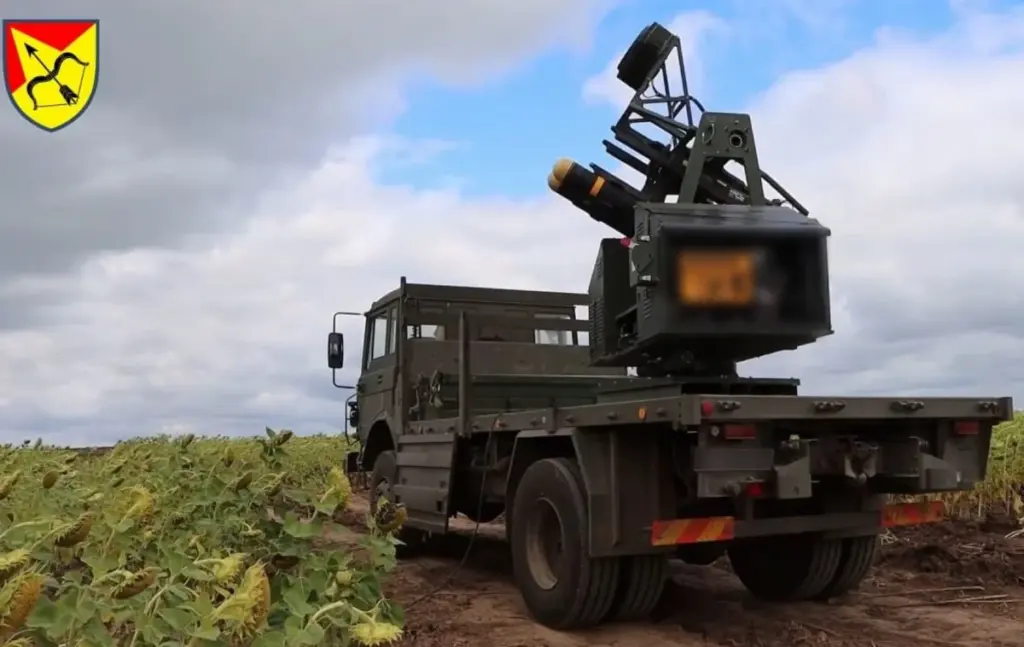
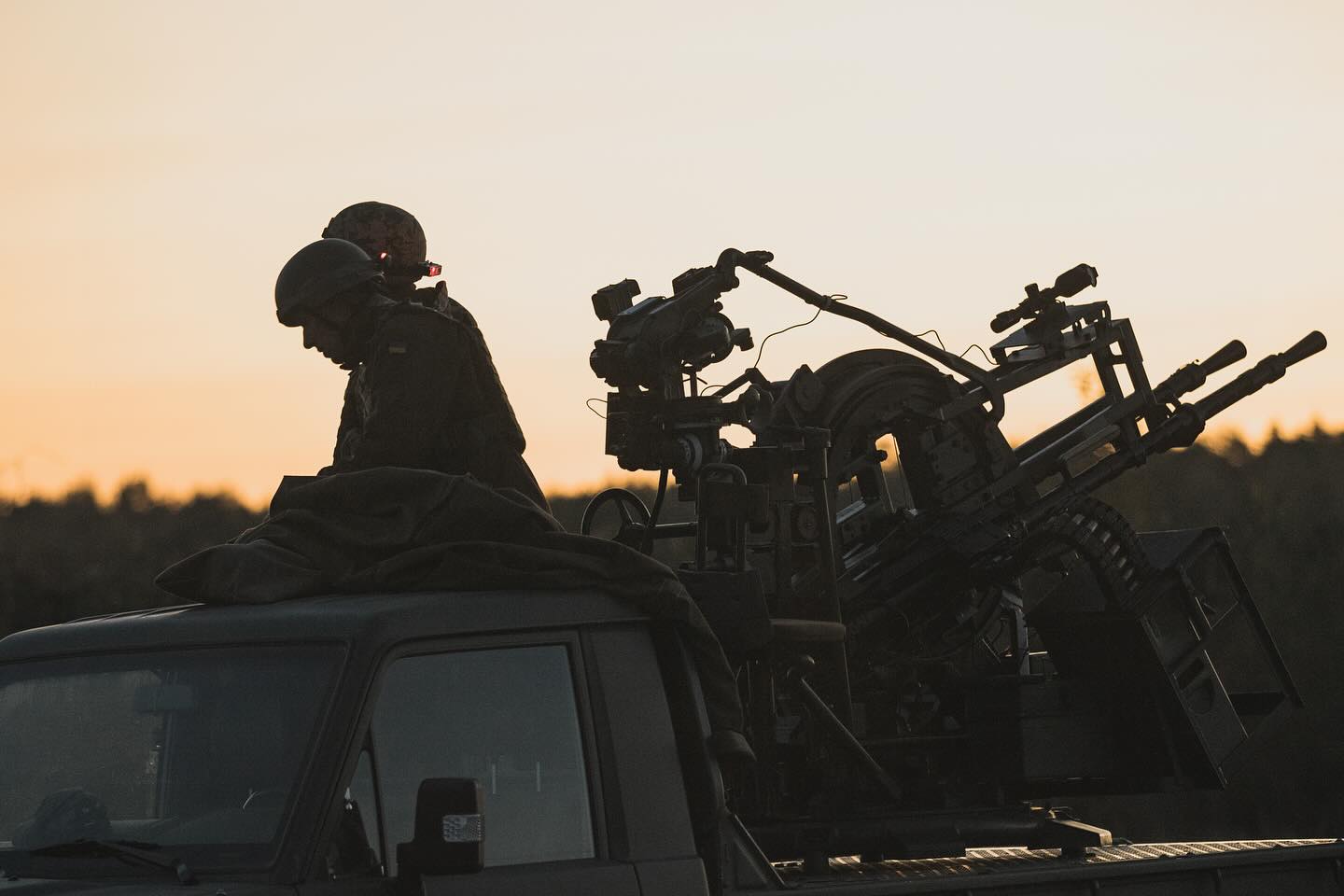
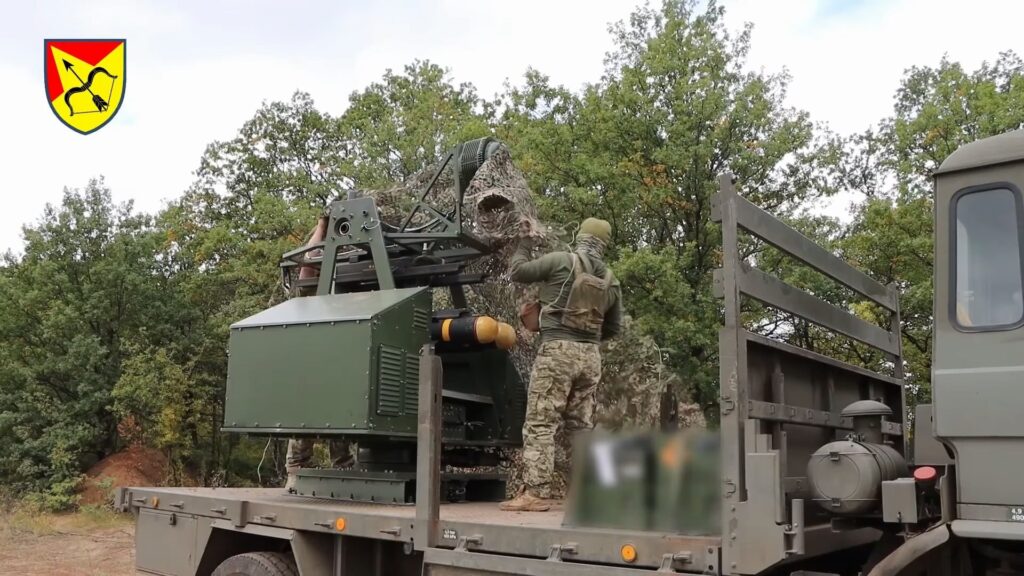

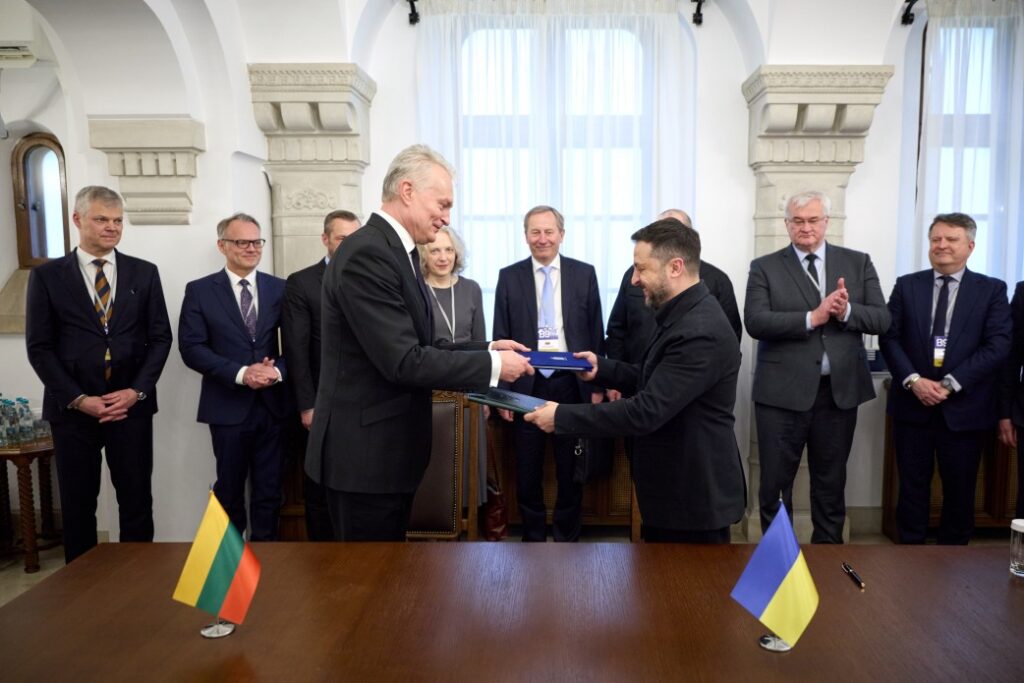
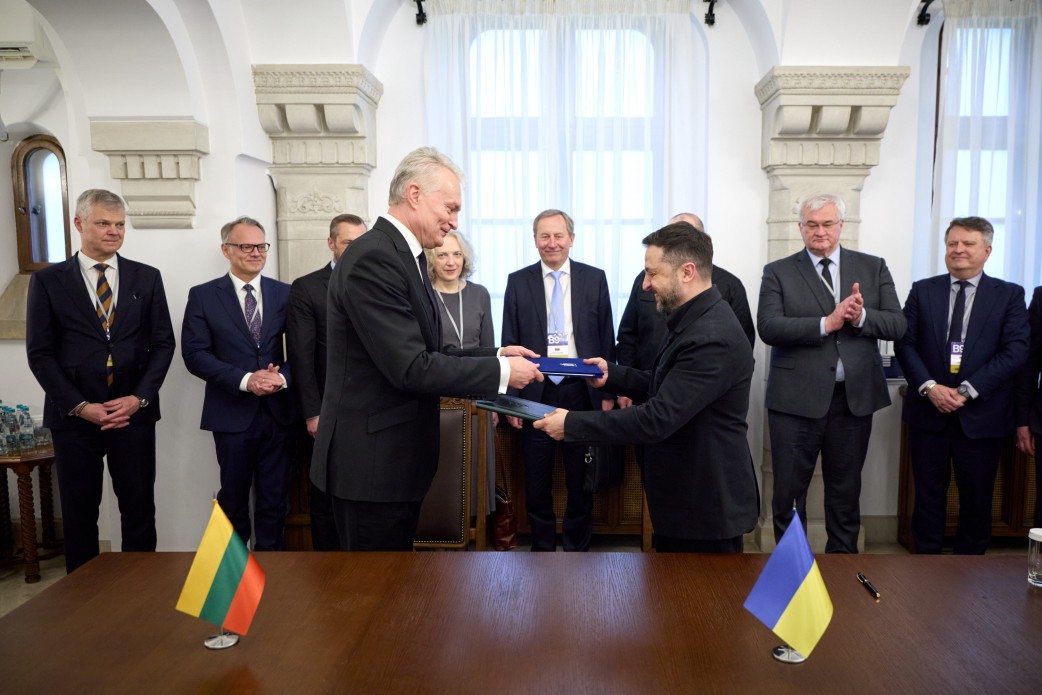
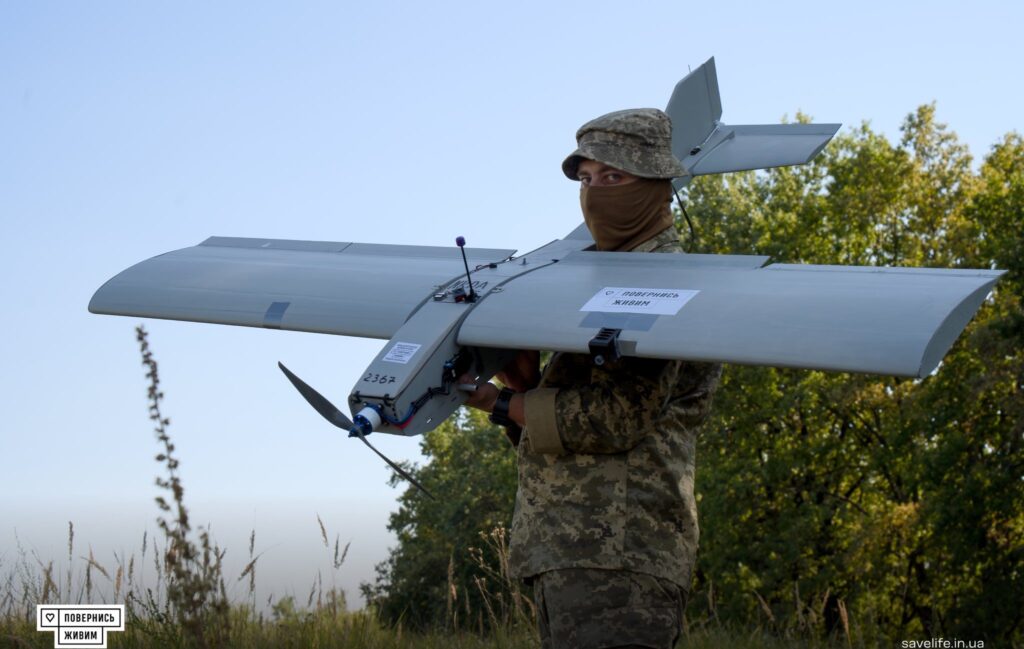
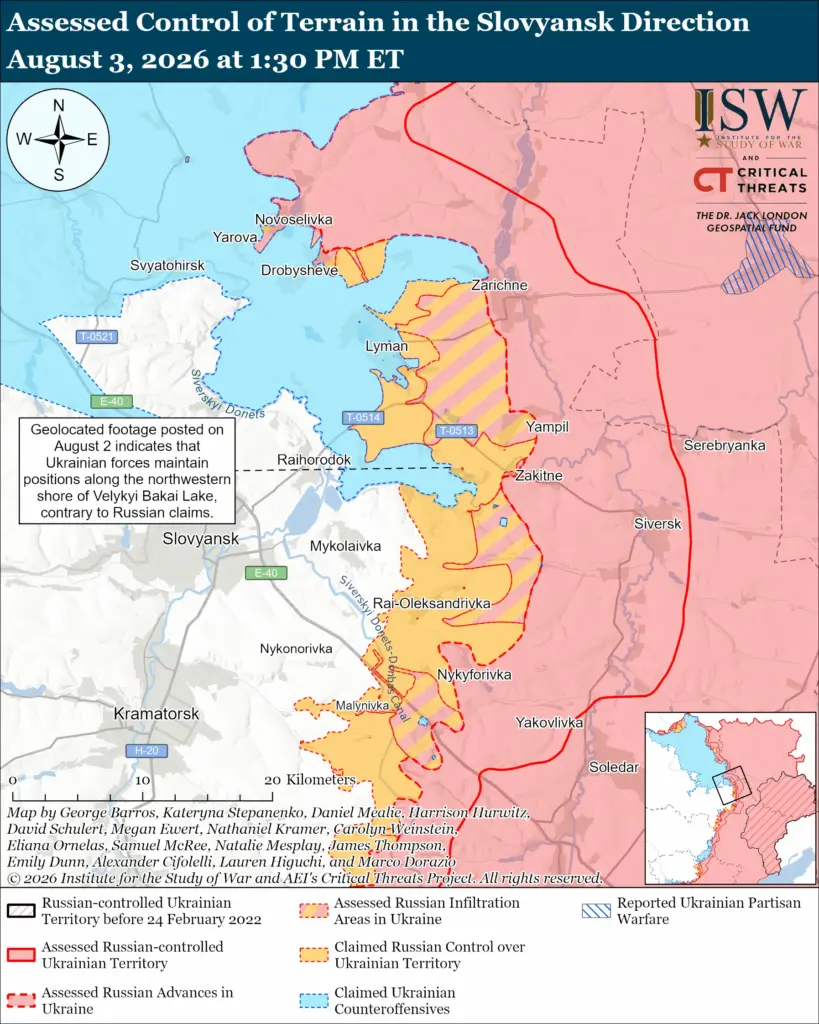
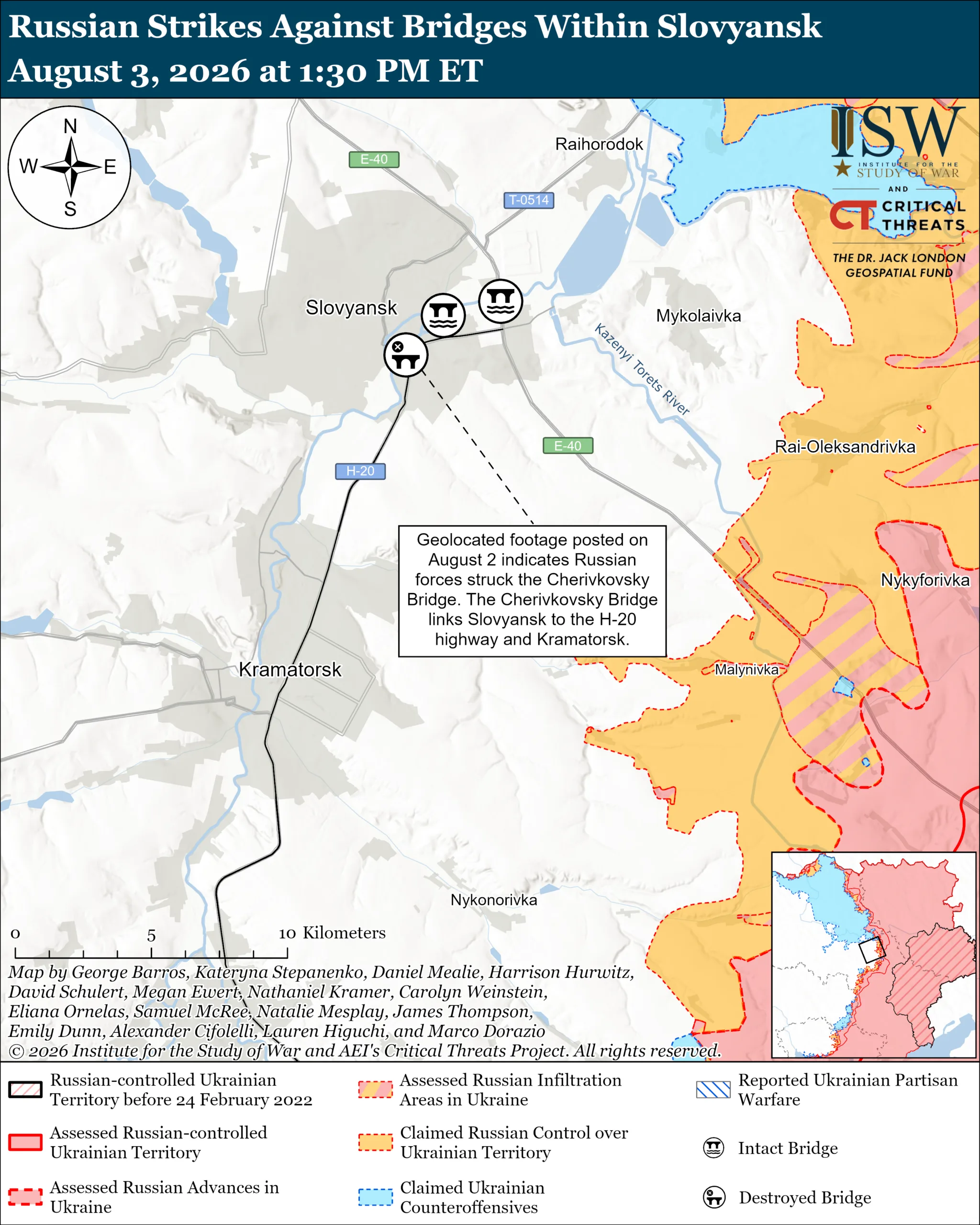
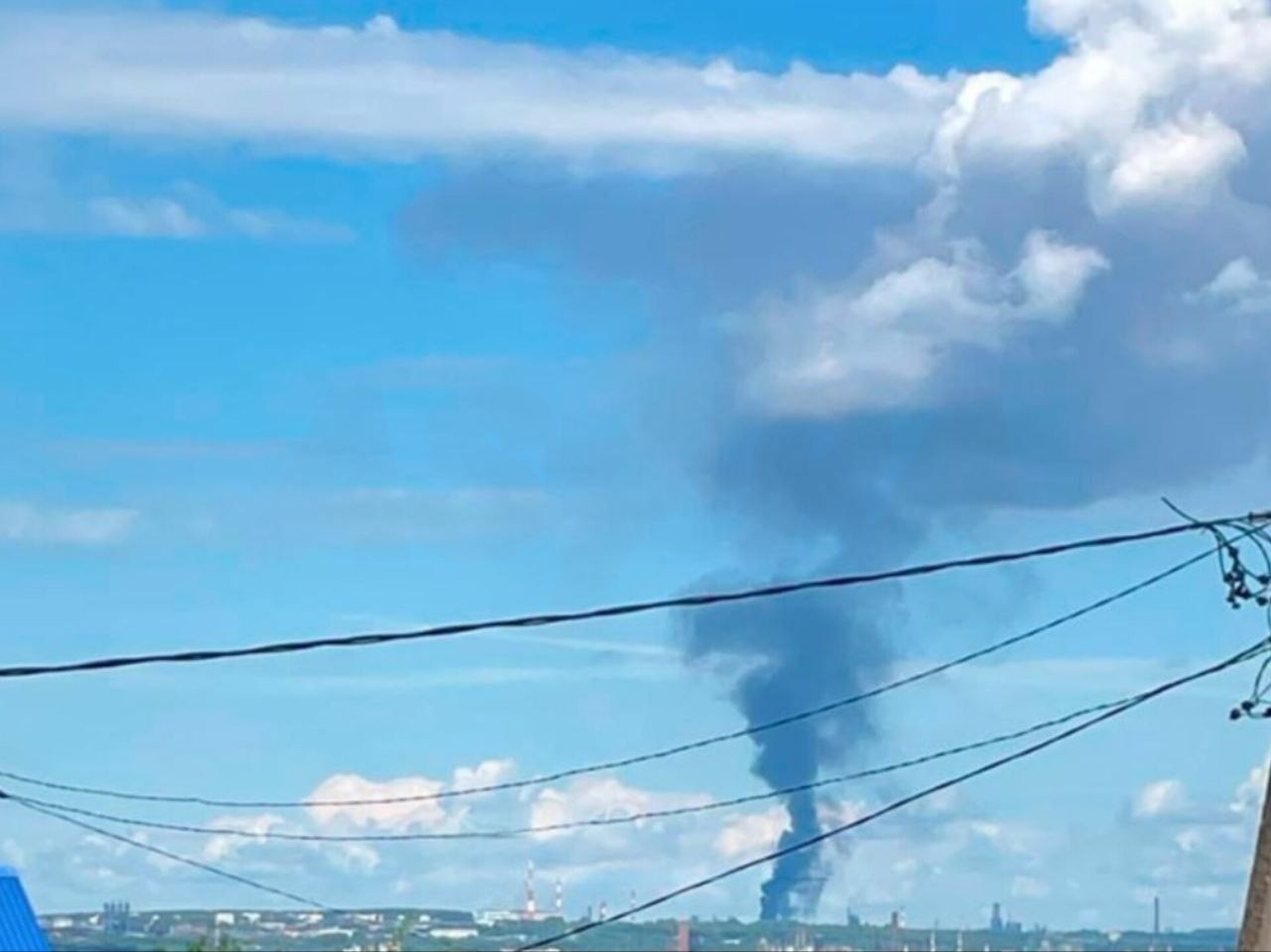

 Mysterious Jet Drone Attacks Ufa