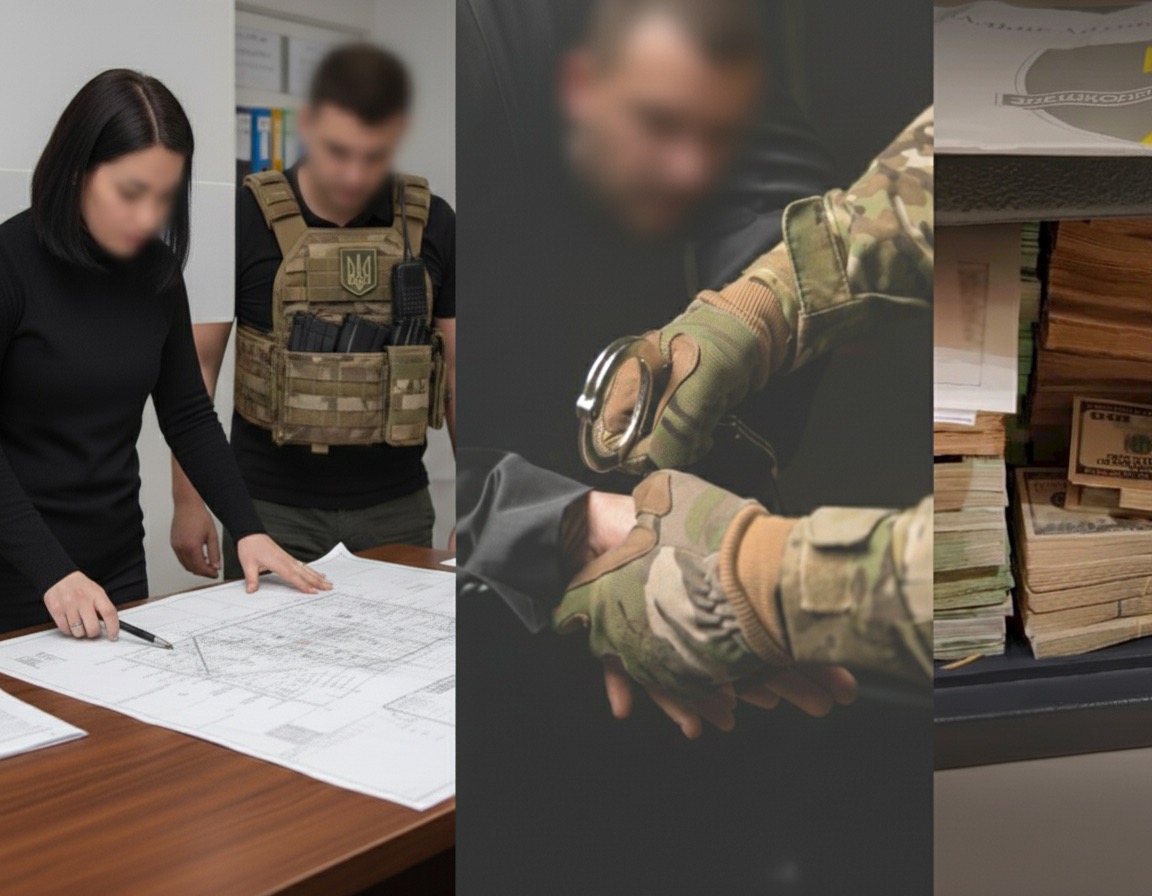
Officials were careful not to point a finger, after revealing what they said was a plan for a political attack, at a time when a series of destabilizing actions have been blamed on Russia.
“This case shows that we are working on the assumption that the risk level is high,” Alexander Dobrindt, the German interior minister, said at a news conference on Friday.
Latvia has resumed publishing monthly lists of locally registered companies trading goods with Russia or Belarus after a nearly three-year pause, public broadcaster LSM reported on 20 August 2026.
Prime Minister Andris Kulbergs has pledged to sever its remaining economic ties with Russia and Belarus, but substantial trade remains legal because EU sanctions are not a full embargo. The monthly register makes that commerce visible by identifying the companies involved.
The Central Statistical Bureau, Latvia's national statistics agency, published the names of 171 companies for July. A subsequent analysis by Latvian news agency LETA found that more than two-thirds operated in logistics, food and agriculture, or medicine.
The disclosure is, in effect, a form of naming and shaming. Yet the statistics bureau stopped publishing a similar list in autumn 2023 because names without transaction details could not support objective conclusions. The register is not a sanctions blacklist, and inclusion does not indicate a sanctions violation.
Under an amendment adopted on 18 June 2026, Latvia’s tax authority must send the data to the statistics bureau each month. The change also lifted tax-confidentiality rules that had kept company names private, LSM reported.
The explanatory note accompanying the law said disclosure was intended to support Ukraine. The amendment's authors argued that Latvian companies should not contribute to Russian and Belarusian state revenues while Russia’s invasion continues, according to LSM.
Latvia seeks to cut its remaining trade
The Prime Minister said in June that Latvia must sever its remaining economic ties with Russia and Belarus. However, he indicated that pharmaceutical exporters would likely be exempted on national-security grounds.
Latvia’s exports to Russia and Belarus each fell only about 7% in 2025, while imports from Russia plunged by more than two-thirds, according to official data cited by Euromaidan Press.
EU sanctions do not prohibit all trade
The EU renewed its economic sanctions on Russia through July 2027, preserving restrictions on trade, finance, and energy, as well as on goods and technology with both civilian and military uses, Euromaidan Press reported in June.
The Council of the EU says its trade restrictions exclude health, pharmaceutical, food, and agricultural products to avoid harming Russian civilians. Those exclusions allow EU companies to continue lawful trade with Russia even while other parts of its economy remain under sanctions over the invasion of Ukraine.
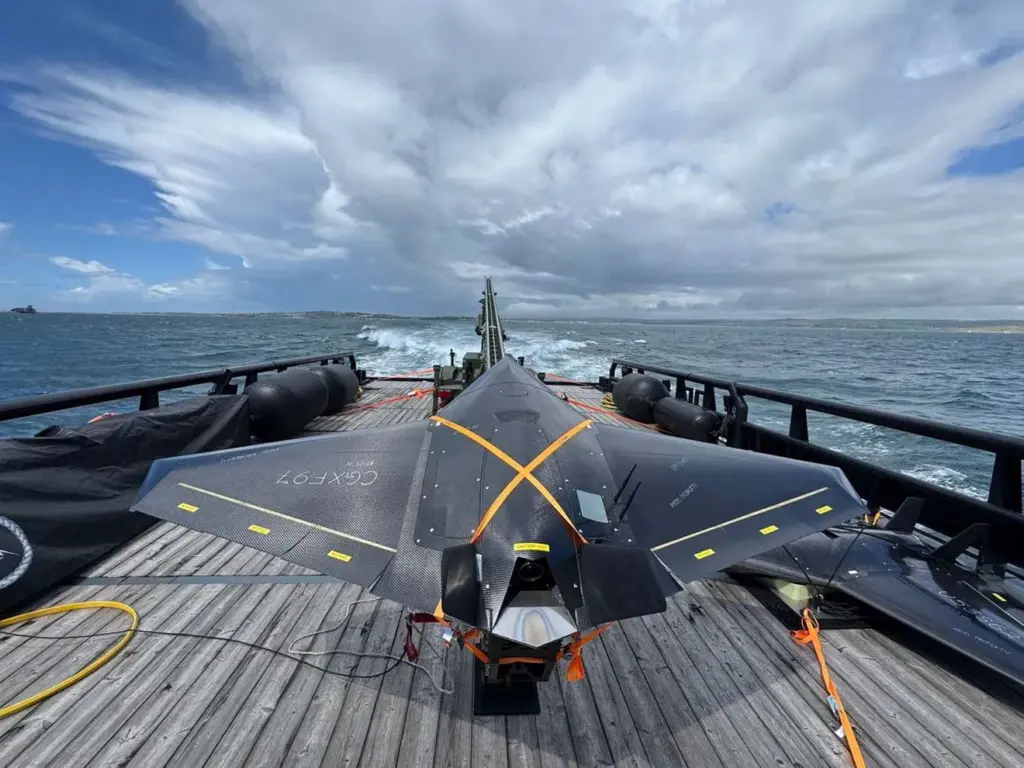
A Ukrainian drone maker is taking its battle-tested technology to a European factory floor. Ukrainian producer Airlogix has agreed with Finnish technology company Innokas to establish a joint venture in Finland, the company reported.
Under the "Build with Ukraine" initiative, the partnership will manufacture uncrewed systems based on Airlogix's Ukrainian technology in Finland, scaling production of Ukrainian drones in Europe and increasing supply to Ukraine's Defense Forces.
The deal was signed in Denmark
The two companies formalized their intent at a defense event. Airlogix and Innokas signed a Letter of Intent to establish manufacturing in Finland for uncrewed systems based on Airlogix's Ukrainian technology during DALO Industry Days in Denmark.
The next stage will focus on developing the manufacturing model in Finland and establishing the joint venture, according to Airlogix.
Airlogix is a globally ranked drone maker
Airlogix is one of Ukraine's most recognized drone developers. In 2025, it ranked 84th on The Defense Post's list of the world's top 100 unmanned-systems makers, a ranking that weighed revenue, R&D investment, and growth. It was one of three Ukrainian companies on the list, alongside TAF Drones and Ukrspecsystems.
Airlogix makes the GOR unmanned aerial system, designed for reconnaissance and artillery spotting, which flies for two to two-and-a-half hours, has a range of 150 kilometers, and maintains communication at a range of 30 to 40 kilometers.
It is Airlogix's second European production deal
The Finnish venture follows a similar one across the Atlantic. In May 2026, Airlogix formed a 50-50 joint venture, Airlogix-Sentinel, with a Hamilton-based manufacturer to produce Ukrainian reconnaissance drones on Canadian soil for Ukraine's forces, under the same "Build with Ukraine" initiative.
President Volodymyr Zelenskyy allowed preparations for an AI-guided drone campaign against Moscow-area airports, The Atlantic reported on 20 August, citing two anonymous sources with direct knowledge of the proposal.
The reported plan sought to keep civilian flights grounded long enough to pressure Russia’s elite. Had it proceeded, it would have moved Ukraine toward large-scale autonomous strikes, raising questions under the laws of war about attacks without human confirmation. The Atlantic's disclosure follows months of reported Ukrainian attacks that repeatedly forced Moscow-area airport closures and sent increasingly large drone swarms toward the capital.
How the drone operation would have worked
Code-named M&Ms, the operation called for as many as 1,000 drones to fly toward Moscow-area airports each night and overwhelm Russian air defenses, one source said.
Onboard cameras would compare live views with preloaded maps and target images. They would also allow the drones to strike without pilot confirmation and to navigate without a remote-control link that is vulnerable to Russian electronic jamming, the sources said.
One source said prolonged airport closures were intended to pressure Kremlin-linked elites and push Vladimir Putin toward negotiations.
The plan was presented to Zelenskyy during the winter of 2025–26, The Atlantic reported. Preparations stopped after Zelenskyy dismissed Defense Minister Mykhailo Fedorov, whom The Atlantic described as the operation’s mastermind, in July, both sources said. One source said another team could revive the project within about three months.
Both sources said Zelenskyy allowed preparations despite concerns that a drone could hit a civilian airliner. Planners proposed warning airlines, according to one source.
A Zelenskyy spokesperson declined to comment. Another unnamed presidential office official called the report “total nonsense,” saying Ukraine lacked long-range weapons reliable enough to strike the airports without posing undue risks to civilians.
Previous Ukrainian strikes on Moscow
The alleged M&Ms operation never launched, but other reported Ukrainian drone attacks repeatedly disrupted Moscow’s airports.
From 5 to 7 May 2026, restrictions imposed amid reported Ukrainian drone attacks delayed more than 450 flights at Moscow airports. Limits at Vnukovo remained in place for nearly 18 hours, EP reported, citing the independent Russian investigative outlet Agentstvo.
Earlier this week, Russian authorities claimed that 620 drones flew toward Moscow in one night, EP reported. The Atlantic placed Russia’s nationwide interception claim for that night at 791 drones. Ukraine’s military did not claim the attack.
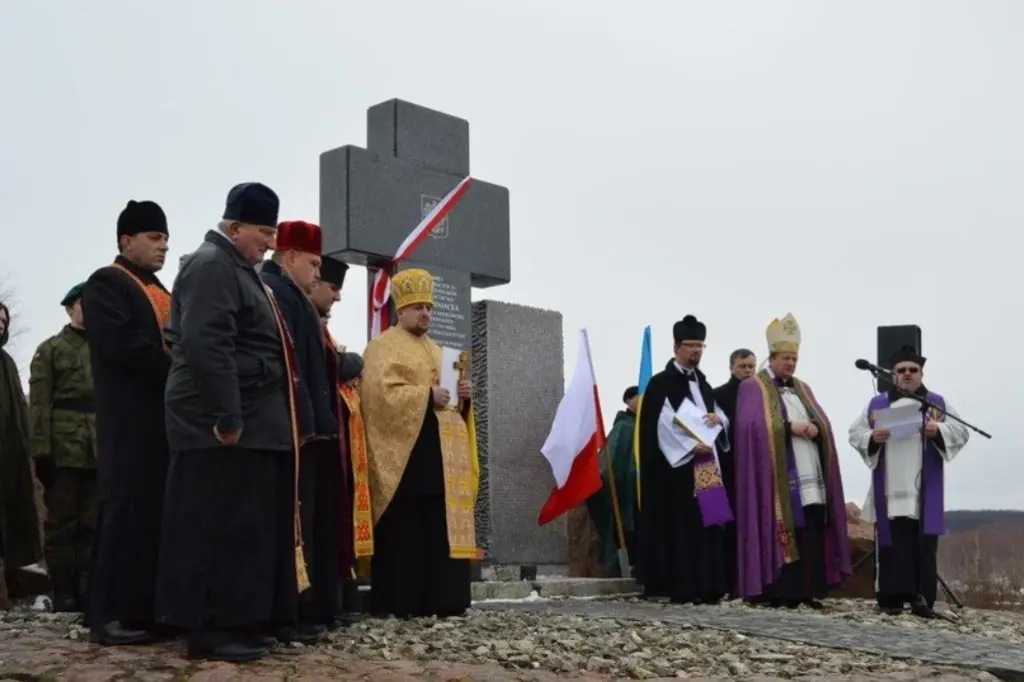
Poland has held up a Ukrainian search at Łasków for months, Ambassador Vasyl Bodnar told Polish broadcaster RMF24, NV reported on 19 August. He says the eastern Polish village may contain the remains of civilians killed there by Polish underground forces in 1944.
The permit dispute is part of a much larger argument over how Ukraine and Poland remember the wartime killings of Poles and Ukrainians. Reciprocal searches resumed only recently after years of deadlock, giving both countries a way to recover and identify victims even as they disagree over historical responsibility. The latest delay tests that fragile progress while Poland remains Ukraine’s main route for Western arms and aid.
Bodnar says Ukrainian civilians were killed at Łasków in 1944 by the Home Army—Poland’s principal underground resistance force during the Nazi occupation—and the Peasant Battalions, an agrarian underground movement.
Bodnar appealed to Poland to issue "at least one permit" for searches on its territory. He said Ukraine systematically approves Polish requests in return. The ambassador blamed the holdup on unspecified “bureaucratic restrictions” and urged Warsaw not to leave the impression that Kyiv was obstructing the work.
In July, Bodnar said Poland’s Institute of National Remembrance had supported the Łasków application procedurally and that only approval from the regional monuments conservator remained. He expected work to start in August.
The institute said it had assisted with Łasków but was awaiting more documents for Ukraine’s separate applications concerning Sahryń and Przemyśl.
Past Polish-Ukrainian exhumations
Reciprocal work between Ukraine and Poland resumed only after Kyiv lifted a moratorium imposed in 2017. Ukraine had halted Polish exhumations in response to the destruction of Ukrainian memorial sites on Polish soil.
Explore further
Ukraine will keep issuing Polish exhumation permits despite historical tensions. Dispute “causes joy in Moscow,” Kyiv says
A joint team exhumed the remains of 42 Polish victims of massacres by Ukrainian nationalists at Puzhnyky in western Ukraine in May 2025. Ukrainian researchers later searched for a suspected grave of up to 18 Ukrainian Insurgent Army fighters at Jureczkowa, Poland, but found none.
Ukraine granted further permits for Polish searches in 2026. Joint work at Uhly in Rivne Oblast found no mass grave, while exhumations began at Ostrivky and Volia Ostrovetska in July.
Historical grievances strain wartime alliance
The searches are the practical core of a broader dispute over wartime killings of Poles and Ukrainians. Competing interpretations of the Volyn tragedy and battles over Ukrainian Insurgent Army symbols have increasingly spilled into Polish politics and the streets.
Kyiv says it continues approving Polish grave searches while its own researchers wait to begin work in Poland.
Now held in a POW camp in western Ukraine, Anton does not consider himself a traitor. He calls Putin “my President” and said he joined Russia’s army to defend “my land,” the BBCreported.
The BBC interviews show what more than a decade of Russian rule has produced in occupied Donbas. Moscow has replaced Ukrainian schools, media, and public institutions while presenting the occupied regions as permanent parts of Russia. It also recruits residents or forces them to fight against Ukraine.
The BBC said prisoners could refuse and were interviewed without guards or cameras.
Almost all its Ukrainian-born interviewees from territories occupied since 2014 said they had enlisted willingly. Anton said he was not a traitor and called Vladimir Putin “my President.”
His friends also volunteered. Messages announcing their deaths followed: “Dead, dead, dead.”
Forced conscription of Ukrainians in occupied territory
One prisoner from Donetsk Oblast told the BBC he had been forced to fight. He wanted only to return to his wife and children.
The BBC cited an official intelligence-based estimate that Russia forcibly conscripted more than 50,000 Ukrainians in occupied areas. It noted that other estimates were higher.
Ukrainian veteran Pavlo Pshenychnyi told Hromadske that occupation authorities used planted drug evidence to push him into Russia’s army. They threatened him with up to 12 years in prison.
Article 51 of the Fourth Geneva Convention prohibits occupying powers from compelling protected residents to serve in their armed forces.
Anton and the Russification of occupied Ukrainian territory
Russia took control of Anton’s home while he was still in primary school. By adulthood, he called himself Russian and dismissed his Ukrainian surname as irrelevant.
Putin’s 2025 policy decree set a 95% target for “all-Russian civic identity” by 2036 and ordered the integration of occupied Ukrainian regions into Russian education, culture, and media.
Kherson-based outlet MOST reported that Russia will introduce compulsory textbooks on 1 September, presenting four occupied Ukrainian regions as historically Russian.
Ukraine’s Center for Countering Disinformation reported in 2025 that more than 100 teenagers from occupied Luhansk attended a Russian military camp. They received firearms, drill, and guard-duty training.
The center described the camp as part of a wider effort to spread Russian war propaganda and hostility toward Ukraine.
Petro Yatsenko of Ukraine’s POW Coordination Headquarters told the BBC that these prisoners were strongly pro-Russian. He said their national identity was “very blurred.”
Ukraine still considers them Ukrainian and treats Russia’s control of their home regions as temporary, the BBC noted.
Rescue teams no longer enter the city of Lyman, in eastern Ukraine, because it is deemed too dangerous. The only way out is a terrifying journey on foot.
Nina Ivanova at an evacuation center in Sloviansk, Ukraine. She and her daughters took their chances on the road, as countless Ukrainians have done before them all along the front line.
Gasoline prices have risen roughly 10–13% in Tajikistan, Kyrgyzstan, and Uzbekistan as Russia restricts exports after Ukrainian strikes on its refineries, Kazakh economist Aidar Alibayevestimated in a 20 August interview with Current Time. He did not specify the comparison period.
Earlier Ukrainian attacks disrupted Kazakhstan’s crude exports through Russia’s Black Sea ports. Strikes at refineries are creating a different kind of squeeze: Russia has less gasoline available to dependent neighbors. Tajikistan and Kyrgyzstan are seeking other suppliers, while Kazakhstan could face growing pressure if the shortages persist.
Tajikistan has been hit hardest because it depends heavily on Russian fuel and has the region’s most difficult delivery routes, Alibayev said. He estimated gasoline prices there had risen 12–13%. Current Time reported that Tajikistan is exploring supplies from China; Alibayev said it was also turning to Iran.
Kyrgyzstan, which sources more than 90% of its gasoline from Russia, asked its neighbors, Azerbaijan and Kazakhstan, as well as other countries, for help. Current Time reported that a deputy prime minister said its reserves would last about six weeks. Alibayev estimated prices had climbed around 10%, compared with 11–11.5% in Uzbekistan, which he estimated gets half its fuel from Russia.
In Uzbekistan, Alibayev estimated that fuel prices had risen by about 11% and said the country gets about half of its fuel from Russia.
Russia extended its gasoline and diesel export restrictions through 31 January 2027 as shortages mounted. Intergovernmental and humanitarian shipments remain exempt, while diesel producers regain some export rights from 1 September. Current Time also reported that Russian companies had begun buying gasoline from Belarus.
Kazakhstan is better insulated than its neighbors because its refineries in Atyrau, Shymkent, and Pavlodar produce enough fuel to meet most domestic demand, Alibayev noted. Motorists from Russia and neighboring states are crossing its borders to refuel. He attributed Kazakhstan’s price rises mainly to domestic taxes and the end of an export moratorium—not Russia’s shortage alone.
Central Asia looks for routes beyond Russia as war drags on
Kashagan oil field near Atyrau. CPC disruptions have prompted Kazakhstan to reroute crude to China. Map: Euromaidan Press / Datawrapper
At an informal summit of Central Asian leaders in Cholpon-Ata in early August, Tajik President Emomali Rahmon proposed building a refinery to serve the whole region. For now, Alibayev said, the decisive factor is how long Russia’s troubles last: the longer Ukraine’s strikes continue, the more they will weigh on prices across Central Asia.
Russian strikes in southern Odesa Oblast overnight into 20 August left 13,000 utility customers without power, Odesa Oblast head Oleh Kiper reported. President Volodymyr Zelenskyy also said drones attacked a checkpoint on Ukraine’s border with Moldova.
Russia has intensified attacks on southern Ukraine’s Danube region, where ports and transport routes lie close to Moldova and Romania. The spillover from the attacks has forced these neighboring countries to close airspace, scramble aircraft, and shoot drones down.
The Odesa Oblast Military Administration said Russian strikes disrupted power in several communities, and repair crews began restoration work. It did not identify damaged electrical equipment or say whether the grid had been shut down as a precaution. Two truck trailers carrying food caught fire at another location, but firefighters extinguished both blazes, the State Emergency Service said. No casualties were reported.
One of the food trucks that was struck during Russia's assault. Source: DSNS of Ukraine
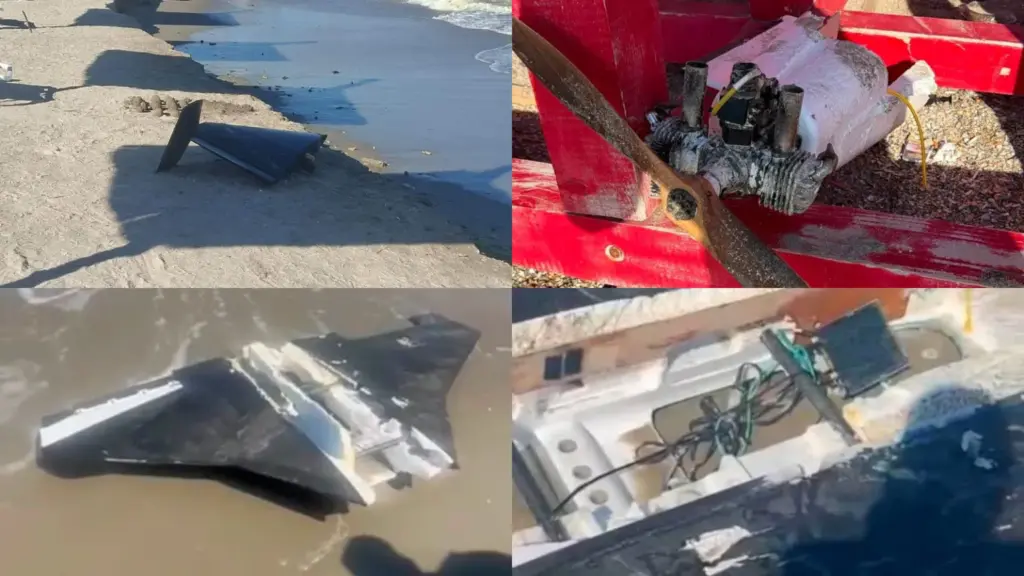
Zelenskyy did not identify which crossing was attacked or describe the damage. The Izmail District State Administration later reported that Russia attacked the Reni community with Shahed-136 drones. It recorded a hit on an unspecified site near the Reni–Giurgiulești international checkpoint.
Approximate location of where the strike occurred.
People and freight cross between Ukraine and Moldova through checkpoints such as Reni–Giurgiulești. The district administration did not describe the damage or say whether the checkpoint remained open.
Russian attacks keep reaching Moldova
At 03:16 on 20 August, surveillance systems operated by Moldova’s National Army detected an unauthorized flight, public broadcaster Moldova1 reported.
The object was preliminarily identified as a Shahed-136/Geran-2, a long-range explosive drone used by Russia. It crossed from Ukraine near Kotlovyna in southwestern Odesa Oblast and flew toward Etulia in Moldova’s autonomous Gagauzia region. It returned to Ukrainian airspace at 03:22.
Explore further
Blast marks Moldova’s third airspace breach in nine days
Similar incidents occurred earlier in August. An unidentified aerial object exploded in a Moldovan field 12 kilometers from Ukraine on 9 August. On 17 August, Moldova closed part of its airspace for 15 minutes after Ukraine’s Air Force warned that a Russian Banderol, a jet-powered missile-drone, had crossed from Odesa Oblast. The object later exploded near Talmaza.
Romania activates defenses
On 20 August, Romania’s Defense Ministry said its radars detected targets near Ukraine at 02:23 and scrambled two Spanish F-18s and a Romanian helicopter. A drone entered Romanian airspace east of Galați at 03:21 and crashed near Grindu at 03:24. Its impact started a fire that went out on its own. Romania reported no casualties or material damage.
Four days earlier, a Spanish F-18 shot down a drone that entered Romania from Moldova. NATO said it appeared to be Russian.
Russia has recently intensified attacks on Ukraine’s Danube ports and struck the Mayaky bridge connecting southern Ukraine with Moldova and Romania. Such attacks can disrupt Ukraine’s transport links and force neighboring militaries to react within minutes.
Wheat buyers from Egypt to Indonesia are paying more after an unspoken wartime arrangement that kept Black Sea grain ships safe collapsed in July. Jordan canceled two wheat tenders and two for barley this month after attracting few offers.
Asian mills face delays on 2 to 2.5 million tons booked for summer delivery—30% to 50% of their import needs—and Indonesia is looking to Australia, Argentina, and Romania to replace about 600,000 tons contracted from the region.
Ukraine’s infrastructure ministry counted 67 attacks on port facilities in July, 35 on civilian vessels in port, and 22 on ships in the maritime corridor. The corresponding figure for all of 2025 was just 14, according to Reuters.
Ukraine’s agriculture ministry has warned that exports may fall nearly by half this season.
Egypt bought 82% from two countries at war
Egypt sourced over four-fifths of its wheat imports from Russia and Ukraine in the first half of 2026. Its private sector, which imports more than half the country’s wheat, has less grain stored than the government, and “the situation is getting worse by the day,” Alexandria-based trader Hesham Soliman told Reuters.
A vessel heading to load grain for Egypt was attacked approaching Novorossiysk last week. Ukrainian President Volodymyr Zelenskyy said he discussed the threat with Egyptian President Abdel Fattah al-Sisi.
Black Sea wheat trades at about $260 to $280 a ton. Australian wheat is quoted at $315 to $320, including cost and freight to Asia, while the cheapest American wheat is at $305, Reuters data showed.
Chicago wheat futures have climbed more than 17% since early July. For now, stronger local harvests in parts of North Africa have cushioned the impact—Egypt procured record volumes of domestic wheat.
Sunflower first, now wheat
India’s refiners shifted to soybean as 150,000 tons of Ukrainian sunflower cargo sat delayed at Black Sea ports. Now the same is happening in wheat.
Explore further
India’s cooking-oil imports jump for festival season—but not war-hit sunflower
Ukraine’s Defense Forces struck a major oil refinery and a Black Sea oil terminal on 19 August and overnight into 20 August, Ukraine’s General Staff reported. Drones also hit a key mainland electricity hub supplying occupied Crimea, Militarnyi reported after analyzing NASA satellite data.
Together, the reported strikes put three parts of Russia’s war machine under attack within hours: fuel production, Black Sea oil exports, and the mainland electricity bridge to occupied Crimea. They continue a deep-strike campaign intended to disrupt fuel supplies and logistics supporting Russia's invasion
A major refinery deep inside Russia
Ukraine struck the TANECO refinery in Nizhnekamsk, in the Russian republic of Tatarstan, where the General Staff reported a fire at the production site. Militarnyi had earlier identified the same facility from eyewitness footage showing a drone reaching the city’s industrial zone despite Russian air-defense fire.
Ukrainian attack drones swarmed Russia’s Nizhnekamsk Oil Refinery this morning, scoring multiple hits and setting the plant on fire.
Seen here, a Ukrainian Fire Point FP-1 maneuvers and then dives into one of the already-burning Russian refinery’s process units. pic.twitter.com/3v9AjEZFs5
Owned by Tatneft, TANECO is one of Russia’s newest, largest, and most technologically advanced refineries. It can process more than 16 million tons of crude annually and produces gasoline, diesel, aviation fuel, marine fuel, and other petroleum products.
Neither the General Staff nor the available imagery established whether processing equipment was damaged or production stopped.
A Black Sea terminal moving about 20 million tons a year
Ukraine also hit the Tamanneftegaz oil and gas terminal in the village of Volna, Krasnodar Krai, where the General Staff reported another fire. Militarnyi found a corresponding fire in NASA Fire Information for Resource Management System (FIRMS) data and assessed that storage tanks were likely burning.
Thermal anomalies on NASA FIRMS from left to right: Tamanneftegaz terminal and Taman 500-kilovolt substation. Source: NASA FIRMS
Militarnyi described Tamanneftegaz as southern Russia’s largest private oil terminal. The complex can handle about 19.9 million tons annually, while its tank farm held more than 1 million cubic meters before Ukrainian attacks began.
The Tamanneftegaz terminal receives, stores, and loads petroleum products onto tankers, making it an important link in Russia’s Black Sea exports. Drones previously hit three tanks and pipelines there on 30 July.
The mainland electricity gateway to occupied Crimea
Drones hit the Taman 500-kilovolt substation in Krasnodar Krai, where NASA satellite data recorded a fire, Militarnyi reported. All four lines of Russia’s power bridge across the Kerch Strait pass through this high-voltage hub, making it the principal mainland gateway for electricity sent to occupied Crimea, Militarnyi reported.
Confirmed: Metrics show a sudden decline in internet connectivity across Russian-controlled Crimea with high impact to Sevastopol and Simferopol corresponding to a power blackout after overnight Ukrainian drone attacks targeting energy infrastructure pic.twitter.com/dqCXzTDcWO
Power failed in Simferopol, Sevastopol, Kerch, Feodosia, and Yalta around 1:45 a.m., according to Suspilne Crimea. Electric transport stopped in several cities. Sevastopol’s occupation chief said restrictions were lifted after about 90 minutes, although the grid remained unstable and some nearby settlements still lacked electricity. Social facilities in Sevastopol switched to backup power.
Crimean Wind also reported explosions near the Kafa and Malorechenske substations inside Crimea, Suspilne Crimea reported. The available evidence therefore does not establish that the Taman strike alone caused the outages.
Ukraine’s sustained long-range strike campaign
Ukraine's long-range strikes on Russian targets have ramped up in recent months. One day earlier, drones hit a key crude-processing unit at the Bashneft-UNPZ refinery in Ufa, Militarnyi reported. Ukraine had also struck TANECO on 10 August and both Nizhnekamsk refineries on 12 June, Suspilne reported.
Euromaidan Press reported that Ukrainian deep strikes hit 18 Russian oil and gas facilities in May, making it the heaviest month of 2026 at that point. On 6 August, drones attacked a top-five refinery in Yaroslavl for the seventh time this year. Five days later, they reached Orsk, about 1,500 kilometers from Ukraine.
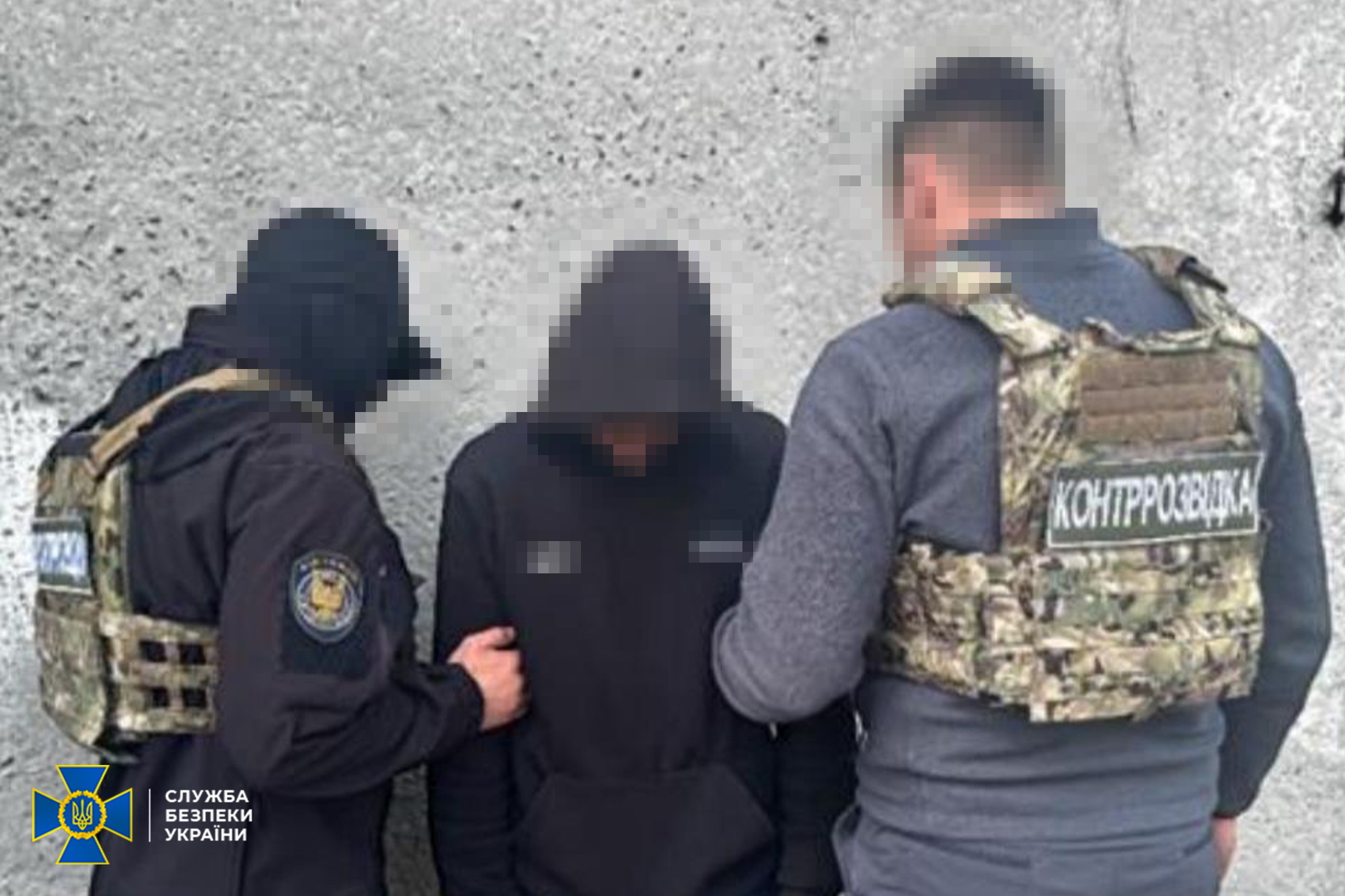
A deliberately set fire at a Tallinn building used by Milrem Robotics did not disrupt its deliveries of military ground robots to Ukraine, CEO Kuldar Väärsi told Reuters on 19 August 2026. Estonian prosecutors said three suspects had been detained in Latvia.
The Milrem arson case fits in a broader pattern of suspected or confirmed sabotage against Ukraine’s military supply chain. Similar attacks throughout Europe have hit plants making drones, thermal optics, and other equipment for the front. Milrem supplies unmanned ground vehicles (UGVs) that help Ukrainian units move supplies and evacuate wounded without putting drawing upon valuable manpower.
The fire broke out overnight on 15 August in Tallinn’s Lasnamäe district after a resident reported suspicious activity. Nobody was injured, and Milrem has not disclosed what was damaged.
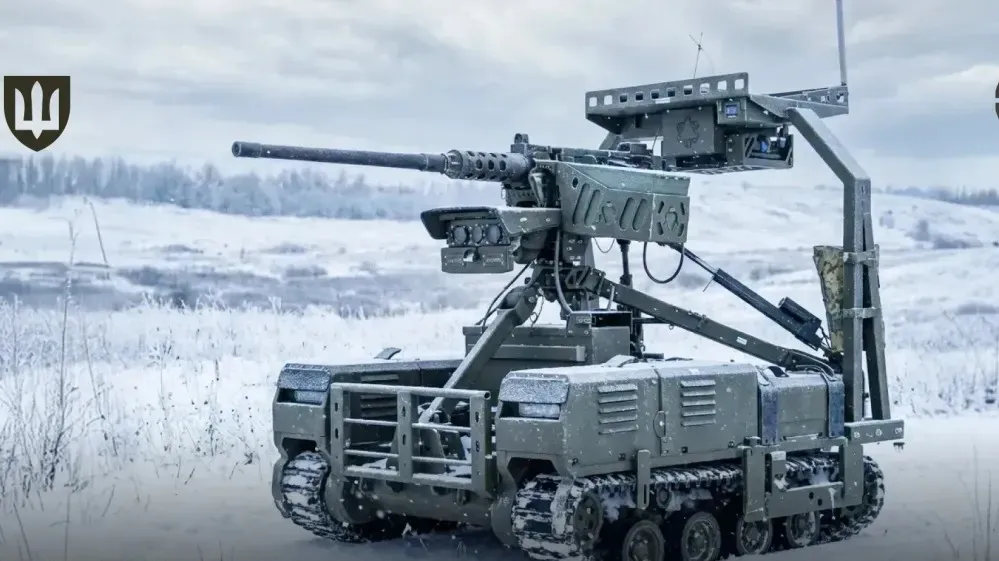
Milrem says it is one of only two foreign suppliers with unmanned ground vehicle (UGV) fleets in active Ukrainian service and expects more than 200 of its systems to be operating there by year-end.
The Netherlands is funding more than 150 additional Milrem vehicles for Ukraine. In June, Milrem and VDL Defentec opened a Dutch production line to support the delivery of more than 100 THeMIS UGVs. Väärsi the fire had not affected production, supply chains, or delivery schedules for this year or next.
A fifth-generation THeMIS unmanned ground vehicle developed by Milrem Robotics. Illustrative image. Photo: Milrem Robotics/Wikimedia Commons, CC BY-SA 4.0.
Unmanned ground vehicles (UGVs) are tracked or wheeled machines with no crew aboard. ArmyInform reported that Ukrainian troops use them to carry ammunition, fuel, and food along exposed routes. A Ukrainian commander identified only as Nazar told ArmyInform that frontline units still rely mainly on UGVs for logistics, although some robots carry explosives.
Three suspects detained as investigators examine possible Russian role
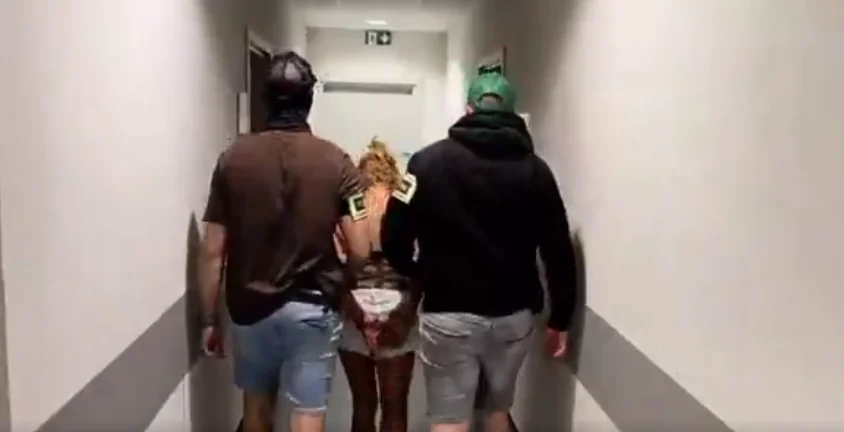
State Prosecutor Gardi Anderson said prosecutors suspect all three detainees of taking part in the arson. Latvian authorities are holding them while the two countries arrange their transfer to Estonia. An Estonian court approved prosecutors’ requests to place two in pretrial detention. A decision on the third remained pending.
Estonian Prime Minister Kristen Michalsaid investigators were examining whether the fire was the result of sabotage and whether Russia was involved. Authorities have not disclosed the suspects’ alleged motive, whether anyone directed them, or released evidence connecting the attack to Moscow.
Arson has hit other European suppliers to Ukraine
In March, a fire destroyed nearly all of the production capacity at a Czech plant that makes drones and thermal optics for Ukraine. Authorities detained four suspects while investigating possible terrorism and Russian involvement.
Lithuania also charged six people over an attempt to burn a factory supplying radio-wave scanners to Ukraine. Investigators said Russia-based organizers with GRU links coordinated the operation and connected the network to attempted attacks elsewhere in Europe.
Russia has denied Western accusations that it conducts sabotage in Europe.
Russia launched a massive overnight missile and drone attack targeting Kyiv and the surrounding region, killing 14 people and injuring more than 40, Ukrainian authorities said on 20 August.
The attack involved ballistic and cruise missiles alongside hundreds of drones. Ukraine’s Air Force said the main direction of the attack was Kyiv Oblast, with strikes and debris recorded at multiple locations. Several explosions were heard in the capital around midnight on 20 August, according to Euromaidan Press reporters in the city.
Residential building hit in Kyiv
In Kyiv, strikes, damage, and fires were reported in the Sviatoshynskyi, Darnytskyi, and Solomianskyi districts.
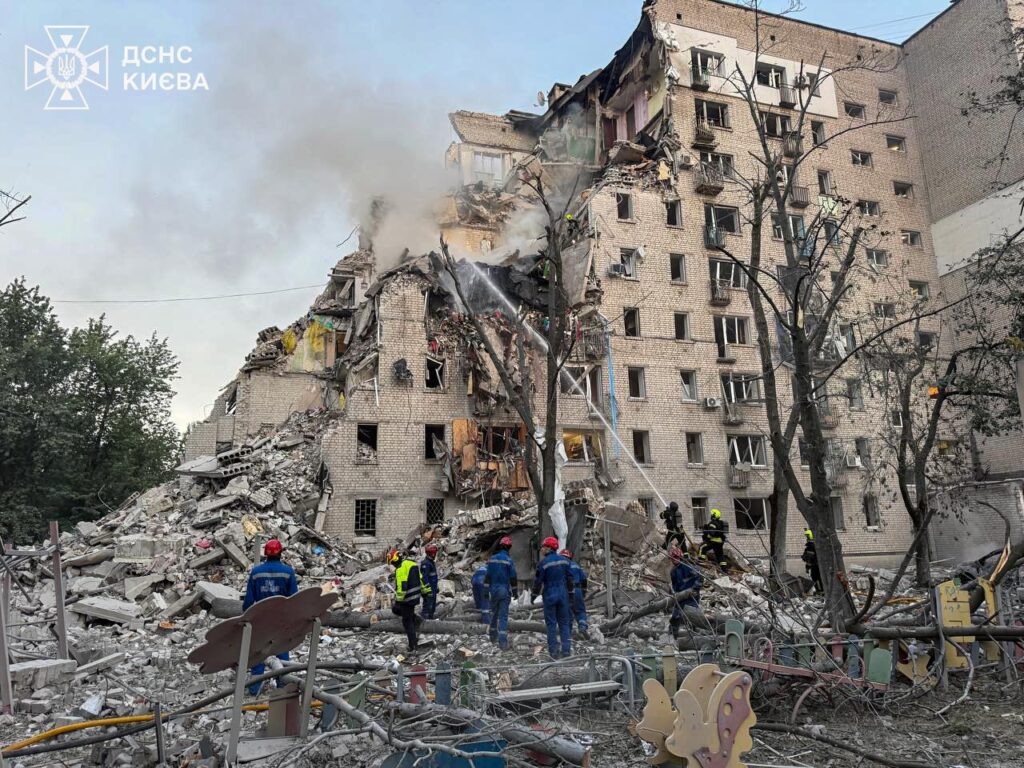
In Solomianskyi district, the upper two floors of a nine-story residential building were destroyed, with a fire breaking out across the seventh through ninth floors.
People were trapped in two residential buildings and a school bomb shelter, prompting emergency crews to carry out rescue operations.
Thirteen people have now been confirmed killed in Kyiv, including a woman whose body was discovered by rescuers in Solomianskyi district, Interior Minister Ivan Vyhivskyi said.
Ukrainian President Volodymyr Zelenskyy said a children's hospital and a school were also damaged in the capital.
Kyiv Mayor Vitali Klitschko said the city would observe 21 August as a day of mourning, with entertainment events banned and flags lowered.
Death toll from Russia's missile attack on Kyiv city and Oblast climbs to 14
Ukraine's Interior Minister Ivan Vyhivskyi says another woman's body was found in Solomianskyi. More than 40 were wounded. The strikes damaged about 20 residential buildings, a school, a children's… pic.twitter.com/3wicnc5lni
Around 20 residential buildings in Kyiv were significantly damaged, along with a school, children's hospital, and kindergarten, Vyhivskyi said.
In Sviatoshynskyi district, Russian strikes hit an industrial site and sparked fires at warehouses covering 500 and 1,000 square meters. Another warehouse also caught fire.
In Darnytskyi district, a non-residential site was hit, causing fires across warehouses and vehicles covering about 1,000 square meters. Rescuers saved one person and handed them over to medics.
Other locations saw damage to residential buildings, a medical facility, cars, garages, and stores.
More than 600 rescuers and police officers have been involved in clearing the aftermath since overnight. Emergency crews are currently working at two sites in Kyiv and three more in Boryspil and Brovary districts.
Rescuers are using specialized equipment and robotic systems to clear the rubble and check whether anyone remains trapped.
Police have set up assistance centers at the attack sites to register reports of damaged or destroyed property. More than 200 reports have already been processed in Kyiv, while psychologists are assisting people who lost relatives or their homes.
Russia's overnight missile attack killed at least 12 people in Kyiv and injured 34.
Russia pounded Kyiv and its surrounding region for hours into 20 August with dozens of ballistic missiles, Kalibr cruise missiles, and jet-powered Shahed drones.
The attack also hit Kyiv Oblast. One man was killed in Brovary district and another was injured.
In Boryspil district, six people were injured, four of whom were hospitalized. The attack damaged 14 private homes, four warehouses, a gas station, an apartment building, and eight vehicles.
Vyhivskyi said fires also engulfed warehouses storing household goods in Kyiv Oblast. Firefighters are working to contain the blaze, with aviation also deployed.
Russian attack leaves Kyiv and six oblasts with power outages
Ukrenergo says outages hit Kyiv and Kyiv, Donetsk, Odesa, Zaporizhzhia, Dnipropetrovsk, and Kharkiv oblasts. Ukrainians are asked to limit powerful appliances from 18:00–22:00.
Zelenskyy calls for stronger ballistic missile defenses
Zelenskyy said Russia’s growing investment in ballistic missiles requires a stronger international response and more air defense for Ukraine.
He said Ukraine is working daily on its FREYJA interceptor program, but stressed that Patriot interceptors remain irreplaceable and are needed every day to protect Ukrainian cities from Russian ballistic missile attacks.
“Every additional missile saves the lives of our people,” Zelenskyy said, thanking those working to provide Ukraine with additional air defense capabilities.
Russia spent months preparing its missiles. Zelenskyy says Ukraine still lacks enough interceptors to stop them
Russia combined different ballistic missiles, cruise missiles, and drones in its overnight attack to maximize damage to civilian infrastructure, President Volodymyr… pic.twitter.com/4iaRPs7dLC
Ukraine's Air Force said Russia launched 168 Shahed-type attack drones, Gerbera decoy drones, and other drones, along with 36 Kh-101, Iskander-K, and Kh-59 cruise missiles, eight Kalibr missiles, two Banderyl-type loitering munitions, and ballistic missiles including Oniks, Zircon, Iskander-M, and S-400 missiles.
As of 9:30 a.m., Ukrainian air defenses had shot down or suppressed 31 cruise missiles, all eight Kalibr missiles, both loitering munitions, and 145 drones, according to the Air Force.
The Air Force reported impacts at 28 locations and debris from intercepted targets at two others.
The attack continued into the late morning, with air raid sirens still active and several Russian drones still in Ukrainian airspace.
Ukraine is under a massive Russian attack right now: Russia's Kalibr missiles were launched from the Novorossiysk port
The warhead of the Kalibr family of cruise missiles typically weighs 450 kg Exilenova+ pic.twitter.com/DBgfRX7xhB
Russia hit Kyiv with ballistic and hypersonic missiles overnight, damaging a children’s hospital, with people trapped in a shelter
Rail traffic disrupted
Russia's strikes also disrupted rail traffic around Kyiv after railway infrastructure was damaged. Several suburban and regional trains between Kyiv and Nizhyn were rerouted or canceled.
Strikes reported in other regions
Zelenskyy said the attack also caused damage in Odesa and Chernihiv oblasts.
In Odesa Oblast, Russian drones targeted a border crossing with Moldova, while strikes in Chernihiv Oblast damaged gas infrastructure.
Russia strikes food trucks in Odesa Oblast
The attack ignited two trailers carrying food. Ukrainian firefighters extinguished the blaze, the State Emergency Service reported. No one was killed or injured.
The US Army Contracting Command—Detroit Arsenal has published a market survey seeking companies that can supply components for M2A2 ODS-SA Bradley infantry fighting vehicles (IFVs) headed to Ukraine—parts that original manufacturers have stopped making. The posting asks for firms with immediate access to the components or a realistic plan to restart their production, Militarnyi reported.
Maintaining Western armored vehicles in active combat has strained repair chains throughout the war, with licensing requirements and long lead times slowing restoration of battle-damaged equipment. When components go out of production entirely, the problem shifts from delayed repairs to no repairs at all.
Parts nobody makes
The survey targets components affected by what the command calls an aging manufacturing base. Original suppliers have discontinued production of multiple subsystems, including turret drive control units, transmission control modules, heater mounts, ammunition chutes, specialized Dialight Corp lens assemblies, and other structural, electrical, and mechanical parts unique to the M2A2 ODS-SA.
The Ukrainian Army's Bradley IFV. Photo: Ukraine's General Staff
The posting is not a tender and does not guarantee a contract. Its stated goal is to identify companies that can either deliver the parts now or credibly restart production.
Restoring and sustaining Bradleys for Ukraine
The parts shortage creates a two-stage problem. Before Bradleys can be shipped to Ukraine, the US military refurbishes them at its depots—restoring each vehicle to combat-ready condition under a standard called Fully Mission Capable + Safety. Without the discontinued components, that refurbishment stalls.
Explore further
Ukraine’s M-2 Bradleys engage Russian infantry at point-blank range
The same parts are also needed to keep Bradleys already fighting in Ukraine on the road. The posting specifies that field servicing must proceed without delays caused by parts shortages—meaning the crisis affects both the pipeline into Ukraine and the fleet already there.
Potential contractors must demonstrate repair and technical validation capabilities, supply chain management, and the ability to quickly resume manufacturing of parts that no longer have a producer. The command requires a detailed transition plan with a timeline from contract signing to the delivery of the first restored vehicle.
The US also plans to involve the future contractor in training Ukrainian military mechanics. The contractor would develop courses, manuals, and provide specialized tools and equipment—including instruction on armored recovery vehicles.
Explore further
Chile secretly sells 30 Marder IFVs to Germany in likely Ukraine ring exchange
The 25-mm cannon, stops T-72s, if the turret still turns
The M2 Bradley carries infantry into combat and mounts a 25-mm M242 Bushmaster cannon that fires up to 500 rounds per minute and can defeat Russian light armored vehicles and the side and rear armor of main battle tanks. The US has supplied more than 200 Bradleys to Ukraine under the previous administration, with combat losses mounting across multiple frontline sectors.
Separately, the US Army presented XM30 infantry fighting vehicle candidates at the Michigan Defense Expo 2026—the program is eventually designed to replace the Bradley.
Estonia is investigating whether Russia was behind a suspected arson attack at a Tallinn building used by Milrem Robotics, Prime Minister Kristen Michal said on 18 August.
Officials have not released evidence yet connecting Moscow to the fire.
The fire hit a site used by a defense contractor that makes unmanned ground vehicles, including THeMIS vehicles used in Ukraine. The Estonian investigation into the Milrem fire comes amid suspected or confirmed arson plots against other European factories supplying Ukraine.
The company executive said the site was not an office building but declined to identify its contents or what was damaged, including whether unmanned ground vehicles were inside. The company has not said whether production or deliveries were affected.
The building used by Milrem Robotics on Betooni Street in Tallinn, where the fire occurred overnight on 14–15 August 2026. Screenshot: Google Maps Street View
Milrem’s THeMIS vehicles have operated in Ukraine since 2022. By 2023, the company had delivered 15 of the vehicles to Ukrainian forces and border guards. A Dutch-funded order for more than 150 additional vehicles followed in 2025. A new Dutch production line began making them in June 2026 and handed over its first vehicles for Ukraine.
Other factories supplying Ukraine have faced arson
In January, Lithuania charged six people over an attempt to burn a factory supplying radio-wave scanners to Ukraine. Investigators said Russia-based organizers with GRU links coordinated the operation and connected the network to attempted attacks elsewhere in Europe.
Estonia has traced earlier attacks to Russian intelligence
Estonia has also uncovered Russian-directed attacks on its own territory. In 2024, Estonia’s security service detained 10 people over a Russian-coordinated operation that included damaging cars belonging to then-Interior Minister Lauri Läänemets and a journalist and defacing monuments. Officials said the operation sought to spread fear and tension. Journalists from The Insider, Re:Baltica, and Delfi reported how the GRU recruited Baltic residents for vandalism and arson.
In 2025, an Estonian court found that a Moldovan national working for the GRU burned a supermarket as a trial run before firebombing a Ukrainian restaurant in Tallinn. His cousin filmed the second attack.
Those cases explain why investigators are examining a possible Russian role in the Milrem fire, but they do not establish who caused it.
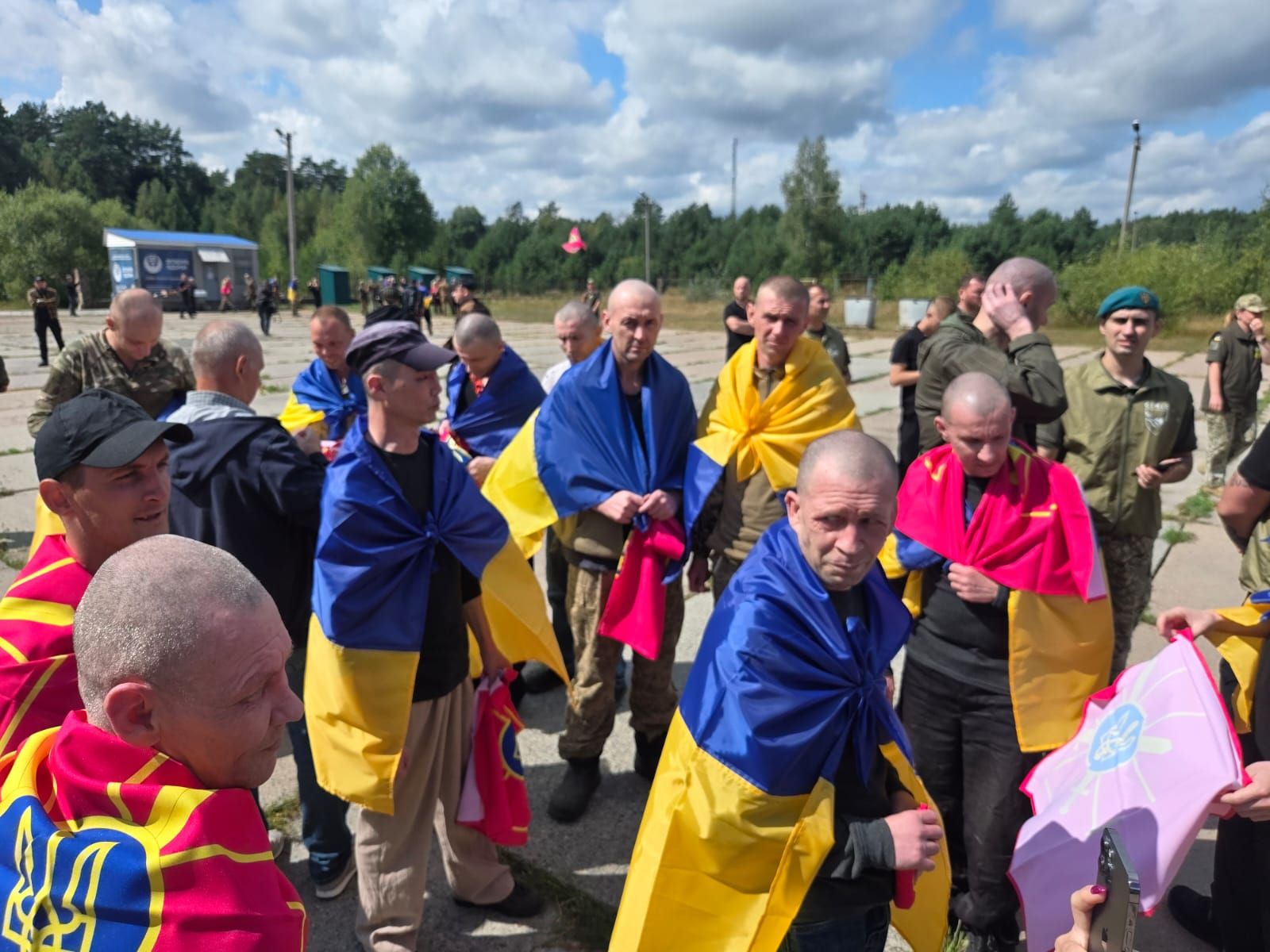
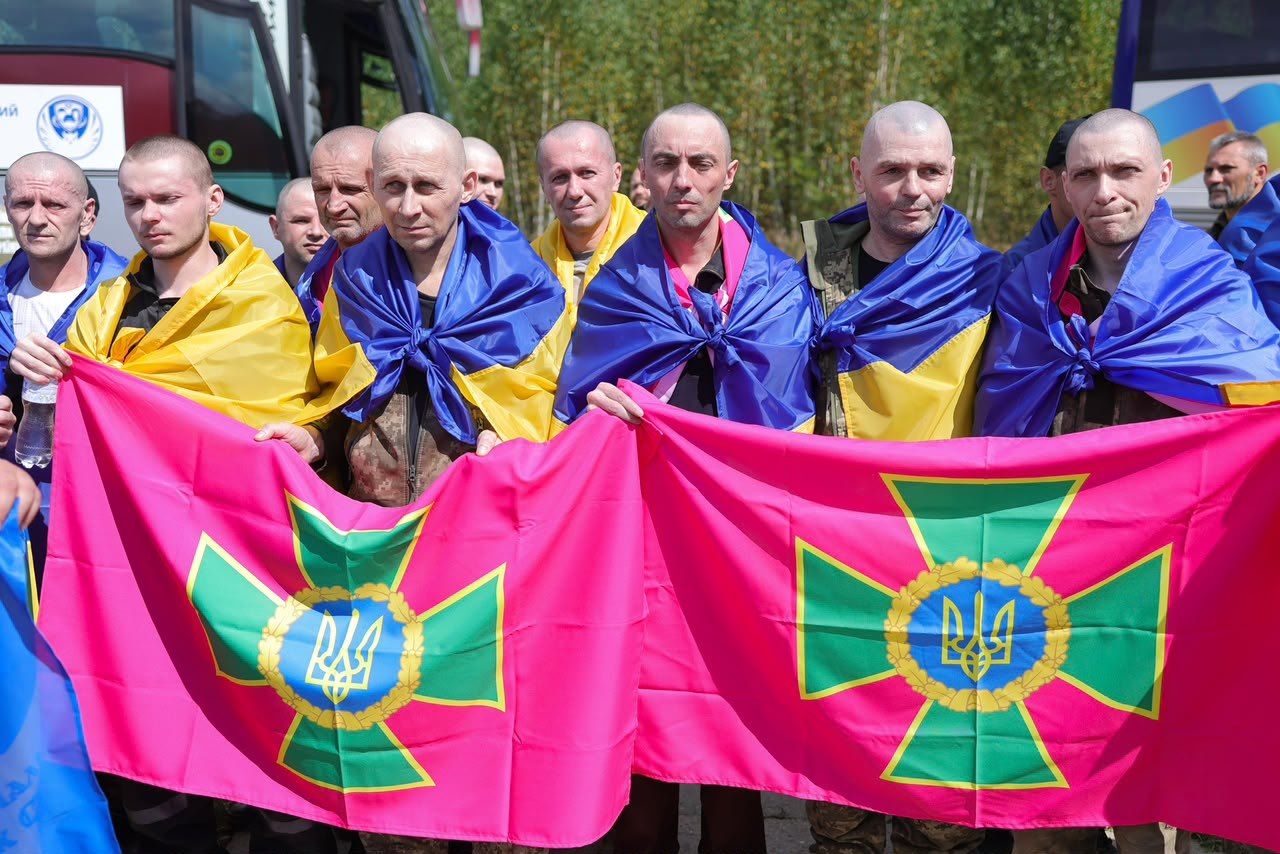
Ukraine has brought another 103 servicemembers home from Russian captivity in the first stage of a new prisoner exchange, the Coordination Headquarters for the Treatment of Prisoners of War reported on 19 August 2026. Most of the returning defenders are wounded or seriously ill after captivity that, for some, reached back to 2022, the year of Russia's full-scale invasion. The United States and the United Arab Emirates helped organize the swap, the headquarters said.
Amid Moscow's full-scale invasion, prisoner swaps have become one of the few channels that still functions between Kyiv and Moscow, and each one hinges on how many enemy captives one side can put on the table for the next round. Thousands of Ukrainian soldiers and, separately, civilians remain in Russian hands, and each release still returns only a fraction of the people whose families are waiting for them.
Who came home
The freed group covers nearly every branch of Ukraine's forces. It includes members of the Armed Forces, the Navy, Territorial Defense, the National Guard and the State Border Guard Service. Alongside soldiers and sergeants, several officers were released.
The SBU said the return of the 103 Ukrainian defenders was coordinated by the Joint Center for the Search and Release of Prisoners of War, the Coordination Headquarters for the Treatment of POWs, and other authorized agencies.
The Coordination HQ detailed the composition. The Defense Ministry accounted for 92 of those freed, and the Interior Ministry for 11. Two of the returnees are officers, the rest enlisted personnel and NCOs. Interior Minister Ivan Vyhivskyi said his ministry's 11 broke down into five National Guardsmen and six border guards.
The defenders had been captured across the Donetsk, Luhansk, Kharkiv, Zaporizhzhia, Dnipropetrovsk, Kherson and Sumy directions, as well as at Mariupol. The single largest share, 72, fell on the Donetsk front. The youngest freed defender was born in 2000, and the oldest is 59.
Freed Ukrainian prisoners of war and officials pose with military flags after returning from Russian captivity, 19 August 2026. Photo: Security Service of Ukraine
Years behind Russian bars
The captures span the entire full-scale war. One of those freed had been held since 2022, 16 since 2023, and 48 since 2024. Another 31 were seized in 2025 and seven this year. By the same tally, the International Committee of the Red Cross had confirmed the captivity of 102 of the group before the handover, with a single case verified through other sources.
A previous swap in late June returned 160 defenders, all of them held since 2022.
Freed Ukrainian servicemen wrapped in national flags gather after returning from Russian captivity, 19 August 2026. Photo: Coordination Headquarters for the Treatment of Prisoners of War
Wounded and ill
The released defenders will undergo full medical examinations, receive physical and psychological rehabilitation, and obtain the state payments provided by law. The head of the President's Office, Kyrylo Budanov, said doctors were already doing everything necessary for the returnees, most of whom came back with wounds and serious illness.
Their condition fits a wider pattern Ukrainian officials have described, in which Russia starves most captives and executes many surrendered soldiers on the battlefield.
Released Ukrainian defenders hold State Border Guard Service flags after their return from Russian captivity, 19 August 2026. Photo: Ivan Vyhivskyi / Interior Ministry
"We remember everyone still in captivity"
President Volodymyr Zelenskyy said the freed included men who had defended Mariupol.
"We remember every man and every woman still held captive. We are doing everything possible to bring all our people home," he said.
Freed Ukrainian servicemen wrapped in national flags gather after returning from Russian captivity, 19 August 2026. Photo: Coordination Headquarters for the Treatment of Prisoners of War
The Security Service of Ukraine noted the swap ran through the joint center it operates to coordinate the search and release of prisoners. Oleh Ivashchenko, chief of the Main Directorate of Intelligence (HUR) and head of the Coordination Headquarters, met the returning defenders in person.
Polish prosecutors have charged a 46-year-old woman over a nationality-based attack on two Ukrainian siblings in Bydgoszcz, days after police detained her and a 34-year-old man, whom they questioned as a witness, Polish Radio's Ukrainian Service reported the detentions on 18 August 2026, with the charges filed the same evening.
The detentions came four days after the alleged attack in a park near Bydgoszcz’s main railway station. The Bydgoszcz-North district prosecutor charged the woman with insulting the siblings and violating a minor's bodily integrity on nationality grounds. She denied intentionally insulting or assaulting the children and gave police a different account of the encounter.
The case comes amid rising reports of suspected hate crimes against Ukrainians and worsening relations between Warsaw and Kyiv. Police received 180 such reports in the first half of 2026—about one a day. At that pace, 2026 would end more than 30% above 2025 and nearly 35% above 2024.
Prosecutors charged only the woman; the 34-year-old man detained with her was questioned as a witness, even though the mother and the consulate described both adults as aggressors. The prosecutor placed her under police supervision, imposed a no-contact order, and set bail at 5,000 zł ($1,340). The destruction of the boy's toy drone was treated as a misdemeanor because the toy was worth just over 100 zł ($27).
The siblings—a 14-year-old girl and her 12-year-old brother—were playing with a toy drone in the park when the adults confronted them about using it, their mother told police. The Ukrainian consulate said the adults also insulted and threatened the children after hearing them speak Ukrainian.
“They twisted a child’s arm, broke a toy drone, and threw fragments at the boy,” Ukraine’s Consulate General in Gdańsk said.
The consulate said the fragments scratched the boy but caused no serious injury.
Other attacks on Ukrainians in Poland
The Bydgoszcz case is one of several recent assaults involving Ukrainian victims.
Police detained two women on 14 August over an attack on Ukrainian men outside a Poznań restaurant the previous day. A video showed one woman insulting, spitting at, and striking the men.
In July, three men allegedly beat a Ukrainian couple in Wrocław after asking whether they were Ukrainian. In Łódź, a man allegedly attacked a passerby he mistook for Ukrainian, breaking his nose and jaw.
The violence has prompted public protests. On 9 August, the Committee for the Defense of Democracy organized “Don’t be indifferent” rallies in 22 cities. Two days earlier, Warsaw organizers delivered a petition with more than 11,000 signatures calling for government action against attacks on Ukrainians.
Deepening Polish-Ukrainian rift and decline in relations
The rise in anti-Ukrainian violence in Poland has unfolded amid worsening political relations between Kyiv and Warsaw. Polish support for accepting Ukrainian refugees fell from 94% in March 2022 to 48% by early 2026, while politicians increasingly use Ukraine as a wedge issue.
Historical disputes over the Volhynia massacres and the Ukrainian Insurgent Army (UPA) have also strained relations. The rift sharpened after Zelenskyy signed a decree granting a Ukrainian special forces unit the honorary title “Heroes of the UPA.” Polish President Karol Nawrocki announced on 19 June that he had decided to revoke Zelenskyy’s Order of the White Eagle, Poland’s highest state honor.
Un commentaire à chaud sur la vidéo enregisrée par l’ancien ministre de la défense Fedorov, où il formule une critique du fonctionnement politique du pays et appelle à des élections. Vous entendrez parler de crise politique, de fragilisation de l’équipe présidentielle, de l’émergence d’un opposant politique. Rien de cela n’est faux, on rentre dans une zone de turbulence. Mais pour moi, le vrai sujet n’est pas forcément là.
Les critiques que l’ancien ministre fait dans sa vidéo ne sont pas nouvelles. Elles sont partagées par un grand nombre d’Ukrainiens: nécessité de faire vivre la démocratie, critique de la gestion d’équipe par le président, inacceptabilité de la corruption en temps de guerre. Comme je l’ai dit à plusieurs reprises, les Ukrainiens savent faire la part des choses entre ce qu’ils reprochent à leur président et à leur parlement, et la nécessité de soutenir leurs institutions pour préserver la souveraineté de l’Etat. Mais tout le monde sait que le jour où les élections se tiendront, ce bilan va peser.
Sur le fond, les critiques de Fedorov ne sont pas le signe d’un dysfonctionnement politique, mais plutôt d’un fonctionnement assez sain. Un acteur politique de premier plan se positionne comme une alternative à Zelensky. Ce n’est pas un militaire mais un civil; ce n’est pas non plus quelqu’un d’étranger à la défense de l’Ukraine. C’est une personnalité qui a des soutiens dans la société; il est populaire dans les milieux tech des forces armées et de la société. Fedorov a clairement la posture d’un canddiat à la prochaine présidentielle. Et c’est tout ce que l’on peut souhaiter à une démocratie: une pluralité de candidats portant des projets sérieux. Que cet opposant potentiel soit issu du cercle même des proches de Zelensky est aussi, finalement, très banal dans un fonctionnement démocratique. Il y a peut-être une crise politique, mais pas de crise systémique.
Ce qui est nouveau dans l’adresse de Fedorov, c’est cependant l’idée que les élections sont possibles. L’argument politique est recevable: la guerre s’est installée dans la durée, refuser la tenue d’élections, c’est aussi donner à la Russie une victoire en la laissant rythmer le timing du jeu politique ukrainien. Mais Fedorov ne parle pas seulement du principe. Sans rentrer dans le détail, il dit: la tenue d’élections est possible. L’Ukraine doit retrouver un processus d’alternance démocratique, sans attendre la sortie de loi martiale.
Et là, il faut se rappeler qui est Fedorov: ancien ministre de la numérisation qui a transformé une bureaucratie d’imprimante et de papier en un système modernisé et rapide. Ancien ministre de la Défense qui a accompagné l’innovation et l’esprit d’initiative qui permettent aujourd’hui à l’armée ukrainienne d’accomplir des choses que personne n’avait anticipées. S’il travaille vraiment à un projet permettant de tenir des élections en temps de guerre, nous avons tout intérêt à suivre le sujet de près. J’imagine que le vote électronique sera au coeur de ce projet – collègues spécialistes du sujet, réglez vos radars, car ce sera riche d’enseignements.
J’attends la suite avec intérêt plus qu’avec inquiétude. Une fois de plus, l’Ukraine pourrait être là où personne ne l’attend.
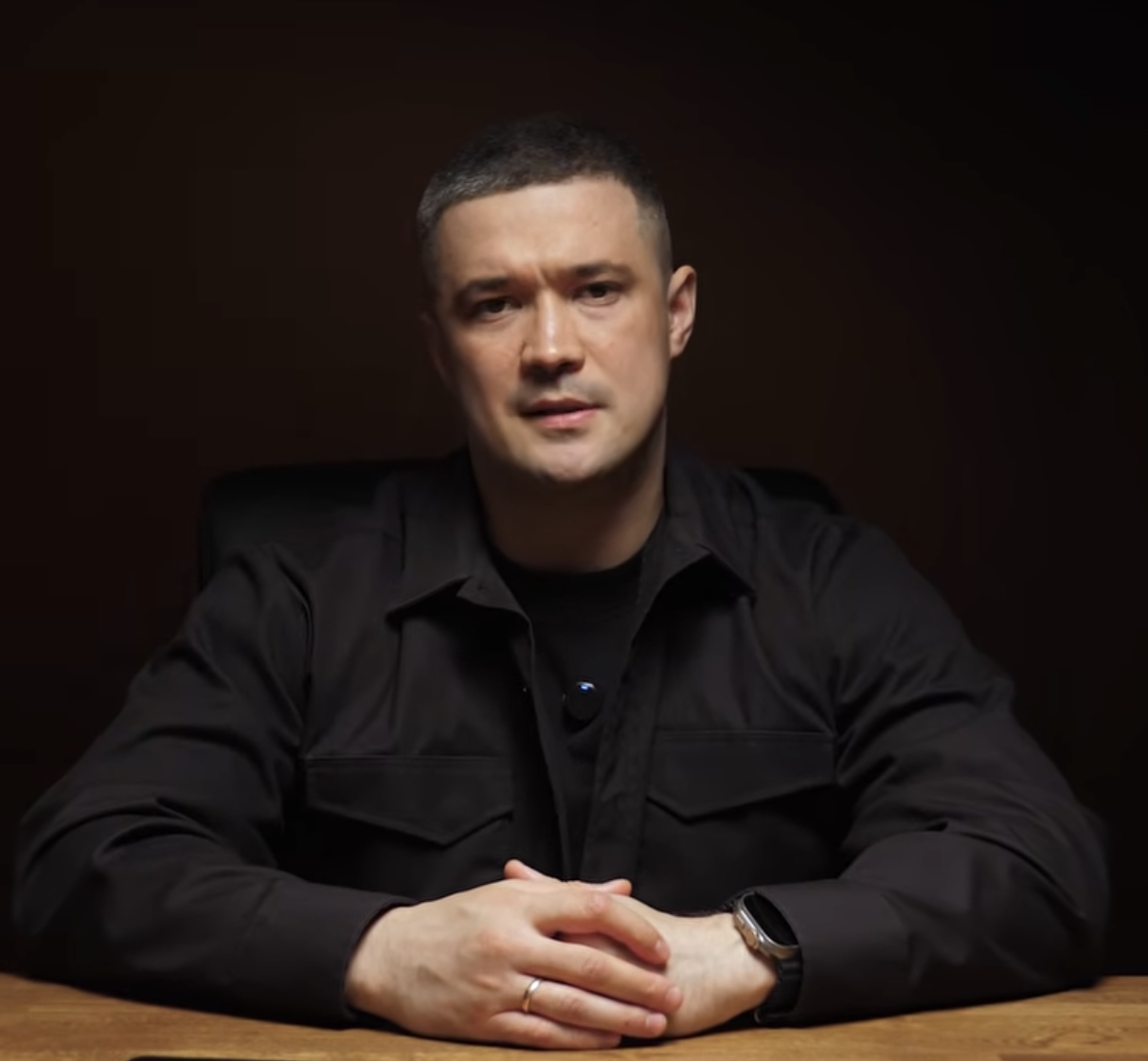
Mykhailo Fedorov, a popular young leader who was fired last month, said Russia should not be allowed to dictate when Ukrainians can choose their next government.
Mykhailo Fedorov in Kyiv, the Ukrainian capital, last month. He did not immediately put himself forward as a candidate to succeed President Volodymyr Zelensky.
Volunteers and priests rallied to clean up Kyiv’s Dormition Cathedral, still smelling of smoke from a massive blaze, for an anniversary celebration.
Nadiia Fesenko mopped the floor of the Dormition Cathedral, one of the main cathedrals of the Kyiv-Pechersk Lavra preserve, after it was struck by a Russian drone several weeks prior, in Kyiv, in July.
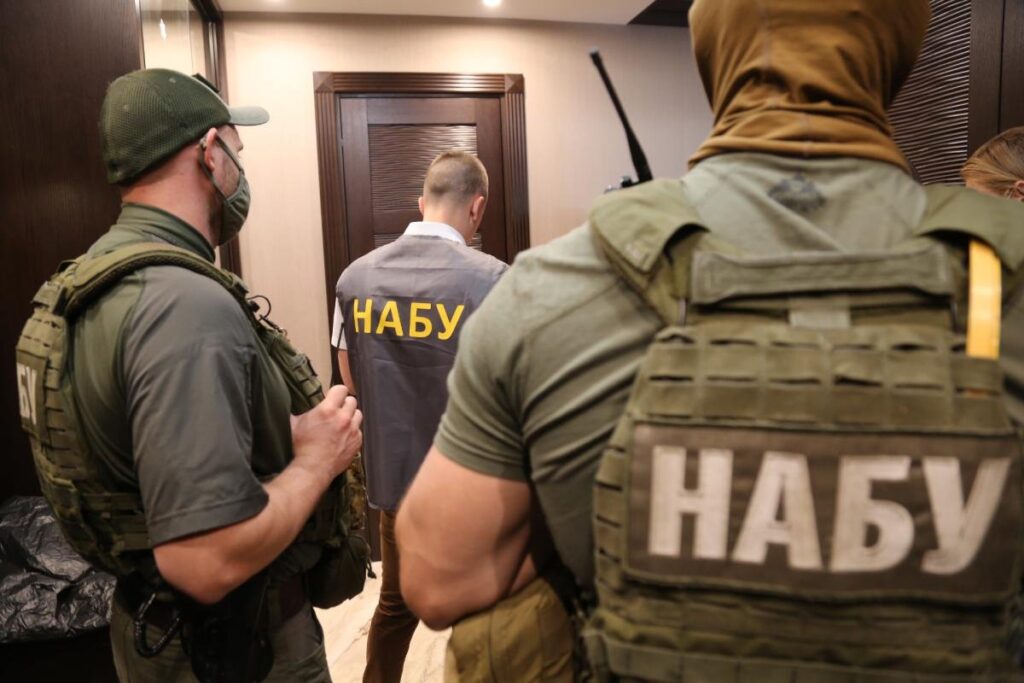
Ukraine's anti-corruption bureau and anti-corruption prosecutors opened a special operation against an alleged criminal organization reaching into the Office of the President, the two agencies said on 19 August 2026. Detectives said a sitting and a former lawmaker led the group, released a wiretap recording that points to the presidential administration, and seized a document laying out a plan to shape public opinion around the anti-corruption fight. Media reports place a deputy head of the President's Office among those searched, though investigators have not confirmed any names.
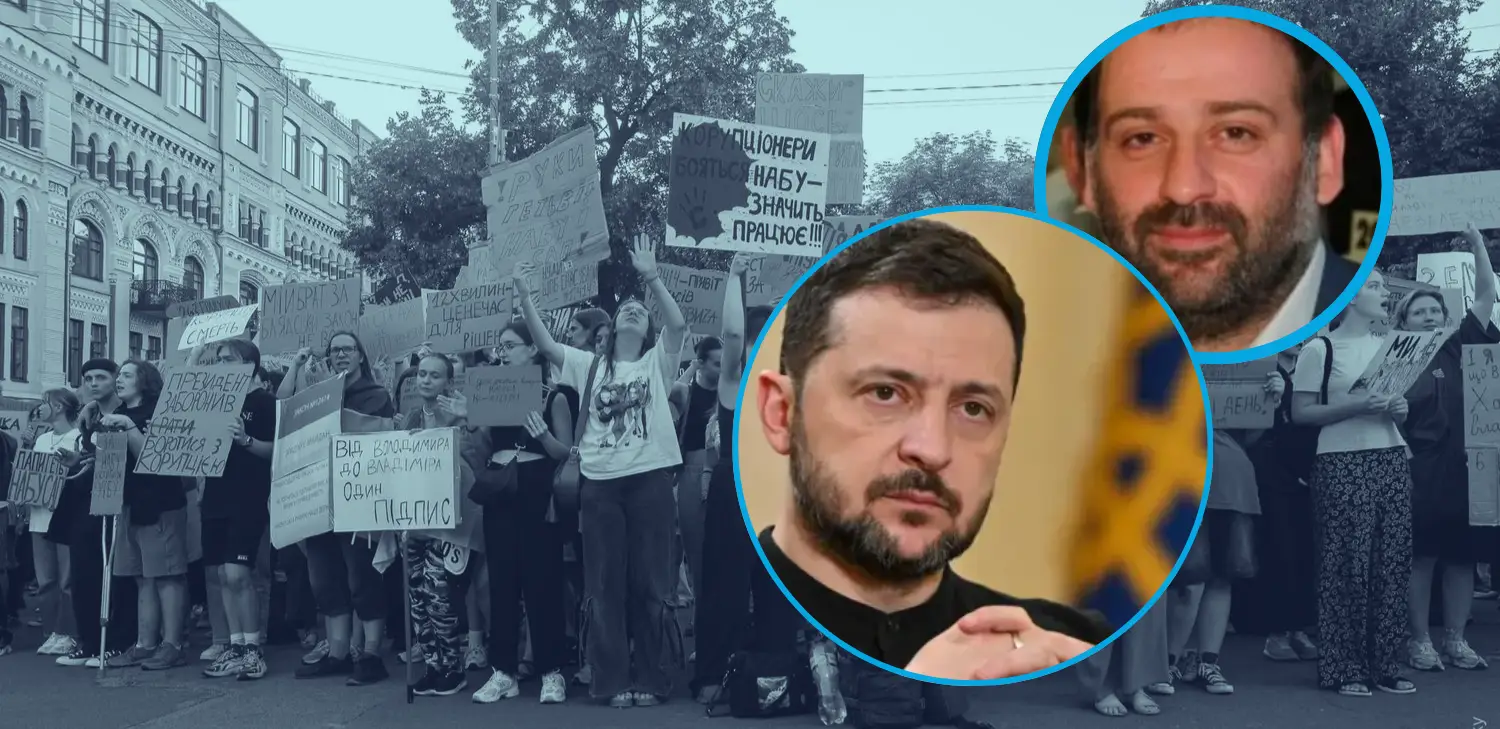
Corruption keeps surfacing close to the top in wartime Ukraine, and the country's young anti-graft agencies have shown they can act on it — even reaching the president's circle. Their independence has been fought over too: when the government moved to rein them in last year, Ukrainians took to the streets to defend them, and each new case tests whether the watchdogs still have teeth.
A case named after a Hollywood film
The National Anti-Corruption Bureau (NABU) and the Specialized Anti-Corruption Prosecutor's Office (SAP) ran searches on the morning of 19 August and unveiled the operation hours later. The two agencies said they had exposed an alleged criminal organization run by a sitting and a former member of parliament, with senior Office of the President officials taking part, the bureau said. It promised further details later.
The operation carries a mocking name, Forest Gump, drawn from the suspects' own words. In a 47-second recording of intercepted conversations, one man ties the label to how the group allegedly hid money.
"We've got Saving Private Ryan, right? But only an idiot would register the theft of money—and their tuition on top of it—on their own children. That's why, Forest Gump," he says.
Other fragments reference cash and the presidential administration directly. "Well, there are four bags of money there," one voice says on the tape. Another adds: "If we do this, you can drive to the Office of the President yourselves. Believe me. I can see it."
Explore further (a 2025 article)
Zelenskyy tried to kill NABU. Then it exposed his friend’s $100M scheme.
The document found in the search
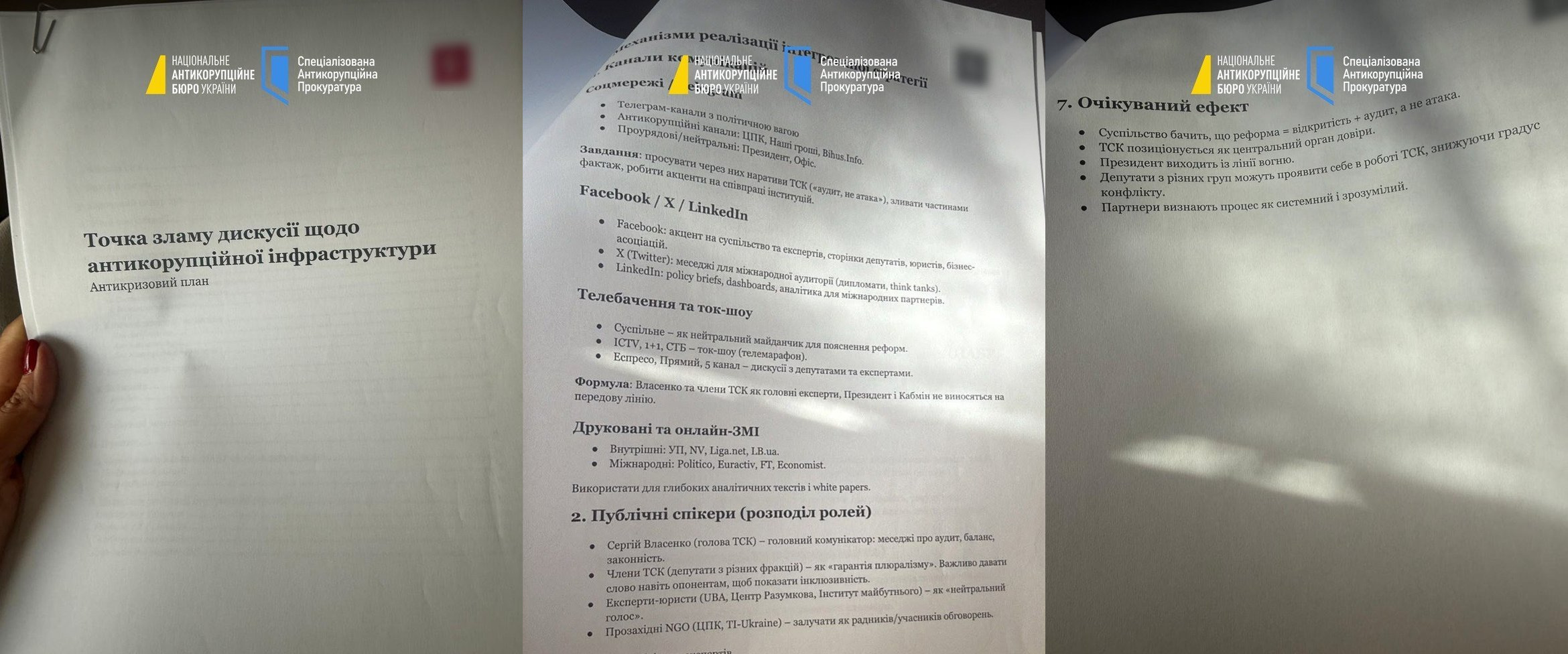
During the searches, NABU said, agents recovered a document containing an "anti-crisis" communications plan built around the work of a temporary investigative commission in Ukraine's parliament. The bureau described it as a set of communication steps and messages aimed at managing the public situation around that commission.
The plan maps out a media campaign across Telegram, social platforms, talk shows, and named Ukrainian and international outlets. It casts the commission head as the main voice, frames the effort as “audit, not attack,” and aims to build trust in the commission while shielding the President and Cabinet.
Pages of the "anti-crisis" communications plan seized during NABU and SAP searches, 19 August 2026. Photo: NABU
Who investigators are said to be targeting
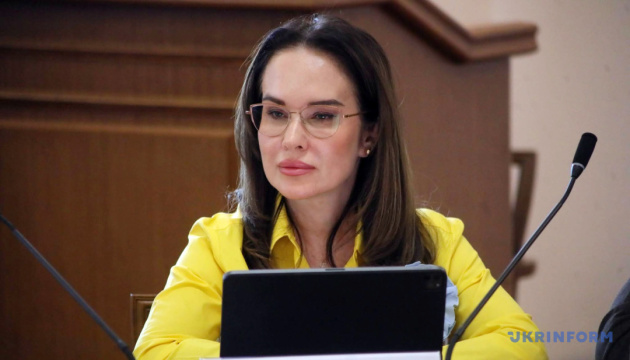
Media reports say the investigative actions include searches at Iryna Mudra, a deputy head of the Office of the President. A source told Ukrinform that detectives were working at Mudra, who oversees judicial reform and the creation of a special tribunal on the crime of aggression against Ukraine. NABU said it would not comment on the ongoing actions for now.
Deputy head of the Office of the President Iryna Mudra. Photo: Ukrinform
Beyond Mudra, the case reportedly involves member of parliament Vadym Stolar and former lawmaker Maksym Mykytas, along with Justice Ministry officials, RBC-Ukraine reported.
The raids reach a state-linked bank
NABU also searched Sens Bank's supervisory board, including suspended chair Mykola Hladyshchenko, sources told Ekonomichna Pravda — a thread running back to the "Mindich tapes," where those under investigation discussed lining up the bank's board seats as their own "quotas." The recording also echoed that case's reported detail: a former minister's son schooled at a Swiss college costing up to $200,000 a year, which the tape's "children's tuition" line appears to touch.
The operation lands atop a major graft scandal of Ukraine's wartime politics. In November 2025, NABU unveiled the Mindich tapes, documenting a $100 million kickback network around state nuclear operator Energoatom and reaching President Volodymyr Zelenskyy's former business partner. The case later widened to touch other parts of Ukraine's defense and energy sectors. It followed a summer 2025 attempt to curb the anti-corruption bodies' independence, which mass protests forced the authorities to reverse.
Ukraine's weapons marketplace DOT-Chain Defense has compressed delivery times from months to weeks after one year of operation, the country's Defense Ministry reported. For the fastest product categories—electronic warfare gear, ground robots, interceptor drones—orders now reach units within 24 hours.
Ukraine's war against Russia's invasion has pushed Kyiv to rebuild military procurement from the ground up, trading slow bureaucratic pipelines for digital platforms where frontline units pick and receive their own weapons faster than Western militaries have managed. Domestic manufacturers now make 90% of newly authorized systems.
Fastest deliveries measured in hours
The Defense Ministry and the Defense Procurement Agency DOT have jointly driven the acceleration, according to the ministry's statement.
"Delivery times for drones and other systems have shrunk from months to a matter of weeks, and often to days," the ministry said.
Beyond that general compression, several categories saw delivery within a single day. Electronic warfare systems, ground robotic platforms, reconnaissance and bomber drones, interceptor drones, and FPV drones on both fiber-optic and radio control all reached units within 24 hours. Ammunition for unmanned systems arrived within six days.
Explore further
Russian drone attacks on Ukraine’s Danube ports hit recent high, Romania says
Over the first year, the platform shipped more than 1.2 million drones and other systems. Units now choose from 1,181 products made by 300 domestic manufacturers.
How the marketplace works
DOT-Chain Defense supplements centralized state supply rather than replacing it, the ministry noted. Combat units use allocated funds to browse and order the equipment they need for their section of the front. The marketplace handles contracts, payments, and delivery.
The platform's drone constructor tool lets units customize drone configurations before ordering. A dedicated training course on using the marketplace recently launched inside the Army+ mobile app.
Explore further
US copies Ukraine: Washington launches Amazon-backed UAVs marketplace, inspired by Kyiv’s Brave1 Market and DOT-Chain Defense
Broader procurement picture
The one-year milestone caps a period of rapid scaling across Ukraine's defense procurement. The country contracted about $8 billion worth of drones in the first half of 2026—double the same period last year, according to the Defense Ministry.
More than 400 combat units now shop for weapons through the marketplace's companion Brave1 Market program using points earned for confirmed battlefield activity. Washington modeled its own Unmanned Aircraft Systems Marketplace on the Ukrainian original earlier this year.
The 1st Corps of Ukraine's National Guard, known as Azov, says it destroyed 67 Russian fuel tanks holding 4,221 tons of fuel in occupied Donetsk Oblast, in an operation it named Hell-2. The unit released video of the strikes on 17 August, saying it had spent a month tracking where Russian forces moved and stored the fuel before hitting it.
Fuel is the blood of Russia's war, which is why its forces increasingly hide storage sites and route deliveries through improvised logistics hubs. Strikes on those hubs strip Russian units of what they need to move, supply, and fight. There have already been cases of Russian forces concealing fuel in grain trucks in occupied territories.
Azov warned the Russian forces before the strike
Azov says it flagged the fuel sites a month before hitting them, and struck when the Russians kept using them anyway.
“A month ago, we warned the occupier: ‘Azov sees your movements and will strike at the right moment.’ But some units of the Russian Armed Forces continued to store fuel in occupied Donetsk Oblast,” Azov said.
1 корпус НГУ «Азов» карає окупантів за спроби перевезення і зберігання військових вантажів. Задіяні у зберіганні та постачанні палива об’єкти росіян залишаються лише на картах, у реальності на їхньому місці – випалена земля. pic.twitter.com/FGgdn4J34k
Azov emphasizes that it does not attack civilian gas stations or civilians. The operation targeted facilities used to supply Russian occupation forces. At the same time, according to Azov fighters, Russian military infrastructure remains a legitimate target.
The Russians didn’t get the message the first time
Hell-2 is likely a follow-up to the Hell operation, during which the first series of strikes, Azov also targeted the fuel logistics of Russian forces in occupied Donetsk Oblast.
On 12 July, Azov reported striking a secret Russian fuel base in Novoamvrosiivka. Drone operators from the 1st Azov Corps of the National Guard conducted reconnaissance and used Hornet drones to strike the facility. The strikes damaged fuel tanks and the base’s infrastructure and blocked the railway track.
According to the report, the Russians used the facility as a logistics hub to supply their occupation forces. After the strike, they were forced to abandon the base and move their logistics operations from the occupied territory into Russia.
Ukrainian Special Operations Forces (SOF) have retaken Andriivka-Klevtsove, a settlement on the border between Donetsk and Dnipropetrovsk oblasts, and captured 30 Russian soldiers, the SOF said on 17 August.
The operation is part of Ukraine’s broader eight-month counteroffensive on the Oleksandrivka axis, during which Kyiv says its forces have recaptured 745 square kilometers and 26 villages across Donetsk, Dnipropetrovsk, and Zaporizhzhia oblasts. The offensive has pushed Russian forces back from Dnipropetrovsk Oblast after months of Russian advances toward the region.
Russian forces infiltrated the settlement in small groups
Andriivka-Klevtsove, formerly known by its Soviet name Iskra, had been targeted by Russian forces attempting to gradually establish positions in the settlement.
According to the SOF, Russian troops had been infiltrating the area in small groups and occupying positions on the Oleksandrivka axis.
SOF forces cleared Russian positions and captured 30 troops
Operators from the SOF’s 3rd Regiment, working with an SOF psychological operations center, carried out a coordinated operation to clear Russian forces from the settlement.
Footage released by the SOF shows the ground phase of the operation, including Ukrainian special forces advancing through the settlement and forcing Russian troops from their positions.
Thirty Russian servicemen surrendered and were taken prisoner, according to the SOF. Russian troops who continued to resist were killed.
Ukrainian Special Operations Forces (SOF) have retaken Andriivka-Klevtsove on the border between Donetsk and Dnipropetrovsk oblasts, capturing 30 Russian soldiers in the operation.
Russian forces had been gradually infiltrating the settlement in small groups and establishing… pic.twitter.com/1vnnP37xXx
Ukrainian forces perform traditional “Chasing Away Vipers” ritual
After securing the settlement, Ukrainian special forces raised the Ukrainian flag and performed a traditional local ritual known as “Chasing Away Vipers.”
The ritual, included in Ukraine’s National Inventory of Elements of Intangible Cultural Heritage, is intended to symbolically drive evil and misfortune from a home.
The SOF said the ritual was used this time to “cleanse” the settlement of the Russian forces it described as “real vipers.”
Andriivka-Klevtsove adds to Ukraine’s gains on the Oleksandrivka axis
Kyiv announced on 12 August that Ukrainian forces had recaptured 745 square kilometers and 26 villages during the Oleksandrivka counteroffensive, which began on 29 January.
The operation was aimed at stopping Russia’s advance toward Dnipropetrovsk Oblast and pushing Russian forces back beyond its administrative border. Kyiv said Russian forces suffered at least 9,550 killed and more than 6,600 wounded during the operation.
The US-based Institute for the Study of War assessed that the Ukrainian advances showed Kyiv could still conduct significant tactical advances and restore limited mechanized maneuver on parts of the front.
Romania detected more than 100 drones involved in seven attacks on Ukraine’s Danube ports in recent days, interim Romanian Defense Minister Radu Miruță told Romanian channel Digi24 on 17 August 2026. He said the attacks were the most intense recorded recently and that Ukrainian forces destroyed most of the drones “a few dozen meters from Romanian airspace.”
Russia’s growing attacks on Ukraine’s Danube ports put a key export route at risk as Kyiv seeks other outlets while its Black Sea ports are under attack. They also put Ukraine's southern border region under pressure as Kyiv develops trade links with Moldova and Romania, and NATO routes more military aid through Romania.
The latest drone swarms remained over Ukraine, and officials found no indication that Romania’s threat level had risen, Miruță stated. The Romanian military nevertheless remained on alert as attacks intensified across the Danube.
Ukraine looks south for trade and military aid
With Russia hitting its ports, Ukraine is turning to Romania and Moldova to keep trade moving. Kyiv and Chișinău are discussing a rail link through Moldova to Romania’s Constanța port, though Ukraine estimates it could carry only about 10% of its grain exports.
The rail proposal comes as Russian port strikes have cut monthly agricultural exports by 20–30% and left up to 10 million tons of grain in storage without buyers, Agriculture Minister Taras Vysotskyi has said.
Explore further
More than 100 drones detected near Romania in four days, NATO jets scrambled seven times
NATO said in December that a second aid hub in Romania would begin operating in January. It was designed to supplement the main center in Rzeszów, Poland, and route supplies toward Ukraine’s southern and eastern fronts.
Romania faces repeated drone incursions
Russian drones targeting Ukraine have repeatedly entered Romania as Moscow attacks Ukrainian ports across the Danube. More than 40 such incursions had been recorded by early June, Romanian Foreign Minister Oana Țoiu said.
The most serious occurred on 29 May, when a drone hit an apartment building in Galați. Two people were injured, and about 70 residents fled or were evacuated.
Vladimir Putin suggested that the aircraft might have been Ukrainian, but Romania’s forensic investigation later identified it as a Russian-built Geran-2.
Romanian forces later shot down three drones in 72 hours in July, while Miruță said Spanish pilots and Romanian troops destroyed a fourth on 16 August.
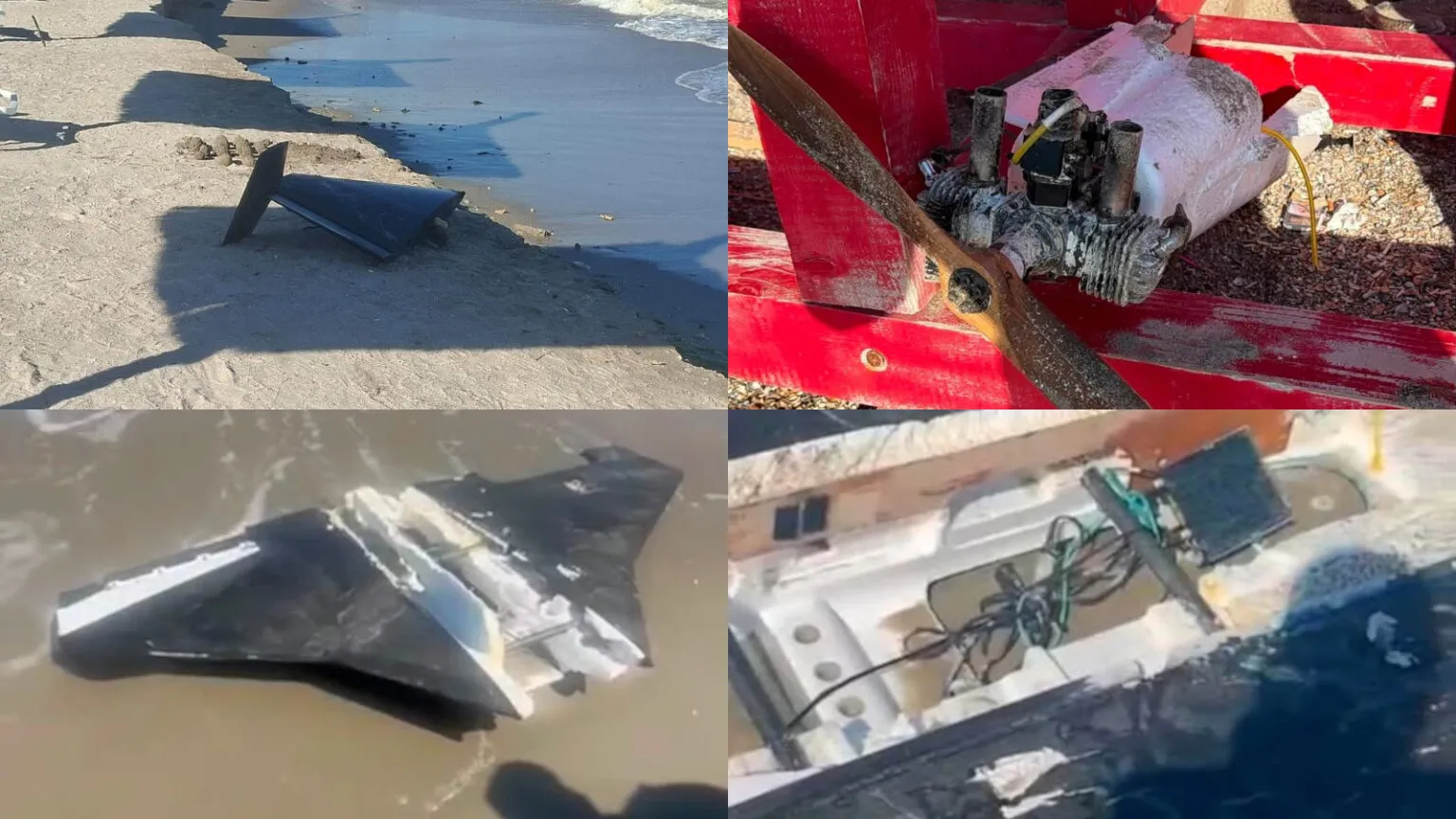
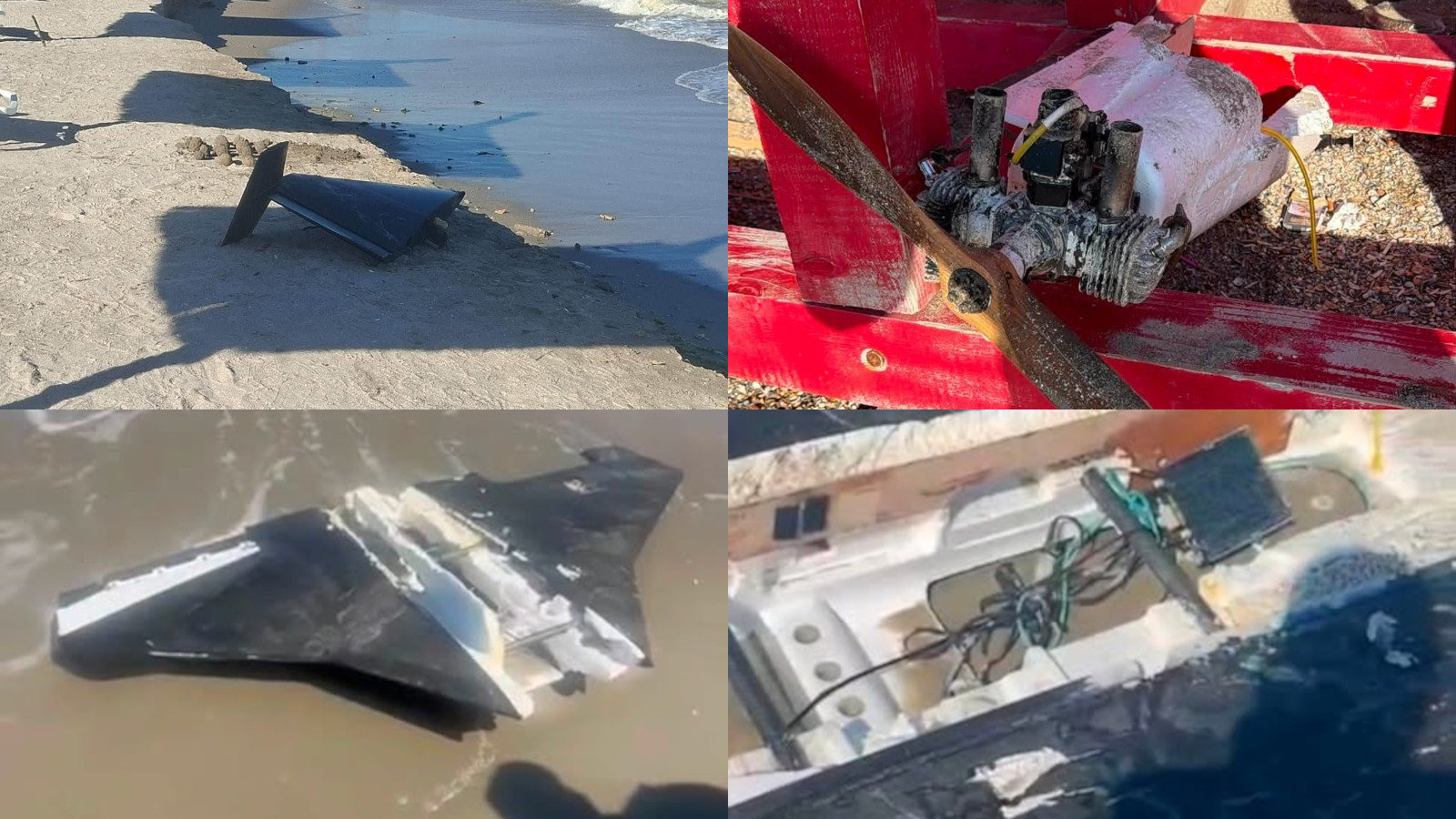
Debris from drones intercepted over Ukraine has also washed onto Romania’s coast, prompting temporary access restrictions while specialists checked for explosives.
Bucharest is buying low-altitude radars and ground interceptors through the EU’s SAFE program. Miruță said drones often fly at 70 to 150 meters, and ground systems would be cheaper to use than fighter-launched missiles.
They made a risky bid to reunite after three years of separation, illness and deprivation — the kind of ordeal suffered by many thousands of families torn apart by the war in eastern Ukraine.
Liliia Prutian, 55, a military medic and a former POW, who spent more than 2 years in Russian captivity, at a rehabilition center Lisova Poliana in Kyiv region, Ukraine, in February.
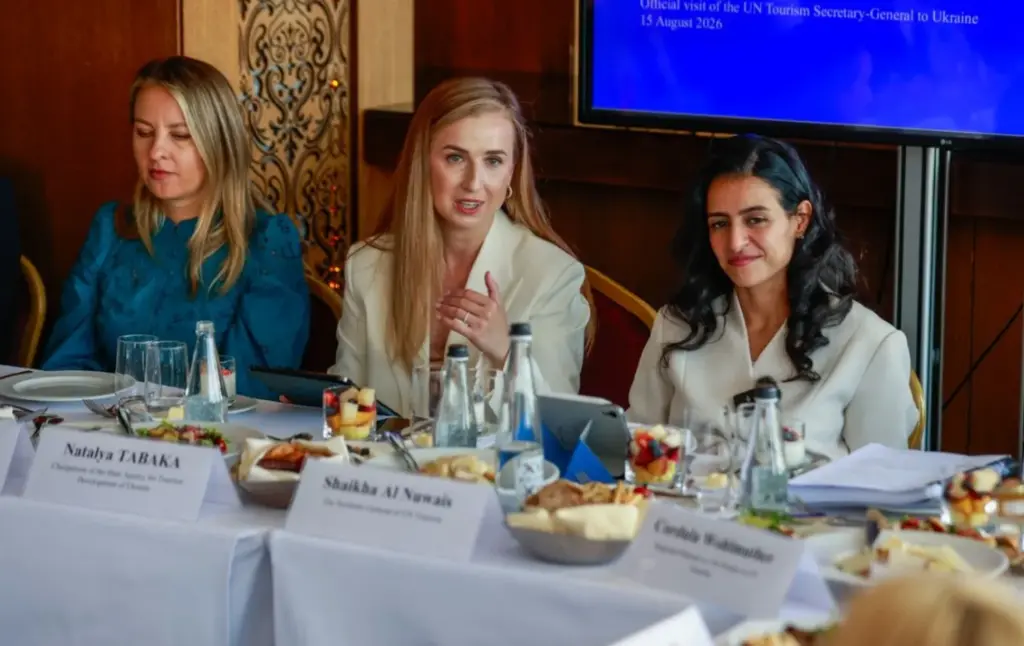
The head of UN Tourism, Shaikha Al Nowais, named medical tourism and Ukraine's IT sector as the country's strongest cards for winning back foreign visitors after the war, at a Kyiv briefing. Ukraine already holds everything a tourism economy needs, she said, from culture and landscapes to cuisine. Al Nowais, the first woman to lead the organization in its history, was making the first visit by a UN Tourism chief to Ukraine in a decade.
A UN specialized agency publicly treated Ukraine as a future destination rather than a war zone, as Kyiv tries to anchor its reconstruction to sectors that can earn hard currency and bring people back to emptied regions. Both sectors she named were among Ukraine's stronger performers before 2022.
Before the invasion, Ukraine was receiving about 13 million visitors a year, with tourism worth roughly 3 to 4 percent of GDP, RBC-Ukraine reported citing the numbers mentioned at the briefing.
"Bringing all stakeholders in the tourism process together with the state under one umbrella could unlock great potential," Al Nowais said.
A medical tourism hub before the war
Before Russia's full-scale invasion, Ukraine had a reputation as an affordable place for fertility treatment and surrogacy, dentistry, laser eye surgery, and cosmetic procedures, the US-based Medical Tourism Association said. Prices often ran a fraction of Western European ones. In the late 2010s, the country's medical tourism association counted tens of thousands of foreign patients a year. Because that trade rests on clinics and specialists rather than rebuilt infrastructure, Al Nowais said it could bounce back fairly quickly once the war ends.
A tech sector that grew through the war
Ukraine's IT exports reached about $6.8 billion in 2021, close to a tenth of all the country's exports, and the industry has been one of the few to keep growing through the war. The same ecosystem produced the Diia app, a state-services platform installed by more than a third of Ukrainian adults before the invasion, along with globally used products such as Grammarly and GitLab. A sector that has shown it can ship and scale under bombardment is, on Al Nowais's logic, well placed to build the booking, logistics and guide services a returning tourism market will need.
Ukraine's Acting Foreign Minister Andrii Sybiha met her in Kyiv on 15 August 2026 to discuss tourism's place in reconstruction, and UN Tourism agreed to provide 500 scholarships for Ukrainians to study at its Online Academy, 200 of them reserved for veterans, with Kyiv setting the rest of the allocation.
Latvia's public broadcaster opened a new fundraising drive on 17 August to pay for the rehabilitation of wounded Ukrainian soldiers, LSM reported. The effort is timed to Ukraine's Independence Day on 24 August. Donations run through the charity Ziedot.lv.
Russia's invasion has produced a generation of wounded and traumatized Ukrainians whose recovery will outlast the war. The state already counts more than a million registered veterans, a number that climbs every month.
A new channel for Ukraine's wounded
The drive, called "Together with Ukraine in Thought and Deed!", runs from 17 August to 13 September 2026. Latvian Public Media (LSM) organized it with Ziedot.lv and the Ukrainian Embassy in Latvia. It is dedicated to rehabilitation. Organizers said every euro goes to that goal. Latvians can give online through Ziedot.lv, or by calling a national donation line charged at €5 including VAT.
"Fighting for the security of us all"
The campaign's ambassador is Odita Krenberga, an LSM journalist who has reported from the Ukrainian front line. She said only seconds separated her from death or serious injury, and that many others never got that chance. Russia has taken hundreds of thousands of lives and wounded even more, she said, calling it a painful injustice. Ukrainians, she added, are fighting "for the security of us all, for a safe Europe."
Wounds that take years to heal
Rūta Dimanta, who heads Ziedot.lv, said "the wounds of war take a long time to heal." They are not only physical, she said, but also the pain of loss, helplessness, and injustice. Soldiers must live with the deaths of comrades and the pain in their souls. The money cannot erase that, but it can fund recovery in Ukraine and Latvia, allowing them to carry on with their lives.
Latvia keeps giving
Since the war began, LSM and Ziedot.lv have raised more than €2 million across earlier appeals. The two partners have already sent Ukraine a locally built naval drone, and Latvia has funneled millions to front-line oblasts on the Russian border. Latvia has also pledged 0.25% of its GDP a year to Ukraine's defense—a bigger share than most larger allies give.
Ukraine brought the world's most battle-tested counter-drone experience to a NATO exercise. From 3 to 14 August, Ukraine took part in NATO's Baltic Trust 2026 exercise in Latvia, which focused on countering drones and other threats posed by uncrewed aerial systems, the General Staff reported.
The exercise responds to a mounting Russian threat against NATO's Baltic flank. Russia has probed the alliance's eastern edge so aggressively that NATO scrambled over the Baltic, jumping more than 250% in July.
Also, Moscow has increasingly launched drones on the Baltic States. Even on 14 August, the final day of the drill, a NATO fighter shot down a drone over Latvia after Russian electronic warfare pushed it off course, the second Baltic drone incursion that week. Baltic Trust 2026 was NATO's answer: about 650 participants from 24 countries building the counter-drone defenses that the threat demands.
The exercise tested systems working together
Baltic Trust focused on integration, not single technologies. Soldiers, specialists, and industry representatives jointly tested new technological solutions in conditions close to a modern operational environment, the General Staff said.
The core was whether the pieces work as one system. Participants checked how detection tools, command-and-control systems, and counter-drone measures can exchange data, form a common operational picture, and enable coordinated response.
Ukraine's experience is the draw
Ukraine's participation carries particular weight in this field. No NATO member has faced the scale of drone attack Ukraine confronts nightly, and its forces have built and continually adapt the detection, interception, and electronic-warfare methods that down Russian drones by the tens of thousands.
That makes Ukraine a source of hard-won practical knowledge for allies still preparing for threats Ukraine already lives with. Bringing Ukrainian experience into a NATO drill turns the country's battlefield lessons into shared allied capability, on exactly the drone warfare the alliance is scrambling to counter on its eastern flank.
The exercise builds collective defense
Baltic Trust served NATO's broader readiness. Jointly testing and integrating such solutions helps turn technological innovation into practical capabilities that strengthen readiness and collective defense.
Previously, Russia's Foreign Intelligence Service Head Sergey Naryshkin accused NATO of escalating military activity near Russia’s borders. He warned that Poland and the Baltic states would be the first to suffer in the event of a war between Moscow and the Alliance.
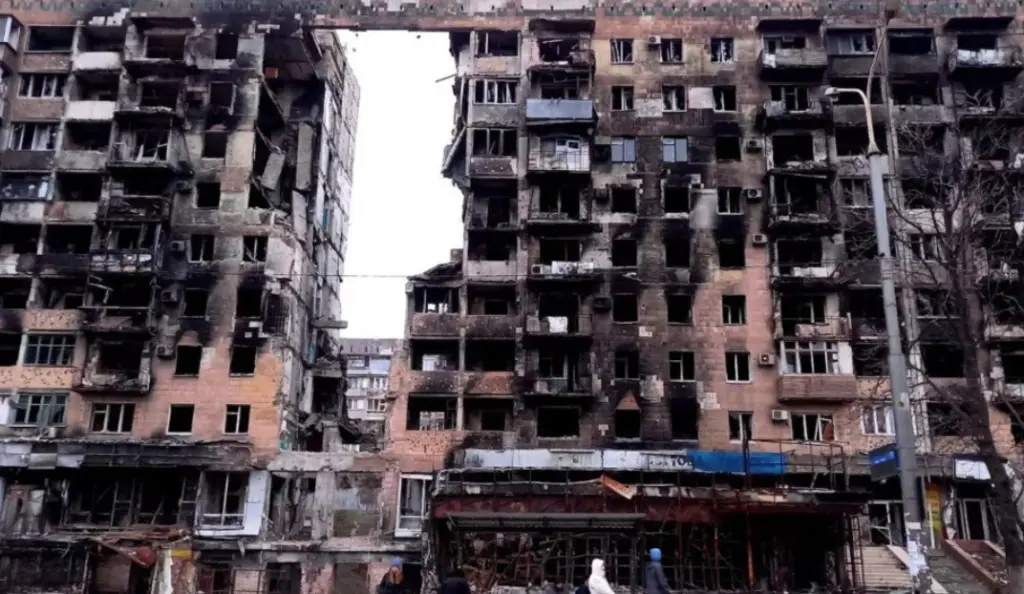
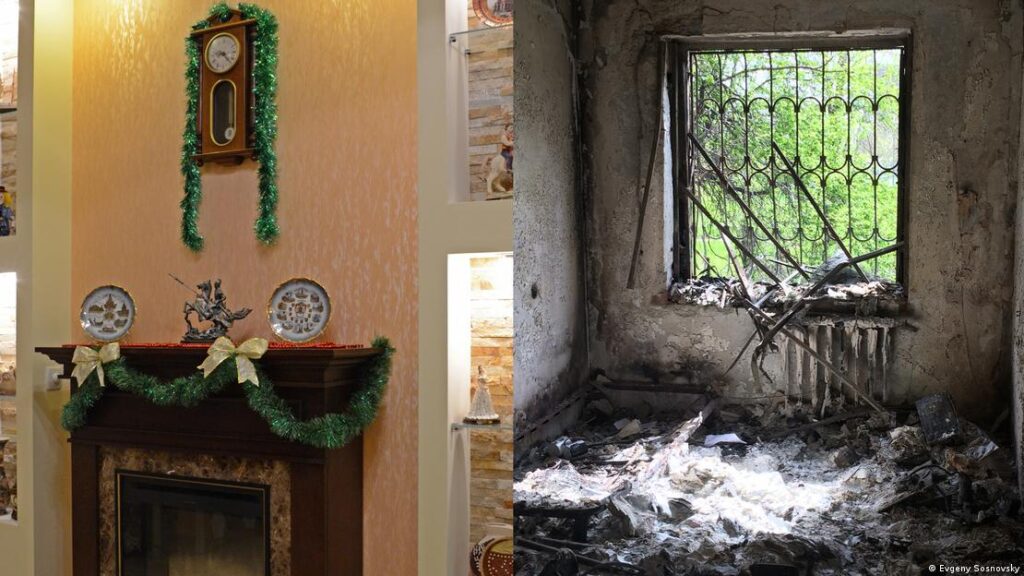
Russians moving into occupied Mariupol are buying apartments built over Ukrainian homes destroyed during Russia’s 2022 siege, German broadcaster Deutsche Welle (DW) reported on 15 August 2026. Ukrainians who lived on the sites received none of the new units, a source told the outlet.
The construction is part of Russia’s wider Russification of occupied Mariupol. Occupation authorities have separately listed nearly 900 apartments for redistribution, including properties belonging to residents forced out by the siege.
Economist Vyacheslav Shiryaev said the new apartments are being bought primarily by newcomers, including Russian security personnel, officials, and military logistics workers. Some simply want to live by the sea but cannot afford property in occupied Crimea or Sochi, a Russian Black Sea resort, he said.
In Russia-occupied regions, borrowers with Russian citizenship are offered mortgages at 2% annual interest, DW reported.
Occupation authorities also ordered some residents out of apartments that had survived the attacks. Some were sent to hostels or accommodation on Mariupol’s outskirts instead of receiving replacement apartments, a source told DW.
Unable to enter occupied Mariupol, DW based its investigation on former residents’ accounts, satellite imagery, and online research.
Homes erased, residents pushed out
For former residents, homes destroyed in the siege are being replaced with apartments for newcomers.
Halyna Artemova, an English teacher, lived in one of the demolished apartment blocks for almost 40 years. A Russian missile struck the building in March 2022. Wounded by shrapnel, she escaped with her mother and son. A new high-rise now stands where her home once did.
Yevhen Sosnovskyi, a photographer, and his wife had lived in a neighboring building for 20 years. It caught fire during the attack, and Russian troops drove residents out without allowing them to take food or clothes.
Sosnovsky photographed his apartment before and after the attack, preserving a record of the home they lost. A parking lot now covers the site.
“They’re building on human bones, and fast, to eradicate the traces of their crimes,” Sosnovsky told DW.
Photographer Yevhen Sosnovskyi documented his apartment before and after the Russian attack. Photo: Yevhen Sosnovskyi via DW.
Russia remakes a city it destroyed
The new housing is part of a wider Russian effort to reshape Mariupol after its forces destroyed and occupied the city. The UN assessed that up to 90% of the city’s residential buildings were damaged or destroyed.
On 16 March 2022, Russia bombed the Mariupol Drama Theater, where civilians sheltered beneath a large “CHILDREN” sign. An eyewitness described chaos, blood, and survivors using torn blankets as bandages.
In the wake of its destruction of the city, Moscow plans to move about 114,000 of its citizens into occupied Ukraine, with Mariupol as one of the main destinations.
Entry-level employers are finding it harder—and more expensive—to recruit young men. On Work.ua, one of Ukraine’s largest job platforms, the number of male candidates aged 18 to 22 who responded to vacancies fell 19% between July 2025 and July 2026, Lesia Prymakova told Ukrainska Pravda. The decline reached 29% in hospitality and retail.
At the same time, advertised entry-level pay moved close to Work.ua’s overall median. The median salary for vacancies open to students rose 24%, while pay for jobs requiring no experience increased 23%.
No reliable count shows how many young men remained abroad.
The candidate pool shrank after the government eased wartime travel restrictions for men aged 18 to 22 last summer, following an initiative by President Volodymyr Zelenskyy. The government said the change was intended to discourage families from taking boys abroad before their 18th birthdays, when the previous rules would have prevented them from leaving.
Ukraine’s pre-war labor force has shrunk by about a quarter. Three million went abroad, hundreds of thousands more to the front. What remains is older. Chart: Anastasia, Boeri & Zholud (RFBerlin/Bocconi–NBU, 2026) / Euromaidan Press
Hospitality and retail feel the squeeze
Restaurant owners tied the decline in young applicants directly to the eased travel rules. Sommelier Oleh Kravchenko, who owns Kyiv wine bar Win Bar, said two of his staff, a bartender and a cook, were preparing to leave the country, and that the bar had begun hiring more women, whereas server positions had earlier been held only by men.
He said his payroll had risen 5 to 10% and that he now raised wages at least every six months, even as rent, utilities, and food costs also climbed. Olena Borysova, who owns the GastroFamily group behind the Bilyi Naliv chain, said young applicants had become rare over the past year.
Ukraine’s labor shortage extends far beyond this age group. Ukraine’s full-time workforce fell from 7 million in 2021 to 5.3 million by late 2025, while the National Bank expects the net outflow of workers to continue into 2027.
Explore further
Ukraine’s economy posted its sharpest contraction since the wartime recovery began
Against that backdrop, 48% of companies reported labor shortages in a survey cited by Ukrainska Pravda, without attributing them specifically to the travel change, and Work.ua put the overall median advertised wage up 20% year on year. These are nominal advertised salaries; annual inflation stood at 7.7% in July, so the real increase is smaller.
No one knows how many stayed abroad
No reliable count shows how many young men remained abroad. Social Policy Minister Denys Uliutin cited an estimate from European partners that some 400,000 men aged 18 to 22 left Ukraine between August 2025 and April 2026. However, the estimate does not identify unique individuals or subtract those who later returned, Vasyl Voskoboinyk, head of the NGO Office of Migration Policy, told Ukrainska Pravda.
Voskoboinyk estimated that around 300,000 men in this age group had been working, equivalent to about 2% of Ukraine’s labor force, and said their departures had not caused a broader labor-market collapse.
Available education data show no comparable decline. The Education Ministry recorded a 28% year-on-year rise in university applications, while Kyiv-Mohyla rector Serhiy Kvit said the academy had not seen mass withdrawals. Applications count submissions rather than enrolled or retained students, so the increase indicates continued demand for places rather than a settled outcome.
Voskoboinyk said it was still too early to determine whether the policy had reduced departures among 16- and 17-year-old boys, its stated long-term aim.
Employers widen who they recruit
Employers are recruiting more broadly to fill the gap. Olena Kolesnikova of the Federation of Employers said firms were increasingly willing to hire from groups they had previously overlooked, with 94.4% open to internally displaced people, 91% to veterans, and 88% to people with disabilities.
Keeping young people in Ukraine, she argued, would take more than pay. "The right question is not how to keep young people from leaving, but how to make it worthwhile for a young person to start a career and build a life in Ukraine after they finish studying," she said.
Slovak company STV Machinery has produced the first two prototype hulls for the BMP-1 infantry fighting vehicle after a 36-year break in production. The plant in Dubnica nad Váhom began developing an updated design in 2024, and a contract with an unnamed foreign customer was signed in late 2025, with serial production scheduled for 2026 to 2027.
The Slovak outlet Future Army reported this on 15 August, citing STV Group's director of special projects, Pavel Beran. He said one prototype is being used to test final assembly and the integration of weapons systems, while the second is undergoing physical and stress testing. The company will not disclose the customer's identity, citing security and business-ethics considerations.
Ukraine has a substantial need for armoured vehicles. Its forces already use and modernise the BMP-1, and cooperation with Western manufacturers could help replenish the fleet faster. In 2024, for example, Ukraine and Germany's Rheinmetall agreed to produce the Lynx IFV and to expand defence cooperation.
Digitised BMP-1 project. Photo: STV Machinery
The Slovak plant has returned to BMP-1 production
According to Militarnyi, the new hulls remain outwardly similar to the Soviet BMP-1 design but have been reworked to more modern requirements. STV Machinery revised the design to meet NATO standards for ergonomics and materials, and strengthened the armour using more modern materials.
Future vehicles will offer a choice of powerplant, with Western-made engines among the options. STV Machinery, the Slovak firm, will produce the hulls and other components, after which its Czech sister company STV Group will carry out full assembly and testing.
The exact size of the order is not yet known, though earlier reports suggested production could eventually reach up to 100 hulls a year.
The company has not named the customer. Defense Express suggested as early as December 2025 that it could be Ukraine. One scenario the outlet floated was the supply of hulls or turretless vehicles, which would allow other combat modules to be fitted.
Production of the BMP-1 hull by the Slovak company STV Machinery. 2025. Photo: STV Machinery
Why Slovakia is building the BMP-1 again
The Dubnica nad Váhom plant previously built licensed versions of the BMP-1, known locally as the BVP-1. Serial production there ran until 1989, after which the plant went more than three decades without making new hulls for the vehicle. The site is the same, but the manufacturer is not: the original vehicles came off the ZŤS Dubnica nad Váhom line in the Czechoslovak era, while today's hulls are made by STV Machinery.
At the same time, the BMP-1 remains a vehicle of the 1960s. Even a modernised hull does not change the platform's fundamental limitations, particularly its level of protection. So if Ukraine really is behind the order, it is likely more a way to rapidly increase the number of armoured vehicles than a long-term replacement for modern Western IFVs, Defense Express noted in 2025.
Also Defense Express stressed that the customer's identity remains only speculation, adding that the buyer could turn out to be another country that operates or once operated the BMP-1, and that firmer detail will have to wait for the company.
Former Polish prime minister Jarosław Kaczyński accused groups in western Ukraine of desecrating remains and stealing WWII-era victims’ jewelry. The leader of the national-conservative Law and Justice (PiS) wrote on X on 14 August 2026 that his party would demand Polish government intervention.
Kaczyński’s claim comes amid growing anti-Ukrainian sentiment in Poland and a dispute with Kyiv over how Polish wartime victims are remembered. However, Kaczyński’s X post named no location and provided no public evidence, while authorized Polish-Ukrainian teams continue exhuming and reburying Polish victims.
“Illegal excavations at the sites of former Polish villages in Eastern Galicia are turning out to be real,” Kaczyński wrote, referring to a historical region now largely in western Ukraine.
He called the alleged looters “black diggers,” a term for people who dig through burials or archaeological sites for valuables. He said they were pilfering the graves of Poles killed in the World War II-era Volhynia massacres and alleged that local Ukrainian officials were allowing it.
Kaczyński said PiS would appeal to Poland’s state authorities, including the Foreign Ministry, and demand “explanations and a response.”
The evidence described by PiS has not been made public. Onet reported that it was unclear which incidents he meant and that neither government had responded at the time. PiS spokesperson Rafał Bochenek later told the publication Interia that citizens had sent photographs allegedly showing damaged graves and listings for excavated objects. Interia published neither.
Polish-Ukrainian teams continue authorized exhumations
Meanwhile, Poland’s Institute of National Remembrance (IPN), the country's state historical institute, said Ukraine authorized its latest excavations at Ostrówki and Wola Ostrowiecka in Volyn.
From 13 July to 7 August, Polish and Ukrainian specialists recovered 55 victims, including 26 children. They also secured more than 300 personal items and pieces of clothing. The remains are due to be buried at Ostrówki cemetery on 30 August.
The excavation followed a wider thaw. Ukraine lifted its moratorium on Polish searches, while joint teams exhumed and reburied 42 people at Puźniki in 2025. Both countries have exchanged lists of sites for further searches.
Historical disputes deepen the Polish-Ukrainian rift
Relations between Kyiv and Warsaw worsened after Ukraine gave a military unit the honorary title “Heroes of the Ukrainian Insurgent Army (UPA)."
The UPA fought for Ukrainian independence but is held responsible in Poland for the World War II-era massacres of Polish civilians. Polish President Karol Nawrocki later stripped President Volodymyr Zelenskyy of the Order of the White Eagle, Poland’s highest state honor.
Violence is also rising on the Polish streets. Reports of suspected hate crimes against Ukrainians in Poland rose by more than 30% in the first half of 2026, even as anti-xenophobic voices became more visible online. Kaczyński’s claim adds an unverified criminal allegation to the dispute.
Ukrainian forces have used British drones to attack targets inside Russia for the first time, adding two UK-built systems to Kyiv’s arsenal, The Sunday Timesreported on 15 August, citing Ukrainian military sources. The newspaper explicitly identified oil refineries in Volgograd and Yaroslavl among the targets struck during the previous six months.
Ukraine still relies mainly on domestically produced drones. But the British systems give Kyiv cheaper weapons that can be replenished and launched in volume. They help sustain Kyiv's attacks on Russian oil, logistics, and military targets without running down limited stocks of Western long-range missiles.
The Sunday Times called this a new phase in UK–Ukraine military cooperation. A senior British defense source said the deployments showed London was “not nervous anymore” about Russian pressure.
What British support adds to Ukraine’s homegrown drone force
Britain has supplied Ukraine with two systems with very different ranges. The Nyan, a jet-powered one-way attack drone made by BAE Systems subsidiary Callen-Lenz, can travel more than 150 miles. The second is catapult-launched and has a range above 600 miles; The Sunday Times withheld its manufacturer’s name on security grounds.
Long-range drones typically cost £50,000 to £100,000, compared with more than £750,000 to replace a Storm Shadow missile, the newspaper said. They can also be stockpiled and launched in swarms, helping Ukraine strain Russian air defenses without exhausting finite missile stocks.
The drones extend wider British support. In June, the UK announced funding for 150,000 Ukrainian-produced drones by the end of 2026. Ukrainian forces have also deployed British Rapid Ranger systems against Russian Shaheds and used UK-supplied Storm Shadows inside Russia, protecting Ukraine at home while widening its options across the border.
Ukraine’s deep-strike campaign reaches 52 Russian regions
Across Ukraine’s overall campaign, The Sunday Times reported almost 700 successful deep strikes between January and June. They reached 52 Russian regions and caused more than £35 billion (about $47.3 billion) in economic damage.
A senior Ukrainian military source said the British systems were proving successful. “When we launch them, we always say Slava Ukraini and God save the King,” the source told The Sunday Times.
Former UK Air Marshal Greg Bagwell predicted Moscow would “sabre rattle” and potentially declare British factories legitimate targets. Other defense sources warned of intensified cyberattacks or espionage against the UK.
Artem Murdid, his mother and his girlfriend are accused of terrorism. They say they did nothing wrong.
Artem Murdid during a trip with friends to a beach on the Sea of Azov in the Zaporizhzhia region in 2019. He says he was tortured into confessing to Russian terrorism charges.
Russia’s Federal Security Service (FSB) plans to abolish special border zones along several boundaries with Ukrainian territories occupied by Russia, according to draft orders reviewed by the Russian outlet Agentstvo.
The proposed changes would remove restrictions that currently treat movement between Russia and occupied parts of Ukraine much like crossing an international border. The FSB says the move follows Russia’s claimed incorporation of the occupied Ukrainian territories into Russia.
FSB seeks to remove border zones
The draft orders, as reported by Ukrainska Pravda, would invalidate previous FSB orders establishing border zones along the boundaries between Russia’s Rostov and Voronezh oblasts and the occupied territories of Ukraine.
A similar change is planned for occupied Crimea, where the current border zone along the boundary with occupied Kherson Oblast would be abolished.
The existing rules effectively impose additional controls on people entering and leaving the occupied territories, making movement subject to procedures similar to those used at Russia’s state border.
In the draft orders, the FSB justifies the changes by referring to the alleged “admission into the Russian Federation” of the occupied parts of Donetsk, Luhansk, and Kherson oblasts.
Russia illegally claimed to annex those territories, along with Zaporizhzhia Oblast, in September 2022. The move has been rejected by Ukraine and the international community, and Russia does not control all of the territory it claims to have annexed.
Border zone would remain around Crimea's islands
The FSB proposal would not completely eliminate the border zone in occupied Crimea.
A restricted zone would remain “within the boundaries of the Black Sea islands belonging to the Russian Federation,” according to the draft. The FSB’s regional directorate would determine where and when people could enter the zone and would install warning signs.
The proposed changes would remove the existing border zones along Russia’s boundaries with occupied Ukrainian territories, while retaining a border zone around certain Black Sea islands in occupied Crimea.
Russia treats occupied territory as part of its territory
The planned changes reflect Moscow’s effort to incorporate occupied Ukrainian territories into Russia’s administrative and legal system.
In September 2022, Russian President Vladimir Putin signed so-called “accession treaties” claiming to incorporate Donetsk, Luhansk, Kherson, and Zaporizhzhia oblasts into Russia. Russia’s parliament subsequently approved the claims.
The treaties purported to define the boundaries of the annexed territories according to the borders they had on the day Russia claimed to admit them into the Russian Federation, despite Russia not controlling the entirety of those regions.
Russia previously used similar measures to formalize its control over occupied Crimea after illegally annexing the peninsula in 2014.
A Kyiv court has sentenced an unemployed man to 15 years in prison with confiscation of his property for carrying out arson attacks on behalf of Russian intelligence, Ukraine's Security Service (SBU) said on 13 August. The man was recruited while looking for "easy money" on Telegram channels and carried out two arson attacks in Kyiv before fleeing to Odesa, the SBU reported.
Russian intelligence increasingly recruits Ukrainians through Telegram for arson and sabotage. It targets people seeking quick money and treats them as disposable operatives, paying small sums for a single task and discarding them once they are caught.
The Russian agent carried out two arson attacks
According to the SBU, the man first set fire to a relay cabinet belonging to a railway signaling system. Russia intended the attack to disrupt freight logistics, including supplies to areas near the front.
The agent later burned a volunteer’s SUV used to deliver humanitarian aid and evacuate civilians from areas affected by Russia’s war. He carried out the attacks at night, using a flammable mixture and filming each incident on his smartphone before sending the footage to his Russian handler.
The SBU arrested him in Odesa in July 2025, where he had attempted to hide after carrying out the attacks. Investigators seized his phone, which contained evidence of his cooperation with Russia.
A court found him guilty on two counts — sabotage committed under martial law, and intentional destruction of property by arson — both carried out as part of a group acting on prior conspiracy. He was sentenced to 15 years in prison with confiscation of his property.
Explore further
From “easy money” to murder: Russia escalates recruitment of Ukrainians for terrorist attacks inside Ukraine, police warn
Easy money, hard time: other Telegram recruits jailed too
The case follows several similar convictions. In a May case, an agent received 15 years for burning a railway relay cabinet near a Dnipro station in an attempt to disrupt frontline logistics. The SBU said the unemployed local, recruited through Telegram, filmed the arson and reported it to his handler, then was caught before he could carry out a planned series of attacks on the city's critical infrastructure.
In June 2026, another agent was sentenced to 15 years for preparing to burn an electrical substation in Kropyvnytskyi.
In July, SBU investigators reported that a GRU agent in Zaporizhzhia received 15 years for preparing explosives for Russian-organized attacks.
Drones have pushed armored vehicles off the roads to Ukraine's front line, a Ukrainian brigade commander told RBC-Ukraine. Denys Perch, who commands the 107th Territorial Defense Brigade, says the drone-saturated belt has grown so deep that pickups no longer reach forward positions. The one enemy weapon his jammers can't touch is the fiber-optic drone.
The war has become a contest over who can pull people off the battlefield fastest, as cheap drones make any human movement near the front a target. Ukraine keeps out-inventing Russia at the front, but Russia copies each advance and floods the line with it at state scale.
When armor becomes the target
Until recently, armored vehicles still drove supplies to logistics hubs near the front. That is now almost impossible. Perch says that when a large, armored machine appears, Russian forces treat it as a prize target and swarm it with dozens of drones and munitions. Perch would sooner park his armor than seat soldiers inside it.
Explore further
This Ukrainian UGV, beloved by Ukrainian intel, is now winning over NATO countries and global defense giants
A kill zone that keeps widening
On the busiest sectors, Perch says, the kill zone—the drone-ruled strip around the contact line—now runs 15 to 20 kilometers deep. Some positions take three days to reach on foot. Where troops once drove most of the way and walked the last stretch, they now walk it all.
Robots take the drive
Under Perch, the brigade climbed, by his account, from around 22nd to third among Ukraine's Territorial Defense forces on the military's strike-results leaderboard, the home-guard units now fighting on the front. Ground robots—unmanned ground vehicles (UGVs)—do the work that armor cannot. They haul supplies and evacuate the wounded, though the robot often can't be brought back. His brigade runs over 1,500 logistics missions a month by heavy bomber drones alone, and still more by first-person-view (FPV) drones and robots. Russia hunts those bombers, he says, with interceptors that scramble the moment they hear one take off, so his crews mix high and low flight to slip past. Perch expects robots to move from supply runs into combat, hitting Russian troops in their rear.
Explore further
Ukraine wants robots doing 100% of frontline logistics. In June, they ran nearly 17,000 supply and evacuation runs
The drone his jammers can't touch
Both armies now field fiber-optic drones—machines guided by a hair-thin glass thread instead of radio. No signal means nothing to jam. Ukraine learned to block radio and digital drones, cutting their controls and video, Perch said. The glass-fiber ones his electronic warfare cannot reach, because there is no radio link to attack. His brigade still has no counter to them, Perch said, and he wants a technical fix that stops them.
During President Volodymyr Zelenskyy’s recent visit to Serbia, he was asked whether Belgrade could continue to count on Ukraine’s position on Kosova. Zelenskyy reaffirmed that position, saying that Ukraine respects Serbia’s territorial integrity and international law and that its stance on Kosova’s “unilateral declaration of independence” remains unchanged.
Explore further
Zelenskyy’s Kosovo comments in Belgrade prompt flag removal in Prishtina
For many Kosovars, who have stood firmly with Ukraine since Russia’s full-scale invasion, this is difficult to understand. There is particular pain in hearing President Zelenskyy appear to dismiss what Kosovars endured—when it is precisely that memory of war, displacement, and atrocities that made Kosova one of Ukraine’s most instinctive supporters.
Kosova emerged from an international process designed to resolve a conflict; Russia manufactured “independence” as an instrument of conquest.
The danger of “unilateral”
There is a big problem with the way Kosova is being discussed by President Zelenskyy. Describing its independence simply as a “unilateral declaration” removes everything that matters about how Kosova actually became independent.
It also plays directly into an argument Vladimir Putin has been making for years: if the West accepted Kosova, why should it reject what Russia has done in Crimea, Donetsk, or Luhansk?
Ukraine should be dismantling that argument, not inadvertently reinforcing it. Kosova’s declaration was unilateral in one narrow sense: Serbia did not consent. But Ukrainians should understand the problem with treating the aggressor’s consent as the decisive test.
Imagine telling a community in Ukraine devastated by Russian forces that Moscow must retain a permanent veto over the political settlement that determines its future.
Kosova’s path to independence
Kosova did not simply decide one day in 2008 to break away from Serbia. The declaration came at the end of a process that had lasted years. Kosova’s path to statehood came through the violent dissolution of Yugoslavia, a federation that ultimately fragmented into seven independent states, and after years of systematic repression of Kosova’s overwhelmingly Albanian population. The culmination was the 1998–99 Kosova war.
Serbian and Yugoslav forces conducted a campaign of violence and forced displacement against Kosovar Albanians. Nearly 800,000 people were expelled from Kosova in a matter of months because of a violent ethnic cleansing campaign of the Serbian army against Kosovars.
Hundreds of thousands more were internally displaced. Thousands of civilians were killed, cities and villages burned, homes destroyed, and women subjected to sexual violence.
Kosovar refugees fleeing their homeland. 01 March 1999, Blace area, the former Yugoslav Republic of Macedonia. Photograph: UN Photo
When the war ended in 1999, Kosova did not declare independence. Nor did Albania invade Kosova and annex it. Instead, Kosova was placed under UN Security Council Resolution 1244. For almost nine years, its institutions developed under international administration while its final status remained unresolved.
And then there were negotiations. UN Secretary-General Kofi Annan appointed former Finnish President Martti Ahtisaari to lead talks between Belgrade and Pristina over Kosova’s final status. After those negotiations failed to produce an agreement, Ahtisaari concluded that returning Kosova to Serbian rule was no longer a viable option and recommended internationally supervised independence.
This matters because Kosova’s declaration in February 2008 did not reject that international process. It embraced it. The declaration committed Kosova to implementing the Ahtisaari settlement and invited continued international involvement, including an EU rule-of-law mission and NATO’s security presence.
Call the final declaration unilateral if you wish. The process that produced it was anything but.
What the ICJ found
Even after independence, the issue was subjected to further international scrutiny. At Serbia’s initiative, the UN General Assembly asked the International Court of Justice to examine the declaration. In 2010, the court concluded that Kosova’s declaration “did not violate international law.” It also found that it did not violate UN Security Council Resolution 1244.
None of this means Kosova’s path to independence was simple or uncontested. Clearly, it was not. But reducing this history to the word “unilateral” creates precisely the opening Russia needs to manufacture a parallel with Ukraine.
Crimea breaks the comparison
Putin has used Kosova for years to claim that the West created a precedent Russia merely followed: Kosova separated from Serbia without Belgrade’s consent, so why should Crimea be different? Because that is clearly where the similarity ends.
Crimea, Donetsk, and Luhansk were annexed following a Russian invasion. Moscow occupied Ukrainian territory, installed or backed proxy authorities, staged referendums under military occupation, and ultimately claimed Ukrainian land as its own.
Kosova emerged from an international process designed to resolve a conflict; Russia manufactured “independence” as an instrument of conquest. Ukraine should insist on that distinction every time Moscow invokes Kosova.
People gather for a concert marking the eight anniversary of Russia's annexation of Crimea at the Luzhniki stadium in Moscow on 18 March 2022. - The banner bearing the letter "Z" in the colours of the ribbon of Saint George, which has become a symbol of support for Russian military action in Ukraine, reads "For Putin!" (Photo by Pavel BEDNYAKOV / various sources / AFP)
Ukraine understandably approaches Kosova cautiously. A country fighting for its territorial integrity is wary of anything that might appear to weaken that principle. But acknowledging the exceptional circumstances of Kosova does not weaken Ukraine’s argument. Treating Kosova and Crimea as comparable cases does.
Russia wants Kosova to be its precedent. Ukraine does not have to accept the premise. Ukraine, in fact, has a particular interest in explaining the difference, because Ukrainians know better than almost anyone what Russian-manufactured "self-determination” actually looks like. That is not Kosova’s story.
Kosova chose Ukraine first
There is also an irony here that is difficult for Kosovars to ignore. Kosova has stood with Ukraine since the beginning of Russia’s full-scale invasion. It imposed sanctions against Russia and Belarus, provided assistance to Ukraine, and offered refuge to Ukrainian journalists.
It did all of this without being recognized by Kyiv—Kosovars did not need recognition to know which side they were on.
Ukraine’s experience resonates deeply in Kosova. We know what it means to live through war and displacement. We also know what it means when a larger neighbor invokes history to argue that it has the right to determine your future.
That does not make the two cases identical—but it should make Ukrainians skeptical when Russia tries to turn Kosova into a justification for its own imperial project.
The Ukrainian flag is removed from a public display in Pristina after President Volodymyr Zelenskyy reaffirmed Ukraine’s support for Serbia’s territorial integrity. Video still: Përparim Rama/Facebook.
Kosovars did not expect President Zelenskyy to arrive in Belgrade and announce that Ukraine had suddenly changed its position on Kosova. But it is reasonable to expect Kyiv to revisit its approach to Kosova and to recognize the process by which Kosova came to be, a process that Ukraine’s closest allies today understood, supported, and ultimately recognized.
That requires abandoning a framing that reduces Kosova’s history to a “unilateral declaration” and inadvertently gives credibility to the parallel Russia has spent years trying to construct. For Kosovars, the hope is that a more honest understanding of that history will eventually lead Ukraine to reconsider recognition, too.
Not as a reward for Kosova’s support for Ukraine, but as the natural outcome of seeing Kosova on its own terms rather than through the precedent Moscow wants it to be.
Putin has spent years trying to make Kosova his precedent. Ukraine should take that argument away from him. Doing so would bring Kyiv closer to the position of the allies standing beside it today—and perhaps, in time, recognition would follow.
Nezir Sinani is executive director of the B4Ukraine Coalition, an alliance of more than 100 civil society organizations pressing companies and financial institutions to stop enabling Russia’s war against Ukraine. A longtime Kosovar activist, his work is rooted in Kosova’s own experience of war and displacement.
Editor's note. The opinions expressed in our Opinion section belong to their authors. Euromaidan Press' editorial team may or may not share them.
Russia's defense ministry posted photographs of attack drones in flight on its Telegram channel, captioned "like snow on your head," and told Ukrainians that "in winter, you'll get a freeze." The ministry attached the threat to its own earlier claim of strikes on Ukrainian port infrastructure and vessels.
The post puts in writing what Russia has done to Ukrainian civilians through every winter of the full-scale war: strike the power and heating grid to leave homes cold and dark. What is new is not the tactic but the candor — a ministry that usually insists it hits only military targets openly advertising the coming assault on the systems that keep civilians warm. And the taunt lands as Ukraine heads into the season more exposed than at any point in the war: President Volodymyr Zelenskyy told CNN this week that the country holds about 1% of the Patriot interceptors it needs to get through winter.
The winter campaign Russia is advertising
Since late 2022, Russia has systematically struck Ukraine's electricity, gas, and heating infrastructure, causing rolling blackouts and cutting heat and water during freezing weather. Ukrainian officials have repeatedly called the campaign "energy terrorism," and grid operators say the strikes have shifted toward knocking out entire energy districts rather than staging single mass barrages. This summer Russia widened the target set again: on 13 August a Russian drone set port infrastructure alight in Odesa Oblast and damaged a civilian vessel at a Mykolaiv port, the national rail operator and regional officials reported — the same kind of strike the ministry's post was boasting about.
Ukraine enters winter short of the weapon that stops ballistic missiles
The threat is heavier because Ukraine cannot reliably stop the missiles that would carry it out. Zelenskyy told CNN that selling Kyiv 5% of current US Patriot stocks would carry it through winter and 10% would let it "destroy all the Russians' ballistic missiles" — but that he holds 1%. On 5 August, Russia fired 28 ballistic and anti-ship missiles at Kyiv and Ukraine intercepted none, killing 17 people. July was the deadliest month for Ukrainian civilians since April 2022, according to the UN.
Europe is scrambling to add generation before the cold sets in. Finland said on 13 August it would fund a €28.5 million ($33.2 million) power plant project for Ukraine, one of several efforts to keep the lights on when the strikes resume. Ukrainian officials have warned that the coming winter could be more difficult than any before it.
Bulgaria's interest in buying Poland's retiring MiG-29s has pushed Warsaw and Kyiv closer to finalizing their long-stalled swap, Polish officials say.
Poland and Ukraine are in the final stage of negotiating a deal to transfer Poland's aging MiG-29 fighter jets to Ukraine in exchange for drones and Ukrainian drone-warfare know-how, with the jets potentially shipping within weeks, Polish outlet Wirtualna Polska reported, citing sources in the Polish Armed Forces and Defense Ministry. The report follows months of on-and-off talks that Poland's own officials have repeatedly declared both close to done and dead.
Polish Deputy Defense Minister Cezary Tomczyk said on Polsat News that Bulgaria's competing interest in the jets has "livened up" Warsaw's discussions with Kyiv. Bulgaria has told Poland that if Ukraine will not commit, Sofia would buy the jets itself, Tomczyk said.
"I hope it will be soon," Tomczyk said when asked when Poland intends to sign the agreement with Ukraine. He said Poland has laid out the technologies and know-how it wants from Ukraine in return, calling the exchange in both countries' interest. "Today I cannot say with 100% certainty that this matter will be finalized, but we hope so."
According to Wirtualna Polska, the deal covers Soviet-era jets Poland's air force is retiring as it phases in Western aircraft, in exchange for a large batch of Ukrainian drones of various types and the transfer of Ukrainian combat know-how. The outlet reports Poland wants data on strike-drone communications links, control principles, footage of strikes on targets, and physical samples of the hardware itself.
Poland's Defense Ministry has said the process picked up pace after Rustem Umerov took over as head of Ukraine's Foreign Intelligence Service, with President Volodymyr Zelenskyy tasking him with negotiating drone agreements. A source involved in the talks told Wirtualna Polska that Ukrainian drone maker Fire Point has offered to supply Poland with 1,500 long-range drones, plus a matching batch if war breaks out — an offer the source said Poland regards cautiously, since a company citing force majeure in wartime could leave Warsaw without the hardware it was promised.
A deal that has collapsed and revived for a year
Poland and Ukraine signed a bilateral security agreement in July 2024 that raised the prospect of transferring a squadron of at least 14 Polish MiG-29s. By early 2026, Warsaw had narrowed the offer to six to eight jets. In June, Poland froze the transfer, with Deputy Defense Minister Tomczyk citing Ukraine's refusal to share its drone and counter-drone technology. Talks restarted in July after Kyiv sent Warsaw a letter with concrete proposals, and by 31 July, Poland said Ukraine had returned with a specific list of drones it would hand over — a proposal Poland's ministry was still reviewing.
Poland's ambassador to Ukraine, Vasyl Bodnar, told Ukrainska Pravda's Yevropeiska Pravda that dialogue continues but that several obstacles still stand in the way of the transfer.
Why this matters
The MiG-29 remains a core part of Ukraine's air force even as it shifts to F-16s, Mirages, and incoming Gripens — Ukrainian pilots already fly the Soviet-era jets and have adapted them to carry Western precision weapons, so a new batch could enter service without the delays a Western aircraft transition requires. Poland's own hesitation reflects the same trade-off every one of its allies faces: what it gives up in hardware, it wants back in the operational knowledge Ukraine has built fighting Russia's drone war for four years — knowledge with no equivalent on any NATO training ground.
At least 437 civilians were killed and 2,610 injured across Ukraine in July, the highest monthly death toll since May 2022, according to the UN Human Rights Monitoring Mission in Ukraine (HRMMU), which published the figures on 12 August. The toll was 30% higher than June and 70% higher than July 2025.
The deadliest single attack came on 2 July, when Russia launched 74 missiles and nearly 500 long-range drones at Ukraine, mainly targeting Kyiv. Ukrainian air defenses downed 524 of 570 aerial targets, but the 46 that got through — including 25 ballistic missiles — killed 30 people and destroyed a nine-story apartment block in the capital's Darnytskyi district. Russia fired at least 429 missiles at Ukraine over the course of the month, more than double June's total.
A trend that keeps getting worse
"Every month this year the number of killed and injured civilians has increased," HRMMU head Danielle Bell said. "That trend accelerated sharply in July. The number of civilian casualties in July was the highest we documented in a single month since March 2022."
Child casualties also hit a new high: 17 killed and 166 injured, the worst toll since April 2022. Over the first seven months of 2026, HRMMU verified 12,477 civilian casualties — 1,839 killed and 10,638 injured — a 44% increase over the same period in 2025 and more than double the 2024 figure.
Long-range weapons still the top killer, but glide bombs surged
Long-range missiles and drones caused 38% of all July casualties (183 killed, 967 injured), most of them far from the front line in cities. Casualties from aerial glide-bomb strikes jumped 143% compared with June — from 45 killed and 308 injured to 105 killed and 753 injured — making glide bombs the second-leading cause of civilian harm. Short-range drones near the front line killed 111 people and injured 710, the highest monthly toll from that weapon since 24 February 2022.
Kyiv, Kherson, Zaporizhzhia, and Sumy took the heaviest losses among the 14 regions where casualties were recorded. HRMMU also verified 25 killed and 50 injured in Russian-occupied territory, cautioning that shrinking access to information there means the real toll is likely far higher.
Attacks on Black Sea shipping and port infrastructure in Odesa and Mykolaiv oblasts also intensified, with at least 39 strikes — 20 of them on vessels — killing 19 port and crew personnel and wounding 25.
Since the full-scale invasion began on 24 February 2022, the UN has verified at least 16,874 civilians killed and 51,173 injured.
On the evening of 12 August 2026, NASA displayed a map on which Crimea was marked as Russian. It happened during the live broadcast of a total solar eclipse: on the graphic, the peninsula was separated from mainland Ukraine by a border line and presented as part of Russia.
Crimea is a Ukrainian region that Russia occupied after its illegal annexation in 2014. Ukraine and the overwhelming majority of the world's states do not recognize that annexation, and no cartographic error changes the peninsula's status under international law. Each uncorrected map treats as ordinary what international law still calls an illegal occupation.
What happened during the broadcast
The US agency streamed the total eclipse, whose path crossed Greenland, Iceland, and Spain, live to a global audience. The error appeared on one of the visibility maps NASA showed during the broadcast: on it, Russia's border was drawn along the land boundary between mainland Ukraine and the peninsula, creating the impression that Crimea belongs to Russia.
In December 2024, FIFA eventually apologized for a map it displayed during the qualifying draw for the 2026 World Cup that left occupied Crimea outside Ukraine's borders. The graphic was meant to show pairs of teams that cannot be drawn against each other for geopolitical reasons, among them Spain and Gibraltar, Kosovo and Serbia, and Ukraine and Belarus. It marked out Ukraine but drew the country without the peninsula. Ukraine's Foreign Ministry spokesman Heorhii Tykhyi objected, Kyiv called the omission an unacceptable error, and football's world governing body pulled the image.
On 24 September 2024, the British broadcaster Sky News published an investigation into a scheme for supplying sanctioned goods to Russia through third countries, Georgia among them. The report was accompanied by three maps of vehicle-transport routes into Russia, on each of which Crimea was marked as Russian territory, Detector Media reports. The maps have since been edited, and Crimea is now marked as part of Ukraine.
The Polish broadcaster TVN showed a map of Ukraine on which occupied Crimea was marked in a separate color during the entertainment show The Floor. The episode aired on Polish television, and the broadcaster published its video on its website in 2025.
Map of Ukraine without Crimea aired on Polish TV channel TVN during The Floor. Photo: Screenshot from the TVN website
Explaining the annexation, Putin spoke not of the military but of sacred things. In his December 2014 address to the Federal Assembly, he called Crimea a place of "enormous civilizational and sacral significance," comparing the peninsula to the Temple Mount in Jerusalem. Europe rejected that mythology: just ten days after the sham referendum, the UN General Assembly passed Resolution 68/262 by a vote of 100 to 11 and declared the annexation illegal.
Putin arrived in annexed Sevastopol, where he took part in a ceremony marking the launch of the Balaklava Thermal Power Plant. 18 March 2019. Photo: TASS
But behind Moscow's "spiritual" rhetoric lay a different purpose for Crimea. Sevastopol, its airfields, and its logistics turned the peninsula into a springboard for the 2022 invasion, and it is largely for this reason that Ukraine's forces are now focused on striking Crimea. Robert "Madyar" Brovdi, commander of the Unmanned Systems Forces on 10 August said that the strikes are the first phase of a campaign meant to render the peninsula unusable for Russian troops.
"Crimea is one of the key conceptual pillars on the path to ending the war," Madyar told the Associated Press.
Ukrainian drone operators overwhelmed US Army troops at a training exercise in Germany this year, the Wall Street Journal reported. The drill showed how far American forces still trail on the cheap front-line drones that dominate Russia's war on Ukraine, despite billions in Pentagon spending.
Drones now decide who moves and who dies along Ukraine's front, and Western armies are scrambling to master a way of fighting Kyiv rewrote under fire—some even copying its tools and procurement wholesale.
The dust gave them away
The exercise, Combined Resolve, ran in April and May. Around 3,500 US personnel, mostly from the 3rd Armored Brigade Combat Team, tried to seize a position defended by an opposing force reinforced with Ukrainian drone troops of the 412th Regiment of Unmanned Systems Forces, or Nemesis. The Ukrainian operators "eliminated" the attacking armored brigade, US officials briefed on the drill told the Journal.
Heavy vehicles kicked up dust that reconnaissance drones caught at once. Explosive-dropping and first-person-view drones, flown straight into their targets, did the rest. Kills came so fast that US vehicles had to be "re-spawned" as fresh units to keep the drill running, a US official told the Journal.
Explore further
For first time, NATO ally built its entire military exercises around Ukrainian Azov Brigade lessons
Years of fighting Russia made the difference
Ukrainian crews have fought Russia for nearly four and a half years, repairing and adapting drones on the move, while US operators have never had to fix and arm them under fire, one person present told the Journal. Midway through, the Ukrainians switched sides and coached the Americans on attacking with drones. Eliot Cohen of the Center for Strategic and International Studies said mastering drones is now vital for the US military, and that so far it has not.
Not everyone agrees on why. Some US officers say drones dominate only because the front barely moves, and that maneuver warfare would revive the tank, the Journal noted. Ukraine's former commander-in-chief, Valerii Zaluzhnyi, argues drones have frozen maneuver for now, the reason the eastern front barely shifts.
Not the first Western army to lose
It keeps happening. Ukrainian drone teams beat British, Estonian, and other NATO troops, including Americans, at a Baltic exercise in May 2025, and outdid Swedish-led NATO forces this spring, the Journal reported. Back in 2023, a US officer training Ukrainians realized the lesson ran the other way.
What Washington is doing about it
The Trump administration, despite friction with Kyiv, has been reaching out to Ukraine, the Journal reported. It is testing Ukrainian drones it may buy, and used counter-drone tools proven in this war to defend its troops against Iran's drones. Defense Secretary Pete Hegseth said in May that he was sending more Americans to study drone warfare in Ukraine. By Washington's own reckoning, no US maker can match Ukraine's combat-forged drones.
Finland will provide €28.5 million ($33.2 million) to support new power generation in Ukraine, with Finnish company Wärtsilä selected to supply the equipment, Finland’s Ministry of Foreign Affairs said on 13 August.
Ukraine’s power system has been repeatedly damaged by Russian attacks, leaving the country facing each winter with reduced generation capacity and a heightened risk of electricity and heating disruptions. Strengthening distributed generation is therefore a key part of keeping essential services running when further strikes hit the energy grid, as they are expected to do ahead of the 2026-27 winter season.
The total value of the power plant technology is €46.5 million, with Ukraine covering the remaining cost. The plants will be manufactured in Vaasa, Finland, with the Ministry saying it will support Finnish jobs and exports while adding generation capacity to Ukraine’s war-damaged energy system.
Power generation for Ukraine’s winter
Ukraine’s state energy company Ukrnafta is purchasing the power plants to strengthen electricity production, with the need particularly acute ahead of another winter under Russian attacks.
“Reliable energy production is vital, particularly in winter months, when Russian strikes on energy infrastructure have made day-to-day life in Ukraine difficult,” Finland’s Ministry of Foreign Affairs said.
Russia has repeatedly targeted Ukraine’s electricity generation, transmission, gas, and heating infrastructure since the full-scale invasion. The attacks have caused widespread blackouts and damaged or destroyed large parts of Ukraine’s generation capacity.
Previous winters have shown the consequences. Russian strikes have repeatedly caused rolling blackouts, while damage to heating infrastructure has threatened access to heat and water during freezing weather.
Explore further
Behind the black windows: How Kyiv survives a winter in the dark
Ukrainian officials have warned that the coming winter could be more difficult than previous ones, as Russia is expected to again target Ukraine’s energy, heating, and water infrastructure. Russia has already intensified attacks on Ukrainian civilians and civilian infrastructure this summer, raising concerns that the campaign against essential services could escalate further during the winter months.
Finnish technology heads to Ukraine
Wärtsilä Finland Oy will manufacture the power plants in Vaasa.
Finnish Foreign Trade and Development Minister Ville Tavio said the project combines support for Ukraine with Finland’s energy-sector expertise.
“Finland has world class energy sector expertise that can benefit Ukraine’s reconstruction efforts,” Tavio said. “I am pleased that Finnish technology and Finnish workers are playing a part in strengthening the security of Ukraine’s energy supply.”
How Finland is financing the project
The €28.5 million Finnish contribution comes through the Finland–Ukraine Investment Facility, which supports public investments in Ukraine using Finnish technology, expertise, and services.
Finland’s funding will cover the interest costs and capital of the investment loan Ukraine will take out for the project. Finnish export credit agency Finnvera is providing a 100% export guarantee for the loan.
The project combines immediate energy support for Ukraine with Finnish financing, technology, and manufacturing capacity.
Ukraine and international partners agreed to work urgently on a mechanism for up to €4 billion ($4.6 billion) in farm loans, Ukrinform reported on 13 August. The plan would use a proposed €220 million ($253 million) EU grant, the Agriculture Ministry said.
Ukraine rebuilt its maritime trade after pushing Russia’s fleet away from its coast. By 2025, its Black Sea route carried about 92% of the country’s grain and oilseed exports. Russia is now striking the Odesa ports sustaining that recovery. The ministry says the attacks have closed three deep-water ports. Ukraine planned to export 64.4 million tons of agricultural products in 2026/27, but now says shipments may reach only 29.6 million tons. The proposed loan mechanism is meant to cover that cash shortfall before next year’s sowing.
EU and Norwegian diplomats joined the meeting with representatives of the World Bank and the UN Food and Agriculture Organization.
The participants agreed to develop the plan through the Ukraine Facility and EU guarantee institutions. They aim to do so in the coming weeks, before fall storage use peaks. The grant has not yet been approved.
Odesa attacks send Kyiv toward Baltic ports
The loan plan comes as Russia’s attacks force Ukraine to seek new export routes.
Russia initially blockaded Ukraine’s ports after launching its full-scale invasion. Ukraine later restored a sea corridor after forcing much of Russia’s Black Sea Fleet away. Moscow then shifted pressure to missiles and drones, hitting Ukrainian ports 90 times in 2025 and intensifying attacks this summer.
A Russian strike killed 10 people aboard the grain-carrying Golden Leo on 19 July. Three days later, no ship passed through the corridor.
Kyiv is now considering the Polish Baltic ports of Gdańsk, Gdynia, Szczecin, and Świnoujście. Yet the ministry estimates that all alternative routes may eventually carry only 2.9 million tons a month. Ukraine’s monthly target was 5.4 million tons.
Farm loans target next year’s sowing
The €220 million would not go directly to growers. It would subsidize interest and partly cover banks’ lending risks, including by expanding Ukraine’s “5-7-9%” affordable-loan program.
The ministry wants the support to generate €4 billion in farm loans at annual rates no higher than 10%. It calculates that every euro of grant money could mobilize more than €18 in lending.
Ukraine has also temporarily adjusted minimum export price coefficients to offset higher logistics costs, meeting participants noted. Without grain sales, farmers struggle to pay wages and land rents or buy fuel and fertilizer. By November, Ukraine's storage shortfall could reach 11 million tons of crops, with more than €10.8 billion ($12.4 billion) tied up in unsold stocks.

 Connexion

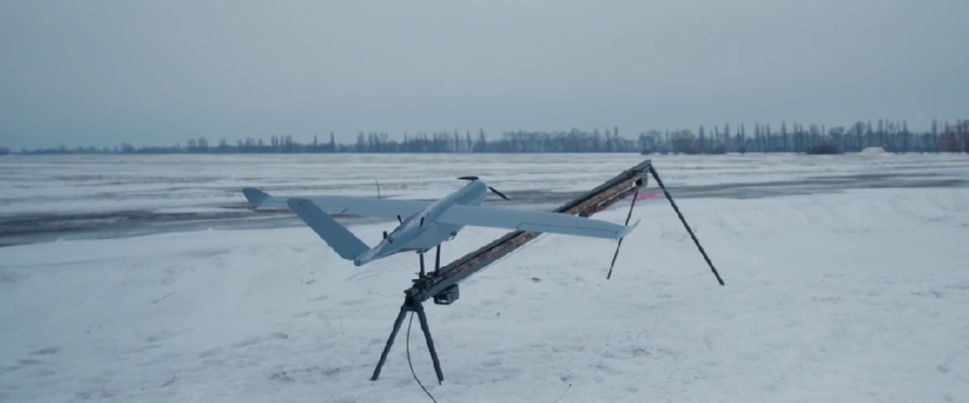

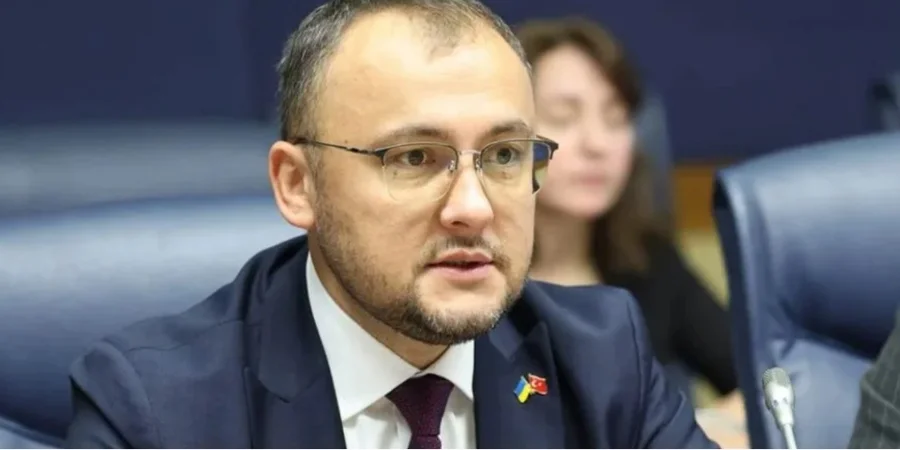
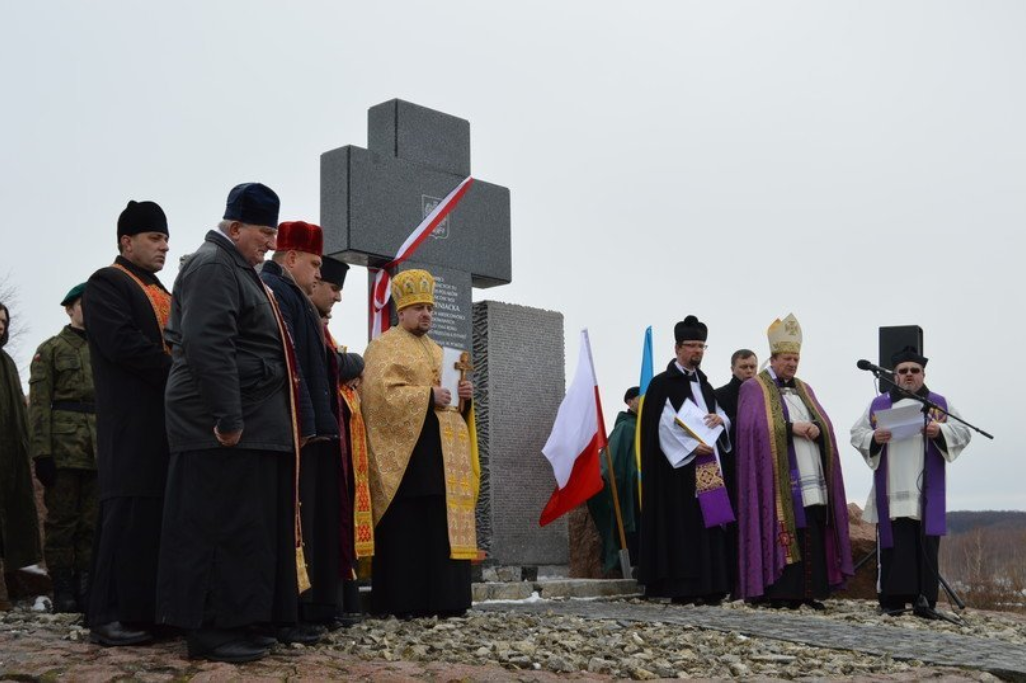
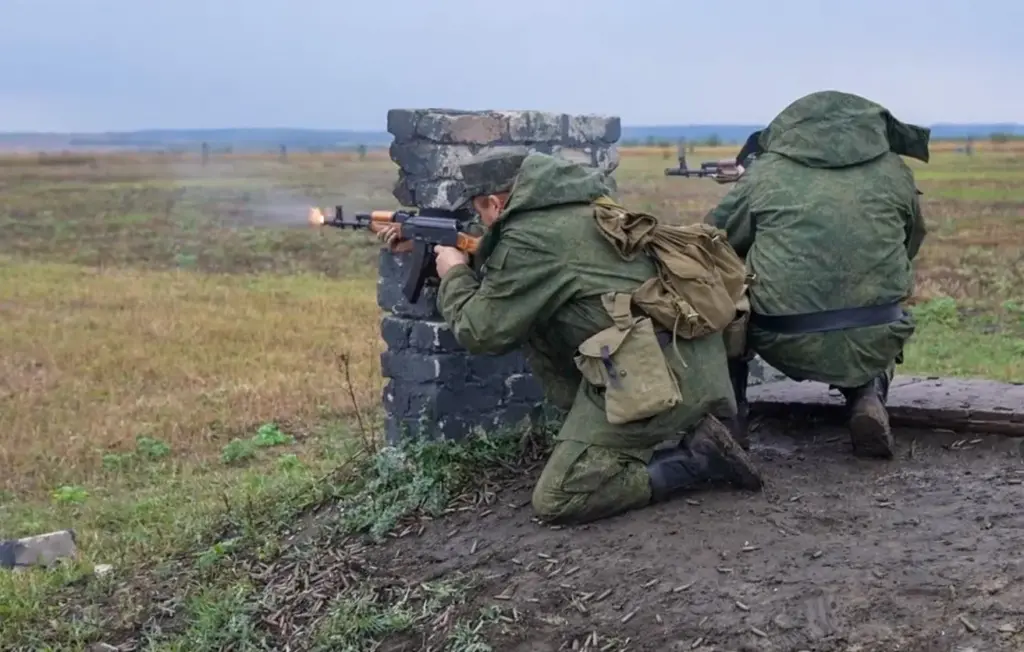

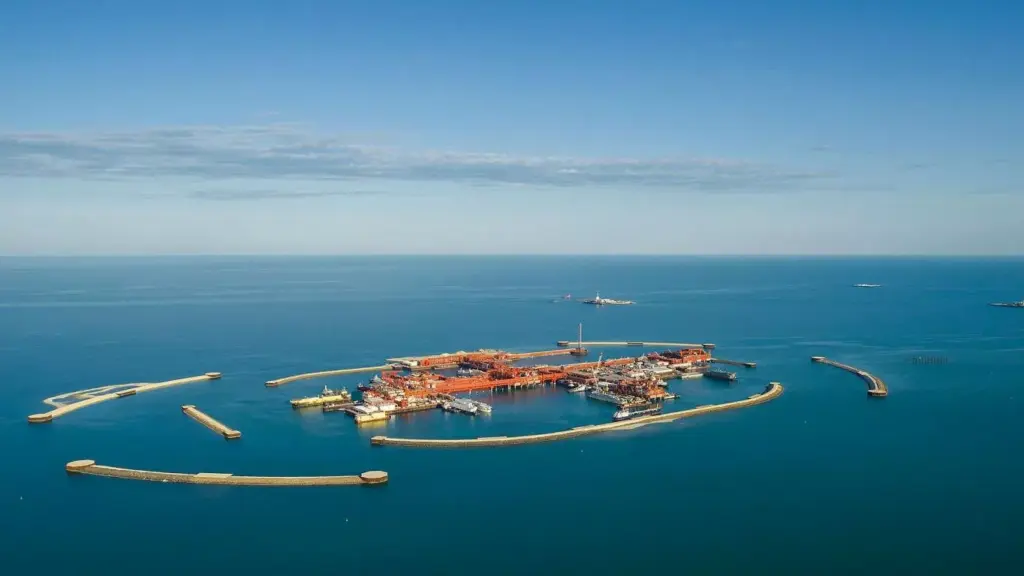


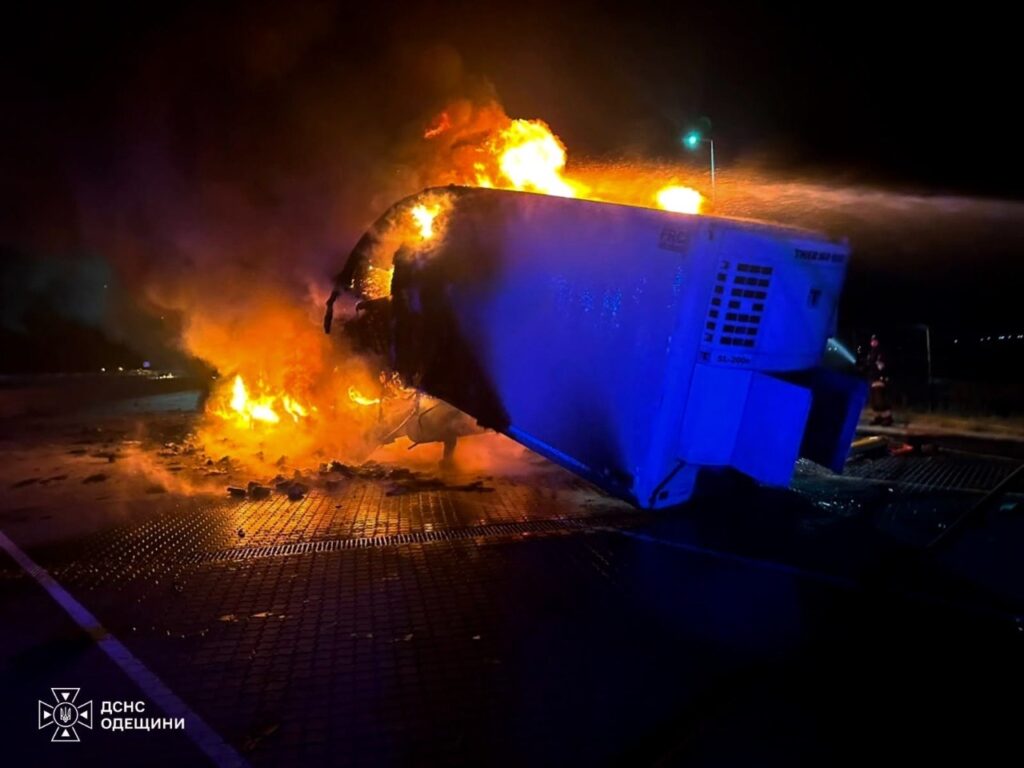

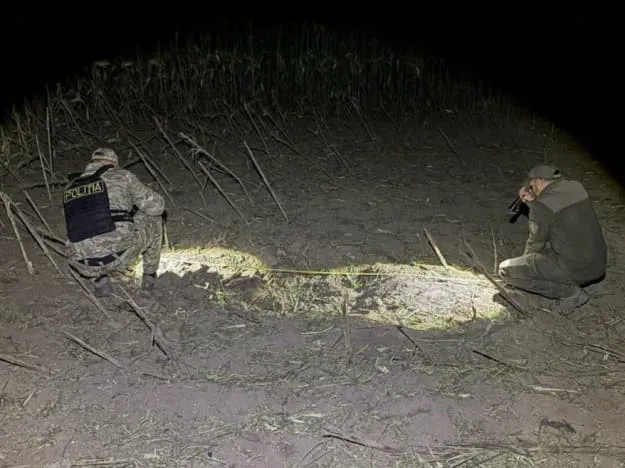
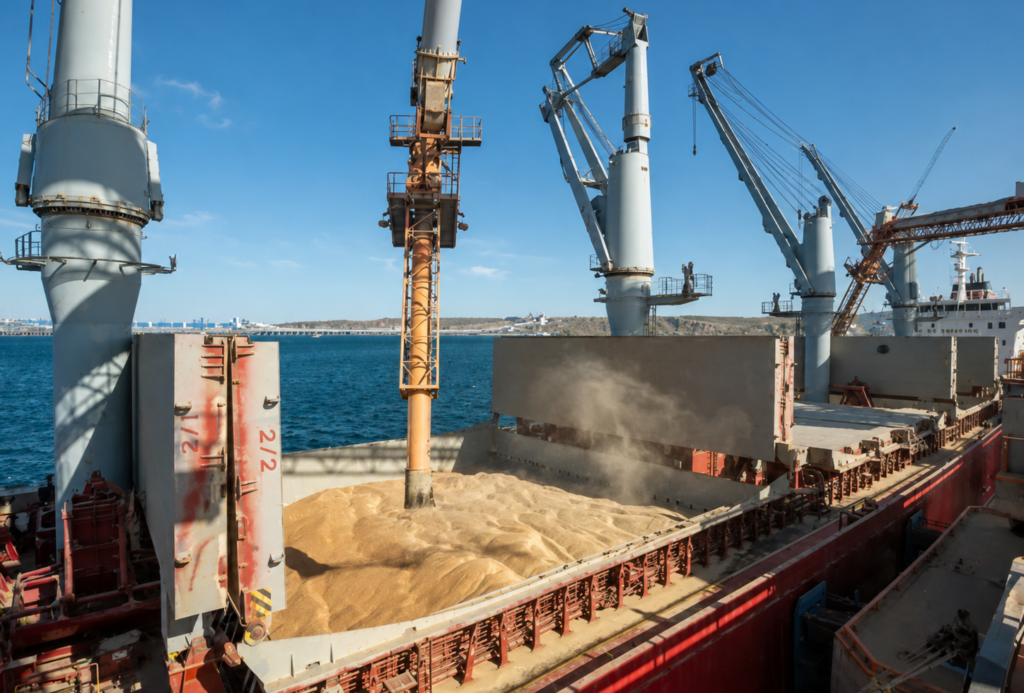
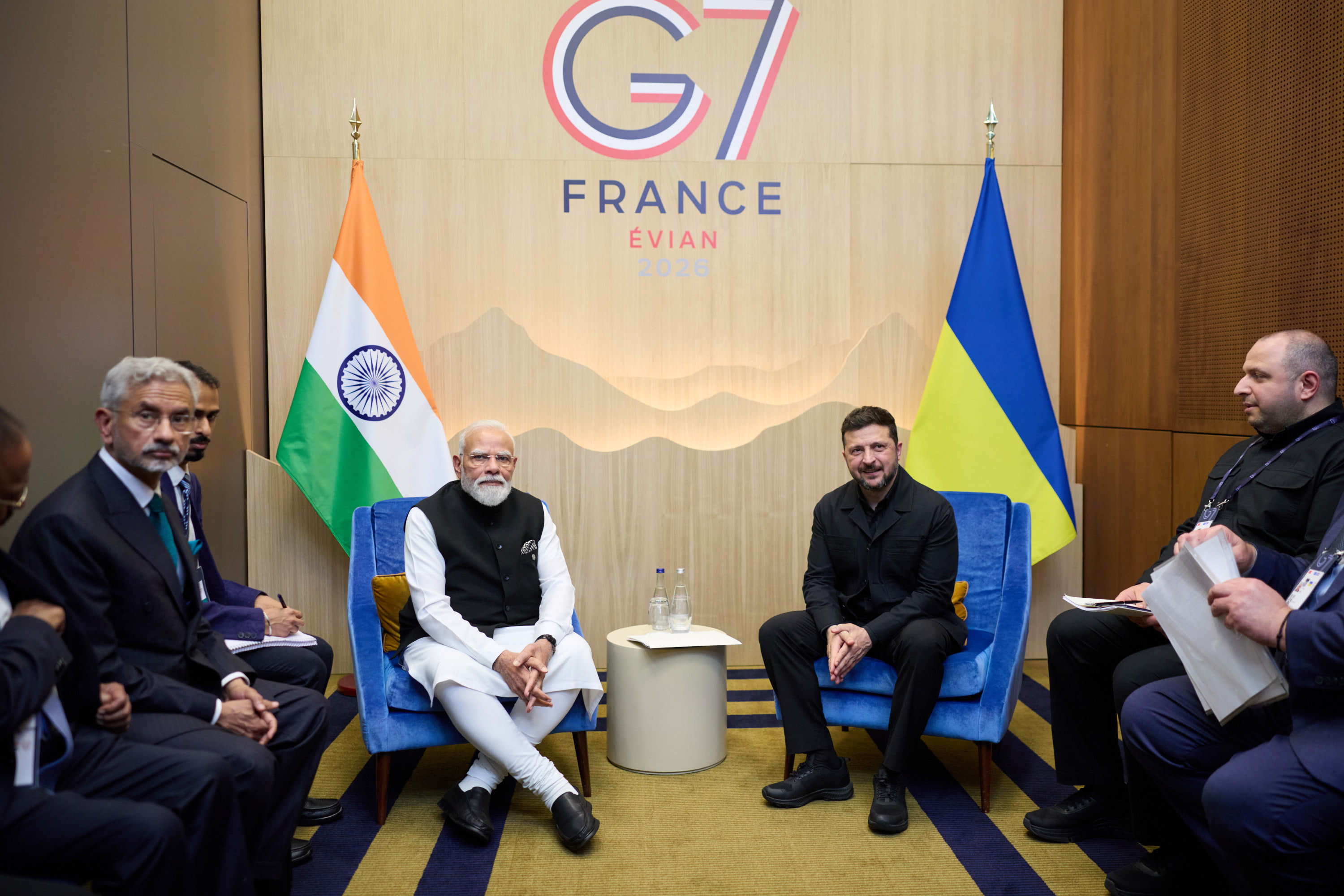
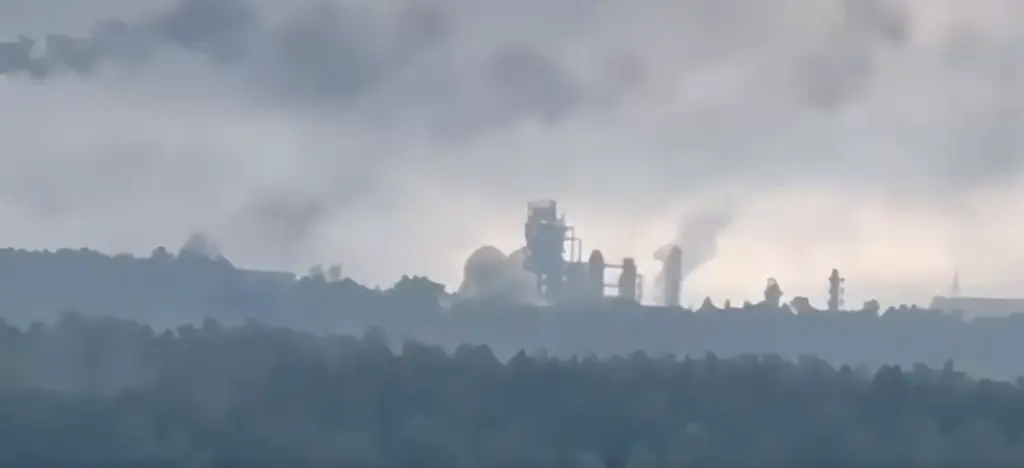
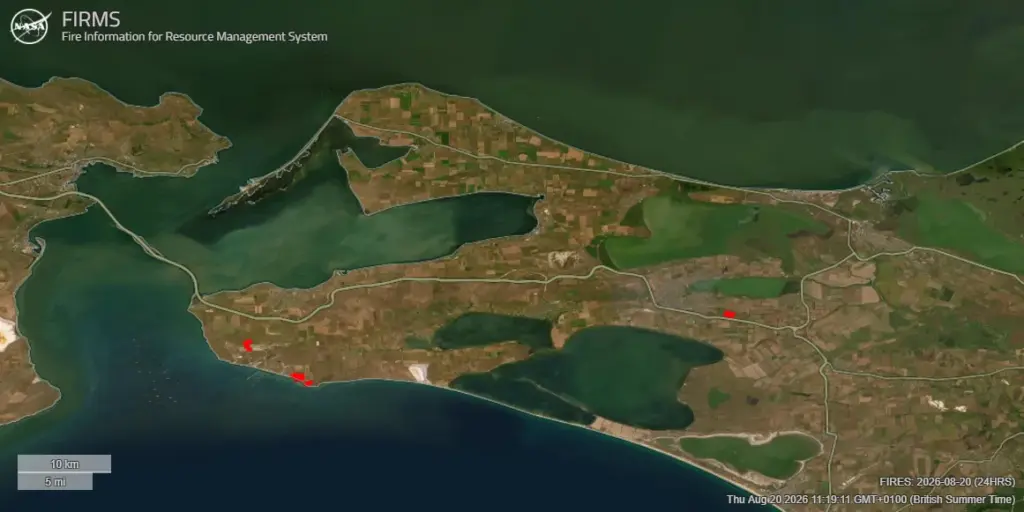
 Confirmed: Metrics show a sudden decline in internet connectivity across Russian-controlled Crimea with high impact to Sevastopol and Simferopol corresponding to a power blackout after overnight Ukrainian drone attacks targeting energy infrastructure
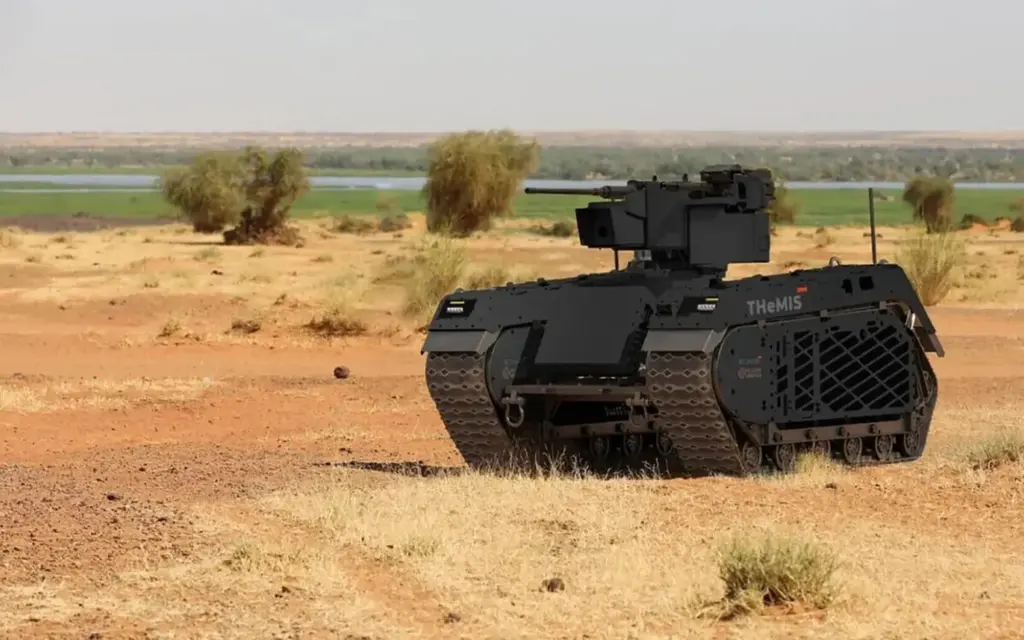
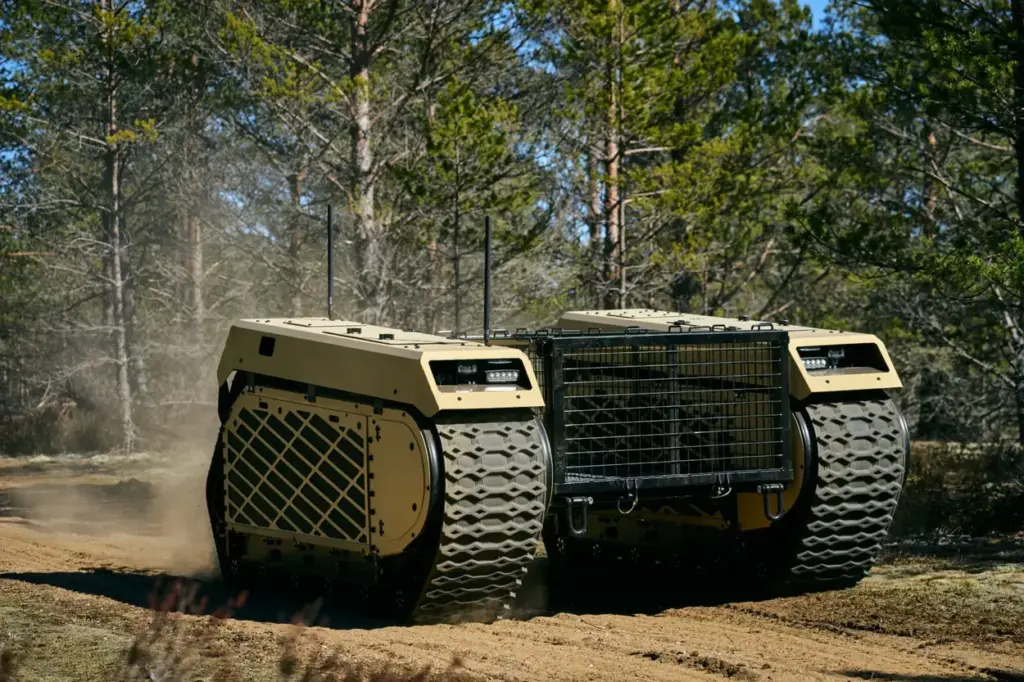


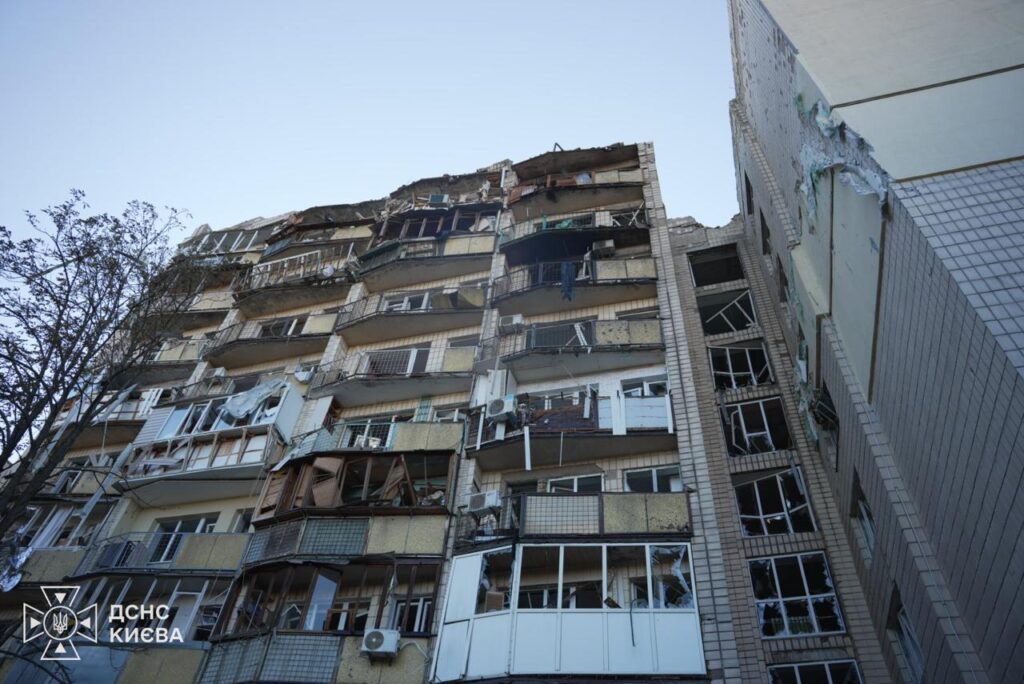
 Exilenova+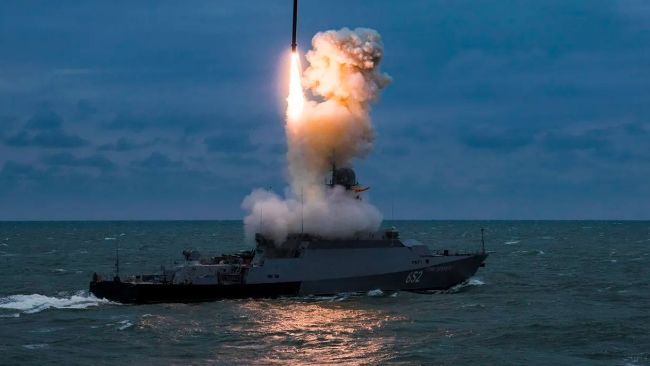
 DSNS
DSNS 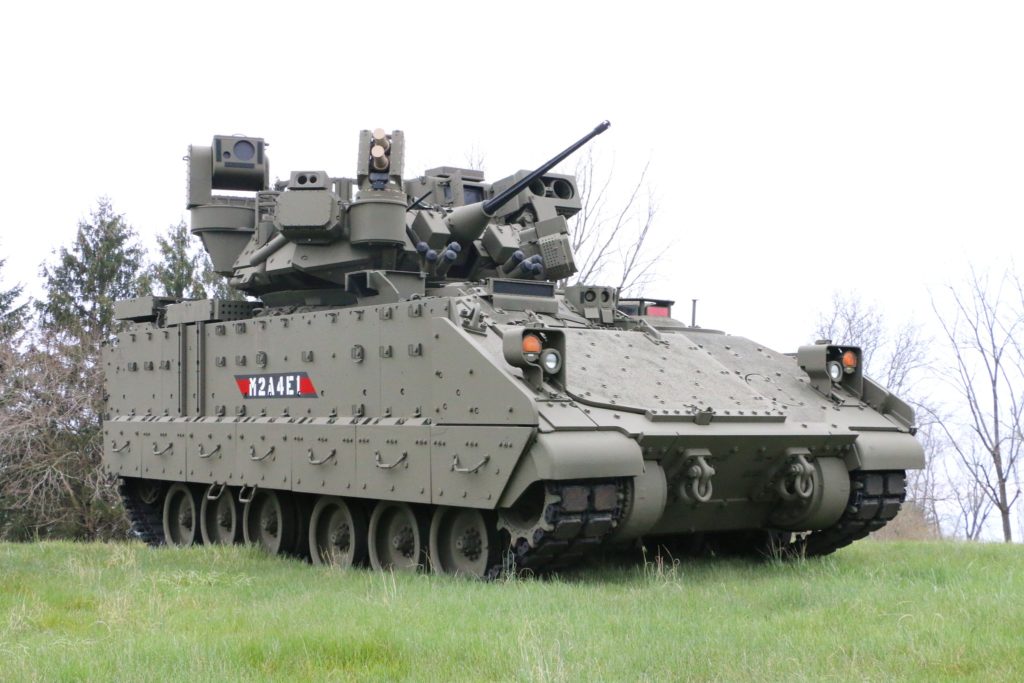
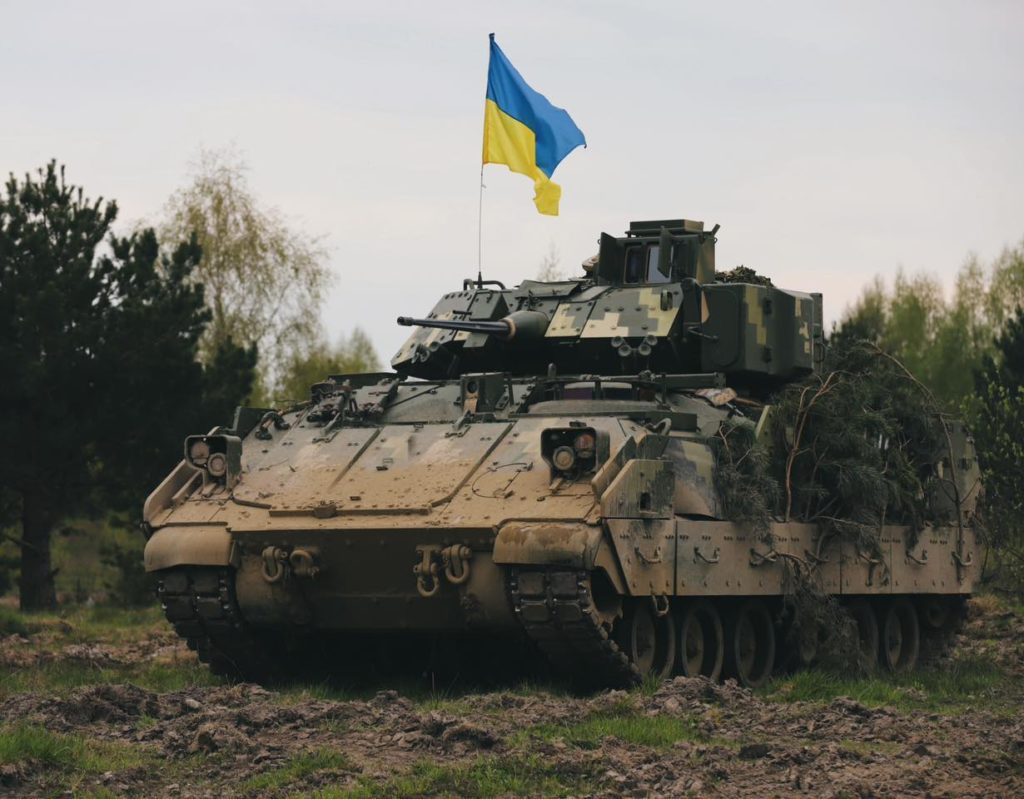
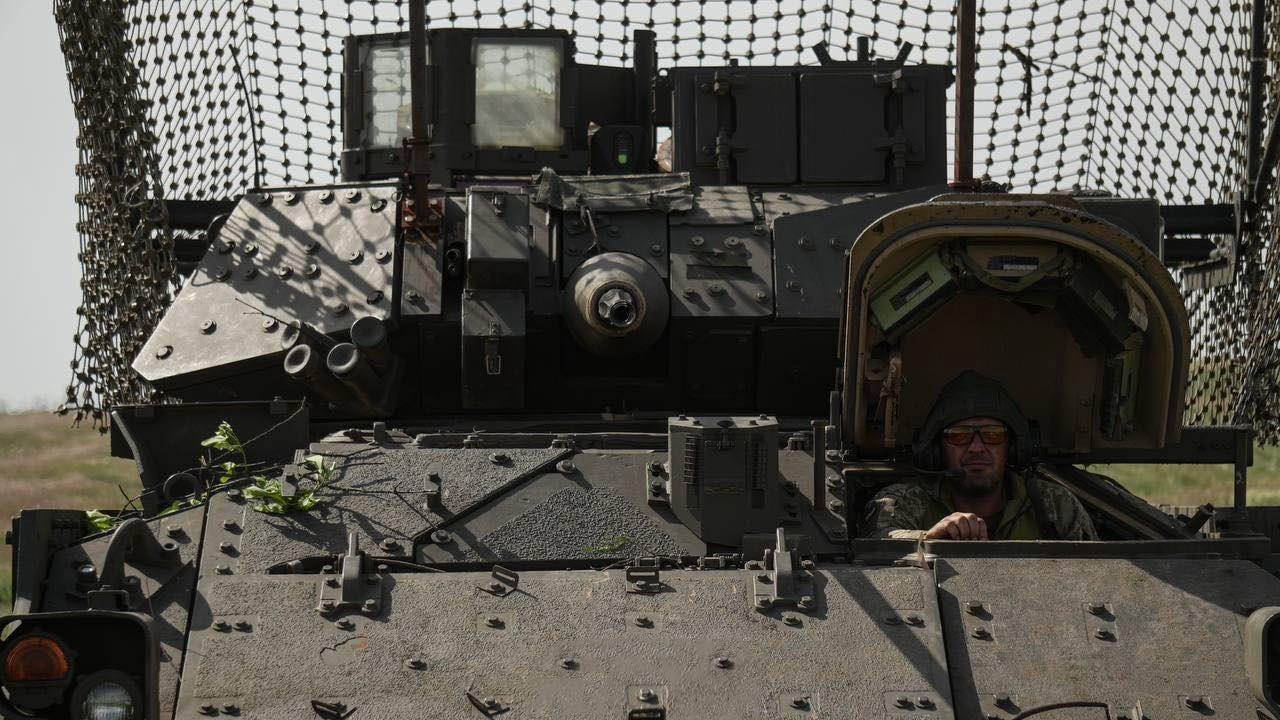
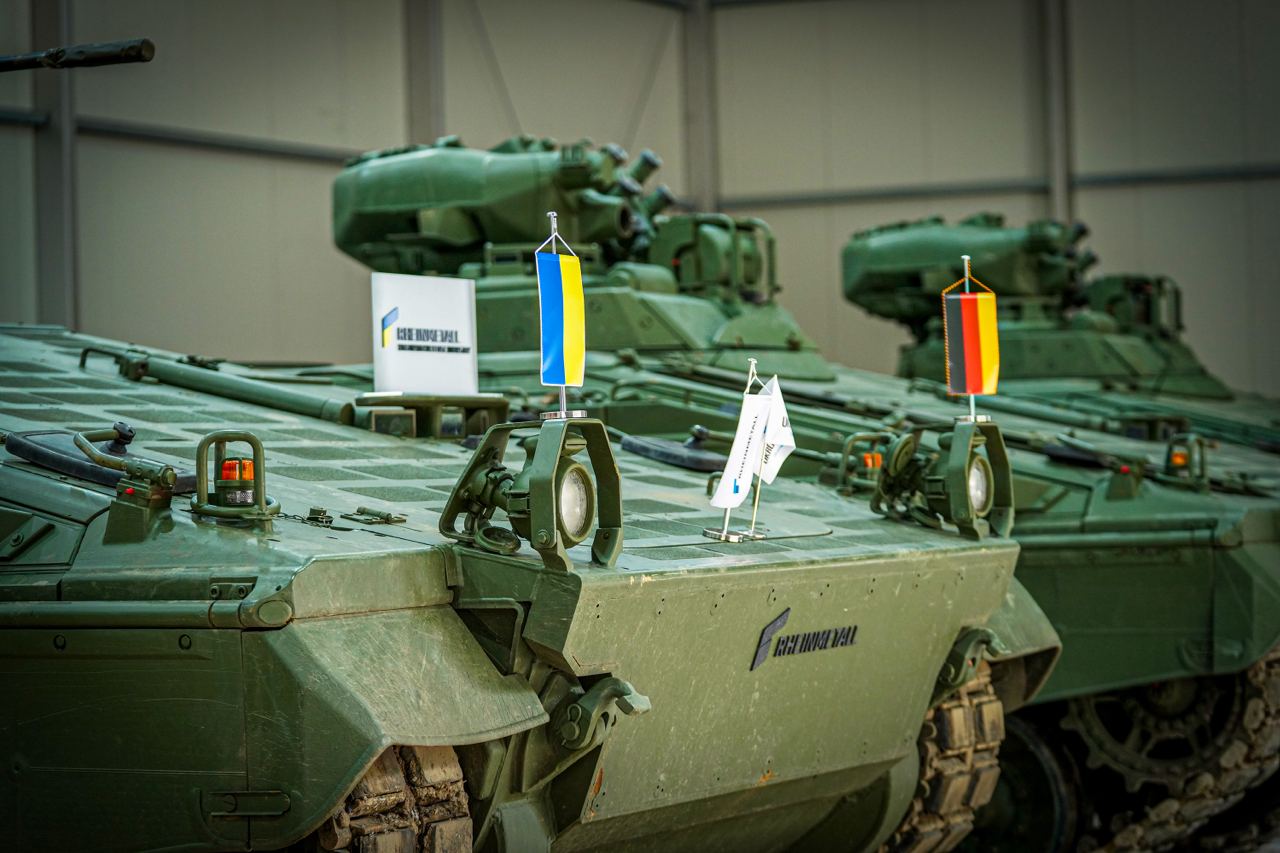
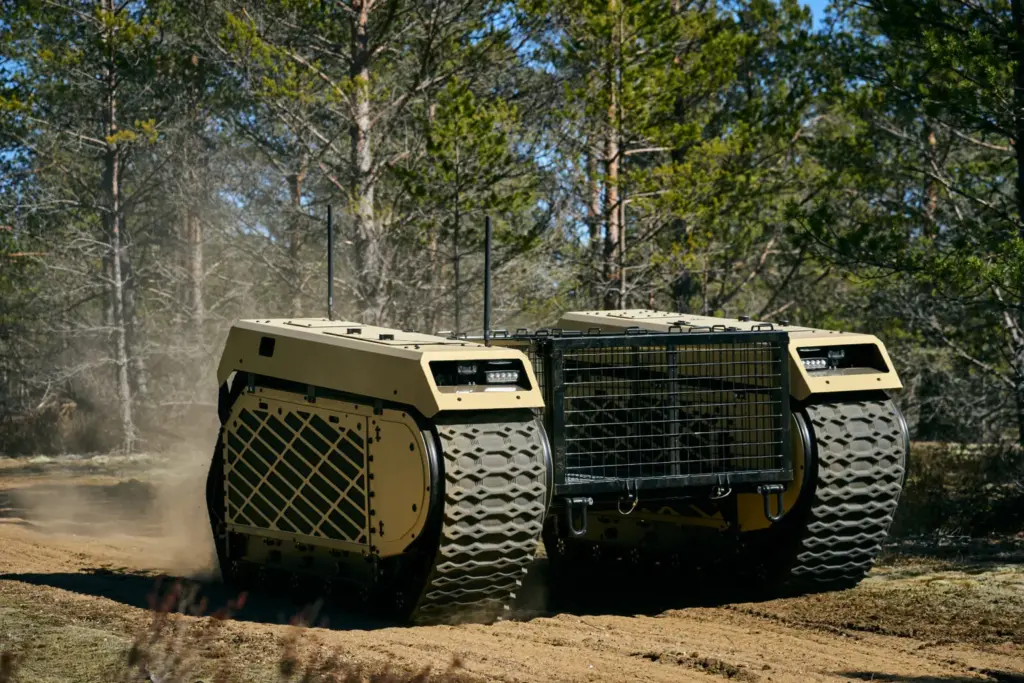

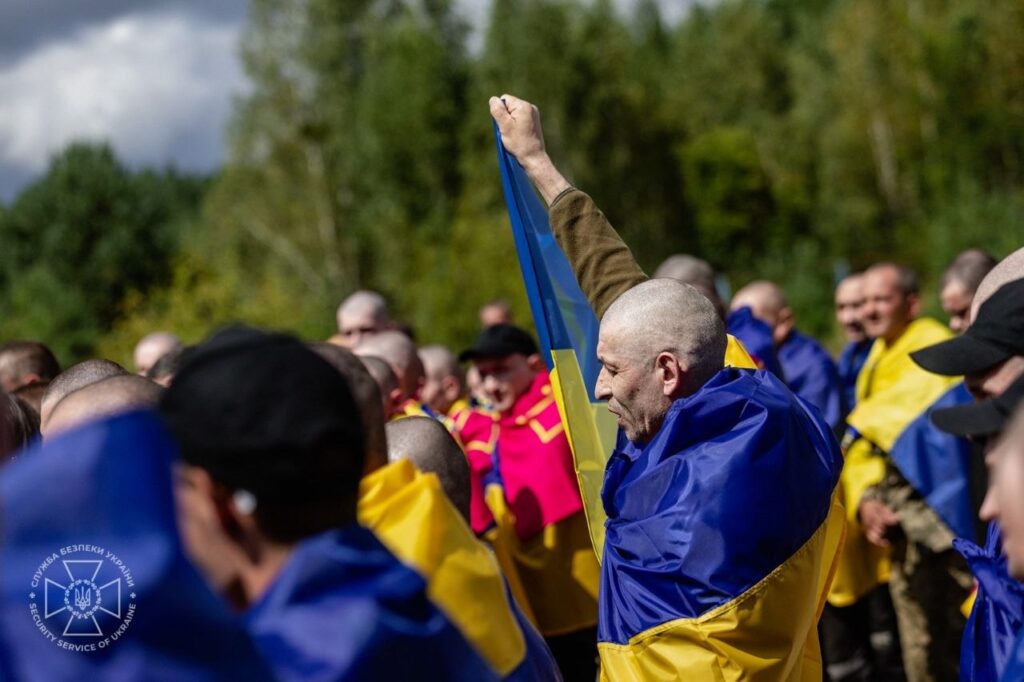
 SBU
SBU