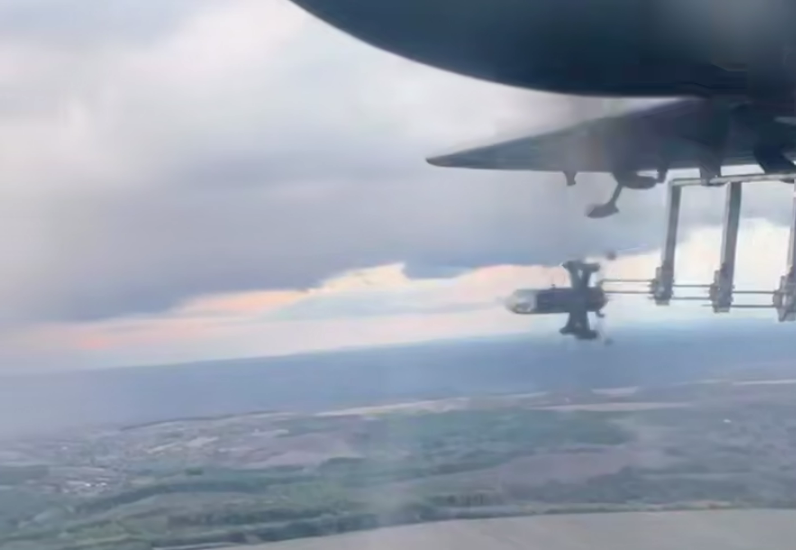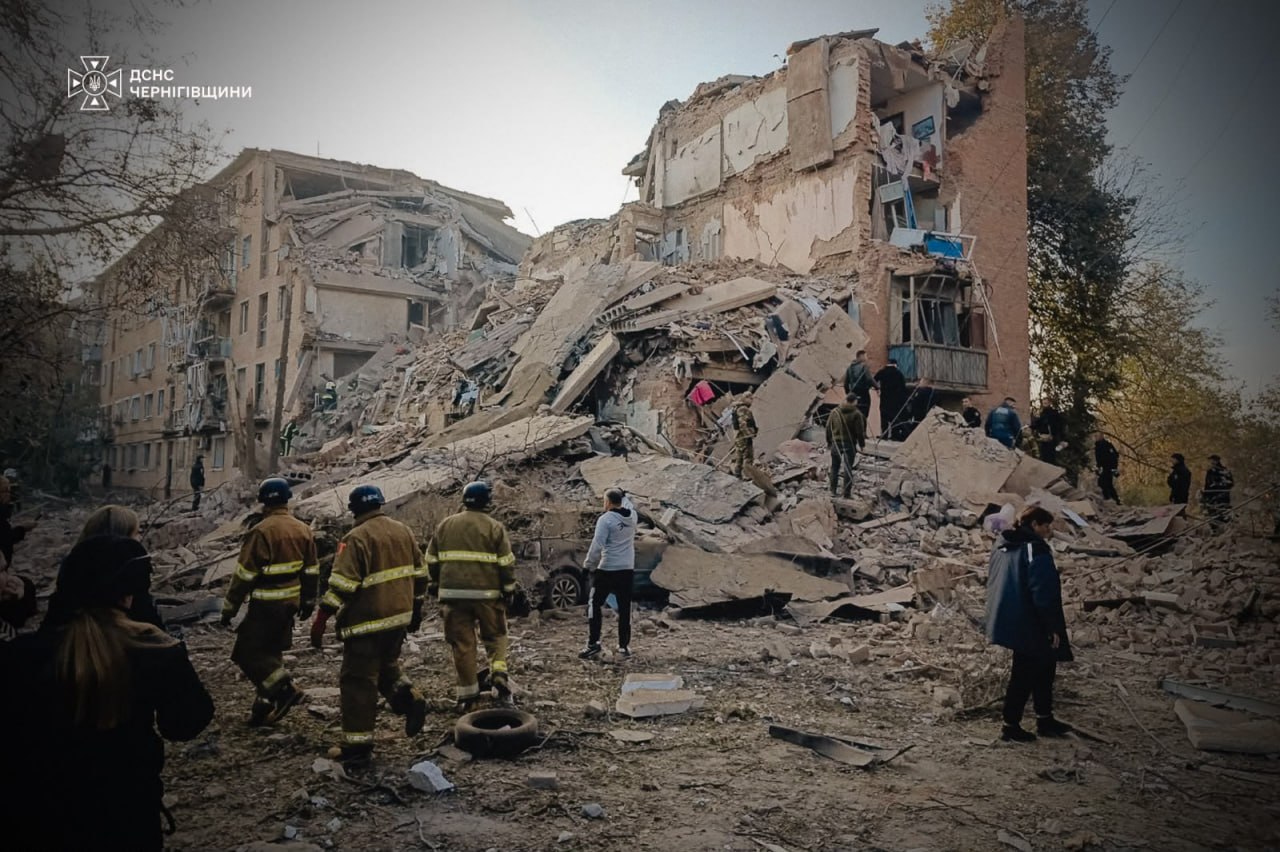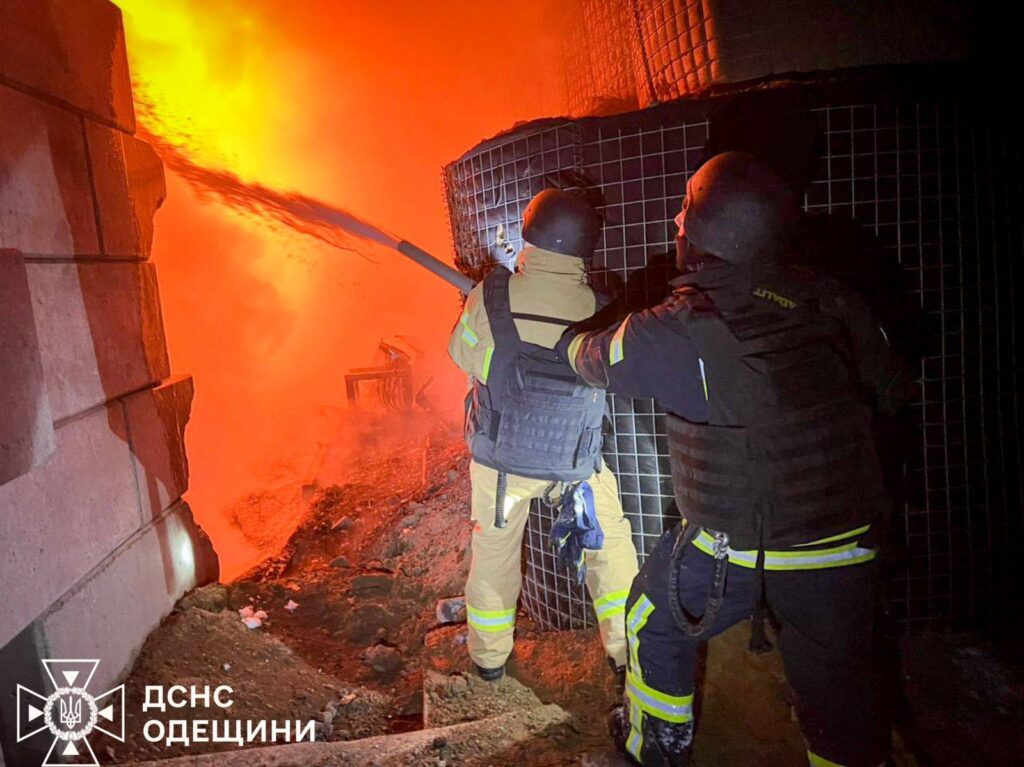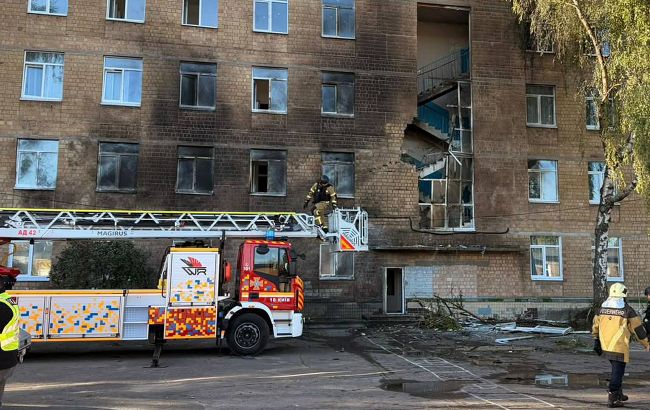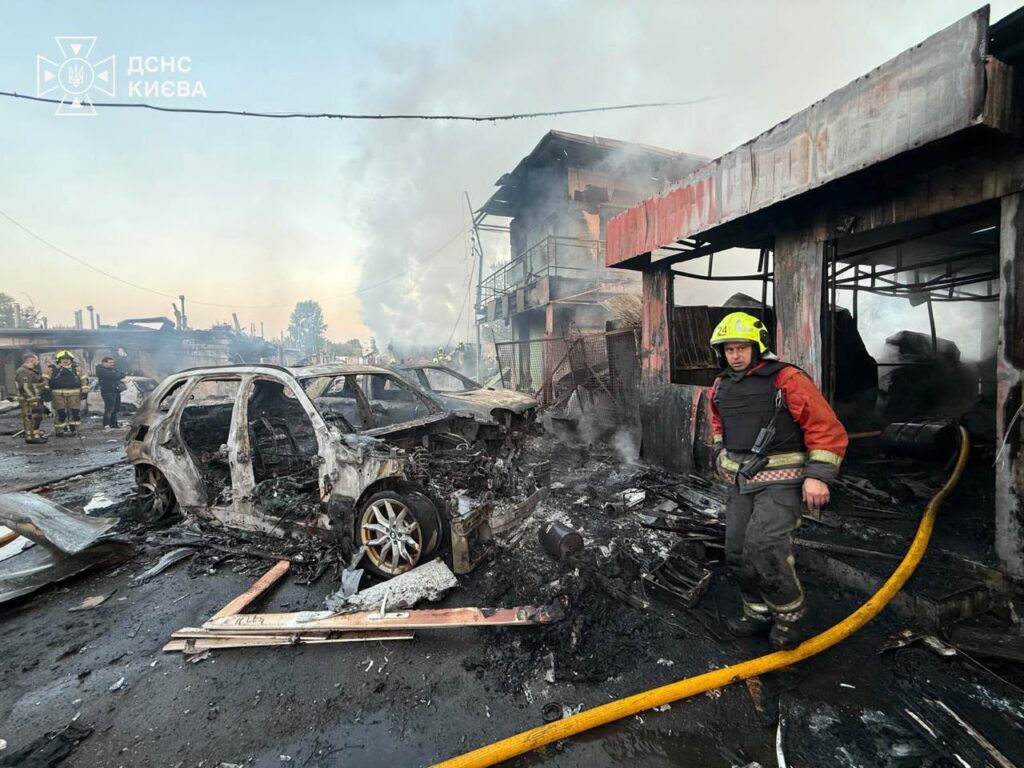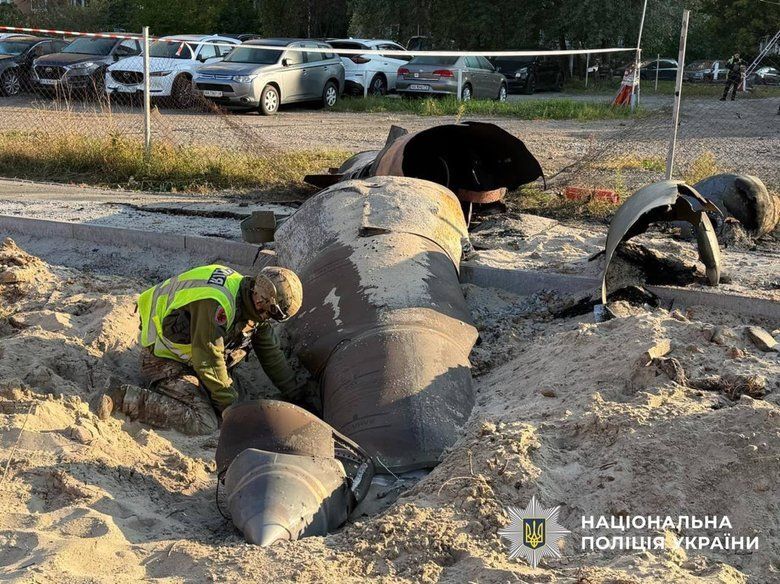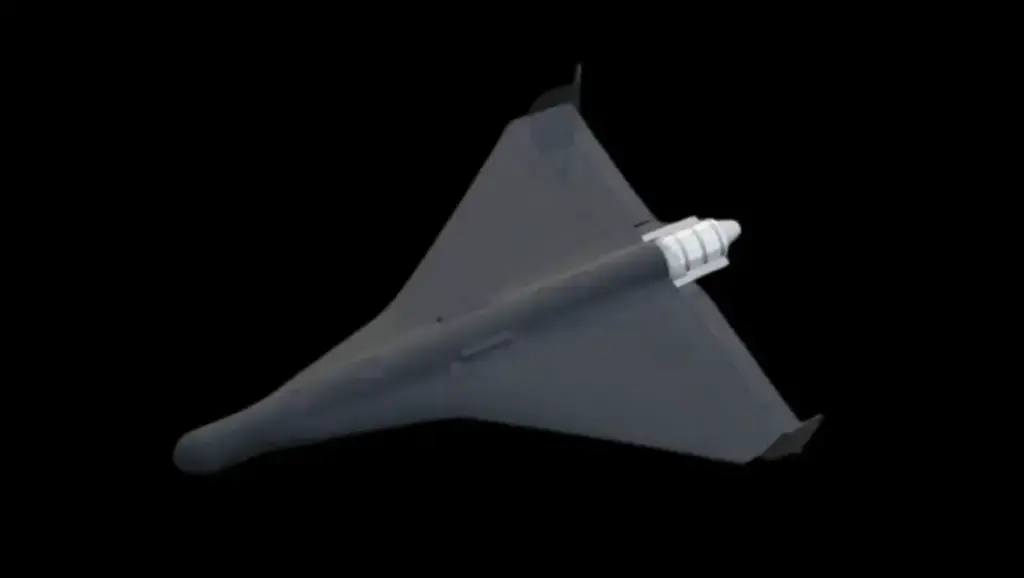
❌

Vue normale

“Starshield systems are owned and controlled by the US government”: Musk says Trump, not SpaceX, is behind cut hitting Ukraine

14 octobre 2026 à 15:52

kyiv asking musk let strike inside russia its best line gone · post elon 2026 world economic forum / ciaran mccrickard wef ukraine news ukrainian reports

SpaceX chief Elon Musk says the version of Starlink that Ukraine’s military uses, StarShield, is owned and controlled by the US government rather than by his company. His claims come amid a storm over Ukrainian reports that a speed cut had broken their frontline operations.

Ukraine’s drones and air defenses rely on Starlink to steer and strike, so a limit on the network hits combat directly. Ukrainian troops reported that overnight into 14 October, the faster military package they depend on was throttled, halting a series of missions. Musk’s answer shifts the decision and the blame from SpaceX to the US government and, ultimately, to the president.

“Any limits on speed or usage are decided by the US military and ultimately POTUS. StarShield systems are owned and controlled by the US government,” Musk says.

He draws a line between the two services. Ordinary Starlink is a commercial product owned by SpaceX, limited to civilian or defensive use and not for offensive military action, which he called inappropriate for a commercial company.

Their conversation took place the same week that Washington pressured Kyiv over its strikes on Russian oil refineries amid US President Donald Trump's diesel deal with Moscow.

The exchange that forced Musk to answer

The statement followed a direct appeal. Former Defense Minister Mykhailo Fedorov told Musk on X that Starlink connectivity at speeds of up to 160 km/h was being restored, and pressed for more.

“Removing StarShield’s speed limit entirely is now critical for Ukraine’s defense. Thank you, Elon Musk. We hope for your continued support,” Fedorov wrote, framing the cap as a direct constraint on the war.

The faster package Ukraine cannot do without

The ordinary Starlink Mini mounted on drones is capped at about 160 km/h, which is too slow for some missions, so faster flight requires access to the military version, StarShield, Ukrainska Pravda notes. Ukraine has used StarShield since 2024.

NATO country that pays for Kyiv’s Starlink warns Musk as his cap breaks Ukraine’s drone missions: “As your European customers, we are watching you”

14 octobre 2026 à 10:21

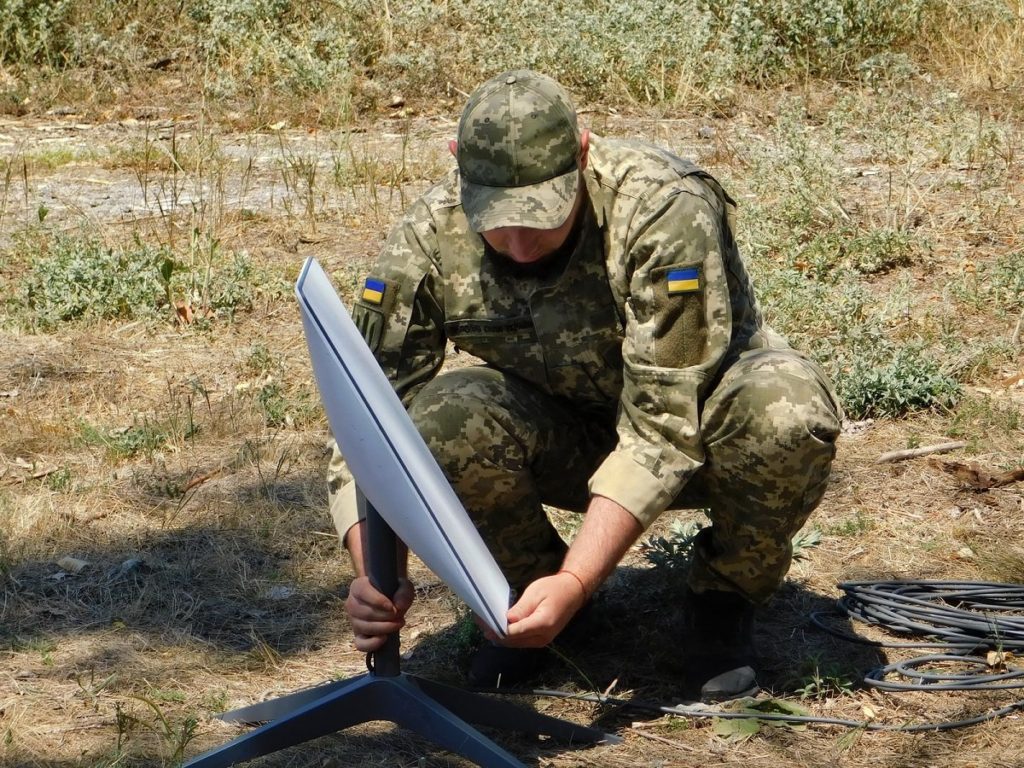
Starlink terminal.

Poland’s Foreign Minister Radoslaw Sikorski has publicly criticized SpaceX chief Elon Musk over the latest disruptions in Starlink's operation in Ukraine. Poland is the largest supplier of Ukraine’s terminals, having provided about 29,500, roughly half the network. It also has a Starlink ground station in Wola Krobowska that provides connectivity for much of Central and Eastern Europe, including Ukraine, RMF24 reports.

On 13 October, SpaceX imposed a 100 mph (160 km/h) speed limit on the StarShield military package that Ukrainian forces use, disrupting drone missions without warning. Poland, which pays about $50 million a year for Ukraine’s Starlink terminals, told Musk it is watching.

“Hey, @elonmusk, big man, are you playing politics with your products again? As your European customers, we are watching you,” Sikorski wrote on X.

The “big man” jab echoed their 2025 clash, when Musk told Sikorski to “be quiet, small man” after the minister noted that Warsaw, not SpaceX as charity, pays for the service.

Be quiet, small man.

You pay a tiny fraction of the cost.

And there is no substitute for Starlink.

— Elon Musk (@elonmusk) March 9, 2025

Meanwhile, presidential adviser Serhii “Flash” Beskrestnov said that this could not be a coincidence and was most likely tied to the current political situation.

When a drone outruns its own signal

The cap bites exactly where Ukraine’s drones do their work. The StarShield package had previously carried no data speed limit, and the change directly affected drones that use Starlink to steer in flight, the 7th Air Assault Corps said.

“During flights, the connection could drop for 10 to 20 seconds at speeds of just 110 to 120 kilometers per hour. The drones kept moving, but these interruptions made them harder to control,” the corps said, describing problems that now start well below the new ceiling.

A dependence Kyiv has feared for years. The limit revives an old worry. Ukraine neither owns nor controls Starlink, and the restriction follows fresh fears of a shutdown after Musk backed US President Donald Trump’s call for Zelenskyy to resign.

New Starlink restrictions disrupt Ukrainian drone missions. Kyiv adviser says move is tied to “political situation”

14 octobre 2026 à 05:29

Starlink

Ukraine’s presidential adviser Serhii Beskrestnov said SpaceX had imposed a 100 mph (160 km/h) speed limit on its military Starshield service overnight into 14 October, disrupting several missions without warning Ukraine’s defense forces.

Ukraine’s forces use Starlink-connected drones to strike Russian positions and logistics, including targets behind the front line. Unlike earlier restrictions introduced at Kyiv’s request to stop Russian forces from exploiting Starlink, the latest change reportedly targets the military Starshield service and was imposed without warning Ukraine’s military.

What the new restriction covers

Beskrestnov wrote that the restriction applies to the “military package” of Starshield services. He said the move “obviously cannot be a coincidence” and was connected with the “current political situation,” but did not explain what he meant.

Activist Serhii Sternenko, a former adviser to Ukraine’s defense minister, reported that connections began disappearing at speeds above 160 km/h. He suggested SpaceX had acted at the Trump administration’s request but provided no evidence. Starlink does not work inside Russia, and the drones hitting Russia’s oil industry use other means of communication, Reuters noted. Sternenko added that the ordinary satellite terminals were still working.

Later on 14 October, Sternenko wrote that, according to military reports, restrictions had been tightened further, with connections starting to drop at 60–70 km/h. Beskrestnov later warned that the restriction also hits Starlink-linked interceptor drones, which he called Ukraine’s most effective current defense against jet-powered Shaheds.

Front-line units report dropped connections

Ukraine’s 7th Rapid Reaction Corps confirmed the disruptions in a statement to Reuters. The corps’ press service told Novynarnia that its units on the Huliaipole front began experiencing problems overnight. The corps said the change affected drones controlled through Starlink in flight and concerned Starshield’s data-transmission speed, which it said had previously been unrestricted.

The corps said connections could disappear for 10–20 seconds at movement speeds of 110–120 km/h, complicating drone control. Flying slower creates its own risk, it said, because “slower targets become more vulnerable to being hit by the enemy.”

Some high-speed drones, particularly mid-range strike models, must reach high speed quickly, the corps said. An unstable connection “will make it impossible to launch such aircraft or use them as intended.” Since the start of the day, one unmanned systems unit on the Huliaipole front had to cancel some missions because of connection problems, the corps said.

Earlier limits came at Kyiv’s request

In late January, SpaceX began restricting Starlink in Ukraine at Kyiv’s request after Russian forces started mounting terminals on strike drones. After Russian drones struck a passenger train in Kharkiv Oblast on 27 January, Beskrestnov, then an adviser to the defense minister, suggested one of them may have been controlled via Starlink. In early February, Ukraine introduced a whitelist under which only registered terminals could continue operating. Beskrestnov called the earlier countermeasures “temporary” and “emergency.”

SpaceX had not publicly commented on the restriction, and Ukraine’s Defense Ministry was looking into its cause, Radio Svoboda reported. Polish Foreign Minister Radosław Sikorski asked Elon Musk on X whether he was “playing politics with your products again,” adding: “As your European customers, we are watching you.”

  • ✇Euromaidan Press
  • Three days after Washington announced an energy ceasefire, Russia fires 39 ballistic missiles at Ukraine’s grid
    Russia fired 39 ballistic missiles and more than 120 drones at Ukraine’s energy system overnight into 14 October, President Volodymyr Zelenskyy said. The barrage came three days after US President Donald Trump announced an energy ceasefire, which the Kremlin never confirmed, saying on 12 October only that contacts were continuing. Ukraine held off strikes on Russian energy for two days after the announcement, Zelenskyy wrote on 13 October. Russia’s barrage opened that evening with a bal
     

Three days after Washington announced an energy ceasefire, Russia fires 39 ballistic missiles at Ukraine’s grid

14 octobre 2026 à 04:19

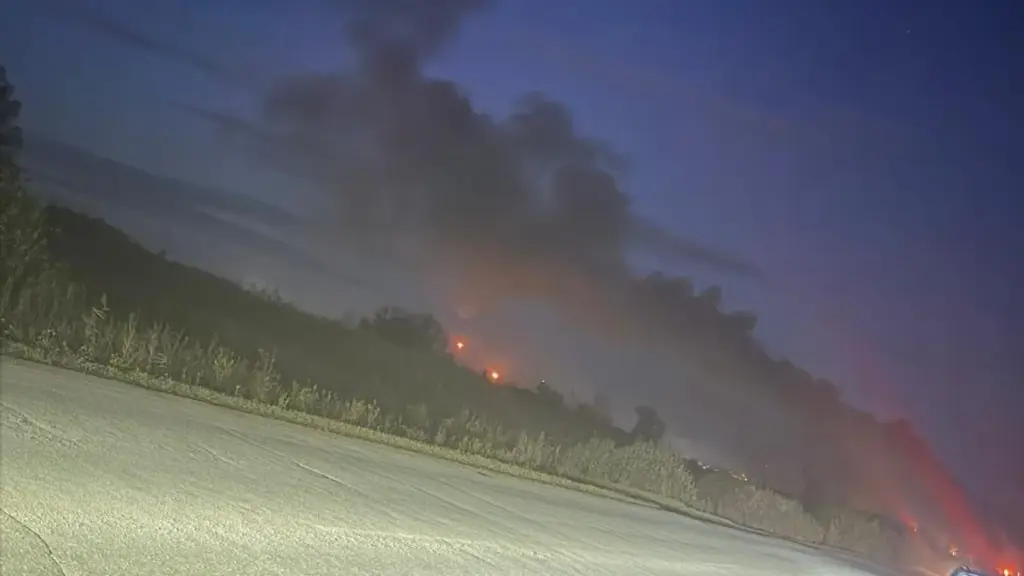
Aftermath of the Russian attack on Kyiv overnight into 14 October 2026

Russia fired 39 ballistic missiles and more than 120 drones at Ukraine’s energy system overnight into 14 October, President Volodymyr Zelenskyy said. The barrage came three days after US President Donald Trump announced an energy ceasefire, which the Kremlin never confirmed, saying on 12 October only that contacts were continuing.

Ukraine held off strikes on Russian energy for two days after the announcement, Zelenskyy wrote on 13 October. Russia’s barrage opened that evening with a ballistic strike on Kyiv. For the second time in two days, it came without a launch warning from partners.

How the night unfolded

The Air Force described one massive combined strike that began at 18:00 on 13 October. By 09:00 the next day, it had counted 39 missiles on ballistic trajectories and 128 drones, aimed mainly at Kyiv, Kyiv Oblast, and Kharkiv Oblast. Air defenses downed or suppressed four missiles and 115 drones, but missiles and drones hit 22 locations, the Air Force said.

just power plants russia’s drones also went after warehouses groceries hardware chain · post firefighter puts out fire warehouse burned food drink stock hit russian attack bucha district kyiv oblast
Explore further

Russian ballistic missiles hit Kyiv before sirens, gap that lands hard amid fears that Washington could cut data that warns of launches

The first wave hit Kyiv late on 13 October. Its primary target was CHP-4, a key power plant in the city, and there were hits, Zelenskyy said. Ukrainian systems spotted the missiles only on approach, with no warning from partners. After a call with Canadian Prime Minister Mark Carney, Zelenskyy wrote that Ukraine had not been warned for the second time. On 13 October, Trump said the US was still sharing intelligence with Ukraine.

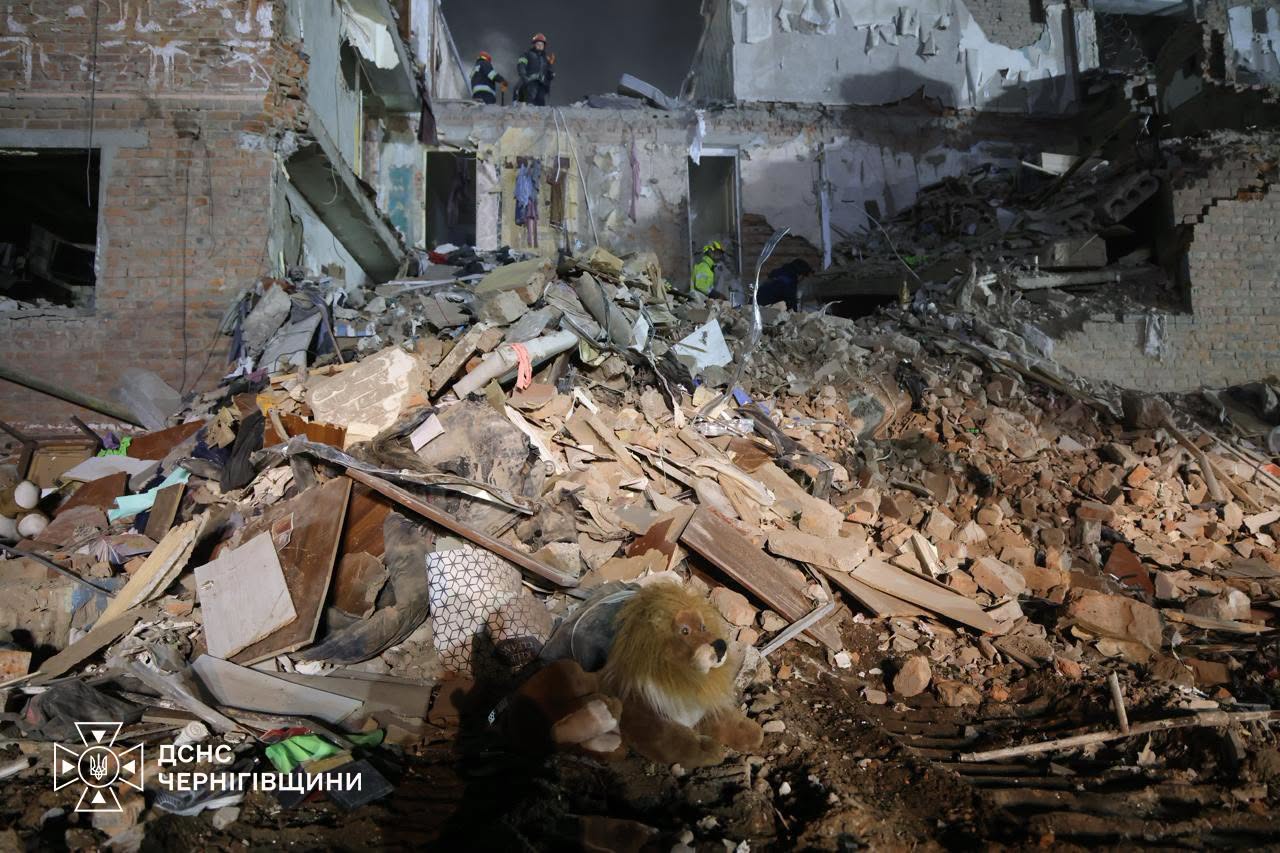
A Russian strike also hit a high-rise in Desnianskyi district. Rescuers saved 16 residents, the State Emergency Service reported, and three women were killed there, the Kyiv City Prosecutor’s Office said. The prosecutor’s office counted 19 injured in the building, including a girl officials described as seven or eight, and five more hurt by shattered windows next door. Across Kyiv, the evening and morning attacks killed four people and injured 25, the prosecutor’s office said, while Suspilne counted 32 injured.

A rescuer helps a person evacuate a building in Kyiv after a Russian strike
A rescuer helps a person evacuate a building in Kyiv after Russia’s 13–14 October 2026 attack. Photo: Kyiv State Emergency Service

The second wave came early on 14 October and hit several of the capital’s energy facilities, Kyiv Mayor Vitali Klitschko reported. It killed one person in Holosiivskyi district, he added. Russia attacked all three of Kyiv’s combined heat and power plants and key facilities in Kyiv Oblast that power the capital, Prime Minister Serhii Koretskyi said. Energy company DTEK reported emergency outages in five Kyiv districts.

Damage and demands

Zelenskyy reported damage to facilities and equipment at 26 elements of the power system and at four oil and gas facilities. At least 600,000 people lost electricity, he said, and outages could grow. He called the strike deliberate and said Russia had never before shown such demonstrative disrespect toward America.

A rescuer at the site of a Russian strike in Kyiv
A rescuer at the site of a Russian strike in Kyiv, 13–14 October 2026. Photo: Kyiv State Emergency Service

He asked Trump for strong sanctions under the Lindsey Graham sanctions law, which he said was recently passed and signed. He also asked for additional Patriot interceptors.

Ukraine sent a spiked tank and a Bradley into Russian drone fire. The spikes held, and Ukraine’s own drones got them home

Par : David Axe
13 octobre 2026 à 18:40

A 475th Assault Regiment hedgehog tank.

  • A Ukrainian assault regiment continues to deploy mixed formations of drones and up-armored vehicles
  • The vehicles do the shooting; the drones fly close top cover
  • These mixed formations could rescue old-fashioned armored vehicles from obsolescence by helping protect the vehicles from drone attack

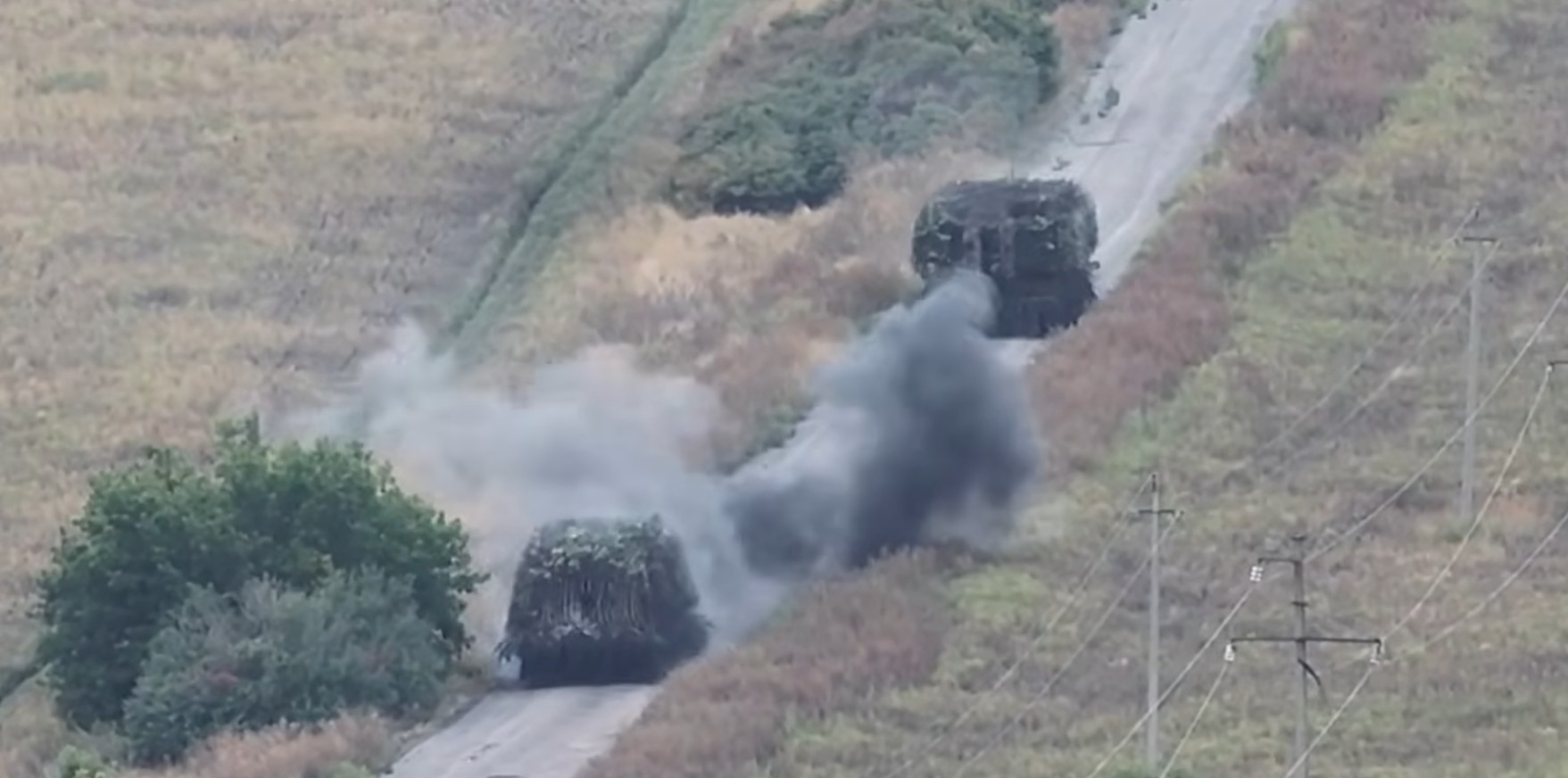
For the second time in two weeks, Ukraine's 475th Assault Regiment has demonstrated how armored vehicles can fight and survive on a battlefield buzzing with enemy drones.

The regiment encased a tank and an American-made M-2 Bradley infantry fighting vehicle in metal frames and welded hundreds of metal spines onto those frames, transforming them into "hedgehog" vehicles. The cage makes the tank impossible to identify from the footage, and the regiment hasn't said what model it is. The frames support the spines, which trigger incoming drones' warheads a safe distance from the vehicles' hulls.

But that's not all. To shepherd the two-vehicle formation across the disputed gray zone for a close engagement with a Russian position, presumably somewhere in northeastern Ukraine's Kharkiv Oblast, the 475th Assault Regiment deployed drones: both single-use first-person-view models and grenade-dropping, reusable Vampire models.

❗The 🇺🇦Code 9.2 Regiment once again used the element of surprise, bringing a tank and a Bradley onto the battlefield—transformed into steel hedgehogs and covered by drones from the air. With a combined strike, the assault troops drove the enemy from several positions in… pic.twitter.com/Uq3mlWTsJq

— 🪖MilitaryNewsUA🇺🇦 (@front_ukrainian) October 11, 2026

The vehicles and their crews didn't fight alone. They fought in mixed ground-air "combined arms" formations. The tank and fighting vehicle provided the firepower. The escorting drones provided the aerial protection. Vampire drones drop grenades to suppress Russian positions and clear mines and loitering Russian drones. FPV drones dive down to intercept the Russians' own FPV drones as they zoom in to strike the vehicles.

The 475th Assault Regiment cut together a video montage of the most recent assault. The video depicts the tank and the Bradley rolling along a well-traveled route as at least one friendly FPV and at least one friendly Vampire drone flew overhead and an additional drone watched from a short distance away.

The vehicles repeatedly came under attack from Russian FPVs and heavier loitering munitions. An escorting Ukrainian FPV moved to intercept, with unclear results. A couple of Russian drones managed to score hits on the vehicles, but their hedgehog armor held—and both vehicles appear to have survived the there-and-back daytime trip into battle.

475th Assault Regiment tanks under drone escort.
Explore further

Ukraine is now sending its tanks into battle with drone escorts: they can drive into a Russian kill zone and come back alive

A way forward for vehicles

It's at least the second time the 475th Assault Regiment has deployed vehicle-drone teams. The Ukrainian 3rd Army Corps used a related approach in its months-long counteroffensive in northern Donetsk Oblast, which began this spring: it sent in ground robots first, suppressing Russian strongpoints, fraying Russian supply lines, and clearing routes for manned vehicles to follow.

The unmanned aerial escorts lend the 475th Assault Regiment's hedgehog vehicles situational awareness they might not have on their own. It's well known that hedgehog armor can obscure a vehicle crew's view of the surrounding terrain. But friendly drones flying directly overhead can act as eyes in the sky for the crews on the ground.

The drones also help the vehicle crews compensate for a lack of mobility. The metal cages that support the metal spines that make up hedgehog armor tend to prevent a vehicle's turret from fully rotating. In order to aim its gun, a hedgehog vehicle has to meticulously point its whole self—turret and hull—at the enemy.

Ukrainian Abrams tank fitted with modular cage-style protection designed to counter FPV drone strikes on the front line, as crews adapt Western armor to modern battlefield threats. Photo: Ukraine’s 160th Separate Mechanized Brigade
Explore further

Ukraine’s newest Abrams brigade just built the “dumbest” tank cage of the war. In 2026, that barely matters.

That takes trial and error, and time. The longer it takes, the more vulnerable a vehicle is to enemy drones. Friendly drones, running interference for the vehicles, can reduce that exposure long enough for the vehicle to fire a few shots.

The 475th Assault Regiment and 3rd Army Corps, among other units in Russia's wider war on Ukraine, are pointing the way forward for traditional armored vehicles in this new drone age. Yes, vehicles are more vulnerable to aerial attack than they were just a few years ago.

But no, armored vehicles aren't obsolete or useless. They just need a little help—or a lot of it—from the same kinds of drones that also make their existence so perilous.

US continues sharing intelligence with Ukraine, Trump says amid Russia deal backlash. Questions remain over missed warning for latest attack

13 octobre 2026 à 13:08

Ukrainian President Volodymyr Zelenskyy meets US President Donald Trump in Ankara, Türkiye, on 8 July 2026.

US President Donald Trump said on 13 October that the US continues to share intelligence with Ukraine, following reports that Washington had threatened to suspend intelligence assistance unless Kyiv stopped striking Russian oil refineries, POLITICO reported.

The comments came after Ukraine received no advance warning from its partners ahead of Russia's latest ballistic missile strike, raising fresh questions about intelligence sharing between Kyiv and Washington.

“We are helping them, and we are sharing intel. We want the war to end,” Trump told reporters at the White House, according to POLITICO, reaffirming US support after his recent efforts to reach an agreement with Russian President Vladimir Putin drew criticism over his approach to the war.

Trump reaffirms support after backlash over Russia deal

Last week, the US threatened to cut intelligence sharing if Ukraine did not stop attacking Russian oil refineries. Zelenskyy did not publicly confirm the reported threat.

The reports came amid criticism of Trump’s announcement of a deal to buy Russian oil and his pressure on Kyiv to make concessions, even as Russia continued attacking Ukraine.

Zelenskyy said Ukraine had refrained from striking Russian oil refineries and the energy sector for two days after Trump announced an energy ceasefire. Russia, however, continued attacking Ukrainian energy facilities and critical infrastructure, he said, with 19 Ukrainian regions coming under attack during those two days.

Trump said Monday that both Russia and Ukraine had violated the energy ceasefire, arguing that each side was responsible. He also said Putin wanted a deal and that Washington needed to persuade Zelenskyy to agree.

Trump's latest comments publicly reaffirm that intelligence sharing is continuing. However, the circumstances surrounding the latest Russian strike have raised questions about whether Ukraine is receiving the early warnings it needs to protect civilians.

Ukraine received no warning before latest Russian strike

Early warnings of incoming Russian ballistic missiles give Ukrainians a brief window to reach shelter before impact. US intelligence helps make those warnings possible, giving civilians crucial time to protect themselves.

Zelenskyy said Russia's latest attack involved five ballistic missiles and more than 100 drones, and that Ukraine received no warning from its partners before the strike.

“Intelligence on Russian ballistic missile launches helps save lives,” Zelenskyy said Tuesday. “This is precisely what helps prevent people from being killed — when there is an early warning about ballistic missiles.”

He added that Ukraine had received no warning ahead of the attack.

just power plants russia’s drones also went after warehouses groceries hardware chain · post firefighter puts out fire warehouse burned food drink stock hit russian attack bucha district kyiv oblast
Explore further

Russian ballistic missiles hit Kyiv before sirens, gap that lands hard amid fears that Washington could cut data that warns of launches

Ukraine normally receives alerts about impending Russian missile launches through the Battlespace Command and Control Center, a system operated by the US military and NATO members, among others, POLITICO reported.

Citing an unnamed official familiar with the matter, POLITICO reported that US officials attributed the missing warning to bad weather. The explanation reportedly raised doubts among Ukrainian officials.

Ukrainian Air Force spokesperson Yurii Ihnat said the warning system had failed to transmit information on previous occasions. He said specialists would work with international partners to resolve any technical problems.

Ukrainian Foreign Minister Andrii Sybiha said Tuesday that intelligence sharing through the platform was continuing, according to POLITICO.

Russian strike collapses a Kharkiv apartment stairwell and kills three, days after the US waived sanctions on Russia’s diesel

13 octobre 2026 à 03:53

russian strike collapses kharkiv apartment stairwell killing three · post rescuers clear rubble excavator building hit kharkiv’s kholodnohirskyi district ukraine 13 2026 oda news ukrainian reports

Russian munitions brought down a stairwell of an apartment building in Kharkiv on the evening of 12 October, and rescuers recovered three bodies from the rubble overnight, local authorities reported. Survivors described fire, falling glass, and pets left behind. The strike came days after Washington waived sanctions on Russian diesel, as it expects Kyiv to stop hitting Russian refineries.

Russia hits Ukraine’s cities every day as it readies a winter campaign against Ukrainian infrastructure, and its oil exports keep bringing in the money that pays for the drones and missiles. A halt to Ukraine’s refinery strikes with no matching halt to Russia’s strikes would leave Moscow’s fuel income intact while Kharkiv digs through rubble. Estonia’s prime minister has already urged Europe to help Ukraine destroy those refineries instead.

A stairwell gone in Kholodnohirskyi district

Russian munitions hit Kharkiv’s Kholodnohirskyi district repeatedly from around 21:17, and Mayor Ihor Terekhov preliminarily identified them as Banderols. At 22:21, he said one strike had hit a residential building, possibly trapping people. He then added in a follow-up post: “Very serious destruction—an entire stairwell has collapsed.”

The strike destroyed an entrance of the four-story building, the State Emergency Service (DSNS) said. It counted 11 injured across the city’s evening strikes, and a rescuer was hospitalized, while Terekhov put the number at 10. By 06:56 on 13 October, rescuers had found a third body. Oblast head Oleh Syniehubov confirmed three dead and said the search continued. Experts will check whether the building is still fit to live in, he added.

A rescuer at the collapsed stairwell of an apartment building hit by a Russian strike in Kharkiv, Ukraine
A rescuer at the collapsed stairwell of an apartment building hit by a Russian strike in Kharkiv’s Kholodnohirskyi district, Ukraine, 12 October 2026. Photo: Oleksandr Manchenko/Suspilne Kharkiv

Over 24 hours, Russian attacks killed three people in Kharkiv and injured 37, including two children treated for acute stress, Syniehubov reported.

“I realize I’m on fire”: two residents recall the strike

Larysa Maksimenko had just put her bedridden husband to sleep when the strike hit, she told Suspilne Kharkiv. She suffered a head wound and burns.

“I went to the kitchen to switch on the kettle for myself, to have some coffee. I realize I’m on fire. Then glass fell on me. I came to, and I’m buried under everything. All covered in blood,” she said.

Larysa Maksimenko, a resident injured in the Russian strike on her apartment building in Kharkiv, Ukraine
Larysa Maksimenko, a resident injured in the Russian strike on her apartment building in Kharkiv’s Kholodnohirskyi district, Ukraine, 13 October 2026. Photo: Valeriia Yemets/Suspilne Kharkiv

The window bars were broken, and medics carried her husband out through the window. Rescuers later found a woman under the rubble in her apartment, likely a neighbor, Maksimenko said. All she wants now, she said, is to get to her husband in hospital.

Viacheslav Chibitko with one of his dogs outside his damaged apartment building in Kharkiv, Ukraine
Viacheslav Chibitko, a resident of the apartment building hit by a Russian strike in Kharkiv’s Kholodnohirskyi district, Ukraine, with one of his dogs, 12 October 2026. Photo: Valeriia Yemets/Suspilne Kharkiv

Viacheslav Chibitko, who lives on the second floor next to the collapsed entrance, saw a flash, and then everything blew out. He got his three dogs out, but five cats are still inside. During the clearing, a concrete slab fell on a rescuer, Suspilne’s correspondent reported. Crews pulled him out and handed him to medics.

Cars burning outside a 25-story apartment building in Kyiv after a Russian drone strike
Cars burning outside a 25-story apartment building in Kyiv’s Darnytskyi district after a Russian drone strike, Kyiv, Ukraine, 12 October 2026. Photo: Office of the Prosecutor General of Ukraine

Kyiv’s toll rises, and strikes hit other cities overnight

The evening drone strike on a 25-story building in Kyiv’s Darnytskyi district killed two people, Kyiv prosecutors reported. The second victim was found dead in a car near the building. Prosecutors counted at least seven injured, including a 17-year-old girl, while Mayor Vitali Klitschko counted 11 in the capital.

just power plants russia’s drones also went after warehouses groceries hardware chain · post firefighter puts out fire warehouse burned food drink stock hit russian attack bucha district kyiv oblast
Explore further

Russian ballistic missiles hit Kyiv before sirens, gap that lands hard amid fears that Washington could cut data that warns of launches

From 18:00 on 12 October, Russia launched five ballistic missiles, nine loitering munitions, and 108 attack drones, Ukraine’s Air Force reported. Air defenses downed or suppressed 88 drones. A Russian drone attack injured four patients at a medical facility in Khmelnytskyi Oblast, oblast head Serhii Tiurin said. In Dnipro, a Russian attack injured a 64-year-old man, oblast head Oleksandr Hanzha reported. A downed Russian drone set two houses on fire in Murovane near Lviv, oblast head Maksym Kozytskyi said.

On 12 October, a Russian Smerch rocket with a cluster warhead hit a house in Cherkaske, Donetsk Oblast, killing three people, including a 13-year-old girl, oblast head Vadym Filashkin reported.

Russian attacks killed more than 150 people in the week to 11 October, Ukrainian President Volodymyr Zelenskyy said. Russian bombs killed at least 20 people in Zaporizhzhia on 10 October, by the oblast’s count. On 9 October, the US waived its sanctions on Russian diesel until April 2027. The White House expects Kyiv to halt refinery strikes under its proposed energy ceasefire.

Russian ballistic missiles hit Kyiv before sirens, gap that lands hard amid fears that Washington could cut data that warns of launches

12 octobre 2026 à 18:43

just power plants russia’s drones also went after warehouses groceries hardware chain · post firefighter puts out fire warehouse burned food drink stock hit russian attack bucha district kyiv oblast

Russian forces struck several districts of Kyiv late on 12 October with what the Air Force called, by preliminary data, six ballistic missiles. For once, the air-raid alert reached people only after the attack had begun, Ukraine’s Air Force reported.

Reports of Russian ballistic launches are part of the intelligence the US shares with Ukraine, and that data is what lets sirens sound before the missiles arrive, giving civilians a few minutes to hide. Those minutes save lives, which is why the warning gap landed hard amid fears that Washington could cut Ukraine off from such intelligence amid US President Donald Trump's agreement with Russia to let its diesel into the US.

The alert came late because Ukraine’s radar detected the ballistic targets only during the attack, with no advance data on launches from Russian territory, according to the Air Force.

“No information was received about launches from enemy territory. The causes are being established,” the Air Force said.

The stakes are human, presidential adviser Serhii Beskrestnov, known as Flash, stressed.

“This information is needed first of all by civilians, so that people have time to hide in a shelter,” he said.

Beskrestnov says he does not want to believe the US would leave Ukraine without that data because it is a matter of civilian survival. He urged caution on the cause, saying there were nuances and that it was too early to draw conclusions.

When the sirens fall behind the missiles

However, Ukraine usually sees the launches first. The warning system normally flags Russian ballistic launches before the missiles reach their targets, giving people time to move, but on 12 October, that did not happen, the Air Force noted.

Beskrestnov later added a note of doubt about what flew. The suspected S-400 missiles were not being recorded by partners’ intelligence services, he wrote, stopping short of blaming the lapse on a loss of US data.

Two cities hit within the same hour

The damage in Kyiv was concrete. A missile struck a transport-infrastructure site in the Dniprovskyi district, and another hit a four-story warehouse in the Desnianskyi district, Mayor Vitali Klitschko said.

Russia struck Kharkiv at about the same time with nine S-8000 Banderol loitering munitions, Mayor Ihor Terekhov reported. One of the last strikes hit a residential building, where people may be trapped under the rubble and a fire is burning.

“Very serious destruction, an entire stairwell collapsed,” Terekhov said.

Russia’s sabotage of Europe should bring Ukraine more weapons through US purchase scheme, with clear statement of where its red lines lie, NATO’s top European commander says

12 octobre 2026 à 12:50

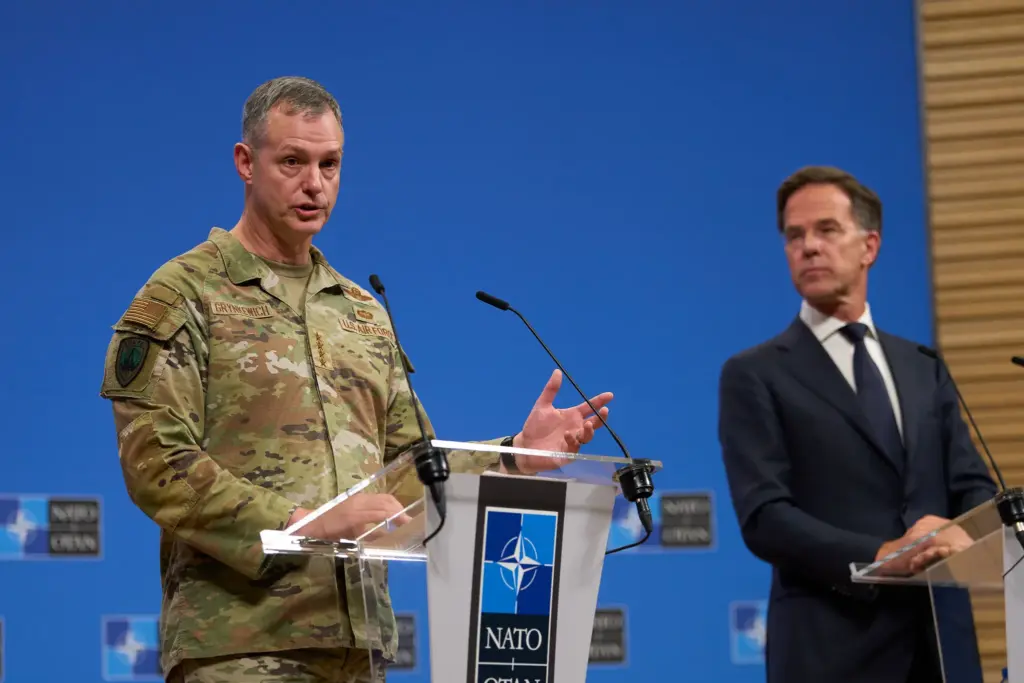
NATO Secretary General Mark Rutte and Supreme Allied Commander Europe Gen. Alexus G. Grynkewich announce the launch of “Eastern Sentry” during a joint press conference on 12 September 2025. Photo: NATO/Flickr

Russian sabotage assaults on Europe should end with more weapons flowing to Ukraine, NATO’s top commander in Europe says. NATO should respond to the attacks by increasing contributions to the alliance’s PURL weapons program or by sending Ukraine more air-defense interceptor missiles, Supreme Allied Commander Europe General Alexus Grynkewich said at the Warsaw Security Forum, Ukrinform reports.

The remark runs counter to a fresh scare. After US President Donald Trump’s diesel deal with Russia, European officials said that Washington had threatened to halt weapons for Ukraine through PURL, the Financial Times reports, unless Kyiv stopped hitting Russian refineries. Grynkewich’s call to expand the program ran the other way.

One of the main goals of Russia’s hybrid operations, from airspace violations to sabotage and cyberattacks, is to break the West’s will to keep backing Ukraine, he stated. The sharpest answer is to prove that assumption wrong, he argued, turning each attack into a reason to send more.

The PURL program that lets allies fund US-made weapons for Ukraine, which drew nearly $5.5 billion in pledges before May.

Name the culprit out loud, and watch Moscow lose its cover

Once responsibility for a specific attack is established, countries should publicly name who did it, Grynkewich noted, so Russia understands it has been exposed and that its network was never as untraceable as it believed.

Moscow bets it can escape blame because the West cannot work out who is behind an attack, in his telling. The response, he urged, should be to show that the West can.

One voice, not thirty-two, is what Russia actually fears

Coordination is the other half. Allies must craft a joint response rather than send Moscow chaotic, uncoordinated signals from individual states, he stressed, and must spell out clearly where their red lines lie.

That unity is itself a deterrent. A single, agreed answer tells Russia the alliance is harder to split than its hybrid campaign assumes, and that attacks meant to divide the West only harden its resolve, he contends.

Built by Ukraine’s ex-defense minister and unit that wrecked $12 billion of Russian gear, new interceptor downs two jet drones over Kyiv

12 octobre 2026 à 12:30

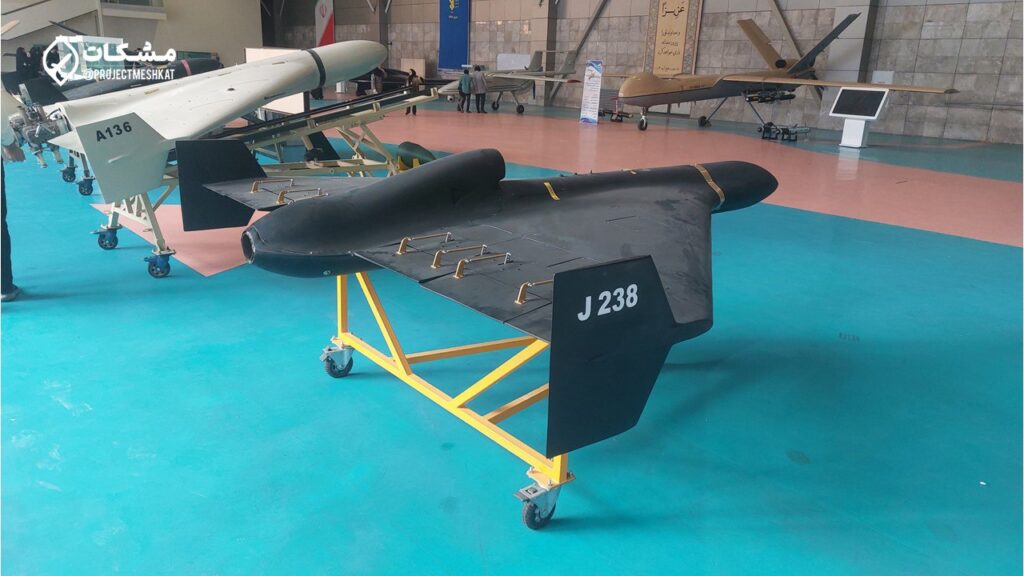
Jet powered Shahed-136 kamikaze drone Credit: Open sources

A month from idea to first kill. A new interceptor drone built by former Defense Minister Mykhailo Fedorov's team with Pavlo Yelizarov, the commander of Lasar's Group unit, soldiers, and engineers, has shot down two Russian jet-powered Geran-5 drones heading for Kyiv, Fedorov says, just one month after development began.

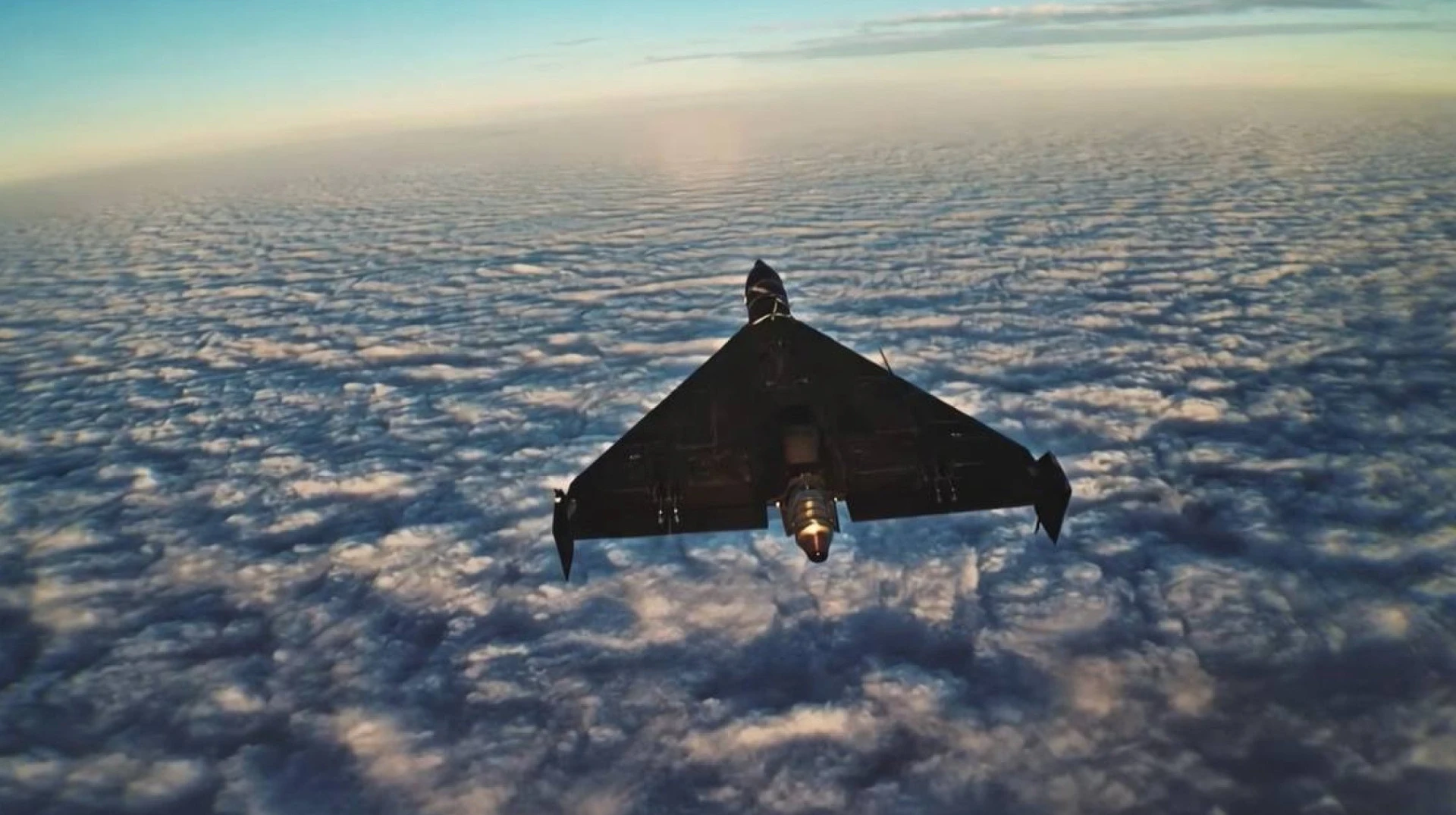
Russia's jet-powered Gerans fly far faster than the propeller Shaheds that Ukraine learned to shoot down, and they remain the hardest targets for its air defenses, which catch only about 55 percent of them. The new drone is fast enough to catch a jet drone before it reaches a city, Fedorov noted, adding that the two Geran-5 kills are the first confirmed for the interceptor.

Crews from Lasar's Group in Ukraine's National Guard ran the combat trials and downed the two drones within days. Fedorov announced the drone on 12 October, Yelizarov's birthday.

A former minister and a legendary commander behind the kill

Yelizarov joined Ukraine's Defense Forces in 2022 and, in January 2026, became deputy commander of the Air Force, responsible for small-scale air defense and systems for intercepting Russian drones, Forbes Ukraine reports. He founded Lasar's Group, which destroyed $12 billion worth of Russian equipment.

Fedorov, who ran the Digital Transformation and Defense ministries before moving to the private sector, says the interceptor is one of several projects his team continues to develop in Ukraine, combining engineering, military experience, and resources.

The next goal: a drone that hunts Shaheds on its own

The drone is not finished evolving. Testing continues as the team refines the technology and raises production, Fedorov said, with the next step a fully autonomous version that can detect and intercept Russian drones without an operator.

The developers also plan to scale the interceptor's use to protect more Ukrainian cities, he added. The push fits a wider drive: Ukraine aims to build up to 400 interceptors a month to chase the faster Gerans.

EU blacklists 1,569 Russian arms suppliers and their bosses in its biggest sanctions round ever, as Trump eases up on Moscow

12 octobre 2026 à 10:58

trade banks energy crypto—the eu keeps its full russia economic sanctions wall standing 2027 · post flags member states headquarters council european union brussels belgium 17 2025 getty images/thierry monasse

The EU adopted its largest-ever round of sanctions listings on 12 October, targeting the suppliers behind Russia’s war industry, the Council of the EU announced. The bloc acted as Russia keeps killing Ukrainian civilians every day, while US President Donald Trump eases sanctions on Russian diesel.

Russia’s planned winter campaign against Ukraine’s infrastructure depends on arms factories fed by a web of component suppliers and on oil revenue that still flows despite Ukraine’s refinery strikes, so every supplier cut off from that web raises the cost of waging it. As Washington eases off, Europe’s own pressure has a gap: its ports still take record volumes of Russian Arctic gas, and a full ban on long-term contracts starts only in 2027.

Missile suppliers top the list

More than half of the new listings hit the supply chain for ballistic missiles that Russia “uses to kill Ukrainian civilians every day,” EU foreign policy chief Kaja Kallas said in the statement. Russian attacks killed more than 150 people in the past week, Ukrainian President Volodymyr Zelenskyy said on 11 October.

The list names 826 Russian companies, mid-level firms the Council calls the “core” of Russia’s arms industry, with at least €20 billion in yearly turnover, and 743 people who run them. They make parts for missiles, drones, and military aircraft, from semiconductors and radars to explosives and navigation systems. Their assets are frozen, EU firms may not finance them, and the executives may not enter the EU.

Foreign ministers ratified a deal EU envoys reached on 7 October. Ukraine’s sanctions commissioner Vladyslav Vlasiuk said 60% of the listings came from Ukrainian proposals.

Ministers reject the diesel deal

EU foreign ministers in Luxembourg vowed to keep the sanctions despite Trump’s diesel deal with Russian President Vladimir Putin, Euronews reported. Kallas addressed Washington directly as she arrived.

“The US is our biggest ally, but our message is clear: if we want to end this war, the only way we can do this is (by) putting more pressure on Russia,” Kallas said.

Irish Foreign Minister Helen McEntee called the deal “concerning,” and Lithuanian Foreign Minister Kęstutis Budrys said it was “not the European way.” Kallas warned that an energy truce covering only refineries would favor Russia, since Ukraine has one refinery and Russia “plenty.”

Trump announced the diesel deal on 9 October, and the US Treasury waived sanctions on Russian diesel until April 2027. Zelenskyy said the EU would provide about €3 billion more in military aid this week.

Washington presses Kyiv

Trump expects Ukraine to stop hitting Russian refineries under his proposed energy ceasefire, a White House official told Axios. Zelenskyy said Kyiv would halt such strikes if Moscow did the same. On 10 October, Trump told reporters it was time for Ukraine to get a new president. Germany’s foreign minister, Britain’s defense secretary, and a senior lawmaker from Chancellor Friedrich Merz’s party backed Zelenskyy, while the Kremlin sided with Trump.

Zelenskyy offered to hold elections after a 60-day ceasefire, and Kallas said elections are impossible while the war goes on. The Institute for the Study of War assessed that Russia exploits Ukraine’s legal ban on wartime elections to drag out the war.

Zelenskyy says Ukraine could hold elections if Russia agrees to 60-day ceasefire. Moscow counters with truce lasting only voting day

12 octobre 2026 à 10:57

Dmitry Peskov

Russia offers Ukraine a single day without strikes for its elections. Russian leader Vladimir Putin is ready to order a halt to strikes on Ukraine only on the day of a presidential election, if Kyiv decides to hold one, Kremlin spokesperson Dmitry Peskov says, Russian state agency TASS reported.

The offer answers Ukraine’s call for a real pause: on 11 October, President Volodymyr Zelenskyy stated Ukraine could hold elections if Putin agreed to a full ceasefire of at least 60 days, ABC News reported. Against the backdrop of Russian strikes that killed more than 150 Ukrainian civilians in a single week, Moscow counters with a one-day truce confined to voting day.

“...If they really want to hold elections in Kyiv, the president of Russia, the supreme commander-in-chief, will be ready to give the order not to strike Ukraine on election day. Specifically on election day,” Peskov said.

His statements followed US President Donald Trump’s call on 10 October for Ukraine to choose a new president, saying a change of leadership could help reach peace with Russia, according to Suspilne.

Trump also criticized Ukrainian strikes on Russian oil refineries amid his new agreements to supply a low volume of diesel into the US.

Moscow rejects the 60-day pause

Peskov has outright dismissed the longer truce. Ukraine needs 60 days not to hold elections but to heal its wounds and continue the war, he argues.

He has claimed Russia had been willing to resume peace talks after Russia’s own State Duma elections, but accused Ukraine of launching massive strikes on Moscow to disrupt that vote. Peskov has gone further, claiming Ukraine shelled polling stations and killed several members of district election commissions in the Russian-occupied regions it calls its own.

What Peskov left out

The accusations are Russia’s and remain unverified. Peskov offered no evidence for the claims about polling stations or election officials, which echo long-running Kremlin talking points.

He also made no mention of Russia’s own strikes on Ukrainian civilian targets over the same period, including attacks on energy sites and residential buildings.

Peacekeepers, riot police, and drone crews: Russia’s bloc rehearses an operation in a Belarusian oblast bordering two NATO states

12 octobre 2026 à 09:22

peacekeepers riot police drone crews russia’s bloc rehearses operation belarusian oblast bordering two nato states · post bmp-2 infantry fighting vehicles belarus’s 6th separate guards mechanized brigade during combat-readiness check

Russia and four allies began five-day military drills in Belarus on 12 October, the Russia-led Collective Security Treaty Organization (CSTO) said. The troops are rehearsing peacekeeping and a biological-threat response. Minsk insists the drills target no one, while Belarus’s army chief calls them deterrence against hostile states.

Russian troops crossed Belarus to advance on Kyiv in 2022, and it now hosts Russian units with Oreshnik missiles and equipment guiding attack drones into Ukraine. Every foreign deployment there worries Kyiv and neighboring NATO members, which blame Minsk and Moscow for border pressure.

Riot police and drone crews in a “peacekeeping” drill

Belarus, Kazakhstan, Kyrgyzstan, Russia, and Tajikistan brought more than 1,500 troops and over 300 weapons and vehicles, including about 80 drones, The Moscow Times reported, citing the bloc. Armenia, the sixth member, is not among them. The peacekeeping drill runs in Vitsebsk Oblast, bordering Latvia and Lithuania, with Belarusian riot police and internal troops joining, the bloc’s command said.

An illustrative image. Railway tracks
Explore further

Up to 60 railcars: Belarus wires a border base to take in military trains

Russia sent motorized rifle, reconnaissance, electronic warfare, and drone units from its Central Military District, the CSTO said. Russia, this year’s chair, prioritized peacekeeping readiness and the joint biological protection and medical unit, a bloc general said.

Belarus’s military insisted the drills are planned, yet its army chief called them “one of the measures of strategic deterrence against aggressively minded states” and claimed the West is “effectively preparing for a new hot war.”

Pressure on Belarus’s neighbors

In Latvia, armed, masked escorts from Belarus tried to force migrants across this month, the military said, and raiders stole border cameras hours later. Estonia’s police and border guard chief warned migration pressure could jump before winter, as Russia eases entry from countries like Ethiopia and Belarus passes migrants on to the EU. Lithuania posted up to 100 soldiers on its border with Russia’s Kaliningrad, and in September NATO’s Italian jets downed a drone that crossed in from Belarus. On 9 October, Minsk summoned Ukraine’s envoy over an alleged drone strike on a Belarusian truck in Russia, and Kyiv rejected the “absurd accusations” of “an accomplice in the crime of aggression against Ukraine.”

Belarus keeps its army on alert

In September, Belarusian armor drilled near the Suwałki Gap, NATO’s land link to the Baltic states, and Lukashenka said the whole army would be checked, up to mobilization. On 12 October, he ordered a snap check of a 6th Separate Guards Mechanized Brigade battalion, state news agency BelTA reported. European spy agencies also warn of more Russian assassination plots against defense executives.

Ukraine’s intelligence still rates the threat from Belarus as low, but each new contingent, missile unit, and airborne brigade there widens what Kyiv and NATO’s eastern flank must watch.

Short on interceptors, Ukraine goes after the launchers: eight Russian ballistic systems hit, three destroyed since September, a minister says

12 octobre 2026 à 04:35

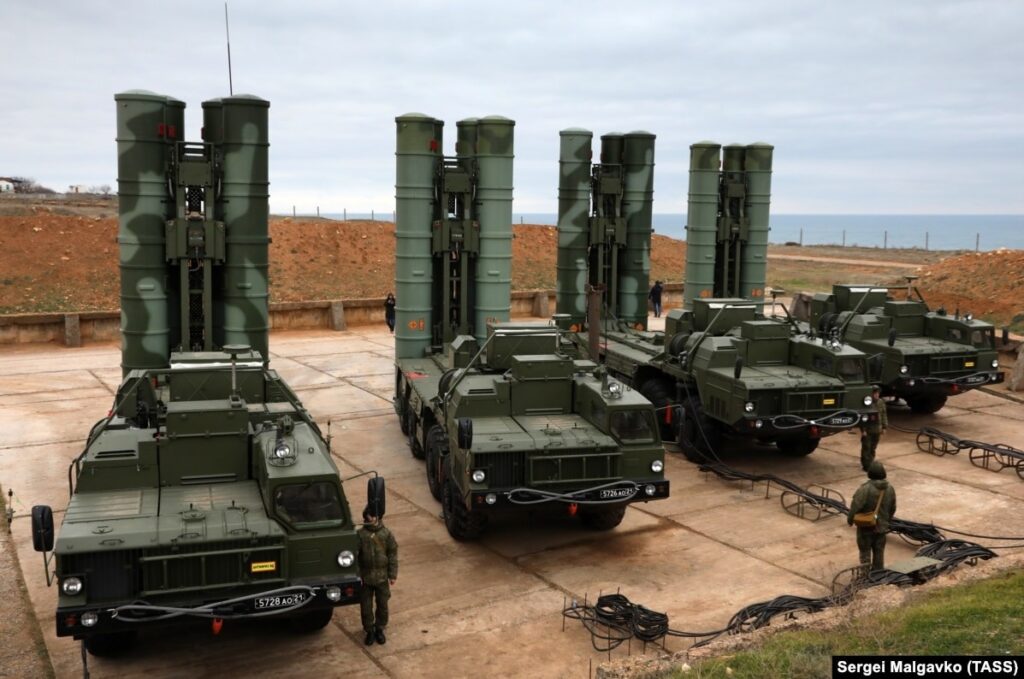
russia's arctic bases sit near-naked air defenses vanish guard moscow refineries burning inland · post s-400 defense missile launcher vehicles 2018 file sergei malgavko/tass rferl ukraine news ukrainian reports

Ukraine has been striking the launchers Russia uses to fire ballistic missiles at its cities, Ukrainian Defense Minister Yevhenii Khmara told journalists. He said the strikes have already disrupted some Russian attack plans, but supplies of anti-ballistic interceptors still fall short of the threat.

Russia strikes Ukraine’s cities and power grid with drones and missiles every day as it prepares to leave civilians without power and heat this winter. Ballistic missiles are the part of that barrage Ukraine still struggles to stop, so every launcher put out of action before it fires means fewer missiles to intercept.

Iskander and S-400 launchers hit since September

Ukrainian forces hit eight launchers used for ballistic strikes on Ukraine in September and early October, destroying three and damaging five, Khmara said. They belonged to Russia’s Iskander tactical missile systems and S-400 air defense systems, he added. Such strikes have already forced Russia to cancel or change planned ballistic attacks, the minister said.

The S-400 was designed to shoot down aircraft and missiles, but Russia also uses it to fire ballistic missiles at Ukrainian cities, including Kyiv. In mid-September, Ukraine reported hitting two S-400 launchers near Vygonichi in Russia’s Bryansk Oblast. Russia had used the same systems against Kyiv the night before.

russian ballistic missile launch
Explore further

Can’t intercept the missiles? Hit the factories—Ukraine’s other way to stop Russia’s ballistic missiles

On 23 August, Ukrainian President Volodymyr Zelenskyy said Ukrainian forces had hit an Iskander launcher near the border. He described it as part of a separate operation to hunt nearby launch positions and linked the tactic to low stocks of anti-ballistic missiles.

Strikes on launchers while interceptors stay scarce

Khmara called the launcher strikes Ukraine’s asymmetric response to a ballistic threat that remains critical.

“Existing and potential supplies of missiles for anti-ballistic defense are not enough to fully cover this threat,” he said.

Instead of waiting for large long-term contracts, the Defense Ministry is looking for missiles in partners’ available stocks to speed up transfers, Khmara added. “We need dozens and hundreds of missiles, not one-off deliveries,” he stressed.

Meanwhile, Russia significantly cut its 2026 state orders for Kinzhal air-launched ballistic missiles, Ukraine’s military intelligence said on 12 October. It redirected the production capacity, components, and raw materials to Iskander-M ballistic missiles, the agency added.

Russia’s missile and drone attacks continue

Overnight on 12 October, Russia attacked Ukraine with a Kh-59 guided missile and 121 attack drones, 76 of them jet-powered, Ukraine’s Air Force reported. Air defenses downed or suppressed 89 drones, but strikes hit 15 locations, and the attack was still going on in the morning.

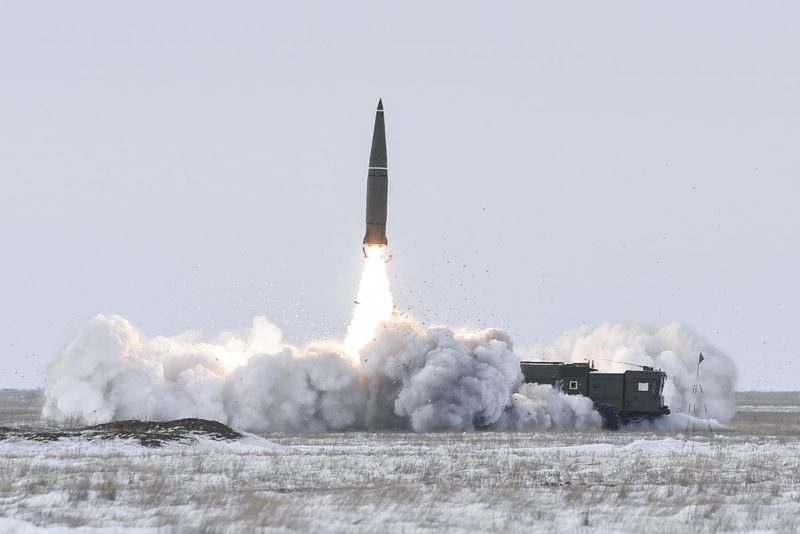
An Iskander test launch in 2018
Explore further

Russia’s new ballistic missile could reach western Ukraine—and it may be tested there within months

In the week to 11 October, Russia hit Ukraine’s power generation and transmission facilities more than 200 times and its gas and oil sites 17 times, Zelenskyy said. Russian attacks that week killed more than 150 people and injured more than 700, he added.

Jet-powered drones are still the main problem for Ukraine’s air defense. It stops more than 90% of slower propeller-driven Shaheds, compared with about 55% for the jet ones.

Ballistic missiles have struck Kyiv repeatedly this autumn. On 24 September, Russian ballistic and hypersonic missiles damaged a maternity hospital in the capital. On 7 October, a Russian missile barrage killed 22 people in Pryluky, Chernihiv Oblast.

Russia is building jet drones that fly 800 kilometers per hour, and Ukraine says it is already working on how to stop next generation

11 octobre 2026 à 14:42

ukraine recovers russia's undamaged geran-3 jet kamikaze drone carrying camera live-link equipment (video) · post russian jet-powered lying cornfield after being recovered intact 16 2025 реактивний дрон-камікадзе герань-3 вересня року

Aviation is one of the most effective ways to counter Russia’s jet-powered drones. Its effectiveness continues to grow due to pilots’ skill and better coordination, Defense Minister Yevhenii Khmara says, Glavcom reports.

Russia’s jet-powered Gerans fly several times faster than the propeller Shaheds Ukraine learned to shoot down, and they remain the main challenge for its air defense. Ukraine downs more than 90% of the slow drones but only about 55% of the jet ones.

“Due to them, our aviation now uses fewer munitions per aerial target. We plan to improve this further,” Khmara states.

Air defense works as a layered system because no single type of weapon is enough, he explains. The layers run from surface-to-air and shoulder-fired missiles to turrets, electronic warfare, interceptor-drone crews, and small-scale air defense, topped by aircraft including Mirage and F-16 jets.

Scaling what works against jet drones

Ukraine already has combat results against the jet drones, Khmara notes. In one engagement, five Bars interceptors destroyed five aerial targets, a 100% hit rate in that case, and the task now is to raise the overall destruction rate and quickly scale the solutions that prove themselves.

Heavy-caliber turrets are adding to that. Their number in service already runs into the hundreds, he adds.

“This direction is being scaled, and systems with greater range are being worked on. In parallel, surface-to-air and shoulder-fired missile systems are also proving effective,” he says.

Preparing for the next generation

Ukraine is also looking past today’s threats, the minister stresses. The ministry is working to supply interceptor drones, aviation and its munitions, missile and artillery systems, turrets and electronic warfare gear, and to plan several steps ahead with enough stock in reserve.

“We also know what solutions Russia is developing, which concern jet drones with a speed of 800 kilometers per hour. We are working on finding countermeasures to the next generation of threats,” Khmara says.

Producers have been tasked with offering proposals and prototypes, he concludes.

Hours after Trump declared an energy ceasefire, Russia hit Kharkiv power plant, one of 200-plus strikes on Ukraine’s grid this week, Zelenskyy says

11 octobre 2026 à 13:21

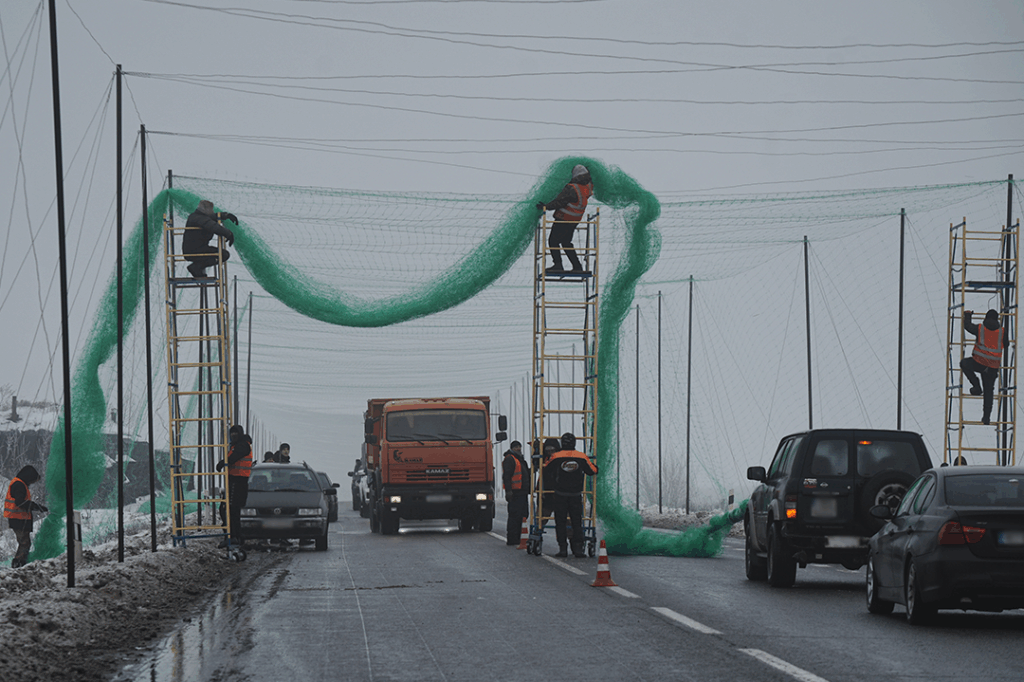
fishing nets used mediterranean millennia — now italy wants turn drone shields over ukrainian cities · post workers install anti-drone ring road northern outskirts kharkiv 2026 6ea9c925f4eb5b85 italy's senate has

Russia hit the CHP-5 thermal plant in Kharkiv on the evening of 11 October. It came hours after US President Donald Trump announced an energy ceasefire between Ukraine and Russia, President Volodymyr Zelenskyy said in his nightly address.

Trump had announced the energy truce earlier that day, though Kyiv reported no part in any such deal, as well as Moscow. Yet in this one week, Russia carried out more than 200 strikes on Ukraine’s power generation and transmission and 17 on its gas and oil sites, killing more than 150 people and wounding more than 700, according to Zelenskyy.

“All day today, there were Russian Shaheds in the sky. There are Shaheds in the sky now, too. There were strikes by aerial bombs. There were strikes on our energy. Just now there was a strike on CHP-5 in Kharkiv,” Zelenskyy states.

Ukraine welcomes the agreement Trump announced and is ready to stop striking Russian energy if Russia does the same. For that to mean anything, he stresses, it has to become part of reality.

A one-word answer from Moscow

Ukraine has offered many de-escalation steps, Zelenskyy notes, but Russian ruler Vladimir Putin met them all with the same refusal. He voices hope that the Russian leader would finally tell the US, Ukraine, and the world something other than killing and deception, something that leads to a real and dignified peace.

Ukraine wants peace, and the question is whether Russia does. The Armed Forces have received all the relevant orders to defend the country, he confirms.

Allies line up fresh support

Zelenskyy says he also spoke with members of the US Congress and, the day before with the UK prime minister, French President Emmanuel Macron, and Norway’s prime minister, all of whom offered help.

Ukraine is also working with the EU on financing for its defense and budget stability, and preparing new steps on European integration.

Trump declares immediate energy ceasefire between Russia and Ukraine. Zelenskyy says it was news to him, but Ukraine’s ready

11 octobre 2026 à 11:29

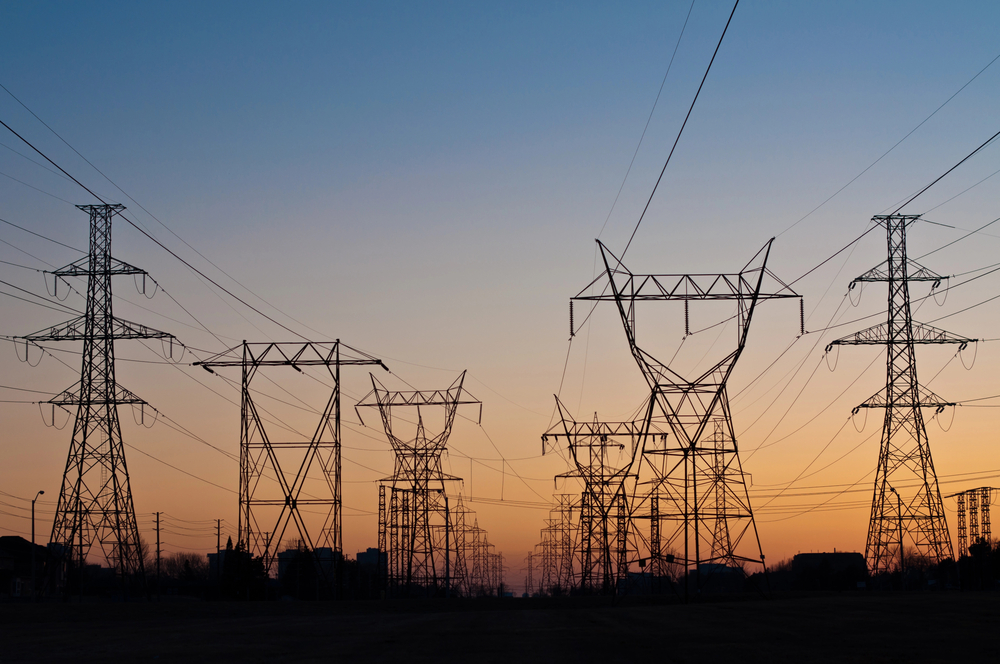
Nordic energy infrastructure power grid transmission towers silhouetted against sunset sky

US President Donald Trump has announced an immediate energy ceasefire in the war between Russia and Ukraine, saying both sides agreed to stop striking each other’s energy facilities, in a post on Truth Social. Ukraine, however, knew nothing about the deal.

Russia has spent the war hitting Ukraine's power plants, refineries, and grids, while Ukraine answered with strikes on its refineries and plants that produce missiles. If confirmed, a halt before winter would be a major break. Yet about seven minutes before Trump’s announcement, Russia struck at Kyiv’s thermal plant, cutting power to several districts of the capital at once.

“Effective immediately, there is an ENERGY CEASEFIRE in the War between Russia and Ukraine. Both parties have agreed. Do not break it!” Trump wrote.

News for Zelenskyy

President Volodymyr Zelenskyy told Axios the announcement “was news" for him. But if Russians agree to an energy ceasefire, Ukraine will agree, he added. Moscow gave no immediate confirmation.

The announcement follows days of friction over energy. Washington has just eased sanctions on Russian diesel and pressed Kyiv to stop hitting Russian refineries, while Russian strikes killed more than 80 Ukrainian civilians in two days.

A truce no one in Kyiv confirmed

Zelenskyy had already signaled Ukraine’s terms. He said on Sunday that Kyiv was ready to stop striking Russian refineries if Moscow halted its attacks on Ukrainian energy, so the condition was on the table before Trump spoke, not settled by him.

If Trump negotiated it with Putin, then he should say when the ceasefire begins, Zelenskyy added, underlining that Ukraine had not been party to any such agreement.

Ukrainians greet it with doubt

The reaction in Kyiv was wary. Trump already declared an energy ceasefire once, and Putin broke it within five minutes, said Andrii Kovalenko, former head of Ukraine’s Center for Countering Disinformation, asking whether Trump was now “announcing it to himself.”

Meanwhile, lawmaker Yaroslav Zhelezniak called for an explanation, warning that Trump’s “energy ceasefire” might mean Ukraine stops hitting Russian refineries and tankers while Russia merely promises not to strike Ukrainian oil tankers it would struggle to find in the first place.

Ukraine, long keeping its weapons at home, now lets 18 arms makers export, approving over 90% of more than 400 applications

10 octobre 2026 à 18:48

P1-SUN An-28 Shahed interceptor

Ukraine, which long kept its weapons at home, is now clearing its arms makers to sell abroad. Its Commission on Export Control has granted 18 Ukrainian companies permission to send their finished weapons abroad and has processed more than 400 export applications, with over 90% approved, the National Security and Defense Council says, citing commission head Davyd Aloian.

Ukraine now produces far more weapons than it can afford, with defense production growing from about $1 billion a year at the start of the invasion to a projected $55 billion in 2026.

The exports are reportedly conducted under the Drone Deals framework that President Volodymyr Zelenskyy unveiled in April, which allows controlled sales of surplus weapons to partner countries while the Defense Ministry and General Staff retain first claim to everything the front needs. Some categories already run up to 50% beyond what Ukraine can use or finance.

From a stalled commission to 18 approvals

The commission’s work had been halting. It resumed in February after an eight-month freeze and issued the first permits then, and its updated membership has been working since, Aloian notes.

Building partnerships abroad

Aloian framed the goal as scaling Ukrainian technology rather than one-off deals. The state wants domestic producers to expand abroad while partners get working solutions, he says, and is open to dialogue with the defense industry to fix problems as they arise.

Earlier, an industry group that represents more than 400 companies warned in September that the mechanism was choking. A new 20-to-30% fee on export permits priced Ukrainian goods out of the market, it said, and a joint-production program had stalled with hundreds of foreign bids pending.

Euromaidan Press cannot verify whether the Commission on Export Control has taken the issue into consideration.

The council recently met a UK Defense Ministry delegation to discuss closer cooperation, including a Drone Deal, an anti-ballistic coalition, and joint production, Aloian adds. Reaching foreign markets enables producers to attract new orders and investment, scale up, and build long-term partnerships.

Deals with dictators lead to hell: Estonia’s PM urges Europe to help Ukraine destroy Russia’s refineries after Washington eased sanctions on diesel

10 octobre 2026 à 18:06

estonian capital allocates € 200000 ukrainian cities development view tallinn estonia tallinnee city introduces program supporting municipalities aid expertise sharing eu integration initiatives estonia's launched new cooperation support 2025 city's

Estonia’s answer to the US-Russia diesel agreement: deals with dictators lead to hell. Prime Minister Kristen Michal wants the European Council to discuss giving Ukraine more aid so it can destroy Russia’s oil refineries, after sharply criticizing the US decision to strike a diesel deal with Russia, ERR reports.

Washington has eased sanctions on Russian diesel, a move Ukraine says funds a war that has killed more than 80 Ukrainian civilians in two days. Estonia’s answer is to go the opposite way and help Ukraine hit the source of that fuel, the refineries, harder.

"It is worth discussing in Estonia and at the European Council next week whether we can quickly contribute more to Ukraine so they can blast Russia's oil refineries to smithereens," Michal says.

He casts the US deal as a historic error. Innocent people are being killed for gas and fuel money, Michal warns, saying that the promised fuel may never arrive. For years, the US urged allies to drop Russian fuel, and Estonia did, so cutting Moscow’s revenue must continue, not reverse, he adds.

Mihkelson: Russia's strategic goals remain unchanged

Meanwhile, Marko Mihkelson, chair of the Riigikogu Foreign Affairs Committee, says that Russia's strategic objectives remain the same as they were before: to rebuild its empire, beginning with the subjugation of Ukraine, and to dismantle the Euro-Atlantic system of collective defense.

"That is why European allies still have only one way to prevent this war of aggression from spreading: to do everything possible to ensure that Russia’s strategic objectives fail and that the imperial wars launched by the Kremlin end in defeat," he says.

This clear strategic objective should also serve US interests, he continues, adding that "Russia’s long-standing ambition, pursued in concert with China and Iran, to undermine America’s global leadership is entering a decisive phase."

Five Russian bombs kill 17 in Ukraine’s Zaporizhzhia next day after Trump lets Russia ship first 300,000 tonnes of its diesel

10 octobre 2026 à 10:42

The aftermath of a Russian strike on Zaporizhzhia on 10 October 2026. Source: Ukraine's National Police

A Russian air strike with guided bombs on the southeastern city of Zaporizhzhia has killed at least 17 people, including three children, according to Ukraine’s State Emergency Service. Ukrainian President Volodymyr Zelenskyy has tied the attack to a US decision to let Russian diesel reach world markets without demanding Moscow halt its strikes on Ukraine first.

On 9 October, President Donald Trump said that Russia would immediately supply more than 300,000 tonnes of diesel fuel to the US and global markets, a further 500,000 tonnes during November, and 1 million tonnes immediately thereafter. The move has already drawn criticism from US lawmakers in both parties.

“Today, Russia expressed its gratitude for the lifting of sanctions on diesel exports by dropping five guided aerial bombs on residential buildings in Zaporizhzhia,” Zelenskyy wrote on Telegram.

Zelenskyy vows to keep hitting refineries

These figures were accurate at the time the post was written. Later, the State Emergency Service reported that the death toll had risen by two. Meanwhile, Zelenskyy stated that Ukraine would not stop striking oil refineries that bring additional revenues for the Kremlin, which spends them on the war.

“There will be responses to Russian attacks. Thank you to everyone who is helping,” Zelenskyy concluded.

According to Zelenskyy, two of the injured are in critical condition, and doctors are fighting to save their lives. Information is also being verified regarding another 12 people who may have been at the strike site.

“Thirteen of our regions came under attack overnight. Residential buildings, infrastructure, and railway facilities have been damaged,” the Ukrainian leader said.

More pressure on Kremlin

Zelenskyy stressed that the latest Russian strikes further demonstrate the need to increase pressure on Russia. In his view, easing restrictions is interpreted by the aggressor as a signal that it can continue the war and attack Ukrainian cities.

“This night provided yet another confirmation that Russia interprets any easing of pressure as a signal that it can supposedly continue fighting and that it can supposedly drop bombs on cities,” he emphasized.

He also noted that Ukraine’s long-range strike capabilities are inflicting such losses on Russia and stressed that Ukraine would respond to Russian attacks.

Trump says Russia agreed to supply millions of tons of diesel to US and global markets as he blames Ukraine for fuel price hikes driven by Iran war

9 octobre 2026 à 15:45

Trump Putin meeting in Alaska

US President Donald Trump announced a deal with Russian President Vladimir Putin for Moscow to supply millions of tons of diesel fuel to American and global markets. 

The announcement would give Russia a major opportunity to sell fuel abroad at a time when Ukraine is targeting its oil industry to deprive Moscow of revenue and disrupt the resources sustaining its invasion. The US president has increasingly called for Ukraine to halt strikes on Russian oil infrastructure in recent weeks, blaming Ukraine for high fuel prices in the US.

Trump’s push for Kyiv to halt those attacks, alongside his effort to secure Russian fuel supplies, risks undermining Ukraine’s campaign to put economic pressure on the Kremlin while the US seeks to contain the fallout from its war with Iran.

Trump promises millions of tons of diesel from Russia

In a 9 October post on Truth Social, Trump said Russia would immediately supply more than 300,000 tons of diesel, followed by another 500,000 tons in November and 1 million tons shortly afterward. He also announced a possible additional delivery of 3 million tons, conditional on the state of Russian refineries.

“Diesel Prices for Americans and, indeed, the World, will be COMING DOWN, IN RECORD NUMBERS, AND FAST!” Trump wrote, describing lower fuel prices as a top priority for American farmers, ranchers, and truckers.

Trump's announcement did not explain how the promised volumes would be reconciled with the condition of Russian refineries amid ongoing Ukrainian strikes, which he cited as a factor determining the timing of later deliveries.

Trump has pressed Ukraine to stop targeting Russian refineries

The announcement comes after Trump repeatedly blamed Ukrainian strikes on Russian oil infrastructure for worsening global diesel shortages and driving up fuel prices.

Ukraine has continued targeting Russian oil facilities as part of its campaign to undermine Moscow's war economy. Ukrainian strikes have damaged refining capacity, contributed to fuel shortages inside Russia, and forced Moscow to restrict fuel exports. 

Kyiv has argued that the attacks put pressure on Russia's ability to finance and sustain its war against Ukraine.

Iran war drives fuel prices higher, not Ukraine

The rise in US fuel prices stems largely from the US-Israeli war with Iran and its disruption of global energy supplies, according to Reuters. The conflict has disrupted shipping through the Strait of Hormuz, a strategic waterway through which roughly one-fifth of the world's oil supplies normally pass, pushing energy prices higher. 

Trump has nevertheless blamed Ukraine's refinery strikes for rising fuel costs while pressing Kyiv to halt them.

Ukraine's attacks on Russian oil infrastructure are intended to weaken Moscow's war economy. By contrast, the disruption to global energy shipments stems largely from the conflict with Iran. 

Zelenskyy warns Russian diesel deal would fund further attacks on Ukraine

Ukrainian President Volodymyr Zelenskyy warned later on 9 October that allowing Russia to sell petroleum products abroad without securing a lasting de-escalation agreement would help finance Moscow's war against Ukraine.

“Allowing Russia to sell petroleum products is an investment in a war that must be ended, not prolonged,” Zelenskyy said, responding to Trump's announcement of a proposed Russian diesel supply deal.

Zelenskyy said Ukraine's strikes on Russian oil refineries and other oil facilities were a response to Russia's years-long campaign against Ukrainian energy infrastructure. He offered a reciprocal arrangement under which Ukraine would stop striking Russian refineries if Russia stopped destroying Ukrainian energy facilities, saying the United States had sufficient leverage to secure such an agreement.

“Ukraine will not burn Russian oil refining facilities if Russia does not destroy our energy infrastructure,” Zelenskyy said.

He also urged Washington to maintain pressure on Moscow, including sanctions under the proposed Graham legislation, and to continue supporting Ukraine's defense. Zelenskyy argued that easing sanctions without a clear, sustained de-escalation agreement would signal weakness and give Russia more time and resources to continue the war.

“Gifts to Putin will not bring peace,” Zelenskyy said, warning that Russia would respond to diesel supplies with further terror and attacks. He called on the United States to pursue a reciprocal de-escalation agreement and press Russia to stop its attacks on Ukrainian energy infrastructure.

Ukraine suffered 10 times fewer casualties than Russia in Vivaldi counteroffensive, veteran says. Ukraine’s innovations in drone and ground robot tactics are changing frontline warfare

9 octobre 2026 à 12:10

Ukraine's Third Army Corps commander Brigadier General Andrii Biletskyi announcing "Operation Vivaldi," 15 September 2026. Screenshot from video: Ukraine's Third Army Corps

Ukrainian assault troops suffered more than 10 times fewer casualties than Russian forces during Operation Vivaldi, a Ukrainian military veteran said on 9 October, describing the ratio as unprecedented and highlighting Ukraine’s improved ability to protect its soldiers during offensive operations.

The counteroffensive has been a significant Ukrainian success, reclaiming territory in northern Donetsk Oblast and disrupting Russia’s plans to advance toward Sloviansk and Kramatorsk. The reported casualty ratio points shows Ukraine’s ability to make offensive gains while reducing the human cost of assaulting fortified positions.

Yevhen Dykyi made the remarks in an interview with Radio NV, saying the results showed how Ukrainian forces had learned to limit losses while attacking defended Russian positions.

Protecting troops during offensive operations

Dykyi said the casualty ratio was one of the operation’s most important outcomes.

He said that Ukrainian assault troops suffered more than 10 times fewer casualties than Russian forces during the counteroffensive.

“That speaks volumes. We have learned how to protect our people, and that is extraordinarily vital,” he added.

Operation Vivaldi disrupted Russia’s advance in Donetsk

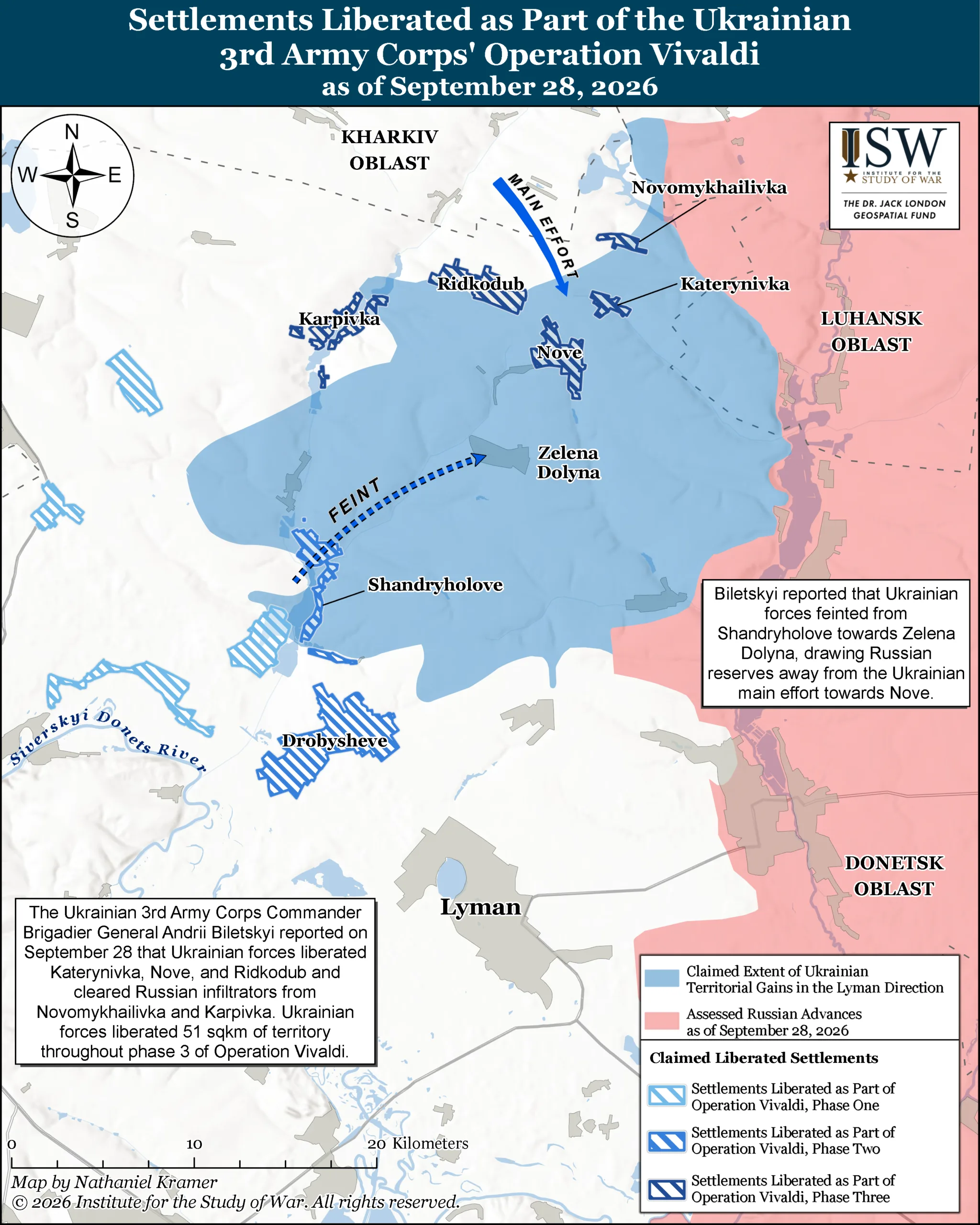
The Third Army Corps launched Vivaldi in mid-September in northern Donetsk Oblast, near Lyman, where Russian forces had spent months trying to advance toward Ukraine’s fortified cities of Sloviansk and Kramatorsk.

The operation aimed to clear Russian troops from positions north of Lyman and disrupt Moscow’s plans to encircle the remaining Ukrainian-held parts of Donetsk Oblast. Ukraine’s Third Army Corps announced the counteroffensive on 15 September, initially reporting that its forces had cleared Russian infiltrators from several settlements and liberated Serednie.

By 30 September, Ukraine had regained 176 square kilometers of territory during the operation, according to figures cited by the Ukrainian presidential office. Ukrainian authorities also reported that their forces had captured around 250 Russian soldiers and inflicted more than 5,000 Russian casualties, including killed and wounded. 

The counteroffensive also disrupted Russia’s effort to advance behind Ukraine’s fortified defensive line. By threatening Russian positions north of Lyman, Ukrainian forces complicated Moscow’s plans to encircle the Sloviansk-Kramatorsk area rather than attack its defenses head-on.

Unmanned systems help limit casualties

A key feature of Vivaldi has been the use of unmanned systems to attack fortified Russian positions before Ukrainian infantry moves in. Ukrainian forces deployed ground robots carrying grenade launchers to fire into Russian shelters, while explosive ground vehicles were used to destroy bunkers and strongpoints.

In one reported tactic, heavy drones delivered kamikaze ground robots more than 10 kilometers behind Russian lines, allowing Ukrainian operators to attack positions without exposing infantry to direct fire.

For the first time, Ukraine has dropped ground robots behind Russian lines from the air amid the Operation Vivaldi, protecting Ukraine's fortress cities in Donetsk Oblast. Source: The scheme by the 3rd Army Corps
Explore further

Ukraine is saving Donetsk Oblast with world’s first-of-its-kind operation: Vivaldi counteroffensive drops robots directly from heavy bombers 10 kilometers behind Russian lines

Ukraine uses up Europe’s yearly supply of thermal sensors in about five months, so two Ukrainian firms will build their own plants in the West

9 octobre 2026 à 09:23

ukraine uses up europe’s yearly supply thermal sensors about five months so two ukrainian firms build own plants west · post imaging camera made company odd systems mounted drone manufactured

Two Ukrainian defense-tech firms, The Fourth Law and Odd Systems, have joined forces to mass-produce thermal imaging sensors in Europe and the US, The Fourth Law told Militarnyi. The goal is to wean Western militaries off foreign suppliers, chiefly China, for the core part of every thermal camera.

Amid Russia's daily attacks, Ukrainian drone makers have been shifting production to allied countries. Linza and Zoom drones are now built in Germany, and another top manufacturer has taken its technology to Canada and Finland. Sensor plants would move a core component west, not just finished drones.

A Western answer to Chinese sensors

The project, called Project Foundation, will build long-wave infrared sensors, known as microbolometers. These chips register heat, so a camera can pick out a person or vehicle at night or through smoke. The aim, The Fourth Law said, is to "ensure the sovereignty of Western countries in the field of thermal imaging technology."

Plants in Europe and the US from 2027

The project will run two sites, First Foundation in Europe and Second Foundation in the US, from a headquarters in Eindhoven, a Dutch semiconductor hub. Mass production is due to start in 2027. Within three years, the partners want to quadruple Europe's output of these sensors and double America's.

Why Europe's supply isn't enough

Ukraine's front line burns through sensors faster than Europe can make them. "Europe currently produces less than 500,000 such sensors per year, while Ukraine consumes this amount in about five months," Odd Systems co-founder Yaroslav Azhniuk said in February, when he first announced plans for a plant able to make one million sensors a year. European sensors cost about five times as much as Chinese ones and are hard to buy at all, because Europeans need them too, he added.

Factories working for Ukraine abroad have already become sabotage targets. In March, an arson attack in Pardubice, Czechia, destroyed nearly all the production capacity of a plant making drones and thermal sights for Ukraine's army. Czech investigators are looking into a possible Russian trail behind the attack.

Russia has a plan for Ukraine this winter, Ukraine says: intercepted document reportedly outlines up to 1,000 missiles, drones, and bombs targeting 60 critical infrastructure sites

9 octobre 2026 à 08:46

kindergarten school railway's warming shelter russia's overnight targets trump-pushed abu dhabi talks enter day two · post fire building roof after russian attack kyiv 5 2026 2f15ff6d-cd98-4bc0-839c-18fc74a3ef67 forces launched wave

Russia is planning a winter strike campaign involving up to 1,000 missiles, drones, and bombs targeting, among other facilities, electrical substations, hydroelectric and thermal power plants, and boiler houses. The information is contained in a document that, according to sources cited by The New York Times, Ukraine's Energy Minister Denys Shmyhal presented as an intercepted Russian plan to destroy energy infrastructure systematically. The newspaper reported on 2 October.

Russia has been striking critical infrastructure across Ukraine since the beginning of its full-scale invasion. Such attacks have become particularly frequent ahead of and during winter. Ukraine's recent battlefield gains may have prompted Putin to reconsider his strategy and attempt to force Ukraine to surrender through winter strikes, analysts at the Institute for the Study of War (ISW) suggest. Russia's reported plans to attack Ukraine's energy, water supply, and sewage systems could threaten the basic living conditions of millions of people. Such strikes could increase pressure on civilians and the Ukrainian economy while forcing the state to divert more resources to emergency infrastructure repairs instead of defense needs.

The New York Times was unable to verify the document's authenticity independently, but noted that it was written in Russian and dated August.

just power plants russia’s drones also went after warehouses groceries hardware chain · post firefighter puts out fire warehouse burned food drink stock hit russian attack bucha district kyiv oblast
Explore further

Warehouses, a home-improvement store, a farm: Russia’s strikes aimed past the grid at Ukraine’s civilian economy

A representative of Ukraine's defense-industrial sector who has reviewed the document believes it is more of a calculation than a finalized Russian military operations plan, according to Schemes, an investigative journalism project by Radio Free Europe/Radio Liberty (RFE/RL), in a report published on 8 October.

60 targets: how Russia could attack Ukraine's critical infrastructure

The document outlines how many missiles, drones, and bombs Russia would need to deprive Kyiv, Kharkiv, and Odesa of electricity, heating, water, and sewage services, Radio Liberty reported on 9 October. The document's full list of priority cities also includes Dnipro, Zaporizhzhia, Mykolaiv, Kherson, Poltava, Chernihiv, Kryvyi Rih, Cherkasy, Kropyvnytskyi, Lviv, Vinnytsia, and Ivano-Frankivsk.

Regions of Ukraine containing cities listed as “priority” targets in Russia's plan to attack critical infrastructure this winter (shown in grey). Map: Euromaidan Press

According to the document, Russia plans to begin by attacking substations near Ukraine's western border, through which the country receives electricity from Europe. Hydroelectric power plants could be targeted next, followed by facilities intended to shut down Ukraine's three operational nuclear power plants, Radio Liberty reports. The document lists a total of 60 key targets.

According to Schemes, the document states that Russia would need up to 770 Molniya and Geran drones, Dan-T/Banderol missile-drones, 170 FAB guided aerial bombs, and 75 Kinzhal and Iskander-M ballistic missiles to carry out the attacks.

Sewage systems could become Russia's next target

The document devotes particular attention to water supply and wastewater systems. These include pumping stations, treatment facilities, and other infrastructure essential for cities to provide residents with water and dispose of wastewater.

One of the water supply facilities. Illustrative photo: Ukrinform

Russia has not previously attacked such facilities on a similar scale, The New York Times notes.

Preparing for possible attacks on water supply and sewage systems is significantly more difficult than protecting energy infrastructure, Oleh Popenko, head of the Ukrainian Union of Utility Services Consumers, told Current Time, RFE/RL's Russian-language network.

“Sewage is a very complex system. There are specific challenges: where to discharge wastewater, how to organize treatment facilities, and so on. Some work is also underway in this sector, but it will be much more difficult here than with district heating utilities,” Popenko says.

Creating alternative routes in case sewage pumping stations are destroyed is an expensive and technically challenging task, he adds. Such construction could cost billions of hryvnias.

five dead pryluky two each kyiv kremenchuk oleksandriia russia's night 70 missiles · post rescuers collapsed section apartment building chernihiv oblast after russian missile strike 7 2026 ukraine news ukrainian
Explore further

14 dead in Pryluky, two each in Kyiv, Kremenchuk, and Oleksandriia: Russia’s night of 70 missiles

The priority is to equip water utilities with backup power sources so they can continue operating during power outages. However, if Russian strikes damage the sewage system itself, resolving the problem quickly will be much more difficult, Popenko believes. Specific solutions, including wastewater disposal and the operation of treatment facilities, will have to be determined according to the extent of the damage.

Sewage pumping stations play a particularly important role. They pump wastewater onward for disposal and treatment. If such a station is put out of operation by a strike, the city needs an alternative way to divert wastewater while the damaged facility is being repaired, Popenko says. Bypass pipes or channels could be installed for this purpose, but setting up such a system during wartime is far from easy.

Air defenses remain crucial to Ukraine's winter preparations

Preparations for winter are underway, but protection for energy infrastructure remains inadequate, Popenko believes. The main concern is large substations that transmit electricity from nuclear power plants and distribute electricity imported from Europe.

Rescuers extinguish a fire caused by a Russian strike in Odesa Oblast. Illustrative photo: State Emergency Service of Ukraine in Odesa Oblast

At the same time, some protective measures are already proving effective. Despite drone attacks over two days, one of Kyiv's substations withstood the strikes, and the city did not lose power, although scheduled outages were in effect, the expert says.

Popenko considers a repeat of last winter's scenario, when parts of Kyiv went without heating for weeks, entirely possible. Russian forces continue to attack energy facilities, and in his assessment, strengthening air defenses in Kyiv is the only way to protect its combined heat and power (CHP) plants from large-scale attacks.

“There are no other ways — for example, building some sarcophagi around CHPs or constructing shelters — because Russia can destroy these facilities again through massive strikes. And then the city risks being left 50–60% without heat,” Popenko believes.

Residents are also preparing for winter, but their options vary, he says. Some homeowners' associations participate in government programs to insulate apartment buildings and purchase backup power supplies for elevators and pumping stations. Owners of private houses are buying generators, among other measures. However, such equipment and preparations require substantial funds, meaning not everyone can afford them, he notes.

Ukraine has already experienced prolonged power outages during previous winters, particularly in 2022 and 2023. At the time, some regions went without electricity for 18–20 hours a day, the expert says. This experience may help people prepare for possible disruptions, but it does not eliminate the risk of further attacks and infrastructure damage.

More than 500 drones by Moscow’s count: Kh-101 fuel plant, second Yandex data center, and a far-north refinery hit

9 octobre 2026 à 04:48

more than 500 drones moscow’s count kh-101 fuel plant second yandex data center far-north refinery hit · post smoke over ukhta komi republic after reported drone attack lukoil 9 2026

Drones struck a plant making fuel components for Russia's Kh-101 cruise missiles and a second Yandex data center overnight on 9 October, Russian officials and monitoring channels reported. The same night, fires were reported at a refinery in Russia's far north and an oil depot near Belgorod. Russia claimed it downed more than 500 drones, and Ukraine has not claimed any of the strikes.

Ukraine has spent months hitting refineries and arms suppliers deep inside Russia. Russia, meanwhile, keeps firing Kh-101 cruise missiles at Ukrainian cities, including the one that killed 22 people in Pryluky on 7 October.

The plant behind the Kh-101's fuel

The Redkino Experimental Plant in Tver Oblast came under attack overnight, Ukrainian monitoring channel Exilenova+ reported. It said the plant makes components of Decilin-M, a fuel for Kh-55 and Kh-101 cruise missiles, as well as additives for diesel and aviation kerosene.

Tver Oblast Governor Vitaly Korolev claimed a plant in Redkino caught fire as a drone attack was being repelled. He did not name the plant. No workers were hurt, he said.

The plant also makes ferrocene derivatives, which serve as burn catalysts in solid-fuel rocket motors, Militarnyi reported. The UK sanctioned it in September 2025. Drones attacked it in September 2023 and twice in one night in June 2024, the outlet said.

In February, drones of the Security Service of Ukraine's (SBU) Alpha unit struck the plant, sparking a large fire, SBU sources told Kyiv Post. The Kh-101 is the missile Russia used against Pryluky on 7 October, Ukrainian President Volodymyr Zelenskyy said.

Yandex loses a second data center

Part of Yandex's data center in Kaluga was damaged in the drone attack, and several modules were completely knocked out, the company's press service told Interfax, Russian newspaper Kommersant reported. Some Yandex services may run with interruptions, no one was hurt, and the company is still assessing the damage, Yandex said.

Kaluga Oblast Governor Vladislav Shapsha claimed nine people were injured in the overnight attack on the region. A day earlier, a drone attack forced Yandex to fully shut its data center in Sasovo, Ryazan Oblast.

A refinery in the north, a depot near Belgorod

Locals reported an attack on the Ukhta refinery in the Komi Republic, followed by a fire, Exilenova+ said. The Lukoil-owned plant can process about 4.2 million metric tons of oil a year, making gasoline, diesel, fuel oil, and vacuum gasoil. The extent of the damage is unclear.

An oil depot north of Belgorod was also burning after the night's attack, the channel posted. Belgorod's regional headquarters claimed two people were killed and four injured, including a child, in the Belgorod district.

A large fire also broke out in Pushkino near Moscow, likely at a truck parking lot, Astra reported. The cause is unknown.

Repeated strikes on Redkino target a specialty fuel that Russia's cruise missiles depend on, while two Yandex data centers hit in two nights bring the war to services ordinary Russians use every day.

Ukraine reruns its Vivaldi playbook outside Kramatorsk and pushes Russia back across the Siverskyi Donets, ISW says

9 octobre 2026 à 04:14

after vivaldi near lyman ukraine pushes across siverskyi donets east sloviansk kramatorsk · post assessed control terrain direction 8 2026 slovyansk-direction-october-8-2026 news ukrainian reports

Ukrainian forces are advancing east of Sloviansk and Kramatorsk, and even Russian milbloggers now acknowledge it, the Institute for the Study of War (ISW) said on 8 October. The gains may follow months of groundwork like the one that preceded Operation Vivaldi near Lyman, which Ukraine says returned 176 km² to its control. Russian commentators are already doubting that Moscow can reach the two cities.

Russia's years-long push on the Fortress Belt, the chain of cities anchoring Ukraine's defense in Donetsk Oblast, has been stalling since Vivaldi began. Unable to take those cities, Russia keeps hitting them from the air. On 8 October, a Russian bomb killed 30 people on two buses in Kramatorsk.

Across the Siverskyi Donets

Russian milbloggers said Ukrainian forces liberated Ozerne and advanced east of Pyskunivka toward Kryva Luka, ISW reported. They also acknowledged that Ukrainian troops drove Russian forces out of Pyskunivka. Ukrainians are now counterattacking toward Kryva Luka from the west and northwest, from across the river.

vivaldi counteroffensive worked because ukraine took russia's drones out fight isw assesses · post settlements ukraine's 3rd army corps says liberated during operation north lyman donetsk oblast 28 2026 settlements-liberated-during-operation-vivaldi-phase-3-as-of-september-28-2026-scaled
Explore further

Vivaldi counteroffensive advanced after Ukraine took Russia’s drones out of the fight, ISW assesses

ISW called the repeated Russian claims of a river crossing notable, because the Siverskyi Donets is a significant natural obstacle. Kryva Luka is a dominant height just south of the river. From there, Ukraine could launch further counterattacks. Ukrainian forces appear to have pushed Russian troops off both banks in this area, ISW assessed.

The heights Russia wanted

After Vivaldi cleared ground near Lyman in September, Russia shifted its push south toward Mykolaivka and Sloviansk. Russian forces likely see Mykolaivka, just east of Sloviansk, as a primary objective, ISW said. Its heights would favor an offensive on the city. Ukrainian pushes northeast and southeast of the town now deny Russia that terrain.

East of Kramatorsk, milbloggers claimed Ukrainians liberated Malynivka and advanced between Fedorivka Druha and Holubivka. They also reported gains into southern Minkivka and near Fedorivka. The lines remain tangled. Geolocated footage shows Ukrainian forces striking a Russian position in central Tykhonivka after what ISW assesses was a Russian infiltration.

ISW said the counterattacks may point to a broader Ukrainian goal: pushing Russian forces east, away from the Sloviansk–Kramatorsk area and toward the Siverskyi Donets–Donbas Canal.

The Vivaldi playbook

The counterattacks have run for weeks. On 29 September, Ukrainian military observer Kostiantyn Mashovets reported them in the same areas, saying Russia's 3rd Combined Arms Army had failed to make significant gains. ISW assesses that the attacks build on months of shaping meant to wear down Russia's offensive capacity.

vivaldi's secret weapon targeting robots third corps reconnaissance mapped russian command nodes hit cause panic · post graphic ukraine's army / telegram під час операції вівальді нрк десантували щоб порушити
Explore further

Vivaldi’s secret weapon was the targeting, not the robots: Third Corps reconnaissance mapped Russian command nodes, then hit them to cause panic

Before Vivaldi, Ukrainian forces targeted Russian drone operators, gaining drone superiority before the counteroffensive. They used the same approach ahead of their Oleksandrivka counterattacks in early 2026.

Moscow appears to see the pattern. A Ukrainian military official said on 7 October that Russia is moving drone units and Spetsnaz from quieter sectors to the Sloviansk–Kramatorsk direction. Ukraine also reorganized its command in and around Donetsk Oblast in early September, which may be blunting Russian attacks from the east, ISW said.

"Distant" and "doomed"

One Russian milblogger called an advance toward the Sloviansk–Kramatorsk area a "distant" prospect, ISW reported. A Russian offensive from Siversk toward Sloviansk may be "doomed" to failure or heavy losses unless Russia retakes the forests south of Lyman, he said.

The counterattacks east of the two cities appear to support Vivaldi, ISW assessed. Together with Russia's defeat north of the river, they could disrupt Russia's offensive toward Sloviansk from the east entirely.

If Ukraine holds Kryva Luka and keeps Russia off the Mykolaivka heights, Moscow's pincer on Sloviansk and Kramatorsk loses the ground it was built on.

  • ✇Euromaidan Press
  • Blackouts return to Kyiv as Russia prepares to freeze civilians over the winter
    Power outages have returned to Kyiv after Russian attacks damaged the energy infrastructure supplying the capital, with authorities warning that the situation could worsen as Russia intensifies its campaign against Ukraine’s energy system ahead of winter. Russia has repeatedly targeted Ukraine’s power, heating, and other critical infrastructure to disrupt the systems civilians depend on and create a humanitarian crisis during winter. Ukrainian officials have repeatedly warned that this
     

Blackouts return to Kyiv as Russia prepares to freeze civilians over the winter

8 octobre 2026 à 14:35

Kyiv building during a blackout following Russian attacks on energy infrastructure, 7 October 2026. Photo: Yan Dobronosov

Power outages have returned to Kyiv after Russian attacks damaged the energy infrastructure supplying the capital, with authorities warning that the situation could worsen as Russia intensifies its campaign against Ukraine’s energy system ahead of winter.

Russia has repeatedly targeted Ukraine’s power, heating, and other critical infrastructure to disrupt the systems civilians depend on and create a humanitarian crisis during winter. Ukrainian officials have repeatedly warned that this winter will be especially severe, as Russia has expanded its strike capabilities since the summer and Ukraine continues to face shortages of air-defense systems needed to protect its energy infrastructure.

Ukrenergo said on 8 October that emergency outages were being imposed in parts of Kyiv and Kyiv Oblast because of falling voltage in the high-voltage network. Previously announced hourly schedules were suspended, with predictable schedules to resume once the system stabilizes.

In the evening, further disruption came after a Russian attack on an energy facility important to Kyiv. Energy Minister Denys Shmyhal said that energy workers were working to restore power.

Kyiv has been under Russian attack throughout the day, with four people killed and 19 injured.

The attack continues into the evening of 8 October, with air raid alerts active across most of the country.

Kyiv loses power, water, and public transport

The damage throughout the day quickly spread beyond electricity.

The Kyiv City Military Administration said power disruptions temporarily halted metro trains and escalators. Part of the capital’s public transport system was also suspended because of the lack of electricity.

Reduced power to water infrastructure caused lower pressure on the right bank of the Dnipro, particularly in the Holosiivskyi, Sviatoshynskyi, Solomianskyi, and Shevchenkivskyi districts. Some buildings could temporarily lose water, the administration warned.

Russia is hitting the energy system as winter approaches

The outages come as Russia has stepped up attacks on Ukraine’s energy infrastructure ahead of the heating season.

Ukrenergo said Russian attacks had caused new power outages in Donetsk, Kharkiv, Sumy, and Zaporizhzhia oblasts. The company said damaged equipment was already limiting the grid’s ability to supply consumers and warned that further Russian strikes could rapidly change the situation.

For 9 October, Ukrenergo announced all-day power restrictions in affected regions, including hourly outages for some consumers. Industrial and business consumers will also face restrictions. The company urged Ukrainians to conserve electricity, particularly during the evening peak from 5 p.m. to 10 p.m.

Ukraine’s energy authorities have been warning about the consequences of repeated Russian attacks for months. In late September, Prime Minister Serhii Koretskyi said attacks on energy facilities had been occurring almost daily since the summer, with the September 29–30 attack marking the first massive combined strike on the energy system since the previous heating season.

The renewed strikes mark the beginning of Russia’s winter campaign against the energy system, with Russian missiles and drones increasingly targeting power-generation and transmission infrastructure in Kyiv and surrounding regions.

During blackouts, apartment blocks in Kyiv are mostly dark, with scattered lights from apartments with battery-powered sources. Generators power businesses on the ground floor. Street lights are largely off.
Explore further

Behind the black windows: How Kyiv survives a winter in the dark

Russia has openly threatened another winter of blackouts

The campaign follows years of Russian attacks aimed at disrupting the infrastructure that keeps Ukrainian homes heated and supplied with electricity and water during the winter.

In August, Russia’s Defense Ministry openly taunted Ukrainians over its attacks on energy-related infrastructure, posting images of attack drones with the message that Ukrainians would “get a freeze” in winter. 

Russia’s strategy has repeatedly linked attacks on electricity infrastructure to disruptions in heating and water supplies. This makes damage to the power grid particularly consequential as temperatures fall: a strike on an electrical facility can leave not only homes without lights, but also affect water pumps, heating systems, transportation, and other essential services.

The return of blackouts to Kyiv before the heating season is fully underway is an early indication of the pressure Russia’s renewed energy campaign is putting on Ukraine’s civilian infrastructure.

https://twitter.com/EuromaidanPress/status/2108182631217074459/

Drone attack forces Yandex to shut down its data center on the grounds of a sanctioned Russian machine-tool plant

8 octobre 2026 à 08:28

Smoke over Salavat following an attack on the night of October 8.

A drone attack overnight on 8 October caused a fire that hit part of Yandex's data center in Sasovo, Ryazan Oblast, about 580 km from Ukraine, and the site is fully stopped, the Russian tech company told Russian media. The data center sits on the grounds of Sasta, a sanctioned machine-tool plant, Russian outlet Astra said, citing Wikimapia data. Astra's OSINT analyst found from eyewitness footage that the fire hit the plant.

Since late September, Russia has been striking data centers in Kyiv that keep Ukraine's internet and online services running. Now a drone attack has stopped one of the data centers that Russia's largest tech company relies on.

Fires reported at a refinery in Salavat and a machine-tool plant in Sasovo after overnight attacks on 8 October 2026.
Fires reported at a refinery in Salavat and a machine-tool plant in Sasovo after overnight attacks on 8 October 2026. Map: Euromaidan Press

Yandex counts the damage

Yandex warned that some services may be unavailable, while its core services kept running and no one was hurt. Ryazan Oblast Governor Pavel Malkov claimed two drones were downed, a roof caught fire at an enterprise in the Sasovo district, and windows were blown out in several homes.

The power failure took down a wide range of Yandex Cloud infrastructure, including computing capacity, networks, data storage, databases, Kubernetes, cloud services, AI, and security and monitoring systems, Ukrainian outlet ZN.ua reported, citing Exilenova+.

Ukrainian monitoring channel Exilenova+ reported that the plant was hit, without naming an attacker. The channel said Sasta, which claims a place on Russia's register of defense-industry companies, makes computer-controlled machine tools, including five-axis machining centers, and previously supplied the Tactical Missiles Corporation (KTRV) and Roscosmos. The plant's value to the arms industry lies in machines that cut precision parts, not in finished weapons, the channel said.

Citing Exilenova+, Militarnyi reported that Ukraine's Defense Forces hit the plant. It also linked Sasta to Iskander missile supply chains. No source has said whether the plant or the data center was the target, and no Ukrainian official has claimed the Sasovo strike. Sasta has been under US sanctions since November 2023, UK sanctions since February 2024, and Ukrainian sanctions since April 2025, a sanctions database shows.

Salavat: Kyiv reports a hit

Ukrainian forces hit the Gazprom Neftekhim Salavat complex in Bashkortostan, about 1,380 km from the front line, causing a fire, Ukraine's General Staff said. It said the complex processes up to 10 million metric tons of hydrocarbons a year and serves Russia's armed forces. Its key unit, the ELOU-AVT-6 primary oil refining unit launched in 2012, can process 6 million metric tons a year, Militarnyi reported. Astra's analyst placed the fire a few kilometers outside Salavat, possibly near the refinery.

Salavat oil refinery moment of attack pic.twitter.com/bUxuRshSK1

— Exilenova+ (@Exilenova_plus) October 8, 2026

Salavat Mayor Marat Zagidullin claimed that debris from several drones fell in the industrial zone that morning and started a fire.

"The enterprise continues to work," he said.

Astra noted earlier hits on the complex on 24 September 2025, on 14 July 2026, when refining fully stopped, and on 13 August 2026.

Russia's strikes on Ukraine's data centers

Russia has repeatedly hit data centers in Kyiv since 23 September. Strikes hit the COSMONOVA data center twice, the second time knocking it out, and the Parkovyi data center stopped working completely on 1 October after a series of strikes. In early October, Russia destroyed the dline.ua data center in Kyiv.

  • ✇Euromaidan Press
  • Fewer targets, more waves: jet-powered Gerans partly free Russia to concentrate missiles, ISW says
    Russia is concentrating missiles on a smaller, more specific set of targets, and its jet-powered attack drones are part of the reason, the Institute for the Study of War (ISW) assessed. Its combined attack overnight on 7 October killed 22 people in Pryluky, the State Emergency Service (SES) said as of the morning of 8 October. Russian milbloggers noted the shift the same day. Russia often uses concentrated drone and missile strikes to overwhelm localized Ukrainian air defenses and destr
     

Fewer targets, more waves: jet-powered Gerans partly free Russia to concentrate missiles, ISW says

8 octobre 2026 à 05:49

fewer targets more waves jet-powered gerans partly free russia concentrate missiles isw says · post russia's shahed drone ukraine news ukrainian reports

Russia is concentrating missiles on a smaller, more specific set of targets, and its jet-powered attack drones are part of the reason, the Institute for the Study of War (ISW) assessed. Its combined attack overnight on 7 October killed 22 people in Pryluky, the State Emergency Service (SES) said as of the morning of 8 October. Russian milbloggers noted the shift the same day.

Russia often uses concentrated drone and missile strikes to overwhelm localized Ukrainian air defenses and destroy urban centers, ISW noted. Pryluky, where the strike killed children, was one of the areas a Russian channel says drew a significant share of the Kh-101s that night. With winter close, ISW expects the same pattern against Ukraine's energy grid, with jet drones partly letting Russia keep its missiles for priority targets without firing many more.

Missile waves on a few areas, Russian channels claim

Russia launched 48 Kh-101, Iskander-K, and Kalibr cruise missiles overnight on 7 October, Ukraine's Air Force reported. It also fired ballistic missiles, Zircon and Oniks anti-ship missiles, and 130 strike and decoy drones, 46 of them jet-powered Shahed-type models.

pryluky
Explore further

22 killed in Russian missile strike on Pryluky, including five children

Russian milbloggers claimed the same day that Moscow had grouped a large part of its missile salvo into repeated waves on a few areas, while other weapons kept stretching Ukraine's air defenses elsewhere. The pro-war Russian Telegram channel Dva Mayora described the change as a switch from striking with splayed fingers to a series of hits with missile "fists." Defenders must then absorb a sharply rising load around one chosen site as one wave follows another, the channel claimed.

Citing Ukrainian monitoring channels, it claimed that roughly 30 or more Kh-101 cruise missiles flew toward Pryluky, Kremenchuk, Svitlovodsk, and Oleksandriia in Chernihiv, Poltava, and Kirovohrad oblasts. It put the Kremenchuk group at up to 15 missiles, Kh-101s and Kalibrs among them, aimed at the area of Kremenchuk and its hydroelectric plant.

Jet drones take some of the load off Russia's missiles

ISW said the jet-powered versions penetrate Ukrainian air defenses deeper and more reliably than propeller models. In ISW's assessment, that partly lets Russia concentrate cruise and ballistic missiles on priority targets without significantly raising missile use. Russia builds about 3,000 Geran-4 and Geran-5 jet drones a month, Ukraine's military intelligence agency (HUR) told Militarnyi in August.

ukraine spent three years learning catch russian drones—so russia made fly faster · post geran-3 jet-powered attack drone wild hornets c1c840787fca380485636007cf683d71 news ukrainian reports
Explore further

Ukraine spent three years learning to catch Russian drones—so Russia made them fly faster

ISW expects Russia to apply the pattern in a likely brutal winter campaign against energy infrastructure. Russia likely intends to make city life untenable and force Ukraine to capitulate to its demands, ISW assessed. Such tactics have not worked before and are unlikely to work now, analysts added.

They called cheap countermeasures to jet drones and small cruise missiles vital, alongside Western air defense aid such as US-made Patriots, which can stop ballistic missiles. Ukraine has already paired a Soviet-era Kub launcher with American RIM-7 interceptors to catch jet drones.

  • ✇Euromaidan Press
  • Sea drone vs. air drone: Ukraine’s Sargan-3000 turns anti-aircraft gunner
    A Ukrainian Sargan-3000 sea drone shot down a Russian Shahed flying on a mesh radio network, Ukraine's Navy reported on 7 October. Ukrainian sea drones have downed Russian aircraft before, but with missiles. This one used a machine gun. Russia has been hitting Odesa with air attacks that come in waves with short gaps between them. Guarding the sky over water is harder than over land. Since fall 2025, Russia has also used mesh radio networks to reroute Shaheds mid-flight and dodge Ukrain
     

Sea drone vs. air drone: Ukraine’s Sargan-3000 turns anti-aircraft gunner

8 octobre 2026 à 04:54

Russian drone seen through the camera of the RWS Protector module on the Ukrainian Sargan-3000 naval drone, October 2026.

A Ukrainian Sargan-3000 sea drone shot down a Russian Shahed flying on a mesh radio network, Ukraine's Navy reported on 7 October. Ukrainian sea drones have downed Russian aircraft before, but with missiles. This one used a machine gun.

Russia has been hitting Odesa with air attacks that come in waves with short gaps between them. Guarding the sky over water is harder than over land. Since fall 2025, Russia has also used mesh radio networks to reroute Shaheds mid-flight and dodge Ukrainian air defenses. That leaves Ukraine needing more ways to meet these drones out at sea, before they reach its ports and coast.

A Shahed steered by radio

A mesh-network drone passes its control signals along a chain of radio relays, drone to drone and on to ground antennas. That lets a Russian operator steer it in flight.

In May, Serhii "Flash" Beskrestnov, then a Defense Ministry adviser, said only about 5% of Shaheds had got through in a recent Russian strike, and predicted that Russia would answer with jet-powered versions and strikes near the border. By July, Ukraine was testing jamming against mesh-controlled jet Shaheds, he said.

Protector RWS turret on the Ukrainian Sargan-3000 naval drone, October 2026
Protector RWS turret on the Ukrainian Sargan-3000 naval drone, October 2026. Screenshot from a video by the Ukrainian Navy

The Sargan-3000 fired its Protector remote weapon station, Militarnyi reported. The station is a remotely operated 12.7-mm (50-caliber) machine gun with electro-optical sights. The outlet added that the Sargan-3000 is designed for combat missions far from Ukraine's coast.

Built for the open sea

Ukraine's Navy took the Sargan-3000 into service in April 2026, according to Militarnyi. The drone boat has a combat radius of up to 1,600 km. It moves at 40–55 knots and carries up to 450 kg of payload.

In September, a Sargan-3000 sank a Russian uncrewed boat with machine-gun fire. Militarnyi called it the first battle between uncrewed sea platforms in history. Analyst H.I. Sutton wrote that the boat carried a Protector made by Norway's Kongsberg. That is the same weapon station named in the October shootdown. Sutton added that Russian attack sea drones work closely with Shaheds, which can relay the boats' mesh radio signals.

  • ✇Euromaidan Press
  • Ukraine is buying 135 mobile shelters for border crossings as Russian drones reach from the Danube to Poland
    Ukraine plans 135 basic mobile shelters for civilians at 28 of its border crossings, the State Agency for Restoration and Infrastructure Development said on 7 October. Since the start of September, Russian drones have repeatedly struck crossings on Ukraine's borders with Moldova and Romania. Since mid-September, strikes have also reached the Polish border near the Yahodyn crossing in Volyn Oblast. On 13 September, a Russian drone strike set a gas station near the crossing on fire. On 28
     

Ukraine is buying 135 mobile shelters for border crossings as Russian drones reach from the Danube to Poland

8 octobre 2026 à 03:49

The Ukrainian Starokozache border crossing near Moldova, targeted by a Russian attack, September 2026. Photo: Odesa Oblast Military Administration / Telegram

Ukraine plans 135 basic mobile shelters for civilians at 28 of its border crossings, the State Agency for Restoration and Infrastructure Development said on 7 October.

Since the start of September, Russian drones have repeatedly struck crossings on Ukraine's borders with Moldova and Romania. Since mid-September, strikes have also reached the Polish border near the Yahodyn crossing in Volyn Oblast. On 13 September, a Russian drone strike set a gas station near the crossing on fire. On 28 September, the blast wave from another strike damaged the checkpoint building. On 25 September, First Deputy Minister for Restoration, Infrastructure and Transport Serhii Derkach said Ukraine is exploring with its neighbors whether some checkpoints could move onto their territory. No agreement has been reported. On 2 October, Moldovan Interior Minister Daniella Misail-Nichitin said Moldova had set up shelters next to its crossings with Ukraine and started relocating staff from joint checkpoints.

135 shelters for travelers and border staff

The shelters will stand at the crossings and on the roads leading to them. Regional recovery services in Vinnytsia, Odesa, Chernivtsi, Zakarpattia, and Volyn oblasts are running the purchases. The agency said the shelters will make the border safer for people crossing it and for checkpoint staff.

Map of Ukrainian border regions where mobile shelters are planned
Border regions where Ukraine plans to install shelters. Map: Euromaidan Press

In Chernivtsi Oblast, one of the 10 tenders the agency lists on Prozorro, Ukraine's public procurement system, covers eight shelters for 50 people each and three for 20 each, Ukrinform reported. They will stand on the approach road to the Porubne–Siret international crossing on the Romanian border. The work is expected to cost UAH 38.5 million (about $855,000), excluding VAT.

Russian strikes on crossings

On 5 October, at about 09:38, a projectile fell near the Palanca–Maiaky–Udobne crossing on the Moldovan border. It ricocheted off the ground into a shuttle bus parked by the barrier and also damaged a control booth. One Moldovan border officer suffered light injuries, and the crossing was suspended, Moldova's Border Police said, linking the incident to Russia's attacks on Ukrainian infrastructure. Moldovan authorities did not specify the projectile's type or origin.

Overnight on 9 September, Russian drones struck the Starokozache crossing with Moldova, killing two people and injuring three. On 1 September, Russian Shahed drones hit the Orlivka ferry crossing on the Danube, opposite Romania's Isaccea, and temporarily shut it down. Another Russian strike on 6 September halted the crossing again.

  • ✇Euromaidan Press
  • AI is changing Russia’s drone war on Ukrainian cities, deputy air defense commander says
    Russian forces appear to use AI to plan air attacks and recognize targets amid raids on Ukrainian cities. This may include recent air attacks on Odesa that have come in waves with short gaps, Deputy Air Force Commander for Air Defense Colonel Yurii Cherevashenko says, Ukrinform reports. Russia has already equipped its jet-powered Geran-4 drones with machine vision, allowing them to recognize and track targets on their own in the final seconds of flight. Recently, a single jet drone hit
     

AI is changing Russia’s drone war on Ukrainian cities, deputy air defense commander says

7 octobre 2026 à 18:46

geran-5

Russian forces appear to use AI to plan air attacks and recognize targets amid raids on Ukrainian cities. This may include recent air attacks on Odesa that have come in waves with short gaps, Deputy Air Force Commander for Air Defense Colonel Yurii Cherevashenko says, Ukrinform reports.

Russia has already equipped its jet-powered Geran-4 drones with machine vision, allowing them to recognize and track targets on their own in the final seconds of flight. Recently, a single jet drone hit a locomotive in Odesa Oblast in late September and killed two railway workers.

The scale of Russia's AI use is hard to measure, Cherevashenko continues, but Ukrainian specialists already see its elements in how attacks are organized. The long, wave-by-wave strikes on Odesa would be far harder to plan and coordinate without it, he believes.

"Russian forces use AI to lay out attack routes and to recognize targets," Cherevashenko says, framing it as his own assessment rather than a confirmed fact.

The sea is harder to defend than land

Odesa Oblast is home to the biggest port in Ukraine, "Southern". Protecting it is a challenging task as guarding the airspace over water is tougher than over land, Cherevashenko says. Some air defense assets do not perform as well at sea, and in some cases, crews can intercept a target only as it approaches.

Weather adds to the problem, with storms and fog, while the open sea gives Russia more freedom to choose drone routes and launch points. To protect ports and the coast, Ukraine uses drone motherships, platforms that carry other drones aloft to extend their flight time and keep watch over set areas.

Ukraine answers AI with AI

Ukraine is also building its own AI for air defense. Automated turrets using machine vision now help counter Russian drones. According to Army Media, the Air Force says such turrets have scored their first shoot-downs, including of Geran-5 jet drones, with one soldier saying 50 rounds were enough to bring down a Geran.

Ukraine's Defense Ministry is going further. In late September, it unveiled an AI system called SPECTR, built by its A1 Artificial Intelligence Center and already in testing with several combat units, to analyze battlefield data, predict Russian moves, and suggest options to commanders.

Ukraine’s drone pilot calls it his proudest strike: cheap FPV drone detonating over two tons of explosives packed inside Russian mine-clearer

7 octobre 2026 à 18:25

A UR-77 mine-clearing vehicle. Photo: Ukraine's Defense Ministry

"Skipper", an FPV company commander in Ukraine's 413th Raid Unmanned Systems Regiment, has described destroying a Russian UR-77 mine-clearing vehicle with drones during the 2023 counteroffensive as the strike he is proudest of, according to Army TV.

The UR-77, nicknamed "Zmiy Horynych" after a fire-breathing serpent of Slavic folklore, carries a rocket-fired line charge to blow paths through minefields, as per Militarnyi. Each charge carries more than two tons of explosives, which is why a cheap FPV hit can trigger a blast far larger than the drone itself.

"It exploded so hard that I thought it was a small nuclear blast. There are more than two tons of plastic explosive inside, and when it went off after the second hit, it was something unbelievable," Skipper says.

Skipper joined the army at the start of the full-scale invasion and moved from infantry and aerial reconnaissance to commanding an FPV unit. His regiment now operates on the Zaporizhzhia front, where FPV drones conduct combat missions.

From sailing yachts to FPV drones

In civilian life, Skipper was a sailing instructor, and he says the sport partly helps in military work, especially his knowledge of navigation and radio communication. He is convinced that a technological edge can be one of the keys to victory.

He counts the UR-77 strike among his unit's early work, from a time when few Ukrainian units were using FPV drones at all, he says. The hit came during hard fighting in the counteroffensive, when his crews were among the first to work the FPV niche.

Russia turns a mine-clearer into a wrecking tool

The UR-77 was built in the 1970s for a different war, one of fast tank thrusts that needed enemy minefields cleared quickly. Its base rides on the chassis of the 2S1 Gvozdika self-propelled howitzer, and its charge can cut a lane six meters wide, with some anti-personnel mines detonated across a band up to 15 meters wide.

Modern combat changed that role. The classic mine-clearing use remains, but Russia now more often turns these machines on Ukrainian fortifications, using the line charge to flatten defenses rather than open a path.

Russia starts pouring more into war after Putin judged Alaska talks with US would bring no “acceptable” deal to end fighting — Bloomberg

7 octobre 2026 à 13:39

greece blocked gas ban france italy softened entry ban—now brussels tries 1600 companies helping russia's war · post russian soldiers military parade 9 2025 moscow russia kremlinru victory_day_parade_2025_at_red_square ukraine news

Russia is spending more on the war than at any point since it began. Russia's military funding is on track to hit a record this year after President Vladimir Putin added almost $60 billion to the outlays set in the budget, Bloomberg reports, citing people close to the government.

Defense spending is expected to approach about $199 billion by the end of 2026, roughly 40% above the plan Moscow announced in late 2025. That reverses the course of a year ago, when the Kremlin meant to slow military growth, narrow its deficit, and rebuild reserves drained by the war.

Alaska was the turning point

Putin ordered the shift late last year, after concluding that talks with the US in Alaska would not produce an acceptable deal to end the fighting, the report says.

By January, the Kremlin judged an agreement with Ukraine to be out of reach, and the government began accelerating advance payments to defense firms and raising other war-related spending.

"The government is finally budgeting for a prolonged war in Ukraine, but still understates its cost," Bloomberg Economics economist Ekaterina Vlasova said.

The deficit nearly doubles

Paying for the war has blown out the budget. The projected 2026 deficit has climbed to more than $81 billion, up from about $44 billion as first planned, and the government covered the extra spending through increased domestic borrowing and gold sales.

The budget plans years of war

The spending is not set to fall soon. Under the budget plans, Russia's military outlays reach about $200 billion in 2027, then ease to $194 billion in 2028 and about $191 billion in 2029, a signal that Moscow is planning for a long war.

Earlier, Euromaidan Press reported that Russia was raising 2027 defense spending by 27% to a record, even as its deficit widens and oil and gas revenues fall.

  • ✇Euromaidan Press
  • Russia’s war against Ukraine sends the bill to its own companies: bond defaults head for a 17-year high
    More than 50 Russian companies could default on their bonds this year, the most since 2009, a rating-agency analyst told Russian newspaper Izvestia, which reported it on 6 October. Russia's wartime economy is straining under high interest rates, and the budget is too: the 2026 deficit has nearly doubled from the earlier forecast to a record $88 billion, with more deficits planned for the next three years as Moscow raises taxes to fund the war and plans its biggest defense budget since t
     

Russia’s war against Ukraine sends the bill to its own companies: bond defaults head for a 17-year high

7 octobre 2026 à 11:31

russia facing record number corporate defaults second time decade one main causes being same—waging war against ukraine · post russian rubles tsn money news ukrainian reports

More than 50 Russian companies could default on their bonds this year, the most since 2009, a rating-agency analyst told Russian newspaper Izvestia, which reported it on 6 October.

Russia's wartime economy is straining under high interest rates, and the budget is too: the 2026 deficit has nearly doubled from the earlier forecast to a record $88 billion, with more deficits planned for the next three years as Moscow raises taxes to fund the war and plans its biggest defense budget since the full-scale invasion began.

A default is a situation in which a company cannot make promised interest payments to investors on time or repay borrowed money. If a payment is not made by the agreed deadline, the company becomes delinquent, which under certain conditions is recognized as a default.

So far this year, 20 companies have defaulted for the first time, compared with 24 in all of 2025, said Mikhail Nikonov of the Expert RA rating agency. Most of the companies that missed payments are small issuers of high-yield bonds, Izvestia reported.

In 2026, Russian companies have missed payments totaling 41 billion rubles (about $490 million), compared with 34 billion rubles (about $410 million) the previous year, according to investment bank Sinara.

Russia faces a new wave of corporate defaults

By the end of 2026, the number of Russian companies unable to service their ruble-denominated debt on time could reach 40–50, the highest level since 2010, said Pavel Zholobov, junior managing director at the NRA rating agency.

The number of bond defaults in 2026 has already reached its highest level in a decade, Zholobov said. Similar figures were recorded in the mid-2010s: in 2014, 35 companies missed payments; in 2015, 52 did so; and in 2016, there were 44 issuers. This occurred in part after Western sanctions were imposed on Russia over its annexation of Crimea and its war in Donbas, as well as amid a halving of oil prices and a sharp weakening of the ruble.

So-called "little green men" (the Russian occupation troops comprised special forces who removed insignia, wear face masks to prevent identification and call themselves a "Crimean self-defense force") surround a Ukrainian military base in Perevalne, Crimea, during the Russian annexation of the peninsula in February-March 2014.

There were more defaults only in 2009. At the time, amid the fallout from the global financial crisis, more than 100 issuers faced payment problems, while the volume of distressed debt reached nearly 200 billion rubles, Zholobov noted.

High interest rates put pressure on companies

This time, the main reason for companies' difficulties in making bond payments has been the prolonged period of high interest rates, which has continued since 2023. Companies are raising financing at high interest rates but are unable to refinance their debt on more favorable terms, explained Ekaterina Sidorova, head of the Foreign Exchange, Commodities and Debt Markets Department at SberCIB Investment Research.

At the same time, the situation does not yet resemble a systemic debt crisis: defaults are primarily being recorded among companies with low credit ratings and high debt burdens, Sidorova said.

If a company fails to repay bond debt, it is given 10 business days to meet its obligations. If it fails to do so, the company may offer investors a restructuring—for example, by postponing payments in exchange for a higher interest rate.

The number of defaults will remain high in 2027, Sidorova believes.

High interest rates were a response to accelerating inflation in Russia. Domestic demand was outpacing production, Russia's Central Bank said in October 2023. Sanctions over the war and rising defense spending had also hit the economy and the ruble, which had lost about 25% against the dollar that year. The bank raised its key rate from 7.5% in the first half of 2023 to 15% by the fall.

Ukraine targets Russia's oil industry to weaken its war economy

Ukraine is also seeking to weaken Russia's economy as part of efforts to reduce its ability to finance the war. In particular, Defense Minister Yevhenii Khmara said strikes on oil refineries are aimed at "bleeding the Russian war machine" and destroying its military and economic potential. According to the ministry, the attacks have knocked out more than 51% of Russia's oil refining capacity.

In the first half of July, Russian oil refineries processed about 3.9 million barrels of oil per day—the lowest level since March 2005. Due to the production cuts, Moscow was also forced to restrict fuel exports.

25-year-old Natalia, born in Russia, served in the Israeli army, returned to Ukraine during the full-scale invasion, and join the Armed Forces of Ukraine

7 octobre 2026 à 06:10

25-year-old natalia born russia served israeli army returned ukraine during full-scale invasion join armed forces · post fellow soldiers service courtesy natalia/nv nataliia_israel_army news ukrainian reports

Natalia is 25 years old and from Odesa. She has served in two armies—the Israeli and Ukrainian militaries. In the Armed Forces of Ukraine, she has, among other things, carried out missions as part of a UAV, FPV drone, and strike-wing crew on the Zaporizhzhia and Kupiansk fronts, NV reported on 5 October.

During the Russo-Ukrainian war, women in Ukraine have the right to voluntarily enlist in the military. As of March, more than 75,000 women were serving in the armed forces, more than 55,000 of them as service members, the commander-in-chief said, and their number has been growing every year. Recently, discussion around the mandatory mobilization of women has intensified. Keith Kellogg, former US Special Presidential Envoy for Ukraine under President Donald Trump, said that he considered mobilizing women in Ukraine appropriate. In response, Iryna Vereshchuk, Deputy Head of the Office of the President of Ukraine, said she would rather see more missiles and more will from the United States than advice to mobilize women.

In Israel, Natalia served in a search-and-rescue brigade as a rescue soldier and in the engineering corps during a deployment along the northern border.

Natalia was born in Russia’s Saint Petersburg but does not remember her life there

The young woman was born in St. Petersburg, where her family lived at the time. When she was a year and a half old, her mother returned to Odesa with her and her older son. Natalia says she remembers her life exclusively in Ukraine.

She spent the first nearly two years studying at Lviv University, but later decided to leave the university and look for other educational opportunities. Natalia studied, among other places, in Denmark through a scholarship program. After completing it, she planned to enroll at a European university to study sound engineering, but the coronavirus pandemic began at that time.

She moved to Israel under a program for Jewish youth at the end of 2020. After the program ended, due to quarantine restrictions and closed airports, Natalia faced a choice: obtain a work visa or acquire citizenship under the Law of Return. She chose the latter—and with it, she also became obligated to perform military service.

In May 2022, Natalia joined the Israeli military and chose a combat unit.

“When the war started in Israel itself, I still had six months of mandatory service left. I was discharged and immediately transferred to reserve service. Once I managed to resolve all the bureaucratic issues so that this would not be considered desertion, I returned to Ukraine,” the young woman says.

Natalia returned to Ukraine in March 2025, and in August signed a contract with the Armed Forces of Ukraine.

Natalia (right) and her fellow servicewoman. Photo courtesy of Natalia/NV

“The army—both Israeli and Ukrainian—gives you a deeper understanding of what society is made of”

Among the advantages of the Ukrainian army, she highlights its ability to quickly adapt to circumstances. In particular, she mentions the use of drones, OSINT, and solving complex technological tasks with minimal resources.

“The West could learn from this situational agility. They often spend huge budgets on developments that should be cheap and mass-produced,” the veteran says.

However, such Ukrainian ingenuity is largely a consequence of a lack of funding, Natalia notes.

In the Israeli military, Natalia highlights society’s readiness for the constant threat of war and more systematic planning of military service.

“There, preparation for and perception of the army begin at school: by the age of 14–15, teenagers already understand where they want to go, what skills they need, and undergo selection for special or intelligence units,” the young woman says.

She then gives the opposite example of the situation in Ukraine.

A Ukrainian female soldier with a call sign "Tsyhancha" went from FPV operator to piloting the Heavy Shot bomber. Image: The 125th Separate Heavy Mechanized Brigade
Explore further

This Ukrainian female soldier flies one of war’s heaviest drones. She turns down promotion twice to keep doing it

“In Ukraine, with very rare exceptions, people hide until they are mobilized, and suddenly face the reality of conscription without having any understanding of the system,” the veteran says.

Asked how adapted the Ukrainian army is to women, she answered: “In no way,” adding that the Israeli army is “also largely not fully adapted.”

In Ukraine, this is reflected, in particular, in the provision of clothing and equipment that often does not correspond to women’s sizes and physiology. She says she had to purchase her own anatomically fitted body armor. She cited the example of veteran Natalia Lishchyshyna, who had her breasts amputated due to prolonged wearing of body armor that was not adapted to the female anatomy.

In Israel, by contrast, there is a practice of reimbursing expenses for equipment that service members purchase at their own expense.

Serving in the military in both countries provides an opportunity to better understand what society is actually made of, the young woman says.

“The army—both Israeli and Ukrainian—gives you a deeper understanding of what society is made of. You encounter people you would never have crossed paths with in your civilian bubble because of differences in views or socioeconomic circumstances,” Natalia says.

She believes this makes it easier to accept mistakes, difficulties, and new challenges.

The Ukrainian army is not adapted to women in any way, Natalia says

In Natalia’s view, the problem is not only the living and working conditions but, above all, the lack of mechanisms necessary for the systematic mandatory mobilization of women. At the same time, she believes voluntary recruitment should be encouraged and expanded.

One of the problems is the lack of a legal procedure for temporary childcare in cases when both parents are simultaneously carrying out combat missions, Natalia says, stressing that she means the period of their service, rather than situations involving the death of one of the parents.

Another shortcoming is insufficient protection against sexual violence and harassment in the Ukrainian military.

“Here, any complaint goes through the direct chain of command. If the commander is not interested in resolving the problem or is involved in it themselves, the woman is left defenseless,” the veteran says.

In Israel, by contrast, there is a separate hotline and mechanisms for documenting such cases without directly approaching a commander.

Natalia (second from left) during her service in the Israeli army. Photo courtesy of Natalia/NV

Women in combat positions can also still be taken insufficiently seriously, denied participation in combat missions, or transferred to staff positions without their consent.

Natalia also emphasizes the lack of systematic military training for civilian women “at any level” and gives school education as an example.

“Even with the weak level of the school curriculum for the subject ‘Defense of Ukraine,’ boys had at least some basic knowledge. Girls were not involved in it at all,” the veteran says.

For now, Natalia believes that women’s military service should remain voluntary, as society as a whole is still not ready to fully accept women in the military.

  • ✇Euromaidan Press
  • 14 dead in Pryluky, two each in Kyiv, Kremenchuk, and Oleksandriia: Russia’s night of 70 missiles
    Russia attacked Kyiv and 12 oblasts overnight on 7 October with about 70 missiles, many of them ballistic, as well as Shahed drones, President Volodymyr Zelenskyy said. The strikes killed at least 20 people, with the deadliest hit on an apartment block in Pryluky in Chernihiv Oblast. Russia also hit Kremenchuk, Oleksandriia, Dnipro, and Zaporizhzhia, while Poland scrambled its jets. Moscow has likely begun its winter strike campaign earlier than usual, aiming to make civilian life in Uk
     

14 dead in Pryluky, two each in Kyiv, Kremenchuk, and Oleksandriia: Russia’s night of 70 missiles

7 octobre 2026 à 04:33

five dead pryluky two each kyiv kremenchuk oleksandriia russia's night 70 missiles · post rescuers collapsed section apartment building chernihiv oblast after russian missile strike 7 2026 ukraine news ukrainian

Russia attacked Kyiv and 12 oblasts overnight on 7 October with about 70 missiles, many of them ballistic, as well as Shahed drones, President Volodymyr Zelenskyy said. The strikes killed at least 20 people, with the deadliest hit on an apartment block in Pryluky in Chernihiv Oblast. Russia also hit Kremenchuk, Oleksandriia, Dnipro, and Zaporizhzhia, while Poland scrambled its jets.

Moscow has likely begun its winter strike campaign earlier than usual, aiming to make civilian life in Ukraine unbearable, and UN figures already show civilian casualties running 55% above last year's.

Update: Pryluky death toll rises to 14, including four children

The death toll from the Russian strike on Pryluky has risen to 14, including four children, Ukraine's State Emergency Service said on the afternoon of 7 October. Fifty people were injured, seven of them children, and rescuers pulled 15 people from the rubble, including a child.

Russia attacked Pryluky with cruise missiles, and one scored a direct hit on the five-story apartment building, Chernihiv Oblast head Viacheslav Chaus said. Earlier in the day, he reported that 27 of the injured had been hospitalized, three in serious condition. The search-and-rescue operation was still under way.

Morning repoting: five dead in Pryluky

A Russian missile struck a five-story apartment building in Pryluky early in the morning, while residents were still asleep, Chernihiv Oblast head Viacheslav Chaus said. The strike completely destroyed one sectkion of the building, killing five people and injuring 26, including five children, Ukraine's National Police reported. Rescuers pulled three people from the rubble, including a child, and more people may still be trapped, Chaus said.

"Today, for Putin's birthday, the Russian army 'gave' him the destruction of an apartment building in Pryluky in Chernihiv Oblast. It was an ordinary five-story building," Zelenskyy said.

five dead pryluky two each kyiv kremenchuk oleksandriia russia's night 70 missiles · post five-story apartment building chernihiv oblast damaged russian missile strike 7 2026 checnihiv ukraine news ukrainian reports
A five-story apartment building in Pryluky, Chernihiv Oblast, damaged by a Russian missile strike, 7 October 2026. Photo: State Emergency Service of Ukraine in Chernihiv Oblast

Kyiv, Kremenchuk, and Oleksandriia

In Kyiv, Russian missiles hit non-residential buildings and warehouses in the Obolonskyi and Podilskyi districts, Mayor Vitali Klitschko said. Strikes also hit the Shevchenkivskyi district, and debris burned in the Darnytskyi district, he added. In the Darnytskyi district, a missile set fire to a garage cooperative, where firefighters rescued two people and found two men dead, Klitschko wrote. Police and rescuers worked to defuse an unexploded ballistic missile that fell among apartment blocks in the same district, the National Police said.

five dead pryluky two each kyiv kremenchuk oleksandriia russia's night 70 missiles · post damaged high-rises wrecked cars residential area after russian missile strike 7 2026 diakivnych ukraine news ukrainian
Damaged high-rises and wrecked cars in a residential area of Kremenchuk after a Russian missile strike, 7 October 2026. Photo: Vitalii Diakivnych/Telegram

In Kremenchuk, Russian missiles hit a densely populated residential area, killing two people and injuring seven, Poltava Oblast head Vitalii Diakivnych said. Zelenskyy later put the number of injured at eight and said four high-rises were damaged.

A damaged school in Kyiv following a Russian attack.
Explore further

A school with children, a café, warehouses: Russia’s drones hit civilian Kyiv again

In Oleksandriia in Kirovohrad Oblast, Russia hit an enterprise. One person was killed, three injured, and two were out of contact, Kirovohrad Oblast head Andrii Raikovych said. Zelenskyy later put the death toll there at two.

five dead pryluky two each kyiv kremenchuk oleksandriia russia's night 70 missiles · post firefighter among burned cars site fire after russian missile attack 7 2026 ukraine news ukrainian reports
A firefighter among burned cars at the site of a fire after a Russian missile attack on Kyiv, 7 October 2026. Photo: State Emergency Service of Ukraine in Kyiv

Drones and other targets

In Dnipro, Russian strikes damaged an industrial enterprise, apartment buildings, and a sports club, Dnipropetrovsk Oblast head Oleksandr Hanzha said. In Nikopol district, the attacks injured a 65-year-old woman and a 64-year-old man. Russia also struck Lozova in Kharkiv Oblast with a missile, and a drone hit an apartment building in Zaporizhzhia, police said.

In Zaporizhzhia, Russia attacked a transport infrastructure facility, acting oblast head Mykhailo Semikin said, a day after a strike on one of the city's bridges over the Dnipro halted traffic. In Kyiv Oblast, three production and warehouse buildings were damaged in Obukhiv district, with no casualties, the Kyiv Oblast Military Administration said.

five dead pryluky two each kyiv kremenchuk oleksandriia russia's night 70 missiles · post bomb technician works beside unexploded russian ballistic missile among residential buildings kyiv's darnytskyi district 7 2026
A bomb technician works beside an unexploded Russian ballistic missile among residential buildings in Kyiv's Darnytskyi district, 7 October 2026. Photo: National Police of Ukraine

Air defense downed five ballistic missiles, 39 cruise missiles, and 117 drones, while missiles and drones hit 18 locations, the Air Force said. Polish military aircraft took off and Poland put its ground-based air defense on alert during the attack, Poland's Operational Command said.

Russian ballistic missiles remain the biggest challenge, Zelenskyy said, adding that Ukraine is searching daily for Patriot missiles.

Strikes across the front over the past day

Russian attacks killed one person and injured 11 in Kherson Oblast over the past day, the Kherson Oblast Military Administration reported. Russia injured 12 people in Donetsk Oblast on 6 October, Donetsk Oblast head Vadym Filashkin said. Two people were injured in Kharkiv Oblast, Kharkiv Oblast head Oleh Syniehubov said.

Bridges and a maternity hospital in Russia's sights

Russia has stepped up strikes on Kyiv's bridges and has now extended them to Zaporizhzhia. In September, a Russian ballistic and hypersonic missile attack on Kyiv damaged a maternity hospital.

  • ✇Euromaidan Press
  • Ukraine finds US-made navigation sensor inside Russia’s new jet-powered drone
    Ukraine has found the US component in a Russian jet-powered drone targeting civilians, supermarkets, medical warehouses, and bridges. According to its Defense Intelligence, the new weapon contains a PNI5GA magneto-inductive sensor made by the US company PNI Sensor. The US-made navigation component adds to evidence that Western technology continues to appear in Russia's strike drones. HUR had already identified US-made chips in the Geran-4 in May, but the newly reported PNI5GA is a navi
     

Ukraine finds US-made navigation sensor inside Russia’s new jet-powered drone

7 octobre 2026 à 00:37

A 3D rendering of Russia's jet-powered Geran-4 strike drone.

Ukraine has found the US component in a Russian jet-powered drone targeting civilians, supermarkets, medical warehouses, and bridges. According to its Defense Intelligence, the new weapon contains a PNI5GA magneto-inductive sensor made by the US company PNI Sensor.

The US-made navigation component adds to evidence that Western technology continues to appear in Russia's strike drones. HUR had already identified US-made chips in the Geran-4 in May, but the newly reported PNI5GA is a navigation sensor in a modified version of the drone that Institute for the Study of War (ISW) says Russia may seek to field ahead of winter.

A Russian engine replaces the Chinese one

Russia has also replaced the drone's Chinese-made Telefly turbojet engine with a Russian-made equivalent produced in Alabuga. Russia is using the Alabuga zone to bring more of its drone production home rather than importing Iranian or Chinese parts, according to the ISW.

"The remaining electronic units and components are unchanged and identical to those used in previous Geran UAVs," HUR said.

What the warhead is built to cut

The modified drone also carries a specialized KRSN warhead designed to cut through bridge structures and power-line supports. Presidential adviser Serhii Beskrestnov described the warhead on 30 September, saying it consists of a 40-kilogram main charge and four strike modules. Its warhead is meant to destroy hardened targets made of steel and concrete and to damage cable-stayed bridges.

Russia has stepped up strikes on Kyiv's Northern and Southern bridges across the Dnipro in recent days with such drones.

However, Russia may try to field more resilient and more dangerous versions of its strike drones before Ukraine has effective countermeasures in place. Russia could use them to degrade Ukraine's energy infrastructure and logistics ahead of a winter strike campaign that it said will very likely be brutal.

Ukraine cuts more than 4,000 vacant government posts and trims deputy ministers by about 20% in the first stage of civil service reform

6 octobre 2026 à 16:47

prime minister serhii koretskyi

Ukraine is thinning its state bureaucracy. Central government bodies will cut more than 4,000 vacant positions in the first stage of a civil service reform, Prime Minister Serhii Koretskyi says, with the number of deputy ministers to fall by about 20% and deputy heads of other central bodies by nearly 18%.

The reform aims to build a professional state apparatus that can carry out tasks quickly and effectively, Koretskyi said. It comes as Ukraine faces an economic crunch, and about $20 billion in EU aid is on hold, blocked by reforms Kyiv has not completed.

The cuts are only the visible first step, and the final headcount is not set yet. The number of deputies will be tied to the volume of tasks each office carries, Koretskyi states.

"The most important thing is that we are running a functional diagnostic of the state apparatus," he continues.

The Ukrainian government will assess which functions the bodies have and whether they align with the state's realities and priorities, and only then will it define the structure and final headcount.

Training is tied to the job

Another track reshapes how officials learn. Training will be linked to the tasks of each specific post, with outreach and internships for young people and a separate program for veterans, Koretskyi says.

The Public Administration Council, which brings together officials, members of parliament, and experts, has resumed work, presenting a detailed plan on the task and assigning responsibility for each area.

The squeeze that forces the cuts

The reform lands in a tight budget. The war is costing Ukraine about $155 billion a year, and with Western aid running late, Kyiv has frozen almost everything except the army, pensions, and public wages.

On 1 October, the state suspended a veterans' gym subsidy that had cost about $13 million and drawn more than 800,000 users, for lack of funds.

Two ships sunk and a third set ablaze off NATO coasts in two days, and neither Bucharest nor Sofia will say “Russia”

6 octobre 2026 à 07:15

russia's drones sinking ships nato waters can't bring say so · post smoke rises over royad mammadov cargo ship carrying ukrainian grain after drone attack romania's exclusive economic zone black

Drones sank two merchant ships and set a third on fire in the Black Sea economic zones of NATO members Romania and Bulgaria on 5 and 6 October, killing at least two seafarers, Romanian and Bulgarian authorities reported. Ukraine blamed Russia for the first attack. Neither Bucharest nor Sofia has said who launched the drones.

Russia has spent months striking ships bound to and from Ukrainian ports while denying responsibility or staying silent. Now merchant vessels are sinking inside NATO members' economic zones without either government naming the attacker, so Moscow pays no political price for hitting allied waters.

Grain ship sinks off Romania

The Royad Mammadov, a Turkish-owned ship carrying grain from Ukraine's port of Izmail to Italy, sank on 5 October near Romania's Pescăruș offshore platform, 20 nautical miles from the Romanian coast, Digi24 reported. The Romanian Naval Authority described the incident as a fire on board. Romania's Interior Ministry said 11 crew members were rescued and two people died.

Three injured sailors aged 22 to 50 were taken to the Constanța county hospital, conscious and stable, with multiple injuries. Adrian Mihălcioiu, the leader of Romania's Free Seafarers' Union, said the ship was attacked by Russian sea and aerial drones in waters Romanians consider safe.

"It is a commercial ship, a ship that is not part of the war… people who have nothing to do with the war, it is not their war," he said.

Ukrainian President Volodymyr Zelenskyy blamed the attack on "two Russian drones" and said the ship was in neutral waters carrying corn. Citizens of Azerbaijan and India were on board, and the captain was killed, he said. Romanian authorities have not attributed the sinking to Russia.

The Togo-flagged cargo ship Alfa Watan
The Togo-flagged cargo ship Alfa Watan, which sank after a drone attack in Bulgaria's exclusive economic zone on 6 October 2026. Illustrative photo: Capt. Mohammad Yassine/MarineTraffic via Militarnyi

Two more ships hit in Bulgaria's zone

A day later, drones struck two merchant ships in Bulgaria's exclusive economic zone east of the town of Byala, the first known attack on ships there, Maritime.bg reported. The Togo-flagged Alfa Watan, sailing from Al-Arish, Egypt, to Sulina, Romania, suffered critical hull damage and sank, Militarnyi said. The Bulgarian ferry Dioscuria found only an overturned lifeboat and life jackets at the scene, and the search for the crew continues, Euronews reported.

The Palau-flagged Able, sailing from Galați, Romania, to Istanbul, caught fire, and the Dioscuria rescued its 18 crew members. Both ships are Turkish-owned, Türkiye Today reported. Two sailors with severe injuries were flown to a hospital in Varna, Prime Minister Rumen Radev said, according to AP. Sea and aerial drones hit the ships at about 3 a.m., he said, calling the attack "a blatant violation of international law and maritime law."

ten dead russia strikes turkish-owned bulk carrier off odesa · post civilian golden leo ablaze after russian missiles hit left cargo corn black sea 19 2026 ukraine's navy struck foreign-flagged
Explore further

Ten dead as Russia strikes a Turkish-owned bulk carrier off Odesa

Radev called an emergency meeting of four ministries, the presidency, and the security services. No one from the Alfa Watan has been found, he said, warning that if the war is not ended in time, it "will continue to expand its spatial scope." The origin of the drones is still being clarified, Maritime.bg said. Several Bulgarian media outlets cited sources as saying the drones were Russian, Sofia Globe reported.

Last reported position of the Alfa Watan on MarineTraffic
The last reported position of the Alfa Watan off Bulgaria's coast on its voyage from Al-Arish, Egypt, to Sulina, Romania, before it sank in a drone attack on 6 October 2026. Map: MarineTraffic via Militarnyi

Russia's war on Black Sea shipping

Russia had already killed the captain of a Tanzanian-flagged ship in September, and days later it struck another civilian vessel, killing its captain too. Ukraine says that route carries 90% of its farm exports.

Romania has destroyed a sea drone near its Neptun Deep gas project and found Russian drones floating in its economic zone. In September, ISW linked drone crashes in Romania and Moldova to a wider Russian pattern of pressure on NATO.

EU foreign policy chief Kaja Kallas called for a moratorium on Black Sea attacks. Turkish President Recep Tayyip Erdoğan said Ankara was stepping up diplomacy to restore grain exports. Türkiye and the UN are organizing new Black Sea truce talks between Russia and Ukraine, Bloomberg reported, citing a diplomat. Russia earlier dismissed Kyiv's offer of a Black Sea ceasefire.

Turkey’s Korkut guns now shoot down Russian drones over Ukraine. Almost half of the jet-powered Shaheds still get through

Par : David Axe
6 octobre 2026 à 05:39

A Korkut air defense vehicle.

  • Ukraine has acquired new Korkut air defense guns from Türkiye
  • The Korkut is a pair of fast-firing guns on a tracked or wheeled chassis
  • Ground-based guns are effective defenses against drones
  • But the Russians are launching faster drones, and more of them are getting through

Ukraine has reportedly purchased Korkut self-propelled anti-aircraft guns (SPAAGs) from Türkiye. Effectively a Turkish take on the classic German-made Gepard SPAAG, a mainstay of Ukraine's defense against Russian one-way attack (OWA) drones, the Korkuts could help stiffen Ukrainian air defenses as winter looms and Russia intensifies its terror attacks on Ukrainian cities and power plants.

The problem for Ukrainian air defenders is that the latest jet-propelled Russian drones, the Geran-4 and Geran-5, are getting through. They fly at around 500 km/h, nearly three times as fast as an older, propeller-driven Geran-2, and in September Ukraine shot down just 55% of them, by Zelenskyy's count, against at least 90% of the slow ones, one analyst calculated. The Korkuts arrive in that gap. Ground-based guns are arguably Ukraine's most cost-effective anti-drone weapons, but they may not work so well against the fastest drones.

That means more Russian munitions are getting through. More Ukrainian homes are burning. More power plants are going dark. It's a crisis now. It'll be an even greater crisis when winter arrives and the temperature drops.

All that is to say, the handful of Korkut systems Ukraine has received from Turkish firm Aselsan are welcome, but they're not silver bullets against Russian drones.

A Korkut battery includes a command vehicle plus three tracked or wheeled vehicles armed with pairs of fast-firing, radar-cued 35-mm autocannons. The exact variant Ukraine received hasn't been disclosed; Middle East Eye's mention of 25-mm ammunition suggests it may be the smaller Korkut 100/25, built mainly to stop frontline drones. The Ukrainian Korkuts join a sizeable fleet of SPAAGs in Ukrainian service, most notably including potentially 90 or more 1960s-vintage Gepards with twin radar-cued 35-mm guns.

MiG-29 with R-27s and R-73s.
Explore further

Ukraine is running short of its best missiles for hunting Russia’s jet drones. Now MiG-29s are firing 1970s weapons

The tracked Gepards are old but effective. They, like all SPAAGs, can only engage incoming drones and other targets at fairly short range: just a few kilometers. But they're cheap. A SPAAG might fire a few hundred dollars' worth of shells to bring down a $50,000 Geran. A surface-to-air missile can hit a Geran from much farther away, but even the cheapest missiles cost tens of thousands of dollars apiece—and the supply is limited.

Gepards and other gun-based air defenses, along with wide-area strategic radio jamming, were the twin keys to Ukraine's temporary victory over Russian Gerans as recently as late last year. That's when the Russians were still mostly launching propeller-driven Gerans, and the Ukrainians were shooting down most of them.

Slipping interception rates

Vanquishing the slow Gerans didn't solve a separate air defense problem—how to shoot down supersonic ballistic missiles—but it did minimize Ukrainian casualties and mitigate the overall damage to Ukrainian infrastructure. Only the best, priciest, and rarest Ukrainian air defenses such as the Patriot and SAMP/T can hit incoming ballistic missiles. As missiles have run out for those batteries, more Russian ballistic missiles have gotten through.

But now more Gerans are getting through, too. On 26 September, President Volodymyr Zelenskyy said Russia had launched more than 2,730 jet-powered Gerans at Ukraine that month and that Ukrainian air defenses were shooting down 55% of them. Analyst and mapper Clément Molin set that against Air Force totals: of 5,437 drones launched between 1 and 26 September, the remaining 2,707 were slow Geran-2s and Gerbera decoys, and at least 90% of those were downed. The overall interception rate, he calculated, has fallen to close to 70%, from 86% to 90% earlier this year.

Ukrainian forces are scrambling to acquire more inexpensive surface-to-air missiles as well as faster interceptor drones. But they're racing against time and the growing preponderance of jet-propelled OWA drones. The Ukrainians' air defense problem may get worse before it gets better.

This statement from V. Zelensky 🇺🇦 is very interesting

🔹Based on UA air-force numbers, Russia already launched 5 437 drones this month, including 2 730 Geran-4/5 based on Zelensky's claim, 50%.
🔹Based on UA air-force numbers, 4 524 drones were downed this month, while Zelensky… https://t.co/F2JhDm7qEV pic.twitter.com/vVtpQQH5wz

— Clément Molin (@clement_molin) September 26, 2026

"Ballistic missile defense is a serious problem, but the increasing production of Geran-4, Geran-5, Banderol, and Filin jet-powered OWA drones/cheap cruise missiles will also be a growing challenge this fall and winter," Rob Lee, an analyst with the Foreign Policy Research Institute in Philadelphia, warned in August.

Winter weather reduces the effectiveness of interceptor drones and helicopters, Lee noted, and Ukraine will need more high-speed interceptors to counter the jet drones. "The interception rate for OWA drones will likely decrease."

But that doesn't mean the Korkut isn't helping forestall an even worse dip in the overall interception rate for incoming Russian drones. Ukrainian officials are reportedly pleased with the Turkish gun. "Korkut has been pretty much successful in countering the Russian attacks," a Ukrainian official told Middle East Eye. "There were of course some problems but nothing that couldn't be overcome through some small adjustments."

According to Middle East Eye, the Ukrainians are considering acquiring more Korkuts.

The tanks that fuel Moscow’s airliners are reported burning after Ukraine’s latest drone raid on the capital region

6 octobre 2026 à 05:14

tanks fuel moscow's airliners burning after ukraine's latest drone raid capital region · post fire volodarskaya pipeline station moscow oblast attack 6 2026 video exilenova+ militarnyi пожежа на лпдс володарская

Drones attacked Moscow and Moscow Oblast overnight on 6 October, and a fire broke out at the Volodarskaya pipeline station, the region's largest oil depot, monitoring Telegram channels reported. The station supplies jet fuel to Moscow's main airports. Local authorities did not mention the fire, while claiming to have downed hundreds of drones.

Ukraine's long-range drones have spent years working through Russia's oil industry, and Kyiv says its strikes have now disabled more than half of Russia's refining capacity. The storage and pipeline hubs that move the remaining fuel are what keep the army, the capital, and the export flows supplied.

Fire at the Moscow region's largest fuel depot

Ukrainian monitoring channel Exilenova+ wrote that the Volodarskaya station was burning after the attack, and Ukrainian monitoring channel Supernova+ reported the strike on the depot. Exilenova+ then posted the site's coordinates near the village of Konstantinovo. Supernova+ said a storage tank was on fire, and Exilenova+, citing locals, later wrote that two tanks were burning.

Russian news Telegram channel Astra geolocated a Supernova+ video to Konstantinovo in Ramensky district. The station had not been reported attacked before, Astra said.

tanks fuel moscow's airliners burning after ukraine's latest drone raid capital region · post volodarskaya pipeline station moscow oblast attacked drones 6 2026 its location marked лпдс володарская аналіз мілітарного
The Volodarskaya pipeline station in Moscow Oblast, attacked by drones on 6 October 2026, with its location marked on a map. Graphic: Militarnyi, ESRI map, photo: Exilenova+

The station lies 40 km from central Moscow, Militarnyi reported. Drone alerts in the area began at 23:43 on 5 October. From 03:24, reports came in of Ukrainian Peklo drones flying through Oryol Oblast toward Moscow Oblast, the outlet said. Ukraine's military has not commented on the strike.

Konstantinovo: the Volodarskaya oil products pumping and dispatch station continues to burn. According to local residents, two storage tanks are on fire.

The station, a branch of Transneft–Upper Volga, is directly linked to the Moscow aviation hub’s largest airports. pic.twitter.com/KooKJnV1X6

— Exilenova+ (@Exilenova_plus) October 6, 2026

Early in the night, Exilenova+ claimed a strike on the Moscow refinery in Kapotnya. It later said the footage circulating from there was most likely archival.

Jet fuel for Vnukovo, Domodedovo, and Sheremetyevo

The station has 27 tanks with a combined capacity of about 250,000 m³, according to Militarnyi. It connects to the ring pipeline for petroleum products around Moscow, which carries aviation fuel to Vnukovo, Domodedovo, and Sheremetyevo airports. Russia's state pipeline operator Transneft has said the station can move up to 3 million tonnes of jet fuel, 2.8 million tonnes of diesel, and 1.6 million tonnes of gasoline a year.

Astra gave a lower figure: about 3 million tonnes of petroleum products a year in total, arriving from the Moscow and Ryazan refineries. Supernova+ described Volodarskaya as a branch of Transneft–Upper Volga, as did Militarnyi, while Astra named Transnefteprodukt.

Vladimir Putin voted in the presidential election in Russia
Explore further

Russia has warned its cities about every strike for years. During the heaviest raid yet, on election day, it left the sirens silent

Russia claims hundreds of drones downed

Moscow Mayor Sergei Sobyanin claimed that 650 drones flew toward the Moscow region from the evening of 5 October to the morning of 6 October. Most were downed far from the city, and 105 near Moscow, he claimed, without mentioning any damage. Adding up his later posts, Astra counted at least 718 drones aimed at Moscow. Moscow Oblast Governor Andrei Vorobyov claimed that 185 drones were downed over 16 municipalities. He later called it one of the largest drone attacks and put the toll at two killed and nine injured, with 47 detached houses damaged in seven municipalities.

lukoil’s norsi refinery in kstovo, nizhny novgorod oblast
Explore further

Fifth drone-related NORSI shutdown in under five months leaves all major Lukoil refineries offline

Not the first Transneft site or Moscow fuel target

Ukraine has targeted Russia's pipeline network before. On 2 October, drones set Transneft's Samara station on fire. During Russia's Duma elections on 20 September, a strike reached Moscow's fuel supply. The Moscow refinery fully stopped processing oil after that attack. Days later, Kyiv offered to halt refinery strikes if Russia stopped hitting Ukraine's power grid. Russia has not taken the deal.

What if Russia uses nuclear weapons? Can we say Ukraine brought peace to world? Norwegian professor who nominated Zelenskyy and Ukrainians for 2026 Nobel Peace Prize takes on tough questions

6 octobre 2026 à 13:48

Dag Øistein Endsjø, a Norwegian professor at the University of Oslo, Norway.

It is rare to hear a European say "I'm sorry" to the Ukrainians. Dag Øistein Endsjø, who nominated the Ukrainian people and President Volodymyr Zelenskyy for the Nobel Peace Prize 2026, shared it several times during our interview.  

Mr. Endsjø is a professor of religious studies at the University of Oslo in Norway. He comes across as courteous and reserved. But when he talks about Europe not helping Ukraine as much as it could, his eyes give away deep personal emotion. 

"Just thank you for keeping us safe. Thank you for the extreme sacrifice you've been making for all of us. And I'm sorry that my government and the other governments haven't done enough," he said, speaking to me not as a journalist but as one of the Ukrainians.

These words cut through because tens of millions of us live under daily psychological and physical terror, feeling forgotten and betrayed.

At the same time, Professor Endsjø names things as they are, even when it is uncomfortable. When the full-scale invasion began, he says, he doubted Ukraine would hold. And he admits that Norway has profited from the war: by its own Finance Department's calculation, about €106 billion in additional revenue from higher oil and gas prices.

He was honest with us. Our questions were sharp too, even those about US President Donald Trump's chances to win this year's award, and he answered them the way he answers everything: straight.

Do you think people who fight the war can be nominated for a Nobel Peace Prize?

People who defend themselves, yes! Who defends a free and democratic state against unprovoked aggression, yes, I think so. 

Many say Ukraine should stop fighting and negotiate. Wouldn't a peace prize reward the war?

It's not a reward for the war, because the war could stop tomorrow if Russia just realized they didn't want to break international rules and pulled out. This is not about continuing the war. On the other hand, the war would stop the moment Ukraine threw out Russia. That, regrettably, seems to take more time.

This is not, in any way, about rewarding or promoting war as such. This is about standing up against war, because not standing up against war has only provoked more war and aggression from Russia.

Russia is attacking free and democratic countries unprovoked. They started in 2008 with Georgia, and then moved on to Ukraine, and as so many others point out, they have their plans.

"Moldova, if Ukraine hadn't been able to resist this invasion, would also have been under Russian rule now for sure. Poland and the Baltics would have been under extreme pressure, maybe also invaded," Mr. Endsjø says.

If there was a moment when you thought that Ukraine might lose the war?

Yes, in the beginning, when I saw those lines of tanks heading for Kyiv, I was afraid that everything was lost. Also noting the lackluster reaction from the free world and how they only came with condemnations and no ammunition, just a flight out.

If Ukraine is defending peace, why is the war getting closer to Europe's borders? 

That is because of Russia. If Ukraine hadn't defended itself and just given up, the war would have been even closer to Europe. We would be even more under threat with probably even more degrees of sabotage and terrorist attacks around in Europe.

Does Ukrainian resistance escalate the risk of direct war between NATO and Russia?

No. The other way around. If Ukraine had given up, it would have been a more direct threat to NATO countries.

But some politicians say that in this case, Russia will just negotiate and sell energy as it did in the past

Yes, while sabotaging and even murdering people around in Europe, and acting like a state of terrorism. So, no, it would remain aggressive. You can listen to various prominent Russians on Russian TV. You know, you're not allowed to say anything on Russian TV unless the government approves it...

People are again and again threatening Finland, Poland, Britain, and the Baltic. Just as they made up these fake republics in Luhansk and Donetsk in 2014, they have tried to do the same in Estonia and Latvia already.

So if it hadn't been for Ukraine and Ukraine's resistance, the risk of direct war between NATO and Russia would have been even greater. Because Ukraine keeps Russia at bay.

If Ukraine agrees to a ceasefire, will you consider this a failure or a victory?

    I, as a non-Ukrainian but fellow European, like any other European, have no right whatsoever to tell the Ukrainians what to do.

    If the Ukrainians themselves find that this most horrible war is too much, and you want a ceasefire and you want to stop, and it's not for me to criticize. It's not for any European to criticize. We cannot tell the Ukrainians what to do after that horrible sacrifice you've made already.

    I only hope that Europe and the rest of the free world will assist Ukraine even more, so that you will be even more successful in throwing out the Russian occupation army of the entire of Ukraine, including Crimea.

    What if Russia uses nuclear weapons? Can we say that Ukraine brought the world to peace?

    They will not use nuclear weapons. If they wanted to do it, they would have done that already. China and India are completely clear that they will not accept any use of nuclear weapons, so that would mean that Russia would be completely isolated and completely devastated economically in weeks. So that's not going to happen.

    Putin says the war ends if Ukraine gives up Donbas. Why give a Nobel Peace Prize to a country that refuses?

      This is just a proposal from Putin and American so-called negotiators. They're supposed to be negotiating, but this is not a negotiation. This is just about trying to make Ukraine give up without even a fight, which Russia is unable to do, and, incredibly, in some way, try to force Ukraine to give up its rightful ownership of its occupied territories.

      This is just appeasement, just as what Chamberlain did in 1938 and what Europe has done again and again in 2008 and 2014. This would be a completely terrible mistake.

      "Ukraine deserves the Nobel Prize, no matter how long they keep on fighting against this horrible aggression by this dreadful kleptocracy," Mr. Endsjø says.

      Europe says Ukraine keeps the peace for everyone. Can it then demand that Ukrainian refugees go back and fight?

        I, as a European, think that other Europeans cannot demand anything of the Ukrainians, whoever they are. This must be up to the Ukrainian people and the Ukrainian government.

        Do people in Norway still genuinely believe that Ukraine can win this war, dragging on for so long? 

          I think so. Very many do believe that. But this depends on whether the West keeps on, and the free world continues to support Ukraine. Here in Norway, we are in a particular situation because, as our own Finance Department calculated last year, we have earned an extra 106 billion euros from the war (additional government revenues generated by high energy prices — ed.) due to higher oil and gas prices. 

          We don't support you as much as we should. We should have given you those 106 billion euros. 

          Why should someone in Europe care whether Ukraine wins or loses? 

            That is the point: that this is a war against the free world from a horrible dictatorship. More or less, you can call it a kleptocracy — that's the most, I guess, the most precise definition of Russia today. It's not a democracy whatsoever. It's most of all a kleptocracy where the top leaders just steal whatever they can get their hands on.

            If Ukraine had fallen, it's not just that that would be horrible for Ukraine as such, but that would mean also that Russia would have had its hands on all the immense resources Ukraine has. Also, all the million men and women who probably would have been forced into the Russian army, and made it an even more dangerous enemy to the West.

            So this is about the survival of all of us. Ukraine is the free world. We belong together. Ukraine should have been in NATO and the EU a long time ago.

            If Russia says it only wants Donbas, why not just give it to them and let the war end?

              This is like World War II all over again. They say: "If we only get Donbas, we're going to at least have proper negotiations."

              Donbas, that is the Ukrainian Sudetenland. That's just what the West forced Czechoslovakia to do in 1938 and 1939. The Sudetenland wasn't just a nice little border region. It was the defense line of Czechoslovakia. So the moment the Germans got that, they were defenseless against the full-scale invasion that followed in the months afterward.

              "Donbas, it's not just a small border region. It's the most important line of defense," Mr. Endsjø says.

              Forcing Ukraine to give up anything whatsoever is rewarding the Russian aggression.

              But I have to give Putin right in one thing when he says: "We are, you know, continuing World War II." That's true, because you have to remember what Russia did in World War II. They started it together with Nazi Germany in 1939. They occupied the Baltic countries, they occupied Moldova, they occupied half of Poland, they split Poland with Nazi Germany, and they tried to occupy Finland.

              When Norway was invaded by Nazi Germany, Russia congratulated Germany. They were on Germany's side. The only thing that made Russia shift sides in World War II was the German invasion. What did they do after World War II? They didn't liberate any country - they occupied. They just changed one occupation for another.

              "Eastern Europe wasn't liberated before 1990 and 1991. That's the actual end of World War II, when the Russian occupation of Eastern Europe ended," he stresses.

              They even talk about the northern parts of Northern Norway. In 1945, they did have designs. They wanted Svalbard and the northern islands. They had plans to take the regions closest to Norway, which were also part of the Soviet Union. They want everything they have ever had, and they want it back.

              Trump has made no secret of his desire for the Nobel Peace Prize. Could the Committee deny Ukraine the award simply to avoid provoking him?

                Trump has been nominated for the Peace Prize several times, but I don't think he really has a chance. What I did note is that last year's recipient, Mrs. Machado from Venezuela, was probably chosen partly due to it. I don't criticize the prize, as she is a democratically elected leader, a good candidate, and a good recipient.

                "But I believe part of the reason she got it was that the Nobel Committee wanted a recipient who would not provoke President Trump," he says.

                I consider that they are going to worry about that again, about whether the recipient is going to provoke Trump or not. You never know what his reaction will be anyway. I don't think they really see him as a serious candidate — someone who just started an immense war in Iran, drawing the whole world economy down.

                My nomination has gone viral — there are thousands of posts online. I usually don't get 750,000 views on my Facebook posts, but I did with my post about Ukraine. I really do believe that Zelenskyy and Ukraine are the most worthy recipients at this point in time.

                If continuing the war means more Ukrainians will die, why not negotiate to stop the killing? Zelenskyy says Ukraine plans to fight further. Does it bring peace, really?

                It does. Look at Norway in 1940. It was peace, but it wasn't peace. It was an occupation. It was killing, it was murder, and even worse in other parts of Europe. What happened in Norway was nothing compared to what happened in Poland, the Baltics, Ukraine, and Belarus.

                Thank God the current Western leaders understand this: they are not going to force Ukraine to give up, to let millions of people live under horrible occupation, and give up more land. They stand by Ukraine now, and I hope they will support it even more, especially Norway.

                • ✇Euromaidan Press
                • Ukraine wants to aim Starlink at Russian targets—and build a version Elon Musk can’t switch off
                  Ukraine is working on a satellite system of its own, something similar to SpaceX's Starlink, Ukrainian President Volodymyr Zelenskyy said on 4 October, Interfax-Ukraine reported. He argued Kyiv should be free to turn Starlink on Russian military targets, warning that China and other states will share comparable satellite technology with Moscow within months. Ukraine's battlefield communications still ride on a network owned by Elon Musk, who has clashed with Kyiv and once limited its warti
                   

                Ukraine wants to aim Starlink at Russian targets—and build a version Elon Musk can’t switch off

                5 octobre 2026 à 12:01

                A Starlink satellite terminal set up in a Ukrainian wheat field. Illustrative image shared by Digital Minister Mykhailo Fedorov via Telegram
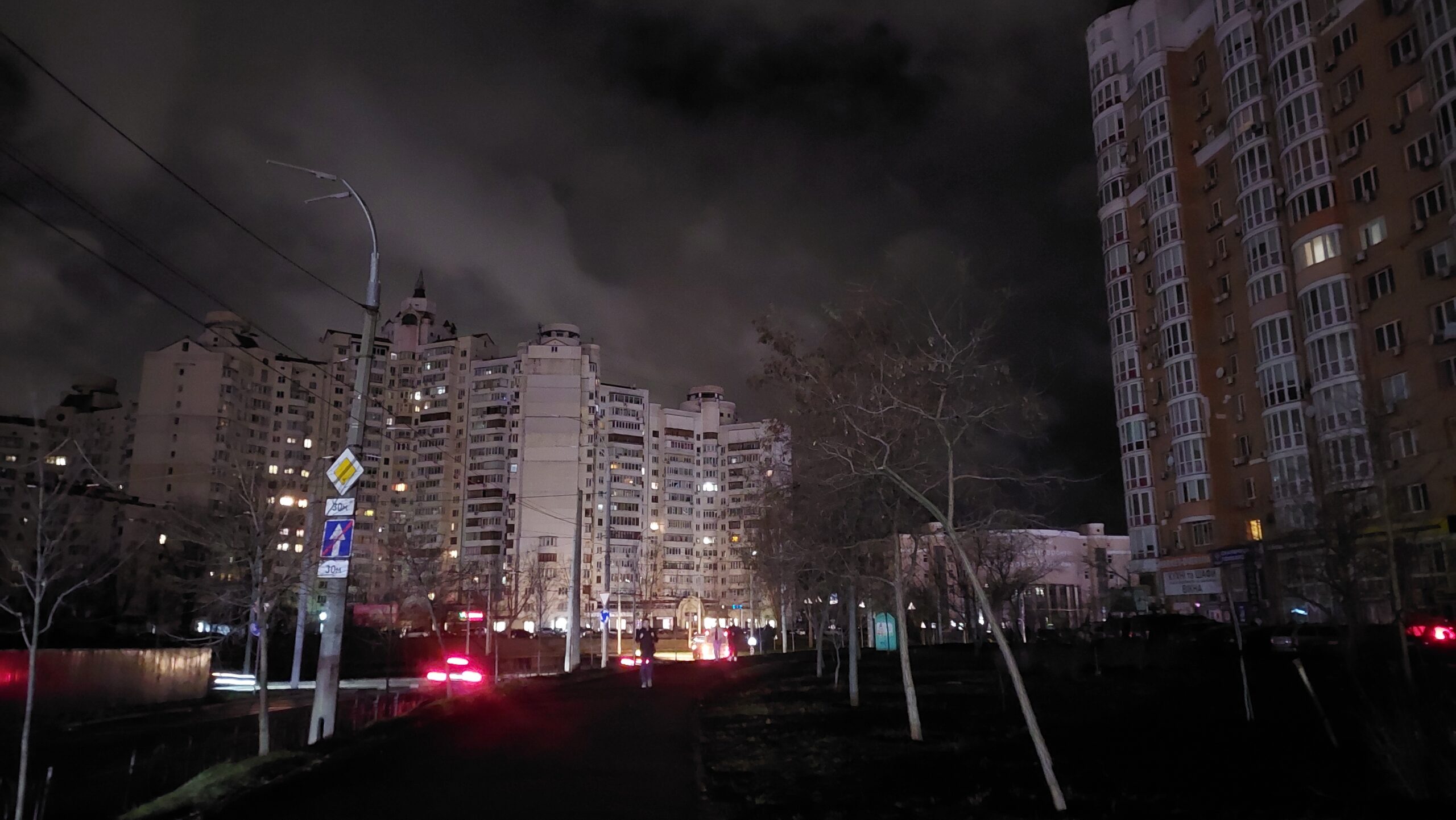
                Ukraine is working on a satellite system of its own, something similar to SpaceX's Starlink, Ukrainian President Volodymyr Zelenskyy said on 4 October, Interfax-Ukraine reported. He argued Kyiv should be free to turn Starlink on Russian military targets, warning that China and other states will share comparable satellite technology with Moscow within months. Ukraine's battlefield communications still ride on a network owned by Elon Musk, who has clashed with Kyiv and once limited its wartime use.

                Low-orbit satellite internet has turned into a frontline utility that a single company or government can switch on or off, and both armies are now racing to own that link instead of renting it. Control of the network decides whose drones can see the battlefield and fly through the jamming to strike it—leverage Kyiv has gone without while its connection rode on hardware it does not run.

                Working on a Starlink of its own

                Zelenskyy said there was groundwork in place and that Ukraine was working on a system similar to Starlink. He called it fair for Ukraine to aim Starlink at military sites inside Russia. The timing is the reason, he said: some states will share the technology with Russia late this year or early next, and the Chinese are among them. Moscow is already fielding its own Starlink-style constellation, Rassvet, though for now it reaches Ukraine only in brief passes.

                latvia convicted one node starlink supply chain russia — two latvian citizens same network still await trial · post terminal mounted russian horse 2026 latvia's riga city court has sentenced
                Explore further

                Ukrainian brigades detail Starlink crackdown: Russian terminals “became just bricks,” assaults disrupted

                Ukraine's troops and drones lean heavily on Starlink, a network Kyiv neither owns nor controls. Musk has used that control against Kyiv before: in 2022 SpaceX refused a Ukrainian request to extend Starlink over occupied Crimea for a drone strike on Russia's warships, and it has since restricted the network's use for drone operations.

                Sanctions, and satellites of its own

                Zelenskyy has asked US President Donald Trump several times to sanction the Russian and Chinese companies building Russia's Rassvet network, most recently at the UN General Assembly in New York, he said in a recent Financial Times interview.

                Employees of Russian company Bureau 1440 work on a Rassvet communications satellite.
                Explore further

                The EU sanctioned Russia’s Starlink rival but not the company that builds it. Experts call that the gap that matters

                Denys Shtilerman, co-founder and chief designer at Ukrainian defense company Fire Point, told the Financial Times in May that the firm had launched two satellites this year and planned dozens more in 2027, aiming to reduce reliance on the US government and Western tech companies. To strike deep inside Russia and gather intelligence, he has said, Ukraine needs its own constellation covering all of Russia.

                • ✇Euromaidan Press
                • Ukraine’s answer to Russia’s jet-powered Shaheds: a small new missile named Nika, heading into testing
                  Ukraine has developed a new missile to knock down Russia's fast, jet-powered Shahed drones, the ones its air defenses catch far less often than older models, President Volodymyr Zelenskyy said on 4 October, Suspilne reported. The weapon, called Nika, has not yet been tested. He announced it during a visit to Kyiv by German Chancellor Friedrich Merz. Russia's plants turn out an estimated 3,000 jet-powered Geran-4 and Geran-5 drones a month, Ukraine's military intelligence estimates, and
                   

                Ukraine’s answer to Russia’s jet-powered Shaheds: a small new missile named Nika, heading into testing

                5 octobre 2026 à 06:38

                Illustrative photo of a Ukrainian-made missile launch.

                Ukraine has developed a new missile to knock down Russia's fast, jet-powered Shahed drones, the ones its air defenses catch far less often than older models, President Volodymyr Zelenskyy said on 4 October, Suspilne reported. The weapon, called Nika, has not yet been tested. He announced it during a visit to Kyiv by German Chancellor Friedrich Merz.

                Russia's plants turn out an estimated 3,000 jet-powered Geran-4 and Geran-5 drones a month, Ukraine's military intelligence estimates, and the jets fly fast enough to outrun the cheap interceptors built for slower, propeller-driven Shaheds. Ukraine plans about 400 units of just one of five interceptor models it is testing by the end of October, as it scrambles to close the gap before winter.

                A new missile heads into testing

                Both the Ukrainian and German sides have reacted positively to the missile, Zelenskyy said, though he stayed cautious on the result: for now, he said, it only "could be positive." In the same remarks, he announced a successful test of a separate system, the German-Ukrainian interceptor Spys.

                Russia's new "Geran-4 Siker" Shahed variant uses machine-vision AI for targeting. Source: Warhronika
                Explore further

                Russia adds new weapon to its jet-powered drones, even more dangerous: 40-kilogram charge made to sever high-voltage pylons and iron bridges

                Ukraine shoots down 85-92% of propeller-driven Shaheds, Zelenskyy said. Against the jet-powered variants, interception falls to roughly 50-60%, he noted at the press conference with Merz. F-16 fighter jets help close the gap, he said.

                From interceptor drones to a new missile

                Over the past month, Ukraine tested a new generation of drone interceptors built for the jet-Shahed threat. On 15 September, one struck a Shahed in trials, though Zelenskyy said developers still needed to refine its control system. On 19 September, he said the Security Service of Ukraine (SBU) had created its own interceptor drone and used it to down a jet Shahed in combat. Nika adds a purpose-built missile to that mix.

                • ✇Euromaidan Press
                • “We are staying”: EU embassies remain in Kyiv after Russia warns diplomats to leave or risk their lives
                  The EU Delegation and all EU embassies will keep working in Kyiv despite Russia's warning that foreign diplomats should leave or risk their lives, EU Ambassador to Ukraine Katarína Mathernová said on 4 October. Poland and Estonia also said their embassies would stay, calling the threats an attempt to intimidate Europe. Russia attacks Kyiv daily as Moscow tries to make the city unlivable. Alongside the strikes, it now threatens the foreign missions that anchor Ukraine's support in the ca
                   

                “We are staying”: EU embassies remain in Kyiv after Russia warns diplomats to leave or risk their lives

                4 octobre 2026 à 10:46

                staying eu embassies remain kyiv after russia warns diplomats leave risk lives · post ambassador ukraine katarina mathernová 796746075_10164532181563363_8495230156254396336_n news ukrainian reports

                The EU Delegation and all EU embassies will keep working in Kyiv despite Russia's warning that foreign diplomats should leave or risk their lives, EU Ambassador to Ukraine Katarína Mathernová said on 4 October. Poland and Estonia also said their embassies would stay, calling the threats an attempt to intimidate Europe.

                Russia attacks Kyiv daily as Moscow tries to make the city unlivable. Alongside the strikes, it now threatens the foreign missions that anchor Ukraine's support in the capital.

                "We are staying"

                Russia's Foreign Ministry singled out the embassies still working in Kyiv and the foreign officials who keep visiting Ukraine, Mathernová wrote. Moscow claimed that if something happened to them, the responsibility would be theirs.

                "The responsibility for russian attacks belongs to russia! Not to anybody else," Mathernová wrote, adding: "Moscow wants to scare Europe into reducing its support for Ukraine. That will not happen."

                The EU Delegation continues its work while taking the security of its team seriously, she added.

                russia's drones keep targeting bridges kyiv can't easily replace—now northern crossing cratered · post explosion bridge ukraine 4 2026 20261004111959-2727 (1) news ukrainian reports
                Explore further

                Russia’s drones keep targeting the bridges Kyiv can’t easily replace—now the Northern crossing is cratered

                She pointed to the morning's strike on the Northern Bridge, saying the repeated attacks disrupt the connections between the two banks of the Dnipro. People worry about getting to work, reaching their families, and getting home safely, she wrote.

                Poland and Estonia keep their embassies open

                Poland's Foreign Ministry said it had no intention of changing how its Kyiv embassy works. The Kremlin's threats and calls for diplomats to leave show it is trying to intimidate Europe and undermine support for Ukraine, the ministry said. Such threats contradict international law and will not work, it added.

                Estonia's Foreign Ministry said its embassy stays in Kyiv and its support for Ukraine remains firm. Russia's threats only strengthen Estonia's resolve to stand with Ukraine, the ministry said.

                mr putin put end senseless war merz kyiv €1 billion military aid · post ukrainian president volodymyr zelenskyy welcomes german chancellor friedrich 4 2026 video zelenskiy official /telegram володимир зеленський
                Explore further

                “Mr Putin, put an end to this senseless war”: Merz in Kyiv, with €1 billion in military aid

                The European Commission also responded. Russia's threats show the Kremlin is losing the war and losing its self-control, Commission spokesperson Christian Wigand said, Suspilne reported.

                More aid, more sanctions

                This year alone, the EU has approved €28.3 billion ($32.3 billion) in defense procurement plans for Ukraine and is releasing another €6.6 billion ($7.5 billion) linked to military aid, Mathernová wrote. It is also moving forward with its biggest-ever sanctions listings against Russia, and this week imposed new sanctions over the deportation of Ukrainian children.

                German Chancellor Friedrich Merz came to Kyiv on the same day, as Russian attacks on the city continued. He and Zelenskyy visited the National Academy of Sciences building, hit by a Russian drone in September, and Zelenskyy thanked him for coming despite the air raid alert, calling it "a needed and brave signal," in a post on Telegram. Germany remains a reliable partner at Ukraine's side even in difficult times, Merz wrote.

                • ✇Euromaidan Press
                • “Mr Putin, put an end to this senseless war”: Merz in Kyiv, with €1 billion in military aid
                  German Chancellor Friedrich Merz arrived in Kyiv on an unannounced visit on 4 October and announced more than €1.3 billion ($1.5 billion) in new German support for Ukraine, Ukrainian President Volodymyr Zelenskyy said at a joint press conference. Part of the money will fund interceptors against Russia's jet-powered drones, as Russian drones struck Kyiv again during Merz's visit. Merz also pledged to speed up Ukraine's EU accession and announced a Coalition of the Willing meeting in Berlin
                   

                “Mr Putin, put an end to this senseless war”: Merz in Kyiv, with €1 billion in military aid

                4 octobre 2026 à 10:38

                mr putin put end senseless war merz kyiv €1 billion military aid · post ukrainian president volodymyr zelenskyy welcomes german chancellor friedrich 4 2026 video zelenskiy official /telegram володимир зеленський

                German Chancellor Friedrich Merz arrived in Kyiv on an unannounced visit on 4 October and announced more than €1.3 billion ($1.5 billion) in new German support for Ukraine, Ukrainian President Volodymyr Zelenskyy said at a joint press conference. Part of the money will fund interceptors against Russia's jet-powered drones, as Russian drones struck Kyiv again during Merz's visit. Merz also pledged to speed up Ukraine's EU accession and announced a Coalition of the Willing meeting in Berlin this winter.

                Russia now attacks Kyiv and other Ukrainian cities daily, increasingly with jet-powered drones that outrun the cheap interceptors built for slower Shaheds. That leaves Ukraine dependent on scarce air defense missiles and on partners willing to pay for new weapons fast.

                A package aimed at Russia's jet drones

                The €1 billion ($1.13 billion) military part of the package includes funding for joint production of interceptor drones against jet-powered drones, Merz said. Recent technological progress means the new interceptors can quickly enter serial production, he added.

                "This will quickly and noticeably strengthen Ukraine's air defense," Merz said.

                The package also includes long-range weapons, combat drones, and satellite equipment, which Merz said should help Ukraine destroy Russian launchers more effectively. A separate €350 million ($394 million) will go to Ukraine's energy sector before winter, covering generators, transformer substations, and repair kits, Liga reported.

                mr putin put end senseless war merz kyiv €1 billion military aid · post ukrainian president volodymyr zelenskyy german chancellor friedrich building national academy sciences ukraine damaged russian drone strike
                Ukrainian President Volodymyr Zelenskyy and German Chancellor Friedrich Merz at the building of the National Academy of Sciences of Ukraine in Kyiv, damaged by a Russian drone strike on 28 September, 4 October 2026. Photo: Office of the President of Ukraine

                The two countries also signed an agreement on counter-drone cooperation, Merz said. He stressed that the help runs both ways, with German defense companies learning from Ukraine's war experience. The broader deal also covers joint development of weapons with a range of more than 1,000 km, Reuters reported.

                russia's drones keep targeting bridges kyiv can't easily replace—now northern crossing cratered · post explosion bridge ukraine 4 2026 20261004111959-2727 (1) news ukrainian reports
                Explore further

                Russia’s drones keep targeting the bridges Kyiv can’t easily replace—now the Northern crossing is cratered

                Among interceptor drones, the Bars has so far shown the best results, downing up to 30% of its targets, Zelenskyy said. He expects the first results from small missiles designed to counter jet drones in the second half of October.

                "We will not be intimidated"

                Before the visit, Russia's Foreign Ministry warned foreign nationals and diplomats against staying in Ukraine and threatened new massive strikes on Kyiv. Merz arrived by train with Economy Minister Katherina Reiche and a delegation of German business executives.

                "Despite the threats that have reached us from Moscow in recent days, I came today... This shows: we will not let ourselves be intimidated," Merz said.

                Merz and Zelenskyy visited the National Academy of Sciences, where a Russian drone killed two people and injured seven on 28 September, the State Emergency Service and the Office of the President said. An air-raid alert sounded while they spoke with rescuers, and emergency service chief Andrii Danyk showed Merz the movement of Russian drones in real time. The same day, a Russian drone hit Kyiv's Northern Bridge again.

                "I can only repeat it once again from this point: Mr Putin, put an end to this senseless war," Merz said during the visit. "We are ready for talks, we are ready to discuss bringing this war to an end, but these barbaric attacks on the civilian population of Ukraine must stop," he added, Reuters reported.

                French President Emmanuel Macron sits with military officers and government officials during a Coalition of the Willing meeting in Paris on 24 February 2026.
                Explore further

                NYT: France, Germany and UK build joint format to secure Europe a place in Ukraine peace talks

                Zelenskyy called the chancellor's presence despite the alert "a needed and brave signal" from Merz personally and from all of Germany.

                EU path and a Berlin meeting

                Germany wants to speed up Ukraine's EU accession and is working toward that in Brussels, Merz said. He welcomed Zelenskyy's assurances on rule-of-law and anti-corruption reforms, which he said matter for further financial aid. Together with France and the UK, Germany plans to host a Coalition of the Willing meeting in Berlin this winter to coordinate further support, he added.

                mr putin put end senseless war merz kyiv €1 billion military aid · post ukrainian foreign minister andrii sybiha greets german chancellor friedrich arrival 4 2026 мерц у києві жовтня
                Ukrainian Foreign Minister Andrii Sybiha greets German Chancellor Friedrich Merz on his arrival in Kyiv, 4 October 2026. Photo: Andrii Sybiha/X

                The trip was Merz's second to Ukraine as chancellor and his fourth since the full-scale invasion. He arrived just as his standing at home is slipping: the far-right AfD reached 30% for the first time in an INSA poll for Bild, while Merz's CDU/CSU fell to a record low of 18%. Days earlier, Merz had directly accused the AfD of having "Russian backers."

                Russia’s drones keep targeting the bridges Kyiv can’t easily replace—now the Northern crossing is cratered

                4 octobre 2026 à 05:44

                russia's drones keep targeting bridges kyiv can't easily replace—now northern crossing cratered · post explosion bridge ukraine 4 2026 20261004111959-2727 (1) news ukrainian reports

                Russia struck Kyiv's Northern Bridge with a drone again on 4 October, the second hit on the crossing in two days, Kyiv Mayor Vitali Klitschko said. The attack damaged a heating main and rerouted public transport, as overnight and morning strikes also hit Kyiv Oblast, Dnipro, and Sumy, where one person was killed.

                Russia's air attacks on Ukrainian cities are daily, and in recent days they have hit a Kyiv school sheltering children and turned supermarkets into targets. Strikes on the crossings between the capital's two banks add another layer: they disrupt how millions of people move through the city every day.

                A crater on the Northern Bridge, no hot water across the river

                The drone hit the bridge's roadway, and videos posted by local channels showed a crater, Liga reported. The strike also damaged a heating main, cutting hot water in Kyiv's Desnianskyi district on the left bank, Klitschko wrote. Repair crews are working to restore it, he added.

                Kyiv's transport operator Kyivpastrans cut trolleybus routes short of the river. Routes 29, 30, 31, and 47 now run from the left bank only to Darnytsia Square, and routes 29, 30, and 31 run from the right bank only to Pochaina metro station. Buses 21, 73, 101, and 114 run only to Darnytsia Square because the bridge is closed to traffic.

                Russia first hit the Northern Bridge on 3 October, damaging its roadway and trolleybus lines. Two people were injured, and one of them was hospitalized, Klitschko said. A day earlier, repeated drone strikes hit the Southern Bridge and forced its closure. Overnight on 4 October, drone debris also fell on two locations in Kyiv's Dniprovskyi district, Klitschko reported.

                Russia's new "Geran-4 Siker" Shahed variant uses machine-vision AI for targeting. Source: Warhronika
                Explore further

                Russia adds new weapon to its jet-powered drones, even more dangerous: 40-kilogram charge made to sever high-voltage pylons and iron bridges

                Ukraine's government has already begun work on earth dams and pontoon crossings in case the city's Dnipro bridges are knocked out, Restoration Minister Mykola Kalashnyk told Suspilne.

                The strike came as German Chancellor Friedrich Merz visited Kyiv. Ukraine and Germany would reach important agreements during the visit, Zelenskyy said. This week alone, Russia launched more than 1,900 attack drones, 1,700 guided bombs, and 25 missiles at Ukraine, more than 800 of the drones jet-powered, he added.

                135 drones overnight

                Russia launched 135 attack drones at Ukraine overnight, 52 of them jet-powered Shaheds, Ukraine's Air Force reported. By 08:30, air defenses had downed or suppressed 123 drones and two Banderol or Dan-T missiles. Strikes hit five locations, and debris fell on five more.

                In Kyiv Oblast, Russian drones damaged six detached houses, a car, a church, a primary school, a café, and a medical facility in Boryspil Raion, the Kyiv Oblast Military Administration said. No one was killed or injured.

                Dnipro and Sumy

                Russia attacked a communications company's building in central Dnipro, Dnipropetrovsk Oblast head Oleksandr Hanzha reported.

                "The whole street there is covered in broken glass, debris, and branches," Dnipro Mayor Borys Filatov wrote, adding that nearby homes and schools escaped damage.

                In Sumy, Russian drones struck an ordinary medical supplies warehouse and killed one person, Zelenskyy said. Strikes across the city injured seven people, two of them seriously, the Sumy city council said. The attack also damaged gas networks and left 70 apartments without gas.

                • ✇Euromaidan Press
                • Moscow trains its military pilots at Khanskaya. Locals report a fire there after drones attacked overnight
                  Drones attacked Russia's Khanskaya military airfield in the Republic of Adygea overnight on 4 October, Ukrainian outlet Militarnyi reported. Local reports, footage, and satellite fire data point to a blaze near the base, which trains Russian military pilots and also serves combat aviation. Neither side has reported the extent of the damage. Ukraine is pressing its long-range campaign against the bases, refineries, and depots that keep Russia's war going, and Kyiv is vowing to hit harder
                   

                Moscow trains its military pilots at Khanskaya. Locals report a fire there after drones attacked overnight

                4 octobre 2026 à 05:42

                moscow trains its military pilots khanskaya locals report fire after drones struck overnight · post near russia's airfield republic adygea drone attack 4 2026 пожежа в районі аеродрому ханская у

                Drones attacked Russia's Khanskaya military airfield in the Republic of Adygea overnight on 4 October, Ukrainian outlet Militarnyi reported. Local reports, footage, and satellite fire data point to a blaze near the base, which trains Russian military pilots and also serves combat aviation. Neither side has reported the extent of the damage.

                Ukraine is pressing its long-range campaign against the bases, refineries, and depots that keep Russia's war going, and Kyiv is vowing to hit harder as Russia escalates its strikes on Ukrainian cities. Airfields are part of that target list: in August, Ukraine struck one in Krasnodar Krai in the same overnight wave that hit Russia's second-largest refinery.

                Hours of drone alerts, then a fire

                Locals reported an attack and a fire at the airfield, Ukrainian monitoring channel Exilenova+ wrote, sharing footage of the blaze. Drone warnings for the area began at 01:42 and lasted until 05:34, Militarnyi said. Over that time, Russian monitoring channels reported drones and active air defenses in the region and around the airfield.

                NASA's FIRMS fire-detection data from geostationary orbit also showed a fire in the airfield's area, Militarnyi noted. It also published a video of a Ukrainian drone flying toward the base.

                Khalino airfield in Russia's Kursk Oblast is seen from a Ukrainian drone moments before a strike on a MiG-29 fighter jet. Screenshot from video: Ukraine's General Staff
                Explore further

                Russian MiG-29 jet and the Pantsir air defense meant to protect it both hit in Ukrainian strike on Kursk airfield

                A pilot school that also serves combat aviation

                The airfield lies 6 km northwest of Maykop and 3 km east of the village of Khanskaya, about 500 km from Ukrainian-controlled territory, according to Militarnyi. Before the war, it was used mainly for training flights and hosted L-39 trainer jets.

                moscow trains its military pilots khanskaya locals report fire after drones struck overnight · post near russia's airfield republic adygea nasa firms fire-detection area marked 4 2026 militarnyi 0410hanskaya ukraine
                A fire near Russia's Khanskaya military airfield in the Republic of Adygea, with the NASA FIRMS fire-detection area marked, 4 October 2026. Graphic: Militarnyi, photo: Exilenova+

                The 761st Training Aviation Regiment was based there until it was disbanded in 2009, when the 272nd Training Aviation Base was formed in its place. The base, military unit 55661, belongs to the Krasnodar Higher Military Aviation School of Pilots. Ukraine's General Staff said in October 2024 that Su-34, Su-27, and Su-35 jets, which Russia uses in its war against Ukraine, were based at the airfield, Militarnyi wrote. In March 2026, the General Staff said Russian forces actively use it for operational-tactical aviation.

                Ukraine has struck the base before

                Ukrainian drones attacked the airfield as early as October 2024. On 25 December 2025, Ukraine's General Staff said its forces had hit the Maykop airfield and started a fire. That was the same night Ukraine hit the port of Temryuk. Drones attacked the base again on 29 December, when Russian authorities claimed to have repelled the attack. Ukraine struck the airfield once more in March 2026.

                Ukraine’s bomber drones, ones that dropped ground robots in its recent Donetsk counteroffensive, are getting 2.4-kilogram jammer to shield them from FPVs

                3 octobre 2026 à 17:26

                A Ukrainian firm is testing a jammer light enough to ride on a heavy bomber drone and shield it from the enemy FPVs that hunt it. Aura-Ukraine has begun final tests of the system, called Aura 3K mini, the Dignitas Fund, a charity developing it with the manufacturer, Oboronka reports.

                The bombers it is built to protect have become some of Ukraine's most valued drones. In the Donetsk operation last month, heavy bombers dropped kamikaze ground robots more than 10 kilometers behind Russian lines. The same weapon has been fitted with guided bombs that strike at long range with high precision.

                At the same time, heavy bombers are large, making them prime targets for Russia. Keeping them in the air, and out of enemy hands, is the point of the new shield.

                Two jammers cover 360 degrees

                Aura 3K mini wraps the drone in a spherical, 360-degree cover using two broadband jammers, the fund says. Two emitters, not one, close the blind angles a single jammer would leave.

                They work across the 2.1 to 2.8 GHz band, enough to disrupt FPV drones without cutting the bomber's own Starlink link. The whole device weighs about 2.4 kilograms.

                "Radiation-pattern tests start on the front line in the coming days," the fund's press service says, and if they succeed, the system is set for serial production.

                The fund moves to automate it

                The next step is to make the jammer smarter, the fund says. It wants an auto-on function that fires only when a threat is detected, so the bomber does not give away its position with constant emission.

                The team also plans to adapt Aura 3K mini to Vampire-type bombers, the heavy night drones that Russian troops nickname "Baba Yaga". That would widen the shield's reach across more of Ukraine's bomber fleet.

                Russia hunts the Baba Yaga

                The nickname points to a fairytale Slavic witch who flies by night. The real thing has been hard for Russia to counter: in 2024, a Ukrainian night bomber was often impossible to jam and, by one account, could be destroyed only with a flamethrower. By 2025, Russia was offering its soldiers 10 days' leave for capturing a Baba Yaga it could not build itself.

                ❌