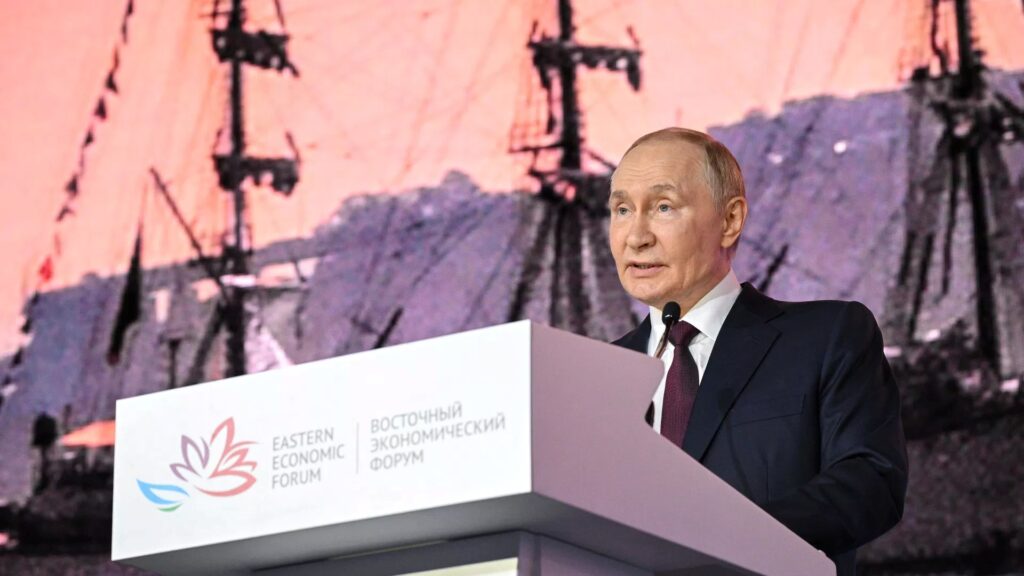
Finnish President Alexander Stubb and Norwegian Prime Minister Jonas Gahr Støre spoke by phone with Russian President Vladimir Putin on 27 October, urging him to de-escalate Russia’s war against Ukraine and resume negotiations. The roughly 90-minute call was coordinated with Kyiv and came ahead of planned trilateral talks between Ukrainian, US, and Russian officials in Abu Dhabi in November.
The initiative marks a rare direct contact between Western European leaders and Putin since Russ
Finnish President Alexander Stubb and Norwegian Prime Minister Jonas Gahr Støre spoke by phone with Russian President Vladimir Putin on 27 October, urging him to de-escalate Russia’s war against Ukraine and resume negotiations. The roughly 90-minute call was coordinated with Kyiv and came ahead of planned trilateral talks between Ukrainian, US, and Russian officials in Abu Dhabi in November.
The initiative marks a rare direct contact between Western European leaders and Putin since Russia launched its full-scale invasion in February 2022. The Nordic leaders are reportedly seeking to influence peace efforts increasingly shaped by US President Donald Trump, amid concerns in Europe that Washington is shifting toward Moscow’s position and sidelining Ukraine’s European partners.
Stubb and Støre said they discussed Russia’s war against Ukraine, upcoming negotiations, and security in Europe. Ukrainian President Volodymyr Zelenskyy said the two leaders had urged Putin to take concrete steps toward de-escalation, particularly regarding attacks on Ukraine’s energy infrastructure.
Zelenskyy says leaders urged energy de-escalation
After the call, Zelenskyy said he had spoken with Stubb and Støre to receive a detailed briefing. He thanked them for supporting Ukraine’s diplomatic efforts and said they had clearly told the Russian leader that real de-escalation steps were needed regarding Ukraine’s energy sector and infrastructure.
Zelenskyy also said the leaders discussed preparations for a trilateral meeting planned for November involving Ukrainian, US, and Russian negotiating teams.
In a joint statement, Stubb and Støre said the call followed their 20 October meeting in Oslo and was held in consultation with Ukraine. They emphasized that Finland and Norway, which both share borders with Russia, would continue their longstanding support for Ukraine.
“The discussion was frank and substantive,” Stubb said, adding that the war’s outcome would directly affect Nordic and broader European security. Støre stressed the war’s enormous human and material costs and said the leaders had emphasized the importance of de-escalation.
Presidents Volodymyr Zelenskyy (R) of Ukraine and Alexander Stubb (L) of Finland after signing the security agreement. Kyiv, 3 April 2024. Screenshot: Telegram/Zelenskyy Official
Moscow gives no sign of changing its position
The Kremlin’s account of the call offered no indication that Putin was prepared to soften his demands, according to Reuters. It said a just and lasting peace was possible only if Russia’s “legitimate interests” were fully taken into account, while blaming EU and NATO policies for prolonging the fighting.
Russian Foreign Minister Sergei Lavrov dismissed the call as offering nothing new on the conflict and accused European countries of seeking a role in negotiations.
A source close to the Kremlin told Reuters that Putin had said the war must end while taking “the realities on the ground” into account. The source interpreted this as meaning Moscow would not compromise on its goal of capturing the entire Donbas region.
Russia has continued its attacks on Ukraine while demanding territorial concessions. Kyiv, meanwhile, has called for meaningful de-escalation and a settlement that preserves Ukraine’s sovereignty and security.
Nordic initiative draws criticism from European partners
The call comes as European governments seek a greater role in peace efforts led by Trump. Western European leaders have largely avoided direct contact with Putin since the invasion, hoping to isolate Moscow, but concerns have grown that Europe is being sidelined in negotiations.
Stubb said Ukraine had sought to open a new channel of communication and that Europe could no longer remain a bystander to peace efforts. He said the initiative had been discussed with Western allies.
However, Danish Prime Minister Mette Frederiksen criticized the move, saying she saw no signs that Russia wanted peace and arguing that Europe should act together rather than pursue separate initiatives, according to Reuters.
Reuters added that Swedish Prime Minister Ulf Kristersson said other European leaders had not been informed of the talks and expressed low expectations for the conversation. Polish Prime Minister Donald Tusk also urged caution.
Stubb and Støre stressed that they had acted as leaders of Finland and Norway, not on behalf of Europe as a whole. They said their countries would continue supporting Ukraine while pursuing diplomatic efforts to end the war.
The ceasefire around Russian-occupied Oleshky in Kherson Oblast has expanded beyond the town to provide safe passage for humanitarian convoys, US First Lady Melania Trump said on 27 October. The expansion is intended to facilitate aid deliveries to civilians trapped under Russian occupation.
Ukraine and Russia are observing a localized ceasefire to enable a humanitarian mission to reach Oleshky, where residents have faced months of shortages of food, medicine, and medical care under Rus
The ceasefire around Russian-occupied Oleshky in Kherson Oblast has expanded beyond the town to provide safe passage for humanitarian convoys, US First Lady Melania Trump said on 27 October. The expansion is intended to facilitate aid deliveries to civilians trapped under Russian occupation.
Ukraine and Russia are observing a localized ceasefire to enable a humanitarian mission to reach Oleshky, where residents have faced months of shortages of food, medicine, and medical care under Russian occupation.
Trump said the ceasefire took effect at 04:00 Moscow time on 27 October, two days ahead of the original schedule, to protect civilians and facilitate the delivery of critical humanitarian aid. Russia’s chief of General Staff, Valery Gerasimov, had confirmed the arrangement, she said.
Ukraine’s human rights ombudsman Dmytro Lubinets said no ceasefire violations had been recorded by 19:49 Kyiv time on 27 October, and Russian forces had made no attempts to advance. He added that he remained in constant contact with his Russian counterpart, Yana Lantratova.
THE CEASEFIRE HAS COMMENCED The ceasefire between Ukraine and Russia took effect at 4:00am Moscow time on October 27, 2026.
Timing was accelerated two days ahead of schedule to protect the safety of civilians and to facilitate the delivery of critical humanitarian aid. The…
Road to Oleshky must be cleared before aid can arrive
Lubinets said the ceasefire began at 03:00 Kyiv time and would remain in effect until 22:59 Kyiv time on 1 November. He reported no violations since it began and said Russian forces had made no attempts to advance.
The next steps are to clear mines from the road to Oleshky and deliver humanitarian supplies. Representatives of Ukraine, Russia, and the United States will be present once the route is cleared and the aid arrives, Lubinets said in an interview with Ukrainian broadcaster 1+1.
He added that everyone who wants to leave for Ukrainian-controlled territory would be able to do so and that assistance would be provided to everyone who needs it.
The Financial Times earlier reported, citing sources familiar with the negotiations, that residents who agree to leave Russian-occupied Oleshky during the ceasefire would first be transported to occupied Crimea or Russia before being allowed to return to Ukrainian-controlled territory.
Humanitarian mission follows months of efforts
Oleshky has been under Russian occupation since 2022. The town has been cut off for months, with shortages of food, medicine, and medical care worsening.
The White House announced on 23 October that Melania Trump had secured a localized ceasefire originally scheduled to begin on 29 October. Russia subsequently announced a ceasefire on the Kherson axis from 27 October, with preparations to secure a route for a humanitarian convoy.
Explore further
Ceasefire planned for occupied Oleshky as residents face starvation and blocked escape routes, White House announces
Lubinets said efforts to address the humanitarian crisis in Oleshky began in late February 2026, but progress accelerated in September following Melania Trump’s involvement.
The expanded ceasefire area is intended to facilitate the humanitarian operation, but the route must still be cleared and supplies delivered before the mission can reach residents. The new boundaries of the ceasefire area have not been specified publicly.
Ukraine’s air defenses have been intercepting nearly 60% of Russian Geran-4 jet-powered attack drones over the past three months, with the interception rate reaching 80% during some attacks, Ukraine’s General Staff said.
Russia has increasingly used jet-powered drones in its attacks on Ukraine, adding a faster-moving threat to the Shahed-type drones Moscow deploys against Ukrainian cities and infrastructure. Ukraine is working to improve interception rates while reducing the cost of cou
Ukraine’s air defenses have been intercepting nearly 60% of Russian Geran-4 jet-powered attack drones over the past three months, with the interception rate reaching 80% during some attacks, Ukraine’s General Staff said.
Russia has increasingly used jet-powered drones in its attacks on Ukraine, adding a faster-moving threat to the Shahed-type drones Moscow deploys against Ukrainian cities and infrastructure. Ukraine is working to improve interception rates while reducing the cost of countering these aerial threats amid shortages of surface-to-air missiles.
The General Staff’s update did not mention interception rates for Russia’s more advanced Geran-5 jet-powered drone.
F-16s, Mirage jets help intercept Russian drones
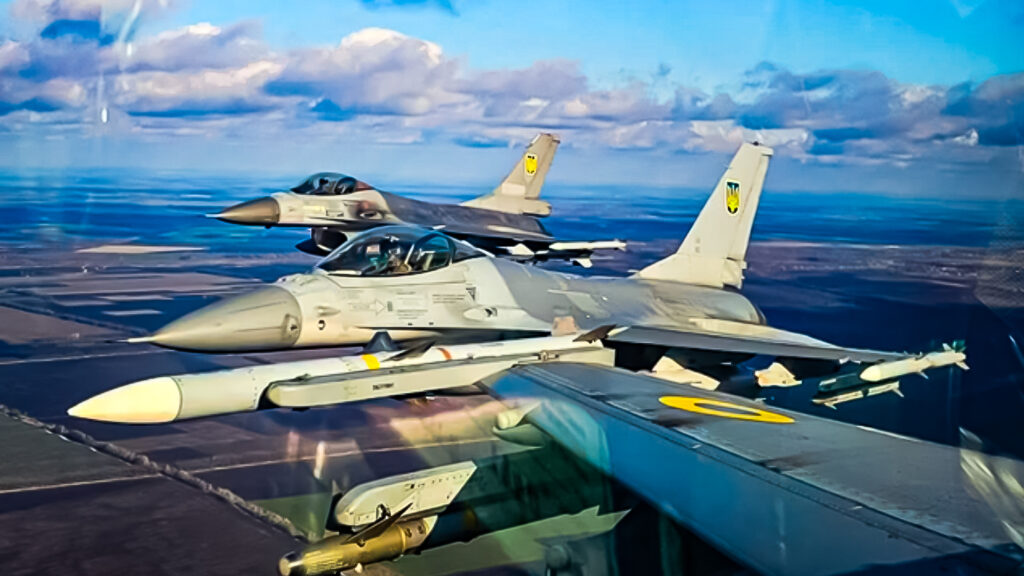
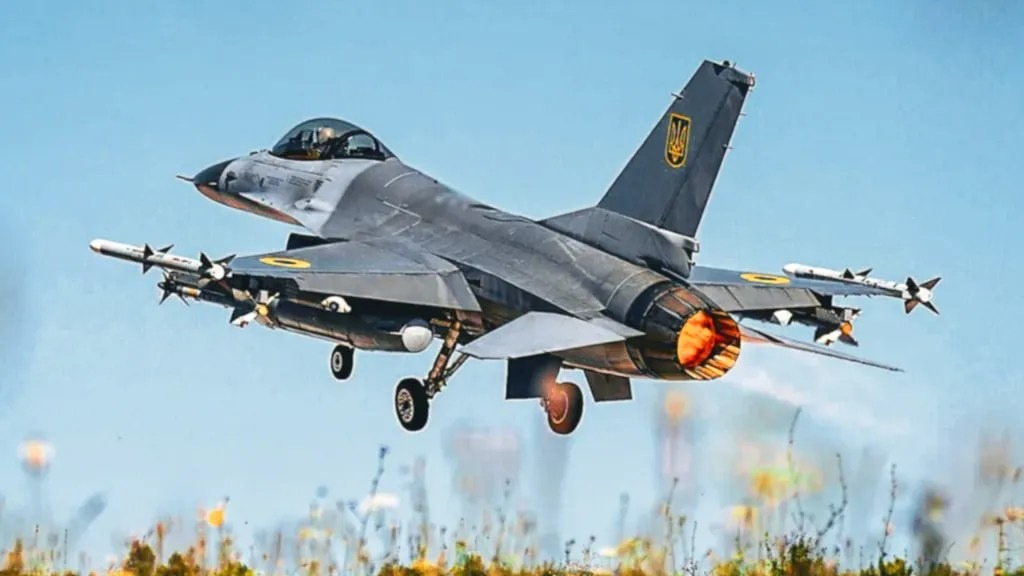
According to the General Staff, tactical aviation plays a significant role in destroying Russian jet-powered drones. Ukraine uses F-16s, French Mirage aircraft, and MiG-29 fighters to intercept them.
The military is also strengthening what it calls “short-range air defense” as Ukraine faces a shortage of guided anti-aircraft missiles. These systems include Gepard and Shilka anti-aircraft guns, newer Skynex, Skyranger, and Terrahawk Paladin systems, interceptor drones, and mobile fire groups deployed by different branches of Ukraine’s Defense Forces.
Mobile fire groups are equipped not only with machine guns and supporting equipment but also with man-portable air-defense systems (MANPADS). Ukrainian troops have been successfully using these missiles to shoot down Russian jet-powered drones, the General Staff said.
A Ukrainian soldier with an LMM Martlet MANPADS. Screenshot: Ukrainian Air Assault Forces, via Militarnyi.
Explore further
Denmark rushes 50,000 cannon rounds to Ukraine to help F-16s hunt Russia’s advanced jet drones
Ukraine tests cheaper drone interceptors
Ukraine is also seeking to lower the cost of countering Russian aerial attacks by testing new interceptor drones.
According to the General Staff, some models have already downed dozens of Russian Geran jet-powered drones. The military did not provide further details about the interceptor models or the number of drones destroyed.
The rising interception rate reflects Ukraine’s efforts to adapt its air defenses to Russia’s evolving drone campaign while preserving scarce and expensive air-defense missiles for threats that require them.
German defense AI firm Helsing has unveiled Contra, an AI-run air defense system and two interceptor missiles designed to chase Russia’s jet-powered Geran drones, the company announced on 26 October. Officials pitch it as cheap, but it won’t reach the market this winter.
That leaves Ukraine on its own defenses as Russia shifts to jet drones. By early October, jet models made up about 40% of Russian drone launches, and Ukraine’s own interceptors for them won’t arrive in needed numbers be
German defense AI firm Helsing has unveiled Contra, an AI-run air defense system and two interceptor missiles designed to chase Russia’s jet-powered Geran drones, the company announced on 26 October. Officials pitch it as cheap, but it won’t reach the market this winter.
That leaves Ukraine on its own defenses as Russia shifts to jet drones. By early October, jet models made up about 40% of Russian drone launches, and Ukraine’s own interceptors for them won’t arrive in needed numbers before late November, Air Force Deputy Commander Yurii Cherevashenko said.
Two missiles, one AI brain
Contra is the command layer of air defense: it links radars and other sensors, tracks incoming drones and missiles, and assigns a weapon to each target, while people keep control over decisions, Helsing said. Besides the company’s own missiles, it can also use other firms’ interceptors, lasers, guns, or nets. AD-1 Inferno is jet-powered and designed to loiter, swarm, and re-engage targets, while AD-2 Ambush, a solid-fuel rocket, is designed to reach Mach 2.5, over twice the speed of sound, and a range of more than 20 km, the company said.
Inferno, with a 700 km/h speed and a 20-km range, would be the everyday shooter. Ambush would handle “leakers,” drones about to hit the ground, said Maxwell Adams, Helsing’s senior product director. Each shot should cost under $100,000, company officials said.
Built for the faster Gerans
Ukraine once downed 90% of Russia’s slower, propeller-driven Gerans, copies of Iran’s Shahed, Defense News reported. Russia has since fielded thousands of jet Geran-4s and Geran-5s flying at 400–700 km/h, and almost half now get through, Helsing co-founder and co-CEO Gundbert Scherf said.
Ukraine’s own nightly rates swing widely. On 28 September, President Zelenskyy put the shoot-down rate for jet drones at 57%. Overnight on 7 October, it exceeded 82%, National Security and Defense Council Secretary Ihor Klymenko said. Russian output of the two models has reached 4,000 a month, Helsing said, citing unspecified intelligence reports.
Explore further
German company introduces AI-powered HX-2 drone for Ukrainian military
Helsing has signed one Contra contract, Scherf said, but the system is still in testing, and he expects it on the market in the second half of 2027. Ukraine already uses Helsing’s HX-2 strike drones. Scherf said they should be integrated into a system like Contra.
Ukraine has finished its share of FREYJA, a joint European project to build a system against ballistic missiles, President Volodymyr Zelenskyy told journalists on 17 October, Ukrinform reported. He added that Kyiv wants to test the first system as soon as possible.
Ukraine still relies on US-made Patriot interceptors to stop Russian ballistic missiles. Zelenskyy told ABC News on 23 October that Ukraine had received only 24 of them from the US in three months, while it needs 350 a month
Ukraine has finished its share of FREYJA, a joint European project to build a system against ballistic missiles, President Volodymyr Zelenskyy told journalists on 17 October, Ukrinform reported. He added that Kyiv wants to test the first system as soon as possible.
Ukraine still relies on US-made Patriot interceptors to stop Russian ballistic missiles. Zelenskyy told ABC News on 23 October that Ukraine had received only 24 of them from the US in three months, while it needs 350 a month on average. FREYJA can not close that gap soon, because the system is still in development.
Ukraine’s missile and launcher, partners’ radars and sensors
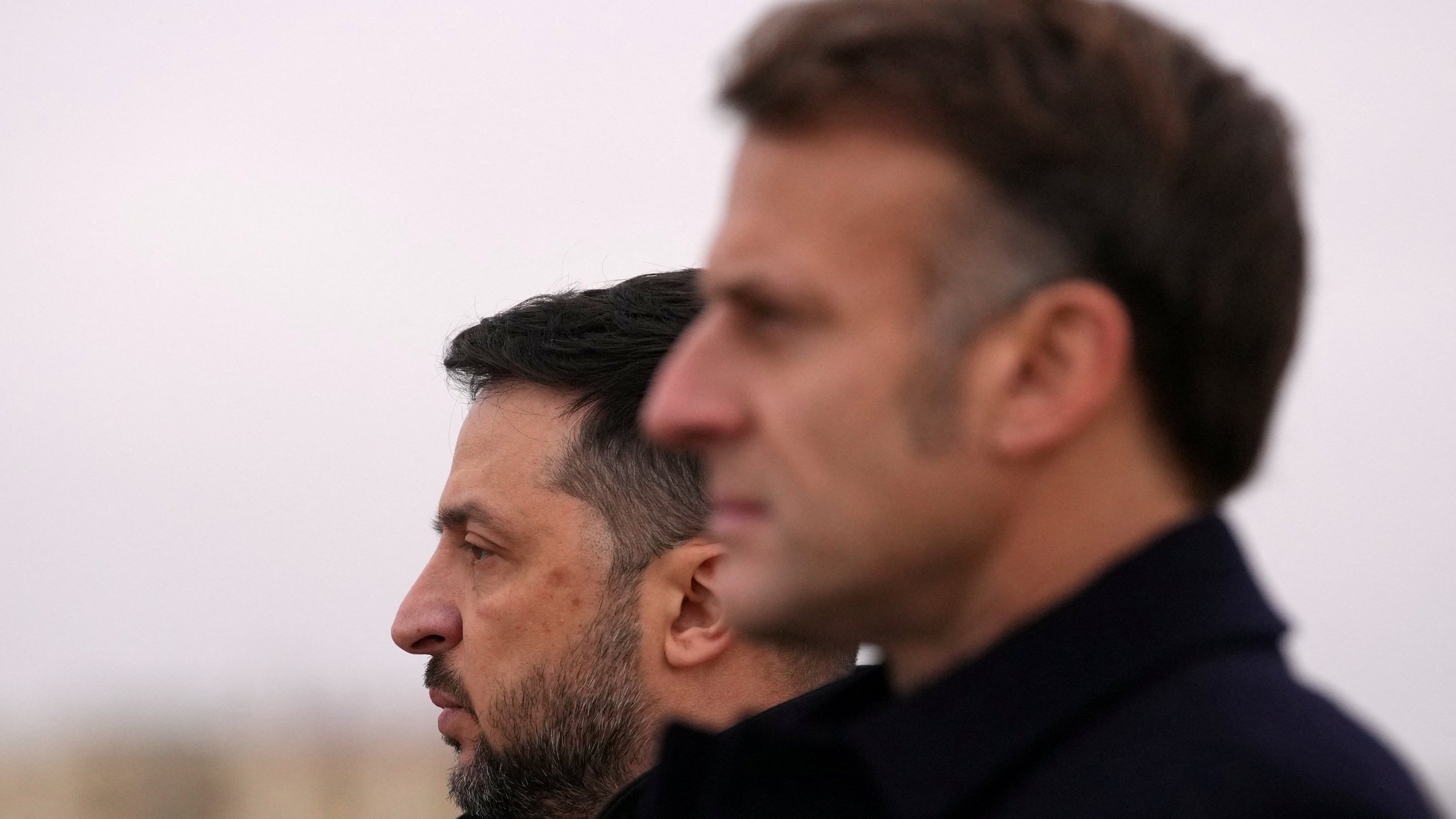
Zelenskyy said the partners’ share of the work, with 10 countries taking part, is still underway. He also said he had discussed the project with French President Emmanuel Macron, and he named Norway as a key partner.
Explore further
Ukraine’s missile, Europe’s sensors—FREYJA enters active development on an early-2027 clock
Zelenskyy did not say what the partners still have to deliver. In August, he said Ukraine is capable of making the missile and launcher, while partners would supply critical components such as radars and sensors.
One part not made in Ukraine
In May, Fire Point co-founder and chief designer Denys Shtilerman said all components of the FP-7.x interceptor are made in Ukraine except one. “As for that one part we don’t manufacture in Ukraine, we’ve contracted a certain quantity of it. We already have it,” he said, but did not name the part.
In June, however, Shtilerman told the Financial Times that mass production depended on an infrared seeker Fire Point hoped to get from Germany’s Diehl Defence. Neither statement says whether the seeker is that one part.
Fire Point co-founder Iryna Terekh said in September that FREYJA was going through testing and technical integration in combat conditions in Ukraine. The company plans its first intercept of a ballistic target by mid-2027.
The official timeline has since moved closer. On 21 October, Zelenskyy wrote that officials had identified where to speed up so FREYJA reaches testing by the end of this year. A test is still a step short of an intercept.
Pro-Ukraine demonstrations took place in more than 10 cities across Europe, North America, and Australia over the past week, with protesters opposing US President Donald Trump’s agreement to resume Russian diesel shipments, the easing of sanctions on Moscow, and restrictions affecting Ukraine’s military support.
The protests were organized by Ukrainian diaspora groups and international supporters of Ukraine, who called on Washington to maintain pressure on the Kremlin, restore Ukraine’s
Pro-Ukraine demonstrations took place in more than 10 cities across Europe, North America, and Australia over the past week, with protesters opposing US President Donald Trump’s agreement to resume Russian diesel shipments, the easing of sanctions on Moscow, and restrictions affecting Ukraine’s military support.
The protests were organized by Ukrainian diaspora groups and international supporters of Ukraine, who called on Washington to maintain pressure on the Kremlin, restore Ukraine’s access to Starlink, and stop using military aid and intelligence sharing as leverage against Kyiv.
The International Center for Ukrainian Victory (ICUV) said the actions reflected growing concern over US decisions that could benefit Russia while its war against Ukraine continues.
Pro-Ukraine protesters rally in Chicago, USA, against US policy toward Russia, 13 October 2026. Photo: Radio UA ChicagoPro-Ukraine protesters rally outside the US consulate in Edinburgh, Scotland, against US policy toward Russia, 21 October 2026. Photo: Ukraine Solidarity Campaign
The demonstrations followed Trump’s announcement on 9 October that Russia would supply diesel to US and global markets. The US Treasury’s Office of Foreign Assets Control subsequently issued a temporary license authorizing transactions involving Russian-origin diesel, including imports into the United States, through 7 April 2027.
The decision reversed part of Washington’s restrictions on Russian fuel imposed after Russia’s full-scale invasion of Ukraine in 2022.
“We are witnessing a dangerous situation today: Russia, which attacks Ukrainian cities every day, is being offered economic agreements and sanctions relief, while Ukraine is being asked to make concessions. But Ukrainians cannot simply stop fighting. For us, this is a matter of our state’s existence. Our future cannot be the subject of agreements between Trump and Putin. It belongs to Ukrainians,” said Olena Ivashchenko, founder of Campaign for Ukraine.
Pro-Ukraine protesters rally in Sydney, Australia, against US policy toward Russia, 16 October 2026. Photo: Ukrainians in SydneyPro-Ukraine protesters rally in Rome, Italy, against US policy toward Russia, 21 October 2026. Photo: Ukrainian World Congress
Protests target Russian fuel deal and pressure on Kyiv
In London, hundreds of protesters gathered outside the US Embassy on 16 October, according to organizers from Campaign for Ukraine and partner groups. Participants included Ukrainians, Britons, Americans, and members of other national communities. British lawmakers also raised the issue in Parliament.
Demonstrators carried signs reading “How Many Ukrainians per Barrel?” and “Occupation Is Not Peace,” calling on Washington to preserve sanctions and reject pressure on Ukraine to make territorial concessions.
Pro-Ukraine protesters rally in London, England, against US policy toward Russia, 16 October 2026. Photo: Khrystyna ShebunchakPro-Ukraine protesters rally in Sydney, Australia, against US policy toward Russia, 16 October 2026. Photo: Ukrainians in SydneyPro-Ukraine protesters rally in Chicago, USA, against US policy toward Russia, 13 October 2026. Photo: Radio UA Chicago
Protests also took place in Edinburgh, Chicago, Houston, Boston, San Diego, Prague, Rome, Stockholm, and Sydney. In Prague, two Ukrainian activists staged a protest outside the US Embassy on 21 October, pouring a red liquid resembling blood onto the road to symbolize the human cost of the policy.
Ukrainian activists stage a protest outside the US Embassy in Prague on 21 October, pouring red liquid onto the road to symbolize the bloodshed caused by Russia’s war against Ukraine and condemn US policies toward Moscow. Photo: Kaputin
The diesel agreement has drawn criticism in Ukraine because Russian fuel exports generate revenue for Moscow while its forces continue attacking Ukrainian cities and infrastructure. A Russian diesel tanker carrying 40,000 metric tons of fuel departed Russia’s Baltic port of Primorsk on 22 October bound for New York, according to shipping data reported by Reuters. It was expected to arrive on 7 November.
Pro-Ukraine protesters rally in Chicago, USA, against US policy toward Russia, 13 October 2026. Photo: Radio UA ChicagoPro-Ukraine protesters rally in Stockholm, Sweden, against US policy toward Russia, October 2026. Photo: Nordic Ukraine
Organizers warn against easing pressure on Moscow
Protest organizers argued that restoring Russian fuel sales and relaxing sanctions risk helping Moscow finance its war. They also opposed any US effort to secure concessions from Kyiv without requiring Russia to end its aggression.
The demonstrations reflect concerns among Ukraine’s international supporters that Washington’s pursuit of economic agreements with Moscow could undermine efforts to isolate Russia and strengthen Kyiv’s position.
Trump has defended the diesel arrangement as a way to increase fuel supplies and lower prices. His administration has also presented engagement with Moscow as part of its broader effort to end the war, while critics question whether easing economic pressure will produce meaningful concessions from the Kremlin.
Pro-Ukraine protesters rally in Boston, USA, against US policy toward Russia, 13 October 2026. Photo: Boston Supports UkrainePro-Ukraine protesters rally in Boston, USA, against US policy toward Russia, 13 October 2026. Photo: Boston Supports Ukraine
Russian forces struck a warehouse belonging to Ukrainian publishing house KSD in Kharkiv on 27 October, disrupting the publisher’s planned November releases. No employees were injured, but the company is still assessing the damage and losses.
The attack came on the Day of Ukrainian Writing and Language, a national holiday celebrating Ukraine’s language and literary heritage. It adds to a series of Russian strikes on Ukrainian publishing houses, printing facilities, and book warehouses t
Russian forces struck a warehouse belonging to Ukrainian publishing house KSD in Kharkiv on 27 October, disrupting the publisher’s planned November releases. No employees were injured, but the company is still assessing the damage and losses.
The attack came on the Day of Ukrainian Writing and Language, a national holiday celebrating Ukraine’s language and literary heritage. It adds to a series of Russian strikes on Ukrainian publishing houses, printing facilities, and book warehouses that have destroyed millions of books and disrupted the country’s publishing industry.
KSD announced the strike on social media, saying it had planned to greet readers on the holiday and reveal its November releases but instead had to deal with the attack. The publisher said strikes in the area were continuing, preventing it from determining the full extent of the damage.
The company had planned to begin releasing its new books on 5 November. It has now postponed the announcements while it assesses the situation and determines how to proceed.
“We really want to show you the new releases we had prepared for November,” KSD said. “But for now, as we clarify the details, we cannot yet assess the scale of the destruction and understand how we will work going forward.”
The publisher said it would share updates as more information became available.
Russian forces struck a warehouse building in Kharkiv’s Slobidskyi District with a drone, as Moscow continues targeting civilian and industrial infrastructure across Ukraine.
Russia’s attacks devastate Ukraine’s book industry
KSD’s warehouse is the latest publishing facility affected by Russia’s campaign against Ukraine’s book industry. In July and August alone, Russian attacks destroyed around 13 million books, nearly a third of the number Ukrainian publishers printed in all of 2025, according to the Ukrainian publishing industry.
On 1 August, a Russian strike on a warehouse used by the Ranok publishing group in Kharkiv destroyed around 8 million books, including hundreds of thousands of school textbooks. A separate attack on a printing facility in July destroyed print runs and book materials belonging to numerous Ukrainian publishers.
In October, Russian strikes also damaged a Kyiv warehouse belonging to publisher Knyholav, destroying tens of thousands of books, including titles and reprints that had replaced stock lost in an earlier attack.
Explore further
Russia has burned millions of Ukrainian books, striking at the infrastructure of Ukrainian culture
These strikes threaten more than publishers’ finances. Destroyed print runs and damaged warehouses delay new releases, deprive readers of Ukrainian-language books, and force publishers to spend scarce resources replacing titles instead of developing new ones.
KSD has not yet disclosed its losses or announced a revised release schedule for its November books.
Ukrainian postal company Nova Post has established its own private air defense capability and has already shot down Russian Shahed attack drones, company co-owner Viacheslav Klymov said on 27 October, according to Interfax-Ukraine.
As Russia increasingly targets Ukrainian factories, warehouses, transport hubs, and other civilian infrastructure, localized air defense is becoming more important. Ukraine’s expanding private air defense program allows businesses to help protect their facili
Ukrainian postal company Nova Post has established its own private air defense capability and has already shot down Russian Shahed attack drones, company co-owner Viacheslav Klymov said on 27 October, according to Interfax-Ukraine.
As Russia increasingly targets Ukrainian factories, warehouses, transport hubs, and other civilian infrastructure, localized air defense is becoming more important. Ukraine’s expanding private air defense program allows businesses to help protect their facilities while operating within the country’s military air defense command system.
“We are one of the few companies that has implemented this project. I don’t want to disclose figures, but we have Shahed shootdowns,” Klymov said at the 12th Kyiv International Economic Forum, according to Interfax-Ukraine.
Klymov also argued that businesses can take on responsibilities that were previously considered exclusively the state’s domain. He pointed to firefighting as another area where companies can strengthen their own response capabilities.
Nova Post employees already extinguish many fires caused by Russian attacks on the company’s facilities without waiting for the State Emergency Service of Ukraine (DSNS) to arrive, he said. Large businesses are also looking for fire engines in Europe to establish their own firefighting units.
Aftermath of Russian strikes on a Nova Poshta warehouse in Sviatopetrivske near Kyiv on 28 August 2026. Photo: Anton Ovsienko/Facebook
Private air defense expands across Ukraine
Ukraine began allowing private companies to establish air defense units under a government-approved framework in November 2025. These units operate under Air Force command, with the military coordinating their missions and integrating them into the national air defense network.
Nearly 100 companies have reportedly joined the experimental program. About 50 air defense groups had been formed, and crews from six companies were already carrying out combat missions. By 14 October, the groups had downed more than 60 aerial targets, mostly Russian drones, according to Ukraine’s Defense Ministry.
The program allows participating businesses to help defend industrial sites and critical infrastructure using capabilities that include interceptor drones and remotely operated heavy machine guns. The approach adds another layer of protection without requiring the military to cover every facility with its own units.
The need for such protection has grown as Russia continues launching long-range attack drones against civilian and industrial targets across Ukraine. Localized air defense can help protect specific sites and reduce the burden on military units, although it remains part of a coordinated national system rather than an independent replacement for military air defense.
Explore further
Ukraine’s air defense goes private: businesses can now buy point coverage for their own sites
Not every company sees private air defense as the answer
The approach has its limits. On 26 October, Kateryna Zahorii, chair of the board of directors of major pharmaceutical company Darnytsia, said her company had studied private air defense but decided against deploying it, Interfax-Ukraine reported.
Zahorii said the changing nature of the threat could make the investment difficult to sustain, as companies might need to keep upgrading their defenses. Darnytsia is instead prioritizing attack monitoring, employee shelters, and safety procedures. The company has been hit by Russian forces three times in September, according to NV.
A Russian court sentenced Yuri Belenky, director of the IT company DiHouse, to 13 years in prison on terrorism financing charges, Radio Liberty reported on 26 October. The case concerns cryptocurrency donations that investigators believe were meant for Ukraine’s Armed Forces, the outlet said. The court also fined Belenky 500,000 rubles ($6,200), according to the report.
Since 2022, Russian courts have imprisoned Russians and Ukrainians under treason, terrorism, and other national-securi
A Russian court sentenced Yuri Belenky, director of the IT company DiHouse, to 13 years in prison on terrorism financing charges, Radio Liberty reported on 26 October. The case concerns cryptocurrency donations that investigators believe were meant for Ukraine’s Armed Forces, the outlet said. The court also fined Belenky 500,000 rubles ($6,200), according to the report.
Since 2022, Russian courts have imprisoned Russians and Ukrainians under treason, terrorism, and other national-security laws over donations to Ukrainian causes. Binance, one of the world’s largest cryptocurrency exchanges, left Russia in 2023 but says it cooperates with lawful law-enforcement requests in different countries.
Belenky had lived in Bulgaria with his wife and child since 2015. In September 2025, he traveled to Moscow on business, and police detained him at the airport for allegedly using obscene language, Radio Liberty reported. In court, Belenky denied swearing, but the judge gave him 13 days of administrative detention. On the 10th day of his detention, Russia’s Investigative Committee opened a criminal case against him under an article on terrorism financing, based on a report from the Federal Security Service, according to the report.
Binance shared account records with Russian investigators, rights group says
In October 2025, Russia’s Investigative Committee contacted Binance to request information on six users who had transferred funds to a cryptocurrency wallet published by journalist Arkady Babchenko, the Russian human rights project First Department said on 17 August 2026. The exchange provided investigators with Belenky’s detailed account history, including his personal information, copies of identification documents, and cryptocurrency transaction records, according to the organization. The human rights project said the materials helped investigators identify nine more transfers, which went into the final charge against Belenky. Binance told his lawyer it does not give law enforcement user account data without a court order or an equivalent ruling, the group said.
Belenky’s alleged offense was transferring donations totaling 126,000 rubles ($1,560) between 2022 and 2024 to an account published by Babchenko, Radio Liberty reported. The court ordered that sum confiscated.
Explore further
Russia sentences Ukrainian women from Zaporizhzhia Oblast to 14 years for donating $120 to Ukrainian forces
The court said the money in Babchenko’s account went to Ukraine’s Armed Forces and the Azov battalion, which Russia designates as a terrorist organization, Radio Liberty reported.
In a statement dated 14 October 2025, Babchenko said he had not received transfers from Belenky to the cryptocurrency wallets he had published. He emphasized that he had raised money for civilian humanitarian needs, not to support the military.
Binance’s exit from Russia and previous data-sharing concerns
In September 2023, Binance announced that it would sell its entire Russian business to cryptocurrency exchange CommEX, according to the company’s website. Operating in Russia was incompatible with Binance’s compliance strategy, the exchange’s chief compliance officer, Noah Perlman, said in the announcement. Binance said it would fully exit the Russian market, receive no share of future revenue from the sale, and retain no option to buy back the business.
CommEX said on 29 September 2023 that it was not owned by Binance but confirmed that it had hired some former Binance employees during the platform’s six-month development, Cointelegraph reported.
Explore further
UK sanctions crypto exchanges and “A7 network” in crackdown on Russian evasion systems
The exit came after earlier questions about Binance’s dealings with the Russian state. In April 2021, Russian financial intelligence officials met with Binance’s head of Eastern Europe and Russia in Moscow and asked the exchange to provide customer data, including names and addresses, Reuters reported in April 2022. The Binance executive agreed to the request in a message to a business associate, saying he didn’t have “much of a choice,” the outlet said. Binance told Reuters it had never been contacted by Russian authorities about Kremlin critic Alexei Navalny.
In February 2026, 11 US senators asked the Treasury Department and the Justice Department to investigate Binance’s compliance with sanctions and anti-money laundering rules, Cointelegraph reported. They cited reports that about $1.7 billion had moved through Binance to Iran-linked entities, as well as possible activity related to evading Russian sanctions. The senators also warned that Binance payment cards launched in parts of the former Soviet Union could facilitate sanctions evasion. Binance rejected the allegations.
Machine tools and other equipment from seven countries, led by China, work at Russian plants that make ballistic missiles and their components, Ukraine’s military intelligence (HUR) said on 26 October. The 30 items are a small slice of HUR’s War&Sanctions portal, which lists 1,698 machine tools at 223 Russian plants.
Seventeen of the 30 were made outside China, in Germany, Taiwan, the US, Türkiye, Switzerland, and Italy. One of HUR’s proposals reaches past Russia and China, to the f
Machine tools and other equipment from seven countries, led by China, work at Russian plants that make ballistic missiles and their components, Ukraine’s military intelligence (HUR) said on 26 October. The 30 items are a small slice of HUR’s War&Sanctions portal, which lists 1,698 machine tools at 223 Russian plants.
Seventeen of the 30 were made outside China, in Germany, Taiwan, the US, Türkiye, Switzerland, and Italy. One of HUR’s proposals reaches past Russia and China, to the firms that supply parts for Chinese machine tools. The list comes two weeks after the EU blacklisted 1,569 Russian arms suppliers and executives. More than half of those listings hit the ballistic missile supply chain, EU foreign policy chief Kaja Kallas said. Sanctioning a company, though, does not stop the machines in its workshops.
A Chinese machine at the Iskander plant
HUR’s statement leads with a GX-650 five-axis machining center made by China’s Hyper Machine Tool. Such computer-controlled machines cut complex metal parts from several angles. HUR said it works at the Votkinsk Plant, which the agency described as the maker of 9M723 missiles for the Iskander-M system and the missile section of the Kh-47M2 Kinzhal, an air-launched ballistic missile.
Explore further
Kinzhal is 90% identical to Iskander-M: Ukraine’s intelligence identifies 58 companies in production chain
HUR has flagged Votkinsk before. In November 2025, it published hackathon findings showing that Russian companies supplied Chinese and Taiwanese machine tools to the plant after the full-scale invasion began.
Chinese Shtral turning and milling centers work at PEMZ Molot, which builds electronics units for Iskander-M missiles, according to HUR’s statement. At UPKB Detal, which makes altimeters for hypersonic Zircon cruise missiles, HUR found measuring equipment from Germany’s Rohde & Schwarz.
The portal entries paint a broader picture. Only four of the 30 entries list a ballistic missile among the plant’s weapons. Most of the rest list cruise missiles, glide-bomb kits, guided artillery shells, or Geran-2 attack drones. HUR did not publish its evidence, though the portal says partner agencies can request it.
Foreign parts inside Chinese machines
Russian plants use the equipment to make missiles and parts such as altimeters, control surfaces, and gyroscopes, HUR said. The agency noted a growing number of Chinese machine tools, including five-axis models. According to HUR, those Chinese machines contain European, Japanese, and Taiwanese components, from numerical control systems to precision spindles and bearings. In HUR’s assessment, Russia still cannot replace equipment from leading foreign makers with its own.
Hungary on 27 October again refused to approve the screening results for clusters 4 and 5, the last two blocks of Ukraine’s EU accession talks that remain unopened, at a meeting of the EU Council’s enlargement working party in Brussels, European Pravda reported, citing several EU diplomats. It was Budapest’s second refusal in a week.
Ukraine is pursuing EU membership while fighting Russia’s full-scale invasion, and for years its path ran into vetoes from Viktor Orbán’s Hungary. Orbán lo
Hungary on 27 October again refused to approve the screening results for clusters 4 and 5, the last two blocks of Ukraine’s EU accession talks that remain unopened, at a meeting of the EU Council’s enlargement working party in Brussels, European Pravda reported, citing several EU diplomats. It was Budapest’s second refusal in a week.
Ukraine is pursuing EU membership while fighting Russia’s full-scale invasion, and for years its path ran into vetoes from Viktor Orbán’s Hungary. Orbán lost power in April to Péter Magyar, who promised to bring Hungary back to Europe. His government is now the one blocking the last two clusters.
Brussels knew Budapest would say no
One of the diplomats said that “Hungary’s position has not changed.” Ireland, which holds the rotating presidency of the EU Council, knew in advance that Budapest would not move but put the item on the agenda anyway. Another diplomat described the repeat vote as a political move to raise pressure on Hungary rather than a real attempt to get a yes.
Hungary’s arguments were not disclosed on 20 October, when it first blocked the step. Cluster 4 covers transport, energy, trans-European networks, the environment, and climate. Cluster 5 covers agriculture, fisheries, regional policy, and budget rules.
Kyiv paid for two clusters, and the last two stay shut
Earlier this month, Ukraine’s parliament passed the minority-language schooling law Budapest had demanded, and the EU opened clusters 2 and 3 on 13 October. Magyar’s government has tied its support to Kyiv meeting 11 demands on the rights of the Hungarian minority.
On 16 October, President Volodymyr Zelenskyy held his first one-on-one meeting with Magyar in Brussels and thanked him for opening the two clusters, adding that work was underway to open the remaining two by the end of the year, his office said. Ten days later, Zelenskyy set out why the timing matters.
“It is very important that the remaining two negotiating clusters for Ukraine are opened by the end of this year, and that during the Lithuanian presidency we could already close negotiating chapters,” he wrote.
Lithuania takes over the EU Council presidency in January.
Budapest’s next moves may also decide whether Ukraine and Moldova still advance together.
Moldova's President Maia Sandu and Hungary's President András Baka, Budapest, October 2026. Photo: Moldpres
Moldova’s President Maia Sandu discussed the opening of her country’s last two clusters with Magyar during a visit to Budapest last week, and in July Hungary already offered to move Moldova ahead on its own.
An Indonesian taxi driver who went looking for work abroad ended up in Russia's army and died in his first battle in Ukraine, Ukraine's military intelligence (HUR) said. Russian recruiters found him through a job application, and he reached the front in Donetsk Oblast within weeks of signing. HUR calls him one more foreigner drawn into Russia's war through deception.
Russia's war against Ukraine consumes men faster than the Kremlin is ready to replace them through another mobilization a
An Indonesian taxi driver who went looking for work abroad ended up in Russia's army and died in his first battle in Ukraine, Ukraine's military intelligence (HUR) said. Russian recruiters found him through a job application, and he reached the front in Donetsk Oblast within weeks of signing. HUR calls him one more foreigner drawn into Russia's war through deception.
Russia's war against Ukraine consumes men faster than the Kremlin is ready to replace them through another mobilization at home, so it keeps hiring abroad. Ukraine has identified nearly 46,000 foreigners who signed with Russia's army since 2022. On 26 October, a UN commission found “compelling evidence” that Russia trafficked men from 29 countries into its forces.
A résumé that reached Russian recruiters
Taufiq Muhammad, born in 1978 in Sorong, Indonesia, drove a taxi in Jakarta and had once worked in the US. Russian recruiters found him through a résumé he had sent out while looking for work, the agency said. He probably believed promises of “easy money” and traveled to Moscow. HUR sees his case as part of a pattern.
“In fact, he became yet another victim of Russia's scheme of recruiting foreigners for the criminal war through deception,” HUR said.
A week and a half of training, then the front
Muhammad signed a one-year contract with Russia's army in Korolyov, near Moscow, on 19 April 2026. HUR called that term typical for foreigners Russia uses as “disposable” infantry. Russia made him a machine gunner and gave him only a week and a half at a training center near Voronezh, Army Inform reported, citing HUR.
Passport of Taufiq Muhammad, an Indonesian citizen Ukraine’s military intelligence says Russia recruited, with his personal data pixelated by Euromaidan Press. Photo: HUR
Russia moved him to occupied Ukraine in early May. He died almost at once, in his first battle. Russian troops were trying to advance from the village of Zelena Dolyna toward Novoselivka and Drobysheve in Donetsk Oblast, Militarnyi reported.
Indonesia is the newest recruiting ground
Russia's recruiters have been working in Indonesia for months. In August, Ukraine's Foreign Intelligence Service said it held documents on at least eight Indonesians recruited into Russia's army.
Another Indonesian, Rendi Apriyanto, 30, was reportedly killed in September, his family learned from an Indonesian fighting for Russia. Rendi had told his family he was recruited for logistics work, The Jakarta Post reported.
HUR has traced the same fast track before. In January, it identified a Filipino recruit killed in a Donetsk Oblast assault after one week of training. A Nigerian, 34, died in Kharkiv Oblast after a similar week of training, HUR said in May.
Russia courts Africa ahead of a summit
Ukraine's Foreign Ministry has counted at least 2,982 Africans recruited into Russia's army, and 486 of them have died. Ahead of a Russia–Africa summit on 28–29 October, Moscow plans military and port-access deals with a string of African states, HUR said. The deals would help expand the campaign of Russia's Africa Corps, the Defense Ministry-controlled force on the continent, Army Inform reported, citing HUR.
Each recruit Ukraine identifies gives his home government a documented case to act on. Jakarta has said citizens shown to have been deceived will get its protection, while those who enlisted by choice could lose their citizenship.
Russian troops are trying to drag Radkivka, a village on the northern edge of Kupiansk in Kharkiv Oblast, into the gray zone so their infiltration groups can keep reaching the city, Viktor Trehubov, spokesperson for Ukraine’s Joint Forces Grouping, said on national television on 27 October, Ukrinform reported. Russian forces made three attempts to advance toward Radkivka on 26 October, Ukraine’s General Staff reported.
Russia has tried for more than a year to retake Kupiansk, a city on
Russian troops are trying to drag Radkivka, a village on the northern edge of Kupiansk in Kharkiv Oblast, into the gray zone so their infiltration groups can keep reaching the city, Viktor Trehubov, spokesperson for Ukraine’s Joint Forces Grouping, said on national television on 27 October, Ukrinform reported. Russian forces made three attempts to advance toward Radkivka on 26 October, Ukraine’s General Staff reported.
Russia has tried for more than a year to retake Kupiansk, a city on the Oskil River, largely by slipping small groups through a disused gas pipeline under the river. They kept using it even after Ukraine said in September 2025 that it had flooded three of the four pipe strings, until Ukrainian troops went into the pipes themselves in Operation Veles, announced on 22 October.
Russian groups now have to move above ground
The pipe Russian groups used to seep toward Kupiansk has been put out of action, so they now have to go through Radkivka or neighboring Holubivka, Trehubov said. They move along the bank of the Oskil and a nearby tree line, but the foliage will soon be gone, which will make that much harder.
When the battlefield became transparent, the war went underground.
Khartiia Corps, together with other Defense Forces units, is conducting the underground Operation VELES, and for the first time, we can show the work of our brothers-in-arms in this new dimension of warfare.
On the western bank of the Oskil, Russian forces took losses from Ukraine’s Khartiia Corps and in Operation Veles, and their logistics have “suffered noticeably,” Trehubov said. Advancing there is now harder for them than it was a month ago, he added.
Viktor Trehubov, spokesperson for Ukraine’s Joint Forces Grouping. Photo: Ukrinform
Everything now depends on how the fights for Holubivka and Radkivka end, Trehubov said.
“If Ukrainian control can finally be established there, the Russians will have nowhere much to crawl through,” he said.
Several dozen Russian soldiers remain in low-rise buildings in northern Kupiansk, and Ukrainian forces are working to cut off their rotations, Trehubov said on 23 October.
Each side wants the other off its bank of the Oskil
On the eastern bank, Russian forces keep pushing toward the village of Podoly and Kupiansk-Vuzlovyi, a railway junction town southeast of Kupiansk, aiming to wipe out Ukraine’s foothold there, Trehubov said. Ukraine wants to destroy the Russian foothold on the western bank.
“For that, we will need to at least somehow throw them out of Dvorichna,” Trehubov said, referring to a town north of Kupiansk.
The US-based Institute for the Study of War (ISW) assessed that Russian forces conducted no offensive operations on the Kupiansk axis on 26 October, likely because Ukraine now controls the pipeline, a view at odds with the General Staff’s report for that day.
Ukraine reported confident control of Kupiansk as early as February, yet Russian groups kept slipping into the city for months afterward. Trehubov’s latest assessment stops short of declaring that threat over: Russia will still try to advance, he said.
A new video transmitter for Wild Hornets’ drones, including its STING interceptors, has passed state tests, the Ukrainian drone maker told Militarnyi. The module sends a drone’s camera feed to its pilot. The company expects it to widen its interceptors’ operating radius.
Russia launched 140 Shahed-type drones at Ukraine overnight on 26 October and 280 the next night, when its main target was Kyiv, Air Force figures as of the morning show. Interceptor drones, which cost dozens of times l
A new video transmitter for Wild Hornets’ drones, including its STING interceptors, has passed state tests, the Ukrainian drone maker told Militarnyi. The module sends a drone’s camera feed to its pilot. The company expects it to widen its interceptors’ operating radius.
Russia launched 140 Shahed-type drones at Ukraine overnight on 26 October and 280 the next night, when its main target was Kyiv, Air Force figures as of the morning show. Interceptor drones, which cost dozens of times less than the Shaheds they hunt, are one of Ukraine’s answers. The STING alone downed more than 3,000 drones in its first seven months of use, Wild Hornets says. If the company’s estimate holds, a 30 km radius would let each ground station cover more than twice the area it covers at 20 km.
What the testers checked
Specialists from the State Research Institute for Testing and Certification of Arms and Military Equipment and the Defense Ministry’s State Quality Assurance Directorate confirmed the module’s declared characteristics on three drone types, the company said. The three were the STING interceptor, the Queen of Hornets cargo platform, and the 10-inch Wild Hornets Digital anti-aircraft drone.
Some of the drones’ figures exceeded the values the company had set for them, Wild Hornets told Ukrainian defense outlet Oboronka, without saying which ones. Those figures will enter the official specifications after further field tests, it said.
More than double the power
The module, called HV VTX Pro, is part of an upgrade to Wild Hornets’ Hornet Vision digital video system. It more than doubles the transmitter’s maximum power, to 4 W. That sends a clear picture farther and makes the feed steadier in crowded airwaves and under electronic jamming, the company said.
Hornet Vision Ctrl system. Photo: Wild Hornets
Wild Hornets first described the module in August, when it was already in serial production. Its interceptors’ operating radius would grow from around 20 km to 30 km, the company said at the time. That estimate assumed good line of sight and the 360-degree antenna on its ground stations, according to a company statement Interfax-Ukraine quoted. Interception could also become at least 20% more effective against targets flying extremely low, the statement said.
Wild Hornets is a Ukrainian company that designs and builds drones, from strike FPV drones and cargo platforms to the STING, which the company says flies at up to 280 km/h to hunt Shaheds. Its drones serve with more than 100 units of Ukraine’s Defense Forces, from the army and the National Guard to military intelligence, the Air Force, and the border guard, according to Interfax-Ukraine.
Russian authorities committed war crimes and crimes against humanity through attacks on Ukraine’s energy infrastructure, the UN Independent International Commission of Inquiry on Ukraine said in a report to the UN General Assembly on 26 October.
International Criminal Court (ICC) warrants for former Russian Defense Minister Sergei Shoigu and Chief of the General Staff Valery Gerasimov, issued in June 2024, already covered alleged crimes linked to Russia’s 2022–2023 strikes on Ukraine’s
Russian authorities committed war crimes and crimes against humanity through attacks on Ukraine’s energy infrastructure, the UN Independent International Commission of Inquiry on Ukraine said in a report to the UN General Assembly on 26 October.
International Criminal Court (ICC) warrants for former Russian Defense Minister Sergei Shoigu and Chief of the General Staff Valery Gerasimov, issued in June 2024, already covered alleged crimes linked to Russia’s 2022–2023 strikes on Ukraine’s energy infrastructure. The UN commission’s new report reaches into last winter, 2025–2026, and the cumulative toll since 2022, documenting what the attacks did to civilians living through outages in freezing temperatures.
“As the cold season approaches, the attacks have intensified once again, raising serious concerns about the threats to civilians’ lives and health,” commission chair Erik Møse said.
Russian commanders knew heating facilities were vital
The commission said Russian commanders knew that heating facilities in large cities were indispensable to civilians, particularly during winter. Russian authorities also made official declarations about further attacks and referred to a plan to carry them out, it said. It found that Russian authorities intentionally directed attacks against civilian objects, constituting war crimes.
The commission also concluded that the attacks were carried out under a state policy aimed at depriving civilians of electricity and other essential energy-dependent services and causing suffering. It classified these acts as crimes against humanity in the form of “other inhumane acts.”
Minus 21°C, weeks without heat, and shelters out of reach for older people
Last winter, temperatures fell to minus 21°C as millions of Ukrainians endured prolonged disruptions to heating, electricity, water, and gas, the commission said.
The commission relied on the accounts of 255 people from Dnipropetrovsk, Kyiv, Kharkiv, Kherson, Mykolaiv, Odesa, Poltava, Zaporizhzhia, and Zhytomyr Oblasts, alongside officials, doctors, and nongovernmental organizations.
Older people and those with limited mobility were particularly affected. Fear of becoming trapped in elevators during blackouts prevented some residents from reaching shelters during air raid alerts. They remained in unheated homes, sometimes without access to life-support equipment.
A 53-year-old Kyiv resident told investigators he tried to stay awake at night because he feared he might not wake up if he fell asleep in the cold.
Meanwhile, school closures disrupted children’s education, and children fell ill in unheated homes, the report said.
Russia rejects the findings
Russia’s UN mission said Moscow did not recognize the commission’s mandate and dismissed its findings as “falsified data,” the Associated Press reported.
The commission also examined Ukrainian attacks on energy infrastructure in Russia and Russian-occupied Ukraine. It said it could not investigate their impact fully because Russia denied access and did not respond to its requests.
Foreign recruits trafficked to the front
The same report found “compelling evidence” that Russian authorities trafficked men from 29 countries into the Russian armed forces through deception and coercion.
Recruitment agents arranged visas and travel, presenting themselves as legitimate businesses. After arriving in Russia, the men were forced to sign military contracts in Russian and were sent to the front, where many were killed or went missing, the commission said.
Russia is expanding drone storage at the Hvardiiske military airfield in occupied Crimea, Ukrainian OSINT channel Dnipro Osint reported on 26 October, citing new satellite images. The channel did not say who took the images or when. Ukraine’s Security Service (SBU) said it struck drone hangars at the same airfield in July, and the military said strikes on 13 October damaged four drone storage sites nearby.
Hvardiiske has stayed in use since then. Ukraine’s General Staff has listed it am
Russia is expanding drone storage at the Hvardiiske military airfield in occupied Crimea, Ukrainian OSINT channel Dnipro Osint reported on 26 October, citing new satellite images. The channel did not say who took the images or when. Ukraine’s Security Service (SBU) said it struck drone hangars at the same airfield in July, and the military said strikes on 13 October damaged four drone storage sites nearby.
Hvardiiske has stayed in use since then. Ukraine’s General Staff has listed it among the sites Russia launched attack drones from in every daily report since 7 October. The airfield was on the list again on 24, 25, and 27 October, the night Russia aimed its main strike at Kyiv. The new construction, as the channel describes it, adds protected storage at a base Ukraine has already shown it can reach.
Shelters and “garages”
The images show more than 20 small shelters under construction, each protected by earth berms, the channel said. It also counted about 40 smaller structures it calls “garages.” It said they are meant for storing, servicing, and preparing Geran drones for launch.
Geran is the name Russia gives the Iranian-designed Shahed drones: the Shahed-136 became the Geran-2, which Russia now builds itself. The images show at least one hangar damaged by a Ukrainian drone hit, Dnipro Osint noted.
Launched from vehicles
Hvardiiske, north of Simferopol, uses mobile launch platforms instead of fixed installations, according to Dnipro Osint. Crews load drones onto specially equipped vehicles, which then launch them from the runway.
Struck repeatedly since June
On 24 June, the SBU said it hit infrastructure at Hvardiiske and at the Saky airbase. On 3 July, the SBU reported that its drones struck two hangars at Hvardiiske that stored Shaheds and aviation equipment. Ukraine’s General Staff said its forces struck the airfield again overnight on 5 July, and the SBU said a day later that it hit three hangars with aviation equipment there. A strike on 3 August destroyed nine aviation-fuel tanks and damaged two aircraft hangars, the General Staff said. Strikes on 13 October damaged four drone storage sites near Hvardiiske, with signs of secondary detonation, it reported two days later.
Not the only base Russia is building up
Hvardiiske is not the only Russian drone base Ukrainian OSINT channels have flagged this month. On 13 October, the anonymous channel Absolutely Reliable Source said Russia had nearly finished the first section of a launch site for jet-powered Geran-5 drones near Millerovo in Rostov Oblast, with eight launcher positions and 32 drone-preparation spots. Hvardiiske and Millerovo were both among the launch areas the General Staff listed for the night of 27 October, when Russia launched 280 Shahed-type drones, 69 of them jet-powered, with Kyiv as the main target.
A ceasefire around Russian-occupied Oleshky in Kherson Oblast took effect at 03:00 on 27 October Kyiv time, and both sides were complying with the agreements, Ukraine’s human rights ombudsman Dmytro Lubinets said. Russia’s Defense Ministry reported that its forces had stopped firing on the Kherson axis at 04:00 Moscow time, at the same moment.
Russia has kept Oleshky cut off for months. In June, the UN Human Rights Monitoring Mission in Ukraine documented worsening shortages of food, me
A ceasefire around Russian-occupied Oleshky in Kherson Oblast took effect at 03:00 on 27 October Kyiv time, and both sides were complying with the agreements, Ukraine’s human rights ombudsman Dmytro Lubinets said. Russia’s Defense Ministry reported that its forces had stopped firing on the Kherson axis at 04:00 Moscow time, at the same moment.
Russia has kept Oleshky cut off for months. In June, the UN Human Rights Monitoring Mission in Ukraine documented worsening shortages of food, medicine, and medical care there and in neighboring Hola Prystan. As of 8 October, Lubinets’ office still saw no practical breakthrough toward an organized evacuation, with 358 residents verified as needing help to leave. The ceasefire is the first step that has to hold before aid can go in and residents can leave, an operation Marc Beckman, the first lady’s chief adviser, expects to take five to seven days.
By 09:00 on 27 October, Russian forces were still observing the ceasefire, according to Pavlo Drohal, spokesperson for Ukraine’s 30th Marine Corps. Kyrylo Budanov, head of the Presidential Office, announced that the mission had begun and that Lubinets had gone to the site to coordinate it.
The White House announced on 23 October that First Lady Melania Trump had secured a localized ceasefire, set to begin on 29 October. The same evening, Russia’s chief of General Staff Valery Gerasimov announced a ceasefire on the Kherson axis from 27 October, with engineering reconnaissance and a secured route for a humanitarian convoy. Ukraine’s General Staff followed, introducing a ceasefire in a designated area from the same hour.
Beckman told Ukrinform on 26 October that Russia had moved the ceasefire two days earlier and extended it beyond Oleshky into Kherson Oblast. Lubinets said on 23 October that the mission should effectively begin on 29 October, after demining, adding that the date was not a matter of principle for either side.
People in Oleshky wait for food supplies. Photo: BBC
A day after the announcement, Lubinets and his Russian counterpart Yana Lantratova, who lead the two negotiating groups, confirmed the timing in an online meeting, he said. According to Lubinets, the agreement covers demining the road to Oleshky, delivering food, water, medicine, and hospital equipment, and safe movement for civilians.
Newsmax to document the operation
Meanwhile, Melania Trump said she had secured an “impartial American media organization” to accompany the Russian and Ukrainian teams. Beckman named it as Newsmax. He said he had worked directly with the channel’s owner, and that its journalists would record testimony as what he called neutral American observers.
Residents could leave for Ukraine or Russia, or stay, Beckman said. He added that Russia had assured Kyiv and Washington it would respect their choice of destination. Both governments asked him not to disclose what guarantees Russia gave or how violations would be handled, he said. He expects the operation to take five to seven days after 29 October, with an extension possible if both sides agree.
Diplomat doubts the truce will move peace talks
At the same time, Kostiantyn Yelisieiev, Ukraine’s ambassador to the EU in 2010–2015, told Radio NV the truce became possible only through the personal involvement of Donald and Melania Trump. The US president, he said, sees it as a way to show Americans he is bringing peace closer. He said he expects Russia to attempt provocations aimed at pushing residents toward the Russian side.
Yelisieiev said he does not share the optimism of those who think Oleshky could push the wider peace process forward. He compared it to the Black Sea grain corridor, a one-off arrangement that no longer works. He warned of a “diplomatic smokescreen”: Russia imitates negotiations while it keeps fighting, hoping Ukraine and its partners weaken over time.
Ukrainian drone delivering aid to occupied Oleshky on the night of 4 October. Screenshot from video: Ivan Vyhivskyi / Facebook
A town under blockade
Oleshky lies on the left bank of the Dnipro, about 4 km from Kherson, and has been occupied since February 2022, Radio Svoboda reported. The White House says it had about 24,000 residents before the war and estimates 1,700 to 2,000 remain, mostly elderly, including about 50 children. Russian troops have also seized food dropped by Ukrainian drones, a local official said.
Russia attacked Kyiv with ballistic missiles and drones in two waves, killing one person, injuring civilians, and damaging university dormitories and apartment blocks, the city military administration said. Russian strikes also killed two people in Kharkiv on the evening of 26 October and wounded civilians in four other oblasts overnight. Daytime attacks on 26 October killed people in Donetsk, Dnipropetrovsk, and Kharkiv oblasts.
Russia's war against Ukraine grinds on along the front, w
Russia attacked Kyiv with ballistic missiles and drones in two waves, killing one person, injuring civilians, and damaging university dormitories and apartment blocks, the city military administration said. Russian strikes also killed two people in Kharkiv on the evening of 26 October and wounded civilians in four other oblasts overnight. Daytime attacks on 26 October killed people in Donetsk, Dnipropetrovsk, and Kharkiv oblasts.
Russia's war against Ukraine grinds on along the front, where on 26 October alone Russian forces dropped 247 guided bombs and used 9,679 kamikaze drones, the General Staff reported. Behind the front, Russian missiles and drones keep hitting Ukrainian cities, while Washington presses Kyiv rather than Moscow. Ukraine was reportedly told to spare Russian refineries or lose US intelligence and arms. Ukrainian President Volodymyr Zelenskyy has accused US President Donald Trump of trying to pressure Ukraine into capitulating, and a Ukrainian diplomat argues that Trump treats Ukraine as the weak link to be squeezed.
Two ballistic waves hit a Kyiv campus, the center, and the Southern Bridge
Shortly after 22:00 on 26 October, Russian missiles hit near a metro station in Kyiv's left-bank Desnianskyi district, Mayor Vitali Klitschko reported. An ambulance crew that had arrived at a call came under fire, and two medics were injured.
Kyiv Mayor Vitali Klitschko inspects damage on the Southern Bridge after a Russian ballistic missile strike, 27 October 2026. Photo: Vitali Klitschko/Telegram
The missiles struck the grounds of one of Kyiv's universities, its campus, Kyoto Park, nearby homes, and the area beside a metro station, Zelenskyy wrote. “There is no military facility nearby,” he said.
In Dniprovskyi district, the blast wave blew out windows in a medical facility's intensive care unit, Klitschko said. A three-story non-residential building in the district partly collapsed.
Medics treat people beside a damaged ambulance in Kyiv after a Russian attack, 26 October 2026. Photo: DSNS Kyiv
The evening strike also damaged the metro between two left-bank stations and the exits of Lisova station, Klitschko said.
Explore further
Kyiv gets no warning of the first of two Russian ballistic waves, hours after Zelenskyy said US alerts were back
A second wave followed before dawn on 27 October. Missiles hit an administrative building in Podilskyi district, Klitschko reported, and at 05:04 he said Russia had hit the Southern (Pivdennyi) Bridge and the metro infrastructure on it.
Police closed the bridge to traffic, and green-line trains stopped crossing it. Russian strikes had already damaged metro infrastructure on the same bridge on 22 October.
The overnight attack set two non-residential buildings on fire in Obolonskyi district, and two more people were injured.
A crater left after a Russian ballistic missile attack on Kyiv, 26 October 2026. Photo: DSNS Kyiv
By morning, a 46-year-old woman was dead and 15 people were injured, among them dormitory residents and two medics, the Kyiv City Prosecutor's Office said. Prosecutors counted at least 12 damaged apartment blocks, as well as a burns center, a shopping mall, and a tram.
Rescuers work beside a fence pocked by shrapnel in Kyiv after the Russian attacks of 26–27 October 2026. Photo: DSNS Kyiv
Kyiv was the main target of the night, the Air Force said, as Russia launched Iskander-M/S-400 ballistic missiles and 280 drones. Air defenses downed two of the missiles and 255 drones.
Zelenskyy put the night's total at 16 ballistic missiles and called the attack “a serious escalation in the Russian operation against our logistics.” He blamed delays in deliveries of interceptors for Patriot and NASAMS air defense systems.
“Artificial and lengthy delays in the delivery of interceptor packages for Patriots and NASAMS, which unfortunately have been happening lately, directly help Russia achieve the goals of its terrorist campaign. Every such delay is a new Russian hit on one target or another.”
Ukrainian President Volodymyr Zelenskyy
Russian strikes kill two in Kharkiv and wound civilians across Ukraine
Russian strikes on Kharkiv's Novobavarskyi district on the evening of 26 October killed two men and injured four people, including a 17-year-old girl, oblast head Oleh Syniehubov said. On the morning of 27 October, a Russian missile hit Izium, damaging eight houses.
A building destroyed by a Russian strike in Kharkiv's Novobavarskyi district, 26 October 2026. Photo: Oleh Syniehubov/Telegram
In Zaporizhzhia, a Russian strike on a gas station wounded two people, and a later strike on a car wounded a 17-year-old boy, the oblast administration said. In Dnipropetrovsk Oblast, Russian drones and aerial bombs injured three women in Synelnykove district overnight.
Houses damaged by a Russian missile strike in Izium, Kharkiv Oblast, 27 October 2026. Photo: Oleh Syniehubov/Telegram
In Chernihiv Oblast, Russian attacks set homes on fire and injured six people, including a child, the oblast administration said. In Chernivtsi Oblast, a drone attack damaged an energy facility, cutting power until 02:15 and injuring two security guards, oblast head Ruslan Osypenko said. Russian attacks have also critically damaged electrical equipment in northern Khmelnytskyi Oblast, the regional power company said.
Over the past day, Russian attacks killed civilians in Donetsk, Dnipropetrovsk, and Kharkiv oblasts
On 26 October, Russian attacks killed three people in Donetsk Oblast and wounded 22, oblast head Vadym Filashkin said. His breakdown puts 16 of the wounded in Yasnohirka, where Russian aircraft dropped guided bombs. A Russian drone strike on Pavlohrad killed one person and wounded seven, and a drone killed a woman in Shevchenkove, Kharkiv Oblast. In Kherson, a Russian drone hit a health facility and wounded a nurse. Most of Konotop in Sumy Oblast has been without power since Russian strikes on 24 October, with no forecast for its return, the mayor said.
Patriot systems are the only ones in Ukraine that reliably stop Russia's Iskander-M ballistic missiles, and their missiles have waited almost a month for a US signature. Every week of that wait leaves cities like Kyiv facing waves like this one with fewer interceptors, which is why Kyiv is also asking Lockheed Martin directly for more.
Ukrainian drones blew up a Russian ammunition depot near Khrustalnyi in occupied Luhansk Oblast overnight on 27 October, Ukrainian Telegram channel Exilenova+ reported. Drones also hit the oblast’s capital, Luhansk, for hours, and part of the city lost power. Russia’s occupation authorities have not commented.
Russia keeps pushing toward the last big Ukrainian-held cities in Donetsk Oblast. Its artillery there runs on shells kept in rear depots across occupied territory, and those depot
Ukrainian drones blew up a Russian ammunition depot near Khrustalnyi in occupied Luhansk Oblast overnight on 27 October, Ukrainian Telegram channel Exilenova+ reported. Drones also hit the oblast’s capital, Luhansk, for hours, and part of the city lost power. Russia’s occupation authorities have not commented.
Russia keeps pushing toward the last big Ukrainian-held cities in Donetsk Oblast. Its artillery there runs on shells kept in rear depots across occupied territory, and those depots sit within reach of Ukraine’s mid-range drones. Each depot lost behind the front pushes Russia to store and move its shells from farther back. That lengthens the supply runs Ukraine’s drones already hunt on the roads of occupied Ukraine.
Secondary detonations near Khrustalnyi lasted over an hour
The drone attack on occupied Luhansk Oblast went on for several hours, Exilenova+ said. Ukraine’s Defense Forces hit the depot near Khrustalnyi, and secondary detonations continued for more than an hour, the channel added. It posted night footage of a large fire glowing on the horizon.
An attack by strike drones has been ongoing for several hours in the occupied Luhansk region.
The Defence Forces have blown up an ammunition depot near the village of Khrustalnyi. Secondary detonations have been ongoing for over an hour. pic.twitter.com/yEGTgrfsm7
Russia has occupied Khrustalnyi, formerly called Krasnyi Luch, since 2014. The city lies about 65 km southwest of Luhansk. It serves Russian troops as a rear and logistics hub.
Fires burn in the Russian-occupied city of Luhansk after a series of explosions during a Ukrainian drone attack, late on 26 October 2026. Photo: Exilenova+
Luhansk lost power as drones hit its former airfield
The attack on the city of Luhansk lasted more than four hours, Petro Andriushchenko, head of the Center for the Study of Occupation, said. Residents reported many explosions and fires in several districts, and the power went out. The main strike hit the city’s former airfield, he added. In October 2023, Ukraine’s ATACMS missiles destroyed Russian helicopters at air bases in occupied Luhansk and Berdiansk.
NASA FIRMS satellite fire detections, marked in red, at the former Luhansk airfield after Ukrainian drone strikes overnight on 27 October 2026. Image: NASA FIRMS via Andriushchenko Time
On Yandex Maps, the Russian online mapping service, the struck area near Luhansk airport is blurred, Andriushchenko noted. Yandex blurs military and critical infrastructure sites this way, he wrote.
The area around the former Luhansk airfield, blurred out on Russia’s Yandex Maps, after Ukrainian drones struck it overnight on 27 October 2026. Screenshot: Yandex Maps via Andriushchenko Time
Exilenova+ also reported a series of explosions in Luhansk. The oblast had been under a mass drone attack for an hour, with dozens of hits in different towns, Ukrainian Telegram channel DroneBomber wrote late on 26 October.
Neither side’s military has mentioned the attack on Luhansk Oblast. Ukraine’s General Staff left it out of its morning report. Russia’s Defense Ministry claimed it downed 222 drones over Russian regions, occupied Crimea, and the Black Sea, without listing Luhansk Oblast.
Map of Ukrainian drone attacks on Russian-occupied Ukraine and Russia overnight on 27 October 2026. Map: Andriushchenko Time, translated by Euromaidan Press
Pro-Russian local channels confirmed the attack from their side. A channel covering occupied Luhansk Oblast wrote that eyewitnesses saw a large fire and secondary detonations in Khrustalnyi. LIC, the news agency of Russia’s occupation administration in Luhansk Oblast, reported a series of powerful explosions over Luhansk and a visible glow.
The third drone night over occupied Luhansk Oblast in a week
Drones have now hit occupied Luhansk Oblast on three nights in seven days. On 21 October, they struck the seized telecom building in the city of Luhansk that houses the occupation’s mobile operator. Two nights later, strikes cut communications and power in part of the city.
Explore further
Ukrainian drones just lit up Russian-occupied Crimea, Donetsk, and Luhansk — here’s how (video)
Khrustalnyi itself burned on 12 October, when strikes hit a former motor depot housing Russian troops. Ukraine also hit an ammunition depot there in June 2022. Back then, the site supplied Russia’s offensive on Sievierodonetsk and Lysychansk.
Blasts in Mariupol, Berdiansk, and Melitopol, and Russian claims from Bryansk
Occupied Mariupol heard two waves of explosions overnight, and the power went out after the attack, Andriushchenko also said. In occupied Berdiansk, several blasts near the Ekvator shopping center preceded a large fire, he added.
On the evening of 26 October, strike drones attacked occupied Melitopol in Zaporizhzhia Oblast, Exilenova+ said. Locals also reported FPV drones hitting targets in the city.
In Russia’s city of Bryansk, Governor Yegor Kovalchuk claimed a night drone attack injured six people and damaged three apartment blocks. He said a man also died when a drone-dropped explosive went off. Yevhen Balytskyi, the Russian-installed head of occupied Zaporizhzhia Oblast, claimed a drone hit a Simferopol–Moscow bus near Prymorsk, killing one passenger.
As the attacks began, Russian monitoring resources tracked up to 350 Ukrainian drones in the air, DroneBomber said. Most flew over Bryansk and Oryol oblasts, with more groups near Crimea, Novorossiysk, and occupied Luhansk Oblast.
Ukraine’s drones also weigh on Russia’s road to occupied Crimea. Truck traffic on the R-280 highway from Rostov Oblast has halved to about 1,000 a day because of drone attacks. Anatolii Tsurkin, who heads a carriers’ association set up in occupied Crimea, said so.
Kyiv set aside $113 million for the first phase of a program of middle-strike drones aimed at Russia’s rear. That makes nights like this one likely to keep coming for depots, airfields, and roads across occupied Ukraine.
The Trump administration has encouraged former Hungarian Prime Minister Viktor Orbán to run for UN secretary-general and discussed a joint US-Russia-China candidacy with Moscow and Beijing, the Wall Street Journal’s (WSJ) editorial board wrote on 25 October, citing sources in three countries. Russia’s biggest ally in the EU, Orbán has been out of office since May, when Péter Magyar became Hungary’s prime minister.
The UN secretary-general can influence the war through diplomatic negotia
The Trump administration has encouraged former Hungarian Prime Minister Viktor Orbán to run for UN secretary-general and discussed a joint US-Russia-China candidacy with Moscow and Beijing, the Wall Street Journal’s (WSJ) editorial board wrote on 25 October, citing sources in three countries. Russia’s biggest ally in the EU, Orbán has been out of office since May, when Péter Magyar became Hungary’s prime minister.
The UN secretary-general can influence the war through diplomatic negotiations, mediation, and by drawing the Security Council’s attention to Russia’s aggression. António Guterres’s term ends on 31 December, so the council has to settle on a successor within weeks.
According to the WSJ, US officials discussing the next UN chief kept saying they wanted “someone like Orbán,” and their Russian and Chinese counterparts agreed. The US then brought the idea to Orbán himself. Russia and China are believed to support his bid based on those earlier talks with Washington, and the plan is for him to be the three countries’ joint candidate.
Ukraine warns of Orbán’s veto tactics at the UN
Orbán is receptive but has not decided, and he does not want to enter the race unless he is sure he can win, the editorial board wrote. A State Department official counted eight Security Council votes as safe for him and 10 within reach. A candidate needs nine of the 15 votes and no veto from a permanent member. The editorial board asked whether Britain and France, typically cautious in using their veto, would stand in the way. Any announcement is being held until after the 3 November US midterm elections.
Ukraine’s Foreign Minister Andrii Sybiha wrote on X that Orbán as secretary-general would put to good use “the masterful veto and blackmail skills” he developed over years of derailing major EU decisions. Ukraine, he added, could share its “great experience of taking him out for coffee at the right moment,” a reference to the December 2023 EU summit, where Orbán left the room so the other leaders could open accession talks with Ukraine without his veto.
Orbán ran Hungary for 16 years as Putin’s closest EU partner
Orbán’s 16 years of “illiberal democracy” eroded democratic values in Hungary. Since 2010, Fidesz has built an enormous partisan media ecosystem. Before the vote, it amended the electoral law twice and gerrymandered more than a third of the electoral districts, so the opposition might need around 55% of the popular vote to win a simple majority. Orbán still lost the 12 April election. Magyar’s Tisza won 138 of 199 seats, a two-thirds majority in parliament.
Explore further
Voted out and facing investigators, Orbán could reach for UN cover, sources say
Orbán kept close ties with Moscow throughout the full-scale war. When he met Putin in Beijing in October 2023, he spoke of “the military operations and the sanctions” rather than a war. In summer 2024, while Hungary held the EU Council presidency, he flew to Moscow on what he called a peace mission, and the EU distanced itself from the trip. In November 2025, he went back to Moscow, seeking to keep Hungary’s access to Russian oil and gas. He is widely considered Putin’s closest partner among EU leaders. After that visit, he said the only solution was for Ukraine to become a buffer state again, and that the longer peace was delayed, the more people and territory Ukraine would lose.
Then-Hungarian Prime Minister Viktor Orbán and Russian President Vladimir Putin in Beijing, 17 October 2023. Photo: Radio Free Europe
He used Hungary’s veto against Ukraine until his last weeks in office. In February, Orbán vetoed a €90 billion EU loan to Ukraine amid the disruption of Russian oil supplies through the Druzhba pipeline to Hungary and Slovakia. Hungary lifted its veto in April after repairs to the pipeline were announced. Foreign Minister Péter Szijjártó phoned Russian Foreign Minister Sergei Lavrov from EU meetings for years with “live reports on what’s been discussed,” a European security official told The Washington Post. Szijjártó did not respond to the Post’s request for comment.
Exclusive
A short guide to the linguicide of the Ukrainian language | Infographics (updated).
Full speed returned to Ukraine’s satellite links on Saturday morning. “We simply enforced our terms,” Musk claims after blaming Washington for 10 days. The SpaceX owner, who had earlier said the US government decides such limits, wrote that his company had closed a gap he says Ukrainian troops used for drone strikes.
This is the fancy new F-16 Ukraine could get. It’s not what
Ukraine is remaking its air force on NATO’s model, down to the way its squadrons are organized and the aircraft they fly. The reforms are planned to be completed by 2035 and include modernizing its F-16s while pursuing the Swedish Gripen jets, Air Force Spokesperson Yurii Ihnat says, per Tse Baza.
Ukraine’s fighters are working hard against Russia’s air war, and in the previous month alone the Air Force faced around 3,500 jet-powered targets, with F-16s heavily used to intercept Russian
Ukraine is remaking its air force on NATO’s model, down to the way its squadrons are organized and the aircraft they fly. The reforms are planned to be completed by 2035 and include modernizing its F-16s while pursuing the Swedish Gripen jets, Air Force Spokesperson Yurii Ihnat says, per Tse Baza.
Ukraine’s fighters are working hard against Russia’s air war, and in the previous month alone the Air Force faced around 3,500 jet-powered targets, with F-16s heavily used to intercept Russian drones. The new reform is meant to build an air force that can be sustained over the long term and can contest Russian jets and glide bombs, not only survive the next wave.
Wings and universal air bases
The central change, Ihnat said, is a move to the “wing” units that NATO air forces use. The first steps have already been taken: Ukraine has set up the 107th F-16 wing, which now has its own Facebook page and may publish material about its work.
Ukraine also plans to build universal air bases on the operational airfields it has used through the full-scale war. In the future, Ihnat says, those bases should be able to receive and service different models of combat aircraft, as NATO does.
A worn fleet, and the jets Ukraine wants next
Currently, the F-16s Ukraine flies are older Block 15 jets, used by other countries before they arrived, and intensive combat has left them in need of repairs, service life restoration, and upgrades.
Ukrainian officials discussed modernization with the American manufacturer Lockheed Martin, while Kyiv would prefer the newer Block 70/72 version, which Ihnat says would let its pilots stand up more confidently to Russia’s Su-35 fighters.
Keeping the current fleet flying has been hard: fewer than half of Ukraine’s F-16s may be operational, held back by slow maintenance abroad.
At the same time, Lockheed Martin and Kyiv are discussing a special F-16 variant for Ukraine, with a modern AESA radar, longer range, and a wider choice of weapons, though no firm deal exists yet.
Ukraine is also counting on Swedish Gripen fighters. Ihnat says Ukrainian pilots are drawn to them for their lower operating costs and simpler maintenance, with the country likely to receive older C/D models first, before the newer Gripen E that Saab is developing.
Ukrainian pilots have already begun their training on the Gripen, a jet seen as a counter to the Russian aircraft dropping guided glide bombs on the front, though delivery timing depends on further agreements.
For 14 years, Serbia’s government kept the country close to Moscow. Now, the opposition “Student List” has won the country’s snap parliamentary election, and President Volodymyr Zelenskyy says Ukraine is ready to deepen its cooperation with Serbia, welcoming the result as “a new page” in a post on X.
The win could end the 14-year rule of President Aleksandar Vučić’s political force and weaken Moscow’s position in the Balkans. Serbia has remained an important Kremlin partner in Europe si
For 14 years, Serbia’s government kept the country close to Moscow. Now, the opposition “Student List” has won the country’s snap parliamentary election, and President Volodymyr Zelenskyy says Ukraine is ready to deepen its cooperation with Serbia, welcoming the result as “a new page” in a post on X.
The win could end the 14-year rule of President Aleksandar Vučić’s political force and weaken Moscow’s position in the Balkans. Serbia has remained an important Kremlin partner in Europe since Russia’s full-scale invasion of Ukraine, and Belgrade never joined the EU's sanctions against Moscow.
“A new page”
In his post, written in Ukrainian, Zelenskyy said that "changes have taken place in Serbia, the victory of the Student List, and this is clearly a new page in the history of the country and its people."
“We wish Serbia success, real development, and warm relations with the European community,” he wrote.
He said Ukraine was grateful to Serbia “for the respect shown to our people and our state, our independence,” and added:“We are ready to keep increasing our cooperation, and may all the good hopes of the people of Serbia come true.”
But the winners rule out sanctions on Russia
Vučić had earlier predicted that a new government could impose restrictions on Moscow by March or April, according to Novosti. The Student List says otherwise: it has no plans to align with the EU or to sanction Russia over the war in Ukraine, according to Reuters.
Its candidates frame Serbia’s reliance on Russian gas, with Gazprom as the largest supplier at around 2.2 billion cubic meters a year at below-market prices, as an acute economic dependency rather than a geopolitical alignment.
The movement’s top candidates have also said a future government would end all arms exports to war zones, including sales to Western intermediaries who pass weapons to Ukraine. Around €800 million worth of Serbian ammunition has reached Ukraine through that route since 2022.
Ukraine has held its first international course in military surgery and resuscitation, under instructors from the American College of Surgeons and other Western trauma bodies, the Defense Ministry says. “Tryzub”, or Trident, has been conducted for front-line surgeons and anesthesiologists.
The week-long drills put 16 doctors, eight surgeons, and eight anesthesiologists through three standard Western trauma programs: Advanced Trauma Life Support, Definitive Surgical Trauma Care, and Adva
Ukraine has held its first international course in military surgery and resuscitation, under instructors from the American College of Surgeons and other Western trauma bodies, the Defense Ministry says. “Tryzub”, or Trident, has been conducted for front-line surgeons and anesthesiologists.
The week-long drills put 16 doctors, eight surgeons, and eight anesthesiologists through three standard Western trauma programs: Advanced Trauma Life Support, Definitive Surgical Trauma Care, and Advanced Surgical Skills for Exposure in Trauma. All of them work at stabilization points close to the fighting.
The course has been run with the International Association for Trauma Surgery and Intensive Care and the Global Medical Knowledge Alliance, a non-profit that helps rebuild Ukraine’s healthcare, with support from Razom4Ukraine and Expertise France.
The wounds have changed
The course answers a battlefield that has grown deadlier. Ukrainian combat medics say modern combat trauma has fundamentally changed: drones and shrapnel now cause most of the complex wounds, often tearing through several parts of the body at once.
Bleeding has become the main cause of death on the battlefield, and the window to stop it is measured in minutes. That is the gap a well-drilled surgical team near the line is meant to close.
“People who will do everything to save his life”
Defense Minister Yevhenii Khmara has framed the course as a promise to troops at the front.
“When a soldier goes into battle, he must know that if he is wounded, there will be people beside him who will do everything they can to save his life,” Khmara says.
Experience, he added, is a kind of trust that matters enormously at the front.
“That is why we want our medics to have the best knowledge and skills, and to be able to act as one team," he states.
Ukrainian front-line medicine already draws international notice: one Azov brigade medic was named Europe’s best military medic of the year, and off-duty Ukrainian medics recently saved a man’s life at a London crash scene.
Ukrainian drones damaged a process pipeline, two butyl-rubber units, and a rectification (distillation) unit at Russia’s Tolyattikauchuk petrochemical plant on 24 October, Ukraine’s General Staff said on 26 October. The damage hits the production chain of solid rocket fuel for tactical and ballistic missiles, it added.
The strike was part of a string of Ukrainian hits on Russian plants over four days, most of which the General Staff links to missile production. Ukraine hit an electronic
Ukrainian drones damaged a process pipeline, two butyl-rubber units, and a rectification (distillation) unit at Russia’s Tolyattikauchuk petrochemical plant on 24 October, Ukraine’s General Staff said on 26 October. The damage hits the production chain of solid rocket fuel for tactical and ballistic missiles, it added.
The strike was part of a string of Ukrainian hits on Russian plants over four days, most of which the General Staff links to missile production. Ukraine hit an electronics plant in Oryol on 23 October and struck a battery plant in Yelets on 25 October or the following night. The General Staff ties both to missiles: Oryol makes components for missiles Russia fires at Ukrainian cities, and Yelets makes batteries for Iskander-M systems. Then, overnight on 26 October, drones also went after Voronezhsintezkauchuk, another Russian synthetic-rubber plant. For Tolyattikauchuk, this is the third time this year that strikes have reached its butyl-rubber shops.
What Kyiv and Russian officials say
The General Staff first confirmed the strike on 24 October with a report of an explosion and fire near the plant. It said the plant makes synthetic rubbers, monomers, fractions, and high-octane gasoline additives, and that its synthetic rubbers are used in solid rocket fuel.
Meanwhile, Russian officials have not named the plant in their statements. However, Tolyatti Mayor Ilya Sukhikh claimed that industrial facilities were damaged and, citing preliminary data, that no one was killed or injured, Russian outlet Expert reported.
What OSINT channels report
Drones hit at least two production facilities, Ukrainian monitoring channel Exilenova+ said. One is the shop where isobutane is turned into isobutylene, a raw material for synthetic rubbers. The other is outdoor unit No. 2 in shop BK-4, which produces and purifies high-purity isobutylene for butyl rubber.
Aftermath of the attack on the Tolyattikauchuk petrochemical plant. Analysis by Exilenova+, satellite image by Vantor.
The damage could delay rubber output and the supply of feedstock for other processes, including solid rocket fuel. Tolyattikauchuk can make about 260,000 metric tons of synthetic rubber a year, OSINT-Varta data show.
Hit again and again
Tolyattikauchuk had come under fire before. Overnight on 4 April, about 10 drones reached the plant by various accounts. Footage showed fires at storage shops D-12 and D-1 and at the BK-2, BK-3, and BK-4 units, though more sites may have been hit, the analysts added. Ukrainian forces struck the plant again on 12 June, the General Staff confirmed.
Then, on 12 September, a strike set fires at the BK-2, BK-3, and BK-4 shops, an OSINT community Absolutely Reliable Source reported. Without those shops running steadily, the line that makes MTBE, a key high-octane gasoline additive, is cut, the channel noted.
Captured Russian soldiers have a rule for one stretch of the Kupiansk front: go anywhere, but not there.
That stretch is the “safety corridor” the “Orion” unit of Ukraine’s Offensive Guard brigade “Pomsta” says it has built for its ground robots. The zone is so lethal that, by the unit’s count, 88% of attacking Russians are killed before they reach their positions, and Russian armor cannot get within 25 kilometers, the military outlet ArmyInform reports.
Behind that shield, the unit
Captured Russian soldiers have a rule for one stretch of the Kupiansk front: go anywhere, but not there.
That stretch is the “safety corridor” the “Orion” unit of Ukraine’s Offensive Guard brigade “Pomsta” says it has built for its ground robots. The zone is so lethal that, by the unit’s count, 88% of attacking Russians are killed before they reach their positions, and Russian armor cannot get within 25 kilometers, the military outlet ArmyInform reports.
Behind that shield, the unit says its ground robots have run dozens of fully autonomous missions through the most dangerous ground on the axis, with a success rate of 99.57%. The results made Orion the top-ranked unit for effectiveness on the South-Kupiansk axis in September within Ukraine’s battlefield management system, DELTA.
“You can go anywhere, just not into the Orion zone”
The claim that the Russians now avoid the sector, the unit says, comes from them themselves.
“Prisoners admit in interviews: 'You can go anywhere, just not into the Orion zone.' Eighty-eight percent of the enemy is destroyed before reaching their positions, and Russian equipment cannot approach closer than 25 kilometers,” the unit says.
That is what opens the corridor. Where a human supply run would be a death sentence, a robot can cross, and cross again.
The quiet blood of the front
The point, the unit says, is to take the soldier out of the deadliest job on the front: carrying ammunition and the wounded across open fire.
“We broke the stereotype that supplying the army takes truck convoys and hundreds of soldiers under targeted fire. Our robotic systems are the ‘quiet blood’ of the front,” Vladyslav Zolotarov, an officer in the unit’s staff control group, says.
When Russia thinks our positions are depleted, a tracked platform quietly comes in at night and brings in a ton of ammunition.
In September alone, the unit says, its wheeled and tracked robots ran 85 of the hardest combat missions and hauled more than 30,000 kilograms of cargo. Its evacuation record is the line it is proudest of: four missions pulling wounded soldiers out by robot, all four successful, not one man lost.
Ukraine has bet heavily on this kind of machine, aiming to field 50,000 ground robots to keep its troops out of the drone-ruled kill zone.
Journalists from 17 European public service broadcasters, coordinated by the European Broadcasting Union’s (EBU) Eurovision News Spotlight network, published an interactive map on 23 October 2026. It documents hybrid incidents linked to Russia across 17 European countries between 1 April and 15 October. Journalists compiled a database of hundreds of reported incidents, categorizing each by type and the source and strength of its alleged links to Russia, then verifying them through open-sou
Journalists from 17 European public service broadcasters, coordinated by the European Broadcasting Union’s (EBU) Eurovision News Spotlight network, published an interactive map on 23 October 2026. It documents hybrid incidents linked to Russia across 17 European countries between 1 April and 15 October. Journalists compiled a database of hundreds of reported incidents, categorizing each by type and the source and strength of its alleged links to Russia, then verifying them through open-source research.
The map comes as officials warn the campaign is growing. On 28 September, EU foreign policy chief Kaja Kallas said in Brussels that Russia was planning more acts of sabotage to divide societies and intimidate them into abandoning their support for Ukraine. The points on the map represent an incomplete list of publicly known cases attributed to Russia or suspected of being linked to it, the report states.
The map covers airspace violations, sabotage attempts, “disposable” agents with no formal intelligence training, migration used as a weapon, and Russian military activity near or across European borders. It excludes cyberattacks, influence operations, and espionage by trained intelligence officers.
The EBU calls the result a very conservative estimate, not an official tally. Russia has consistently denied responsibility for the incidents. Many single points represent several incidents of the same type in one area or in quick succession. In Moldova, for example, Defense Minister Anatolie Nosatîi said on 30 September that the government had recorded 84 drone incursions.
Four German incidents are on the map, out of many more
The map shows four incidents in Germany, according to BR.
The four incidents in Germany on the EBU hybrid war map, 2 August to 14 September 2026. Other dots mark Russia-linked incidents in neighboring countries. Map: Luc Martinon/EBU, Eurovision News Spotlight; edited by Euromaidan Press
On 2 August, German authorities arrested a 33-year-old Ukrainian man in Thuringia on suspicion of photographing a Bavarian weapons manufacturer for a foreign intelligence service as part of an alleged sabotage plot.
On 4 August, a drone carrying explosives and a detonator struck the wing of a Ukrainian An-124 cargo plane at Leipzig/Halle Airport but failed to explode.
On 3 September, attackers threw firebombs from a car onto a construction site next to defense firms in Munich, and German security authorities suspect Russian intelligence.
On 14 September, investigators learned of a crashed drone found near the Bundeswehr’s Wunstorf air base.
Internal papers from the new Joint Hybrid Defense Center, seen by Correctiv, record 163 suspected sabotage cases in 2026 up to 19 August. The targets included rail lines, military facilities, substations, and radio masts. The same papers record 1,034 drone overflights of critical infrastructure, military sites, and defense companies, and 25 espionage investigations. The papers cover possible attacks by Russia, China, and Iran, and media did not report a breakdown of the sabotage cases by country.
European leaders sound the alarm over Russian hybrid attacks
On 15 April, Swedish civil defense minister Carl-Oskar Bohlin said pro-Russian groups had moved from denial-of-service attacks to attempts at destructive cyberattacks, including one on a Swedish power plant in 2025. On 1 September, German Foreign Minister Johann Wadephul named Russia as the perpetrator of the Leipzig attack and accused Moscow of “blatant hostility” toward Germany.
On 18 September, French President Emmanuel Macron said Russia’s hybrid attacks would not go unanswered and ordered a plan to protect France’s critical infrastructure. On 1 October, German Chancellor Friedrich Merz said Germany was preparing for new hybrid attacks, “including serious ones.” NATO Secretary General Mark Rutte on 14 October called the attacks a sign of Russian weakness at a press conference in Tallinn and said NATO would react where needed without being “rattled.”
Russia’s aircraft plants still turn out modern fighter-bombers and fighters, enough to partly cover its losses, Ukraine’s military intelligence agency HUR told Ukrainian news agency UNIAN, which published the reply on 23 October. Its older bombers are a different story. Russia has no serial production of new Tu-95s, Tu-22M3s, or Su-24s and keeps them flying through repairs and upgrades, so each one lost for good leaves a lasting gap, HUR said.
Ukraine’s Navy said its Neptune missiles hi
Russia’s aircraft plants still turn out modern fighter-bombers and fighters, enough to partly cover its losses, Ukraine’s military intelligence agency HUR told Ukrainian news agency UNIAN, which published the reply on 23 October. Its older bombers are a different story. Russia has no serial production of new Tu-95s, Tu-22M3s, or Su-24s and keeps them flying through repairs and upgrades, so each one lost for good leaves a lasting gap, HUR said.
Ukraine’s Navy said its Neptune missiles hit six Su-34M bombers at Borisoglebsk airbase in Russia’s Voronezh Oblast overnight into 15 October. Zelenskyy later said four were destroyed and two damaged. The Su-34 is one of the jets that drop Russia’s glide bombs, heavy bombs fitted with wing-and-guidance kits, on Ukrainian positions and towns.
How fast Russia replaces its jets
Russia can probably deliver 10–15 Su-34s a year now, HUR estimated. Deliveries grew from eight in 2022 to 11 in 2023 and 12–14 in 2024. But the agency said that trend does not confirm the same pace today.
For the Su-35S fighter, HUR pointed to an average of about 11–12 a year in 2021–2025. It called that a rough benchmark, not an established 2026 output. Su-30SM2 and Su-57 production continues, but reliable rates cannot be determined. Su-30 figures also mix new builds with upgrades of older Su-30SMs, HUR noted.
What Russia had, and what it lost or saw badly damaged in 2026
By the end of 2025, Russia had about 125 Su-34 and Su-34M bombers, which HUR counts together. It also had 140–145 Su-30 jets of various versions, 135–140 Su-35S, and about 20 Su-57s, HUR estimated. These are only fleet estimates, not a guaranteed number of jets Russia can send on combat missions at the same time, the agency cautioned. Some are under repair or upgrade, and HUR is not disclosing the current fleet size.
Satellite image from 13 October shows six Russian Su-34 fighter-bombers parked in the area later struck at Borisoglebsk airbase. Image: Exilenova+
HUR also named specific 2026 cases of Russian aircraft destroyed or critically damaged. A Tu-22M3 crashed in Irkutsk Oblast on 15 June. Strikes on Engels airbase on 17 July and 28 August hit two Tu-95MS. The first suffered critical damage to its tail section, and HUR treats the second as a probable irrecoverable loss.
The list also includes a Su-35 that Ukraine’s military says it shot down on 8 July, a claim backed by published materials showing debris. It adds a Su-57 crash in Moscow Oblast on 23 July and a collision of two Su-35S over Kursk Oblast on 7 September. Full official details on those two incidents are still missing, HUR noted. Strikes on several Su-57s and a Su-34 at Shagol airbase on 25 April, and on a Su-24 in Crimea on 7 September, were also reported, but the state of those jets is unknown, so counting them as destroyed would be premature, HUR said. The list, as published, leaves out the Su-34s at Borisoglebsk and the Tu-95MS that Russia’s defense ministry said crashed on takeoff in Amur Oblast in late September.
Russia attacked Ukraine with 140 drones, including Shahed and Gerbera attack drones and Parodiya decoys, and four missiles overnight on 26 October, the Ukrainian Air Force reported. The missiles were one Kh-31P anti-radiation missile and three Kh-59/69 air-launched guided missiles, launched from occupied parts of Zaporizhzhia and Kherson oblasts.
Jet-powered Shaheds are becoming a larger part of Russia’s aerial campaign, challenging Ukraine’s air defenses and prompting efforts to develo
Russia attacked Ukraine with 140 drones, including Shahed and Gerbera attack drones and Parodiya decoys, and four missiles overnight on 26 October, the Ukrainian Air Force reported. The missiles were one Kh-31P anti-radiation missile and three Kh-59/69 air-launched guided missiles, launched from occupied parts of Zaporizhzhia and Kherson oblasts.
Jet-powered Shaheds are becoming a larger part of Russia’s aerial campaign, challenging Ukraine’s air defenses and prompting efforts to develop faster interceptors. Alongside guided bomb attacks and strikes on energy infrastructure, these attacks add to the pressure on Ukraine’s defenses as winter approaches, and Ukraine says Russia has a plan for it.
Air defenses downed or suppressed 112 drones, including 56 of the 70 jet-powered Shaheds, and three Kh-59/69 missiles, according to preliminary Air Force figures. Hits were recorded at 15 locations, and debris fell at four more.
Four wounded in Zaporizhzhia
Russian strikes on Zaporizhzhia overnight wounded two women aged 22 and 30, and two men aged 40 and 61, the State Emergency Service (DSNS) said. The strikes damaged the windows of a hotel and two buses, a private house, and four outbuildings, and three cars caught fire. The oblast administration had first reported one wounded.
Russian strikes injured 8 people in Ukraine overnight on 26 October
Russia injured 2 women, aged 22 and 30, and 2 men, aged 40 and 61, in Zaporizhzhia overnight, Ukraine's State Emergency Service said. Russia also shattered windows in a hotel and 2 buses and damaged a house, and… pic.twitter.com/42bvnHt0qk
Later in the morning, Russian forces hit a shopping center building that had already closed, the administration said. The building caught fire. According to preliminary information, no one was hurt.
Guided bombs hit two districts of Izium
At about 02:40 on 26 October, Russian forces struck two districts of Izium in Kharkiv Oblast with guided aerial bombs, and three people needed medical help, the city military administration said, as Suspilne Kharkiv reported. More than 10 private houses and a youth sports school were damaged, and several streets lost power and internet.
Russia struck a burning Odesa Oblast plant twice more as firefighters worked
Overnight, a Russian attack destroyed an industrial enterprise in Odesa Oblast and set it on fire, the DSNS reported. As firefighters put out the blaze, Russian forces struck the site twice more. The rescuers were in shelter and were not hurt, but fire equipment was damaged. At another address, four garages were damaged and a car was destroyed. The oblast administration said there were no casualties.
Russia struck a burning Odesa Oblast plant twice more as firefighters worked on 26 October 2026. Photo: State Emergency Service of Ukraine
Energy facility hit in Khmelnytskyi Oblast
On the evening of 25 October, a Russian attack damaged an energy facility in Kamianets-Podilskyi district of Khmelnytskyi Oblast, causing emergency power outages, the oblast administration said. Windows were also damaged in two residential buildings. No casualties were reported.
Meanwhile, Russian drones attacked the Nikopol district of Dnipropetrovsk Oblast more than 10 times overnight, damaging a high-rise and an administrative building, the oblast administration reported. No one was hurt. Mykolaiv Oblast also came under Shahed attack overnight, with no casualties, according to its administration.
The attack continued into the day. On the morning of 26 October, a Russian strike hit a civilian infrastructure site in Vinnytsia, the oblast administration said. Preliminary reports showed no casualties.
Strikes on 26 October kill three in Donetsk and Dnipropetrovsk oblasts
On 26 October, Russian aircraft dropped four guided bombs on homes and shops in the center of Yasnohirka near Kramatorsk, killing one person and wounding 10, the DSNS said. Among the wounded is a 13-year-old girl, Donetsk oblast head Vadym Filashkin said. In Sloviansk, a Russian airstrike destroyed a private house, and rescuers recovered the body of its owner, the DSNS said.
A Russian drone strike on Pavlohrad in Dnipropetrovsk Oblast killed one person and injured seven, including two children, the DSNS said. The injured include two 10-year-old girls, the oblast administration said.
Six hurt in Kharkiv Oblast over the past day
Over the past 24 hours, Russian attacks hurt six people in Kharkiv Oblast, oblast head Oleh Syniehubov said. In Kharkiv, a 60-year-old man and a 14-year-old boy suffered acute stress reactions. Two women aged 51 and 71 were wounded in Krasnopavlivka. His count lists two wounded men in Izium, aged 72 and 52, while the city administration says three people there needed medical help. Russian attacks also set fire to a house in Kotliary, a production building in Vilshany, a building in Derhachi, a house in Mykolaivka, and a site in Kharkiv’s Kholodnohirskyi district, the DSNS reported.
A damaged truck and a crater in Kharkiv Oblast after Russian attacks on 26 October 2026. Photo: Kharkiv Oblast Military Administration
In Sumy Oblast, Russian attacks over the past day injured five people, the National Police said, including two women aged 76 and 56 hit by a drone in Sumy community.
On 25 October: two killed in Kherson and Donetsk oblasts
In Chernihiv Oblast, Russian attacks on 25 October injured a man at a hangar in Pryluky district and a woman at a grain store in the Novhorod-Siverskyi area, the oblast administration said. Drones also damaged a school in a village of Koriukivka community, and a strike destroyed 700 metric tons of potatoes at an enterprise in Mena community, the administration said. A large warehouse fire broke out in Koriukivka district, the DSNS said.
In Kherson Oblast, Russian attacks killed one person and wounded eight in the 24 hours to 06:00 on 26 October, the oblast administration reported. On 25 October, a Russian drone strike on a minibus in Kherson’s Central district killed one person and wounded six, the administration said after one more man sought medical help. Police said the minibus was hit by an FPV drone.
In Donetsk Oblast, Russian forces killed one person in Kramatorsk and wounded 10 across the oblast on 25 October, Filashkin said. Russia hit Kramatorsk with drones and six KAB-250 guided bombs, and 18 hits on Sloviansk wounded four, police said.
On 25 October, a Russian attack on Synelnykove district of Dnipropetrovsk Oblast sent a 30-year-old man to hospital, the oblast administration said. In Vinnytsia, the number of people injured in the Russian attack on the morning of 25 October rose to seven, two of them hospitalized, the DSNS said. In Uman, an 86-year-old woman burned in the Russian attack on 21 October died in hospital, the Cherkasy oblast administration said.
From the 17th to the 20th century, Ukrainian lands were split between empires and states. Their rulers tried to assimilate Ukrainians and block their self-determination by going after what set them apart: their language and culture.
Nobody has an exact count of the bans. Historian Pavlo Hai-Nyzhnyk says there were more than 100 and that the real number is likely higher, because governors issued local bans too.
These measures differed in purpose and reach. Some restricted publishing,
From the 17th to the 20th century, Ukrainian lands were split between empires and states. Their rulers tried to assimilate Ukrainians and block their self-determination by going after what set them apart: their language and culture.
Nobody has an exact count of the bans. Historian Pavlo Hai-Nyzhnyk says there were more than 100 and that the real number is likely higher, because governors issued local bans too.
These measures differed in purpose and reach. Some restricted publishing, schooling, or official use; others suppressed cultural institutions or pushed assimilation. Most served the forced Russification of Ukrainians in the Russian Empire and the USSR. The timeline below is a selection of documented events, not a count of bans.
Russia has not stopped. Since 2014, schooling in Ukrainian has collapsed in the territories it occupies, and in 2025 it removed Ukrainian from the federal school programs it imposes there.
Here are some of the most important restrictions on Ukrainian language and cultural life imposed by the regimes ruling over Ukraine.
Graphic by Ganna Naronina from the article A short guide to the linguicide of the Ukrainian language. Click to enlarge.
17th century
1627: Muscovy. Moscow church authorities condemn Kyrylo Trankvilion-Stavrovetskyi’s Didactic Gospel, a collection of sermons printed in Ukraine in 1619, and order copies burned in Moscow.
1697: Polish-Lithuanian Commonwealth. An act requires tribunal and court decisions in the Grand Duchy of Lithuania to be written in Polish, displacing Ruthenian in those courts.
18th century
1720: Russian Tsardom. Peter I’s decree restricts the Kyiv and Chernihiv presses to approved reprints of church books and requires them to conform to Russian editions, suppressing local textual and linguistic differences.
1728: Russian Empire. Under the Decisive Points (Reshytelni punkty), the legal texts used in the Hetmanate’s courts are to be translated into Russian and compiled into a single code.
1730s: Russian Empire. Under Empress Anna, Kyiv’s archbishop is instructed to replace older locally printed church books with Moscow editions.
1769: Russian Empire. The Holy Synod refuses the Kyiv-Pechersk Lavra permission to print primers in the local language and tells it not to submit such requests again.
1775: Russian Empire. A Russian army destroys the Zaporozhian Sich, the Cossacks’ last stronghold and one of Ukraine’s own political institutions.
1780s: Russian Empire. Samuil Myslavskyi, metropolitan of Kyiv from 1783, insists on literary Russian as the only language of instruction at the Kyiv-Mohyla Academy.
1789: Polish-Lithuanian Commonwealth. The Commission of National Education orders the Ukrainian parish schools of Right-Bank Ukraine Polonized.
19th century
1847: Russian Empire. After suppressing the Cyril and Methodius Brotherhood, a secret society that called for a federation of free Slavic peoples, the authorities ban and withdraw from sale specified works by Taras Shevchenko, Panteleimon Kulish, and Mykola Kostomarov.
1859: Austrian Empire. Austrian officials back a plan to replace the Cyrillic alphabet used for Ukrainian in Galicia with a Latin one. Ukrainian opposition defeats the plan in what became known as the “alphabet war.”
1862: Russian Empire. The authorities close the Sunday schools, free schools for working adults and young people, including Ukrainian ones. They begin reopening under tighter control in 1864.
1863: Russian Empire. Interior Minister Pyotr Valuev’s circular tells censors not to approve Ukrainian religious, school, and popular-reading books, while still allowing fiction under censorship. It claims that most Little Russians themselves argue that “there was not, is not, and cannot be any special Little Russian language.”
1864: Russian Empire. The 1864 statute requires Russian as the teaching language in the elementary schools it regulates.
1869: Austria-Hungary. Polish becomes the internal language of administration and the courts in Galicia. The 1867 school arrangements had already strengthened Polish dominance, while leaving limited room for Ukrainian-language schooling.
1876: Russian Empire. Alexander II’s secret Ems Ukaz severely restricts Ukrainian publishing and bans Ukrainian publications from abroad, Ukrainian stage performances and public readings, and Ukrainian lyrics printed with music. Exceptions allow historical documents in their original spelling and fiction in Russian spelling under censorship.
1881: Russian Empire. New rules ease parts of the Ems Ukaz: Ukrainian plays may be staged with a governor’s special permission. Theater troupes performing only in Ukrainian stay banned.
1883: Russian Empire. Kyiv Governor-General Aleksandr Drenteln bars Ukrainian theater troupes from performing in the Kyiv, Podillia, Volhynia, Poltava, and Chernihiv governorates.
1910: Russian Empire. A circular from Pyotr Stolypin’s interior ministry tells governors to refuse registration to non-Russian national societies, Ukrainian ones included, and to review existing ones for closure. Kyiv’s Prosvita is dissolved the same year.
1914–15, 1916–17: Russian Empire. Russian occupation authorities suppress Ukrainian institutions and publications in Galicia and Bukovyna. The first occupation brings mass arrests and deportations, the destruction of Ukrainian books, and the arrest of Metropolitan Andrei Sheptytskyi.
1923: Soviet Ukraine. Dmytro Lebid, second secretary of the Communist Party of Ukraine, sets out the “theory of the struggle of two cultures,” which holds that the Russian culture of the city is more advanced than the Ukrainian culture of the village. The party rejects it and adopts Ukrainization the same year.
1924: Poland. Three laws of 31 July make Polish the state language of administration and the courts, keep limited rights for minority languages, and set school rules that favor Polish-Ukrainian bilingual schools over separate Ukrainian ones.
1924: Romania. The primary education law requires citizens of Romanian origin who have “lost their mother tongue” to send their children to Romanian schools. Ukrainian historians say it was applied to Ukrainians in Bukovyna.
1925: Poland. The Lviv Underground Ukrainian University, which had taught clandestinely since 1921, stops teaching after police raids and the Polish state’s refusal to recognize it.
1926: USSR. In a letter to Kaganovich and the Ukrainian Politburo, Stalin attacks Oleksandr Shumskyi and Mykola Khvylovyi and rejects Ukrainizing Russian workers “from above,” while still backing controlled Ukrainization of official institutions.
1932–33: USSR. A secret resolution of 14 December 1932 orders the Ukrainian-language paperwork and press of the North Caucasus switched to Russian at once and its schools prepared for teaching in Russian. In Soviet Ukraine, it puts Ukrainization under tighter party control and demands purges of “nationalist” elements. The repression of 1933 dismantles Ukrainization.
1938: USSR. A decree of 13 March makes Russian a compulsory subject in the non-Russian schools of the national republics and regions.
1947: Poland. In Operation Vistula, Polish authorities forcibly resettle about 150,000 Ukrainians to northern and western Poland, under an assimilation policy that sought to keep them below 10% of any locality.
1958–59: USSR. The school reform expands parents’ choice of teaching language and makes the study of Ukrainian optional in Russian-language schools in Soviet Ukraine.
1960s–70s: Romania and Poland. Romania nearly eliminates Ukrainian-language schooling from the mid-1960s. In Poland, Ukrainian schools and Ukrainian classes shrink.
1972: USSR. The party’s resolution on the USSR’s 50th anniversary promotes the “new historical community, the Soviet people,” an idea first voiced in 1961. Soviet ethnographers wrote that the spread of Russian among non-Russian peoples played the paramount role in forming this community.
1978: USSR. The USSR Council of Ministers orders wider study of Russian in the union republics. Ukraine’s implementing resolution of 2 November requires Russian from first grade in Ukrainian-language schools from the 1980/81 school year.
1983: USSR. A resolution of 26 May gives specified teachers of Russian in non-Russian schools in villages and small towns a 15% pay raise from 1984.
1984: USSR. The school reform resolution of 12 April adds two to three hours of Russian a week in grades 2 to 11 of non-Russian schools.
1989: USSR. The Communist Party’s party platform of 20 September calls for making Russian, by law, the language of the whole country alongside the republics’ state languages.
1990: USSR. The April 1990 law on the languages of the peoples of the USSR makes Russian the official language of the Soviet Union, while letting the republics set their own state languages.
21st century
2014–18: Crimea. Under Russian occupation, schooling in Ukrainian collapses. In 2013/14, 12,694 children studied in Ukrainian in 7 schools and 829 classes; by 2017/18, 318 children did, in one school and 13 classes, the UN human rights office reports, noting the figures conflict in places.
2020: DNR and LNR. The so-called DNR votes to amend its “constitution” on 6 March, dropping Ukrainian as a “state language” and leaving only Russian. The so-called LNR does the same in June.
2022: Occupied Kherson and Zaporizhzhia oblasts. Russia’s Education Ministry says on 12 August that schools in newly occupied areas will teach in Russian, with Ukrainian allowed only as an optional “native” language. Occupation authorities then cap Ukrainian at three hours a week, Human Rights Watch reports.
2023: Occupied Donetsk and Luhansk oblasts. Russia removes nearly all Ukrainian literature from local libraries, most likely destroying it, Ukraine’s National Resistance Center reports. The so-called LNR publishes a list of banned books.
2024: International Court of Justice. On 31 January, the court ruled, 13 votes to 2, that Russia violated the UN convention against racial discrimination in how it ran school education in Ukrainian in occupied Crimea.
2025: Russia. Education Ministry Order No. 729, in force since 15 December, removes Ukrainian language and literature from Russia’s federal primary and lower-secondary programs, the UN human rights office reports. Russia imposes these programs on schools in the occupied territories, where about 582,000 children study, the Almenda center says.
What we changed in October 2026
Editor’s note, 27 October 2026: We first published this timeline in 2017. Like many lists of bans on Ukrainian that circulate online, it repeated some claims that have no document behind them. In October 2026, we went back to historians’ work and to the decrees themselves.
We removed about fifteen entries. Most we could not confirm; a few were not about language. We corrected others where the documents say something different: some bans had exceptions, some dates were off by a year, and the end of Ukrainization came in 1932–33. We replaced the old count of 60 bans, which we could not trace, with a historian’s estimate. And we added what Russia has done to the Ukrainian language in the territories it has occupied since 2014.
If you have a document for something we left out, write to us.
Ukraine has waited almost a month for US Defense Secretary Pete Hegseth to sign off on missiles for its Patriot and NASAMS air defense systems, Ukrainian President Volodymyr Zelenskyy said on 26 October. He ordered his team to raise it with Washington again. Two other US holds on Ukraine, on Starlink speeds and intelligence sharing, have been lifted, leaving the interceptors as the last one.
Russia keeps firing ballistic missiles at Ukrainian cities and the power grid before winter, and
Ukraine has waited almost a month for US Defense Secretary Pete Hegseth to sign off on missiles for its Patriot and NASAMS air defense systems, Ukrainian President Volodymyr Zelenskyy said on 26 October. He ordered his team to raise it with Washington again. Two other US holds on Ukraine, on Starlink speeds and intelligence sharing, have been lifted, leaving the interceptors as the last one.
Russia keeps firing ballistic missiles at Ukrainian cities and the power grid before winter, and Patriots are the only systems in Ukraine that reliably stop Iskander-M, Kinzhal, and Zircon missiles. Zelenskyy has told EU leaders Ukraine needs 300 interceptors to get through winter, diplomatic sources told Radio Svoboda. The holds came as Washington pressed Kyiv to stop striking Russian refineries, which Trump blames for high US fuel prices before the midterms.
Zelenskyy: almost a month waiting for Hegseth’s signature
Zelenskyy held a meeting on weapons supplies with Ukraine’s defense minister, foreign minister, and commander-in-chief. They reported on interceptors for air defense, above all for Patriot systems. Afterward, Zelenskyy wrote:
“We are working in several directions: with the United States, Europe, and other partners that have stocks of PAC-2 and PAC-3 missiles. In particular, for almost a month we have been waiting for Mr. Hegseth’s signature on missiles for Patriots and NASAMS. I have instructed the team to discuss this with the American side once again.”
Talks with other countries continue, he added. The meeting also covered preparations for November’s Ramstein meeting of Ukraine’s allies, where Zelenskyy wants decisions already on the table carried out faster.
Aftermath of a Russian ballistic missile attack on Kyiv, 19 October 2026. Photo: State Emergency Service of Ukraine
Allies’ missiles need US approval
Some of the transfers come from friendly countries and need Hegseth’s approval, because the US must sign off on any re-transfer of its missiles, a US official and three people familiar with the matter said on 19 October. Hegseth has neither refused nor approved them.
Explore further
The Starlink hot potato: Musk points to Trump, Trump points to nobody, then credits Musk with the fix. The speed limit stays
A Ukrainian official said in mid-October that only “a couple” of interceptors were left. Hegseth has said the US wants “our guys” to have “the most possible” interceptors, and Secretary of State Marco Rubio insisted nothing was “being deliberately denied to Ukraine.”
Two of three US holds lifted
In an interview aired on 25 October, Zelenskyy listed three problems from his Oslo talks with the Americans: air defense, Starlink limits, and limits on US intelligence sharing. Full Starlink speeds returned on 24 October, and missile warnings resumed after his 20 October call with Rubio. Progress on Patriot missiles is “very slow,” he said, “slower than the flight of Russian missiles.”
Kyiv has also tried to trade for the missiles. Zelenskyy told US senators he had offered US envoys a 30-day pause in strikes on Russian refineries in return for Patriot interceptors. The envoys showed no openness to the idea.
Trump has called those refinery strikes a disgrace that only pushes oil prices higher. He said it days after striking a deal with Putin to bring Russian diesel back to the US ahead of the midterm elections on 3 November.
Trump treats Ukraine as the weak link to squeeze and wants a visible win partly with US domestic politics in mind, Ukrainian diplomat Oleksandr Khara has argued.
French and US maritime patrol planes are watching the western Black Sea, where drones keep hitting merchant ships, Romanian outlet Curs de Guvernare reported on 19 October, citing flight-tracking data. Romania blames Russia for the attacks, while Bulgaria says it cannot prove who launched them.
Ukraine’s three small Danube ports have kept its grain exports from collapsing further, and Russia has pounded those ports since the summer. The ships serving them are now being hit in the econom
French and US maritime patrol planes are watching the western Black Sea, where drones keep hitting merchant ships, Romanian outlet Curs de Guvernare reported on 19 October, citing flight-tracking data. Romania blames Russia for the attacks, while Bulgaria says it cannot prove who launched them.
Ukraine’s three small Danube ports have kept its grain exports from collapsing further, and Russia has pounded those ports since the summer. The ships serving them are now being hit in the economic zones of two NATO members. Many were anchored near or heading to the Sulina Canal, which links the Danube to the sea. That puts the allied patrols over these waters in the middle of the fight over Ukraine’s grain trade.
Map: Euromaidan Press
Two patrol planes over the western Black Sea
A French Navy Atlantique 2 maritime patrol plane arrived in Constanța, Romania’s main Black Sea port, on the evening of 18 October, Curs de Guvernare said. On 24 October, French Foreign Minister Jean-Noël Barrot said in the Bulgarian port of Varna that a French patrol plane had been operating in the area under NATO for two weeks and had contributed to rescue operations.
Explore further
Two tankers burn off Romania’s Sulina as Bulgaria says it lacks proof Russia is behind the Black Sea ship attacks
Meanwhile, a US Navy P-8A Poseidon flew into Varna from Sicily on 18 October, AFP reported, citing flight-tracking data. Two days later, Bulgarian Prime Minister Rumen Radev said it had begun reconnaissance patrols after Sofia asked allies for help, and that some allies had responded quickly. Bulgarian Defense Minister Dimitar Stoyanov called the deployment a joint decision of Bulgaria and NATO. He said the plane cannot strike targets and passes its data to NATO, Anadolu Agency reported.
NATO promises more
On 20 October, NATO’s North Atlantic Council met at Romania’s request. Afterward, the alliance said it would send more maritime patrol aircraft, radar systems, and drones to the Black Sea. NATO military spokesman Col. Martin O’Donnell added that allies have sent or will send intelligence personnel and explosives-forensics teams. NATO itself has not attributed the attacks to any country.
Romania names Russia, Bulgaria hedges
Romania has been blunter. On 15 October, after four merchant ships were hit within a day, acting Foreign Minister Oana Țoiu wrote on X that “Russia bears full responsibility for these developments.” On 17 October, Romanian F-16s shot down two jet-powered Russian Geran drones near Sulina, Romania’s Defense Ministry said.
Unitățile aeriene și navale ale Gărzii de Coastă (GdC/MAI) și ale Inspectoratului General pentru Situații de Urgență (IGSU/MAI) sunt implicate activ în operațiunile de căutare și salvare, în vederea găsirii membrilor dați dispăruți ai echipajului navei care a fost atacată în…
On 23 October, a drone sank the cargo ship Khoryv off Constanța, killing a Ukrainian sailor, and President Nicușor Dan blamed Russia too. “It is part of Russia’s escalation process in its war in Ukraine,” Dan said.
Bulgaria is more cautious. Radev told parliament on 14 October that the attacks worked in Russia’s favor but that Sofia could not prove it. Since taking office in May, he has sought a thaw in ties with Moscow.
Russian President Vladimir Putin claimed Russia is trying to create “favorable conditions” for European companies that stayed in the country, The Moscow Times reported. He said it on state TV weeks after his decrees put several of the largest Western businesses in Russia under Kremlin-appointed managers. Meanwhile, Russia’s own government expects investment to fall at the fastest pace in over a decade.
To keep paying for its full-scale war against Ukraine, Russia has drained reserves, b
Russian President Vladimir Putin claimed Russia is trying to create “favorable conditions” for European companies that stayed in the country, The Moscow Times reported. He said it on state TV weeks after his decrees put several of the largest Western businesses in Russia under Kremlin-appointed managers. Meanwhile, Russia’s own government expects investment to fall at the fastest pace in over a decade.
To keep paying for its full-scale war against Ukraine, Russia has drained reserves, borrowed more, and raised taxes. Its war spending will still rise by 27% next year, as the EU moved this month to adopt its largest sanctions package against Russia’s war industry. Fresh foreign money could ease that squeeze, and the Kremlin keeps scaring it away.
Putin: Europe’s companies left Russia in tears
Putin made the claim in an interview with Kremlin propagandist Pavel Zarubin, which Russian state outlet Vesti published on 25 October. He claimed Russia has “many friends in Europe,” but European governments forced their businesses out:
“When some companies were leaving us under pressure from Western European governments, our friends from these countries nearly cried… Some of them, by the way, are working, and we are trying to create appropriate favorable conditions for them.”
He also attacked Western sanctions, calling it stupid to ban “everything that comes from Russia.”
The decrees came first
On 17 September, Putin’s decree handed the Russian assets of Nestlé, Auchan, and the former Leroy Merlin chain to a firm run by an Interior Ministry major general. US packaging maker Aptar and German wholesaler Metro followed. In mid-October, Russia seized French flooring maker Tarkett and four more foreign-owned firms.
Explore further
“A warning to companies that remain”: Russia takes control of Nestlé and Auchan’s assets – companies that stayed in Russia following the full-scale invasion of Ukraine
The Kremlin claimed their home countries are “actively involved” in fighting Russia, and Putin cited his 2023 decree on retaliating for Western moves against Russian property. Since the full-scale war began, Russia has put 135 foreign-linked firms under such management. Asked which European companies could be next, a senior Russian official said: “Let them be scared.” Metro reportedly asked to be taken over itself, hoping to keep more control over its fate.
“We don’t steal,” Putin said three weeks earlier
In early October, Putin denied that the takeovers amounted to seizures. At the Valdai Discussion Club on 1 October, he claimed: “We take nothing from anyone, we don’t steal, and we don’t nationalize… Yes, we place some enterprises under external management.”
Russia’s investment drop is the worst since 2015
Putin has demanded an urgent new “investment cycle.” Instead, his economy ministry expects investment to shrink by 5.4% this year. Russian authorities have seized assets worth 7.6 trillion rubles (about $95 billion) from their owners during the war, law firm NSP estimates. More than half of large Russian companies ended 2025 with lower profits and cut or froze investment projects.
Explore further
Two rubles for the army for every one on welfare, schools, and hospitals: Russia’s 2027 wartime budget
Ukrainian long-range strikes add to the risk of building anything in Russia. Overnight on 26 October, drones attacked a Voronezh aircraft plant that makes parts for Russia’s military transport planes. A day earlier, drones reportedly hit a titanium plant in Perm Krai, and Storm Shadow missiles reportedly struck a battery plant in Yelets supplying Russia’s missiles and glide bombs.
Kazakhstan, Kyrgyzstan, and Kenya are seeking the return of citizens drawn into Russia’s war, Ukraine’s Foreign Intelligence Service (SZRU) said on 25 October. According to relatives and officials the agency cites, many of the men had gone to Russia for work, only to be tricked or forced into its army.
Russia fills its ranks partly with foreigners. In April, Ukraine’s military intelligence (HUR) said the Russian Defense Ministry plans to enlist at least 18,500 of them in 2026. Foreign r
Kazakhstan, Kyrgyzstan, and Kenya are seeking the return of citizens drawn into Russia’s war, Ukraine’s Foreign Intelligence Service (SZRU) said on 25 October. According to relatives and officials the agency cites, many of the men had gone to Russia for work, only to be tricked or forced into its army.
Russia fills its ranks partly with foreigners. In April, Ukraine’s military intelligence (HUR) said the Russian Defense Ministry plans to enlist at least 18,500 of them in 2026. Foreign recruits let the Kremlin put off hard choices about another mobilization at home, the Atlantic Council argued in May. Home governments have pushed back before, among them Ghana in August. The new statements show the limit of that pushback. Once a man is serving in Russia’s army, his government has to ask Russia to let him go.
Kyrgyz minister: contracts are forced in enlistment offices and jails
Kyrgyz Foreign Minister Jeenbek Kulubaev addressed the problem at a parliamentary committee on 13 October, answering lawmakers’ questions. He said Kyrgyz citizens in Russia are forced to sign contracts at military enlistment offices or in pretrial detention centers. If warned in time, diplomats try to stop the men from reaching the front.
Kazakhstan is compiling a list for Moscow
Kazakhstan is negotiating with Russia over citizens in the combat zone. Its Foreign Ministry said on 7 October that it was checking each hotline request. Once the checks are complete, the ministry said, it will send the compiled list to the Russian side.
SZRU separately cited unnamed relatives of one Kazakh worker. After he complained about working conditions, they said, he and other men were taken to an enlistment office and forced to sign contracts.
Kenya wants five men held by Ukraine treated as possible trafficking victims
Prime Cabinet Secretary Musalia Mudavadi, who also handles foreign affairs, gave lawmakers a count on 8 October. “The Ministry has records of 354 Kenyan nationals involved in the Russian-Ukraine crisis,” he told them. Families who petitioned Parliament dispute that number and put their own count at 841, Kenya’s The Star reported.
Explore further
Kenya says Russia agreed to stop recruiting its citizens – families of the missing are still waiting
Ukraine holds five Kenyans captured while fighting for Russia, and Nairobi has already appealed to Kyiv over them. The government told Parliament it wants them treated as people who may have been trafficked abroad.
For Kenyans still serving in Russia’s army, the way out runs through Russian officers. Moscow informed Nairobi that unit commanders will consider requests to end military contracts case by case, the same government response said.
Ukraine, the US, the EU, and NATO plan to meet in Brussels this week to discuss security for Ukraine, President Volodymyr Zelenskyy told Ukrainian TV. The meeting would follow last week’s talks in Oslo and a US envoy’s visit to Russian President Vladimir Putin.
Guarantees are what would oblige Ukraine’s allies to act if Russia attacks again. The Paris Declaration laid plans for that commitment in January. Kyiv had a briefing from the Americans, and now the partners want a broad discussi
Ukraine, the US, the EU, and NATO plan to meet in Brussels this week to discuss security for Ukraine, President Volodymyr Zelenskyy told Ukrainian TV. The meeting would follow last week’s talks in Oslo and a US envoy’s visit to Russian President Vladimir Putin.
Guarantees are what would oblige Ukraine’s allies to act if Russia attacks again. The Paris Declaration laid plans for that commitment in January. Kyiv had a briefing from the Americans, and now the partners want a broad discussion of security and guarantees, Zelenskyy said. Brussels comes ahead of three-way talks with Russia, which the Kremlin says Putin is ready in principle to resume in mid-November.
Zelenskyy: meeting planned for Tuesday or Wednesday
The meeting is planned for Tuesday or Wednesday, 27 or 28 October, Zelenskyy said in the interview, aired on 25 October. The EU would take part at the presidential level and NATO at the level of its secretary general. He did not know whether anyone else would join. He also said Ukraine’s neutrality and limits on its army are not up for discussion.
After Oslo, Witkoff briefed Putin in St. Petersburg
Earlier, on 20 October, Zelenskyy met US special envoy Steve Witkoff in Oslo, with Finnish President Alexander Stubb and Norwegian Prime Minister Jonas Gahr Støre present. According to Zelenskyy, a wider round there included national security advisers from Germany, the UK, France, and Italy, the chief of staff of the European Commission president, and NATO representatives.
A day later, Witkoff met Putin in St. Petersburg and said he had brought papers setting out possible paths to a settlement. He told Putin the Oslo talks had been productive. However, Kremlin aide Yuri Ushakov claimed the new ideas from the Europeans and Kyiv that Witkoff relayed held little of use for a settlement.
Ukrainian forces are making slow but tactically meaningful gains near Velyka Novosilka that could eventually threaten Russian supply lines in the south, the Institute for the Study of War (ISW) assessed on 25 October. The push has already pulled Russian naval infantry and tank units away from offensives elsewhere, according to a Ukrainian military observer ISW cites. The same observer cautions that the advance has slowed.
Russia keeps grinding toward Donbas's last big free cities, yet U
Ukrainian forces are making slow but tactically meaningful gains near Velyka Novosilka that could eventually threaten Russian supply lines in the south, the Institute for the Study of War (ISW) assessed on 25 October. The push has already pulled Russian naval infantry and tank units away from offensives elsewhere, according to a Ukrainian military observer ISW cites. The same observer cautions that the advance has slowed.
Russia keeps grinding toward Donbas's last big free cities, yet Ukraine has liberated more land than Russia captured since the start of fall. Each elite unit Moscow sends to plug a gap in the south is one it cannot throw at those cities.
Three villages along the Mokri Yaly River
Ukrainian units apparently pushed Russian troops out of Perebudova, Komar, and Fedorivka, Ukrainian military observer Kostiantyn Mashovets reported. He described weeks of intense fighting in the villages. Russian infantry still holds several houses on Perebudova's northeastern edge, he said.
Explore further
Ukrainian scouts used a captured Russian soldier’s radio to gather intelligence for four days
Southwest of Vesele, Ukrainian troops came within 3.1 km of Skudne. Between 12 and 24 October, they advanced 1.5–2 km on average and up to 3.3 km in places, Mashovets wrote. ISW assessed that Ukraine likely pushed Russian forces from a salient northwest of the Fedorivka–Burlatske line. Komar, north of Velyka Novosilka, has long anchored Russian defenses on the road south.
Russia's marines defend instead of attacking
Persistent Ukrainian counterattacks forced Russia to send elements of its 120th Naval Infantry Division (Baltic Fleet) and 40th Naval Infantry Brigade (Pacific Fleet) to defend near Oleksandrivka instead of attacking at Huliaipole, Mashovets wrote. The move "was clearly unplanned and caused precisely by the Ukrainian offensive," he said.
Russia's naval infantry is relatively elite, and Moscow usually sends it to priority sectors, ISW noted. These units fought near Dobropillia before moving south in March, ISW said at the time, when Ukraine's counterattacks were already burning Russian reserves.
Explore further
Ukraine’s quiet counteroffensive took 745 square km. Russia’s dead Starlink is how
Russia also moved part of its 90th Tank Division into the sector, though it was apparently meant to reinforce the push toward Druzhkivka. "Instead, only some of its units appeared there, and a larger part ended up" defending in the south, Mashovets said. ISW has tracked the division's elements in several directions, including near Sumy as recently as September.
A road junction behind Russia's push on Orikhiv
Velyka Novosilka sits at a road junction that supports Russia's drive west from Huliaipole to envelop Orikhiv from two sides. Further Ukrainian advances would threaten the rear of those Russian forces, ISW assessed. Mashovets called the Huliaipole–Velyka Novosilka road an important supply route for Russia's 36th and 5th armies as early as July, ISW reported. Ukraine has counterattacked in this direction since early February, contesting Russia's initiative across the front, ISW added.
Explore further
Ukraine’s drone pilots hit 76.5% more Russian infantry than two months ago: 2,699 in first five days of October
Russian attacks near Oleksandrivka and Huliaipole on 24 and 25 October made no confirmed advances, ISW said. A Kremlin-affiliated Russian milblogger acknowledged that Russia's advance toward Orikhiv has slowed. Russia is preparing to resume mechanized assaults in the south, Ukrainian military officials warned last week.
Mashovets was cautious about what comes next. Ukraine's advance has slowed to a minimum, and its units will likely have to pause or regroup because their forces are limited, he wrote. He also noted Russian positions southwest of Filiia, near Novopavlivka, which ISW read as a recent Russian advance there.
If Ukrainian troops cross the Huliaipole–Velyka Novosilka road in force, Russia would have to turn part of its 5th Army from facing west to facing north, Mashovets wrote.
Drones attacked the VASO aircraft plant in Russia's Voronezh overnight on 26 October, Ukrainian Telegram channel Supernova+ reported. The plant builds Il-96 airliners and parts for Russia's military transport planes. A synthetic-rubber plant was also reportedly hit and fires broke out across Voronezh, while another rubber plant in Tolyatti, farther east, reportedly came under attack again.
Ukraine keeps hitting the plants behind Russia's weapons, from Voronezh's missile chips to Urals t
Drones attacked the VASO aircraft plant in Russia's Voronezh overnight on 26 October, Ukrainian Telegram channel Supernova+ reported. The plant builds Il-96 airliners and parts for Russia's military transport planes. A synthetic-rubber plant was also reportedly hit and fires broke out across Voronezh, while another rubber plant in Tolyatti, farther east, reportedly came under attack again.
Ukraine keeps hitting the plants behind Russia's weapons, from Voronezh's missile chips to Urals titanium for warplanes. Each supplier knocked out of rhythm slows how fast Russia replaces the hardware it loses and keeps using against Ukraine.
What the Voronezh plant builds
Supernova+ described VASO as part of Ilyushin, which belongs to Russia's state-owned United Aircraft Corporation (UAC). The channel published a photo of fire and smoke at the site. The plant lies about 190 km from the Ukrainian border.
VASO makes pylons, engine nacelles, and flap rails for the Il-76MD-90A, a modernized military transport plane, and sends them to Ulyanovsk, UAC's press service said in 2024. "We have reached the production pace of Il-76MD-90A aircraft kits that our Ulyanovsk colleagues need," Igor Butyrin, who runs the plant's Il-76 program, stated at the time. In 2016, the plant built an Il-96-300 that UAC handed over to the Rossiya special flight detachment of Russia's presidential property office.
Map of Ukrainian drone strikes on Voronezh and Tolyatti with distances from Ukraine, Russia, 26 October 2026. Map: EP/Datawrapper
A rubber plant and a bridge on the list too
Supernova+ also named Voronezhsintezkauchuk, a plant of Russian petrochemical group Sibur that makes synthetic rubbers. The channel later reported a hit on the plant's industrial zone and claimed an attack on the city's Northern Bridge. Ukrainian Telegram channel Exilenova+ published footage of a drone arriving, reportedly at the rubber plant.
The moment the UAV arrived this morning, reportedly at the Voronezhsintezkauchuk factory. pic.twitter.com/2PXyQ5P7sb
Voronezh Oblast Governor Aleksandr Gusev declared a missile alert at 04:47 Kyiv time, but no source has named a missile type. Kyiv has not commented. Ukraine's Air Force, which launches Storm Shadow cruise missiles, and its Navy, which fires Neptunes, have posted nothing on Voronezh.
Earlier this month, Ukraine's Navy said it hit six Su-34 bombers in Voronezh Oblast with Neptunes. Storm Shadows reportedly struck an electronics plant in Oryol on 23 October and a battery plant in Yelets two days later.
Fires across the city
Gusev claimed air defenses downed 113 drones over the region, more than 70 of them over the city. He listed fires at several industrial enterprises, which he said caused no serious consequences, plus a business center, an apartment block, and a school stadium. Russian Telegram channel Astra published video of a drone hitting the Galereya Chizhova business center. Exilenova+ footage showed cars burning below apartment blocks.
Damage in residential districts may have come from downed drones or from Russian air-defense missiles falling back on the city. During a 23 October attack on Gorodets, in Nizhny Novgorod Oblast, Exilenova+ claimed a Pantsir air-defense missile hit a house.
Explore further
Russia still parks its best bombers in the open. Ukraine has spent a year knocking out the air defenses that were supposed to protect them
Gusev also claimed two men were killed and 17 people injured, many of them on a train struck by drone debris. Russian Railways said five passengers were hurt at Somovo station and traffic on the line stopped. Russia's Defense Ministry claimed its air defenses downed 290 drones over 15 regions and the Moscow area.
Tolyatti's rubber plant reportedly attacked again
Locals reported an attack on the Tolyattikauchuk chemical plant in Tolyatti, Samara Oblast, Exilenova+ said. The city lies about 890 km from the front line. Ukraine's General Staff confirmed a strike on the same plant on 24 October. Its synthetic rubbers go into solid fuel for Russia's tactical and ballistic missiles, among other uses.
Until Kyiv comments or satellite imagery shows the site, the damage at VASO stays unconfirmed, and so does any delay to Russia's Il-76 parts line.
Whoever controls Ukraine’s State Bureau of Investigation wields enormous influence over law enforcement, judges, and government officials. The EU wants Ukraine to reform it, and Ukraine’s government is likely to pass changes that satisfy monitoring requirements on paper while leaving the body effectively under the President’s Office’s control, the investigative outlet Texty reports.
The stakes are money and power at once. The State Bureau of Investigation, known by its Ukrainian initia
Whoever controls Ukraine’s State Bureau of Investigation wields enormous influence over law enforcement, judges, and government officials. The EU wants Ukraine to reform it, and Ukraine’s government is likely to pass changes that satisfy monitoring requirements on paper while leaving the body effectively under the President’s Office’s control, the investigative outlet Texty reports.
The stakes are money and power at once. The State Bureau of Investigation, known by its Ukrainian initials DBR, investigates officials, judges, prosecutors, and soldiers. So choosing an independent director is one of the rule-of-law conditions the EU has tied to Ukraine’s 2026 and 2027 budget aid.
Yet the version the government may pass would change how the director is chosen only for the one after next, in 2032. Brussels wants the model used at the anti-corruption bureau NABU, where the chief cannot be confirmed without the votes of independent foreign experts.
Who picks the watchdog
Today a nine-member commission selects the director:
three named by the president
three by a parliament his party dominates
three proposed by the government on international partners’ suggestion.
That leaves the foreign experts without a decisive vote and the President’s Office effectively choosing the winner. Ukrainian leader Volodymyr Zelenskyy promised in January that a reform bill would reach parliament within a month.
It is now October, and there is none.
Director Oleksii Sukhachov’s term ends this year, so his successor will be picked under the old rules.
Sukhachov has publicly argued that overhauling the bureau during the war would threaten the state.
The deadline to adopt the reform was October. To carry it out, the end of 2026. Miss it, and Ukraine risks reputational damage and the European funding it needs amid a budget deficit, money the EU has frozen before when anti-corruption guarantees slipped.
A factory of “procedural nightmaring”
What makes the fight so bitter is that the bureau’s searches, seizures, and summonses are levers over individuals and whole institutions.
For example, NABU’s Operation Midas tapes, from the $100 million kickback case at the state nuclear company Energoatom, mention the bureau’s entire leadership. In March 2025, its investigators searched the commission that vets and appoints Ukraine’s judges, itself reformed with international experts, in what the commission called pressure that could stall the courts.
Cases against the bureau’s own officials, meanwhile, are handled by a unit inside the bureau. And its director sits under his own cloud: the outlet Slidstvo.Info reported that his brother bought 143 apartments cheaply from a developer. Nevertheless, a court banned publication, and eight newsrooms jointly ran the story.
Exclusives
Full speed returned to Ukraine’s satellite links on Saturday morning. “We simply enforced our terms,” Musk claims after blaming Washington for 10 days. The SpaceX owner, who had earlier said the US government decides such limits, wrote that his company had closed a gap he says Ukrainian troops used for drone strikes.
This is the fancy new F-16 Ukraine could get. It’s not what its pilots need most.. Ukraine could buy newly built F-16 Block 70/72s from US firm Lockheed
SpaceX founder Elon Musk says that if Ukraine fires through Starlink, Russia would be entitled to shoot the network down. That is why Starlink must remain a civilian operation and cannot be used for outright offensive strikes that would put its very existence at risk.
The warning lands in the middle of a fight over Musk’s own hand on that network. Weeks ago, his company unexpectedly throttled the service Ukraine’s drones depend on amid US President Donald Trump diesel deal with Russia,
SpaceX founder Elon Musk says that if Ukraine fires through Starlink, Russia would be entitled to shoot the network down. That is why Starlink must remain a civilian operation and cannot be used for outright offensive strikes that would put its very existence at risk.
The warning lands in the middle of a fight over Musk’s own hand on that network. Weeks ago, his company unexpectedly throttled the service Ukraine’s drones depend on amid US President Donald Trump diesel deal with Russia, which led to the disruption of a few operations on the front.
The US Treasury authorized the sale, delivery, offloading, and import of Russian-origin diesel fuel, effectively suspending sanctions on that trade until 7 April 2027, the Office of Foreign Assets Control (OFAC) said on its website on 9 October.
The diesel deal combining intelligence halt and military Starlink, with pressure on Ukraine to make a quick peace deal, has angered both Democrats and Republicans ahead of the US elections on 3 November, where Democrats could win.
Meanwhile, a Ukrainian official interprets Musk's talk of strikes as an attempt to build an alibi before a possible investigation into that decision.
A civilian network, or a target
Musk was responding to a post warning that if Starlink shifted from a civilian network into a military system, Russia could treat it as a target for retaliation, and that destroying satellites in orbit could scatter enough debris to make space unusable for years or centuries.
“An adversary blowing up Starlink satellites would create a domino effect of destruction that would generate a vast field of debris, making space unusable," he writes.
When the shield and the warnings failed together
Overnight into 14 October, SpaceX quietly capped the speed of Starshield, the military version Ukraine’s drones run on, without telling Kyiv. Ukrainian units said the limit broke a series of missions, with connections dropping mid-flight and leaving drones hard to control.
At the same time, President Volodymyr Zelenskyy said Ukraine relies on the network for air defense, not attack, to intercept the Russian drones Moscow sends to its cities, and that once the speed was cut, his forces could no longer stop some of them as effectively as before.
Simultaneously, Ukraine's other American lifeline also went dark: for about three days, the US stopped passing the intelligence that warns of Russian ballistic launches. On 12 October, Russian ballistic missiles hit Kyiv before the air-raid alert reached people, with no advance data from partners. In a strike during that window, three people were killed in the capital, the sirens sounding only after the blasts.
A Ukrainian official sees alibi-building
Meanwhile, Andrii Kovalenko, the ex-head of Ukraine’s Center for Countering Disinformation, read Musk’s statement as self-protection rather than physics
“Musk, having taken responsibility for the restrictions on Starlink and Starshield for Ukraine, is now trying to build himself an alibi before a possible investigation into that decision,” he wrote.
He said that regardless of who was behind the idea of restricting Starlink and Starshield access for Ukraine, it represents a strategic setback for the US in the long run, as it risks portraying the country as an unreliable partner that may fail to honor its commitments.
"Europe purchases around 60% of its imported weapons from the US. Trust in the US as a security guarantor directly supports sales for American defense companies. Moves like this only undermine that trust and encourage European countries to develop their own systems," he said.
The US has sent a message that its guarantees may not be reliable and that even paid-for services can be subject to political decisions, Kovalenko stressed.
If Democrats win the House, and possibly the Senate, a result nonpartisan analysts call plausible, they would gain the power to bring new Ukraine aid to a vote and to push back on President Donald Trump’s deals easing pressure on Russia, Reuters reports in an analysis of how US foreign policy could shift.
The stakes are concrete. Trump has largely halted direct US aid to Ukraine, which lawmakers of both parties had backed, and its current supplies run from packages passed under his pred
If Democrats win the House, and possibly the Senate, a result nonpartisan analysts call plausible, they would gain the power to bring new Ukraine aid to a vote and to push back on President Donald Trump’s deals easing pressure on Russia, Reuters reports in an analysis of how US foreign policy could shift.
The stakes are concrete. Trump has largely halted direct US aid to Ukraine, which lawmakers of both parties had backed, and its current supplies run from packages passed under his predecessor.
Weeks ago, he also waived the sanctions on Russian energy that Congress had written into law and struck a deal to bring Russian diesel back to the market, angering Republicans and Democrats alike.
What a Democratic Congress could do for Ukraine
With both chambers, Democrats could put new Ukraine aid on the floor, and given the bipartisan support such aid has drawn, it could pass with the two-thirds majorities needed to override a Trump veto.
Other steps could be taken, too. Representative Gregory Meeks of New York, in line to chair the House Foreign Affairs Committee if his party wins control, has already introduced bipartisan legislation to block Trump’s plan to return Russian diesel to the global market.
Democrats are also readier than Trump’s Republicans to rein in military spending. They blocked his request for an unprecedented 67% rise in the military budget, to $1.5 trillion, in the Senate, and many say they will try to restore the foreign aid he has withheld or canceled.
The limits of a slice of power
The leverage has limits. Even with both chambers, Democrats would still face a president who can veto, and overriding him would require two-thirds of each chamber. The pattern has already been visible in Iran: Trump launched that war on 28 February without congressional approval, and when a War Powers resolution passed with a handful of Republican votes, his administration ignored it.
Ukraine reportedly struck the Energiya plant in Yelets, Russia’s Lipetsk Oblast, with UK-supplied Storm Shadow cruise missiles on 25 October, according to the OSINT channel Exilenova+.
The plant manufactures batteries and power sources used in Russian weapons systems, including Iskander and Kinzhal missiles, air defense systems, and guided aerial bombs, according to Exilenova+. The reported strike targeted a facility that supplies components for Russia’s military-industrial complex as M
Ukraine reportedly struck the Energiya plant in Yelets, Russia’s Lipetsk Oblast, with UK-supplied Storm Shadow cruise missiles on 25 October, according to the OSINT channel Exilenova+.
The plant manufactures batteries and power sources used in Russian weapons systems, including Iskander and Kinzhal missiles, air defense systems, and guided aerial bombs, according to Exilenova+. The reported strike targeted a facility that supplies components for Russia’s military-industrial complex as Moscow continues its war against Ukraine.
According to Exilenova+, Energiya is Russia's only producer of batteries for glide bomb planning and correction modules, as well as a key supplier of specialized power sources for several missile systems.
Storm Shadow missiles reportedly hit plant buildings
Exilenova+ reported multiple missile impacts at the Energiya plant, sharing footage and photos showing explosions, thick smoke, and fires at the facility. The channel later reported that the plant was still burning and that the surrounding area had been cordoned off, with numerous ambulances heading to the site.
Dnipro OSINT reported that at least two missiles struck two buildings at the plant.
The Energiya plant is located in Yelets, approximately 250 km (150 miles) from the Ukrainian border.
Plant produces components for Russian weapons
According to Dnipro OSINT, Energiya specializes in developing and manufacturing chemical power sources. Its products are used in several Russian weapons systems, including Iskander-K and Iskander-M missiles, Kh-47M2 Kinzhal air-launched ballistic missiles, Zircon missiles, and Pantsir air defense systems. The plant also supplies power sources for UMPB D-30SN guided aerial bombs.
Many of these weapons are used in Russian strikes on Ukrainian cities, killing civilians and destroying residential buildings and civilian infrastructure.
Explore further
UN food aid warehouse in Dnipro struck by Russian Iskander missile, impacting supplies for 130,000 people
Dnipro OSINT said the plant had been attacked at least four times before the 25 October strike.
The strike comes two days after a reported Ukrainian Storm Shadow missile attack on the Proton electronics plant in Russia’s Oryol on 23 October, which produces electronic components used in Russian weapons systems, including Iskander-M ballistic missiles and Pantsir-S1 air defense systems.
Ukraine’s human rights ombudsman Dmytro Lubinets said a foreign representative was allowed to physically visit Ukrainian prisoners of war held by Russia for the first time since Russia’s full-scale invasion began in 2022.
The visit by Cardinal Matteo Zuppi, Pope Leo XIV’s special envoy, marks a potential step toward greater access to Ukrainian captives, whom Russia has largely kept inaccessible to international humanitarian organizations.
Cardinal Zuppi visits Ukrainian POWs
Lubin
Ukraine’s human rights ombudsman Dmytro Lubinets said a foreign representative was allowed to physically visit Ukrainian prisoners of war held by Russia for the first time since Russia’s full-scale invasion began in 2022.
The visit by Cardinal Matteo Zuppi, Pope Leo XIV’s special envoy, marks a potential step toward greater access to Ukrainian captives, whom Russia has largely kept inaccessible to international humanitarian organizations.
Cardinal Zuppi visits Ukrainian POWs
Lubinets said he had been informed that Zuppi was allowed to meet Ukrainian servicemembers held in Russian captivity. The prisoners also confirmed that representatives of Russia’s human rights ombudsman had begun visiting them.
Lubinets said he regularly meets with Russia’s human rights commissioner, Yana Lantratova. At their latest meeting, the two discussed further steps toward returning Ukrainian citizens held by Russia.
“Every exchange is negotiations,” Lubinets said, adding that each one offers a chance to make progress on returning both prisoners of war and civilians.
During his three-day Moscow visit in September, Zuppi also met with Russian President Vladimir Putin’s foreign policy adviser Yuri Ushakov, Russia’s human rights commissioner Yana Lantratova, and children’s rights commissioner Maria Lvova-Belova, according to Vatican News.
The discussions covered missing persons, family reunification, and the return of Ukrainian children, with Zuppi calling for faster checks to help families reunite.
Lubinets said he hoped the new access would continue and pledged to keep working toward the return of all Ukrainian citizens held in Russian places of detention.
Russia blocks access to Ukrainian captives
Russia has kept the International Committee of the Red Cross (ICRC) from accessing Ukrainian prisoners of war since 2024. The ICRC is mandated under the Geneva Conventions to visit prisoners of war and monitor their treatment.
Around 1,500 Ukrainians held by Russia have never had their status as prisoners confirmed by the ICRC and face prosecution, according to Ukraine. Without confirmation of their captivity, their families may lack official acknowledgment of their whereabouts and status.
Explore further
Russia has kept the Red Cross away from Ukrainian POWs since 2024. Now about 1,500 captives it never confirmed as prisoners face prosecution
On 23 October, Ukraine returned 270 people from Russian captivity, including 261 military personnel and nine civilians. The released captives included five survivors of Russia’s July 2022 attack on the Olenivka prison barracks, as well as Ukrainian defenders held since 2018.
A drone attack damaged an industrial facility in Russia’s Perm Krai early on 25 October, injuring five workers, Ukrainian monitoring channel Exilenova+ reported. Exilenova+ identified the target as the AVISMA chemical and metallurgical plant in Berezniki, around 1,500 km from Ukraine’s border.
The reported strike highlights Ukraine’s ability to reach industrial facilities deep inside Russia that support its military-industrial complex.
AVISMA produces titanium materials used in avi
A drone attack damaged an industrial facility in Russia’s Perm Krai early on 25 October, injuring five workers, Ukrainian monitoring channel Exilenova+ reported. Exilenova+ identified the target as the AVISMA chemical and metallurgical plant in Berezniki, around 1,500 km from Ukraine’s border.
The reported strike highlights Ukraine’s ability to reach industrial facilities deep inside Russia that support its military-industrial complex.
AVISMA produces titanium materials used in aviation and aerospace manufacturing, including military aircraft, aircraft engines, missiles, and space technology, according to Exilenova+.
Regional governor Dmitry Makhonin said the industrial facility sustained damage but continued operating normally. He said five workers were injured in the attack.
A target deep inside Russia
Perm Krai lies in Russia’s Ural region, roughly 1,500 km from Ukraine’s border. The distance places the reported strike far beyond Russia’s border regions, where Ukrainian drone attacks have frequently targeted military and industrial infrastructure.
The reported attack follows a broader Ukrainian campaign against Russian industrial and energy facilities linked to the country’s war effort.
Russia’s Defense Ministry claimed that air defenses intercepted and destroyed 532 Ukrainian drones overnight across 23 Russian regions and over the Sea of Azov, according to Russian state news agency TASS.
The reported interceptions included drones over Perm Krai, as well as regions around Moscow and areas in southern and western Russia. The figures have not been independently verified.
The extent of damage at AVISMA and any impact on its operations have not been independently established.
Ukrainian forces reportedly struck the MegaGRINN shopping and entertainment complex in the Russian city of Belgorod during a mass drone attack overnight on 25 October, when the mall was closed and no visitors were inside, according to the Ukrainian monitoring channel Exilenova+.
Russian authorities reported that a civilian was killed and 10 people were injured in the broader mass drone attack on Belgorod. One of the injured was an ambulance worker, according to the regional operational
Ukrainian forces reportedly struck the MegaGRINN shopping and entertainment complex in the Russian city of Belgorod during a mass drone attack overnight on 25 October, when the mall was closed and no visitors were inside, according to the Ukrainian monitoring channel Exilenova+.
Russian authorities reported that a civilian was killed and 10 people were injured in the broader mass drone attack on Belgorod. One of the injured was an ambulance worker, according to the regional operational headquarters.
The majority of the drones reportedly targeted one area in the city center, according to ASTRA.
Belgorod’s largest shopping complex targeted
Exilenova+ identified the reported target as MegaGRINN, Belgorod’s largest shopping and entertainment complex covering about 163,000 square meters. The facility houses more than 200 stores, a supermarket, restaurants, a cinema, and entertainment areas.
Belgorod is a Russian city about 34 kilometers (21 miles) from Ukraine’s northeastern border and roughly 70 kilometers (43 miles) from Kharkiv. The city and surrounding oblast have repeatedly come under Ukrainian drone attacks during Russia’s full-scale war against Ukraine.
Belgorod Oblast borders Ukraine’s Sumy, Kharkiv, and Luhansk oblasts. Russian forces have used the region to launch missile and drone attacks on Ukraine and to stage ground offensives across the border.
Update: Ukraine’s General Staff reports strikes on Russian radar stations in Belgorod Oblast
Update 18:00: Ukraine’s General Staff said Ukrainian forces struck Russian radar stations near Hostishchevo and Kurgannoye in Russia’s Belgorod Oblast on 24 October and overnight on 25 October.
The General Staff said the strikes would create gaps in Russian radar coverage and expand Ukraine’s ability to use unmanned systems.
The update did not mention an attack on Belgorod city or the shopping mall.
Russia steps up attacks on Ukrainian retail infrastructure
The reported strike comes amid an intensified Russian campaign against Ukrainian retail and logistics infrastructure. These attacks have included strikes on shopping centers during business hours, including a 21 August Russian drone attack on the crowded Soniachna Halereia mall in Kryvyi Rih, where 16 people were killed and more than 120 injured.
The reported strike on MegaGRINN took place overnight, when the complex was reportedly closed and empty of visitors. Russian authorities reported casualties from the wider attack on Belgorod, but have not linked them to the mall.
Ukraine's military satellite links work at full speed again after a cap that hobbled its drones, Ukraine's Defense Ministry said on 24 October. Hours later, SpaceX owner Elon Musk, who earlier pointed at Washington, said his company had enforced its own rules. A Ukrainian presidential adviser and a drone volunteer replied that civilian Starlink could not fly such missions.
Ukraine holds off Russia with American tools it doesn't control, so any pause decided abroad, like stalled Patriot
Ukraine's military satellite links work at full speed again after a cap that hobbled its drones, Ukraine's Defense Ministry said on 24 October. Hours later, SpaceX owner Elon Musk, who earlier pointed at Washington, said his company had enforced its own rules. A Ukrainian presidential adviser and a drone volunteer replied that civilian Starlink could not fly such missions.
Ukraine holds off Russia with American tools it doesn't control, so any pause decided abroad, like stalled Patriot deliveries or the Starlink cap, opens gaps in its defense. With no stated rule on what Ukraine's forces may do, the next cutoff could again come unannounced and unexplained.
Kyiv records full speed again
The ministry recorded stable connections above 400 km/h (250 mph). Before, Kyiv said, links on Starlink and its military version, Starshield, cut out above 161 km/h (100 mph).
Ukrainian President Volodymyr Zelenskyy said the restoration began overnight. "The speeds are now where they need to be," he said, citing defense against jet-powered Shahed drones. He thanked US lawmakers, the media, the State Department, and the US President, but not Musk or SpaceX.
A Ukrainian soldier installs a Starlink terminal. Illustrative photo: Armed Forces of Ukraine
Musk: "That loophole was closed last week"
Musk replied "Correct" to an X user who called Starlink "not a weapons system." "Ukraine military violated Starlink terms of service and used it for offensive drone strikes to kill people. That loophole was closed last week," he wrote.
Correct.
Using Starlink, a civilian commercial service, for offensive drone strikes to kill people has never been allowed, nor should it be.
Starshield, a different system, is controlled by the US government. What they decide to do is up to them.
He called Starshield "a different system" the US government controls, and warned: "Were Starlink to be turned off, the Ukrainian front line would collapse immediately. This is NOT a threat, it is simply a statement of fact."
Musk named no evidence, cases, or time frames. Overnight, he answered a headline on the US financial blog ZeroHedge saying he "admits" SpaceX throttled Starlink.
"We simply enforced our terms of service when they were bypassed. There has been no change to our terms of service," Musk wrote.
Explore further
Who capped Ukraine’s Starlink? “Ultimately POTUS,” Musk said. Ultimately Musk, reports now say
When the cap hit on 14 October, Musk wrote that the US government owns and controls Starshield and that the US military and "ultimately POTUS" decide any limits. US President Donald Trump, who credited Musk with the fix while Kyiv still saw the cap, said on 24 October he had spoken to Musk about Ukraine but gave no details.
US President Donald Trump and Elon Musk in the Oval Office on 11 February 2025. Photo: White House / Daniel Torok
Ukrainians note contradiction to reality
Ukrainian presidential adviser on defense technology Serhii Beskrestnov, known by the callsign Flash, wrote:
"It is very strange that Elon Musk doesn't know about the restrictions on Starlink operations in Ukraine."
Since winter 2026, every Starlink terminal over Ukraine, occupied areas included, has been limited to 70–90 km/h (43–56 mph), he said, and over Russia, Starlink does not work. "So we PHYSICALLY CANNOT USE COMMERCIAL STARLINK for deep strikes and mid-range strikes," Beskrestnov wrote. Deep strikes hit targets far inside Russia, mid-range ones targets closer to the front.
Ukrainian activist and drone fundraiser Serhii Sternenko called Musk's claim untrue. He said Ukraine introduced whitelists of terminals in February, and any terminal used on the move had to be listed and connected to Starshield.
"So using civilian Starlink for drone missions was technically impossible. All drone missions that needed satellite communication could be carried out only with Starshield," Sternenko added.
European governments help pay for Ukraine's Starlink service. Germany funds it under a contract that runs until April 2027. Polish Foreign Minister Radosław Sikorski, whose country pays around $50 million a year for the service, said on 23 October: "Mixing business with politics usually ends badly, especially when we talk about Elon Musk."
Ukraine's air force has discussed the F-16 Block 70/72 with US manufacturer Lockheed Martin, which then gave President Zelenskyy a model of one
The Block 70/72 is smarter and tougher than Ukraine's ex-European F-16 Block 15 Mid Life Updates, but that doesn't mean the newer model is a major priority
The Ukrainian air force needs munitions more than it needs new airframes
When Ukrainian President Volodymyr Zelenskyy met a Lockheed Martin team led by Orlando Sanchez Jr., head of
Ukraine's air force has discussed the F-16 Block 70/72 with US manufacturer Lockheed Martin, which then gave President Zelenskyy a model of one
The Block 70/72 is smarter and tougher than Ukraine's ex-European F-16 Block 15 Mid Life Updates, but that doesn't mean the newer model is a major priority
The Ukrainian air force needs munitions more than it needs new airframes
When Ukrainian President Volodymyr Zelenskyy met a Lockheed Martin team led by Orlando Sanchez Jr., head of its aeronautics division, in Kyiv on 19 October, the talk was of Patriot interceptors and of repairing the Ukrainian air force's small but growing fleet of ex-European F-16 fighters inside the country. Lockheed designed the F-16 and still builds it.
But the Lockheed officials may have had other things on their minds. They gave Zelenskyy a scale model of a new and improved F-16 variant in Ukrainian livery, according to a photo posted by the MilitaryNewsUA account.
In late September, Ukraine's air force commander, Lt. Gen. Anatolii Kryvonozhko, and Lockheed discussed a possible move to newer F-16s. Now we have a clearer idea what those F-16s might look like—and what they might be capable of. The model Lockheed officials gave to Zelenskyy appears to be based on the Block 70/72 version of the classic supersonic fighter that Lockheed manufactures at its factory in Greenville, South Carolina.
A model of the F-16 Block 70/72 fighter that Lockheed Martin representatives gifted to Volodymyr Zelenskyy during their personal meeting yesterday. pic.twitter.com/tprj5yuj2z
It's a world-class jet. But a pricey batch of factory-fresh Block 70/72s isn't actually at the top of the Ukrainian air force's wish list. Not as long as the air force's existing warplanes lack munitions.
The Block 70/72 boasts a better radar, more fuel capacity, and a tougher airframe compared to older F-16 models, which have been flying since the late 1970s. The F-16 is still one of the most numerous fighter types in US Air Force service. Surplus 1980s-vintage F-16s from Denmark and the Netherlands make up the bulk of the Ukrainian air force's front-line fleet. Norway's six are still being refurbished, and Belgium's are coming.
Whether Ukraine ever gets new F-16s is anyone's guess. Kyiv would need to pay around $100 million per copy, or find an ally to finance the purchase. Either could be a heavy lift. And to be sure, Ukraine has options as it rebuilds its battered air force. Sweden is donating 16 older Saab Gripens, the first due early next year, and Kyiv plans to buy 20 newer ones. Kyiv has negotiated to buy 16 Dassault Rafales from France, which may not arrive until 2028. Belgium has promised as many as 53 older F-16s, the last of them perhaps not until 2029.
Ukrainian F-16s. Ukrainian air force photo.
Welcome jets
But new Block 70/72 F-16s would be welcome. The Block 70/72 builds on what already makes the F-16 great: its agility, flexibility, reliability, excellent electronic warfare systems, and compatibility with a wide array of munitions.
Where the Block 15 Mid Life Update F-16s Ukraine currently flies have the older analog AN/APG-66(V2) radar, the Block 70/72 has a digital APG-83 active electronically scanned array radar. It can also carry overwing conformal fuel tanks for extra range.
Perhaps most exciting for the Ukrainian air force, a newly made Block 70/72 is good for 12,000 hours of flight: enough for about 30 years at 400 flying hours a year. An aging Block 15 has a structural life of about 8,000 hours, and Ukraine's jets fly hard. Zelenskyy has said about half of them spend long stretches abroad for repairs, many at Sabena Aerospace Engineering in Belgium, a process that can take months.
Ukraine F-16 Pilots Rationing Missiles as Russian Attacks Intensify | NEWSMAX2
Ukraine’s American-made F-16 fighter jets are defending the skies against Russian drones and cruise missiles — but a critical shortage of U.S.-made missiles is putting that mission at risk.
Newer F-16s require less maintenance. They can fly and fight more often. In that sense, 50 Block 70/72s are worth more than 50 Block 15s.
But the availability of airframes isn't the biggest problem in the 107th Aviation Wing, the Ukrainian air force's sole F-16 unit. The wing is desperately low on air-to-air missiles. Its pilots often resort to gunning down Russian drones and cruise missiles with the F-16's built-in 20-mm cannon—a risky tactic given how close a fighter must get to its target to make use of its gun.
While a few billion dollars' worth of fresh F-16s could keep the 107th Aviation Wing in fighting shape for decades to come, fresh airframes aren't actually the most urgent priority. Given a choice between getting new F-16s or getting substantial supplies of missiles for its old F-16s, the wing would surely opt for the latter.
Explore further
Belgium’s 10 F-16s bring Ukraine’s promised fleet to about 100 jets. Fewer than 40 are flying, as Russia’s jet drones run them ragged
On 18 October, President Zelenskyy accused Donald Trump of trying to pressure Ukraine into capitulating to Russia.
Asked by NBC whether Ukraine could win the war without the US, he answered: "Without United States support it's very difficult. But if United States will support Putin, it's historic mistake and big tragedy.... If the United States officially will take the side of Russia, if these two countries will be together, of course we will not prevail and we will not be able t
On 18 October, President Zelenskyy accused Donald Trump of trying to pressure Ukraine into capitulating to Russia.
Asked by NBC whether Ukraine could win the war without the US, he answered: "Without United States support it's very difficult. But if United States will support Putin, it's historic mistake and big tragedy.... If the United States officially will take the side of Russia, if these two countries will be together, of course we will not prevail and we will not be able to stand."
He said Ukraine hopes Trump will be on its side, or at least "in the middle," and that he will "change his decisions" on Russia, as "it's all mistakes, it will not help us, and it will not help United States." In an interview with NBC's Meet the Press, when asked whether Trump is still an ally of Ukraine, Zelenskyy said: "I hope so." Not a definitive yes, but a weak maybe.
As diplomacy goes, statements do not come much stronger than this. What triggered them?
Probably the sum of all things. We all remember Trump and Vance humiliating Zelenskyy in the White House on 28 February 2025. Trump told the Ukrainian President that he was "gambling with" a third world war. Zelenskyy was told to come back "when he is ready for peace". Most will also remember that the USA enacted the decision to halt its aid to Ukraine across two separate, sweeping actions taken during the first months of the second Trump administration in early 2025. Presently, it is only delivering military aid decided by former President Biden.
Some might have forgotten that Trump called Zelenskyy a "dictator without elections," suggested Ukraine started the war, and pushed a "peace plan" whose original 28-point draft gave Russia terms more favorable than what Moscow sought at the 2022 Istanbul talks.
After 640 days in office, Trump's disdain for Ukraine and admiration for Russia seem to grow by the day, and his kakistocracy—government by the least qualified—keeps undermining Ukraine's defense. In less than two weeks:
9 October: the administration imposed new sanctions on the International Criminal Court (ICC), an institution crucial for holding Putin and the Kremlin accountable for their atrocities in Ukraine.
The same day, Trump lifted sanctions on Russian diesel exports, effectively helping fund Russia's wars.
10 October: Trump said of the elected president of a country fighting off Russia's full-scale invasion: "It's time for Ukraine to get a new president."
11 October: Trump declared on Truth Social an "energy ceasefire" between Russia and Ukraine that bound only Ukraine. Zelenskyy said it was "news to him."
14 October: SpaceX restricted Starshield, the classified, military-grade version of Starlink; Reuters reported on 15 October that the order came from the White House, undermining Ukraine's ability to defend itself against Russian jet-powered drones and strike Russian forces in occupied territory.
15 October: the US suspended critical intelligence sharing for three days, Zelenskyy said on 18 October, leaving Ukraine without warnings of Russian ballistic missile launches against its citizens and energy infrastructure.
16 October: two days before they were due to take effect, Trump waived the sanctions, restrictions and tariffs on Russia required by the Graham Act, calling it in the US national interest, and put nearly all of the congressional sanctions package on hold.
18 October: the administration reportedly proposed that Europe resume buying Russian gas to help "entice Russia to end the war in Ukraine." Europe balked.
19 October: it emerged that the US is delaying Patriots procured by allies under NATO's Prioritized Ukraine Requirements List (PURL), leaving Ukraine short of defenses against Russian ballistic missiles. Ukrainian officials say the shipment is stalled because Defense Secretary Pete Hegseth has not signed the transfer documents on his desk.
19 October: Trump said that "Xi Jinping has been very fair on Ukraine. He hasn't been very much involved. Same with Russia. They haven't been nearly what they could've been," ignoring that Russia is waging an unjust, unprovoked and genocidal war against Ukraine.
The same day, Trump claimed Zelenskyy targets Russian refineries knowing the attacks are seriously hurting world diesel markets, including in the US, and that he "doesn't want to end this war, and probably never did."
Talking to reporters outside the White House, Trump said Zelenskyy should get someone else to negotiate on Ukraine's behalf, and that he is willing to meet Putin and Xi to discuss the war, without the Ukrainian president. Kyiv fears Washington might decide Ukraine's future without it.
20 October: Vice President JD Vance said Ukraine should not join NATO and should stop striking Russian energy. He refused to call Ukraine a US "ally," downgrading it to a "partner": "We don't have a formal alliance... they're not in NATO... we're going to work together on some things, but also we're going to be opposite on some things, too."
21 October: after four and a half years of genocidal full-scale war and amid persistent Russian air strikes on Ukrainians, US special envoy Steve Witkoff praised Putin as a "humanitarian," echoing Trump's claim that Russia had restrained itself.
The same day, Trump said the end of the war is closer than ever. He may step up efforts to coerce Ukraine into a deal by the end of 2026, The Atlantic reports, with Ukraine's prospects shaped by the US midterms and possible Trump-Putin-Xi talks in November.
Less than two weeks, summarized.
Explore further
Europe now faces two strategic adversaries: Russia and the United States
This is how Trump's administration talks about, and acts towards, the victim of an unjustified, unprovoked and horrendous war. Trump's USA (TUSA) is siding with autocracy against democracy and the rules-based world order. It talks about America's former allies in a similar manner: derogatory and disrespectful. None of the above is the word or deed of an ally.
When one chooses to see the world as it is, Zelenskyy's statements become both necessary and important. This is not only about Ukraine's self-respect and survival. Once we acknowledge the realities—that Europe is in an undeclared war with Russia at a moment when the USA has chosen to become a strategic adversary—we stand better prepared to defend ourselves: to accept that our present security system does not work and new solutions are urgently needed, and that diplomacy alone does not work and military force is essential to protect freedom, democracy and international law.
More than a year ago, German Chancellor Friedrich Merz warned that Europe is "not at war, but no longer at peace either" with Russia. Other heads of state have echoed him. NATO has since shifted from a peacetime alliance to one focused on urgent wartime readiness. Unfortunately, the process started years too late.
By seeing the world as it is, European leaders might reach the long-overdue conclusion that Russia's wars in Ukraine and Europe can only be stopped by a demonstration of strength: an alliance willing and capable of using military force to stop Russia. The alliance Russia fears isn't NATO. It's a coalition that will actually fight.
Explore further
The alliance Russia fears isn’t NATO. It’s a coalition that will actually fight.
European courage and action are urgently needed. Ukraine is exposed to a two-front war, defending itself against both Russia and TUSA, and their attacks are increasing in scale and scope. Both Moscow and Washington want to end the war this year and are ramping up their assaults on Ukraine accordingly.
Irrespective of one's view of Ukraine, it is commonly understood that it is stopping Russia from advancing and increasing its border with NATO and the EU. Ukraine is defending European values and principles, ensuring the rest of us can continue living in something resembling peace. The consequences of its defeat would be truly devastating.
There can be no European strategic autonomy without Ukraine. There can be no European security and stability without Ukraine. Europe can never become a Great Power without Ukraine. And neither Russia nor the USA want Europe to achieve any of the above.
It is time to act according to the present-day realities and face down Europe's two strategic adversaries. In the worst case, Ukraine's destiny might be decided in November already.
Hans Petter Midttun, independent analyst on hybrid warfare, Non-Resident Fellow at the Centre for Defense Strategies, board member of the Ukrainian Institute for Security and Law of the Sea, former Defense Attaché of Norway to Ukraine, and officer (R) of the Norwegian Armed Forces.
Editor's note. The opinions expressed in our Opinion section belong to their authors. Euromaidan Press' editorial team may or may not share them.
Exclusives
One year of Ukrainian arms exports, and industry has questions: how much army gained, where Berlin office is, who joins joint ventures. Ukraine promised to sell surplus weapons abroad 12 months ago. Its arms makers now ask why a fee of up to 30% still blocks the deals.
Starlink helped Ukraine pull off Operation Vivaldi. Now Starlink could help Russia take the ground back. The operation retook 277 square kilometers north of Lyman. The drones that now hold that line lo
Russia is ready to resume three-way talks with Ukraine and the US, Russian President Vladimir Putin claimed in an interview with Pavel Zarubin of state broadcaster VGTRK, published on 22 October. He said they should settle security for both countries after a final peace deal, not a brief pause.
Putin spoke a day after he hosted US envoy Steve Witkoff in St. Petersburg and Ukrainian President Volodymyr Zelenskyy said he would accept freezing the war along the front line. In May, Kremlin
Russia is ready to resume three-way talks with Ukraine and the US, Russian President Vladimir Putin claimed in an interview with Pavel Zarubin of state broadcaster VGTRK, published on 22 October. He said they should settle security for both countries after a final peace deal, not a brief pause.
Putin spoke a day after he hosted US envoy Steve Witkoff in St. Petersburg and Ukrainian President Volodymyr Zelenskyy said he would accept freezing the war along the front line. In May, Kremlin spokesman Dmitry Peskov named Ukraine’s withdrawal from Donbas and Zaporizhzhia and Kherson oblasts as the only condition for peace. Any new round would start from that gap: Kyiv offers to stop where the armies stand, while Moscow’s last stated terms demanded more land.
Talks in November
Putin stated that Moscow and Washington had agreed Russia was ready to resume trilateral contacts. He added that he generally agreed with a US point that European security architecture should also be discussed.
On 21 October, Kremlin aide Yuri Ushakov stated that the sides had settled on mid-November, with Abu Dhabi as the likely venue.
"Historical Russia"
In a 21 October Fox News interview, asked about a freeze leaving Ukraine 75% or more of its land, Zelenskyy answered: “Yes, right now, we have to freeze.”
Explore further
Trump cannot get Putin to halt strikes on Ukraine’s power grid, so he blames Ukraine instead, Zelenskyy says
Asked about the land Ukraine would give up, Putin replied that the occupied regions were not Ukraine’s but "historical Russia." He claimed their residents had voted for independence and then to join Russia, and called any talk of territorial losses inappropriate.
Putin linked Russia’s readiness to negotiate to Ukrainians being a people very close to Russians. He claimed the latest genetic studies show they are one people. Independent outlet Meduza noted it is unclear which studies he meant. Putin’s 12 July 2021 essay on the historical unity of Russians and Ukrainians made the same case, which Ukraine’s national memory institute rebutted.
He closed that answer by asserting Russia would achieve all the goals of what the Kremlin calls its special military operation. He made a similar vow on 17 December 2025.

 Connexion

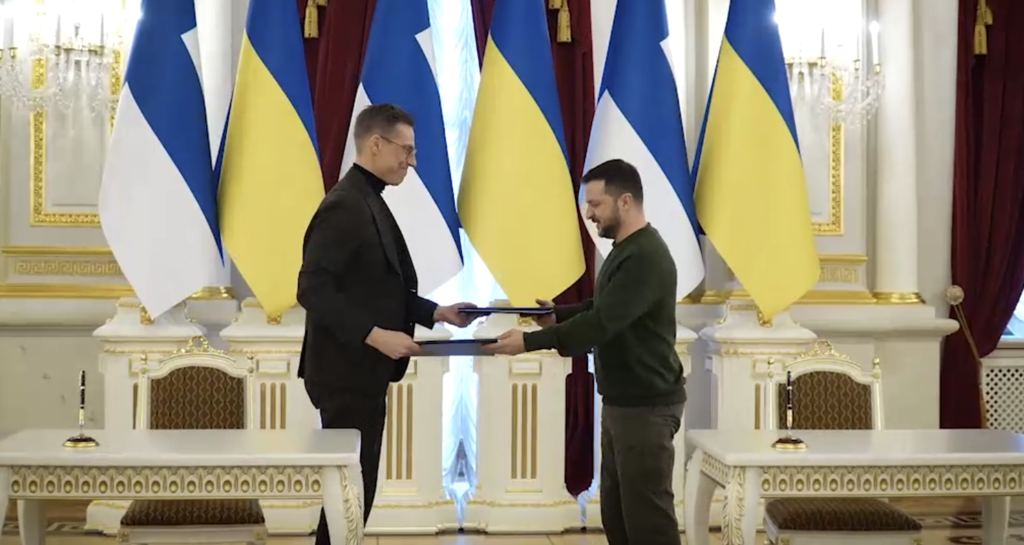
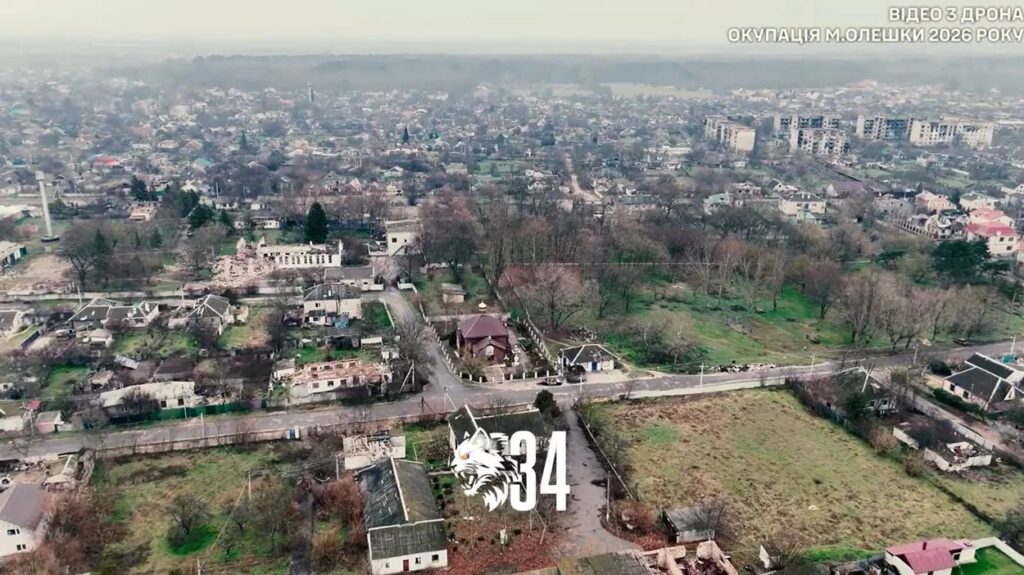
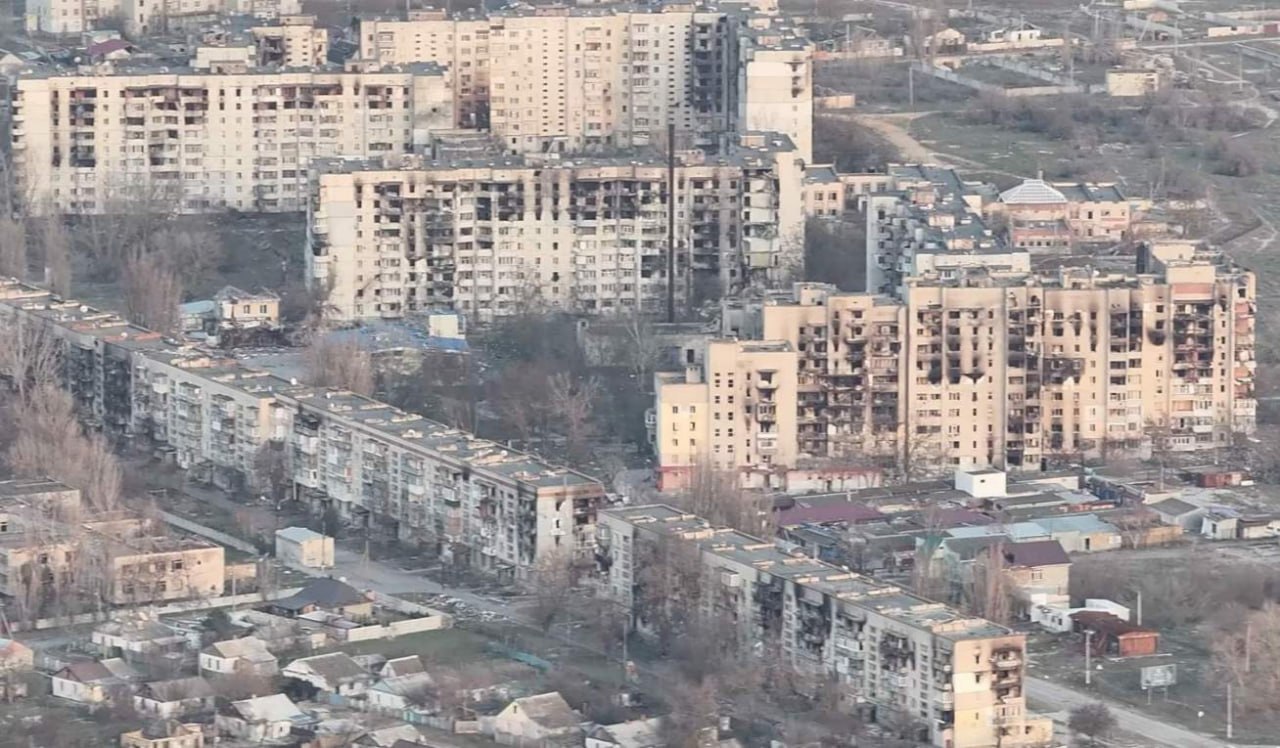
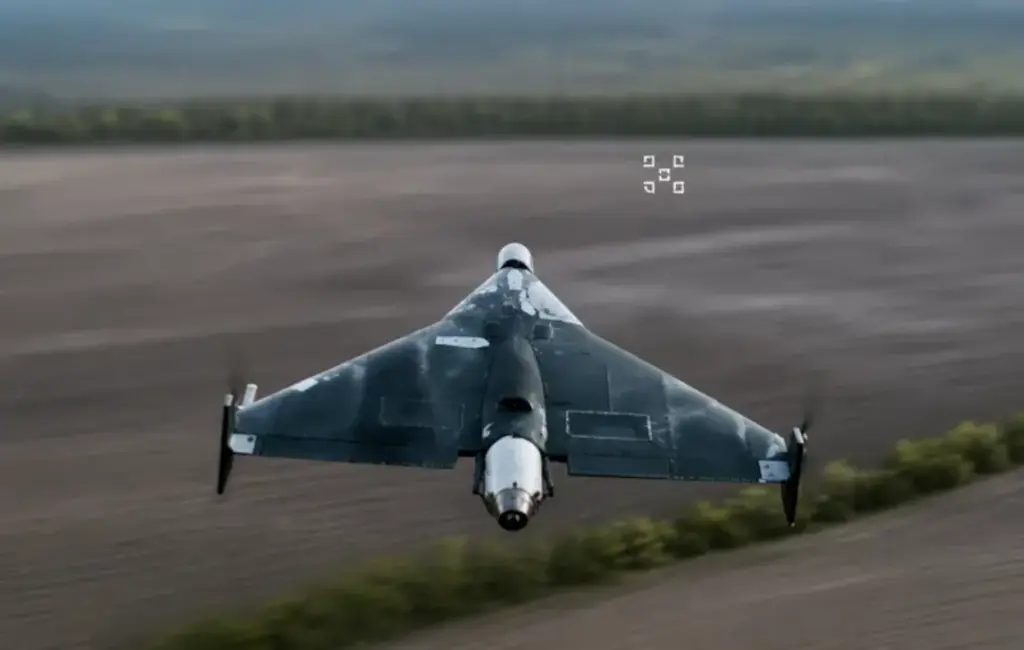
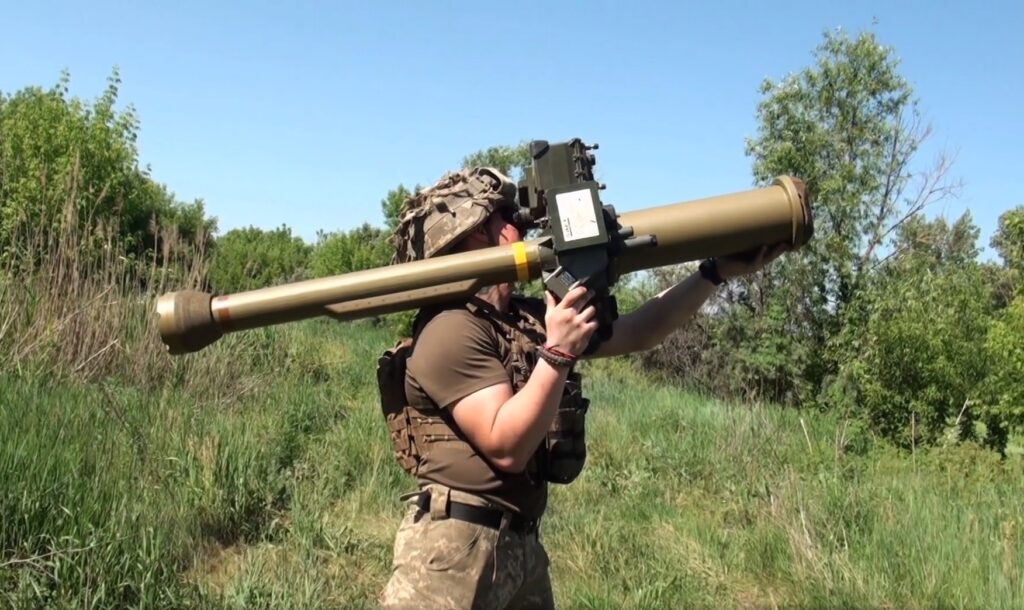
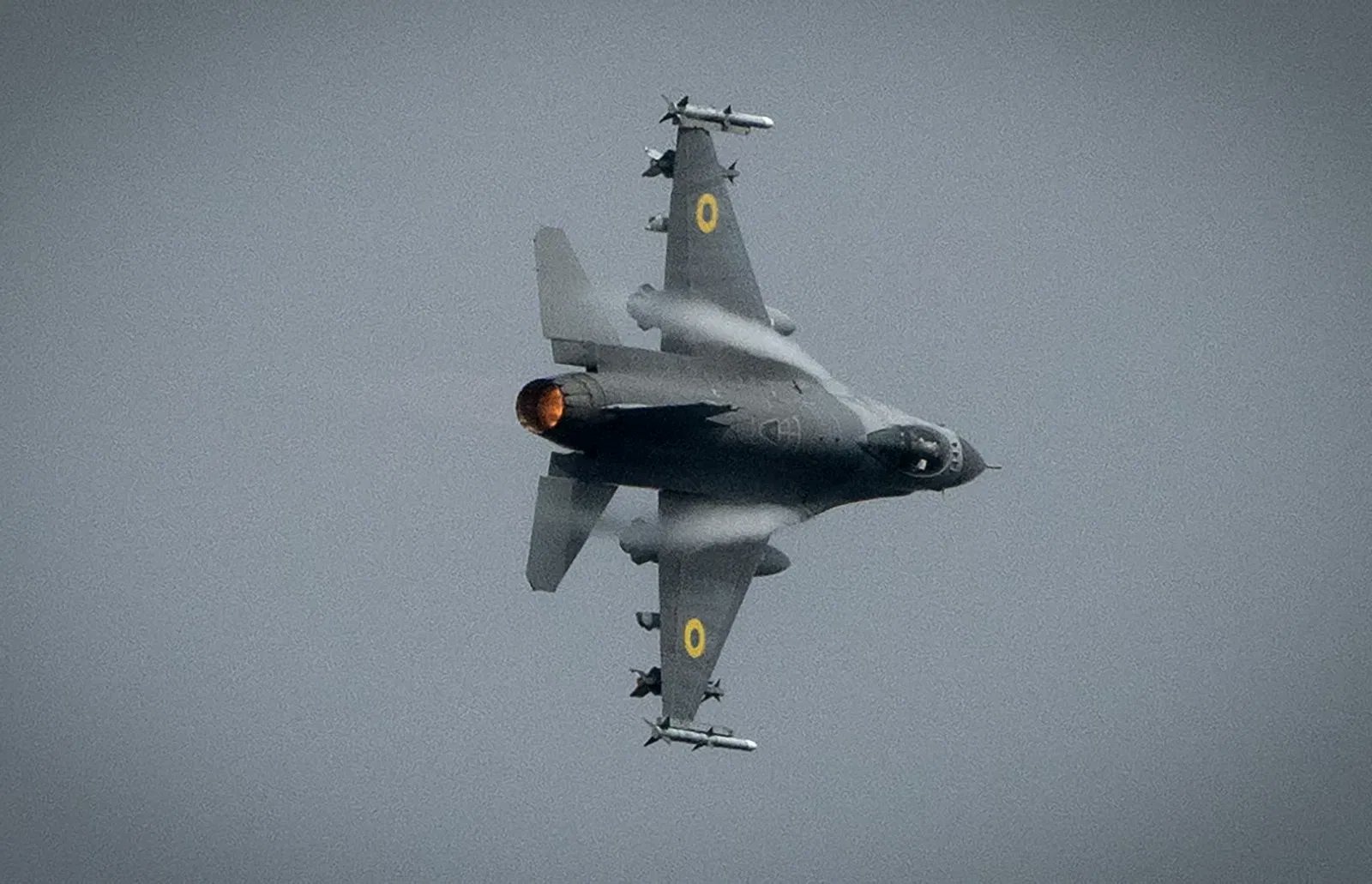


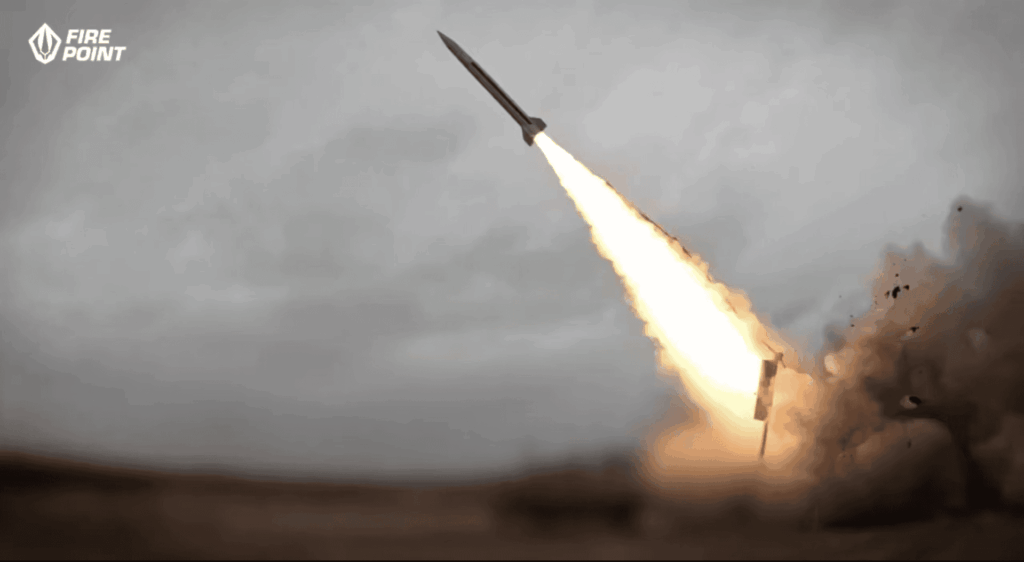
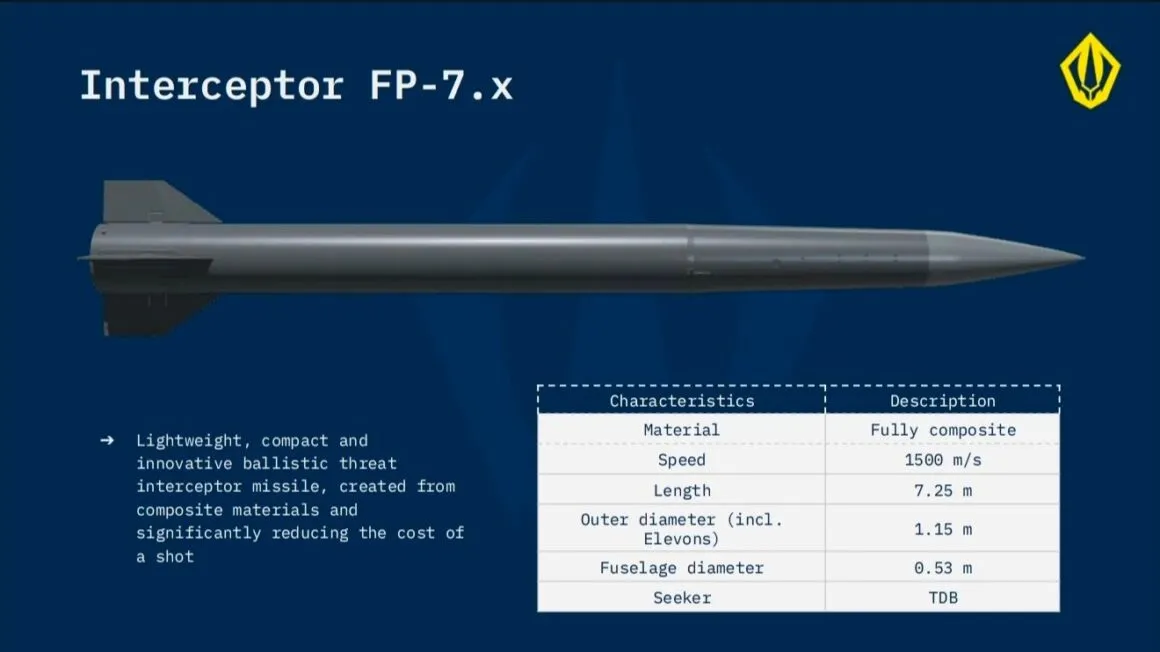



 Ukraine’s State Emergency Service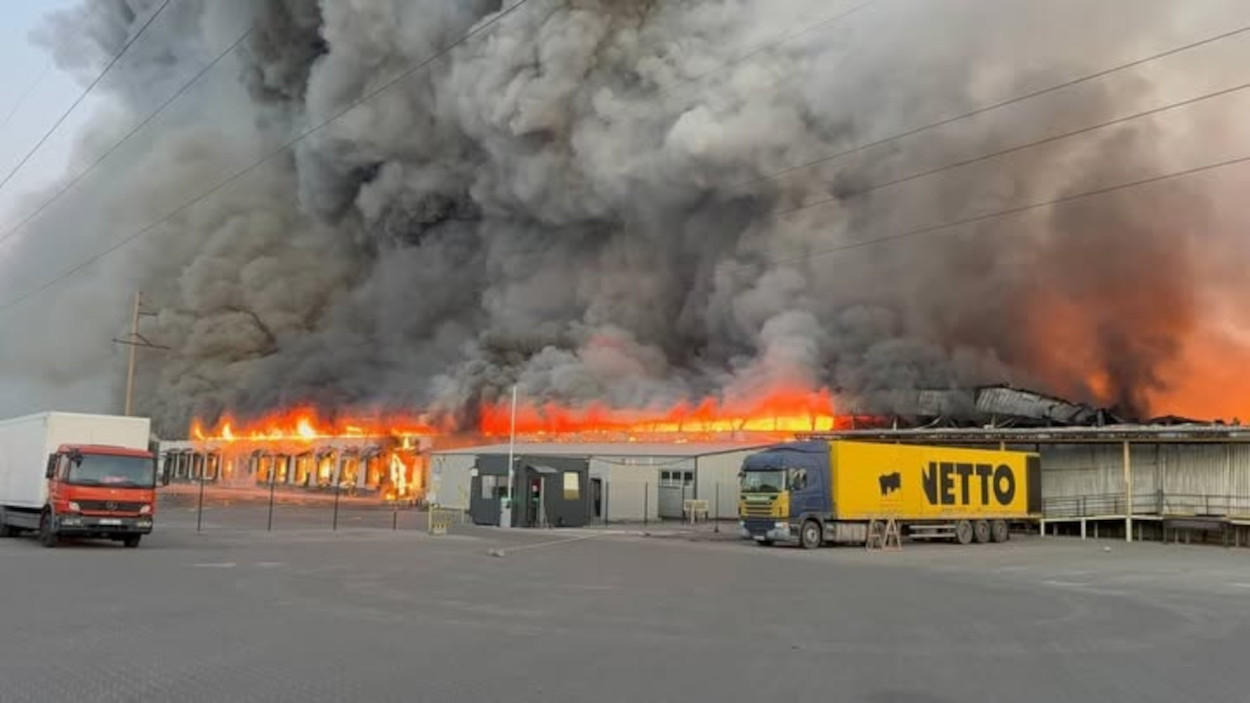
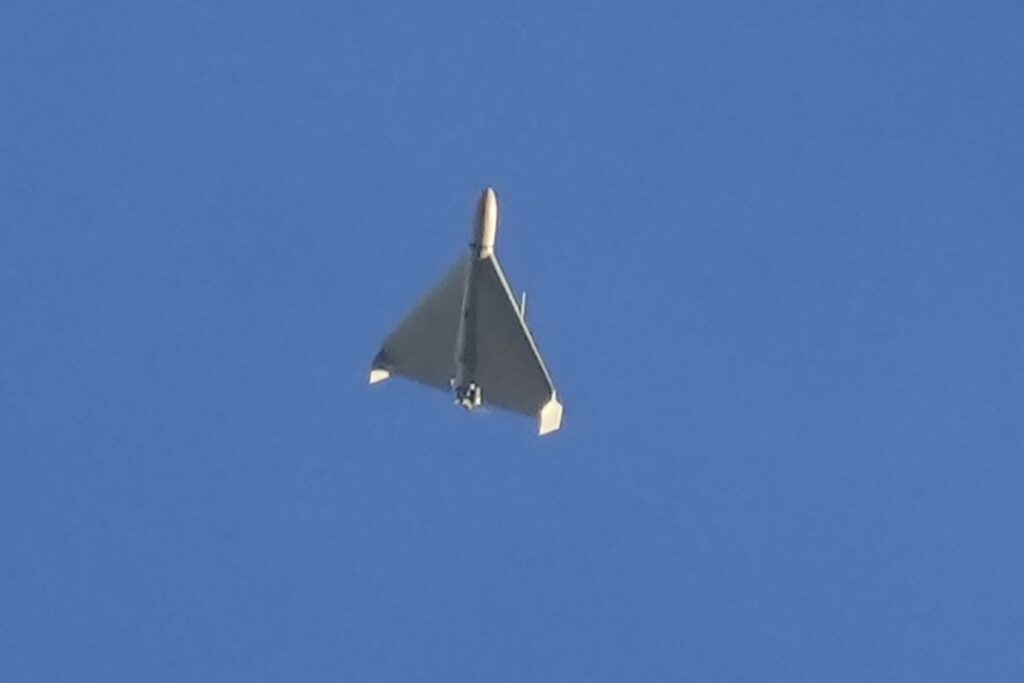

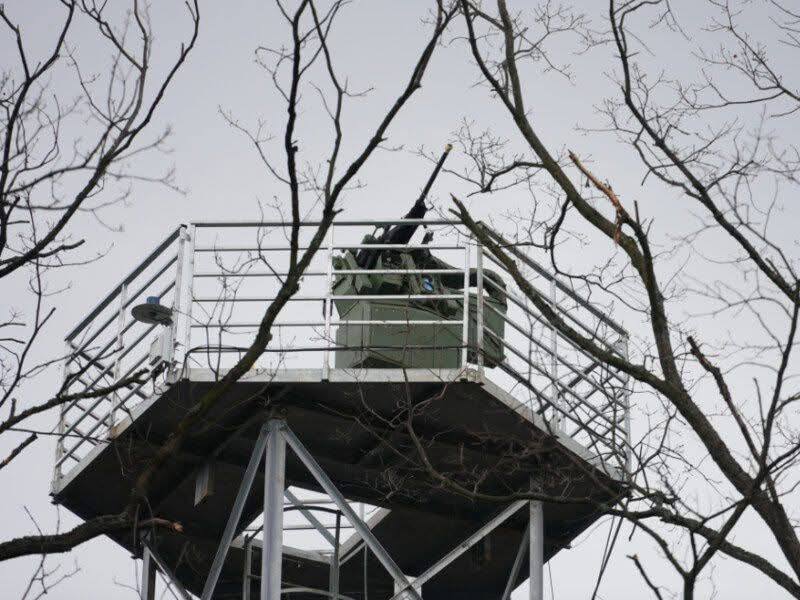

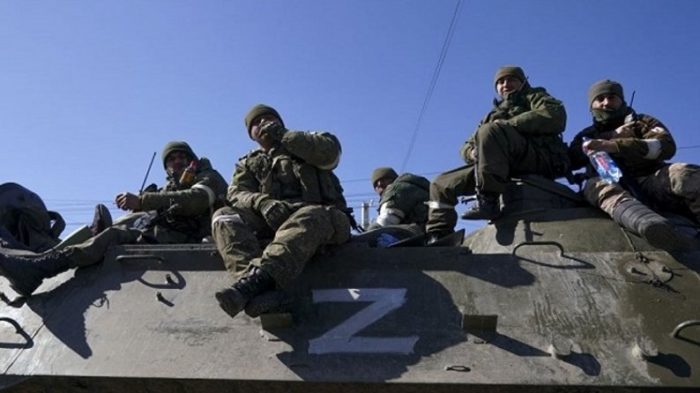

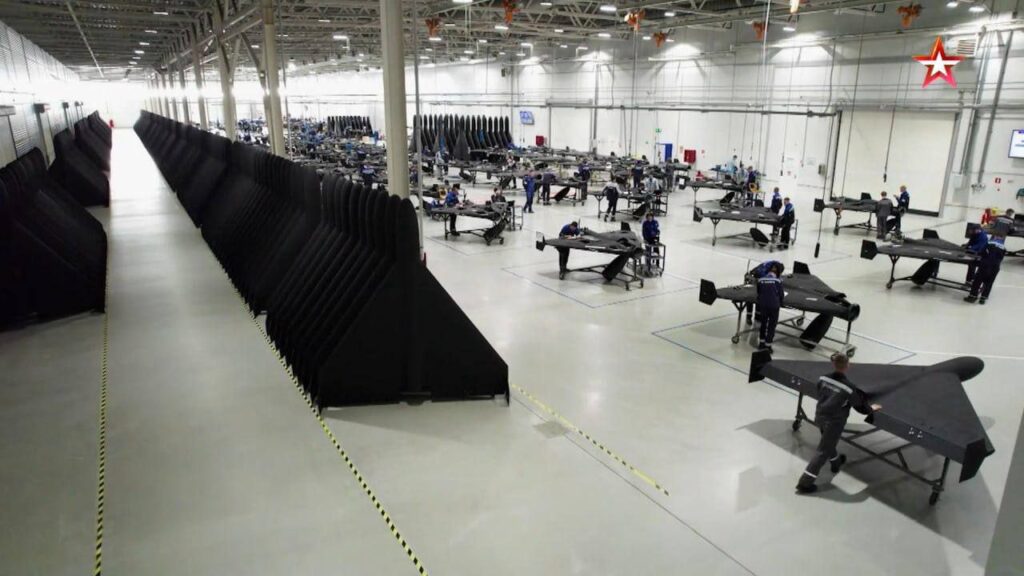


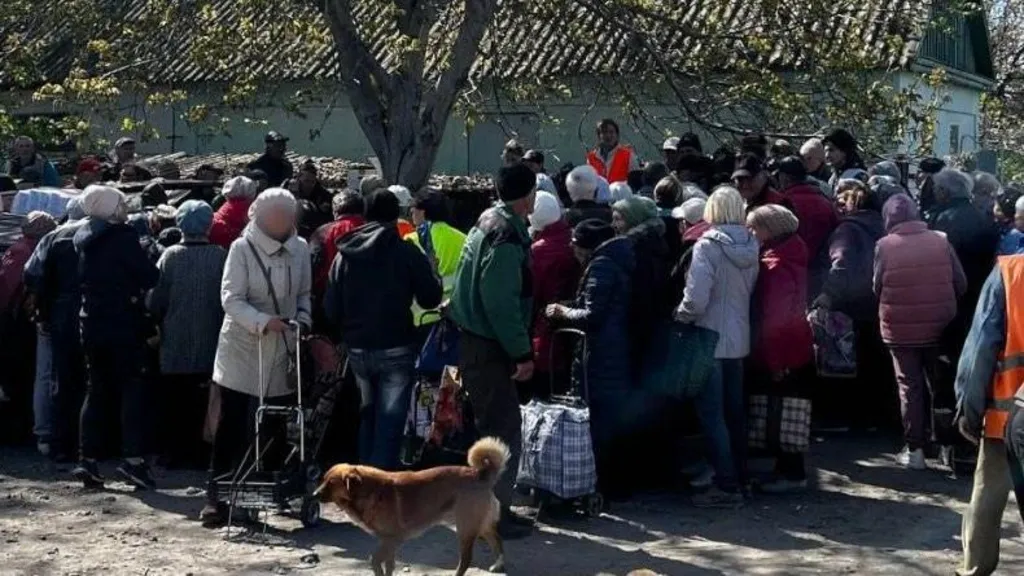


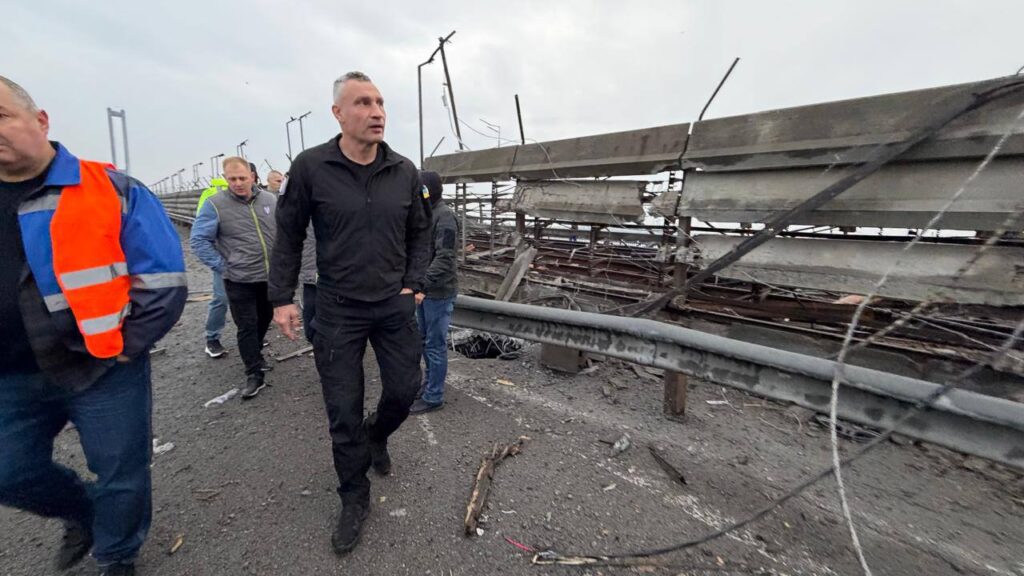

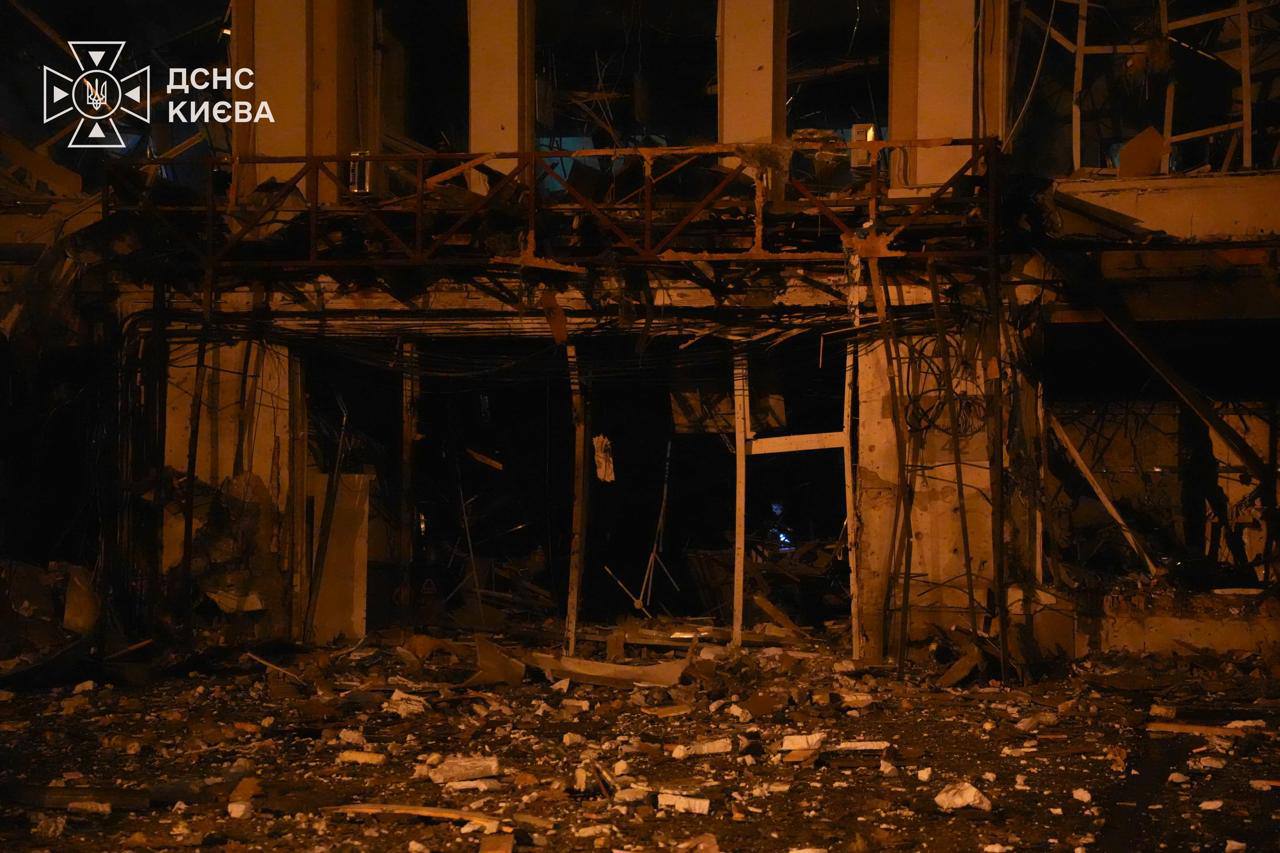
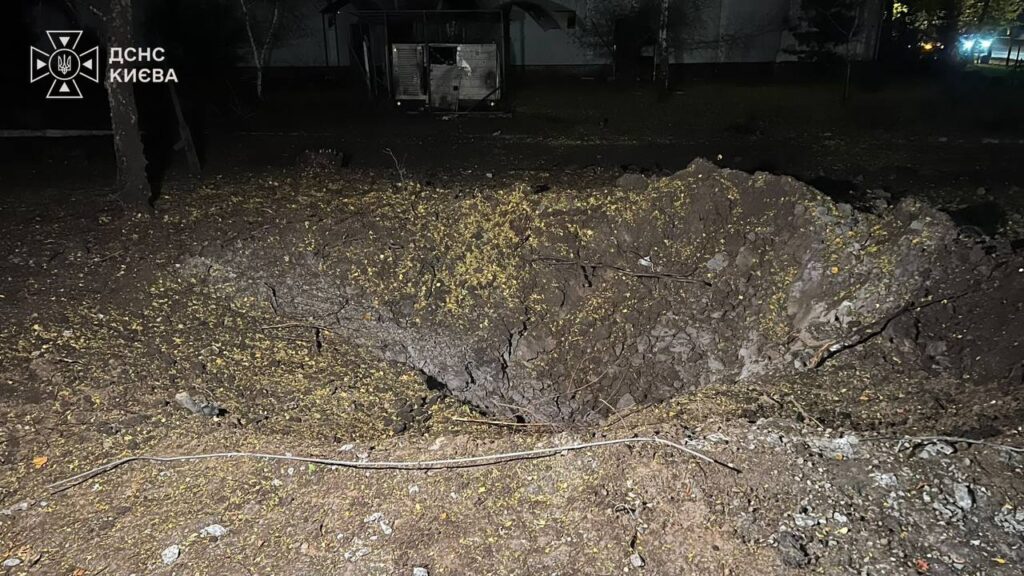


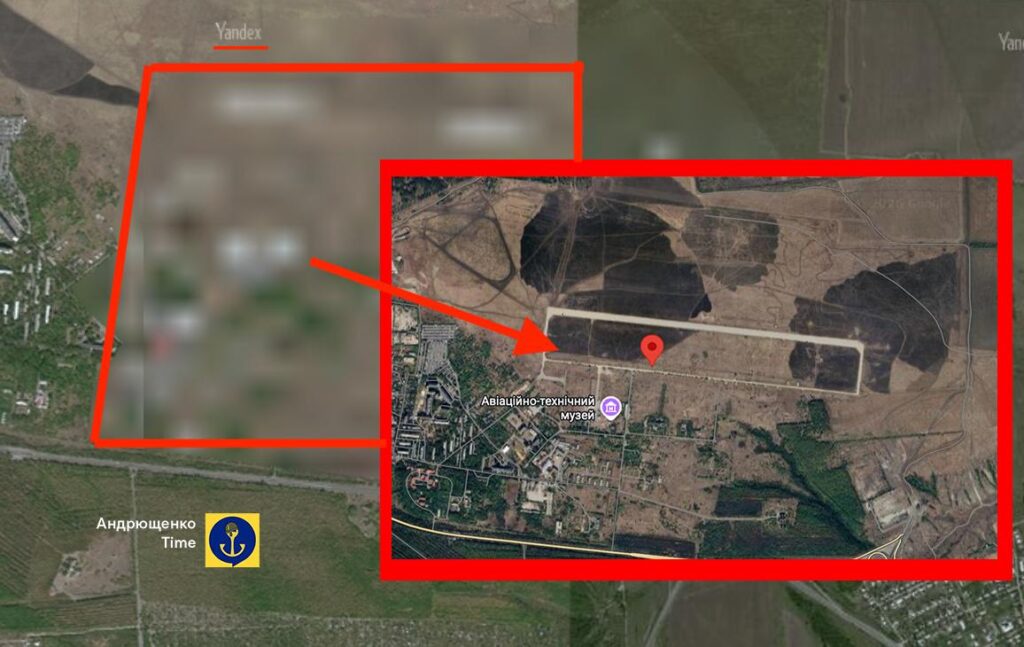


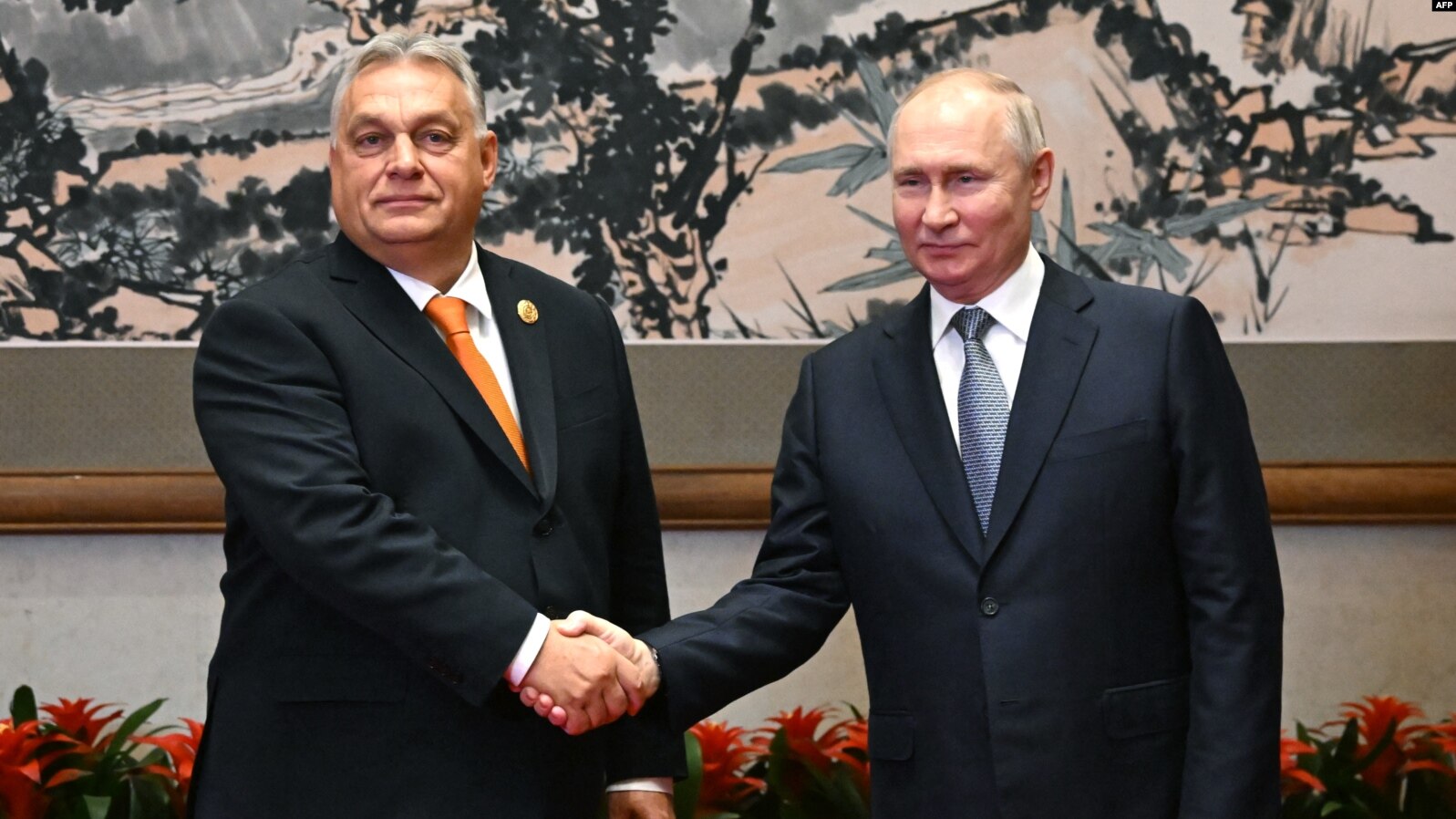




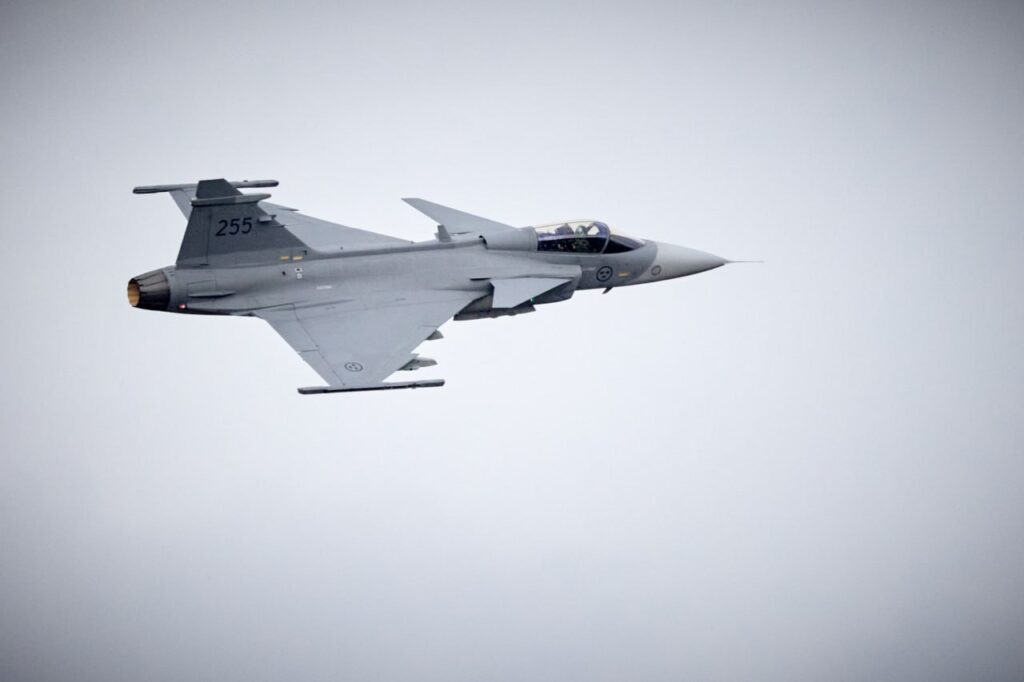



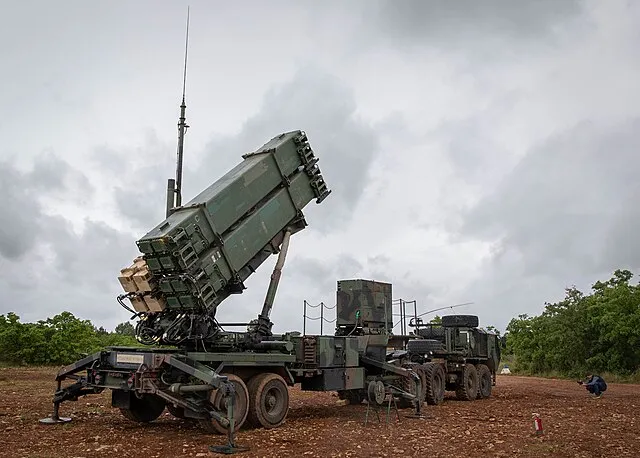
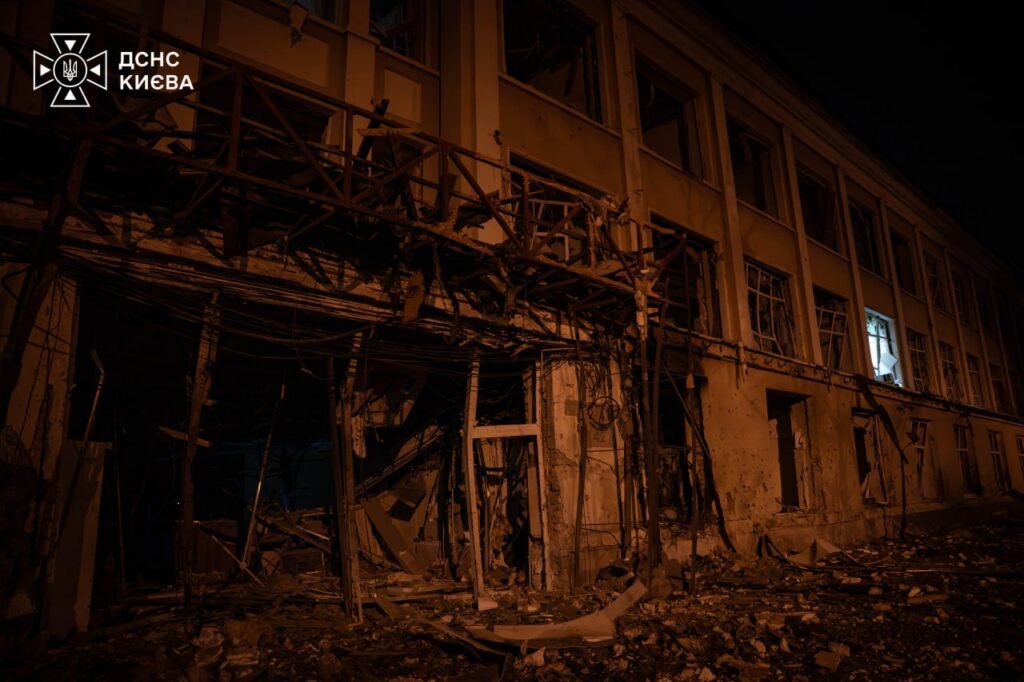


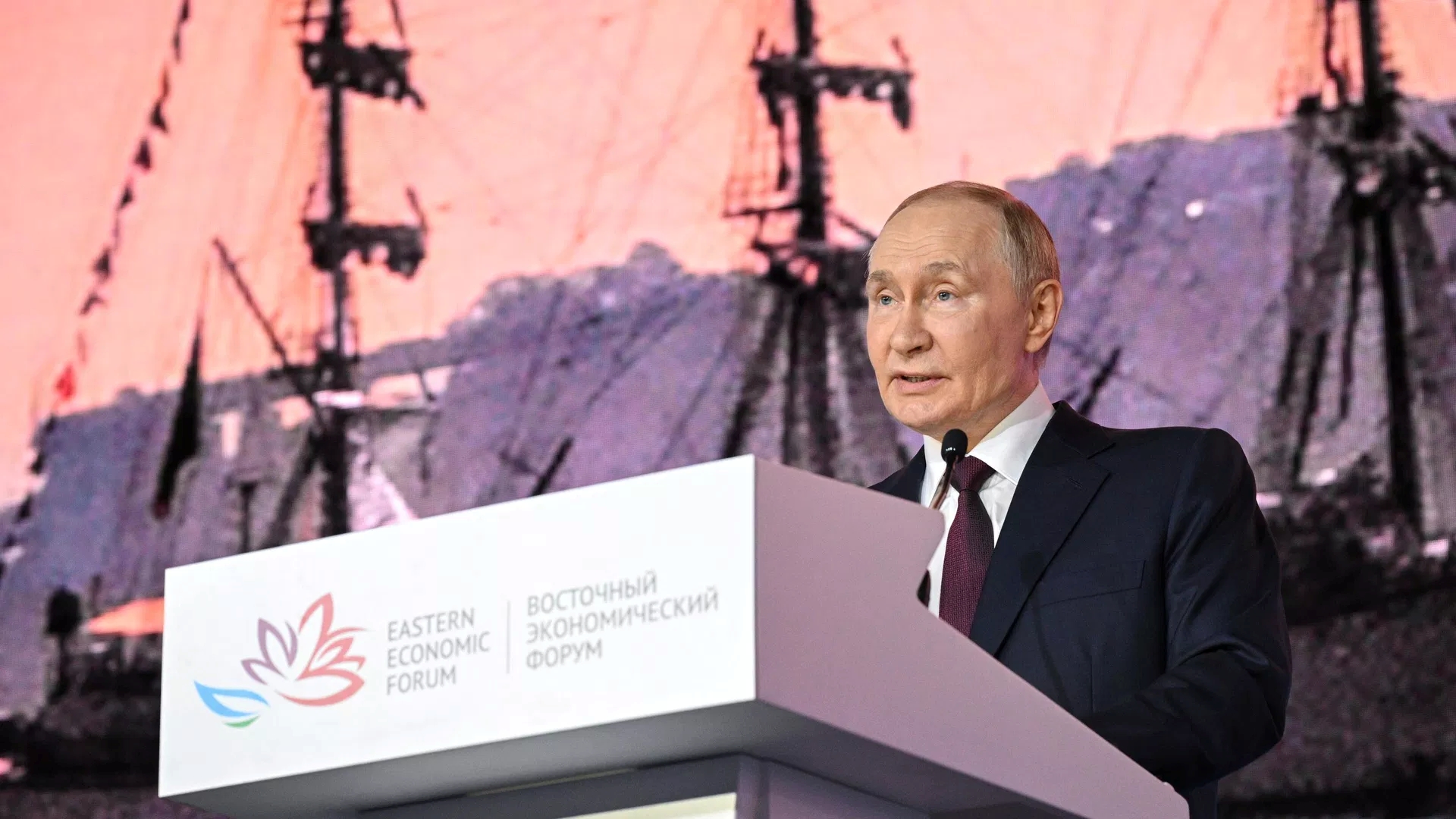
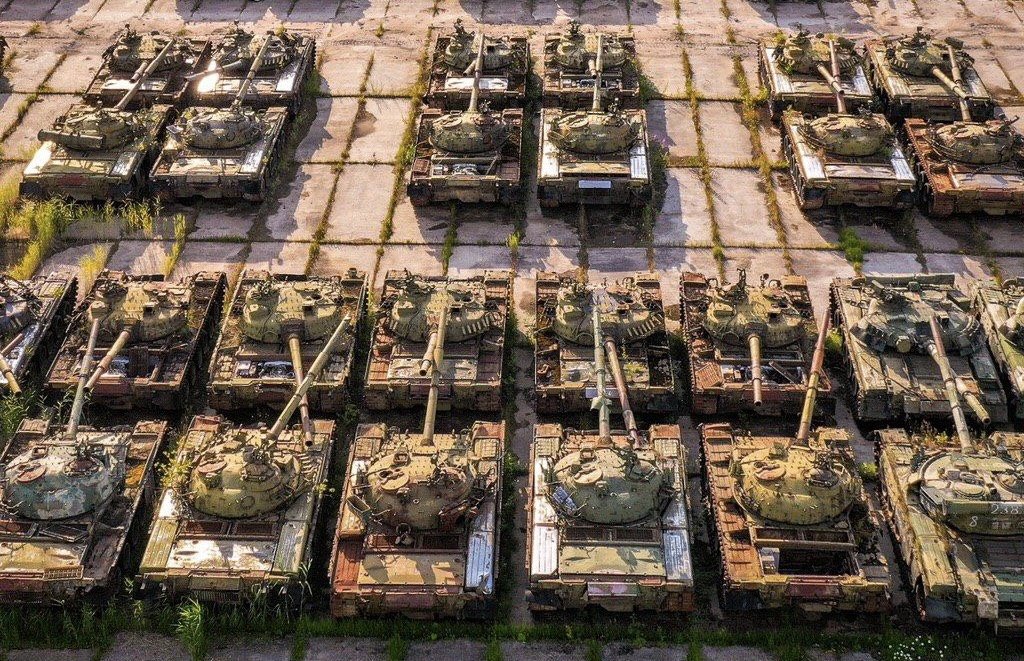
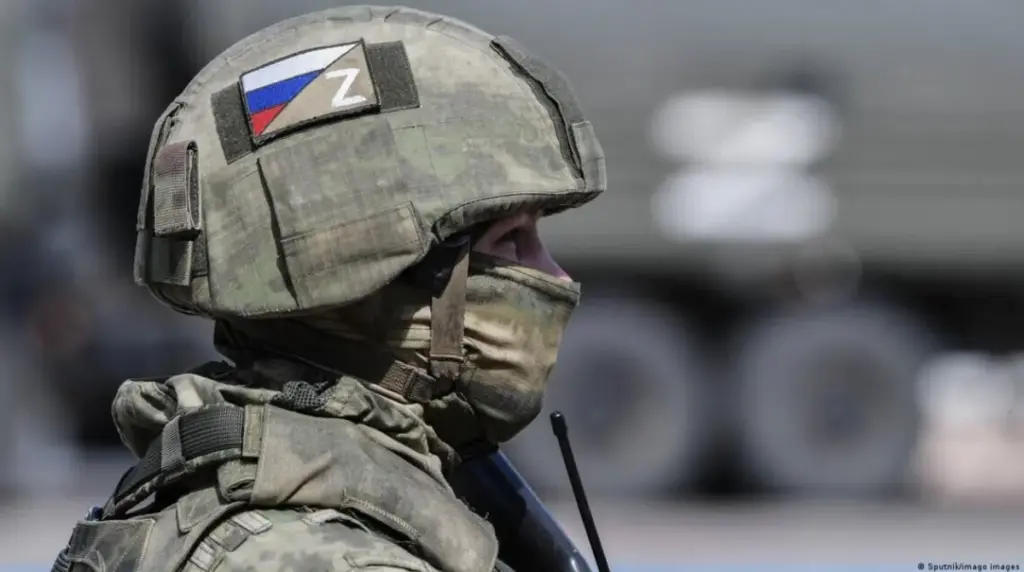






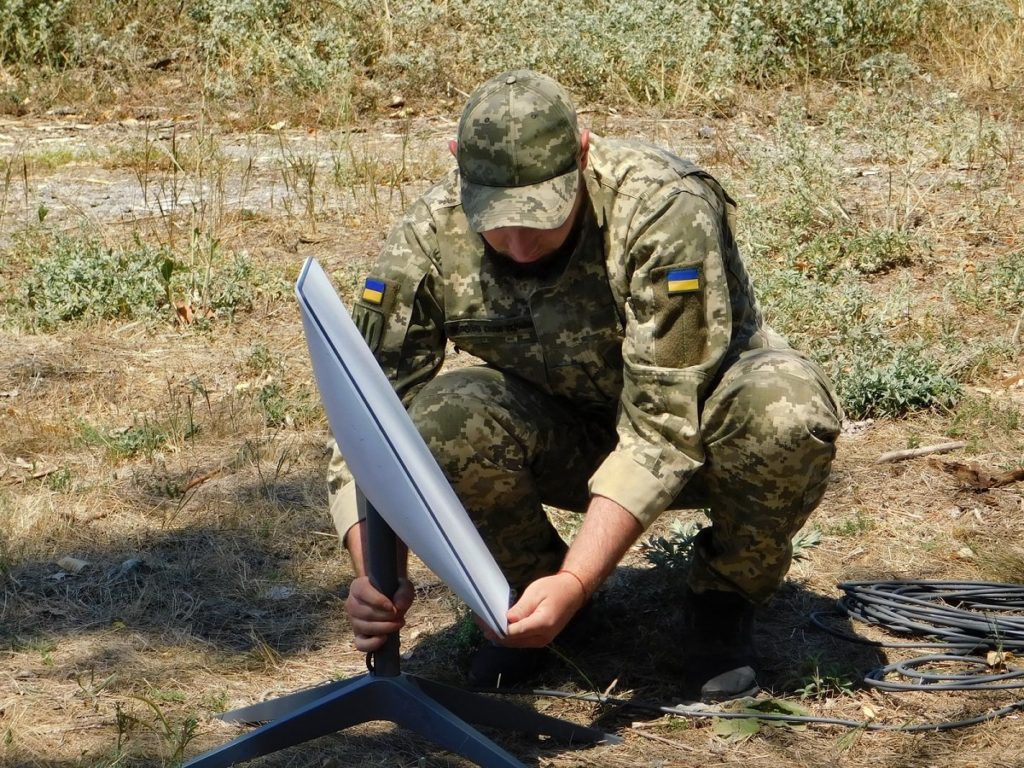



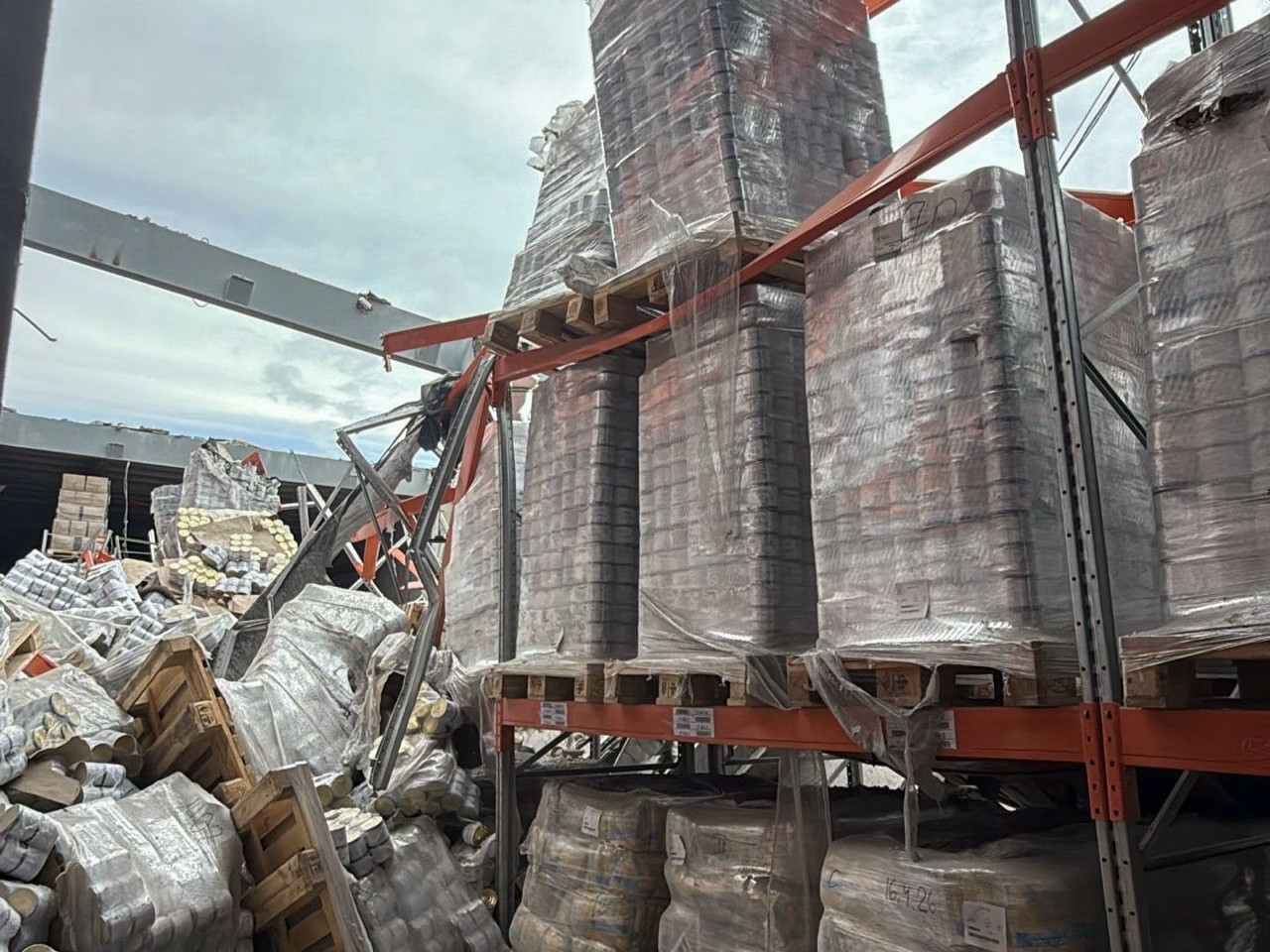

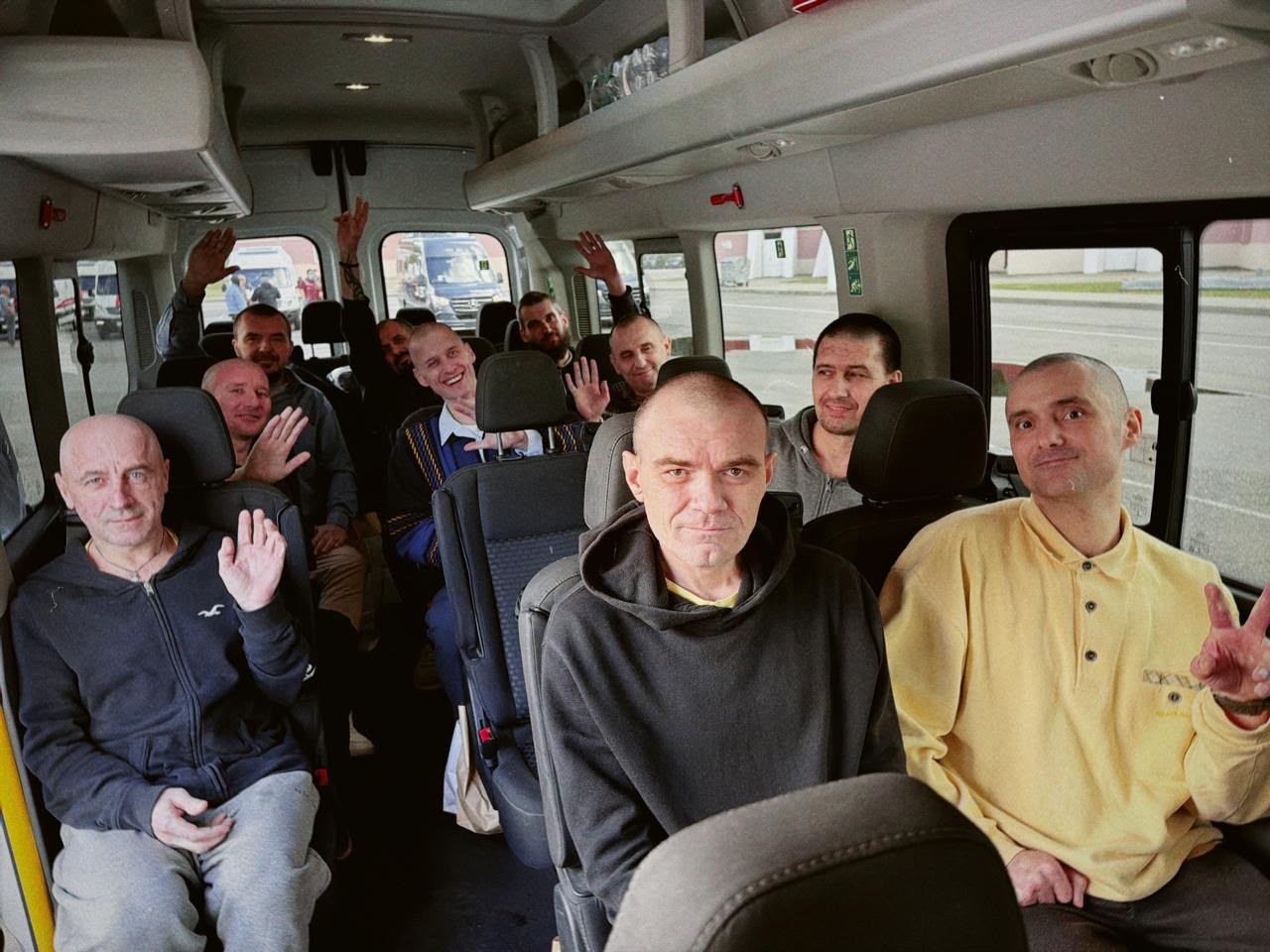
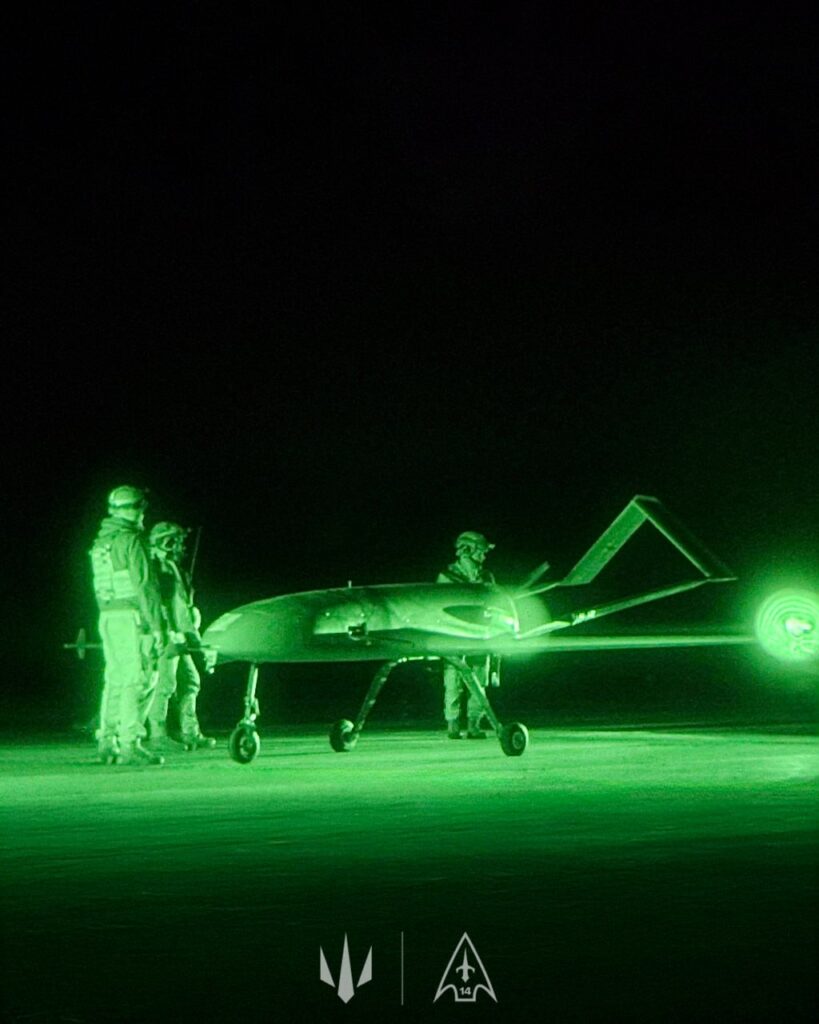


 A model of the F-16 Block 70/72 fighter that Lockheed Martin representatives gifted to Volodymyr Zelenskyy during their personal meeting yesterday.
  MilitaryNewsUA
 (@front_ukrainian)