 Connexion
Russia has thousands of tanks it can’t risk. One drone shield decides whether they roll
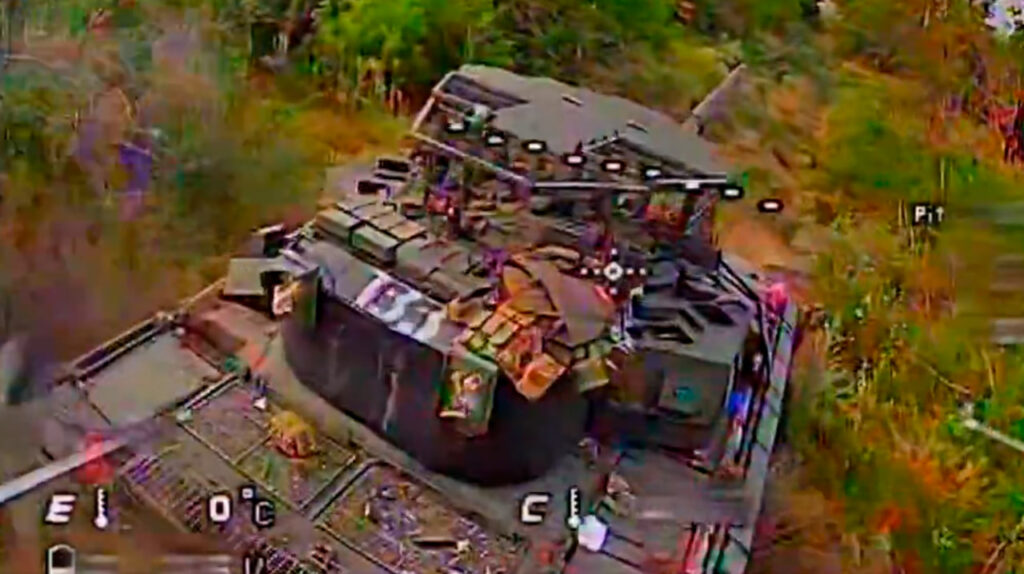
- Russia's new Arena-M anti-drone shield can shoot down FPVs—but tanks still burn
- One fielded Arena-M reportedly carried 12 charges. Ukrainian crews used 15 to 20 drones per tank in one assault
- More rounds could help—if ammunition is really the binding constraint
Russian forces may have finally found a way to protect their tanks from Ukrainian first-person-view drones. And it's not the usual add-on armor applications that have defined mechanized combat in Ukraine since the early months of Russia's wider war.
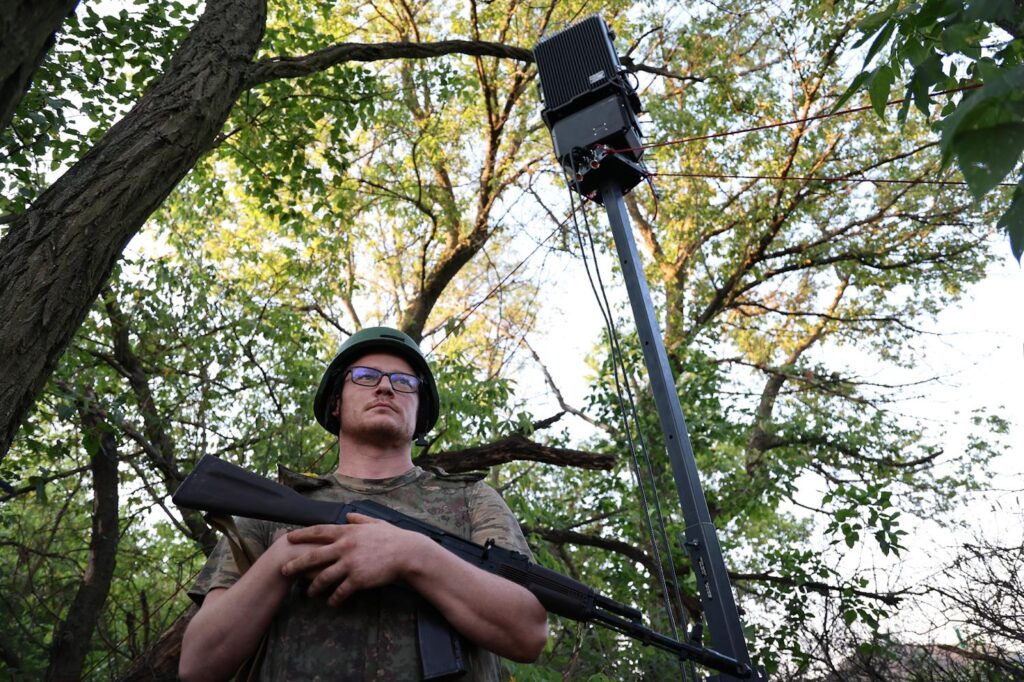
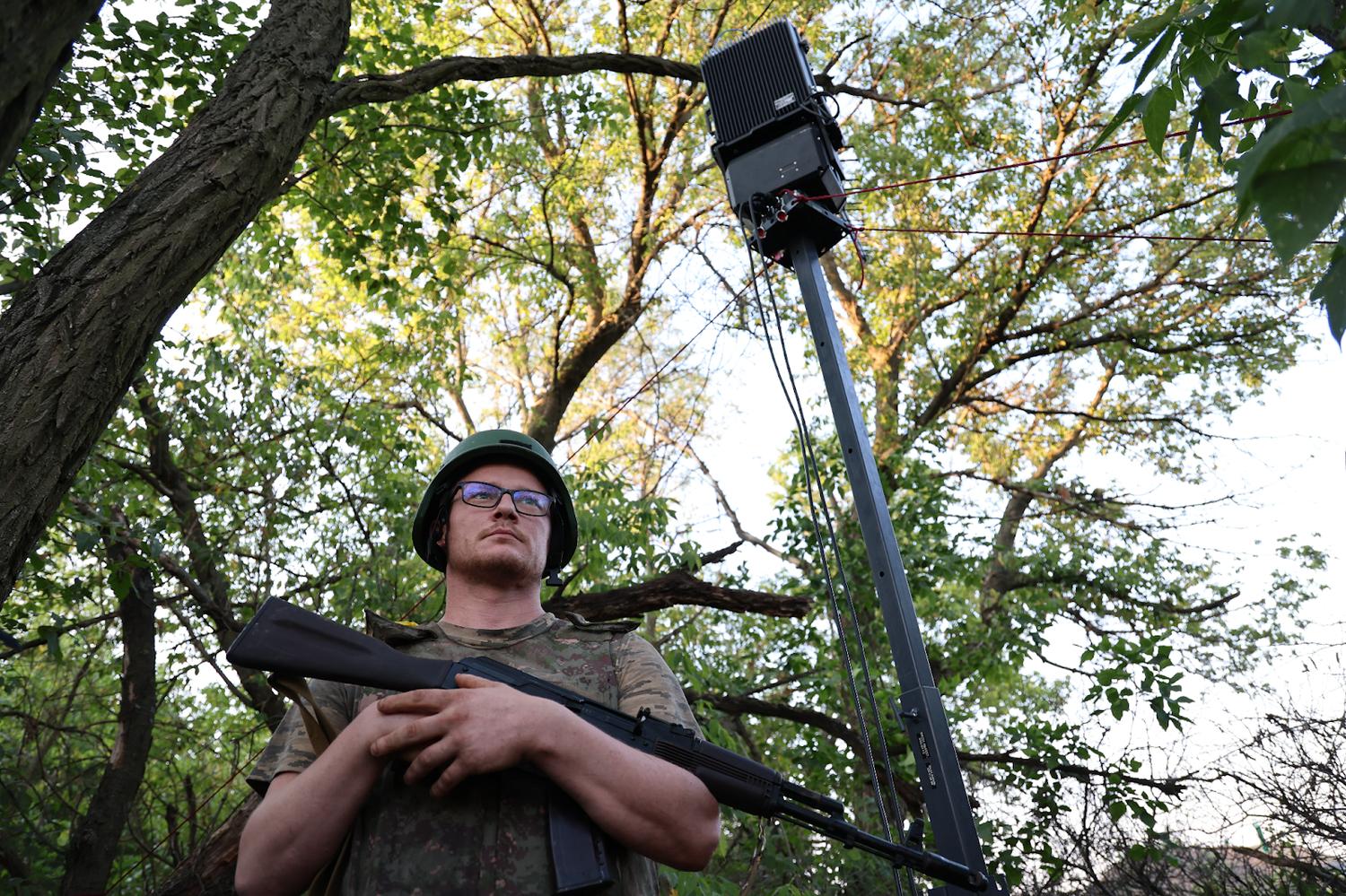
No, the Russians have begun deploying tanks fitted with the Arena-M active protection system (APS), which detects incoming FPVs and automatically fires a small projectile at them. The first few assaults by Arena-M-equipped tanks ended in defeat for the Russians, but limited combat footage shows the system can destroy incoming FPVs.
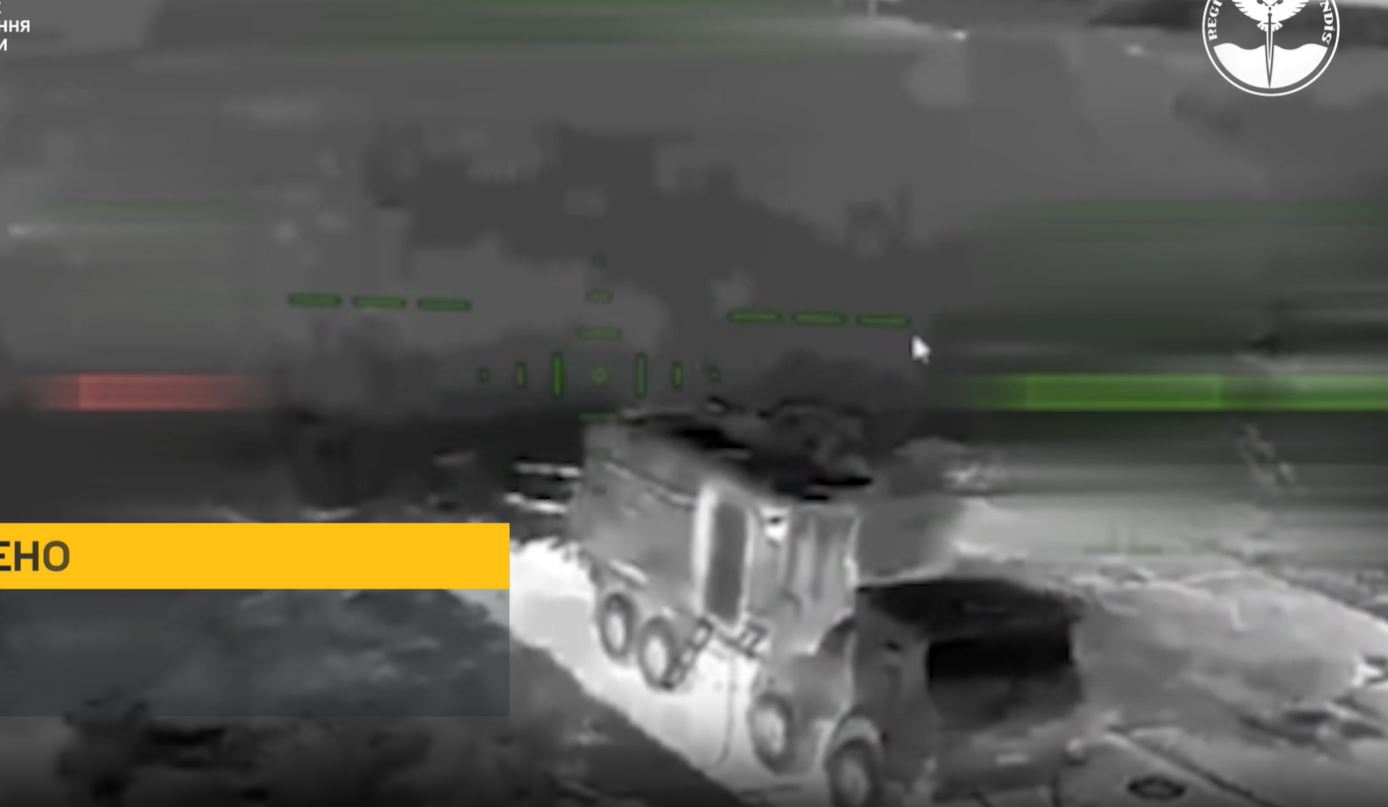
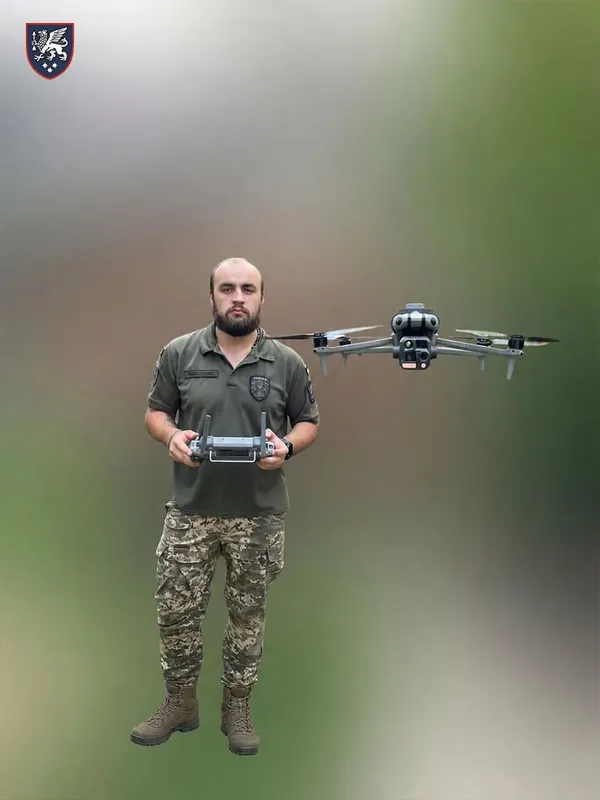
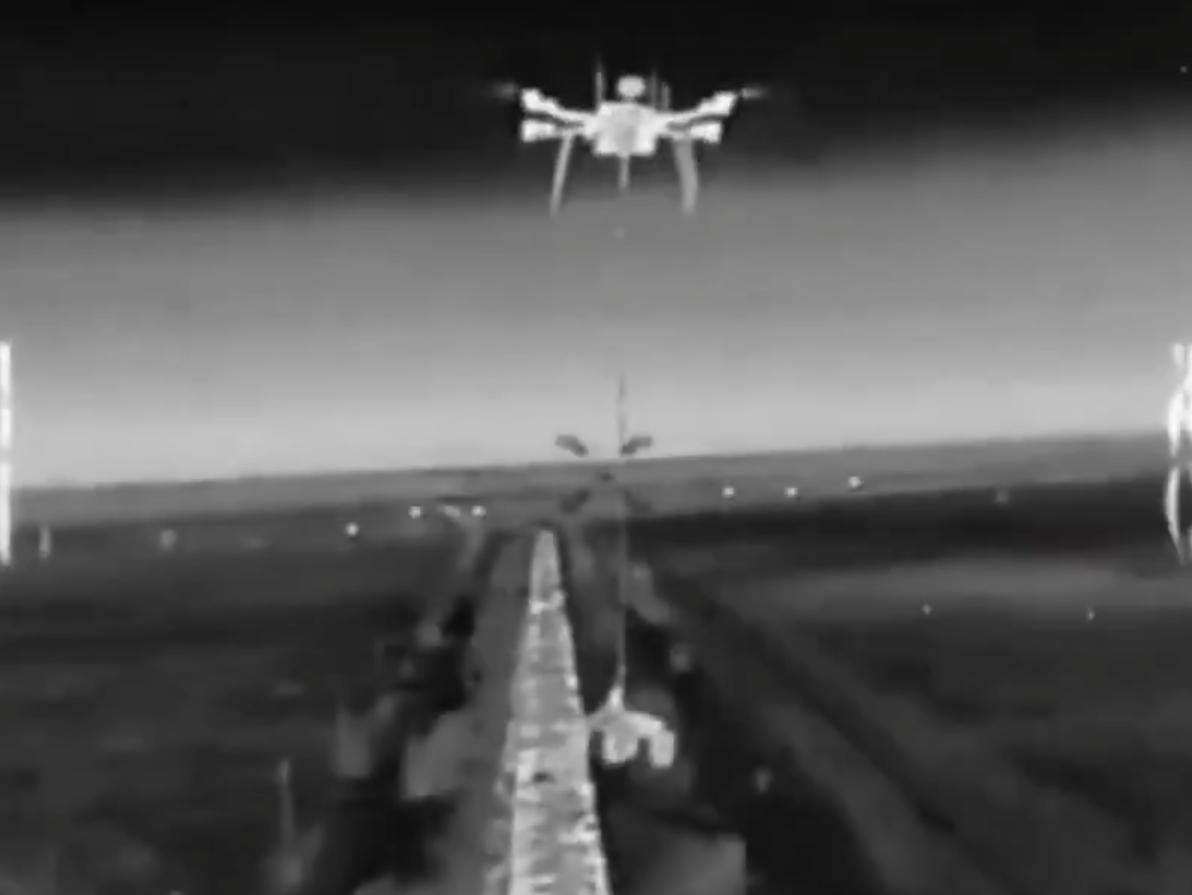
At least one Arena-M did work against FPVs—it just did not work long enough to save the tank. Observer Andrei_bt stressed that a reported 12-round loadout "does not match modern realities." Footage published on 7 August showed Ukrainian FPVs attacking an Arena-M-equipped T-72B3M near occupied Volodymyrivka, though the Institute for the Study of War assessed that it likely showed the late-July mechanized assault. Ukrainian drone operator Dmytro Putiata reported that one Arena-M shot down seven FPVs before Ukrainian forces destroyed the tank.
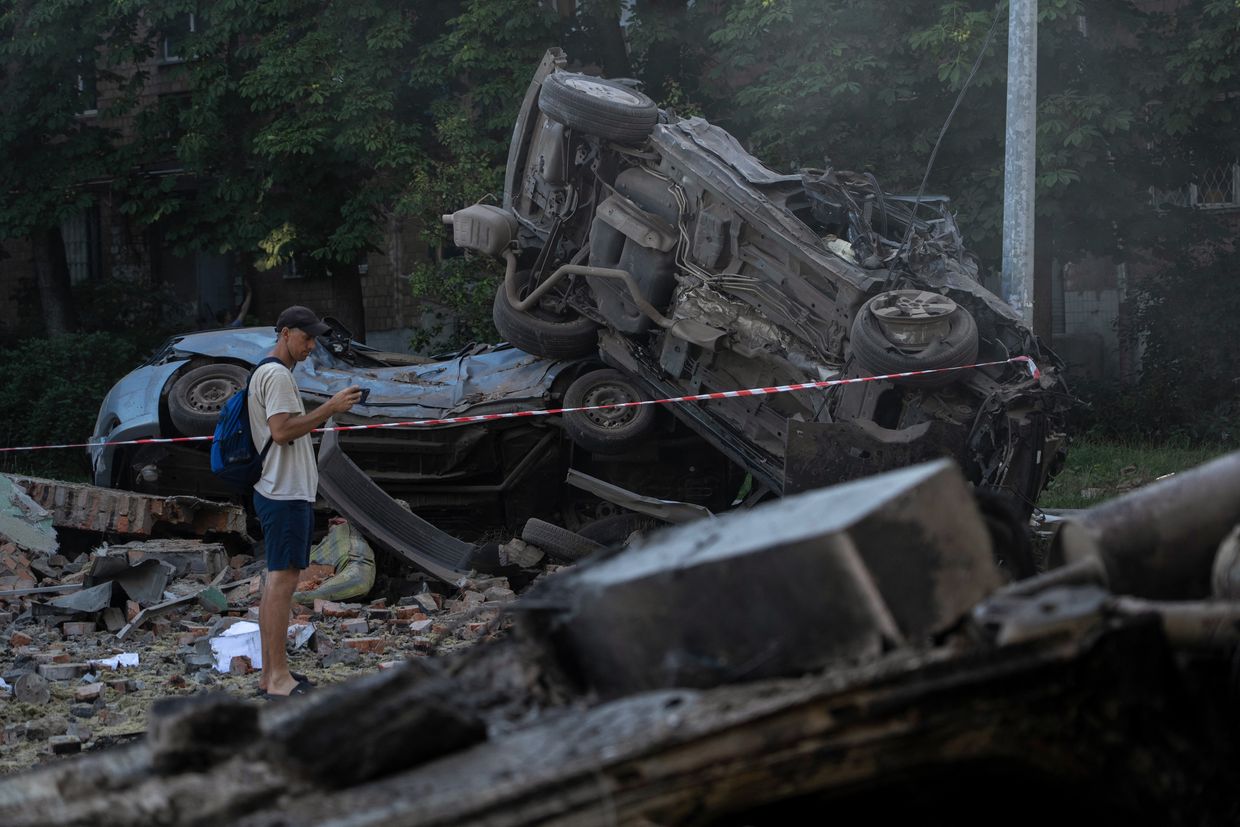
That is a smaller problem than the one the Russians had a month ago, and it is why the burned-out tanks along the road in Donetsk Oblast are not the whole story. Russia has spent three years accumulating tanks it cannot safely send anywhere—thousands of them, rebuilt and parked for want of a defense against $500 drones. An Arena-M that does not run dry halfway to the objective is the thing that would let those tanks out of the yard.
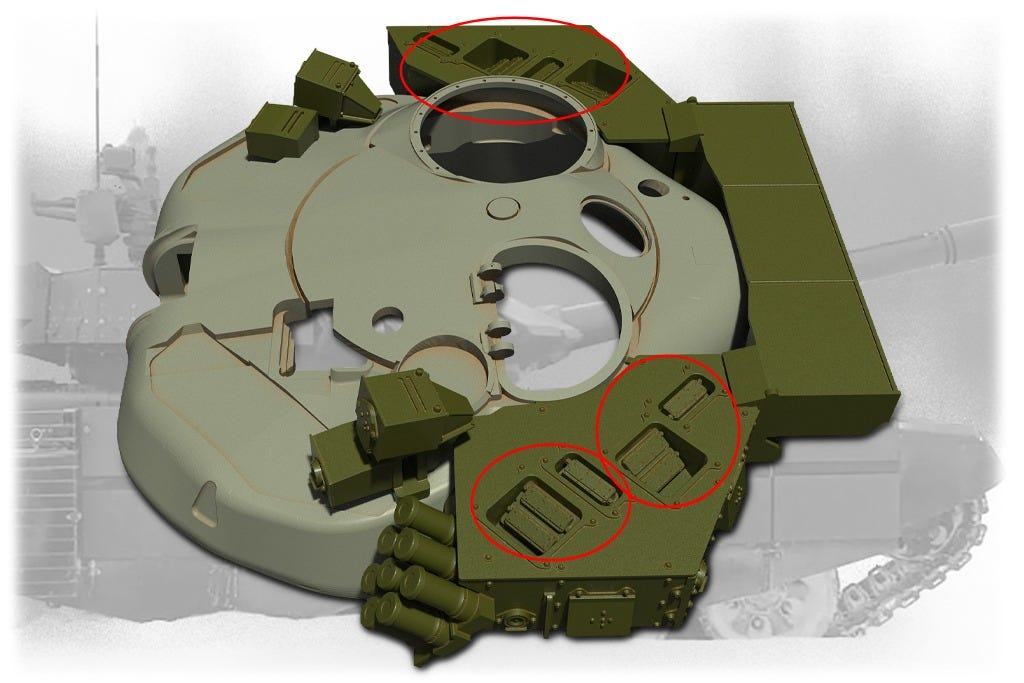
The good news for Russian mechanized forces is that developers now know Arena-M needs a bigger ammo loadout. The bad news is that packing more projectiles into the system could prove extremely difficult. The main problem: adding any further bulk to the turret-mounted projectile launchers could block a tank's engine compartment, preventing access for maintenance.
If there's a workaround, it may involve redesigning the Arena-M to fire smaller but more numerous projectiles.
Ammunition may not even be the binding constraint. Ukrainian aviation expert Anatolii Khrapchynskyi put the Arena-M's engagement range at 20 to 30 meters and its detection range at around 50—numbers that leave very little time against a drone diving from above, however many charges are in the launchers.
The Institute for the Study of War, for its part, assesses that the Arena-M alone is currently insufficient to protect Russian mechanized assaults from Ukrainian drones because the system can be saturated, though it raises the cost and effort required of Ukrainian forces.
An Arena-M with more rounds could be the development Russian commanders were waiting for as they continue stockpiling new and refurbished tanks and fighting vehicles. Doubling down on production of T-90 and T-72 tanks, the Kremlin has more than made good its combat losses in the first 54 months of the wider war.
Tank-led assaults have been rare in the last year of fighting as Russian forces have pivoted to infantry-led infiltration tactics. That may change as infantry losses deepen and commanders gain confidence in the Arena-M to protect tanks from drone attack.
Combat debut
The Arena-M, designed by the Kolomna Engineering Design Bureau, uses Doppler radar to spot incoming rockets, missiles, and drones, and counter-munitions meant to shred a threat shortly before impact. The concept is old: the Soviets fitted the Drozd system to modernized T-55ADs in the 1980s, and Russian designers have been chasing active protection since their tanks were mauled in Chechnya.
Three decades on, the Russian government daily Rossiyskaya Gazeta conceded on 7 August that there is still no generalized battlefield data on how the Arena-M performs, and that its potential against threats attacking from above needs further study.


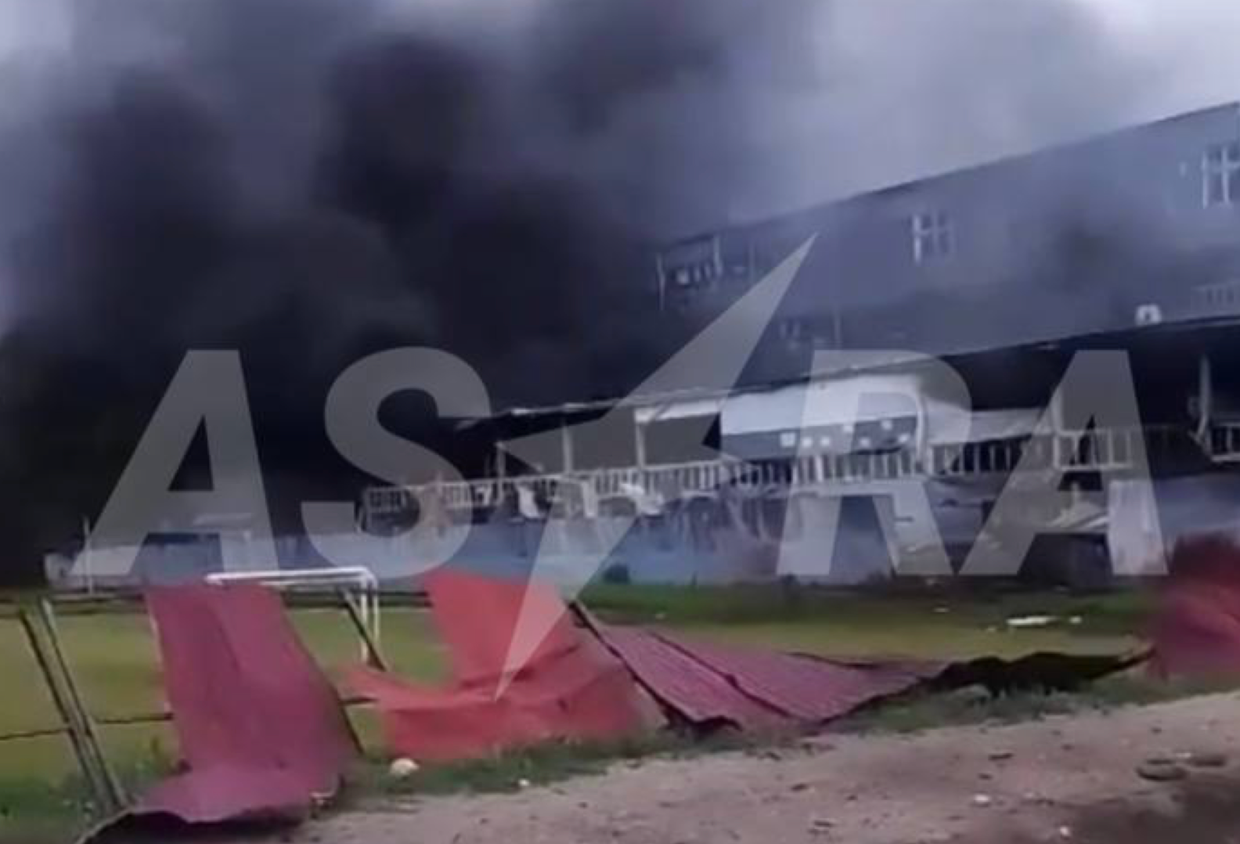
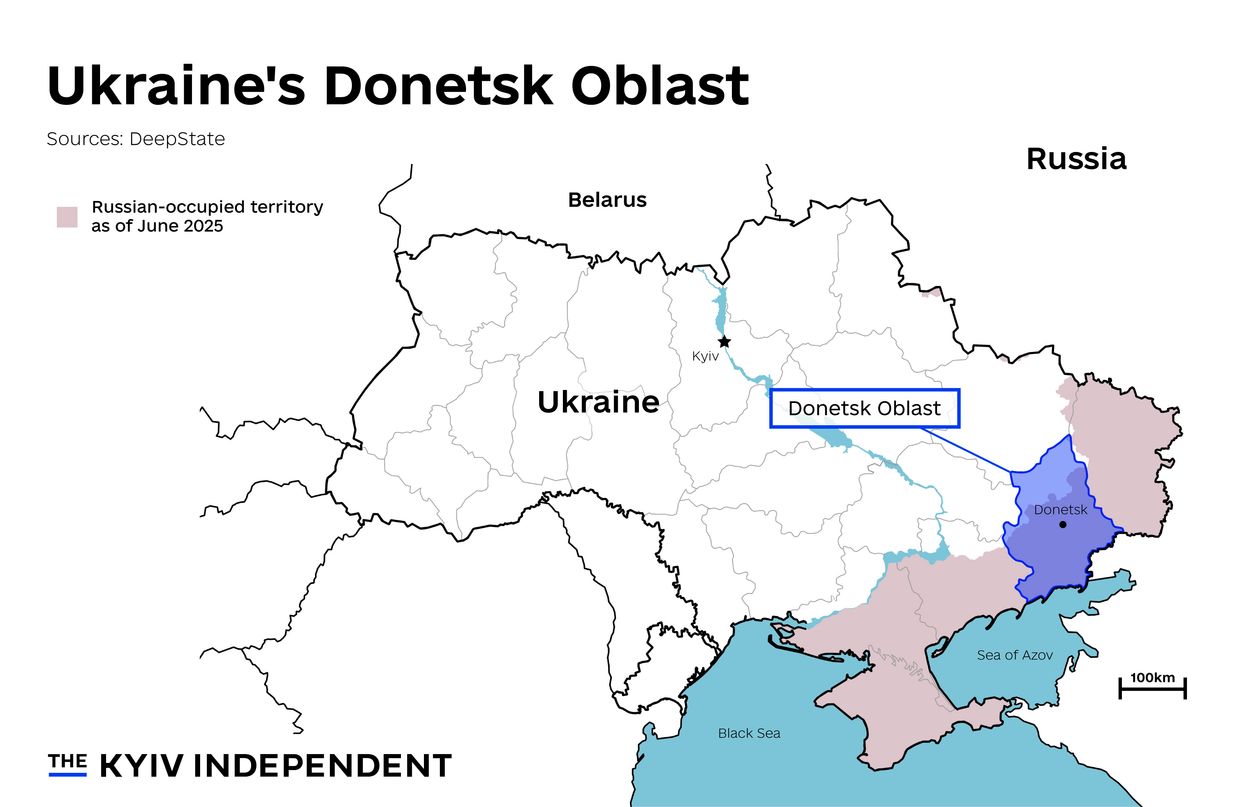
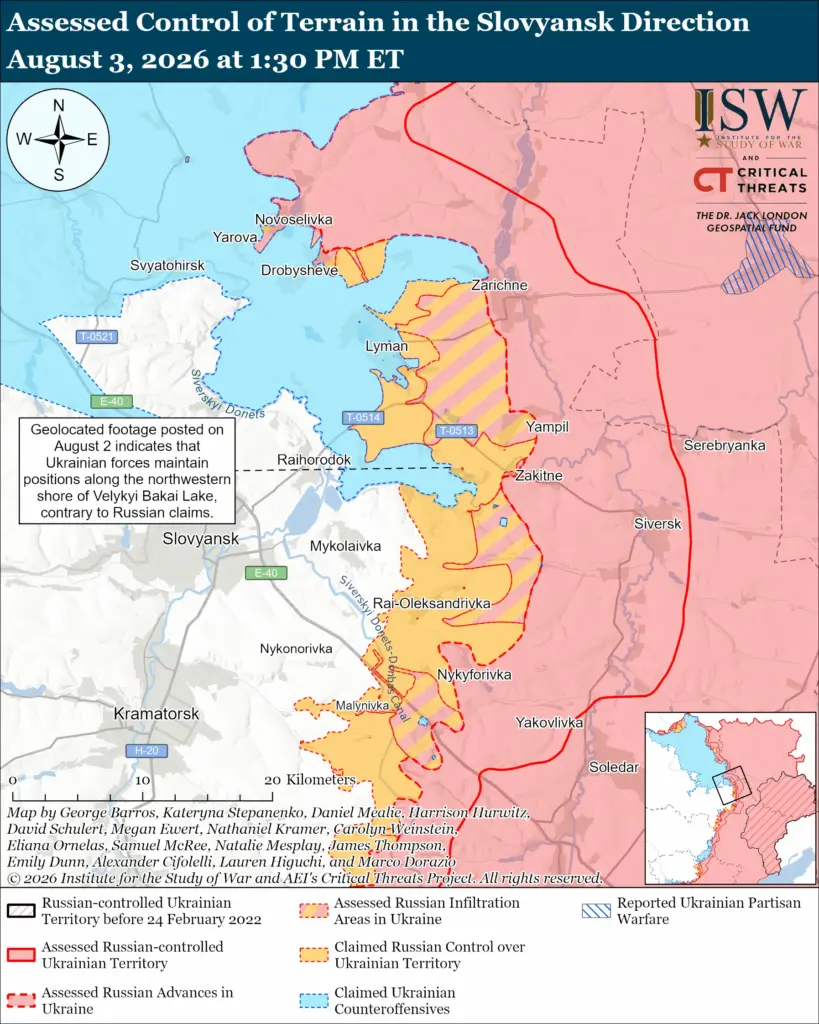
The system had its major combat debut in Ukraine on and around 23 July, over several days of Russian mechanized attacks in the Dobropillia sector of eastern Ukraine's Donetsk Oblast. The Russian Center Group of Forces rolled a large mechanized assault group along the road through the village of Pankivka, roughly 36 km southwest of Kramatorsk and its twin free city of Sloviansk.
Ukrainian drones spotted the tanks coming, and attacked. When the smoke and dust cleared, the Russians had lost at least nine tanks. Reportedly seven of them were T-72B3A models with Arena-M installations.
The losses belie the Arena-M's effectiveness. The protection systems shot down drone after drone, and only stopped shooting down drones when they ran out of projectiles. "In general, it took from 15 to 20 FPV drones to destroy a tank," Ukrainian drone operator Dmytro Putiata reported.
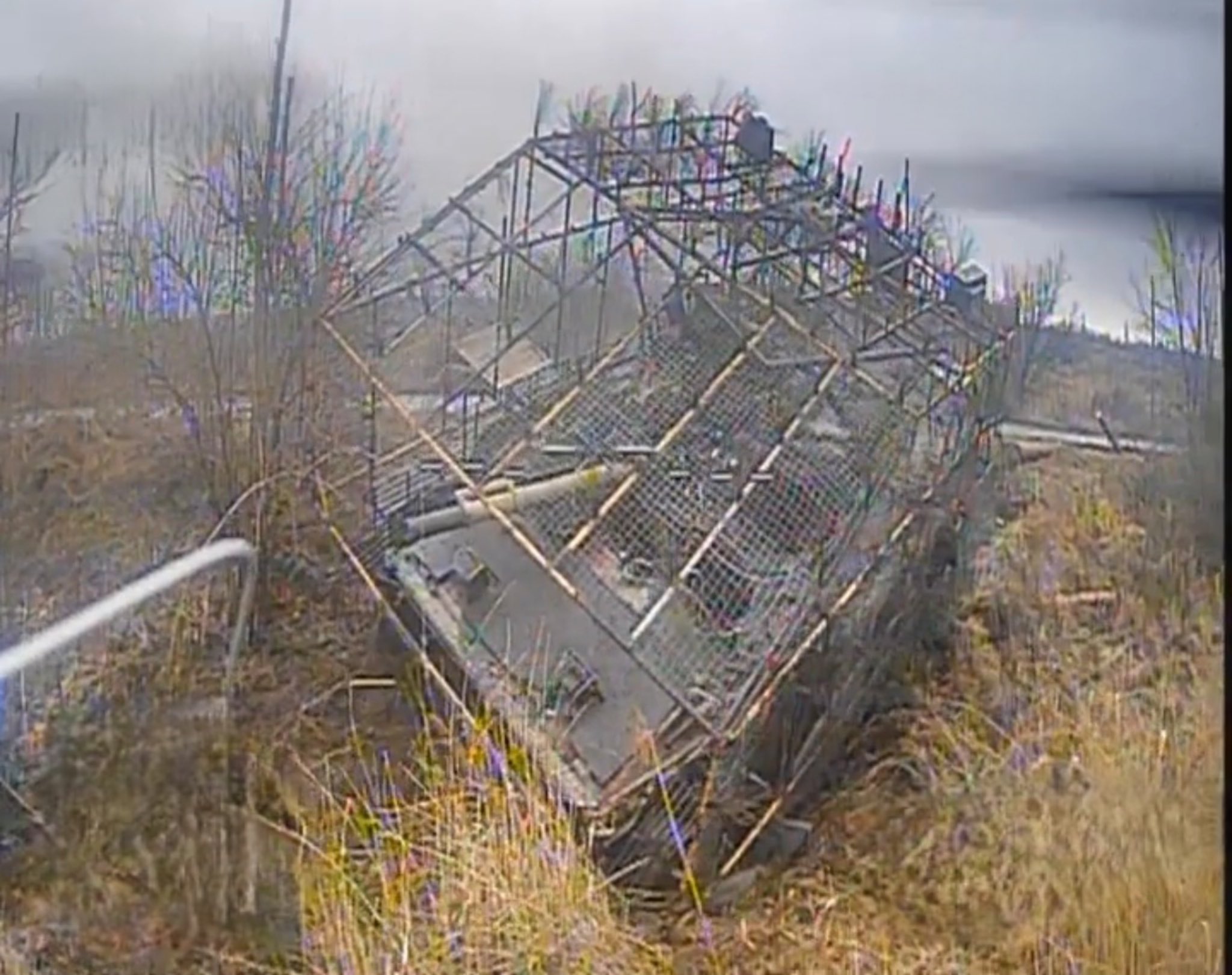
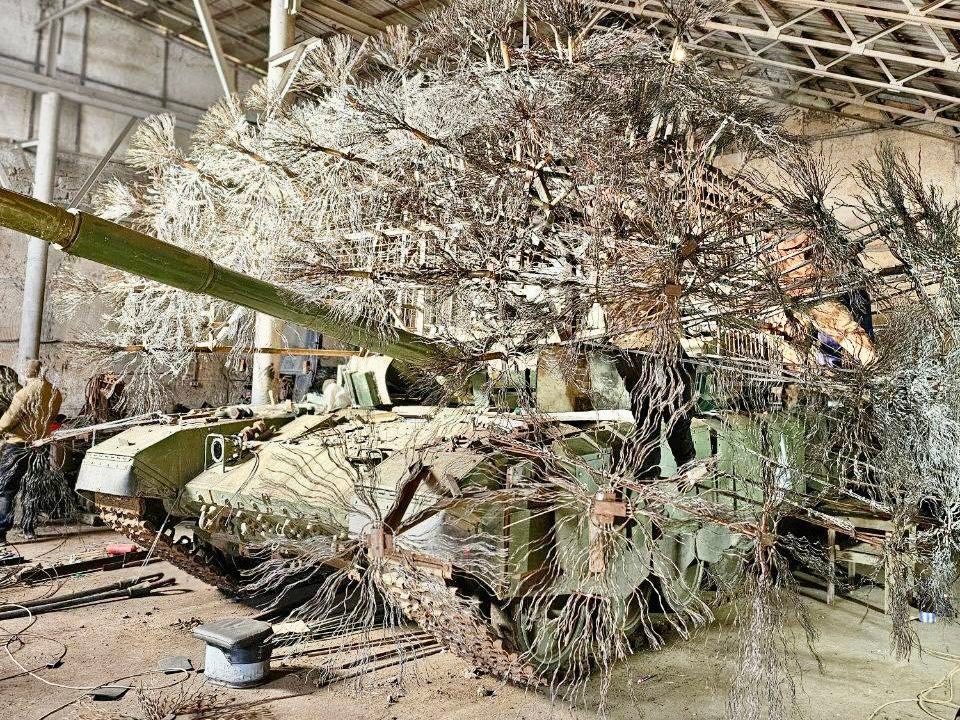
While some of the best-protected turtle, porcupine, and hedgehog tanks have been able to withstand more than 20 FPVs before being immobilized, the add-on metal plates and bars that comprise turtle, porcupine, and hedgehog installations are extremely heavy—and tend to ruin a tank's transmission, weigh on its mobility, and prevent it from rotating its turret and aiming its main gun.
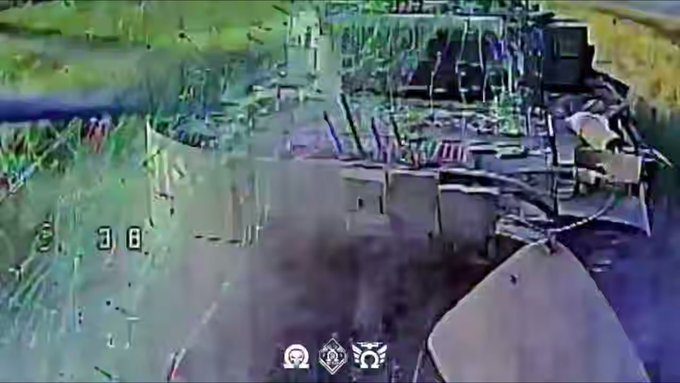
Russia took the cages off its newest tanks. The new Arena-M shield bought them a few minutes.
In other words, the add-on armor prevents tanks from fighting like tanks—using their speed and firepower to close with and destroy the enemy.
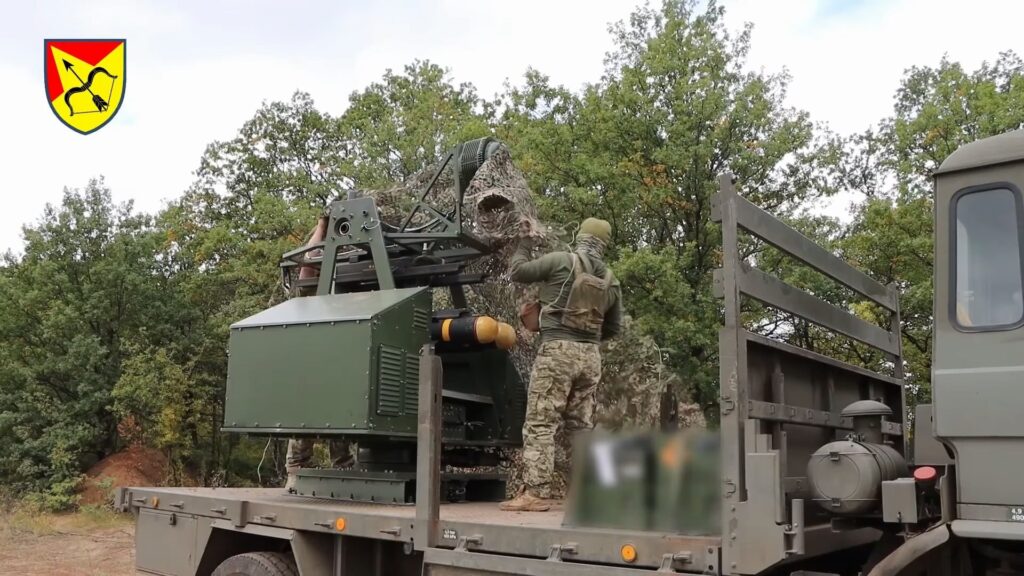
The Arena-M installation is bulky but it's not heavy. With Arena-M, a tank can defend itself from drones without sacrificing its mobility. If an Arena-M had, say, 24 rounds instead of just 12, an attacking tank might be able to fend off drones long enough to reach its objective across the disputed gray zone.
But only barely. "15 to 20 FPV drones to destroy a tank is a perfectly viable rate," Czech analyst Jakub Janovsky noted in a comment on Putiata's social media. "At those numbers, Russia could throw its entire [armored fighting vehicle] fleet at the Ukrainian front line over a few months without achieving much more than creating a future low-grade iron ore deposit."
What if the Russians could fit 36 rounds in an upgraded Arena-M installation? Would that be enough?
No one knows for sure until they try. What we do know is that "the Russian military is learning and is experimenting in how to employ armor on a drone-saturated battlefield," explained Rob Lee, an analyst with the Foreign Policy Research Institute in Philadelphia. "The Arena-M APS demonstrated effectiveness and will likely be improved."
And those improvements could unlock those thousands of tanks the Russians have parked for want of drone defenses.








 Exilenova+

 Mysterious Jet Drone Attacks Ufa